Sep 28, 2026
Learn to Sell First: Pavan's Journey to 25K Followers and Clean's Double-Digit MRR
Interview with Pavan Kumar, Co-founder of Clean
Inside Hacker Houses

0:00 / 0:00
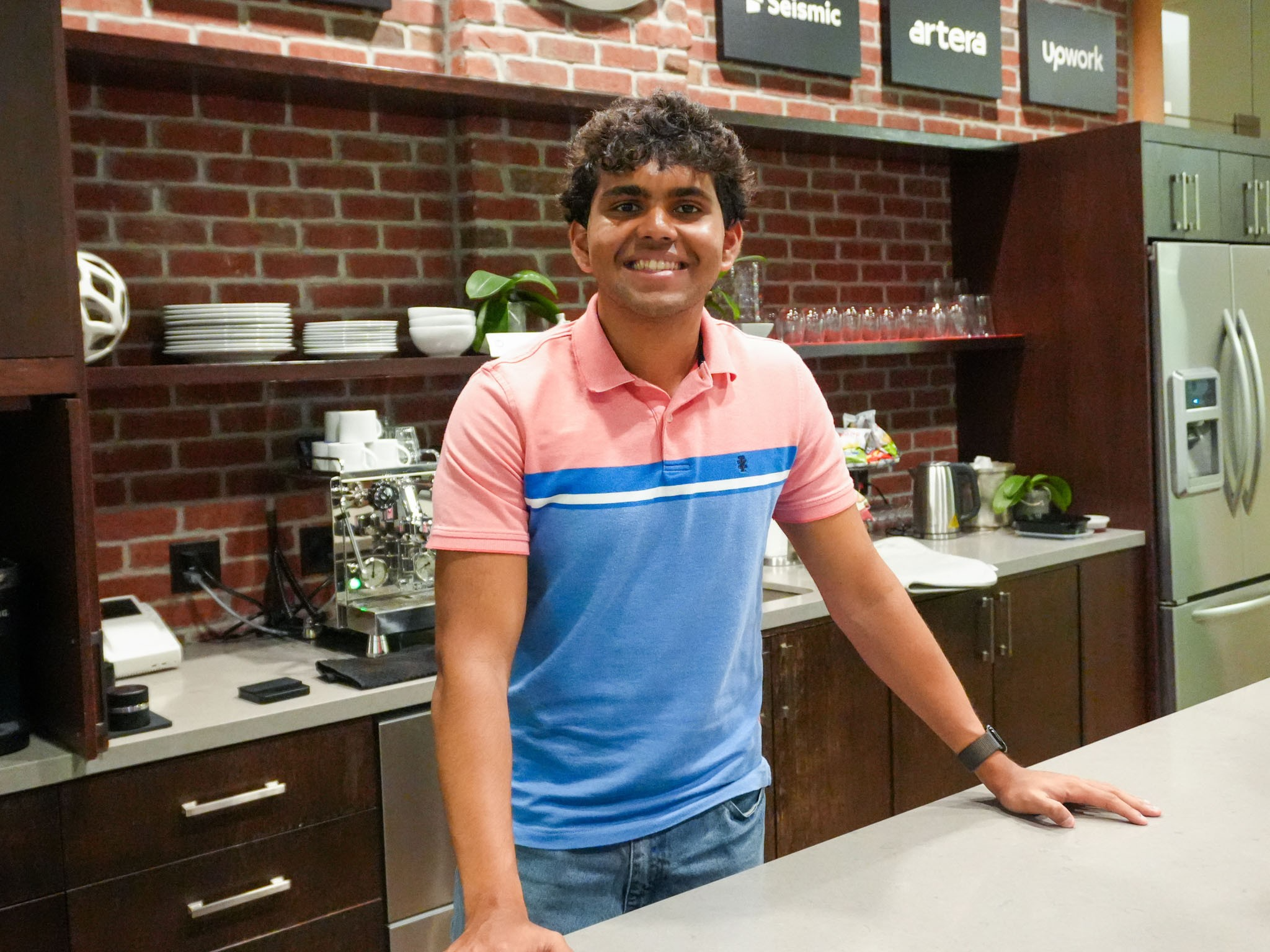
Double-digit MRR within seven weeks of founding. Clean is an AI-native sales platform that predicts when a company is going to buy from you ahead of time. The team currently has triple-digits in the active pipeline, with customer bookings closing in on four-digit MRR. Clean is also one of the few early-stage teams backed by Jackson Square Ventures.
Its founder is Pavan Kumar. 25K LinkedIn followers, college student, and someone who once declined a six-figure offer from a startup. On paper, Pavan seems like he fits right in with the so-called creator-founder mold: people who build an audience first and treat the product as almost secondary to the following. But that wasn't quite the whole picture.
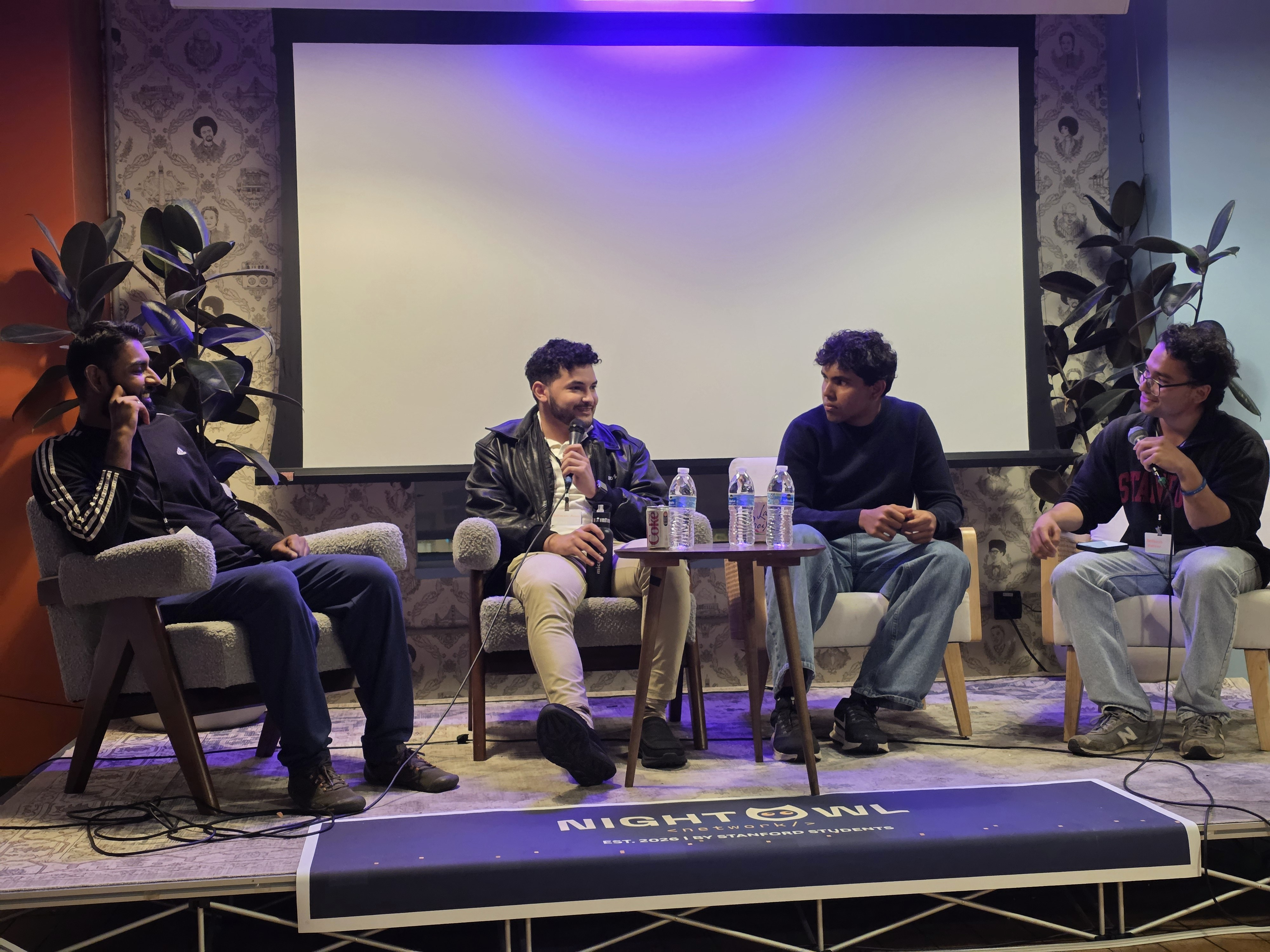
I coincidentally met Pavan at a late-night networking event at Frontier Tower, where panelists from Google DeepMind and VCs were speaking. But one of the panelists didn't show up. When the moderator asked for a volunteer panelist, Pavan didn't hesitate. He raised his hand and began sharing his raw thoughts about startups.
"Everyone in SF loves to give advice. But, just because it seems logical doesn't mean it's right for you. Only you get to decide what's right for you."Pavan KumarCo-founder @ Clean
I'd half-expected another Gen Z founder larping the part, mimicking the energy without much behind it. Pavan wasn't that. In my eyes, he had the boldness that comes standard with young founders. But underneath it was an actual point of view he'd clearly thought through on his own.
I later got to exchange a word with Pavan during the free networking time. A few minutes into that first conversation, I knew Pavan wasn't one of those social-media personalities who'd built a following on rage bait. I asked him for a follow-up interview. He ended up sharing some stories most early-stage founders could learn from.
Learn Learn Learn to Do Do Do
Q: Where did your interest in tech and startups come from?
Pavan: My dad worked in enterprise sales, selling technical solutions to big corporations. From the time I was ten, I followed him around, but I couldn't understand a word he said. I remember thinking, "Wait, I don't even understand the tech. I need to learn it before selling it." Let me understand it well enough to know as much as he does, talk about it like he does, and eventually sell it like he does. That's kind of how my journey started, when I was super young.
By seventh grade, my obsession with learning about my dad's work had grown enough for me to self teach the materials for CCNA, the Cisco Certified Networking Associate exam. It's something people usually don't attempt until their 20s or 30s. That's when I realized: if you strive for perfection, success will follow.
But that obsession with learning changed the moment my family relocated to the US.
Q: What happened when you got here?
Pavan: In India, the cultural script was learn as much as you can and get into IIT. After that, your entire life starts. Here, I was like "Damn, wait. People can actually do something with their lives right now." I realized I didn't have to wait until graduating from college.
Everything in my life was learn, learn, learn. Never do anything with it. It wasn't tied to one specific person or moment. It was American society as a whole telling me: go try things, man. Figure out what you like and what you don't like.
Q: What was the first thing you actually tried?
Pavan: Robotics, and I picked it on purpose because it piqued my intellectual curiosity. Everything I'd done with networking up to that point was digital, not physical. Robotics gave me changes I could see.
My first year was ass. My second year, I made it to the VEX Robotics World Championship. One of 800 teams from across the entire world.
I didn't even know it was a dream of mine going into VEX Worlds. The dreams in India were to do IIT and keep learning. I didn't know what to dream beyond that. Looking back on it now, it was a dream to be in a stage where you could compete on your own skills like that.
More than anything, that was the start of me learning how to sell myself to the world. I told people around me I could do this, and I did.
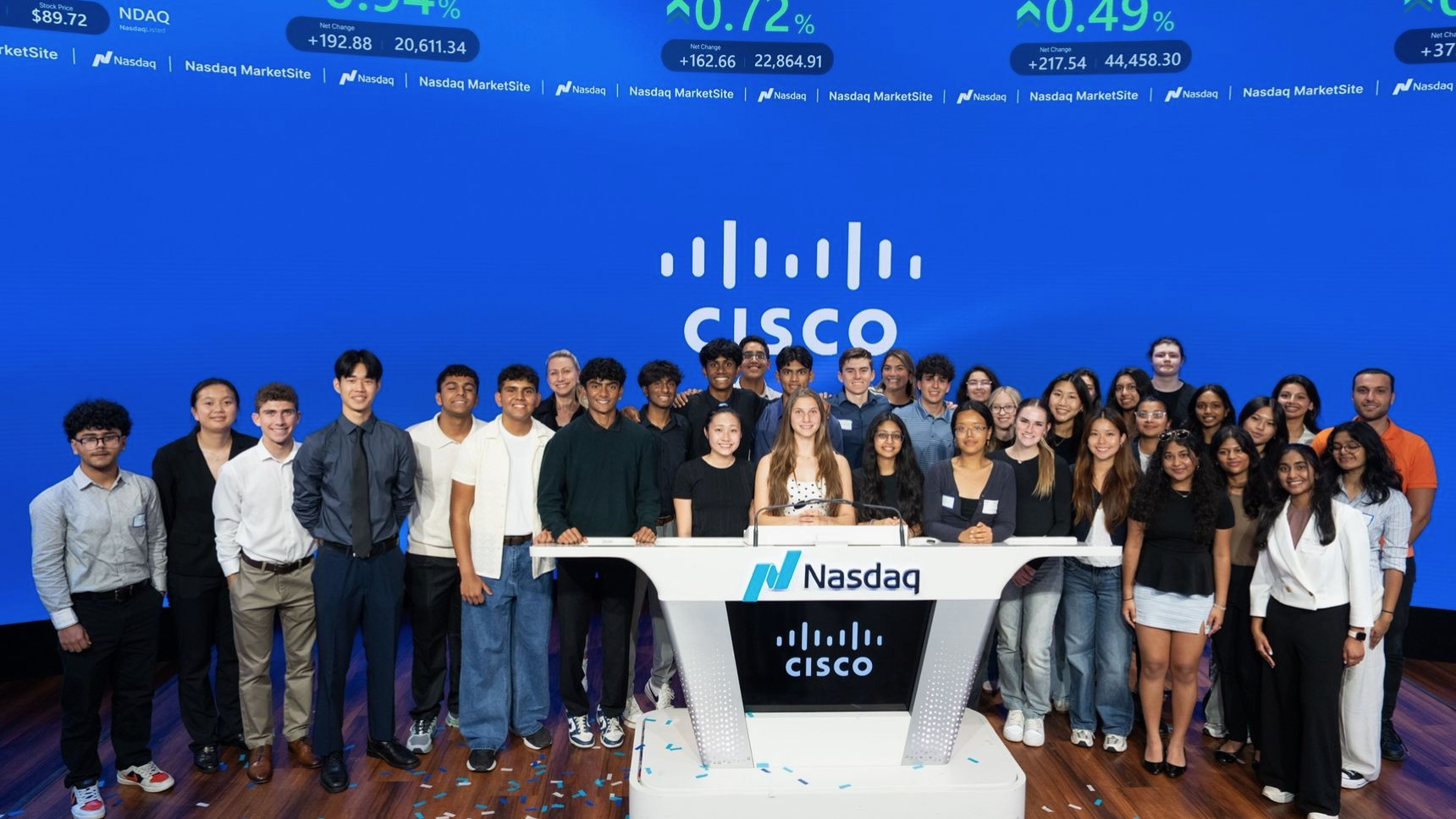
Q: Later you got into Cisco as the youngest intern. How did that happen?
Pavan: I was one of 35 interns selected worldwide, and got flown out to New York for it. It was a last-minute decision, though. I applied at 11:59 p.m. the day it was due. I was like "I'll just try, and if I fail, so be it." But more than that, I wanted to continue along the journey of learning more about how textbook knowledge works at an actual corporation. I wanted to see how my CCNA learnings show up in real life.
Q: What did that internship actually teach you?
Pavan: I ended up working with senior VPs there. We helped bring in Scripps Health, a hospital provider in San Diego, as a client during that internship. We got through to them through a director at Cisco, and they described their problem to us.
We built and sold them an actual solution, and it confirmed something I already believed going in. Sales is about understanding their problem well enough, and giving them the solution. Find a great problem, solve it, and hand it over.
Turning Down the Six-Figure Role
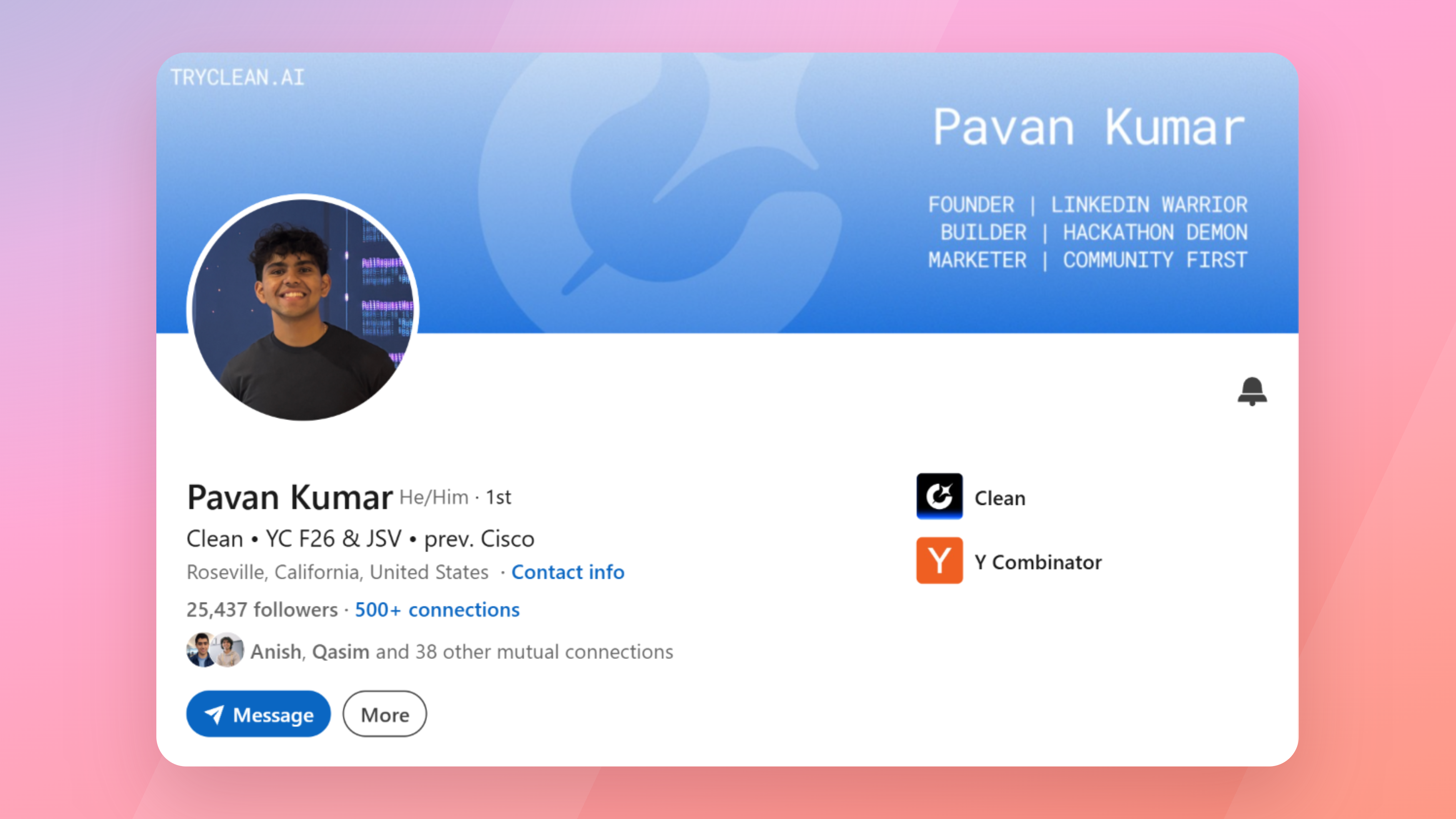
Q: You started your LinkedIn posting while working in Cisco. What made you start posting and how did people react?
Pavan: During my time at Cisco, I was getting more and more knowledge. I thought, let me go and share it with the world. LinkedIn was where I started.
The first 3 months were painful. My friends were like "why are you doing this, man, there's no point to this... you're just spamming." Some of them even blocked me. But that fueled me to do it more. I had this belief that I could create demand in a space nobody else was paying attention to. From there, what matters is having the nerve to keep doing it, even when people are pushing you out of it.
It was out of a pure experiment. No growth strategy, just documenting the day-to-day. There was no single aha moment where it clicked. Looking back, everything I have now is just compound interest on all the small things I kept doing.
Q: How did that belief eventually pay off?
Pavan: When I'd reached about 4,000 followers, an unsolicited DM came in asking for my insights. Around then one of my posts had gone viral: the night a friend and I randomly knocked on Cluely's office door at midnight, and their COO let us in for a full tour. It was crazy because I was still an emerging creator, and Cliqk reached out to bring me on.
I hopped on a call and told them what I knew. Cliqk brought me on as a founding creator.
Q: What was it actually like at Cliqk, and what did you actually do there?
Pavan: I didn't see myself as a growth or marketing person going in. But I loved doing it at Cliqk.
During that time, Cliqk was working on MyArena, the biggest LinkedIn creator competition ever run on the platform. The campaign carried a $10,000 prize pool. It generated 20 million views and brought in more than 10,000 users through the competition alone. I was there for it, my first look at a full startup experience.
"Bro, you're killing it," they told me. Three or four months in, Cliqk made me the official growth person. Five months in, the CEO called and promoted me to head of community. Through this, I realized that if I put my mind into something and put everything I have into it, I can make things happen.
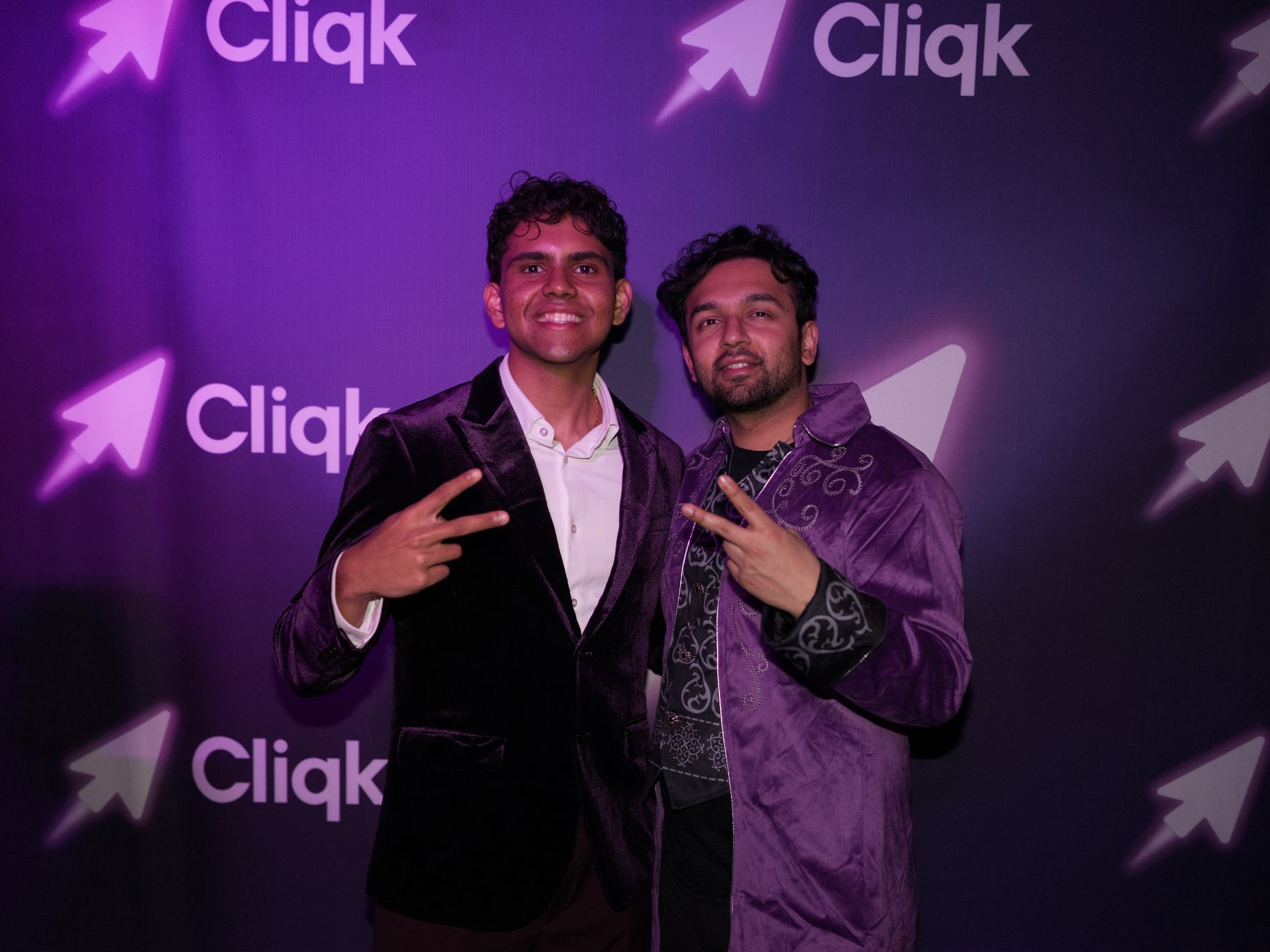
Q: What was the biggest lesson you took away from your time at Cliqk?
Pavan: The biggest one was about creativity and timing. You have to be clever, time things well, and stay creative to stand out in the market. I tried to learn more about marketing and connect with great people, but the tactics themselves weren't what stuck with me.
What actually carried over was watching the team, the speed and efficiency Cliqk operated with as a startup. They knew how to shape the narrative and present the company in a way that landed with both the market and investors, and that's what let them grow so fast.
Cliqk had access to a lot of capital and the latitude to do whatever it took to deliver results. Cliqk eventually offered me a six-figure role to stay. But I declined the offer.
Q: That's crazy, what made you turn down the six-figure offer?
Pavan: Cliqk was one of the craziest experiences I've had, and I loved it. But I found myself asking, "Do I want to do work for somebody else, or push myself to see if I can do something on my own?" That's when I realized I wanted to keep learning about entrepreneurship, something I'd always been interested in.
"We Are Already a Series-A Level Team"
Q: Walk me through how your current team actually came together.
Pavan: Me and Clarissa, my other co-founder, knew each other from UCSD. We went there together. The other two co-founders I'd known from India, but I'd never met them in person until we all landed at the same hackathon.
It was called Nexthacks, in Pittsburgh, the biggest hackathon in the Midwest. We built a product together there that ended up winning: WashedMCP, a token-efficient semantic code search server. And because of our hackathon video, one of Jackson Square Ventures' partners reached out to one of my co-founders. We ended up being the first team Jackson Square Ventures recruited into the second cohort of their Summer Launchpad program.
Q: Where did the idea for Clean actually come from?
Pavan: Clean's first product helped startups build faster on the platform. When we pushed further through cold outreach, the hard part was never the pitch. It was knowing who was in a buying window. The only way to see that was buying piles of data and stitching it together by hand. That broken visibility was the opportunity we saw.
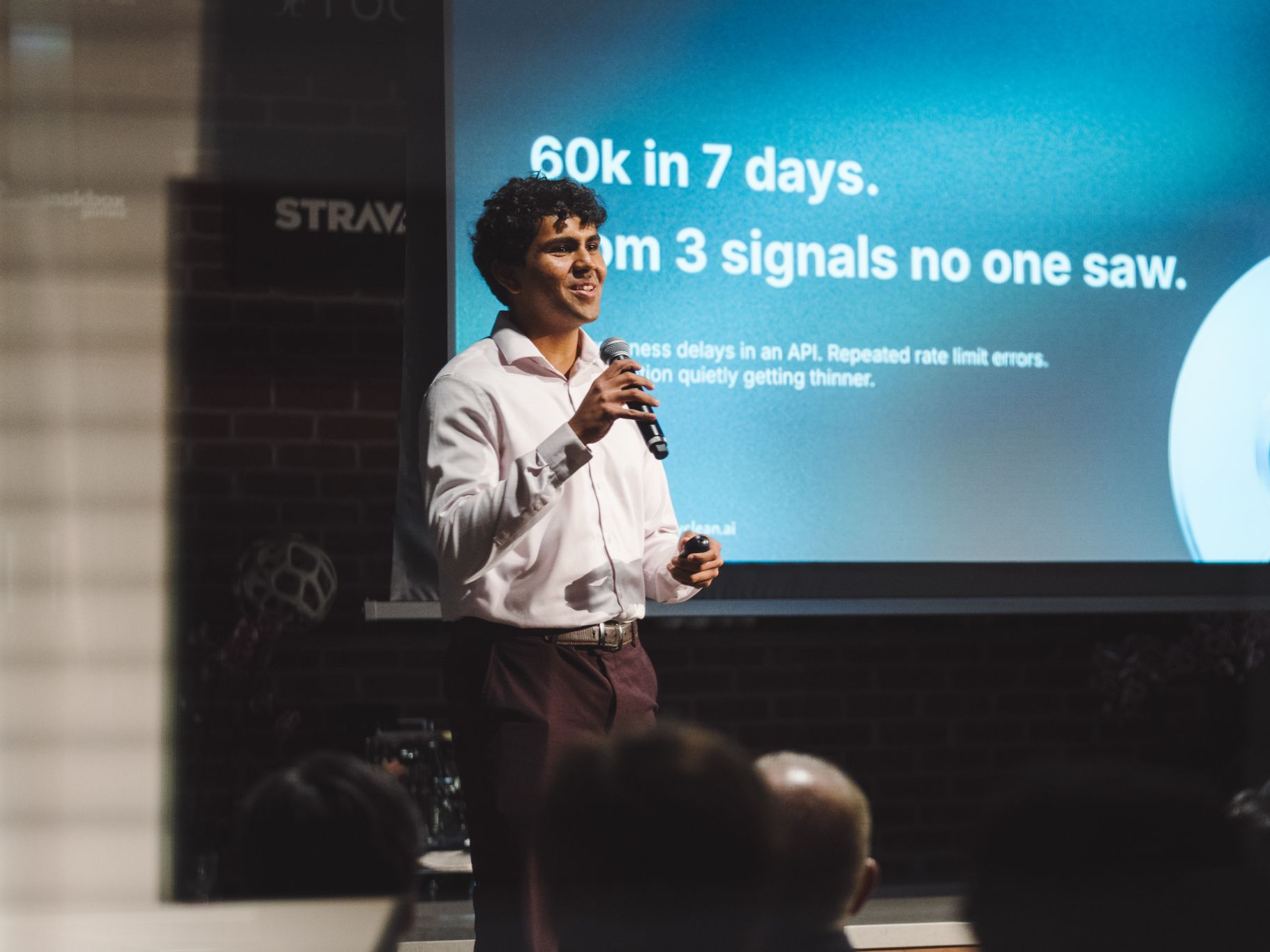
The real gap turned out to be intent data. Companies were spending thousands of dollars without seeing a positive return. Clean's focus shifted toward that problem, and its product was developed over eight weeks that summer. One customer closed $60,000 in a week using the product, the signal to go all in.
Q: Break down what Clean actually does and how it works.
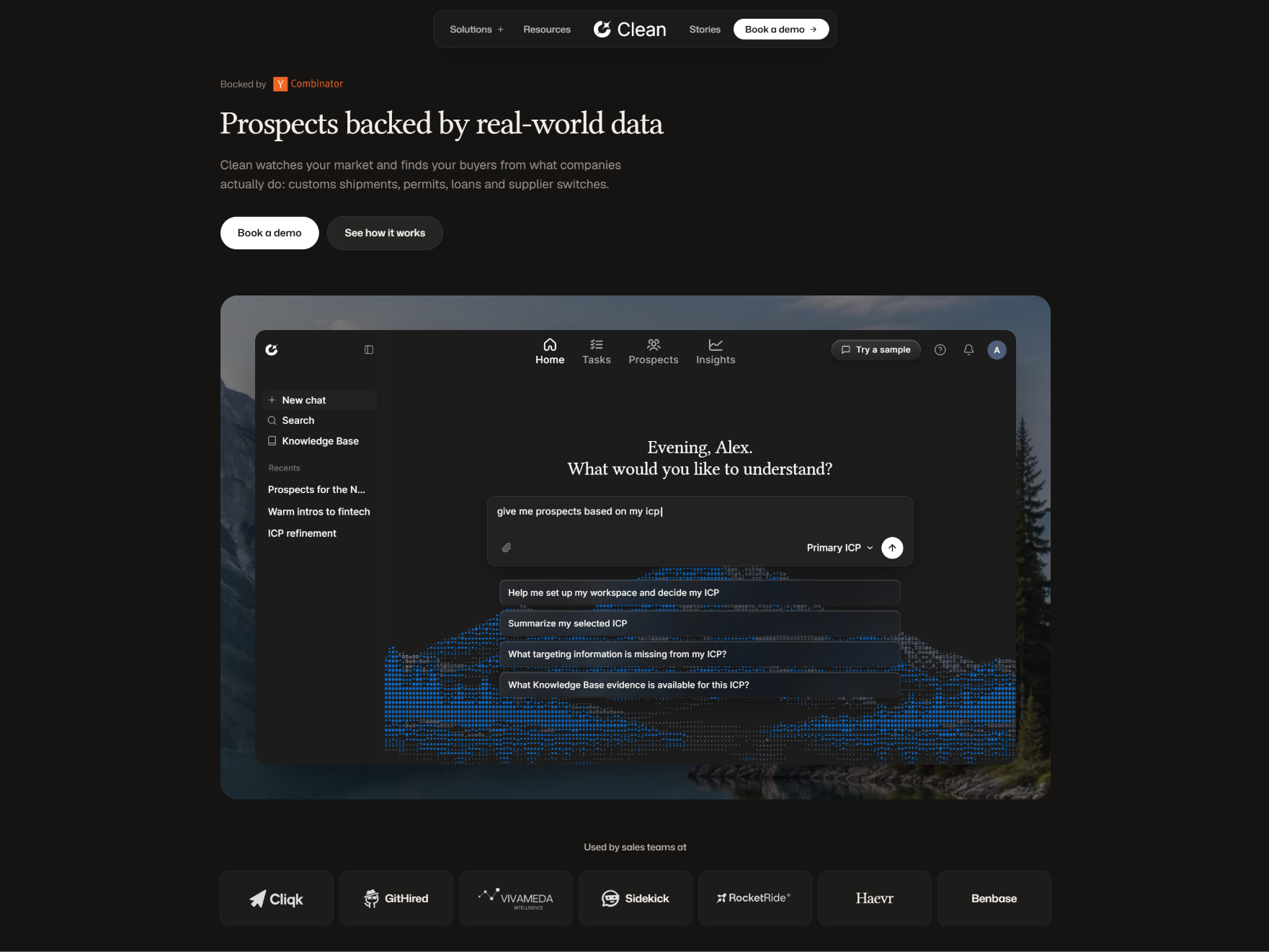
Pavan: Clean is the intent-data layer for AI agents. It looks at less-obvious market microsignals, beyond familiar events such as fundraising and hiring, to understand the story forming around a company. It uses that context to predict when the company is likely to buy. It helps sales teams and agents choose the timing and strategy, and the messaging and problem to address.
Q: Could you share Clean's actual traction so far?
Pavan: We got our first paying customer seven weeks before this conversation. Since then, we've hit double-digit MRR, and we've got triple digits sitting in our pipeline right now.
This approach has only been viable because of how prevalent AI is and how fast we can build with it. Up until now, nobody could build something like this, because the tech wasn't ready. We think what we're building is going to be instrumental in this industry. It's a super exciting time.
We say we're a Series-A-level team already. We don't need to recruit more engineers right now. We already have the technical ability to scale. And we can sell faster too. Our team is equally strong in tech and in sales, and that combination lets us grow and sell faster than anyone else in this market.
Q: Introduce me the co-founders of Clean.
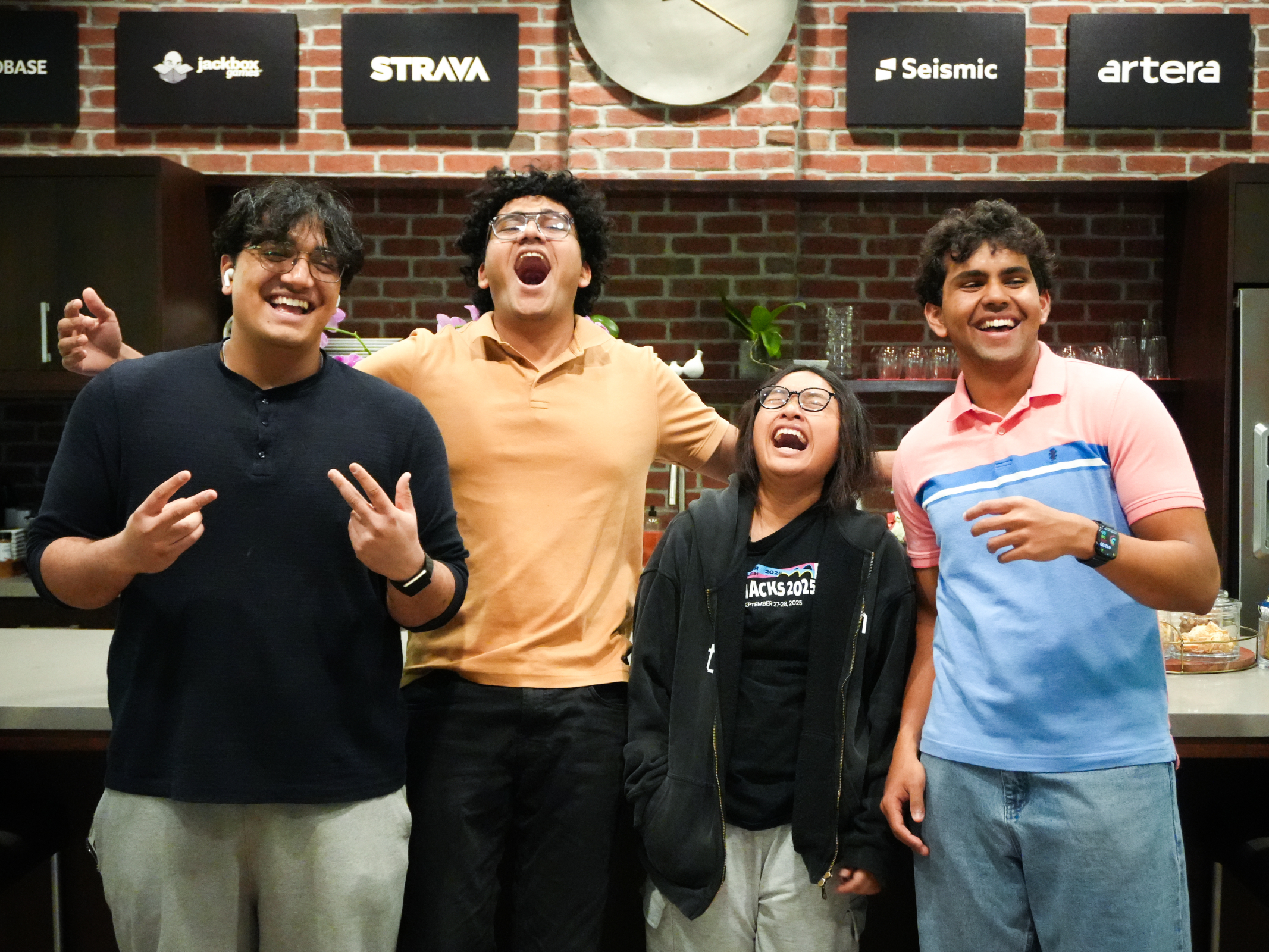
Pavan: Tejas, my co-founder, scaled a previous startup to $40M. He's technical too. Clarissa is an international physics olympiad winner with more than 150,000 followers on social media, and she's super technical as well. Pratham worked at India's top CS lab, funded by the richest man in the country. He worked alongside IIT people there, and he's in the process of publishing a journal. Between the four of us, we're a technical team that's also genuinely good at sales, which is the exact combination this market is missing right now.
Together, our skillsets fit the current sales industry space better than the one we'd started in. Our mission is now more aligned as a team.
Q: What is the actual mission, and what you think you have that competitors don't.
Pavan: Clean wants to end the volume era of sales. Right now, cold email reply rates have fallen from 8.5% in 2019 to 3.4% now, and they're still declining. AI SDR companies have 50~80% churn. People think building an AI SDR is easy and just go build one, but that's not what actually succeeds. What succeeds is learning everything about a person's company and their specific problem, then solving it. Hyper-personalization, really getting to know everything about a company's problems, is a better approach than spray and pray.
Over the summer, our vision got bigger. This industry spends $4.5 billion a year on intent data, and only about 24% of that spend produces any positive ROI. More than it is a prospect problem, the problem in this industry is data. It's dirty data. It gets fed into companies that end up not getting the results they want.
What we want to become is the intent-data layer, not just for human sales reps but for AI sales agents too. The same dirty-data problem is going to hit agent-based selling as it scales. We don't just want to surface high-quality prospects. We want to tell companies why, when, and how to approach them. That's true whether you're a small startup or a big enterprise that already has contracts in place and still doesn't know why it isn't selling more. As of now, we're focused specifically on nailing the transaction window: figuring out precisely when a company is ready to buy. That transaction window is what Clean is focusing on building right now.
Turning down the $1.2 million round. Now heading to YC.
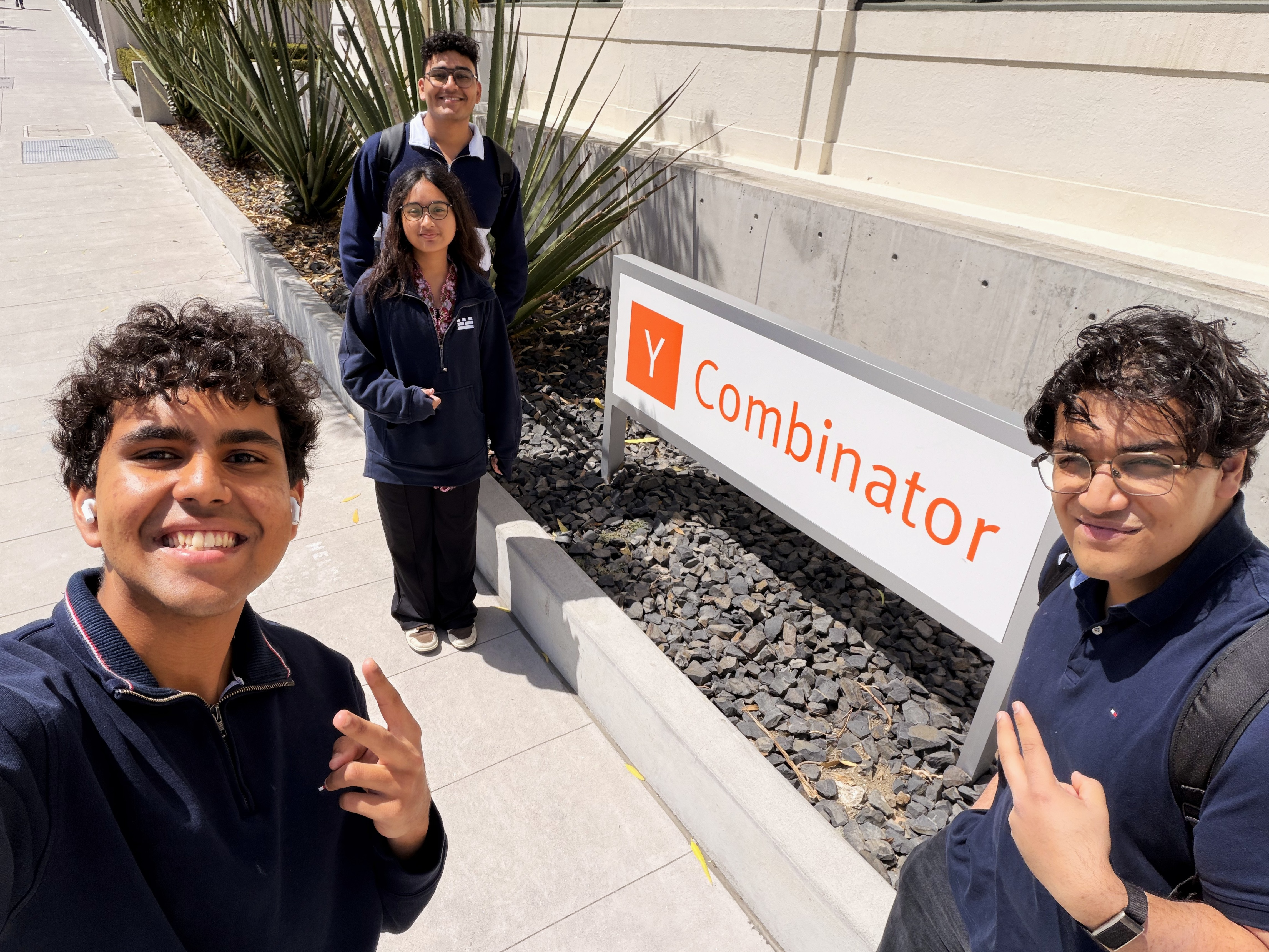
The summer that started as an attempt to experience what startups was gave conviction to Pavan and his team to take a step further. Heading towards the JSV demo day and seeing the traction Clean was getting, they have officially decided to commit to become founders. Clean got accepted into YC Fall 2026 and started their batch this week.
Q: You just got into YC. Could you share your path into YC, and the decision behind it?
Pavan: Clean's fundraising started once the company hit double-digit MRR. It brought in several term sheets from angel investors and institutional VCs. The round was around $1.2 million, oversubscribed on what Clean was raising.
But then we applied to Y Combinator two weeks after the deadline had already passed. One of the founders in the current batch told us to apply anyway. So, on a whim, we did. Thankfully we got the interview slot that same weekend, at 12:01 a.m. on a Sunday.
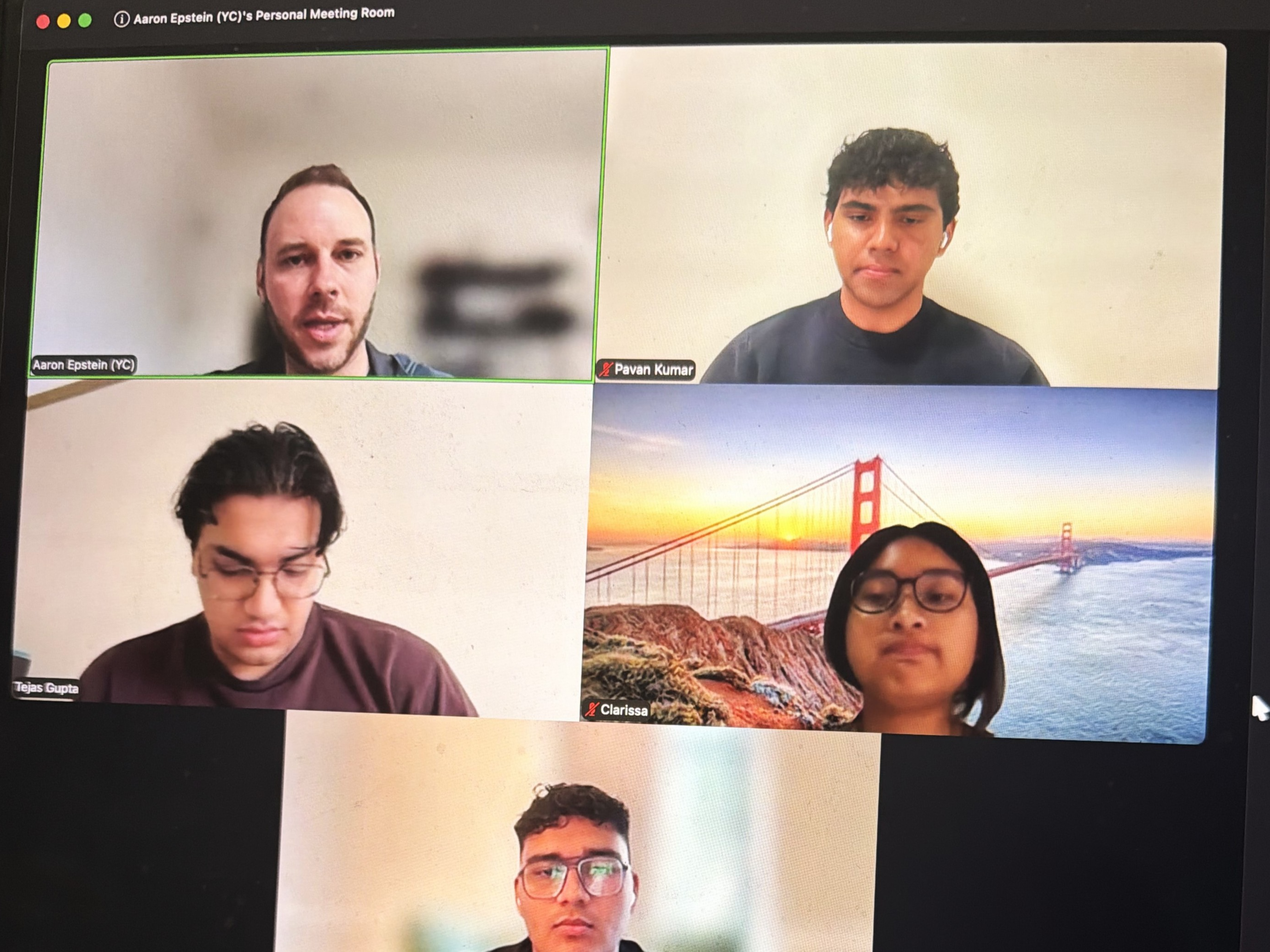
Aaron Epstein interviewed us and he loved us. But the process was hectic. Most YC founders get a same-day decision. Ours took four days, for reasons he never explained. He ran full diligence on everything we'd told him, and sent a request Thursday morning to join a meeting. That day was our last day and our demo day at Jackson Square Ventures. So in the middle of a hurry, we joined the meeting.
A few minutes into the meeting, he said: "Okay, great. Do you guys want to do YC?" One of my co-founders said yes instantly.
Q: But why go through YC at all, given you already had traction and an oversubscribed round?
Pavan: I love that question. While we were fundraising, we thought, "Is money really what we need right now?" Money at the end of the day is a commodity. What we want is a partnership that helps us scale faster.
Sales tech is a brutal market, and only the people with the right access and reputation have been able to win. Clean had the tool and the proof; access to the right network could help it scale faster. YC's entire strength is the network. It carries a lot of weight. We figured if we played our cards right and hit the right revenue metrics, we could get to the next level faster.
Q: What are Clean's goals for this YC batch?
Pavan: Simple. Clean now has the YC network, advice, and experience behind it. It aims to grow 10X from where it is right now. I want to see it show the world that this is worth pursuing and that Clean can change the way sales is done.
Advice for upcoming founders
Q: Does your instinct, learn everything before you do anything, still show up in how you think about entrepreneurship today?
Pavan: At the end of the day, you have to start with a mission you believe in, and then help your customers realize that vision with you. The learn-learn-learn thing is still true for me. It's learn, then do-do-do. That part hasn't changed. Now it's a combination of doing both at the same time.
That mission plays out in two-hour calls with customers, where we learn their workflow from start to finish. It's a process that's unlocked things the team never thought were possible. Clean keeps a running list of about 100 questions, revisiting them with every client two to three times a week.
Q: What's it actually like living together as a team?
Pavan: We initially stayed at Superhero hotel, and have since moved into our own place. The Clean team stays together. This is the first time we've lived together as a team, and it's a lot. Being able to be in person with people that you can learn & grow with is something not everyone gets. There's so many arguments, so many discussions, so many talks about how this company is going to succeed.
So many 4 a.m.s, so many all-nighters. The team doesn't take a 9-9-7 rhythm for granted. It's more like 9-12-7, where every breathing moment is startup. It's exhausting to a certain point, but fulfilling too, especially when the team sees a customer's face light up as the product delivers.
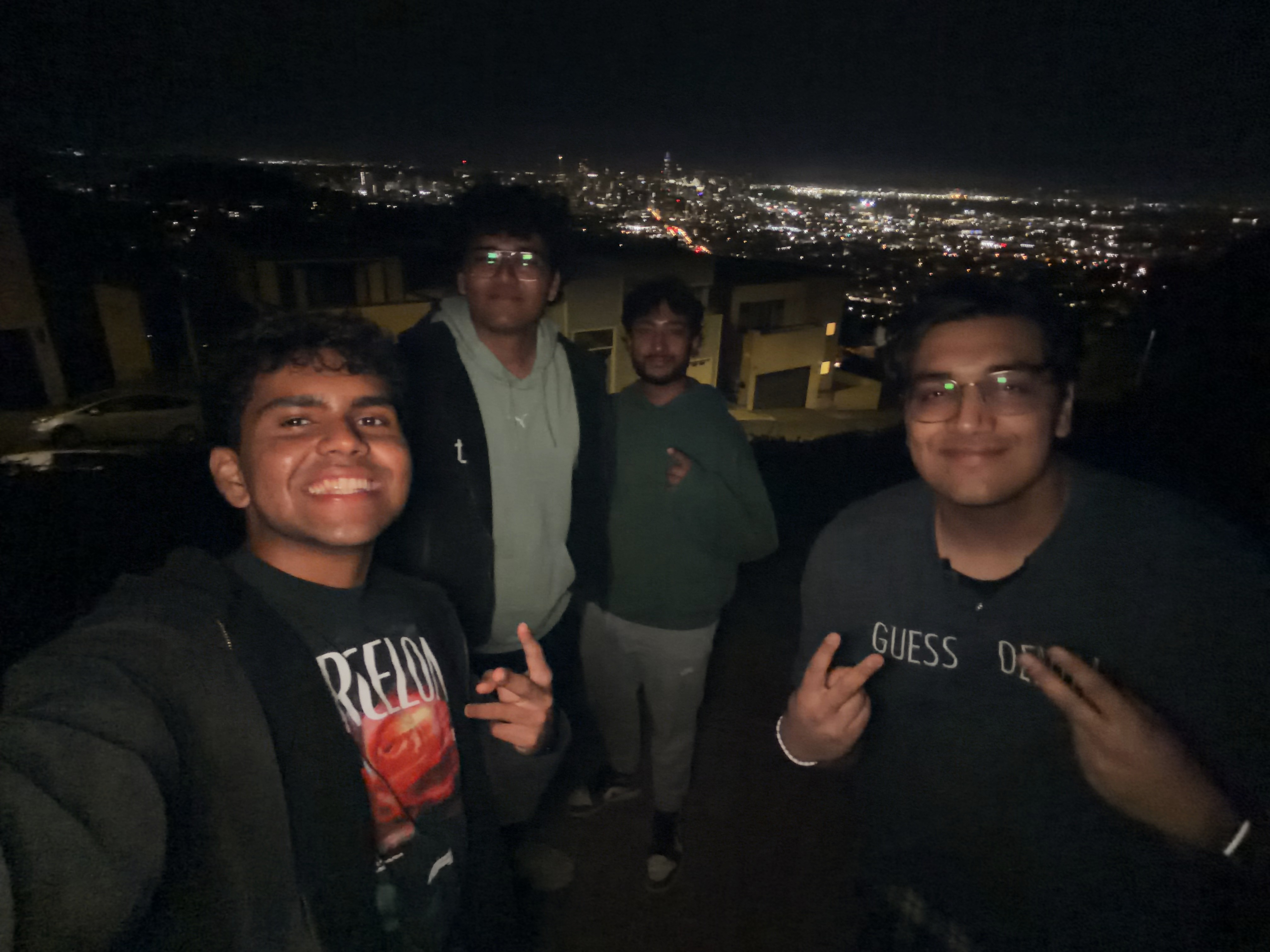
Q: How has being in SF actually impacted you and your team?
Pavan: The space and the community we belong to also have a big impact on us. We've learned from and built community through Jackson Square Ventures' Summer Launchpad program. We are also staying at a hotel just for founders. The people we run into here give us a lot of inspiration. It's a heaven for wisdom.
Only in SF do you randomly meet someone who'd exited a company twice and gotten flown out to the Emirates by the billionaire friend who acquired him. Experiences like that unlock a lot for us early-stage teams. All of us are just situations away from our best self, and this is the best place to make those happen. That's what I'm truly grateful for.
Q: What advice would you give to founders a step behind you?
Pavan: Just because advice is logical, doesn't mean it's right for you. I had to learn that the hard way. Everybody in SF will give you great, logical advice, and it still might not be right for you. The people who actually succeed are the ones who make their own.
I've gotten hated on and pulled a million views on X, just for being Indian, just for existing. I've gotten my mentors to hate me. I've had people come up and tell me they love what I'm doing. Others give me a dead stare and call me a LARP.
Some of the pillars I stand for are being respectful and humble. But I'm also not afraid to show my ego when I need to, and to hide it when I need to.
Be as opinionated as possible. Be contrarian. Be unique. Get scolded, get all the bad things that happen to you. Be ruthless about getting the results you need, and be kind to yourself at the same time. Get good at shape-shifting. Become good at it, because if you can't, you won't survive.
💡
Learn More about Clean
- Pavan Kumar - CEO & Co-founder
- Tejas Gupta - Co-founder
- Clarissa Aurelia Nahid Saputra - Co-founder
- Pratham Patel - Co-founder
- Homepage | tryclean.ai