Aug 19, 2026
"People Are Stupid Here": How a Turkish Trio Is Breaking Into San Francisco
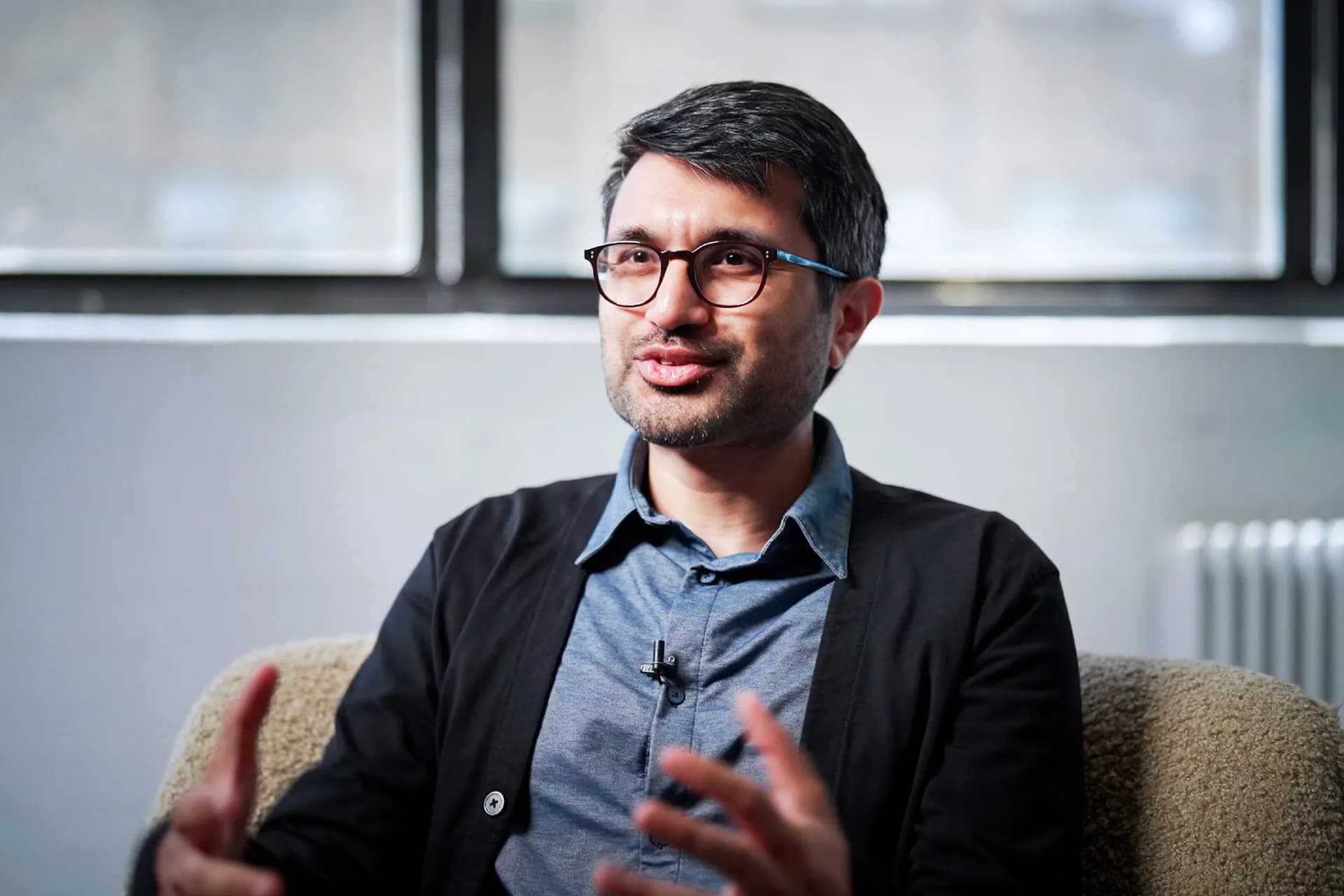
Interview with Deniz Soylular, Mindra Co-founder
Inside Hacker Houses

0:00 / 0:00
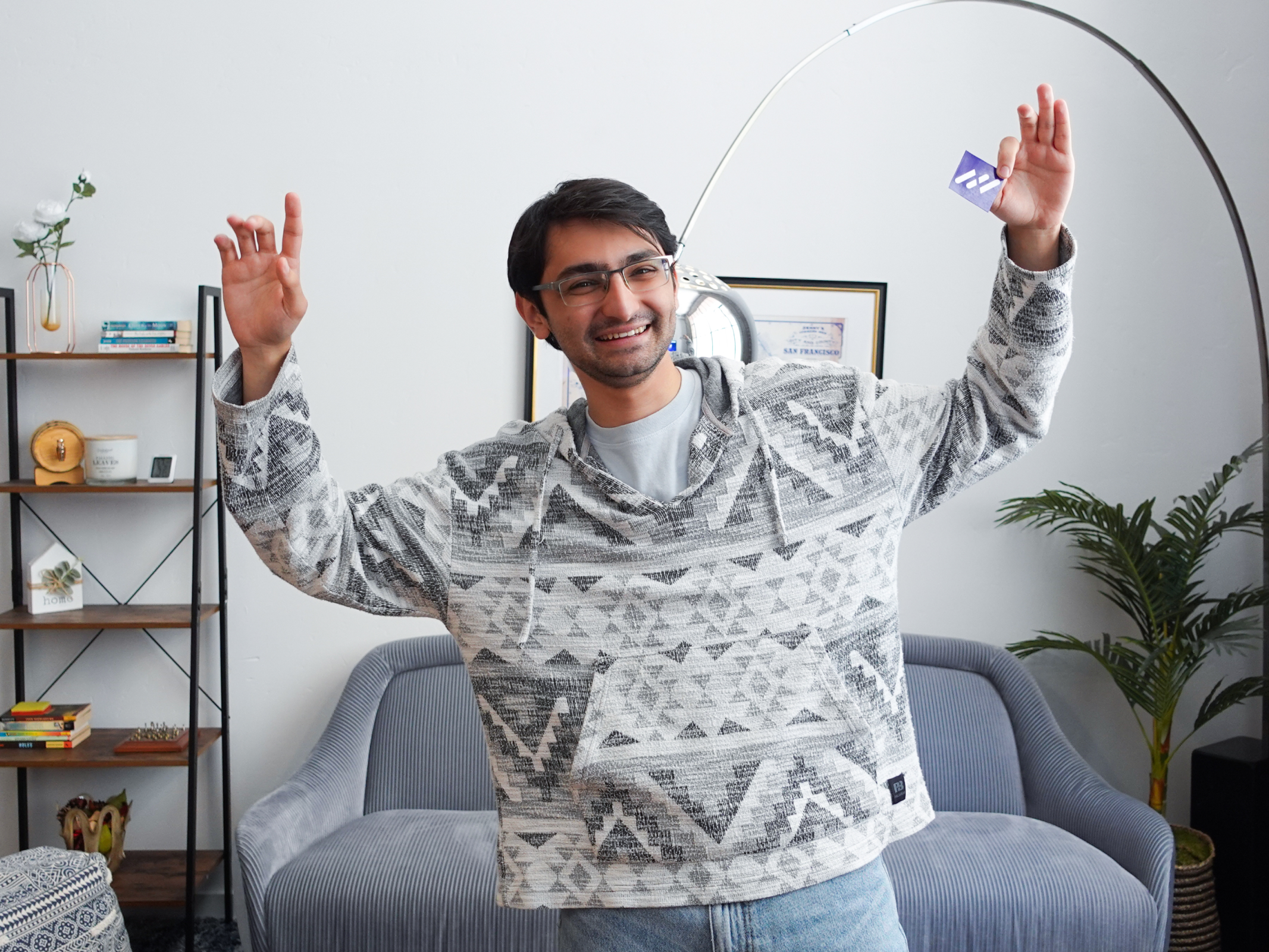
"Oh, people are stupid here. They don't understand shit."Deniz SoylularCo-founder & CPO of Mindra
As a young immigrant founder in San Francisco, you need to be bold enough to look down at the big names. Even if the company folds in a few months. Even if it's an attitude you'll cringe at looking back. That kind of brashness is what moves early-stage teams forward. Mindra, and its co-founder Deniz Soylular, is exactly the type.
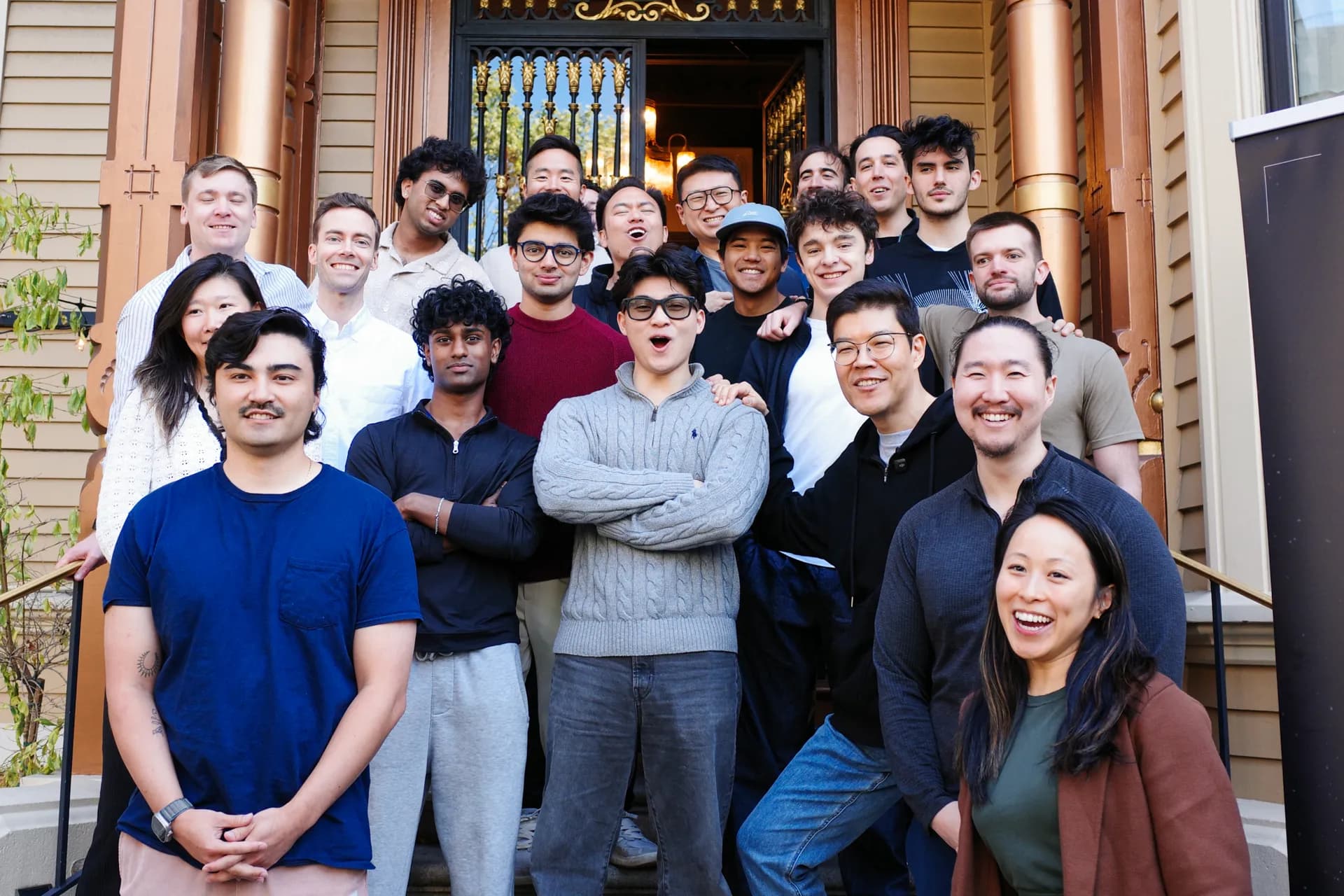
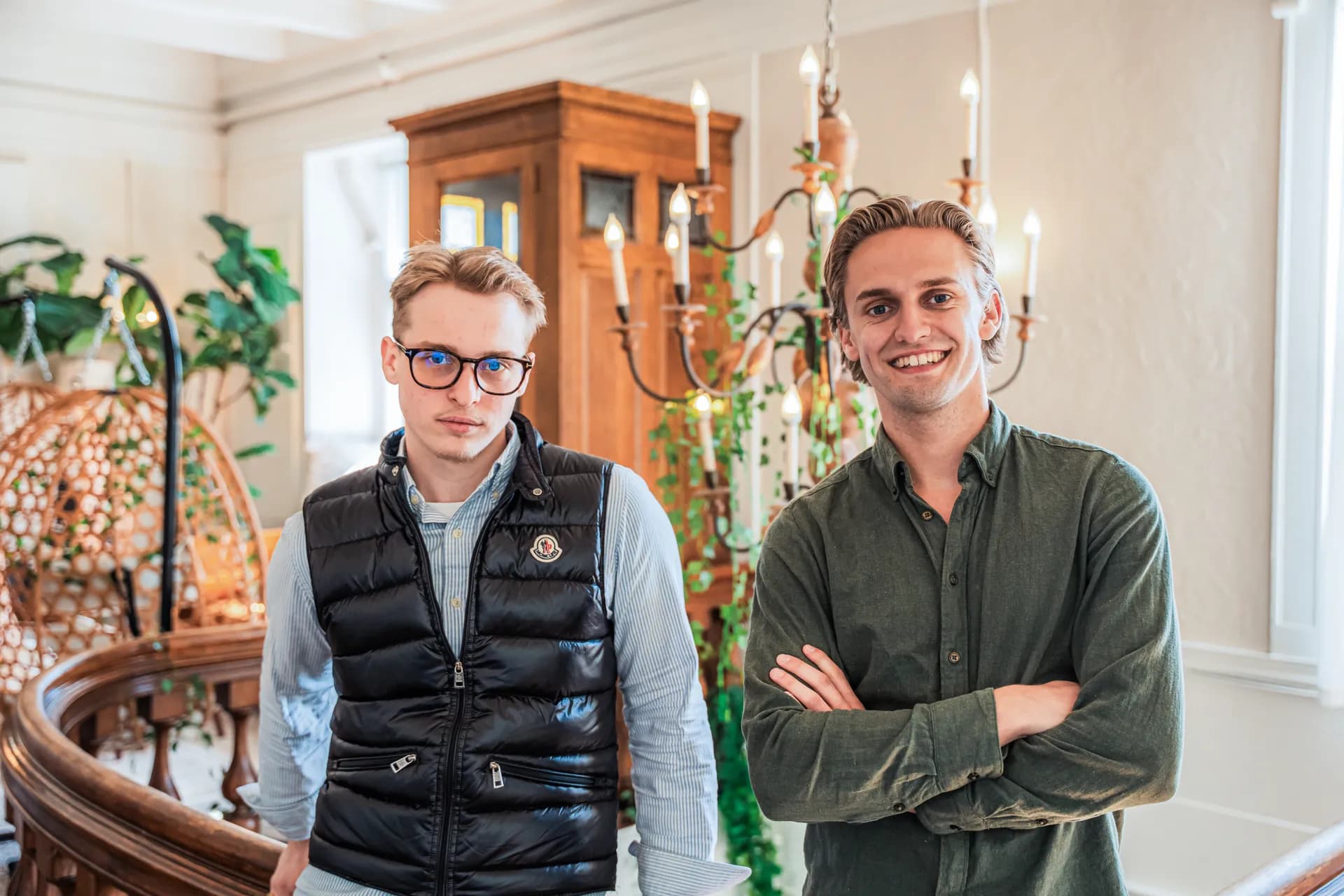
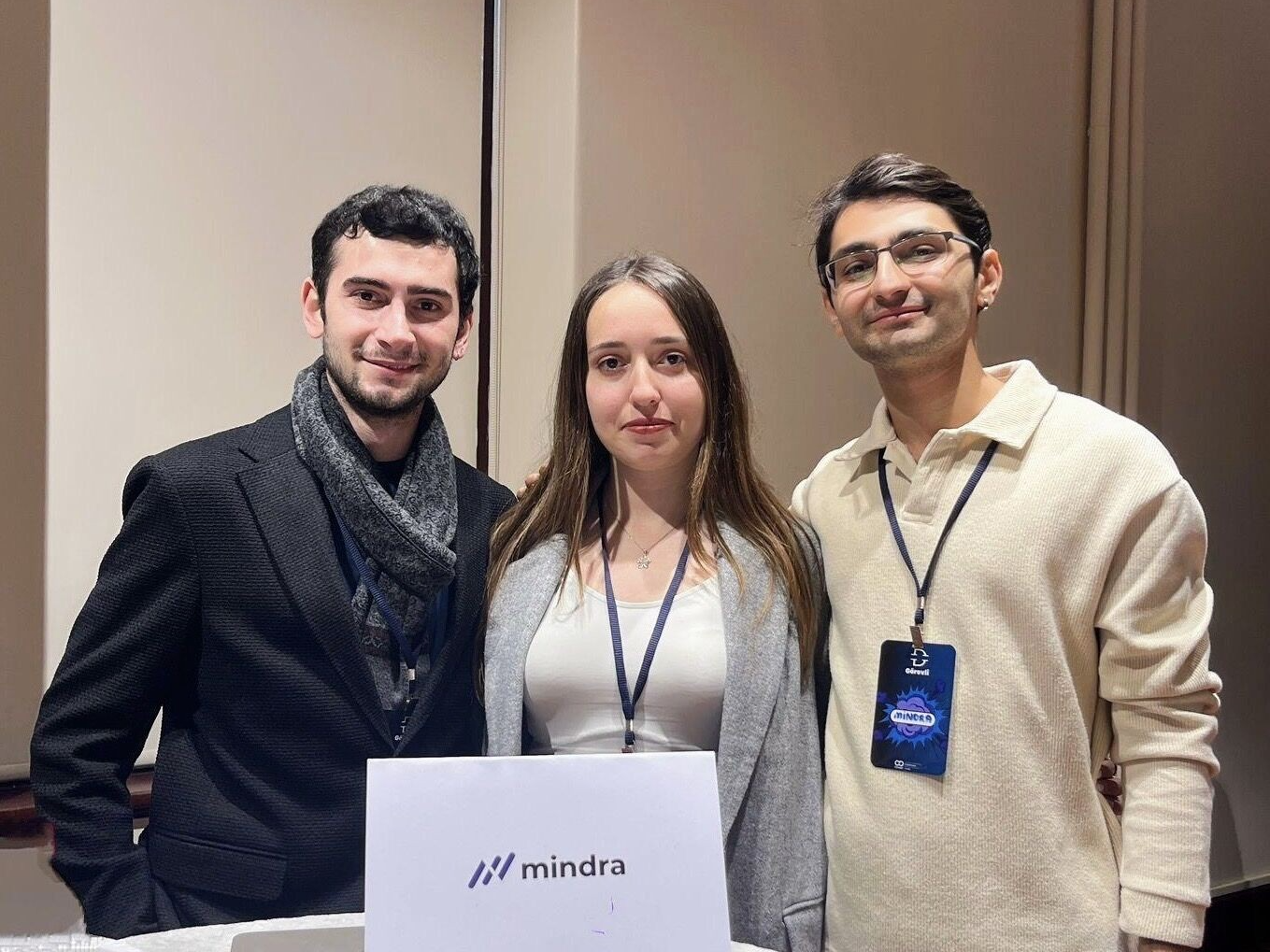
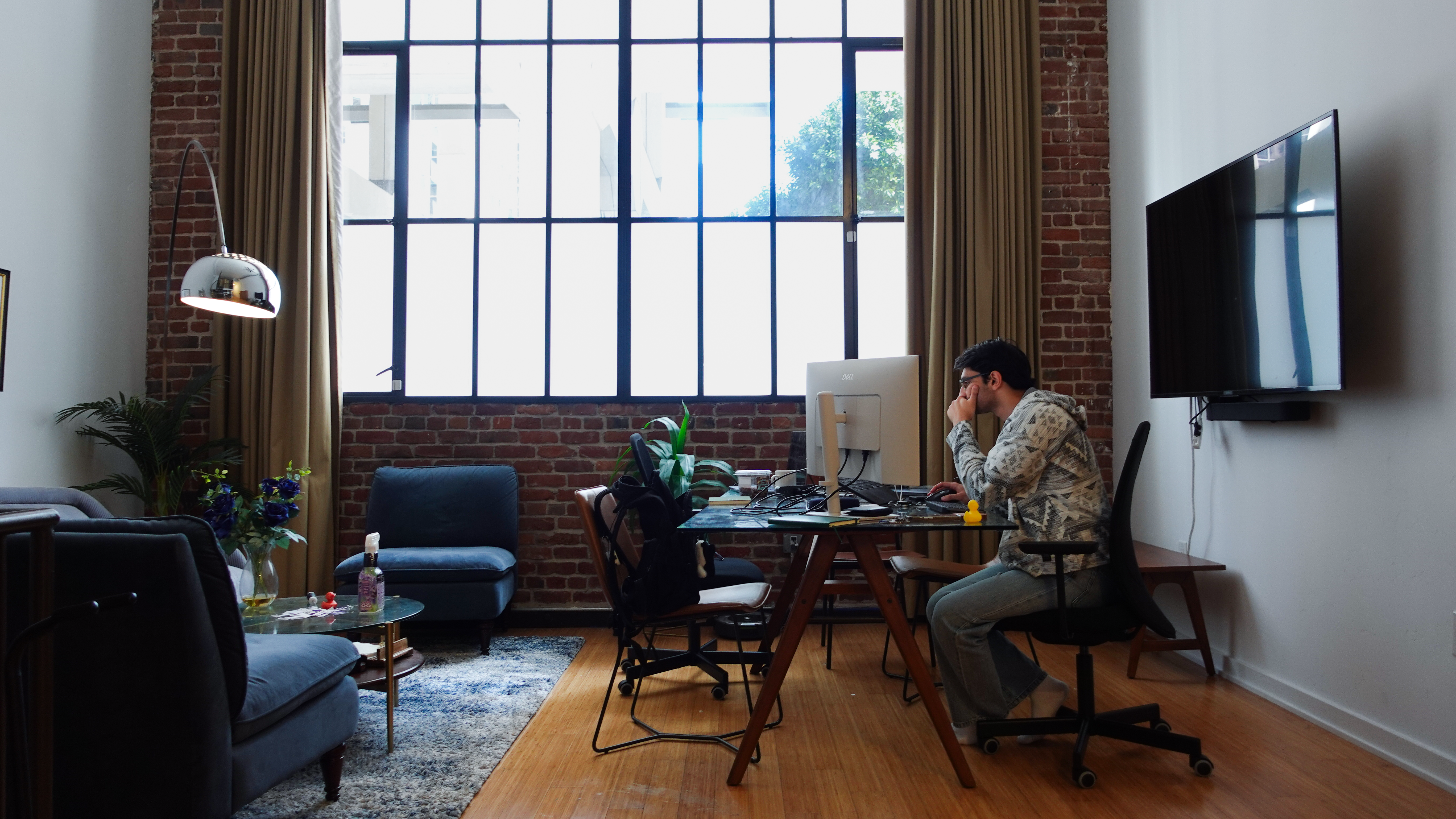
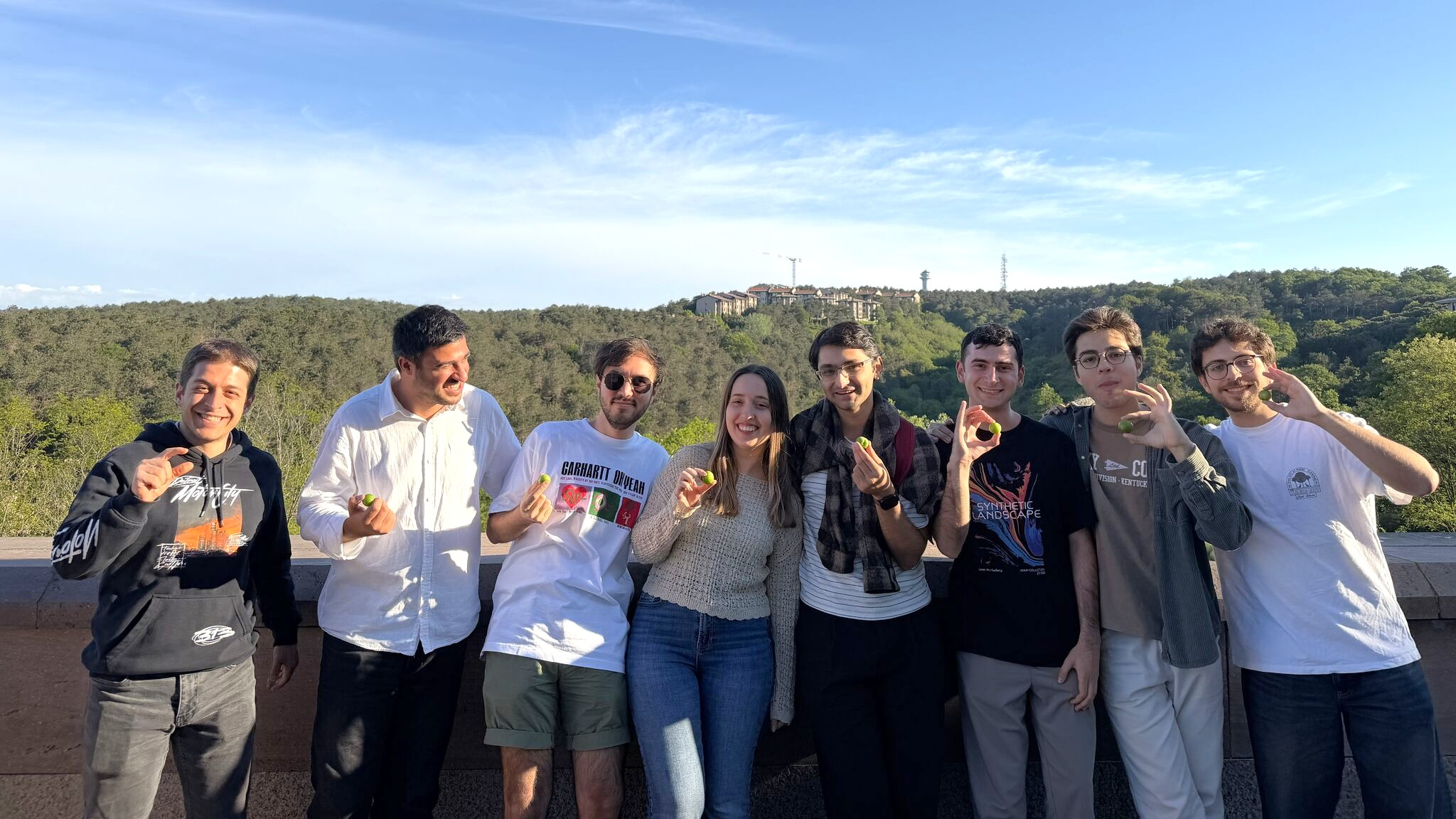
The Turkish trio: Deniz (CPO), Zeynep (CEO), and İlker (CTO) are the co-founders of Mindra, an agentic orchestration platform for non-technical users. Users can simply describe the goal in plain language, whether that's managing ad campaigns, SEO, or GTM strategy, and Mindra assembles a coordinated team of AI agents to get it done.
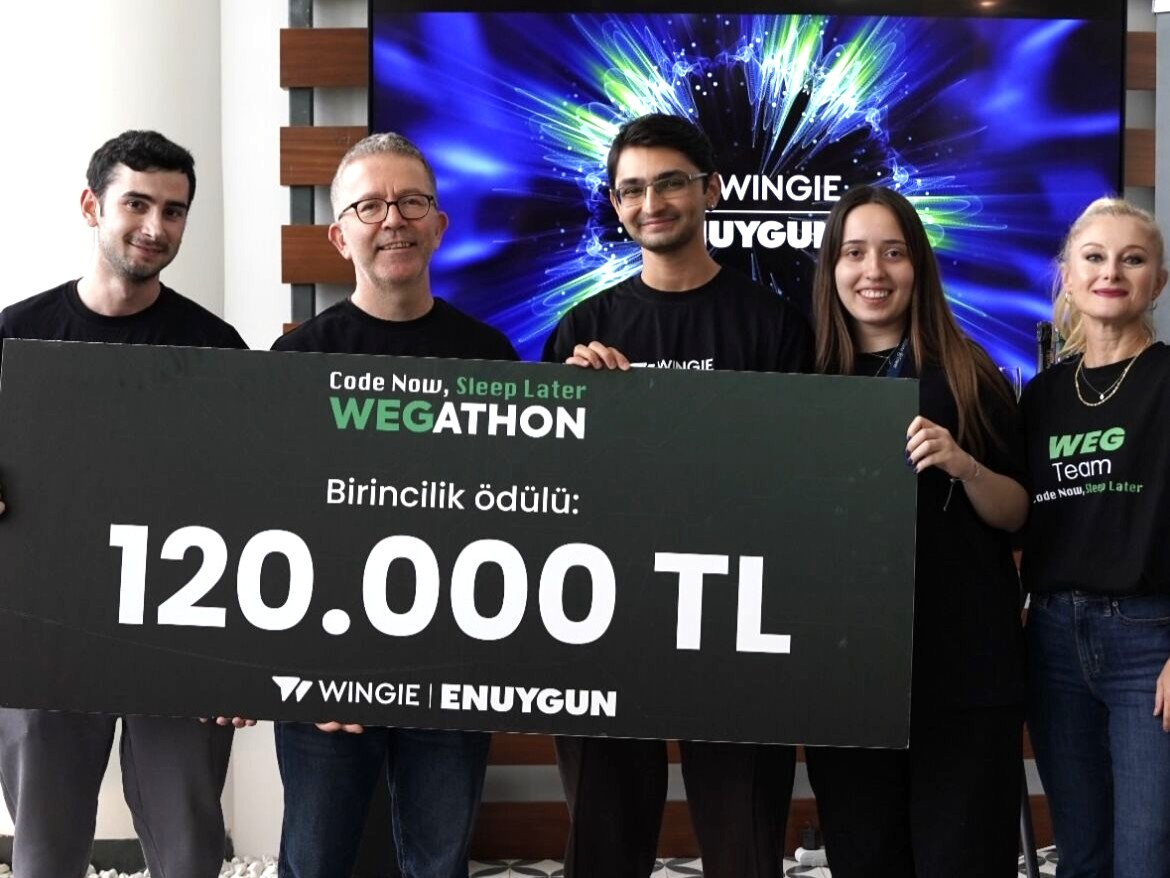
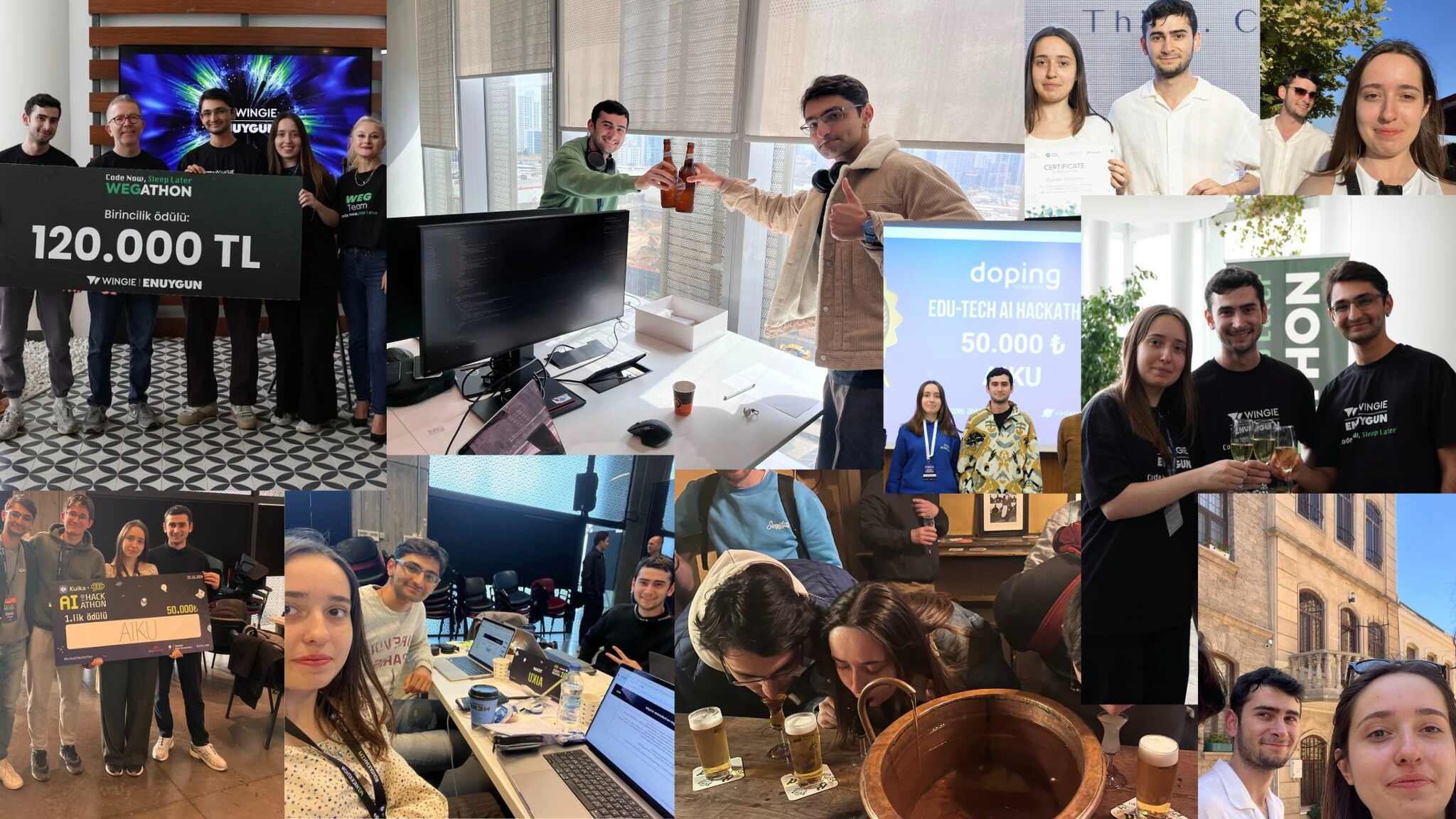
The trio met at college and spent years sweeping hackathons across Türkiye together before raising $1.2 million in pre-seed funding. They had no product and no revenue when the fundraising happened. In San Francisco terms, that check size might look small. But it was a national record for Turkish pre-seed funding.
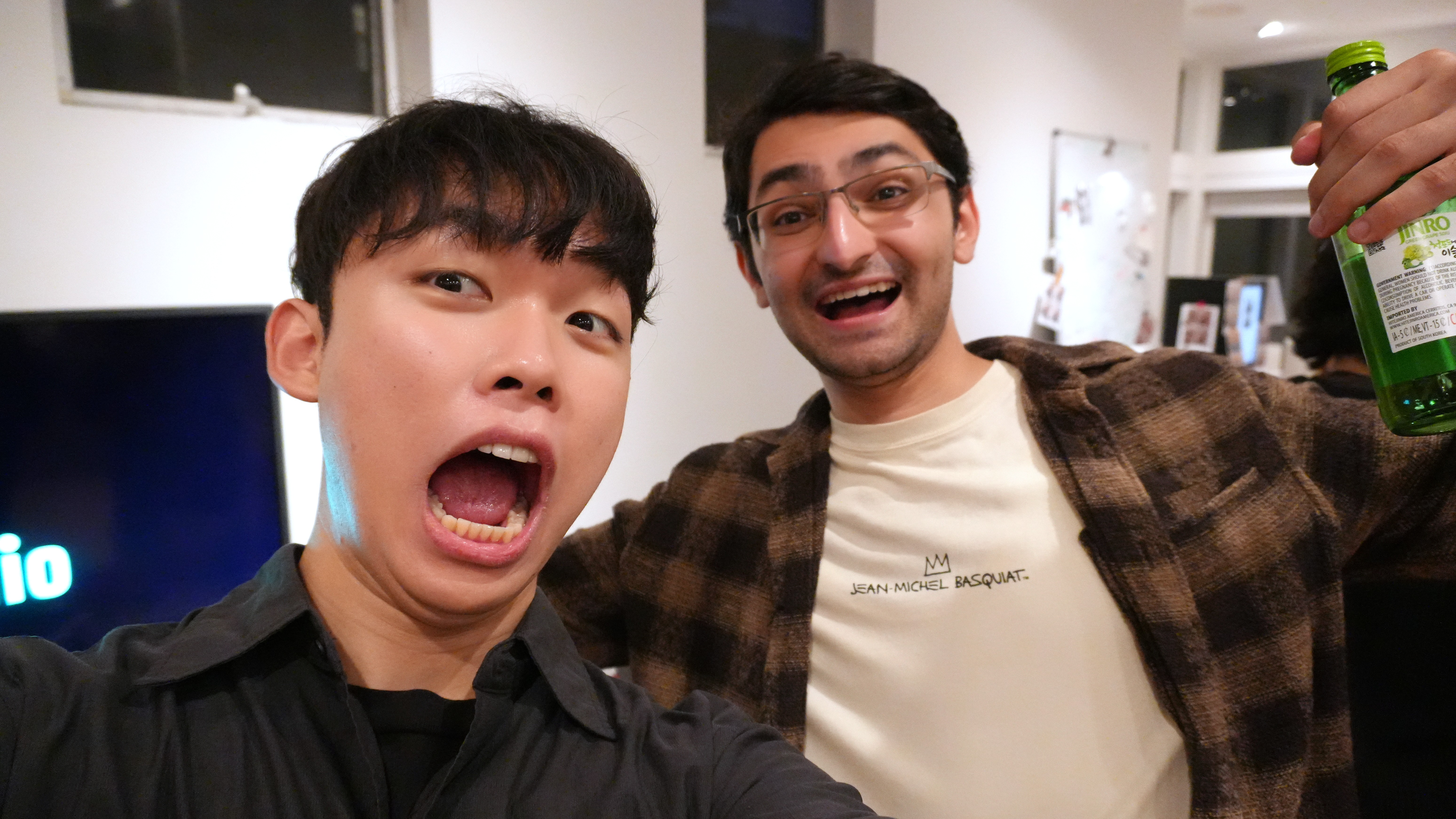
I met Deniz at a Korean barbeque party at EO House a few weeks ago. He was looking for beer. But I handed him a whole bottle of soju instead (sorry bro). Since we bumped into each other, we traded quick introductions of what we each do. When I told him I interview early-stage immigrant founders, he responded immediately:
"Elite immigrant founders living in a hacker house? Bro, you should interview us."Deniz SoylularCo-founder & CPO of Mindra
So over a bottle of soju and a plate of Korean barbeque, we started talking about how the trio met, how they operate as immigrant founders, and their journey following the heartbeat all the way to San Francisco, the center of the tech industry.
The Biggest Pre-Seed Round in Türkiye
Mindra has three co-founders, and by the time any of this started, they were already a tight, tested unit. Before becoming co-founders, they were a hackathon team. And even before that, they were just friends from college who bumped into each other on their first day in school.
Q: You three didn't just start working together for Mindra, right? Take me back to how you actually met.
Deniz: Zeynep and I met on the first day of college, same orientation group. İlker and Zeynep actually met before college, at a camping trip, without knowing each other beforehand. But our real introduction, the professional one, happened through hackathons. Zeynep introduced me to İlker at one of them, and we ended up winning almost every one we participated.
There wasn't a single moment where we looked at each other and thought, we're good as a team. It was gradual. It escalated until we felt, "When we attend together, we always win. So maybe we should do something bigger than hackathons." Our first attempt was a fashion startup. I still think the idea was good, but it didn't have product-founder fit. Yet it still was a good experience validating us three could work as an actual team beyond hackathons.
Q: How did the fundraising happen, and what actually convinced them to write that check?
Deniz: TQ Ventures, a US based VC firm, gave us the $1.2 million pre-seed check. We were pre-revenue, but more importantly, we were pre-product.
The investors reached out to my CEO, Zeynep, first. They'd come across a LinkedIn post praising her and got curious. Looking back, we realized how investors are actively trying to hunt good people to fund. Early stage founders often think they have to chase investors down. It's frequently the other way around.
What convinced them wasn't the idea. When you start a startup with just an idea, you're most likely wrong. You haven't talked to a single user yet. What an investor actually wants is a team that iterates fast and has real chemistry. They bet that we would figure it out, independent of what we pitched.
Q: Your friends and family must have had a reaction to that number.
Deniz: When I told people close to me we were in talks with this VC, they asked how much. I gave them the number, and they said this would be a pre-seed record in Türkiye. Did I know that? No, but apparently we were. It was a huge surprise for my friends, for my parents, everybody. It was a great feeling.
For context, most Turkish pre-seed funding runs through a government program at around $44,000 to $45,000 per company. Mindra's round was roughly 27 times that, and privately raised.
Q: Was doing a startup even a normal thing to consider in Türkiye?
Deniz: Not really. Even at my own prestigious university, the expected path is a stable engineering job, ideally abroad at some global firm. Entrepreneurship isn't common. Every summer, I'd go back to my parents' place, and my father would ask the same thing. "Computer science and startups? Sure, but what are you actually going to do?" It got a lot easier to explain once we had the funding.
Q: For context, could you describe the Turkish startup ecosystem?
Deniz: Compared to Europe, Turkish founders are closer to the American risk-taking mentality. I think the reason is economic. If your life is already comfortable, you don't have much motivation to spend twenty hours a day on something like this. Türkiye also has more than 80 million people, which is a real advantage over a market like the Netherlands. It's a place to build from before you scale into the MENA region or Europe. There's still a lot to figure out, but compared to Europe, it's a good ecosystem.
Following the Heartbeat
Q: When did Mindra, and the problem you wanted to solve, actually come about?
Deniz: When we first started with Mindra, no one was doing orchestration, because no one could do it. We considered reinforcement learning, but that's a costly route. But when Claude released all these great models in November 2025, everybody could technically start to orchestrate. But being able to and actually knowing how to were two different things.
So when we got the funding, we were pre-product, but that was the idea we wanted to test: real orchestration for non-technical people. Agents talking with each other instead of just answering one message at a time.
Q: You got this idea back in Türkiye. Why not build it there instead?
Deniz: It's because the heartbeat is here in San Francisco. We want to be at the frontier. As a team, when we're talking to someone outside, we're humble, we explain what we're doing. But internally, we are very egotistical. If somebody asks me, are you going to compete with Claude? Sure, bring them on. I don't care.
There's a version of this where you go to the US, learn the ecosystem, then bring it home and build for Türkiye. That's a valid path. Mindra isn't doing that, at least not at this stage. We're competing at the frontier. You cannot compete with that mentality while you're in the wrong place for it.
Q: So there was no hesitation of moving to SF at all?
Deniz: To be frank, I had real impostor syndrome during my flight here. I remember thinking, "Oh my god, I'm going to this place, I'm going to be nothing there."
But two or three weeks in, it flipped. "Oh, people are stupid here. They don't understand shit."
That's not really about anyone being unintelligent. What we do is specific enough, and we're good enough at it, that I realized we're operating at a genuinely global level. It was a relief, especially next to other founders at the same stage as us, just off a pre-seed and heading toward a seed round. You realize you're actually doing pretty well.
Two things did throw me off, though. Food. I still miss Turkish food, and I'm still finding good places here. And the weather, they call it Karl the Fog. It was strange needing long sleeves in the middle of summer. San Francisco's homeless population was a real culture shock too, especially around the Tenderloin. But none of that changes how much I love the energy of this city.
Redefining "AI Agents"
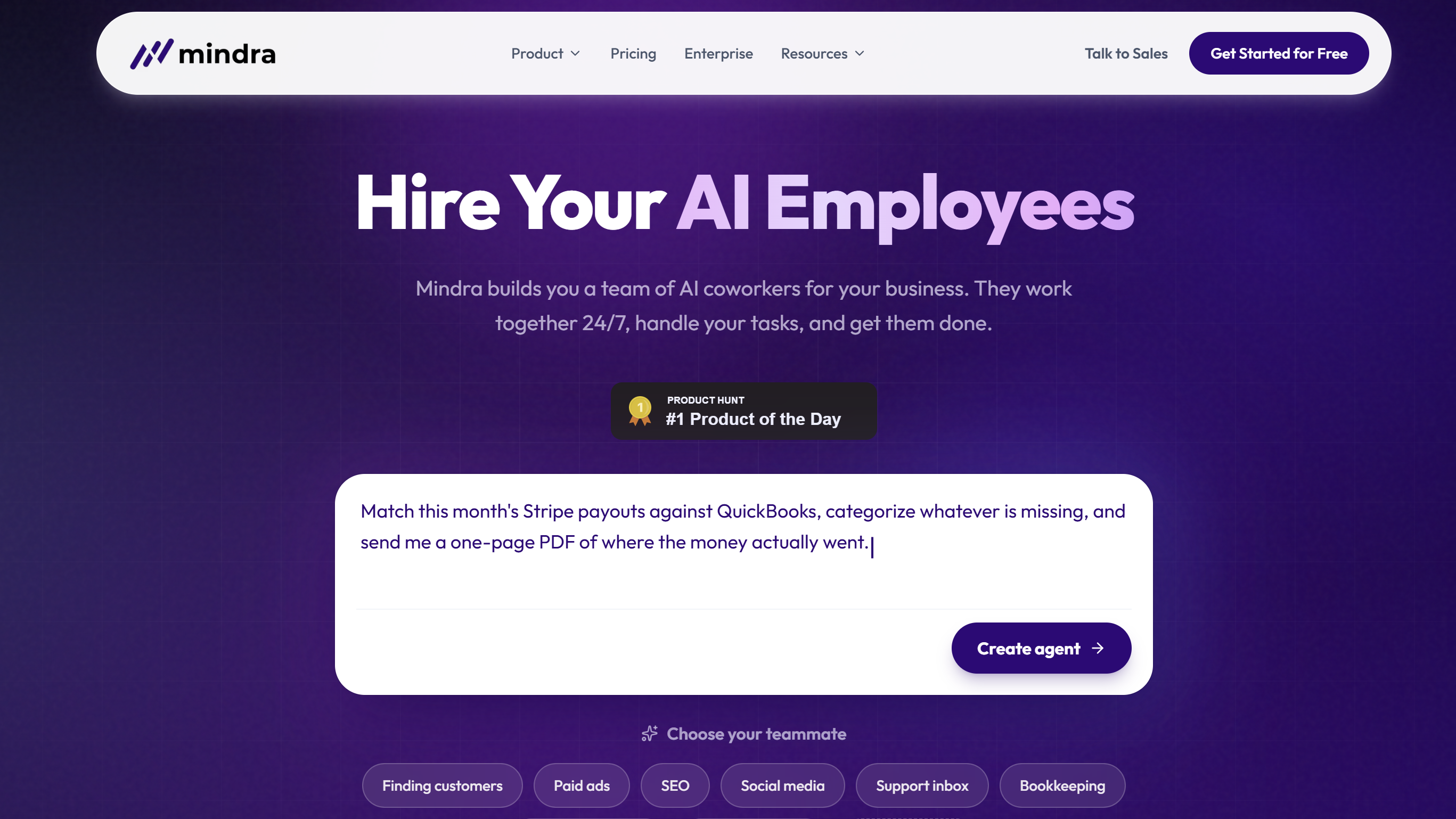
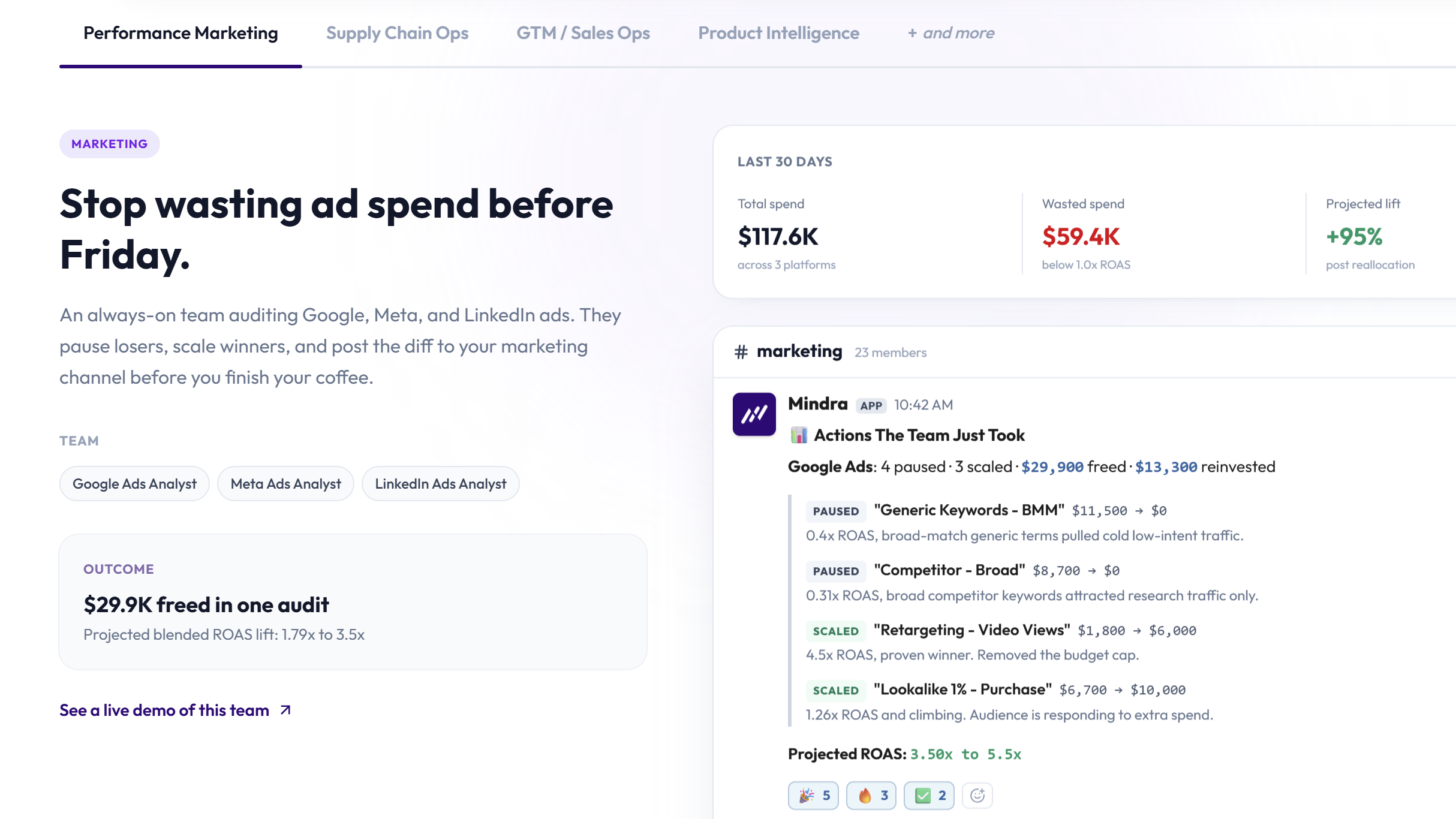
Mindra lets a non-technical person describe an outcome in plain English, audit their ad spend, say, and assembles a coordinated team of AI agents to plan, execute, and self-correct that work, instead of handing back a single chatbot response. Deniz has a lot to say about why almost nobody else in the space is doing this the right way.
Q: What's your actual role among the three of you, day to day?
Deniz: We love saying it this way. Zeynep is the “who,” she figures out who to reach out to, investors, sales. İlker is the “how,” our CTO, the technical powerhouse. I'm the “what,” handling what we should build and what the actual gap in the market we should go after.
Q: Does "agent" actually mean anything at this point, or is it just a buzzword now?
Deniz: We're computer scientists ourselves, and looking at all these pitches, what struck us was how much of the tech space has no clue what agents are. People call a single tool call an agent, or say ChatGPT itself is an agent, just because they define it that way. It's a definition. It's word magic. It's phony. It's bullshit.
I've said as much before too. When I speak to ten different people, I hear ten different definitions of AI agents. This is Mindra's definition of agents: something that can iterate, try, fail, adjust, and try again until it finishes the task it was given. You give it one specific thing to do, and it keeps going until it gets there. We are trying to set our definition to be the norm here.
Q: What does Mindra's version of agents look like in practice?
Deniz: Right now, every system we have, Claude or ChatGPT, works the same way. You talk to it through a web interface. It gives you an output. Input. Output. Input. Output. That has to change. It should solve your problem before you even ask.
Now people are competing and bragging about how many agents they can spin up. I talked to a guy who told me he's spinning up a thousand agents just to send an email, like that's impressive. But I can do it with one agent. You shouldn't fall in love with the technology itself.
Q: Who's actually using this thing right now?
Deniz: The product is very horizontal; we're still figuring that part out. The best fit is a fast-scaling startup that can't hire people as quickly as it needs to automate. Non-technical, to me, mostly means performance marketing people and CMOs. My favorite example is a user who had Mindra pull Google Analytics data into SEO blog posts, combined with Reddit post generation. That drove a lot of inbound leads for them. We even landed one customer by having Mindra apply to a performance-marketing job posted on LinkedIn. It was done all by itself.
Even for me, I'm a product guy now. I don't code myself anymore. I don't care how many agents solved something. I just care about it getting shit done. What did it actually do? Did it send the email? How long did it take? Those are the only KPIs that matter. When I look at our competitors, or people building agents generally, 90% of them are missing this point. They are building tools for tech-savvy people when the users are non-technical people.
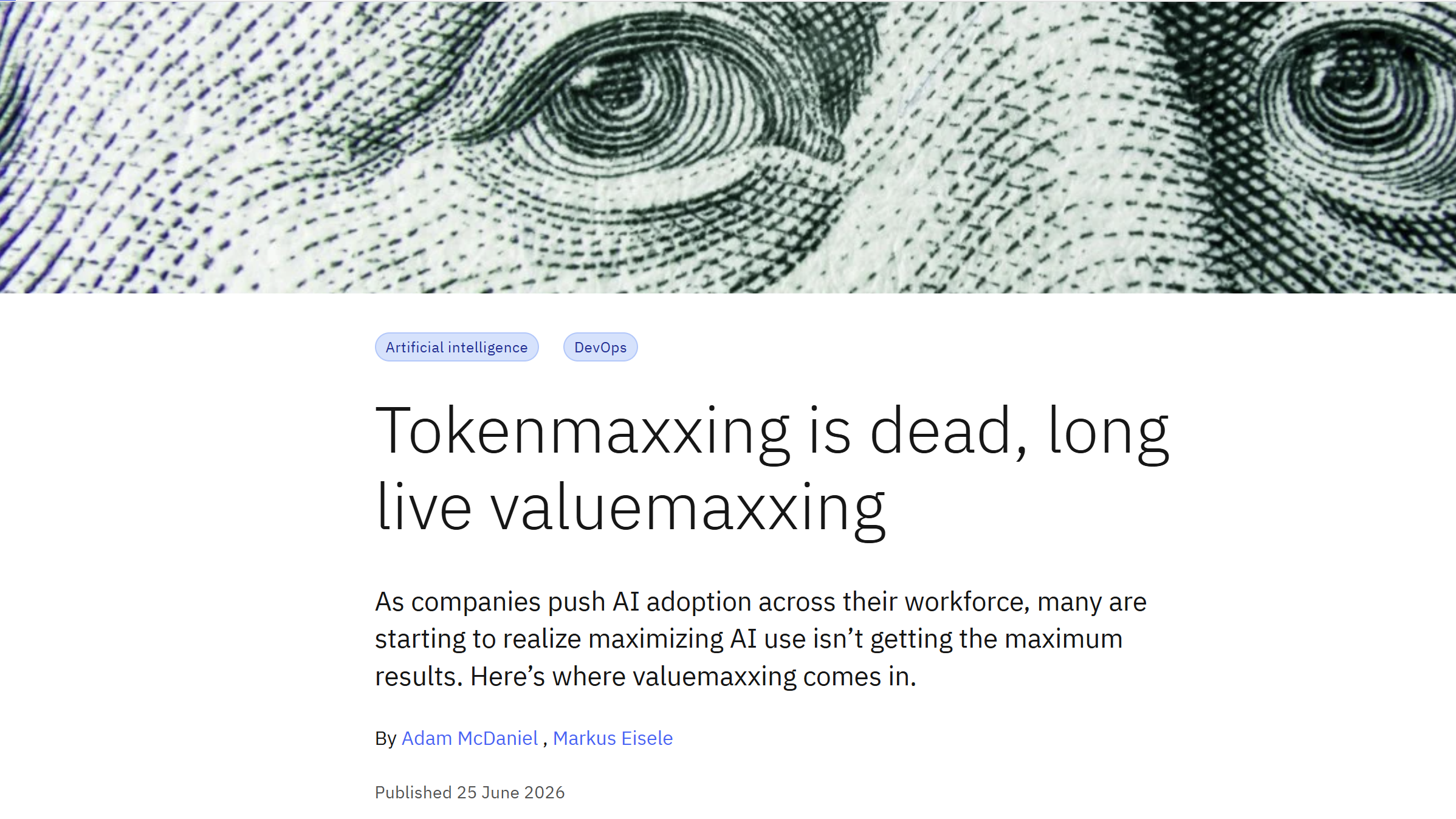
Q: Sounds similar to how everyone's saying the "tokenmaxxing" era is dead and "return on tokens" is what matters.
Deniz: We were building toward that shift two or three months ahead of the market, before it ever hit the headlines. When we started, spending more tokens was seen as cool. People didn't care about efficiency. Now they do. Now it's about ROI, whether the investment is paying off, and people are more skeptical of the AI bubble. Mind you, we were saying this nine or ten months before this interview, when it wasn't a common thing to say.
Q: Skeptics would say they could just do this with Claude or with Lindy. What would be your response?
Deniz: Not that our tech is better. Anyone can theoretically build agent tech now. The real moat is know-how combined with the AI capability, because something like performance-marketing ROI is genuinely hard to measure cleanly. People with that know-how usually aren't connected to the AI people. A company that only builds one vertical agent is going to struggle to expand horizontally. We're built so that isn't a problem for us.
Q: You mentioned earlier the fashion startup didn't have product-founder fit. Do you think Mindra does, and what are you actually trying to build here?
Deniz: The previous startup could have worked too, just not with us. But we have real product-founder fit with Mindra. We're computer scientists who spotted this exact gap ourselves, and we clearly divide the roles between the co-founders: who to sell to, how to build it, what to build. That's not something you get from a good idea. It's something you get from being the right team at the right time for it.
Agents can already do a lot, but people don't run into them in daily life yet. This whole moment feels like a huge experiment. We believe agents should be as close to us as Siri. Siri was never that technically powerful, but it became part of everyday life anyway. That's the future that makes us excited.
Advice for Early-stage Founders
Mindra currently has teams in two different countries: Zeynep and Deniz in SF, İlker and the development team back in Türkiye. Deniz's morning starts the same way. A standup with the engineering team back in Türkiye, evening for them by then, hearing what got built overnight before the SF side of the day even begins. Two cities, one team, running on a clock that never fully closes.
Q: Your engineering team's all back in Türkiye, and so is İlker. What's that about?
Deniz: For immigrant founders, of course visa is the biggest issue. I was rejected for my tourist visa the first time I applied. The second time, I had an invitation from Princeton and from our investors. Even then, İlker was rejected. Even in this situation, we decided to leverage it. İlker decided to stay in Türkiye and focus on leading the developer team there.
Because of that, we were able to build a great technical team in Türkiye. Operating in two different countries as an early-stage team might sound tough. But there are good parts of it too. Since we built the team while we were still in Türkiye and since we share the same culture, we were able to set the Mindra culture we wanted to have as a team easily. That's why the remote part still works. To this day, I have a strong "no one can beat us" confidence in our team. Not because they were the best alternative. It was because they ARE the best.
Q: You must get told your product sucks sometimes. How do you deal with that?
Deniz: We often get feedback saying Mindra is really shit. I even had that yesterday. It always happens, and it's not always because the product is bad, but it could be bad for that specific person. If you hear something once, it might be an outlier. If you hear it twice, that's when you actually listen.
Q: Was there a customer who said no at first and came around later?
Deniz: The approach is to place a bet on a specific person you think is a fit, reach out directly, impress them, and then use their network. We showed our product to a fintech company once. They said they had enough engineers for this and they weren't buying it. Three to five months later, they came back asking to try it again.
Q: You guys throw a lot of public events. Is that a real strategy, or just vibes?
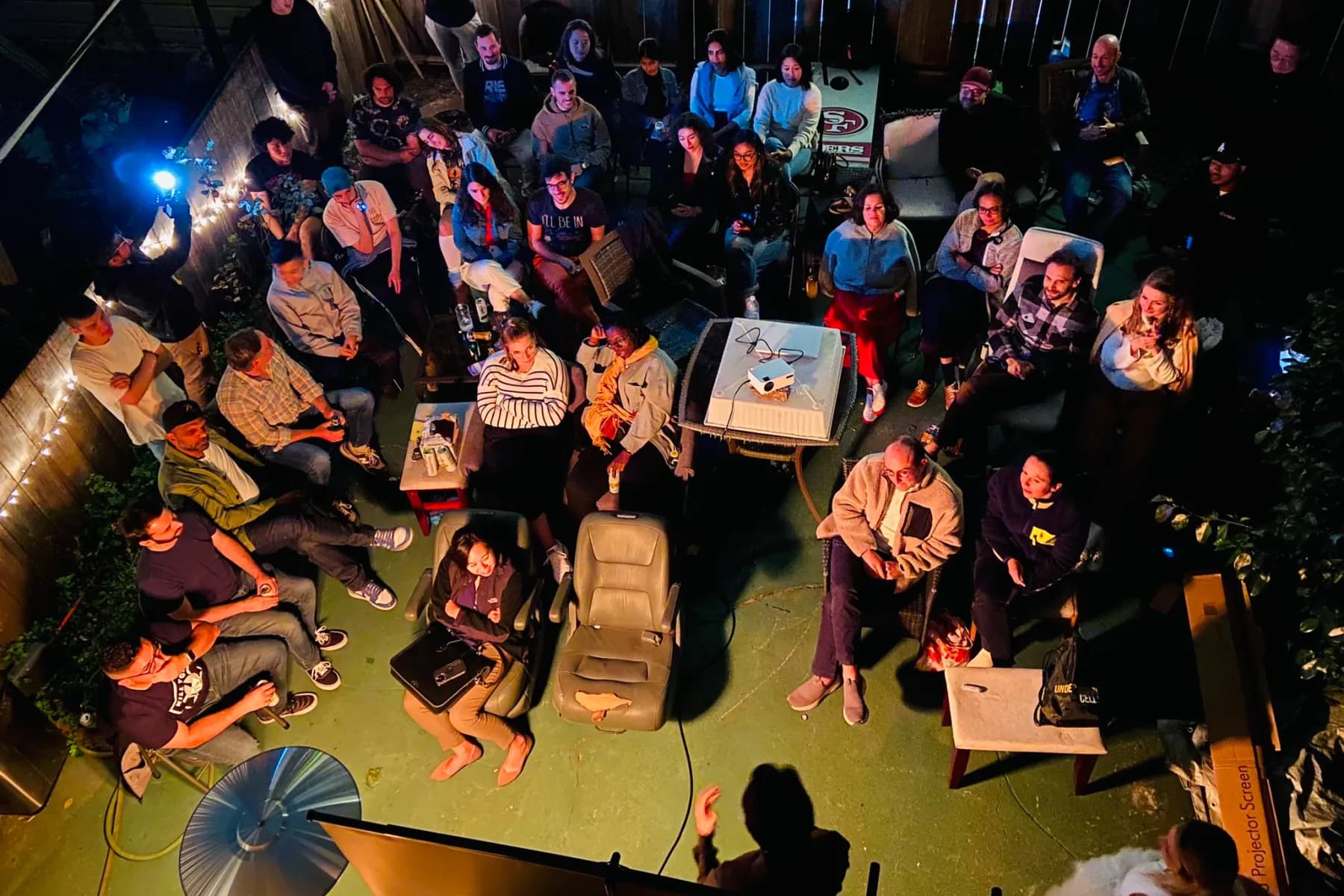
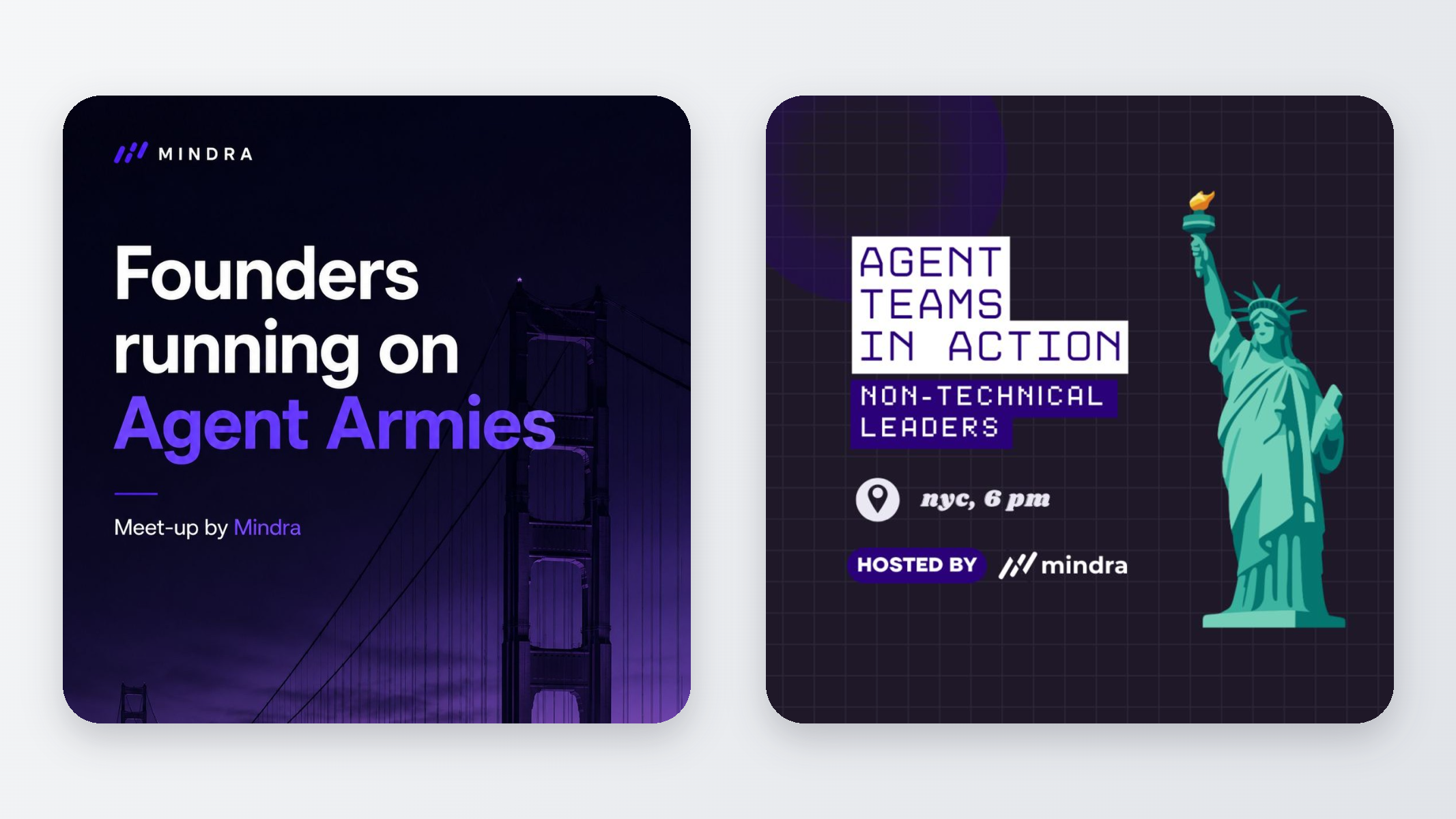
Deniz: Hackathons are good for hiring, not for selling. Some events are just to establish that we're here in a new city. Others are for visibility, not direct sales, you shouldn't make events your primary selling tool. There's real upside in combining different startup communities that most people underuse. Bringing two different communities together is usually where the spark happens.
Q: People love romanticizing the college-dropout founder thing. Where do you land on that?
Deniz: All three of us seriously thought about dropping out when the funding came in. But by that point, college wasn't really a big deal for any of us. It didn't take much of our time and we only had five or six easy courses left. It wouldn't have changed anything either way. In SF culture, you have to drop out to be cool. But context matters. Simply dropping out isn't some universal truth. That's not the advice I would give.
Q: Any last advice for other early-stage founders following your footsteps?
Deniz: Don't push yourself until you burn out. Being new to the city. Managing a team spread across two different countries. Working to a 9-9-6 standard. Even for me this is challenging from time to time. But since I've been working as a team for a long time, I recognize my signals for burnout early. My own advice is to listen to your body. Sleep when you're tired. Eat enough. Skip the stimulants. If you're gonna have a burnout, get the fuck out and take a break.
Three friends who won every hackathon they entered together are now betting the same instinct scales to San Francisco. Not because the frontier is easy, but because they already decided that it isn't harder than anywhere else. For a team that broke a national funding record before writing a line of code, that might be the least surprising bet they've made yet.
💡
Learn more about Mindra
- Zeynep Yorulmaz - CEO & Co-founder
- Deniz Soylular - CPO & Co-founder
- Ilker Yoru - CTO & Co-founder
- Homepage | mindra.co
- Podcast | The AI Market Is More Confused Than You Think (Zeynep & Deniz)
- Launch Video | Introducing Mindra: Agent Teams You Can Actually Delegate To
- Use Cases | Performance Marketing Use Case