
Aug 04, 2026
Olympic Village for Founders: Lightyear Residency
Interview with Don Ho and Michelle Wu, Lightyear Residency Co-founders
Inside Hacker Houses

0:00 / 0:00
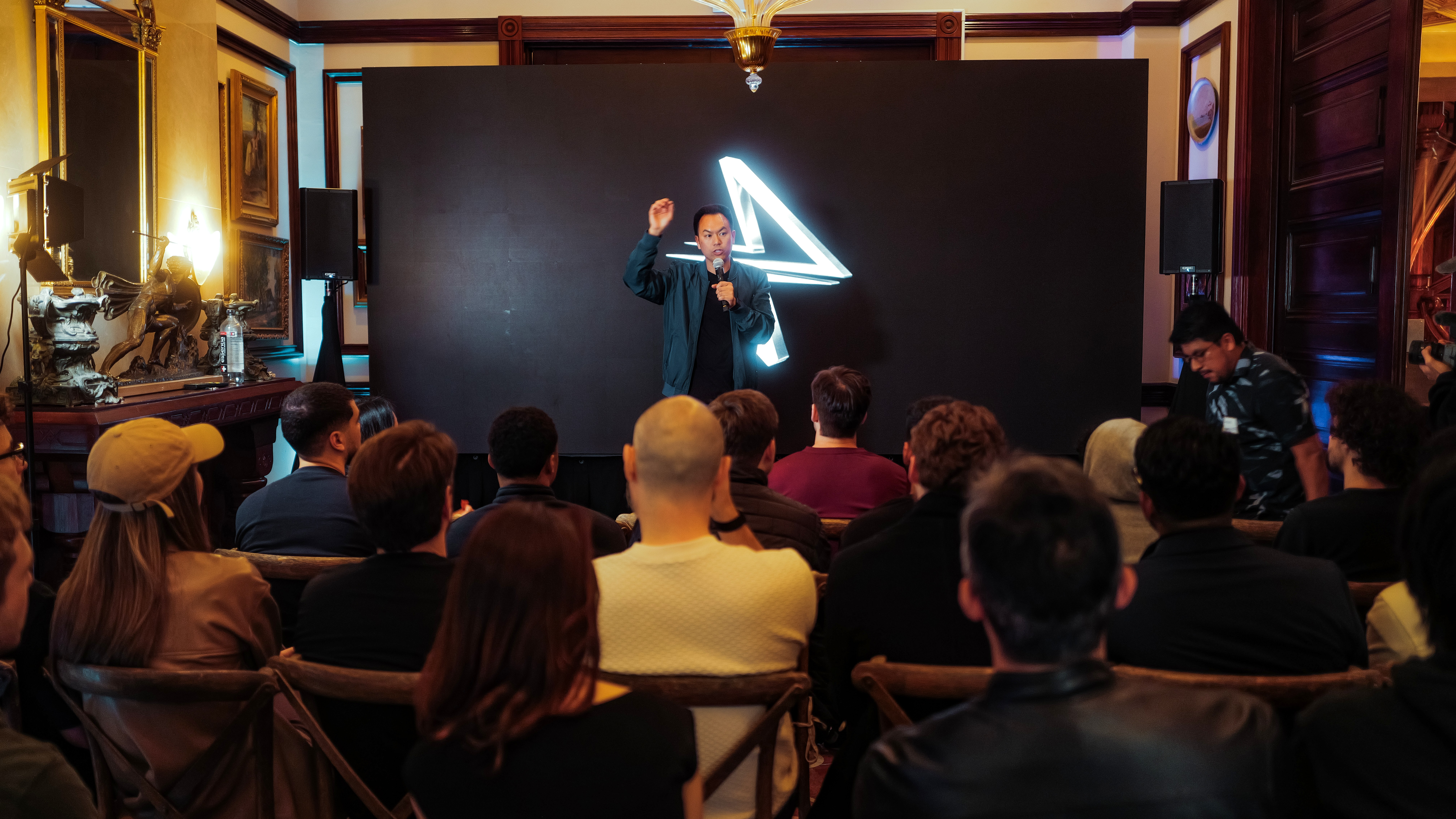
"Given the right environment, you can do a year's worth of work in one month."Don HoCo-founder of Lightyear
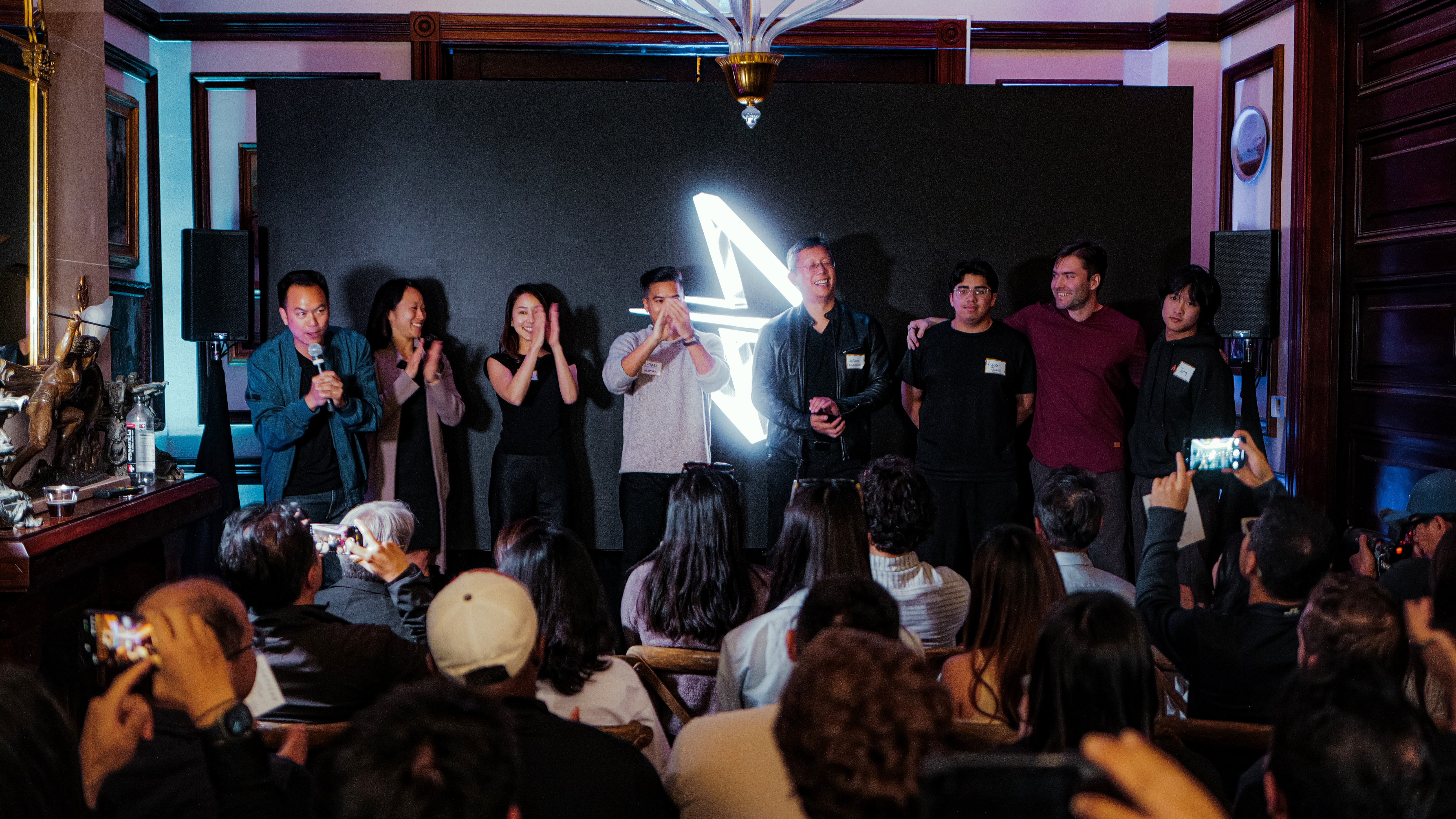
This April, I got a glimpse into Lightyear's inaugural Demo Day through EO's video team's coverage. I turned that into a separate piece, featuring founders who had just gone through an intense 30-day program. The intention behind the Lightyear program was clear: the bottleneck in company building has never been time, but rather the environment.
To be honest, I viewed the program with skepticism. In San Francisco, there are numerous new so-called innovative and revolutionary demo days happening somewhere on any given night. Lightyear also didn't have much information online, just that this was the first time it was doing this in public, and that it was incubated by HF0.
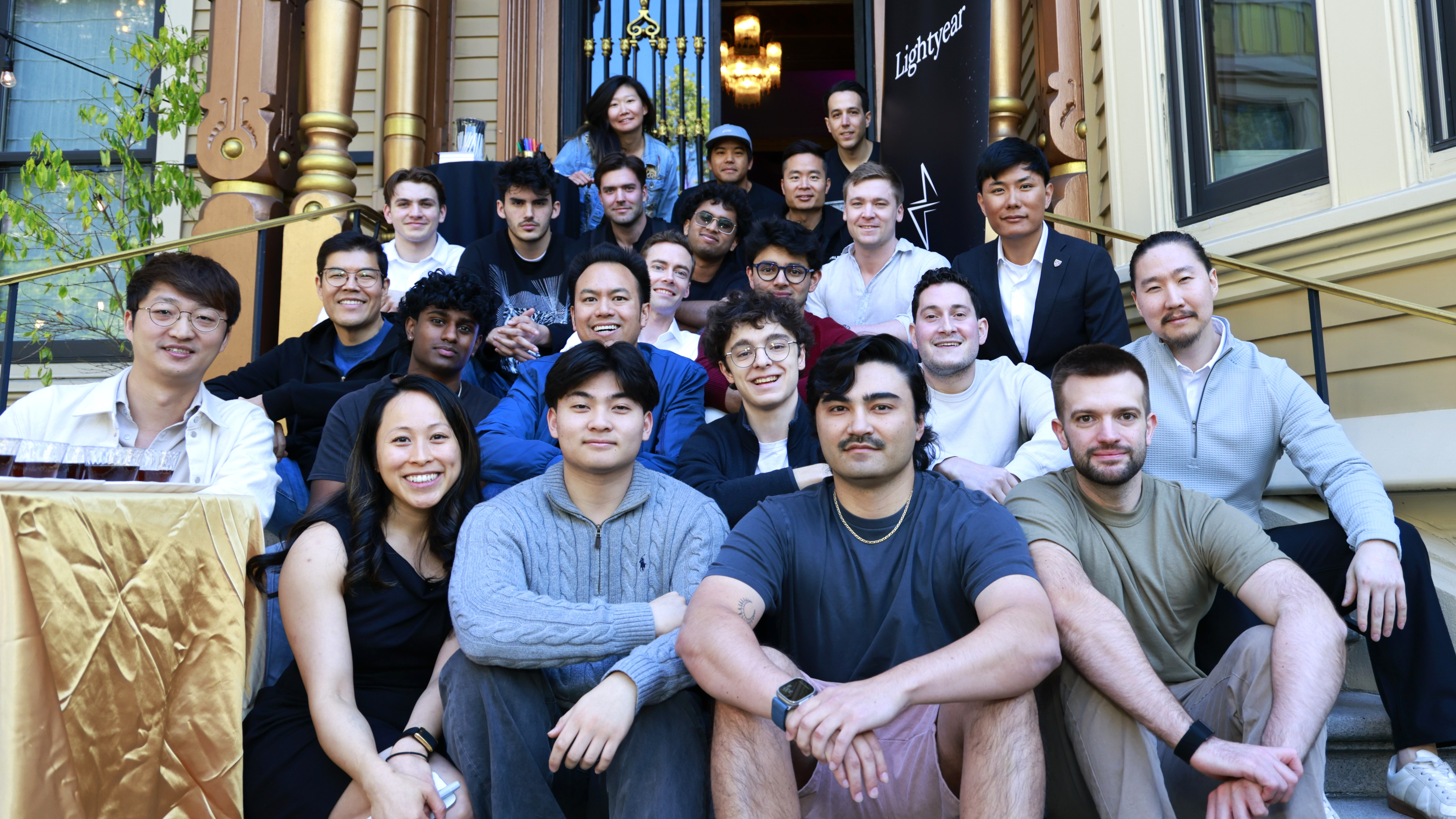
But the Lightyear Demo Day seemed to emphasize something more than founders sharing their traction and revenue metrics.
"We had a personal trainer and even a chef. Our sleep and sugar intake were tracked and we only eat healthy."Junghee RyuCEO of RLWRLD, Lightyear Winter 2026 batch
The coverage also highlighted how nearly every founder in the house wore a WHOOP band, how they were set in a full lock-in environment, and how they had spent a weekend on retreat in the Berkeley Hills, doing nothing but running pitches in the quiet.
I didn't get the full picture of the program just from reading about it. So I asked if Don and Michelle, founders of Lightyear, could walk me through what Lightyear is and what a day inside actually looks like. We talked about whether the 30-day program can really turn into a year's worth of progress, or whether it only sounds that way from the outside. This is the interview.
The Lightyear Container
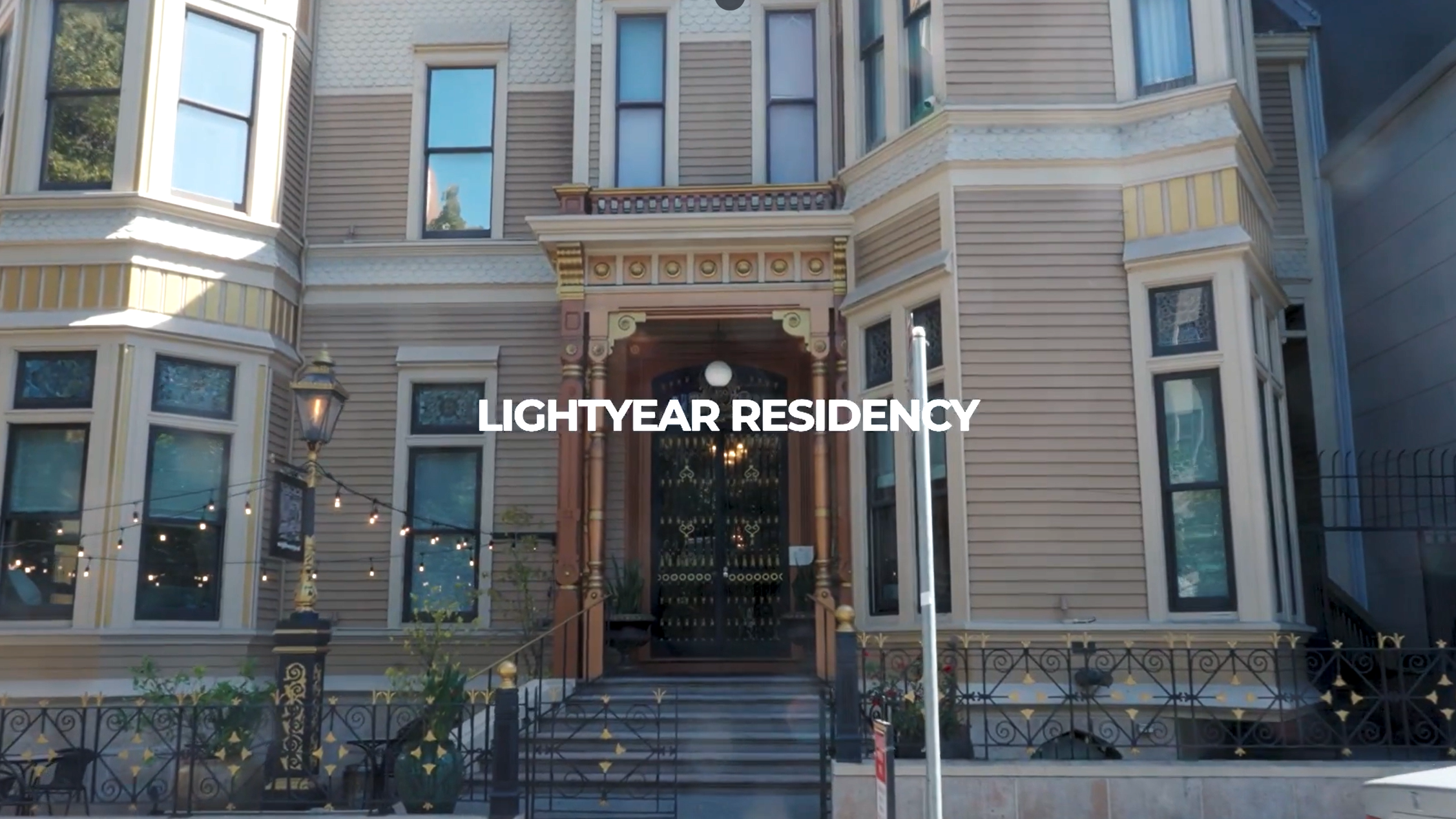
Q: Lightyear describes the program as a "container." What is this and how is the container actually designed?
Michelle: When I say container, I'm talking about an intentionally crafted environment for a fixed period of time, one where founders feel safe and supported enough to be their best self and hence do their best work. For us, it's a one-month environment set up to be as productive as possible.
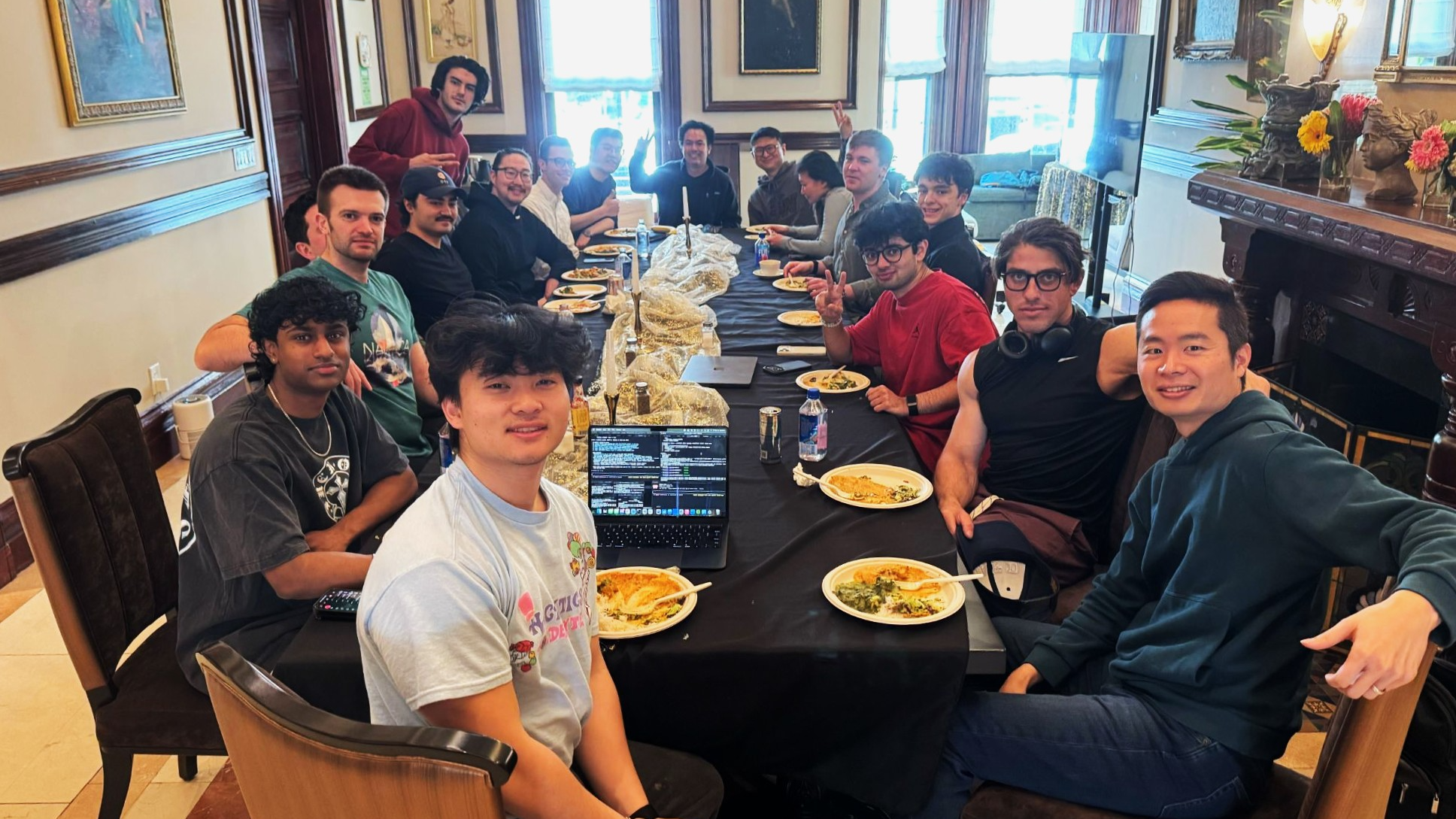
For example, meals are freshly prepared every day by our chef and served at the same time, so founders never need to think about when and what to eat. This frees up their mental and cognitive load, so they can drop into flow state and think more strategically about their business.
Q: What else is built into a founder's day-to-day?
Michelle: Each founder is assigned a mandatory 1:1 on-site personal training session because we believe exercise is not an option. You're assigned a workout time every single day, so you don't have to think about whether or when you're going to the gym. All you have to do is show up.
We also optimize their sleep and recovery with WHOOPs, mouth tapes, earplugs, eye masks, and supplements. There is a WHOOP leaderboard that we use to keep everyone accountable and to know when to push someone further. At the very core, it's about creating a space for the founder to be their best self: nutrition, sleep, and exercise at the most fundamental level.
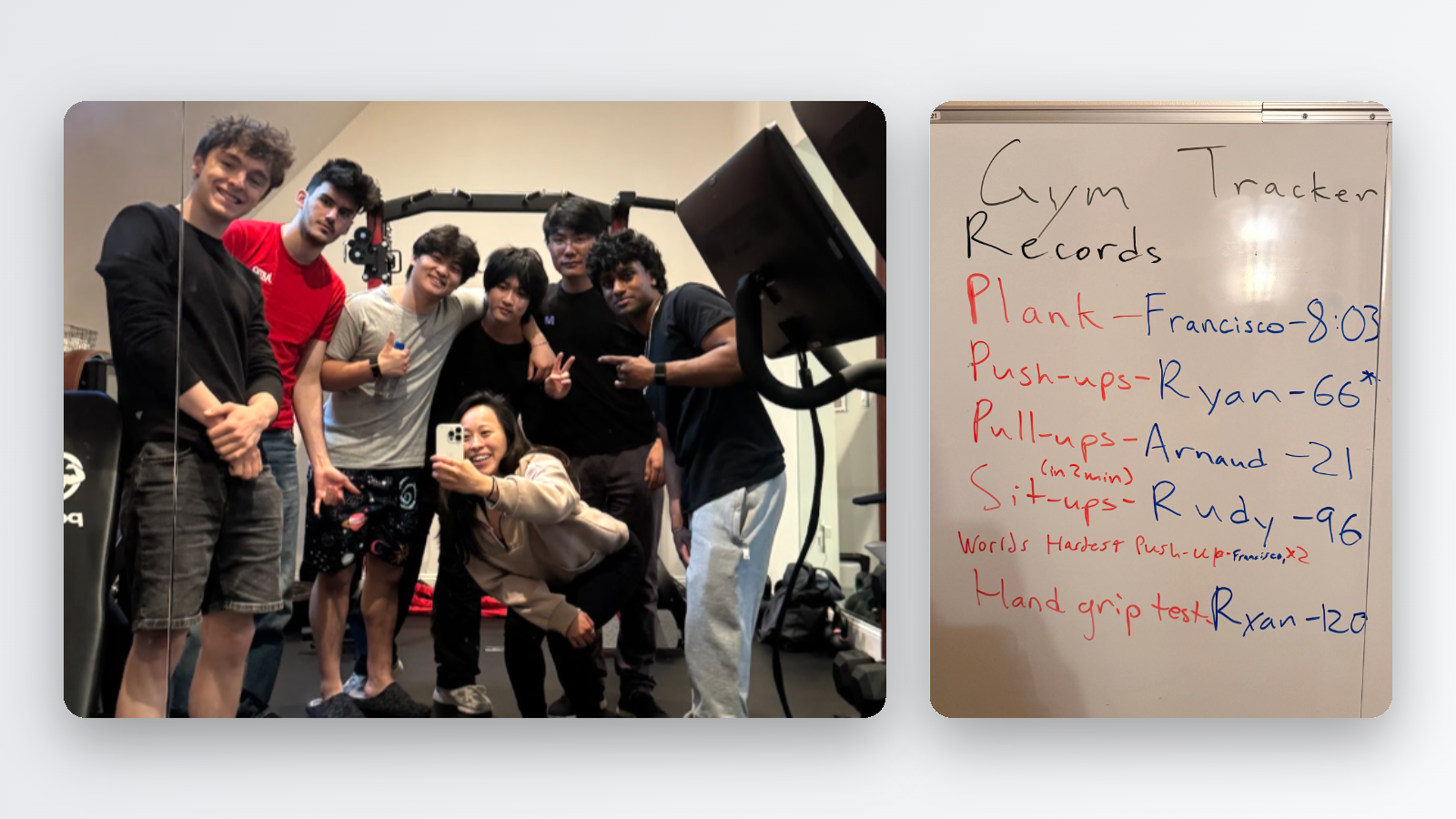
Q: What's the day-to-day culture like at Lightyear?
Michelle: We have a 9-9-7 culture at Lightyear and founders are expected to be pushed to the limit. We optimize the environment and remove distractions for them to the point where they have no excuse not to reach their goals.
Q: Is there a way to keep founders accountable?
Michelle: Lightyear is a very high agency environment so it's largely up to the founder. We host weekly demo dinners where founders are expected to present on their progress, explain why they did or did not reach their weekly goals, and share their plan for the following week. Otherwise, it's up to the founder.
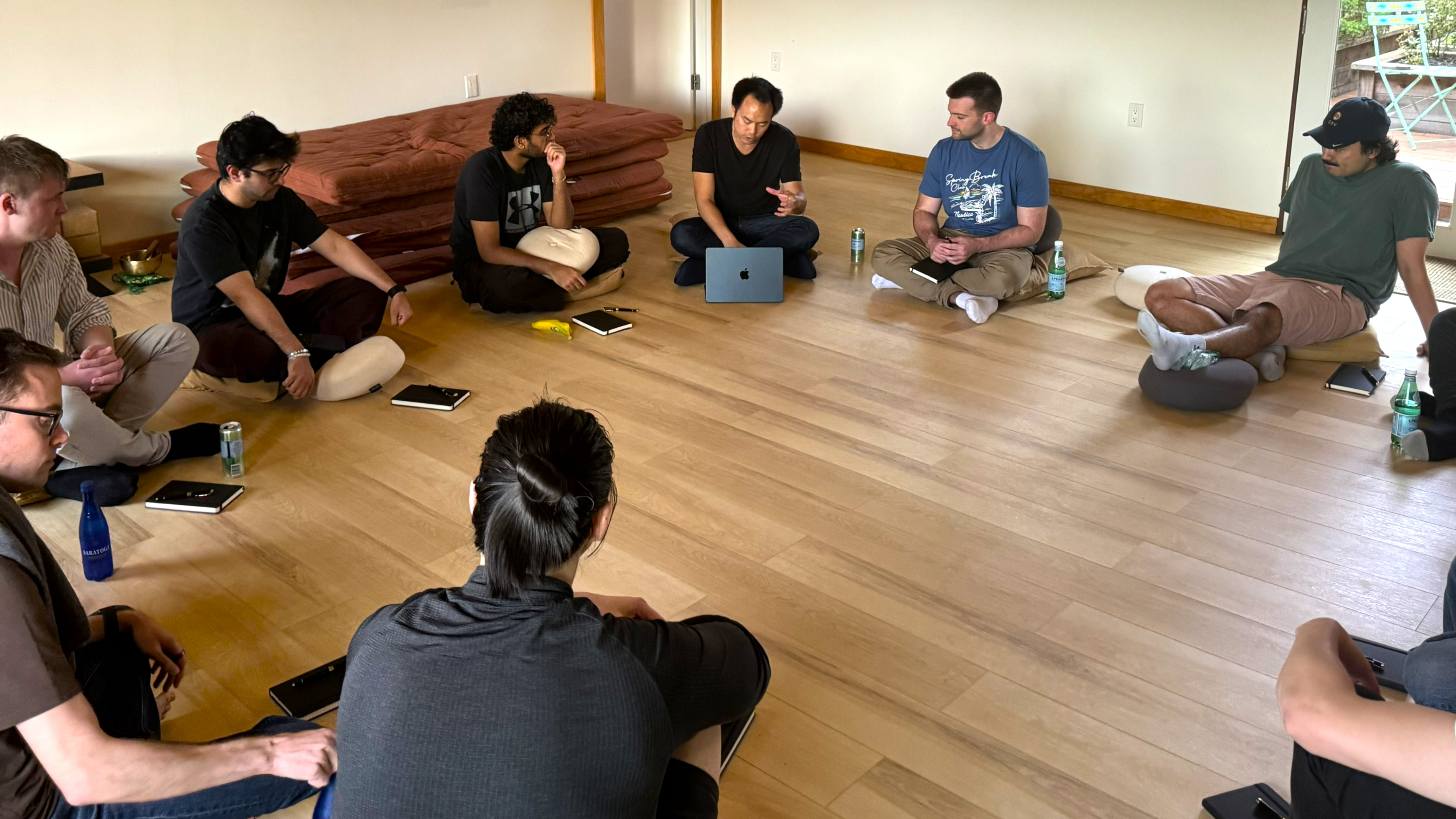
The weekend before Demo Day, Lightyear also takes the whole cohort out to a lake near the Berkeley Hills, away from the house, to do nothing but run their pitches in the quiet. For the business and operations side, staff are also on hand to help with valuations, term sheets, and deal structures.
A Message To All Startup Programs
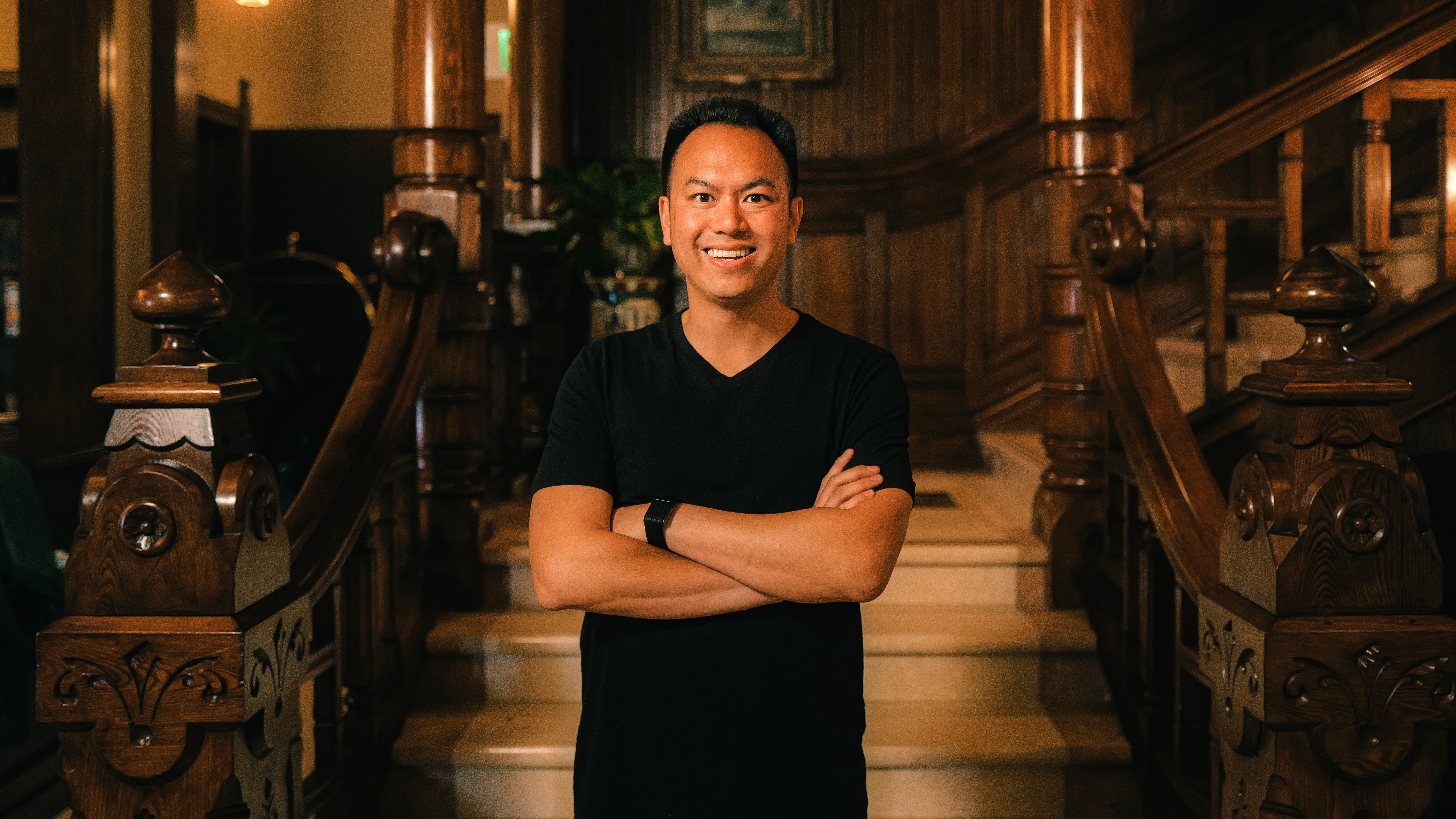
Lightyear Residency is a one-month startup residency co-founded roughly a year and a half ago by Don Ho and Michelle Wu.
Michelle has been building the scaffolding for containers before she had a name for it. Having been a 2X Chief of Staff at both Google and MetaMask, she cleared the path so leaders could think more clearly and move fast. Then HF0 pulled her into its house, and once she was living inside the house herself, she truly understood the possibilities that unlock when friction and distractions are removed from a founder's life.
Don has been an entrepreneur since 2017. He started a cybersecurity company and the company participated in Y Combinator's W18 batch. He later founded Orange DAO, a community of over 1700 alumni building and investing in crypto and frontier tech. There he met Dave, co-founder of HF0, and became an early limited partner of HF0. He watched HF0 grow from a motel in Miami all the way to now.
Q: How did the actual idea for Lightyear come together?
Don: Through my first company, I met founders, and the part of the business I kept going back to was working with them directly. That's when it crystallized for me that my life's mission is to bring more founders into the world. That's how I ended up starting Orange DAO, and how I met Dave Fontenot from HF0.
About a year and a half ago, Dave and I started talking about the different formats a residency could take. Michelle, Dave, and I are all aligned that there needs to be more residencies in the world, period. In the age of AI, this new way of building is the only way you win. The residency model is the best way to keep a founder locked in on the highest-priority things for a set period of time.
Q: Why do you think the residency model specifically is the best way to keep a founder locked in on their highest priorities?
Michelle: Hacker houses and group homes have existed for a while. In San Francisco, founders have always lived in a house and cranked it out at dinner time, or organized something more formal. That was more about rent than anything else. We found that what actually helps a founder lock in is a culture of excellence that removes distractions and friction: a container where you don't have to think about cleaning, food, or working out.
Q: Has what founders actually need from a program changed at all?
Don: What hasn't changed is how people solve startup problems. Even traditional accelerators like Y Combinator, South Park Commons, and 500 Startups are still driven around how you talk to your customers and build something they want.
What's changed is that you used to need a VC expert, a partner at one of these accelerators, to hold you accountable, because they had the experience. Now AI can do 80 or 90 percent of what one of those partners does every day, not every week. YC partners are still elite. We're never going to replace that, but most founders just need that 80 percent, every day.
Q: So how does Lightyear respond to that shift?
Don: What's also changed about startups is revenue velocity. Getting to $1 million in ARR, or $2 million, has compressed a lot over the last 20 years because of all this software. At Lightyear, that's what we're trying to challenge: why do we keep certain things the same over 20 years, when in other instances everything has changed?
Q: Was there a specific moment you realized Lightyear needed to exist, or was it gradual?
Michelle: For me, it was physically living inside the HF0 house and hearing from founders, "Wow, I have never been so productive in my life," or "I did not know this was truly possible." Hearing it from other founders and experiencing it myself, I wanted more people to know about this, and I wanted more residencies to exist.
Don: For me, it crystallized at the first HF0 Demo Day. I'd been to YC's Demo Day maybe ten times, 500 Startups Demo Day, and all these different demo days. What made HF0 different was the intent of the founders when they moved into a house with an actual goal. I'd known of hacker houses and shared co-living, but I'd never thought about it directionally: what are you doing for a month or three months in one of these houses that works toward a goal?
Once I saw that Demo Day, the progress of these startups, and the relationships built from living together, that's when it clicked that there was something in the water. A lot of founders think about their startup 24/7. I was surprised there wasn't already a program that matched that level of intensity.
Q: How do you think about what Lightyear actually does for the founders who go through it?
Don: The way I think about it, Lightyear is like an Olympic village where we help founders break records. One record Michelle and I talk about a lot is breaking the four-minute mile. It used to be considered impossible to run a mile in four minutes, but someone broke it, and now people can run a four-minute mile.
I bring that up because once you learn how to run the four-minute mile, it's really hard to unlearn that way of being. Once you know what greatness is, once you know what peak performance is, it's really hard to stop working at that level. You understand it now, and there's no going back. That's what we're seeing when a lot of these teams first enter Lightyear and then exit via Demo Day.
Building Networks That Get You A Wedding Invite
Q: What does a "Lightyear-ready" founder actually look like?
Don: What we love about the program is that it's not necessarily stage-specific. We're aiming for founders who are ready to inflect in their business, whatever stage that happens to be. That might mean you just quit your old company and you're ready to start your first one. It might mean you're a repeat founder who just sold a company and realized you can do a year of company-building in a month. It might mean you went through YC nine months ago and need a refresher to stay focused.
It's less about stage and more about founders who are about to inflect. Unlike a three-month program, you can only fully do one or two experiments in a single month. This isn't a program for co-founder matchmaking, and it isn't a program for the idea maze. It's more important that you already have some product-market fit or traction, and now you want to spend a month going all in on one or two experiments that could 10x your business.
Michelle: There are already a ton of smart, productive founders out there. We believe that with the right environment, they can be amplified even further. A lot of these founders didn't know they could be this productive, that they could drop into this kind of flow. They always thought life was a trade-off: cook a home-cooked meal, lose two hours of work; go to the gym, lose an hour of your day. It's not a trade-off. You can incorporate all of it into your lifestyle.
Q: Could you name a couple of notable before-and-after teams?
Don: I'll call out Reflex Robotics. Before they joined, they didn't have a company yet, no EIN, and the founders were sleeping on their customers' couches and floors. By the time they left, they'd gone from zero to $700K in monthly revenue in a month.
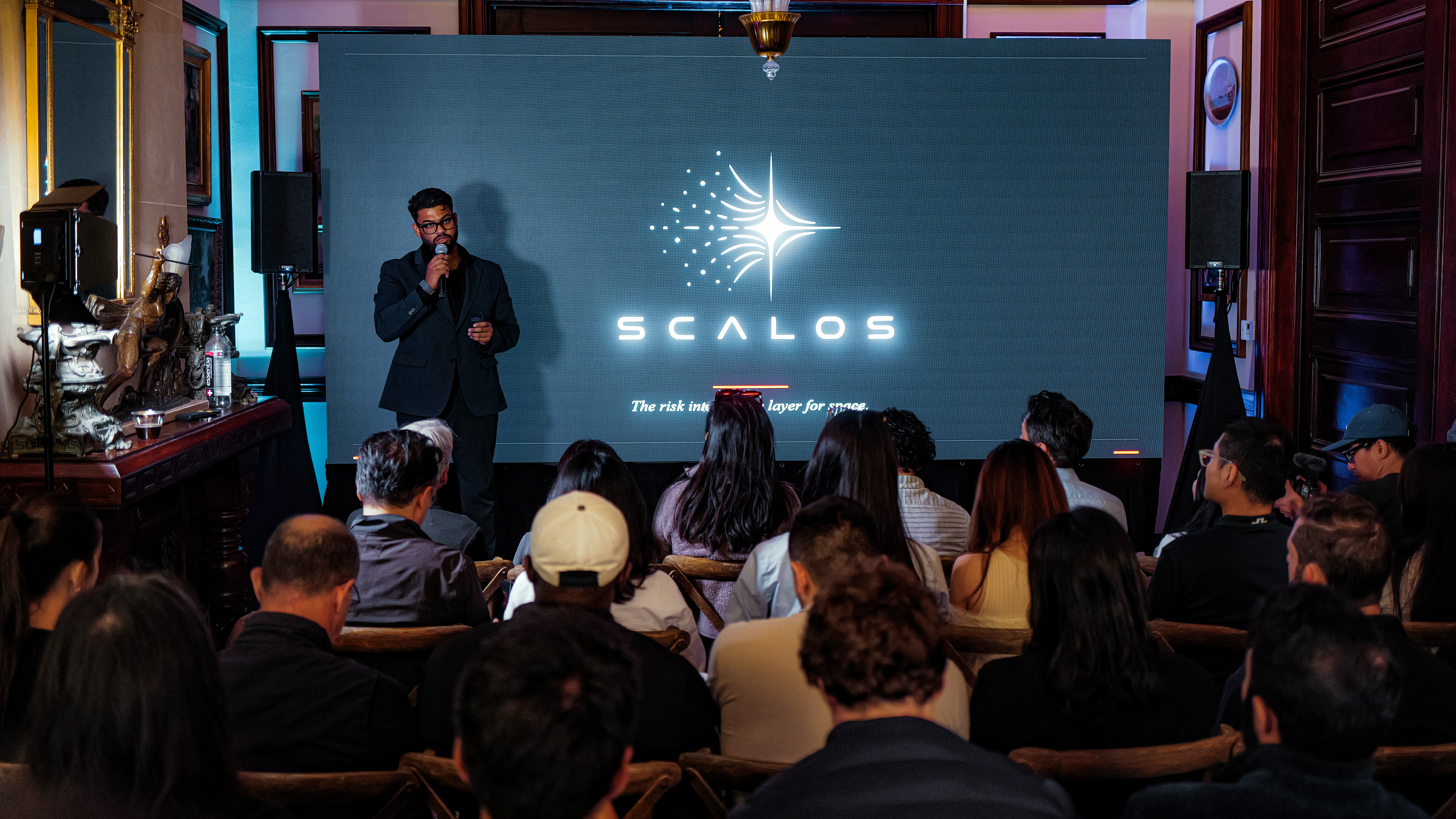
Our most recent batch had a space company called Scalos, started by two founders who'd been building in Dubai and the Middle East, not really in Silicon Valley. When they got here, they told us they'd never seen this kind of intensity, even having lived in other major cities. Now they're closing deals with space agencies.
Q: What's Lightyear's own measure of success?
Michelle: For me, more broadly, one marker of success is whether they will invite each other to their weddings. Many of them are still very young so it will take some time and we won't really know for many years. That being said, what was really telling is that many of the founders ended up living together after Lightyear. They didn't want to lose the momentum they had built.
Q: Who else is part of the Lightyear network?
Michelle: During the batch, we have partners assigned to support each team and keep them accountable towards their goals. Kyle Morris, co-founder of AGI House, was one of the partners in our last batch and hosted an AI researcher dinner with researchers from the top frontier labs for one of our batches. Each company has its own nuanced needs so we are very intentional about the partner matching and pairing.
Q: Is there a secret to how you design the container?
Don: A lot of people think all it takes is a house and a private chef, and that's it. But it's more than that. It comes down to two things: have you ever lived somewhere like a monastery that removes all the distractions for you? And have you ever been somewhere you didn't have to worry about anything?
Until you live it, you don't fully understand the smallest of nuances that we put together to create Lightyear. Every day, Michelle and I have founders tell us they wish they could go back.
Lightyear as a Movement
Q: As the program goes on, what changes do you actually see in the residents?
Michelle: We would love to see founders build healthier longstanding habits and I've personally found that really meaningful. For example, one founder started eating yogurt for breakfast for the first time and he told me his gut fundamentally changed. Another founder rarely drank water before Lightyear. Once healthy snacks and drinks were readily available, he noticed a drastic shift in energy and productivity.
These aren't dramatic changes on their own, but they build lifelong habits. That's the real point of the container: not just one productive month, but a way of living the founder can sustain afterward.
Don: We also had a founder who told us, "I used to eat two or three corn dogs a day. Now that you've introduced healthy food, I'm sleeping better, my skin's better, everything's better." Individually these things sound small. Put them together, and it becomes a one-plus-one-equals-three reaction.
Once a few people in a house start feeling that way, they feed off each other, and it becomes a completely different way of being. Michelle and I joke that it's cocoon-as-a-service. You go in as a caterpillar, you come out as a butterfly.
Q: What's the biggest joy in running Lightyear?
Michelle: What gives me the most purpose is creating unique meaningful experiences that can't be recreated. Every batch is different: the composition of founders and their personalities, the physical setup, demo dinners, and the conversations we have at the dinner table. Each day at Lightyear is genuinely special. What I'm most proud of is that accumulation of memories, not just the container itself but the relationships it produces. When I think about the finitude of life, that's what matters to me. That's what I want to give to other people.
Don: For me, it's seeing a founder's confidence shift once they've unlocked a new way of being. I keep coming back to the four-minute mile. Imagine someone who isn't particularly athletic, and you help them run one. There's something in the way they carry themselves afterward, something in how they believe in themselves that wasn't there before.
Q: What's next for Lightyear?
Michelle: Our next batch starts in September. Now that we've run a few of these, we have a growing alumni community we want to keep building on. The first two batches didn't have much of an alumni presence; that's changing. We're also doubling down on AI. Last batch, each founding team had a dedicated AI engineer helping with their workstreams, and we want to keep expanding that.
Don: My goal with Lightyear is to bring more founders into the world, and to help them realize they're some of the rarest people alive. Technology and startups let individuals change the world, and I don't think enough people remember that it can be them who does it.
Q: Lightyear sounds like a purpose-driven residency program. How would you define Lightyear?
Don: Lightyear is not only a residency, it's actually a state of mind and a movement. The state of mind is that you can actually do a year's worth of work in just one month. If we can help people think exponentially like that, we will have people be more productive, and we'll challenge people to do things they didn't realize they could do. If we can help more people believe in this state of mind, we would be able to start a movement to be in a much better place with amazing founders.
Applications are currently open for the September batch. Deadline is August 16.

💡
Learn more about Lightyear Residency
- Apply to Lightyear September Cohort: joinlightyear.com
- Lightyear Winter 2026 Demo Day Sketch | eomag.io
- Instagram | @lightyear.residency
- LinkedIn | @joinlightyear
- X | @LightyearHQ
Explore more