May 20, 2024
How We Hit 1M Drone Delivery
Interview with Keller Rinaudo Cliffton & Keenan Wyrobek, Co-founders of Zipline
Founder Focused


0:00 / 0:00
💡
At a Glance
- Who: Keller Rinaudo Cliffton and Keenan Wyrobek co-founded Zipline about ten years ago; Wyrobek previously spent seven years creating ROS (Robot Operating System) as a PhD project in robotics.
- What: Zipline builds and operates Platform One, a fixed-wing autonomous aircraft, to deliver blood transfusions and vaccines to hospitals and health facilities, with its first commercial contract delivering blood to 21 hospitals in Rwanda.
- Traction: Zipline now serves about 4,000 hospitals and health facilities globally, has crossed one million commercial autonomous deliveries, and is signing new enterprise contracts with large healthcare systems and quick commerce and retail companies every couple of weeks.
In this interview, Keller Rinaudo Cliffton and Keenan Wyrobek trace Zipline's path from a pencil-sketch pitch to hospitals in Rwanda to the largest commercial autonomous delivery system on Earth. They explain why they built a fixed-wing aircraft instead of a hovering drone, what a technician on a rooftop taught them about trust, and why they believe the biggest companies of the next decade will be built in hardware, not software.
Key Takeaways
Sometimes the Right Answer Is the One Nobody Else Is Building
When Zipline was designing its delivery aircraft, investors and engineers pushed back on the idea of a fixed wing plane instead of a hovering drone. Wyrobek says the company stuck with the airplane because its customers cared about range and cost above all else, something a drone could not deliver on.
Design for the Least Tech-Savvy User, Not the Most
Wyrobek describes Zipline's internal grandmother test: if his grandmother, who is not comfortable with most technology, would be okay with the system, then it has solved the problem. He says healthcare partners want deliveries that work for all of their patients, not just the tech-savvy ones.
A Customer Who Believes in the Problem Will Meet You Halfway
After Zipline's aircraft missed its target by 50 feet or more and dropped an emergency blood delivery onto an inaccessible rooftop, a technician climbed up with a ladder to retrieve it and get the transfusion to the patient anyway. Rinaudo Cliffton says the moment taught him that when a problem is important enough, customers will forgive the mistakes.
The Biggest Companies of the Next Decade Will Be Hardware Companies
Rinaudo Cliffton argues that venture capital's preference for capital-light, fast-scaling software has pushed founders away from harder, physical-world problems. He points to Apple, Tesla, Nvidia and SpaceX as proof that hardware companies build the deepest competitive moats.
Fall in Love With the Problem, Not the Solution
Rinaudo Cliffton says Zipline's founders did not understand the full complexity of what they were building when they started, but they got customers to pay for services almost immediately and learned by crashing airplanes on their own test site. His advice to founders is to pick a problem that is weird enough that nobody else is paying attention to it yet.
Below is the complete transcription of the interview. Minor edits have been made for clarity and readability.
Nerds United with Big Mission
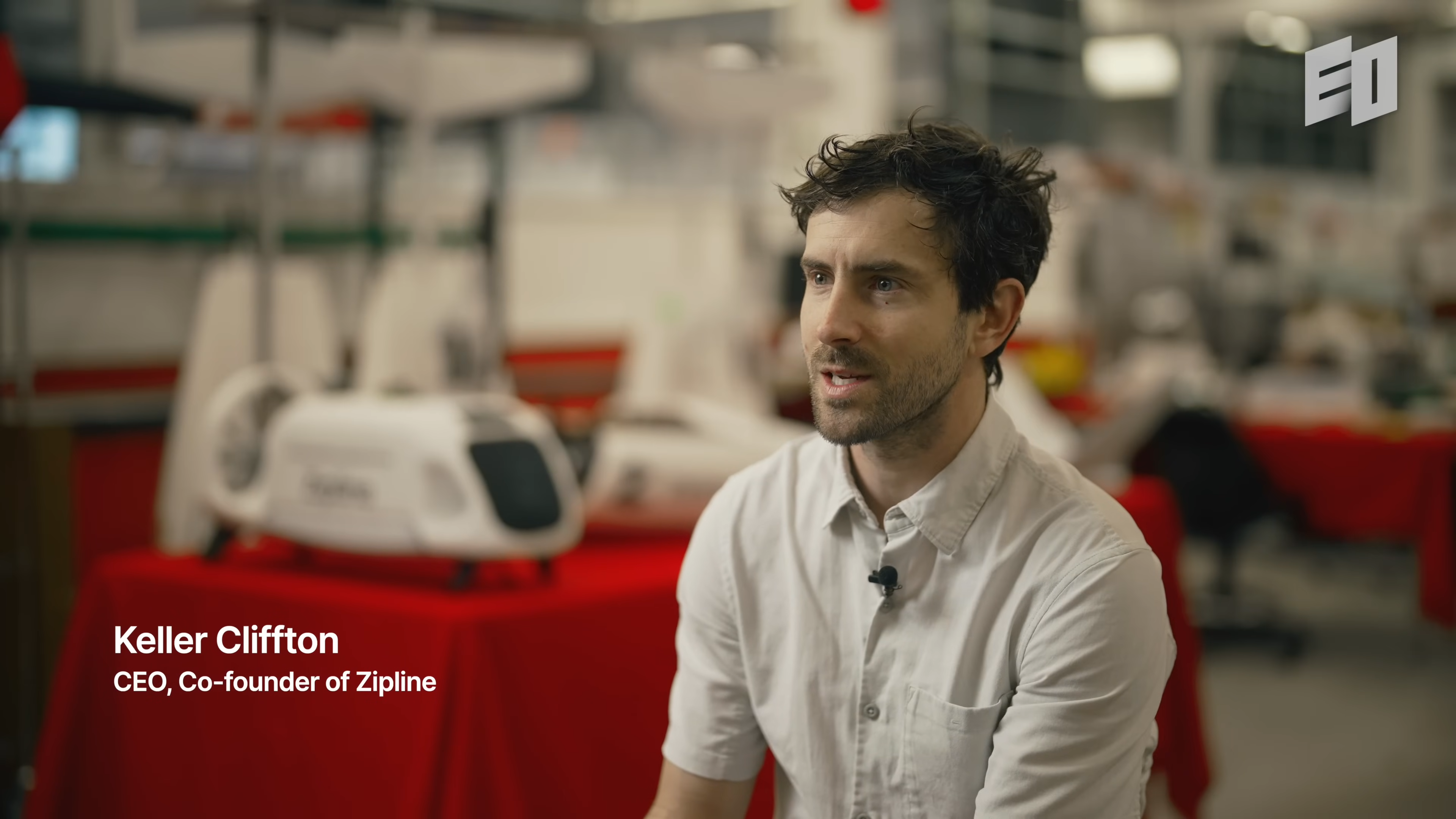
Keller Rinaudo Cliffton (co-founder of Zipline): My name is Keller. I started Zipline about ten years ago. Today Zipline serves about 4,000 hospitals and health facilities globally. We deliver blood transfusions, vaccines. At this point, we're signing new enterprise contracts with huge healthcare systems or huge quick commerce and retailers every couple of weeks. Today, Zipline is the largest commercial autonomous system on Earth. We just crossed our millionth commercial autonomous delivery a couple days ago.
As a kid growing up in Phoenix, Arizona, I was a big nerd. I loved reading science fiction, particularly science fiction that was really hopeful about the future. As I grew up, I started to realize that the future only gets better if we make it. My grandparents were part of a generation that landed humans on the moon. They could also fly in supersonic aircraft. We don't have either of those things today.
In some ways, technology moves backward when you don't have really awesome, talented teams of engineers working on a problem, striving to build a great product and make it globally available.
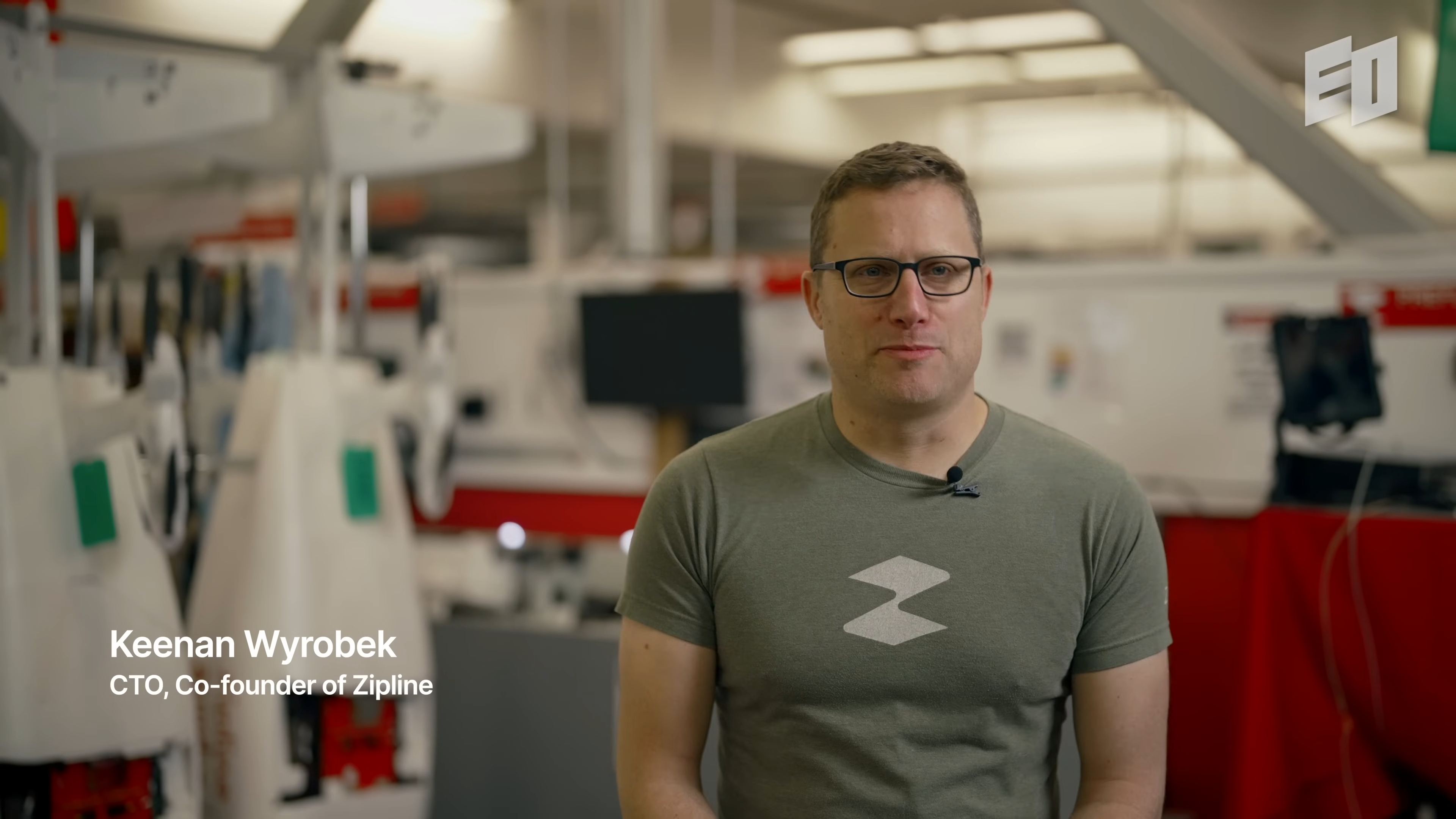
Keenan Wyrobek (co-founder and CTO of Zipline): My name is Keenan Wyrobek. I'm a co-founder and CTO here at Zipline. Anytime I'm able to make something where someone else just loved it and used it, and it made their life better, I got that bug when I was very little. The thing I'm known for before Zipline is for creating something called ROS, a Robot Operating System. It started as a PhD project to create an open source platform in robotics. ROS is everywhere. Pretty much every robotics company around the world uses ROS. So I spent seven years on ROS, and that's when I knew I wanted to do something new.
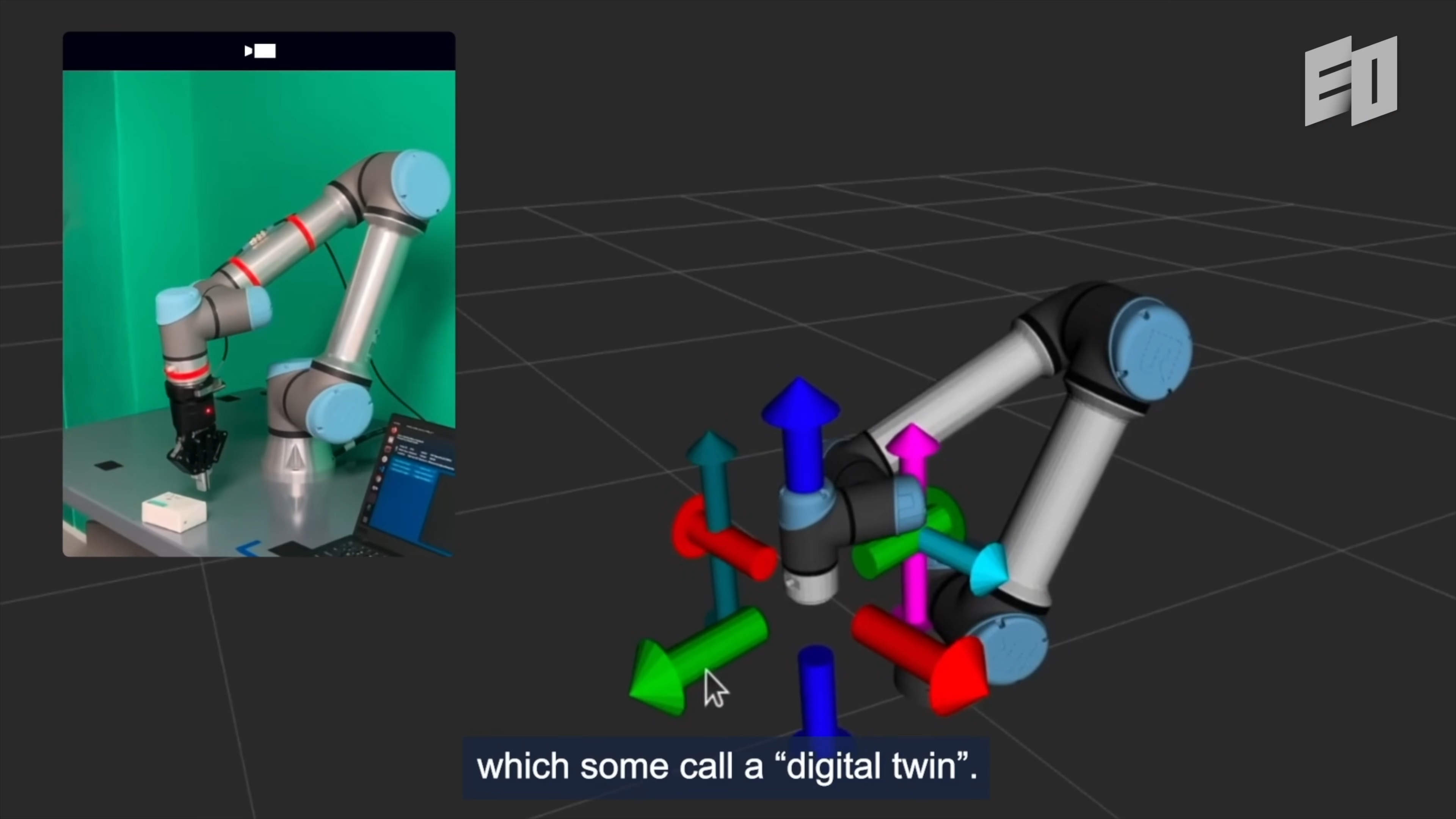
Keller: It seemed obvious to us there was so much really impressive robotics technology in academic labs. But to us, the thing that was more interesting was this idea of who's going to build the Apple of robotics. Why is this technology not making its way out of the research labs into our everyday lives? Robots really like boring problems. You want repetitive, controlled environments. You just do the same thing day after day. It's sort of like running water in that sense. It's not necessarily the most exciting thing, but you would definitely notice it if it wasn't working. We felt there was just so much promise that if you could make logistics ten times faster and half the cost, that would have a massive impact on humanity.
Keenan: We keep hearing about health campaigns that get stuck because of logistics, or fail because of it. We visit a country and get a tour of their warehousing. We see a huge amount of boxes outside. Someone pulled us aside and said, hey, that was all expired medicine.
Keller: I think there were two key moments. One was meeting a researcher in Tanzania who had designed a system using cell phones. They had given cell phones to all these hospitals and health facilities, and asked them to text in when they had a patient who was having an emergency and didn't have the medical product they needed to save that person's life.
Keenan: For pages and pages of the spreadsheet: death outcome, death outcome, death outcome, death. And you look at the missing supplies, and these are all things they have in the country, all things we could deliver.
Keller: And I remember asking him, so what do you do when the text message comes in? And he said, nothing. It's just a research project.
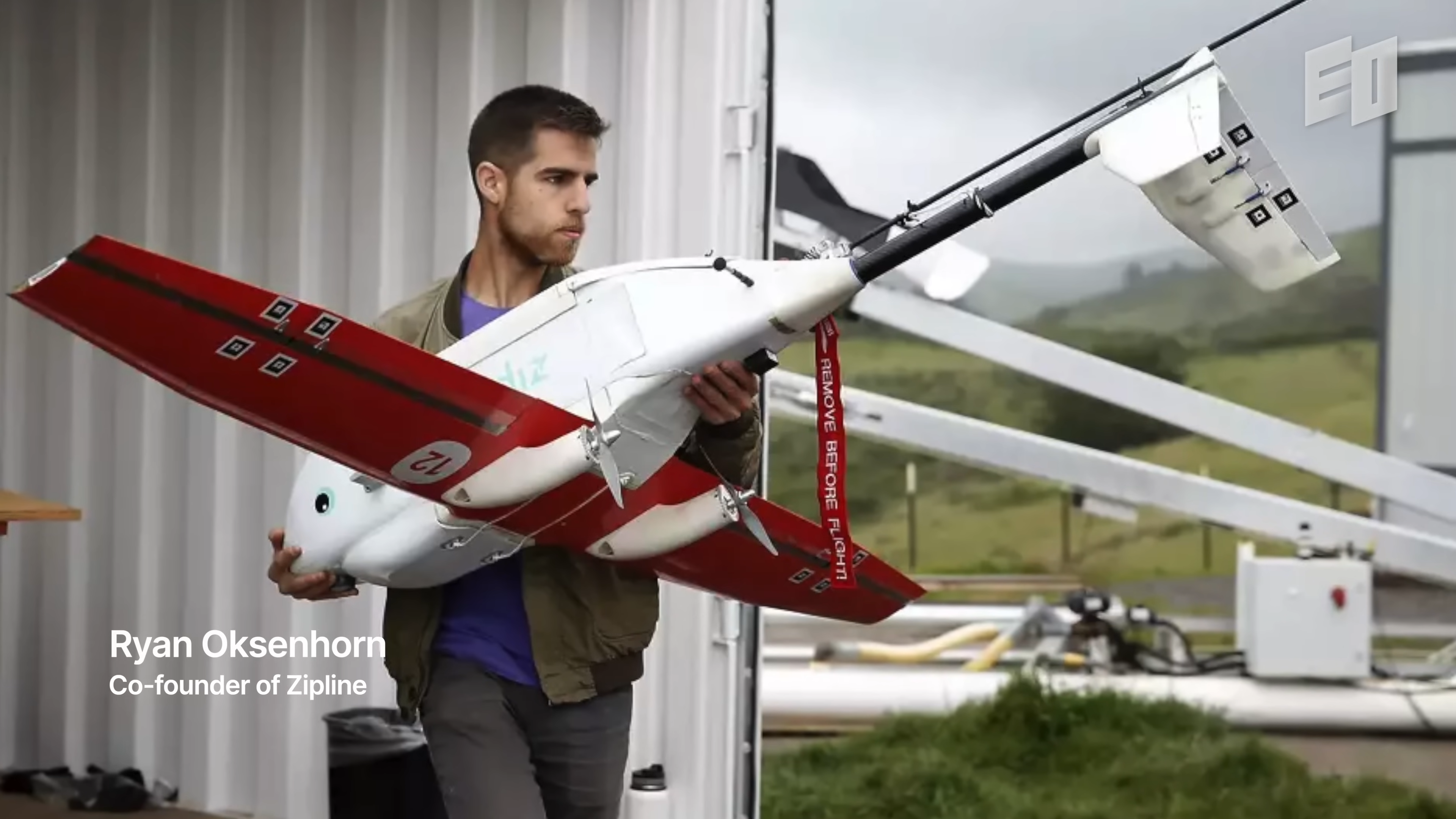
In those early days, you had to be a little bit crazy. We all could have had respectable, normal jobs. We didn't pay ourselves very much money for the first five years. Ryan was being recruited by a lot of great, famous tech companies that you've heard of, and he decided to instead move to Las Vegas and build robots in an apartment. Keenan had dropped out of the Stanford program in robotics. I think we were all united by this sense of adventure, getting to build something totally new and crazy to a certain degree. Maybe psychologically, we liked that people thought it was impossible. We thought it would be fun to show that it could work.
Building Drone Delivery From Scratch
Keller: The challenge is that for the first two years, we got every door slammed in our face. Nobody believed that this was possible. We ended up talking to the Ministry of Health in Rwanda: a team of 15 nerds who were going to use these aircraft to deliver to every hospital and health facility in the country, delivering all crucial medical products. And she looked at me like I was an alien, and basically said, Keller, shut up, just do blood.
She told me a story that apparently they had had a mom lose her life in childbirth, where they had needed a blood transfusion, and she went for like 18 hours and they could not get a blood transfusion to her. And we just happened to be lucky and walked in that afternoon talking about Zipline, talking about autonomous logistics. I think she connected it in her mind and said, these nerds are probably crazy and there's probably not that good of a chance this works, but if this is a potential solution, maybe we should just try it.
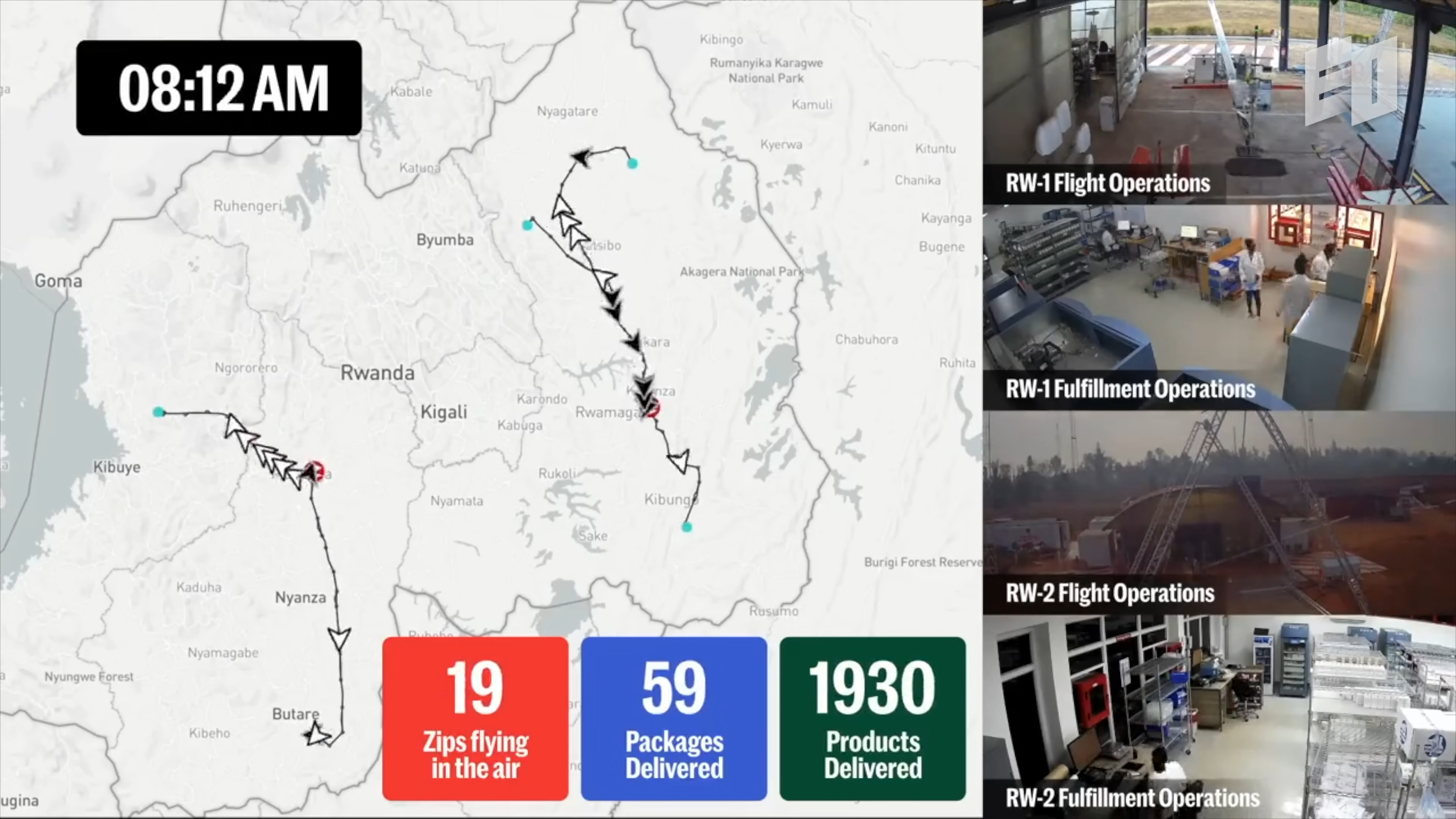
And so it was that one little opening that ended up leading to the very first commercial contract that Zipline ever signed, which was a contract to deliver blood to 21 different hospitals in Rwanda.
Keenan: We were talking to potential healthcare partners based on a pencil sketch of the concept. That's it. No technology, no drones, nothing.
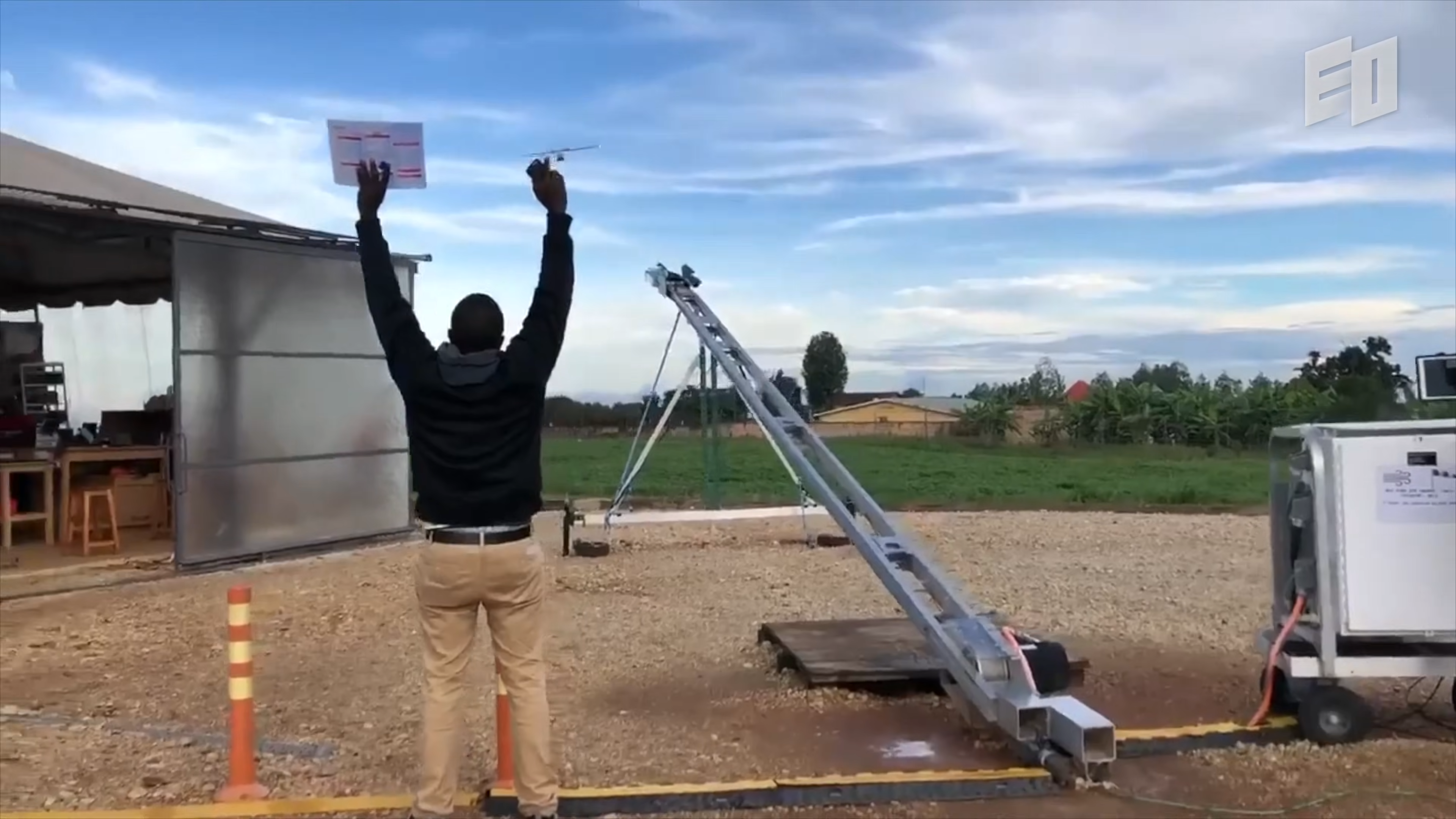
Most people think drone, they think something with rotors that hovers. This thing we call Platform One, it looks like a large RC plane. But because we went deep with our customers first, we knew they cared about two things. They cared about range, they cared about cost. And if you're going to do those two things, it has to be an airplane. It cannot be a drone. At the time, every investor we had, even engineers we hired, said, why are we doing a fixed wing aircraft?
Why are we doing an airplane? Why aren't we doing a drone? And we said, well, because we know our customers, we know what they want, and this is the only way to get them what they want. If we make the other thing that everybody else is making in drones, we will fail for our customers. I still remember the look on one doctor's face when I took a prototype to a health clinic, threw it over the fence, and it hit the ground and made such a loud whack that you could just tell from the doctor's face, they're like, nope, not okay. And then we went from that to the box with a parachute on it, that comes down slowly enough that everybody feels very comfortable with it.
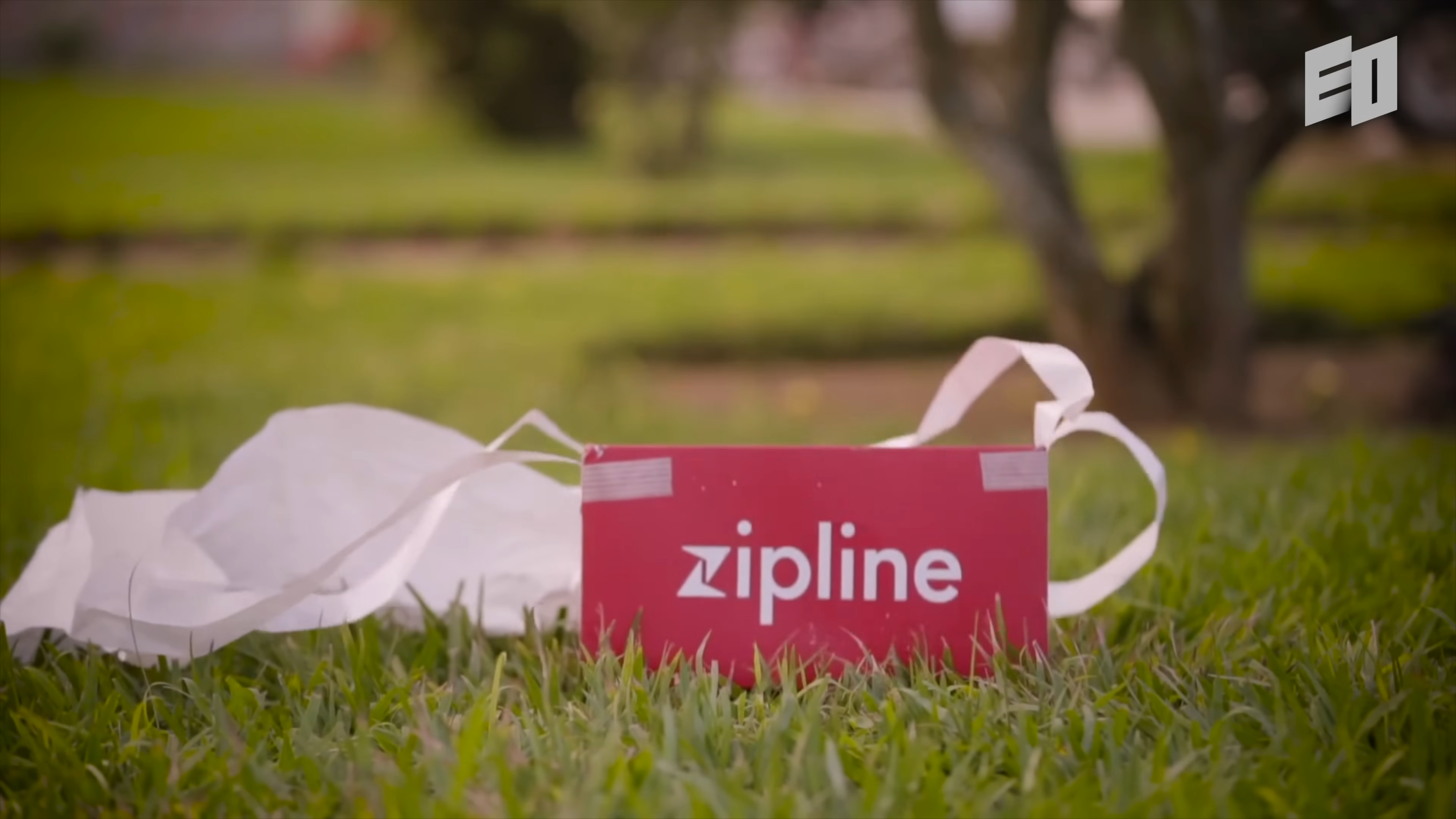
From folks like me who come from robotics, we forget that most people are not like us. If people think, that's a robot, you failed. And especially in healthcare, our healthcare partners don't want us to deliver to their tech savvy patients. They want us to deliver to all their patients. And so I always think of it as my grandmother test. If my grandmother would be okay with it, then we've solved the problem. To be clear, she won't be, she's not okay with most technology. So it's a very interesting bar, an engineering and design bar to achieve. But once you've got it and all of a sudden people like that are drawn to it and like it, you know you're onto something.
Keller: I definitely remember this one moment. We were still delivering to just one hospital in Rwanda and I remember getting woken up at about 2 a.m.: Keller, we have a problem. That's not what you want to hear at 2 a.m. I said, what happened? And she said, we delivered this emergency blood transfusion into this inaccessible place on the roof. And I thought, oh my God, clearly something had gone really wrong with the control algorithms. We had missed by like 50 feet or more.
A couple of hours later, I'm telling her, hey, I think we fixed the problem. And I said, oh, by the way, what happened to the blood? Is it still up there on the roof? She said, oh no, no, no, the technician went and got a ladder, scrambled up onto the roof, got the blood, and they transfused it into a patient five minutes later. And I remember hearing that, thinking, wow, this is an example where we screwed up, but our customer met us halfway. It made me realize that if the problem is important enough, your customer will meet you halfway.
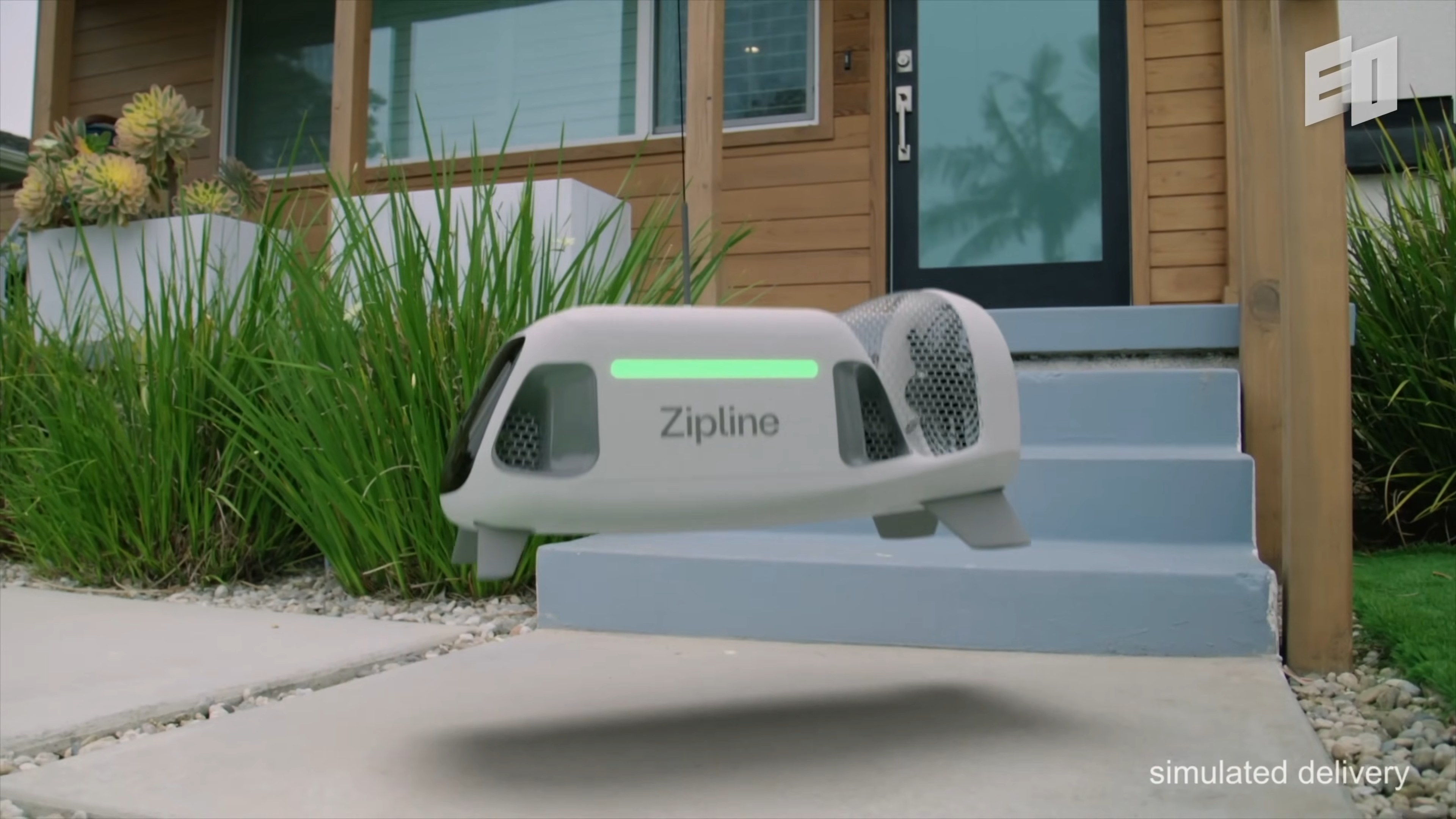
Today, Zipline is the largest commercial autonomous system on Earth. We just crossed our millionth commercial autonomous delivery a couple days ago. But we actually have customers who want Zipline doing a million deliveries a day for them, especially in developed economies like the United States and Japan.
Demand has just grown exponentially. At this point, we're signing new enterprise contracts with large customers, whether they be huge healthcare systems or huge quick commerce and retailers. We're focused on building the capacity that will be required from a manufacturing, technology, and operations perspective that will enable that kind of scale.
I saw a flag in a gymnasium of a school a couple of months ago, and it says, we do this not because it is easy, but because we thought that it would be easy. It so perfectly describes the mindset of Zipline. We were like, we can totally do that, that'll be easy. And then once you're committed and you can't back out, you realize all the ways that it's really hard and you have to solve those problems. That's the reason, probably, that a certain amount of naivete is required to start a startup like Zipline.
Hardware, Game Changer of the Future
Keller: People often joke that hardware is hard. There's a reason for that. We have to be really good at electrical engineering. We have to be really good at firmware engineering. We have to be good at software. And that's just on the engineering side. Then we have to be really good at manufacturing, supply chain, customer success and sales, really being good across all of these multidisciplinary areas. That's the thing that makes it so hard to build great hardware companies.
But the flip side of that is that we think that when you look over the next five to ten years, we're pretty confident that a majority of the most valuable companies that are going to be created are going to be hardware companies. You look at Apple, or you look at Tesla, or you look at Nvidia, you look at SpaceX, these companies have incredible competitive moats because it is hard.
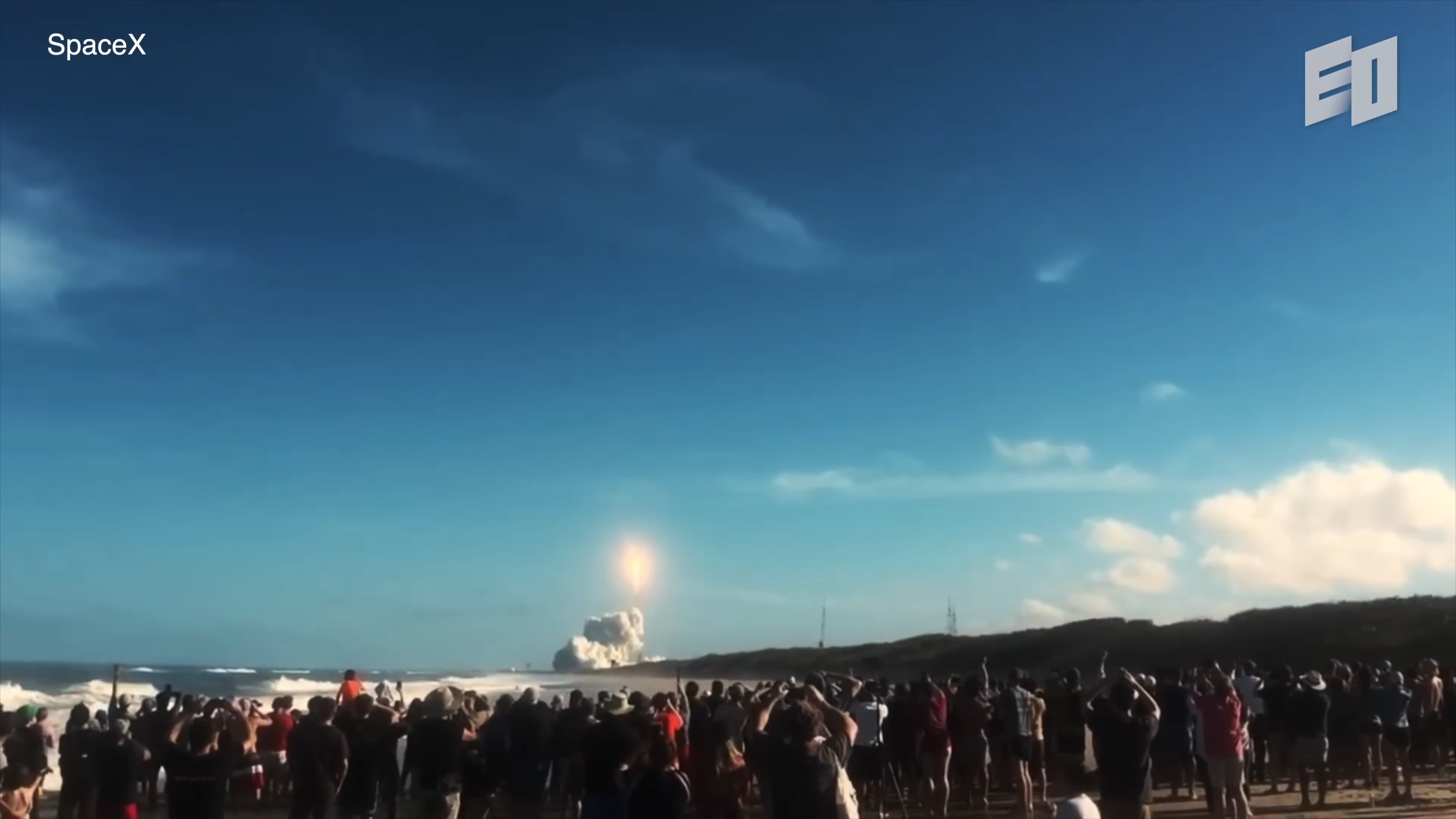
Venture capitalists tend to be very risk-averse, and they want to build ideas that are not capital-intensive, that can just grow super fast and then sell or go public. And I think this leads to a lot of founders focusing on problems like scaling data infrastructure in the cloud or whatever. If we were to open our eyes and really ask ourselves the question of what it would take to build the Star Trek version of the future that we'll be proud to hand to our kids, what are the important problems that we need to solve for 8 billion humans who live on Earth?
A lot of these problems require building hardware and building real products in the real world. I don't think people should be as scared of that as they may be. I think it's hard to build these kinds of companies, but these companies are also the ones that are going to move humanity forward in the most impactful ways.
Fall in love with the Problem
Keller: There are a few key things. It's really important to fall in love with the problem, rather than fall in love with a technology or a solution. Because the reality is, if you're just getting started, you're an idiot. We didn't understand all the nuances and complexities of what was going to be required in a solution to really make this overall company work. What was really important is that we went out and we were immediately trying to sell services and get customers to pay us money.
And we learned by doing, and we learned by having things go wrong under test circumstances, even crashing airplanes on our test site. We crashed a lot before we had a system. Not being fancy, forcing yourself to engage with the real world, going and building a minimum viable product as fast as possible, and seeing if you can get customers to pay you money for it.
Pick a weird problem
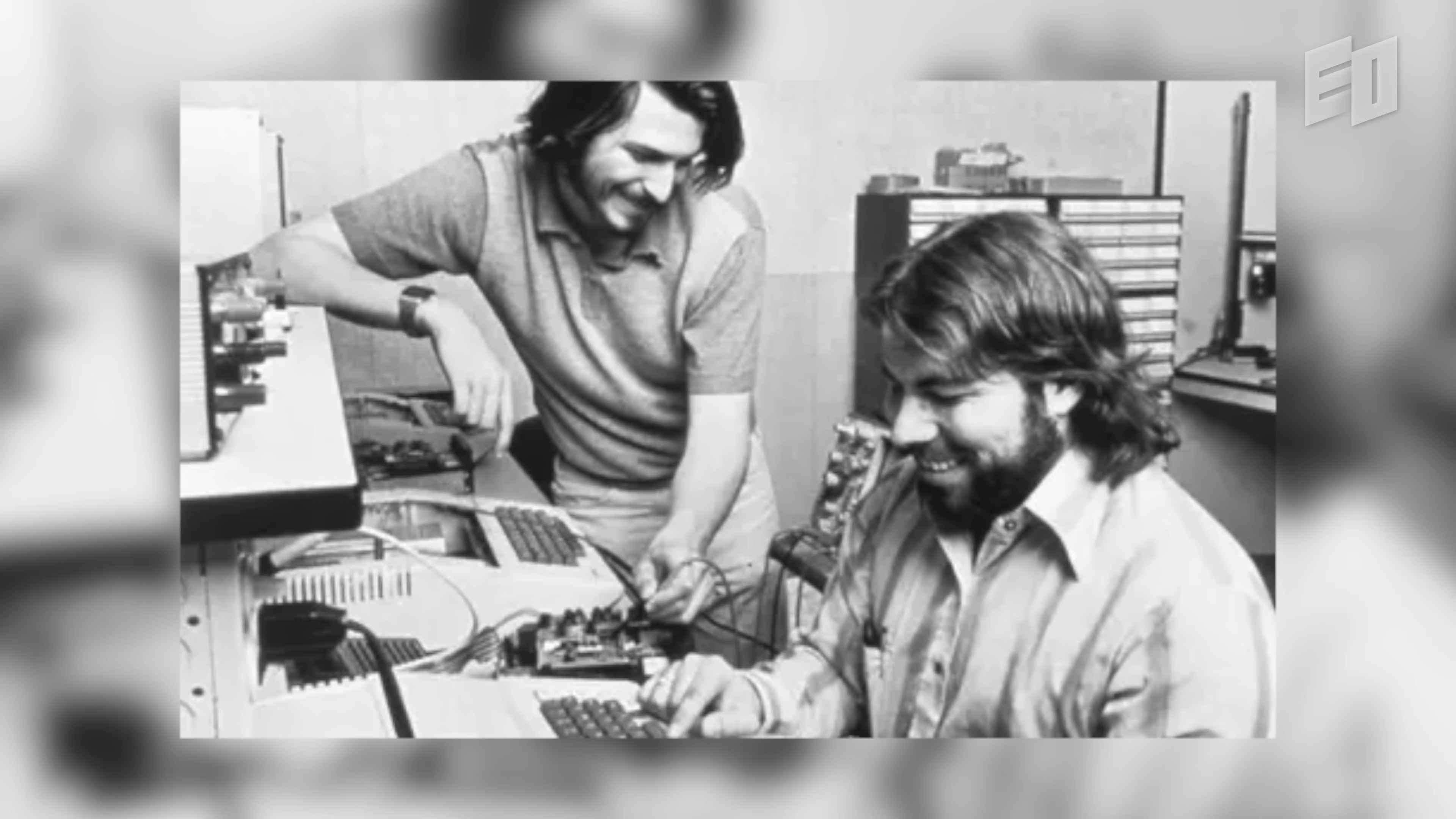
Keller: What nerds are working on during the weekends in their garages today are what will be the giant companies of five or ten years from now. If you pick something that's obvious and that is well understood, then a company is just going to come in with a billion dollars of capital and dominate that market. We needed to pick something that was far enough afield and weird enough that we could go become experts in that, well before anybody else was paying any attention to that industry.
I think you have to have that foresight. You have to go work on something that's weird, and you have to be willing to be treated like you're a weirdo too, because people will be like, why are you wasting your time on this? This is stupid. This is never going to work. You also have to have thick skin to be able to have people tell you that you're stupid for years and have the conviction that what you're working on is worthwhile. That's my advice.