Dec 16, 2025
How Great Tech Leaders Think and Decide
Interview with Mike Schroepfer, Founder of Gigascale
Founder Focused

💡
At a Glance
- Who: Mike Schroepfer spent 25 years building, starting, and scaling technology companies, including 14 to 15 years at Facebook (Meta) where he led engineering, built data centers, launched the company's virtual reality hardware business, and, he says, scaled the engineering team from about 100 to 35,000 people.
- What: He now runs Gigascale Capital, a venture capital firm that backs founders using technological advances to build products that make people's lives better, solve a climate or environmental problem, and turn out to be great businesses, citing portfolio examples like fusion energy and Mill, a food-waste appliance.
- Traction: During his time at Meta, Schroepfer built tens of millions of square feet of data center space, shipped tens of millions of consumer hardware products, and managed multiple billion-dollar acquisitions; at Gigascale, he says the firm meets about a thousand founders a year.
In this interview, Mike Schroepfer reveals why Meta went all-in on AI back in 2013, the three questions he asks to spot a breakout technology before anyone else believes in it, and why he left Big Tech to bet on climate and energy startups instead. He breaks down what he actually looks for in founders, from plasma physicists turned CEOs to serial entrepreneurs who never rest on their laurels, and why founders need to survive 30 nos to get to one yes.
Key Takeaways
There's No Escaping the Hard Problems
Founders instinctively gravitate toward tractable busywork instead of the highest-risk technical problem in front of them. He learned at Facebook that the only way forward is to identify the critical risks first and run at them directly, rather than tidying the metaphorical office while the real problem waits.
Three Tests Decide If a Technology Will Break Out
Schroepfer evaluates new technologies against a light-speed test (how much headroom is left before hitting a theoretical limit), whether there are tailwinds improving it without any extra work, and whether it solves a problem customers actually care about. He points to 3D TVs as a technology that passed the first two tests but failed the third.
People Don't Believe in New Technology Until They Can Touch It
Doubt is the default reaction to any new technology, from early AI chatbots to self-driving cars, until someone can personally experience it working. He compares this to riding in a Waymo: within five minutes, skepticism turns to boredom because it's simply a better driver.
Sustainability Is a Trillion-Dollar Engineering Problem
Solving sustainability means re-engineering tens of trillions of dollars of the economy, which government money and philanthropy can't fund alone. He left Meta because he believes startups, not policy, are the mechanism that can actually deploy that capital.
Founders Need 30 Nos to Get One Yes
Schroepfer recalls being rejected repeatedly on Sand Hill Road as a first-time founder before Sequoia Capital finally said yes, a moment he calls defining. He looks for that same relentlessness in founders like Bob Mumgaard of Commonwealth Fusion Systems, a plasma physicist with no prior company experience who learned to raise money and run a team from scratch.
The Best Founders Are Professional Learners
A CEO's job changes every single day, from solving technical problems to recruiting to pitching investors, and the founders who thrive treat unfamiliar problems as things to learn quickly rather than avoid. He cites Matt Rogers of Mill, who built on lessons from his first company, Nest, instead of resting on them.
Below is the complete transcription of the interview. Minor edits have been made for clarity and readability.
Introducing Mike, the Founder of Gigascale
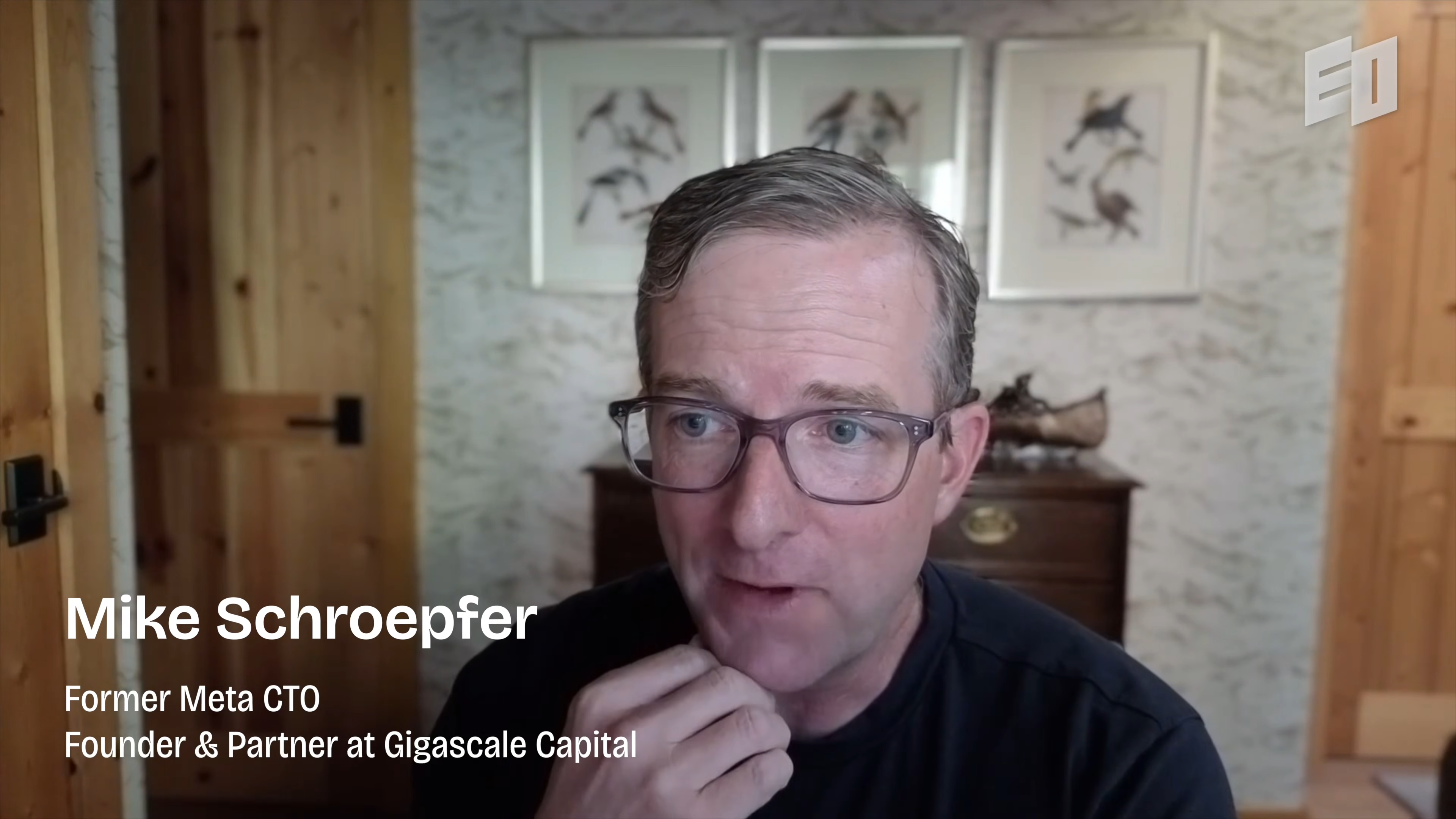
I'm Mike Schroepfer. I spent 25 years building, starting, and scaling technology companies. I worked at a small startup, then at two small startups in the dotcom boom. I started my own company after the dot crash, and sold it to a bigger company, Sun Microsystems.
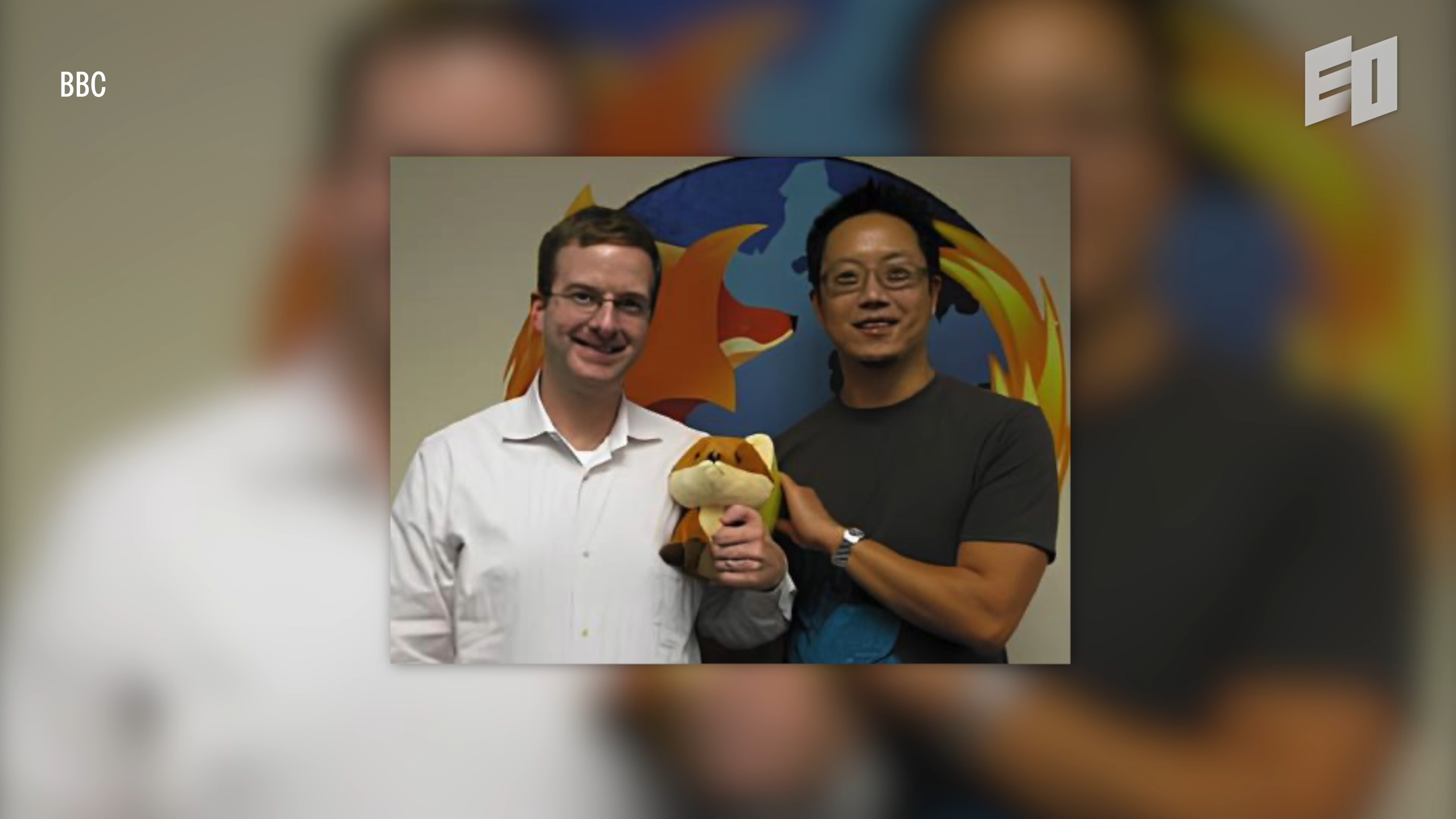
Then I joined Mozilla, which made the Firefox web browser, and helped ship 1.0, 2.0, 3.0 back when version numbers were small, not in the double digits. In 2008 I joined a little social network called Facebook, which was smaller than MySpace at the time.
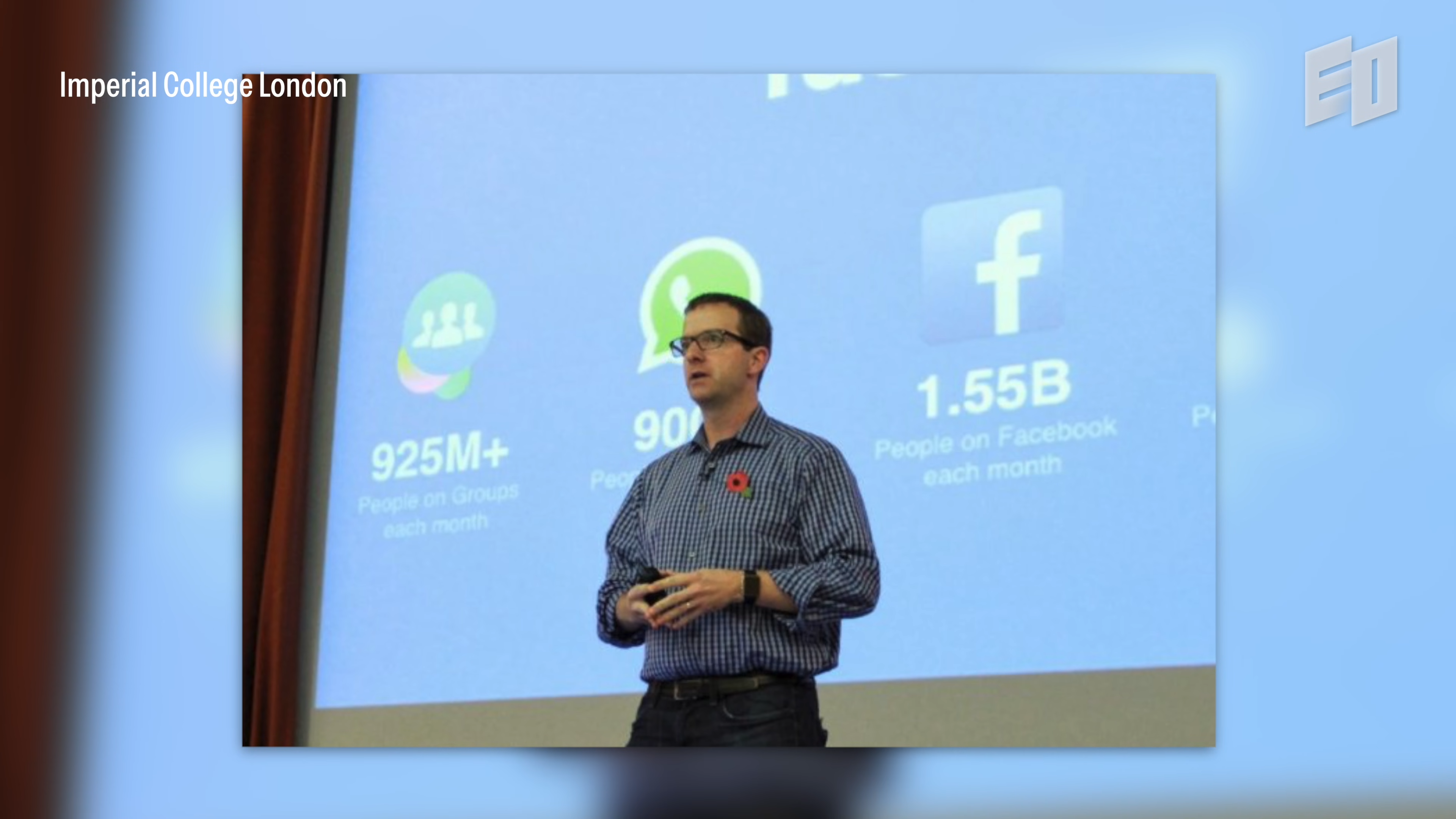
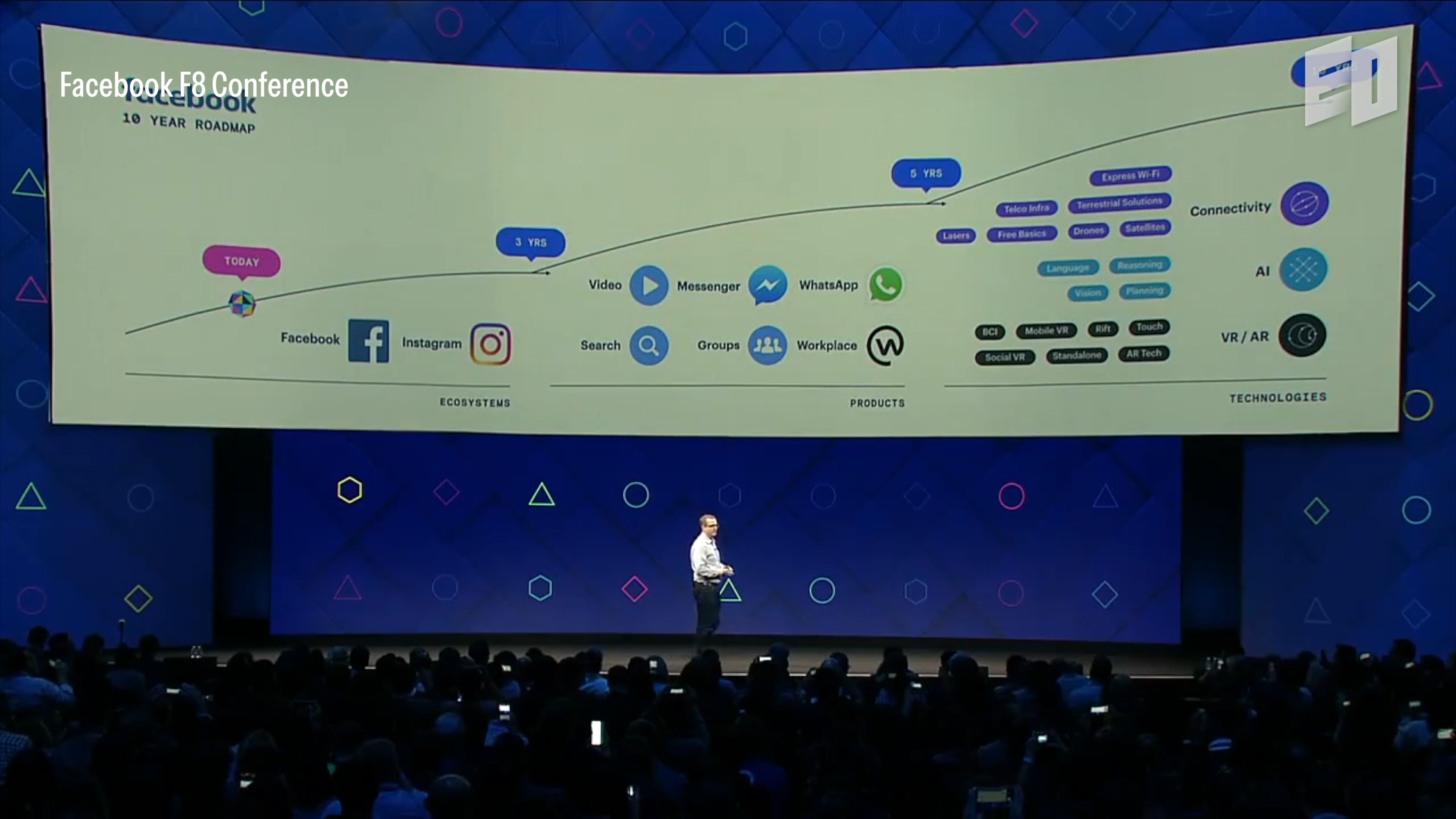
Over the next 14 to 15 years I led engineering, built data centers, took us into the consumer hardware business with virtual reality headsets, managed multiple billion-dollar acquisitions, built an AI research lab, and built hardware, software, enterprise, and consumer products. We scaled the team from about 100 to 35,000.
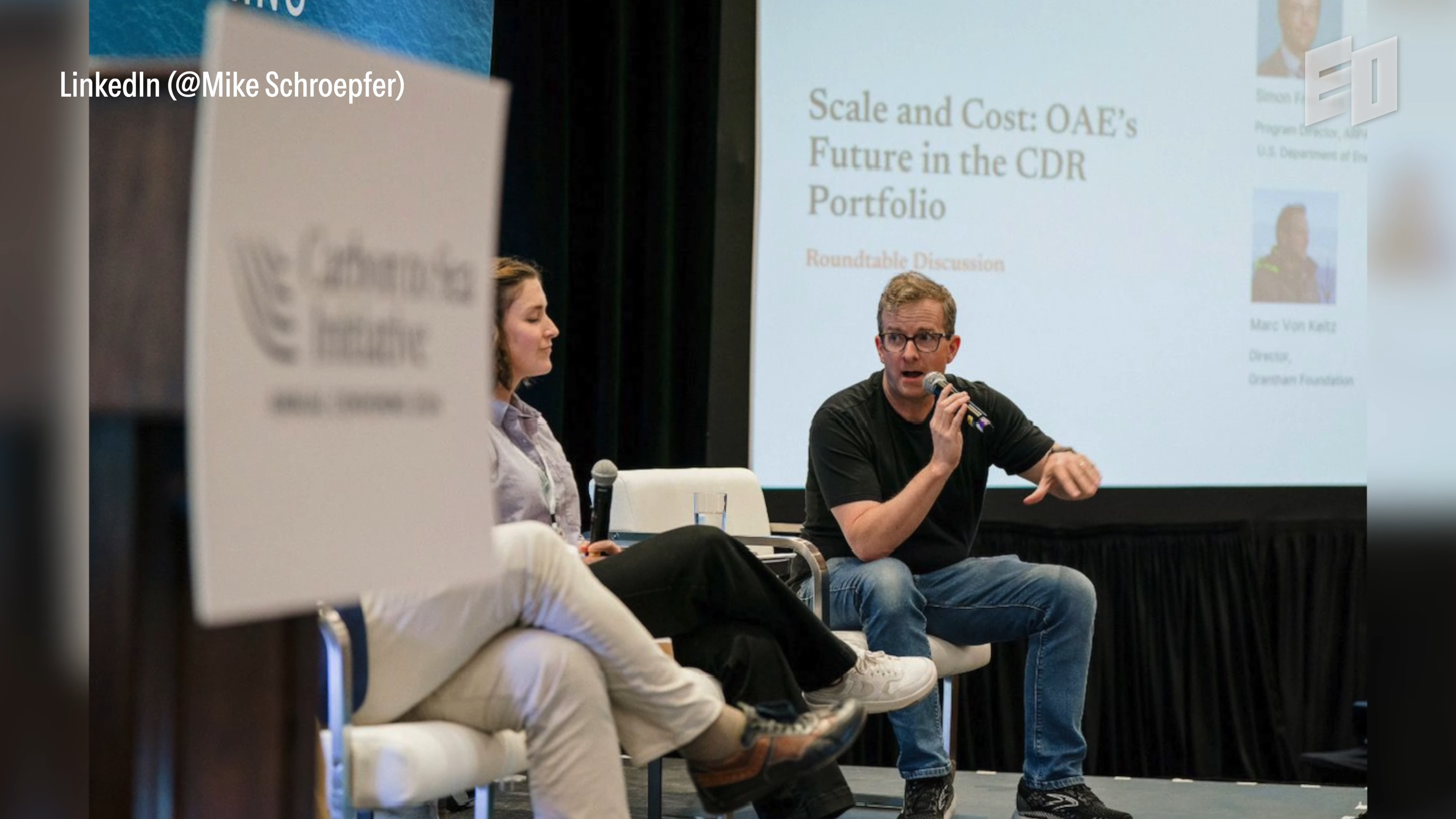
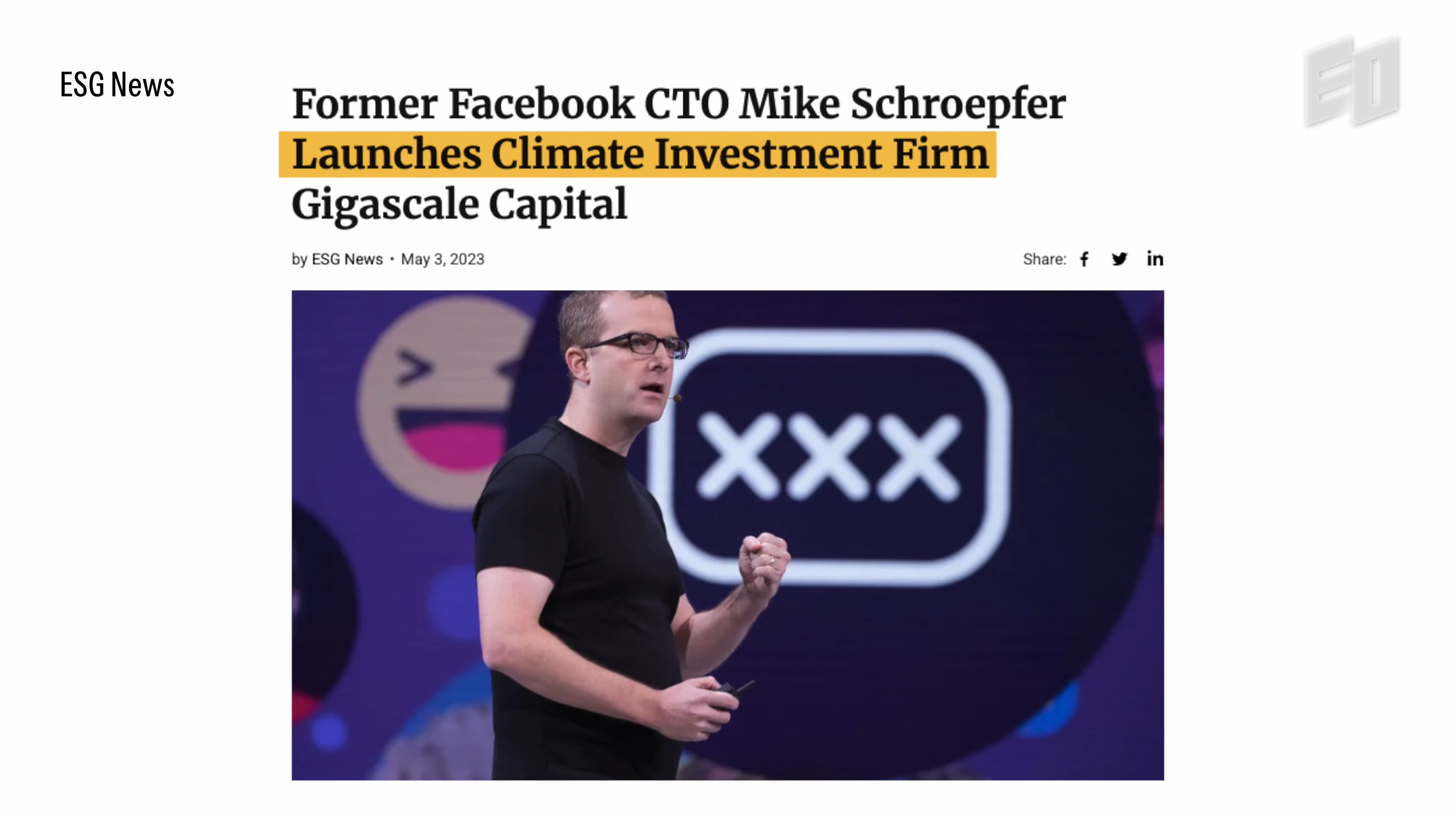
I'm now helping great entrepreneurs through a venture capital firm called Gigascale Capital, where we hunt for founders with big ideas who use technological advances to build products that make people's lives better, solve a climate or environmental problem, and turn out to be great businesses along the way.
An easy example of this is electric vehicles. They spew no pollution, they're cheaper to operate, cheaper to maintain, faster, and quieter. They have traditionally been more expensive, but as batteries get cheaper and cheaper, they're getting more cost competitive. So we're looking for products that are cost competitive and that people love, and that are also better for human health and for the planet. That's a version of what we do.
Solve Hard Problems: Building Facebook's Backbone
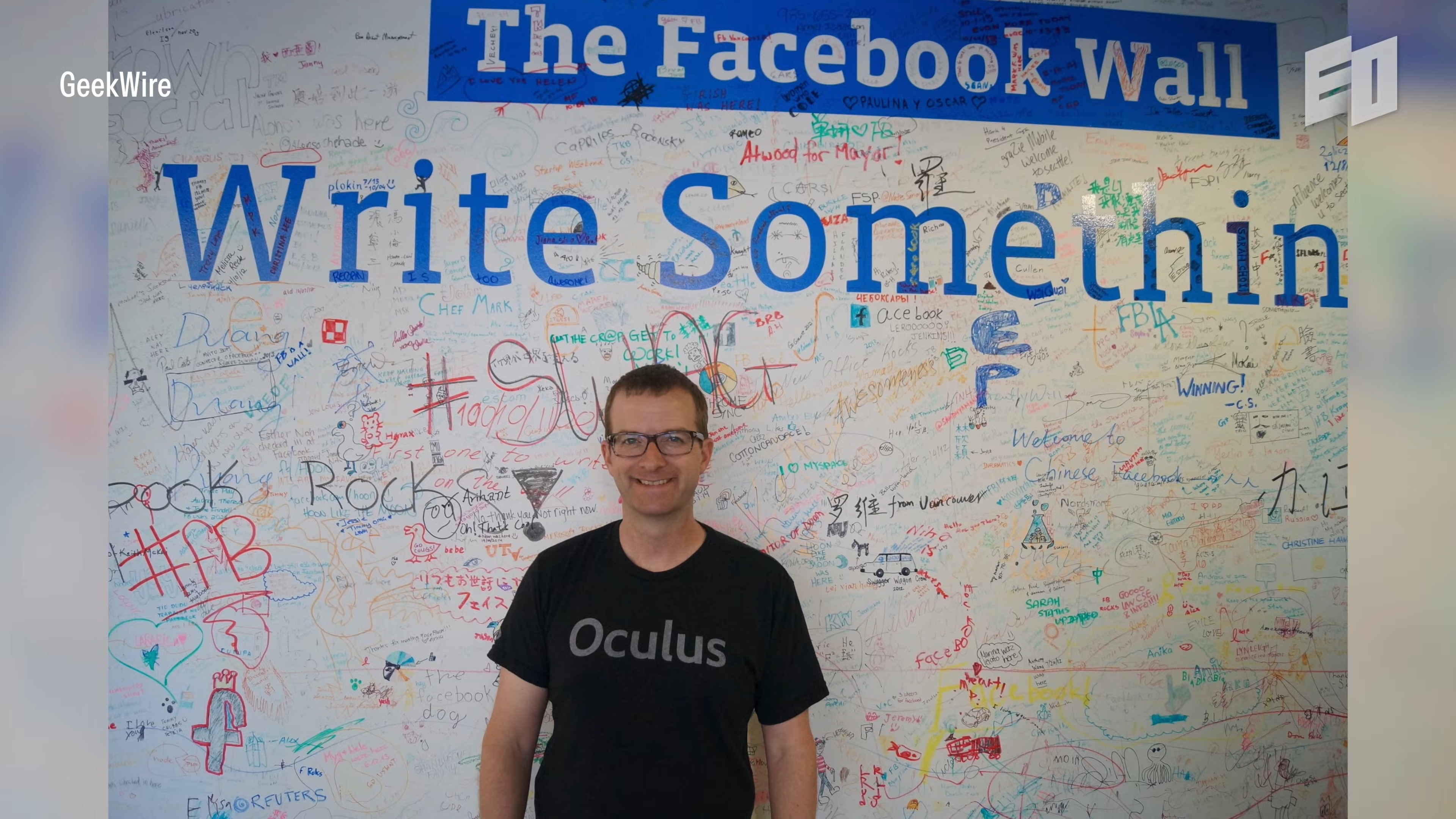
It was August or September of 2008. We had a product that people loved, the website facebook.com. More people were signing up every day, and new features were being added to the site all the time. At the time, the most urgent problem was scale. Every week, or every month, the challenge was keeping the site running, and the software and hardware backbone for building this kind of product didn't really exist.
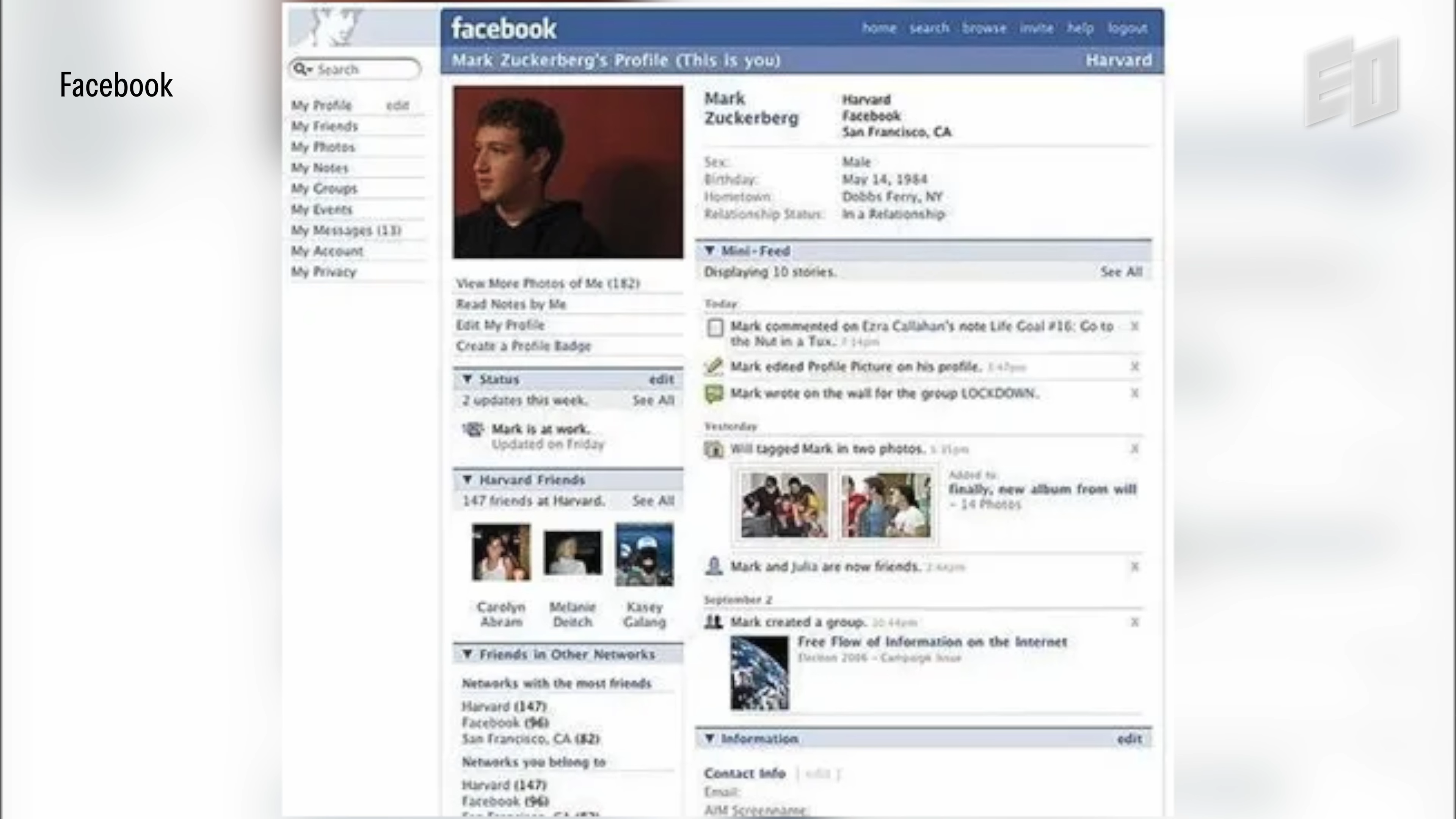
So a lot of my first years there was spent scaling and rebuilding the software architecture of the site, then building the hardware infrastructure to do it. When I first got there, we were leasing space in data centers and putting servers in them and building it up. But because of the financial crisis and the real estate crisis of 2008, people had stopped building large data centers, so we couldn't get more space. We had to build our own.
There were a lot of challenges, and we had to learn a lot. None of these things were perfect the first time. We made some mistakes and had to fix them, and we had enough humility to know we had to learn a bunch of new things. So the first goal was hiring people who had done data center work, who had done network design, people with an actual background in this space. The goal was to go hire a team to understand this new area and then help us get good.
Like many problems in a company, if you're a founder or prospective founder watching this, most of the things a startup does, it does out of complete necessity. It's like, well, we can't get space, we don't really have a choice here, we have to figure this out.
You Can’t Avoid the Hard Problems
One of the lessons I took away was there's no getting away from the hard problems. You just have to get to it. So it's like, okay, if we need to solve this problem, let's figure out what the critical risks are, what are the things we understand the least, or the highest technical risks, and let's work on those first. I think there's a human instinct to solve tractable problems.
It's like, I've got this task I want to do, but my room's kind of messy, so I'm going to go clean my whole office. I don't want to go work on the hard thing. That's a very human trait, so it's important to work against it.
Say, actually, no, it doesn't matter that my office is messy. If I don't get this pitch done right and raise money for this company, then nothing else matters. It doesn't matter if my office is clean or not. So I think getting people focused on the right hard problems and running at them is really critical.
Why Meta Went All-In on AI
In the early years of Facebook, it was pants on fire all the time. It wasn't totally solved, but it wasn't so consuming of all our energy that we had a little bit of energy to look forward. In 2013, Facebook started its AI research lab. One question was whether we should establish a more broad-reaching research lab, like Microsoft Research or IBM Research, that could do software theory and lots of different areas of technology.
The most prescient part of all of this was to say AI is such a big thing, and so impactful, that you wouldn't want to spend time on those other areas. You'd want to take all the energy you had and focus it on AI. This was a debate Mark and I had, and I think he was the one who pushed to say let's just do AI.
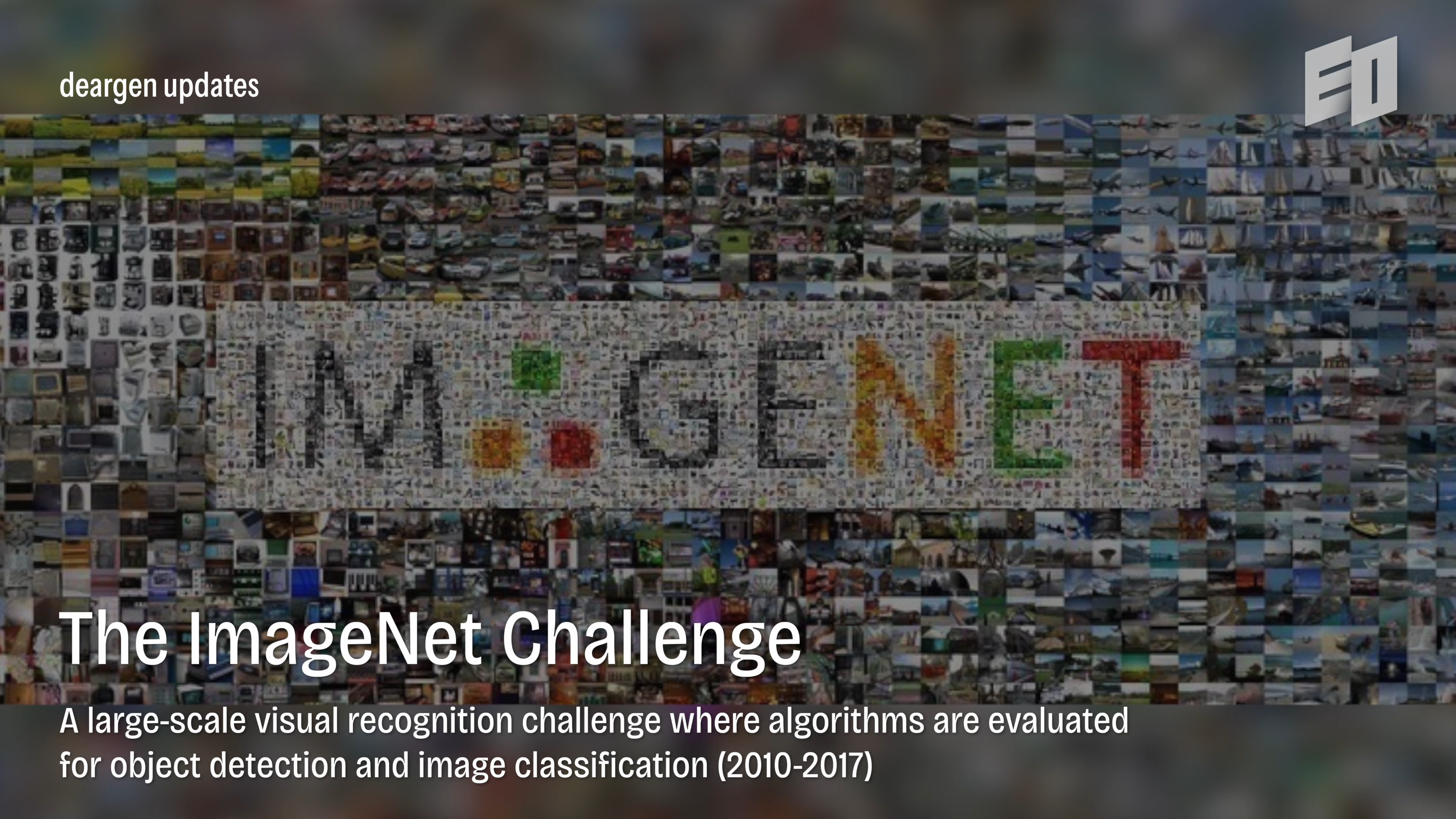
Part of it was having visibility into what was going on in the ecosystem. There was the ImageNet challenge, a famous academic challenge in object identification that no one was paying much attention to, until the first neural net entered the challenge and was so much better than everything else. It's one of these rare moments in tech where something shows up and it's like, oh my gosh, that thing is 10% better than anything, a very large gap compared to any other, and it used a neural net trained on data. It's a different approach.
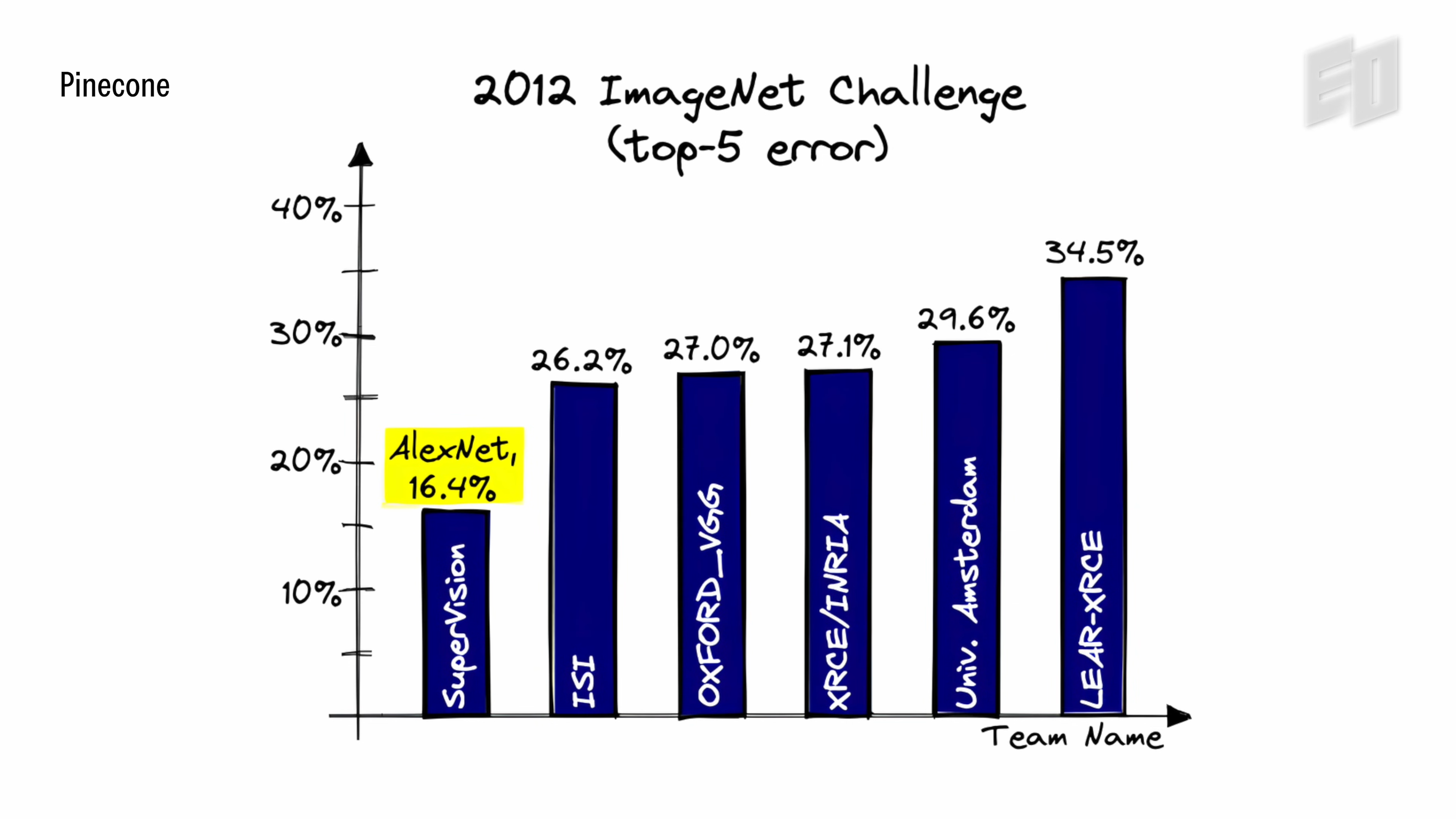
You then look at that thing and ask, is that at the end of its runway in terms of capability, or is it at the beginning? What's powering it? What's powering it is the size of the neural net, the size of the data set, and the amount of computation you can give it, both in training and in inference. Even at the time, we could scale all of those by thousands of times easily. So even if we invented nothing new, we could get a lot more out of it. That's what I mean when I say a technology has a lot of runway. It's not fully optimized.
But the point is, as a technology, it was in its infancy in terms of its ability to grow and scale, and those are the things I think are really exciting. When Meta invested in them, and when I've invested in them, that's where you have a lot of opportunity, versus things that have been optimized for 150 years and there's just not a lot of room for improvement.
Take the Leap: Believe Before It Works
Everything always feels obvious in hindsight. I had definitely seen people who, at the time something was coming out, questioned and doubted it, and then three years later it was obvious, and they'd say, oh, I knew all along this was going to be great. And I was like, no, no, you didn't. I think it's human nature to doubt something until you can touch and feel it. And you have to take that leap.
Not everyone does. At the beginning of a new technology, some people say, well, I just don't believe it's going to scale or work, and sometimes they're right. Sometimes things don't work and don't scale. And every time you get something to a useful point, there's always some other useful point it hasn't reached yet.
The very first part of AI that started working commercially well was the ability to analyze images, to start labeling things in images and understand them. Translation started to work reasonably well too, so you could translate text from one language to another. But this idea of a chatbot I could talk to that had any semblance of intelligence, it was better than anything we'd had before but still not very good at the time. The demos were terrible. You could barely ask how many people were in a photo, or whether there was a cat in the photo.
If you think about it from a what-can-I-do-with-it standpoint, it wasn't obvious. It wasn't good enough to do anything with. So you'd have to look at it and say, oh no, that'll get better, which is hard for a lot of people to believe. It's not until you can touch and feel it, really the ChatGPT moment, where most consumers had their first experience with an AI chatbot, that you think, oh wait, it actually can do some useful things for me now, I believe.
You have a similar experience with self-driving cars. Most people conceptually get scared of them and say, oh, it would make me super nervous. I've taken a lot of people on Waymo rides in San Francisco, it's one of my favorite things to do. You get in the back of the car, five minutes in, you're bored. You're like, oh, it's a better driver than most distracted, tired humans. You're on your phone thinking, this is boring.
This is the challenge of new technology. I have yet to encounter a new technology that, until I could show it to you in a way that was obviously useful, that you could personally experience, it is so easy to doubt. Once you get to that point, you've captured all the value. So a lot of the challenge is how do you identify technologies that have an opportunity to get to that point but aren't there yet, because that's where the place to have impact is.
Three Core Questions for Spotting Breakout Technologies Early
So if I'm looking at a new technology, trying to decide whether it might be a breakout, transformative technology, there are three core things I look for. The first and most important question is what I call the light speed test. As far as we know in experimental physics, you can't go faster than the speed of light. If I was building a spacecraft at 99.9% of the speed of light, there's not a lot of room for me to get faster. Making it twice as fast would be really, really hard.
But if I'm at 0.001% of the speed of light, I've got a lot of room to go before I hit any theoretical limit. So for most technologies, my first question is: how far away from the theoretical maximum is the current version of the thing? How much headroom do you have to scale and improve? Is it thousands of times, or is it 1%? That's question number one.
Question number two is: are there tailwinds? Are there things happening that make this technology better that you're not working on? Usually this means there's some input into the component that improves year over year without your work. In the AI world, for example, getting more compute power was happening without our effort, because Nvidia, TSMC, ASML, and the entire chip ecosystem was developing faster, more powerful chips year over year.
So for the same dollar, I could get about double the compute power every 18 months. I didn't need to do any work, I didn't need to build a chip team and design chips. Every year I got more computation without doing a single amount of work. So that's question number two: do you have some tailwind making your product better even when you're asleep.
Then number three, which is the hardest, is: what problem are you solving, and how important is it to your customer? Your customer could be a consumer or a company, but there are plenty of amazing technologies that have made great advances that don't actually solve a problem people care about. The biggest example of this is 3D TVs. For a long time, everyone said 3D is the next step forward from 2D, it's more immersive. It turns out people don't want to put on special glasses and sit on their couch to watch it.
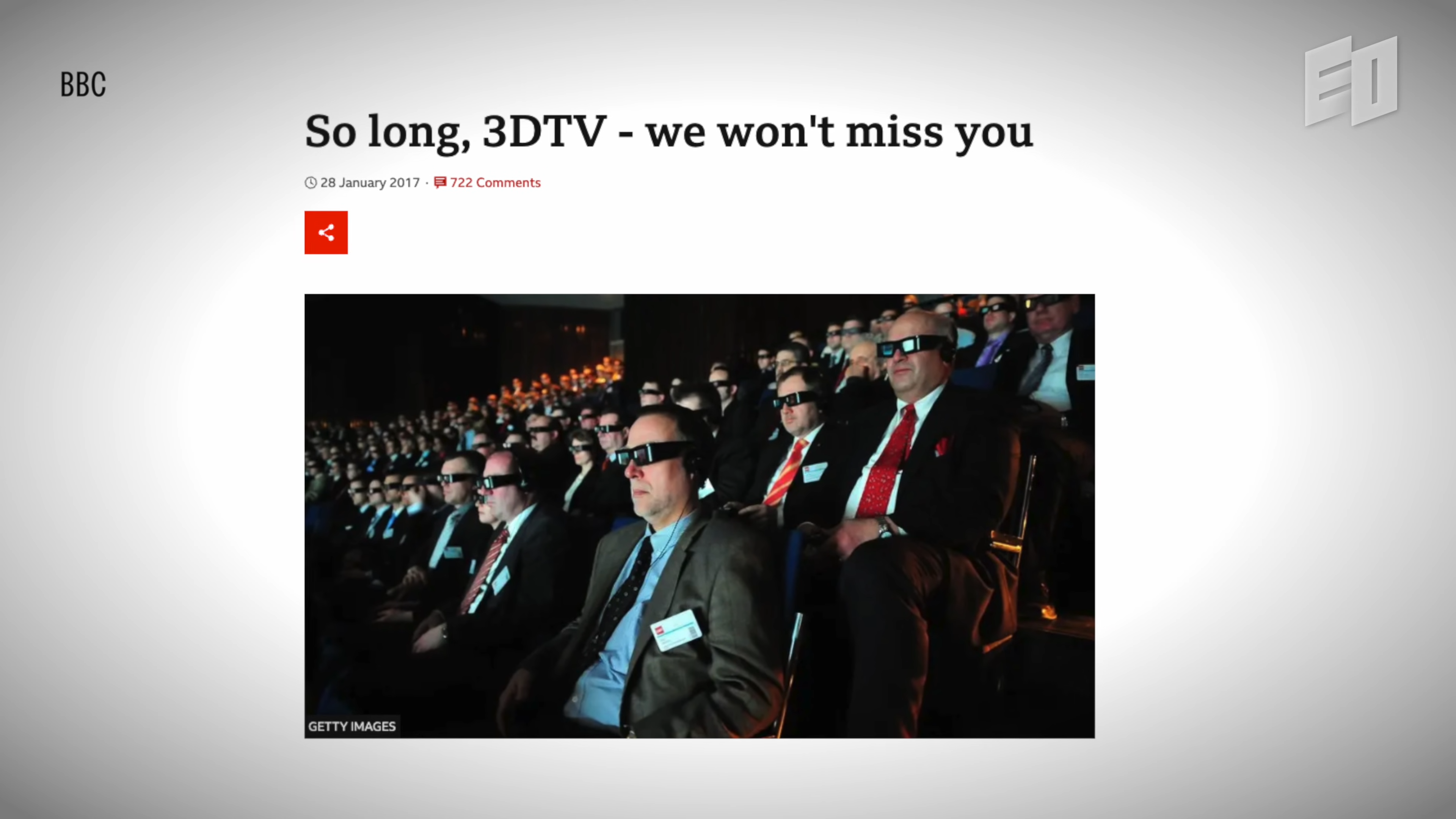
So 3D TVs were a technological leap that didn't solve a problem consumers cared about, and it's been mostly a failure. What we do with advanced technologies is try to mock them up and say, okay, I haven't built the thing yet, what's the best proxy I can use to show people, to get a sense of whether they'd like it if I built it. That customer exploration is really important, because ultimately someone has to buy that technology, some business model has to pay for it, someone has to fund all the R&D, and if there isn't some loop of money there somewhere, it'll eventually.
Why I Left Big Tech to Break the Bottleneck to Progress
To me, the problem was obvious. It's something I've been passionate about for a long time. I had the very first Nissan Leaf, the first electric vehicle I could buy, an early generation product. It was terrible, it had very bad range. Really, the question was, is there anything I can do about it. It feels like a big, overwhelming problem, and it takes either some hubris or some naivete to believe I can actually have a meaningful impact on it.
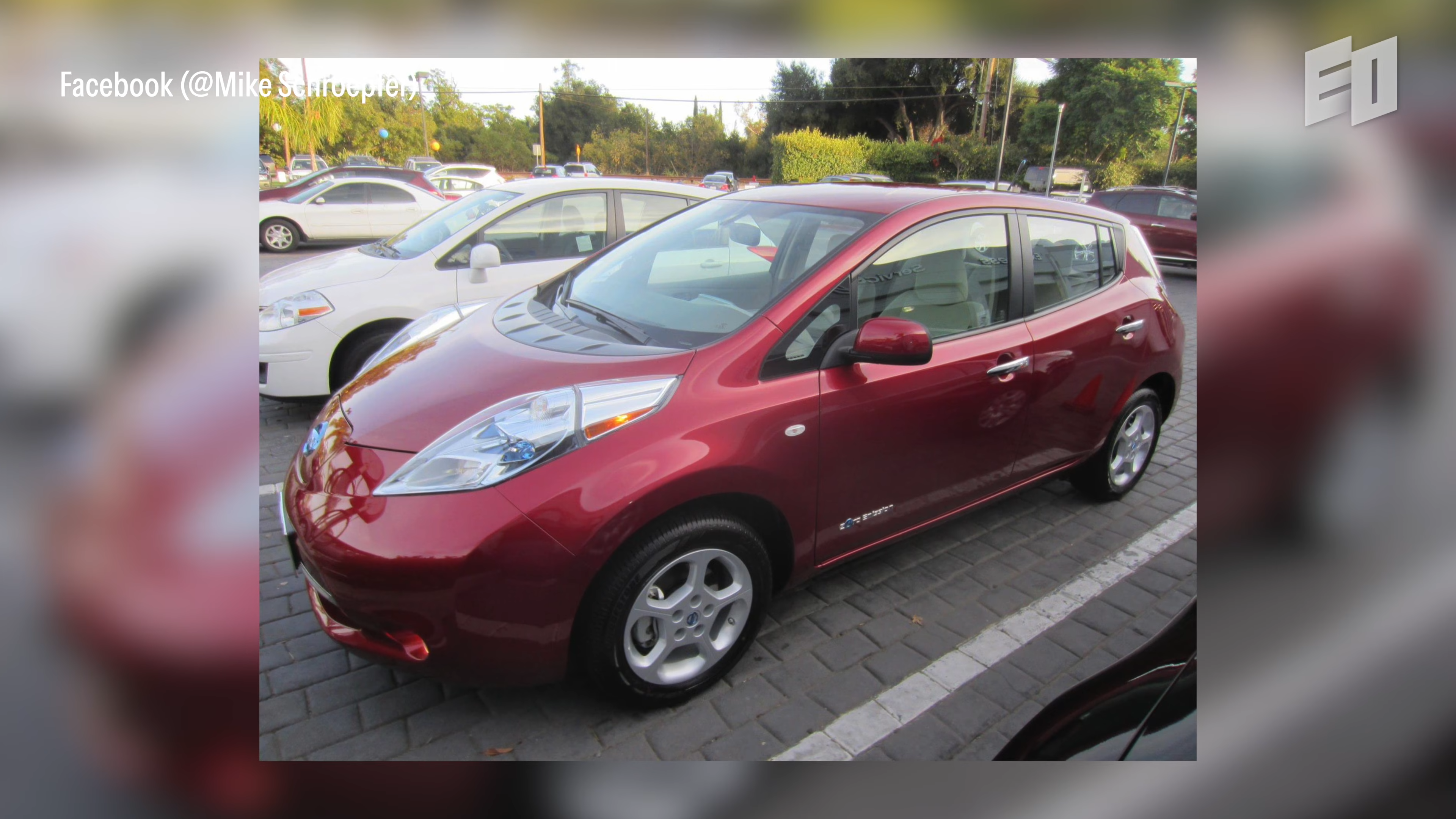
I think what I decided at some point was that it didn't really matter whether I could, I had to try. When I think about the problems humanity needs to tackle, massive amounts of additional clean energy is upstream of everything we want to do. If you take a longer view of the industrial revolution, what humanity has really done is harness energy, whether from animals, fuels, or renewables, to do work for us. Instead of manually farming or manually digging, we have machines that do it for us, and that has had a huge uplift in productivity and in human health and happiness.
The only way we're going to get AI progress is by massively increasing energy use. The only way we're going to get people comfort and air conditioning and clean water is energy. That is the upstream problem to everything you look at. We know how to desalinate water and make clean water. We know how to keep people cool on a hot day. We know how to manufacture lots of different things. We know how to make super intelligent assistants.
We don't know how to scale that to 8 billion people without terawatts of additional clean energy, and there are lots of ways to go solve that problem, and lots of entrepreneurs are tackling solutions that can have an impact in the world at that scale.
Startups Will Solve Sustainability
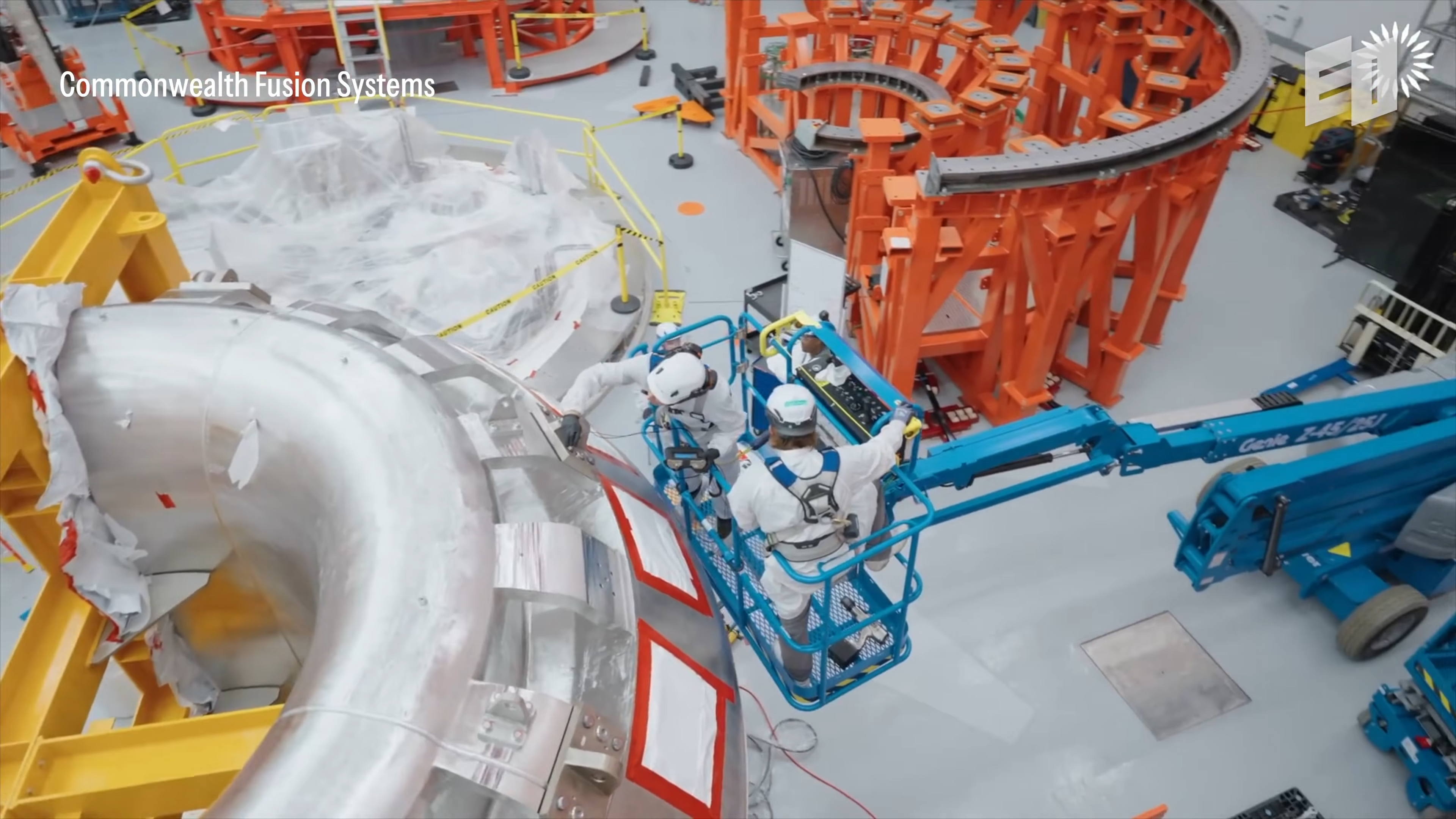
It took me a little bit of time to figure out exactly the mechanism to do so. What I figured out was that solving sustainability means re-engineering tens of trillions of dollars in our economy. Energy alone is a multi-trillion dollar business, and if you want to do that, you can't do it with government money, you can't do it with philanthropy. You need businesses to be investing, and the place to do that is usually through startups.
You've got this cohort of really amazing entrepreneurs out there chasing ideas from fusion to next-generation micro reactors to offshore AI data centers to dehydrators for your kitchen. My personal experience building companies over 25 years was uniquely valuable there. As I spent time with entrepreneurs, I realized there was a lot I could do to help them skip over the common mistakes you make when building a team: how do I hire executives, how do I manage product development, all of these sorts of things. It's just a great co-alignment with my skills and the change I want to see in the world.
And it's just awesome to see these products take off in the market.
Better, Faster, Cheaper: Products People Actually Love
There's a lot of exciting work happening in clean power that is effectively unlimited, meaning we can produce 10 times, 5 times, multiple orders of magnitude more than what we're using today worldwide, and power the whole planet. The most exciting and most ambitious of this is fusion, the idea of essentially the power source of our sun. We know it works in the universe, we've actually made it happen on planet Earth before. We know how to make fusion work, we just haven't yet figured out how to turn it into a reliable power source.
If we can make it work, we can build a power plant that requires almost no inputs and produces no emissions. It's completely safe, and we can build these power plants at scale. One that could power all of Austin, Texas, would require one pickup truck of fuel a year, which is absolutely insane. That would take trainloads of coal cars, or amazing amounts of gas, to do the equivalent generation. So from an efficiency standpoint, it's the endgame for power generation.
That's energy, and I could talk a lot more about it, but let's talk about one other example of something people watching this might experience at home: throwing away food in the garbage. When you throw food in the garbage, it goes to a landfill, it rots, and releases methane. This is a major source of near-term warming and waste.
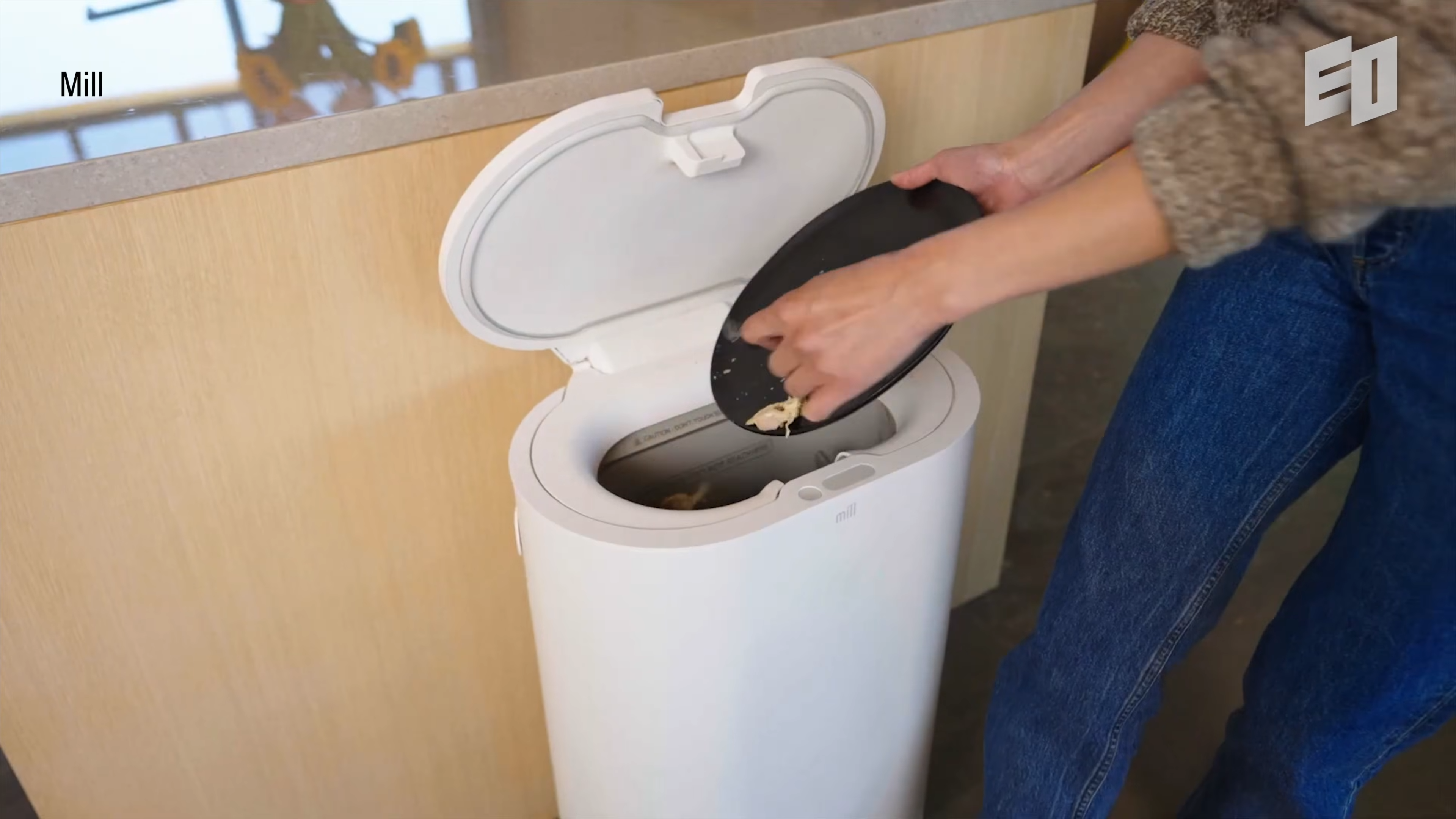
There's a company called Mill. It's a little trash can, it looks like a little pop-up trash can, but it's magic. You throw food into it, it dries it up, grinds it up, and turns it into what looks like little coffee grounds. You can do this in an average family home for probably a month, and at the end of that month you have a shoebox-size amount of these grounds. Most importantly, it doesn't smell, and you don't have to empty it for a month.
So the pitch to consumers is: empty your trash less, and it stinks less. Nobody really enjoys emptying their trash, so if you can do it less, and it's smaller, and it stinks less, everyone's excited. It turns out this is a major diverter of food waste related emissions. And the thing about this product is, if you meet someone who has it, you'll know it, because they love it. It's a product people buy because they love it, and it saves a food waste problem, a consumer problem.
And guess what, this company is making great revenue and money on us. This is an example of better, faster, cheaper: it makes people's lives better, and it solves a climate and environmental problem, and it turns out to actually be a great business along the way.
Technology Matters — People Matter More
People have operated big things, people have started companies, but very few people have seen this kind of scale. I built tens of millions of square feet of data center space, we shipped tens of millions of consumer hardware products, scaled a team to tens of thousands, and managed lots of multi-billion dollar acquisitions. I've had the great fortune of working with an absolutely incredible cohort of people on an amazing set of technologies in hardware, in software, in deep research, and others.
Everything we've talked about here is what we bring to bear: how do you find the right problem, identify the technology that has headroom to scale and tailwinds and customer demand. And then what we haven't talked about is people. A lot of my job ended up being finding out who were the right leaders, technical, organizational, or otherwise, to take something forward. In the startup realm, the team is ultimately what you're betting on. These are the people who are going to build that company.
And we're looking for founders who could take the company as far as possible. A company at 10 employees at pre-seed or seed is a very different company than a 300-person company with customers at series C, and that rate of change is unusual for humans. You don't usually encounter environments that change that much, so there is a rare set of people who can scale through those changes, and I've had the great fortune of working with many of them, and the ability to do it myself.
A lot of what I'm looking for is that people identification: as we meet a thousand founders a year, these are the 10 for this year that we think have the best shot at scaling this company into a public company. That pattern matching on people's ability to scale is a lot of what we're doing. So coupled with technology and market, it's really people.
What Winning Founders Have in Common
There are questions about how do you evaluate founders. What we look for, number one, is complete relentlessness, determination. Building a company is a never-ending series of near-death disasters, and a lot of people telling you what you're doing isn't going to work, and a lot of people saying no. New recruits say no, investors say no, customers say no. And you need to get 30 nos in a row. It doesn't really matter if 30 investors say no if one says yes.
I remember, 25 years ago, going out on Sand Hill Road trying to convince people to invest in my startup as a first-time founder. I got a ton of nos. I had someone fall asleep in one of our pitch meetings. But then we got the world's best venture capital firm, Sequoia Capital, to say yes, and that was the defining moment, and that helped us build a really successful company. So as a founder, you need this determination to just keep going despite setbacks. That's number one.
Number two is, building a company as a CEO is a different job every single day. You might have to solve technical problems, then go talk to customers, then go recruit people, then go get a lab space. You're going to be doing a different job every single day. There's a category of people I call consumers of new information. They have this combination of humility, that they don't know something, and curiosity, to figure out how to learn it.
That combination allows them to do everything: how do I run a board meeting, how do I pitch an investor. These are all things our founders learned how to do successfully. You're looking for people who demonstrate this ability to decide they don't know something, and then figure out how to learn it as quickly as possible, and/or hire people who know how to do it for their company. So it's really those two things: unrelenting determination, and the ability to understand, identify, and learn new domains on a very rapid clip.
There’s No Perfect Founder Checklist
The challenge is everyone tries to distill it down: if I could just check off a couple of things in someone's background, you could find the founder. But that never works. The number of times that if I make a rule, like we only do second-time founders, I can give examples that violate that rule. We just have to meet founders and do our own evaluation of it. That is the most important part of the job. We evaluate them by meeting them multiple times, and by calling references and people who worked with them.
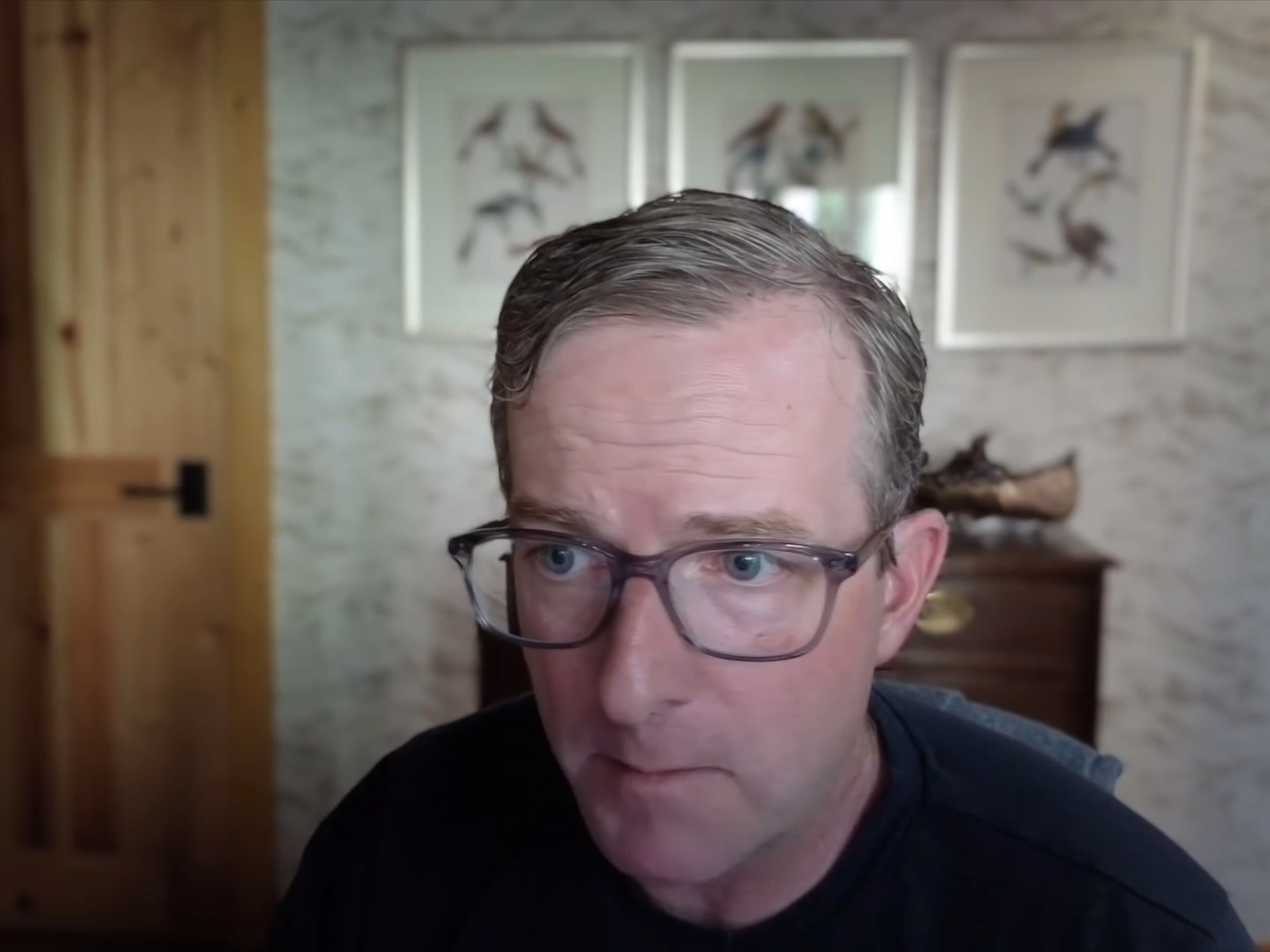
But I'll give you a couple of examples of people in cleantech I think are phenomenal. You've got one of the most well-funded companies working on fusion, Commonwealth Fusion Systems, founded by Bob Mumgaard, a plasma physicist. This is his first company, he's never worked at a company before. If I told you to give me a resume for a CEO of a thousand-person company, a plasma physicist is probably not what you'd search for. But when you meet him, he is an operator.
He has learned very quickly how to build a team, how to rely on others, how to tell a story, how to raise money. He is absolutely phenomenal. What a CEO needs to do is describe, in deep clarity, the mission of the company and what's important, and get a large number of people on board and focused in that direction, and he does an exceptional job.
And then you have people like Matt Rogers at Mill. This is his second company, his first was Nest, and he was great along the way but didn't rest on his laurels. He did what great founders do, which is build a great team around him. What we look for in founders is: the job of building a company is solving hard problems no one's ever solved before, that you don't actually totally know how to solve.
So when we met Mill, they said, oh, we're going to get approval from the US government to take this returned food waste and turn it into chicken feed, and we're going to get it by this time. We're not exactly sure how to do it, but we're going to get it done. Two or three months later, they're like, yep, we got it done, it's proofed, we're now doing it. It's a series of: we're going to go after this problem, and then we're going to go solve it.
Each of them individually is amazing, but as a team, they figure out how to go take down big problems. And that's the magic of a startup.