Jun 13, 2025
How I Built a $300M Startup with No Degree and No NetworkㅣSelfbook, Khalid Meniri
Interview with Khalid Meniri, Co-founder of Selfbook
Founder Focused


💡
At a Glance
- Who: Khalid Meniri is the Co-founder and CEO of Selfbook. Raised in Algeria without international travel access, he immigrated to New York City with no degree or industry network and taught himself product design inside a 24-hour Apple Store.
- What: Selfbook builds payment and booking infrastructure for the hospitality industry, enabling hotels to accept digital wallets like Apple Pay directly on their websites without redirecting guests to third-party online travel agencies.
- Traction: Tripled annual revenue in 2024 while boosting direct website conversion rates for hotel clients by 40% and reducing booking cancellations by 44%.
Khalid Meniri arrived in New York City from Algeria with no formal computer science degree, using floor displays at an Apple Store to teach himself digital product design. When the pandemic hit in 2020 and shut down international travel, Meniri pivoted his early consumer travel app into a B2B payment layer that allowed independent hotels to accept Apple Pay directly on their websites. Today, Selfbook powers booking infrastructure for luxury resorts and global hotel chains, tripling its revenue in 2024 while cutting cancellation rates by 44%. His journey shows how relentless focus on user friction can modernize a legacy industry, why building integration layers beats replacing existing core systems, and how independent founders leverage tight advisor networks to scale.
Key Takeaways
Start Somewhere When Credentials And Networks Are Missing
Khalid Meniri arrived in New York from Algeria without education, a network, or a clear path into product work. One friend became three advisers and investors who helped with fundraising, hiring, and customers, showing how a small circle can compound into durable opportunity.
Follow Engagement Signals Toward The Real Problem
Khalid Meniri's first company curated one product or experience per day, and travel experiences lifted engagement by 70%. The friction came when users had to leave the app to book, revealing a stronger opportunity, because discovery becomes valuable when the path to action is seamless.
Pivot By Reusing What Your First Product Built
Selfbook launched as the pandemic shut every hotel, so Khalid Meniri preserved the team's investment while changing the customer and business model. Apple Pay gaps, hotel dependence on online travel agencies, and a guest-first booking flow turned an impossible consumer app into infrastructure.
Integrate With Legacy Systems Instead Of Replacing Them
Selfbook initially assumed it could replace hotel systems, but Khalid Meniri found that entrenched infrastructure could take decades to change. The company pivoted toward an integration layer, working with existing platforms to improve booking rather than demanding that customers abandon what already runs their businesses.
Build Hospitality Around The Guest's Human Experience
Selfbook won its first resort customer before it had a complete product because the owner believed in a better guest experience. Khalid Meniri sees that conviction extending beyond payments, since travel should create human connection and culture, with technology restoring hospitality to the transaction.
Watch the full interview now on EO's YouTube channel! Below is the complete transcription of the interview. Minor edits have been made for clarity and readability.
Introducing Khalid Meniri, Co-founder and CEO of Selfbook
My name is Khalid Meniri, co-founder and CEO of Selfbook. Selfbook provides the infrastructure for travel. If someone is on a website and intends to book that hotel, we should eliminate as much friction as possible to increase conversion. Before Selfbook, no hotel in the world could accept Apple Pay, so we brought digital wallets into the industry, and now we're adding many more features to streamline the experience even more.
From Algeria to NYC With Nothing
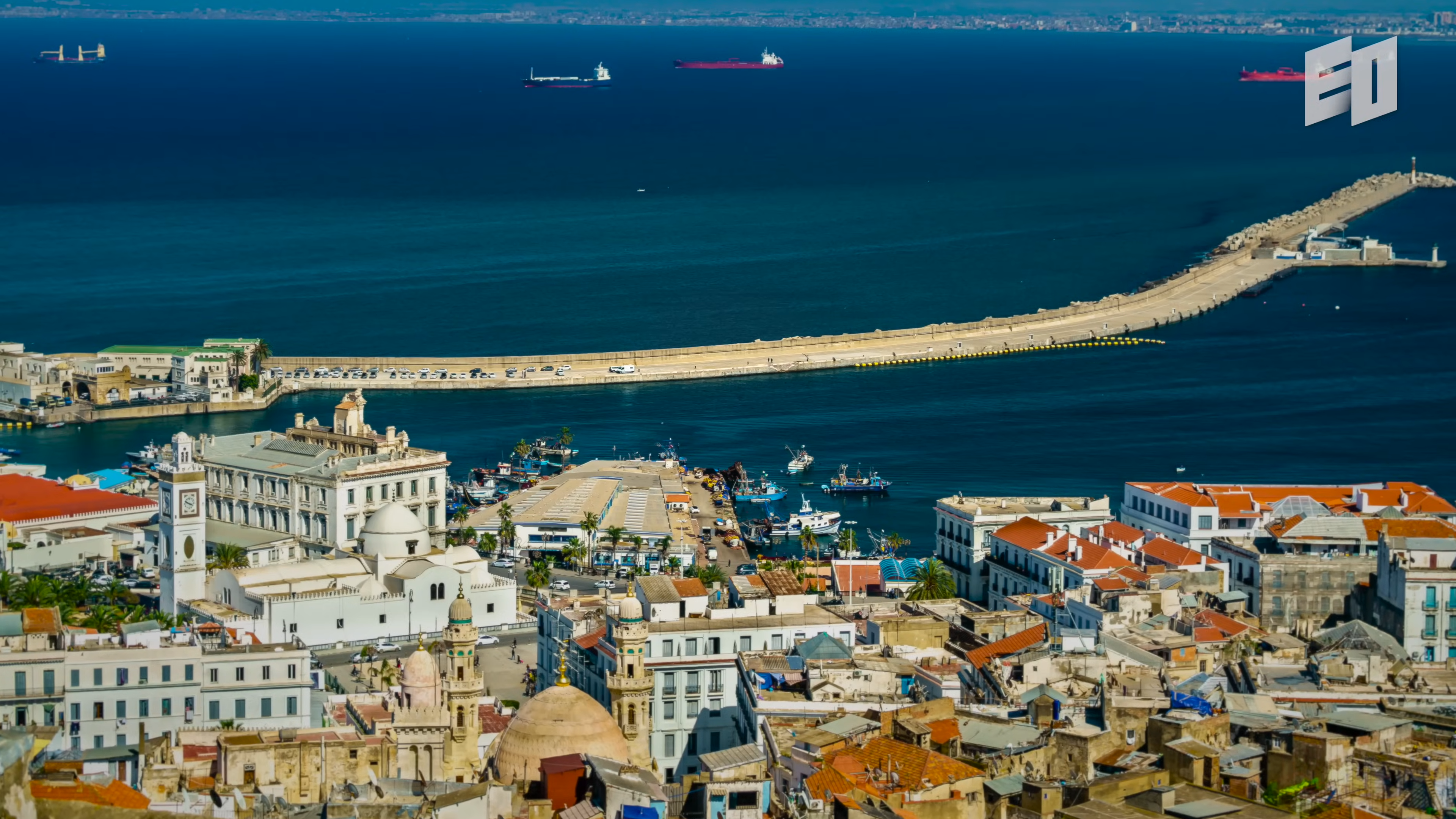
Being born in Algeria, geopolitically we were restricted. We couldn't travel. During the pandemic, many people felt the need to travel but couldn't. Imagine a world in Algeria where you actually can't travel, because it's impossible to get a visa, especially as a young kid.
When I was finally able to leave, my moonshot was New York City, and I went straight to New York. I walked up 5th Avenue and discovered the Apple Store. It was beautiful. I remember the first iPod ad on 5th Avenue, or in Times Square there was a big iPod ad, and I remember how beautiful that product was. I then learned design there, because the store was open 24 hours and they let you use the Mac. That changed my life, because I was really inspired by the design and by an obsession with excellence and product excellence. It made me want to learn how to design, and it made me a better product founder.
No Education, No Network, But You Have to Start Somewhere
My business was purely accidental. As an immigrant, I had to do any job to survive. I really wanted to design products, but I had no education or network or any sort of background to earn an opportunity to work for someone.
Not going to school here, or at all, and not having a strong network when you first move to a foreign country means you have to start somewhere, and one friend can become your network. When I was fundraising I didn't really know a lot of people. I knew two or three people. That's it. The three of them specifically that I have in mind helped me build a network and fundraise. They're still my close advisers and investors, and they even helped me hire and get new customers. So you really can't go at this alone. Some will change, some will come, others will go, but whether they end up there or not, they'll always be part of your story.
How I Started My First Company
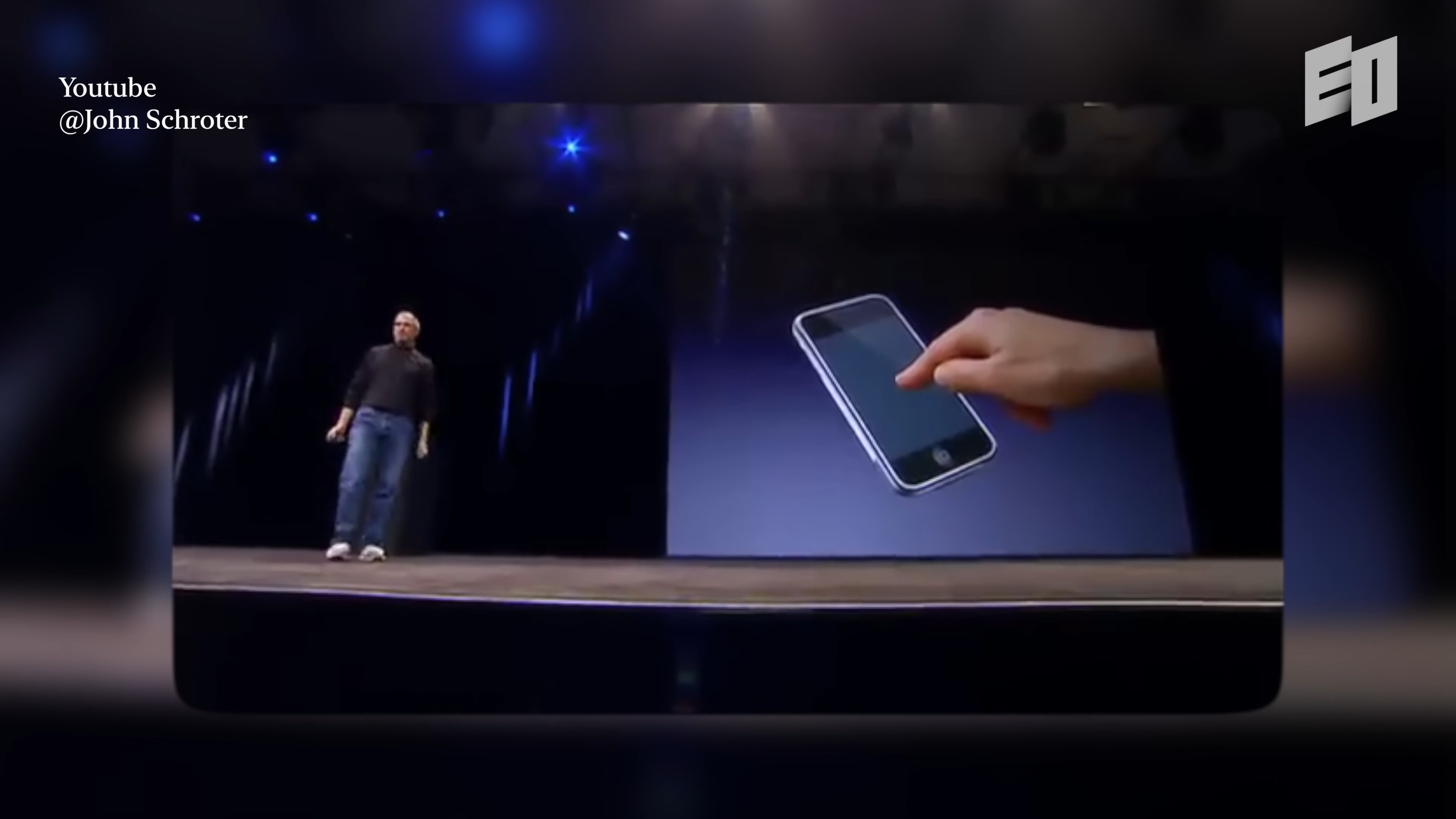
When the iPhone launched in 2007, that sparked an idea to design an app no one had designed for mobile before. That was an opportunity and a starting point, and that was Six Agency. I called it Six Agency because I was working in my apartment, 6A, so the name was easy to come up with.
This app in particular was an idea we wanted to push to some of our clients, to say you don't need a full catalog of products in front of a customer on a small device. The app would show you only one product per day. Sometimes it could be a pencil from Japan, or it could be a beautiful watch. It was highly curated. This is before Instagram and before TikTok.
Some of the products and experiences that we started adding were travel experiences. When we showed these experiences, engagement went up 70%. People really wanted to learn about or buy an experience, but it was really hard to book on the app, just because there was no proper booking infrastructure at the time. You had to leave the app and go find the experience somewhere else, in some other marketplace, to book it, and that's what inspired us to launch the travel app.
Lessons From Two Major Pivots
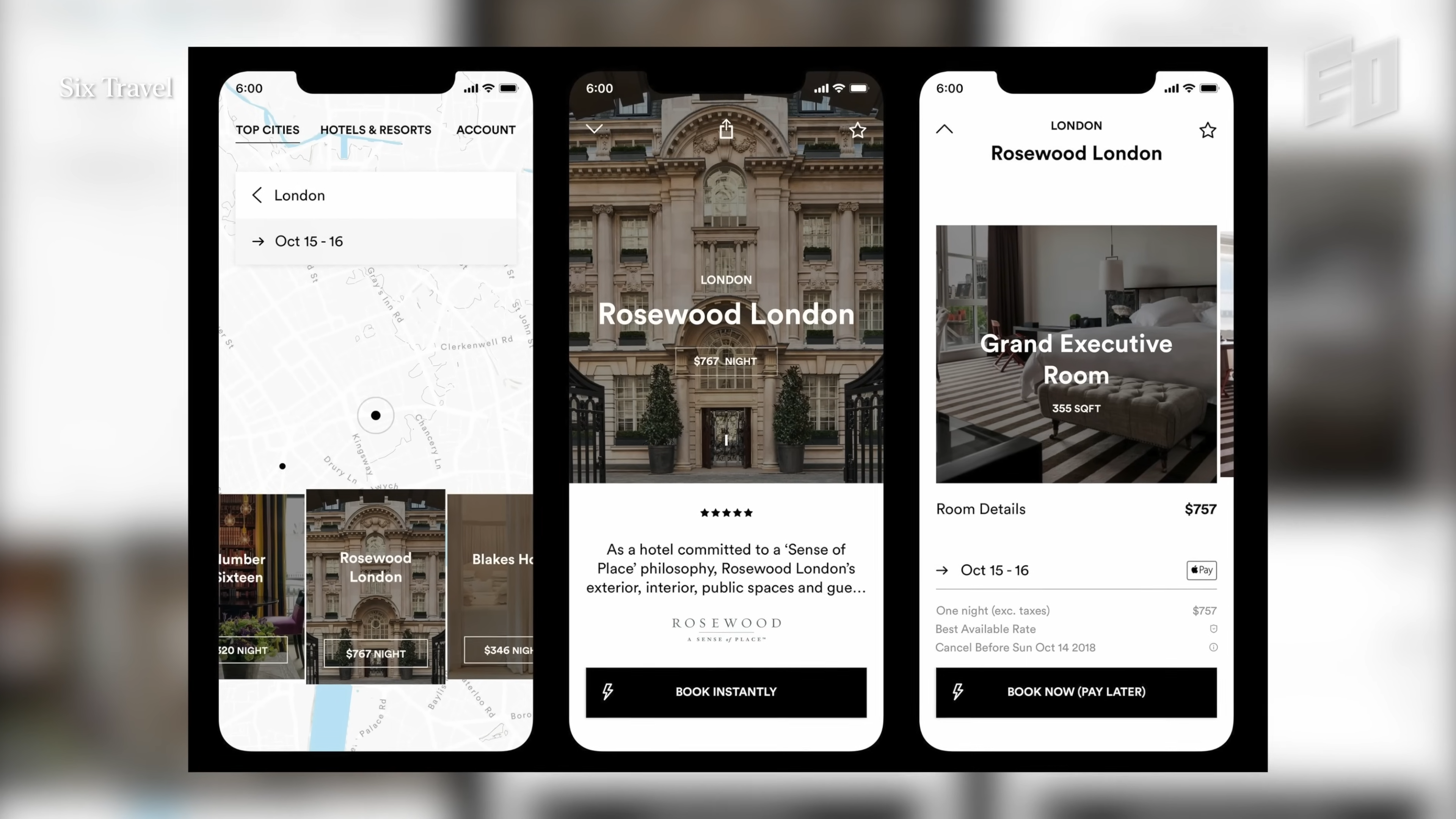
It was an app designed so you could easily discover a hotel and book it right there and then, but the month we were officially launching it, the pandemic started. Every hotel in the world shut down. Yet I was thinking beyond that, to when the world came back and people wanted to travel again.
Every decision I make, I doubt, but then there is a stubborn persona in me and a relentless drive to create something seamless, so we had to think of ways we could pivot.
Two key insights I received during that time were that no hotel in the world could accept Apple Pay at the time, and that launching a consumer app is really, really hard. So the challenge for us was this. How can we leverage everything we built and still provide this unique customer experience? Competing against the online travel agencies was an impossible mission. The big agencies use Apple Pay and they have a really streamlined booking experience. Some hotels didn't have that, so they didn't have a level playing field. Selfbook provided that to them. Instead of continuing to give 25% commission to the agencies because of a lack of a streamlined booking experience, they were able to bring that in house.
Our view was that if a guest really wants to book a hotel and they are on the hotel website, there's absolutely no reason for them to leave the website and go to an agency to book that same hotel. They should book it right there and then. That's where Selfbook really comes in, providing this booking infrastructure married with an end-to-end payment layer. We believe that building a guest-first experience is so much better than just building another B2B product, even though it was a B2B company.
How I Made a Breakthrough in a Left-Behind Industry
When we think of the industry and we think of hotels as clients, the industry is left behind from a technology perspective, and every product they had was really antiquated, especially on the guest experience. Some of these systems were built in the 1960s. User behavior was moving fast, but the change was really slow.
Our rapid growth since launch was mainly driven by being charmingly relentless. You have to push an agenda to an industry that I felt, and still feel, was sleepwalking toward a precipice.
A modern payment solution like Apple Pay that uses a cryptogram doesn't really work with a system like Sabre, so we had to build layers that allow a hotel that still uses Sabre to accept digital wallets, and that was one of the challenges we solved. As we kept going we discovered a lot of other challenges, and one of them is providing flexibility in rates, or providing a single API for platforms to sell travel without having to build every single component from the ground up.
As a payment company at our core, or a fintech company at our core, transaction volume was key, so we had to achieve high volume early on because we were in growth mode. We went for hotels with a higher average daily rate, which in the industry we call ADR, so that we could achieve that higher volume. Now we scale beyond just luxury, but that was the starting point, and that's what helped us grow really fast.
Last year, in 2024, we tripled our revenue. We also helped hotels increase conversion on their websites by 40%, and we reduced cancellations by 44%. These are some of the ideas that we're working on.
If you go to an agentic AI search like Perplexity and you search for a hotel, the best hotel in New York City, or you say you want to stay downtown or in SoHo, what if you could book it right there and then without leaving Perplexity? Bringing that to life is so powerful. We're suited to build this and we're super excited to deliver it.
Founders Live in Tradeoffs
Murakami says in his memoir that pain is inevitable and suffering is optional. It's true. As a founder you're constantly debating different ideas. A key word that we hear every hour of the day is tradeoffs. You're constantly trading off different ideas and different assumptions, so sometimes you get it wrong.
Our biggest assumption was that we could replace certain systems, but that was more difficult, just because hotels are set in their ways, or they use an on-premises system that will take decades to shift away from. So we had to pivot our way of thinking and work cohesively with these systems and integrate with them, as opposed to completely replacing them, really focusing on what matters most and on what we are good at, or best at.
One example is Muse, a cloud-native property management system we're integrating with, and we're really excited to work with them. We don't have to replace anything they do. By working together with them, we enhance the booking experience, so building an integration layer across the industry was key for our success and our scale.
One Philosophy That Mattered More Than Technology
The first customer on Selfbook is a resort called Nemacolin. This was a time when almost every hotel in the world was shut down, in July of 2020. I flew to Pennsylvania, went to this resort called Nemacolin, and met with the team and with the owner. They were really passionate about their product and really passionate about hospitality. Despite the fact that we didn't have a full product yet, and didn't have any track record or any client at the time, they really believed in us. They believed in the vision. It wasn't because it was technical, or would convert better, or anything like that. It was because we were obsessed with providing guests a better user experience, and the owner really cared about that. She said at the time, if it is hospitable, we want it. That's what we aimed for, and that was our first client, and they are still our client. We're proud of that.
Travel is a human connection. Travel is a gateway to culture. When you walk into a store, you don't see just a sheet of rates. You see products, and you have a conversation. So I think Selfbook has big visions for its existence, which is to provide the hospitality that the industry is meant to provide from day one.
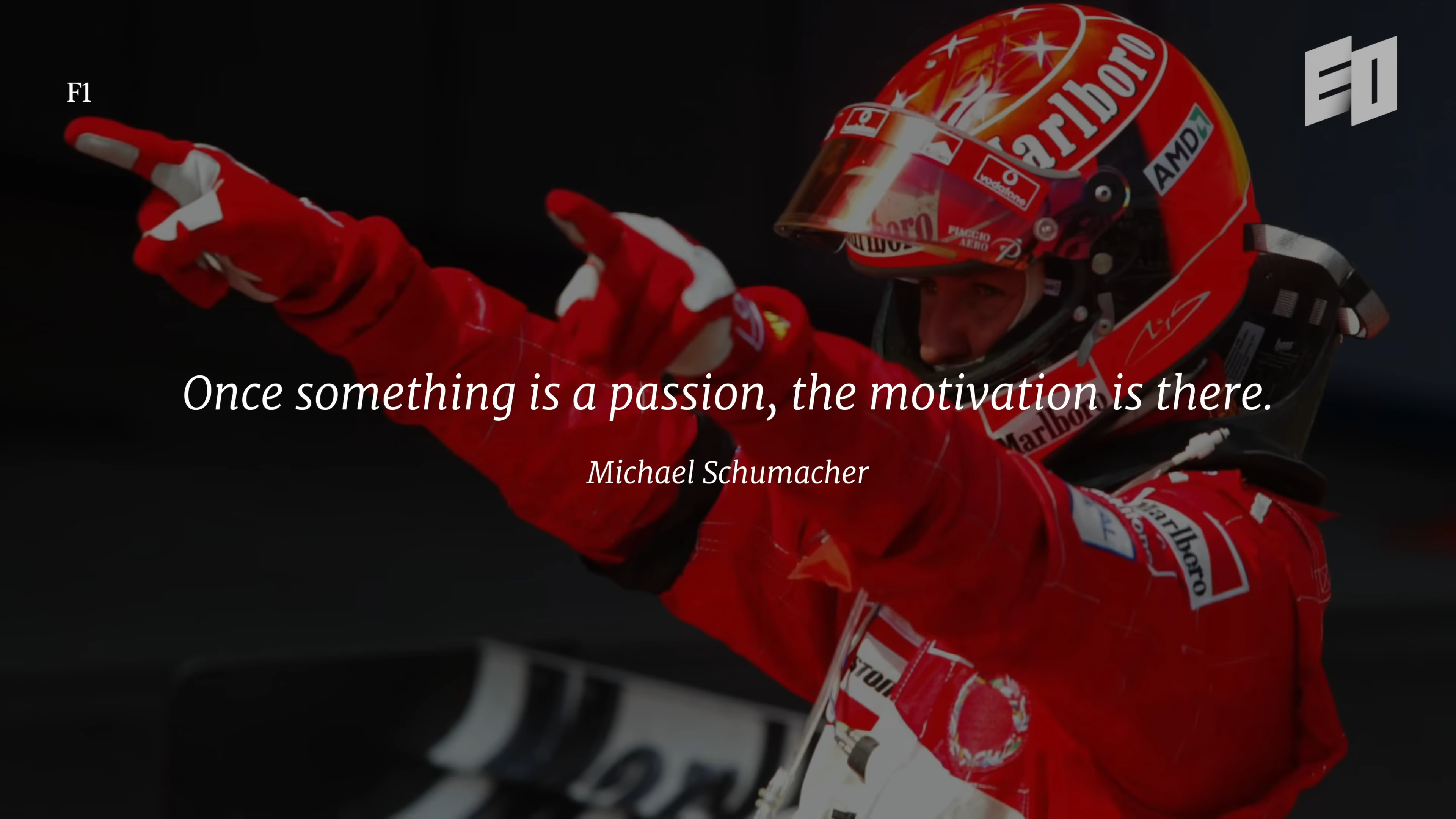
Schumacher, the Formula One driver, once said that where there is passion, motivation is there. My passion was always travel, so I was motivated to do this. I think leaving Algeria allowed me to continue to dream bigger. Having that freedom to create regardless of your background or education, or lack of it in my case, was really beneficial. It's easy to give up, but you can't be a quitter. You have to continue.