Jan 26, 2024
How I Built Silicon Valley's Most Beloved Coffee Brand
Interview with Jacob Jaber, CEO of Philz Coffee
Founder Focused


💡
At a Glance
- Who: Jacob Jaber is the Co-founder of Philz Coffee. He left traditional schooling as a teenager to help his father Phil transform a local Mission District grocery store into a specialized coffee institution.
- What: Philz Coffee is a community-driven coffee brand built around customized drip coffee, specialized blends, and home-like hospitality.
- Traction: Expanded from a single San Francisco storefront to nearly 80 locations across the United States, securing official campus store partnerships with major tech headquarters like Facebook and Google.
Jacob Jaber began his career working as a barista in his father's San Francisco grocery store before taking over operations to build a nationwide coffee footprint. By focusing heavily on customer hospitality and culture over traditional fast-food metrics, Jaber scaled the company past ten locations and into major tech campuses like Facebook and Google. Today, Philz Coffee operates nearly 80 locations with a distinct focus on personalized drip coffee and community-driven service. His experience reveals how to scale service quality across multi-unit retail, why investing heavily in frontline employee training pays off, and how to avoid costly management mistakes by avoiding unneeded complexity.
Key Takeaways
Hospitality Starts With Treating Customers Like Family
Jacob Jaber's father moved from Palestine, opened a San Francisco grocery store, and looked for a way to make people stay rather than simply buy and leave. Coffee became the vehicle, but family, community, and heartfelt hospitality remained the deeper model for Philz.
Scale Quality By Turning Experience Into A Playbook
Philz Coffee grew from one store toward 80, but Jacob Jaber says quality became difficult after passing ten locations. The company questioned existing methods, filtered them through first-principles thinking, and created a repeatable way to preserve what made the customer experience special.
Use Core Values To Guide Every Hiring Decision
Jacob Jaber describes three Philz values, which are customer obsession, pursuing better, and being kind while staying real. They shaped hiring, decisions, and behavior, with training treated as an investment and leaders expected to demonstrate the culture through daily action rather than slogans.
Great Products Create Unexpected Distribution Opportunities
When Facebook employees loved Philz, the company invited it onto the new Menlo Park headquarters campus at no cost. Jacob Jaber treats the opportunity as a consequence of making something people genuinely want, because strong products can create distribution, partnerships, and momentum that sales efforts cannot manufacture.
Avoid Stupid Decisions Before Chasing Brilliant Ones
Jacob Jaber credits hardship with building resilience, but his sharper founder lesson comes from Charlie Munger, who says you should ask what the most stupid decision would be and then avoid it. Inverting the question offers a practical filter when intelligence alone cannot guarantee good judgment.
Watch the full interview now on EO's YouTube channel! Below is the complete transcription of the interview. Minor edits have been made for clarity and readability.
Introducing Jacob Jaber, Co-founder of Philz Coffee
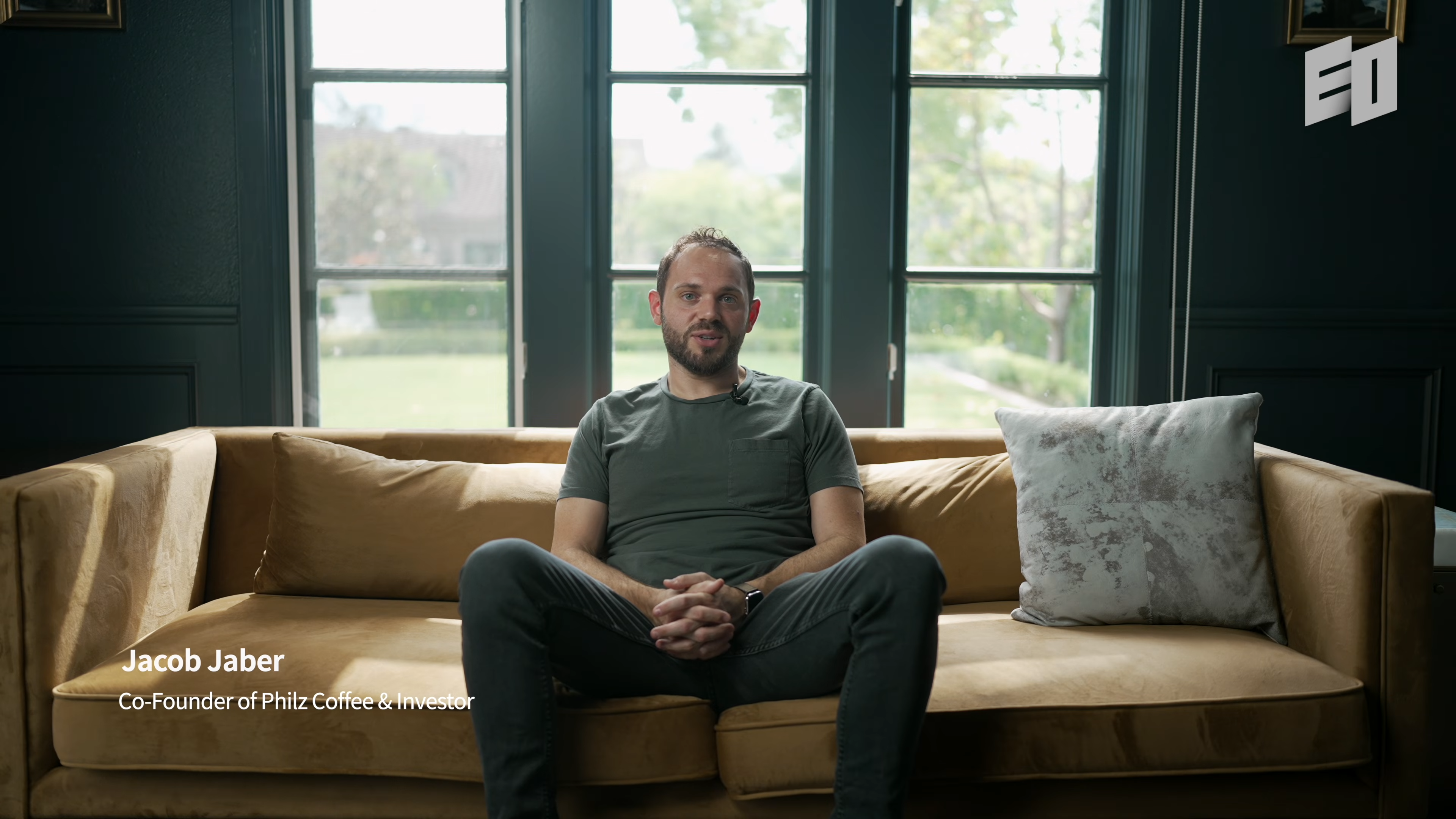
My name is Jacob. I'm an entrepreneur and investor. My dad and I started Philz Coffee. We started with one store and now we're nearing 80 stores. We started building those customers from Facebook, from Google, from all these wonderful companies.
A Grocery Store in the Mission District

My dad had nine siblings. His family didn't have much money growing up, and they all had to work and chip in at a young age. Growing up in Palestine was special, because being in that environment is all about family and all about community. Treating people like family, treating people with good hospitality, and doing it from the heart was central to how they lived.
My dad moved to the United States when he was about 15 years old. He didn't have much and didn't know many people. He opened up a little grocery store in the Mission District in San Francisco and started working and selling things like diapers, milk, eggs, beer and wine. He wasn't really passionate about those products, but he was passionate about the people.
Over the years, he thought about ways to bring in the environment he grew up in. In Palestine, somebody buys a gallon of milk, they buy it and they leave. How do you make people stay for a while? So he thought about coffee. He thought about creating a place, and he started experimenting with coffee. After school, I would take the BART and go help him. My dad and I were baristas. It was a wonderful experience.
There is a really important moment. I wanted to stop going to school. As a matter of fact, I tried as hard as I could to skip school so I could go home and play video games. I have a competitive nature, but after you win a lot, the journey seems less interesting. It's like you hit a bit of a wall, so you have to find something else. That's when my interest level started going down.
My dad asked me what I wanted, and I told him I want to grow. Right when I said that, he supported me. So I left school, and from that point forward he gave me the opportunity to run the business.
Your Limitations Are the People Around You
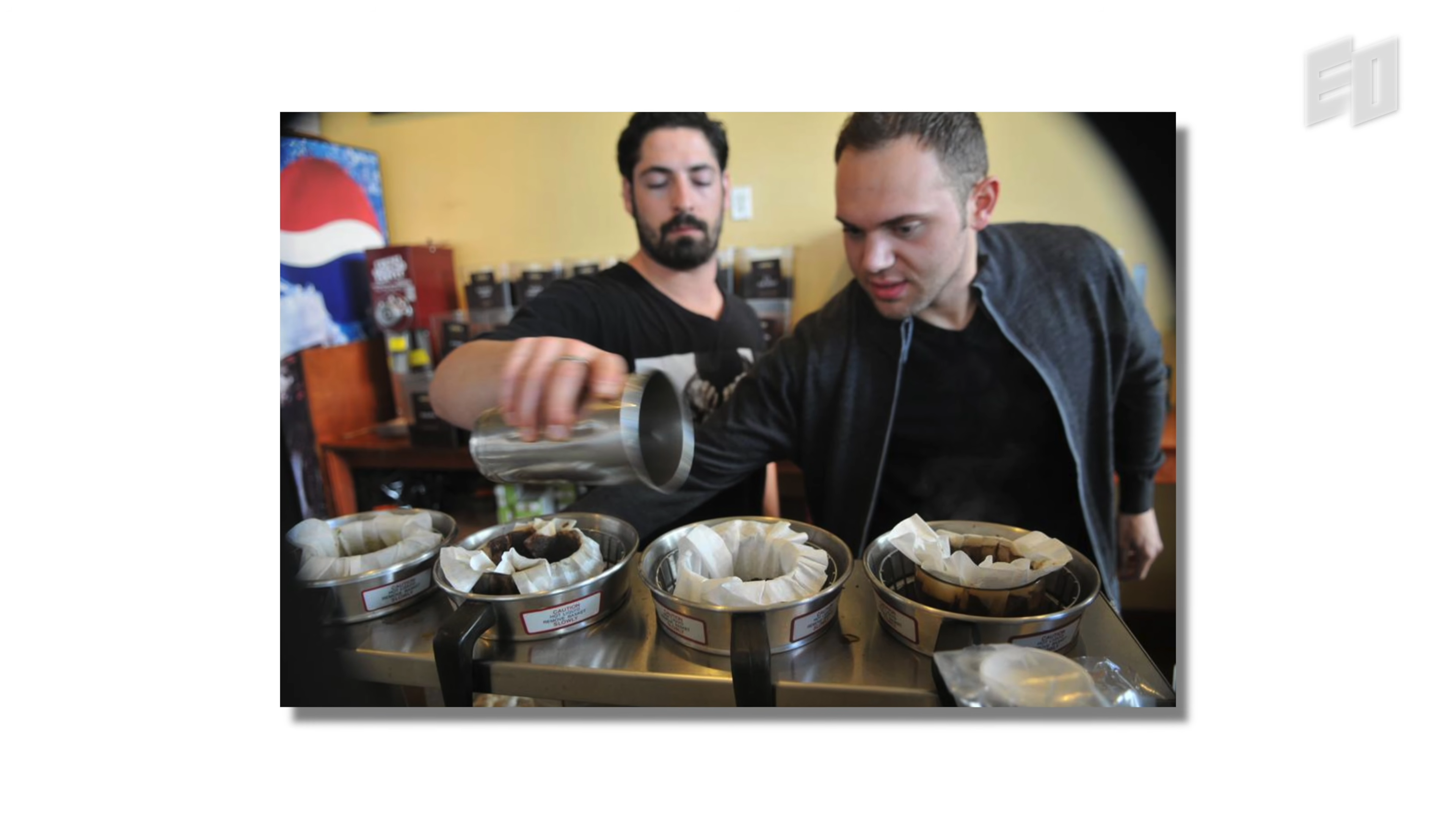
One of the things my dad taught me is this idea of making something out of nothing. He came from a lot of hardship, but also a lot of optimism. That was wonderful, because when you have that outlook on life and you have those experiences, you develop resilience and you develop a good attitude.
For me in particular, I didn't know how to scale a business and grow a business, so I had to find people who were good at it. I had to figure out how to build some level of relationship with them, have a coffee meeting with them, have a phone call with them, and feel comfortable enough to give them a call or shoot them a message or an email about an issue I'm having and how they solved it.
I think your limitations in life are the result of the people around you. When you spend time around people who are ahead of you, whom you admire and respect, you accelerate the learning curve in a really positive way. If you want to go from 0 to 100 on something, don't go to school. Go find the five best people in the world who do it.
How do you get in touch with those people? One of the positive things about social media and the internet is that you are now exposed to a lot of different types of people. You can find your flavor, find their contact, and try to reach them. Don't give up. If you do that with ten of them, maybe you'll make friends with two of them, and that's all you need.
As a matter of fact, if you come from a place of disadvantage or hardship, use it to your advantage, because people don't have your perspective. How do you learn, and then how do you use that experience to come up with something that you think will be of value to people?
We started with one store and now we're nearing 80 stores. The secret to scaling quality is figuring out your playbook.
Early on, when we had a few stores, there was a moment on a Saturday afternoon that changed things. When I came to the store, it was busy. There was a line out the door. There were people sitting and enjoying coffee. The employees were doing a great job. It was just a wonderful sight. It looked like success, and that moment really struck me, because it made me realize a few things. Number one, what we're doing is more than just coffee. The other thing is that it gave me a lot of confidence that what we were doing has potential. We can do this in more communities, and we should try to do this in more communities.
When we opened the third store, we did it well. It worked. The fourth store just kept working. But I will say that once we passed the ten store mark, things started getting really hard. Things started breaking. We had to figure out how we could make the quality scale consistently. What the Philz Coffee way was is really just questioning things. We'd learn how it worked in other places, we applied first principles thinking, and after it went through that filter, we came out with a better way to do it.
Three Core Values

We developed three core values at Philz Coffee. They helped us hire people, they helped us make decisions, and they helped guide how we behave and how we treat people.
The first core value is obsessing over customers. We wanted to create the grandma's house environment where people felt comfortable. When you talk to a Philz Coffee employee, it feels really good, because they're kind and they're welcoming. No matter who you are or where you come from, we make you feel like you're coming home. Even when you visit the original Philz Coffee location, which is a very special location, you can feel the history in there, and that spirit will live on forever.
The second core value is being in pursuit of better. We're not perfect. We are never going to be perfect. We have to keep learning. All of the employees in the organization need to be open minded to learning, and one of the mistakes I see is that people divert their energy among too many things. It's hard to be really good at a lot of things. You want to choose the things that are most important, product and people, and you want to keep getting better at those things.
The third core value is to be kind and keep it real. Philz Coffee is a place, and it's a community.
The most important things that we did were focusing on who we hired and how we trained. That means hiring the right people who have a predisposition to doing that without training. Sometimes the best way to see if someone's good at customer service is to have them do customer service without any training, because it's not rocket science to figure out how to treat people well. If you can deliver great customer service without training, imagine how much better it could be with training. We did not want to hire people who did not value service and hospitality.
One of the other things we did was invest a lot in training. We spent a lot of time with all new hires, not just teaching them how to make the coffee, but showing them by example, leading by example and talking about stories. Stories are a wonderful way for people to learn. So even though training cost us a lot of money, it was well worth it. We looked at it as an investment, not a cost.
The other thing is that when you're a manager or a leader, you need to live and breathe the culture that you want to create, and it needs to be genuine. You need to inspire people through action. There's no better way to build culture than showing people what it looks like in real life. All of these three core values work together, but I will say the most important one is being customer obsessed.
How Facebook Brought Philz to Campus
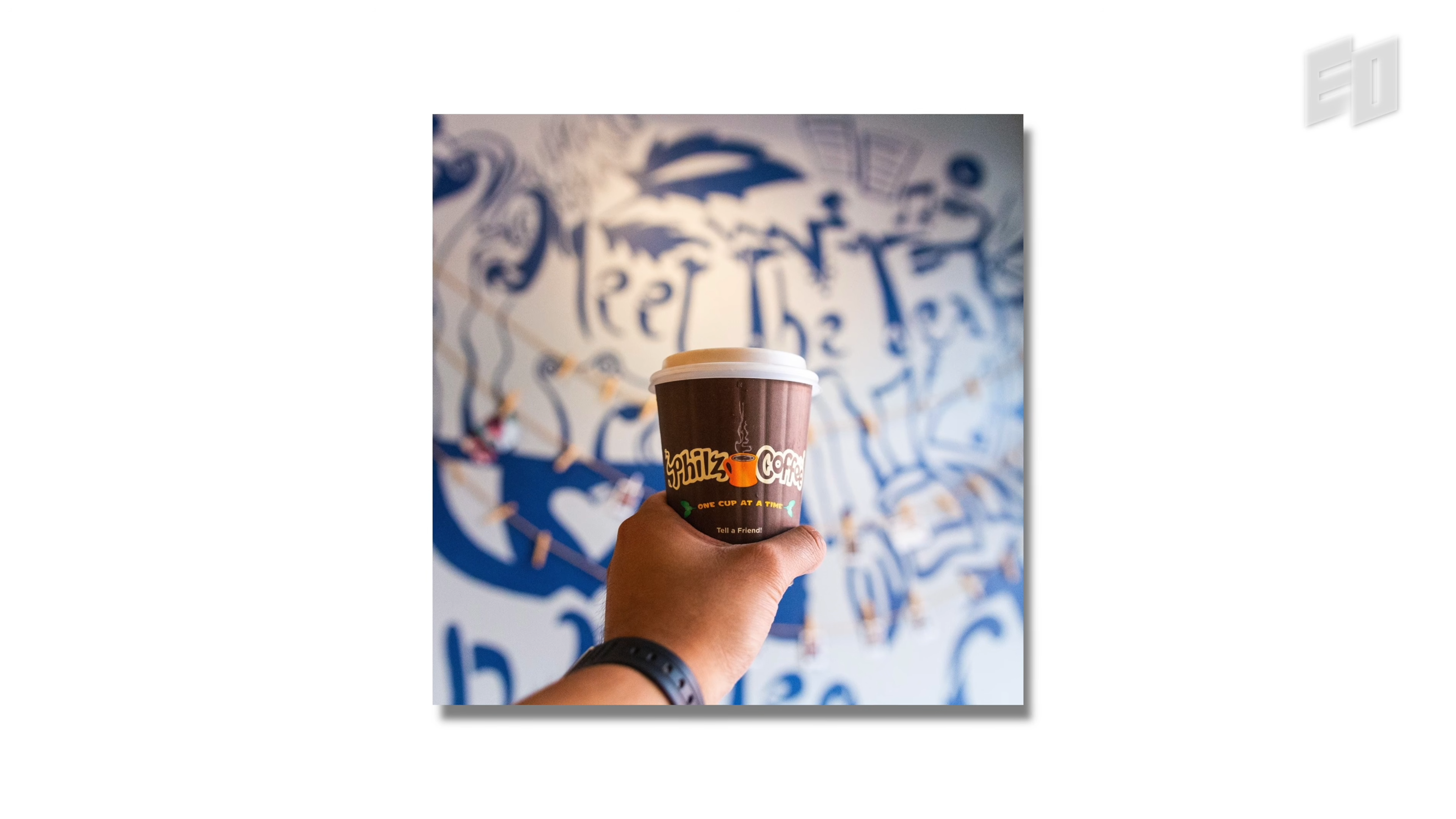
We kind of started being the coffee of Silicon Valley. Our fourth store was in Palo Alto, and there were a lot of technology companies there, so we started building those customers from Facebook, from Google, from all these wonderful companies.
One day I got a call from the culinary chef at Facebook, and he said, would you guys ever be interested in opening a Philz Coffee store in our new headquarters that's opening up in Menlo Park? I said, an actual Philz Coffee store. How much is it going to cost? Who's going to pay for it? He said, oh, nothing, we got it. I said, okay, sign me up, let's do it.
It turns out the reason Facebook wanted to have a Philz on their campus was that their employees loved Philz, so we had a lot of support from the employees. Ultimately it was because the product was great. That's the beautiful thing. When you create something really, really good that people want, good things will happen. I think that really started the momentum. More and more, we got into Google's kitchens. We got into Adobe and Yahoo and all these different companies, and we connected with them.
I think the truth is that entrepreneurs can come from anywhere. It's also true that if you have a family that's well off, you probably have a bit of a head start. But on the other end, that can create bad attitude and bad behavior. Personally, we didn't grow up with much. We had to work at a really young age and work hard, and I feel grateful for that, because you have to earn it and you value it. For people who may not be lucky enough to have grown up in an environment that is inspiring or encouraging or easy, it's tough for the most part, but you can really fight for your environment.
When I was younger, I used to believe that intelligence and being smart was one of the most important things. But it's not always true that the smartest person wins. Sometimes it's true that the least stupid person wins. There's a great saying by Charlie Munger, that avoiding stupidity is more important than seeking brilliance. Invert the question. So instead of asking what's the smartest thing to do, ask what's the most stupid thing to do, and then avoid that. If you can avoid making stupid decisions, I think you're going to be successful.