Apr 27, 2023
In a Failed Business, Until Building a Notion and Figma-focused Startup
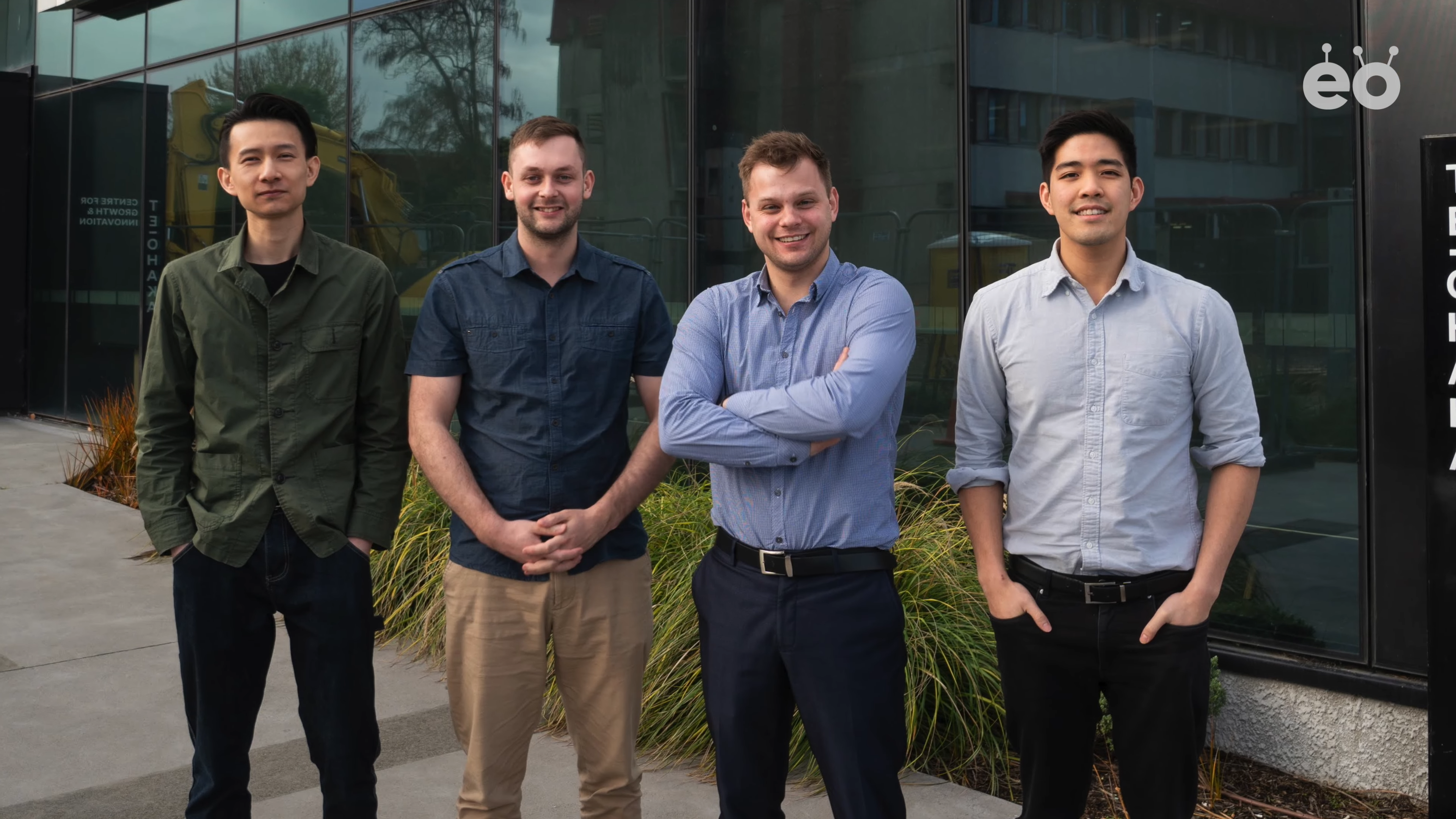
Interview with Levi Fawcett & Nathan Taylor, Co-founders of Partly
Founder Focused

💡
At a Glance
- Who: Levi Fawcett, CEO, and Nathan Taylor, co-founder of Partly. Both were homeschooled in rural New Zealand. Taylor lived in Indonesia and China before returning, while Fawcett grew up fixing cars, tractors, and motorbikes.
- What: Partly solves the vehicle-to-part fitment problem, making it easy for buyers to find the exact parts for their vehicle online across a $1.9 trillion global parts industry.
- Traction: Partly's customers power around 40% of all online parts orders. Early marketplace customers include eBay Australia. Investors include Dylan Field (Figma) and Akshay (Notion).
In this interview, Levi Fawcett and Nathan Taylor reveal how a failed New Zealand marketplace built from a caravan exposed a $1.9 trillion global problem in auto parts, how they survived near-bankruptcy during COVID with what they estimated was a 10% chance of success, and why the builders of Figma and Notion invested in their solution.
Key Takeaways
Competing with marketplaces is fundamentally a terrible idea
Fawcett and Taylor built Allgoods to help small to medium businesses sell online, growing it to over a thousand business customers and 400,000 monthly users. But the low-margin business ended up competing with a local marketplace. Fawcett says marketplaces have deep network effects that make direct competition futile, a realization that pushed them toward a bigger opportunity.
The real global problem was hiding in 20% of their customer base
While running Allgoods, about 20% of their customers sold auto parts online, with 85% of parts orders originating from outside New Zealand. Fawcett recognized this signaled a global problem across a $1.9 trillion industry: making it easy for buyers to find the exact parts that fit their vehicle. They shut down Allgoods and built Partly as a global company from day one.
How do you survive a 10% chance of success?
During COVID, the team came close to running out of money. Taylor had gone three years without a salary. They estimated only a 10% chance of solving the vehicle-to-part fitment problem at scale. Their answer was simple: work seven days a week, 16 hours a day, and get the product in front of customers well before it was ready.
Never give up, but be brutally honest about whether the business works
Fawcett's top advice for founders is to never give up while simultaneously being brutally honest about whether the business solves a real, painful customer problem. If the plan is to start free until figuring out monetization, that is a terrible plan. When fundamentals are weak, don't quit, but be willing to fundamentally shift the business.
Don't sacrifice the quality of the team for speed of hiring
Investor Dylan Field from Figma reinforced what Fawcett calls a key lesson: it is better to take a long time to hire than to bring on someone who lowers the bar of the team overall. Fawcett says a great team with a clear mission is pretty hard to beat, and the people you surround yourself with shape who you become.
Solving a global problem is almost the same difficulty as a local one
Taylor argues that the effort required to solve a localized problem is nearly identical to tackling a global one. Given that reality, he would rather put all his energy into the big, hairy, audacious problem. Partly was built from day one as a global company, not a New Zealand-focused business.
Below is the complete transcription of the interview. Minor edits have been made for clarity and readability.
Intro
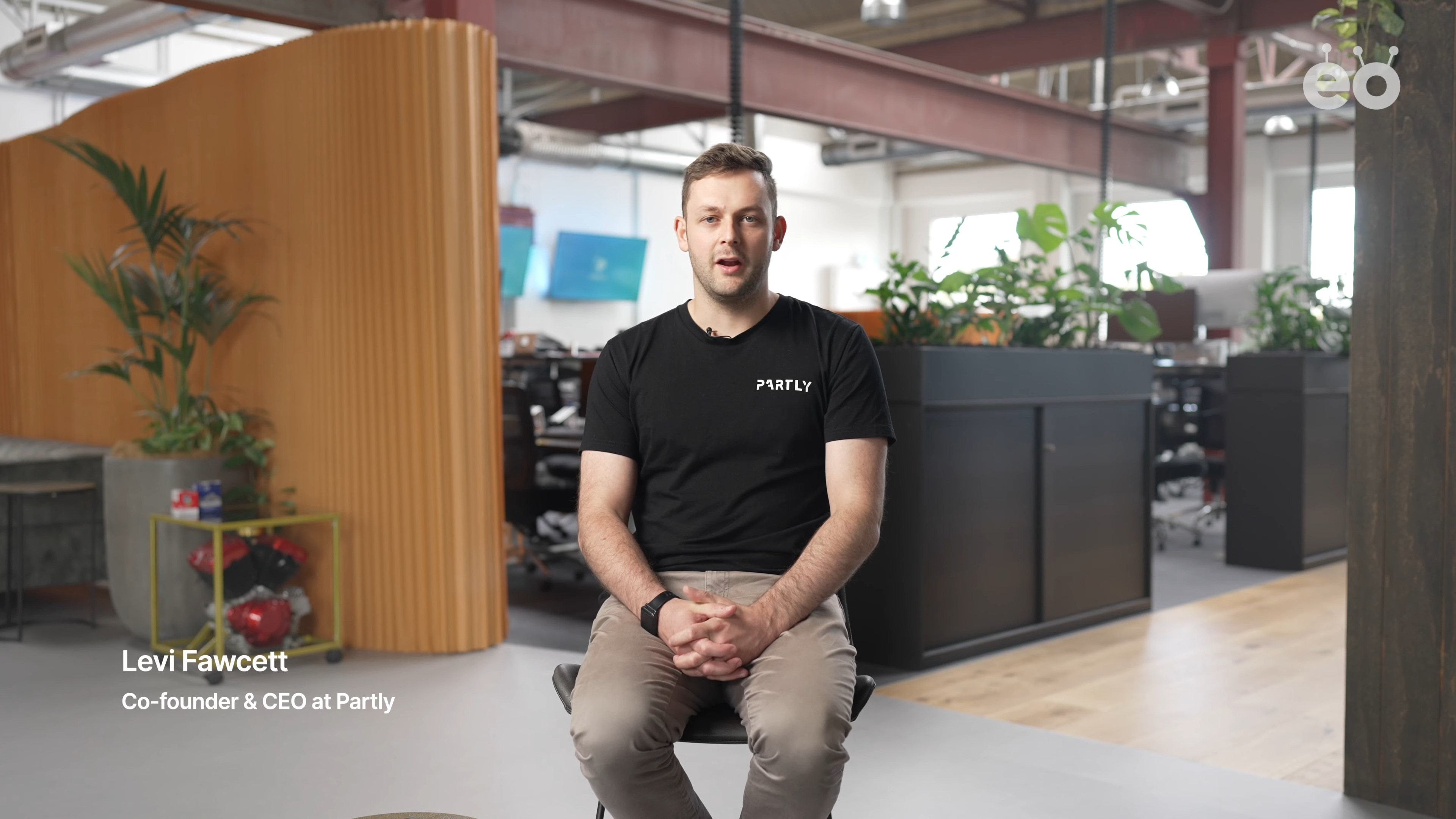
Levi Fawcett (CEO of Partly): I'm Levi Fawcett and I'm the CEO of Partly. Partly solves one problem and that is we need to make it really easy for buyers to find the right parts online. Partly have grown incredibly quickly over the last three years. Our customers power around 40% of all parts orders done online today. We've taken investment from some really incredible people. Dylan Field from Figma, Akshay from Notion. These are all people that have actually helped us understand what great looks like, what exceptional looks like.
No.8 Wire Mentality
Levi: New Zealand is a relatively small country, population of just on 5 million people. As a culture, we have a term called No.8 Wire Mentality that essentially means New Zealanders are very good at figuring out how to solve problems. They'll find ways to get things done with very little.
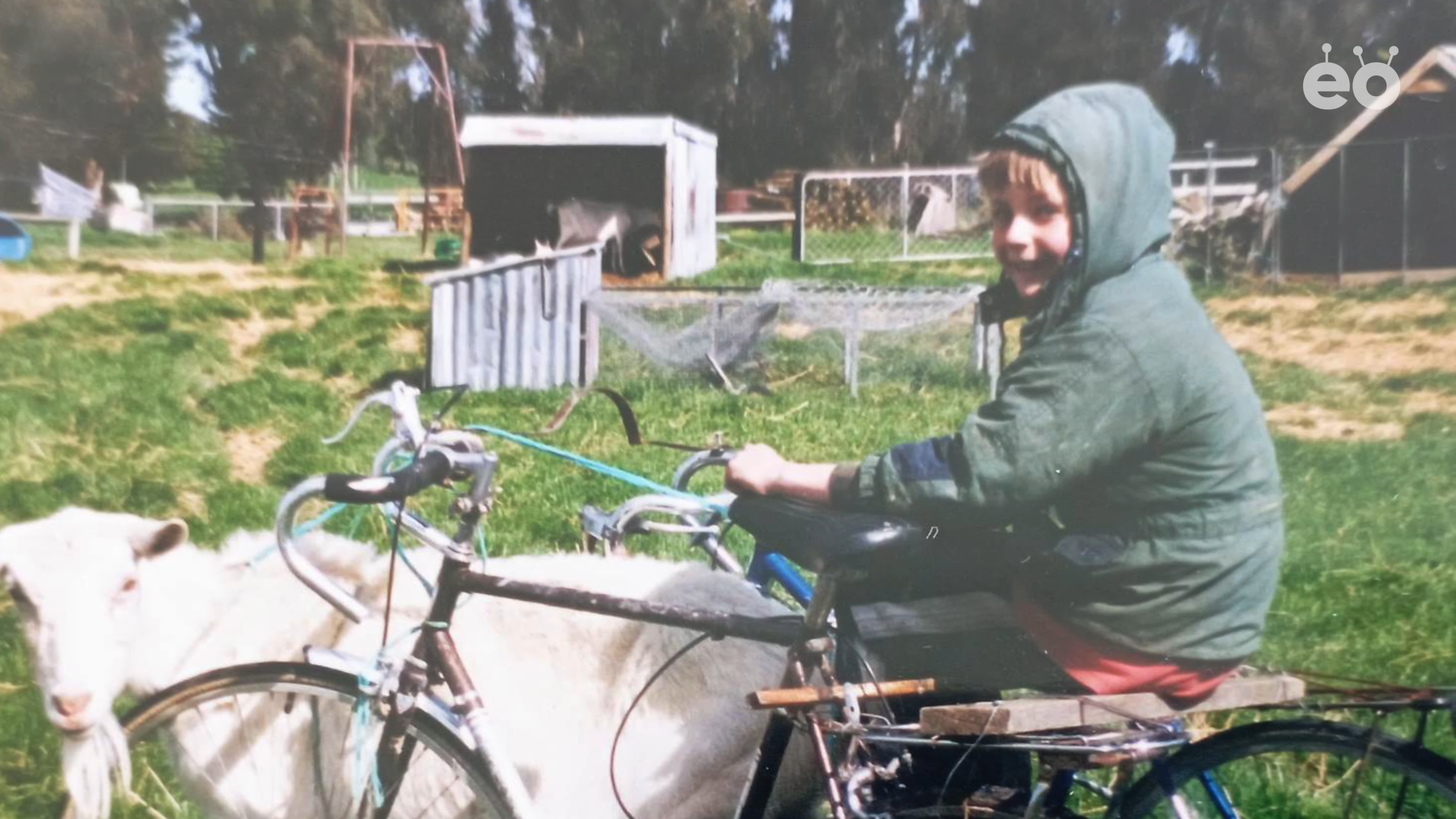
I had a very unusual upbringing. I was homeschooled most of my life. From very young, five or six, I was fixing things, fixed cars, tractors, motorbikes. I loved solving hard problems. I loved understanding exactly how things worked. I would break things down and think things through from first principles. That was how I learned.
Nathan Taylor (co-founder of Partly): Levi and I have known each other for a very, very long time. Probably around five or six years old. We were both homeschooled in a rural community. My family moved overseas. We moved to Indonesia. I lived there for the majority of my teenage years, from around 13 to 18 years old.
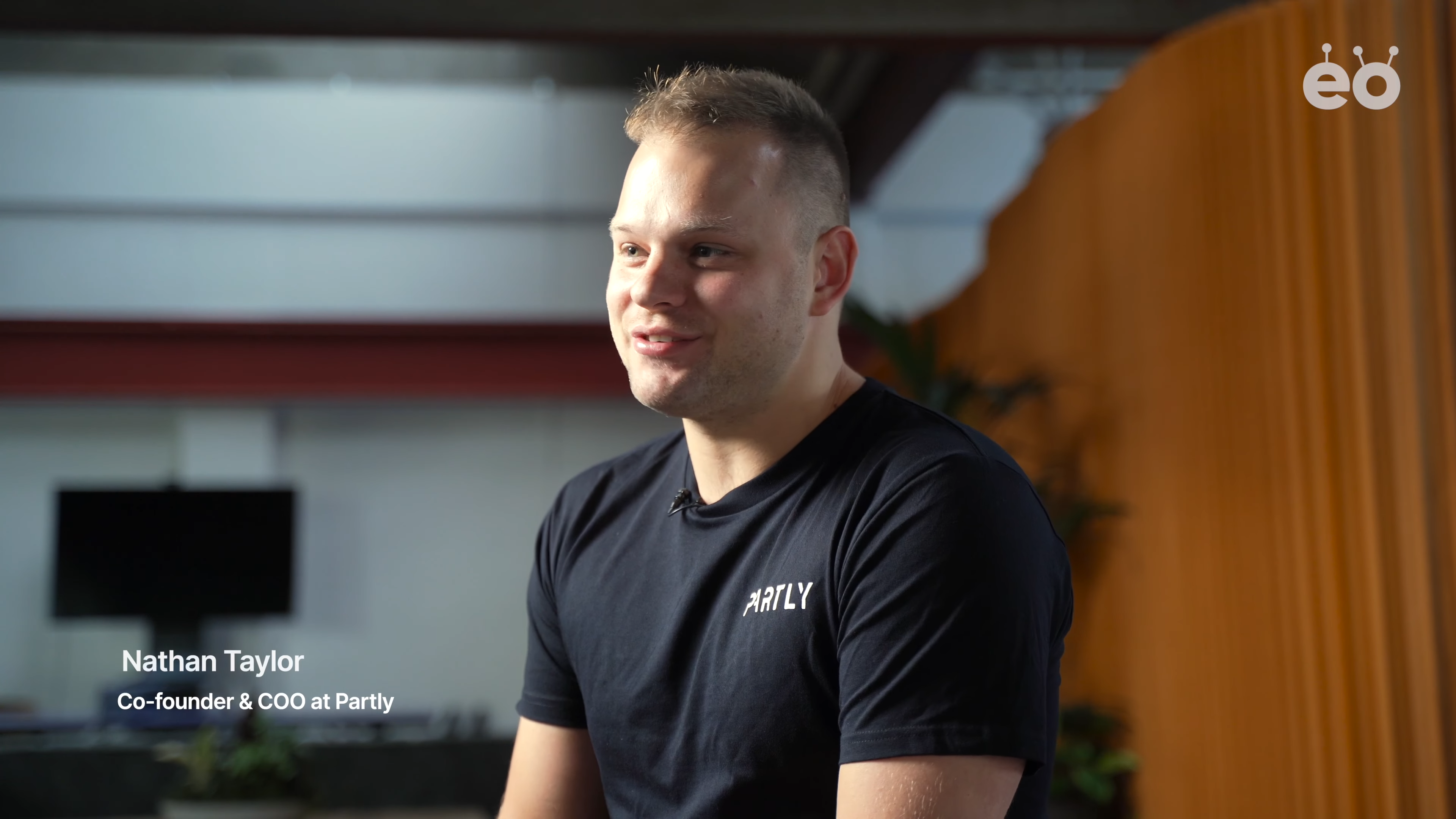
When you experience a different culture, you experience a different country, society, the way of doing things is totally different. All of a sudden, you see problems and you see opportunities everywhere around you. That's true when going into the culture, but also when you come back to your home country. That was what was really motivational to me, that there seemed like there were so many obvious problems to solve.
When we co-founded that original company, we'd always be talking about different business ideas, different solutions to different problems. I'd experienced living in China and experiencing how advanced the e-commerce landscape was, how integrated technology was with society and people's day to day lives. Coming back and having that experience of where New Zealand was at in that landscape, it felt like a step ten years back into the past. It was a glaringly obvious problem that someone needed to solve.
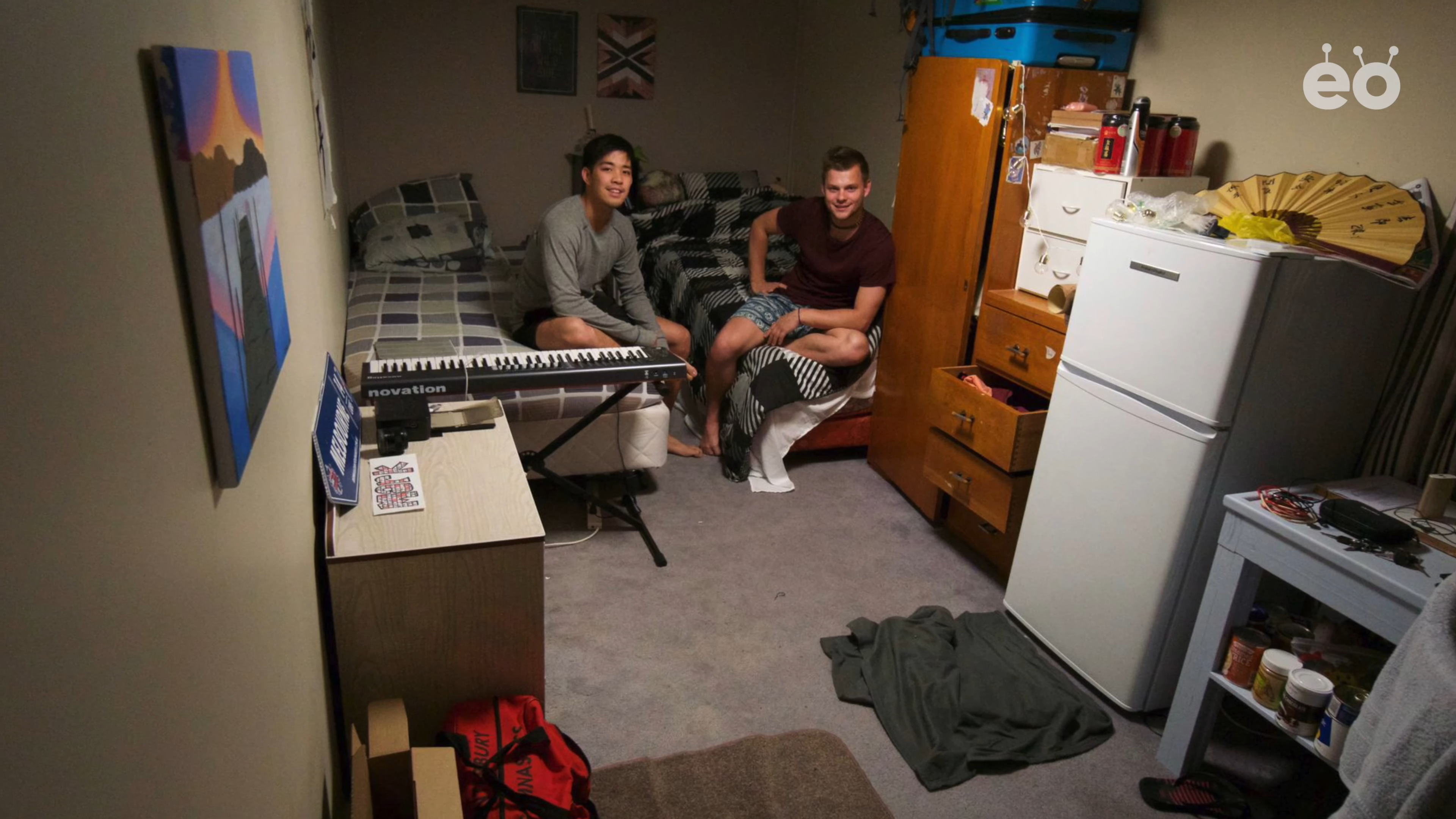
At the time, Levi had actually constructed a caravan. I had renovated the garage and I'd been living in there, and then Levi parked his caravan in the driveway. We had this makeshift, very odd group of people all living in this one property.
That's what we call New Zealand No.8 Wire Mentality. It was not a good office at all. Every day we would have to fold up the bed. We would take out all of the different bits and pieces from inside. We would carry in desks into the caravan and then work around 12 hours coding away, writing away. We did that for six months, nonstop, all together in this one space, and that was the environment, the melting pot of ingenuity, innovation and entrepreneurship that the business was birthed out of.
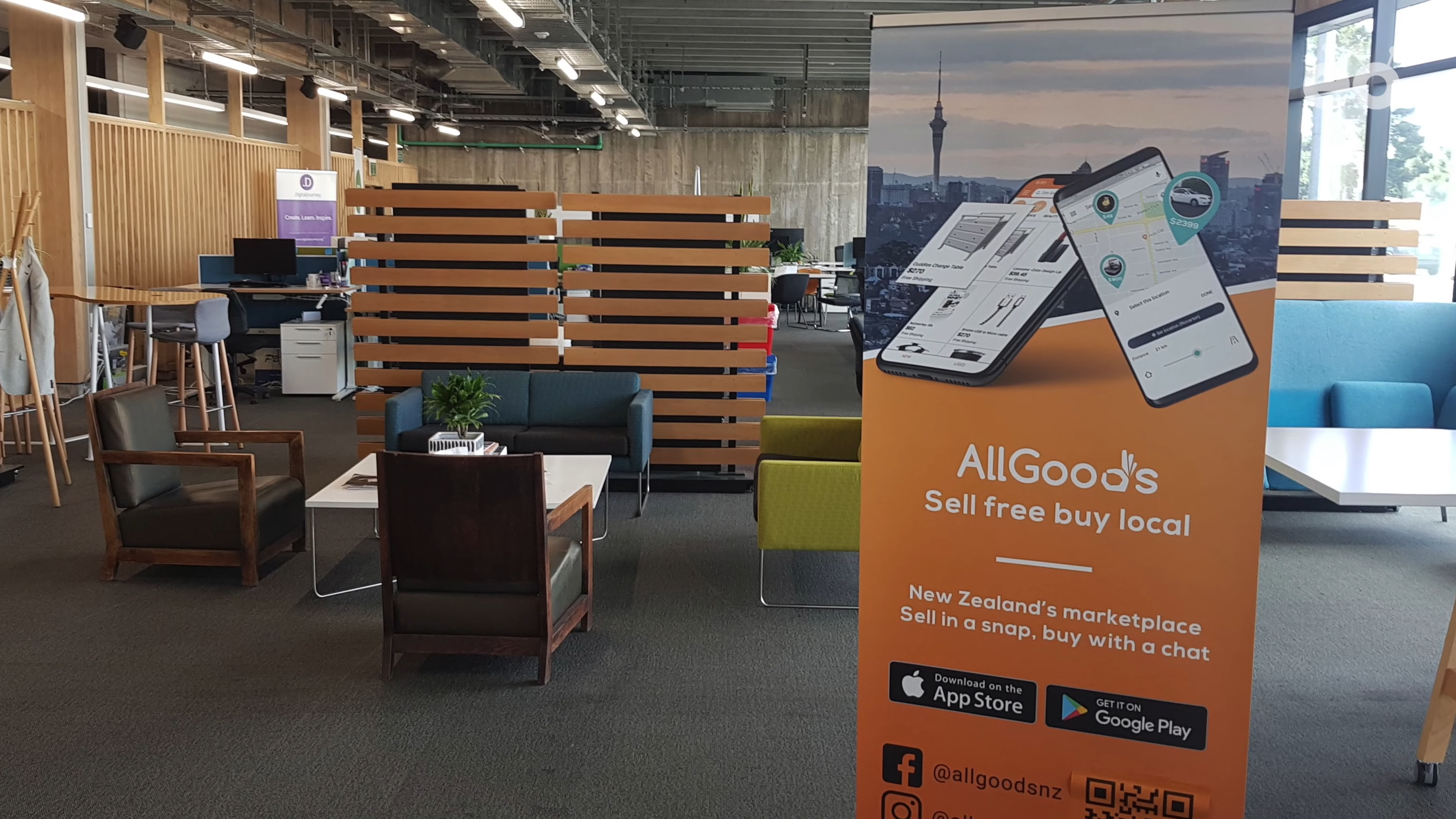
Levi: Allgoods was designed to help SMBs, help small to medium businesses sell online. We built quite a good business around it, growing to just over a thousand business customers, 400,000 monthly users on the platform. But it was extremely low margin. It was clear that the business was never going to be wildly successful. We ended up competing with a local marketplace here in New Zealand. Competing with marketplaces is fundamentally a terrible idea. Marketplaces have these deep network effects and it just doesn't make sense to compete.
Nathan: It was a long journey. We built this company from nothing, a few guys coding away or writing away inside this dark caravan. It was a great deep dive into how do you get your first customers, how do you do any marketing. It was a wild experience for a young group of 20-year-olds to have this taste of, "We could actually do something impactful in the world."
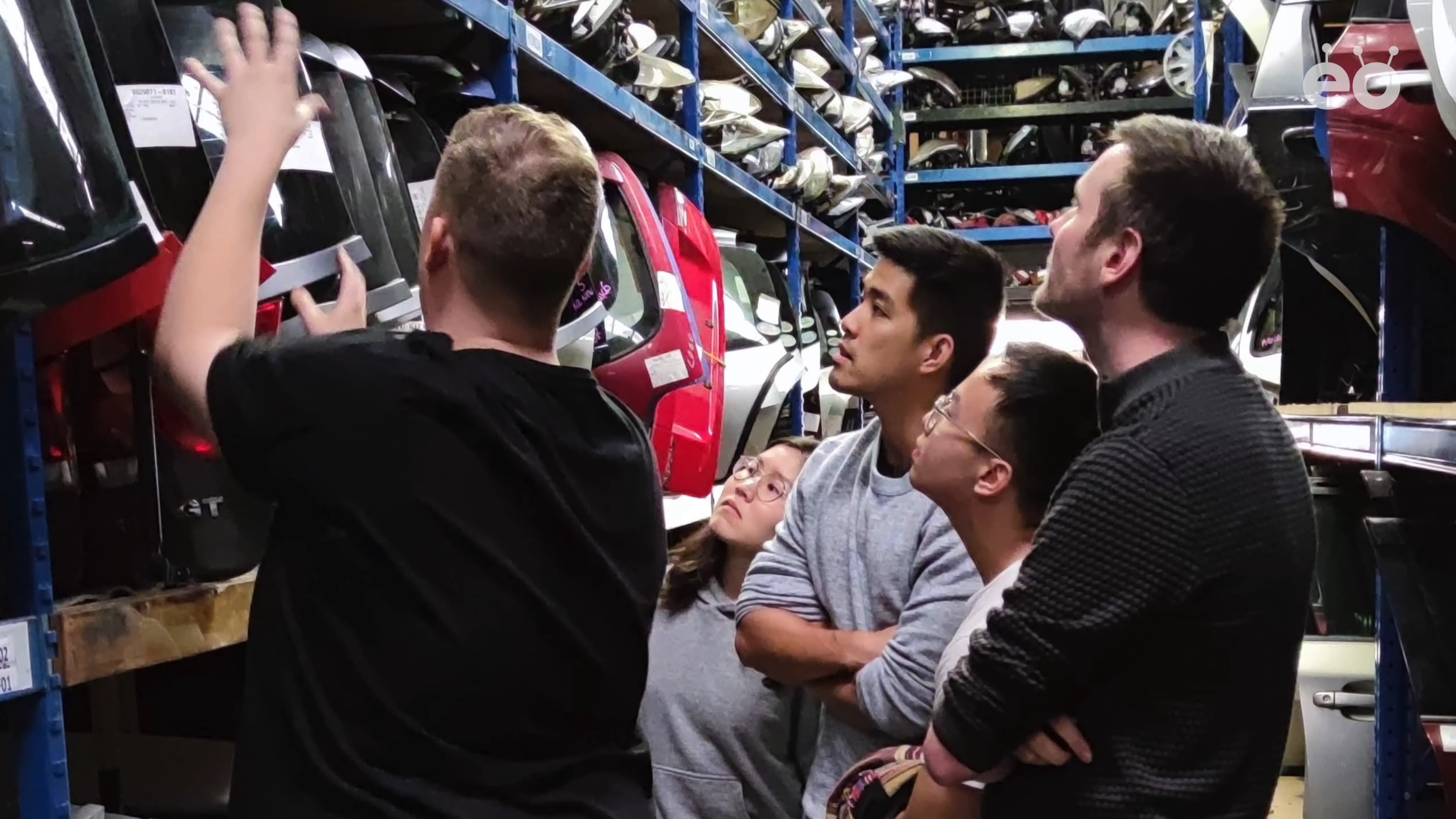
Levi: On top of that, there were all of these weird dynamics. About 20% of our customers sold parts online, so they were always telling us, "Can you make it easier?" Every other category, most orders were coming from within New Zealand. Parts, 85% were coming from outside of New Zealand. The more we looked into this and the more we tied this back to my previous experience building things, it became a lot more clear. The real global problem wasn't helping small to medium businesses.
Starting Over
Levi: We thought about it for a long time. We didn't change the business for about two months because Allgoods wasn't failing. It was just not wildly successful. We felt like every week we were doing something that was going to bring us to the next level or cross the line. It took us two weeks before we finally said, "We're going to shut down Allgoods." From day one, we exist in New Zealand but we're not a New Zealand-focused company.
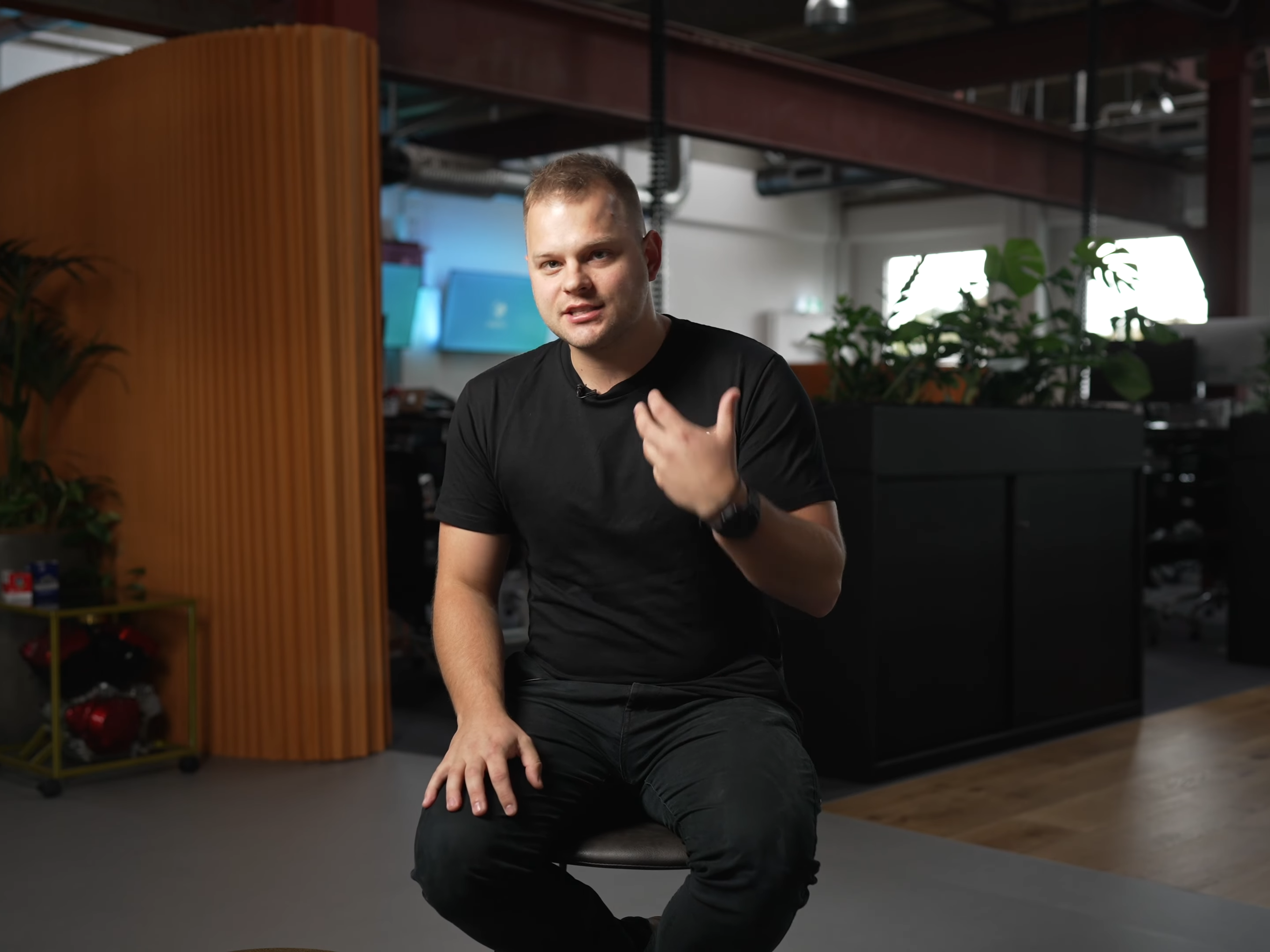
Nathan: A lot of people, when they think of automotive or when they think of parts, they think, "That's a niche problem." But having a second thought about that, they realize this is an industry where everyone in their lifetime is buying parts multiple times. The latest numbers that we have, there's around about $1.9 trillion spent on parts.
Levi: When I go and look for parts, I go "door handle for my 2015 Toyota Corolla." There are actually 300 different variants of Toyota Corolla. Each one of those cars has a different door handle. The core thesis was that because there are so many parts and they fit so many different vehicles, because the data is so complicated, as a buyer, I want to put in my exact vehicle and then I want to see all of the exact parts that fit.
That's an incredibly difficult problem. It's painful for me as a buyer, but the question was, can it actually be solved technically at scale? The way we went about proving that was talking to customers. We talked and have continued to talk to hundreds of customers all the time. It's not statistical, it's a bit more anecdotal, but really understanding the business helps a lot. The second thing we did was go talk to buyers where they were, how they thought, the types of problems they faced. We tried to really understand based on these conversations and based on information we could find on forums and other sources.
One of the most challenging things we've faced: we came extremely close to running out of money. This was during COVID. Those times were particularly hard because the enormity of the problem felt overwhelming. At the time we thought maybe there's a 10% chance of solving it. That period was one of the hardest. The problem looked so large and overwhelming that it didn't seem possible for a few people to solve it. There just seemed like there was no path forward.
Nathan: What was really difficult was not so much the lack of money or worried about running out of money. It was more the pressure to turn what we'd been spending the past three years on, to turn what we'd been building, the relationships with customers that we'd formed over all of that time, trying to turn that into something bigger.
For me, I'd been living without a salary for three years at that point. We're all very ambitious. We wanted to do something very impactful with our lives. It was a moment of taking a step back and really having to think, "What are we going to have to do here? What are we going to have to do to really achieve our ambitions, to really make the impact on the world that we want to make?"
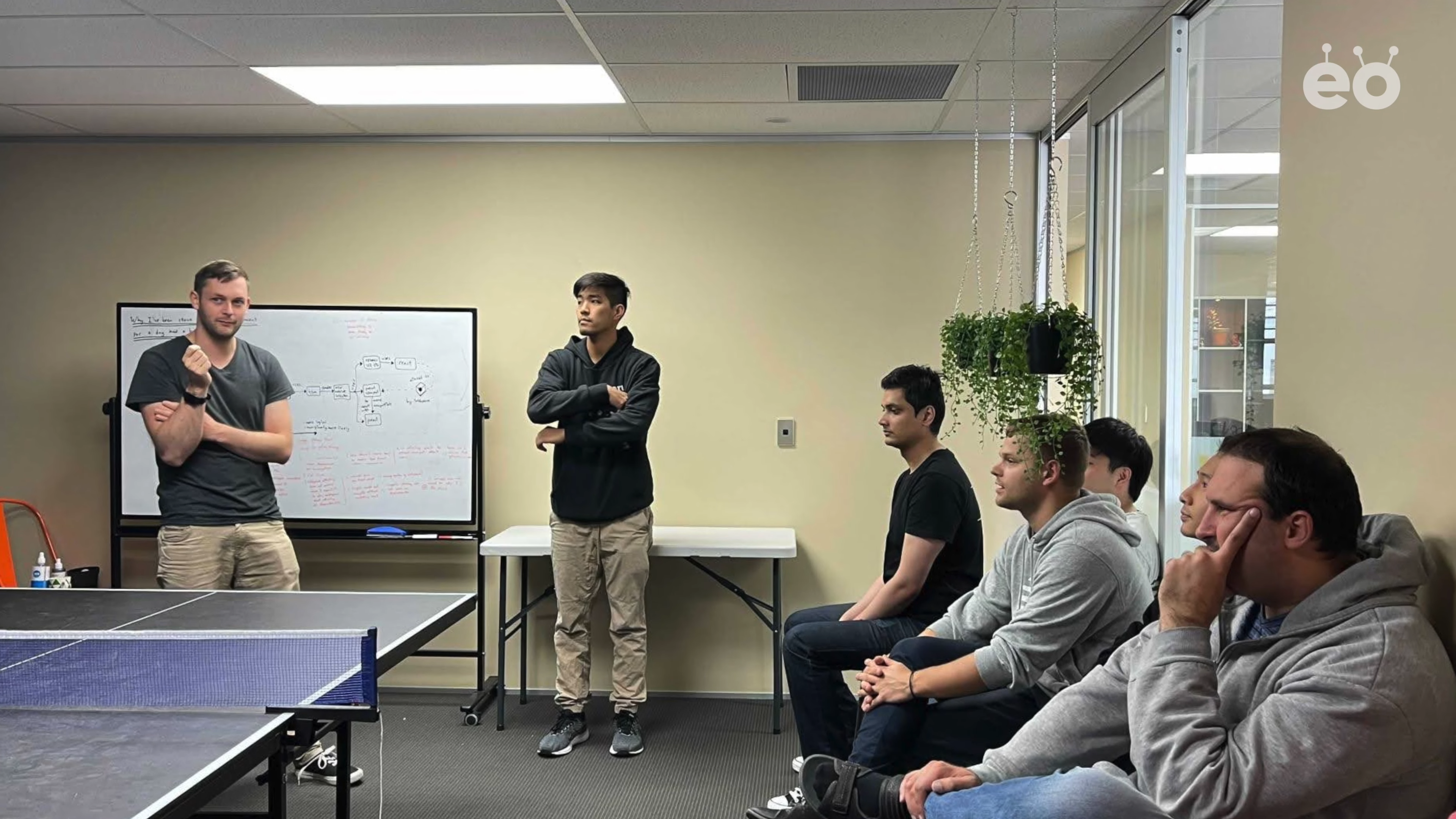
Levi: We worked ridiculously hard, seven days a week, 16 hours a day, and we solved each problem as it came. There was no alternative. The alternative was to stop. And then we probably never would have solved the problem. We would have found those natural optimizations. It was that: work incredibly hard, don't give up, and get it in front of customers well before it's ready.
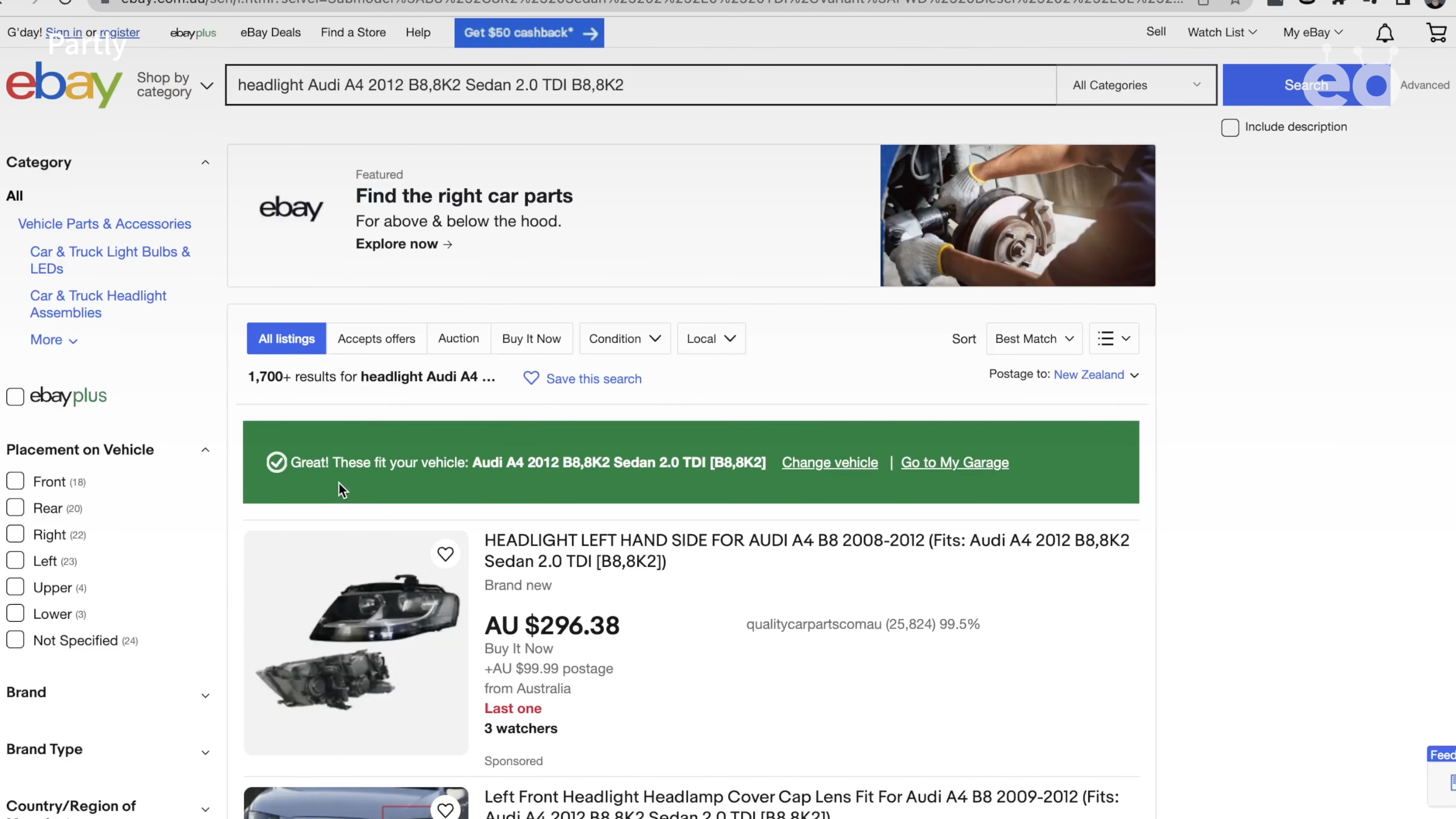
One of the biggest aha moments was probably when we launched with eBay Australia. They were one of our earliest marketplace customers. Within a few months of launching with them, we could see we were increasing their conversion rates enormously. That was the aha moment for us because suddenly it was clear the value we were providing. It was clear that it made a much better buyer experience, which was our number one goal.
Never Give Up
Nathan: Earlier on in the Partly story, we were working with smaller businesses and we discovered that the problem was far more fundamental. It was a case of asking why five times to actually get to the root cause. It really was this layer and layer until we finally reached this fundamental problem.
The biggest lesson I've learned is who you spend time with and what people you surround yourself with. The people you spend time with are the people that you become more like. I think that's proven to be incredibly true. Those are the people that influence each other. That's probably been the biggest reinforcement of a lesson that many people have been taught since they were a child.
Levi: I would say the number one most important thing is actually to never give up. The thing that separates successful founders or successful companies, I really do think, is just never giving up. The second most important thing is to be brutally honest about the business. Are you really solving a painful customer problem? Make sure that your business can actually make sense and be really honest about it. If your plan is to start a company and it'll be free until you figure out how to make money, that is a terrible plan.
Finally, to tie all that together in terms of pivoting, I would say you can very clearly see when those fundamentals are not strong. Still, don't give up, but be very willing to really fundamentally shift the focus of the business and don't be afraid to solve the global problem.
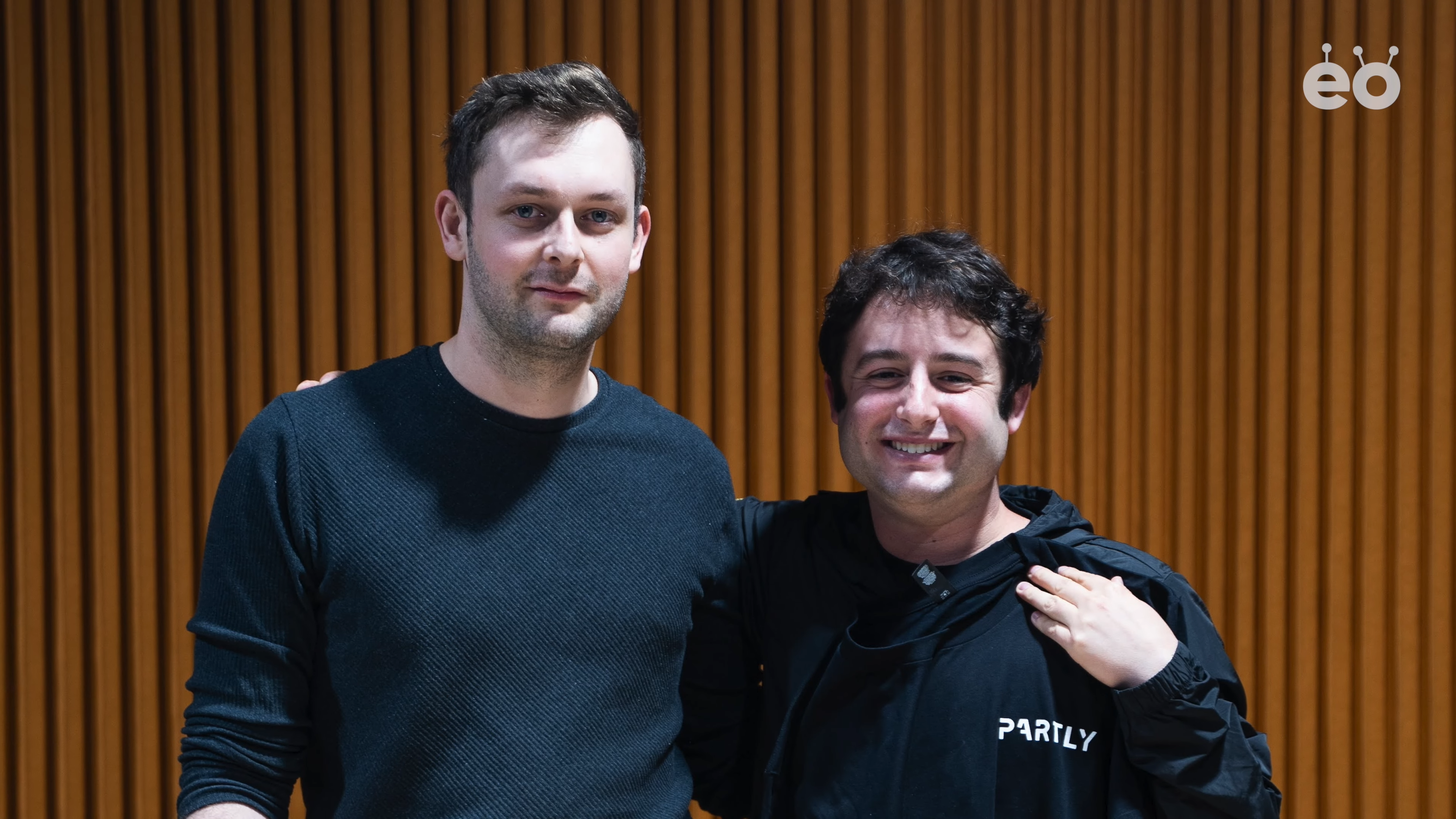
People who had built clearly successful world-class businesses invested in Partly. Dylan Field from Figma, Akshay from Notion. These are all people that have actually helped us along our journey. That's a lesson learned because this is something that Dylan told me, that everyone has told me: don't sacrifice the quality of the team. It's much better to take a long time to hire than it is to hire someone who lowers the bar of the team overall. A great team with a very, very clear mission is pretty hard to beat.
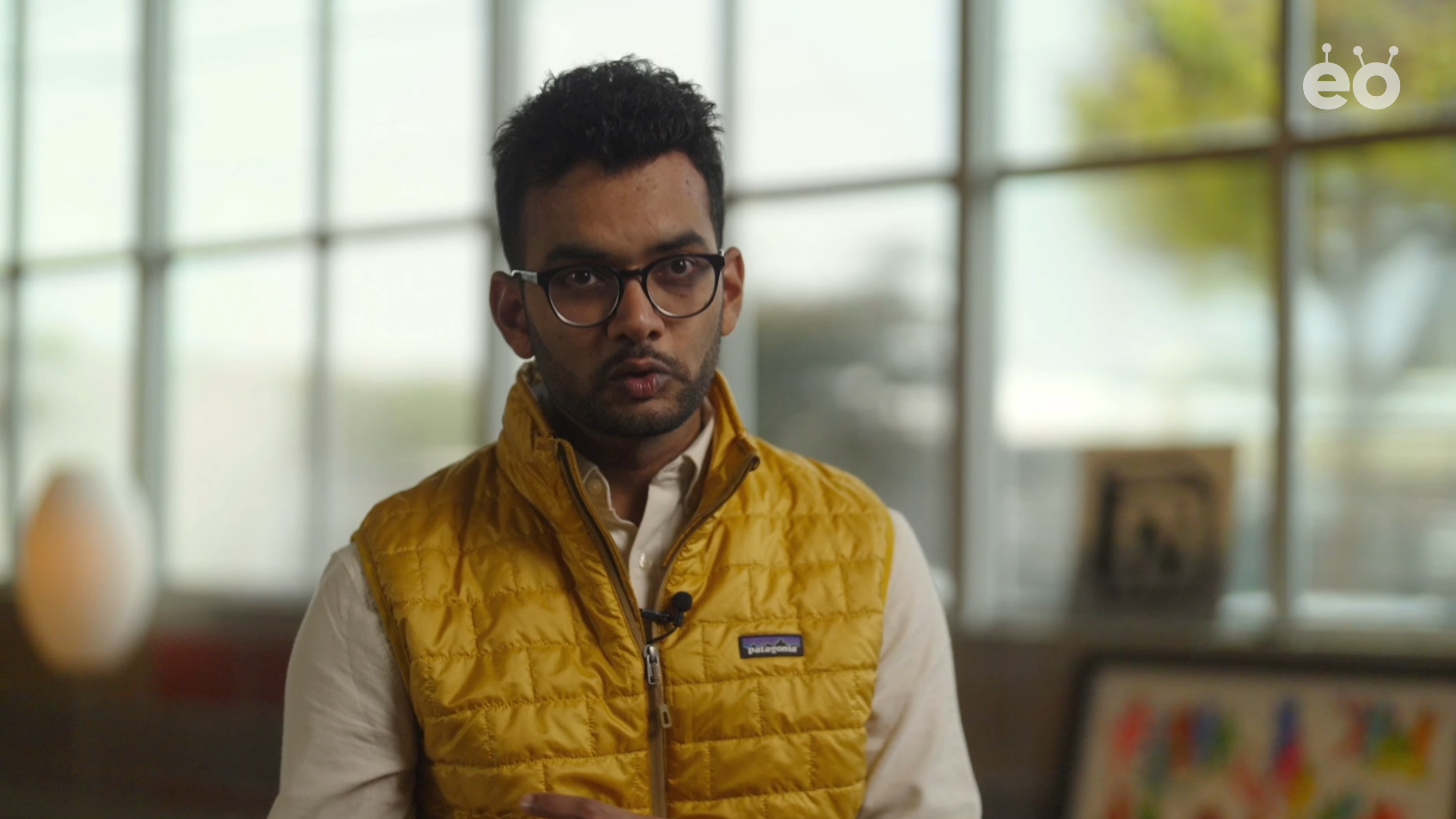
Nathan: Now is when I feel the momentum is as fast as it's ever been. The speed of growth has only ever gotten faster. With every day, for me, it feels like we've gained more momentum.
Levi: To me, I don't care much, to be honest. It's a great title, fastest growing. But the reality is it all comes down to how we execute. None of this will matter in five years. What will matter in five years is have we built solid business foundations. Today we have an office in London. We're powering eBay. Planning to scale, we will be spending a lot more of our time in Europe. The structure of the business already lets us scale fairly well.
Nathan: I don't think every entrepreneur needs to be solving a global problem. However, in my experience, solving the big, hairy, audacious problem is almost the same level of difficulty as a small localized problem. If I'm going to put all of my energy, all of my effort, all of my thought and time into solving a problem, I'm going to put that into the big global problem as opposed to a localized problem.
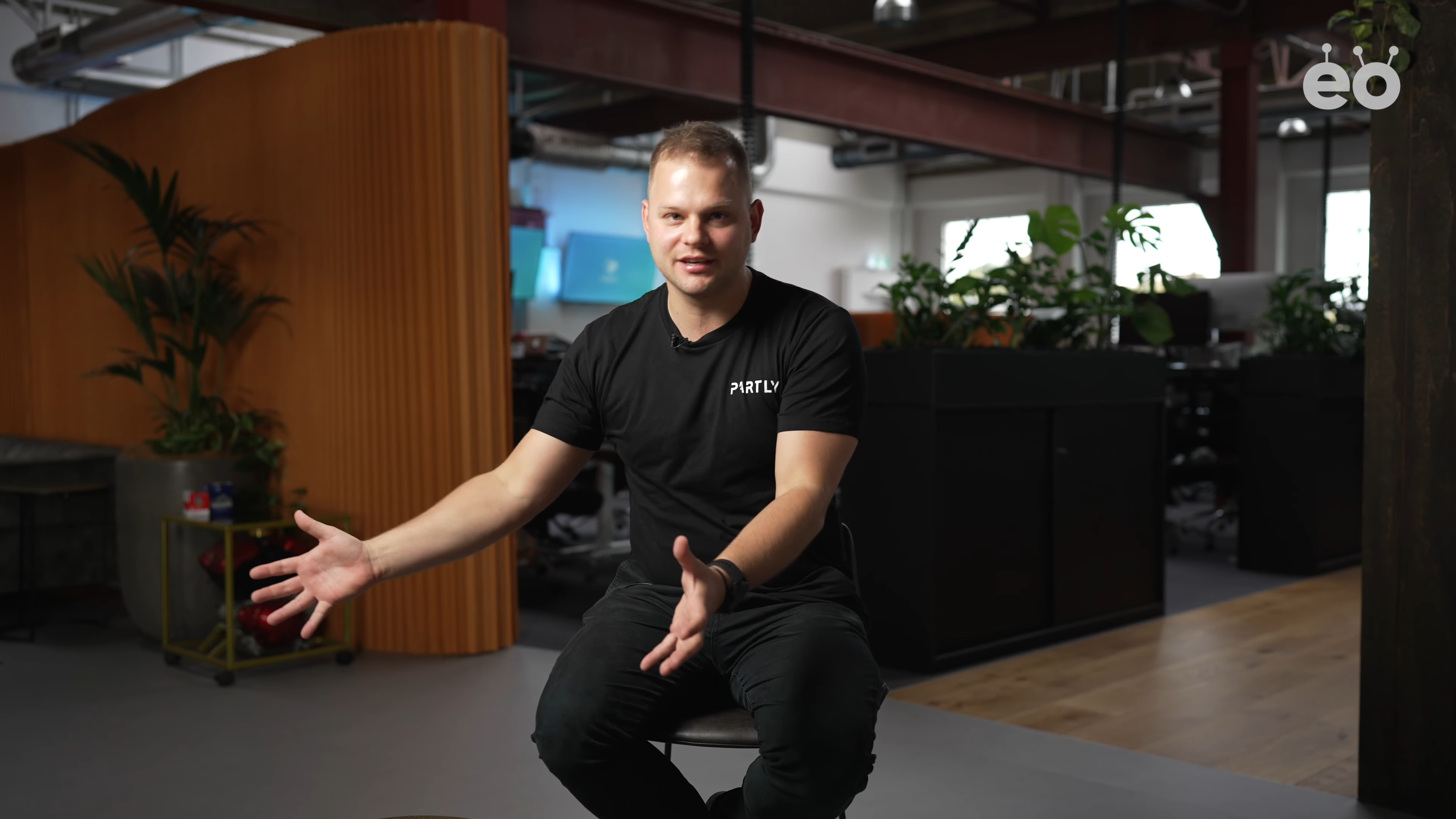
Levi: The dream for Partly would be to achieve three things. Number one, it would be to create value. This is not zero sum. This is to create value for everyone, to make things considerably easy for everyone in the industry. Number two, build a valuable business. Create commercial value for everyone in the business. And then number three, it would be to do a lot of good generally. As a company, we're extremely focused on impact and we will use that in ways that drive the most impact. That would be the dream in the long run, doing those three things.