Sep 23, 2024
To Dominate the AI Race, Don’t “Start”a Company
Interview with Russ d'Sa, CEO of LiveKit
Founder Focused

💡
At a Glance
- Who: Russ d'Sa is the co-founder and CEO of LiveKit; before that he was an early engineer at Twitter and 23andMe, and had founded the Y Combinator startup Meetyu.
- What: LiveKit is open source infrastructure for real-time audio and video streaming that lets developers build applications like AI voice assistants; OpenAI uses it to power ChatGPT's voice mode, and it also underpins around 25% of 911 emergency dispatch calls.
- Traction: d'Sa says LiveKit has raised about $37 million, including a $22.5 million Series A backed by angel investors such as Perplexity CEO Aravind Srinivas, Google chief scientist Jeff Dean, and Elad Gil.
In this interview, Russ d'Sa traces his path from a documentary about id Software's founders to building LiveKit, the open source infrastructure now powering ChatGPT's voice mode and a large share of America's 911 calls. He recounts three startups that failed for lack of a real problem to solve, the fires he learned to love while scaling Twitter's engineering team, and why joining 23andMe taught him to weigh a market's promise against its pace. His advice for founders chasing the next wave of AI and robotics: don't force the inspiration, let it find you.
Key Takeaways
Building Something People Want Looks Like Fires, Not Calm
d'Sa says the biggest lesson from scaling Twitter's engineering team was that outages and crashes are proof of demand, not failure. He argues engineers should expect to rewrite their code constantly, since code is a means to an end rather than something to fall in love with.
Three Failed Startups Taught d'Sa to Look for the Pain Point First
He built a mobile stock brokerage and a mobile app-streaming product with partners like King and Clash of Clans that were technically impressive but solved no real problem. He learned that competitors don't kill founders, founders kill themselves by chasing solutions before they've found the pain.
Warns Against Starting a Company Just to Start One
His biggest recurring mistake was chasing the excitement of founding a company for its own sake rather than around a specific problem. He now defines a company as a group of people aligned around the same problem, not a vehicle for entrepreneurial ambition.
LiveKit Was Built Because the Internet Was Never Designed for Video
d'Sa and his co-founder David built LiveKit as the open-source stack for real-time audio and video after noticing the internet itself was never built to carry it. That bet paid off when OpenAI, Anthropic, and Gemini needed a way to connect AI models to cameras and microphones, and LiveKit now helps power roughly a quarter of 911 emergency calls.
Don't Force Inspiration, Especially in AI or Robotics
He recommends that early-career founders join a fast-growing company at the frontier of AI or robotics for a few years before starting their own, since the space is moving too quickly and is too large to see clearly from inside a single company. He says real inspiration will come on its own, and forcing it is what leads founders to start companies without a problem to solve.
Below is the complete transcription of the interview. Minor edits have been made for clarity and readability.
Introducing Russ, Co-Founder of LiveKit
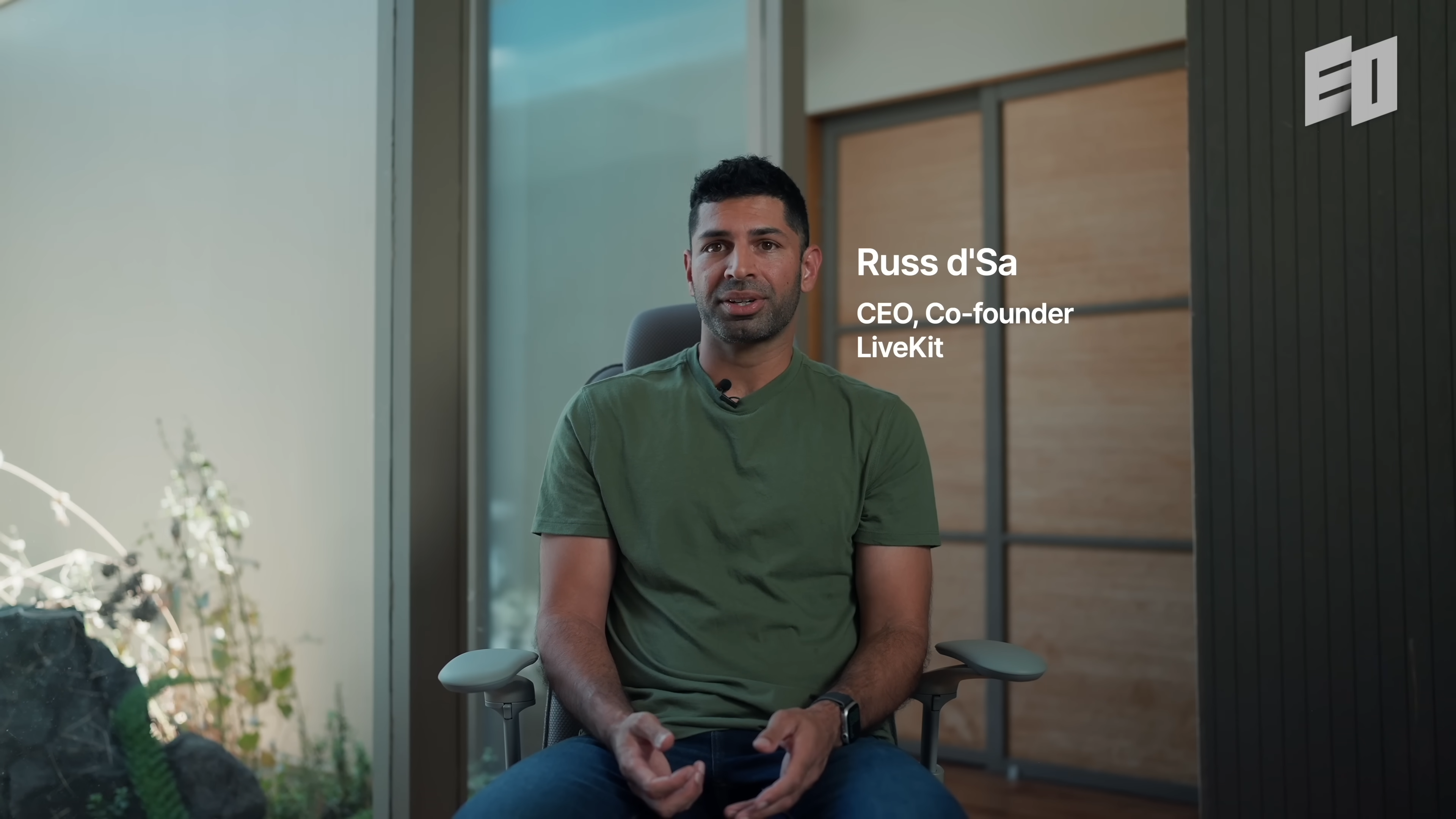
My name is Russ d'Sa and I'm the CEO and co-founder of LiveKit. LiveKit raised about $37 million; we just closed a Series A for $22.5 million. Angel investors that are focused in AI: Aravind Srinivas at Perplexity, Jeff Dean, the chief scientist at Google, Elad Gil. Should I say more names?
LiveKit actually runs 25% of 911. We also have companies like OpenAI that are using us to power voice mode for ChatGPT. LiveKit is infrastructure that makes it really easy for any developer to build applications that use real-time streaming audio or video.
There was no general purpose infrastructure, and so we decided to solve that problem by making an open source stack to easily integrate that type of technology into whatever they're building.
Having Convictions: From Night Coding to Y Combinator
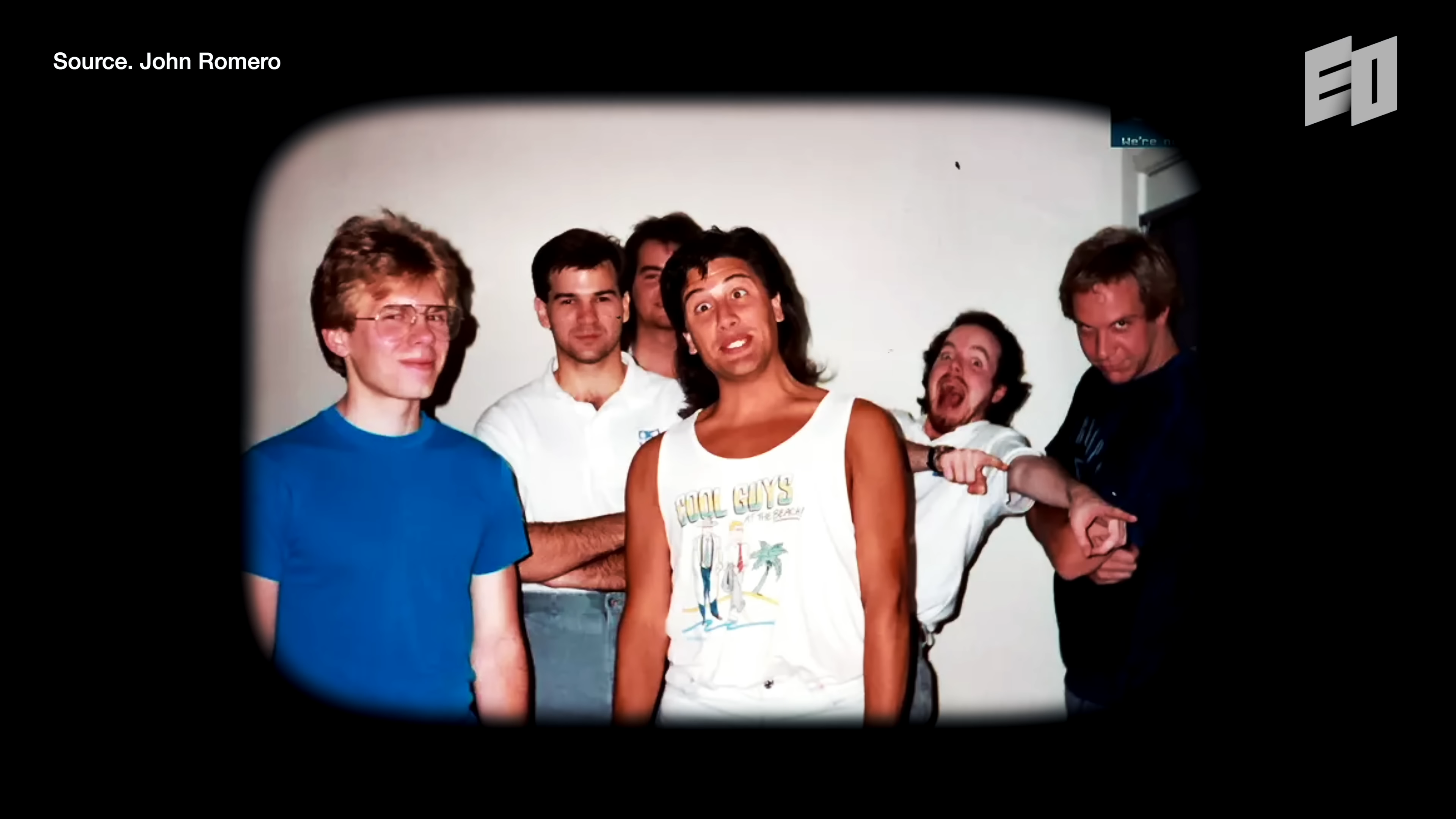
I watched a documentary when I was flying over to the Bay Area to move here that made me realize I can do that too. It was a documentary about John Carmack and John Romero, the two creators of id Software and the Doom and Wolfenstein video games.
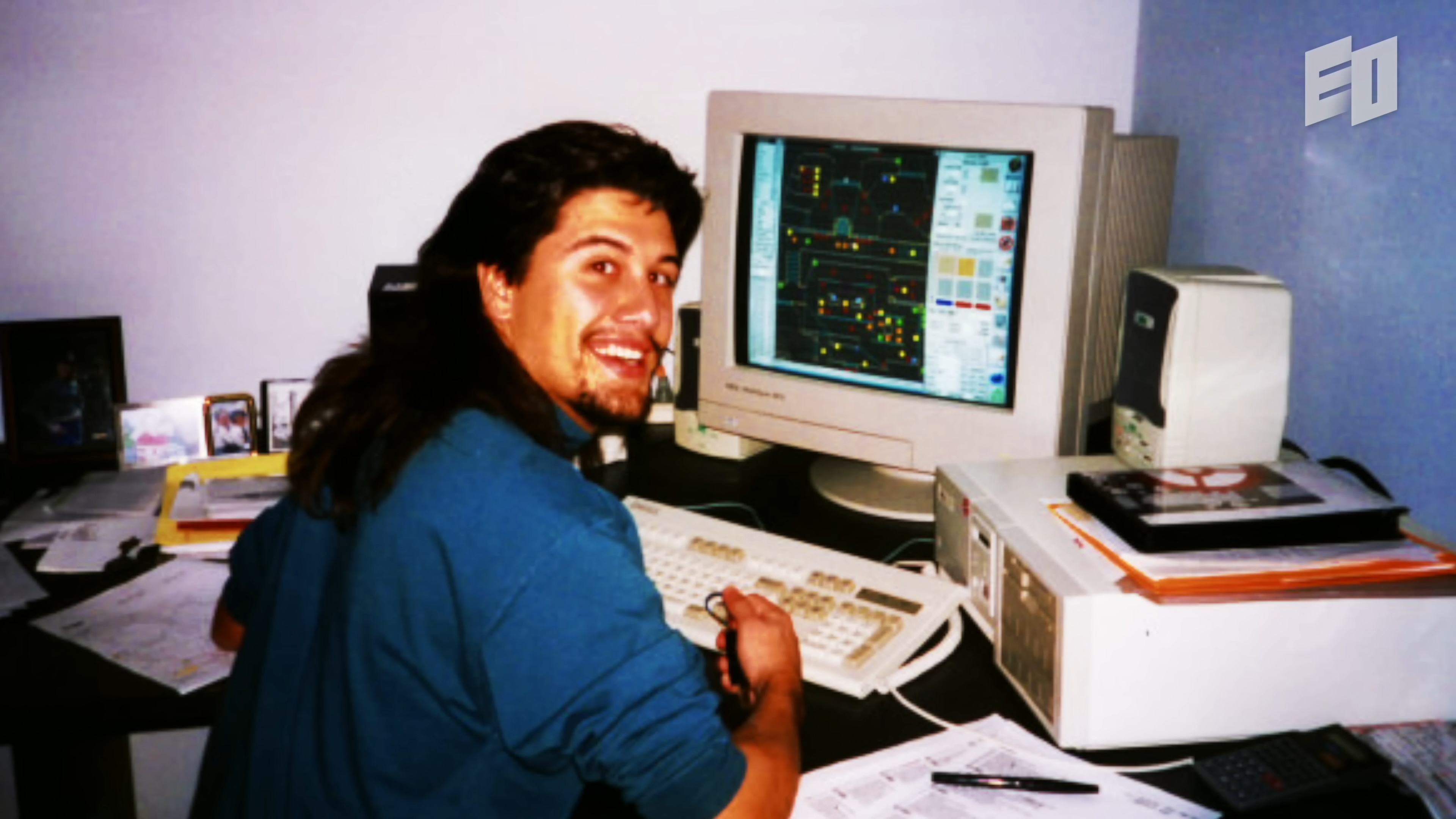
What they would do in the evenings is they would take the Softdisk computers, unplug them, put them into their trucks, drive them to their house, and then work on their own games at night using Softdisk machines, and then bring those computers back in the morning.
What that kind of showed me was that two people writing code, writing words on the screen, can change the entire world. That was really the start of how I got into computer programming.
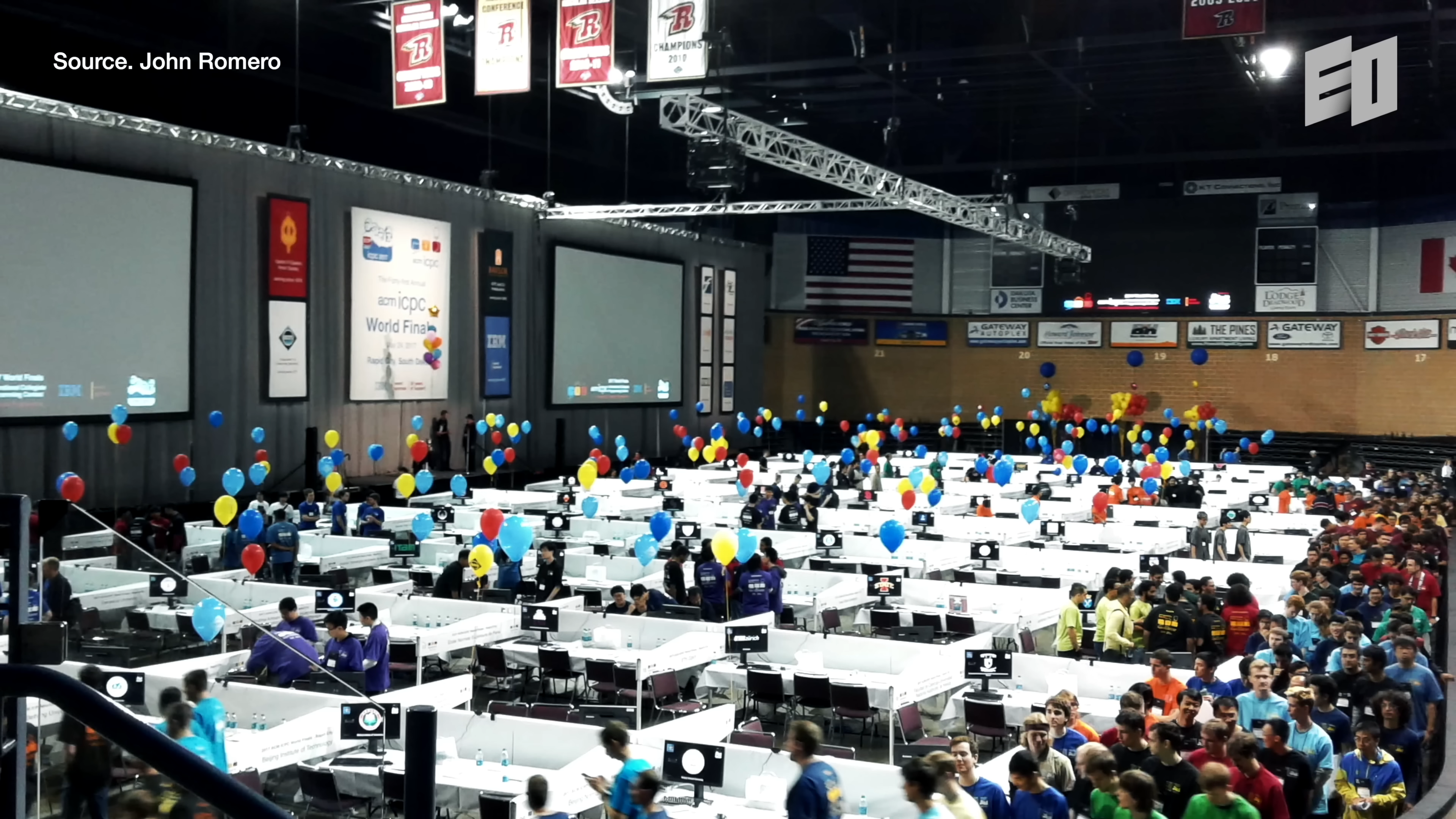
When I was 14, there were night classes being held where Apple's campus is now. I've always wanted to learn how to program computers so that I could ultimately create things. That kind of threaded through into college and what I studied there; I was on the ACM programming team at UC Davis. My friend, a couple years younger than me, heard about YC opening up in Mountain View and walked down the street. YC wanted to talk to us, and he ended up getting us a spot to go attend one of YC's dinners for the second batch.
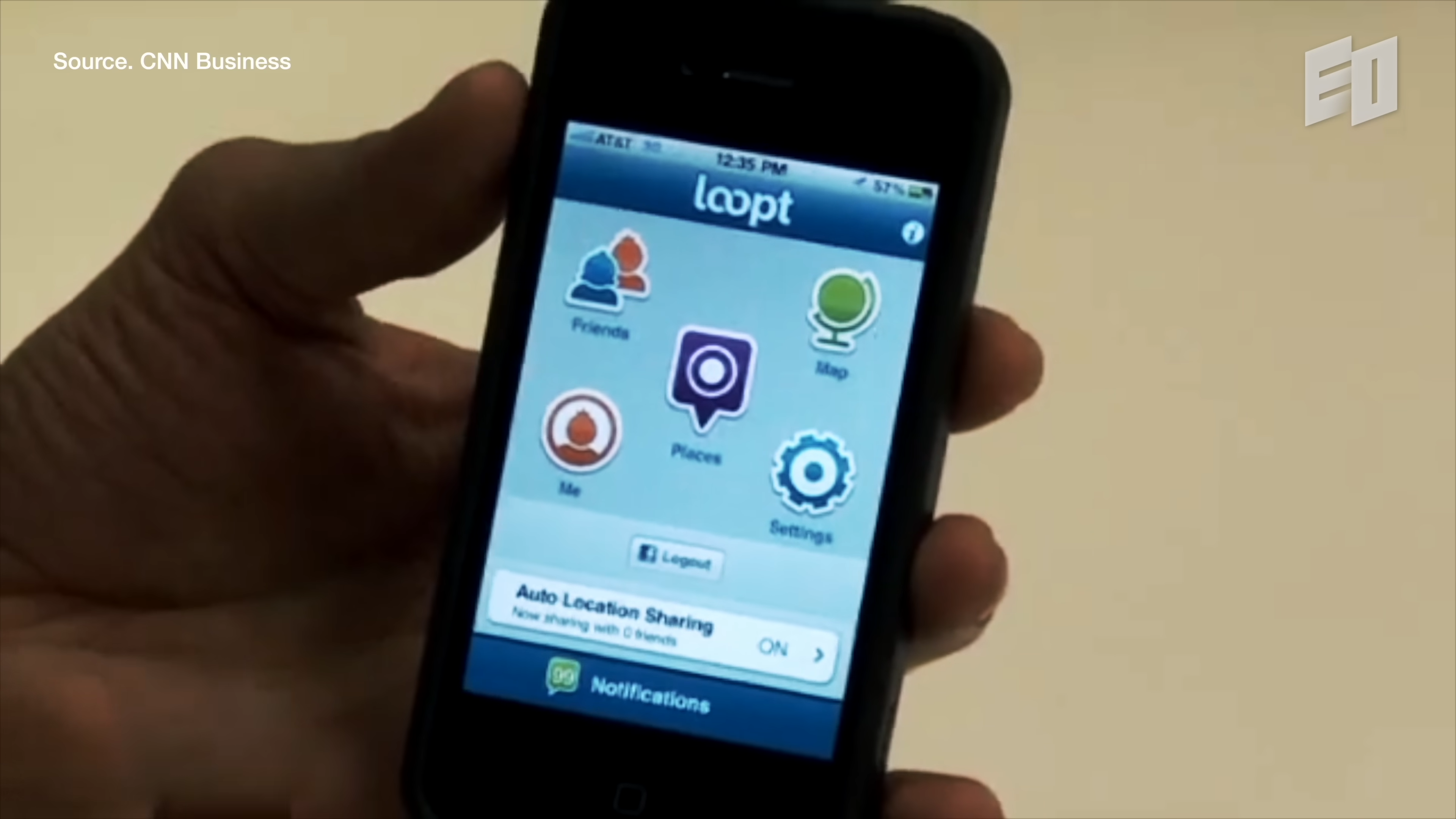
We applied with a mobile social network where you would check into places, and we got a response back from Paul Graham. I still have the email: what are you going to do differently than this company that just launched that we funded called Loopt? It was Sam Altman's company; I don't think that you can beat Sam. That was our first rejection from YC.
We applied again with a different idea: well, there are these cameras that are being built into those white plastic MacBooks, we can build the first platform for connecting people anywhere in the world instantly using just your camera and your microphone. That's what Meetyu was, and it ended up getting accepted.
You have to have conviction in what your product vision is going to be and what you're really building towards. It was very early and very new; people got so excited about it, which is a good thing, but then they also started to give us all sorts of ideas of what we should build and how it should work. Yes, all of these founders are very smart, but they're not thinking about the product and the problem that you're solving 24/7 the way you are; they're thinking about their own products.
And so I got enamored with some of these ideas that other founders were giving me, and I forgot to really focus on what I was trying to do and what my idea was. That's ultimately why I don't think the product and the company succeeded.
Choosing the Right Market: Early Market Challenges
23andMe was a really interesting company; I actually learned about them before I even went and did YC. After my YC startup, Meetyu, ended up failing, I went back to 23andMe because I thought that they were working on something really interesting, definitely going to be the future. I could see people getting genomically sequenced, using that information to help them make decisions about how they live their life. I thought that was just so fresh, so forward-looking, that I wanted to be a part of it, because it was so early when I joined.
It's good to pick a large market; you have to pick the right market, but you have to balance that with how are you going to navigate that market and grow with that market over time, and ultimately build something sustainable where you can kind of ride that wave of growth and adoption. When the company started, we didn't know enough about how DNA influences your health.
If you're working on an idea that isn't moving at the pace that you want it to, but you know it's a guaranteed thing in the future, what are you going to do in the short to medium term so that you can build something that has traction, and you can turn your company into something sustainable and ride out that adoption curve.
Fire is a Good Thing: Thriving Under Pressure in Twitter
But Twitter has always had so much attention. When I joined, it was all over the news already, and so I felt very intimidated. Twitter was growing so fast and was understaffed; it was really sort of a mess, to be honest. As an engineer, I realized that if I just spent the time, put in the hours, I could really carve out a place for myself. I think for my first couple of years I spent probably about 12 to 14 hours a day just working on the product, and to be honest, I really enjoyed it.
It didn't really feel like work; it was so fun, because you could build something and then put it out there and see people from all around the world tweeting about it and how much they loved it.
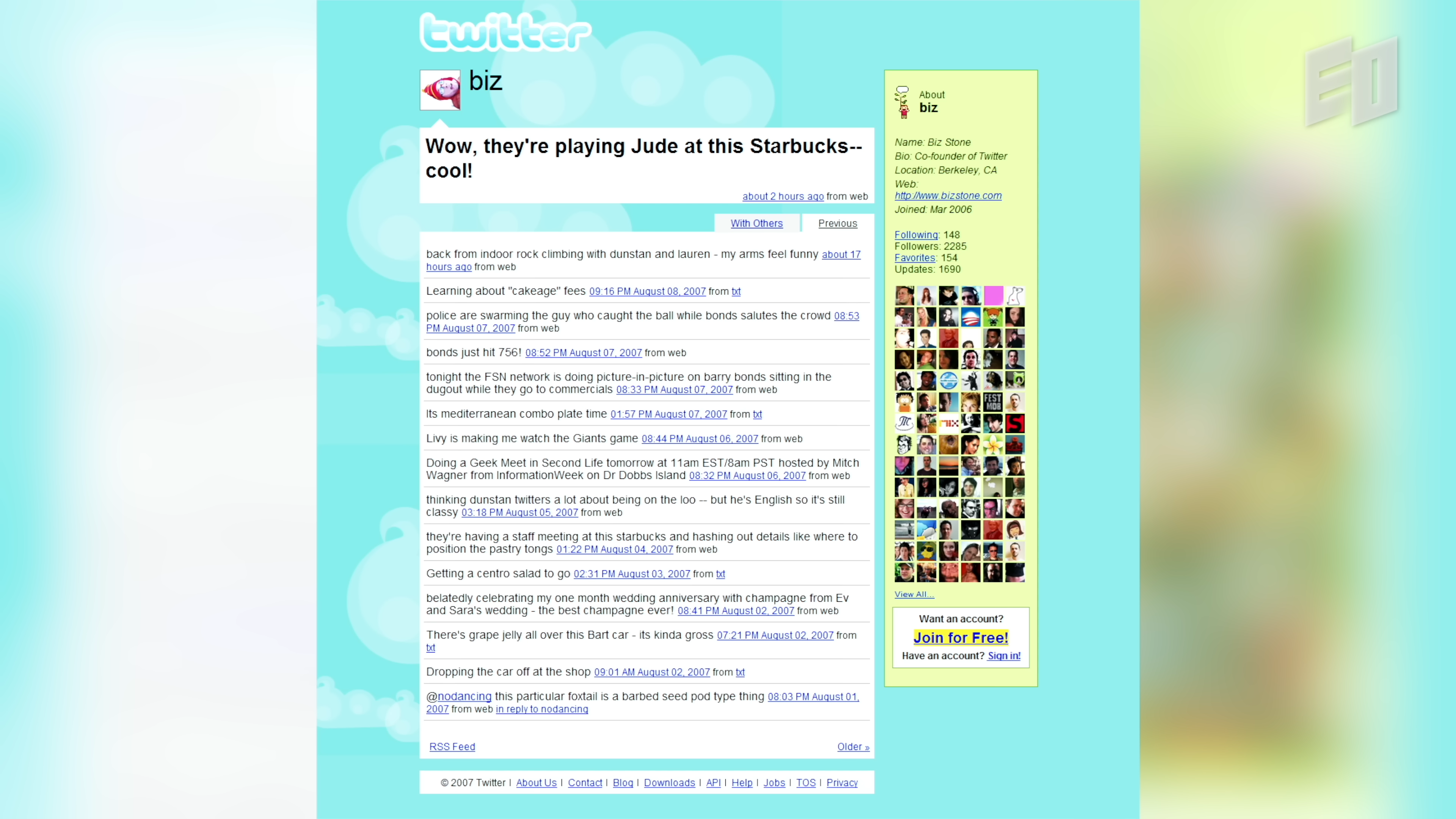
But I'd say that the thing I'm most proud of was the embedded media within Twitter; that was a project that I did on my personal time, and I would just lie in bed doing this over and over and over. It was intoxicating to work on the product. An interesting thing that I learned from that experience is fires are a good thing; fires are an indication to you that you have built something that people want. One interesting aspect of engineering is engineers fall in love with the code; there is something beautiful in architecting these systems.
But what I told people is that you should hope that you have to go and rewrite the code. Ultimately, what we are working on is a means to an end; code is the way that you get there. Failing and crashing is actually a rite of passage; it's proof that you've built something that is worth improving.
Solutions Without Painpoints: Lessons from 3 Failures
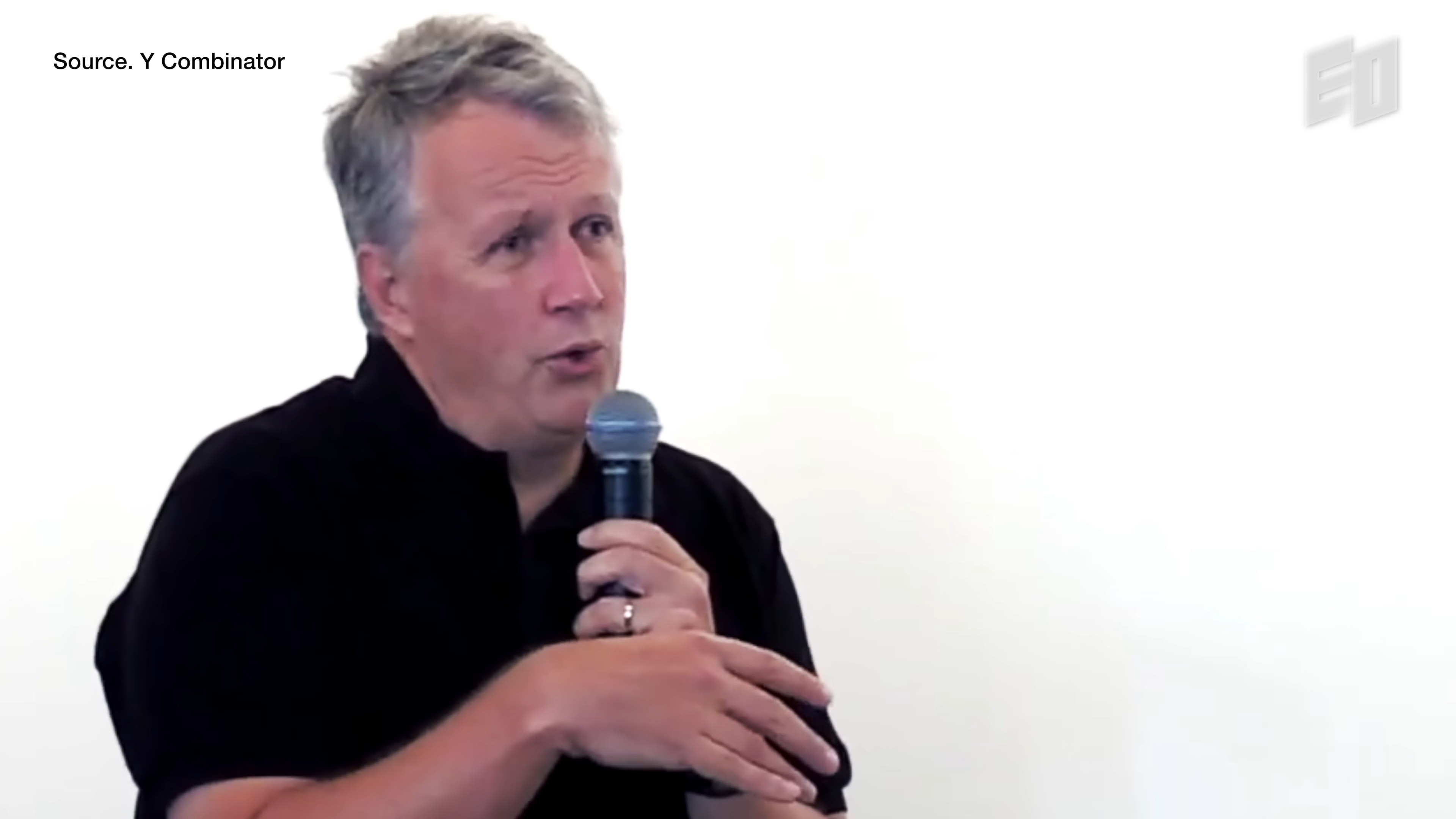
At the time that I left Twitter, I wasn't maximizing the value of my time, and so I ended up leaving. Okay, I want to move a lot faster; the fastest way to move is to start my own company again. The first idea that we worked on was a stock brokerage designed for mobile phones, and we went to go pitch Paul to come back to YC, and Paul told us, well, that seems like an idea that you would work on when you don't have a good idea.
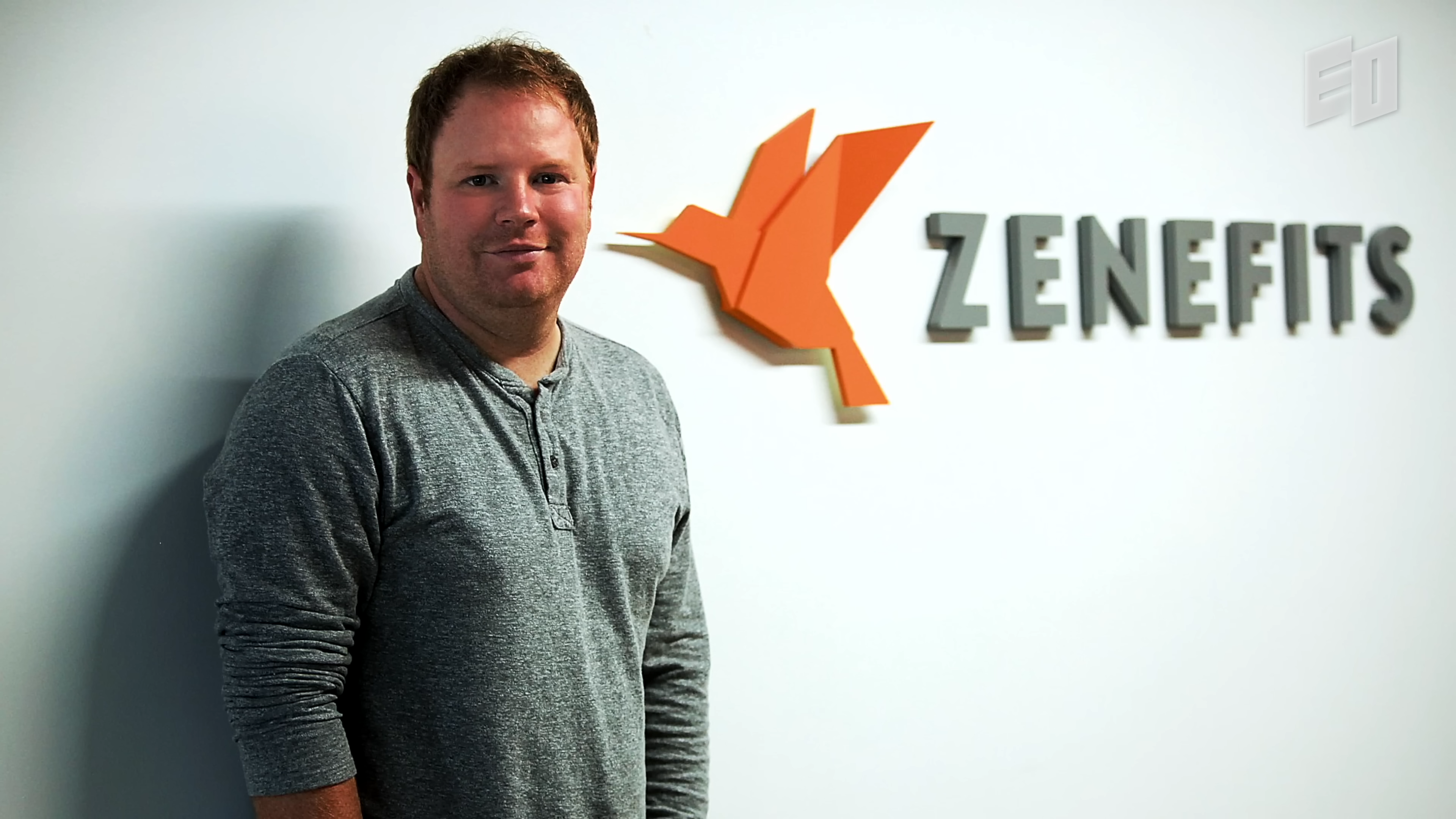
The next thing that we tried to work on, my mom said you and David should go work on a payroll competitor for small and medium-sized companies. And I said, well, Mom, there's a company in YC called ZenPayroll that's already working on this. And she said, well, how about healthcare? We went and became licensed insurance brokers in California, started to build software, and Paul said, that's amazing, there's this founder named Parker Conrad also working on this in this current batch; he just applied with this company called Zenefits. Competitors don't kill you, founders kill themselves.
So what we did, what is challenging with mobile is that you have to go to the App Store and download an app and wait for that app to install before you can actually use it. Why can't it work more like a website? And so we partnered with King and Candy Crush, and we partnered with Clash of Clans, effectively streaming these mobile apps. But ultimately it didn't really pan out; we weren't really solving a problem, we were actually building a cool solution, really cool technology that had no problem that it was solving. And so we did things kind of in reverse.
My career has had ebbs and flows. I've started a company and then I've joined a company, I've started a company and I've joined a company. It really came from my childhood; my dad was in startups in Silicon Valley, and I grew up in that environment wanting to make my own video games, wanting to start my own company, be the two people in a garage that were changing the world. Not try to start a company for the sake of starting a company; that's a mistake that I made multiple times in my career.
I think that I was really impatient, just wanting to do that as quickly as possible. The real thing to do is to solve problems, and a company is a group of people that all align around the same problem and come together to solve it.
The Need for New HTTPS: Starting LiveKit
The problem that LiveKit is tackling is that the internet wasn't really built for transmitting audio and video. When you go to the browser address bar, you enter HTTP, that's hypertext transfer protocol. When I started Meetyu back in Y Combinator, just in 2007, there was really no real-time video on the internet. Things had come a long way since then, but it was still pretty early for real-time video; it just did not exist.
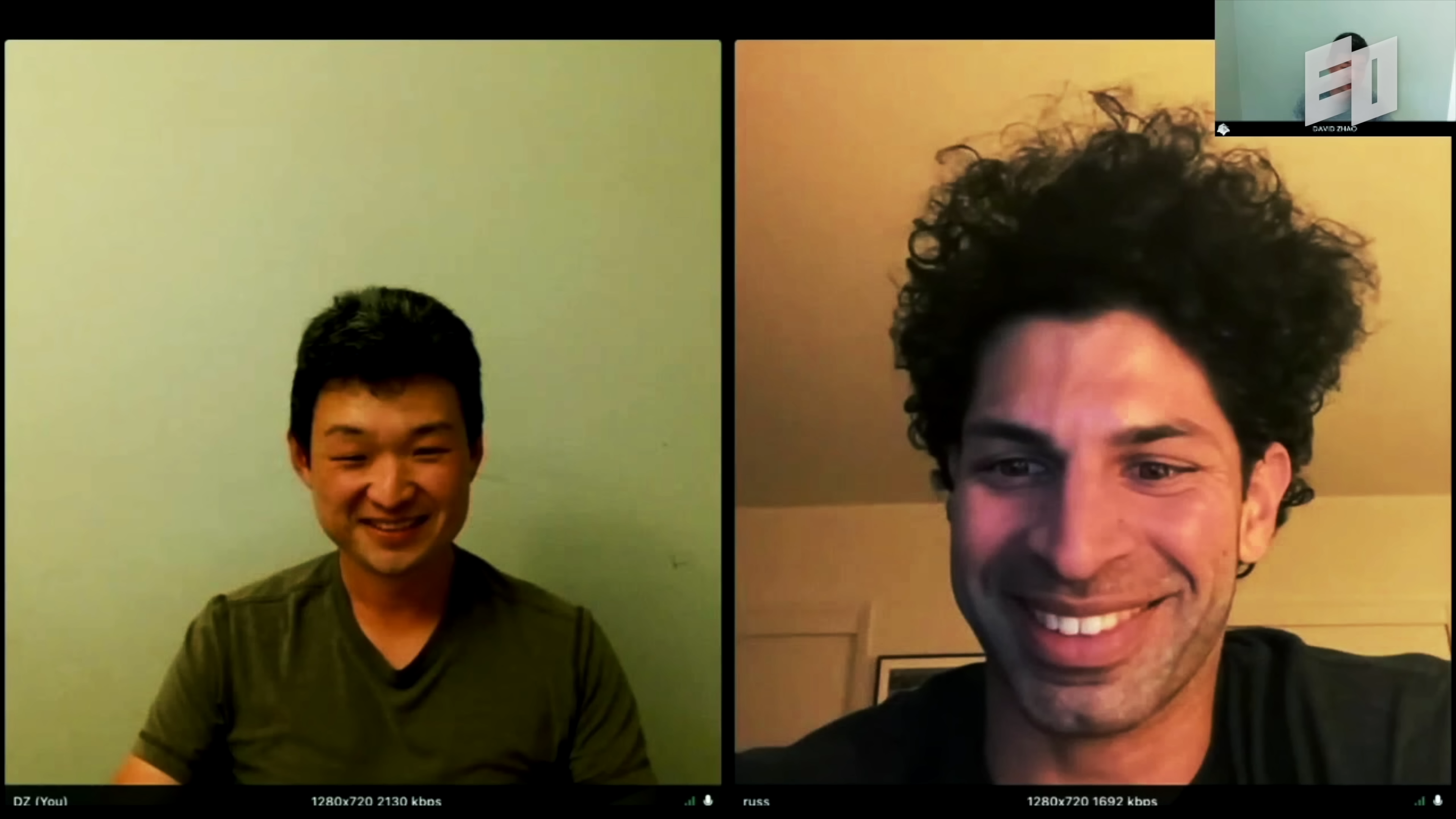
I pinged my co-founder, David, the same David that I started Evie with, the same David that I met in 2007 in YC, working on different companies. And I said, there's going to be a need for this, especially in the pandemic; everybody was trying to bring different elements of real life onto the internet, and they need a way to use cameras and microphones to do that. We said, what if we build the open source stack for it, what if we build the Postgres for real-time networking and real-time data.
A really interesting and impactful use case happened when we started to work with OpenAI, Anthropic, and Gemini, and the foundational model companies. Collectively, they are going to build a brain that can respond to you like a human does. How will you interact with that human-like computer, the same way that you interact with another human? The eyes of a computer are a camera, the ears of a computer are a microphone, the mouth of a computer is a speaker.
So the way that you're going to interact with that brain is through a nervous system; you need to be able to carry those signals to and from that brain. And that's what LiveKit is ultimately building: we are building the connective tissue that makes it easy for you to get the information from any camera and microphone to that AI model, and then allow that AI model to process that information and transmit it back to the user that is asking for that AI.
How big is that market? The way that I index for it: every keyboard and mouse in the world, because every keyboard and mouse is going to get replaced by a camera and a microphone. People have asked me about where do I see LiveKit going and where do I want to see it go. While I have ambition for where LiveKit is going to go, it's also really important to celebrate that we've already been successful with powering 911; every single week someone's life is saved using video to coach someone on how to deliver CPR.
There's a nonprofit in India that helps people get access to education that exists in other universities around the world that they wouldn't normally be able to afford, and that uses LiveKit as well, a host of use cases that help the underprivileged access information or connect with one another. These are things that don't actually even pay us a dime; they all use LiveKit open source, they don't use LiveKit Cloud, but they're my favorite use cases.
The important part is, is there value being generated, both from the time spent working on the product to make it possible and from the people that are using the product to enable something that they couldn't do before.
Don't Force the Inspiration: Advice for Future Entrepreneurs
My advice for entrepreneurs that are looking to build in spaces like AI or robotics: these two spaces are going to be the largest spaces in the history of humanity, they're both guaranteed to be multi-trillion dollar spaces. It's such a massive space, and it's so early, and things are changing so quickly, that there is some benefit, counterintuitively, to waiting a little bit, joining a company that is at the forefront of AI, so that you can learn about some of the foundational elements, how fast things are moving, and also meet co-founders that ultimately will leave those companies and go and start the next wave of AI companies in the future.
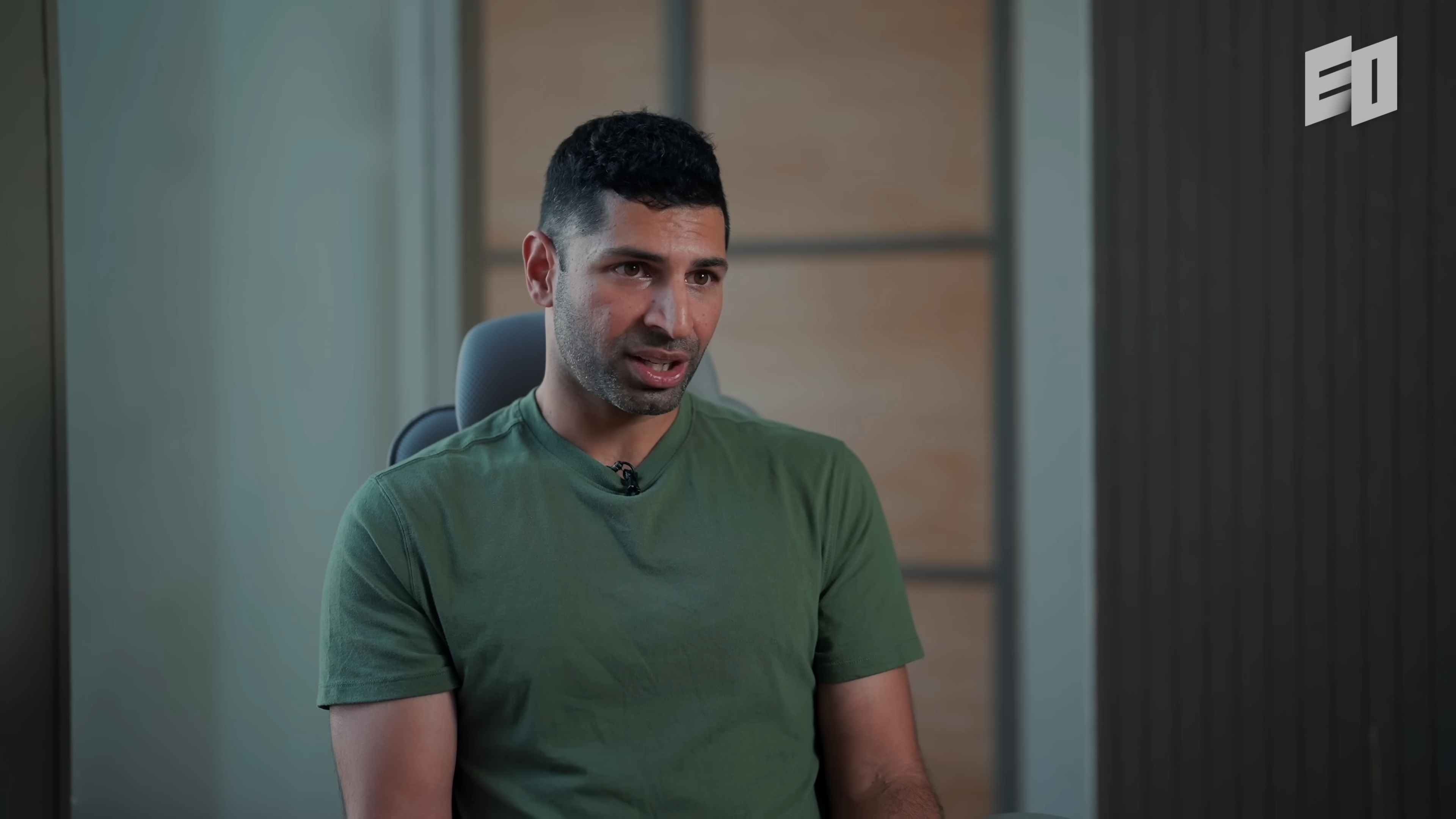
When you're working on your own company, you're kind of heads down, you have a bit of tunnel vision; you don't really know what are the other problems that are going on around you that other companies are facing. My recommendation, if you're starting your career: go out and join a company that you find exciting, a company that's growing, and go spend some time there. Spend a couple of years, really dig in, really be involved.
I think inspiration will strike, it will come, but don't force it, and you'll know it when it comes. And then you should go and do it, and full out just pursue it.