Oct 02, 2026
How a $3B VC Picks Founders Before There's a Product
Interview with Navin Chaddha, Managing Partner at Mayfield
Founder Focused


0:00 / 0:00
💡
At a Glance
- Who: Navin Chaddha is Managing Partner at Mayfield; he postponed his PhD oral exam to join the startup VXtreme as CTO, never went back, and later ran Rivio as CEO through the dot-com crash before becoming an investor.
- What: Mayfield is an early-stage venture capital firm investing in AI founders; Chaddha says 70% of its investments go in at the idea stage. It also runs programs such as the AI Garage and the Mayfield Fellows program at Stanford.
- Traction: Chaddha says Mayfield manages $3 billion; he describes being the first investor in a company (Poshmark) that went public ten years after Mayfield funded it, and backing Elastica founder Rehan Jalil, whose next company he says grew six times bigger.
In this interview, Navin Chaddha reveals why he postponed his PhD oral exam to bet on a startup, what a company that priced at a billion and then collapsed in the dot-com crash taught him about letting people go, how he backed a company six months before its founder had decided to start it, and why he says FOMO is for sheep.
Key Takeaways
When there are no metrics, the founder is the investment
Mayfield makes 70% of its investments at the idea stage, where there is only paper and pencil and usually no market size, so Chaddha's team runs what it jokingly calls a founder X-ray. He looks for a growth mindset, a habit of surrounding oneself with excellence, and a long-term view, and treats values alignment as the part that never changes.
Failure teaches what a rising tide hides
Chaddha watched a company he co-founded as CTO price at a billion, climb to 3 billion, and sell for a couple of hundred million dollars nine months later after the dot-com crash and 9/11. He calls it his first failure in life and the one that taught him the most. As CEO of Rivio in the downturn, he learned to let people go early, with good severance, while there was still runway.
Ideas come and go; hunger and learning ability compound
Chaddha backed Rehan Jalil repeatedly and says Jalil never went back to the other top-tier firms. When Jalil started his third company after Elastica, Chaddha judged not the idea but what Jalil had learned and how hungry he was, and that company became six times bigger than the last.
Why back a company before the founder has decided to start it?
Chaddha first passed on Manish's earlier startup, but they kept in touch, and over breakfast after the iPhone launch Manish pitched a mobile-first, social marketplace for selling from your closet. Mayfield was the first investor, did not sell at the IPO ten years later, and was the last investor to sell at the acquisition. Chaddha calls that the marathon, not the sprint.
AI is a 100x shift because both the front end and the back end change
Chaddha rates past waves from PC to cloud as 10x, since each changed either the front end or the back end. AI changes both: machines now understand human language, which is why he contrasts 30 million developers with the 900 million people he says use ChatGPT monthly, and compute lets machines handle cognition like a teammate.
FOMO is for sheep
Chaddha argues that chasing another firm or startup means following someone who sees the cliff first and turns, leaving you no time to react. A VC is measured only by returns, and an anti-portfolio will often look better than the portfolio, so he says the answer is your own North Star and conviction, not copying others.
Below is the complete transcription of the interview. Minor edits have been made for clarity and readability.
Introducing Navin, Managing Partner at Mayfield
I'm Navin Chaddha, managing partner at Mayfield. Mayfield is an early-stage venture capital firm managing $3 billion, investing in AI founders. 70% of our investments go in at the idea stage, where it's only paper and pencil. So to be able to evaluate those investments, what are you going to do? There are no metrics. There's no market size most of the time. So we actually do a lot of work on evaluating founders. Jokingly, we say it's the founder X-ray.
I think the big thing I learned is the myth about how you learn. And my most important learning is you learn the most from failures. In a rising tide, even fools look smart. But when the tide goes down, to survive, the tough get going. So these founders need to have a growth mindset, need to surround themselves with excellence because company building is a team sport, and take a long-term view, which is that company building is a marathon. It's not a sprint.
And if they have those characteristics, you say, "Okay, I'm here to support you. I'll be your Sherpa; I'll be your safety net. I'll be your GPS system. Let's go." But it's values alignment. They don't change.
No Risk, No Reward
So it was an interesting moment when I had my PhD oral set up to defend my PhD, and I had done a lot of work. I had 35 research papers. There was some defining technology, but I always believed in jumping when opportunity knocks. There was an opportunity to change the world with essentially the technology we had created at VXtreme, which enabled video streaming over the internet, for it to go mainstream.
So I said, "Okay, let's push out the PhD oral and not call anyone," because if I called my parents, they would say, "Man, you are crazy. First, you drop out of a PhD program to go to a company, a startup, when startups weren't popular. And now when you're ready, after the last 3 to 4 years of work, to get a PhD, you cancel your exam," right?
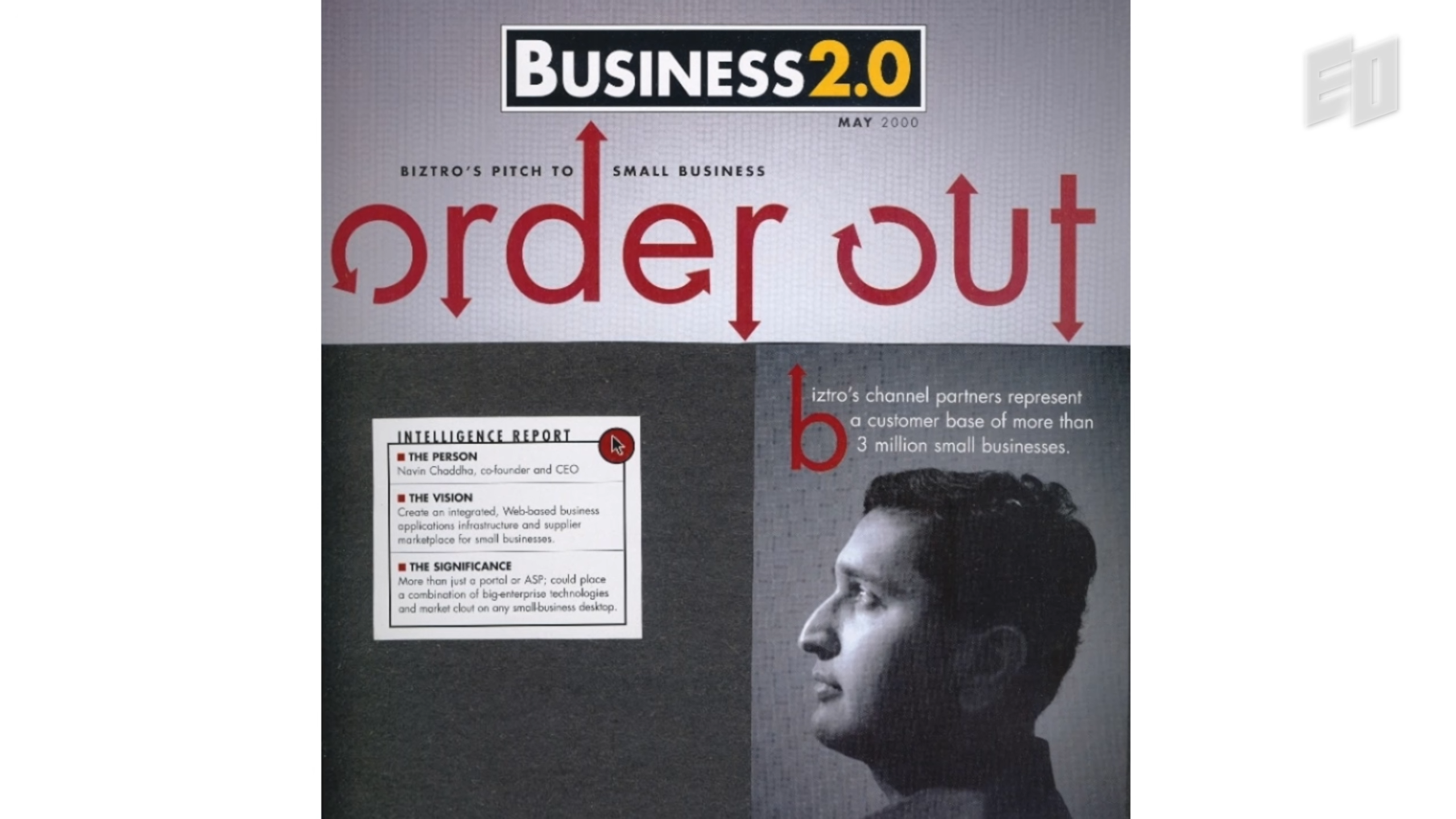
So I didn't. It was a conscious decision: hey, just postpone it. Then I never went back. So it was very atypical for an immigrant who was on a student visa to essentially take this risk. But my belief is if you don't take risks, there's no reward. And if you have the desire to go do something big, you have to just jump and not follow conventional wisdom, because that leads to mediocrity.
My role was the CTO, so I think wisdom and experience count for something. I had none when I was 25 years old, and you have to burn your hands to get it. With very little capital raised, a $100 to $150 million acquisition in '97 is game-changing. I didn't want to sell, but the CEO whom we hired said, "You're going to make so much money, money I haven't made." He was in his mid-50s, with over 40 years of experience. Just go do this. You will be doing startups again and again and again. And that's what happened.
We went public at the worst time. So first and foremost, I would say during the dot-com era, startups were selling to startups, and that's what was driving the revenue, if you will. Second, everybody told you, like they are telling you today, to grow at all costs without looking at what you are burning, and that the market will never slow down. Then when the dot-com crash happened, the whole market changed. If you had a lot of infrastructure spend, you can't just course-correct.
So I saw the journey firsthand as the founder CTO, again, not being the CEO. In two years, actually, we took the company public. It priced at a billion, went up to 3 billion, and then was sold for a couple of hundred million dollars nine months later, and then the whole market evaporated. But little did I know there would be two Black Swan events: the crashing of the dot-com bubble, and secondly, 9/11. So there are things beyond a human being. So I think things don't always go the way you plan them.
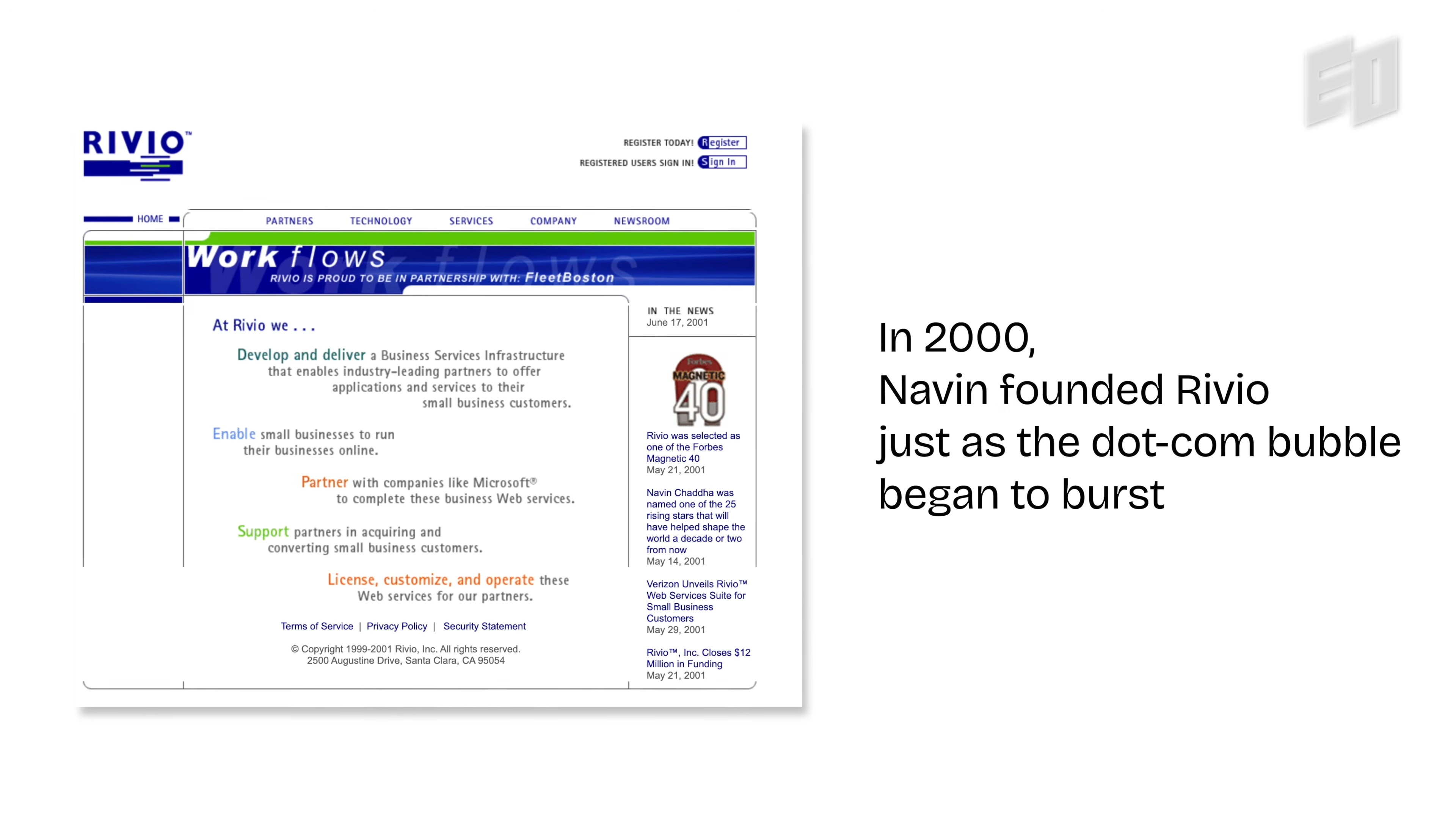
It was my first failure in life, and it taught me the most. And Rivio was providing SaaS infrastructure before SaaS was a term, in 2000 and 2001, to the biggest companies in the world. As the downturn started happening, I wanted to make sure the money we had is the money which takes us to either an acquisition or cash flow breakeven.

In order to do that, one of my board members told me, "Hey, have you seen the movie Titanic?" I said, "Man, what movie is that? I only watch Bollywood movies." And I did go watch it. The big learning I had is, as a CEO, your responsibility is to first let people go so that when the crash happens, they're already safe, and you have to be the last one to get out of a sinking ship. So that's what we were doing when we had the runway.
We wanted to treat people fairly. We wanted to give them good severance so that they can last, and to sustain the company and get it to cash-flow break-even. And it was handled with respect; it was handled with dignity. And with some of the people who worked with me, anything I touch, people just follow me. My relationships last for 20 years, 25 years, and with the people who were let go, their roles were eliminated, but the relationships still stay. We are still very, very close.
It's tough when you have to go deliver that message. But I believe in radical candor, where you love people, you respect them, you care deeply. But at moments of crisis, you have to make the right business decisions. That's what leaders do, and that's what we get paid for.
Ideas Come and Go
I think my belief has always been that it's all about people. Most investors think about ROI, which probably for everybody means return on investment. I think that's very short-term thinking. I believe ROI is about founders' responsibility and investors' responsibility for the rise of the individual. How do you help individuals reach certain levels in life that they might have never dreamt of? So that's my passion, my belief, and that's what defines me.
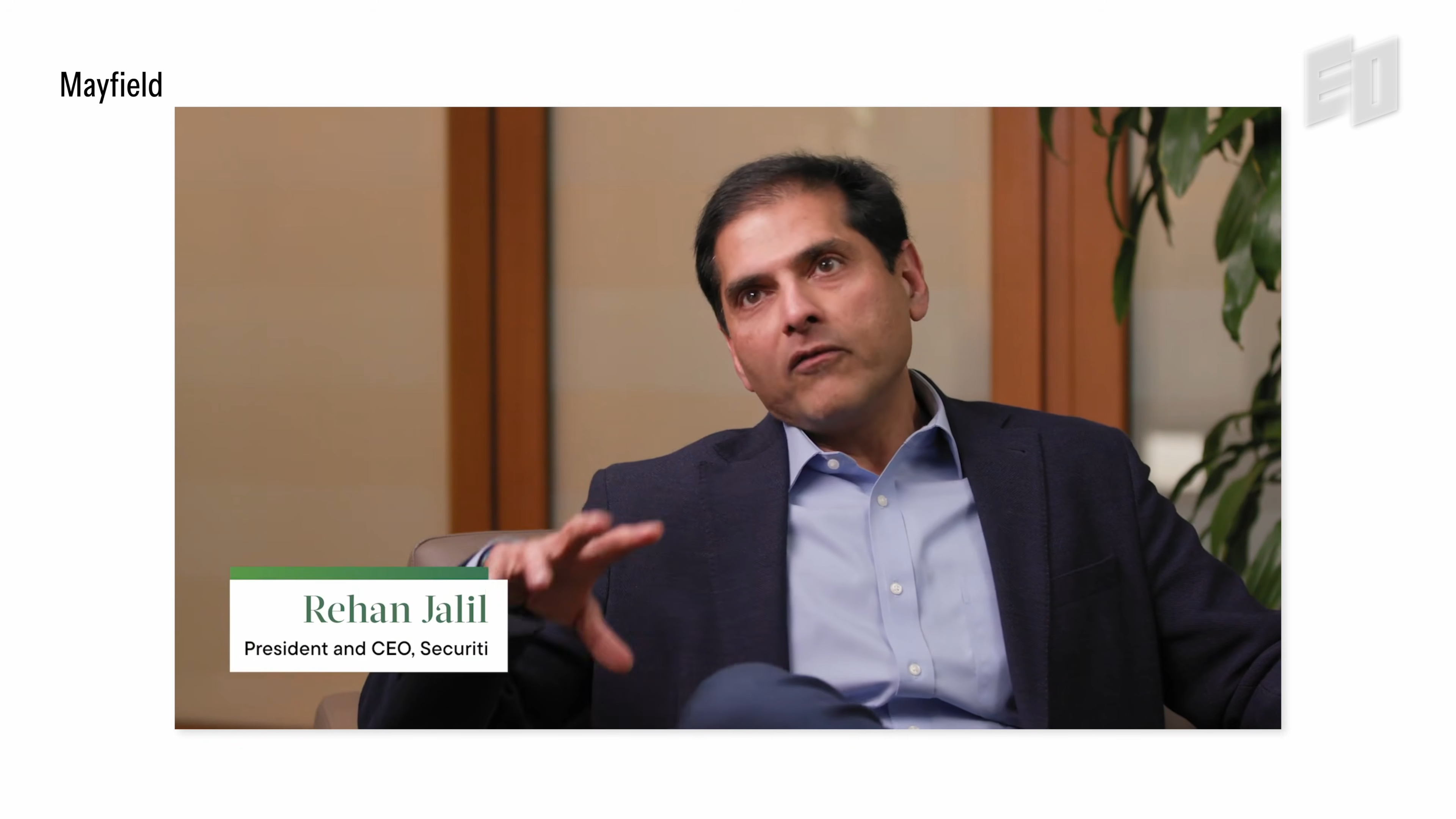
So Rehan Jalil is a good example. I met him in 2006, 2007 through an intro. He was an engineer trying to build a company, and we clicked. He was in his late 30s, I was in my mid 30s, and we clicked, and we said, "Okay, let's get in business." Then he started the second company. He's a successful entrepreneur. Everybody should be funding him. He didn't even talk to anyone else.
That's the experience we created for him, and there were all the other top-tier firms. He never went back to them. Then that company, Elastica, succeeded, and he was doing a company the third time. What I was seeing was not the idea, because ideas can come and go. It's what he has learned and what hunger he has to create a bigger company this time. And this time the company he created was six times bigger than what he had done before.
So it's that hunger, that learning ability. And what is the dream, and what would he do differently this time? So I think first and foremost, to learn, you need to have the belief that you haven't learned everything. You need to be nimble so that you don't end up becoming a dinosaur.
First and foremost, you need to have a growth mindset. Second, you need to listen. Most people talk. They don't listen. You have to listen to founders as a VC, you have to listen to customers, you have to listen to the ecosystem, and then go back to pattern recognition and say, "Ah, I'm getting all these signals. When equivalent signals were happening in some other domain, this is what happened. So how do I take that, translate the learnings from that space, do some transformations in math, being an engineer, and apply it to this thing, continuously being in founder mode, tinkering?"
Listen to people. Follow social media, read blogs, and continuously keep improving. But at the end, you can consume as much as you want; as I mentioned earlier, you can learn only so much from reading. You have to practice, practice fast, iterate fast, get better, and then the most you will learn is from failure. Because if you're not failing enough, you're not trying hard enough, and then you are shooting for the roof, not the moon. I believe one should shoot for the moon.
Run a Marathon, Not a Sprint
I would say I always understood the value of people. What I didn't realize is how long it takes to build a successful company. And that's what I say today: hey, there's no overnight success. Whatever you do, it's going to take a long time. So run a marathon, not a sprint, especially if the aim is to continuously keep improving. I don't even know what the ceiling is, right? If you're shooting for the moon, you have to keep jumping higher, higher, higher.
It was a long journey. Manish and I got to know each other in 2002, 2003. He started a company in 2004 that was ahead of social media and mobile. It would have been the Pinterest of mobile, if mobile was there. I didn't understand it, so I didn't invest. It was a small acquisition, but we kept in touch over the years.
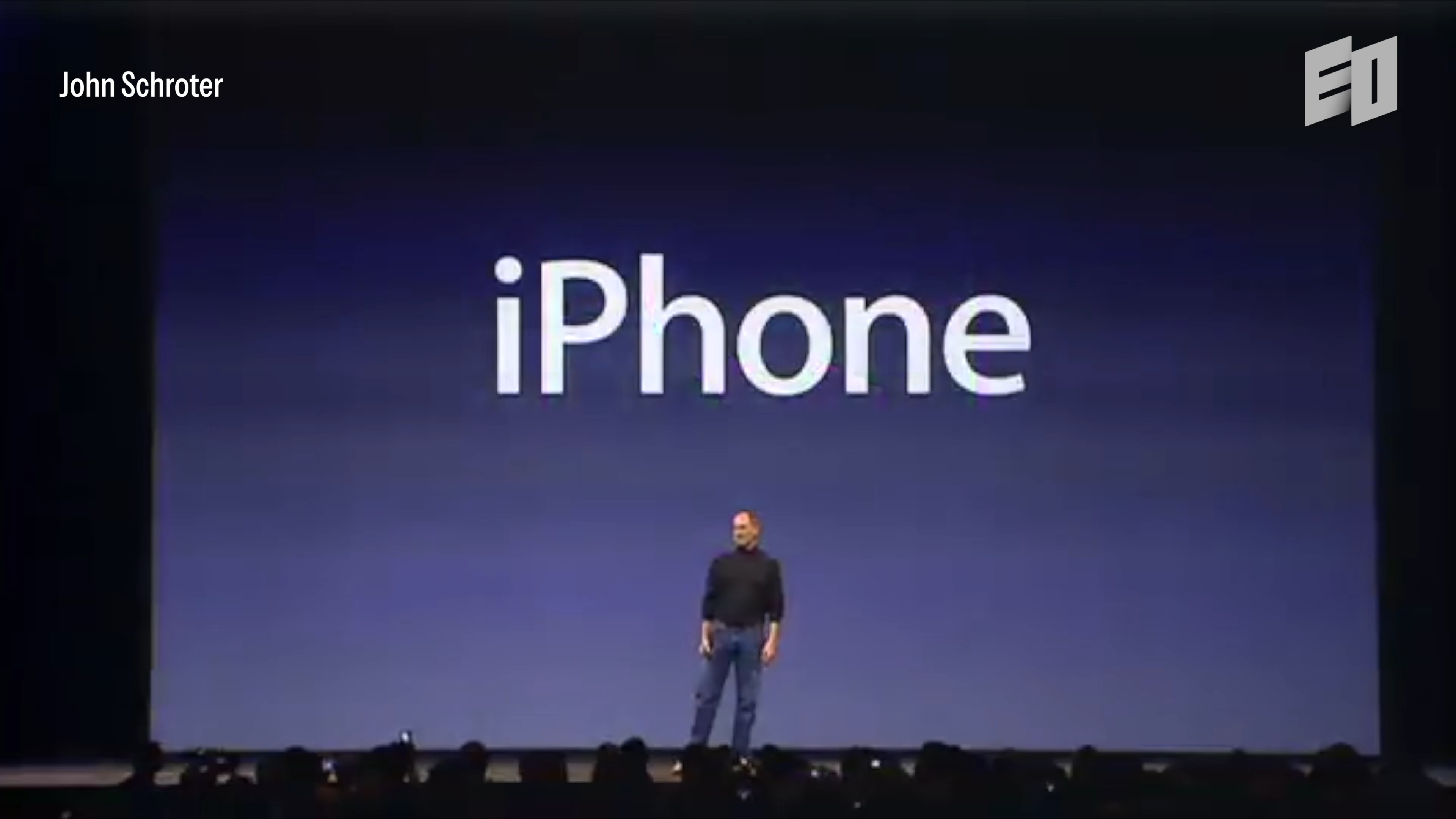
And when the iPhone happened, we were just catching up for breakfast at a coffee shop that doesn't exist anymore. Big, tall, high-rise buildings have been built in Cupertino. It's the place where even Nvidia started: Hobby's. A very well-known place. Most of it has evaporated today.
So essentially, he and I were chatting, and he said, "Hey, I did Kaboodle, which helped people figure out what to shop for in a social way. But now social media is everywhere. The iPhone has happened." And he showed me Instagram, and he said, I have an idea for creating a women's fashion company, mobile-first and social, that will not only help you discover what you want to buy, but also complete the transaction.
And the big idea was that they're not going to be a retailer. They're going to be a marketplace allowing people to sell from their closets and become entrepreneurs. So that was the original slide. And ten years after we funded it, it went public and had millions of buyers and millions of people as sellers. It was amazing to go through that journey.
We were the first investor, who helped start the company. We didn't even sell at the IPO, and we were the last investor to sell in when the acquisition happened. So again, running a marathon, not a sprint. Lots of learnings, but the satisfaction you have in starting something six months before the entrepreneur has even decided to start a company is amazing.
Because you're involved in the co-creation of that thing with them, and then helping them achieve their dreams, being there for them all the time. It's just gratifying.
A Land of Endless Possibilities
Let's go back to my name. There was always this pressure from my parents. Navin means novel in Hindi. They always had aspirations for me to go do great things that they may not have been able to do, and they gave me Maslow's hierarchy of comfort, gave me confidence, and said, "Go on and change the world." That's what led to entrepreneurship.
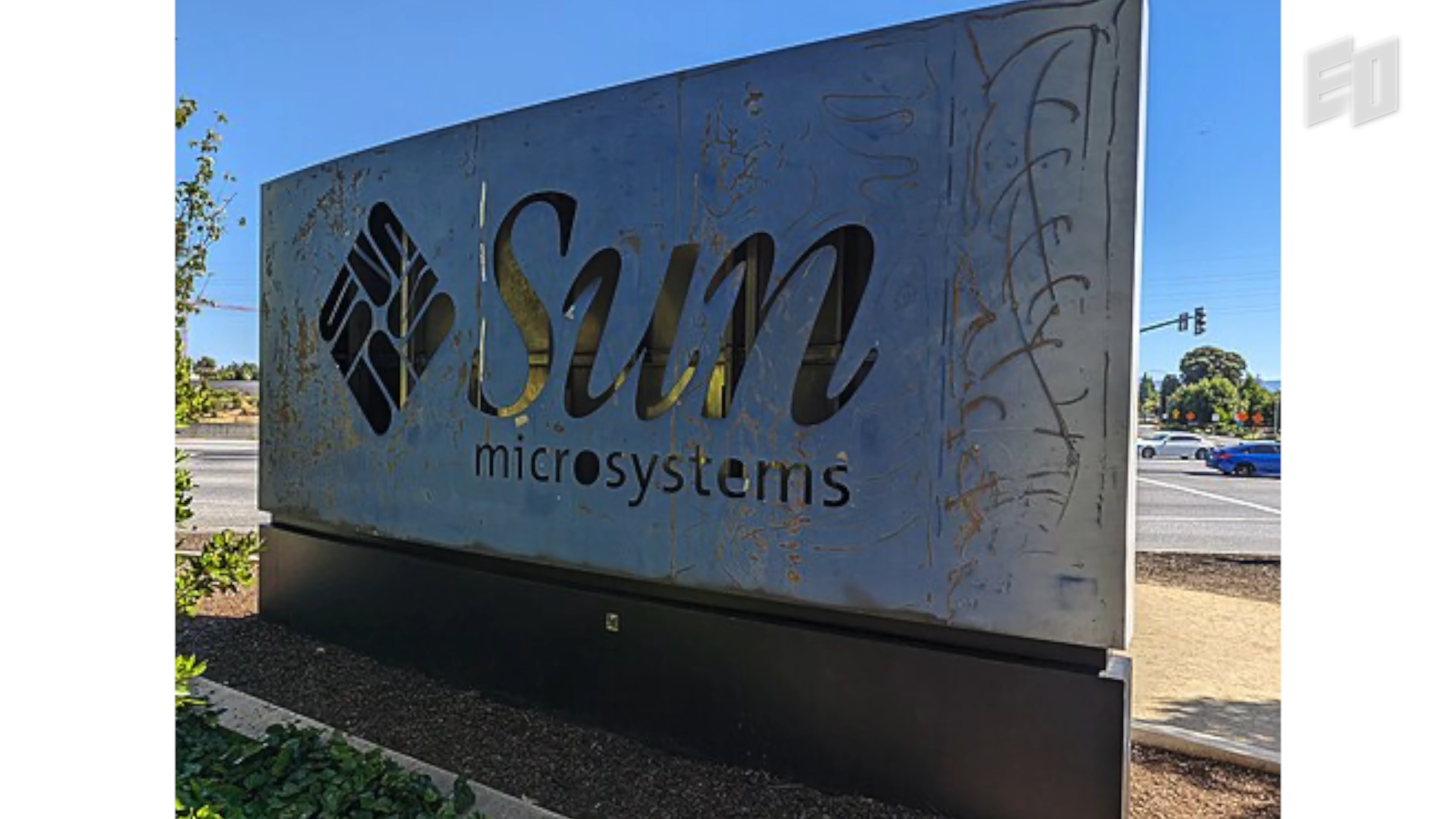
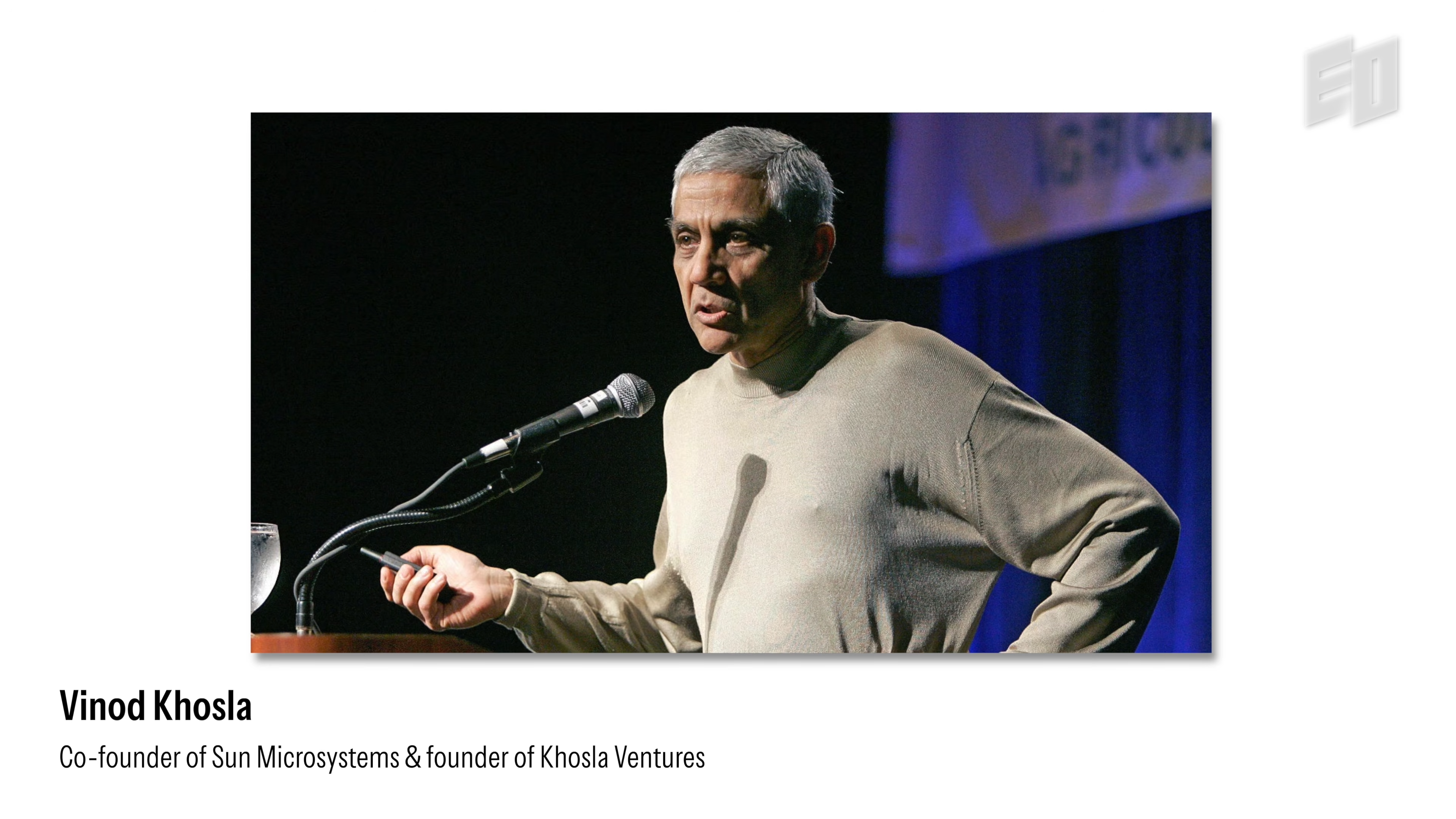
So when I was in undergrad, personal computers had just come out, and there was a company called Sun Microsystems founded by Vinod Khosla, who was also an IIT alumnus. It really inspired me that if I have to pursue entrepreneurship, I have to leave the country, come to America, go to Stanford University, and learn; that environment will help me create companies.
When you come to a new country, you don't know the culture. You don't know the people, you don't know what it's going to be. But the most surprising thing to me was, first, somebody else had created this fellowship from the money they had made, and it used to go to immigrants and foreigners.
Second, I was welcomed by the people who were students and also folks in Palo Alto who essentially welcomed me, picked me up from the airport, took me to their homes, and gave me the comfort of being part of a family. And then in my orientation, I realized this is a land of endless possibilities. So you go as far as you dream and you have hunger. The environment was so supportive. It leads to everything that defines me today: giving back.
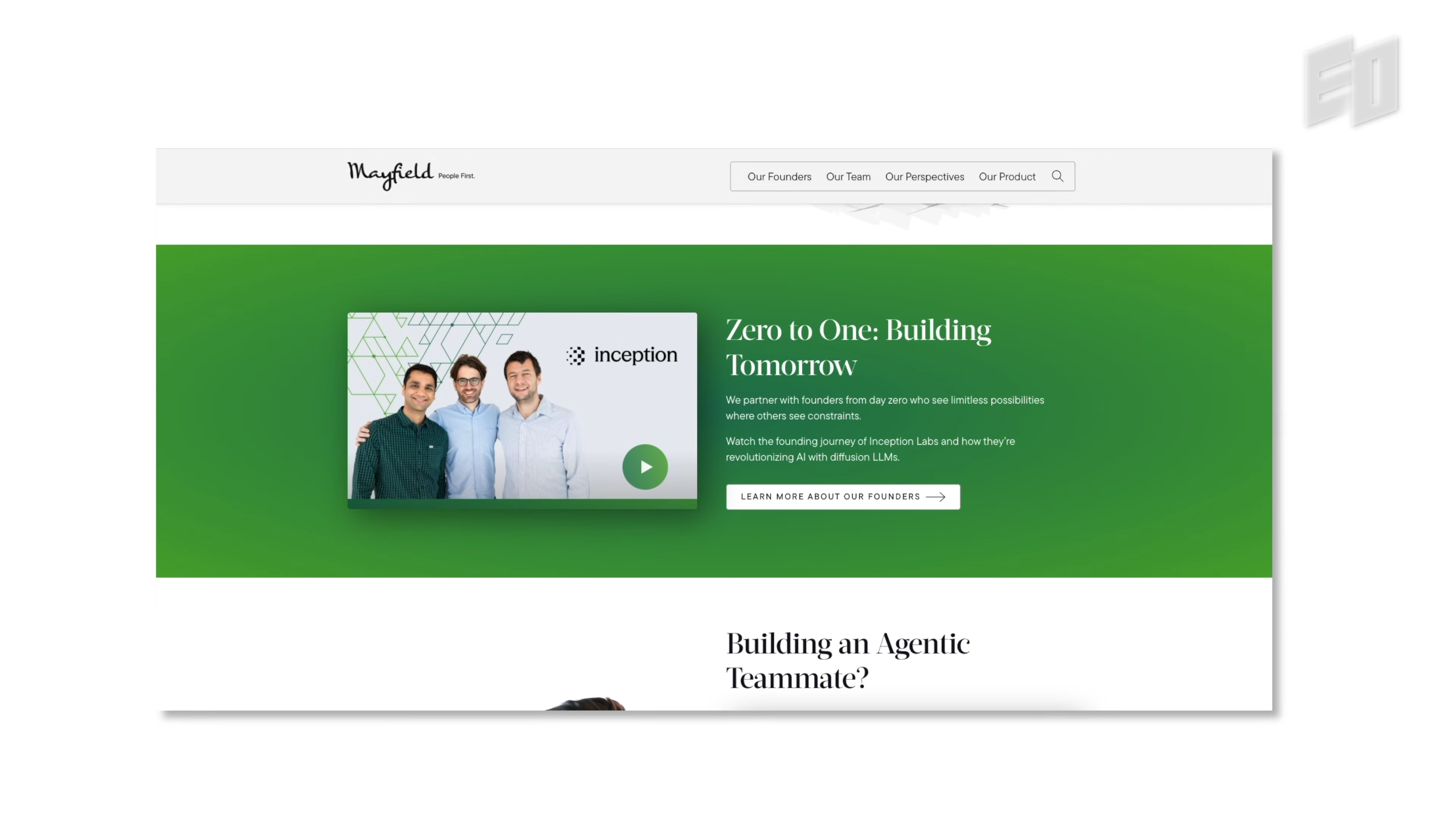
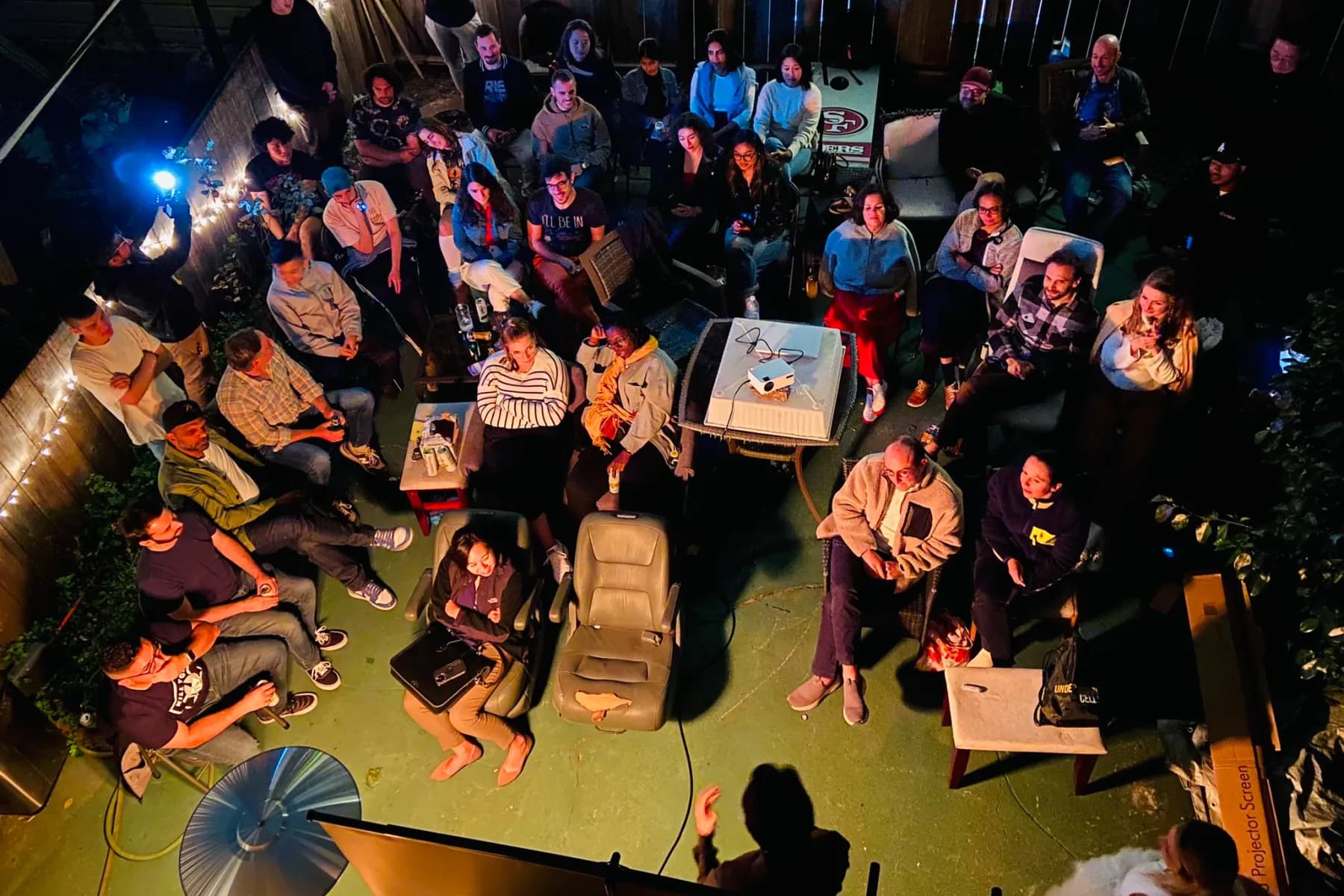
So Mayfield has a strong belief in giving back: 1% of our fees and carry goes towards supporting local efforts. And we are in the business of putting people in business. What better way than to create an AI Garage, where we could go after students? We could go after people who don't know what it takes to be an entrepreneur. Give them a stipend. Give them cloud credits and see if they can do something.
It's a long-term view. If you do good things for people, great things will happen to you. And everything doesn't need to be a financial transaction. I believe in investing in relationships, not transactions. A long-term view. You can't be short-changed. Some of them will realize they don't want to be entrepreneurs. In the end, nothing is going to happen within a year of doing these garages. You need to take a 10- or 20-year view.
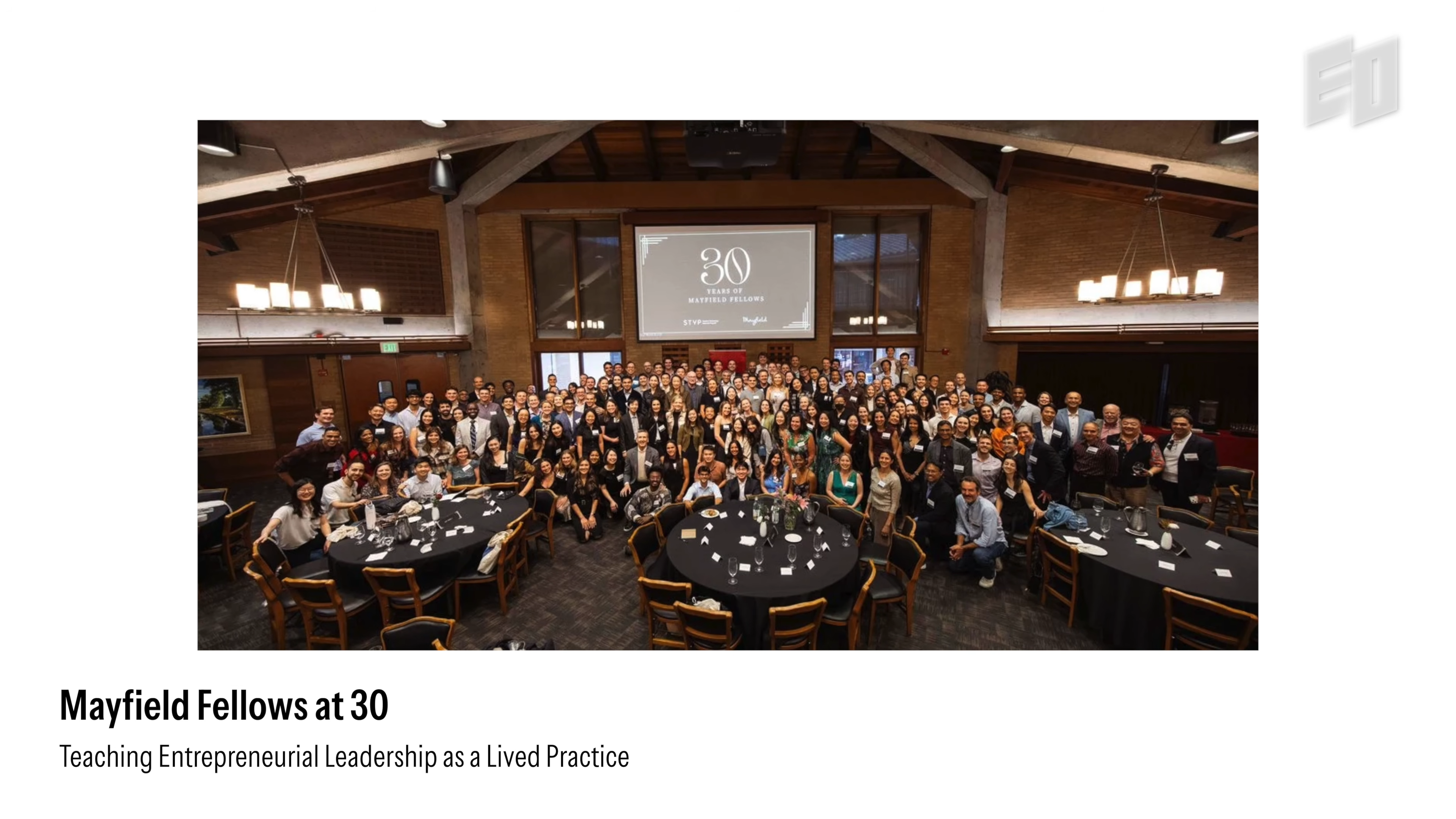
That's what we did with the Mayfield Fellows program at Stanford. We invested in 12 young students for over 30 years, and they have gone on to build great things. Whether for-profit or not-for-profit, helping others. So you have to take a very long-term view and not be driven by just financial motivation.
FOMO Is for Sheep
So I have been through a lot of technology revolutions and reimaginations, from PC to internet to mobile to cloud. Those, I think, were 10x. And the main reason was some of them were innovations on the front end, the experience, and some of them were innovations on the back end, like cloud. Mobile was on the front end.
With AI, the reason I say it's a 10x times 10x, a 100x opportunity, is, first, for the first time the front end is changing. Machines understand our language rather than us understanding machine language. There are 30 million developers who can code. But as we have seen with ChatGPT, 900 million people can use it on a monthly basis.
And second, with compute: AI technologies like GPUs and accelerators, fast memories, fast networks. Machines are able to do things that humans do, which is cognition. So take this as a buddy. It's an AI teammate. I can talk to it the way I am talking to you. Another person is becoming available to me in the form of a teammate, and I converse with it in natural language.
It's a 10 times 10x, 100x force, and it's going to redefine how we work, live, and play. So I'm very, very optimistic. I have no FOMO. The reason is, in this business, we're in the financial services business, and you only get measured by what returns you create. Your anti-portfolio most of the time will look better than your portfolio. But who cares, as long as we can take small boxes of money and make them bigger continuously?
Do it, and we'll be in business. That's the most important thing about not having FOMO. You need to have your own belief, your own strategy. Because if you chase somebody, they're ahead of you: a venture firm, for example, or a startup chasing another startup. The person ahead of you sees the cliff. They go this way. You don't have enough time. You fall from the cliff.
So one has to have their own North Star, their own strategy, and belief in it. As long as you believe in it, wonders will happen. You can't keep changing. And that's why I jokingly say FOMO is for sheep. If you're going to be a leader, you're going to help other leaders have conviction. Have belief in what you are doing. You can change it, but don't copy others. You don't become great by copying others.
If I Weren't a Founder or a VC...
In another life, if I didn't succeed as an entrepreneur or as a VC, I would be a professor because, A, you're learning yourself, and B, you're helping others. And I feel as a VC, I'm doing that, right? I help entrepreneurs, I give them input. I write a lot. I go talk. It's about giving back. So I'm doing it.
Besides writing books, like professors work with teams to write research papers, I publish LinkedIn content two times a week, three times a week, collaborating with our team and entrepreneurs, our investors, because at the end, it's collective intelligence. So I'm doing some portions of it in a different way, in a new format different than universities. So I'm still doing what I like doing.