May 25, 2025
Masterclass on Product Thinking
Interview with Mike Krieger, Founder of Anthropic
Founder Focused


💡
At a Glance
- Who: Mike Krieger, co-founder of Instagram and Chief Product Officer at Anthropic.
- What: Builds Claude's product experience at Anthropic, drawing on lessons from scaling Instagram and shutting down his AI news startup, Artifact.
- Traction: Co-founded Instagram, which had crossed 100 million users at the time of its Facebook acquisition, and now leads product at Anthropic, building Claude.
In this conversation, Mike Krieger shares his inspiring journey of building world-class products, from Instagram to Anthropic, and the valuable lessons learned over nearly two decades.
Key Takeaways
A Pivot Means Stripping Away Everything That Isn't Working
Before Instagram, Krieger and Kevin Systrom were building Burbn, a location-based check-in app. They paused, cut every feature except taking photos and connecting with people, and what was left became Instagram.
What's the Real Signal That a Technology Is Ready?
Krieger watches the rate of change, not the current state, the jump from iPhone 3 to 3GS to 4, or Claude 3 to Claude 3.5. If the trajectory is steep, the next leap is worth building for even before the technology fully arrives.
Claude's Real Feedback Loop: Thumbs Up, Thumbs Down, and Why
Anthropic doesn't train on user conversations, but it does read the short explanation attached to every thumbs up or down. Aggregated across thousands of exchanges, that explanation is what tells the team if Claude is too verbose, too agreeable, or missing what a user actually wanted.
Talent Isn't Enough. Teams Need to Actually Care About the Product.
Krieger has seen companies full of hardworking, talented people who still never build anything great, because nobody is personally attached to what they're making. The breakthroughs come from people close enough to the details to spot what's wrong themselves, not from a strategy meeting.
Why "Vibes" Are Harder to Measure Than a Benchmark Score
Anthropic can eval Claude's math or coding ability directly, but its personality, how verbose it is, how it handles disagreement, has no clean scorecard. The team leans on using Claude to evaluate Claude, plus hundreds of internal conversations a day, to track how that personality is shifting.
The Relationships You Build Early in Your Career Repeat Themselves
At 21, Krieger worked at a startup full of people in their late thirties who had already worked together three or four times. Companies and projects change, but he says the same people keep showing up, which is why he treats those early relationships as a long-term investment.
Watch the full interview now on EO's YouTube channel! Below is the complete transcription of the interview. Minor edits have been made for clarity and readability.
Introducing Mike Krieger, Chief Product Officer at Anthropic
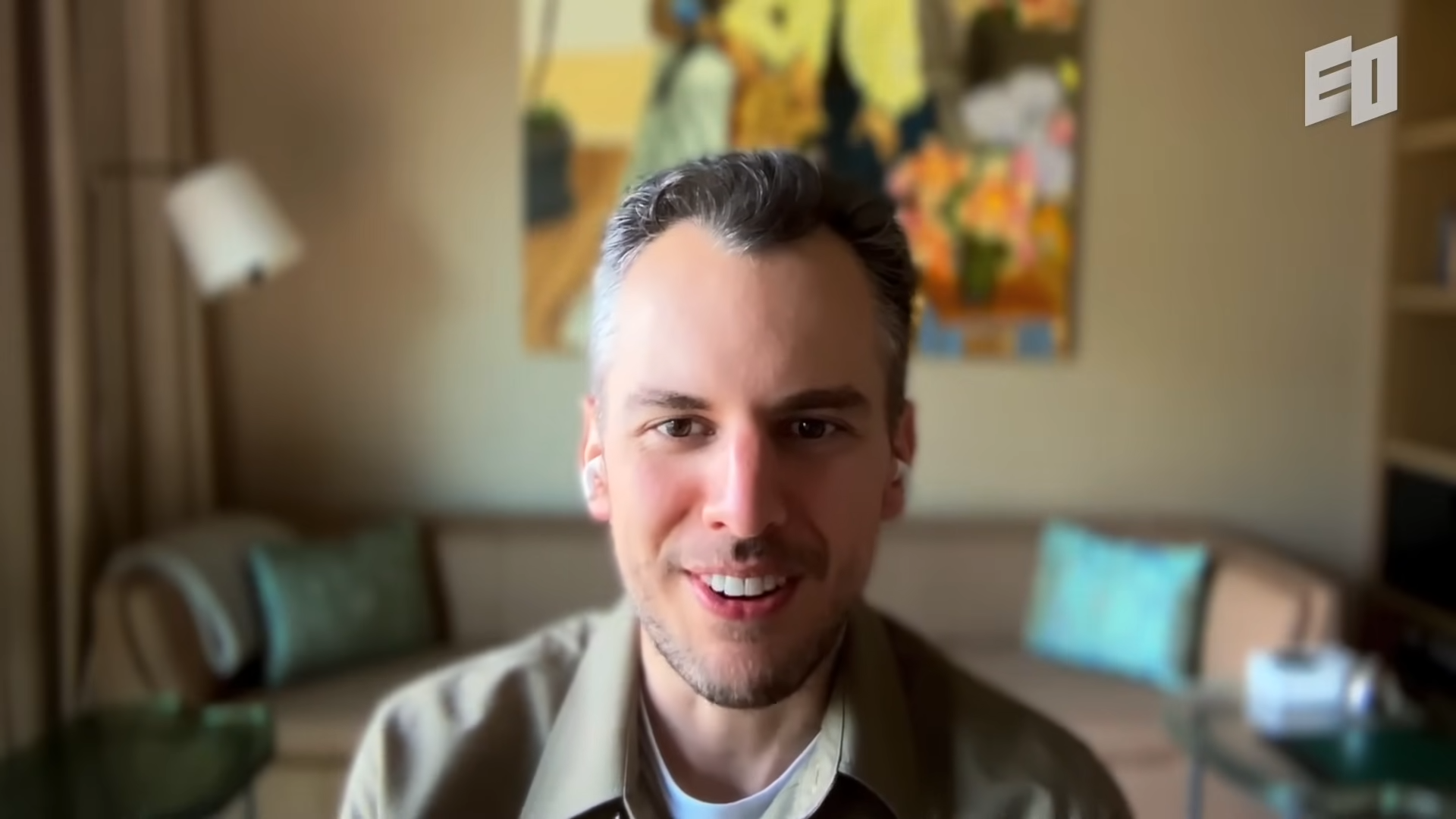
I'm Mike Krieger. I'm currently the chief product officer at Anthropic, an AI company based here in San Francisco. I co-founded Instagram and was its chief technology officer from about 2010 to 2018, a crazy journey in its own right. I started one other company with the same founders as Instagram, called Artifact, which was an AI news startup, and then joined Anthropic just under a year ago. It's been the third chapter of my professional career, and it's been a lot of fun so far.
A Brazilian Kid's Journey to Creating a Product for 2 Billion Users
Credit my dad for a lot of this. He brought home a computer for us when I was about four. I remember it still ran MS-DOS, no Windows yet, but one of the things that was very cool is you could just type "edit" and open up the files, even the apps that came with the computer. I liked taking things apart and putting them back together. I really liked seeing how things worked, so it sparked very early for me, when I was just four.
When it came time to decide what my career was going to be, Brazil at the time didn't really have the same kind of technology industry it does today, so I didn't have any friends or parents' friends who were working in tech. I didn't really see it as a career for me; I just thought it was a thing other people did. It actually took me until I came to California to realize that this childhood interest was something I could do as a career and make a whole living off of.
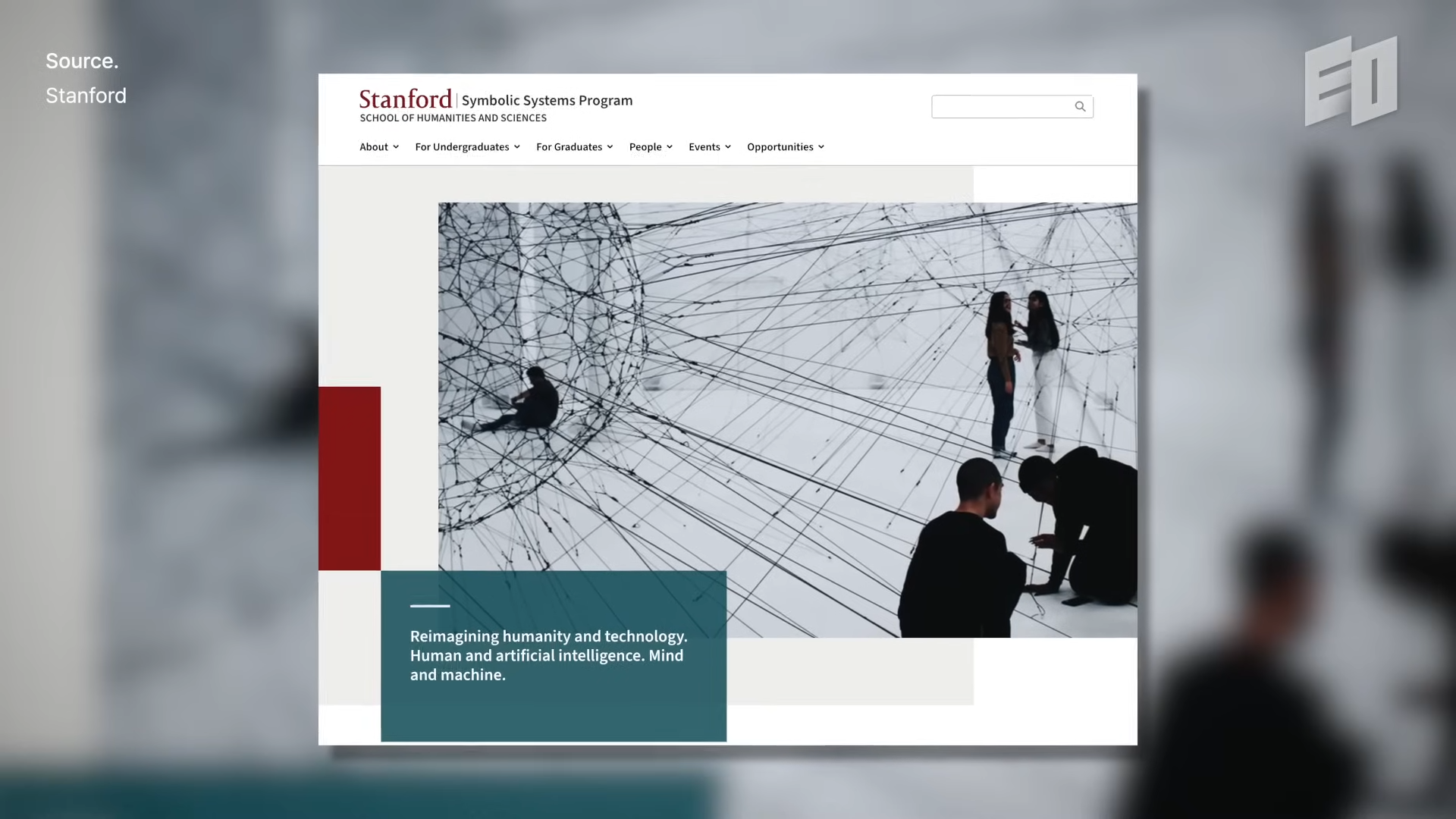
When I got to Stanford, I discovered they had this degree program called Symbolic Systems, which only Stanford has. It's this little strange program that, when I was there, had about 40 or 50 students a year, and now I think it's more than 200, so it's really grown, which is great. What I loved about it is that it wasn't just computer science, which I was interested in, but it also included design, philosophy, and psychology. The idea of the program isn't just to study computing; it's to study the whole context around why we build software. That was really powerful for me, because I liked design and liked making things useful for people, but I also liked the actual building of those things.
A few things I came out of that program with: one was the idea that everything you build should solve a problem for somebody. That's the core of design thinking: you identify problems, you figure out how you can best solve them after doing the research, and then you validate what you've built to make sure you actually solved them. I think that is really important. The other is the value of prototyping. Instead of working for six months on a project and then showing it to somebody for the first time only to find out you got something fundamentally wrong, build prototypes, show them along the way, and open up the design process a lot more.
Maybe the last one is the value of a good team and having the right partners. The person I co-founded Instagram with is somebody I actually met back at Stanford. At the time, we didn't know we were going to start a company together, but I knew that partnering with the right person, especially somebody who has similar skills in some ways but different skills in others, so they can complement you, can make the difference for a company succeeding.
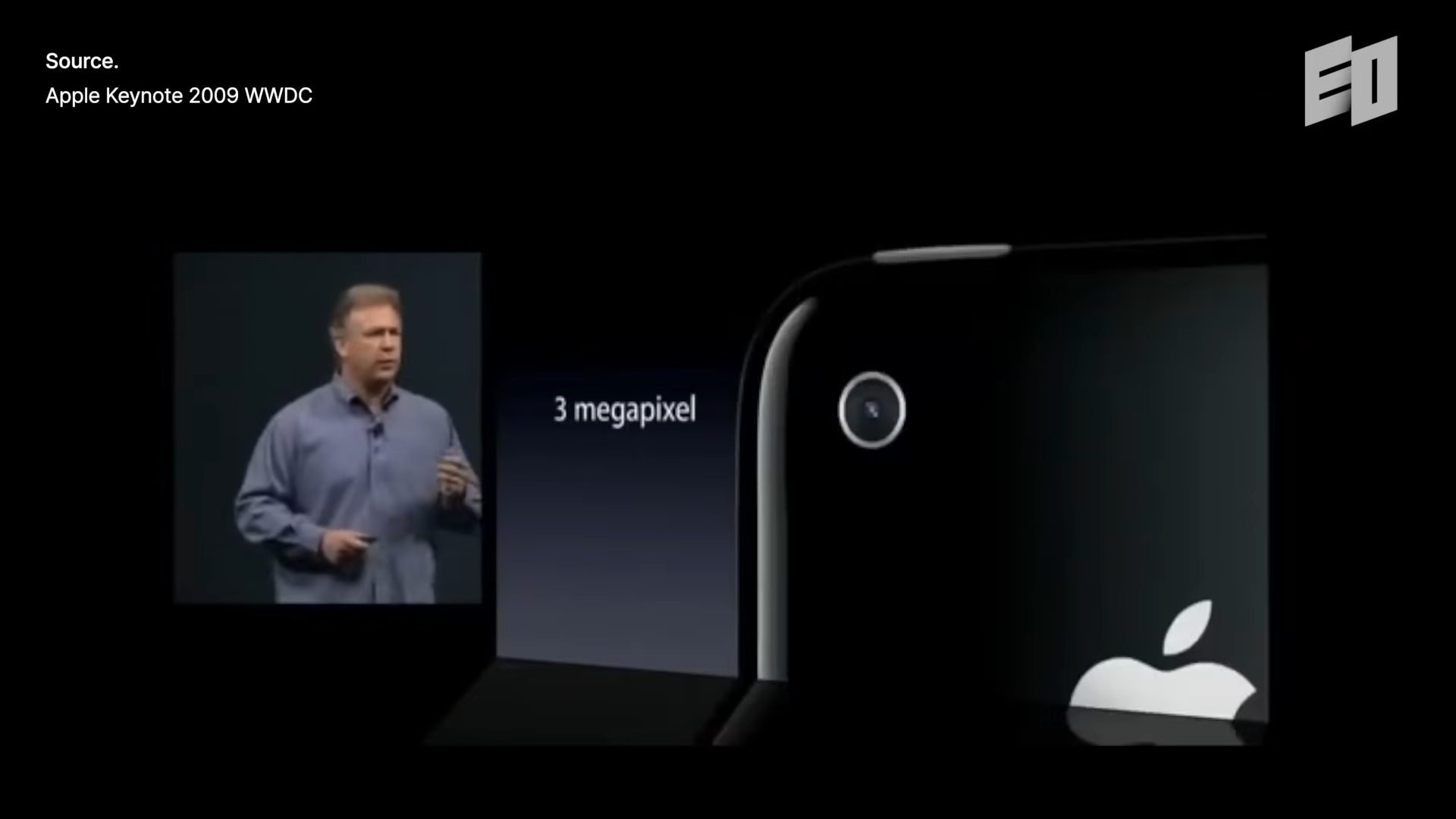
For example, there's a brand new built-in camera. You have to kind of rewind your time machine back to 2009. Now we take for granted that everybody uses a lot of apps on their phone, takes a lot of photos, and uses social media on their phones, but in 2009, that wasn't the case yet. Cameras were getting better, but they were still quite bad. Facebook had a mobile app, but it was an early one that was really just trying to recreate the website on mobile, not quite native. And there were very few new social products coming out.
The context matters because the reason I got really excited to collaborate with Kevin, who ended up being my co-founder, is that he wanted to change all three of those things. He was building Timo's location sharing site, a little bit like Foursquare, if you remember Foursquare, but with photos and videos attached, creating a social experience when you're out and about. That was really exciting to me because I saw the potential for a mobile device to create a much more personal, connecting experience.
The first moment was reconnecting with Kevin and seeing that he was interested in these ideas. The second important moment was me getting my work visa so I could go work with him; transferring it actually took four months. The third important moment was us realizing that the product we were working on, called Burbn, that sort of location-based check-in, location-sharing app, was good, but it was not going where we wanted it to go. We had a moment where we had to take a pause, really peel back everything that wasn't working about the product, and realize that at the core, the piece that was really working was the aspect about taking photos, sharing what you were doing, and connecting with people that way. That was really the moment where we stripped away a lot of distracting things and focused on what would eventually become Instagram.
I think a lot of the art, and it's both art and science, of building great products, especially with emerging technologies, is finding the technologies that are ready for broader adoption than they currently have, then figuring out how to build the product around them to make them usable for many, many people. That's a common through line. The kinds of things you can look for in terms of that early energy: are there people already starting to do something interesting in the space, even if it's just the early adopters? That's an interesting area. The other thing I look at is the rate of change. If you look at the iPhone 3 to the 3GS to the 4, at the quality of the photos, the networking stack, and the ability to connect, you can see the jumps. You think, okay, if it goes one or two more jumps, it's going to be incredible.
It's the same with LLMs. When I joined Anthropic, we had just come out with Claude 3, our first model that really started to get more usage, though it was still limited in a lot of ways. Then we did Claude 3.5, and that was a big leap. You can imagine we're going to continue to get these large jumps, so as a product builder, you have to start thinking about building a product that's useful today but is also ready to catch the wave of the next big leap.
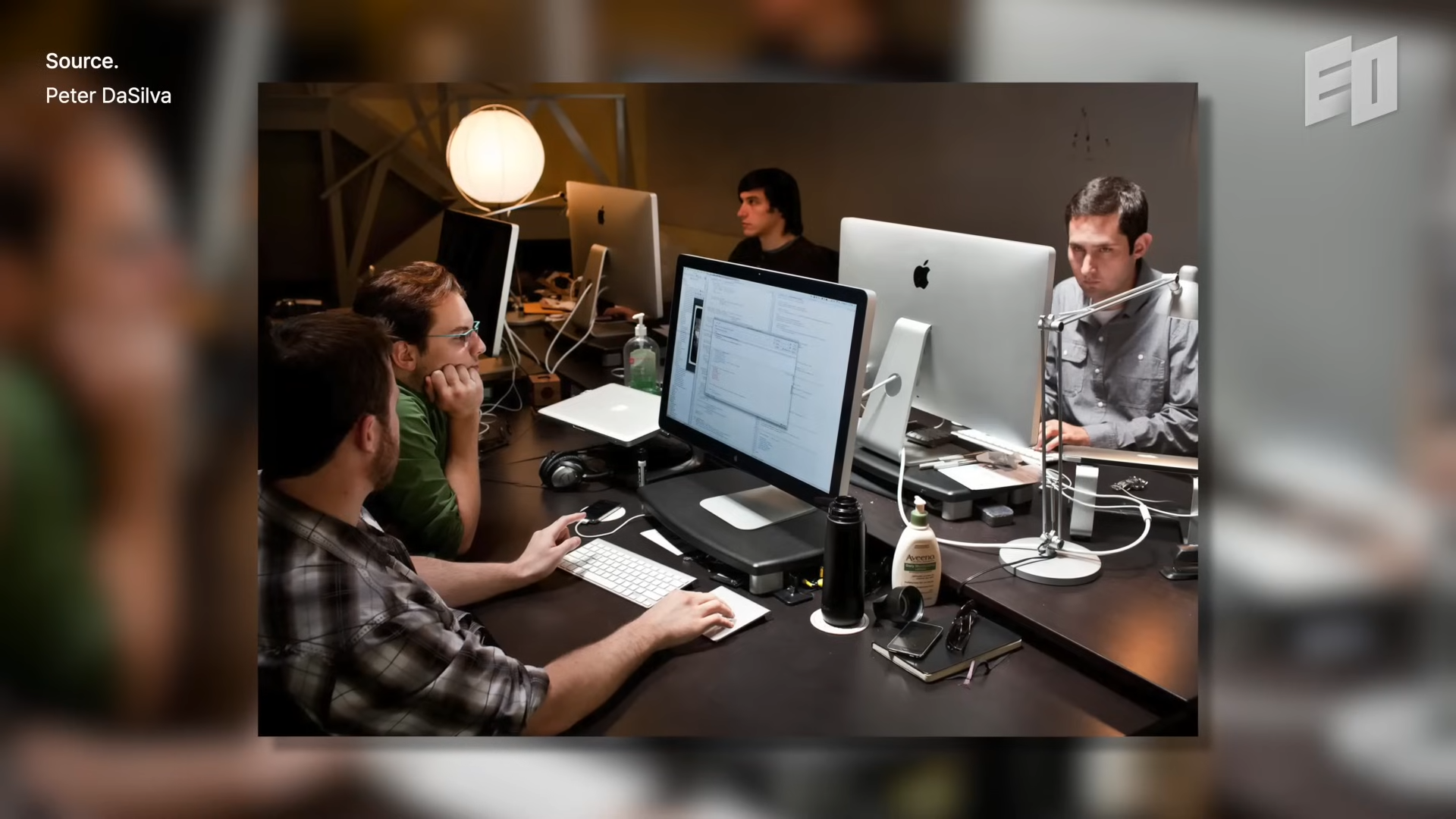
I like to say that at Instagram, before the acquisition, we didn't yet have a company. What I mean by that is we were 13 people who had some ideas around revenue but hadn't built any of them out yet, still very much an early startup. Joining Facebook was really interesting to me because they were, at the time, thousands of people. They had just crossed a billion users, so much bigger than us in terms of company size, but they were really focused on preserving as much of the startup culture as they could.
For example, every three or four months they would do a whole company hackathon where everybody got to focus on what they were interested in for a couple of days instead of the ordinary roadmap. They really prized experimentation, and famously had the "move fast and break things" slogan. I think it was good that we went to a company that was bigger, but not slow. It taught us that you can grow your team and grow your ambition but still focus on the things that keep you moving fast.
The value of the team is something that will stay with me forever. You can have the right strategy and a good product, but ultimately the details that go into those products, the pace and speed you're able to execute at, and how much fun it is, which is also really important, all comes down to having the right team around you. That's a mixture of people who are talented but don't have a lot of ego, which is an interesting and difficult combination to find sometimes, and people who are willing to be generalists rather than staying caught in their own individual silo. At Instagram we had people who would start off writing the backend for a feature but would also then build the iOS or the Android part. It's important to have that fluidity, engineers who would design, or product managers who would code, and not get everybody boxed in.
That aspect is really important, and so is a team that really cares about the product they're building, which again is more easily said than done. I've seen companies where everybody is working hard, but they don't have a passion or attachment to what they're working on. You're never going to get great products that way. It just never happens, because the great product breakthroughs come from people being close to the details, understanding what could be better, and coming up with the next idea themselves, not waiting for a strategy meeting. That value, having the right kind of people in the right kind of team setup, is something I think about all the time.
How to Know When It's Time to Stop: Lessons Learned from Closing Artifact
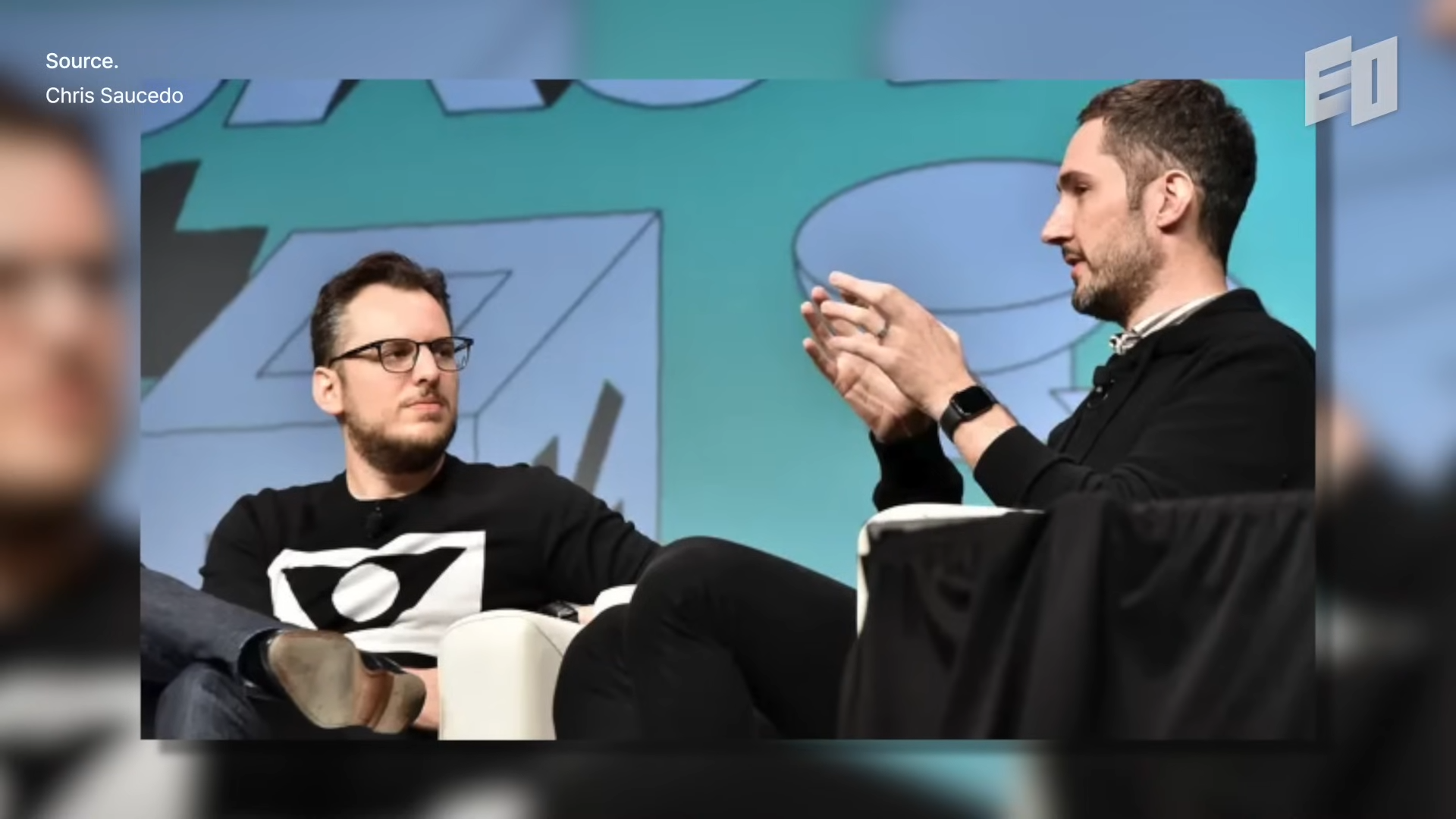
In 2021, I founded Artifact, with the same co-founder as Instagram, Kevin. Our observation was that there had been a rise, and at the time it wasn't LLMs yet, but there was a lot of rise in machine learning and the beginning of some of these neural networks. For all of that interest and rise, there was still not a lot of products being built that felt very personal. If you think about it, the promise of some of this machine learning was that with enough signals, we'd be able to incorporate what's personal to you and also what's aggregated across a broader group, tailoring the experience. But you looked around and there actually weren't that many personal experiences.
Our bet with the company was that by combining cutting-edge machine learning and good product design, we'd be able to build products that felt very personal to you. We started with news and articles in general, because most people are readers, even if they're not book readers; they like reading articles online. There was an existing ecosystem of blogs, newsletters, and news sites that we felt we could connect people to and deliver a good product from. The idea behind the company was that this would be the first product, but we'd take the same personalization technology and map it to other products at that intersection of personalization and content: shopping recommendations, local recommendations, all these ideas around personalizing information using machine learning.
We launched the product after about two years in private beta, which I think was too long, because it took us too long to get out to the market and start learning. It also meant that by the time we launched, the team was already quite exhausted from working really hard on this product for two years nonstop. We let the product run for about a year, and after that year, what we noticed was the energy wasn't there in the system.
We worked hard to improve features, add social features, comments, reshares, posts, user-generated content. We were trying big ideas; the product wasn't standing still. But it was very hard to shift the energy in the system, and I think that was because there wasn't a fundamental fit between what we were doing and what people wanted.
I think there were probably two aspects to that. The first was that even if our algorithms were very good, the mobile web pages we were sending people to for this news were often full of ads, poorly formatted, or full of pop-up videos. It just wasn't a very good experience once you actually clicked through, and that was a hard experience to deliver.
The second part was that our product got really good once you'd put enough data in and read enough articles: it would get very personal to you, down to the level of, all right, Mike is interested in Formula One, but not just Formula One, specifically this driver, and he likes Brazilian modernist architecture, but paired with Scandinavian design, that level of really specific knowledge. But to get that, you had to read a lot of articles. Most people would come in, read a couple of articles, think this isn't very different from Apple News, and bounce off. I think we bet too hard on personalization without remembering that you also have to be good at the very beginning, before you've really gotten a lot of personal content.
One big lesson is that users aren't going to adopt a feature or a product just because of the technology underneath, or just because it has intelligence. It actually has to still solve the problem. That goes all the way back to what I learned at Stanford. As we build products at Anthropic, the models are very intelligent and can do a lot, but you have to do more than just say a model is smart. You have to go beyond that and say here's what it can do for you, here's how it can connect to you, here's how it can be useful to you, even if you're just getting started with it.
It goes back to that feeling at Artifact: the product is good if you put a lot of work into it. We need to design things with Claude that are useful for somebody who's just discovering LLMs for the first time. A lot of the work we're doing right now is figuring out how to lower the barrier for people who aren't familiar with all the ways AI can help them in daily life, giving them concrete things they can do that are useful today, rather than in theory. That's a big lesson learned.
Another important one is how you get user intent and personalization more quickly. When you sign up for Claude, we ask you some questions, which is nice because you can start chatting with Claude and get a feel for what it's like to talk to it. Hopefully, the questions we ask in that onboarding process, on your first day, let us be more tailored and personal to you quickly. That came directly out of the Artifact experience.
That's a great question, when is it time to call it, when does the chapter close? The way we did this with Artifact, and I think this helped, was Kevin and I sat down and made a list of the ideas we still had in this space that we would feel really silly not having tried before shutting it down. We wrote them down and prioritized three big ones we wanted to try. After trying them, we'd take a step back and ask: did it change the trajectory of the company? We did that, wrapped up 2023, entered 2024, and said we'd tried them and it still wasn't changing the trajectory. Then it was time to move on.
It is quite tricky, though. I've seen entrepreneurs get stuck at companies for years because they feel they owe it to themselves or their investors to keep going, when it's not likely to shift the direction. I think being concrete, either with a date or with a set of projects, helps you know when to move on.
One big piece of advice: as entrepreneurs, we often carry a lot of weight on our shoulders. Between Instagram and Artifact, I've also done some angel investing, and it's never positive news when an entrepreneur tells you a company doesn't work, but I've seen it before, so it's not a surprise that some companies don't work out. That's baked into the model.
The advice I'd give is to really check in with your investors. I've seen entrepreneurs get stuck in the idea that they have to keep going because their investor expects it, when what they'll often find is investors saying, you've tried it all in this space, I think it's time to call it, and that's okay. It's never a celebration, but it doesn't have to be a tragedy either.
Essential Lessons from Building a World-Class AI Product
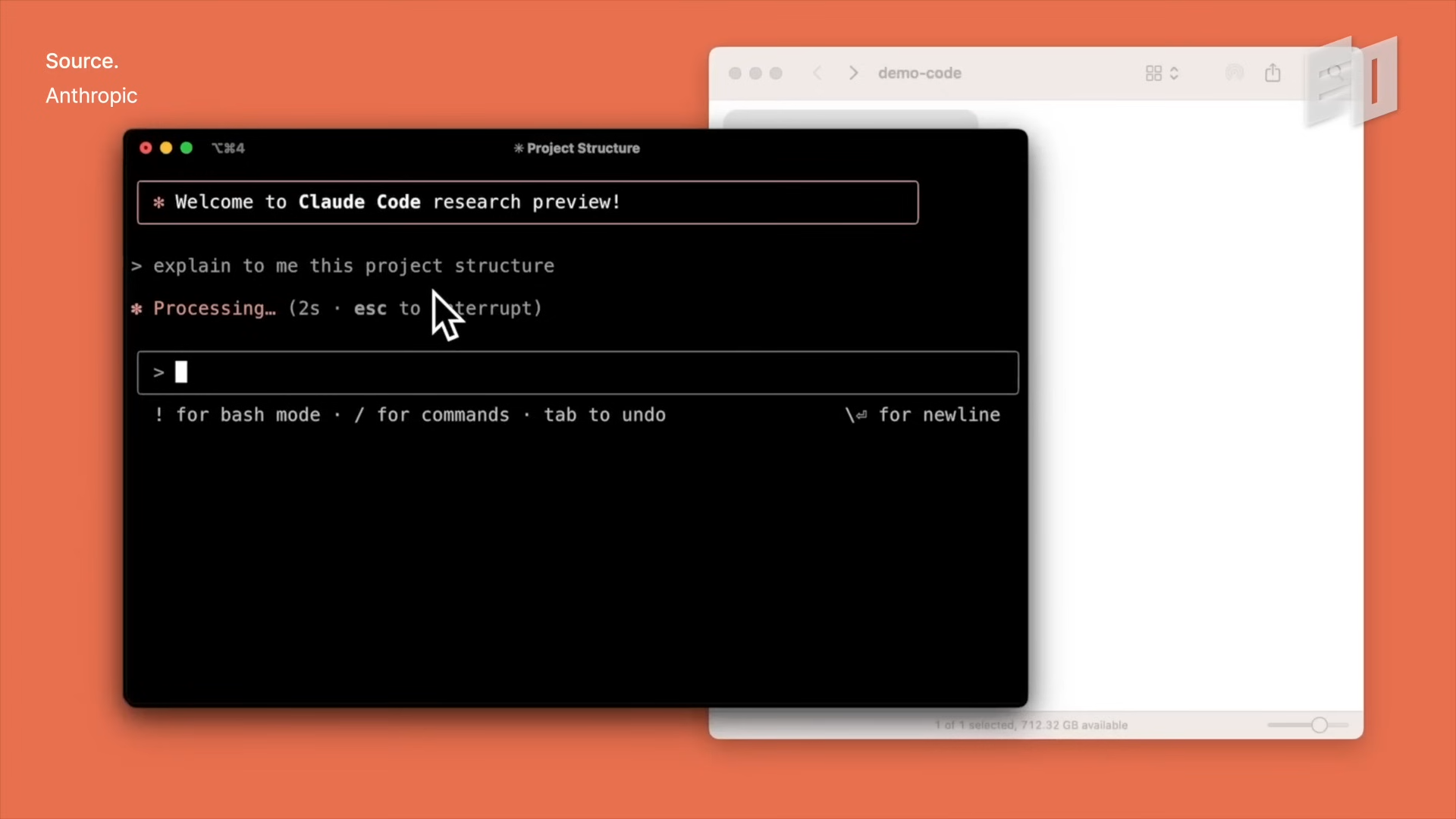
What was interesting with the Anthropic role is that it was both joining an existing company, about three years old at the time, which had already launched models and had Claude.ai, but there was still a lot of zero-to-one to be done. We didn't have our mobile apps yet, and we hadn't built things like Claude Code, our agentic coding tool. There was a lot of empty space still in the product, so it was a combination of zero-to-one and established.
We have a Claude character effort and team, focused on Claude's philosophies, Claude's vibes, how Claude should respond. That's been an effort even from early days, but something we've focused on even more recently. In the rest of the AI landscape, you often have evaluations, evals, where you can say how the model is doing at math, competition coding, or agentic coding. It's a bigger challenge to say what kind of vibes a model has.
We have some internal ways of doing that: you can try using Claude to listen to Claude and assess what kind of vibe it has, but it also comes from just using Claude a lot internally. Every day there are hundreds of conversations at Anthropic with Claude, aimed at understanding how Claude's personality is evolving through training and how it could be different going forward, even down to things like whether Claude should be verbose or concise. The answer varies depending on the situation.
One of the hardest parts is that we're building a fundamentally dynamic model and a dynamic system. In Claude.ai, we have a feature called artifacts, where you can work on a document or even a website alongside Claude. The model learns how to make artifacts, but the taste it has in them, how that changes, what language it uses, and exactly what it does, evolves from model to model, sometimes not fully clear until very late in the training process.
One of the biggest challenges with building products alongside model development is that they're both moving targets: the product is evolving, the models are evolving, often up until a week before launch, and we're building products alongside that. It's a very interesting dynamic system. It's what makes it exciting, because the model can be creative and surprise you, but it's also a lot more challenging than classic product development.
I think it's really important for a product development team to be upfront about the capabilities, the limitations, and the risks. When you sign up for Claude and go through the first conversation, we emphasize what models are good at, where they can still make mistakes, and their limitations. I think it's important to lead with that, because I want people to have the right mental model when using these models. They're not perfect. They don't know everything, but they can be very helpful for a given task.
Similarly, it's important for the model to be aware of its own limitations. If you ask Claude about medical questions, it might say it can tell you more, but first, it's not a doctor, and if you're worried, you might want to consult a professional. That's not just something we put in for liability; it's something we put in because we think it's really important for Claude to recognize its own limitations as much as possible.
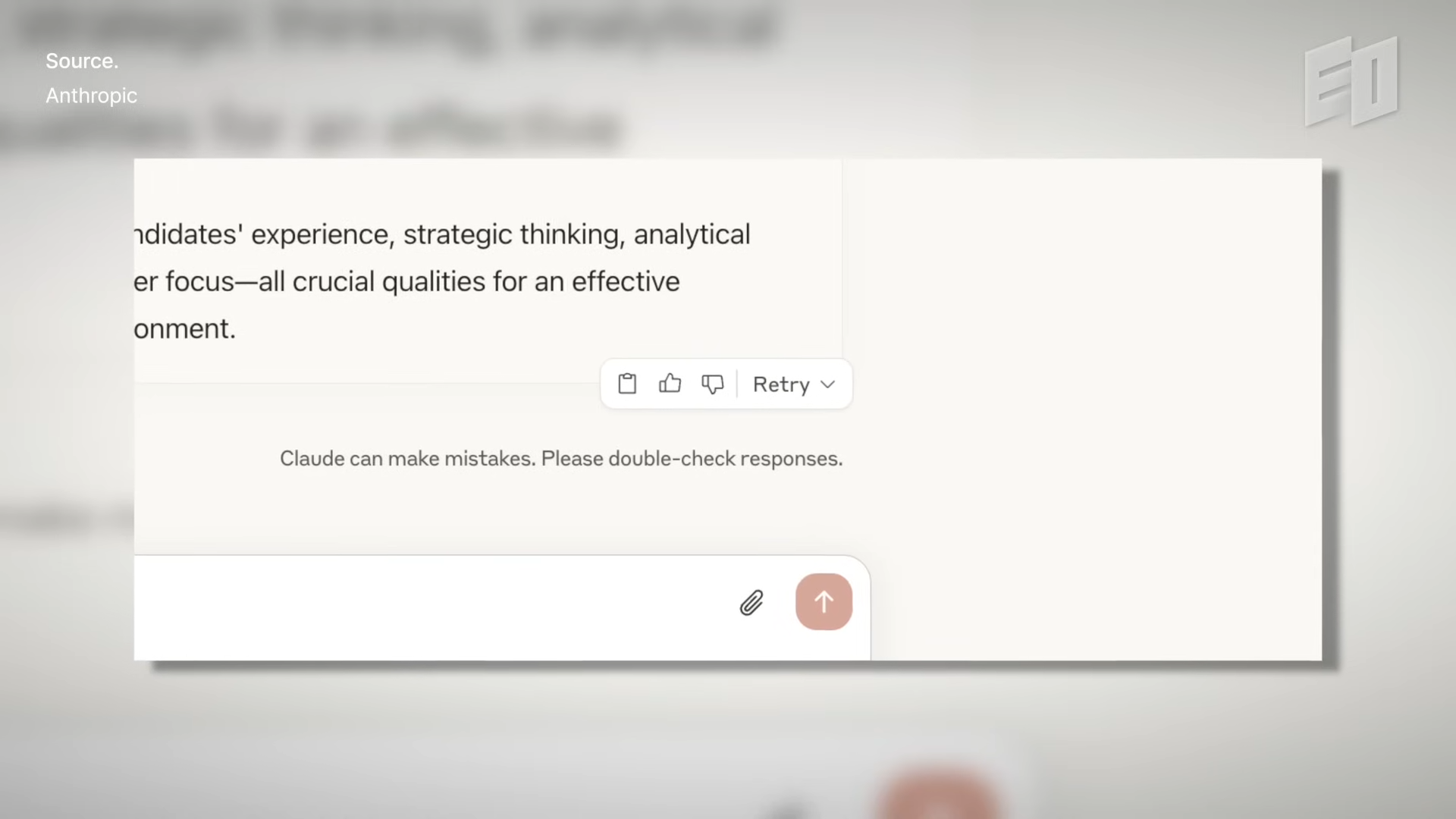
It's an interesting question for us: how do we gather user feedback on Claude in a way that's most helpful? What we've currently found, though there are probably other ways we'll continue to evolve, is that for every answer in Claude, there's a thumbs up, thumbs down, and you can write a little paragraph about why it was good or bad. That extra bit of signal around why is the most important part. We have a product manager who spends a lot of her time aggregating and evaluating how the model is doing out in the wild, and then you start seeing themes. An individual answer might not tell you how to improve the model, but in aggregate you might see, okay, Claude is being too verbose here, and we'll change it for the next model, or Claude is changing its mind too quickly, when the user disagrees, maybe the user is actually looking for a debate, and sometimes Claude just says, you're right, I'm sorry, I was wrong, when the user actually wanted more of a back-and-forth. That kind of conversational feedback is incredibly valuable.
For every new model training, we first look at all the aggregated feedback from the previous one and decide what to keep the same, what to change, what to double down on, and what to make different. That feedback process is very important, and it's actually the main feedback we get. We don't train on any user data, including conversations, for anybody, but we do use the thumbs up and thumbs down as a really helpful signal for what we need to improve.
I think there are two areas of consolidation I expect to see. One is on the model development side. These models are already very expensive to build and train at scale, and as they reach even higher levels of intelligence, they'll require that same kind of jump in compute and resources. I think we'll probably come down to three, four, five companies doing that, not many more, and you're already seeing some consolidation there. I think Anthropic is well positioned, with great partnerships with Amazon and Google that will unlock a lot of compute for us.
The other side is consolidation on the apps side of things. I spoke at a recent Y Combinator batch, and everybody's working on something that's AI or directly adjacent to AI. That's great; there are a lot of products still to be built in this space, but not all of them are going to work. In the same way you saw that explosion with mobile and social media, because no one company is going to map the whole space out, you'll naturally start seeing what's getting traction, what will consolidate, what were good ideas versus good design ideas but the wrong business ideas that evolve into better ones. That evolution is very healthy. I saw that process with mobile, I saw it with social media, and I think now is the time to start seeing it in AI apps too, maybe within six months.
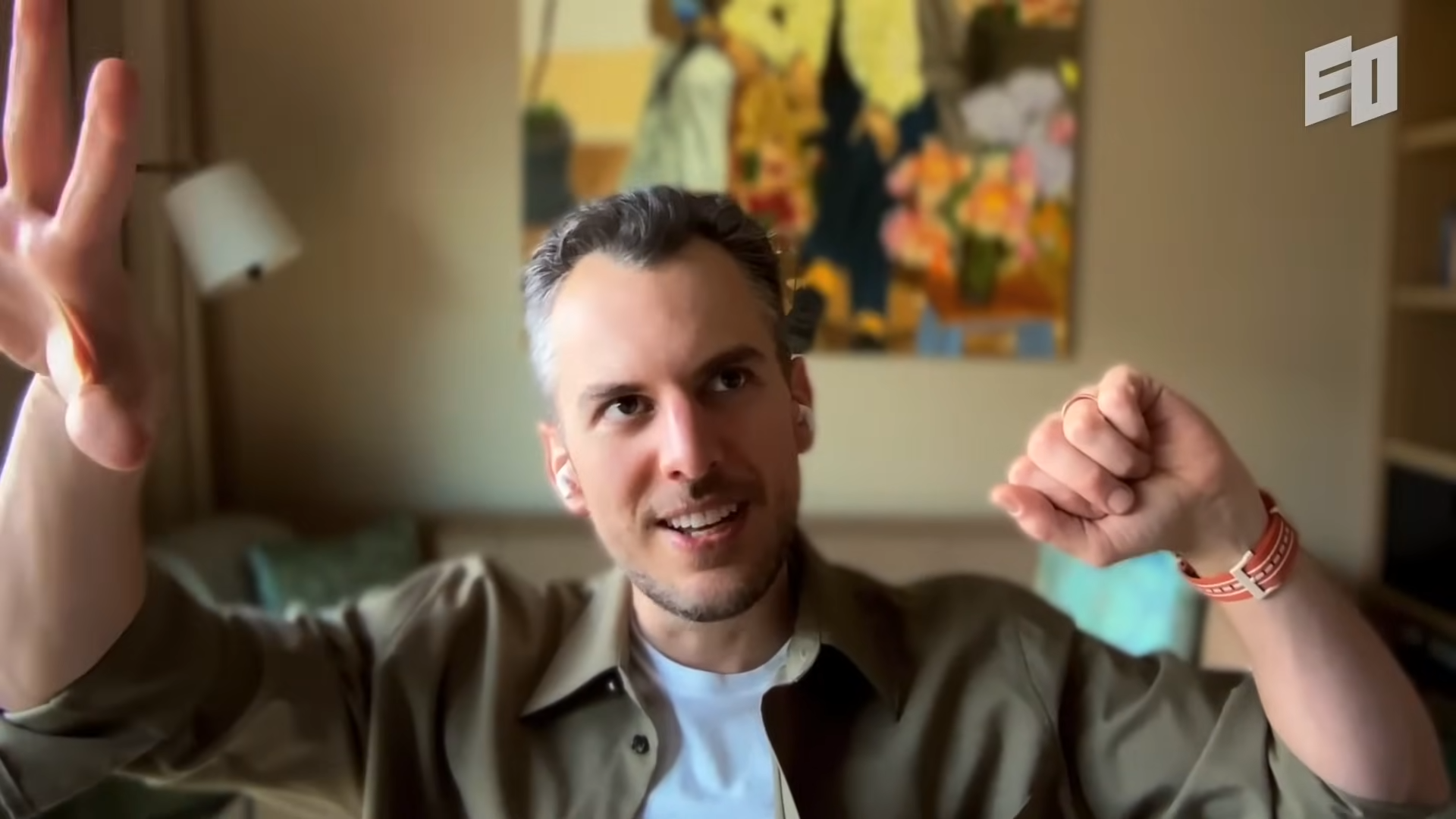
When I think about where we are and where we need to get to, there are a couple of avenues I think are really important. The first is understanding people beyond a single conversation or even a couple of conversations. We're not static, we're dynamic: we have relationships, moods, challenges, wins. For models to feel like they can really work alongside us and be part of our lives, they're going to need to develop a sort of empathy beyond a single conversation, a longer-horizon interaction with somebody. I think that's really important, and it comes from contextual understanding and memory.
The second part is that models need to learn when they can be proactive and when they should sit back. As people, we know if somebody's head is down working, we're not going to interrupt them, but if they come to us for help, we'll answer a question and get back to our own work. As an example, we have Claude as a participant in our Slack channels at Anthropic, which is great, it can chime in and be part of the conversation, but we're finding it either doesn't participate enough or says too much. Getting it to feel like a more natural participant in these conversations is important.
The third is around agency and independence: how do we get models to take direction from people, then go off and do work or research, or wait for additional input, over a much longer time horizon in the background? I think that's very exciting. There's a lot that will be enabled by that capability, going beyond the chat box with a single interaction to more of a long-running agent in the background.
One of the big changes coming is that models will start being able to give you insights about yourself, which I think is very powerful. I've worked with a coach for many years, and I think it's one of the most important ways I've improved as a leader. I want that for everybody: everybody can benefit from reflection, learning, and iterating on how they approach the world. Right now, you can go to Claude and tell it how things are going, and it can probably give you some coaching, but it's very point-in-time.
When I think about the potential, it's to be much more of an ongoing improver, a conversational coach. I use this right now with Claude a lot: anything I write, if I'm writing a strategy document, I'll put it in and ask what I'm missing, what I forgot, to poke holes in my argument. It's great to have that partner, and I think that'll be one big evolutionary step.
The other one is more speculative, but if models go from being single conversations or single chats to something more like long-horizon, almost personalities, I'm curious what kind of relationship will form with them. Will it feel more like a friend in some ways, or a co-worker in others? I think that remains to be seen.
Advice for Young and Searching
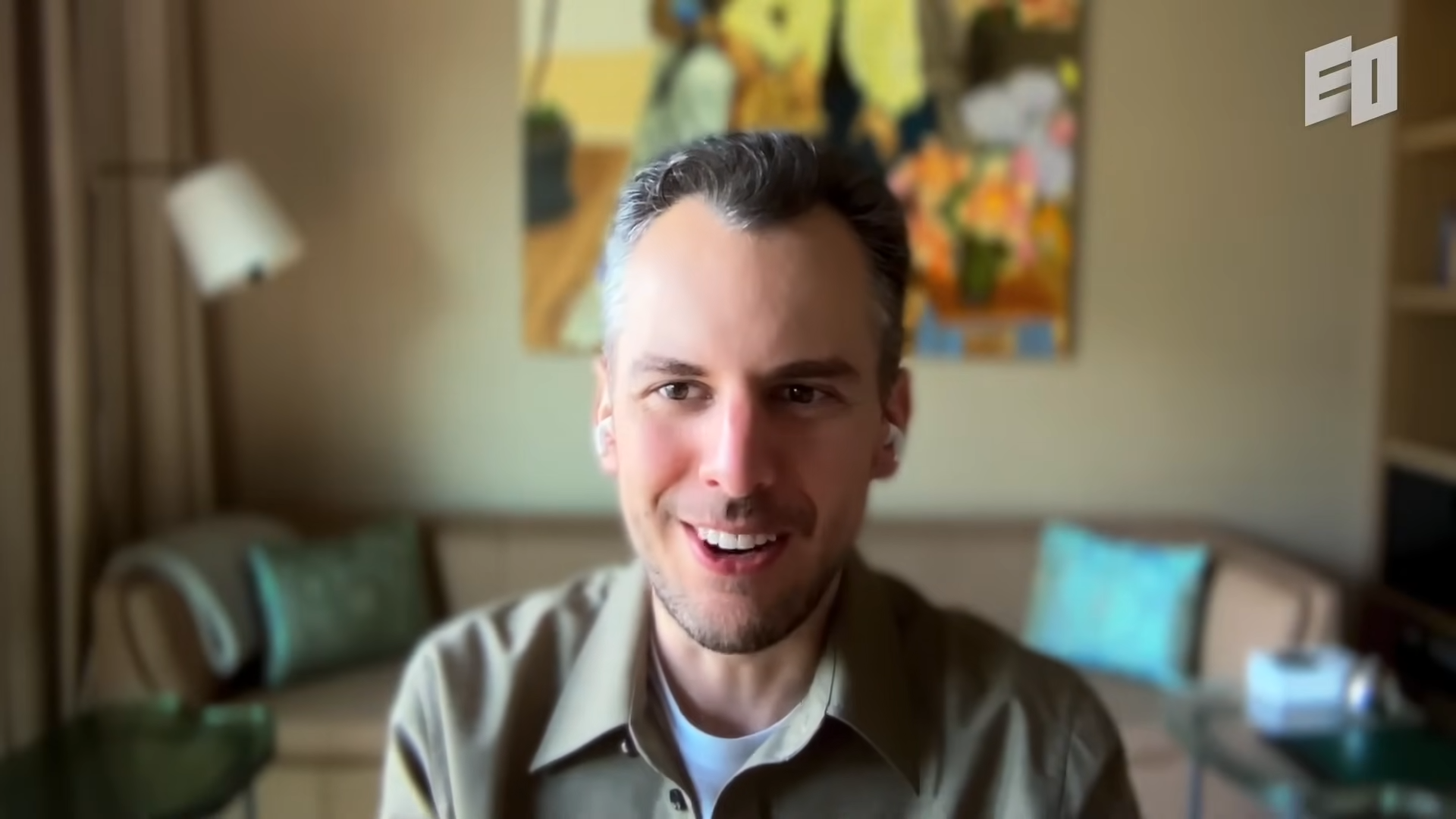
In your early 20s, you have a unique place in the world, because you're pretty in touch with the trends teenagers have, which is important, especially if you're building in consumer, but you're also able to take those insights and turn them into a project, or even a company. It's a very special time in your life, at the intersection of being a teenager who's tuned into that and being able to act on it.
I'd add two things. One, don't worry so much that every step needs to make logical sense. There were definitely side projects or explorations I did at the time where I wondered if I was wasting my time, but later I found they were connected to the next thing I did. So trust that if you're driving toward a direction, it might take some very strange routes to get there, but as long as you're learning, that's fine.
The second is advice I got when I was 21 and still think about to this day: companies change, projects change, the economy changes, but the relationships you build in your career will be the relationships you have over and over again. I was working at a startup as an intern, and it was full of people in their late 30s who had worked together three or four times since they were 20. That really stayed with me. Remembering that those relationships build on each other and recur means it's worth investing in that time.
When I was talking to Daniela, one of the co-founders of Anthropic, I told her, and meant it, that I hope Anthropic is the last job I have. I see the opportunity here to be paired with research and build interesting products for many years, because I think every year will be different. When I was 18, I made myself a promise that I wanted every year to feel different, and this year has felt very different from any other year I've had at Anthropic. I think the year ahead will be quite different too.
That's how I think about the next five years: making sure I'm set up for consistently learning, evolving, and working with interesting people on interesting products, and taking the space at least once a year to step back and ask, am I still learning? Eventually, at Instagram, eight years in, there was a point where I felt I'd gotten what I needed out of that experience, and it was time to try something else.
To me, entrepreneurship is about finding ways the world could be different and better, then feeling empowered to go make that change. It's something that really drove me from a pretty early age, and I've seen that manifest in the ways you can change your city, the way people relate, and of course, with Instagram, having a global impact, large or small. It's really about identifying what could be different, getting curious about the world, and getting curious about how you, or you and a small team, can see if there's a change to be made there. I'm very excited about the way AI will empower people to ask that question, and also answer it.