Oct 04, 2026
The One Thing a Legendary PM Optimized For
An interview with Peter Deng, General Partner at Felicis
Founder Focused


0:00 / 0:00
💡
At a Glance
- Who: Peter Deng is a general partner at Felicis, where he invests in early-stage companies at the seed and A, after building products at Facebook (as its fourth PM), Instagram, Oculus, Uber, Airtable, and OpenAI.
- What: Deng defines a product as whatever solves the customer's problem, and picks investments with the same three-part thesis he used to choose employers: market timing, a real customer problem, and founder conviction.
- Traction: Deng says Uber Reserve, which he helped build at Uber, is almost a $5 billion a year business and one of the highest-margin businesses in the Uber rides portfolio; at Felicis, he delivered a term sheet to Paraform the same night he heard its pitch.
In this interview, Peter Deng recalls the scrappy early days as Facebook's fourth PM, explains what Uber's real product actually was, shares the six-month rule he uses to judge every hire, and reveals the one thing he optimized for across his entire career.
Key Takeaways
The product is whatever solves the customer's problem
Deng says he used to think product meant the pixels on the screen. At Uber, the problem riders wanted solved was getting somewhere quickly at a lower price, so price and ETA were the real product, and naming that truth told the team which details mattered most.
Uber Reserve sold peace of mind, not rides
Deng built Uber Reserve around a stressful moment he knew firsthand: needing a car at 3:30 in the morning for an early flight. Defining the problem as peace of mind led to details like a push notification showing the matched driver's photo, so riders could go to bed confident someone would come.
If you're still directing someone after six months, did you hire wrong?
As a first-time manager at Facebook, Deng tried to oversee everyone while doing his own work and quickly went underwater. He compressed his coach's four-phase framework into one axiom that keeps his hiring bar high, sets an expectation of autonomy, and reminds him to work himself out of a job.
The founding team's bar becomes the company's DNA
Deng argues the most critical mistake founders make is not hiring an A+ team from day one, because early compromises trickle down over time. With AI making people far more productive, he says who you hire in the beginning can be the difference between a 100x and a 5x return.
Healthy conflict stretches the gamut
At Instagram, Deng deliberately seated separate growth, consumer product, and monetization leads at the same table so each optimized for something different. He says that tension, like the pull between designer, PM, and engineer, widens the space a team explores and surfaces the decisions that matter.
Picking companies to join and companies to back uses the same thesis
Deng says he has been an investor all his career, investing his time based on market timing, a real problem, and the founder's conviction. That thesis led him to take Paraform's pitch while driving to Tahoe and deliver a term sheet that same night.
Below is the complete transcription of the interview. Minor edits have been made for clarity and readability.
Introducing Peter, GP at Felicis
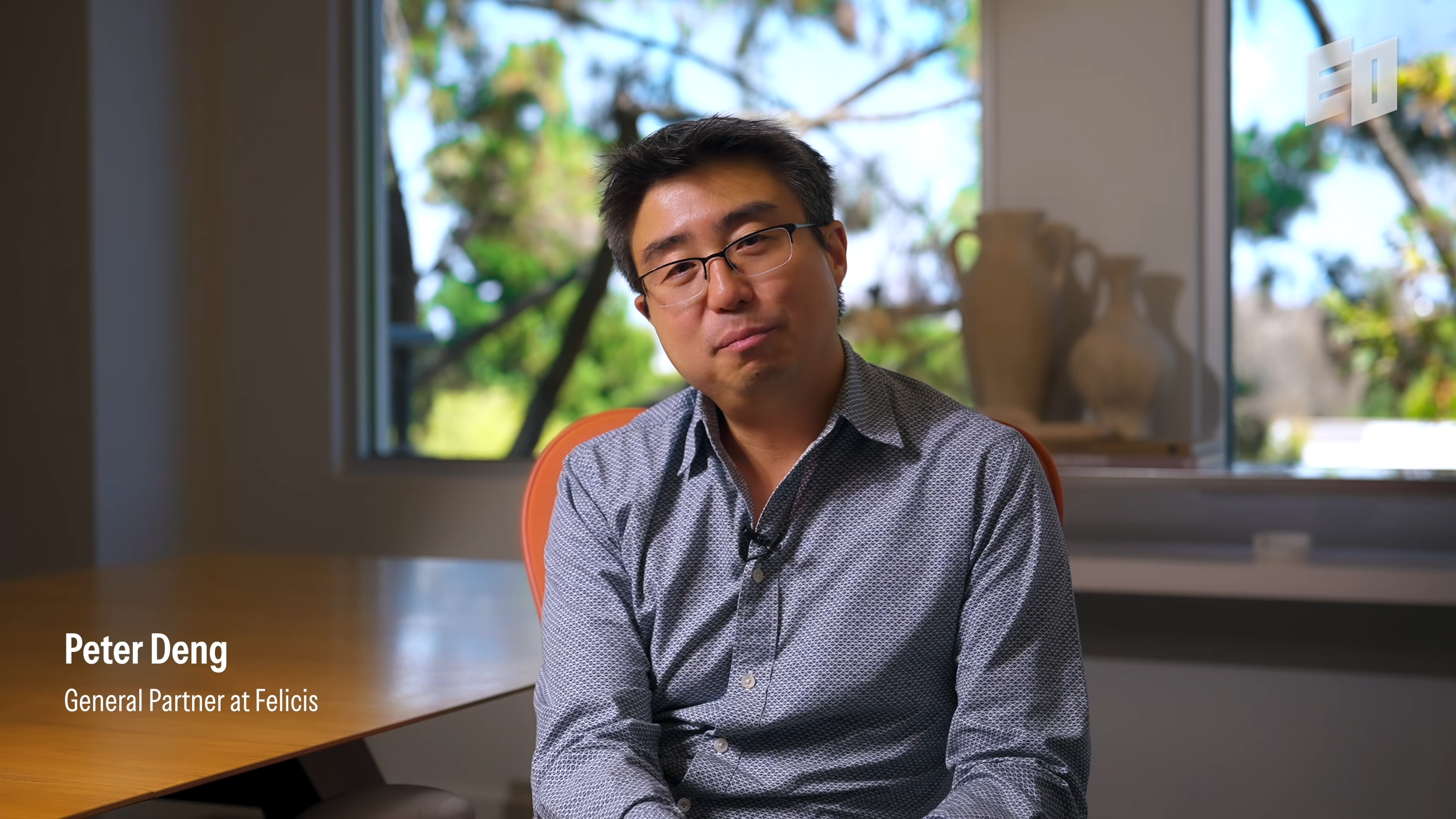
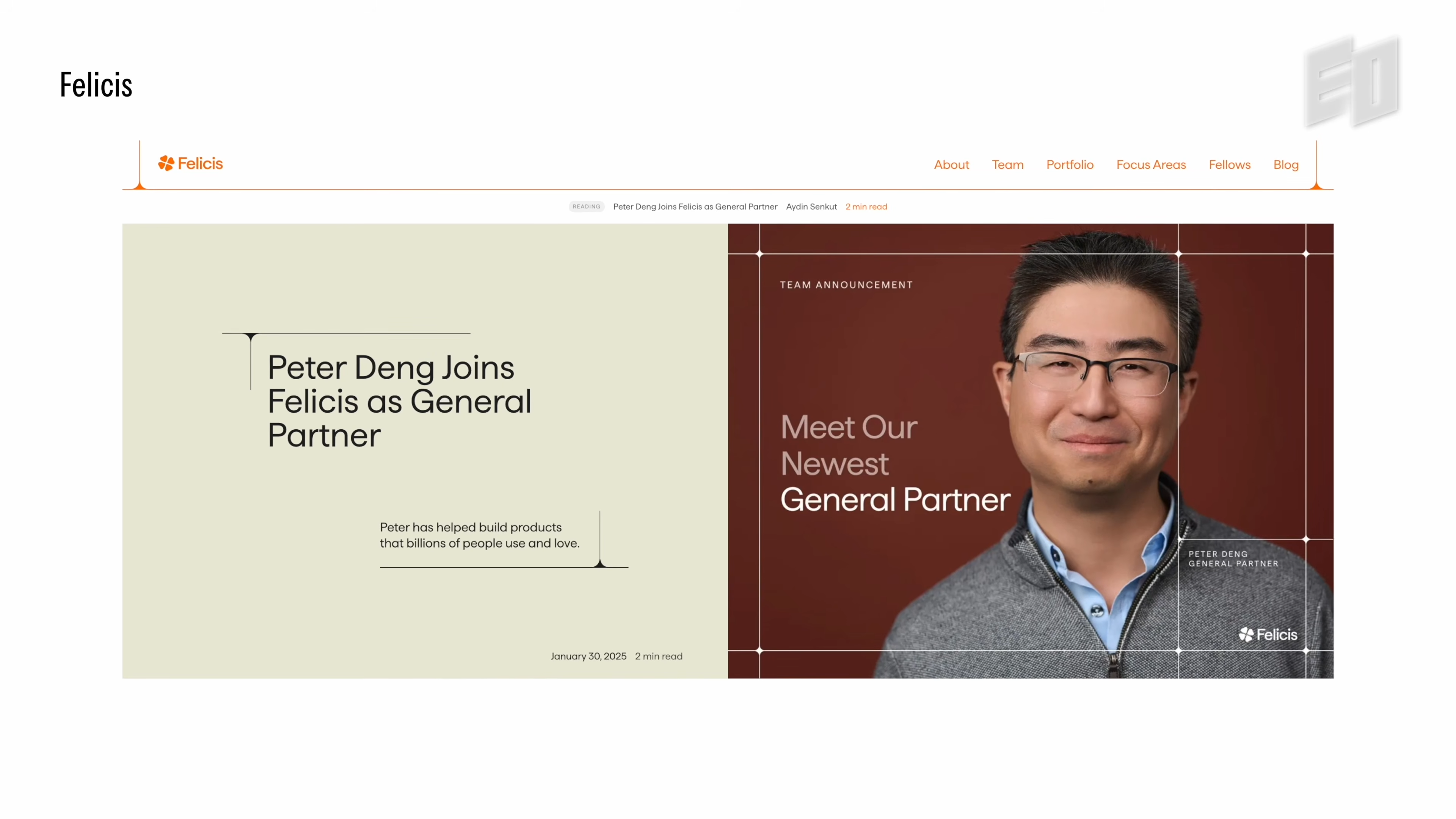
My name is Peter. I am an investor and a builder. I currently am a general partner here at Felicis, where I invest in early-stage companies at the seed and A. Prior to this, I built products at companies including Facebook, Instagram, Oculus, Uber, Airtable, and OpenAI.
I think it's important when you're looking at your career to really think about what you love to do. I think a lot of people talk about success in one dimension only, but I'm here talking today because I've enjoyed really every single experience I've had in my professional journey.
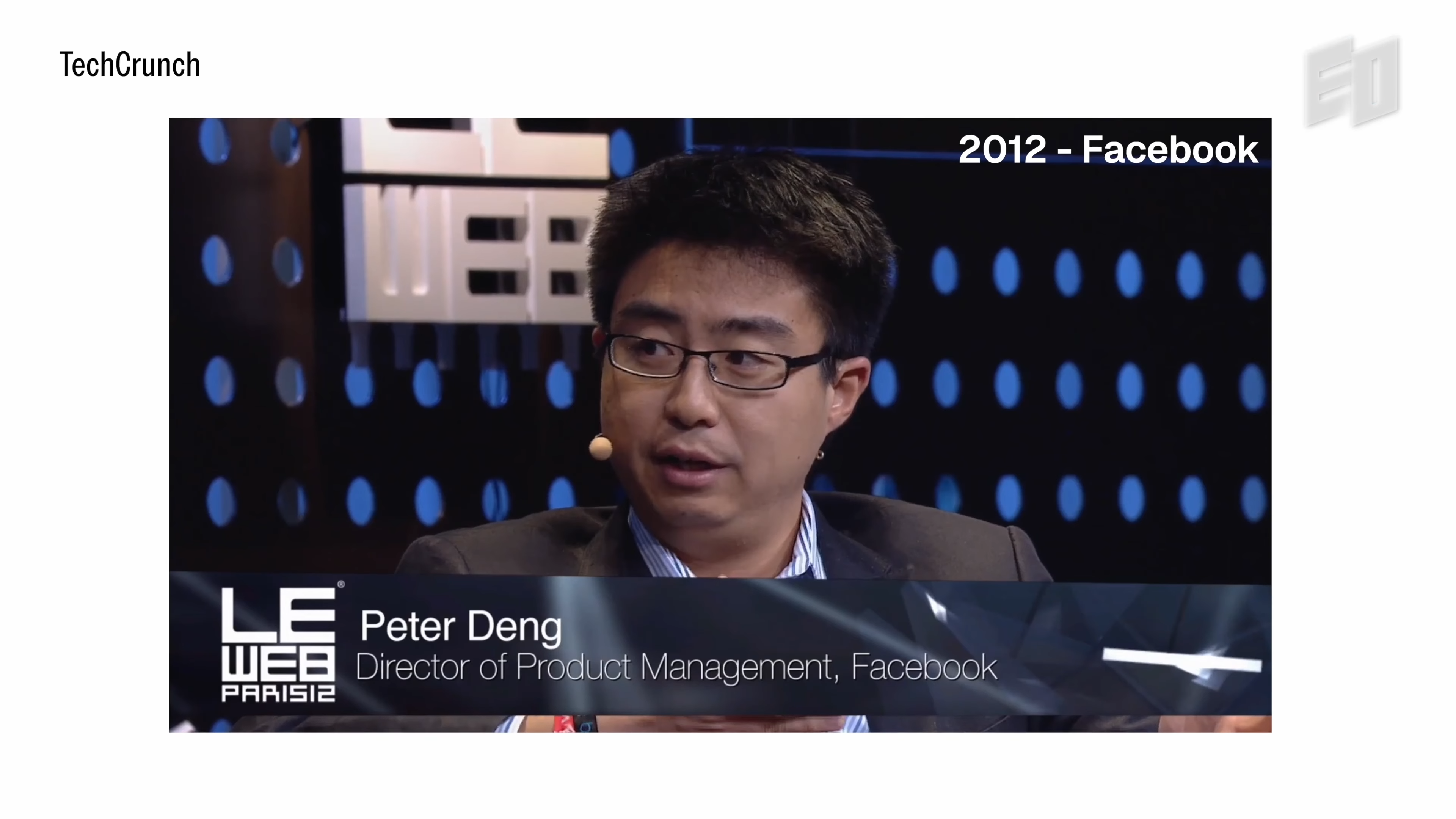
I want to say for each person, you've got to look inside you to say, what is the thing that I'm optimizing for? What are the experiences that I want to have? Life is short, so be sure that you're doing something that you will be looking back at and really truly enjoy. I really enjoyed my career building things alongside some amazing founders, and I'm super thrilled to be able to back more founders as an investor.
Product Thinking: Subtract to the Essence
I was the fourth PM at Facebook. First day at Facebook, it was a long time ago. I remember walking in and the atmosphere was so electric, and this is why I love startups and supporting startups today: it really is an exciting time.
It was the most scrapped-together onboarding you've ever seen. I think we signed some documents and did some mandatory disclosures, but it was a very loose place, because I think startups select for people who are very self-driven and self-motivated, who want to solve these problems, who are attracted by the mission, as I was to Facebook.
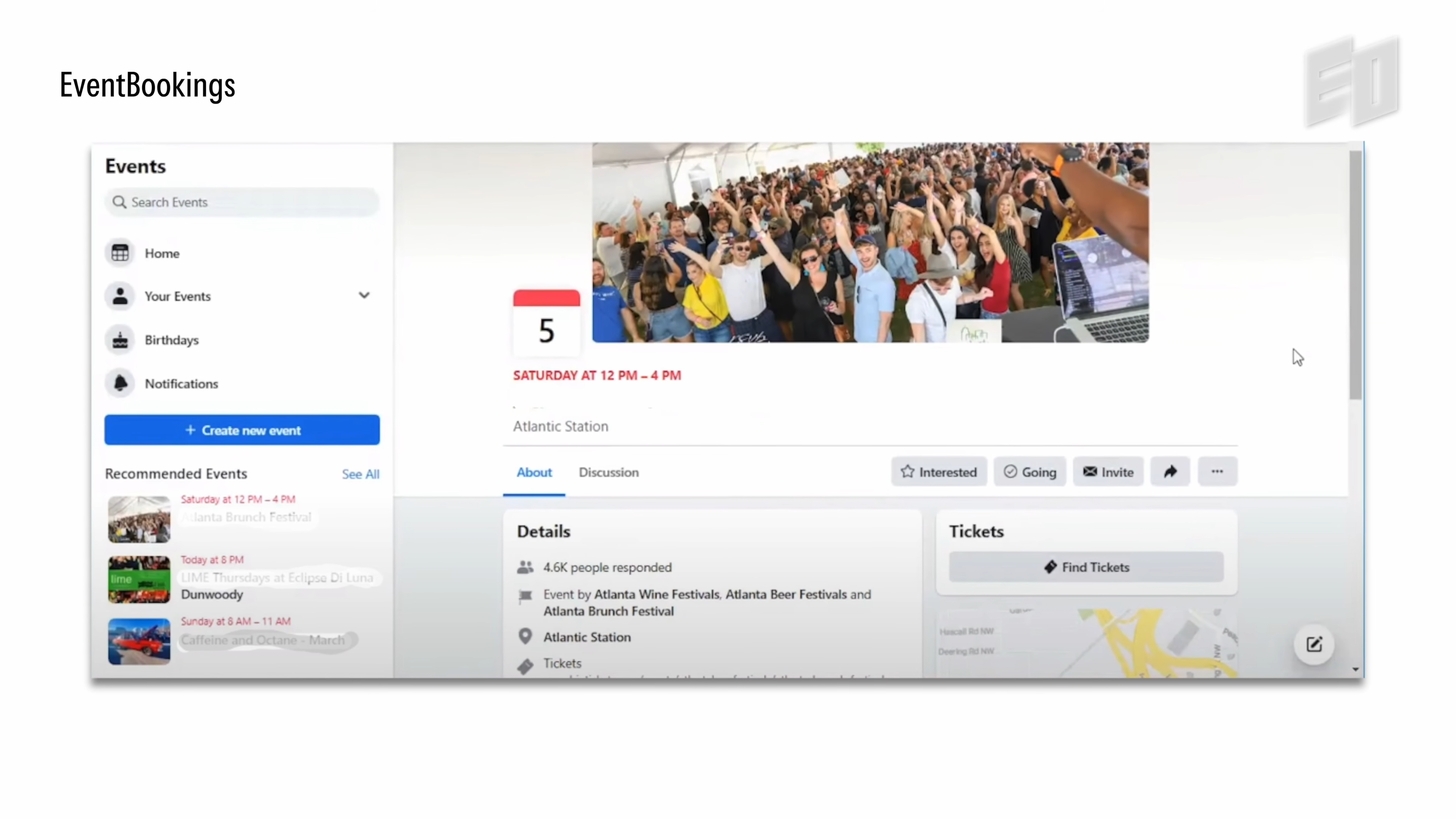
I remember one of the first products that I worked on was Events. This is a long time ago, back when Facebook was just a website. I remember writing that document about how we should build Events: what the abstraction should be, what are the key concepts, what do people need, and what do social events really mean, which is very different than a calendar. How is it not a calendar?
I remember meeting with Mark and presenting my thoughts, like, "Hey, this is what we should build." I was new there, and he's like, "Who put this together? This is really good." I'm like, "Yeah, I did. Just organizing thoughts."
So at the time, if you can imagine, Facebook was full of just really passionate people. There was no process, and we all figured it out ourselves, how we wanted to build product. And we got to reinvent that. That News Feed.
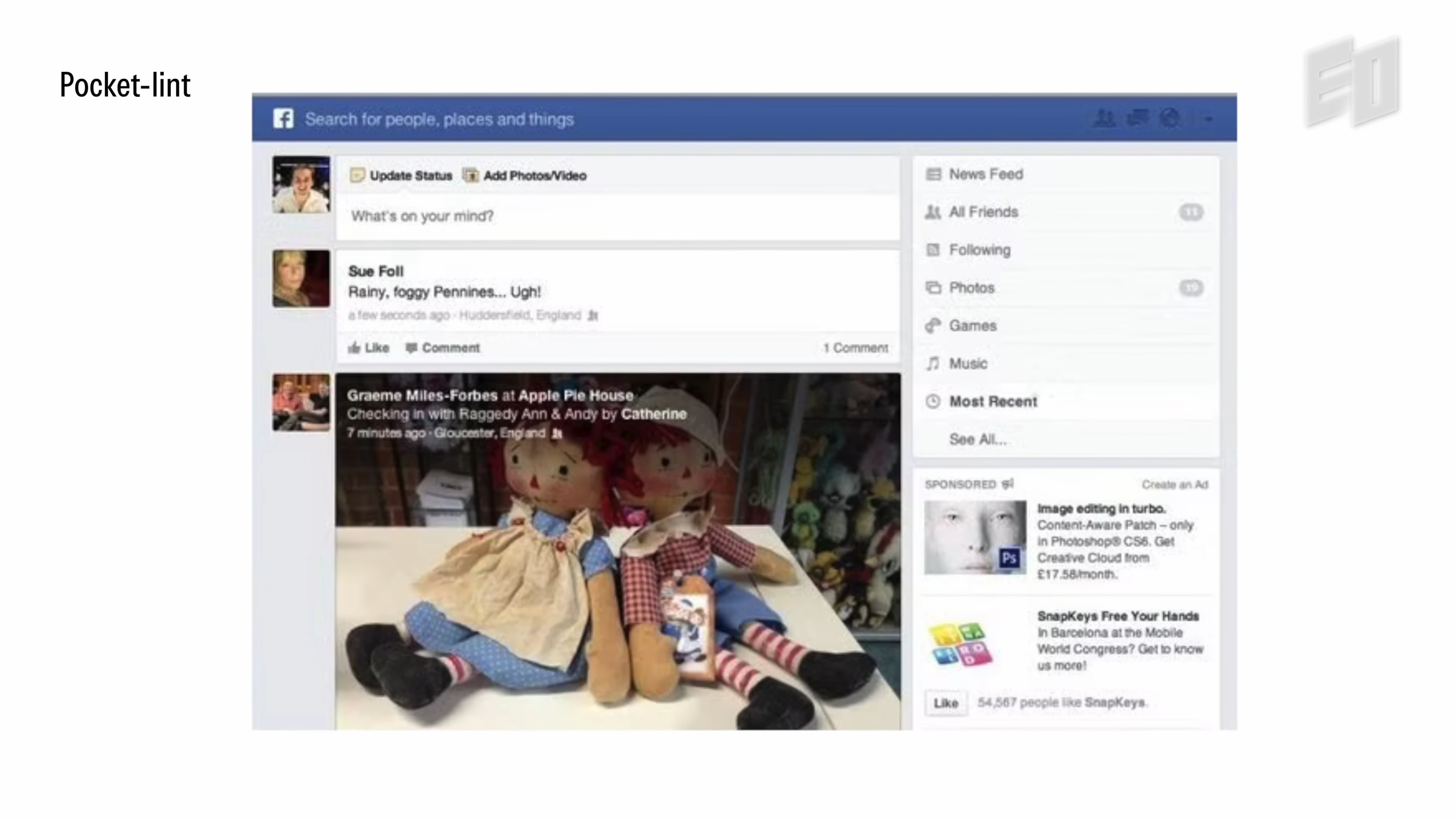
I think it's been unchanged because we thought very carefully about how to architect it and how to structure it in a way that was enduring. What was the taxonomy of a post? It involved the face of someone, their name, what they said, an attachment (a photo or location), and interactions, and that's it. And I think it's the same as it is today.
That framework was something we thought really deeply about: how do people want to consume information in a simple way that's consistent? That became the framework. It's still used today.
That's where simplicity really shines: when you're thoughtful and edit down the ideas, and not add more and more, but really get down to the essence of what it is that you're trying to build. With the right engineering and the right definition of what it is that you're trying to accomplish, you're basically measuring twice and cutting once, and when you do that well, those products will stand the test of time.
So I think when people think about product, they oftentimes think about the pixels on the screen. That's how I thought of it. Now, as I worked on many different products, I realized that it wasn't just those pixels. In fact, sometimes it was something other than the pixels that was the most important.
For any product, you need to solve a real problem for the customer. This is my new definition of product: what is the thing that solves the problem for the customer? Whatever that thing is will be the product. So for example, at Uber, the problem that I'm trying to solve is getting to where I'm going quickly and paying a lower price. And so price and ETA were the product.
It's really important as a product leader to acknowledge what is the truth, and not just say that the thing that you are building is the most important thing. When you have that level of clarity, it lets you really focus on making the right changes and respecting the right parts of the process that really are satisfying the needs of the customers.
With all the startups coming out now, I would just encourage founders to think about: well, what is the product that you have? What is the thing that you're actually selling? Sometimes it can be very poetic. Maybe what you're selling is giving people time back. Be really, really clear what the problem is that you're solving. For any product or any company, it's easy to say, "I have a vision. I want to manifest it."
I remember being at Uber, they came to a product review, and every problem they listed was a problem for the company. It was not a problem for the customer. If you articulate the problems from the perspective of, "Oh, Uber needs to make more money," or "We need to do this," you lose a ton of the empathy for the people that are using the actual product that you're building.
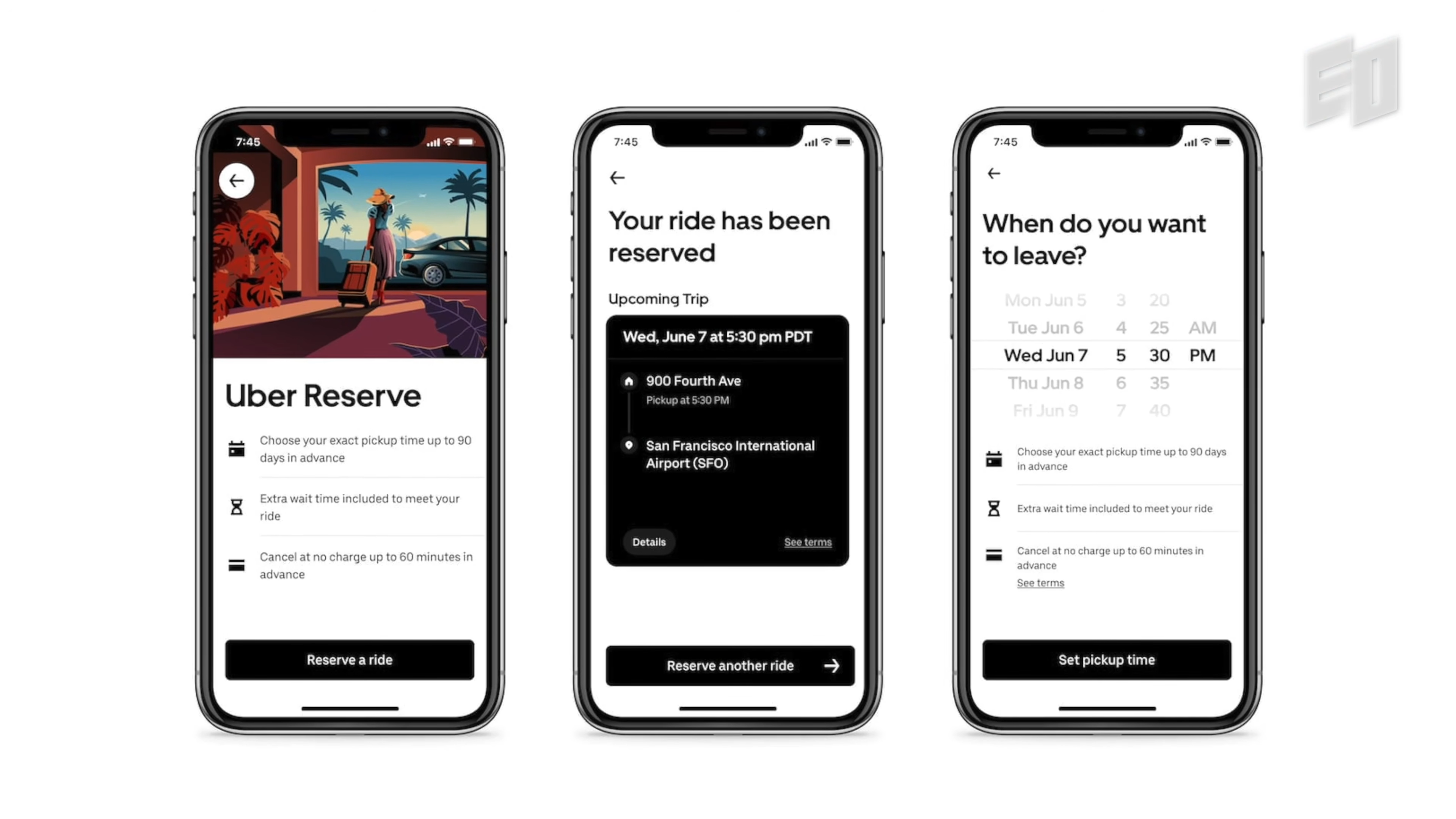
Uber Reserve was a really fun product to build. I remember it starts with exactly the frameworks that we talked about, which is: what is the customer problem that you're trying to solve? Such a simple idea, but it's almost a $5 billion a year business and one of the highest-margin businesses in the Uber rides portfolio. As someone who traveled for work and didn't want to miss too much of my kids growing up, I would often leave early in the morning so I wouldn't miss a precious bedtime. And that is a very stressful time.
If you can imagine, you have a five o'clock flight. You have to be at the airport at 4, and there's no traffic, so that's good. But you have to leave in time to get there. And who knows, will there be an Uber available to take you at 3:30 in the morning? That's a very stressful thing. So what is the customer problem that you're solving? It's peace of mind. It's assurance that you can go to bed and not have to wake up every 30 minutes, and not even know if you hit that Uber button, whether someone's going to come.
One feature that we built, I remember, is that after you booked, we'd send you a push notification that says, "Hey, you're matched to this person." We could have not said that. We could have just said a driver will arrive, but you're going to have more confidence if we show you the picture of the person who's going to come. Now, it may be the case that we have to hot-swap that person out later. But at least in the moment, you can go to bed feeling very safe and sound that someone's going to be there.
And so all these little design details stem from the same thing, which is: once you define what the user problem is that you're solving, you will design all of the features that solve that problem. That's the key to that product. I'm just really proud to see where it is today. It's so simple. It's one of my favorite features to this day. I might be very biased, but it is apparently a favorite feature of a lot of others as well.
And when you have clarity as a product leader or a founder of what your real product is, you're going to pay attention to the details that really matter. You're still going to pay attention to all the other details that may not matter as much, but you have clarity, and your team has clarity, of where you need to drive to make your product shine.
It's Not a Loss, It's a Lesson
One of the values I hold very close to my heart is growth mindset. I think this is a concept that Carol Dweck wrote about in her book and did research on. There's a growth versus fixed mindset. A fixed mindset person will take a failure and blame somebody else and point fingers. A growth mindset person will look at it and be like, "Well, how can I be better? What can I do differently next time?"
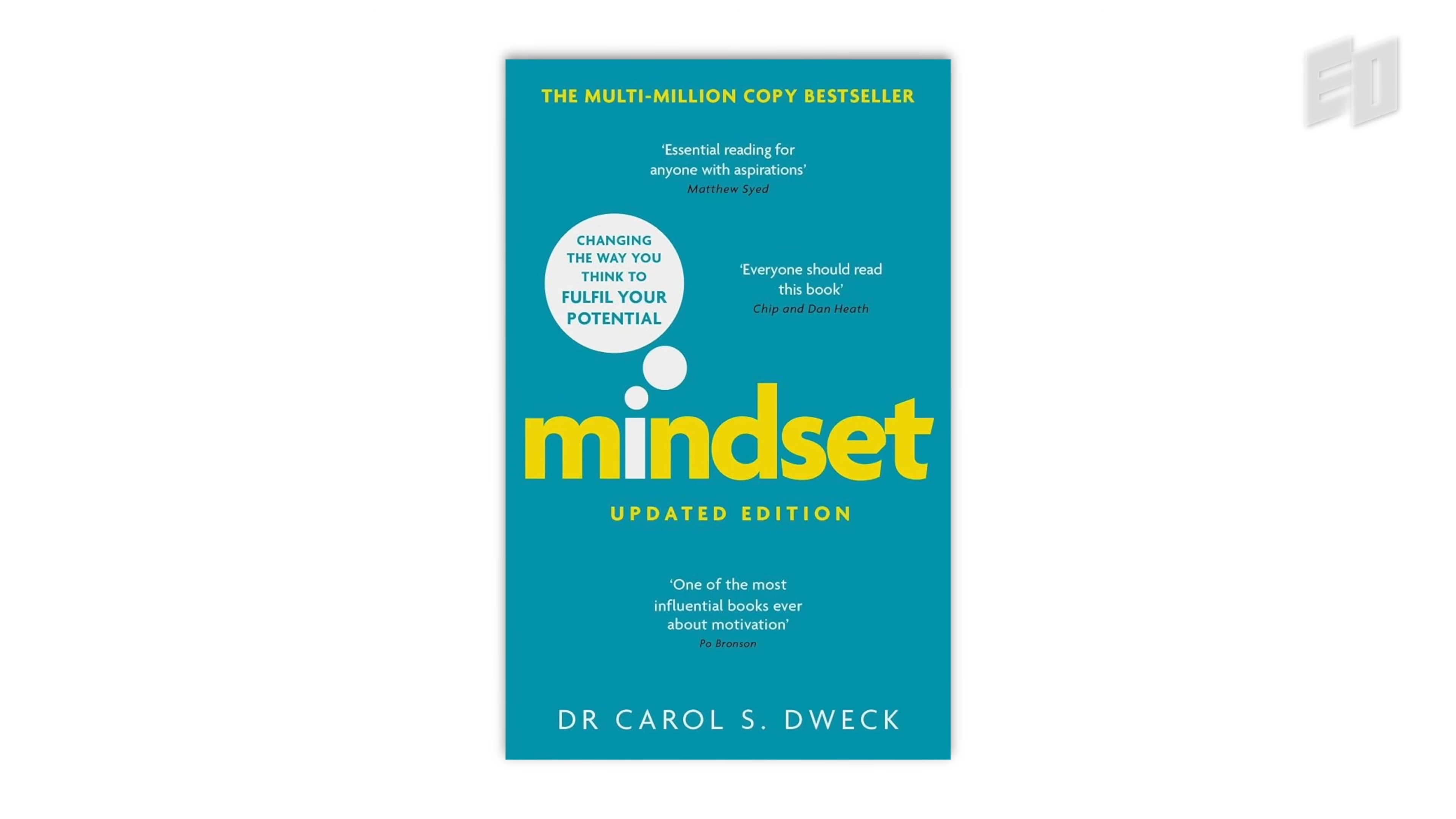
The growth mindset just deeply resonates, because I like to say this a lot, half-jokingly: I own a lot of gadgets, but I don't own a time machine. So I can't go back in time. I can only fix things going forward. And so when there is a failure, if you are blaming others or saying the world is against you, you've really lost an opportunity to get better. The phrase "It's not a loss, it's a lesson" is actually a Jay-Z verse from one of the songs. So I thought it was very beautiful. I think that's one of the things that separates people who are successful from the folks who may get stuck in a rut.

When I went to Airtable, I was reinvigorating my learning journey, because that was such a different product and industry than I was used to. And that's frankly the reason I joined. What I did every time I went into a smaller company, or just any new team, was listen. I did this at Instagram. I did this at Airtable. I did this at Uber. I did this at OpenAI. It's just a bit of my playbook.
You could ask me to make decisions, but I'm going to ask you, "What do you think?" and then, "What are you struggling with?" It's going to be more Socratic, because I do not believe in shooting from the hip. I believe in having context and deeply understanding a company before diving in and throwing around my opinions. It might seem really long, but this is one of those investments where you go slow to go fast. And it avoids a lot of missteps on you as a senior leader going into a company.
If you were to ask me what I had to unlearn, I would say almost everything. The only thing I didn't have to unlearn is how to build product, because the same framework exists in terms of understanding your customer.
But then you had an added level of complexity, which is that your customer who's paying for it is sometimes not the person who is using it, especially in enterprises. And so now when I work with startups, I can go back to my beginner's mindset from when I first learned those concepts and experienced them. I do think that has been a huge part of my learning journey, and that's why I was attracted to it.
Build a Team That Doesn't Need You
I think the critical thing that founders get wrong today is not hiring an A+ team from day one. It is a complete blank slate once you and your co-founder have formed the company. There's a saying that A players hire A players, B players hire C players. I don't know if that's true or not, but I will tell you now that talent density is so important, because what's happening now is that the world is moving faster and companies are moving faster.
If you don't start your bar off high enough with the founding team that you build, one, any compromise you make there is a sign that you're going to make compromises down the line. And two, any compromises you make there will trickle down over time, because that is now the DNA of the founding team.
So especially in the world we are in today, where AI is able to make people so much more productive, if you have the right person managing those tools and using those tools to be productive, it's going to be the difference between a 100x return or a 5x return, depending on who you hire in the beginning.
Back when I was a first-time manager at Facebook, a long, long time ago, the expectation of managers was to be a player-coach. You would be a manager, but you'd also do your own projects. I felt I needed to oversee people on my team and do my own work at the same time. And it was very clear that was not scalable. I think that's one of the common mistakes of a young manager: you think that you need to approve and oversee and guide everyone who's on your team.
As I was starting to get underwater, I talked to my coach, and she walked me through this framework that I found really insightful, which is that there are four phases of a manager and report relationship. It starts with telling, or just directing the work. The second phase is coaching, as you get a little bit more advanced in your relationship. The third phase is scaffolding and helping them out a little bit more. And the last phase is delegation. For me, that framework really rang true, but it was just too long to say. It was just too long to repeat.
And so I came up with this mantra, this axiom: if I'm still telling you what to do after six months, I've hired the wrong person. I found it to be very helpful for me as a manager, because it puts the onus on me. And there are a few key dimensions to this.
Number one, it's a reminder to me that when I'm hiring for a role, I need to be really thinking about longevity: can this person fill this role and really help the company scale? And it keeps my bar super high.
The second thing is that it's something I share with people that I bring onto the team when I first become their supporter, and it sets the expectation of what we want to be true, which is autonomy, or delegation, in six months.
The last thing is that it makes it so that we can objectively talk about whether we are progressing along that journey, because that is the right outcome: we're helping the company scale, we're helping you get autonomy, and we're at full delegation. As a manager, you always want to work yourself out of a job. That's the gritty.
And it also creates pressure on me as the person who's supporting them, because it's a constant reminder. When we face some tough times, it's easy to be like, "Well, let me just tell you how I would do it." That's completely unhelpful. What's more helpful is to think about: how do I progress you to think more and more, to be able to be independent? So every conflict, every failure becomes a lesson of how we might do this in a world in which I'm no longer needed.
Conflict Makes Great Teams
I think conflict is fantastic when done the right way. Let's use Instagram as an example. We purposefully had three different product leads that all sat around the table and led their individual initiatives. One was the growth lead, one was the consumer product lead, and one was the monetization lead. I intentionally set it up this way because you want to make sure that everyone is optimizing for something different.
A traditional product team is the product person, the engineer, the designer, maybe a data scientist. Every one of those roles has a different perspective on what to do. The designer might say, "Make it simple. Make it super simple. Fewer features." The product manager might say, "More features. We've got to go and build these things for our customers." The engineer might say, "This is too complicated. I need a lot more time to build this." And that tension is extremely healthy, because if you imagine these people pulling in different directions, it makes the gamut bigger.
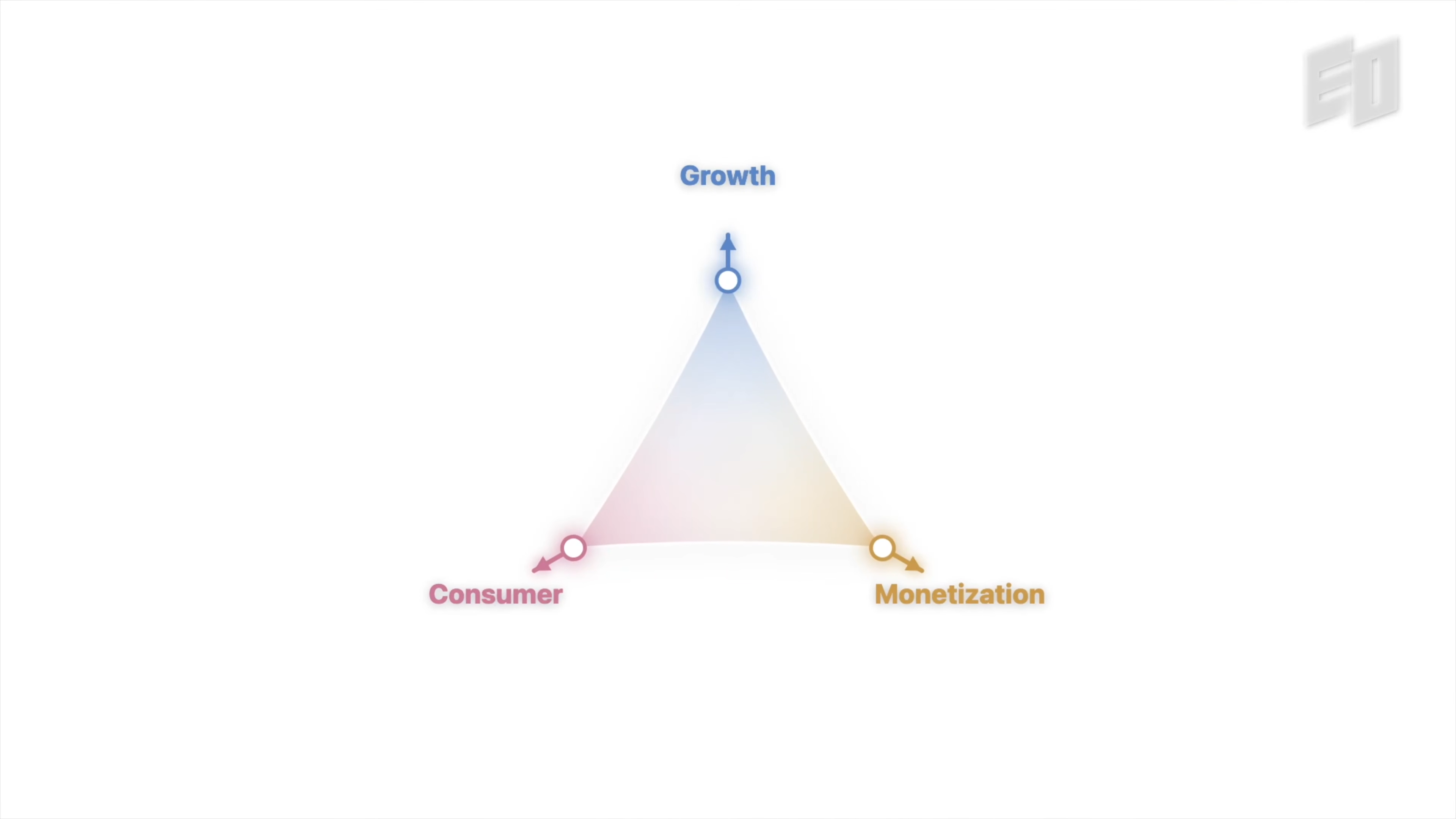
My analogy for this is that what you're doing is stretching the gamut. Then, through the discussions and debates of what we should build or how much emphasis to put where, that's where you really tease out the really important decisions that you need to be making. It makes the whole space that you're exploring, the whole discussion that you're having, richer.
And I've found that to be very true to the success of a lot of teams I've been on, which is why I've been saying a lot that when you have a team of Avengers, when people are actually expressing unique points of view and there's no groupthink, you're able to stretch the gamut and see a much bigger picture.
A Builder Who Invests, A Investor Who Builds
I found my way to Felicis mainly because the values of the firm really match mine. Felicis is a very founder-friendly firm. It's founder-first, in a sense. Every time I'm meeting with a founder, it's almost like I'm interning at their company on my very first day.
One morning last week, I met with three different founders, and we went really deep into some thoughts on how their product could evolve. That's really exciting to me, to be able to learn about their vision and what they care about in their market. We almost always end up in the meetings just brainstorming products. It's just so much fun, selfishly, for me, and my hope is that it might be useful and helpful to the founder.
Some people ask me, "Do you miss being an operator?" I feel like my desire to build is really amplified by being an investor, and by just the way that I'm wired: to be really curious and want to learn new things and think about new ideas. That's energizing.
In some sense, I've actually been an investor all my career. I just invested my time. And the way that I've picked the companies has primarily been around three things, and I think that's the same framework I apply to my investment role today.
Number one is: what's happening in the market? Is there a real point in time where this is the right time for this product to come out? With Uber, it was clear. There were GPS phones in every pocket. With Instagram, it was clear. We had these phones that started to not suck as much, so you could actually produce photos. So in every one of them, the timing was just right.
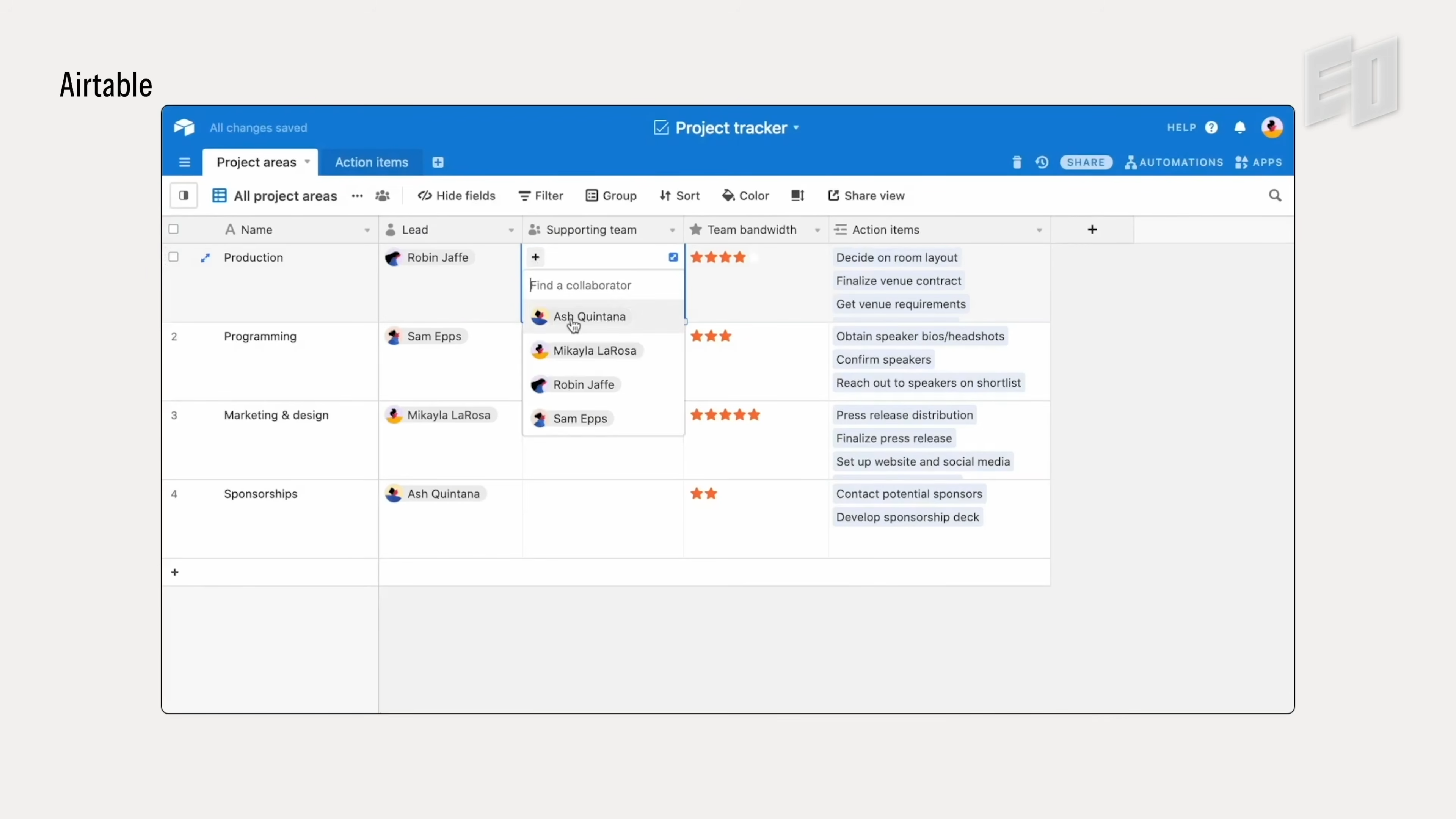
The second thing I'd say is that they were really solving a real problem for people. Airtable was solving the problem that nontechnical people wanted to build a structured database, but there were no tools to do that, and it was a real problem. And it was very clear with ChatGPT: the market fit was insanely great. There was a real problem around how do I actually go deep and work with AI.
And the third thing I would say is the founder. I have had the privilege of working directly for, or very close to, some of the iconic founders of our time. Every founder has been different, but I would say every founder has a strong point of view of what the world needs to be, and I think that level of conviction is so important.
So it's that conviction, plus the market timing and the why now, plus solving a real need for a problem that's really evident, whether you intuit that or there's data that supports that. But in the early stages, you just have to intuit it and see some signals.
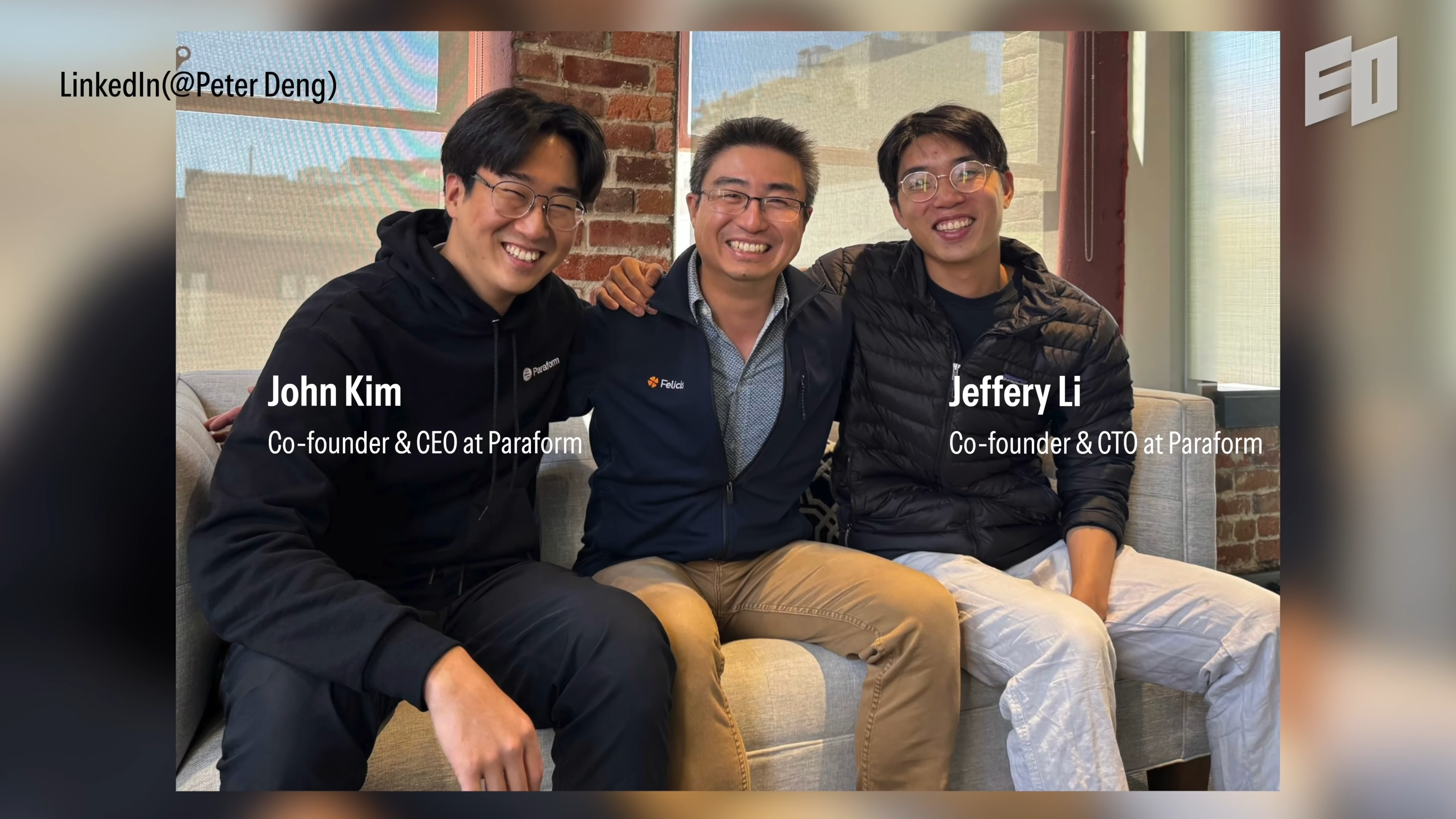
John and Jeff at Paraform are just really special. I remember the time that I took that pitch from them. I was actually driving to go skiing in Tahoe, because that was the only time that worked. As I was on the freeway and just starting to hit the snow line, they were launching into their story, their conviction about the problem, how much they care about finding the right roles for each person. Just how much it resonated with them was deeply moving. They were really obsessed with this mission. They felt it in their bones because it wasn't about a generic business case.
They deeply cared about helping people find their next role and helping companies find the perfect fit. And that was really special. I remember almost pulling over because I was so excited about the traction they had and the very clear reflection of the product they'd built to date: their conviction, plus the product they built, plus the results that they showed, and their humility and growth mindset and wanting to learn and get better. John and Jeff are just really special in that way.
And I remember we were so convinced right after that call. Like I said, I almost pulled over just to talk to the team after. We went into their offices and delivered a term sheet that night. It's the same investment thesis I've been using all my career. I'm just applying it differently now.
Building a More Human Future
I think through all these waves, what I love and what fascinates me is just how creative humans are. That is one through line that I would say is consistent; I've seen it through all these waves. In every one of these waves, web, mobile, AI, whatever tools and technologies we invent for ourselves, we are always innovating, and building feels like something almost innately human for us to be doing all the time. You actually end up solving the same problem very differently and so much better.
Let's just talk about discovering a new restaurant. In the web wave, it was like, "Oh, Google": you can Google it and see what's there, and is there some kind of ranking. In the mobile wave, it's like, "Well, you know where I am. So when I say I'm craving a burger, don't show me something in another town. Show me something close by." And that's pretty magical. And now, if you're craving a burger and you ask ChatGPT, you can have a conversation about it.
So it's interesting that we have the same problems, and they are solved so differently every single time. And every single time that the problem is solved, it's done in a way that's more magical as an experience.
I am super optimistic that the companies being founded today, building products that make work faster and easier and leverage AI to do XYZ mundane task or make XYZ thing more automatable, are going to give people more time back. I think that's really important, because that time back will end up creating more time for people to pursue their passions and really live the life fully that they want to live. That's my hope.
I think AI is going to fundamentally make us more human. It's going to let us fully express what we want to express creatively, or have the time to pursue the things that we want to pursue.
When you're looking at your career, really think about what you love to do. I think a lot of people talk about success in one dimension only, but I'm here talking today because I've enjoyed really every single experience I've had in my professional journey, and it's been incredibly intellectually stimulating. I feel like I've contributed a lot.
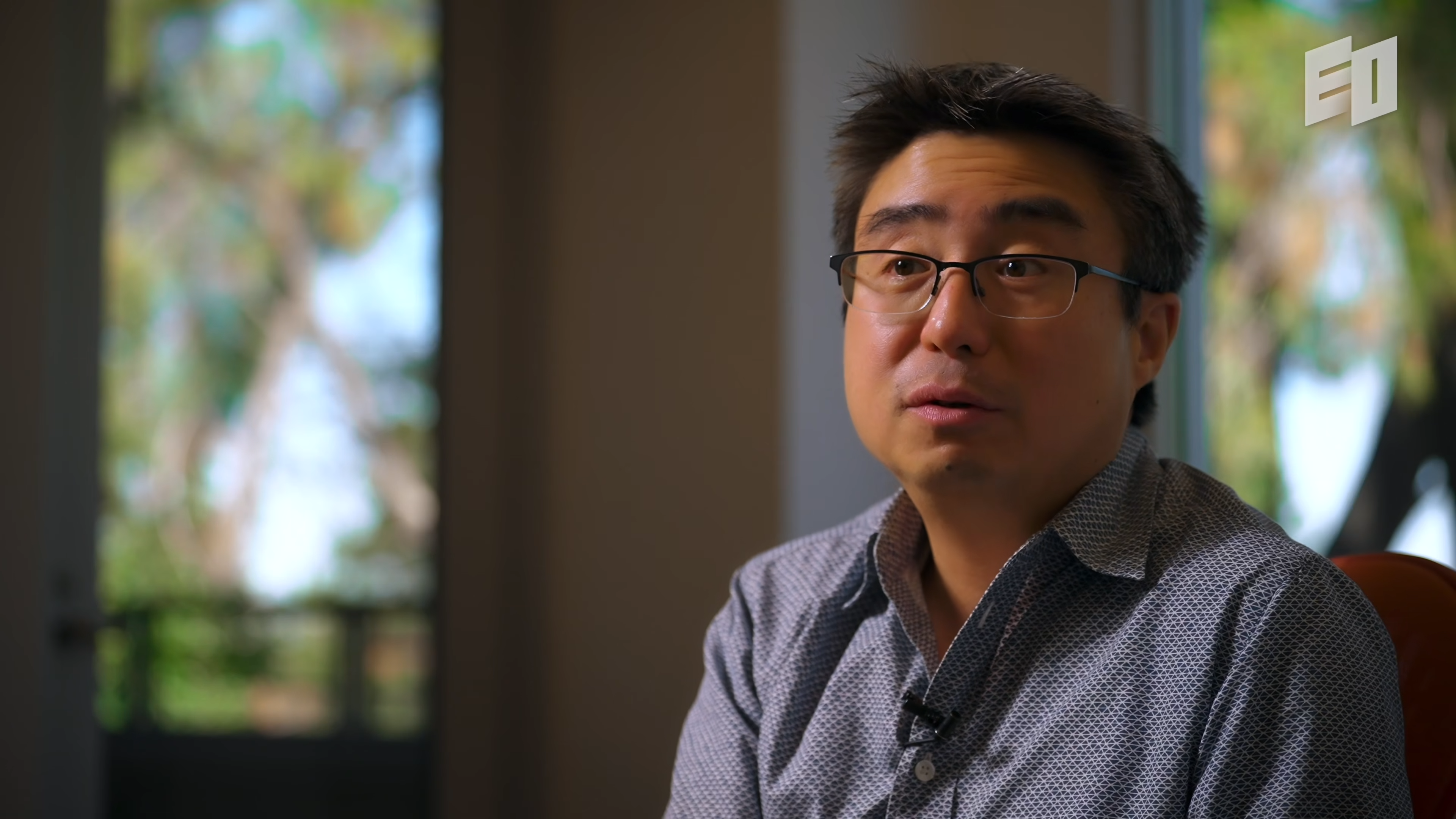
My biggest advice would be to really think about what you value and what you want to do. It could be that getting promoted and making sure that you're taking care of your family financially is going to unlock that for you. But I think it's important that each person think about what is going to make their life most worth living.
I got incredibly lucky that the things that I chose to pursue worked out in different ways. But at the end of the day, I can look back and say I'm just proud of everything I did, because I enjoyed it and I learned a lot. I can say today that yes, I did optimize for learning. On that metric, I did really well.
I want to make sure it's clear that each person's career journey is different. You've got to look inside you to say, what is the thing that I'm optimizing for? What are the experiences that I want to have? Life is short, and you're working for a lot of it. So be sure that you're doing something that you will be looking back at and really truly enjoy.