Nov 17, 2025
The Biggest Mistake in My 25-Year Journey Building Unicorn Startup
Interview with Godard Abel, Co-founder of G2
Founder Focused

💡
At a Glance
- Who: Godard Abel is co-founder and CEO of G2, a software review platform; he previously co-founded Big Machines in 2000 and later co-founded SteelBrick.
- What: G2 lets around 100 million software buyers a year discover and compare business software through real-time peer reviews, modeled on consumer shopping sites like Amazon, and serves over 3,600 vendor customers.
- Traction: Abel says G2 has raised over $250 million, surpassed $100 million in revenue run rate, become a unicorn in 2021 after growing from $5 million to $50 million in ARR following a 2017 investment from Accel, and now hosts over 2.7 million software reviews.
In this interview, Godard Abel traces the 25-year arc from his first startup's near-bankruptcy to building G2 into a leading software review site. He revisits the layoffs that taught him entrepreneurship is an emotional test more than an intellectual one, the seven years it took Big Machines to find product market fit before its $400 million sale to Oracle, and the phone call from Accel that told him G2 had finally arrived. His answer to why, 25 years and two exits in, he still refuses to pivot away from an idea he believes in.
Key Takeaways
Emotional Fortitude Beats Intellect as an Entrepreneurial Skill
Abel says the hardest days of his career were the layoffs, cutting Big Machines from 70 employees down to 20 across three funding-driven rounds. He argues that what separates founders who make it isn't intelligence but the ability to keep going through losing customers, deals, and employees.
It Took Seven Years for Big Machines to Find Product Market Fit
The company nearly went bankrupt after the 2001 dot-com bust, burning through $19 million of a $20 million raise before a scaled-down, organic-growth reset. Real product market fit didn't arrive until 2007, when Salesforce began referring enterprise deals that required Big Machines' quoting technology, and the company was eventually acquired by Oracle for $400 million.
G2 Was Built to Fix the Years Abel Spent Waiting on Gartner
It took nine years for Big Machines to earn a Gartner report and twelve to be named a leader, a gap he felt was unfair to founders and to customers who couldn't find the right software. G2's real-time peer reviews, modeled on Amazon-style consumer shopping, were designed to give buyers and vendors that validation instantly instead.
A Cold Call from Accel Confirmed G2 Had Found Its Market
He initially doubted a call from Accel, the VC firm behind Facebook, until his co-founder Tim and Accel partner Kevin Efrusy confirmed portfolio founders were already citing their G2 reviews. Accel invested when G2 was at $5 million in annual recurring revenue, and the company doubled its way to $50 million ARR and unicorn status by 2021.
Abel Says Believing in the Vision Beats Chasing a Faster Pivot
Most of his companies stuck to their founding vision, treating setbacks as optimization problems rather than reasons to scrap the idea. He argues real product market fit typically takes two to three years for SaaS founders, and that conviction, not speed, is what carries a founder through the wait.
Below is the complete transcription of the interview. Minor edits have been made for clarity and readability.
Introducing Godard, Co-Founder of G2
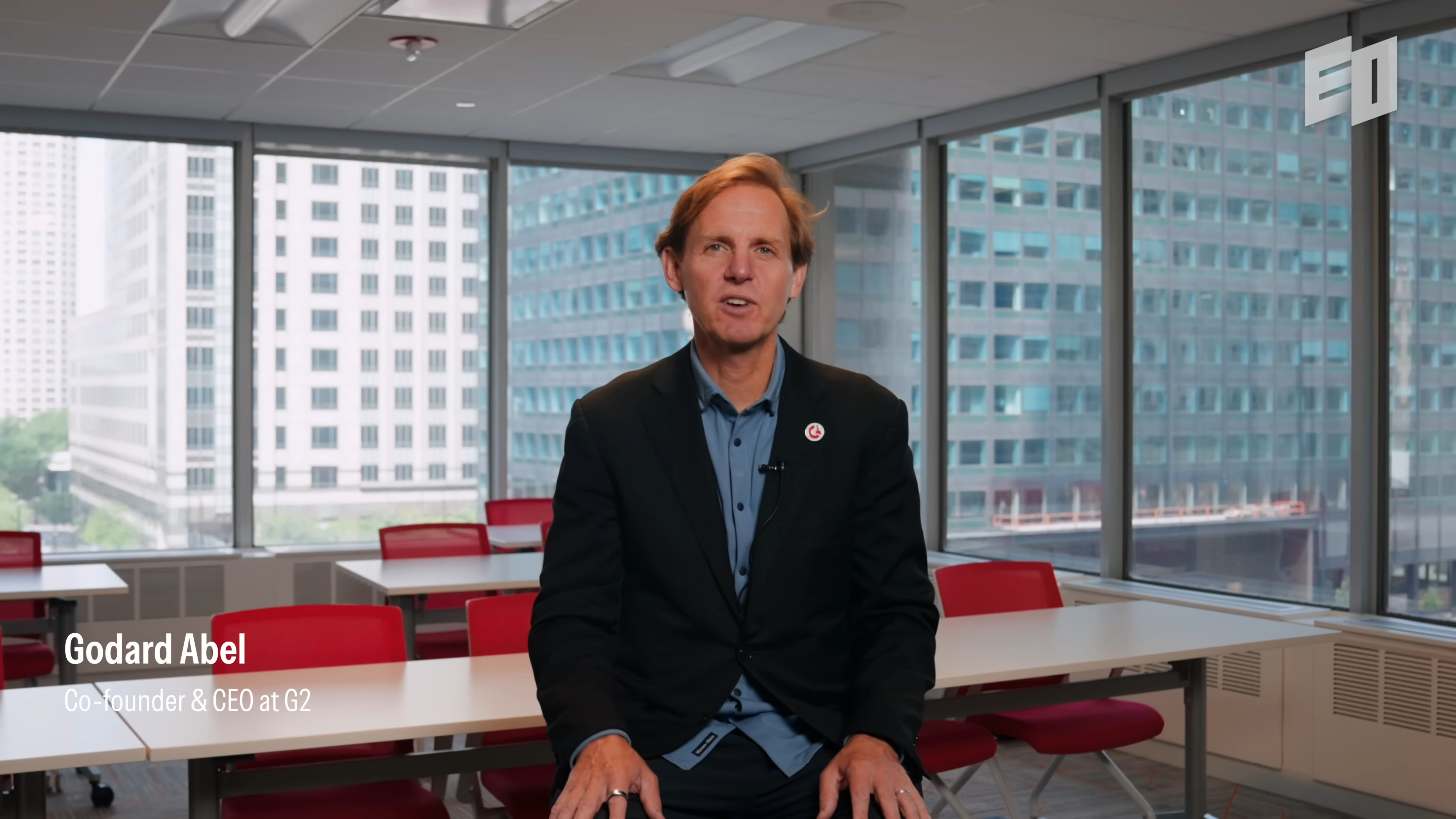
Hi, I'm Godard Abel, co-founder and CEO of G2, and we're building the trusted place you go for software. We have about 100 million software buyers coming to G2 every year to discover the best software for their business. We have over 3,600 customers, and these are software vendors around the world, and we have achieved over 100 million in revenue run rate right now, and we did become a unicorn in 2021. So we've raised over $250 million, and now we have established ourselves as the leading number one software review site in the world.
The Deep Valley: Seven Years of Pain Before the Breakthrough
I think it goes back to before I was at McKinsey, I studied at MIT, so I was an engineer, and I remember even when I was at MIT, my best friend at the time, Chris Schutz, he and I thought about starting a company all the way back right out of MIT, and we were already working on 3D printing and we're about to start a company, but then we both kind of got scared. We thought we weren't quite ready. So I decided to get some real world experience first. I went to work for McKinsey.
Chris went to work as an engineer, and I first got involved in startups way back in 1998, and that was an exciting time. I was at Stanford Business School out in Silicon Valley in Palo Alto. It was the first internet boom. Companies like Google were getting started, and I started helping two Stanford computer science students, and they were building a company called Alonza, and they really just needed a business person to help them.
They were both programmers and I was excited about entrepreneurship, so I started helping them, and we wound up selling that startup quickly to a bigger startup, Niku, that went public. I remember in March 2000, I think with a 10 billion dollar valuation, and the entrepreneur there, Farzad Dibachi, he also inspired me. He'd worked for Larry Ellison, the founder of Oracle, and I watched and helped Farzad build his company. I thought, wow, this would be a great time to start my own company. And so I started Big Machines at the beginning of 2000 to really help companies like my father's.
My father was in pump manufacturing, and I helped him. The vision for Big Machines was, he made very big pumps, and the vision for Big Machines was to help him sell his pumps online, much the way Dell was selling PCs online. And so that was when we started building our first company, all the way back in 2000.
My first company, Big Machines, as I mentioned, I started this in the 2000 dot-com era. I was a 27-year-old cocky kid. I remember one of my first investors was John Sculley. You have to be old to remember him, but he's sort of infamous. If you've watched the movies about Apple, he's the guy that fired Steve Jobs. He was my first investor. And once I had him invest, his advice to me was just like, think about how you go public in one year. I was like, that sounds awesome.Godard Abel
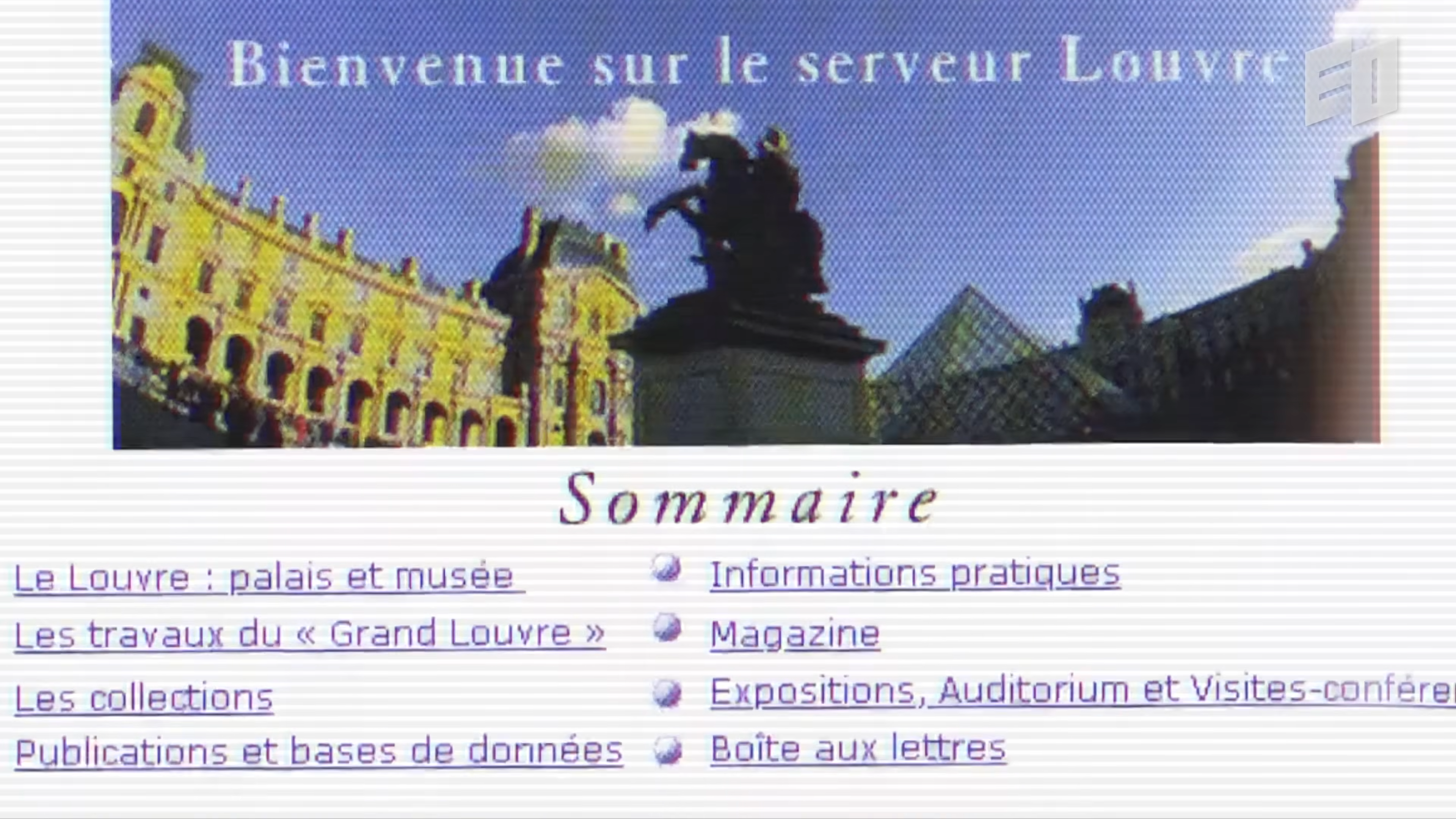
But we were also lucky at that time, the internet was still brand new. So the first year we were able to raise $20 million from investors, because nobody knew the internet and nobody knew how to sell online. So investors were willing to take a chance on kind of young and inexperienced entrepreneurs. So we got going very quickly. So the first year was actually exciting. We went from just the two of us to 70 people and raised a bunch of money.
So we thought we were going to maybe go public in a year or two, but then it could change dramatically, because in 2001 there was then a dot-com bust, and all of a sudden investors that were throwing money into internet companies, they completely stopped, and it was the opposite.
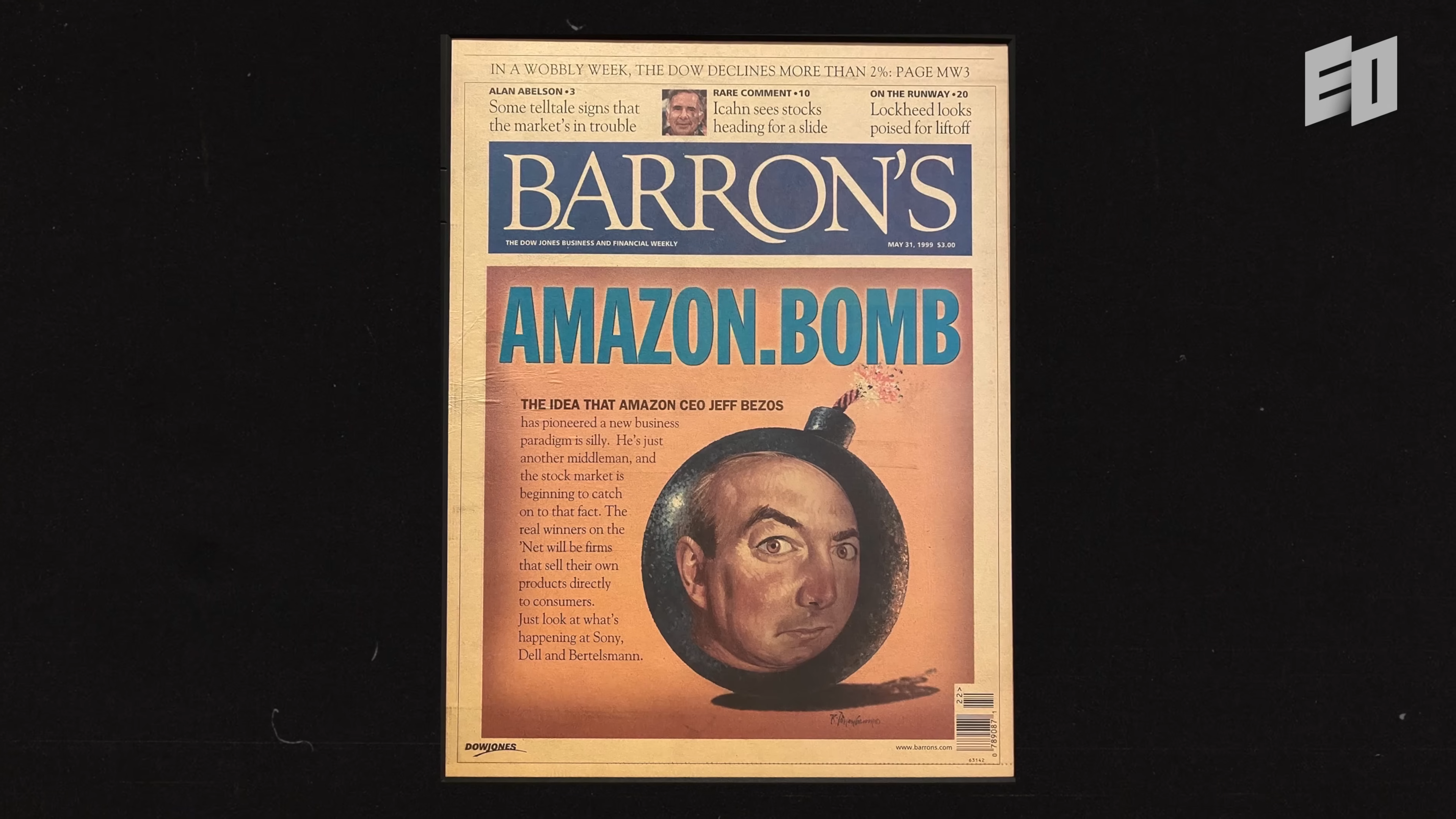
And even Amazon was still very young at that time, and I remember Wall Street analysts were saying Amazon was going to go bankrupt, and people were saying the internet was a fad. Maybe a little bit like what happened with crypto.
First everyone was really excited, and then all of a sudden everyone thought, oh wow, it's a bad idea. And that was really hard for us, because then our customers, also manufacturers, got very skeptical. They all said, oh, we don't really need the internet, we're fine sending catalogs to our customers, CD-ROMs. And so it got really hard, because I remember in 2001, I think our business plan was to sign up 20 manufacturers, and then we're supposed to sign up 40 in 2002. I think we actually only signed up two that year.
Same thing happened in 2002, and by the time we got to 2003, we were almost bankrupt.
We'd burned through 19 of the 20 million we'd raised. So I think a big lesson learned, one, we started spending it too fast, before we had product market fit. And I tried to hire two VPs of sales before we had product market fit, and we really should have still been doing founder-led selling.
Biggest Early Mistake
So it really led to a really difficult reset in 2003, because we were down to 1 million. We also knew we'd never be able to raise more money. We had to go to organic growth. It was really difficult, but we decided to scale the company down from 70 to 20 people. So we had to let a lot of people go, and we just said, hey, we have to get to profitable cash flow positive within a year, otherwise we're going out of business. I think the most difficult thing for me as an entrepreneur is letting people go.
The first year of funding we scaled to 70 people, then we had to cut down to 20, but it always feels really painful, and it's probably made me more prudent as an entrepreneur since I've had to do that.
Well, one, ideally, give yourself some buffer, raise more capital so you can persevere longer without having to lay people off, and secondly, make sure you get productivity quickly so that everyone you hire ideally is ultimately producing revenue. But it still felt so hard to let someone go, look them in the eye, let them know they're not going to have a job anymore. It felt horrible. And so that was a very painful shift.
But then in hindsight, that's also when we learned the most, because then we just said, hey, I just got to focus on the customer, just win the next deal, make the next customer happy, and if we do that fast enough and we generate enough revenue, we'll be profitable. And we actually then pulled that off, where within a year we were able to get profitable. And then it really took until 2007, seven years into the company, till we really found product market fit.
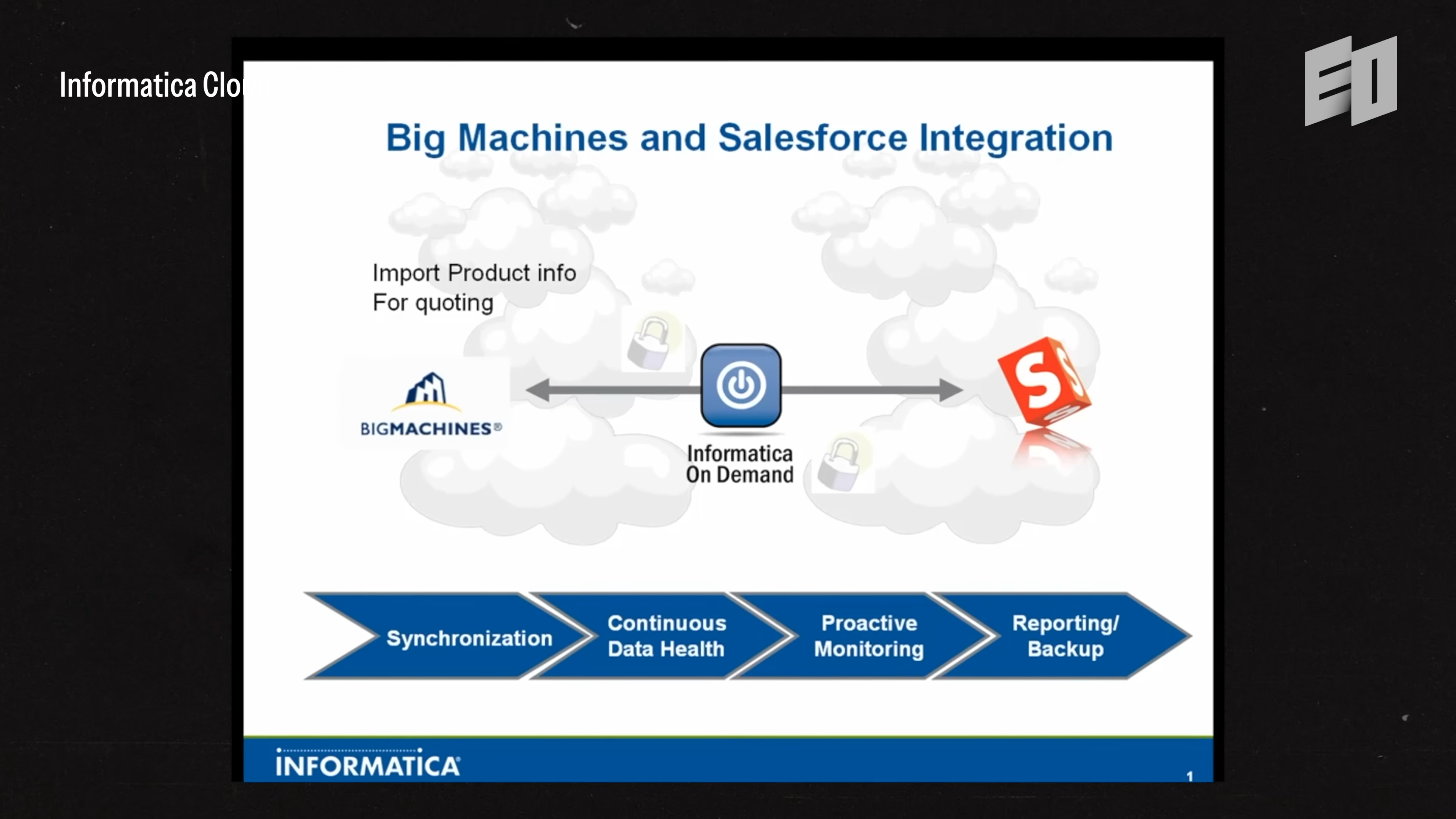
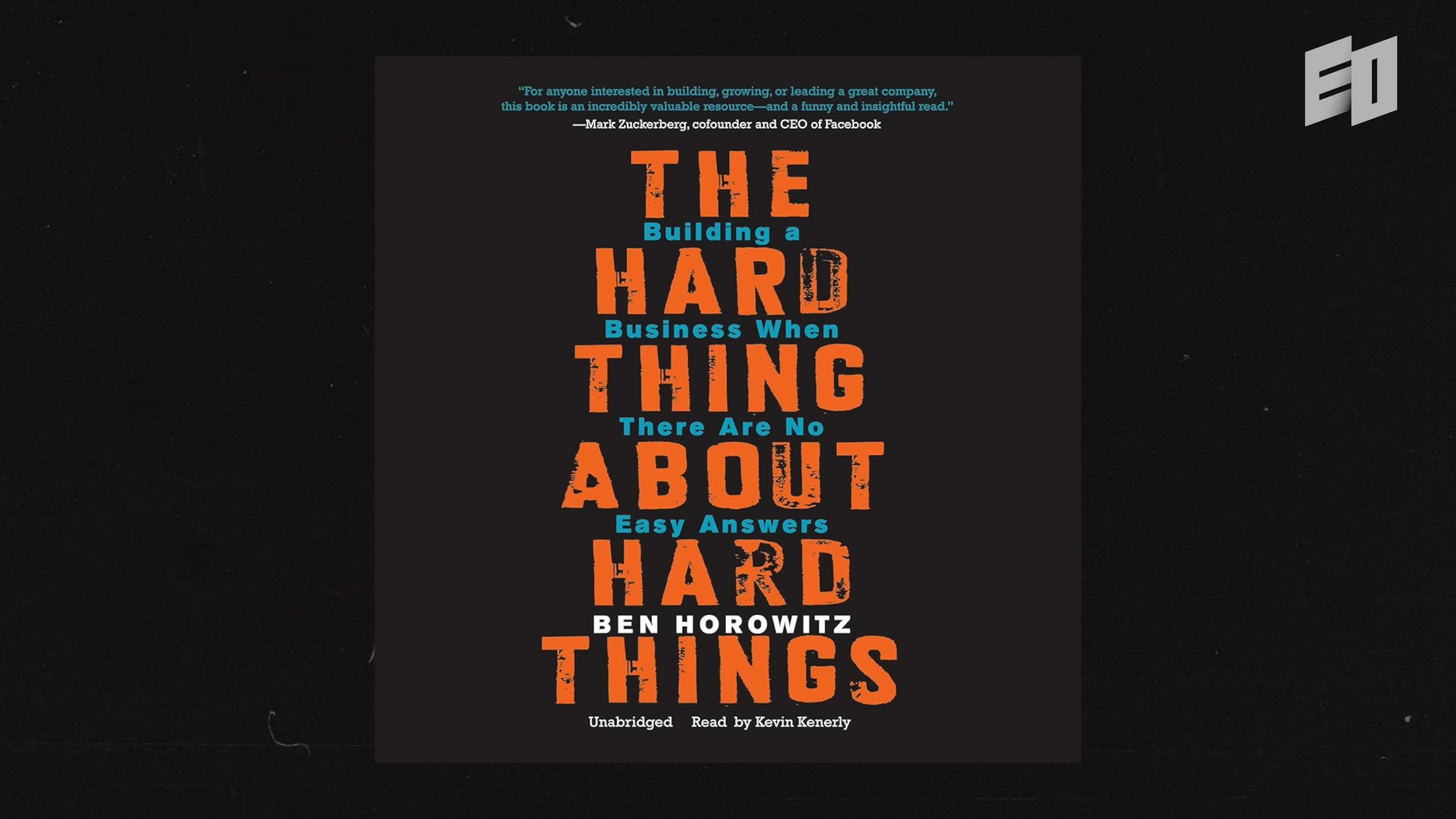
And finally, our success came. We partnered with Salesforce as well as with Oracle for their CRM on demand, and we became the leading quoting tool to complement those CRM tools, and as they started growing we really started growing. So eventually the company was a big success. I think 13 years in it was acquired by Oracle for $400 million, but it was only after many years of struggle and near failure. And I do love the book by Ben Horowitz, The Hard Thing About Hard Things.
What matters more than the intellectual side of a startup is emotional fortitude
People talk about the intellectual side of startups, but I honestly think what makes a great entrepreneur is the emotional fortitude and the ability to continue to persevere through the really tough moments. Letting people go, losing deals, losing people, losing customers. I think when you can persevere through those moments, those are the entrepreneurs that have success.
Turning Point: Finding PMF Takes Longer Than You Think
True product market fit, where all of a sudden it felt like, "Wow, people really want to buy this," whereas the first six years it was always just a struggle. I think the first six years we always missed our sales plan, and I think for me probably the big difference is all of a sudden, like 2007, we started getting inbound demand, and part of this was from the Salesforce ecosystem.
I remember Salesforce started moving up market. I remember one of our first enterprise customers with Salesforce was Ricoh, the big copier and printer company, and I remember Salesforce was competing with Siebel, a CRM product.
But I think the customer told them, "Hey, we will only buy Salesforce if you have a CPQ, a configure-price quote app." Then Salesforce brought us into a deal because we already had the technology at Big Machines. So all of a sudden we started getting this inbound demand from big companies, and they started buying as you start getting inbound, and the deals actually start converting faster than you expect. But that didn't happen for us all the way until 2007.
My co-founder Chris and I, we didn't want to quit on each other. We were best friends from MIT. We'd also recruited some of our friends. So I think that was one motivation. And the other motivation, we did have about a dozen early customers. They were having success using Big Machines online quoting software. They were able to do quotes 80% faster, process orders online in real time. And so we thought eventually the broader market would see it, but we had those classic early adopters.
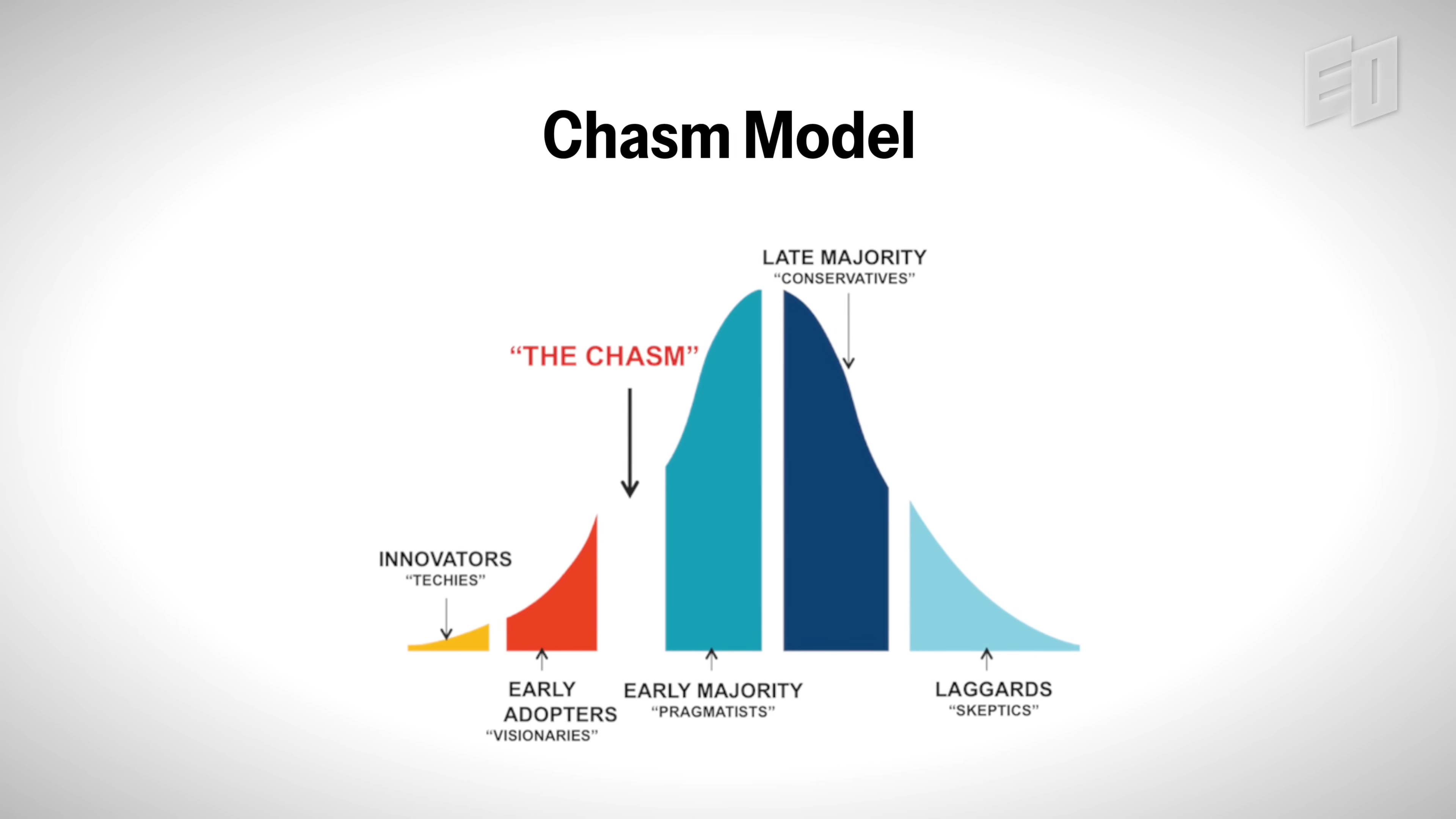
And then if you followed the Jeffrey Moore "Crossing the Chasm," you were just kind of stuck in the chasm. But we had enough early adopters that were having success, so we didn't want to let down our customers, and we thought eventually the market would get to the mainstream, and luckily that happened.
But it was hard those years. A lot of days it was very frustrating, and I think a lot of days I wanted to quit, because I felt like this tremendous burden, like I felt like I was failing every day, for almost six years. So it was really hard, but then in hindsight I'm really glad we persevered, because eventually the demand for the cloud software did come. I think number one from my experience, don't quit, and that's my experience. Usually it takes you longer to get to product market fit than you think.
But if you really believe in your vision and you have some early happy customers, I just say don't quit, because eventually we've always found the market does come. And I think most entrepreneurial journeys, they take longer. I've never been like Mark Zuckerberg, where he coded Facebook and apparently everyone at Harvard used it overnight, and I think that's rare. I know a lot of entrepreneurs, for most entrepreneurs it takes longer than they think. And so I think persevering to me is the number one key to having success as a SaaS entrepreneur.
Building G2: If You Truly Believe in Your Idea, Don't Pivot
Once we first got liquidity, it did feel great. At first it kind of felt euphoric, but then we also had new investors, and honestly, I realized I didn't really love working for them. So I had about a year break, and during that time, at first I was just tired. I was burned out after 11 years of struggle. But then I remember a few months into it, my wife, Stacy, she was like, "Hey, what's wrong with you?" Because I wasn't happy. I'd made some money.
My friends didn't understand, but we bought a bigger house, and my friends that weren't in tech, they're like, "Oh, you should just be happy. You've made money, it's a success, you could retire." And I realized actually I missed it, once I had enough of a break to recover. I'm like, "Wow, I really miss working with my team. I miss having that challenge every day. I miss building." With that realization, I went back, and we started G2. We started SteelBrick, and we've been building new ventures ever since.
It was really the pain we felt when we're building Big Machines, and part of our pain was to get validation. As an entrepreneur it's always hard, why should customers buy from you, why should they believe you, and at that time you had to rely on analysts like Gartner. I remember it took us 9 years to get a Gartner report at Big Machines, not till 2009, took us 12 years to become the leader, and so that was very frustrating. Gartner had exclusion criteria, if you didn't do at least 20 million in enterprise revenue they wouldn't even include you.
So we thought that was obviously bad for the entrepreneurs. We also thought it was bad for our customers, because eventually at Big Machines we signed up big companies like GE for their big turbines, Rolls-Royce for their big turbines. And some of our customers say to us, wow, we wish we'd found you two years ago.
We've been trying to develop the software in house. So we also saw our customers were suffering. They couldn't discover the latest technology, the best software. It was too hard for them to find it, and it was too hard for us to sell it. And that's why we said, wow, if we can create G2, based on real-time peer reviews, make it really easy for software buyers to discover apps, make it really easy for them to buy it. And that's why we decided, let's make it more like internet consumer shopping.
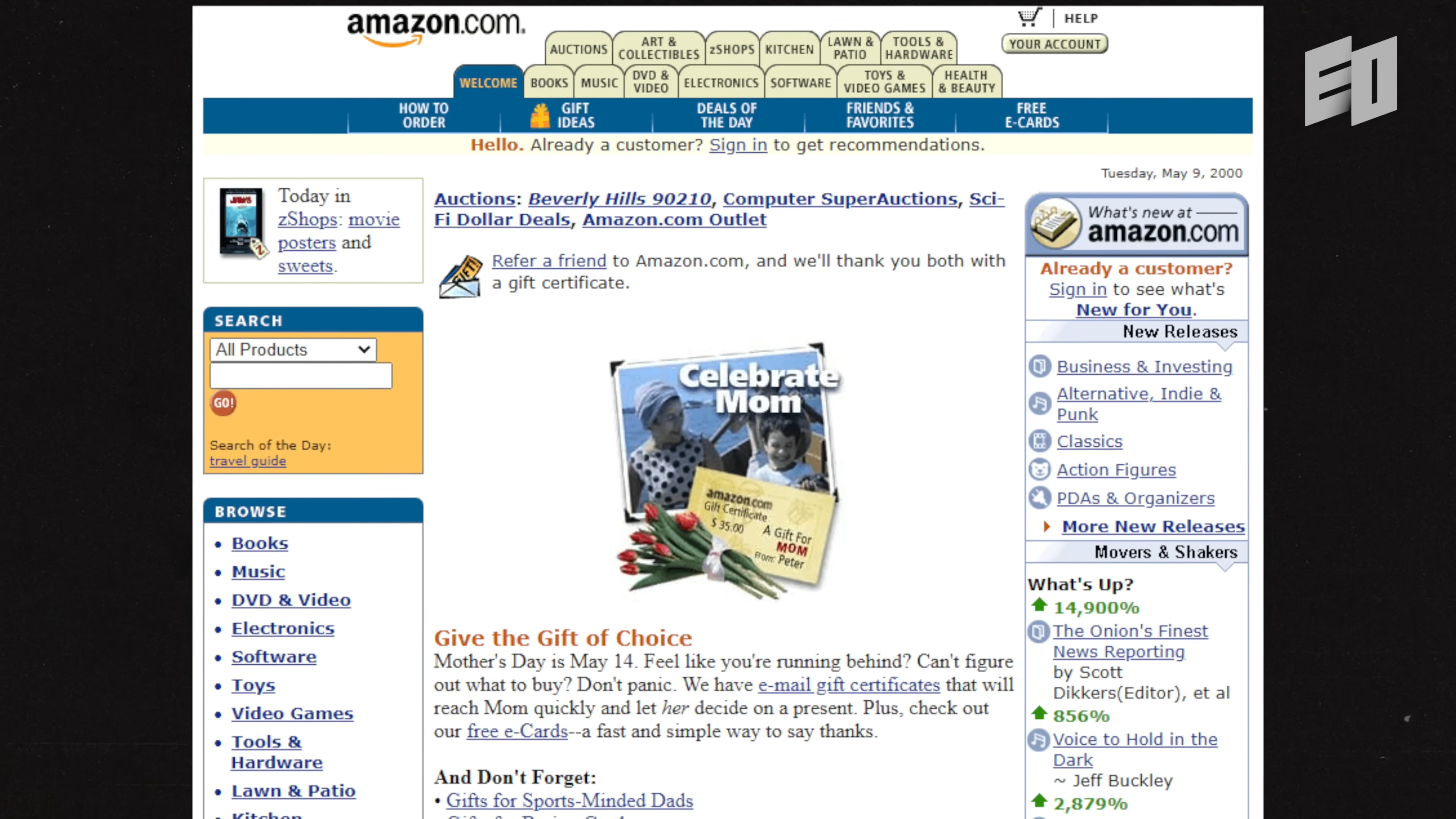
And by the time we started G2, obviously we're all shopping as consumers on Amazon. Anyone in the world can go to Amazon for free, discover products, look at reviews, all of that's free. And then you can easily buy the product, and make it really easy for the best technology to win based on happy customer reviews. That would really make our industry better.
But we really built it for ourselves. It was kind of scratch our own itch. We're like, after struggling to sell enterprise software for over 10 years, we just thought, well, there must be a better way. And that's what inspired us to start G2. G2, it's a term for military intelligence. So in the US military, the general's intelligence staff is called the G2. And in the military, it means give me the G2, give me the quick insight, what's happening in the battlefield. So that was the idea and why we went with the name G2.
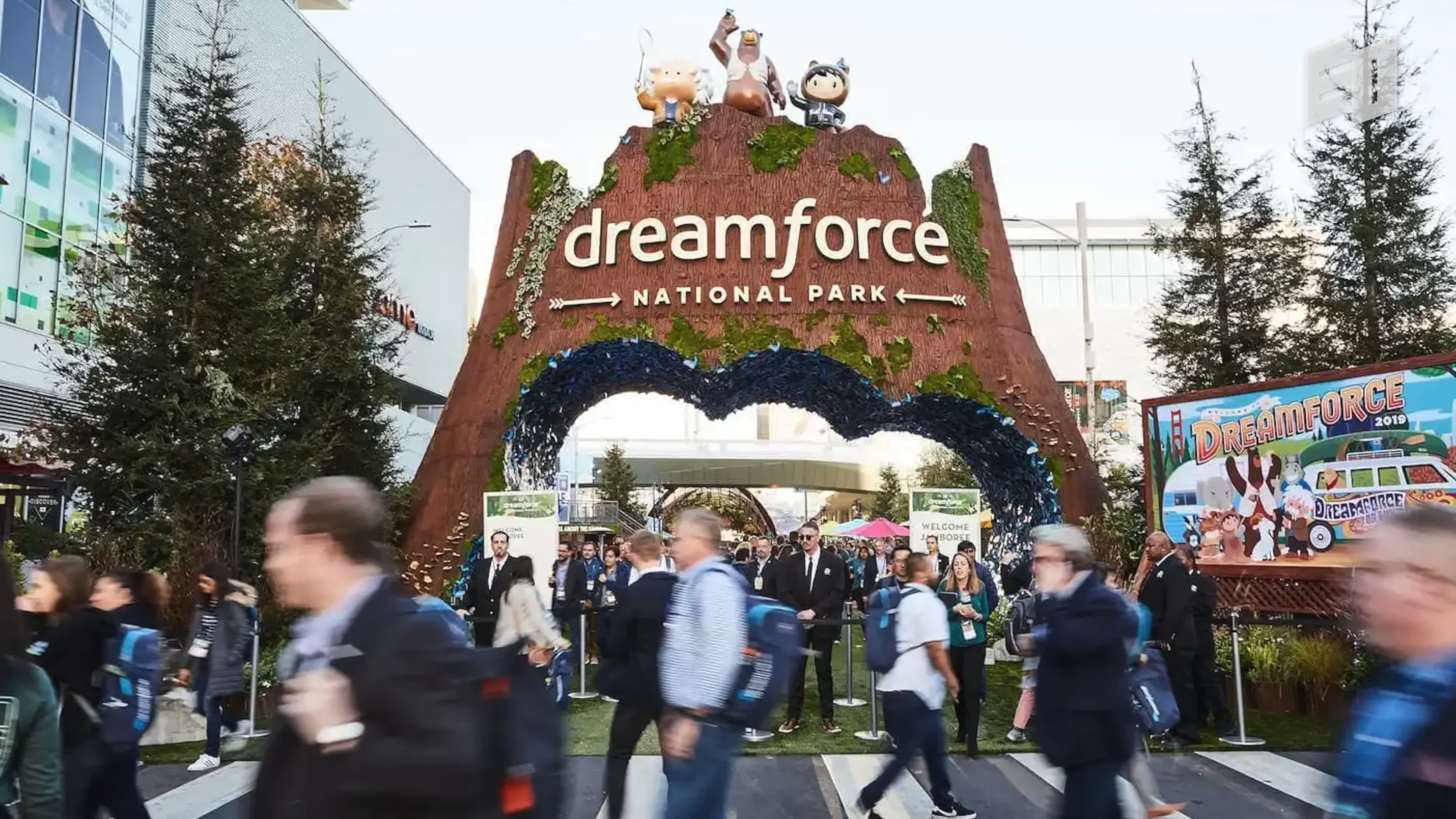
At first, it is really hard to get reviews. So what we did, I remember for the first category, we only did one category of software. We did CRM software because at Big Machines we've been partners to CRM vendors, so we knew that market. And so I remember what we did to get our first reviews, we put up a booth at Dreamforce, the big Salesforce annual CRM conference, and we were just handing out $5 Starbucks cards to get people to write a review of Salesforce or whatever CRM they were using. So it was a very manual effort at the beginning.
But it took actually a couple years just to get that first category going, which actually led us to start SteelBrick, because my co-founder Tim, he was our product co-founder, he kept building G2, and I just said, hey, this is going too slowly for me. I went to go build SteelBrick with our CRO Matt, because frankly we also couldn't generate any revenue at G2, because until we got enough reviews, till we had enough software buyer traffic from Google, we couldn't generate any revenue.
So it was a really hard start, but eventually we also learned how do we tap into people's intrinsic motivations, that they want to share about their software. And then I think it's like a network effect business, once we had enough reviews in CRM and enough traffic, then we started doing products related to CRM, like email marketing, marketing automation. And then once we had a community of users, once they reviewed their CRM app, they could also review their email marketing, their marketing automation.
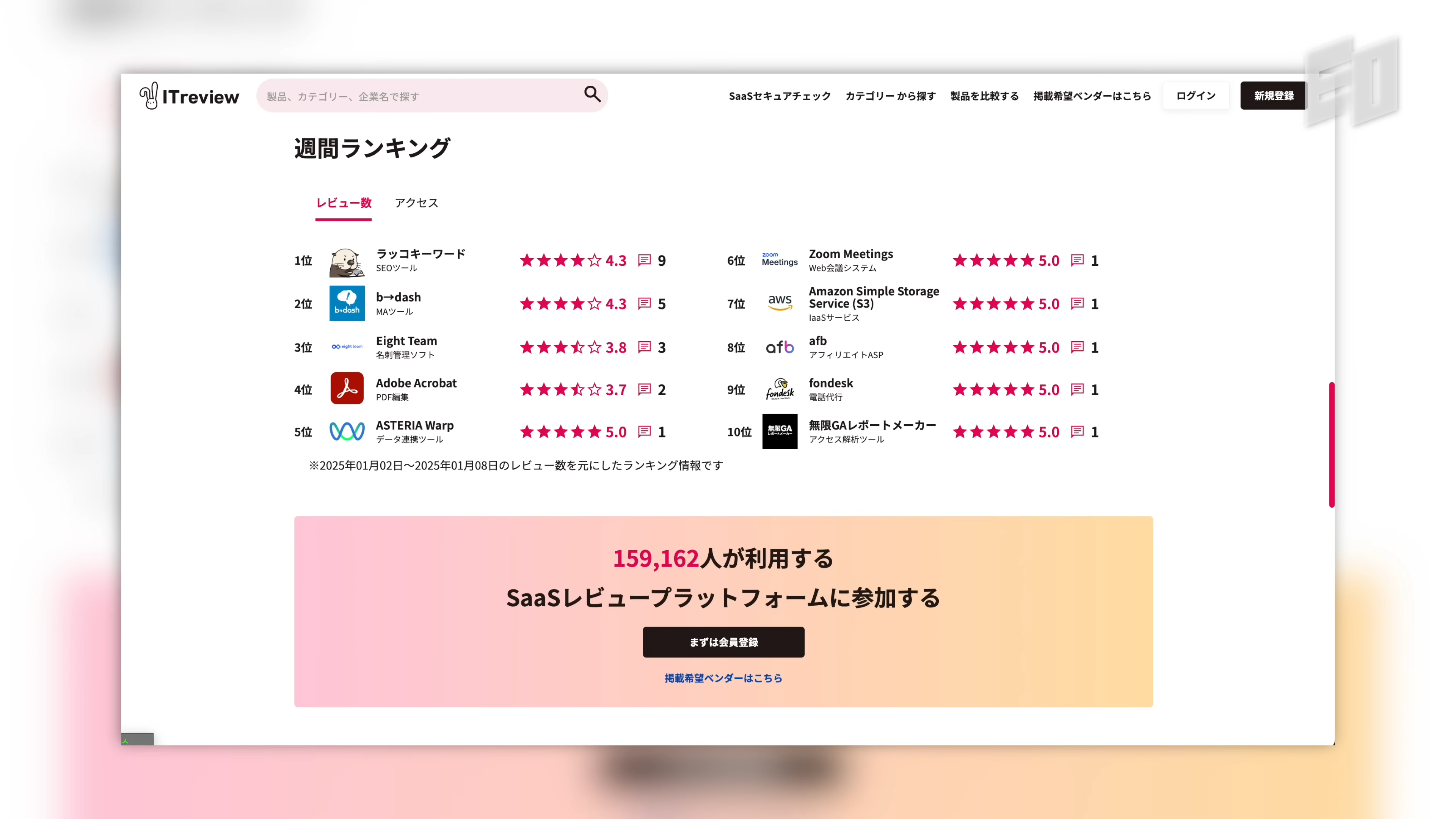
So we kind of started growing in related categories, and then we found some people do love to share their expertise, they want to help other people, and so eventually we got that flywheel going. And now we have over 2.7 million software reviews, and we've also brought it global. We have a partner in Japan now, for example, ITreview.jp. It's a SoftBank C&S company, but we've even proven now that we can do it in Japan. Now we have great review insights in hundreds of categories.
It probably took about 5 years, not only to get the reviews, but then to get enough buyer traffic, and then to really be able to start making money. But I remember to me the turning point was 2017, Accel, a very famous Silicon Valley VC firm, they'd also funded Facebook. But they called us all of a sudden, and they said, wow, all our portfolio entrepreneurs, all the Accel entrepreneurs in their pitches to the Accel partners, they're starting to use their G2 reviews or G2 ratings. And first, I didn't believe it.
I was like, Tim, my co-founder, he got the inbound, and I'm like, oh, some of these VCs just call everybody, they're probably not serious. But then I had a friend, Kevin Efrusy, who was a partner there, and I called him. I'm like, hey, are you guys really interested? And they said, yes.
And that's kind of when I felt like, okay, if the VCs, leading Silicon Valley VCs, are starting to see this, and obviously they want to put in money and we had enough revenue traction, but at that point all of a sudden it felt like, okay, we have product market fit, this flywheel starting to spin.
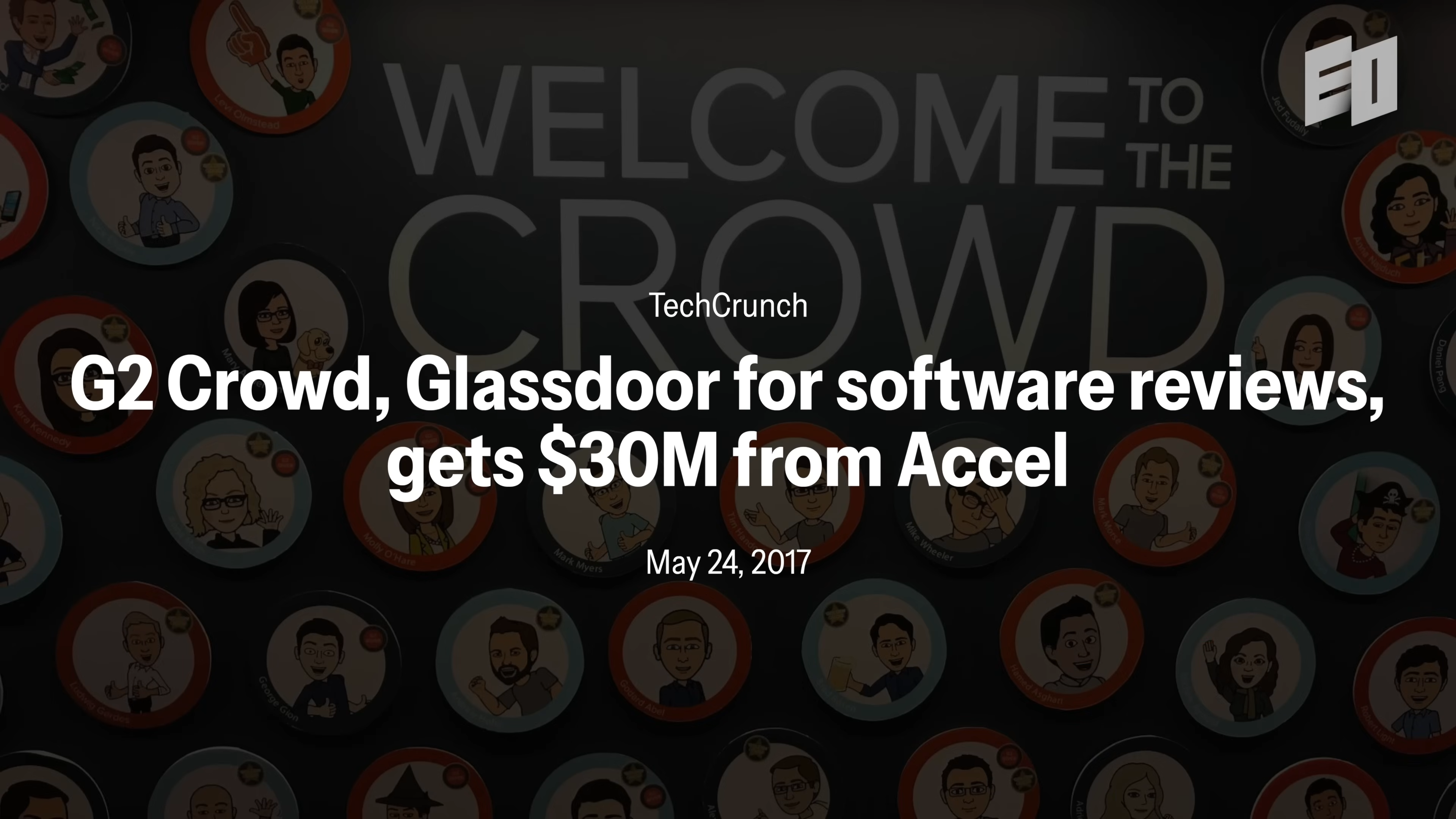
But it took us 5 years, I think, to get there. When Accel invested, we were maybe at 5 million ARR. But then all of a sudden we started doubling every year, and I think we grew very quickly, then grew to 50 million ARR by 2021, and that's when we became a unicorn. But then I think like 0 to 5 took a really long time, and then 5 to 50 it started to happen really quickly, because we had that product market fit, plus SaaS was booming, there were also so many new SaaS products.
I remember we were creating categories like conversational intelligence, and we helped create unicorns like Gong, Chorus, so we started seeing the model really work, where we could help define whole new categories, help buyers discover those new apps and help the vendors win quicker. And so then all of a sudden it became really exciting and fun. I think the challenge of every entrepreneur is at the beginning no one's heard of you, and nobody's heard of your company, nobody knows your brand, and so it's really hard just to get a chance to win customers.
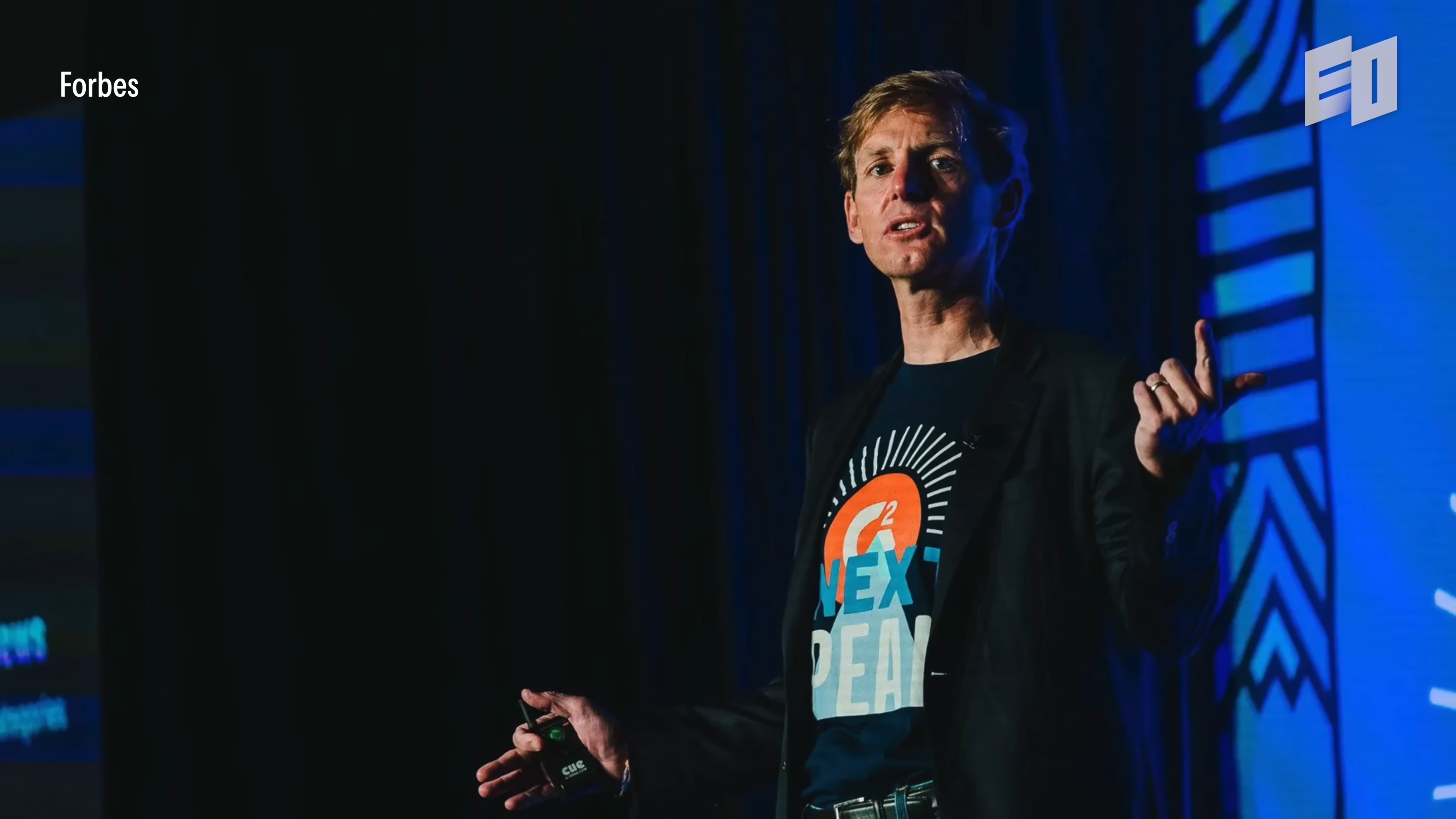
So I think that's probably the number one reason, because once you have good reviews on G2, then buyers will discover you on G2.com, so it can be a very efficient way to generate leads. I think the second big reason is that every entrepreneur needs validation, and that was my inspiration, because nobody wants to wait 9 years to get in the Gartner report.
Now I think we have created this trust badge that entrepreneurs are proud of. So it's also a quick way to validate that their customers love them, that they have a great product. And what's interesting, now we also have VC customers, we have about 60 investors that use G2 data to also figure out which companies they're going to invest in. And so for an entrepreneur now it's doubly valuable, because once you get those badges, once you're doing well in G2, you get more buyers, more customers. That's the most important thing.
But frankly also investors notice, they look at the trends in our data, and all of a sudden they also start getting calls from VCs. And so I think for that reason, and I've always been that software entrepreneur, we built Big Machines, we built SteelBrick, we kind of built it for ourselves, we know what they needed, and it's wonderful now to see it working. Really, anyone in the world can start, and once they get that validation on G2, it helps them prove that they have a great product, and it helps them grow faster. And that makes me really happy.
I consider software entrepreneurs kind of my brothers around the world, and we love helping them validate their success and then grow faster.
Advice for Founders Going Through Their Hardest Moment
I think the first one's the hardest, and maybe it's also like parenting, if you have kids, I think the first kid's always the hardest because you don't know what to expect. And it's still hard and challenging, but I think now I feel like I have more perspective. Like one, I'm really choosing to do it. I love building companies, I've realized that, and I love the challenge. Even when we have the lows, and we still have them, you lose a customer, you lose a deal, you lose an employee, it still feels really terrible.
But then I also know that for every low there's a high. You win a new deal, you recruit somebody amazing, you get to a liquidity event, and I've kind of realized that the highs don't come without the lows. When I'm not doing it, I miss it.
So I think that's why we're still building companies now, 25 years into it. You really have to believe in your own vision and really believe that what you're building is going to make the world better. And I do think also in B2B SaaS, it really has to be an idea where you have founder market fit, where you really believe, and it's a pain you felt.
And I was like with G2, right, we felt the pain so severely because it took us so long to build Big Machines, so long to create product market fit, where we wanted a solution like G2 to make it easy for our customers to discover us, make it easier to grow our business. And so I think really believing in your idea, really believing in your vision, is what allows you not to pivot too quickly. I think most SaaS entrepreneurs, probably at a minimum typically it's 2 to 3 years to get to real product market fit.
So you also just have to have that mindset, like, "Hey, it's going to take a long time," and your pivots are probably smaller, you're optimizing within the product, within your vision, versus completely scrapping your vision. So the right time to pivot, and honestly most of my companies we've stuck to the founding vision, and most of the optimization, there's a thousand details to bring that vision to life.
Like at G2 we did thousands of optimizations to improve review conversion, but we never shied away from the idea that reviews were going to be critical to help software buyers and sellers connect better. So to me it's, if you really believe in your vision, I would never pivot.