May 21, 2023
We helped 100m job applicants across the world
Interview with Keith, CEO of Fountain
Founder Focused

0:00 / 0:00
💡
At a Glance
- Who: Keith is the co-founder and former CEO of Fountain, and Sean is the company's CEO. Keith started the business shortly after college, while Sean first encountered Fountain as an early customer and later became an angel investor before taking over as CEO.
- What: Fountain builds hiring technology for hourly and frontline workers, helping large organizations manage high-volume recruiting more effectively.
- Traction: The interview says Fountain customers hired almost 3.5 million people around the world in the prior year. The company also raised $185 million in the preceding 18 months, including an $85 million Series C led by SoftBank and another $100 million from B Capital.
In this interview, Fountain's leaders explain how the company pivoted from employee training to high-volume recruiting after customers repeatedly described a more urgent hiring problem. They trace the relationship from Sean's experience as an early customer and investor to his eventual CEO role, and describe how the skills required to take a startup from zero to one differ from those needed to sell into large enterprises. They also discuss international expansion, the changing job of a CEO, and why keeping money in the bank comes before every other responsibility.
Key Takeaways
Listen for the Pain Customers Repeat
Keith's original product focused on employee training, but prospective customers repeatedly described a more urgent problem: recruiting and managing large hourly workforces. The team followed that demand and pivoted into high-volume applicant tracking. The new direction matched the rise of on-demand companies that needed to hire many workers quickly.
Speed Built Trust With an Early Customer
Sean first experienced Fountain as a customer and gave the founders direct product feedback. When the team built requested features within a couple of hours and showed them back to him, he became interested in the company beyond the customer relationship. That responsiveness was part of what motivated him to become an angel investor.
Every Growth Stage Requires a Different Skill Set
Fountain's leaders describe each revenue range as a distinct challenge, from $100,000 to $1 million, $1 million to $10 million, and beyond. The startup had proven itself with fast-growing gig companies but eventually needed enterprise capabilities to reach the next market. That recognition helped trigger the CEO search.
Leadership Transition Works Better With Context
Sean already knew Fountain's values, mission, team, challenges, and customers before becoming CEO because he had been close to the company for years. That continuity made the transition easier for both him and the organization. He then went deep on the technology and product to understand the business from the bottom up.
The CEO's First Job Is Keeping the Company Alive
Sean describes the CEO role as moving from doing individual tasks to motivating, directing, and coordinating the organization. Strategy and hiring remain critical, but none of them matter if the company runs out of money. In a harder fundraising environment, that can mean more creativity, longer timelines, and a greater emphasis on profitability alongside growth.
Watch the full interview now on EO's YouTube channel! Below is the complete transcription of the interview. Minor edits have been made for clarity and readability.
Introducing Fountain and its mission
Sean Beyer: I'm Sean Beyer. I'm the CEO here at Fountain, internet executive and entrepreneur. There's no shortage of HR technologies available for customers, but most HR technology is focused on knowledge workers. Fountain is the exact opposite. Fountain is focused on the hourly worker, the blue-collar worker, the people who have generally been underserved by technology.
And we help large organizations hire those workers more effectively and more efficiently with a frictionless experience. The number of customers we have continues to grow. Last year, customers hired almost 3.5 million people around the world. In terms of our venture capital fundraising, just the last 18 months, we've raised $185 million. We really believe in investing in technology that can make a difference in this frontline workers' life and the business of our customers.
Chapter 1: How we start
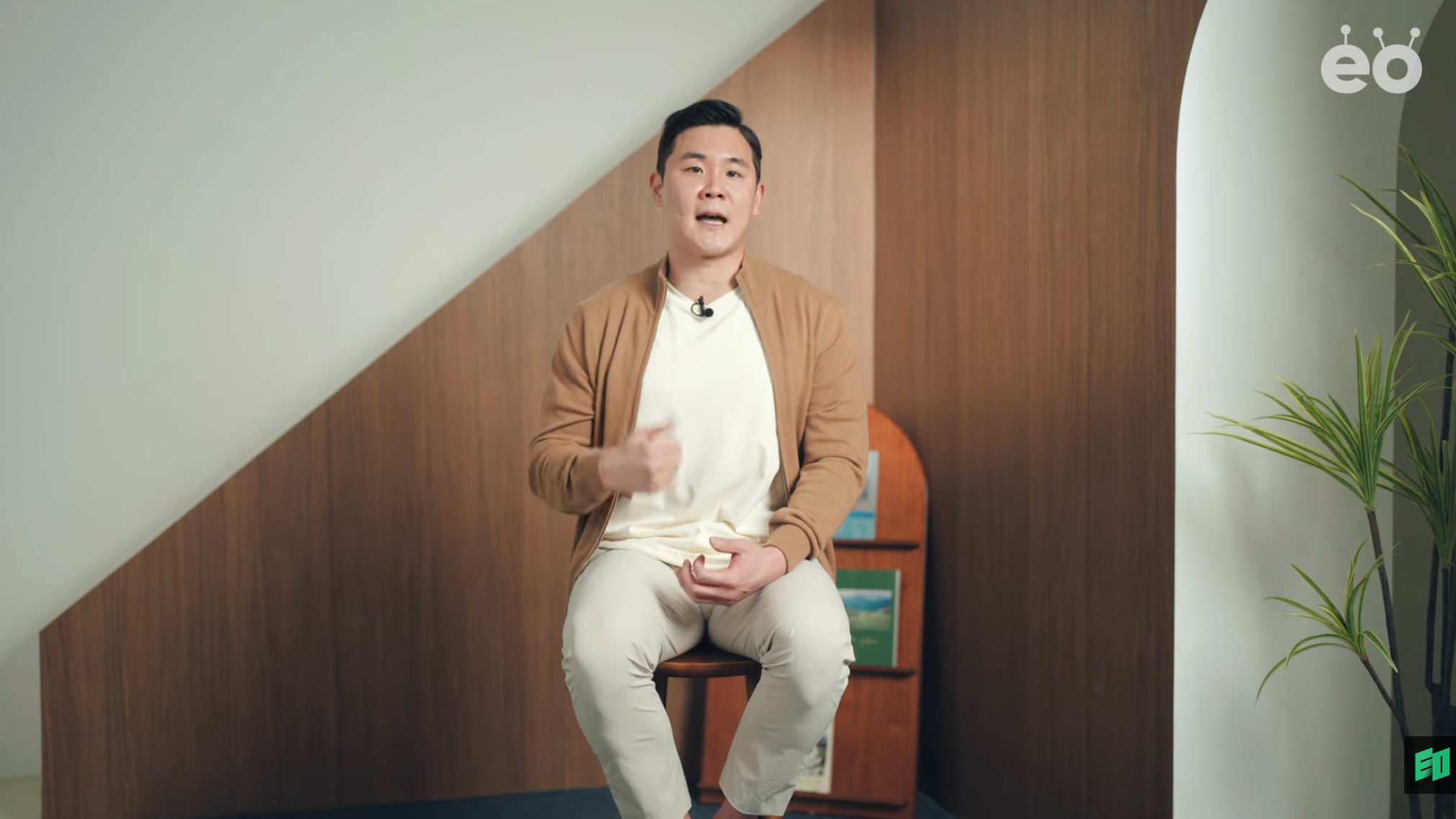
Keith Ryu: Growing up, I always had a lot of frustrations with just generally technology and the way that the world kind of worked. I'd always think, why does this work this way? Freshman year of college, there was a movie called The Social Network that came out, and after watching that movie, it became clear that just college kids with just a laptop and an internet connection could really make a big difference.
I think that's what really motivated me and gave me that confidence to work on my own business, even as a college kid. And so I was working on a project at the time called Onboard, which was a self-learning educational platform where the idea was that I like to learn things online by myself, whether that's online investing or computer programming. But as a beginner, my biggest problem was that I didn't really know what I didn't know. And the feedback that I got at the time was a lot of small business owners came up to me and said, We're small, so we don't have the time or the resources to develop our own content, so we rely on existing materials, but it's a very haphazard process. I don't know if my employees have completed this training process, and each time it's very hard for me to keep that updated.
So can you guys build some features where I can assign these tasks and these curriculums to my employees? At the time, we said, Yeah, sure, that sounds like a pretty easy change. That's what I was working on for the last two years of college. And in 2014, when I graduated, I moved out to San Francisco to sell that product. We had one paying customer that was paying us $50 a month, but I didn't really have any sort of cash saved up. And so I called my parents. They said, Here's $5,000. Take this, go out there, and make sure that you have no regrets. $5,000, while that is a lot of money, doesn't really last you that long in San Francisco.
First year and a half, I was living with a random 80-year-old lady in a one-bedroom apartment that I found online, and she was living in the living room. I had my small kind of attic room, and that's basically the first year and a half. I was very happy that I was in Silicon Valley, meeting like-minded individuals.
We were close to our potential customers and customers, and it was just a very fun experience for me at the time. I was looking through TechCrunch, seeing which companies got funding, reaching out to them. You guys are probably going to hire a lot of New employees soon. Can we help out with your employee training? And a lot of them said no at the time.
But we have this other pain point around having to hire and manage this large hourly workforce. What they told us basically was, first of all, it's hard to find a lot of these hourly workers, and we're competing against all these other companies. Even after we convinced them to show up, only half of the people that said they'll show up to these interviews actually show up.
So no-show rates were a very big issue. And this is around the time that Uber and Airbnb and DoorDash and all these on-demand companies were coming into the market. And this created a completely new set of challenges around having to hire a large volume of hourly workers. And so at that point, we basically pivoted the company from an employee training platform to applicant tracking system that was designed for this high-volume, high-velocity type of recruiting.
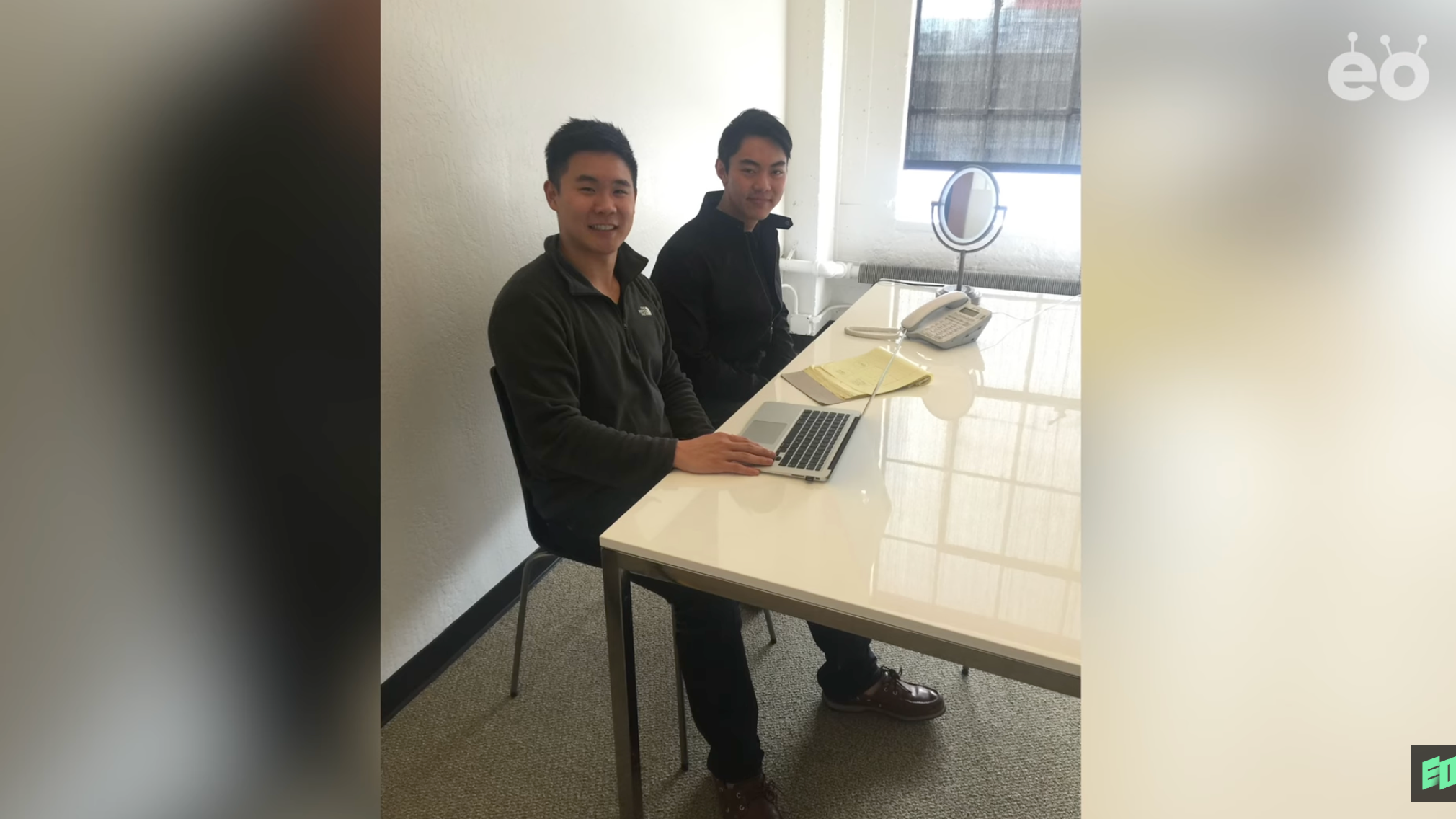
Keith Ryu: We had a really hard time fundraising. I was 22 years old, and my co-founder Jeremy was 19. And we both didn't come from an Ivy League background. We both weren't engineers.
It really took us a long time to actually get that first yes. But we were lucky enough that a lot of our initial customers were on-demand gig startups, which meant that they also raised capital from VCs.
It really took us a long time to actually get that first yes. But we were lucky enough that a lot of our initial customers were on-demand gig startups, which meant that they also raised capital from VCs.
Once we got the customers on board, we would get their CEOs and the other co-founders to invest in us as an angel, and then they would introduce us to their VCs.
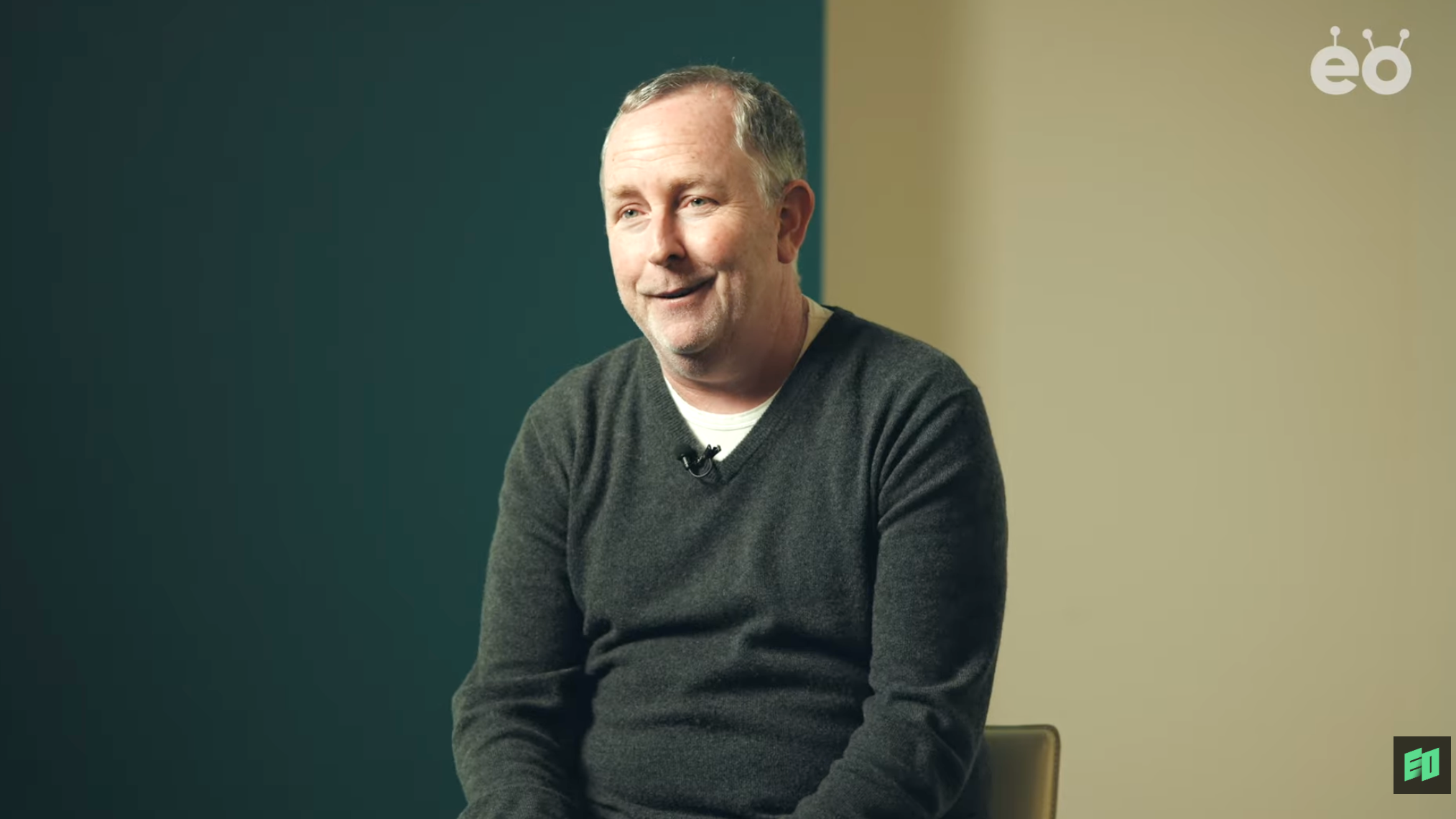
Sean Behr: I was the first angel investor in Fountain. As proud as I am right now of Fountain, there was a day when it was two or three people with an idea and a product that barely worked, that was being developed in real time with almost no customers, and I decided to invest in that company. What was it about that day? Something about what the founders at Fountain were doing made me super interested in being an early, early, early investor in the company.
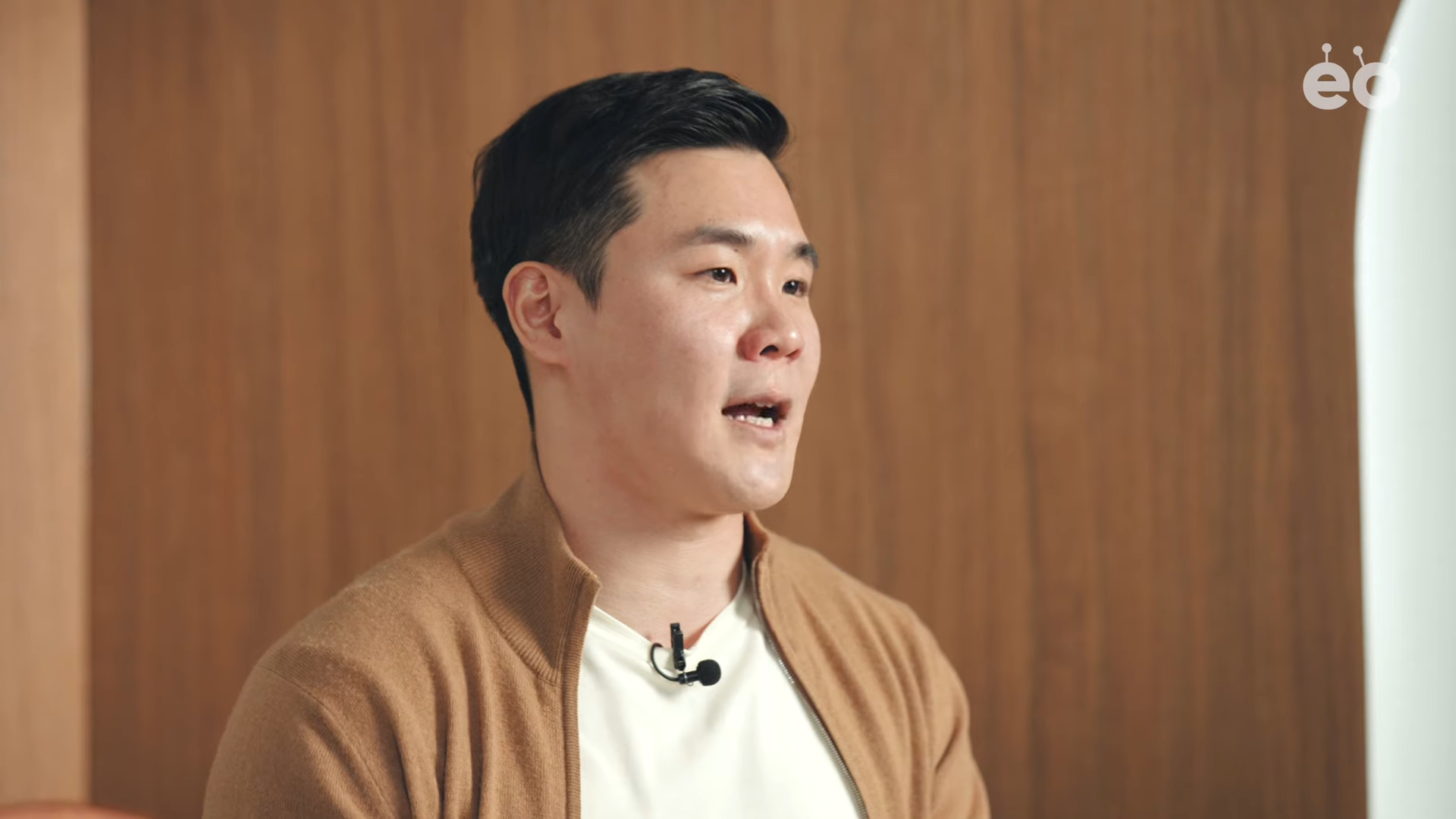
Keith Ryu: Sean at the time was the CEO of a company called Zerks, which was an on-demand valet service. Because he was a customer early on, he understood the pain points exactly. He saw the pain points firsthand, and he worked with our team as a customer first. He got to see the insidings. The product wasn't perfect. I think Sean saw that, and so he gave us feedback. You know, we borrowed a conference room two to three hours. We built some of the features that he had requested. He had requested it, and then we called them back and said, Hey, you had asked for these features. We delivered on it. Is there anything else?
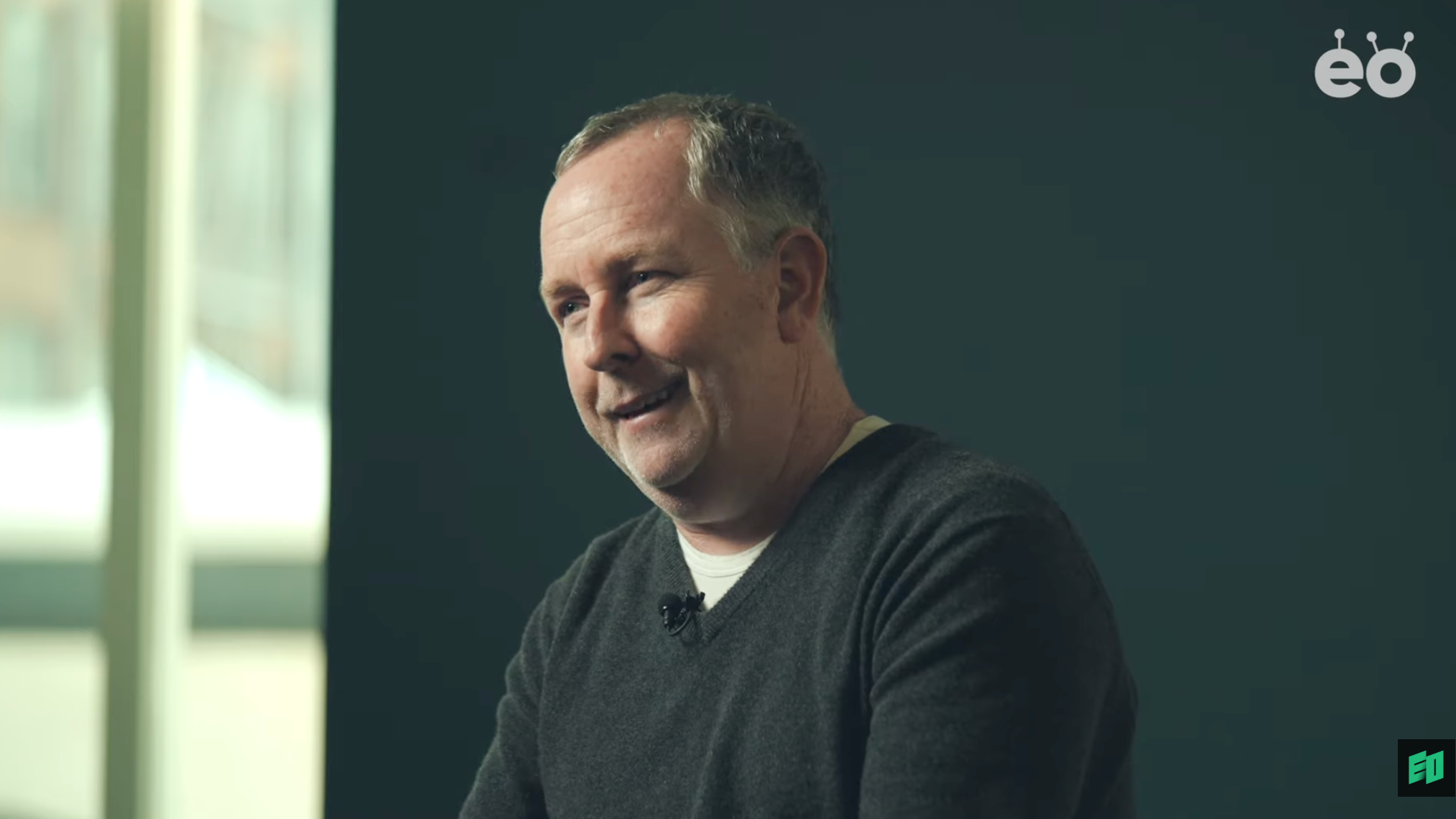
Sean Behr: They showed me the idea that I had talked to them about in the product, and I was like, Wow, we talked about this thing, this new page, and in the last two hours, you guys built it.
I think this is a team I want to be more involved with. I said to them at the end of that session, I said, If you ever decide to raise money, consider me interested. It was a week later or a day later or something like that, they called, and I wrote a very small check to help fund the company.
And a number of years later, and $225 million later, we've helped three and a half million people last year get a job, 225 great fountaineers around the world. Pretty amazing to see from initial moment of, This is a team I want to be involved with, to here we are today.
Chapter 2: React to the moment
Sean Behr: In every startup, you hit moments where you have to completely rethink where you are. And if you're not willing to do that, it's going to be really tough. And how you react to the moment is as important as the moment itself.
Like all startups, it goes through periods of incredible growth, incredible product progress, and then periods of slower growth and slower product progress.
Like all startups, it goes through periods of incredible growth, incredible product progress, and then periods of slower growth and slower product progress.
And Fountain's no exception to that. Neither is any other startup of the 20 that I've invested in. They've all had similar trajectories over time. A hundred thousand to a million is incredibly difficult. One million to 10 million is incredibly difficult. 10 million to 50 million is incredibly difficult. They require different skill sets. They require different areas of focus.
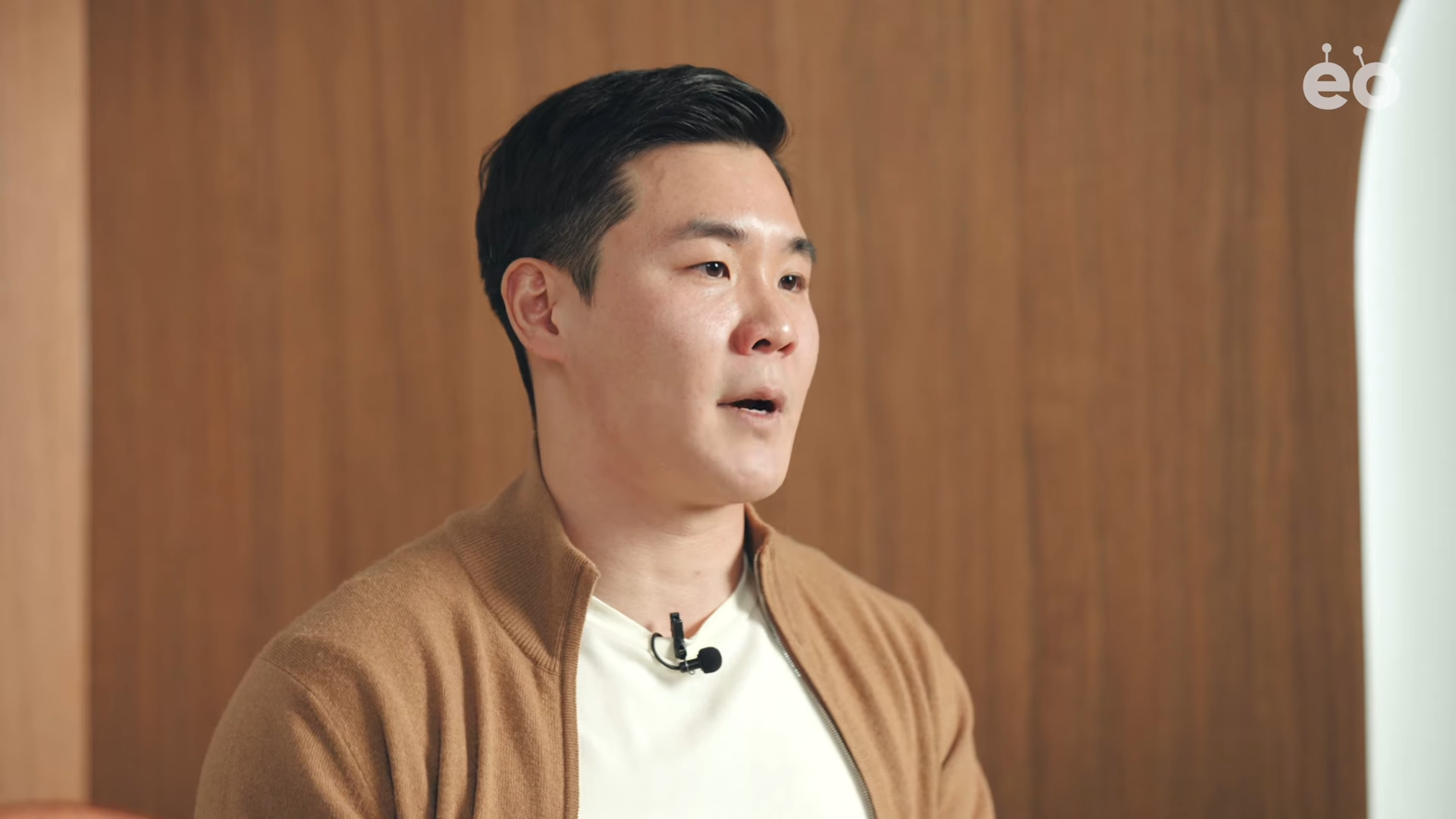
Keith Ryu: So when I look back at Fountain, we always had this question about market size. That would be the number one reason why investors would say no to us. You know, we did a great job finding customers in the on-demand gig space, but we always knew that we would run out of customers eventually. And so we needed to make the shift from this startup cohort into something else. After a while, it became clear that we had to go through this enterprise phase.
At that time, I felt that the skill sets involved in going after enterprise customers is a very different skill set than building your product from zero to one and selling it to startup companies. I think this was around the time that we realized a leader with an enterprise motion helped us take us to the next level, and that's how the CEO search kind of started. When we were doing our CEO search, there was only one person that really understood the mission and the company from day one, and that was Sean.
And luckily for us, he embodies the culture and the values that Fountain had just because he was so close to the business from day one.
Sean Behr: Keith and I wrote the values together. I knew the vision. I knew the mission. I knew the team. I knew the challenges. I knew the opportunities that made the transition to being the CEO easier for me, and I think easier for the team.
Sean Behr: I became the CEO at Fountain right in the middle of COVID. It was a challenging period in the overall macroeconomic picture. We definitely saw big changes. There were areas that experienced incredible growth prior to COVID: warehousing, transportation. Transportation logistics business was relatively small. During COVID, because everyone was ordering packages online, that part of the business exploded.
We got more customers, people who needed delivery drivers and warehouse workers and ship loaders and package loaders. Those parts of our business exploded in COVID. So this period of time has been a growth period for us. We brought on SoftBank as our Series C lead. That was an $85 million investment. We brought on B Capital as our Series C1 investor, and an additional $100 million in capital. And we entered a period of what I would call kind of rapid growth.
We've really expanded the company. Half our business is outside the United States now. Because the vast majority of blue-collar and hourly workers exist outside the United States, the population around the world is in the billions. The thing we've been fortunate about is many of our customers are large organizations who have operations both in North America and in Europe or in Asia.
They see the benefits of using Fountain in Europe, and they want to expand. And so it's actually been our customers that have been the ones to encourage us, hold our hand, and bring us to new markets, to have our companies hiring people in 77 countries around the world and in 35 different languages. We continue to believe, given the scale of workers outside the U.S., that the opportunity outside the U.S. is as big, if not bigger, than the opportunity inside the U.S.
Chapter 3: Perspective of CEO
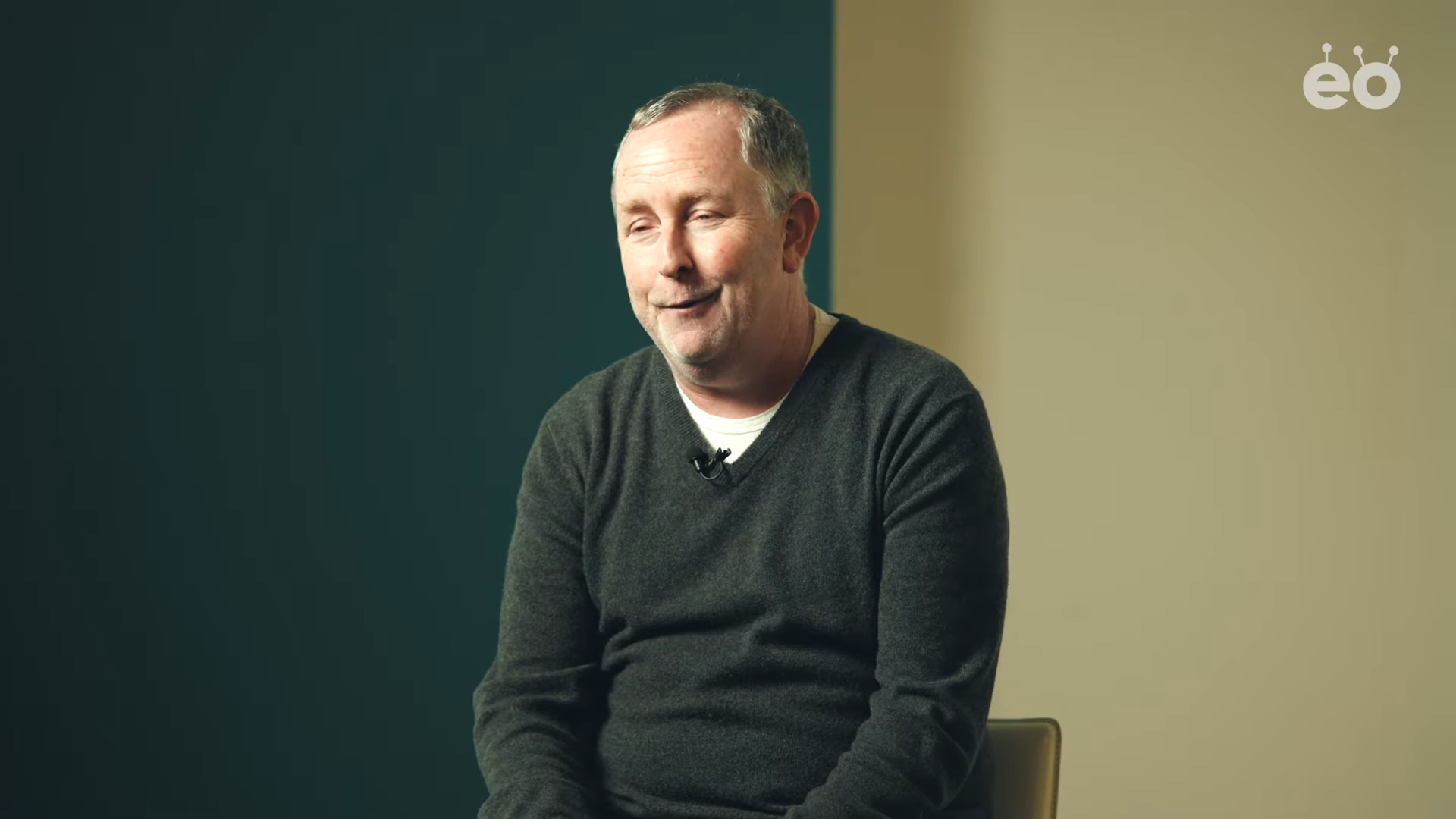
Sean Behr: Being a CEO is, it's an incredible job. I hope to get better at it every day. A couple of things that I did that I think were helpful. One, I really spent time with engineers, product managers, and designers, with an engineer trying to understand how our technology worked, how it interacted with our partners and our vendors, with our customers, and trying to become an expert in that world.
The only way I knew how to do it was to go really deep, going almost to the bottom, the basic levels of the technology and what it does, and then only from there building up to understand more and more about how it works, how it interacts. And I think as you do that, as you spend more and more time immersed in that technology and in that conversation, you become better and better at understanding how it works and what you can do with it.
When you're a CEO, all of those things are done by other people. You're not building your own financial model. You're working with a team of people to build a financial model. Maybe working in Salesforce.com, but you're not the one actually working in Salesforce.com. You're consuming data. So it's a transition from being a very big doer of tasks to somebody who is trying to motivate, encourage, and direct a company around where they need to go. Number one job of the CEO is make sure the bank account doesn't run out of money.
Everything else, including strategy and hiring, which are so important, come after the fact of making sure you have money in the bank. This is going to be a challenging time for lots of entrepreneurs over the next 18 to 24 months. The world of fundraising and the capital markets and the macroeconomic environment have shifted pretty dramatically over the last two years.
And it's made it so that maybe this era of being very easy to raise money and easy to get investors has changed to a world where it might be more difficult to get investors. And so it may take longer. It may take more creative solutions. It may make some companies have to pursue profit over growth, or at least some measure of profit in addition to growth, instead of kind of what's characterized the last 10 years, which has been And growth, growth, growth, no matter what.
Chapter 4: Biggest opportunity
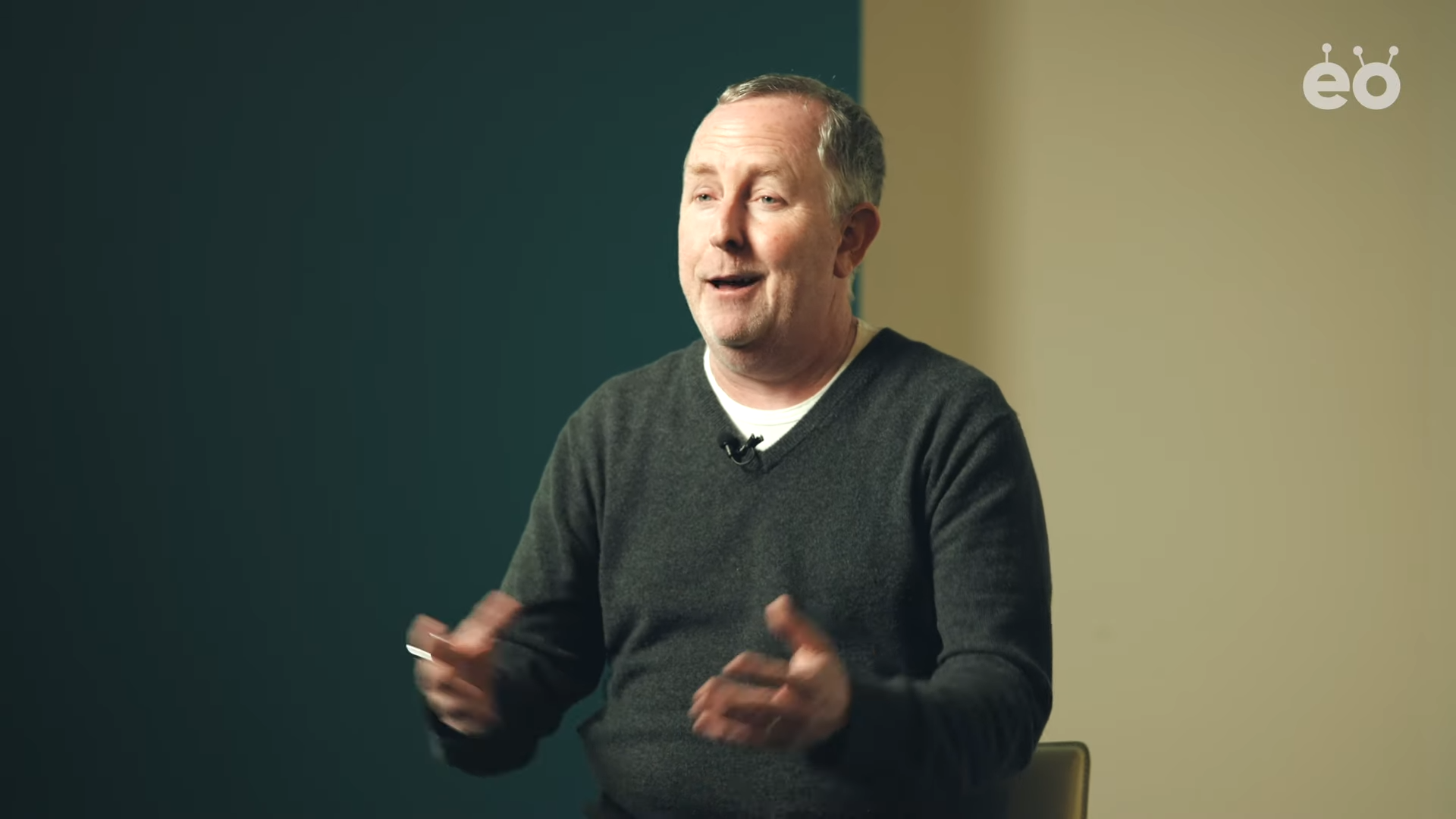
Sean Behr: There's something unique about building software that has people get a job. It's actually a tangible thing for a human being in the world. Of all the companies I've ever been involved in, Fountain has the biggest opportunity to be a global public company. We believe that opening opportunities for the global workforce is a worthy endeavor, a profitable, worthy endeavor.
That's the future for Fountain. I don't know how many years it'll take. Will it take three years? Will it take five years? Will it take 10 years? But I know that it's a worthy journey, and it's a journey worth going on.
That's the future for Fountain. I don't know how many years it'll take. Will it take three years? Will it take five years? Will it take 10 years? But I know that it's a worthy journey, and it's a journey worth going on.