Dec 30, 2023
When $100M Business Ownership Ends a Friendship
Interview with Jundhun Song & Yeiri Kim, Co-founders of CUPBOP
Founder Focused
💡
At a Glance
- Who: Jung Song, Yeiri Kim, and Dok Kwon are the co-founders of Cupbop, an Asian street food brand that grew from a single food truck in Utah into a $100M business.
- What: This episode covers how blurred lines between ownership and management, and a weekly shareholders meeting that operated like a management team, set the stage for a two-month campaign that ended in CEO Jung Song's firing.
- Traction: Cupbop scaled from one food truck to a $100M brand before three of its own partners attempted a boardroom coup against its CEO.
Have you heard that Asian street food is famous in Utah? Today's story begins with a food truck and unfolds into the tale of Cupbop, an Asian street food sensation. However, do you know there's a lot behind their success? CEO Jung gets fired from the $100M food truck brand he built.
Key Takeaways:
Being an Owner Doesn't Mean You Have a Job
Dok drew the line early: he could be an Apple shareholder without ever working there. Cupbop's original partners couldn't accept that distinction, and kept demanding a say in every daily decision because they held equity.
Wall Street Paid in Millions. Cupbop Paid in Belief.
At Goldman Sachs, Dok wrote research reports on a deadline. At Citadel, he was handed $300 million and told to go make money, then he walked away from both to join a food truck brand because he believed in the team more than the bonus.
Get Partners: Get Married in Business
Jung's advice on choosing a co-founder is blunt: think it through as deeply as a marriage, and think again. If your partner isn't the right fit, he says, every hour becomes hell.
Misaligned Incentives Break Partnerships Before Contracts Do
One partner wanted to reinvest every dollar into national growth. Another wanted to keep drawing dividends and a salary without competing against the employees he'd trained, and that single gap in incentives is what split the company apart.
The Coup's Real Wound Wasn't the Firing, It Was the Betrayal
Three partners spent two months building a case with an outside attorney before voting Jung out of the company. What broke people internally wasn't the vote itself, but discovering how long the plan had been hidden from them.
Watch the full interview now on EO's YouTube channel! Below is the complete transcription of the interview. Minor edits have been made for clarity and readability.
From Wall Street to a Food Truck
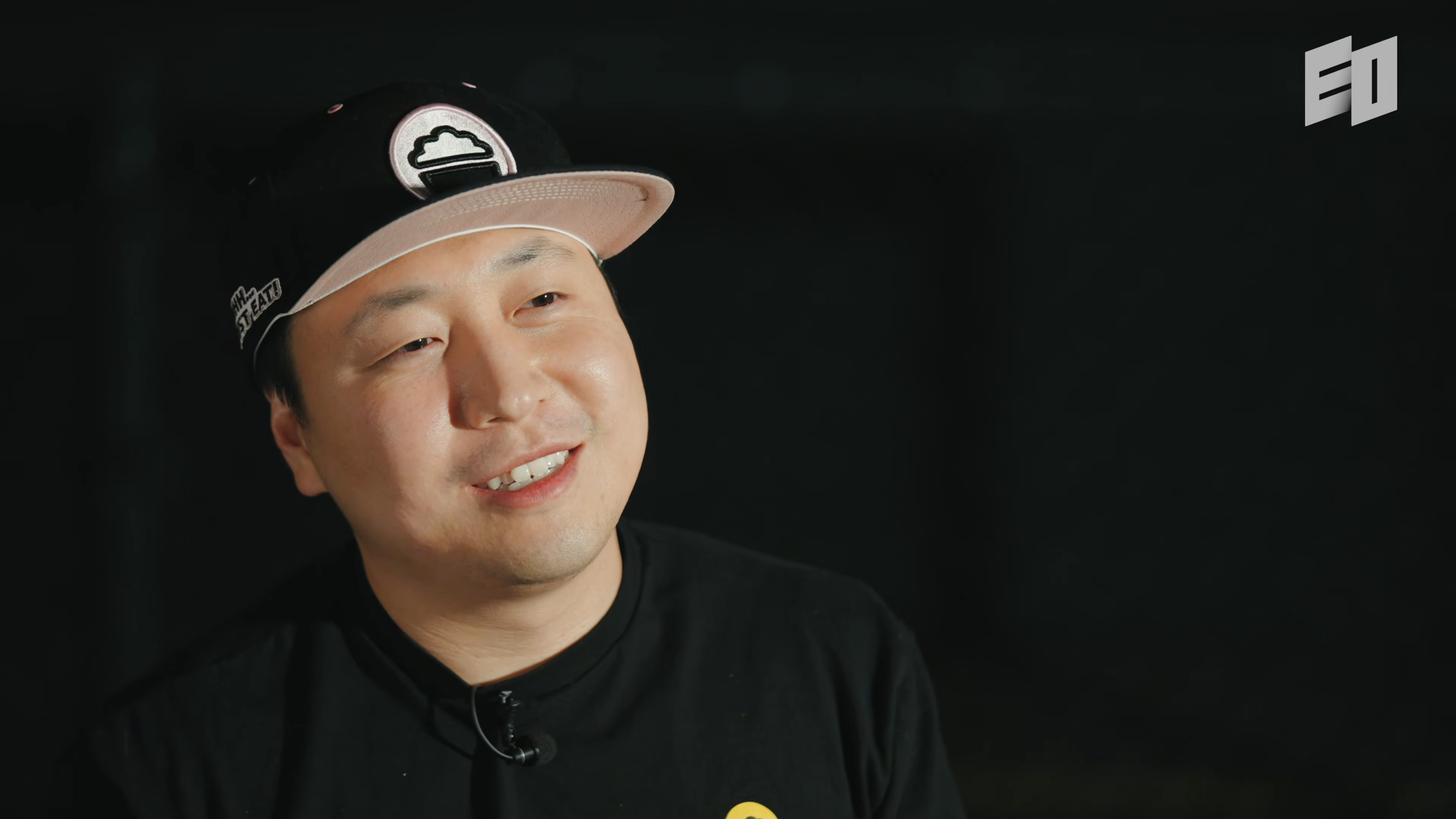
Dok: I came to the States when I was 11. I was born and raised in Korea. A bit of a crazy story. My family came on a vacation to the States when I was 11, back in 1999. We toured the West Coast, did all the national parks and everything. We were all supposed to go back. Actually, my parents sat me and my brother down: oh, by the way, we're leaving tomorrow, you guys are not coming back with us. That's how I got to the US and just started living here. I didn't really know what was going on. I remember, the day before my parents flew back, they also bought me a game. Even when my parents were leaving, I didn't quite comprehend what was going on at the time. I was just like, hey, see ya, I'm gonna go back to playing my game.
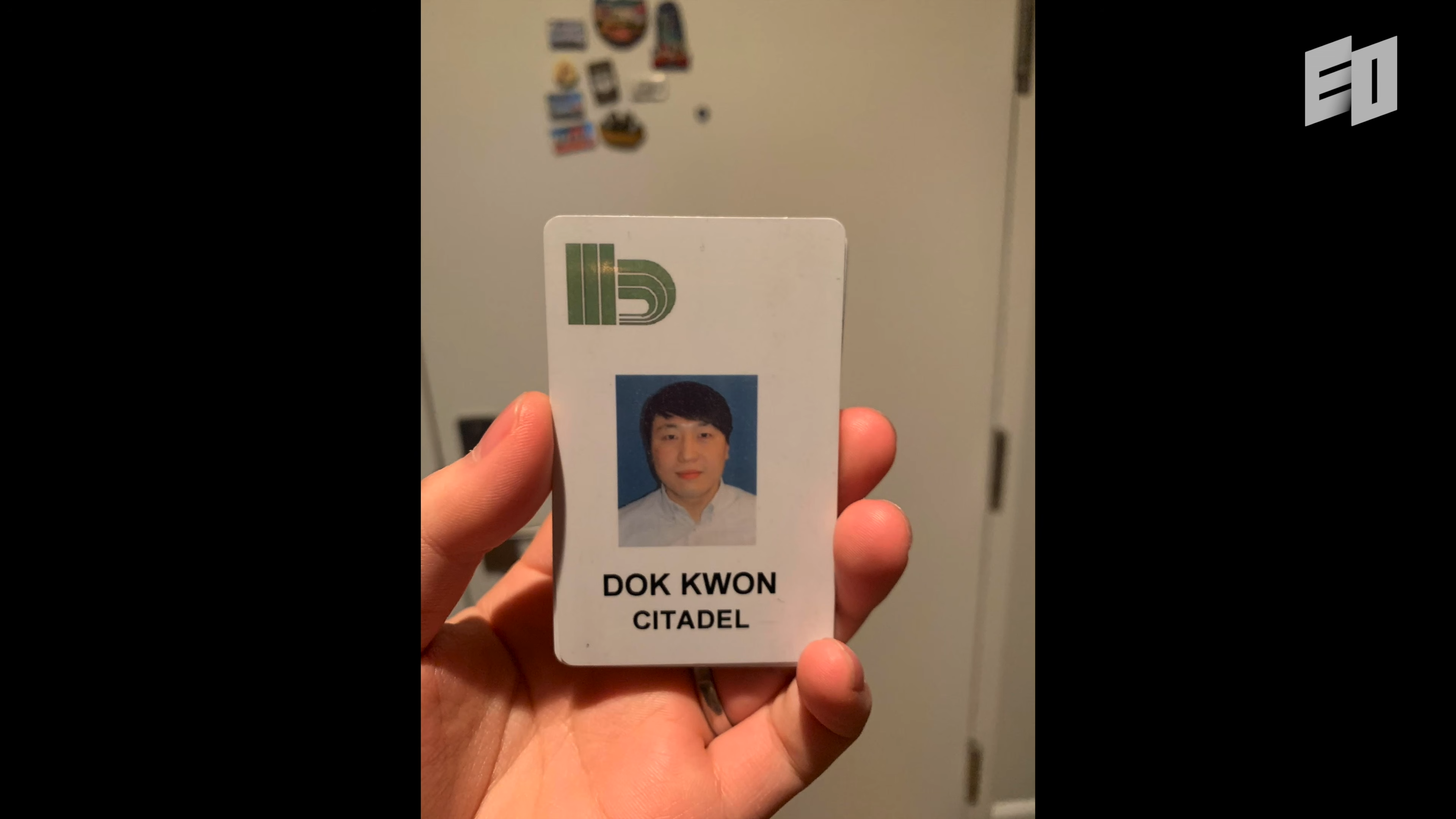
Prior to Cupbop, I was in finance for a number of years. I started off at Goldman Sachs as an equity research analyst, where I spent about two and a half years. After that, I became an investor at a hedge fund called Citadel. At Goldman, they'll say, hey, we need to do this, we want to research this, we need to write research reports, we have a deadline, let's go. Whereas at Citadel: here's $300 million, go make money. Your base salary is anywhere from 150 to 250. Bonus ranges zero into the millions. A lot of people were very surprised when I said I was leaving, and especially more surprised when I said I was going to join a restaurant brand between Goldman and Citadel. I was coming up on 7 to 8 years on Wall Street. I just had this feeling that there are so many things I want to try. I always felt that if I hit that ten year mark in only finance, would I be able to try something new? Not that I couldn't try, but I also had to ask myself: would I want to try at that point? That's why I decided to leave Citadel. I got to know Cupbop as one of their first customers. Loved the product. Always thought that with the good team this could be a brand that could go national. That's why I decided to leave Citadel.
Ownership Isn't a Job
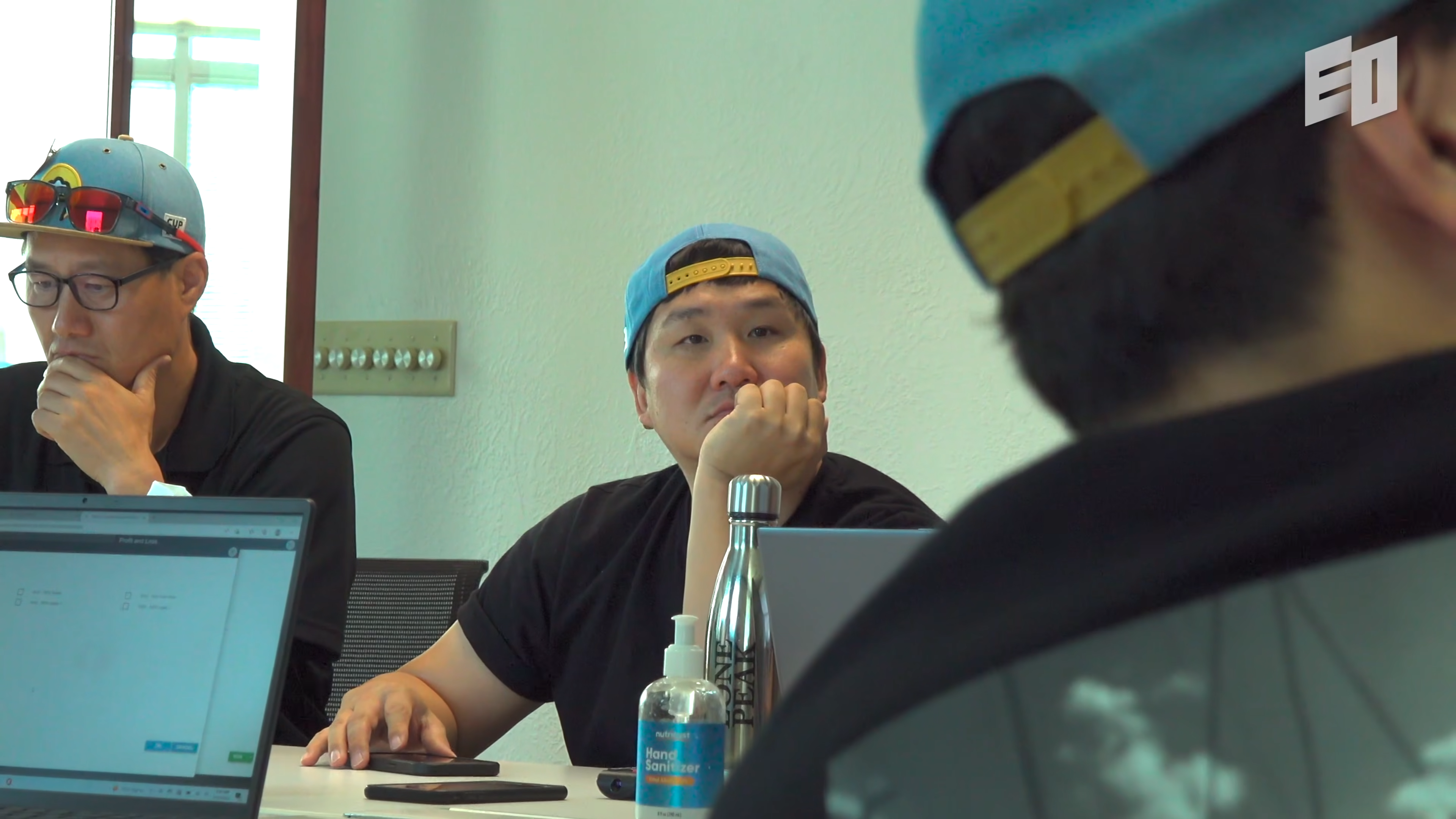
Jung: Before he joined our company, it was disaster. That time, we don't have any organizations at all. We just finding some people, putting the trucks, putting the stores, working so hard. I thought, that's the system. But when Dok joined it, he tried to build up the structures.
Yeiri: I've never seen him looking at the numbers. I once told my husband, as a CEO of this company, you also need to understand the cash flow and financial status of the company. But he would be like "That is not my gift. That is something managed by a person who's professional for numbers and finance, but I'm not the person. So I'll do things I can do well."
Dok: At that time it was very much still a local business. If not any planning at the time, what's our goal? Short term, medium term and long term goal. Those didn't exist at the time, so I worked on a five year plan for the company. Fairly aggressive plan, but something that was possible to achieve.
Jung: The first week I didn't see his face at all, he just putting the computer. He did something. Thought he's crazy. After one week, he brought some big kind of paper. Here we go. What is it? All the numbers. He actually making the five year plan that first week. He didn't even know how to make the Cupbop. He doesn't have any idea about the Cupbop culture. Some other people don't like Dok joined our company. The reason why? He is super young, super smart, but he doesn't have any experience at the restaurant.
Dok: This was another big red flag that I saw when I joined. It's a very common issue that happens among startups with multiple co-founders and/or partners. As you start growing, there needs to be a natural separation of roles within the company and the ownership of the company, because there are two different things. I may be an Apple shareholder, but that doesn't mean I have a role at Apple, right? I don't work there and I can still be an owner. People have a very tough time separating the two because, hey, I have 30% ownership, like I need to be the decision maker on everything. No. You can be on the board, but the day to day operating decisions are made by the people who have the respective roles. We had a weekly kind of owners meeting or shareholders meeting. You don't have weekly shareholders meetings. You'll have them quarterly or something. Shareholders don't make everyday decisions. And that was the practice at the time, and that will create a lot of bad decision making and a lot of inefficiencies. I started addressing and said, we need to really start separating this, or there's really no way we're going to be able to grow.
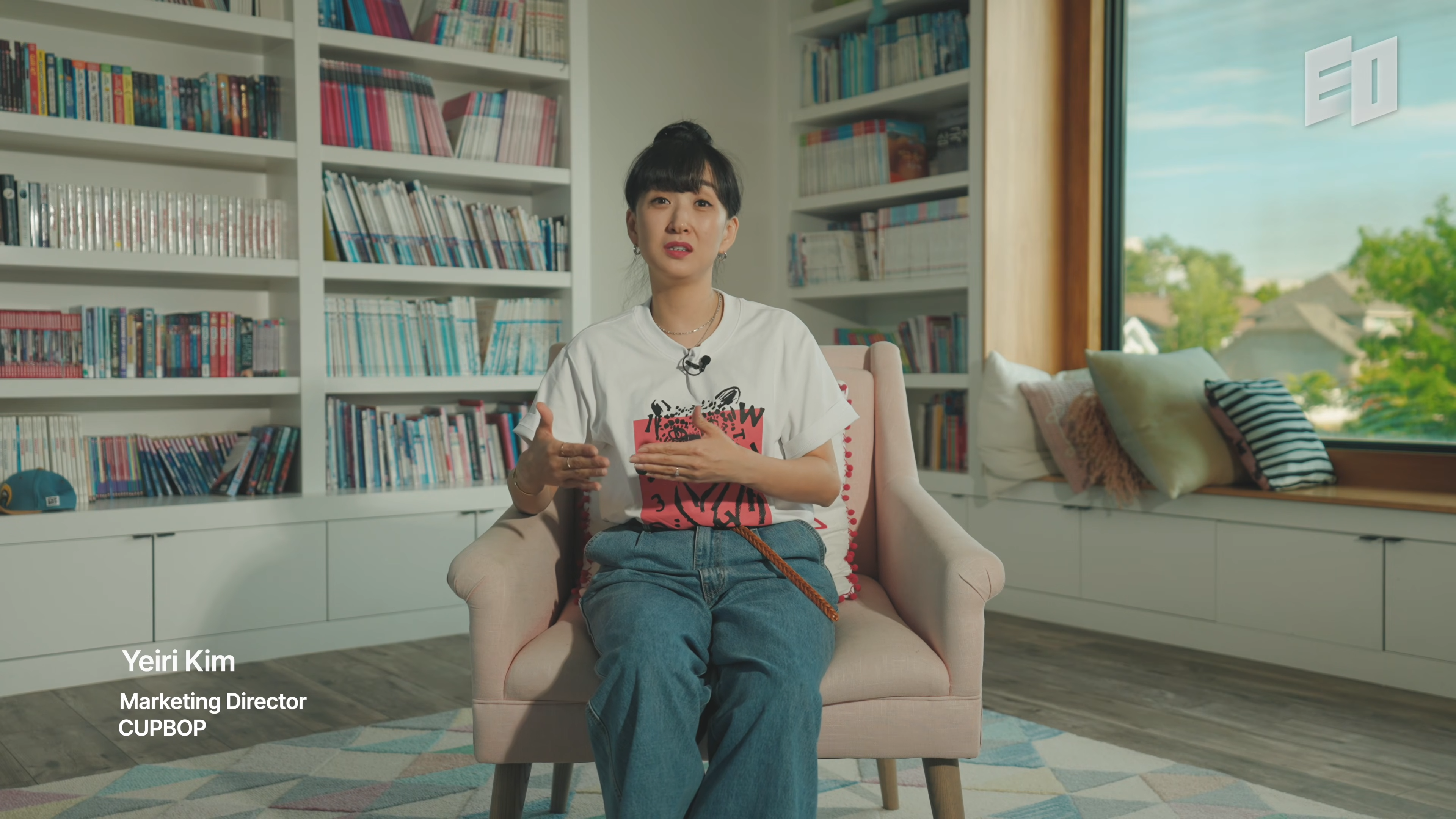
Yeiri: Back on November 9th, 2020, in front of me, my husband, a father of five children, got fired from those people who asserted that they own the majority of the company. Which is not true, though. So briefly to explain, the reason why this happened was because we hired a third party consulting company to make a structure objectively, because we paid a lot of money. But I, when I asked my husband, hey, we can make a company structure, why should we hire, paying this expensive money? And my husband said, we're trying to grow a company, not a mom and pop store anymore. We like to make a company. We can compete each other fairly so employees can expect, okay, if I do better in this company, I can be promoted. So we have to make a fair enough company that everybody can agree. That was the reason why we hired this third party company for consulting to build up a fair company structure.
But during the process, one of those people said, why should I compete with employees? I'm an owner of this company. I don't want to compete with people I train. And I said, we already agreed, that's why we started this company together. And then all of a sudden during this process of consultation, because only because you don't want to compete with employees, while you're taking all these benefits as an owner with all these great dividends and great salaries, if you do not agree with it's not going to happen, because this is what we agreed originally.
Dok: It is critical to have all of your major shareholders sharing the same vision. If the ultimate vision and goal is not aligned, people have very different incentives in their actions. For example, if I'm interested in creating a national brand, I want to make sure I invest every dollar we have back into the company. Versus if I'm not as interested in becoming a national brand, I'm okay not growing as much, but making pretty good money right now. Then you would say, why do we have to invest everything back into the company? I'd rather dividend our profits out every year, even every quarter for that matter, which creates a very tough environment to work with.
Yeiri: The hardest part of that moment, that day, was that we never knew that was coming. That party was preparing the coup behind the scenes for maybe about two months. I don't even know how long they were preparing. They were taking confidential information from an owners meeting to the attorney they were talking to, to take over the company.
And then on the day, we're waiting for one of those people to talk about repurchasing her equity, but she didn't show up. Instead, this lawyer showed up at the meeting. I was very surprised. And then I called our attorney saying she never showed up, but instead these attorneys are here. And our attorney said, don't say anything. So I told these people, hey, our attorney says do not talk anything to this attorney, it's not beneficial. I still remember one of them telling me, oh, don't worry about it. Five minutes before the meeting started, and five minutes later, they started meeting by themselves without looking at me. In 30 minutes, they released me from present, for no reason. They fired my husband. They cited harassment, which is a total lie. They just needed a reason. I almost passed out. Our partner, he was in shock too, and my husband was very calm. And after the meeting, my husband told them, hey, brother, let's talk about this. And they said, okay, okay, okay, wait. And they just ran away just like that.
After the Coup
Jung: The partner story. I really don't want to say anything. Get partners means get married in business. Think about it really deeply. When you're trying to do business with your partners, think deeply, and think about it one more time, and think about it again. If you can give up everything, then you can do the partner. If you think your partner is not your fit, then every single day, every hour, is hell.
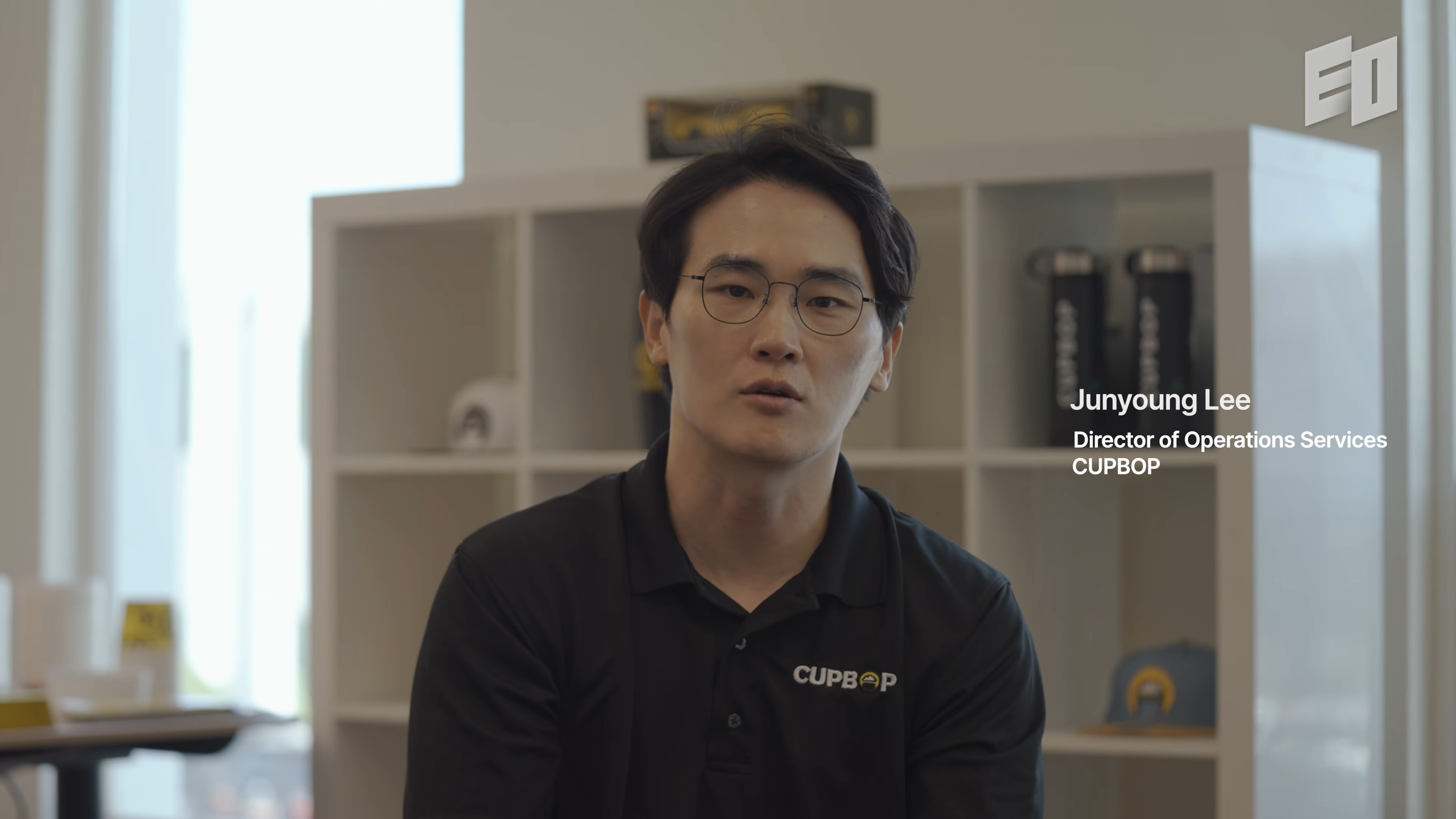
"When the coup happened, about two years ago, that was really shocking to me. His energy was the reason I came, and when things happened I couldn't accept that. I tried to get a petition from our general managers all around, and actually I got caught from a vulnerable partner at that time, so I couldn't make it at all. But they tried to actually manipulate the fact and release the rumor, which is not true. And I tried to fix them, I tried to correct. I felt really frustrated, like okay, if Jung is terminated and there is a chance that I cannot work with him, probably I'm going to go back to my country and Cupbop is meaningless to me without him."Junyoung LeeDirector of Operations Services
Yeiri: Later that day we came home. As soon as I entered into the house from the garage, my daughter asked, how's it going, mom? Like, what happened? First son, he looked very worried but couldn't ask any question, and my husband couldn't say a word, but rather he hugged all of our children and he started crying. Later that night we were in bed and couldn't sleep. Around 2 or 3 a.m., my husband asked me a question, the very first sentence he told me that day: what do you think I did wrong? Instead of a swear word, the very first question was, what do you think I did wrong?
And I told my husband, if you knew this was coming, would you change your plan not to build up a company? And then he said, maybe not, because he always wanted to make a strong enough company to stay for long, even after he leaves the position as CEO. And I said, then you didn't do anything wrong. Don't stop thinking about things you feel like you did wrong, but rather just focus on resolving this issue, because there are people who trust in you. Right after that happened, even if those three people betrayed us, many more people supported our company: our employees, our crews, managers, district managers, all those people supported to sustain our company. The bank we were working with, the parent company, our Indonesian partners and our store partners, our investor group, they all supported. They were all on my husband's side to protect our company together.
Dok: After a lot of drama, this and that, we ended up with three of the partners selling their shares and leaving the company. So now it's just Jung and me, just rock and rolling every day.
Jung: I still remember it was the big day, because truck schedules morning to dinner. Saturday got rained in Utah, so we canceled all the events. But after a couple hours the rain stopped. Because I already canceled all the events, I got some time. I took my five kids with my wife. We riding bicycle. Just riding bicycle, not a special thing anything, they are super happy, they're laughing so hard because they never done before. I actually went to the corner and I cried.
I look at my wife, she also cried on the corner. We work so hard, and those kids are waiting for this time so much and they never complained. Riding bicycle with five kids was hard at that time. I just gave myself a full excuse: because of you, I have to work so hard, just waiting for it, they waiting for me. That's just little happiness, riding the bicycle. All five kids were happy. After those experiences, I need to focus on my family more. The simple thing: it's riding a bicycle regularly and they're happy.