
At a Glance
- Who: Jina Kim is Carta's fourth employee, joining as an operations manager and building the company's customer support and customer success teams from the ground up.
- What: Carta (originally launched as eShares) is an ownership management platform that helps companies manage cap tables, equity, and valuations.
- Traction: By the time Jina left, Carta was valued at 8 billion dollars with about 1,000 employees.
In this episode she's sharing her experience as a leader and what she learned from a unicorn startup.
Key Takeaways:
Check Yourself Before You Defend Yourself
When an anonymous survey response said "I don't want to work with Jina," she didn't dismiss it. She reviewed her own Slack messages and realized she'd been using her seniority to order the product team around instead of asking, and corrected it immediately.
The Manager's Job Is the Hardest One at a Startup
At Carta, getting promoted into management meant coworkers said "I feel sorry for you" instead of congratulations. Taking on the toughest, most thankless work, like personally handling the hardest customer escalations, is what actually earns a team's respect.
Employee Happiness Is the Real Driver of Customer Happiness
Jina's operating belief was that a happy customer success rep transfers that energy directly into the customer relationship. She built her management style around trusting her team rather than monitoring them, since she can't see what they're doing all the time anyway.
Why Helping Your Team Leave Is Good for Your Startup
In her one-on-ones, Jina asked people what they ultimately wanted to do, even if the answer was an internal transfer or a job at another company. Helping people get where they're headed, rather than holding onto them, is what she says actually benefits the startup.
How to Find a Coach Without Actually Having One
Jina didn't have a formal coach until years into her career, so she treated colleagues like Carta's CEO and a mentor in her 70s as informal coaches instead. What mattered wasn't credentials, it was someone genuine who gave honest feedback and actually cared.
Run Your Team Like a Sports Team, Not a Hierarchy
Managers were framed as coaches whose job was to help the team see what went wrong and improve for next time, not dictate plays. That framing shaped how Jina handled her own team's mistakes and roadblocks.
Watch the full interview now on EO's YouTube channel! Below is the complete transcription of the interview. Minor edits have been made for clarity and readability.
Introducing Jina Kim, Carta's 4th Employee
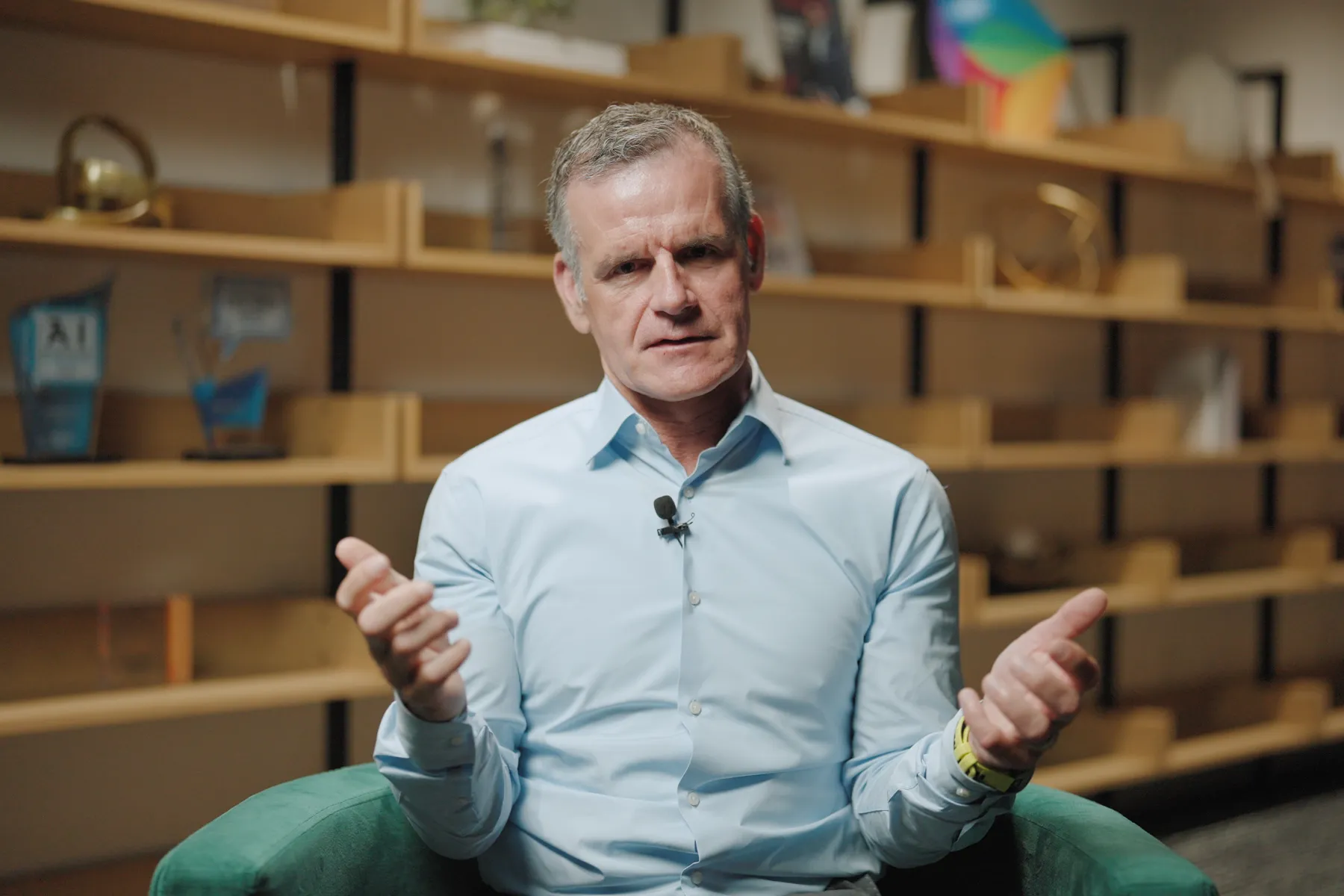
Hi, my name is Jina Kim, and I worked in Silicon Valley for about ten years. I started out as employee number four at Carta as an operations manager, and I also helped with customer support and customer success. I built that team from the ground up. By the time I left, Carta was worth 8 billion in valuation, and we had about 1,000 employees. What I focused on was helping startups grow in terms of customer journey and go-to-market strategy, and helping them grow their customers.
Advice 1: Be Humble
I think this was back in 2016, when eShares was still growing. One feedback that I got was actually from Henry: in a company survey, someone wrote, "I don't want to work with Jina," and I really thought about it.
It was hurtful at first, because as employee number four, I thought, okay, I'm doing my best to make eShares successful. Why is it that this person doesn't feel that I'm doing that? I thought back to what things I did, and I looked at my Slack messages and realized communication was the problem.
We were getting to the point where we were bigger, and certain messages I was sending to the product team seemed like I was ordering them around, using my influence as employee number four. That's when I realized I shouldn't take any human relationship for granted, because success is not permanent.
You never know when you're going to need help. You don't know when you're going to fail. As a leader, you might think, "I've been there, I've done that, I know everything." You don't know everything. You are still going to learn from everyone. You get a new intern straight out of college, and there's something you're going to learn from that person, because a lot of founders think that even if they made a mistake, they have to go with their own vision and keep going down the wrong path. But everyone already knows when a mistake has been made. In a way, for you to be a better leader, you need to course correct right away, unless you make that correction as soon as possible. It could be a decision that fails your startup. You never know: some people might have a really great solution, but they might not tell you, because they're introverted or because they're scared to speak up. By creating a collaborative environment, you might actually get a better result.
Advice 2: Take on the Toughest Job
One thing I learned at Carta is that as a manager, you're the one doing the toughest job. At Carta, we used to say that when you get promoted, people don't say congratulations, they say, "I feel sorry for you."
The reason a leader should take on the toughest job is that it's the only way you'll get the respect of your team, especially at a startup. If you're just directing your team members to do what's needed, they'll do exactly 100% of what they need to do. But at a startup, everyone needs to put in 120%, so that motivation factor is so important.
For me, my leadership style is to listen to the people I work with and have a genuine connection with them. I don't want to say I know everything and that you need to do it my way. Even as a customer success leader, during my one-on-ones with my team members, I ask them what it is they want to do ultimately. If they want to be an engineer or a data analyst, I want to help them do that, whether through an internal transfer or by going to another company. At the end of the day, people are going to do what they want to do, and if you help them get there, it's actually good for the startup.
Another thing that's really important is that as a leader, you're there to unblock the problems your team has. If the team is working on something and hitting a roadblock, in a way you have the hardest job, because you're doing things that might be very difficult for the team to do. At Carta, when we had very difficult customers, I was the one talking to them, and I was the one apologizing to them. That's really helpful for the other team members to see: they realize Jina is there to really take care of me, not just asking me to do things that are impossible.
One thing I believe is that employee happiness equals customer happiness. When the customer success employee is happy, that feeling transfers to the customer, and they'll try to do more than what they have to do. As a leader, you're not going to be able to see what your employees are doing all the time, so you have to trust them. The only way to do that is by being a good leader, motivating them, truly caring for them, and having that genuine connection with each employee.
Advice 3: Find Your Coach
One thing I really loved about Carta is that it was run like a sports team. Managers were considered more like coaches, and when you look at a sports team, the overall goal is to win. The coach is there to help the team understand what they did wrong, so they can improve and win next time. Having that kind of coach in your personal life is also very helpful, because that coach can help you get on the right path. They're not creating that path for their own sake, they're helping you go down your own unique path.
I didn't have an actual personal coach until two years ago. Before that, I used a lot of people in my life as informal coaches. One of them was Henry: even when he gave me negative feedback, he was very gentle about it and explained his reasons, which I think is very important. I also had another informal coach, a woman I worked with who's now in her 70s. She'd gone through a lot in her life, she was a single mother, and she's the one who encouraged me to come to California.
You don't have to have a coach who's super successful or anything like that, just someone genuine you can talk to who really cares about you. One thing I noticed is that when you talk to a coach, if you don't agree with something, you say so, and then you come to terms and find the best approach together.
My customers would tell me they wanted to focus on the product and not deal with issuing stock options or dealing with investors. The fact that Carta handled all of that for them was really helpful, because it let them use their time more effectively, and those are the moments that feel so rewarding.
Now, my KPI is getting that look on a founder's face when they have that aha moment, when it's actually helping them grow, become a better company, and build a better environment for their employees. I want to bring that to the startups that aren't in Silicon Valley too, because they don't have all the resources Silicon Valley startups have. If I can bring that to them, that will give me joy.