Jan 08, 2024
What Are Superconductors? Find Out in Just 10 Min
Interview with Yu He, Assistant Professor of Yale
Founder Focused

💡
At a Glance
- Who: Yu He is an assistant professor in the Department of Applied Physics and Physics at Yale University, specializing in high-temperature superconductivity research.
- What: Yu He explains the history of superconductivity from its 1911 discovery at 4.2 Kelvin through the 1986 high-temperature breakthrough by Bednorz and Müller, covering applications in power grids, maglev trains, miniaturized MRI machines, and nuclear fusion.
- Why it matters: According to Yu He, superconducting electrical grids have operated on Long Island since 2008, and high-temperature superconductor tapes are now enabling smaller nuclear fusion confinement setups spun out of MIT, attracting significant private-sector investment.
In this interview, Yu He explains why a superconductor carries electricity with zero heat loss, how a serendipitous 1986 experiment overturned everything physicists thought they knew about where to look for superconductivity, why the LK-99 announcement drew equal parts excitement and skepticism from the scientific community, and what it means to view technology as a friend rather than a threat.
Key Takeaways
The eureka moment of 1911 came 46 years before a theory could explain it.
On an April day of 1911, Heike Kamerlingh Onnes discovered that mercury's resistance dropped to zero below 4.2 Kelvin. Yu He notes that it took until 1957, when John Bardeen, Leon Cooper, and Robert Schrieffer developed their theory, before physicists understood why superconductivity happens at all.
The 1986 oxide superconductor discovery was the opposite of everything experts expected.
Bednorz and Müller found superconductivity in oxide ceramics in 1986, which was, according to Yu He, totally opposite to all the dogma about where you should look for superconductivity. Within six months, other groups independently reproduced the finding, marking the birth of high temperature superconductivity.
Excitement over new claims must be balanced by demand for independent verification.
Yu He observes that every few years, reports of ambient pressure room temperature superconductors emerge, and every single one has failed to be independently reproduced. The LK-99 announcement followed this pattern. Yu He urges people not to be swayed by sensational headlines and to check whether claims have been verified by other research groups.
Nuclear fusion may be the most transformative near-term application of superconducting technology.
High temperature superconductor tapes allow engineers to run very high current without heat generation, making smaller magnetic confinement setups feasible. Yu He notes that startup companies spun off from MIT are pursuing this approach, drawing significant private sector investment, with the hope of bringing nuclear fusion into everyday life.
Keeping pace with technology requires an open mind, not just expertise.
Yu He says it is probably impossible to keep up with all rapid developments, but that cross-pollination and interdisciplinary inspiration often happen in the most unexpected places. His advice: talk to experts in the field and ask for high-level insights, the same approach he uses himself.
Below is the complete transcription of the interview. Minor edits have been made for clarity and readability.
Why Are Superconductors Amazing?
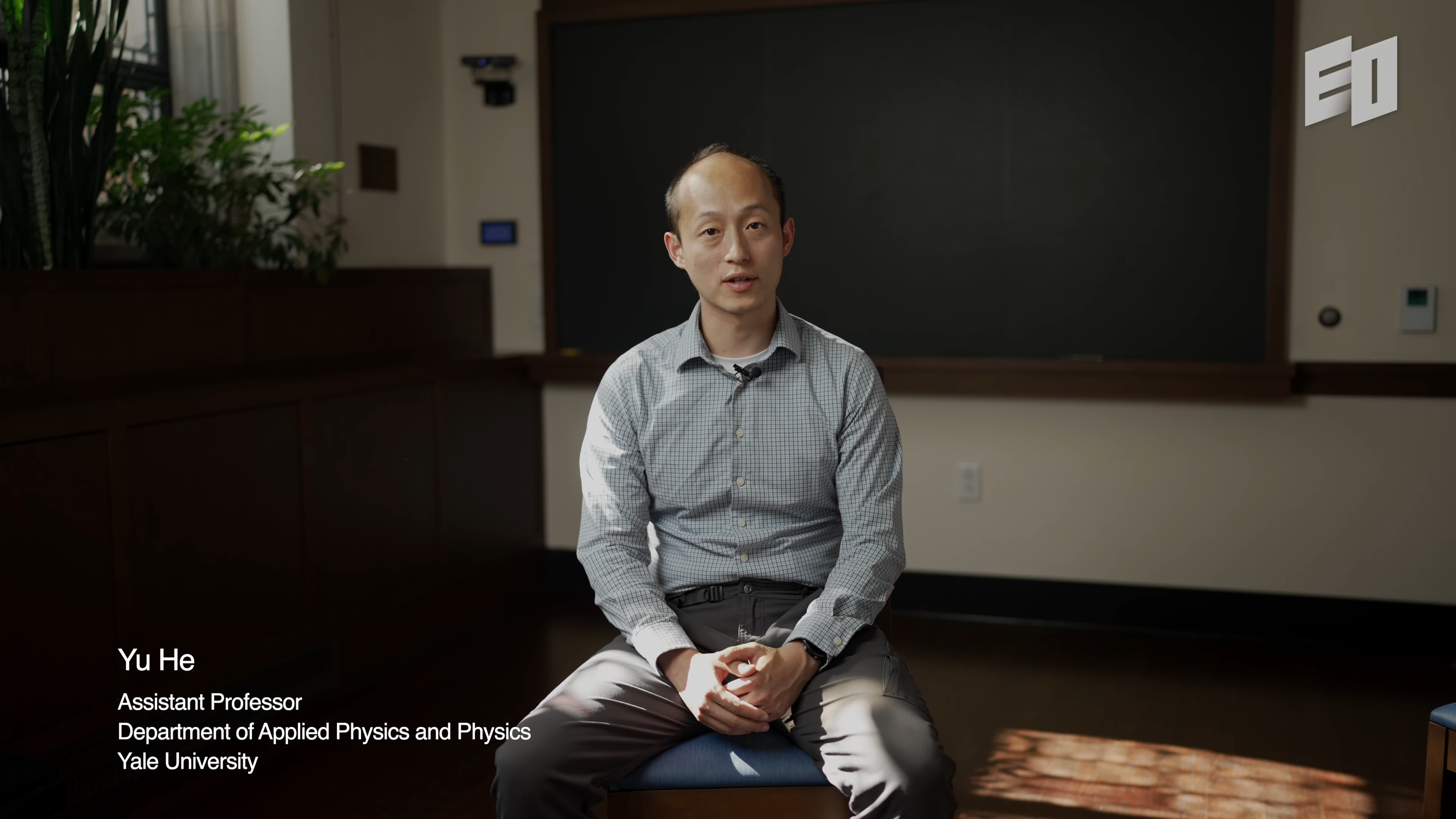
My name is Yu He, and I'm an assistant professor in the Department of Applied Physics and Physics. One major focus of my research portfolio is studying high-temperature superconductivity.
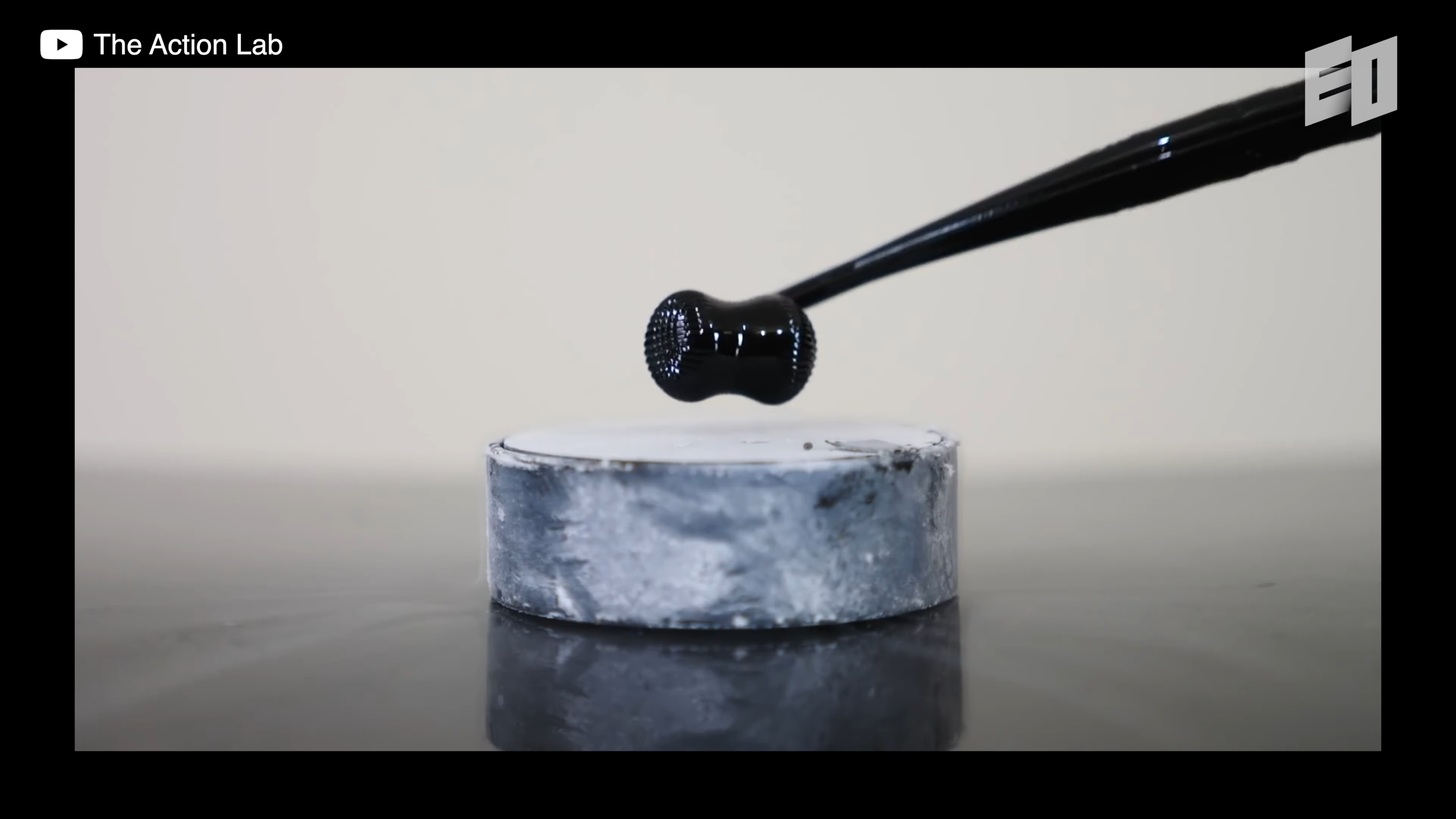
I remember when I was a high school student, I went to a science fair where some folks from fancy research labs demonstrated a very interesting setup: where you have some floating objects just levitating on their own above some magnets. It was just really cool.
Later, when I actually learned physics, quantum mechanics, and solid-state physics, I realized that superconductivity is really behind many of these leading technological advances we consider as the future generation of society.
When we run electrical current through a copper wire, or through your CPU when you're mining Bitcoin, you're going to feel a lot of heat. This is because in normal materials, when you pass electrons through them, the electrons are bounced off the material's atoms, and all these bouncing events eventually become heat.

A superconductor is a type of material where, if you were to pass electricity through it, you have no heat loss at all. This is particularly amazing because nowadays a lot of energy is lost during energy transfer from power plants to our household appliances, and this will really help us cut down that energy loss.
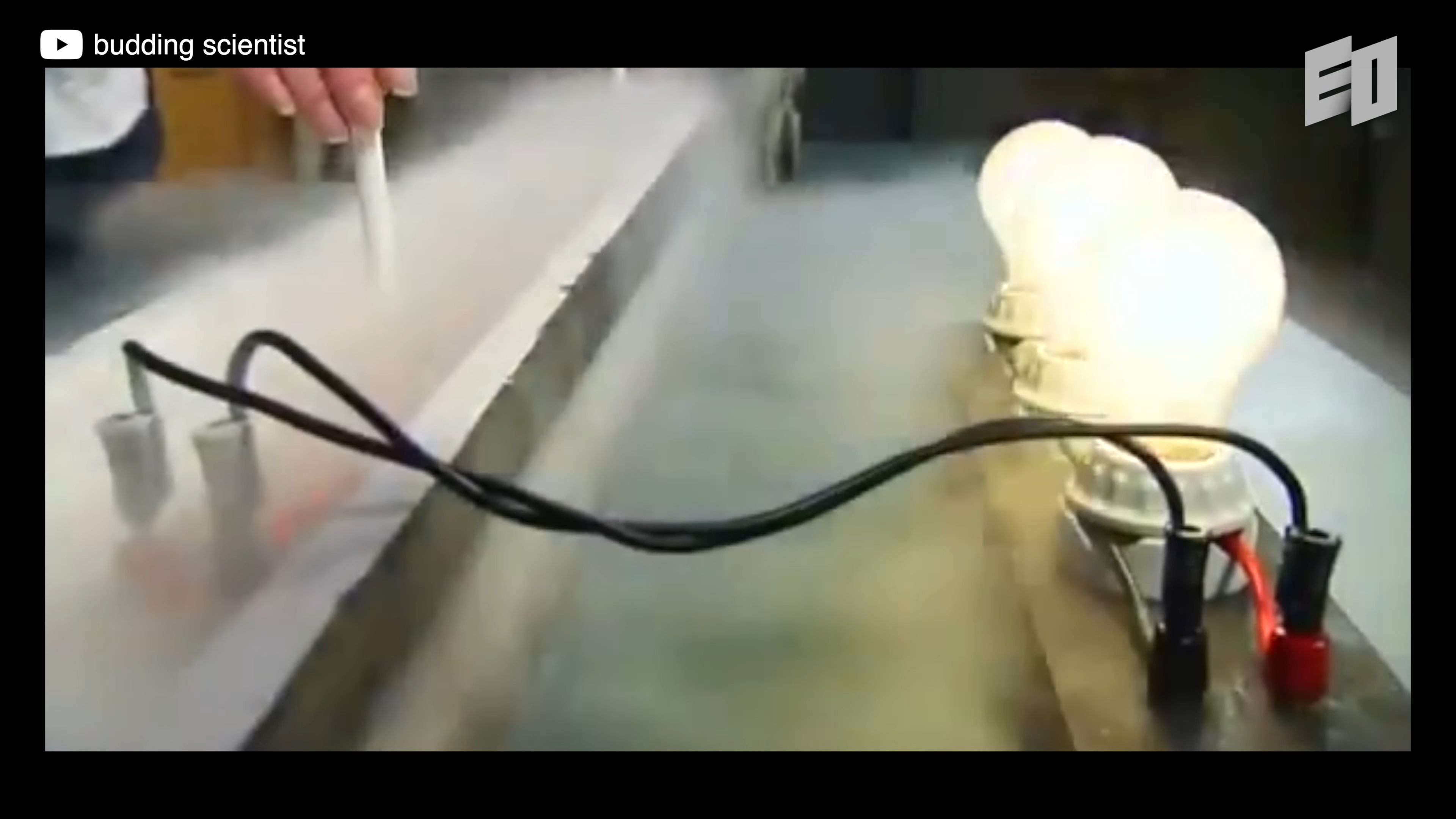
That is only a tenth of the voltage we use in our homes. Watch what happens when we run the same 12 volts through the superconductor.YouTube Channel "Budding Scientist"
Superconductor, or superconductivity only occurs below a certain threshold temperature. Everything dates back to the early 20th century. By that time, there was one glaring question that almost every physicist had been thinking about: how would matter behave when you approach absolute zero temperature?
Absolute zero is a temperature known to be unattainable on theoretical grounds, based on the basic laws of thermodynamics. It is the temperature at which most molecules, atoms, and electrons would stop their classical motion.
Back then, great physicists argued that at this temperature, all materials would either become insulators, which are types of materials that would not conduct electricity, or all metals would have zero resistance, meaning they would all become perfect electrical conductors. Physicists tried to explore the experimental realization of these behaviors in materials.

As people tried to cool materials down to lower and lower temperatures, on an April day of 1911, a scientist named Heike Kamerlingh Onnes found out that in solid mercury, the resistance would all of a sudden disappear as the temperature dropped below 4.2 Kelvin, which is more than -400 degrees Fahrenheit, or more than -270 degrees Celsius.
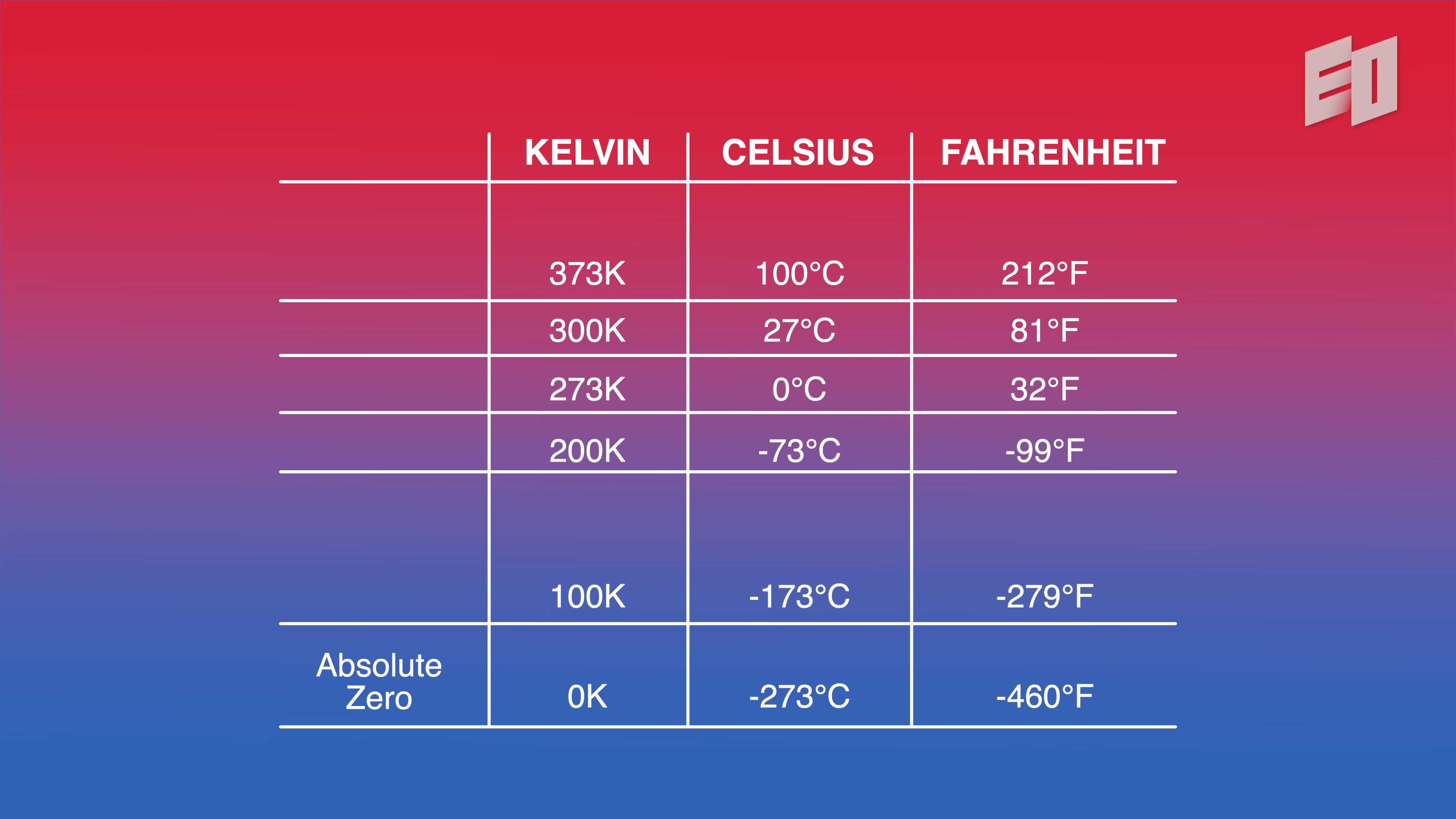
They checked and checked, running many rounds of experiments day and night. It was really just zero, in the sense that it was below the detection threshold of any available technology back then. That was really the eureka moment of the discovery of superconductivity: the resistance of the material drops to below a threshold that is detectable by the technology of the time.
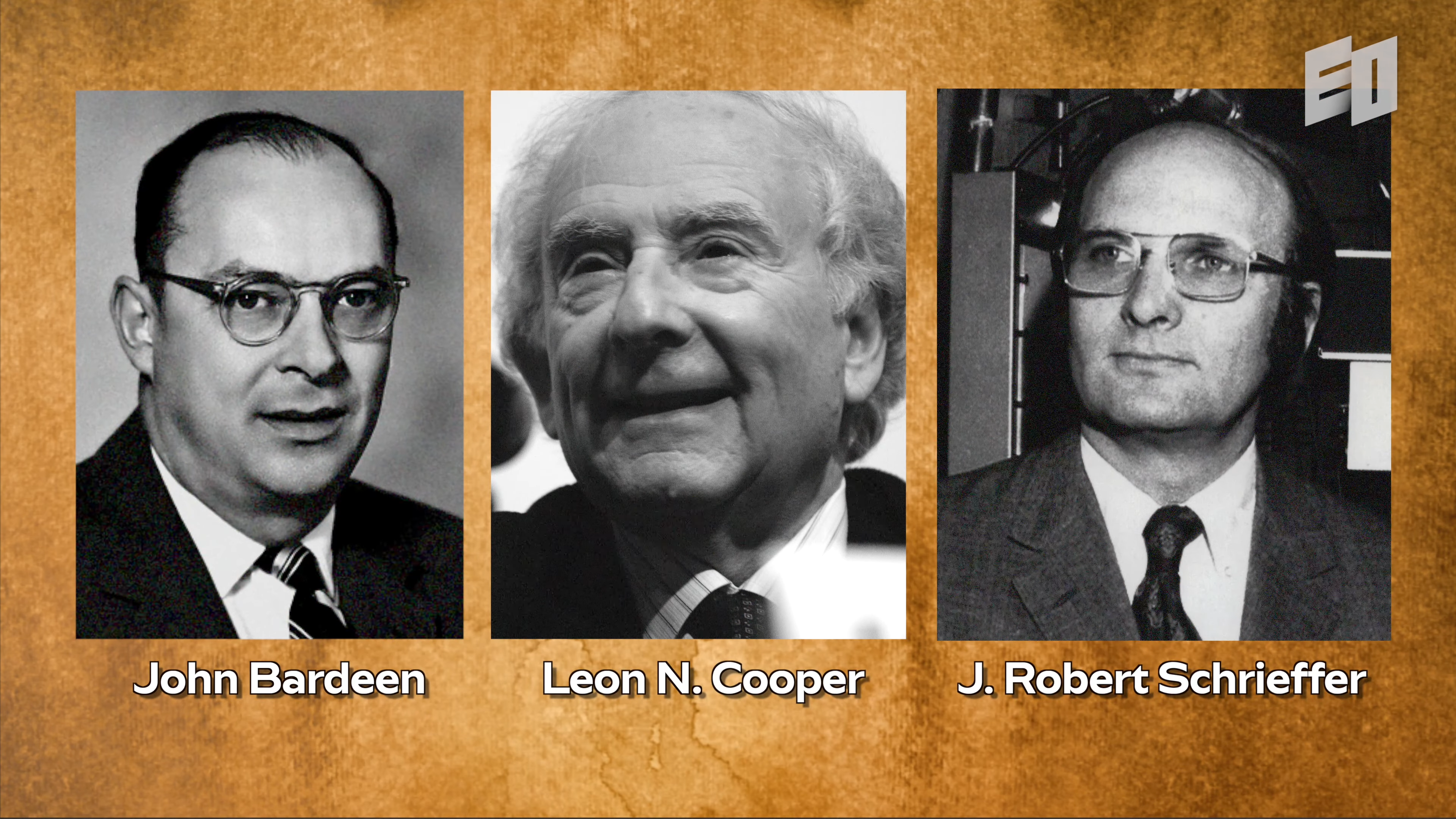
A lot of physicists then tried to understand why this would be the case, because it could not be captured by any known theory at that time. It was not until 1957 when John Bardeen, Leon Cooper, and Robert Schrieffer came up with the widely recognized theory of superconductivity. That was a major watershed moment that signaled our microscopic understanding of why superconductivity happens.
People then looked at this theory and tried to apply it to describe superconducting materials, and at some point even tried to predict them. But people were not able to really increase the transition temperature of superconductivity until the 1980s.
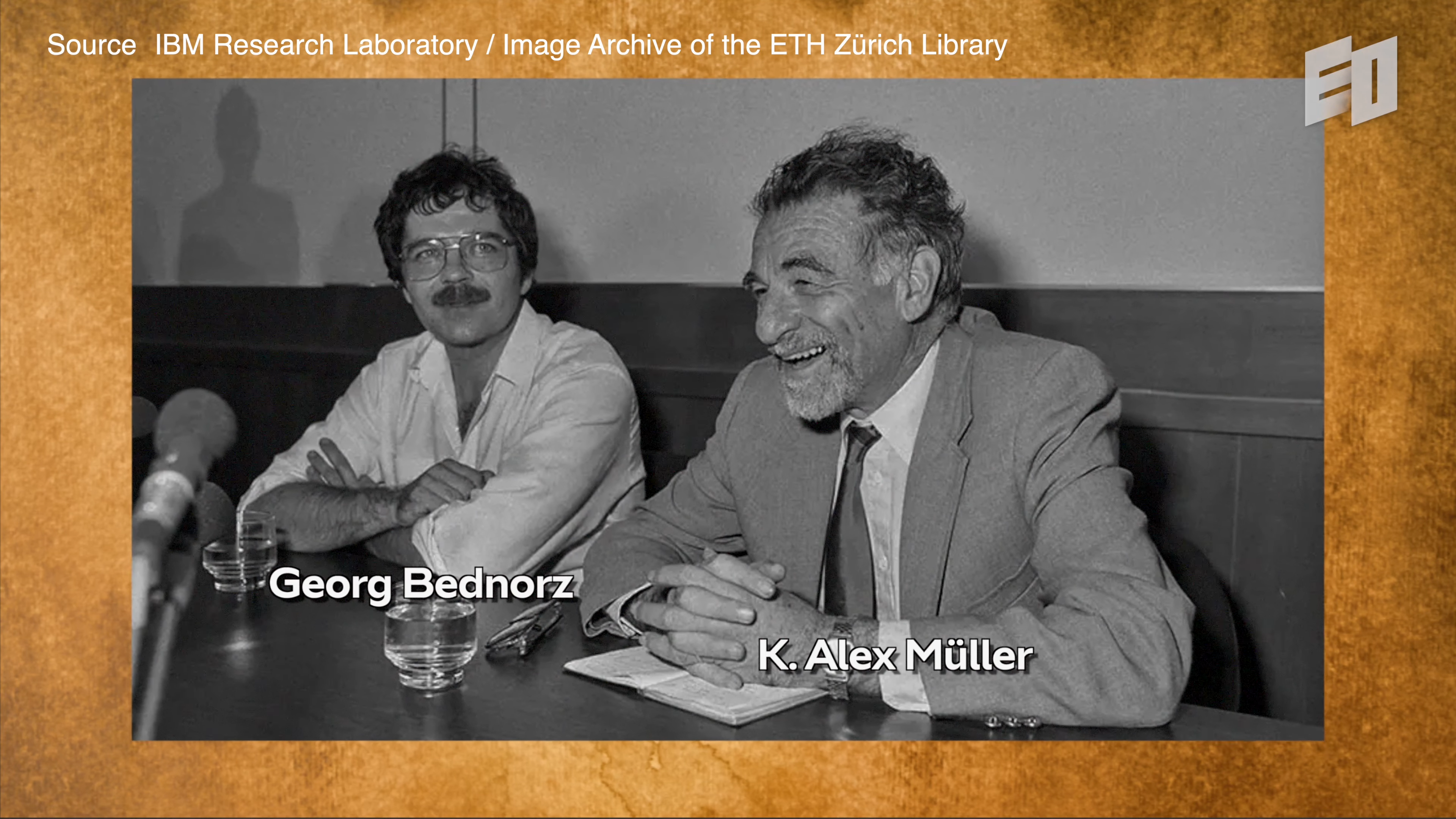
It came totally as a serendipity in 1986, when Bednorz and Müller, two physicists working on oxide insulators, found out that superconductivity of unprecedented robustness could actually be discovered in some type of oxide ceramics. This was totally opposite to all the dogma about where you should look for superconductivity.
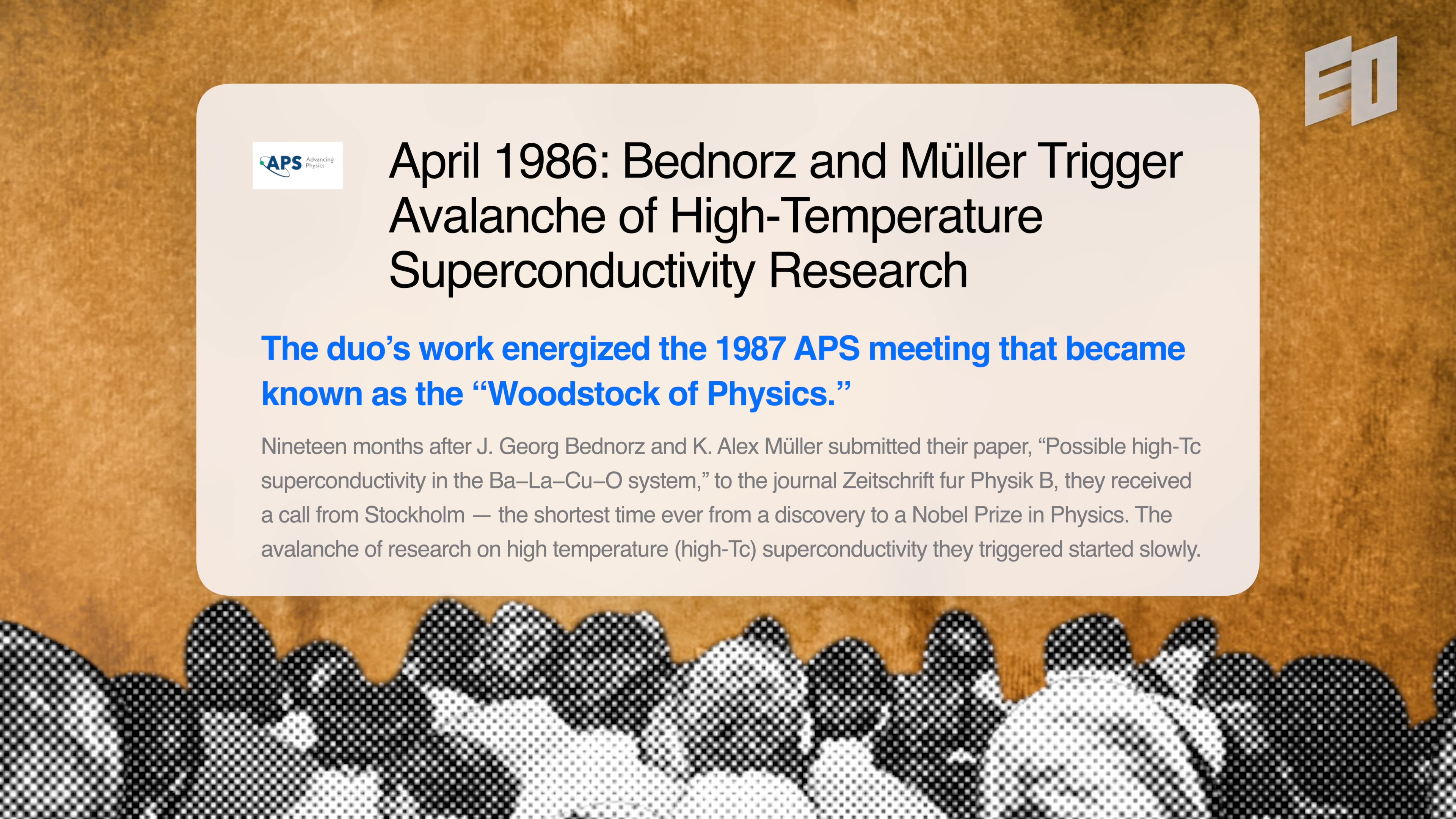
That was 1986. Within six months, people were able to independently reproduce that experimental discovery, and it was held as one of the major moments in science: the birth of high-temperature superconductivity in this particular case, based on copper oxide ceramics. I would think these are the major watershed moments of superconductivity research.
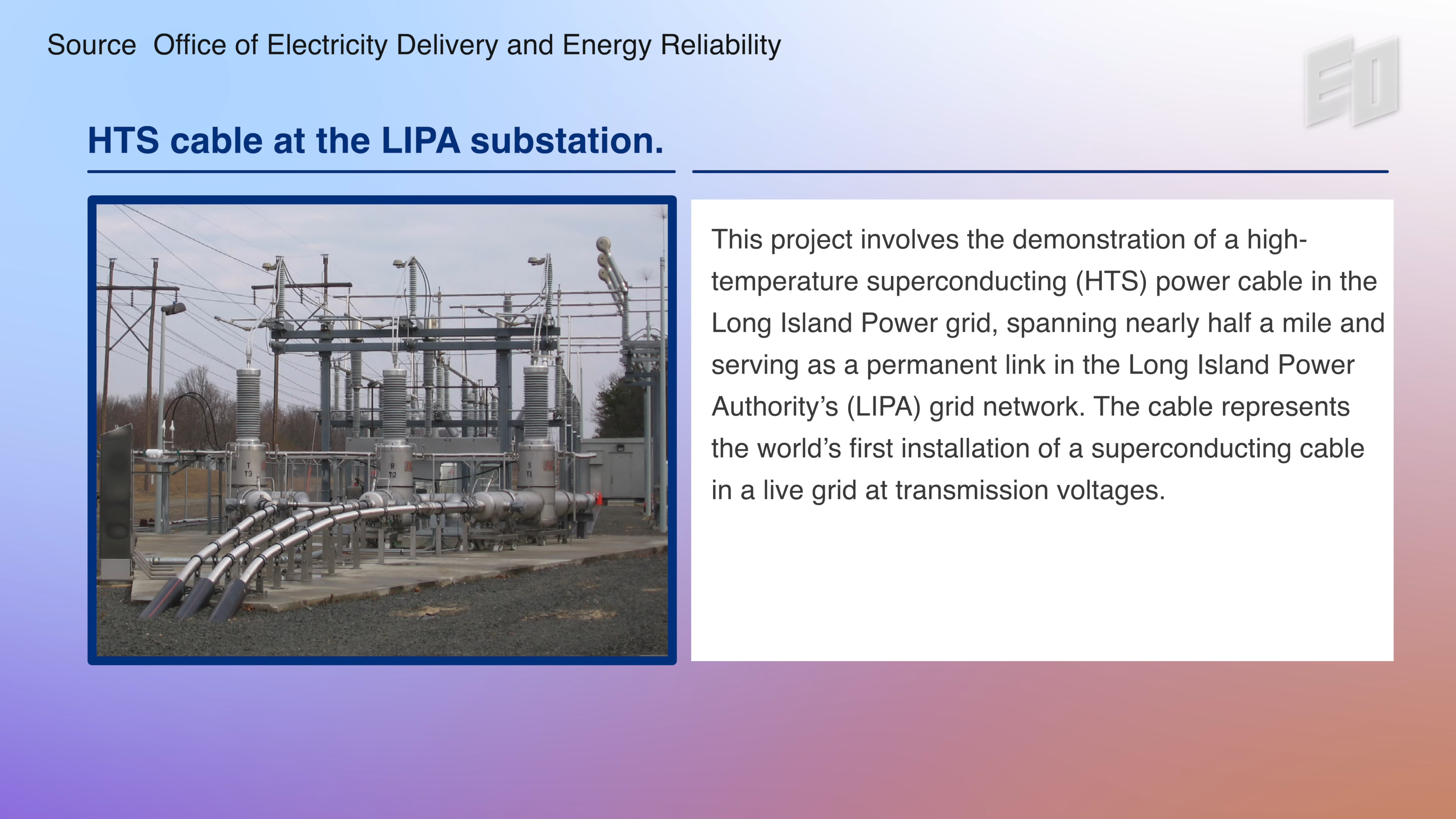
There are so many interesting applications that superconductivity can drive even today. In Long Island, starting from 2008, there has already been the first demonstration of a superconducting electrical grid, rated to a few hundred megawatts.
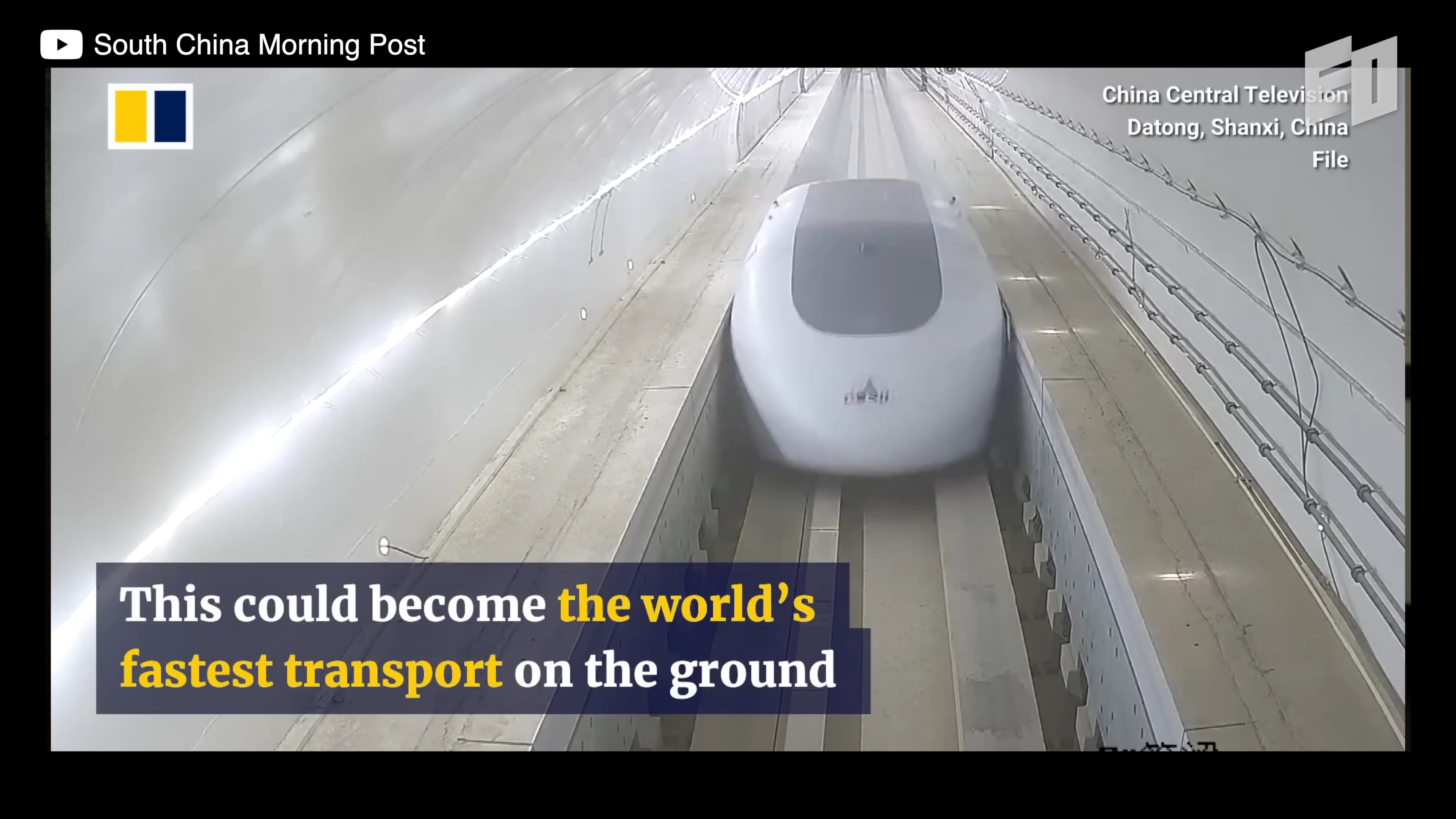
Last year in China, people demonstrated a maglev train that does not need any major active electrical power input. There are also recent efforts to use superconductors to make extremely strong magnetic fields, which means you can use them to make small, miniaturized MRI machines.
There are also very recent applications involving nuclear fusion technology. Many of us know that mankind has been challenged by the energy crisis. One common way to alleviate this crisis is to pursue nuclear fusion technologies. The leading technology for nuclear fusion is to use very strong magnetic fields to confine plasma, or very hot electron and atom gases, and force them to interact with each other to fuse.
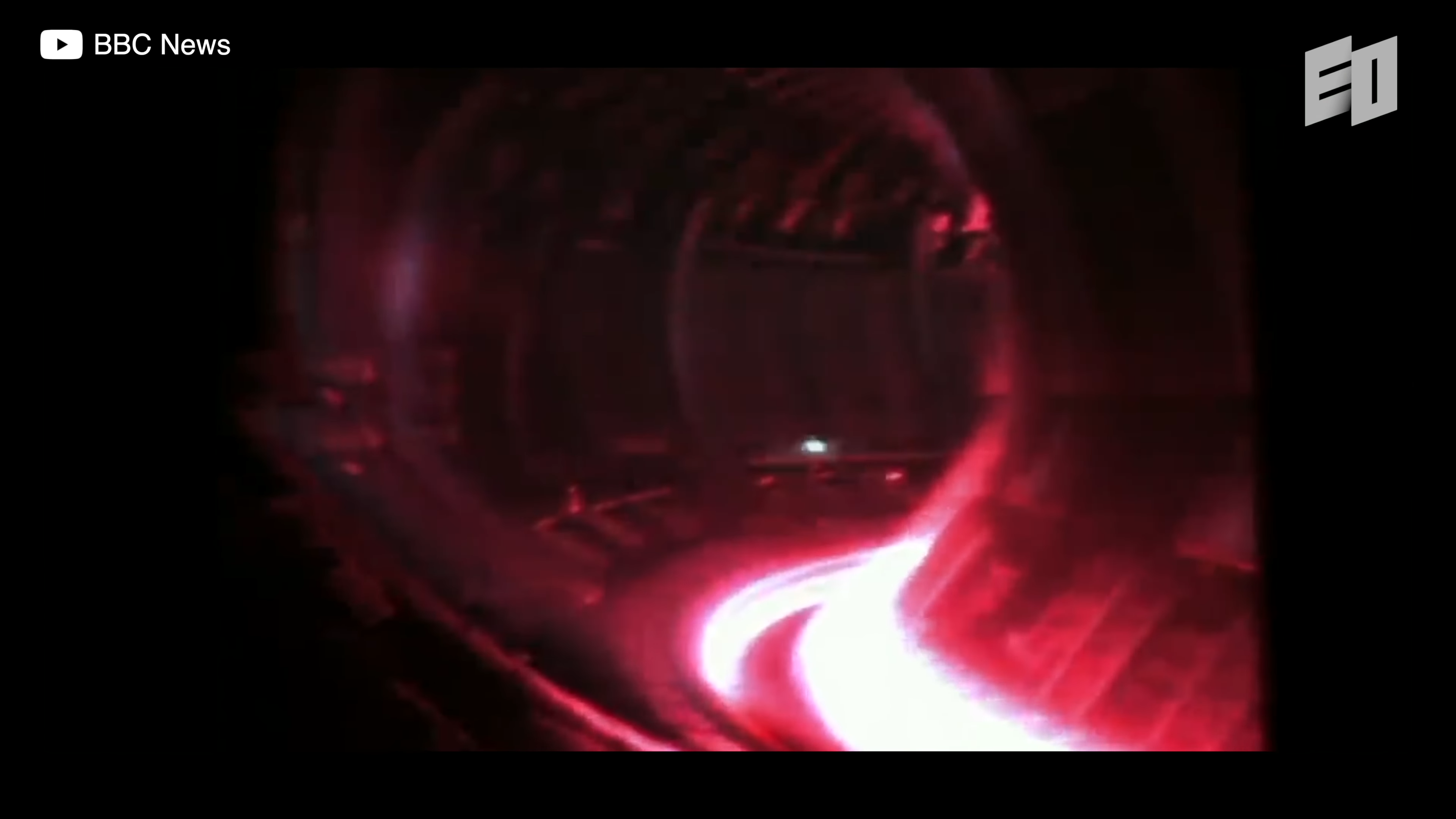
In order to get to this high magnetic field, in the past most people had to use very large magnets made by copper coils. When you run such high current to generate such high fields, the magnets usually overheat, or you have to expel a lot of energy just to keep the magnetic field going.
Just two to three years ago, people started to realize that with a new technology to make electrical tapes composed of high-temperature superconductors, you can actually run very high current without any heat generation.
There have been startup companies spun off from MIT, and now also elsewhere around the world, trying to make much smaller magnetic confinement setups to facilitate nuclear fusion based on plasma confinement. That is also something that has attracted a lot of investment from the private sector. Everyone is very hopeful that advancing superconducting technology can bring nuclear fusion to our everyday life in the near future.
Every Discovery Has Logic Behind It.
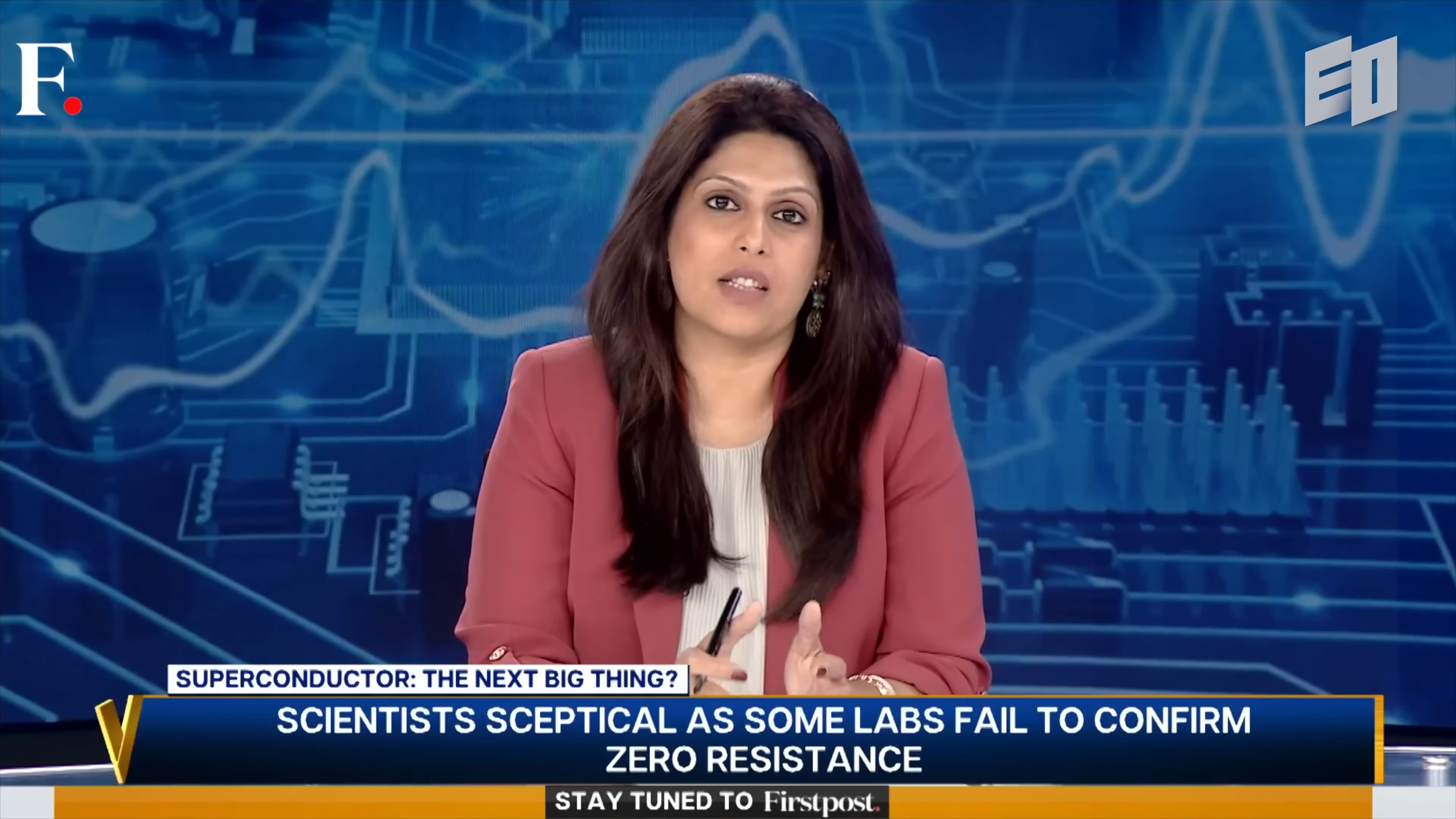
Scientists in South Korea claimed to have created such a substance, a room temperature superconductor they were calling LK-99.Firstpost
I agree with the statement that the development of a room-temperature superconductor is going to have the same amount of impact as the invention of fire. A room-temperature superconductor is the type of material that mankind still aspires to find: one that can support superconductivity at our ambient temperature.
This is obviously important because we do not want to always have to put superconductors inside a big cold fridge. We really want to be able to use it in a simple way that we can just hand it around without any additional protection.
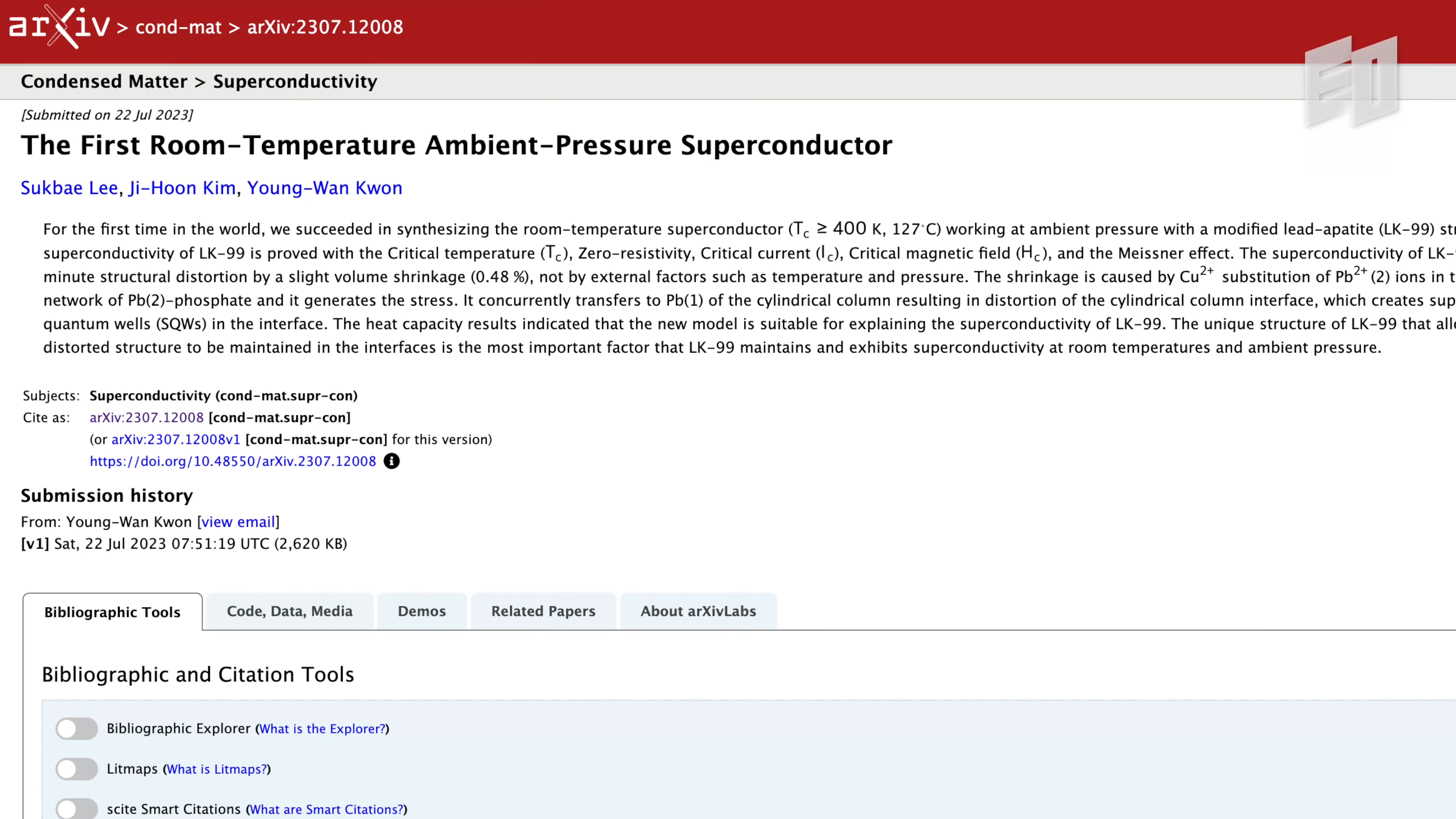
Earlier this summer, there had been one Korean team reporting the first ambient-pressure, room-temperature superconductor, the material they called LK-99. The news of this breakthrough really garnered a lot of public attention and also academic attention overnight. We were all very excited. At the same time, there was also a lot of skepticism that we shared with scientists all over the world.
Those of us who follow the high-temperature superconductivity research closely know that every few years there will be a few reports of room-temperature superconductivity under ambient pressure. Up until then, every single one of them had failed to be reproduced by other research groups independently. So alongside such a major claim, there is always a mixed emotion of excitement and skepticism.
One other thing I want to mention is that there is an oversupply of information these days for the general public. It is really important not to be swayed by sensational news titles, but to take one step back and see if these discoveries have already been verified independently by other research groups. You should not take everything as being advertised. Every discovery, every statement, has to have logic that has been read and verified first.
Stay Up-to-date on Technological Changes
First, I have to say, I myself find it challenging to keep up with all these exciting technological developments in modern-day research. But an important note from my own experience: it is probably impossible to keep up with all these rapid developments.
But it is very important to keep an open mind, whether it is in your direct line of interest or your direct line of research. Because mankind at this stage has accumulated so many different domains of knowledge, cross-pollination and interdisciplinary inspiration often happen in the most unexpected places.
So you really need to keep an open mind, talk to experts in the field, and ask them to give you high-level insights, just like what we are doing right now. That is how I keep up with a lot of new developments in science and technology. I think changes always happen little by little. I never expect the world to change all of a sudden.
Even when ChatGPT and large language models received so much great success over the past few months, you see the world is still changing little by little. My view does not differ in terms of the development in quantum technology.
But I firmly believe that in the next 5 to 10 years, we should see a significantly broadened application of superconducting technologies, including its use in medical research, its use in public transportation, and its use in computation, even more broadly due to the rapid development in quantum materials research, where people are looking at how to make more robust magnets and how to make materials that can switch between metals, insulators, and superconductors, in addition to those amazing applications we already have today.
The Attitude We Need Toward New Technologies
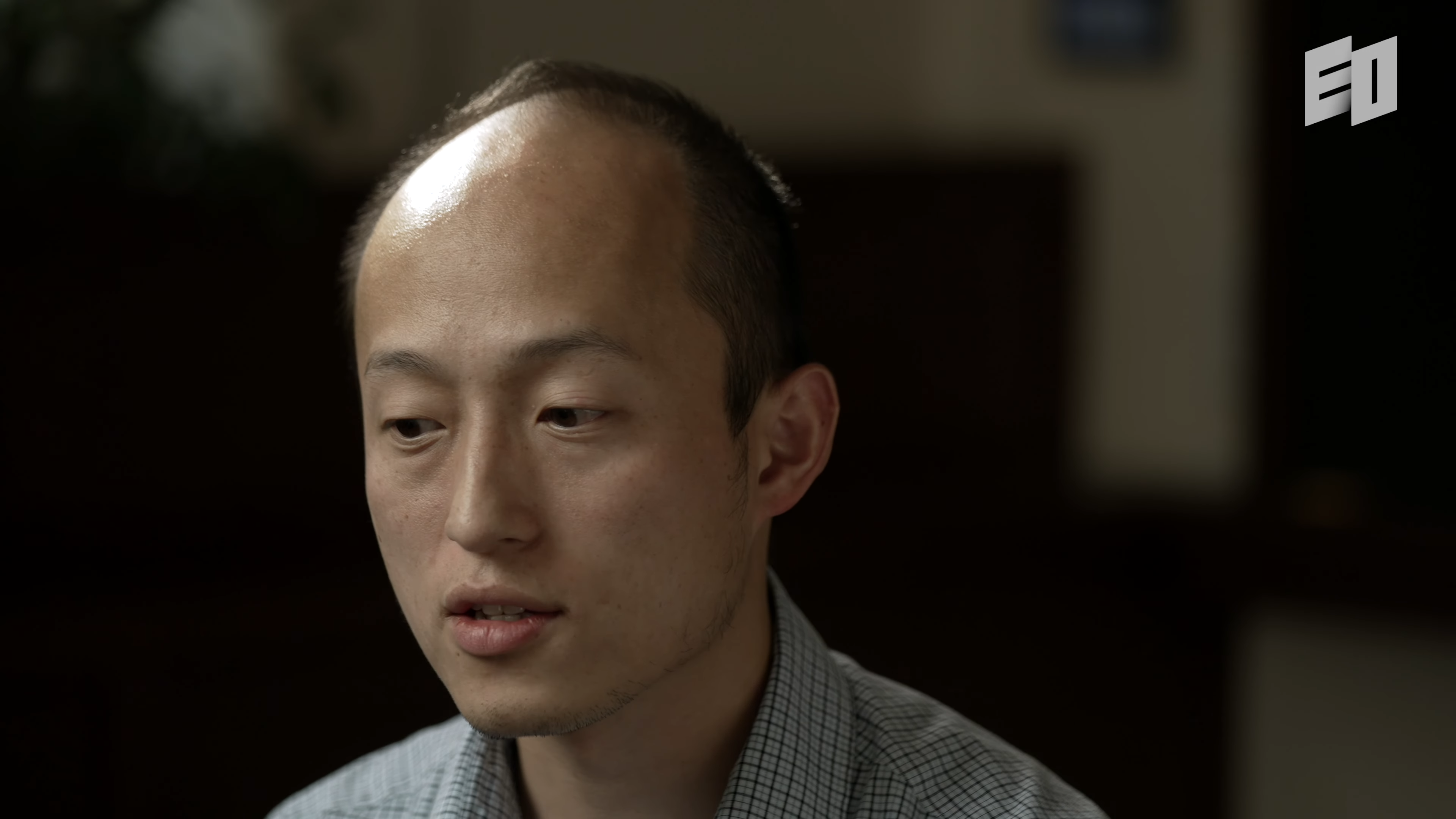
I view technology as our friend. We are all playing hide-and-seek with Mother Nature, and that process itself is very interesting. Of course, there are unfortunate scenarios where discoveries in basic science are used in technological development that harms our values.
But I should say that in most technological developments, the benefits outweigh the downsides created by those corner cases where technology is used for unethical applications. We should not reject a technology just because it could be used in ways that may harm us.
On the other hand, I think this actually provides an incentive for our lawmakers and even our general public to actively participate in the development of technology and the regulation of technology, to ensure that we reap the maximum amount of benefit out of it and limit the downside to the minimum. In the case of superconductivity research, or more broadly quantum material research, I think it is so fundamental that everyone should embrace the vast possibilities and opportunities it may enable for our future lives.