
Feb 23, 2024
How I Built A $4B Startup Called Webflow
Interview with Vlad Magdalin, CEO of Webflow
Founder Focused

💡
At a Glance
- Who: Vlad Magdalin is the CEO and co-founder of Webflow, who came to the U.S. as a refugee, taught himself graphic design and 3D animation, and spent roughly a decade and four attempts building Webflow before it found traction.
- What: Webflow is a visual web development platform that lets companies, freelancers, and agencies build sophisticated websites without a translation layer between design and code.
- Traction: Webflow serves over 200,000 customers, had passed $100 million in revenue as of its last public disclosure, and reached a $4 billion valuation in its March 2022 Series C funding round.
In this interview, Vlad Magdalin traces Webflow's decade-long path from a Kickstarter video pulled for violating the platform's own rules, to a Y Combinator rejection, to a waitlist of 30,000 people where only 40 or 50 actually converted to paying customers.
He explains why he nearly gave up when a competitor raised $20 million, and how an expired trademark unexpectedly handed him back the Webflow name four years later.
He also opens up about hiding his kids from early investors, assuming founders couldn't be parents too. And he reveals why he stayed 1,000% convinced Webflow needed to exist even when investors told him it never would.
He also opens up about hiding his kids from early investors, assuming founders couldn't be parents too. And he reveals why he stayed 1,000% convinced Webflow needed to exist even when investors told him it never would.
Key Takeaways
Conviction can carry you through years of doubt
Magdalin describes being 1,000% convinced Webflow needed to exist even as investors dismissed the idea and Adobe and Macromedia's earlier failures suggested it couldn't be done. That belief carried him through four separate attempts over roughly a decade before Webflow found traction.
A trademark dispute nearly killed Webflow before it started
Magdalin's third attempt collapsed after a rival trademark claim forced a rebrand to "Markd Up," and momentum died entirely once a competitor, Weebly, raised $20 million. He didn't revive the idea until a trademark certificate for Webflow unexpectedly arrived at his house four years later.
The market corrected his expectations before the product did
When Magdalin's team launched their waitlist of nearly 30,000 people, only 40 or 50 converted to paying customers. Rather than treating that as failure, he leaned into direct customer contact, calling it "customer centricity" rather than a formal growth framework.
Developers, not just designers, became Webflow's earliest champions
Magdalin expected developers to resist a tool built to reduce their design-to-code workload, but Hacker News users immediately saw how Webflow's clean, semantic code freed them from tedious Photoshop-to-CMS translation work. That response drove Webflow's first real traction and its acceptance into Y Combinator.
Revenue is the last priority, not the first
Citing Simon Sinek's "The Infinite Game," Magdalin ranks his company's responsibilities as advancing its mission, prioritizing people, and only third, generating revenue in service of the first two. He points to users earning roughly $1,000 through Webflow for every $10 the company makes as proof the mission comes first.
Having kids didn't derail the startup, it shaped it
Magdalin hid his children from early investors, assuming parenthood and founding a startup were incompatible. He now says having kids was one of the biggest influences on Webflow's culture, pushing the company toward sustainable work practices and stronger benefits.
Below is the complete transcription of the interview. Minor edits have been made for clarity and readability.
Introducing Vlad, the Co-Founder of Webflow
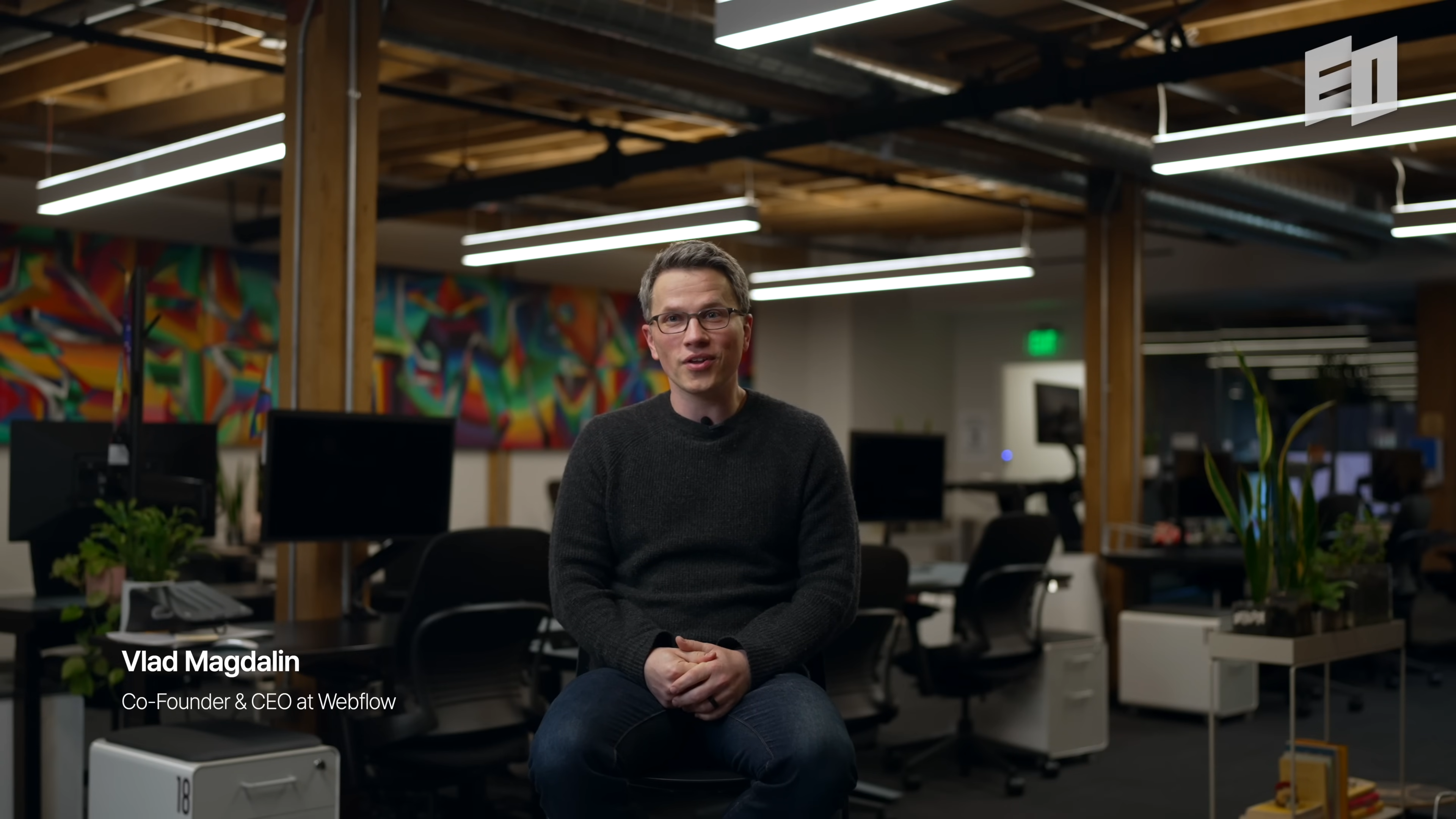
I'm Vlad Magdalin. I'm the CEO and one of the co-founders of Webflow, and we create a web platform to allow people to create really professional websites. Webflow is a visual web development platform that allows companies, freelancers, and agencies to create really sophisticated websites. We have over 200,000 customers, and the last thing we shared publicly is that we're over $100 million in revenue. We're up there in terms of important platforms, but we're still compared to things like WordPress and larger platforms, still getting started.
The Idea That Sparked a $4 Billion Valuation
I stumbled into it by accident. I came to the United States as a refugee with my parents, and I didn't really see myself becoming a designer or visual artist, but my dad was trying to create some businesses on the side, and that required him to ask me to convert some catalogs from English to Russian, and that required learning graphic design. That led to me getting a job at a place called Russian American Media, running a Russian Yellow Pages, where I was making ads, business cards, different things. That was wrapping design for customers or clients. That snowballed and led to me wanting to learn 3D animation.
The story was a little complicated because first I was doing graphic design, and then when I first started going to college I made the decision to go study computer science, because that's what my brother was doing, and that's what I heard was a lucrative career to follow. So I started doing that. I did that for a year, and I had such a hard time doing that, I really didn't enjoy it, that I dropped out, and then moved up here to San Francisco to go to the Academy of Art to study 3D animation.
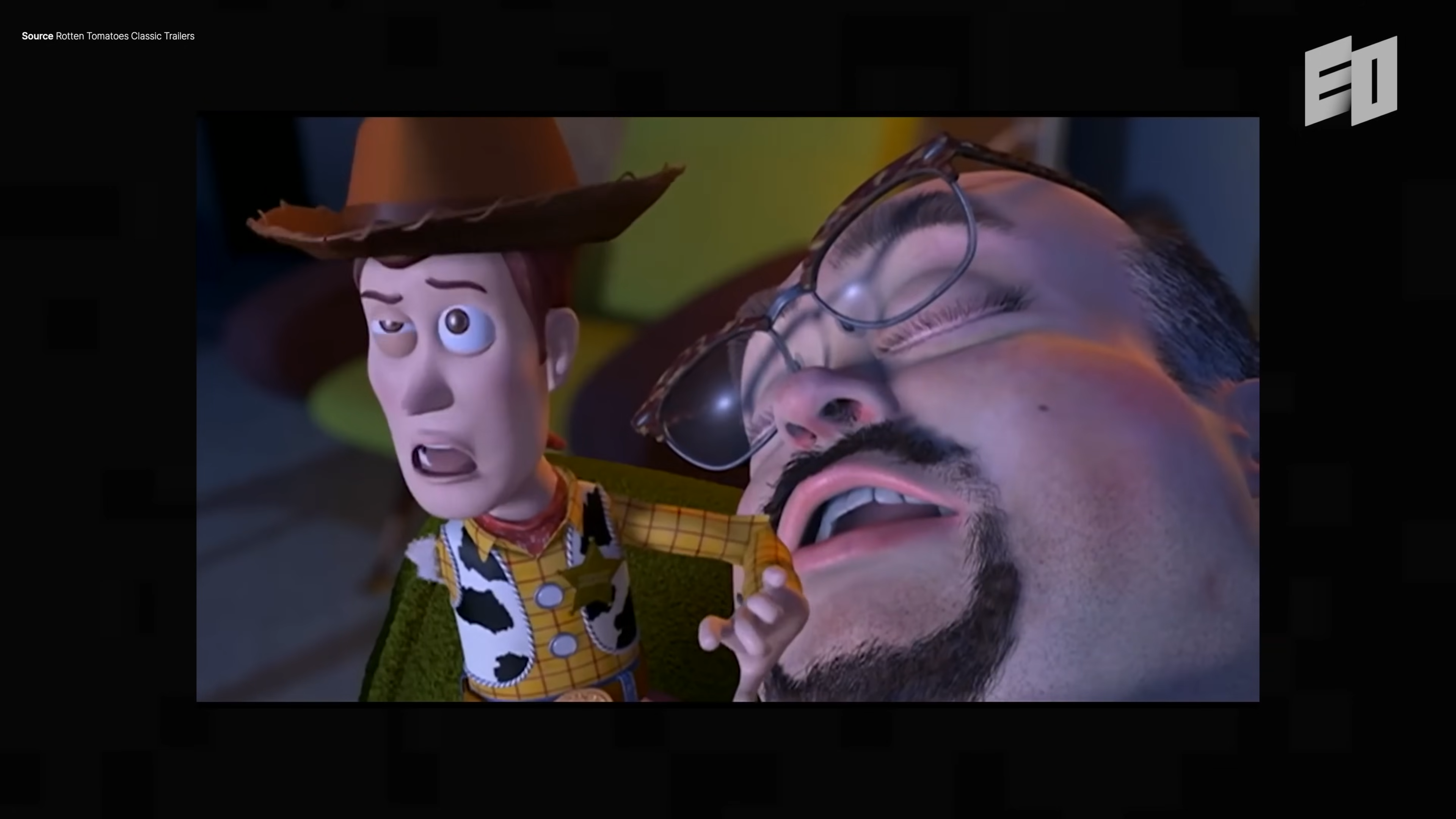
What really inspired me to do that was seeing what Pixar was doing. This was 2001, 2002, where Pixar was blowing up, making all these incredible movies, and I was downloading all these tutorials from the web, learning how to do 3D modeling, 3D effects, and it gave me this feeling of empowerment. Whatever story you can imagine, you can create these scenes and translate them into 3D space and then make a movie from that. I don't think I ever got really far to creating my own story end to end, like some people could, where they were animating from the time that they were a kid.
What really spoke to me was the technical aspect of really sophisticated 3D animation tools that were being used in the 3D and movie industry, and trying to learn them through all of these tutorials, and I felt like I was getting superpowered. I actually didn't finish, I dropped out of art school because it was too expensive, and I decided to go back to study engineering at the school I was going to before. Then I got a job at a web design agency to start paying back my student loan.
In that job I was working with a design team creating essentially web design in Photoshop, and I was an intern translating those designs into HTML, CSS, basically the web. That's when, one time, I had this flash of an idea: why can't the way that 3D animation works, where creatives are doing all of the work in the sophisticated software, pressing a button, it goes to live screen without a translation layer, why can't something like that exist for web? So that was the initial inspiration, that Webflow has to be a thing. I want to create something like 3D animation tools for web design.
Even after that I got another job and started working, and into it already, that idea had already sparked in me that I wanted to try to start this on the side, whether I was moonlighting or working nights and weekends or trying to find co-founders on the side. It was that moment, when I was still in college, before my first real job, that I had this inspiration: I have to build a company around this, or I have to build a product that is like 3D animation tools, but for the web. Effectively, Webflow came out of that, it just took four different attempts to make it happen.
🖼️
No image
I didn't know anything about business, didn't even think much about how we were going to monetize it, how I was going to make money. I saw that something was clearly broken, or something that could be better, and I had this very intense confidence that if I was to build it, somebody would be willing to pay, just like the 3D animation software I was using, some of it I was paying for even as a student. I saw that this provided me enough value that, even as a student edition, it was so valuable that I was willing to pay for it.
So I had this thought that I'll figure out how to monetize it later, but the most important thing was how do you actually create the tool that solves the problem in the way that I was imagining. I always thought that was the first thing to focus on.
A lot of entrepreneurs have this "if you build it they will come" mentality, and that's exactly what I had. I was like, I'll figure out those details later, I just got to build this thing, prove to myself that it's possible, and then we'll try to prove it to others.
I honestly thought at that time that it was going to be a company of one. I thought I was just going to create it and maybe sell it to some folks to use. I never thought I was going to become a company with multiple employees, let alone hundreds. So I was maybe naive about it, I didn't know all the details that go into building a company, but the first thing was, I need to solve this problem for myself, and I can see that it's broken, and I wanted to create a better solution.
10 Years, 3 Failures, 4 Challenges
The first time we wound things down, it didn't feel like a big failure. It felt more like, hey, I'm getting married, we're talking about having a kid, I have to get a real job, I'll keep working on it nights and weekends. So it didn't really feel like a failure at the time, it ended up petering out, and I forgot about it for a year. The second time it was a combination of finding another co-founder, working on it nights and weekends, and then that petered out too, but I also didn't feel like it was a big failure.
The third time definitely felt different. There were a lot of ups and downs, where we got some funding, we actually got incorporated, we had two other co-founders. The biggest thing that happened was everything was on track, we had applied for a trademark toward the end, after we had put together a pitch. We applied for a trademark, which is what you do to make sure you have all your ducks in a row, but then we got a response from the government saying there's already a company that has this trademark, and then we got a notice from that company saying we'd better not use it.
We got really discouraged, but not discouraged enough to stop entirely. We started working on rebranding the company, so it was going to be not Webflow but something called Markd Up, like HTML markup but with some missing vowels. Sergey, who ended up being my co-founder, created a new logo, and we were about to go live, but then life took over, and it was a slow trickle of one co-founder becoming demotivated and leaving, another co-founder saying maybe I wouldn't be willing to risk everything to start a company around this.
A competitor came out, Weebly, at the time. They got $20 million in funding, and I thought, it's over, they already won, how can you possibly catch up when we have zero and they just got $20 million. So it felt like giving up then, but maybe a year later the idea started to come back around, seeing how the competitor was going in a different direction and not building quite the same thing that we would have built, and gaining more confidence in myself as an engineer, knowing that I could build something independently, I started thinking about bringing the idea back again.
It was sort of a fluke, an accident, or great timing and luck, that four years later, at the end of 2011, I had already moved from Mountain View in the Bay Area to Sacramento, which at that point had our second kid. A trademark certificate arrived at my house that said, congratulations, you own the trademark for Webflow, because something happened with that other company where they let it expire or went out of business. By that time I was still working at my day job, but working with my brother Sergey, who ended up being one of my co-founders, to build more websites on the side, and starting to develop Webflow.
That was the perfect sign, like maybe it's meant to be, now you can use the name Webflow again. That started the ball rolling again on planning how we would leave our jobs, get enough funding to start it again. In 2012 it was 1,000% idea based, and it's not just 3D animation, it's game design, video editing, film production, and compositing. All of these industries have a way to visually directly manipulate very sophisticated things, hair simulation, rigid body simulation. It's not basic sketching like in Photoshop, you're creating entire systems that are really sophisticated to do visual effects.
When I looked at web design, it was so obvious that something like that needed to exist, and some companies tried, like Dreamweaver and Adobe tried many years ago, but I think because they failed early, they were just too early in the market. A lot of people assumed that it just couldn't be created, right, because somebody else tried, especially one of the biggest players in the space like Adobe and Macromedia, they failed, so something must not be possible. But in my mind, coming from that 3D background, it was just obvious this needs to exist.
I was 100% sure, even when I got a lot of doubt from other people, talking to investors, "oh, this will never work out." I walked away from that almost discounting it, I was like, they don't know anything, it's obviously going to work. Sometimes that's bad, because I wasn't looking at critical input, and it would have been helpful for me to be more critical of what might not work. But to me it was just so obvious that the current way that things work is broken and it needs to be fixed, that I was 1,000% convinced that I needed to build that specific thing.
I even told my wife, and I honestly thought this, that if it wasn't for this idea I'd have no interest in starting a startup. It was specifically to make this idea happen. If I didn't have that conviction, I'd be perfectly happy working for Google or Microsoft, whoever, but it was that specific idea around Webflow that I just knew had to become a
How I Found PMF After 4 Attempts
reality. Unlike the previous session, I don't have any prizes to give out. Ideas are very important to me, I think that bringing ideas into the world is one of the most important things that people do, and I think great ideas take on lives of their own, which give meaning to our lives as people. I think a lot about how people create ideas, and how ideas grow, what sorts of tools create a healthy environment for ideas to grow.
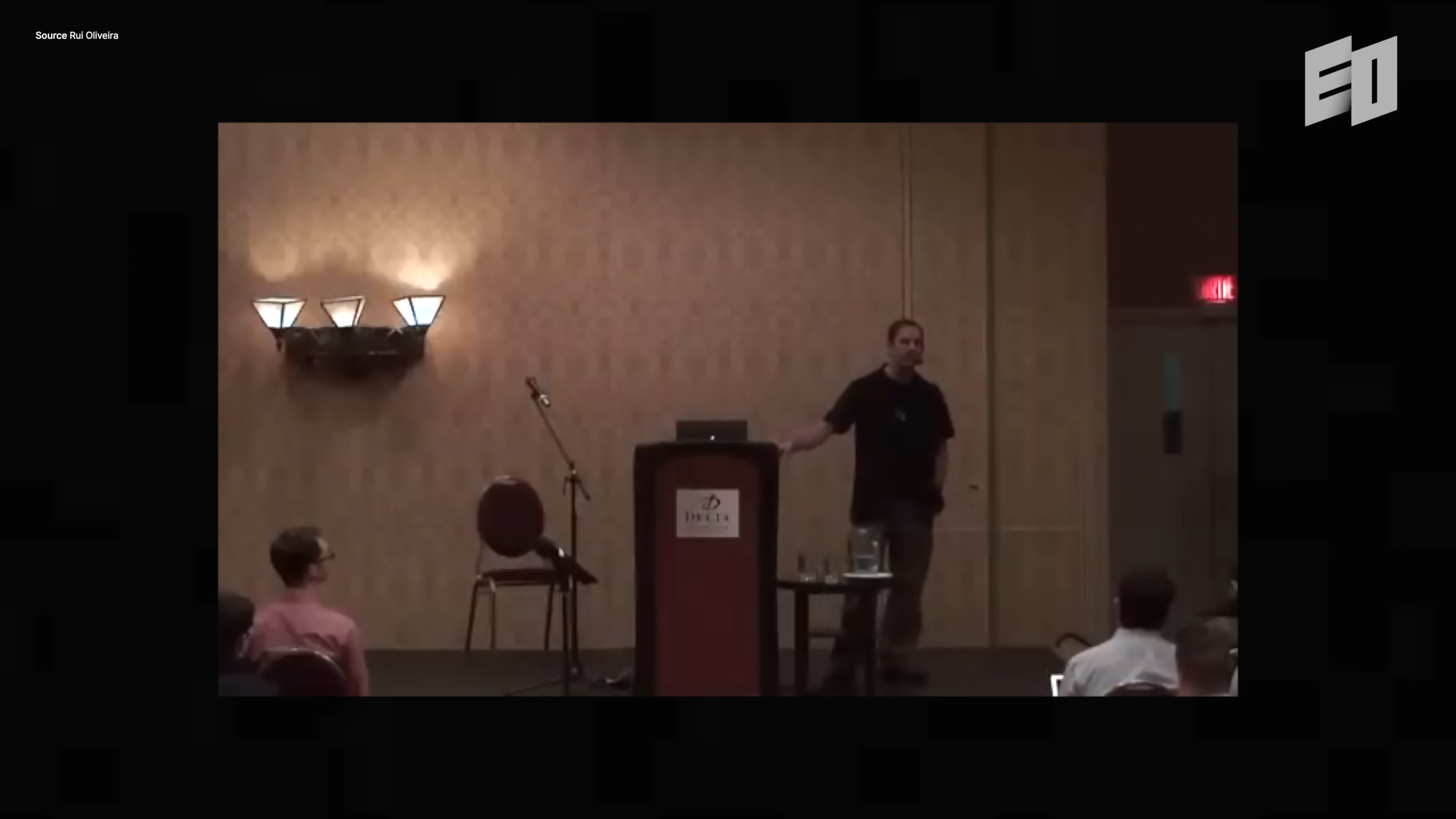
This was late 2011 when I got approval to use the trademark, and that got my brain spinning around, should I start this again. The thing that actually sparked the fourth attempt, where I was 100% sure, was I saw a video called "Inventing on Principle," which I think every founder should see, by a person named Bret Victor. I saw that in early 2012, and it has to do with the intersection of art, design, and programming, but half the talk is also about why you do the work that you do, what is the purpose behind your professional endeavors.
The combination of both of those things, something he was talking about being very similar to Webflow, the visual development, visual manipulation, and asking the question, are you really fulfilled, do you have a deep sense of purpose from the work that you're doing. After watching that video, literally the next morning, I called my boss and said I'm going to be starting a company.
Then we started building a demo. We didn't really have a product, so the first thing we thought was, we only have three months of runway of savings to fund our family expenses, so we're going to make a Kickstarter video.
We went all in, got incorporated, started making a Kickstarter video, and started designing the product, what it would look like, how we would show it in the Kickstarter video so that other people could see what it was going to become, so they could pledge and give us some financial support so that we could actually build the product. It turned out we had completely miscalculated, and by the time we were almost done with the video we found out that Kickstarter doesn't allow hosted software, so the entire thing we were building was not compatible with their terms of service.
We had to start from scratch, that was basically money wasted. We started building a demo and started applying to YC. Once we had the first version of a demo, without any customers, we applied, didn't get in. That was really discouraging, very surprising, I thought we were for sure going to at least get an interview, but it was a rude awakening to be told, hey, you're too early, all you have is a demo, you don't really have a product yet or any users. We just kept building, and decided, because the window to apply again is six months later, but by that point we were already running out of money.
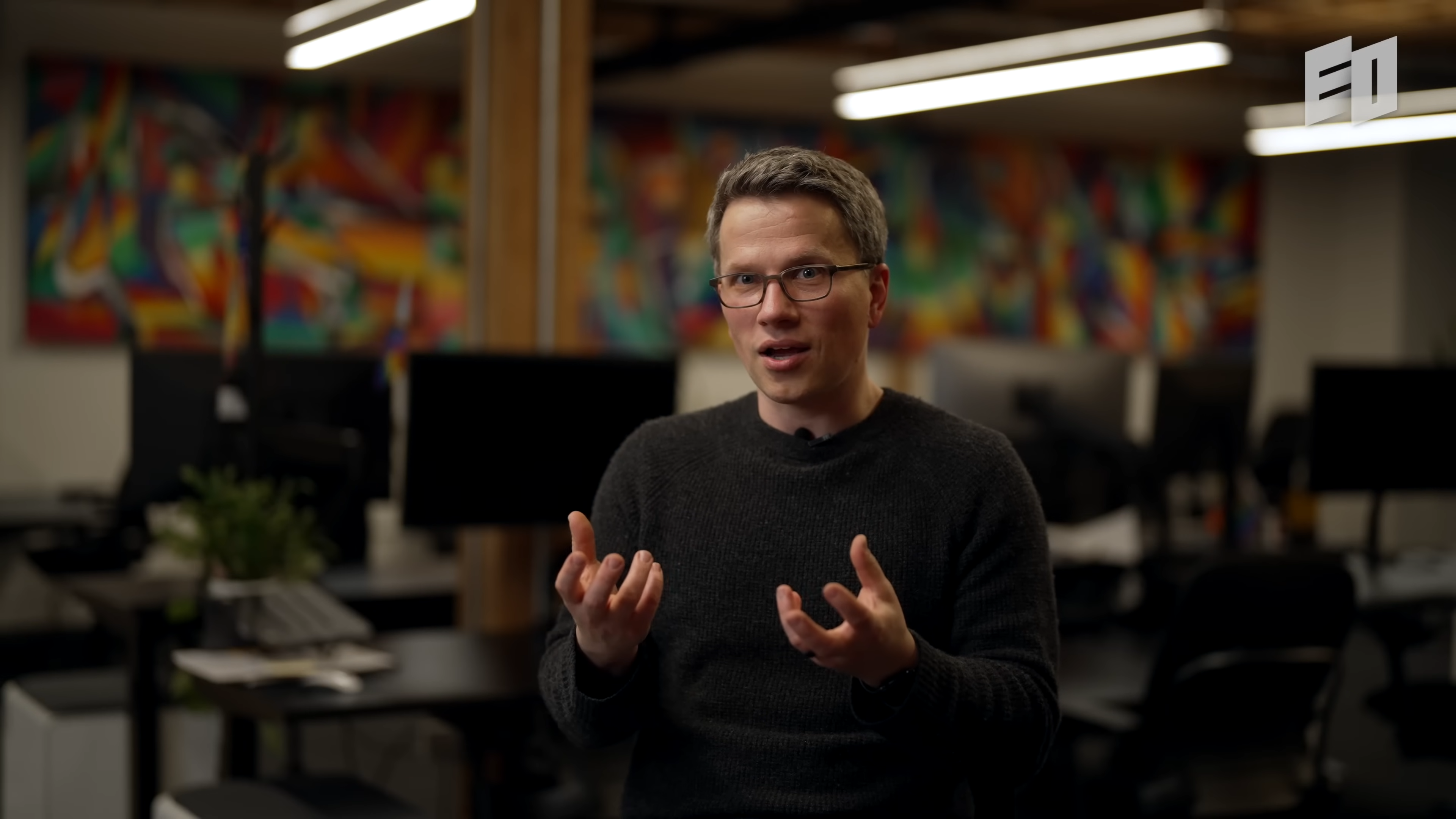
So we decided, all right, we're going to go super lean, save as much money as we can, and just try to build a product that we can actually put in front of people so they can see exactly what it looks like, and get closer to figuring out would people be willing to pay for it. Those next six months were really tough but also really fun, we were extending every possible credit card, loan we could arrange, borrowing money from friends, selling cars, converting them to leases, but it was also one of the most motivational times as a company, because we were day and night working on the design, coding, building the actual application.
By the time March 2013 came around we had a demo to show. All these designers first, like Reddit, Digg, at the time there was Designer News, and it didn't get much traction. But then we put it on Hacker News, which is more of a developer community, and we thought developers would probably not care about this, because the entire tool kind of talks about maybe replacing developers, but it really took off. A lot of developers who saw us launch on Hacker News really resonated with the product, because they saw how much it could help the people they partner with, the designers, to get a bunch more done, without needing them.
That's actually one of the things, I was a developer before, where I would take Photoshop files from a designer and translate them into a CMS or something like that. It was some of the most tedious work a lot of developers get pulled into, you might have an entire development team working on a product, and then the engineering team gets pulled into marketing projects, like, hey, we have this new landing page for a new marketing campaign, can a developer come in and, using this Figma prototype, build the marketing page in code. That's some of the most tedious work to do, that translation work, because what developers really want to be doing is the more sophisticated thing.
There's so much demand for those developers' time that they'd rather be doing that, so I think that's why Webflow resonated so well with developers. Not only did they see that the tool helped designers create by themselves, but also the way that they created by themselves generated really clean, semantic code that was performant and didn't have the types of issues that other website builders did. That's when we started getting our first real traction, and with that we applied to YC, with that we got into the program, and then that gave us a lifeline to keep working on it, and the rest is history from there.
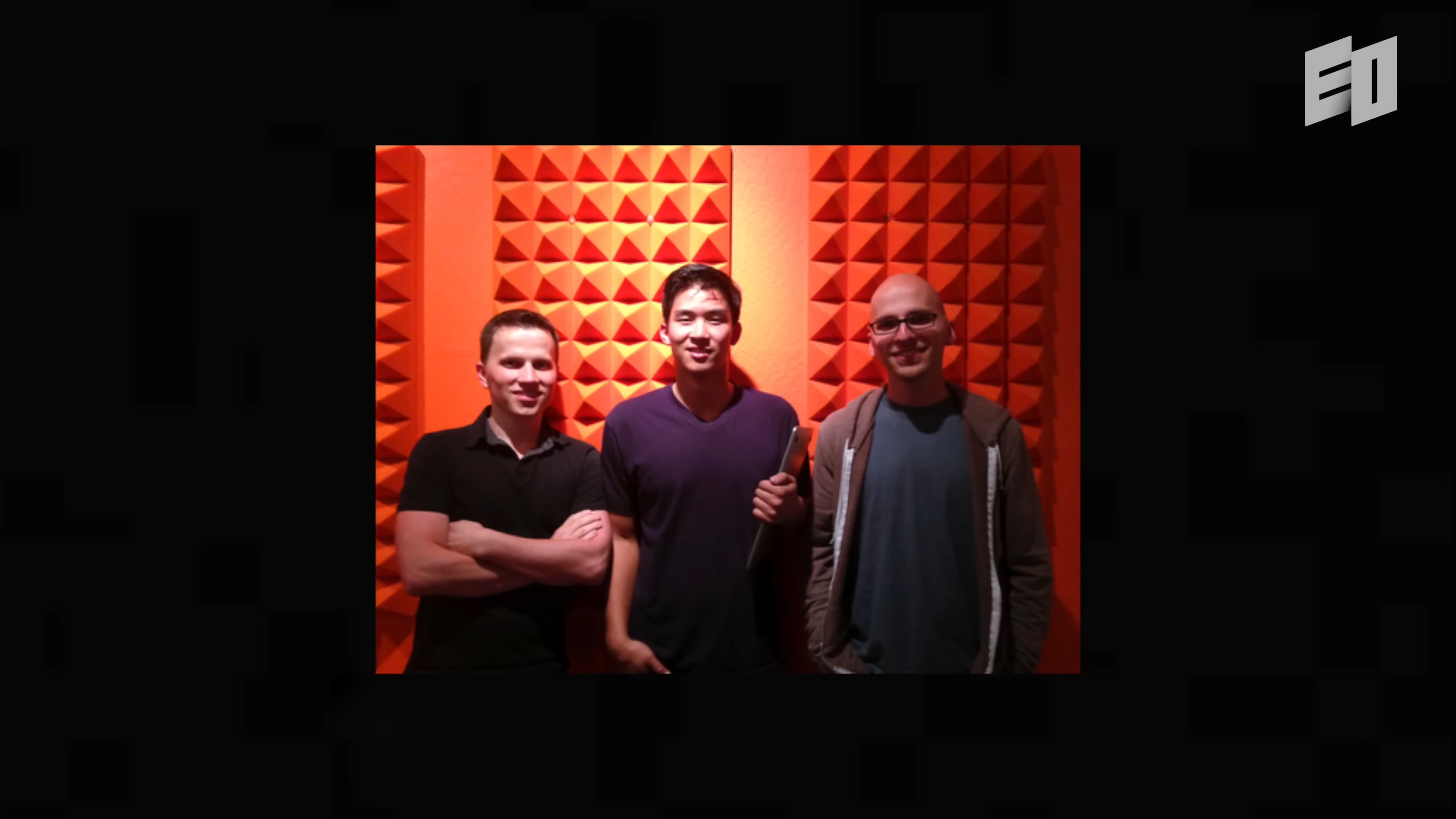
For a while I was really happy when we initially launched the idea and started collecting a list of folks, before we could actually sign people up, and it was really overwhelming, going from having failed multiple times, and being out of money, at our last attempt, our last draw. Because if that didn't work out, there's probably no way it would have taken another 10 years for me to feel confident again to try again, for my wife to feel comfortable taking another financial risk. So it felt really awesome to see that traction and validation when we actually launched for real and tried to convert that waitlist of about 30,000 people to customers.
Only about 40 or 50 signed up. Out of 30,000, 40 or 50, we were shocked. We thought maybe we'd built something wrong, how could we go from tens of thousands of people interested to only a handful, only tens, actually paying for it. That didn't feel great, but over time we started to really pay attention to those folks, get closer to them, and serve their needs, and that slowly started to build a base of more and more customers.
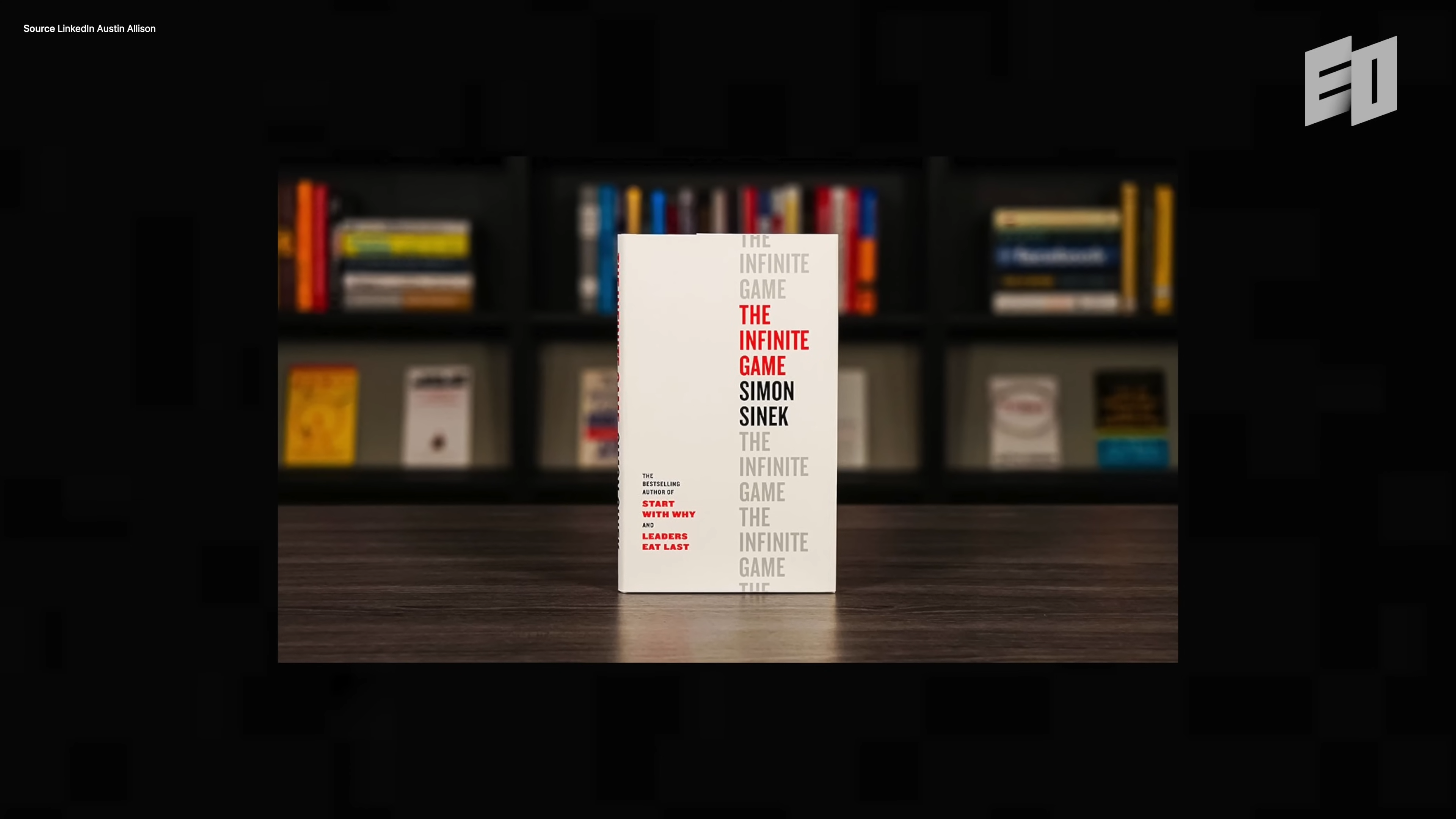
Being honest, it wasn't a deep framework, it was customer centricity: how do we keep delivering on our mission, how do we keep listening to customers and keep solving their problems in a way that feels valuable to them, how do we build a team that can help us do that.
There was a bit more of a formal framework, from a book I read called The Infinite Game by Simon Sinek, and it had this structure of the responsibilities of each business: first, to advance a just cause, something that brings ten times more value to the world than it does to you.
For us, that was always been the case, for every $10 we make through our software, one of our users is probably making $1,000, using it to sell advanced website builds to clients.
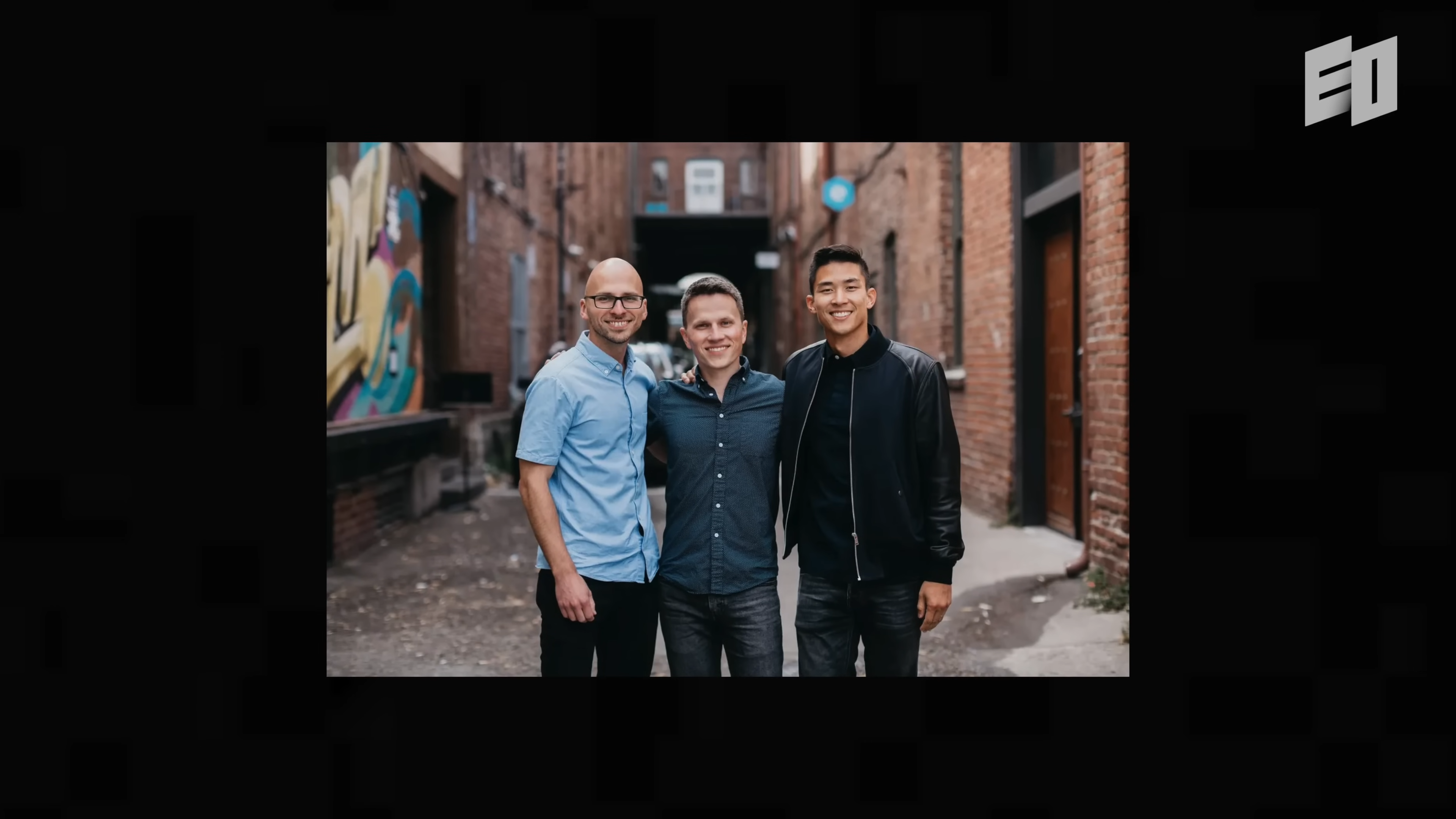
The second responsibility is to prioritize people in your business decisions: how do you build up your team, how do you create an environment of bringing in amazing people who are empowered to solve these problems for customers, but not just people in your company, also what effect do your business decisions have on people outside the company, how do your decisions around how you structure your business impact your users, the communities you live in, the environment.
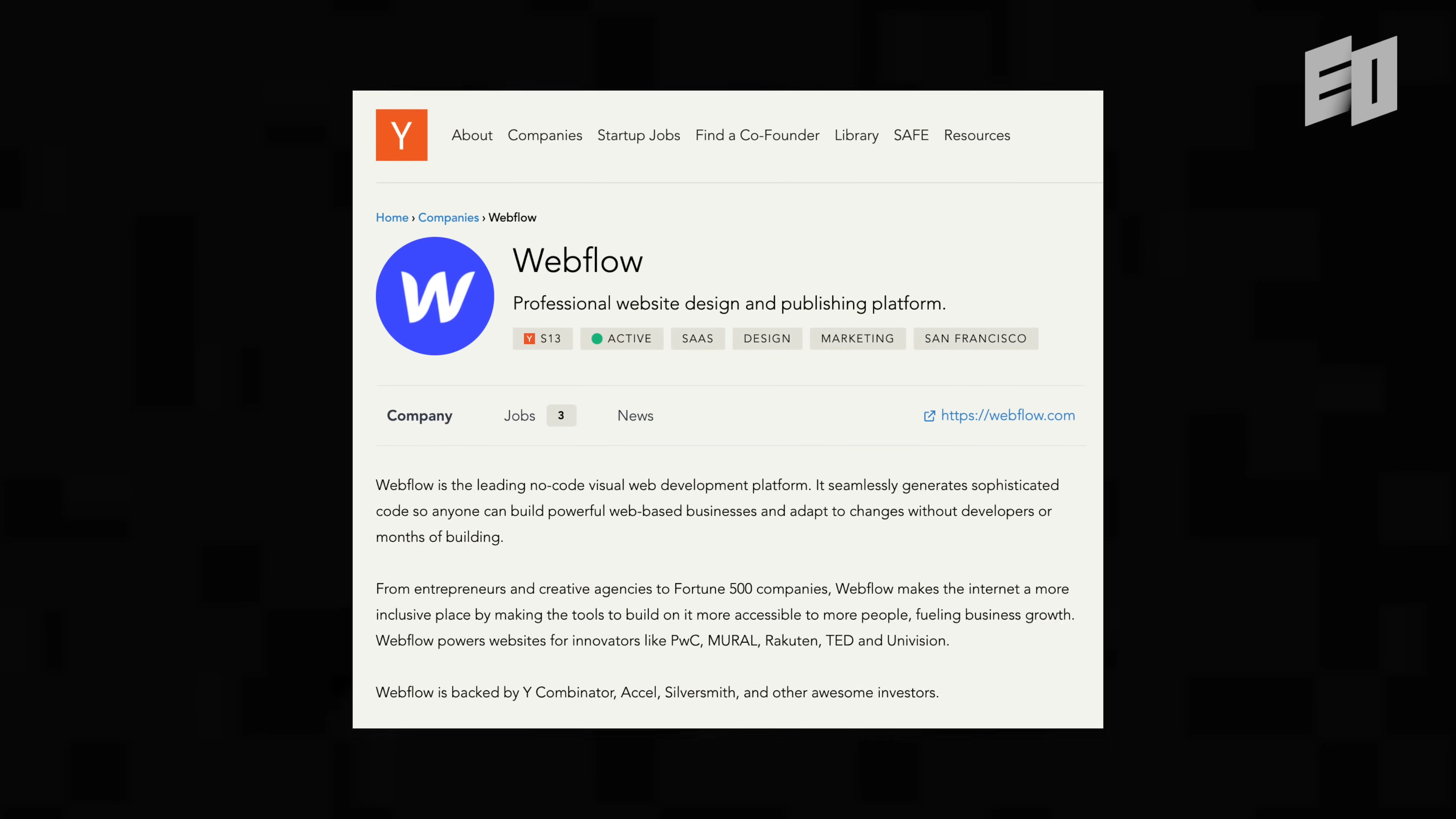
Only the third responsibility is to generate revenue, but importantly, not just to make money, but to do the first two things for as long as possible, to keep funding and advancing the mission that you believe is a good thing for the world, and to factor in how you affect people along the way. I've thought about it like that since the early days: what decisions do we need to make to keep advancing our mission, to keep bringing the power of web development to more and more people.
It always comes down to finding people who really care about doing this, bringing more power into other people's hands, spending a lot of time trying to hire them, bringing them in, and empowering them to be successful within the company. I think the two biggest factors are really thinking about customers, and really thinking about the team that is going to get you there.
Everything else is details, there's a lot of learning and scale and things we've had to figure out, a lot of mistakes we've made, but ultimately it's those two things that are always at the center: our customers, and the people we build for, whose entire mission our company is meant to serve, and our team, how we behave together, who comes together to solve this problem for customers well.
One Single Idea until $4B Startup
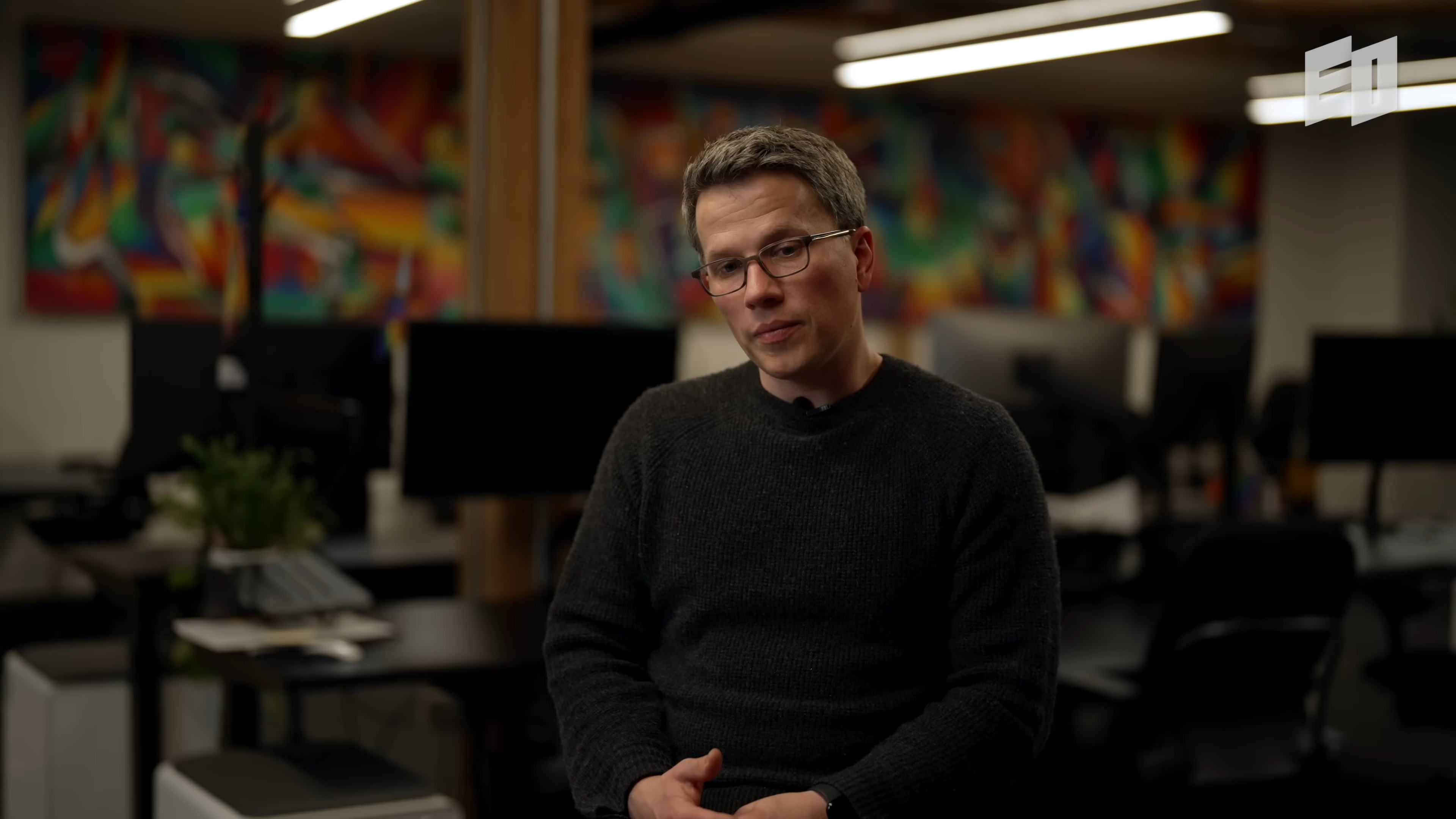
I think the thing that motivated me the most was I wanted this idea to exist, and the other thing is, because my family came here when I was nine years old, we came here as a refugee family, we were on welfare for about three years, my dad was trying to make ends meet, that experience showed me that even a more modest job was way more than the kind of life I would have had back in the USSR. I already felt like I'd made it, even without a normal entry-level engineering job.
I didn't feel like I was trying to make a ton of money, I was trying to find ways to make this idea I had happen. I think that was the main motivating factor. I wasn't really trying to figure out which path gets me the most monetary or financial outcome, because I already felt my life was so much better than it would have been.
That was never a goal, and after the idea came to me, I was just chasing how do I make it happen, not thinking of it as a business vehicle, just thinking about what I need to do to bring this to reality, not to make as much money as possible.
I literally thought, when we were starting Webflow, even this fourth time, that it was going to be three or four of us building a small product, having more and more customers, a small agency, all sitting around one table building this product. But it turned out to be much bigger than we ever imagined, and that wasn't by design, it was because we were trying to make this idea and bring it to life, and put it into the hands of more people, and that just required more and more people.
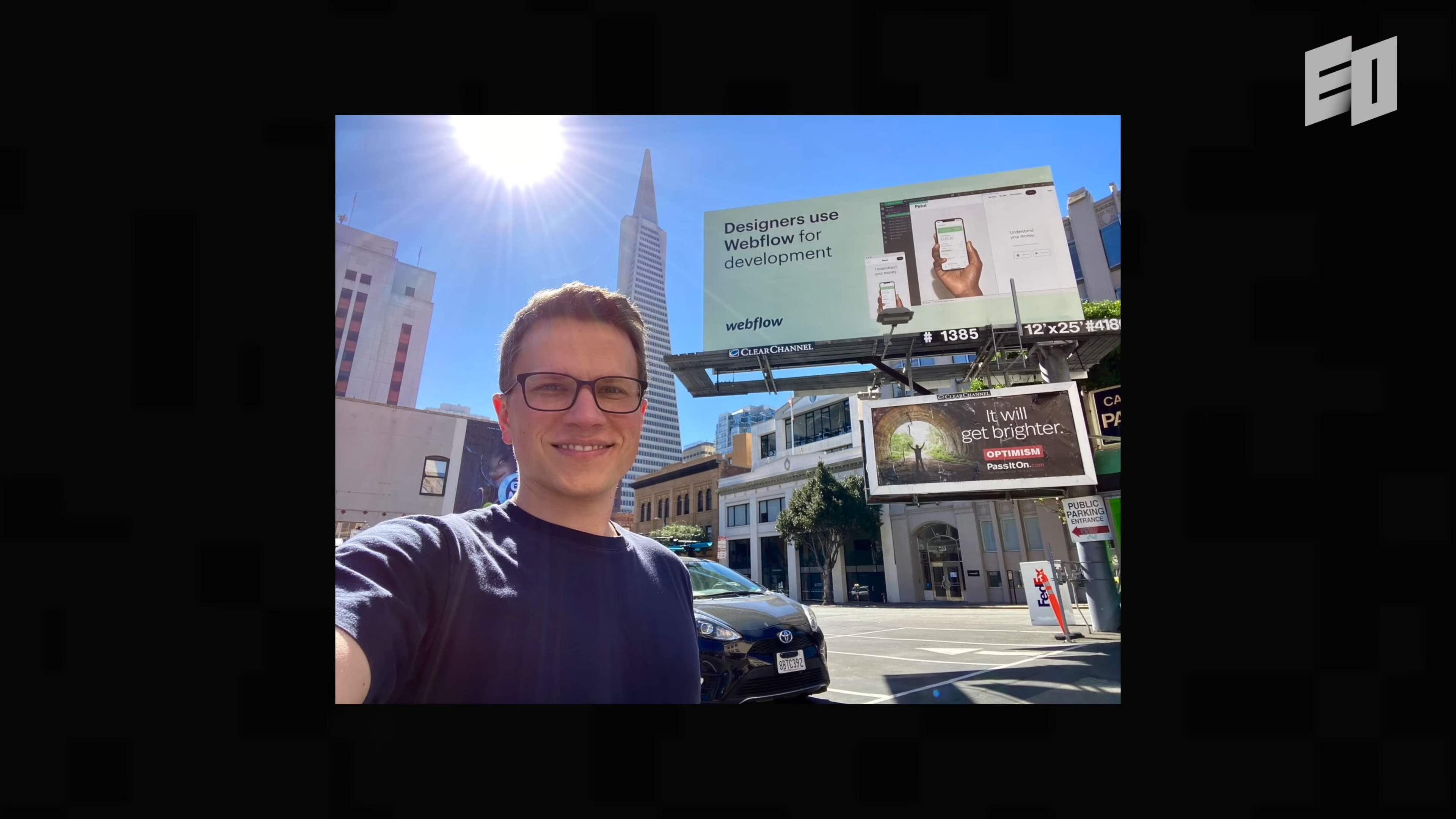
The best advice is there's never a great time to start a startup or have kids, but the other part of that advice is you always figure it out. I assumed, when we were getting started, that I had to hide the fact that I had kids from investors and advisers, the general assumption was that you can't do both, you can't be a parent and start a startup. I think that's fundamentally not true, and I'm glad to see it's becoming more of a trend, where people aren't afraid to be doing both at the same time, you can totally figure it out.
I would say having kids was probably the biggest factor in shaping our company culture, the fact that I already had kids, to make sure we were working in a sustainable way, creating great benefits, we attracted a lot of other people with families, who tended to be more experienced, versus fresh grads. It was definitely hard, but I think so many great companies have been created by parents, and so many great founders have had kids along the way, and it just worked out. The important thing is to make sure you're not choosing one over the other, you find a way to balance both your family and your life's work.
My wife and I talked about having a third kid after the startup already happened, and for a while it felt like Webflow was that third kid, and then by the time our kids got a little older we decided not to have more kids. In the thick of it, it was really hard to decide, which I think was the right decision, but in a world where I had to choose between having kids or starting a startup, definitely pick both, because both can be so rewarding and so fulfilling in many different ways.
I think a lot of people have this mental block, that if I already have kids then it's not possible, or if I start a startup then I should never have kids, until it's stable, it's never going to be stable. There's never a great time when everything is figured out, so go for what you truly want and need in your life, and a lot of times that's both of those.
Explore more