May 09, 2024
What I learned from building $3.5B business
Interview with Filip Kaliszan & Brandon Davito, Co-founders of Verkada
Founder Focused

💡
At a Glance
- Who: Filip Kaliszan is the Co-founder and CEO of Verkada. A Stanford computer science graduate, he built CourseRank in his dorm room and sold it to Chegg at age 22, where he spent years helping evaluate and integrate corporate acquisitions.
- What: Verkada builds cloud-managed physical security software that unifies video security cameras, access control systems, and environmental sensors into a single centralized platform.
- Traction: Valued at $3.5 billion with 17 global offices, over 2,000 employees, and 20,000 commercial customers, including 60 of the Fortune 500.
Filip Kaliszan learned the complexities of software scaling and corporate M&A at age 22 after selling his first student software startup to Chegg. In 2016, he spent a year prototyping hardware in his living room, assembling Raspberry Pi cameras to modernise the $15 billion physical security market. Today, Verkada serves 20,000 commercial clients worldwide with a $3.5 billion valuation by unifying security cameras, door access, and environmental sensors into a cloud dashboard. Kaliszan's trajectory demonstrates why limited runway can force healthy product launches, how to build self-sufficient engineering pods, and what it takes to scale company culture across thousands of employees.
Key Takeaways
Small Tools Can Reveal Product-Market Demand
Filip Kaliszan and his co-founders built CourseRank as a class project, watched it spread across Stanford, and saw 7,000 or 8,000 students using it. The early signal mattered because a simple tool becoming useful to peers showed how practical products earn adoption before monetization.
Prototype Before Your Runway Forces the Truth
When Verkada's first cameras arrived on five pallets, most of Filip Kaliszan's cash sat in his garage and the company had zero customers. Limited funding forced a launch, and early customer feedback reshaped the roadmap faster than continued private polishing would have.
Launch New Categories With Self-Sufficient Teams
Brandon Davito describes Verkada's access-control team moving into a basement with rough Raspberry Pi prototypes and one simple mandate, which was to ship. The self-contained group progressed through customer testing to industrial design, showing how a startup within a startup can protect focus while entering a new category.
Culture Becomes Visible When Leaders Make Choices
Filip Kaliszan's biggest cultural mistake came when inappropriate behavior was not met with a clear response. He learned that leaders must make changes when people violate the culture, then communicate deliberately as companies grow beyond the stage where everyone already knows who they are.
Store Positive Energy For The Next Downturn
Filip Kaliszan says companies move cyclically between good and bad periods, even after reaching 2,000 employees and strong funding. His advice is to preserve energy and positivity during good times, because discipline and a level head are what carry teams through shocks they cannot control.
Watch the full interview now on EO's YouTube channel! Below is the complete transcription of the interview. Minor edits have been made for clarity and readability.
Introducing Filip Kaliszan, Co-founder and CEO of Verkada
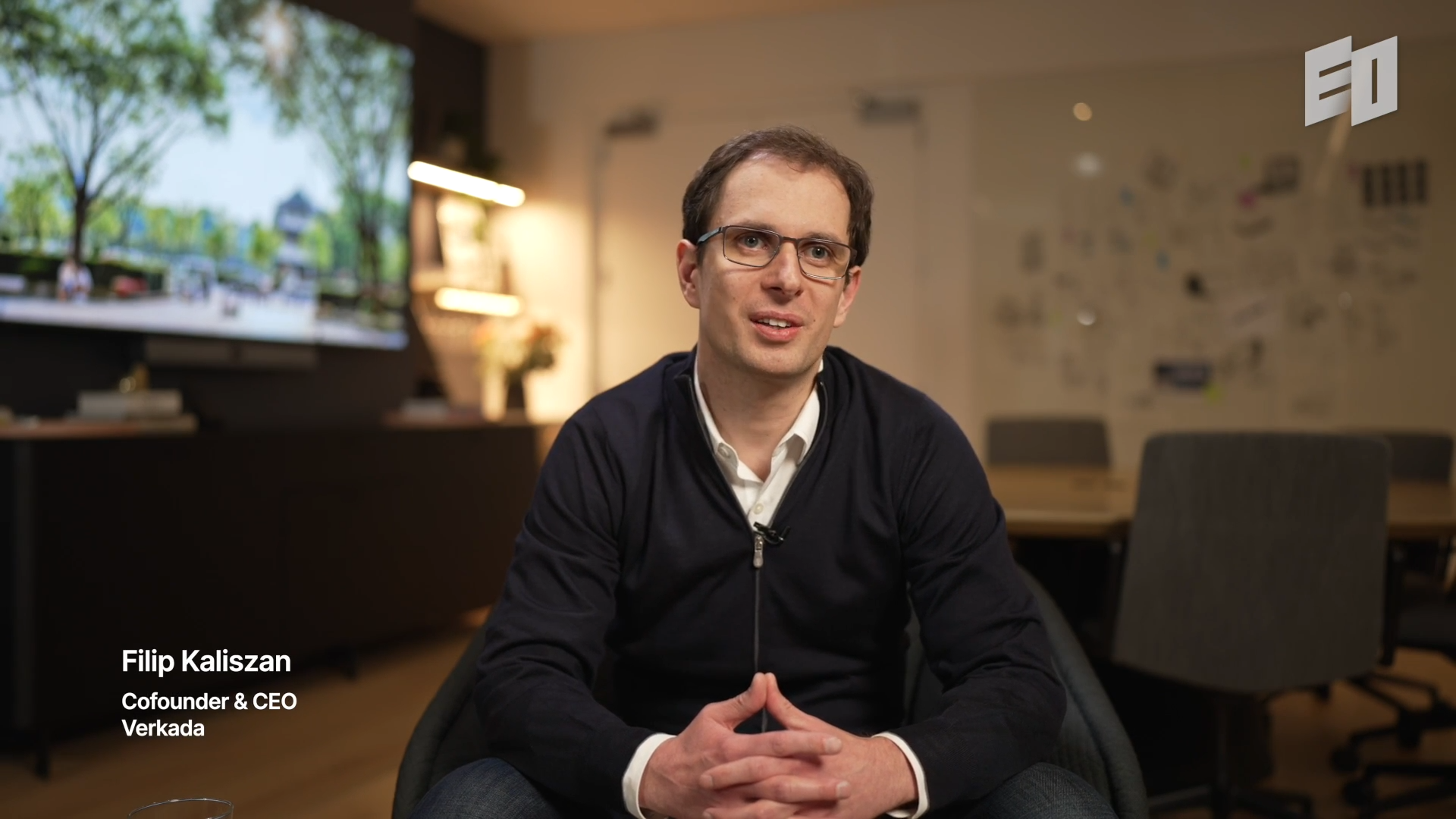
I'm Filip Kaliszan, one of the co-founders and CEO here at Verkada. You can think of our product as a software platform for all things physical security. We started with video security cameras and we've expanded to several product lines. We unify all of these devices, we put them on one centrally managed software platform, and we bring all of the technology to the cloud for our customers. Today we're valued at just about $3.5 billion. We serve about 20,000 customers globally, we've got 17 offices around the world, and in the US we serve 60 of the Fortune 500 businesses.
I'm very much a builder. I came to college and, like many students, I didn't quite know what I was going to study. I took some computer science classes over here at Stanford. What I loved about it is that I could take ideas and talk to friends about ideas, and seemingly with very little effort you could turn those ideas into something practical. You could write an application, you could do something, and it would just kind of work and achieve something.
My Company Was Acquired at the Age of 22

CourseRank, Built From a Class Project
Back in 2006 and 2007, when I was an undergraduate student, it was very surprising to me that here in Silicon Valley at Stanford, the way you chose classes was through this big book. Everyone was making some kind of sheet on the side to see how to fit in and take all the best classes and meet all the requirements to graduate. It seemed like in 2006 that should be online, that should be digital.
We built this tool called CourseRank as a class project. It was very much a web application. We launched it, and first it was my roommates, and then it was the people on the floor of the dorm who were using it, and then the floor below and the floor above started using it, and then it started spreading across campus.
It's extremely exciting. You're just sitting there refreshing Google Analytics and seeing how many users you're getting. By the time we were graduating, the vast majority of students in the undergraduate class at Stanford were using our solution, so it was definitely a cool feeling, knowing that this thing that we made was useful to so many people. I think it was 7,000 or maybe 8,000 undergraduate students at Stanford using it, which felt like a big number to a 21 year old at the time.
From the CourseRank days, one of the key lessons was learning how to work effectively within the small group of people who were my co-founders. When you go through school, or at least when I went through school, you learn different things, but you don't necessarily know what the sweet spot is, what it is that you are good at and what someone else is good at. My co-founders and I all had strong opinions. We all thought we were experts on every single topic. You learn from that experience who's good at what, and you learn to develop trust for each other, and you learn that it's really important to delegate things as opposed to owning everything directly. The dynamics of how to work with a team effectively, and then later how to scale that team, were maybe the key lessons at CourseRank.

Saying No to Chegg, Then Naming a Number
What happened was that we were going along, building the tool and getting it deployed to more and more universities, and the team from Chegg reached out. I think it was the CTO who reached out to me. In my mind at the time, I thought our company was still so early and so small, and by the way it wasn't making any money yet, so I didn't really think it was plausible that they would want to buy it, or buy it for a meaningful enough amount of money to make us change course.
I remember this was a very particular point of stress in my life, and again, I was 22 at the time. But I knew I could build something here, I knew I could build something bigger, and I knew I had to say no to Chegg initially, and that I had to come up with some number and some way of negotiating. We sat around as founders with one of our advisors and had to decide how much it would take to sell the company. We came up with a number, thinking there's no way on earth Chegg is going to pay that number to buy us. But the conversation with Chegg continued, and over time the numbers converged enough that ultimately we decided to pursue that path.
It's very interesting, because if I think back to that moment in time, to me it was very much about the financial transaction and what I was getting. What I vastly underappreciated, and what was certainly a great outcome of this decision, was the years that followed.
Inside Chegg, Buying and Integrating Companies
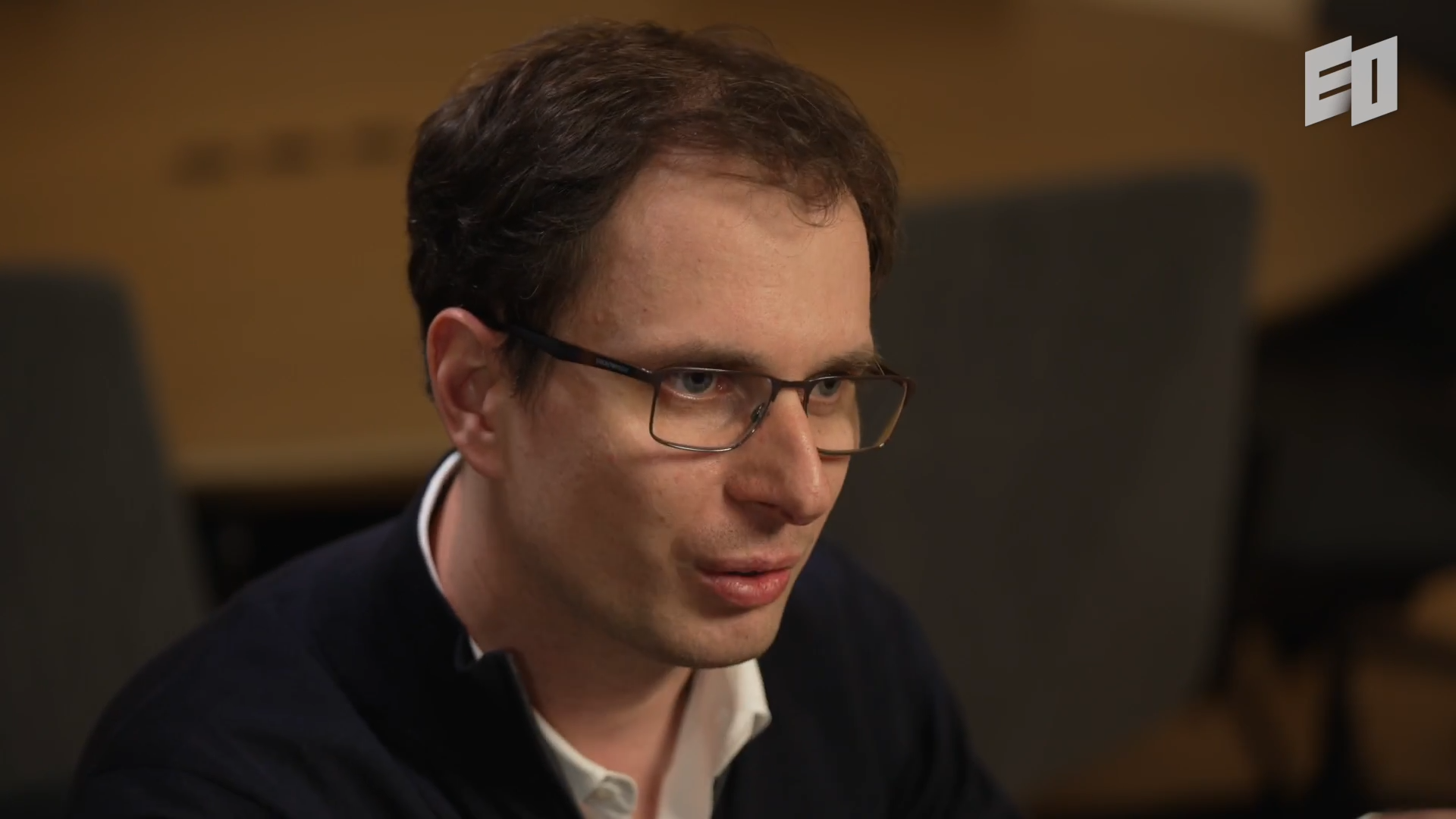
Mine was the first company that Chegg had bought, and Chegg at the time was very much a startup itself. When they bought me, they were just about 80 people. I think it was 2010 when Dan, who was the CEO, brought my company in, and the first thing they said was, Filip, just keep building CourseRank within Chegg and keep scaling it up.
What I didn't expect, but what was very fun and very cool to learn and observe, was that they wanted to buy more companies. Chegg was transforming itself from a pure textbook rental business into a suite of digital student services. One of the crazy things for me, and again I was very young at the time, was that they said, hey Filip, we bought you, you know what that feels like, so help us evaluate these other acquisitions. There I am at 22, having never bought anything, certainly not a company, and the next thing I know I'm doing diligence, meeting teams, and evaluating how this might fit with that and how we would bring the products together.
The next piece, which I think was quite useful later in life, was that I was on the product team, and part of my responsibility was integrating and bringing some of those products together. I remember at the time thinking this was going to be so easy. These things make sense, you're just going to piece them together and it's going to work.
The obvious lesson learned from that experience was that integrating acquisitions is extremely difficult. It is actually very hard to make different teams learn how to work together, make their products integrate tightly, and look like one product to the end customer. I learned a lot through that about some of the tactics of how you execute that on the product side, but perhaps even more importantly about the dynamics of the teams, how you get the people working together and how you get everyone excited to build this new thing that is a sum of these different parts. That was a super fun time in my career.
The Key Lesson in Building a $3.5B Company
A Year Off to Find the Idea
When we set out to start the company that ultimately became Verkada, the way we did that is that my co-founders and I took a year off. We said we'd give ourselves 12 months to explore ideas, talk about these ideas, and prototype and build them. The key thing was being very open and sharing our thoughts with a lot of people, ranging from prospective customers to investors to friends and family, and really seeing what resonates and what makes sense.
Some of the criteria for starting Verkada and landing on that idea were that we wanted to find a problem that's large enough, with a large enough market and a meaningful enough space behind it. The market for video security at the time, in 2016, was between $15 and $20 billion of annual spend worldwide. In the US, school safety is a big issue that many schools are tackling, and schools are refreshing a lot of the infrastructure they have for safety, so that became another segment of the market and a very powerful driver of demand for Verkada. When we were sitting in my living room and there were exactly 4 of us co-founders, that $15 to $20 billion of annual spend felt massive and certainly big enough to build a meaningful business around.
Sixty Cameras Assembled in My Living Room
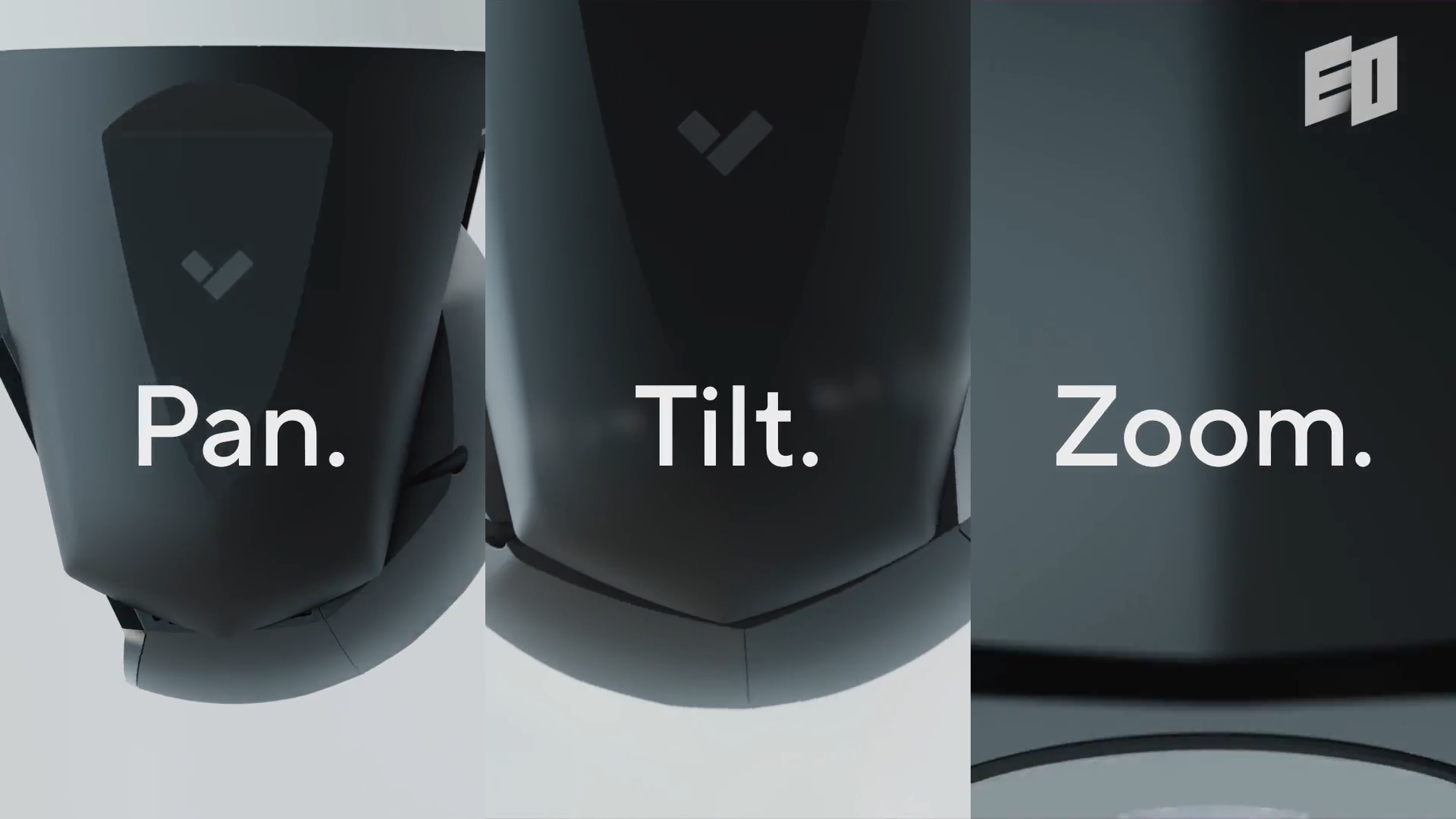
The first prototype for Verkada was very quick. It was a camera based on a Raspberry Pi computer that you can buy on Amazon, and that was the very first thing we did.
We built maybe 60 or 70 of these, and that was literally us in my living room assembling them together. We wrote some very basic, very rudimentary software to stream video and store video, and one of the first things we did was build these and give them to friends. We gave them to anyone who would be willing to install one. The whole purpose of this was just to learn about the challenges, about what doesn't work in video streaming, and what happens when you have more than 10 or 20 cameras in a single location behind a maybe not so great internet connection.
That's how the journey started. I remember when we placed our first manufacturing order, our manufacturing partner told us that the minimum order size was 250 cameras. I think it was summer of 2017 when 5 pallets of cameras arrived from our vendors in Taiwan. We didn't know where to ship them, so they shipped into my garage. I looked at it and had this moment of, oh no, I definitely can't park my car, and most of the cash I had on hand is now sitting in my garage on these cameras, and I have 0 customers. So it was definitely a reality check moment.

Running Out of Money Forced Us to Launch
Once we had the product working, there is this moment where you have to decide whether it is ready to ship. Being a product person and an engineer, you always want more, you always want it to be better, and I certainly felt that way. In 2017, when we were launching our first cameras, I felt like there weren't enough features, and of the features that were there, I could think of all the bugs. So there's this natural incentive to delay and delay and not launch the product. One of the things that worked really well in our favor, which in retrospect I really appreciate, is that we didn't have very much funding.
The line of running out of money was not far in the distance, and ultimately that's what forced us to launch the product. Had we had more money, we probably would have kept working on it in a silo inside the company, but because our runway was limited, we were forced to launch, and that was one of the best possible decisions we could have made. You start shipping the cameras to customers and very quickly you get feedback about the things that resonate and the features they care about. It turned out that we had a lot of ideas of things we wanted to build, and the overlap between what we wanted to build and what the early customers really liked was not a perfect overlap. Hearing that early feedback and those stories really drove the product roadmap and how we developed things, and ultimately allowed us to more quickly get to the successful product that we ship to the market today.
Scaling New Product Categories
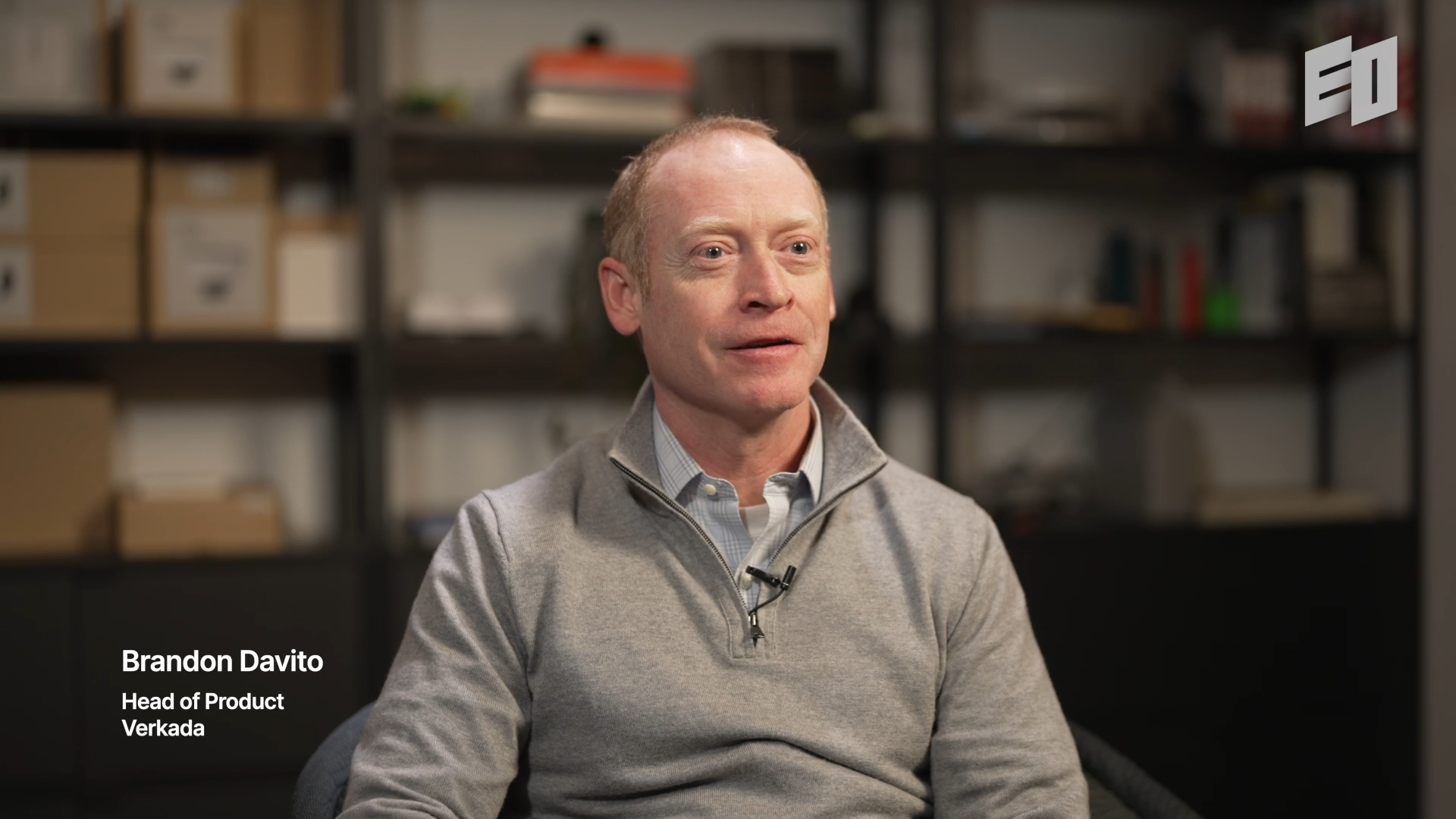
Brandon DeVito: Hi, I'm Brandon DeVito. I head up the product team here at Verkada.
One of the things that has been interesting for us is how we scale new product categories. The first story is that we started out in cameras 6 or 7 years ago, and then when we expanded into access control we actually had a couple of false starts. We staffed the team and they would get distracted, or these were some of the founding engineers and they would get pulled back into working on the core product. So we took them from our old offices on 3rd Street here in San Mateo, California, put them in the basement, gave them really crummy snacks, and said you can't come back up until you ship a product.
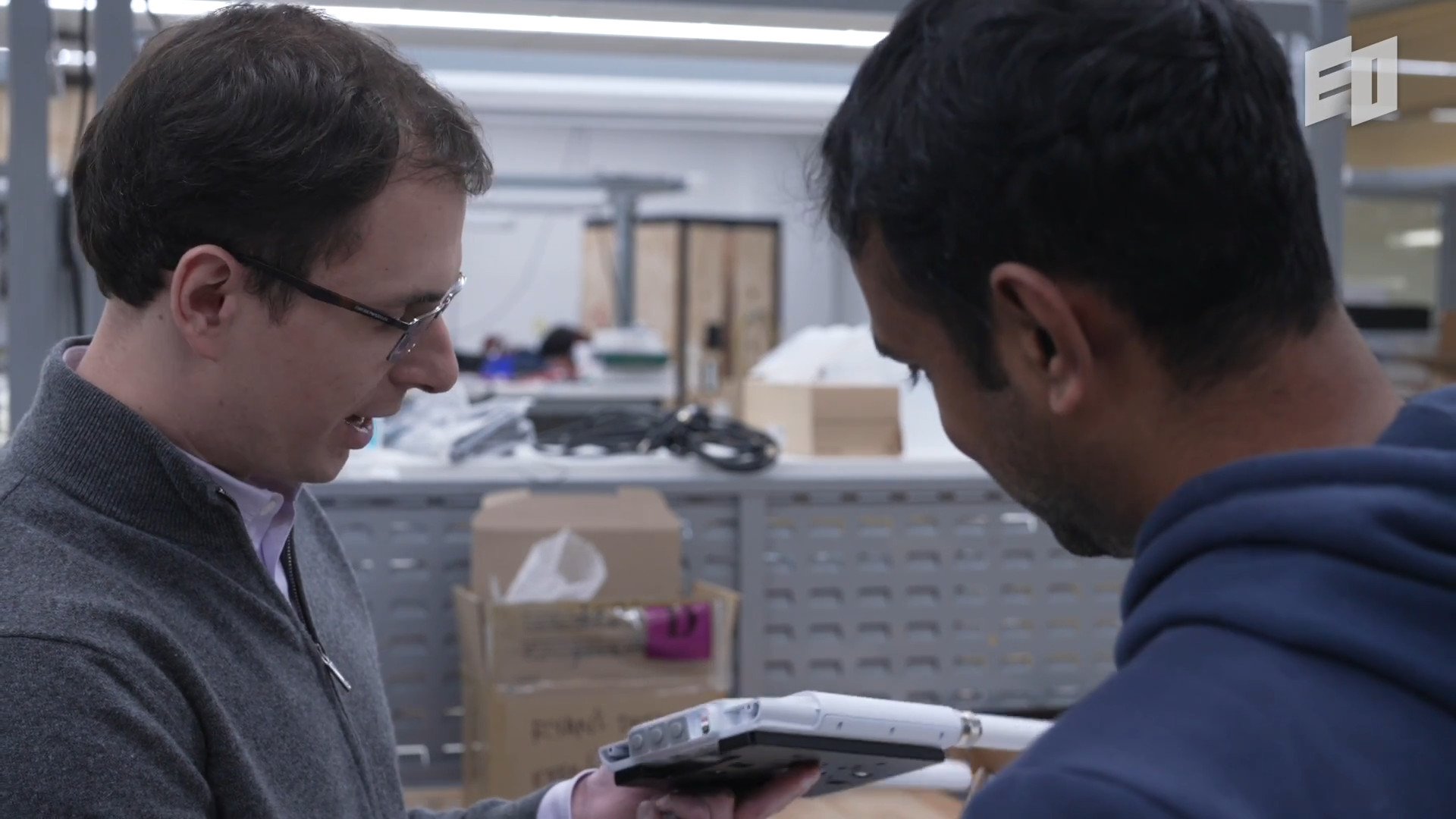
We took the CTO and one of the founding engineers and had them build a product, and they moved very quickly. They started out with Raspberry Pis and horribly ugly LED lights that were flashing, and then we progressed, started testing with customers, and finally got to final industrial designs. That progression of actually living the experience, using our tools and our products very early on, is something that we've mimicked since. So is the ability to create a team that's wholly formed. The startup within a startup is a little bit trite, but we really think about how we can create a pod that's self-sufficient and can go after a big market.
We really believe in an in-office culture. Building physical products, building security cameras or access controllers, you actually have to touch it. Even thinking about our badge readers, the scan distance is something that we test and live with and dogfood on a daily basis. So it's always been a fun combination of having engineers and product people and the sales team all under one roof, working together to build these products, but also really experiencing what it's like to live and work in a Verkada managed or secured building.
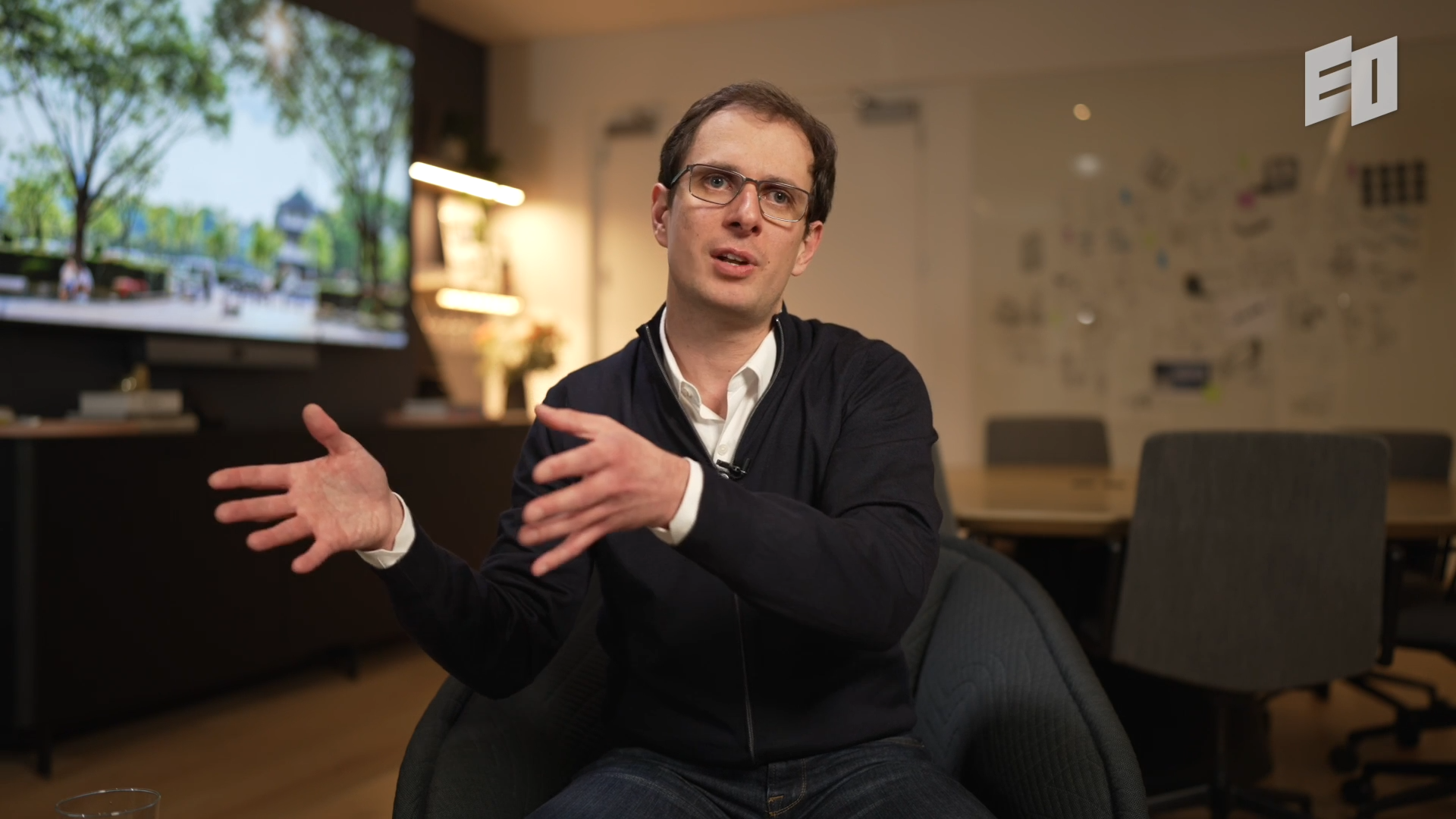
Filip Kaliszan: It's a lot about the touch points that make being at work fun and exciting. If you come to work and you're energized by your colleagues, and you look forward to seeing them and working with them, that matters. We've done a lot of subtle things you may have noticed. On the different floors of the building, the snacks are different and the drinks are different. If your favorite snack is on floor 11, you're going to get some exercise running up and down the stairs, but you're also going to bump into fundamentally different people. All of these elements contribute to the energy and to the experience that the employees have, and cultivating that, at least in our minds, is extremely important to having a happy, productive team and employee base.
The Mistake That Taught Us Our Culture
Probably the biggest mistake I made in the journey of Verkada was back in 2019. The company was maybe just about 200 people and the team was growing very quickly. We had this moment in time where we had a few people on the team who engaged in inappropriate, gross, disgusting behavior. This was raised and came to me, and we thought about it, and it was the first time that I encountered that type of situation. I thought I could first-principles my way to an answer, and the mistake was really that we didn't send a clear message. We didn't part ways with those individuals, and that led to a lot of confusion on the team about who we are, what our morality is, and how we think about these things.
The solution to that particular problem, in retrospect, is very obvious. When you have folks on the team who don't behave accordingly and don't represent the culture that you want to build, you just make a change. That's one very clear learning.
The other learning I had, and this was specific to me, is that once the company started scaling, and once you get to hundreds and then eventually thousands of employees, it's really important for me and for other leaders in the company that everybody understands how they're perceived by everyone else. When you're a startup and you're 5, 10, 15, 30, maybe even up to 50 people, everybody knows each other. Once you reach the scale of hundreds and then thousands of employees, you can't expect people to know who you are unless you invest effort in communicating who you are.
For me that meant a lot of tactics, everything from small group lunches and get-togethers with groups of employees that I might not otherwise interact with, to more frequent and more thoughtful all-hands meetings. We build a lot of these programs and touch points, and all of that serves this idea of communicating to the whole team who we are as individuals. It's just extremely important.
Keep Forging Yourself and Building
Store the Energy for When Things Turn
When you start a company, you're under constant pressure, and it's self-imposed, really, but you need it. You have to realize that building something takes a tremendous amount of work, and many things fail. Especially in the early days, every day you're thinking, is this thing going to work or is it not going to work. Definitely along the journey there are certain points in time where something went sideways, where a feature you thought was going to work didn't work, or is taking longer to build.
The journey of building a business and building a startup very much requires some level of persistence. The way I describe it is that things are always either good or bad, and it's cyclical. It happens from the early days of the company, but it happens even now, when the company is big, it's 2,000 people, and it's well funded.
I always tell folks to charge up and store the energy and the positivity when things are good, because you never know what's going to happen. You never know when something like COVID happens, or when the markets turn. Those things are out of our control. Having the energy and the ability to persist through those tough times, and the ability to continue executing with a level head as things go up and down, is ultimately one of the key things for long term value creation. That's one of the things I try to focus on and remind everyone on the team about.
Spend a Lot of Hours Building Things
My first piece of advice is probably to try building something, and to spend a lot of hours building things. As with everything else, think about getting really good at a sport, or getting really good at playing piano. The same is true here. If you spend a lot of time honing those skills, and you keep building up that scale and building up those experiences, that is one of the core skills, at least that I have found to be extremely helpful over the many years that I've built products.