Oct 28, 2024
How I built $3B Next-Gen Identity Startup for AGI Era
Interview with Alex Blania, Co-founder of Tools of Humanity
Founder Focused

💡
At a Glance
- Who: Alex Blania, CEO and co-founder of Tools for Humanity, the company building World.
- What: Tools for Humanity builds World ID and the Orb, hardware and software meant to verify human identity at global scale in an AI-driven world.
- Traction: Over 12 million people have signed up worldwide, with roughly 6 million verified through World ID, according to Blania.
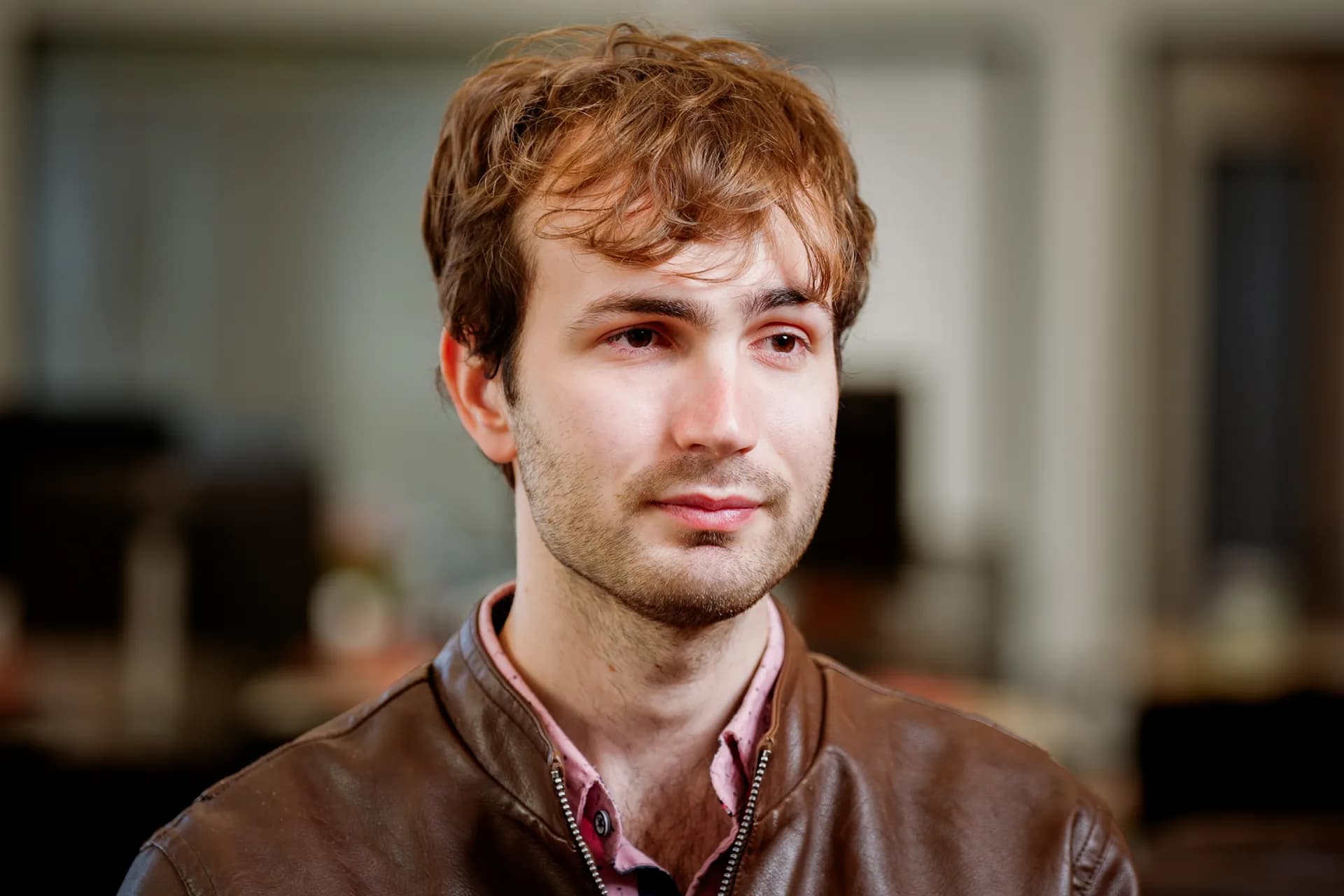
In this interview, we sit down with Alex Blania, the CEO of Tools of Humanity, who is leading the Worldcoin project. Recently, the project underwent a rebranding in San Francisco and is now known as World. World is a company building infrastructure for the AGI era, addressing the issues that arise with the proliferation of bots in the AI age. By leveraging blockchain technology and hardware, they aim to prove human identity. An interesting point is that this vision originated from Sam Altman, the CEO of OpenAI, and Alex was personally chosen by Sam Altman to be the CEO. In this video, Alex shares the story of how he was selected as a first-time CEO by Sam Altman and what he has learned from some of the top CEO coaches.
Key Takeaways:
Confidence Is a Founder KPI That Can Sink the Whole Company
Alex Blania treats confidence as a metric to actively manage, not a personality trait. Once it drops below a critical threshold, execution collapses regardless of strategy, which is why he insists a leadership team must increase, not erode, a founder's confidence.
Why Sam Altman Bet World on a Billion Sign-Ups Instead of Partnerships
Sam Altman pushed World to chase a billion sign-ups before nailing down developer partnerships or use cases, treating scale itself as the strategy. He borrowed the logic from watching Reddit, where user growth alone produced effects nobody could have predicted in advance.
How a Failed Park Prototype Turned Into a Weekly Shipping Ritual
A first physical verification device flopped almost completely in its public test, producing one signup out of dozens approached in a park. Blania's team responded by instituting shipping Saturday, a standing weekly deadline to ship and test a new hardware version until the design finally worked.
Startups Survive Near-Death Experiences, Not Straight Lines to Success
Blania says World came close to dying as a company more than once, by his count closer to four times. Founders who expect a straight path to product-market fit are set up to quit exactly when persistence is what the moment demands.
Founder Mode, Defined: Staying the Problem Solver in Charge
Alex Blania defines Founder Mode as staying the company's problem solver in chief rather than delegating away the hardest technical and product questions. The failure mode isn't being hands off, it's inserting yourself everywhere without actually solving anything.
The Best Mentorship Can't Be Written Down, Only Observed
Alex Blania says his most valuable lessons from Sam Altman were never explained directly, only demonstrated in how Altman handled specific situations. Judgment calls like when to stand your ground or stay quiet cannot be taught in a memo, only absorbed by watching someone else make them.
Watch the full interview now on EO's YouTube channel! Below is the complete transcription of the interview. Minor edits have been made for clarity and readability.
Introducing Alex Blania, CEO of Tools for Humanity
I am Alex Blania, the CEO of Tools for Humanity, which is building critical infrastructure for an AI-driven world. The company got started together with Sam Altman around four and a half years ago. The idea was: what kinds of tools will we need on a global scale to react to the change that will come.
The major project is World ID. One, it is a way to verify humanness on a truly international, global scale on the internet, because we think it will be really hard to distinguish if you're interacting with humans or AIs. That will turn out to be a very critical problem. Second, it is Worldcoin, a digital currency that gives ownership to every human. We are now at, I think, over 12 million users, six million or so that verified. We're scaling rapidly around the world, so we roll out these physical devices around the world.
Chapter 1. Sam Altman asked me to become the CEO
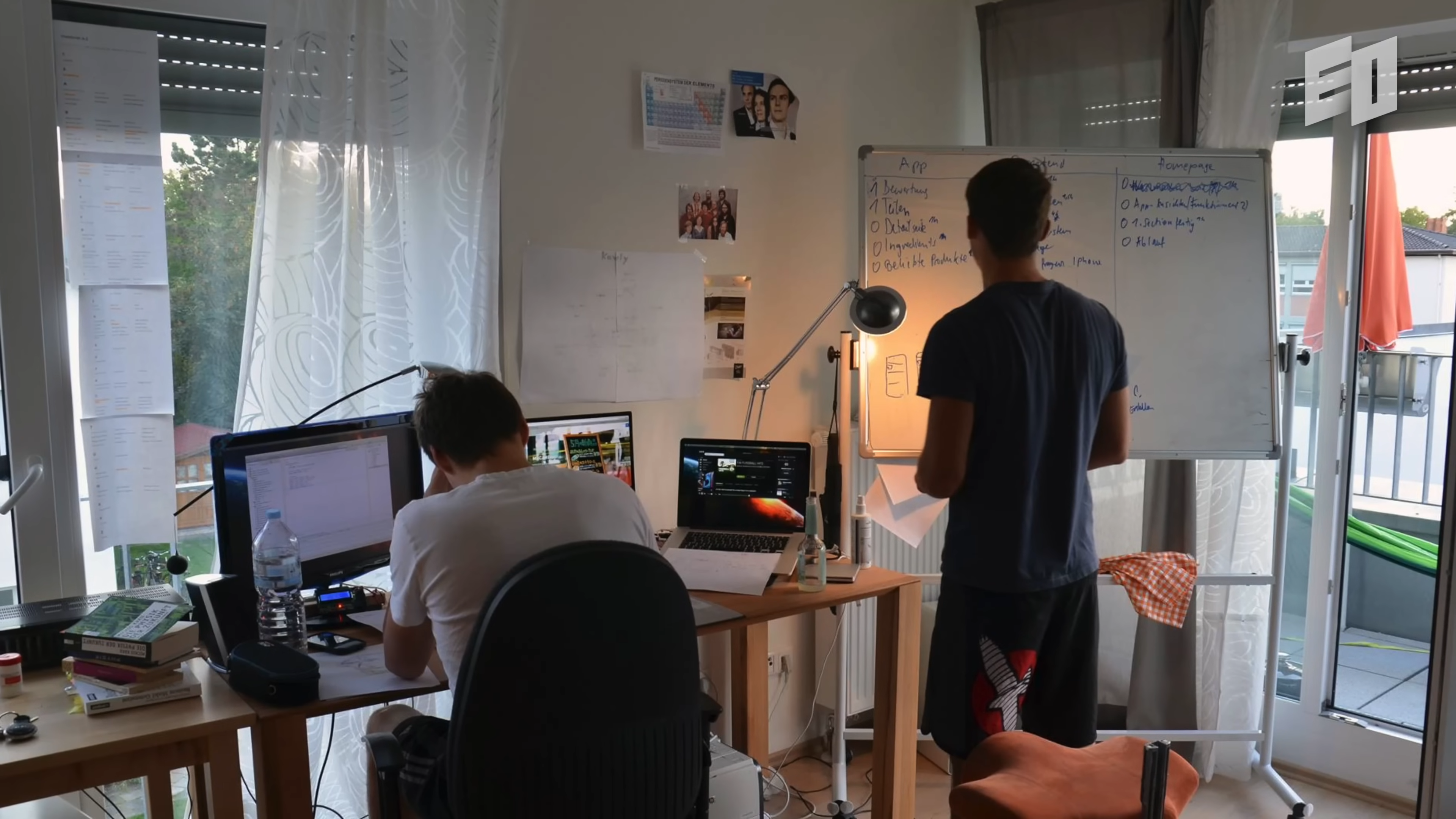
When I was very young, I was already a lot into technology, so I read a lot of books about computer science, but also the basics of mechanical engineering. I think when I was around 12, I was on the front page of Der Spiegel, which is one of the largest outlets in Germany. There was an article about Silicon Valley: Silicon Valley is this place where all these people go and build the future and build this new technology. Since then, I was very set that I will go to Silicon Valley and I will build companies. That's what I want to do with my life.
So when I started studying, right next to my university was a new Max Planck Institute. One of the professors and directors of that institute was a pretty well-known theoretical physicist who decided to go all in on AI. Back then it was actually a pretty small field. Because of that, I studied the beginnings of deep learning and what later led to Transformers very deeply, and then did a research stay at Caltech in Los Angeles.
When I did my PhD there, the actual story is I applied at a conference called YC120, which Sam hosted. The idea of the conference was that it would be a hundred of the smartest students in the world together with about 20 of the industry leaders of the world, and you would bring them together somewhere in the US. It would be an amazing time. I got declined. I was really angry, so I just wanted to fly there. There was no address, there was no idea how to find it. In that application period, another venture capitalist from San Francisco liked a picture of the car I built when I was 16, and it was part of the application for YC120.
So I thought that this VC was probably part of the application process of YC120, and so I sent her my application video and said, hey, I'm going to meet you wherever you are, I think you made a huge mistake declining me from YC120. She said, I have no idea what you're talking about, but the video is awesome, I will just let you interview with all these associates that I have. Because of that, I flew to San Francisco for the first time. I met a lot of very influential people in basically a two-week period.
Then I got admitted to the Caltech research program. I went there, and then, through a series of coincidences, which was partly driven by people I met before on that trip, Sam and Max, who were the two other founders of Worldcoin, reached out to me like a two-liner. Basically he was like, hey, here's this paper, Worldcoin, we're looking for software engineers, do you want to meet. This is by far the craziest story of my life.
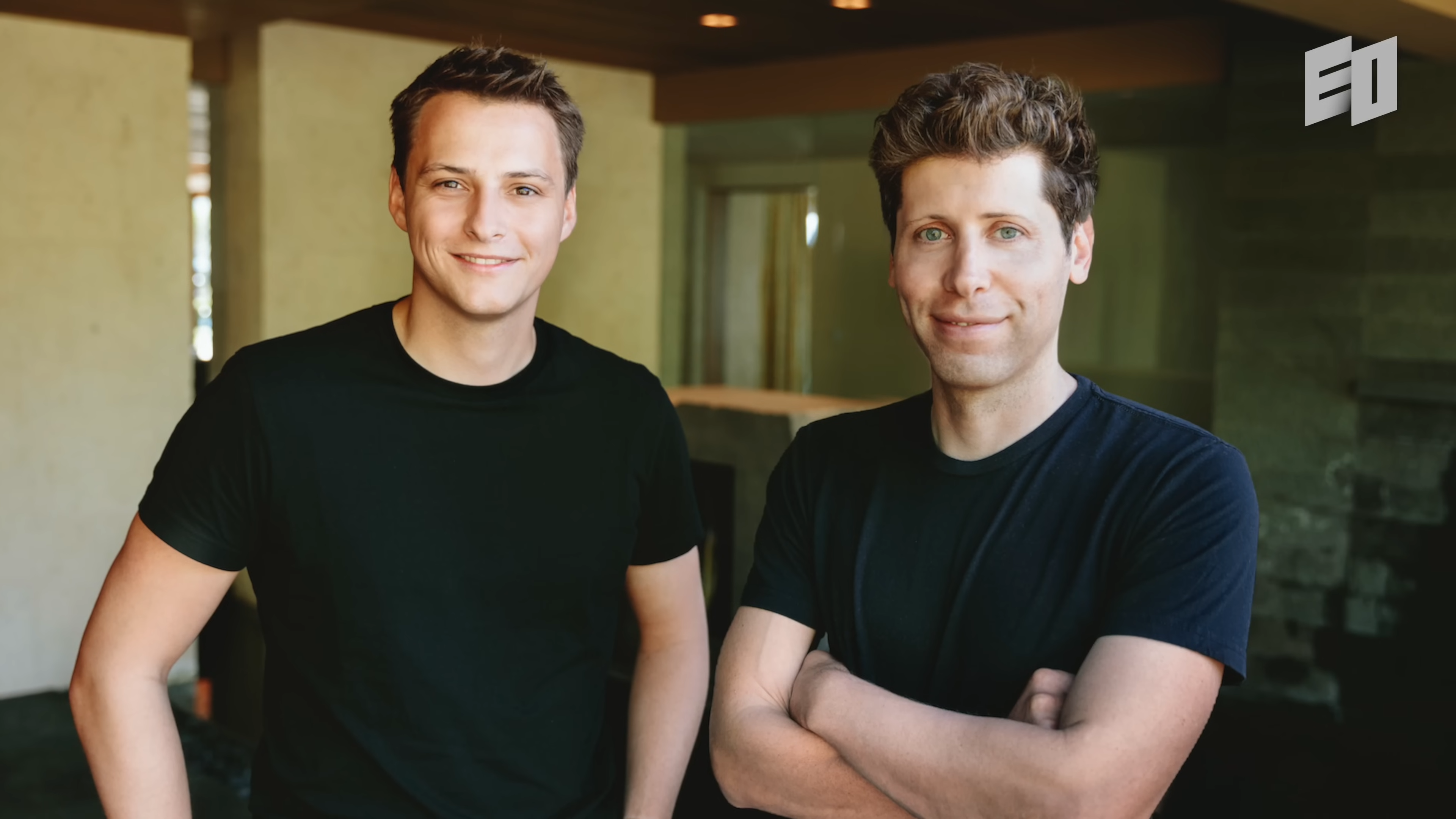
First of all, I didn't sleep all night, because Max let me sleep in the office and there was no blankets, and it was freezing. I slept like an hour. At 10 a.m., right when the sun was going up, so it was a little warmer, I could finally catch a little bit of sleep. I get this email by Sam: hey, you want to come by now. I didn't even have clothes for me, really. I just drank like six espressos or something on the way there.
So I come in, and then we sit down. My first question is, explain to me the standard model of theoretical physics in detail. The standard model of theoretical physics is quite a thing. I also think it doesn't make much sense, or there are actually deep flaws in that model. So that was my first response, and he just laughed. That's how we hit it off.
I was definitely a software engineer. I was also not CTO, I was something in between. I actually brought on the rest of the founding team, which were kind of the most talented people I met on my university journey. Most of them were physicists, that was kind of the technical team. Then I became COO roughly one year in, or eight, nine months in. After eight months, we started raising the Series A, so it was the first fundraise, and during that fundraise I became the CEO.
Chapter 2. What I learned from the best CEO coaches
When I became CEO, I got a lot of coaches, actually four of them, and so every Thursday I had a couple hours with each of them basically in a row. Seventy, eighty percent of my Thursday was just getting grilled and learning what are all the things I did wrong this week and what should I improve next week and how should I run a meeting. This was a supercharged learning experience, probably.
But then the second thing, which I think is actually probably much more important, is I think being a CEO, what that actually means, is that you're a problem solver in charge. There's always this confusion about what it means to be a CEO. It's like, okay, now you can run performance cycles and you can do this and that, but all of that actually really doesn't matter. Most of the things you have to do are a complete distraction. What you actually should be doing is you should understand the biggest problems the company's facing. So while running performance cycles and doing this and that, I hate it with passion. I do love solving problems, and that's what I did my whole life, and I was always pretty good at it. So while there's a lot of new things, the core of it is what I always did.
The most unexpected one, which is actually something I took away from Ben Horowitz, is this idea that, as a founder, you're successful mostly because of two things: your competence and your confidence. This idea that you need to manage your confidence and see it as an actual KPI for yourself, and if that falls below a critical threshold, you will fail and everything will crash and burn almost certainly. You need to be very conscious who you surround yourself with, because what you certainly learned in your private life is there's always people that are pessimistic about everything all the time, and they drag you down. In a company, these kinds of people exist but are completely toxic, because it's so easy to be cynical about everything and be negative about everything.
But the problem is what it does to you as a founder: it nags on you on a daily basis, it takes away this one thing that keeps you going, which is your own confidence. So your leadership team, the people around you, need to be people that increase, not decrease, your confidence, otherwise you will die by a thousand cuts, essentially. Because it's very non-obvious somehow, like no one thinks about these things, but that was probably the biggest unexpected learning.
In terms of coaches, every mentorship relationship, that's actually not even specific to business, because I had the same relationship with my professor in university, is much more one of situational. It's like you're faced with a certain situation, and as an inexperienced person, you don't know what is right or what is wrong, what you can be doing. So a lot about growing up, especially as a founder, is learning when to stand your ground, when to be direct, when to be indirect, and that you can really only learn by reference. I think the biggest takeaway from Sam was just indirectly seeing how he deals with certain situations. Very early on, these kinds of things I think are the biggest invaluable learning lessons that you cannot write down. You could write a blog post about these things, but you really have to think about it.
Chapter 3. Solving problems that have never existed
Many of the great companies started with, I think Keith Rabois has the saying that the best companies are much more like a Hollywood script: what do you want to see in the world, and you work backward from that, you hire the best actors that you can find, and then you go after it. If you think about it, OpenAI was like that: open, what's the problem? We don't have artificial superintelligence. That's research, right? That's not a problem, that's a positive thing that would exist.
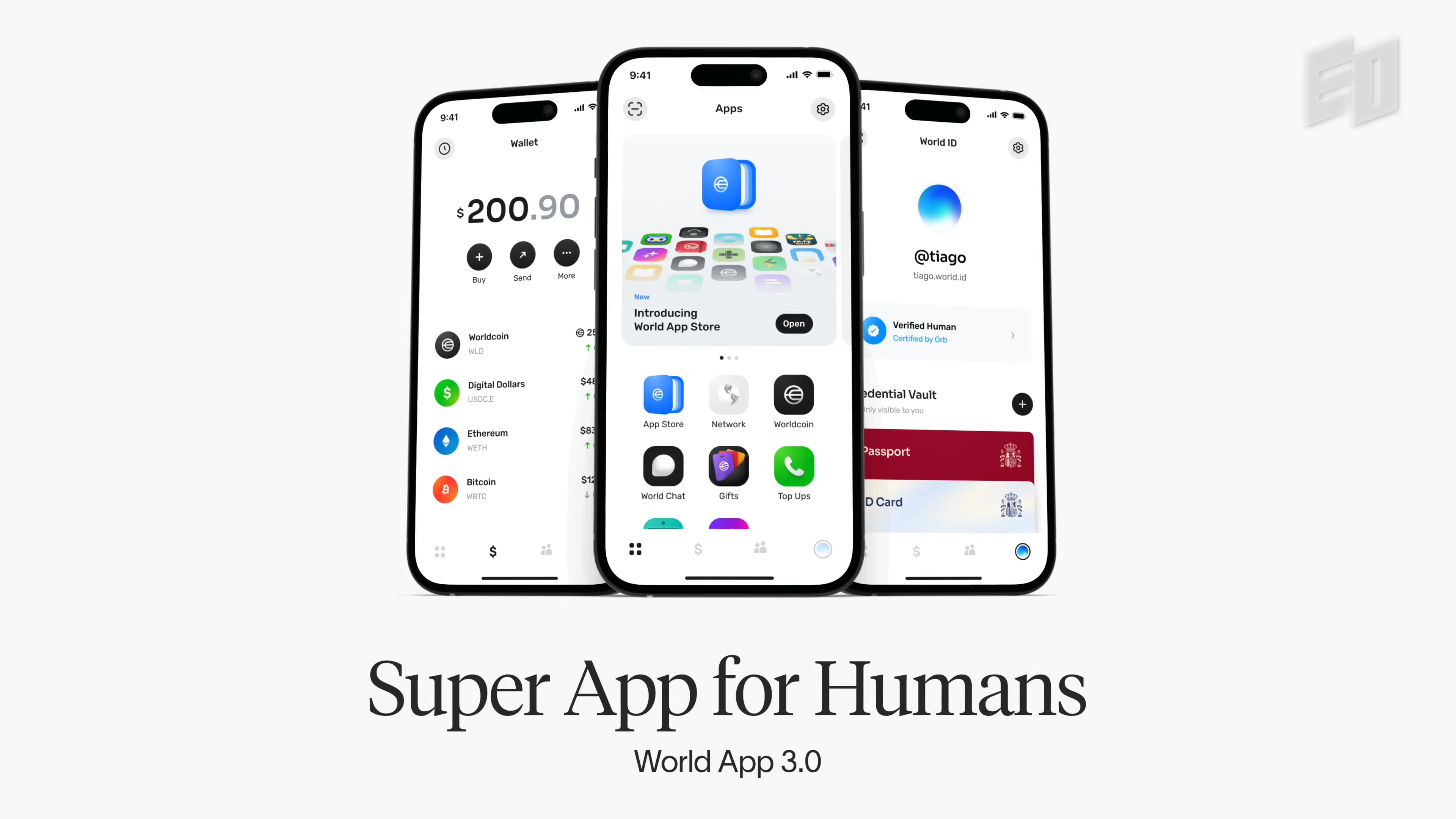
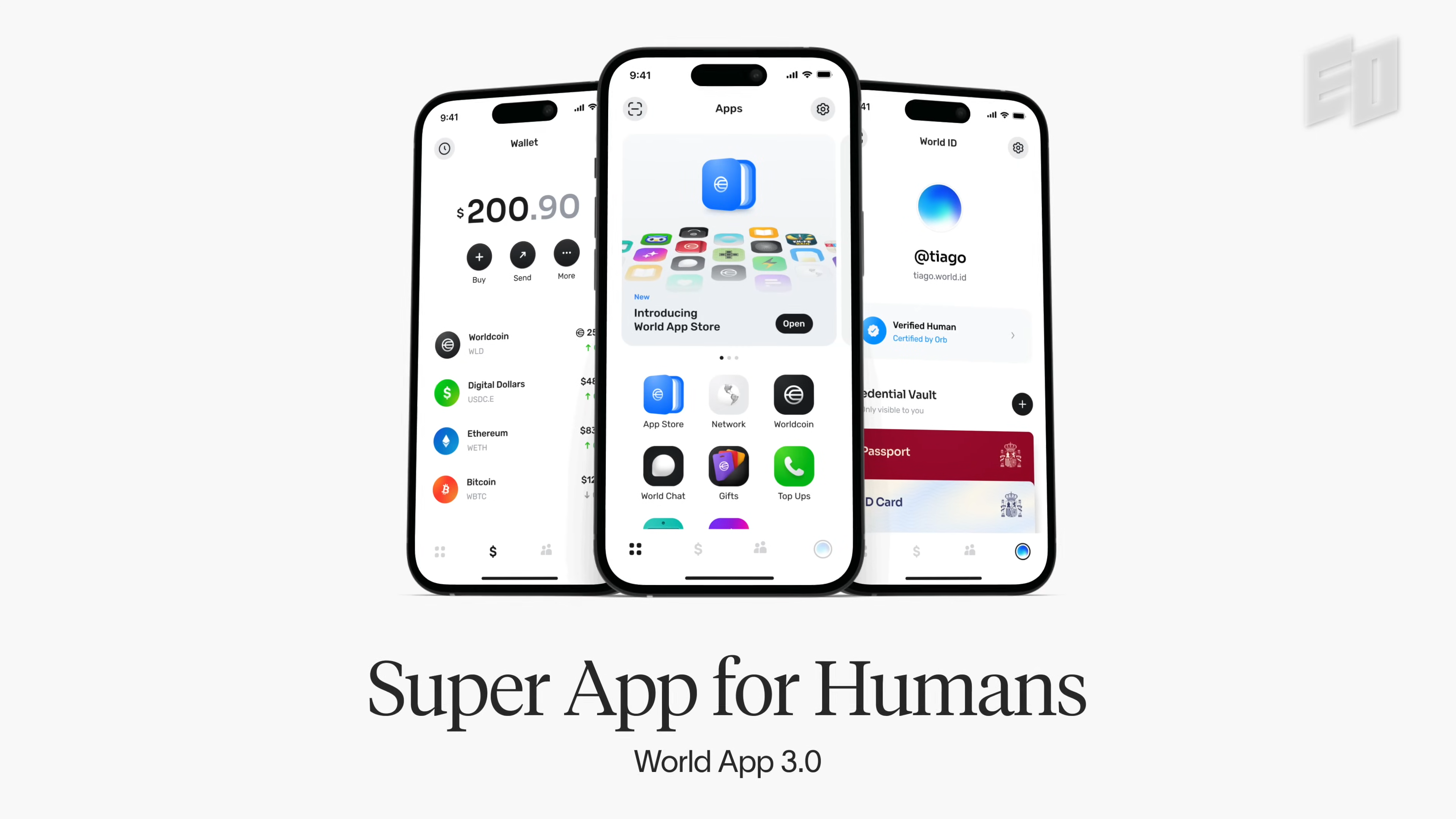
Worldcoin was pretty similar. How would the world look like if you would have truly multi-billion people come onto one financial network? That would be completely crazy and would certainly reshuffle a lot of things, in majority, in a very positive way. So how do we get there? It started very similar: it was like, okay, how do we get to this crazy outcome? Then outlining, basically step by step, what would it take. First, we will need to solve proof of person, or proof of unique humanness. Second, we launch a digital currency by giving ownership to every human. Third, scale the currency and show initial utility, which is what we currently do. And then fourth, decentralize the whole network to scale even further.
One of the earliest debates that we had was around essentially having more of a developer focus and trying to talk to companies, explain to them World ID, all of those things, versus what Sam called scale first, which was such a ridiculous statement, at least it sounded like it. Usually the device would be, you talk to companies, you explain them World ID, and they will be so pleased that you have built World ID, and they will integrate it, everything will be great.
Sam was like, well, what we've got to do is we're going to completely ignore that, and we say we just run towards a billion sign-ups, and we do everything we can to get to these billion sign-ups, and we're going to have a religious obsession about that, we're going to make it a company value, because on the path to get there, we'll resolve all of those questions, but we will resolve them much faster. His point was that he felt he learned in his time observing companies like Reddit that they have these very strong emergent effects happening as a result of the user base, things will start happening that you didn't even predict. I think that was probably the biggest bet we took as a project, and we're still taking it, and it feels like it was the right call.
Pretty early, actually, before we raised the Series A, Sam's idea, or question, was essentially, we realized we have to build hardware, otherwise we thought we couldn't solve the problem. Sam's definition of when we were ready to actually raise money is you take such a hardware device, you go out in the city on a street, and you can sign up and verify people, and they're actually interested or willing to do that for whatever reason, and you can do that at a scale that would show you that with reasonable capital you could scale it up to millions of people. The simple math we did back then was, well, we would need somewhere between 70 to 100 sign-ups a day with one of those devices, and if we would achieve that, we could scale it up drastically.
And we just built the first prototype. It had two eyes, because it actually had two cameras, it injected a physical coin in the middle of it, so it looked like a very ugly face, because the coin injection was basically the nose, and it had two stupid eyes. It looked like a very stupid face, and it was blue, because that was the 3D printer, and it was polished, so it basically looked like a stupid, smiley bowling ball. And then it also talked. You had a blue bowling ball with two eyes and a stupid nose that was telling you, in a female robotic voice, come closer. It was also blinking, it had red LEDs in there. So I guess we could have had ideas why that maybe would not work.
But we went to this park. We worked for months on this device, so the whole team was super excited, and we had the team behind me with cameras and everyone taking pictures. I approached two girls in the park and was like, hey, do you want to verify with this device, you get free Bitcoin, and we just need this device to make sure that people don't fool the system, essentially. The first was like, absolutely not. The second was, well, you're kind of cute, so sure, but I need your number. Then after that was basically it, that was the success for the day, we couldn't verify anyone else. That was basically it, the team was super demotivated, and kind of everything somehow failed.
But then what we did is, first of all, we were working seven days a week, and we were basically living together in the office, it was a pretty small team back then. It was COVID, there was nothing better to do anyway. So I said, there's shipping Saturday, and every Saturday we need to ship a completely new version, and I will be out every Saturday with this new version, and we will test it. So then we just iterated it through: okay, maybe it kind of looked like a bowling ball and maybe it needs to look a little bit sexy, and then the mirror optics came in and were somewhat interesting to people, and then maybe it shouldn't say come closer.
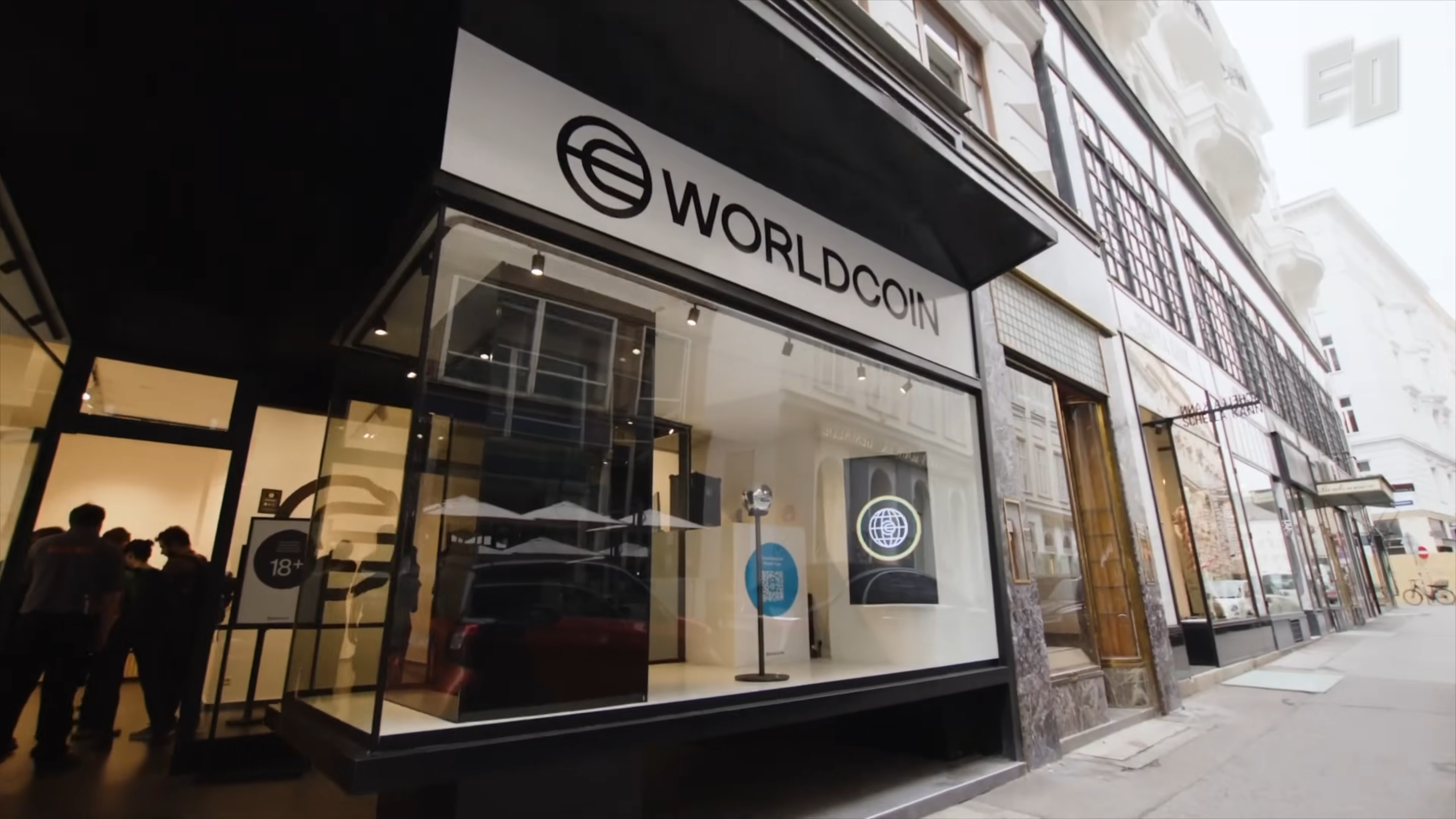
Then, at some point, we went to Berlin, and one of the founding team members, Sandro, did 70 sales a day, and that was it, that was how we then initially raised the Series A. Sam had this mental model that, okay, 70 sign-ups a day, multiplied with 50,000 devices, that can get you to a growth rate that can lead to billions of sign-ups.
I think with any startup, I think the much bigger threat is that you always face an existential threat, essentially, whatever it is, but that's because you're a startup. I think developing anything was generally not the hardest thing. The company was probably about to die certainly more than two times, probably four times.
The Nvidia CEO talks about that quite frequently, that all of those companies are even a thousand times harder than you imagine going into them. So it's like, essentially, you sign up for years of pain and suffering, and you just need to push through. I think that's a really hard thing. It's not one particular piece of technology, there was a lot of technical things we had to figure out along the way, but keeping going was the much harder one.
Chapter 4. Thoughts on Founder Mode
I've read about Founder Mode recently. It spoke to my heart. When you run a company and the company gets bigger and bigger, there's a strong pull from people that are coming in that try to convince you that running a well-oiled machine is what you really should care about. We want to set the processes and you want to run all these great programs, and then everything that happens is you just sit down with the leadership team and everyone is happy, that's what people describe to you, versus basically as far as it gets from how it actually should be.
In companies, as well as in things like science, almost everything comes down to one or two or three problems. You can really only do that if you go really deep and you really understand it, because otherwise people will tell you all kinds of things about why it doesn't work or why it cannot work, and it's really hard as a founder to have that fortitude to ignore all the people that try to tell you that you should not be involved, everything is great, keep yourself out of it. Ignore all of that chatter and just keep going deeper and deeper until you really understand the problem.
I think there's actually one more comment that is maybe important to make: you could also use that as an excuse to be a horrible manager. There's a big difference between, you are a very capable problem solver and you should nail down problems, and that's your job as a CEO, and no matter what people tell you, that's it, and you should understand them, you should get them, and you should not let them go until they are solved, versus you're just someone who runs through the office, keeps annoying everyone, wants to be involved, doesn't add any value, then leaves the room again, which is another thing that happens. So, yeah, I think Founder Mode is being a problem solver in charge, figuring things out, not being a distraction.
The world is a really large place, and there are great governments, and there are places where just nothing is working, there's even places where the government works against their citizens actively. I think there is some kind of infrastructure, the kind of infrastructure that proves you are truly human no matter who you are or where you come from, that you should have a right to.
How do we build systems that can do that independent of where you come from or what you struggle with. I think that is why Worldcoin exists, and that is why, if such a change would happen, if we have strong AGI systems, we need to rethink how we handle our economy, how we handle our social systems. It should not be just for the 50% in the world that are living under great governments, it should be for everyone, because getting it to scale is actually the thing that truly matters. People in Germany having marginally better lives, that will not change the world. Empowering the people will change the world.