Aug 13, 2024
How I learned to invest from making 400+ investments
Interview with Paul Bragiel, Investor at Golden Gate Ventures
Founder Focused

0:00 / 0:00
💡
At a Glance
- Who: Paul Bragiel is a three-time entrepreneur turned investor, now running seven venture funds with about 430 investments across 40+ countries.
- What: Bragiel invests in early-stage seed and Series A companies globally, applying a high-risk, high-conviction approach built on gut instinct developed through volume and community involvement.
- Traction: Bragiel sold his third company in 2010, co-founded IO Ventures with a small group including the founders of BitTorrent and Myspace, and later scaled into seven global funds.
In this interview, Paul Bragiel explains why he shifted from entrepreneurship to investing after realizing he preferred building multiple things at once. He describes his high-risk fund strategy, where one exceptional company can return the whole fund, and stresses that missing a deal entirely is worse than deciding wrong. He closes with advice for founders without traditional pedigrees: show up, keep building, and let your work speak for you.
Key Takeaways
Paul Bragiel Found Investing Suited His Multi-Company Mindset
After selling his third company in 2010, Paul Bragiel realized that building several things at once came naturally to him, while venture investing required focus across many companies. He found that investing matched his strengths better than entrepreneurship and ultimately produced more money for him.
High-Risk Venture Portfolios Depend On Exceptional Winners
Bragiel’s funds deliberately make more higher-risk investments, accepting more failures because one exceptional company can return the entire fund. His test is whether a company could become a ten, twenty, or one-hundred-times outcome, rather than merely looking safe today.
Missing A Deal Entirely Signals The Bigger Failure
Bragiel distinguishes between seeing an investment and deciding incorrectly, versus never seeing the opportunity at all. The first can be accepted as judgment under uncertainty, while the second reveals a sourcing failure that prevents any decision from being made.
Entering Venture Capital Requires Humility And Service
Bragiel describes venture capital as much harder than its glamorous exterior suggests because supporting companies and returning investor capital follow the easy-looking act of investing. For newcomers, he recommends humility, persistent work, and helping the community before asking for anything.
Volume And Helpfulness Calibrate An Investor’s Gut
Bragiel says intuition develops through repeated exposure, conversations, useful contributions, and honest feedback from a community. When a deal is missed, the discipline is to ask why the judgment failed, then use that explanation to improve the next decision.
Founders Earn Attention By Building, Not Talking
Bragiel argues that founders from unfamiliar universities or countries can create their own access by showing up, meeting other builders, and making things outside work. A strong résumé matters less than evidence that someone consistently turns ideas into real products and experiences.
Watch the full interview now on EO's YouTube channel! Below is the complete transcription of the interview. Minor edits have been made for clarity and readability.
Introduction
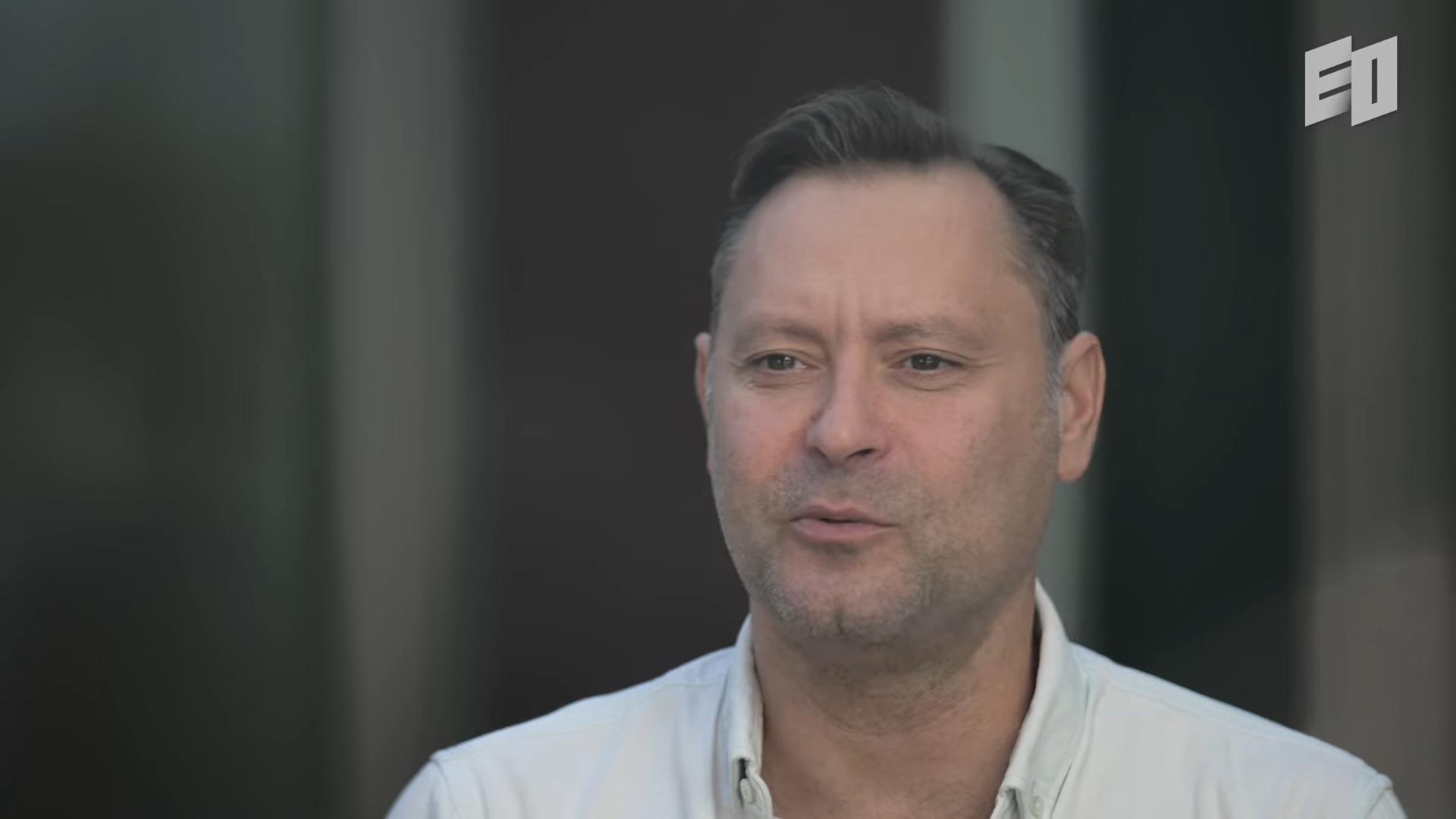
My name is Paul Bragiel, three time entrepreneur turned investor. Over the last decade plus, I've been building funds around the world, currently have seven funds. I think we're about 430 total investments across 40 plus unique countries. And yeah, actively investing in really early stage kind of seed series A companies around the world.
Chapter 1. How I Became a Venture Capitalist
I have no finance background. Neither do most of my partners. My first company was bootstrapped. I didn't even know what VC was. And this is in the 90s. But then my second, third company, we raised money from angels and VC's and that's when I moved to Silicon Valley. We realized, hey, this is actually kind of a cool path and this is a way to kind of help encourage entrepreneurship grow.
I sold my third company. This was 2010, as I do. I kind of was sitting there looking for what's next. I started brainstorming things like this and ended up brainstorming part. I started realizing that I'm good at building things, but also sometimes I like to build multiple things at a time. In VC, you kind of have to focus on many things. So I found out that VC and investing was better suited for me.
Also, if I look at just pure money made, I've made more money as an investor than I made as an entrepreneur. So I'm probably a better investor than I am an entrepreneur. My main fund here in I'd say it's called Bregel Brothers, and that implies that I work with my brother. I'm a little bit louder, more outgoing, and he's more organized and he's more thoughtful. Right. And we started one of the world's first venture capitalist kind of funds.
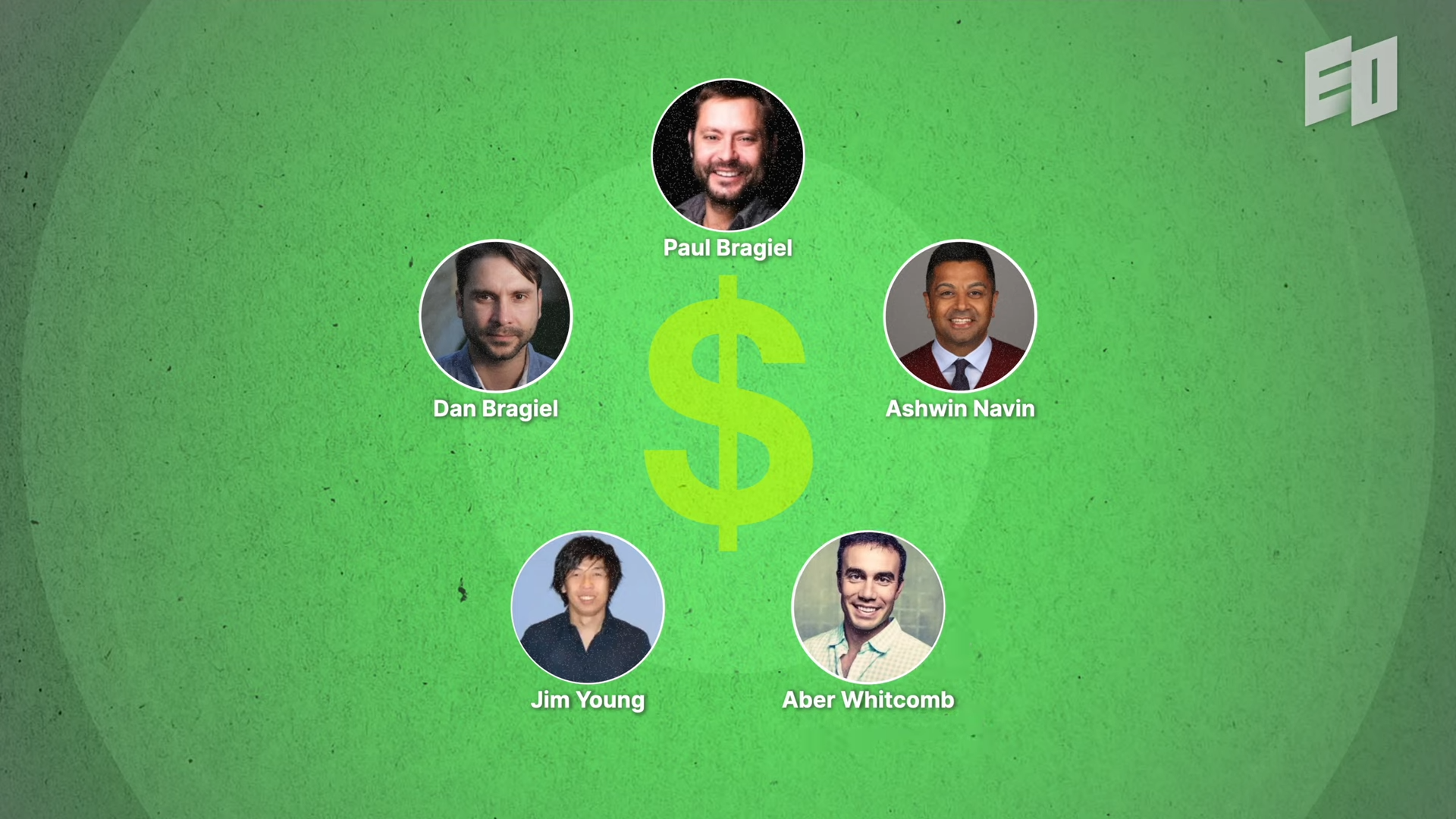
I would call it more of an accelerator, a thing called IO ventures. And that was the beginning of my investing career. We combined five people's capital together me, my brother Dan, my friend Ashwin. He started BitTorrent. My friend Jim had started hot or not. My friend Abra had started Myspace. It was a really cool group of people.
This is like around 2010, 2012, 13 timeframe that did really well and we decided to go out there and raise larger funds after that. And that's also when we started making transition to raising funds globally as well to Silicon Valley, we believe in doing more deals that are higher risk, which means that we have more failures. But when it succeeds, it becomes huge. Let's say you look at ten companies.
We expect one company to pay back the whole fund. When we put it to a company, we say, can this company be a ten or 20 or 100 X? It can be to the moon, or it could be straight dead us VCs. We try to project that we know what we're doing all at all times.
But honestly, you know, we also make a lot of mistakes too as VCs, sometimes I've made decisions too quickly and I didn't get to know a founder really well. I've had people kind of betray us or do things. I mean, very rarely, but we've had people, you know, kind of cheat or do really bad things. That happens like one out of maybe 50 or 100 companies.
But still, you feel really big personal responsibility when something that happens, other things we've done is like, we didn't show enough conviction, like there's a deal we liked, but we were a little bit scared and we didn't put enough money in. Damn it, you get pissed off like I should have put more money in, right? Or I should have doubled down. And then, of course, there's always missed deals as a VC.
It's important that we see the deal. So if we saw the deal, we missed it. I'm okay with it. The biggest problem is that we never even saw the deal. Some really hot company was raising money in our backyard and we didn't see it. Then we consider that a failure. We're not perfect. I mean, far from it. We get a lot wrong. Look at the VC model.
Nine out of ten companies are failures and one does well. So we kind of a lot of failure built into our respective investing thesis.
Chapter 2. If You Want To Be A Venture Capitalist
Yes, So VCs gotten pretty popular the last 5 or 10 years. I think it's for a couple of things. One, entrepreneurship has been much more cooler in the last ten, 20 years. Some people feel they're not ready to become an entrepreneur, but they would like to be involved with entrepreneurship. So they think VC is a path, right?
Two there's just so many more companies now, and there's so many more verticals in technology that there need to be more VC funds created. So as a result, VC industry has grown as well too. And then also VC looks pretty sexy on the outside. Oh, I just give money. That's the easy part. Giving the money out right? The problem is supporting your companies, then returning money to your investors.
That's really hard, right? So people look at VC as this really easy, glamorous job. But the reality is, if you've been a VC for more than ten years, you've seen more than 1 or 2 cycles. It's actually quite hard if you want to enter the VC market. One be super humble. Two put your head down and grind, and three be very, very supportive of the community.
This is not necessarily even to like early VCs to anybody starting early in their career. Just be helpful. Try to help your friends constantly help, help help help. You'll get more in return later. But just don't ask for things. Give first, take later. Don't ask. So there's different types of VC funds. Some focus on pre-seed, some do seed, some do series A, some do series B, some do like pre-IPO.
There's slightly different skill sets for different VCs, Pre-seed and seed. It's a lot more gut and people based series A it's a mixture between still a lot of guts, but also some numbers and maybe some product validation series B and beyond. You're doing spreadsheets and you're kind of doing calculations. And I'm a gut guy.
I mean, I think gut feeling is what separates the best from the average or if not the worst. It's about having self-confidence. It's like you've seen certain patterns in your life. Everyone else is saying no, but you have to go out there and take that risk.
And also, if you had a gut feeling and you were wrong, you have to go out there and learn how to reevaluate what your assumptions were wrong and why that gut feeling was incorrect. So you have to constantly calibrate your gut feeling. People often ask me, hey, you're early in your VC career or you're an angel investor. How do you go out there and build up your kind of gut feeling?
And a simple way to do that is just by volume. Be as active as possible, talk to as many people as possible, and alongside that, be as helpful to as many people as possible. If you're part of a community and you're actively contributing, a lot of people are going to give you feedback. They're going to kind of tell you what you're doing right or wrong. People will give you second or third chances.
If you're helpful and you miss a deal, they might let you in later, right? And that's how you go out there and develop your gut. Okay, so I missed it. Why did I miss it? What was I doing wrong there? Why did I doubt that person? And they still succeeded.
So by being part of the community, by being super helpful, people will kind of help you develop your gut feeling and you have many chances to kind of figure it out and. Correct your mistakes and go out there and do a better job in the future. When you're raising your first fund, it's more about you than and your team than anything else.
When you're an entrepreneur and you're raising money for your company, you're raising on a team, but you're also raising on the product you're building. In VC, there is no product. It's just you. You are the product. When you're raising your first and oftentimes your second fund, you're raising just on your personal track record. So either you are a successful entrepreneur before or you were very helpful in the community or you were a great angel investor.
So when you're going out there and you're raising a first fund, you tell people like, hey, I'm Paul, I built these companies, I do these angel investments, give me money, and you go to your friends first, and then you go to friends and friends. And beyond that, you really don't have much to show. It's just like, hi, I exist, and if you don't have good connections or you don't have a good reputation, you won't raise your first fund.
Why? Junior people in VCs tend to be cocky assholes. Yeah, I don't get this. This is a really horrible trend. It actually makes the VC industry look bad. Maybe, you know, they feel accomplished, or they feel that because VCs are really hard to get into. So if you're like that 0.001% that made it in, maybe that gives people kind of extra confidence that not necessarily warranted.
Yeah. We should slap that out of the people. They should come in humble honestly. Historically, the VC market was very closed off to anybody that was not from the Stanfords, the Berkeleys, the Harvards of the world. Also, it's been very hard to get that first job right. The first job is sometimes the most important job because once you have that, then you have it in your resume.
You can go to other VC funds. A lot of people were asking like, Paul VC seems pretty cool, how would I get involved? And especially a lot of young people, I thought it'd be a really cool opportunity to go out there and share opportunities that we have. We decide to go out there and open it up to anybody.
The whole goal of the Warren Fellowship was to allow people who would have never had a chance to get into VC, potentially get into VC. So if you want to become a VC, it's obviously a great foot in the door. If you want to be an entrepreneur, it's great to see what the other side of the table looks like during this program. And on top of that, you'll make a really good network.
You'll meet a lot of other great people going through the program at the same time. So it's a great way to make connections early in your career of really high integrity people and hard working people that are going to go to the next level.
Chapter 3. Qualities of a Good Founder Paul Seeks
We look at people first. The vertical and things that they're attached to are not as important. Of course it's important, but we want to know who the people are. There's a famous saying, you can take a mediocre idea and a great team, and they'll pivot away from a bad idea, but you took a great idea and a bad team. They're going to lose to somebody you'd rather back.
A great, great individual or groups of people over an idea. I am personally kind of more organic and just having a conversation with the person. If you're an engineer, how did you get started coding? If you're an artist designer? What were some of your early projects? What are their early influences? What were you like at university? What were you like at early in your career?
So you're trying to get an idea for where the person started and where they're growing and where they might go. So I'm just trying to figure that out from just a general conversation. Kind of the vibe, the confidence, the strength, how transparent a person is. One question I always ask in my head, if I was 21 years old, would I quit my job and work for this person for five years?
If I would not want to work for this person for five years, then why should I put money in? Or why would anybody else quit to join that person? So that's like the ultimate question. If not, then why would I put money in? Because a VC commitment is a ten year potential commitment. Obviously if we like the team, then we have to also look at the market.
The things we're looking for is like one is this market huge and there's a lot of room for error. So this entrepreneur comes in here. Can they capture some percentage of that and, you know, make some mistakes along the way and still potentially succeed. Or is the opportunity here to go out there and create a brand new market.
So hey, we're gonna go out there and we're gonna create a brand new market around video games, brand new market around enterprise software, brand new market around food and agriculture. So we're looking is there opportunity with this market could grow alongside the entrepreneurs. And sometimes the market won't grow. It's only finite.
But there's an opportunity to go out there and break it open or yeah this market's really small, but it's gonna become huge in the next 5 or 10 years because the technological changes or societal changes or market dynamics are changing. How do you get attention from VCs if your background is not traditionally you didn't go to Stanford or Harvard or whatever. And to that I call bullshit.
Every great founder comes out of big university. There's tons more founders that come from Nowheresville. Or didn't even go to a university? Yes, going to university helps, but it also can hurt you in some ways too, because sometimes people get so stuck in their heads that they don't try aggressive things.
So the best way, if you're from like an unknown university or an unknown country, is one show up, start going to networking events and start talking to other founders and you'll find your way in. Two most important thing just start building on your weekends. Your nights start building. Make things happen. People get excited about people that build, not talk. I know a lot of people that have great resumes.
They don't do shit. They just sit there and think about how awesome they are versus the people who build. You're gonna crack no matter what. If you want to make it, you're gonna make it. There's so many great stories of people that went to non amazing universities that did really, really well. Common mistakes that founders make when pitching.
Sometimes they come across as too robotic and they're just kind of reading a pitch and it's not interactive. I like it when the entrepreneur leaves opportunity to discuss all throughout the pitch. And actually, the best pitches are when there's almost no deck and you're just kind of having a conversation, right?
I mean, and they're doing it because they're prepared, or they might be nervous, and that's normal, but they should be allowing for conversation to happen. I think that's one big mistake. Another big mistake I think founders make in when they're presenting is they're talking about the product, but they're not talking about what problem the product is solving. A lot of times this is so cool and it's such awesome tech.
It's like, yeah, but what does the average user get out of that? And they don't focus on the problem. They focus too much on what they've built or what's cool about what they're going to build. I like stories, living cool stories, and I think by going to the edges of entrepreneurship or edges of society or edges of anything, that's when you go out there and have the best stories.
So for me, I get really excited because when you go to new places, you meet new people, you're constantly learning new things and you have different crazy new adventures. And money, for me is a tool to experience cool new adventures. Yeah, if I had billions and billions of dollars, what would I do? I do the exact same thing. I don't see myself stopping anytime soon.