Sep 17, 2024
Still The Coolest Smartphone Startup in Tech Scene 2025
Interview with Carl Pei, CEO of Nothing
Founder Focused

0:00 / 0:00
💡
At a Glance
- Who: Carl Pei is the CEO and co-founder of Nothing, a consumer tech company, and previously co-founded OnePlus after working at Chinese smartphone makers Meizu and Oppo.
- What: Nothing makes smartphones and earbuds with a distinctive "technical warmth" design, aiming to move beyond being a components integrator and toward defining technology and building products collaboratively with its community.
- Traction: Nothing raised $7 million in its seed round, sold roughly 600,000 units of its first earbuds despite an 80%-faulty first batch, and has since launched multiple phones including the Phone 2a Community Edition and CMF Phone 1, with this year marking its first growth year in smartphones.
In this interview, Carl Pei traces his path from dropping out of business school to working at Meizu and Oppo, where he co-founded OnePlus and learned that product quality outlasts marketing. He describes founding Nothing on a "technical warmth" design philosophy and pushing through near-death moments like a faulty earbuds batch and a chip shortage. He closes by explaining his efficiency-driven approach to marketing and his vision of building products collaboratively with Nothing's community as AI reshapes computing.
Key Takeaways
Curiosity Made Technology Feel Magical Early
Pei began making websites at 12, explored online commerce in China, and was captivated by the iPhone's different interaction model. Those experiences made technology feel like a creative medium and helped shape his desire to define technology, not merely assemble other companies' components.
The Product Experience Matters More Than Marketing
At OnePlus, Pei learned that brand and marketing can attract a first purchase, but product disappointment ends repeat business. He therefore puts the greatest energy into making the experience strong enough that customers return, not merely making the company look distinctive.
Technical Warmth Gives Nothing Its Creative Position
Nothing began with design because product technology required time and money to develop. Pei located the company in the UK for creative talent and defined its position as "technical warmth," balancing raw machine qualities with something recognizably human.
Push Through Near Death Moments By Moving Fast
When 80% of first earbuds batch was faulty, engineers moved into apartments near the factory and supervised production directly. Pei describes later supply crises similarly: keep solving the next problem, because an apparently fatal setback can look small in hindsight.
Small Brands Win By Finding Marketing Efficiency
Pei argues that a small brand cannot copy a large company's marketing budget and expect to catch up. Instead, it must find unusually efficient opportunities, often through creative work that earns attention because it is novel enough for people to share.
Build The Future Together With Your Community
His longer-term vision is a company that turns a global community into collaborators while it competes for the next computing platform.
Watch the full interview now on EO's YouTube channel! Below is the complete transcription of the interview. Minor edits have been made for clarity and readability.
Introduction
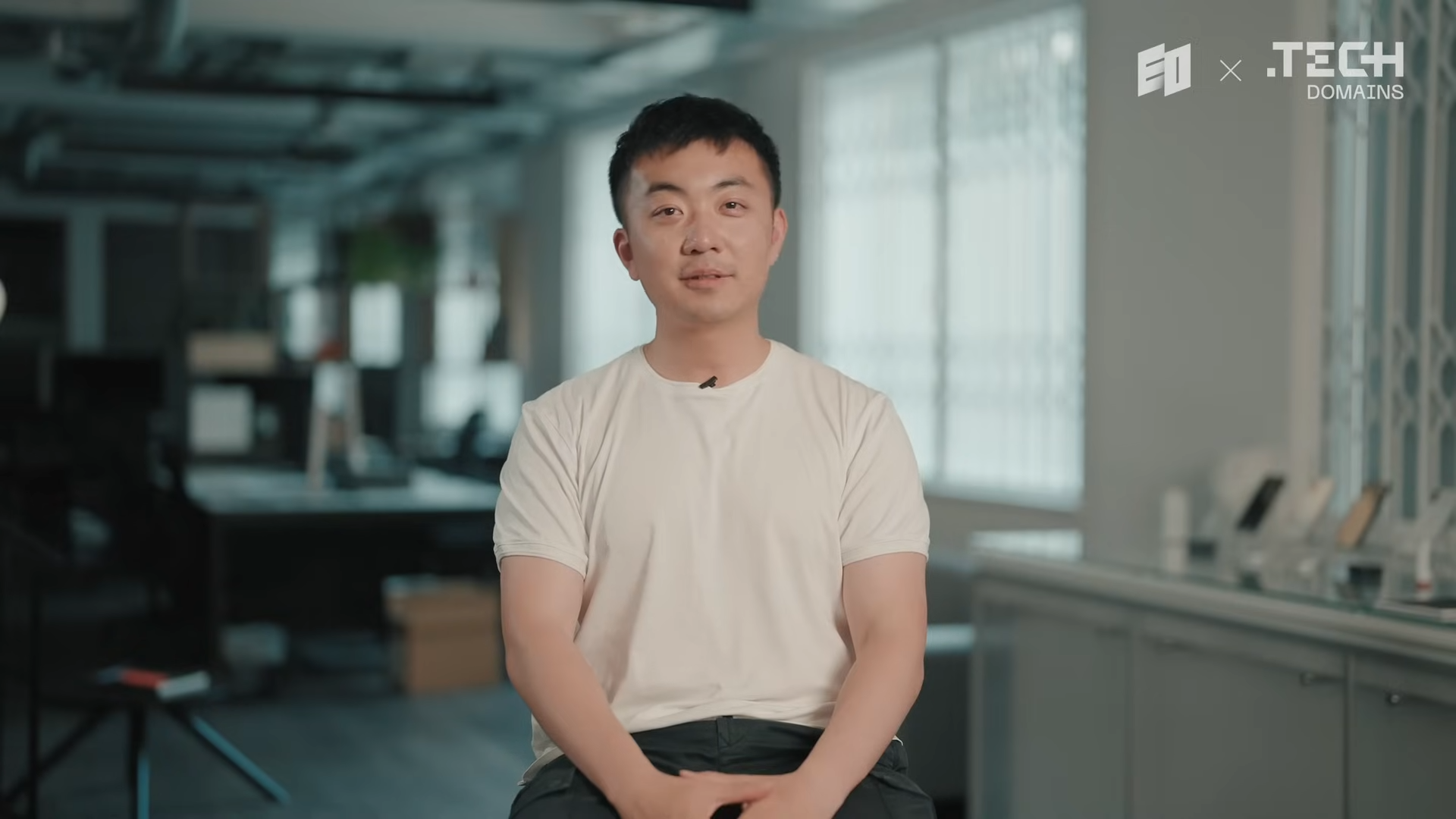
Hi everyone. My name is Carl. I'm the CEO and co-founder of Nothing. I think Nothing is a company that's often misunderstood. You know, in the beginning people thought we were a earbuds company. Now people think we're a smartphone company. We've only been making phones for two years. This year is our first growth year. Today the industry is quite boring.
The entire reason why I'm a part of this industry was because of some of those more inspiring products in the past than somebody else has to become a creative company. That's how we thought about it.
Chapter 1. Dropout From The Top Business School In Sweden
Yeah. So I was like a first generation immigrant as a kid. I was born in Beijing, but left when I was four years old. You know, Sweden is known for high speed internet back in the day. So I got a really good internet connection, and I got a laptop When I was 12, we had a really good teacher at school who taught us coding in HTML so I started making websites since I was 12.
Music, I've done anime. I've done games like just all types of websites, as long as we can get the traffic up. I didn't even know who Steve Jobs was during the iPhone announcement. I think the first Apple keynote I watched was actually the first iPad keynote.
I saw the iPhone. I just had to buy it and it was only available in the US. So I had an American friend buy it for me at AT&T and then sent it to me and I had to jailbreak it. But it was such a great experience. Like it's so different from anything else, the multi-touch, the capacitive touch screen, like it's magical.
So I grew up in Sweden, but in the news there was always news about the Chinese economy growing fast. After high school, I actually went to China for a year. My parents were really scared, like, what are you going to do? I just want to go and see it for myself. I there's so much news about what's happening.
I picked a place where I didn't have any relatives in South China because I knew all the factories were in South China. And so I just moved there and started exporting stuff from like going to markets, buying stuff and selling it online clothing and MP3 players. It was a really crappy brand we made. Nobody knows about it. But my parents were really upset. They were like, this is not serious.
This is not a real job. You got to go back to school. And so after a year, I moved back to Sweden to go to university. So actually I went to the best business school in Sweden. And you know, at that time this was around like 2008 some of the biggest things that were happening in the world were the rise of tech companies like Microsoft, like Amazon, like Google.
E-commerce was growing. You know, in my three years at school, we spent zero time on any of those three topics best business school, spend zero time on tech companies, zero time on e-commerce. We learned theories from like 100 years ago, like macroeconomics, microeconomics, how to manage a factory, labor inputs, goods output and stuff like that. So I was like, school is supposed to set you up for success in the future, right?
And the world is changing and we're not like, what's this? So I didn't write my thesis, so I didn't take my diploma. And I left when I told my parents I was not going to get my university diploma. Their reaction was terrible. They were like, well, you're not going to get a job. You can't be hired without a diploma. Go back.
My plan was actually to apply for Y Combinator after uni, because one of my friends was back then the youngest founder to have gotten into YC. At the same time, I really like gadgets. I really like hardware. So I had gotten to know a Chinese smartphone company. The first one, it's called Meizu, and I got to know their leadership team.
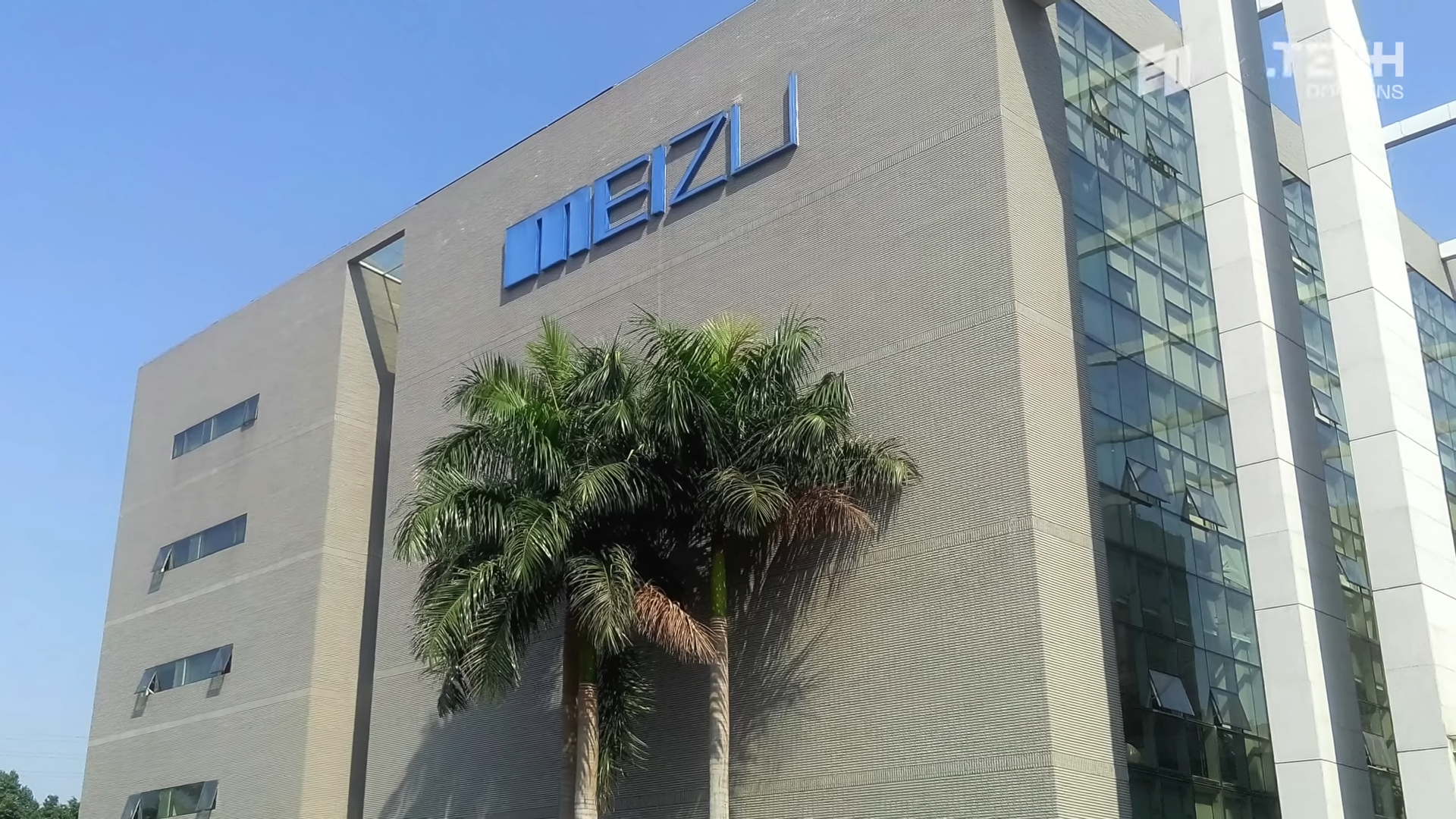
And as I was contemplating how to pitch YC, they called me to just move to China and join them. And I'm like, yeah, why not? And also, I was a little bit lazy. I didn't have to write the application, so I just moved to China.
Chapter 2. Chinese Smartphone Wars in the 2010s
I joined that company, Meizu their founder got depressed because there was another company that grew really fast at that time called Xiaomi. He felt like he was first, but Xiaomi grew much faster and they almost made a partnership. So because they couldn't do a partnership, Xiaomi became a separate company and grew very quickly. That founder was stopped going to work, so I kind of lost respect. If you're going to be like this. How is the company going to be successful?
You're going to face a lot of challenges on your journey. I ended up at this other company called Oppo. Oppo is one of the biggest Chinese smartphone companies, and they're really focused on the offline distribution. And Oppo started OnePlus and I was in the founding team of OnePlus. I mean, I was a really young person at that time. I was 24 years old, and the original idea for OnePlus was to compete with Xiaomi in China online.
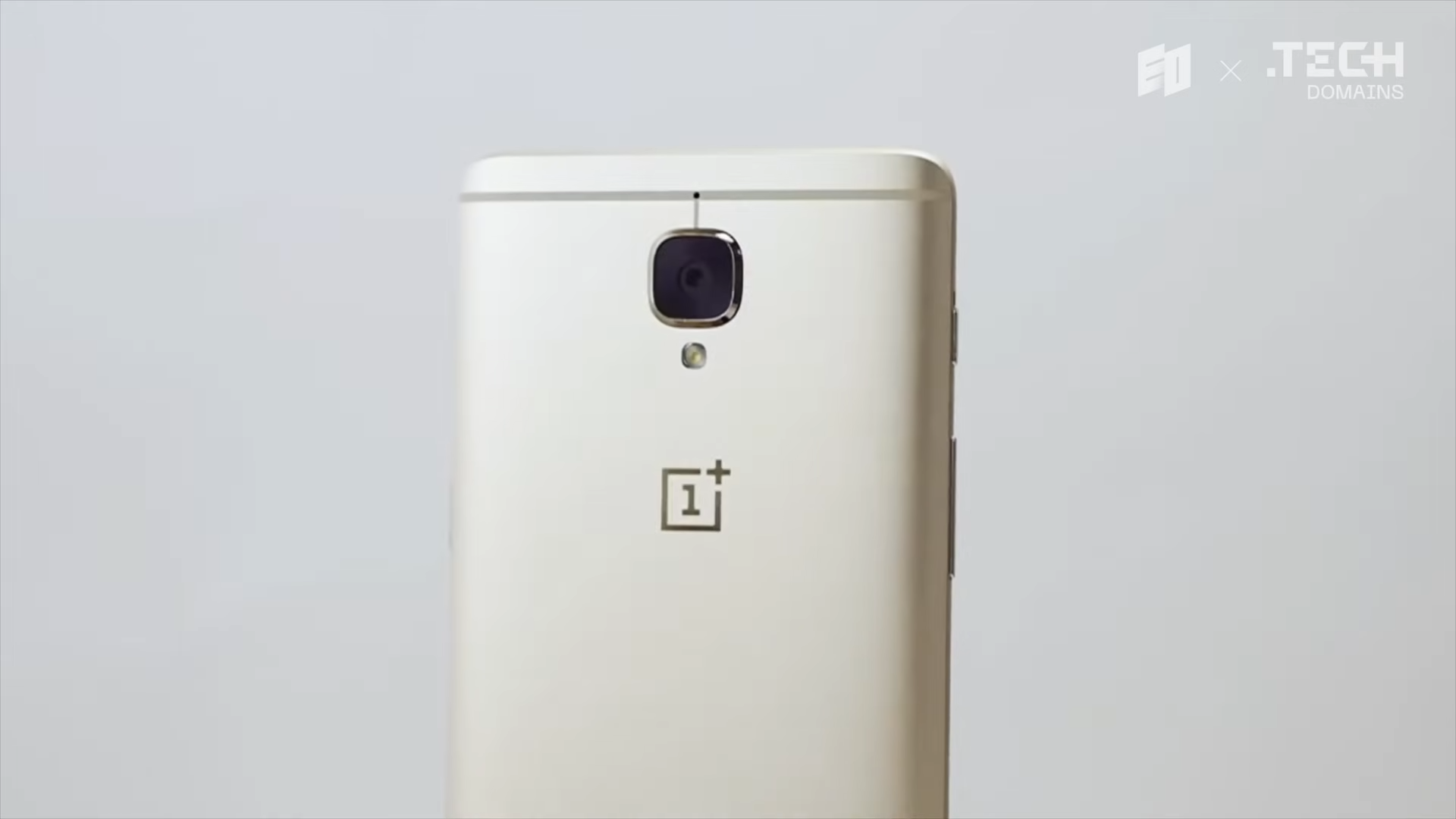
Xiaomi was online, right? They were the first to sell smartphones online direct to consumer. I'm like, hey, let me do international. Like nobody's doing international, right? So there was like a senior executive team for the China market. I'm like, it's a free opportunity. Nobody's doing it. So I got to do it. And I didn't know how to build a team.
My first team were all English teachers, but I think we got really lucky because just one year later, we had done 200 mil in revenue global and then China team only did 100. So we're like, wait a minute, maybe the opportunity is not in China. It's global. So then, you know, the entire company started focusing on international markets.
One takeaway from the OnePlus days was that at the end, it's all about the product. You can build a cool brand, you can build great marketing, you can do fancy stuff. But the reason why people are paying you is because of the product. So if you disappoint them on the product, you can disappoint them once. Next time, they're not going to come back. So I think most of the energy should be focused on creating the best possible product experience.
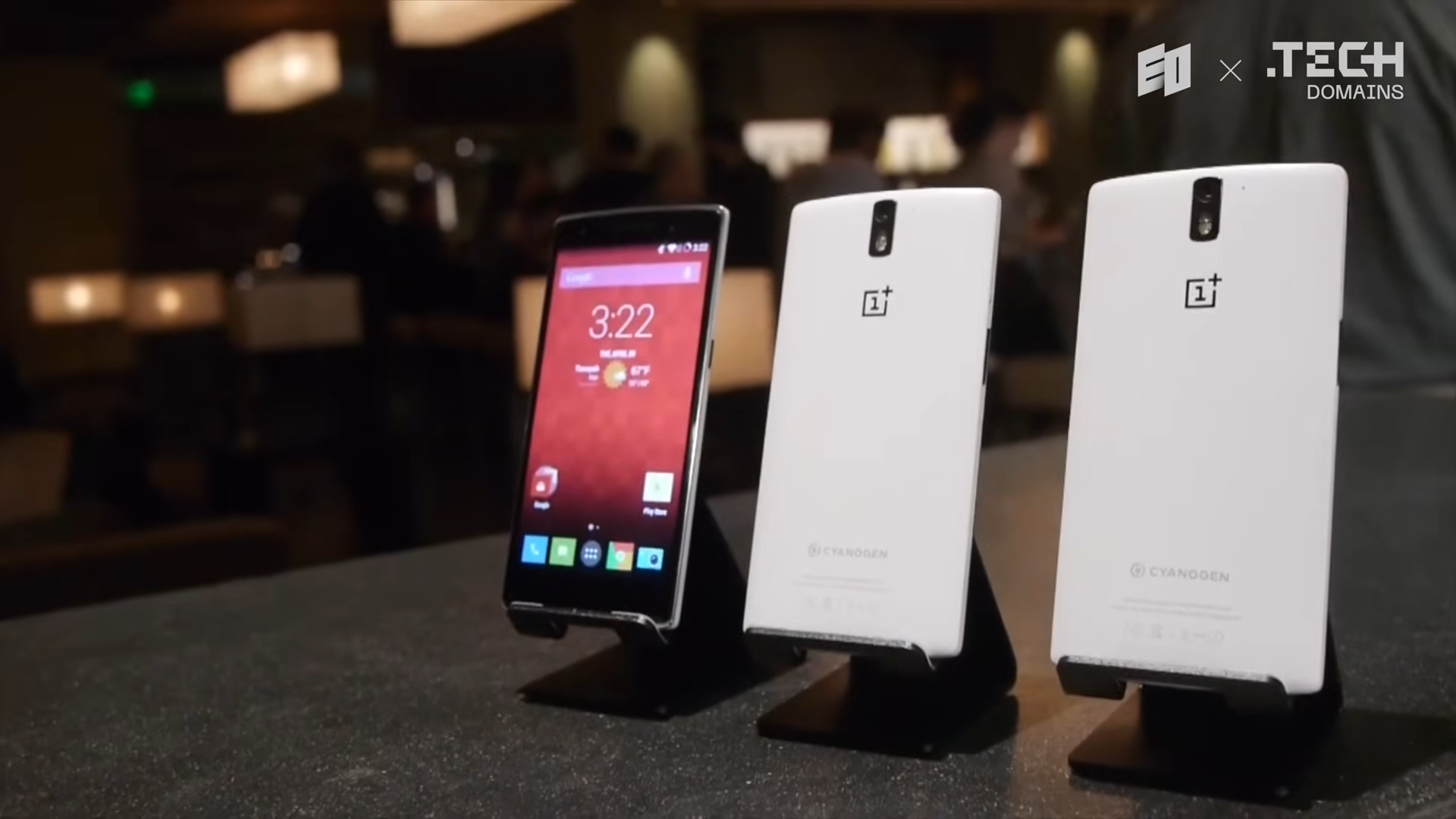
But like I learned that I didn't want to spend my entire life just integrating technology. You know, we would buy chipsets from Qualcomm, we buy a display from Samsung, we would buy different components, and we design and package and sell like I'm very grateful for that opportunity and I learned a lot. But I didn't want to spend my entire life just doing that. Like, why can't I be a part of defining technology?
Why do I just have to integrate other people's ideas? And it was just a gut feeling at that time, right? I didn't know too much about share price or financial statements and stuff like that. But now, in hindsight, if you look at the share price of the most successful companies, they're tech companies, not integrator companies.
But I just knew I wanted to do something more valuable be a part of building technology and not just integrating other people's technology.
Chapter 3. The Beginning of Nothing
My initial plan was to travel the world because I had worked so hard for 7 years I did that. I started doing that. I went to Greece, I went to Italy, and then I was living in like very nice hotels and eating at Michelin star restaurants. But after like ten days it got really boring. I felt like I was wasting my life.
I went back to Stockholm, so we decided to make smartphones because that's all we knew. That's the industry we came from. It's actually one of the biggest consumer products in the world, right? Like a billion are sold every year. And the more important thing is like these smartphones are the most important device we have.
It used to be the PC or the laptop, but if you look at the time spent and the money spent This is the most important device. So we knew that if we were able to build a smartphone business and grow it to a certain scale, then there will be a lot of opportunities to make money on software and services because the hardware will distribute the software.
I had never raised money before, so I was like, I started meeting some friends who introduced me to other people and everybody gave me some advice. One of my friends is like, He's Estonian, so he's very direct. He looked at the deck. He's like, don't show the deck. Just just talk and it will go better. It will be worse if you show the deck. So I took his advice because the deck was indeed terrible.
We almost called the company essential. We even bought the essential trademark from Andy Rubin. But then we were like, wait, this is not this is somebody else's. We couldn't come up with anything better, so we just chose nothing. I stayed in Stockholm, I think, for eight weeks, and then by the end of the eight weeks, we had 7 million raised for our seed.
Chapter 4. Make Tech Fun Again
I mean, my dream is to be able to shape the future of technology. Today, we're still just making very traditional smartphones with better design and better software. But I think there's something new on the horizon. But first, if you take a step back, what is technology? Technology has always enabled humans to do more, right? Since the invention of the wheel or the fire or electricity or the personal computer.
Steve Jobs called the personal computer the bicycle for the mind. It really allowed us to take our thoughts into action on the computer. So technology always increases human capability. This is almost like a hard rule. But recently in the past 5 or 10 years, we've broken that rule because the smartphone is not empowering people to be better or do more. Smartphone is a stupid machine. It makes us more stupid.
It makes us doomscroll social media, or compare ourselves to other people and feel not that good about ourselves or. But I think nature is going to correct the path and make technology serve people again. And then if you go to 2020 when we start Nothing, it felt like the tech companies became evil and society and media was writing that they were evil, just like the oil and gas companies of the past.
Something changed, and I just wanted to find that feeling back again. Like, how can we inspire people to be optimistic about the future Execution wise, Our entire thing has been about buying time. We want to be a tech company, right? But tech takes time and money to develop, so we can't develop tech in the beginning. The easiest way to differentiate in the beginning is through design. It's fast.
You don't have to do R&D, you just have to have some really creative people, some great ideas, and then you can just you can make a product that looks different. And I was always a bit frustrated when we had to do something creative that just didn't feel like we could find the good, like the right talent. So I was like, wait, Europe should be good for creativity?
Maybe they don't have a lot of industry in Europe, but at least they have creativity. So I decided to base the company here in the UK. So we started with the design language. Then the products just came from that. The positioning we wanted to take was something we call technical warmth. So very raw, very machine like on one side, but also very human on the other side.
That's the balance we try to strike A lot of entrepreneurs before us, They all messed up when they tried to make a smartphone. So when it was our turn to make a smartphone, nobody believed in us. They were like, hey, there's been 5 or 6 entrepreneurs who made smartphone companies that failed immediately, and we took a bet on them. We lost money on them. We're not going to work with startups anymore.
We're just going to work with established companies. We were like, okay, too bad, let's make something else and prove ourselves that we can design something beautiful, something unique and something people want. That's what we started with earbuds. When we started making earbuds, nobody wanted to work with us also, and nobody believed in us. We can only work with the worst factory in the world. Like this factory had no other customers.
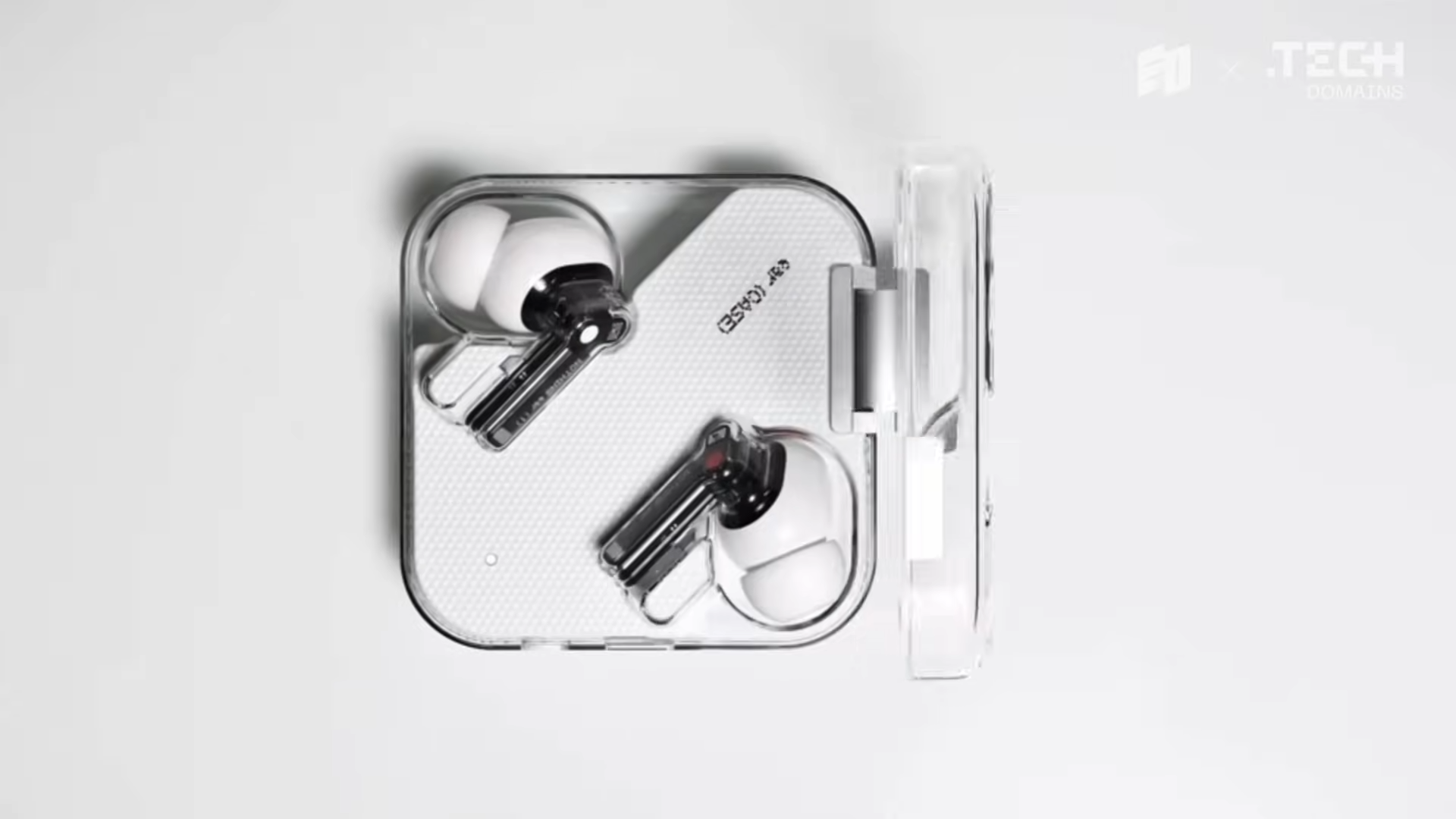
They would go bankrupt if they didn't work with us. That's why somebody took a chance on us. Because they were going to die. This factory was terrible. You know, our engineering team would design the product, not just the exterior, but also the interior, the mechanical and all the engineering inside. And then we would also design the manufacturing process. What each stage of the factory has to do to deliver the product.
Even so, the factory couldn't follow the process. You know, on the earbuds, there's a metallic connector between the earbuds, and the case is where the charging comes from. So there's a spring to make sure there's connectivity. They manufacture the spring incorrectly, so it couldn't touch the earbuds. So the first batch of earbuds we shipped couldn't be charged. 80% of the products we shipped were faulty in the first batch, we halted the production immediately.
I was like, okay, now it's game over, right? It's the first product raise money, fail. But luckily we moved fast. We rented two apartments outside of the factory. We put 15 engineers in those apartments. So every day our engineers were on the factory floor, basically acting as factory managers to supervise each station so that it's manufactured according to our spec. And then we turn the quality around.
And for the first batch of users, we just replaced all their products. But that was like already. Then there was a near death experience for the company. And we sold almost 600,000 of those. Smartphone is, like much more complicated than earbuds, right? There's many more components, like there's so many levels we have to beat to build a smartphone. We just play the game like, what's the next thing to do?
What's the next thing to do? The first few levels are easy, like let's do a partnership with Google Android. That was quite easy. The hardest thing was that there's an IC chip between the display and the motherboard. Very small chip that connects the two, like Samsung Display would have the IC chip connected to the display. Samsung didn't have any stock we couldn't buy from Samsung. We had to buy from another supplier and they only made the display.
They didn't make the IC, so we had to assemble all the components, but we didn't have any IC. We paid all the cash to prepare for the manufacturing. A lot of cash. Phones are expensive to make, just like one component, and we couldn't manufacture the product. Basically at that time. We went to everybody. I went begging to all our competitors. Most of the smartphone bosses, CEOs or whatever met me at that time.
Some kid trying to ask for IC chips, and they were like why should I give you any of my chips? Probably talk to like 50 to 100 people. Eventually we got some supply for the IC. That was also a near-death moment, right? Because we had paid so much money for the supply and we couldn't even manufacture the product. The biggest lesson is just to push through.
Every time I felt the world was falling apart or I couldn't take it anymore, I just pushed through. And then looking back like half a year later to what happened half a year ago, it doesn't matter. It's something small, you know? But at the time, a lot of things felt almost like, fatal for the company. And one of the fundraising rounds, it was very tough.
I was pitching investors for like two months, and every meeting would be challenges like, oh, what's your vision? Why would this work? Why would this not work? Have you thought about this? Have you thought about that? It's okay for a few weeks, but for like two months, just getting challenged every single day and you're not sure you have the right answer. After like two months, I started having nightmares every day.
Like in the dream, it was me standing in front of the company just saying sorry to everybody like it's not going to work. And then, you know, I would wake up at like 4 a.m. And just sweating and just, you know, can't, can't get back to sleep. And that went on for a long time. And the fundraising went even worse because I couldn't get enough rest.
And I'm like, okay, we got to change something. At that time I was still in Shenzhen and I called up a lot of my friends. I was like, hey, we're going to go party this weekend in Shanghai. A lot of friends all flew to Shanghai and we partied for two nights. We just forgot about work, forgot about everything else. And then my mood changed. And then when I got back, the funding came.
I don't know if it's going to work for other people, but I think the getting stuck in a negative mindset, you just have to break out of it.
Chapter 5. The Future of Marketing
The truth is, I did a review for the iPhone. That one did 4 million views organically, but ever since then, I've never been able to do better than that. Our YouTube is kind of just like satisfying my inner child. That was the idea basically I think about marketing purely from an efficiency perspective.
I only think about it from an efficiency perspective, I think every consumer brand that's grown from a small brand to a big brand has had to fight unfair. You've had to find a way to be way more efficient than everybody else, because the logic is very simple. If everybody spends 10% of their revenue on marketing and you're a small company, your revenue is small, your budget is going to be very small.
If your efficiency is the same as the big company, your tactic is the same. You're always going to be a small company and they're always going to be a big company. So for me, marketing is only about efficiency. Creative creativity, if done right, that drives efficiency up. A lot of people think, remember the Apple Super Bowl commercial as a case study for great advertising, but actually it's very it was very high efficiency.
Why? Because at that time nobody had created a beautiful, thought provoking Super Bowl ad. They were the first. So they got so much free publicity. People were sharing it with their friends, they were talking about it. But now there's no efficiency there anymore because every brand is trying to do something creative at Super Bowl. So you got to find the high efficiency opportunities of today. That's what we're working on every day in terms of our marketing.
When I was younger and I was a fan of these tech companies, I always wanted to learn more about them. How do they think? How are they thinking about building products? Was there a strategy? But it was so hard to learn more about those companies behind the scenes.
Community is really interesting because, you know, something happened between the founding of Apple and the founding of Nothing In between there's like 40 years of time has gone by, and in this 40 years, the most and in this 40 years, the most important thing that happened was that regular people started using the internet. Now, no matter where you are in the world, you can have access to all the best information.
Like 40 years ago, you had to be in Silicon Valley to get to know about the world. Today, you can be on any small island somewhere in the middle of nowhere, and you get the same, almost the same level of access to information.
Now that there are so many smart people out there in the entire world, not just Silicon Valley, how do you connect people and how do you build a company together with the people out there? That is the long term vision of the community, like, how do we erase the barrier between company and community? Community member and employees are the same thing.
And we build this company together with the smartest, most passionate and most creative people from all over the world. So that's why we also allowed our community to invest in the company. We wanted them to be a part of the financial journey from the beginning until, and not just from the IPO time into the future.
In regards to the phone 2a to a Community Edition project, it's like, okay, we made the phone 2a to a now it's your turn to make it. I just wanted to see what what level of creativity we have out there. I think our teams are really delivering in terms of making tech fun again.
Recently we just launched the CMF phone one, so the CMF, so the color material, finish of the product, the users can decide themselves, packaging of the product, the wallpaper of the product, the marketing plan of the product. We just handed it over to our our communities. I just wanted to see what level of creativity we have there and whether removable back cover and you can play with it.
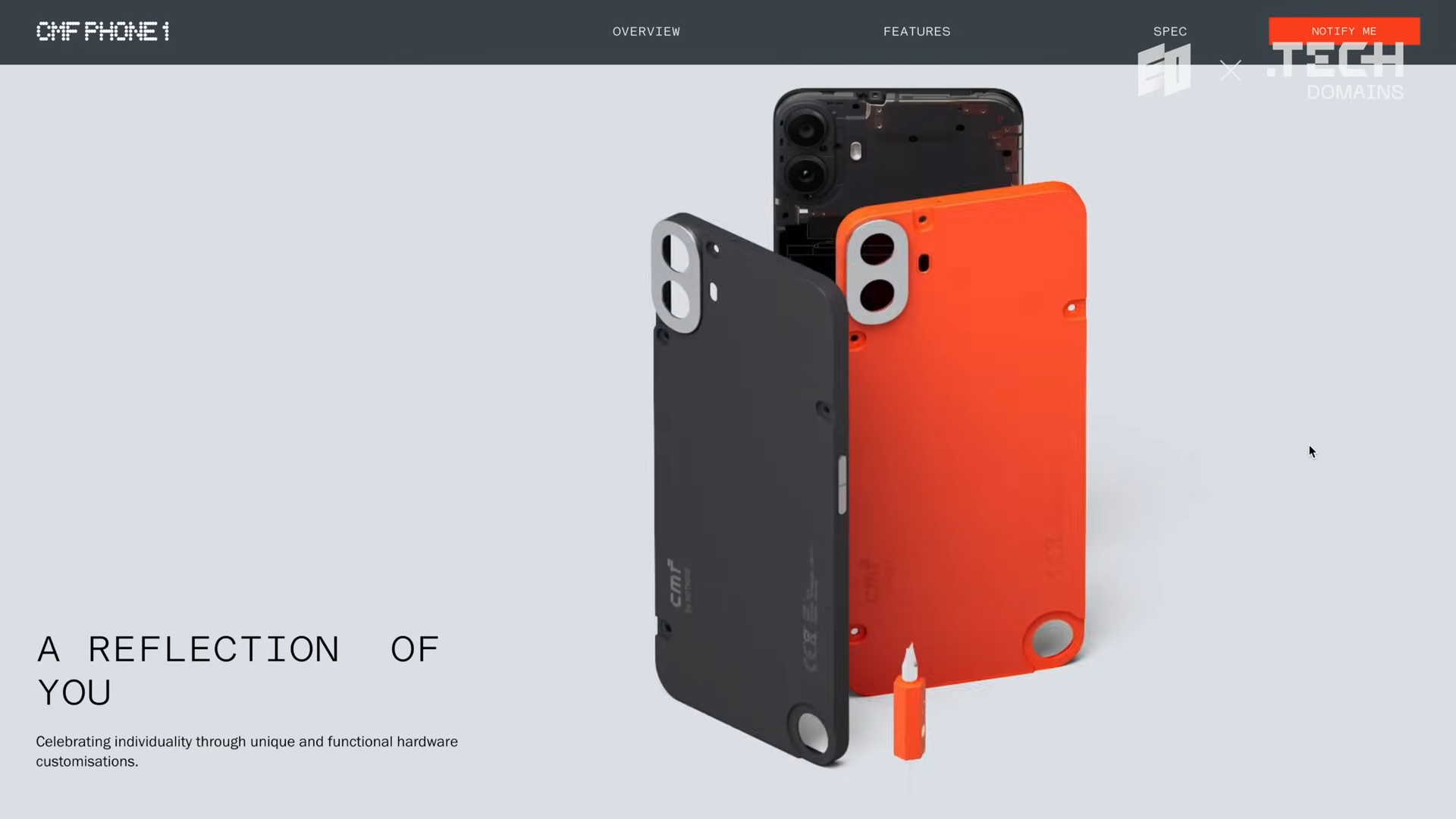
You can unscrew the bottom right corner of the phone and you can put other accessories on there. And then we took the CAD files, the 3D files, and released them publicly. So now everybody can do 3D printing and build on top of that. That's way more fun than a traditional iPhone, right? That's how we compete with Apple.
Apple is like just sitting in their basement, trying to figure out the future for themselves, and then they come and release something. And then maybe it works, maybe it doesn't. Whereas we can build a future together with our users.
Chapter 6. AI Shapes the Future
And the biggest change now is, I think, the advent of the AI age, the AI era, there's going to be a new type of operating system, a new type of operating system. Without apps like today, we're still like app based. It's been this way for a long time. The palm OS days, the Symbian days, they were all like this.
But if the future of computing is without apps, then the companies who have apps today, they also have to change. Now they're very much ahead of us in terms of the company scale and the faction. But if everybody has to start from the beginning again, then we also have the opportunity to win this race. We can never win the traditional smartphone race. We can only use that to establish our business.
But if everything is changing, then everybody who has a smartphone has a chance to create the future. So what I'm really excited about is to be a part of shaping what the future of computing, what the future of operating systems look like. Don't start a startup just to look cool, or you think that, like, this is a cool lifestyle. It's not a cool lifestyle. It's like I got a lot of gray hair now.
I didn't have any gray hair before, but I wouldn't trade it for anything else. It's great, but it's not for everybody. It's also really nice to see somebody walking on the street, wearing your product or using your product. It's a feeling that cannot be replicated by anything else, I think, and it's even better if they don't recognize you.
If they don't recognize you, it means your brand is growing and the founder doesn't matter anymore. And they're just exploring the product, finding the brand. So although things are hard sometimes, there's also really good parts about it. So, you know, we talked about how hard everything we're doing is. But I think at the end of the day, I'm just a normal guy like anybody. And if I can figure it out, then you can also figure it out if you want to.
It's not going to be easy. You're going to face a lot of challenges, but if you're really passionate about it, you can probably even do a better job than me.