Nov 21, 2024
Building the Most Loved Analytics Tool ($1.05B, $100M ARR, 60+ NPS)
Interview with Amir Movafaghi, CEO of Mixpanel
Founder Focused

💡
At a Glance
- Who: Amir Movafaghi is the CEO of Mixpanel, an event-based analytics company; he says he previously spent years at Twitter, joining in 2010 when it had just over 100 employees and leaving after it grew to 4,500 employees and $2 billion in revenue.
- What: Mixpanel is an event-based analytics platform serving 9,000 customers globally; Movafaghi says the company crossed $100 million in revenue a little less than two years before this interview.
- Traction: Under Movafaghi, Mixpanel cut annual customer churn from around 50% to close to 90% retention, while lifting customer NPS from single digits to nearly 60 by the time of its Series C round.
In this interview, Amir Movafaghi, CEO of Mixpanel, reveals how the company confronted a stretch when it was losing half its customers every year, why he swapped a lagging retention target for a leading NPS metric to turn things around, the biggest lesson he carried from scaling Twitter from 100 employees to 4,500, and why product-led growth only works with a genuinely deep segmentation strategy behind it.
Key Takeaways
A 50% Churn Rate Forced Mixpanel to Rethink Growth
Movafaghi recalls a stretch when Mixpanel was losing nearly half its customers every year, a number the team could have rationalized away since the business was still growing. Instead they treated it as a major problem, and found it wasn't one issue but a set of many different things that needed fixing at once.
Trade a Lagging Metric for a Leading One
Rather than chase an ambitious retention target directly, Movafaghi's team recognized retention was a lagging indicator and shifted focus to user NPS as a faster, in-product proxy. That pivot took Mixpanel's NPS from single digits to nearly 60 and lifted retention from 50% to close to 90%.
Twitter Taught Movafaghi to Put User Experience Before Monetization
Movafaghi joined Twitter in 2010 when it had just over 100 employees and no ad revenue, and left after it grew to 4,500 employees and $2 billion in revenue. He says the biggest lesson from that hypergrowth was that user experience, not monetization, has to come first.
Product-Led Growth Only Works With Deep Segmentation
Movafaghi pushes back on treating product-led growth as a silver bullet. It requires a genuinely self-serve product, but also market education and honest segmentation of customers by maturity level, augmented with a sales-led motion where it's needed.
Silicon Valley's Real Edge Is Instant Access to People Who've Solved Your Problem
Movafaghi says the value of being in Silicon Valley isn't proximity to capital, it's that when Twitter hit new problems, he could call people at Facebook, LinkedIn, or Google who had already faced them, and nearly all of them said yes.
Below is the complete transcription of the interview. Minor edits have been made for clarity and readability.
Introducing Amir, the CEO of Mixpanel
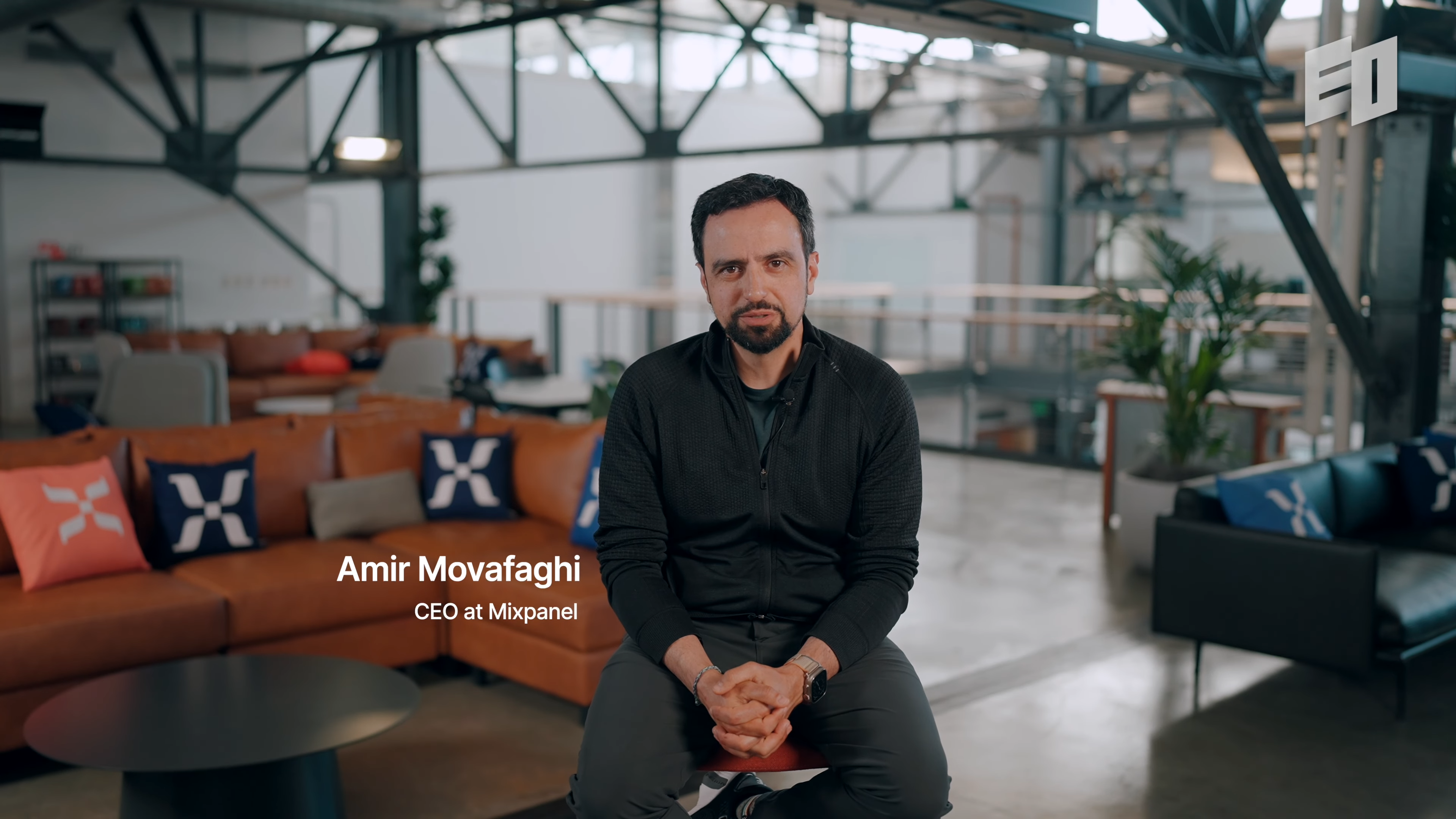
Hello, my name is Amir Movafaghi. I'm the CEO here at Mixpanel. We are an event-based analytics company. We currently have 9,000 customers globally, and as a distributed company, we crossed $100 million in revenue a little less than a couple of years ago. We're super proud to have one other metric that we disclose, our customer NPS, being almost consumer grade, approaching 60.
How Twitter Grew Its Revenue from $0 to $2B
I was born in Tehran, Iran. I spent seven years in Istanbul, Turkey, so I spent a good number of years there. We moved there when I was about eight, and then I came to the United States when I was 15. When I was going through graduate school, it was a time when the financial crisis had hit New York.
It was right at the beginning of when social platforms were coming online, and during the uprising in Iran, I couldn't get a hold of my parents because all the phone lines were shut down and email wasn't working. At the time, Twitter was the only platform that was really reporting what was happening on the ground in Tehran, and it was this incredible moment of realizing just how powerful social platforms were becoming. It was such a personal attachment to the product that was my lead-in to tech.

So I joined Twitter in 2010. When I joined the company, we were a little over 100 employees, and we were pre-ad revenue. It was an extraordinarily exciting time. Even Twitter, at its height of success, was like a completely different company every six months. You'd wake up and all of a sudden there was an ad product that failed, and you'd have these moments of existential crisis: are we going to have a company in six months? Are we going to be able to make it to the other side?

In a lot of ways, the way we go through and fix things together as a team is this ability to really come together on a core problem. We understand why we're focusing on what we're focusing on. We have clarity around what objective and outcome we're trying to get to, and then we're flexible about the how. We're able to take feedback along the way, from our customers, from our peers, from our board, from investors, from everybody. We're able to learn, understand, iterate, and hold ourselves accountable to these outcomes.
I think fixing problems at its core comes down to first really centering ourselves on why this matters, why this takes precedence priority over the 99 other problems you have, and then rallying and inspiring people to get clarity on how they can make an impact and a difference on that journey.
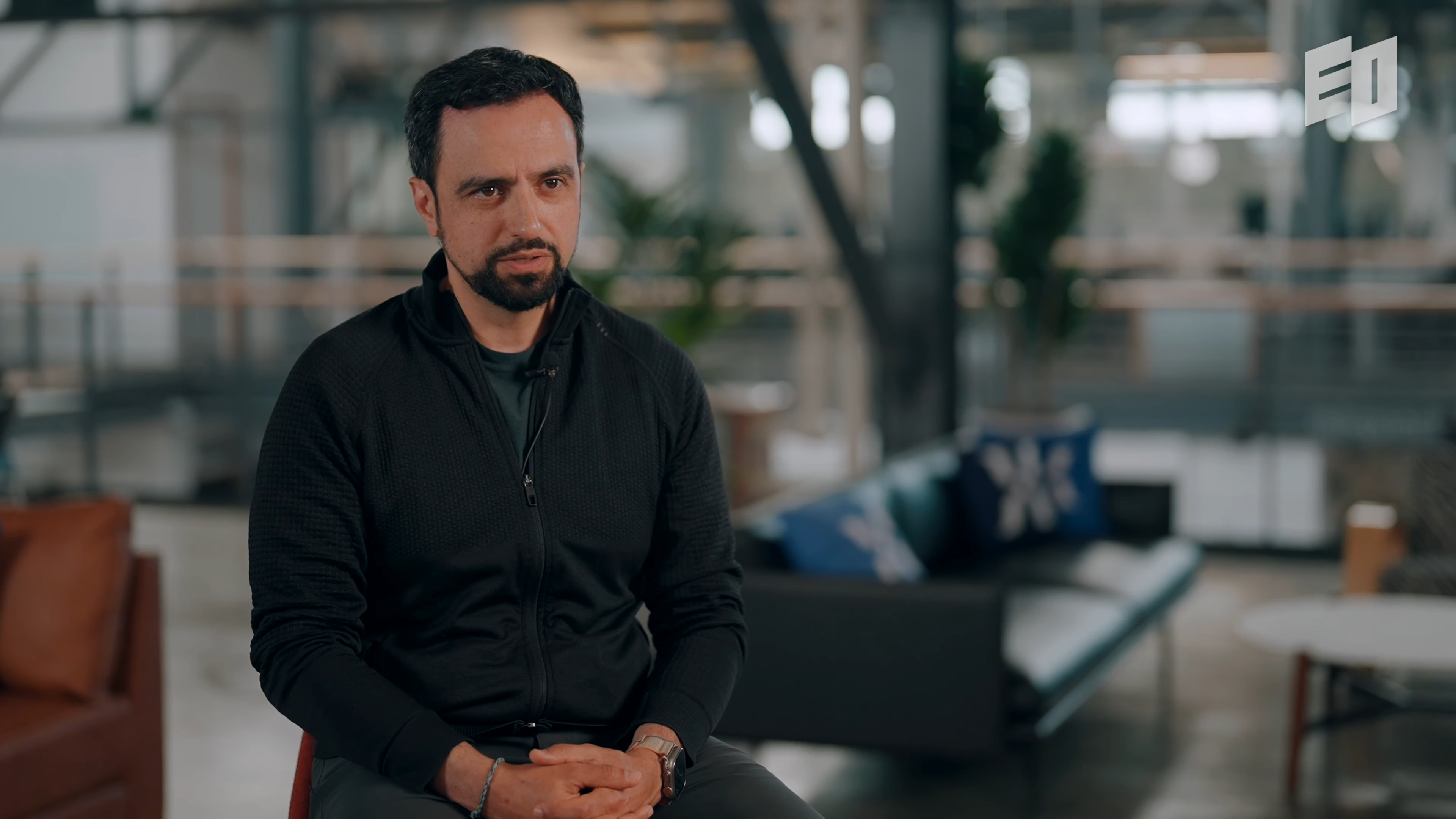
When I left Twitter, we had grown from nearly 100 employees to 4,500 employees. It was from close to zero to $2 billion in revenue. It was phenomenal, incredible growth that happened during that time. The biggest lesson was the impact that user experience had on the success of the company, this obsession around delivering a better product, a better user experience, and having that as a leading path into better monetization and better growth.
Companies in enterprise software have invested quite a bit in technology, building better utility and better technology as a first order of business. Being part of Twitter, it was getting a lot closer to just how much significance there is in making sure you're always thinking of the user, the customer, first, before you go figure out everything else, because without the value, without that ultimate experience you're delivering that's creating value, everything else can feel much more ephemeral and a much weaker foundation.
I think in many ways, when you're part of a great company that has a number of different opportunities to make an impact and connect and grow, you want to make sure your skill set is rich enough and mature enough to be able to deliver a bunch of impact. But hopefully, if you're in the right position, you're also gaining a bunch of new knowledge and new tools.
I think in many ways, the growth comes from just having that sheer intellectual curiosity and a desire to make sure you're influencing and impacting things that matter. The biggest one is this constant ability to ask, am I doing the thing that is the highest impact work I could be doing? Am I focusing on things that actually will drive and make a difference? Usually, if you're in the right role and you have the right foundational skill set, then the rest of it will take care of itself. You'll figure out resources and who to tap into.
It's one of the best parts of being in Silicon Valley: you can pick up the phone and call so many people around you who've experienced that exact same situation you're in. One of the things I always mention, people talk about, hey, what's so special about Silicon Valley, why would I move my company there, why would I start a company in Silicon Valley instead of somewhere else?
And the answer I give is, when I started at Twitter, we were going through a bunch of new problems we were experiencing, and at that time, I remember just through networking finding out experts who were at Facebook or at LinkedIn or at Google, and you'd reach out, and almost 100% of the time, they were willing to jump on a call, and they were willing to collaborate and give advice. I think that was such a phenomenal validation of just how important it is to be in an environment where people are experiencing that same set of growth, ambition, and experiences that they can impart and give to you as you're solving your problems in your company.
How Mixpanel Overcame 50% Churn to Achive NPS 60+
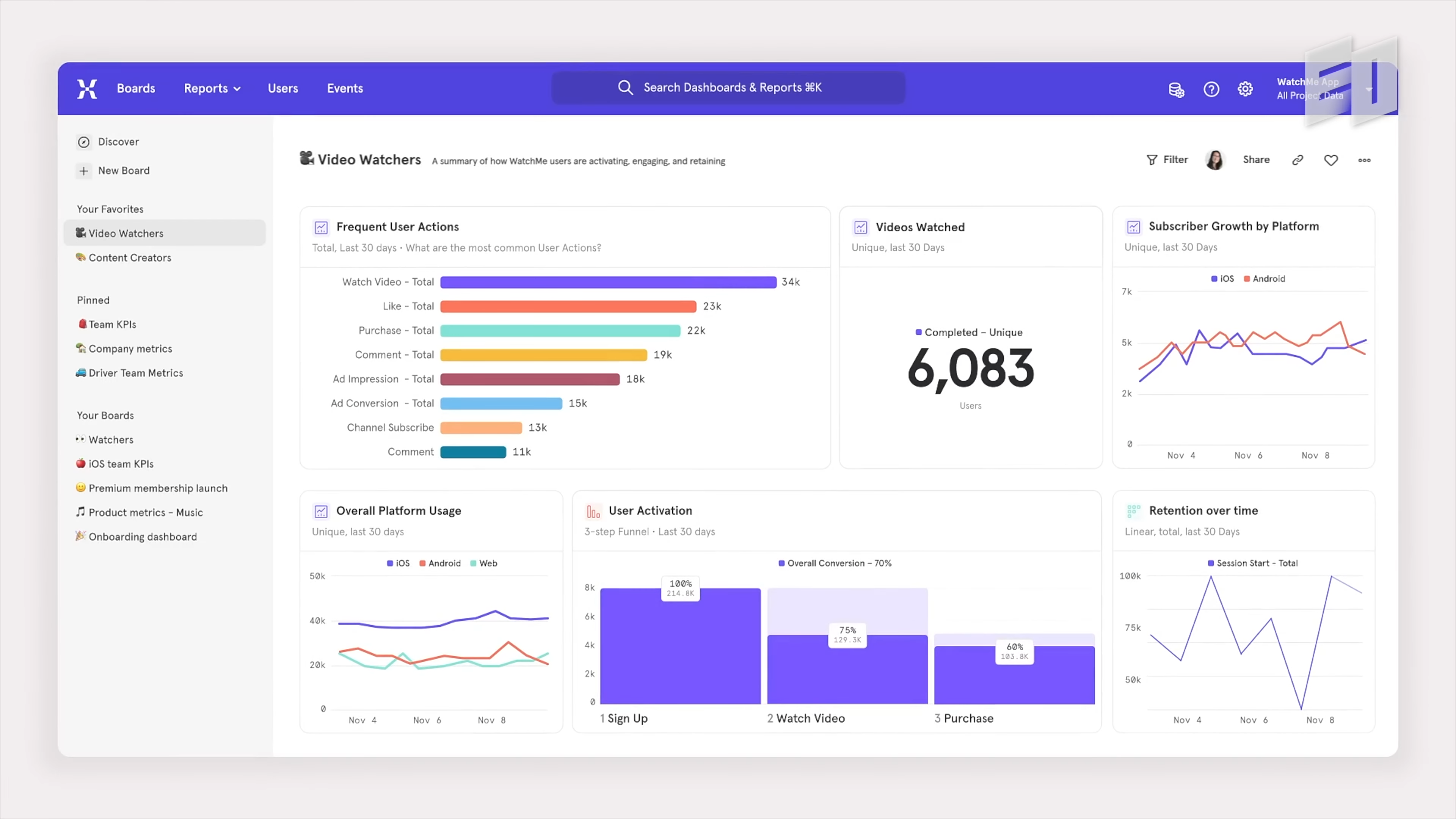
Okay, at one point Mixpanel, we were turning almost half of our customers every year, and it was this place where, as a company that's growing fast, in some ways that metric can be overlooked. You're like, hey, we're still growing, things are still great, and you'd show up and look at these numbers and you wouldn't even blink. You're like, yeah, we just had half of our customers walk out the door, but it's not a big deal because we're getting so much more and we're still growing.
But in many ways, it was a time where we really came together and said, look, turning half the customers is a major problem in that we are clearly not driving and delivering the value as a company that we need to. Even though we're still growing, we have to go back and address churn as a way of making sure we have sustainable growth over time, and that the product needs to get to this level of maturity over time.
The problem was actually quite difficult, because we were initially just trying to find easy answers. Maybe this is a segment problem, maybe SMB has higher churn, maybe we just need to go to enterprise and that'll fix all our problems. But the reality was much more complicated and nuanced, and what it required was a very diligent way of segmenting and understanding the behavior from different customers in different segments, and then being able to really narrow in on the reasons.
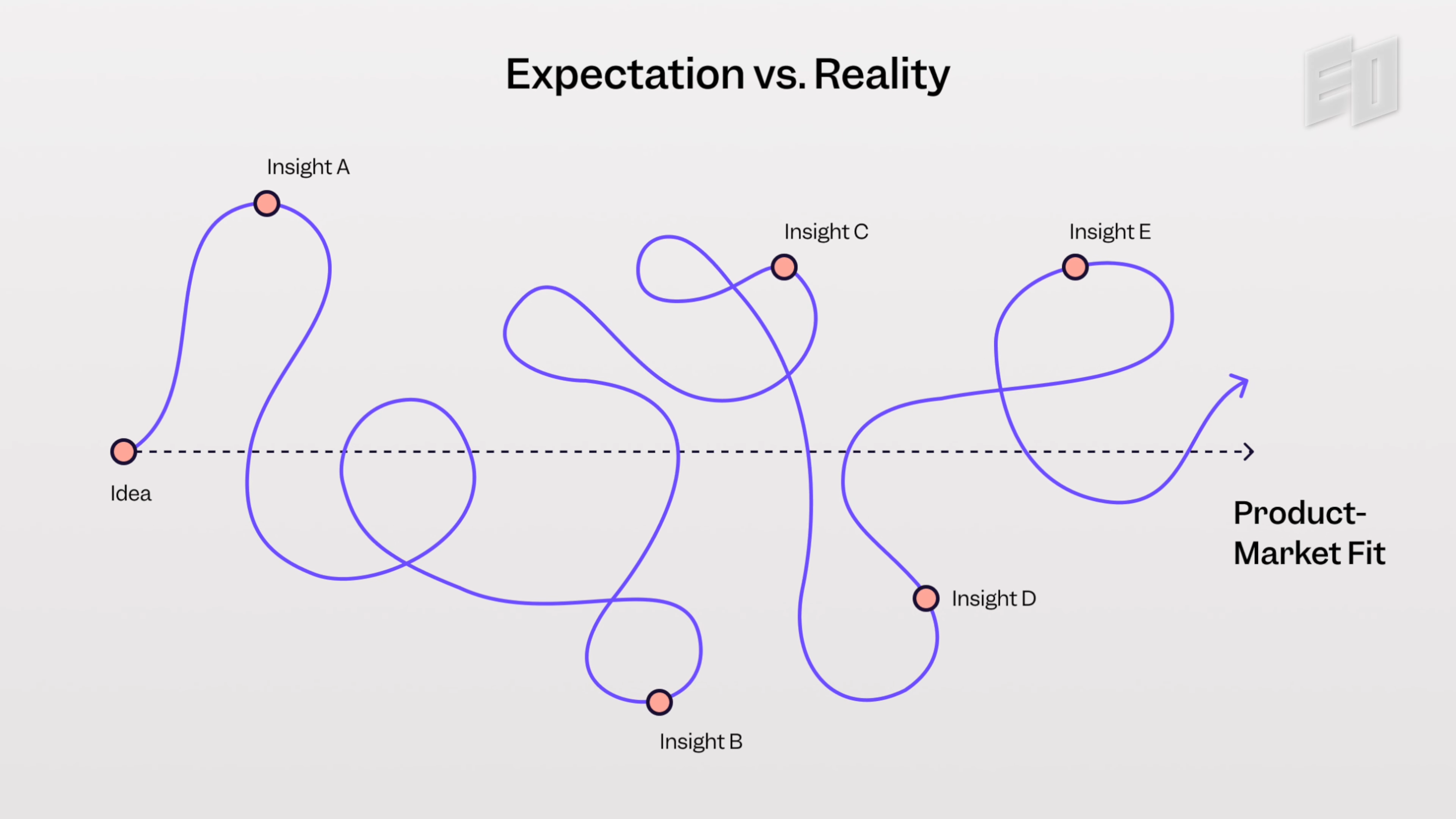
It so happened that there wasn't one answer, it wasn't one thing, it was a set of a bunch of different things that we needed to do, and the list was quite overwhelming.
The way we came at it was, instead of putting some crazy, insane goal for where we wanted to be in a year's time, we acknowledged that retention was a lagging indicator, that it would take time for us to really move it. So instead, we said, what is the single proxy leading indicator we can grab that would inspire the team, get them excited about making the right set of improvements in moving retention in the right direction?
We shifted our focus to user NPS. We said, look, if we're able to improve user sentiment, that's a much faster in-product signal we're going to get from our users. Once that starts going up, we know we can move the dial on retention over time.
That's where our journey began, and we made a series of categories of different priorities, a series of things we were going to go out and tackle, and everyone in the company, from go-to-market to EPD, had this core mission to go out and get this done.

The result was really incredible. We were in single digits on NPS at the time, and we were able to move that 10 points every single year. By the time we did our Series C, we were at 50, and this past spring we almost touched 60, which is really like a consumer-grade category now. Retention went from 50 to close to 90% as a result, which speaks to this ability to establish real feedback loops that let you understand whether the things you're doing are moving the needle, and having this combination of leading and lagging indicators so you have things to inspire you along the way in your journey of execution, rather than having to wait a year to find out if something was working.
Companies go through very different stages and challenges as they go from no revenue to the initial signals that there's demand and a need for their product, to the $10 million milestone, to the $50 million milestone, and there are huge drop-offs from each of these stages. One learning we've taken here at Mixpanel is the ability to really have a rich signal coming in from the pool of customers you don't have, because so much of your signal and constant feedback loop is around the core market you're addressing and your core set of customers who are paying you today.
A lot of your signals are coming from existing customers, and so along the way, as a company is maturing, you want to make sure that in the initial phase, you want to get as small as possible, solve the problem for the smallest audience that's able to get value and pay you for your product. But as you're scaling and getting to 50, 100 million plus, you're really trying to make sure you have a lens toward the part of the market you don't own, that you don't have, and understand what opportunities you have to grow and continue to expand your offering and create more value for a bigger part of the market.
I think beyond product and signal from customers, the other dimension that's really critical as you're scaling is the way that teams operate internally, and the way your executive team, and you as a CEO, need to operate is going to change completely. As a 10-person startup, you're in a very different capacity, everybody's doing everything, and then you need to go create leverage, really create autonomy and ownership. Modularity within the organization is going to be key in driving growth and success past a certain scale.
The Misconceptions of Product-Led Growth
I think product-led growth is really important, and I think sometimes we oversimplify what it means. Even at Mixpanel, we've had quite a bit of a journey in terms of understanding the nuances of what it entails, what works within product-led growth, and what you need to augment and layer on. The fact of the matter is, what's really awesome about product-led growth, and what's so good about so many startups and growth companies really leaning into this, is that at its heart, the principle is: we need to have a really amazing product that's self-servable, that people can get value out of right away, that sort of speaks for itself. You barely need to sell. That's kind of the end-all goal of product-led growth, and that's awesome.
But there's so much more to being able to leverage product-led growth and actually create sustainable growth over time, and a big part of that is this element of market education. Everyone is going to come into your product with a very different set of maturity. They may be at a different part of the company, with a different understanding of the problem you're trying to solve as a company. Being very intellectually honest about truly segmenting and understanding where you have an opportunity to actually drive product-led growth, where you can deliver, for the most part, a self-serve experience, that's really key.
Acknowledging that there's this space, and there's absolutely an opportunity to be very sales-led in the way you drive augmenting that product-led growth, knowing that you can always rely and fall back on the fact that you have an incredible product, that once you get to the right level of market education, when you get a customer to that same spot, your product will take care of the rest. It's just this core appreciation that initially, product-led growth is really awesome because of its unit economics. It's the fastest, most affordable, best way you can possibly grow, but at its core, it requires a really deep segmentation focus for it to work.
4 Core Values That Built a $1.05B Company
The first one is about being open and being open to feedback. We as people get attached emotionally to our decisions about how to go from point A to point B, and just knowing that having qualitative and quantitative feedback will let you course correct and make sure you get to the destination on time.
The second one is about being able to lead change. Leading change has the element that Mixpanel, every few months, is going to be a fundamentally different company, and we want not only individuals to be okay with change or support it, but we want them to lead it. We want them to know that we're going to need to explore and find ways to create more value in the marketplace.
The third is a customer focus, which, at the end of the day, we're only successful if our customers are getting value. So any decision we make around what product we prioritize, how we do pricing and packaging, how we evolve our support organization, is around this long-term value we're creating for our customers.
The fourth one is results oriented, which acknowledges that the single best way for us to keep ourselves accountable on whether we're moving toward fulfilling our mission as a company, to help the world learn from its data, is people's willingness to pay us money to solve that problem. So, top-line growth: are we driving that in a sustainable fashion, through the right margin profile?
And then finally, is the one team, which really emphasizes the importance of establishing meaningful connections among employees, to move beyond transactional Zoom interactions into a place where they know each other, they can trust one another, so that when they do get into a position of conflict, there's a foundational trust and safety that allows them to work through those things productively.