
Jun 12, 2026
How to Steal Customers From Giants 600x Bigger than Your Startup
Interview with Eléonore Crespo, Co-founder of Pigment
Founder Focused

💡
At a Glance
- Who: Eléonore Crespo is co-founder and co-CEO of Pigment. She previously worked for the CFOs of Google EMEA and Alphabet, then joined Index Ventures as a VC before founding Pigment.
- What: Pigment is an AI performance management platform that consolidates finance, supply chain, HR, and sales data within one platform to help enterprises make better decisions.
- Traction: Pigment has raised over $400 million across multiple rounds. Crespo says the company is on a 2x ARR trajectory as of mid-2026. Its early customers include Figma, Brex, and Carta.
In this interview, Eléonore Crespo reveals how discovering that Google ran strategic planning on Google Spreadsheet led her to found Pigment, why she chose the hardest path into enterprise sales from day one, and what it really takes to win customers away from legacy giants like SAP and Oracle. She also breaks down the two moments in the hiring process that reveal everything about a candidate.
Key Takeaways
Taking the enterprise-ready path from day one creates compounding advantages.
When Crespo founded Pigment, she chose to target large enterprises immediately rather than starting with easier, smaller customers. This meant years of building before the product was ready, but it created a flywheel: once major companies publicly endorsed Pigment, smaller companies followed. Taking the hard route, she says, can bring you to an easier route over time.
Trust is the real moat against legacy players like SAP and Oracle.
Pigment competes against platforms built decades before Crespo was born. To overcome that credibility gap, Crespo focused on getting fast-forward-looking companies to publicly say they loved the platform. Decision-makers look to other decision-makers for signals, and those early vocal customers created a network effect that legacy players cannot replicate.
Pre-launch fundraising is won by the team, not the product.
Before Pigment had a product, Crespo's team raised about $25 million. Investors weren't betting on software; they were betting on people. Crespo says that when you have no Gartner Magic Quadrant ranking and no press coverage, the only lever you have is assembling a team so credible that customers and investors trust it before they trust the product.
Hiring from the ecosystem builds trust you cannot fake.
Crespo hired former finance analysts and revenue operations professionals who had spent 15 years in the market Pigment was entering. When those team members walked into a customer meeting, they spoke with the authority of insiders. Crespo argues this is the only recipe for earning trust with enterprise buyers before you have a track record.
The case study and background check reveal the candidates everyone else misses.
Crespo identifies the case study and the unsolicited background check as the two most revealing stages of a hiring process. The case study shows whether someone is a doer who will get their hands dirty. The background check, done by calling people the candidate did not refer, uncovers what no polished interview ever will.
Every hiring mistake cascades into company-wide drops in the bar.
Pigment made many hiring mistakes, Crespo says, and each one caused mistakes to ripple through the rest of the company. Lowering the bar for one person lowers it everywhere. The only productive response, she argues, is to diagnose exactly why the mistake happened and use that understanding to avoid repeating it.
Below is the complete transcription of the interview. Minor edits have been made for clarity and readability.
What is Pigment?
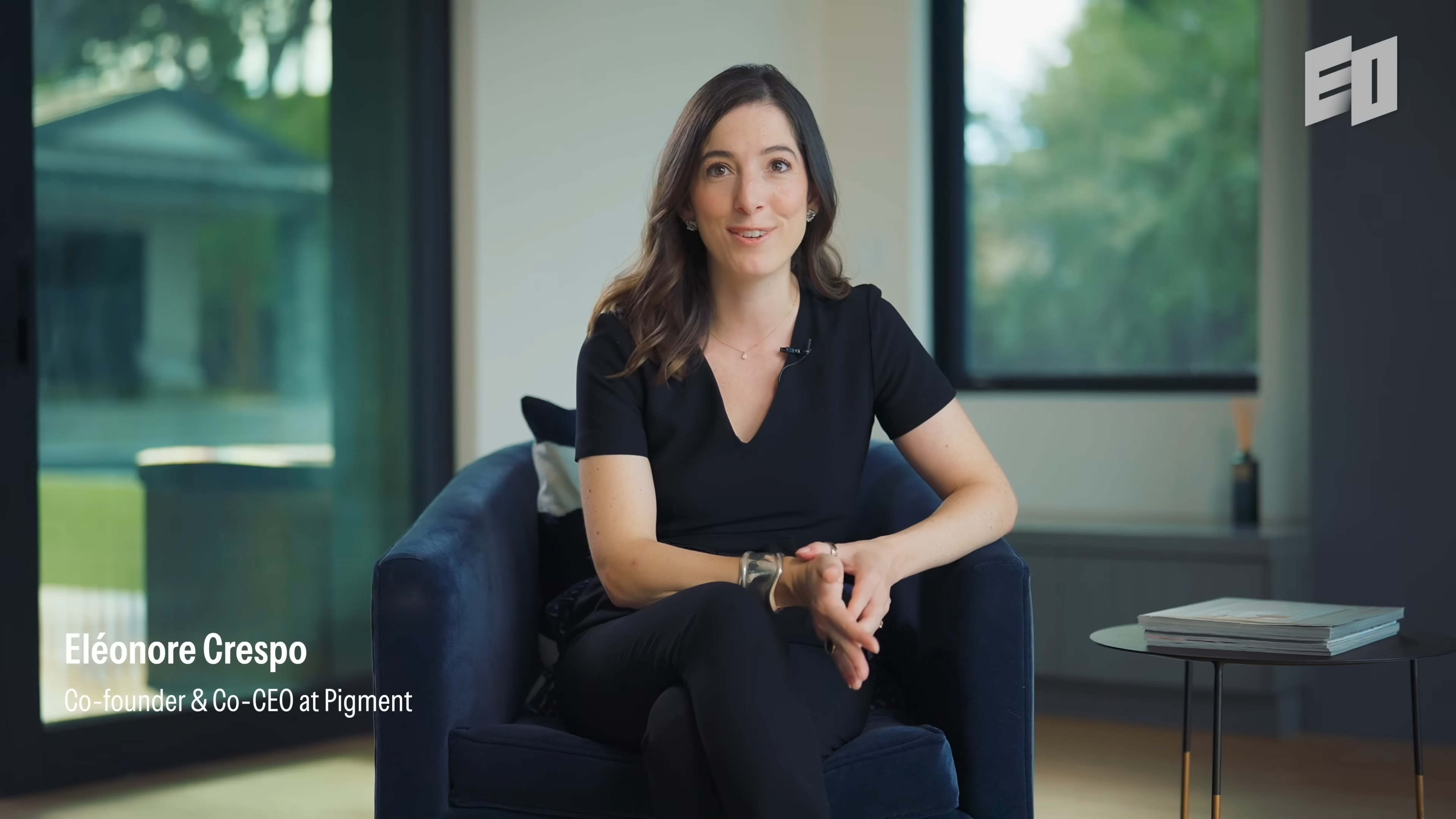
I'm Eléonore Crespo, co-founder and co-CEO of Pigment. Pigment is an AI performance management platform. We bring data within one platform, so you bring your finance data, your supply chain data, your HR data, your sales data. And the goal is really to make the best possible decision on that data. We've raised over $400 million since the beginning of the adventure. This year, we are growing. We are still on a 2x trajectory in terms of ARR. We were on the same trajectory last year.
Even the Most Innovative Companies Got It Wrong
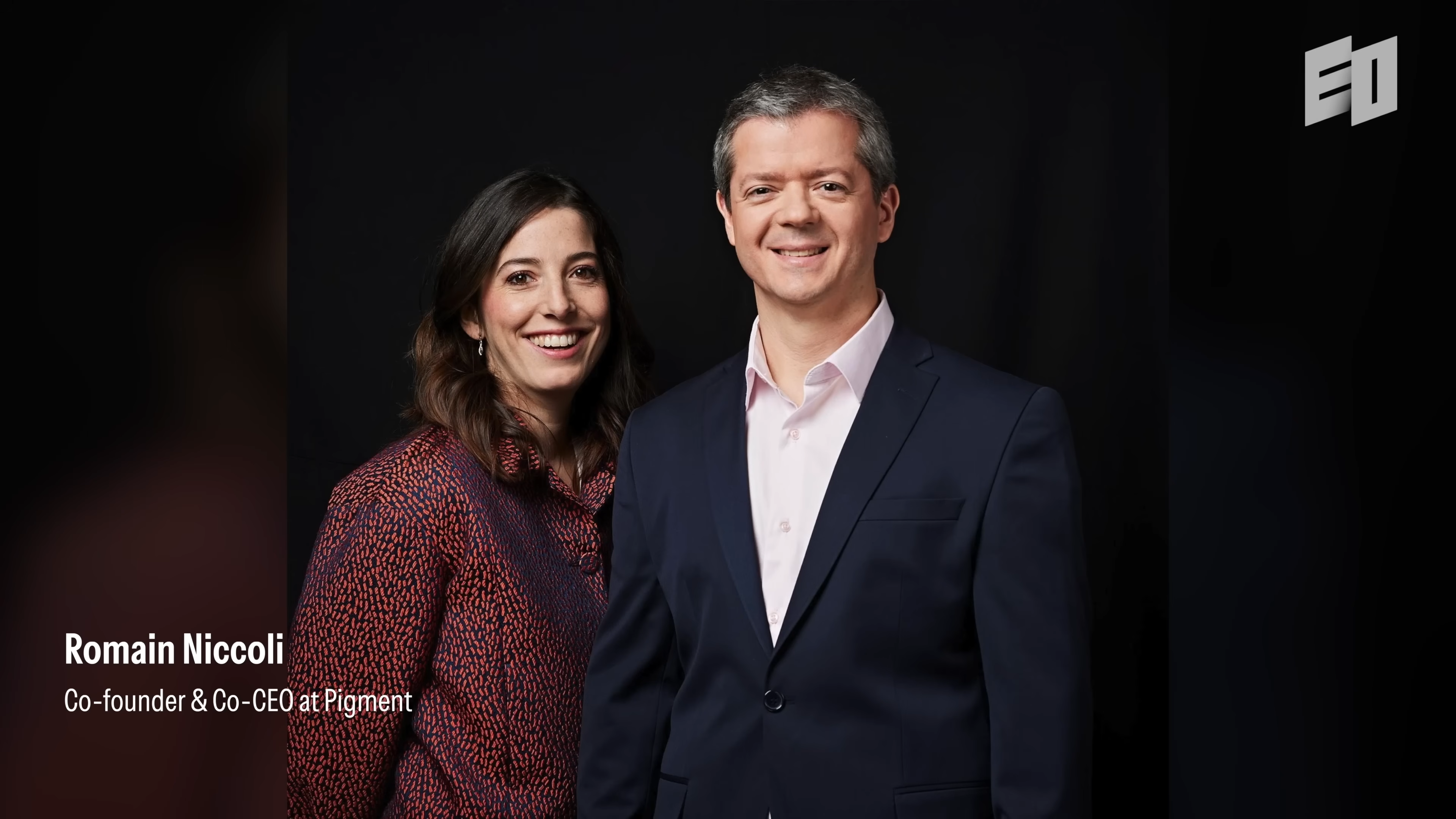
When you are in Europe, you are going to live in a small country. France is small. Entrepreneurship in France at that moment was clearly not as big as what it is today in the world. But still, you could see the first few unicorns that were really inspiring. My co-founder was a very big inspiration for me because he had built one of the first French unicorns that was very famous at the time I did my studies. I did a minor in entrepreneurship because I knew that building a company at some point would have to be part of my journey. I wanted to have a big impact on the world, and I just needed to find the right moment.
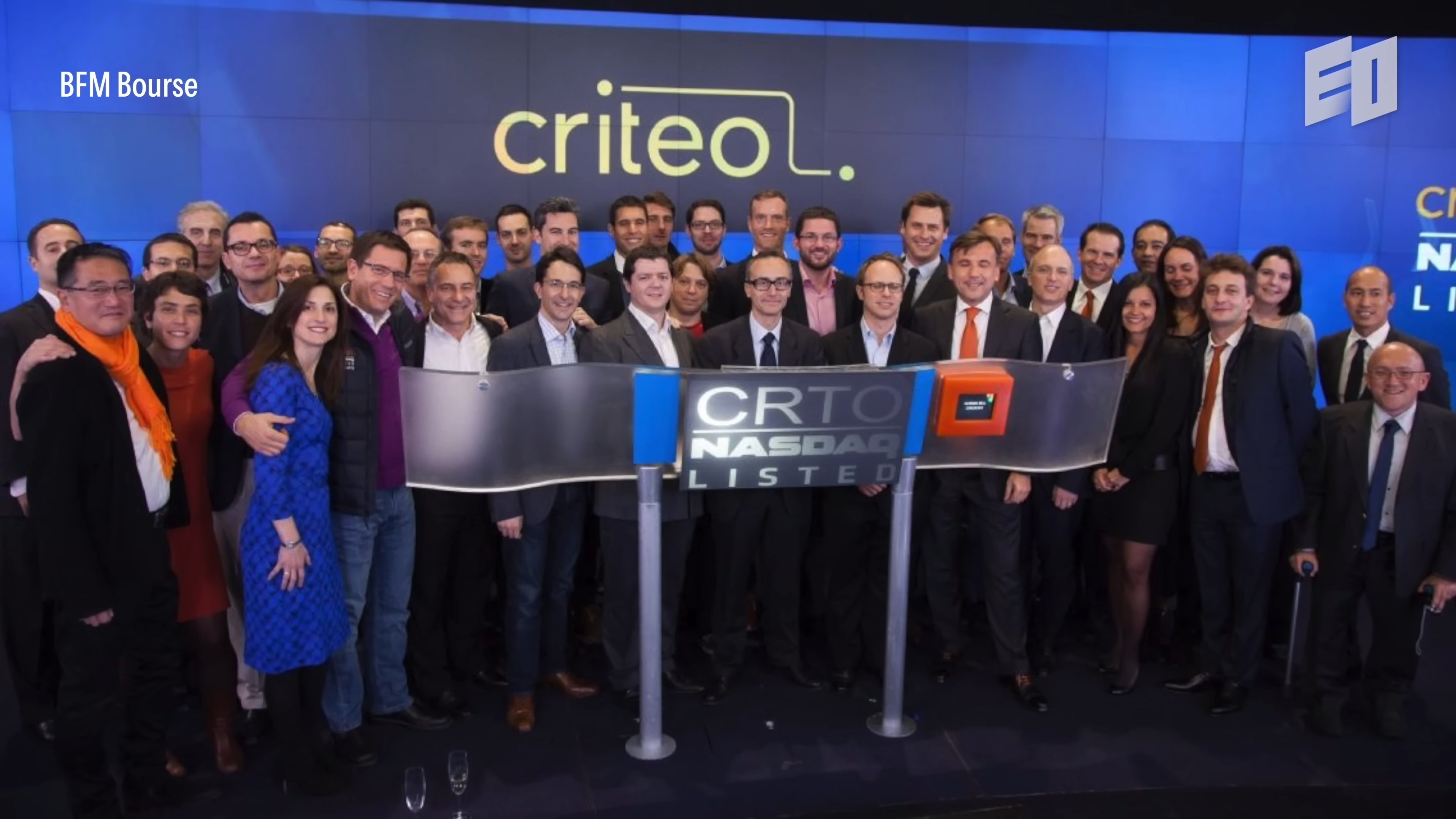
Google was my very first job. I actually worked for the CFO of Google EMEA and the CFO of Alphabet. I was really exposed to everything planning at Google: strategic planning, strategic decision-making. But I was pretty naive. I thought that whenever they had to make a strategic decision, they would have the best possible tools internally to do that. Google is one of the most innovative companies out there, so you would imagine they are very well equipped.
I was very surprised, actually, that everything they were doing there was made on Google Spreadsheet, pretty much. They would try to understand their business, do their revenue forecast, understand their margin, understand their budget. Most of it was done on Google Spreadsheet. But Google Spreadsheet has never been built for that scale, has never been built for that amount of data. When you have to combine data from multiple businesses, dozens of countries, it just doesn't scale.
I thought, this problem probably has to be cracked, because if Google doesn't do it right, I'm pretty sure thousands of companies out there do it wrong, too. After that, I joined Index Ventures. I was very lucky to be with some of the best founders in the world. You could think about the founder of Figma, the founder of Datadog, the founder of Revolut in Europe. I was working with the most forward-looking companies out there that were equipped with the best technology, because these founders are the early adopters of the technology.
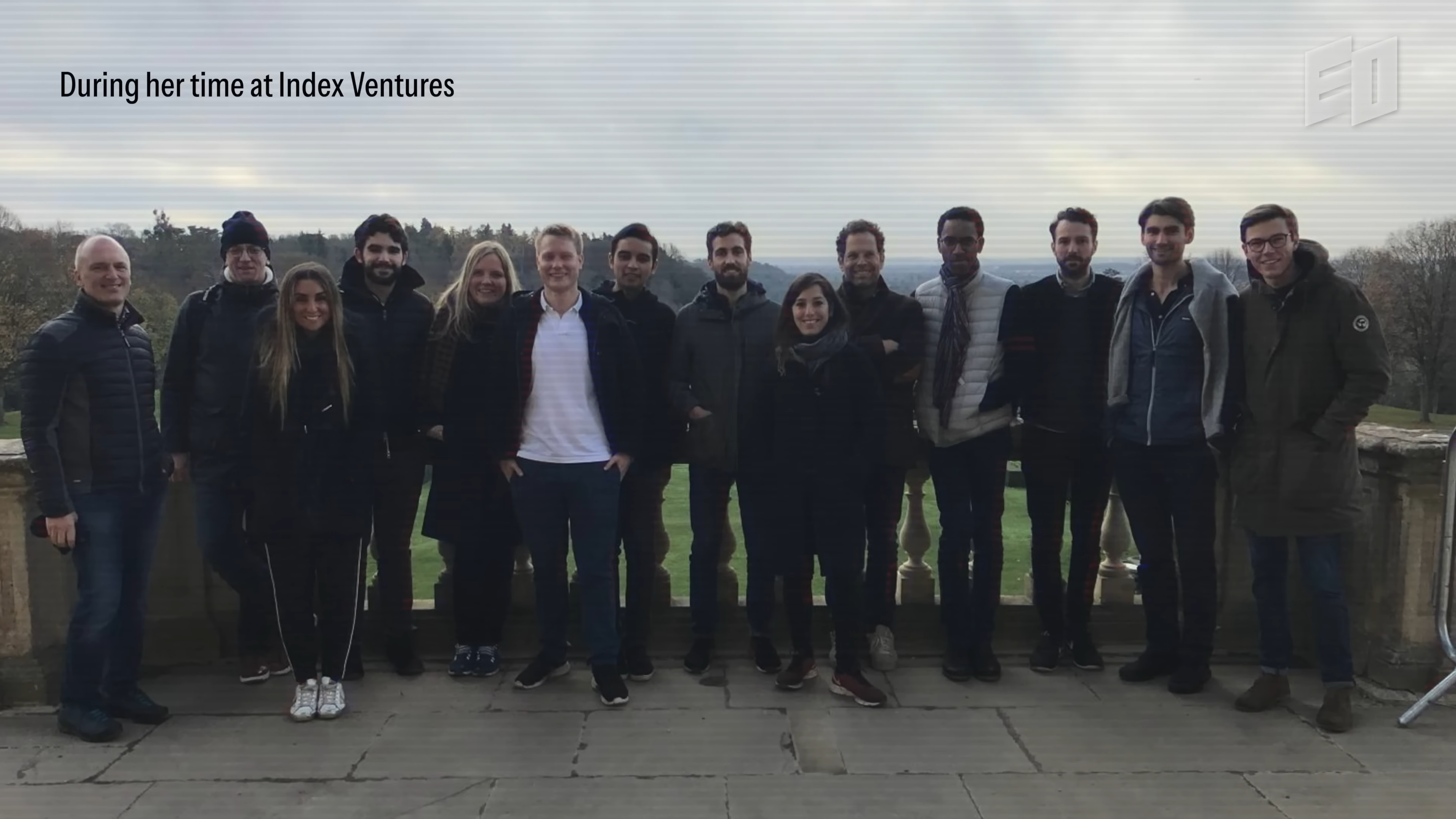
And yet, that was the topic they were struggling with. They were preparing for their first IPO, they were trained to understand their finance data, trained to understand how to improve their margin, how to optimize their quota, their sales territory, their revenue, but they were not equipped. They were not equipped at all to do that.
So, even with AI, a lot of companies will keep using Excel for quite a while. Now, I do think that Excel has its own limits. Excel was created to be a very flexible platform that would help you build quick models.
But what happens at a company of a certain scale is that you need to bring together the right data, the right people, with the right governance, the right security, and the right modeling to really help them take these decisions.
Take Coca-Cola: a company with literally hundreds of business units, hundreds of countries, and thousands of products. And all of a sudden, you have to understand what's happening in your business. You have to understand your supply chain, your revenue, your margin by product, by business unit, by country. Can you do that in Excel? No.
When you have to look at billions of rows, billions of cells, that is not the technology you want to use. We realized that this problem was real, it was everywhere, and it was a massive market to go after. That's what we decided to create Pigment.
The Hard Path is The Fast Path
We compete in a market alongside companies like SAP and Oracle, which are very established but have been around for a very long time. Some of them were built before I was even born. As a VC, I had seen many times founders starting in a category where what they were building was not a must-have. It was a nice-to-have. We really wanted to create a platform that would become a must-have.

We live in a world where decision-makers are looking after the best decision-makers out there. Today, people are looking at the CEO of Anthropic, one of our customers, and the CEO of OpenAI to think about the future of their own companies. Because, especially in our category, we serve CFOs, we serve large finance teams. When you serve these types of customers, or when you serve strategic decision-makers, you need to build trust as early as possible. If you want people to trust you, you need to have fast-forward-looking companies telling you, "We love Pigment, we love that platform, and we will tell the entire world that this is true." And people will follow.
We wanted to create that network effect. So, since day one, we actually decided to climb Mount Everest and build a product and platform that was enterprise ready from the start. Getting the very first customers was very hard, because we were based in Paris at the time. We didn't have a big US presence, and we needed to go after these very large tech companies in the Valley that had never heard of us, where we had zero brand awareness.
Why Enterprise Sales is Harder than Founders Think
One thing a lot of founders get wrong is how difficult it is to sell to large companies. You might think your product is enterprise ready and that you're prepared to sell to enterprise. That's not the case at all. What we do is quite different from a lot of SaaS companies out there. We compete against legacy players that have been in the market for 15, 20, 30 years, and they have built a platform end-to-end with a variety of features and functionality.
In order to be really relevant in enterprise performance management and business planning, and in order to bring and deliver value to our customers, we couldn't just ship one feature or one product. We needed to deliver the entire platform, because the first use cases we were shipping at the time were already bringing dozens, hundreds of people onto the platform to work on a variety of use cases. In order to do that, we needed to come with a superior platform from all angles.
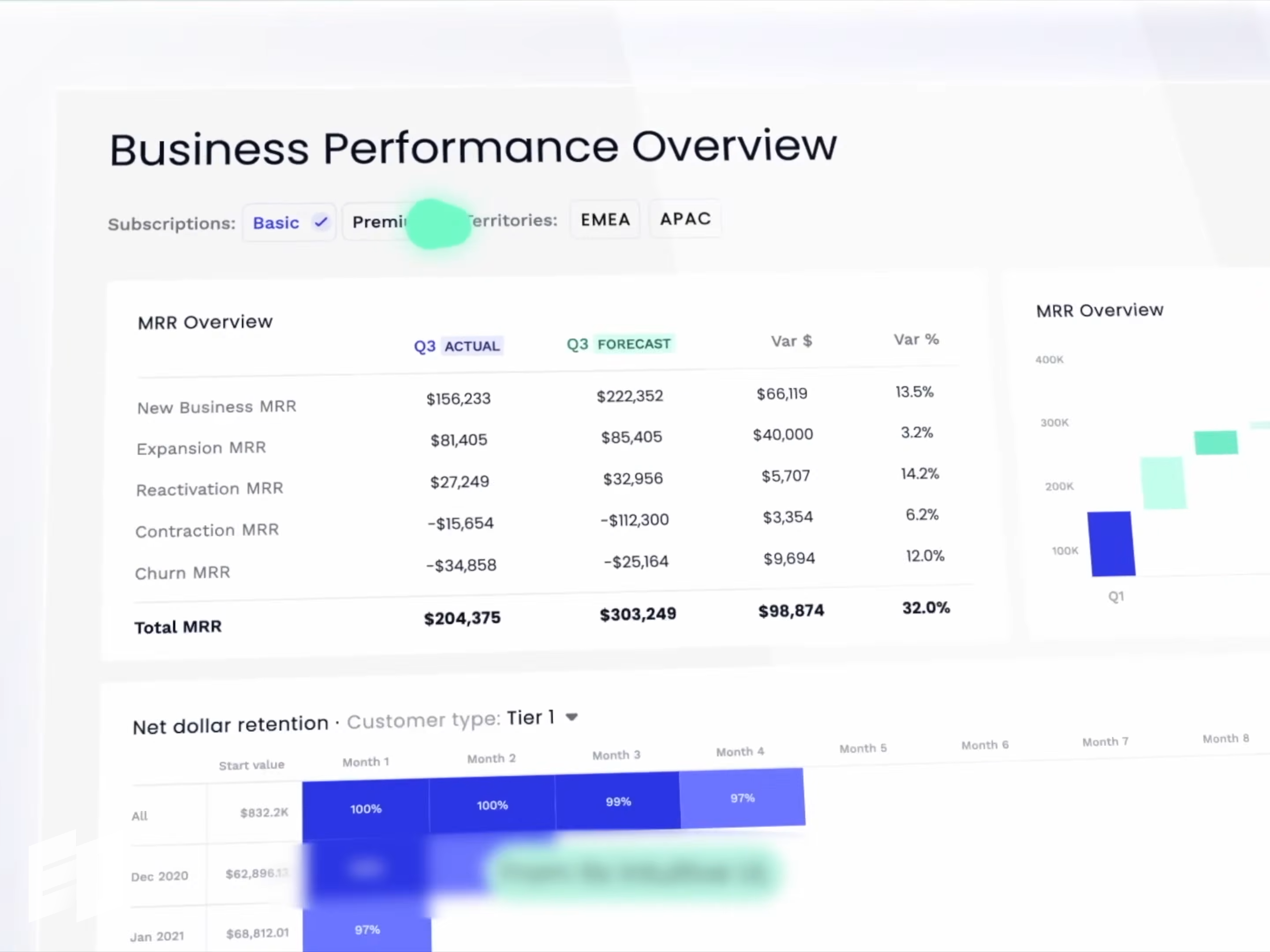
We needed to build what we call the elastic canvas, an incredible computation engine that really helps you model any data on Pigment. We also needed to build the most incredible UX for anybody to adopt the platform. So we could not ship a product in a month. We started at the end of 2019, and the product was truly ready in 2021.
We carefully picked our investors based on the help they could bring us. Could they open some doors for us? Could they help us find US executives who could open more doors? That's really how we managed to create this first moat and this first advantage: being able to open as many doors as possible and to find our very first customers. Because I think if they didn't have VCs backing us and telling them to use our product, I'm not sure they would have been able to really go after that.
And they have amazing stories. Figma is one, Brex is another one where they were really the first to say yes, we are going to go after the platform. I even remember the CFO of Carta at the time, who was also one of our very first customers and immediately wanted to become an angel investor because he saw the potential. That's really what made the beginning of the adventure.
It was not easy, but today it has an amazing compound effect. Sometimes, taking the hard route can bring you to an easier route over time. And sometimes, you start easy and then it gets hard. So, you have to pick your battle.
Your Team is the Deck
Before we launched our product, we had raised about $25 million. We didn't do a proper fundraising round. Some investors came to us and asked if they could put a term sheet out. But I think what they saw goes back to trust and credibility. If you want to raise pre-launch, you need to have a very strong story around what you've done and the team you've put together.
It all goes back to the team. The team is the most critical piece where investors will spend a lot of time looking and digging. When you are not in the Gartner Magic Quadrant, when you do not have thousands of references to share, people have never heard of you, they have never read about you in the Wall Street Journal yet, the only way to scale yourself is to hire people who are smarter and better than you, who can help grow the company to the next phase.
In the first year and a half, two years of the company, we brought together the highest caliber team of talent. We have one of the best engineering teams on the planet building that product. We also hired former finance analysts and former revenue operations analysts, former personnel from within the ecosystem. When you go to a customer and say your product was just born two months ago, but your team includes experts who have been selling similar platforms for the past 15 years, and who can then tell your customer that this is the best platform out there, that's a very strong message.
So, one piece of advice I would give is to try to find people from the ecosystem who have the right level of expertise and who can create that trust. I think that's one of the key recipes for success. The number one thing I would advise anybody is to think about the values of your company, write them down, have them very clear from day one, and keep them. Let them evolve if need be.
The Two Hiring Stages that Reveal Everything
Calibration is also a very good tip for anyone out there. What I mean by calibration is being able to go into the market before you hire for a role and asking to meet the best CFOs, the best CROs, the best salespeople, to understand what great looks like and how it applies to your company. And for me, the two most critical stages of a hiring process are around the case study and the background check you are going to do on the person.
The case study is really what will reveal whether the person is a doer, whether they are ready to get their hands dirty to solve a problem, and whether they are ready to listen. The second key moment is the background check: calling people the person has not even referred to you, but trying to understand who that person is from that angle. We really try to do this consistently, and this is really when you learn the most. You have to dig, dig, dig.
You never hesitate to ask questions that are hard, even if you don't know the person. At worst, they don't answer. But you really want to understand as much as possible about the person. During the interview process, you really try not to shy away from showing the reality of the job, the difficulties of the job, what they were really going to do, and never trying to oversell or undersell the company, being very honest.
Now, don't get me wrong. We made tons of hiring mistakes. Every hiring mistake we've made has caused mistakes everywhere else in the company. That's where you start having a lower bar at everything you do. But the most important thing is always to try to understand why you made the mistake and what you are looking for next time to avoid making them again. That is the only thing that matters, whether it's day one or whether it's today.
Explore more