Jan 23, 2025
9 Months Zero Code, $75M Raised
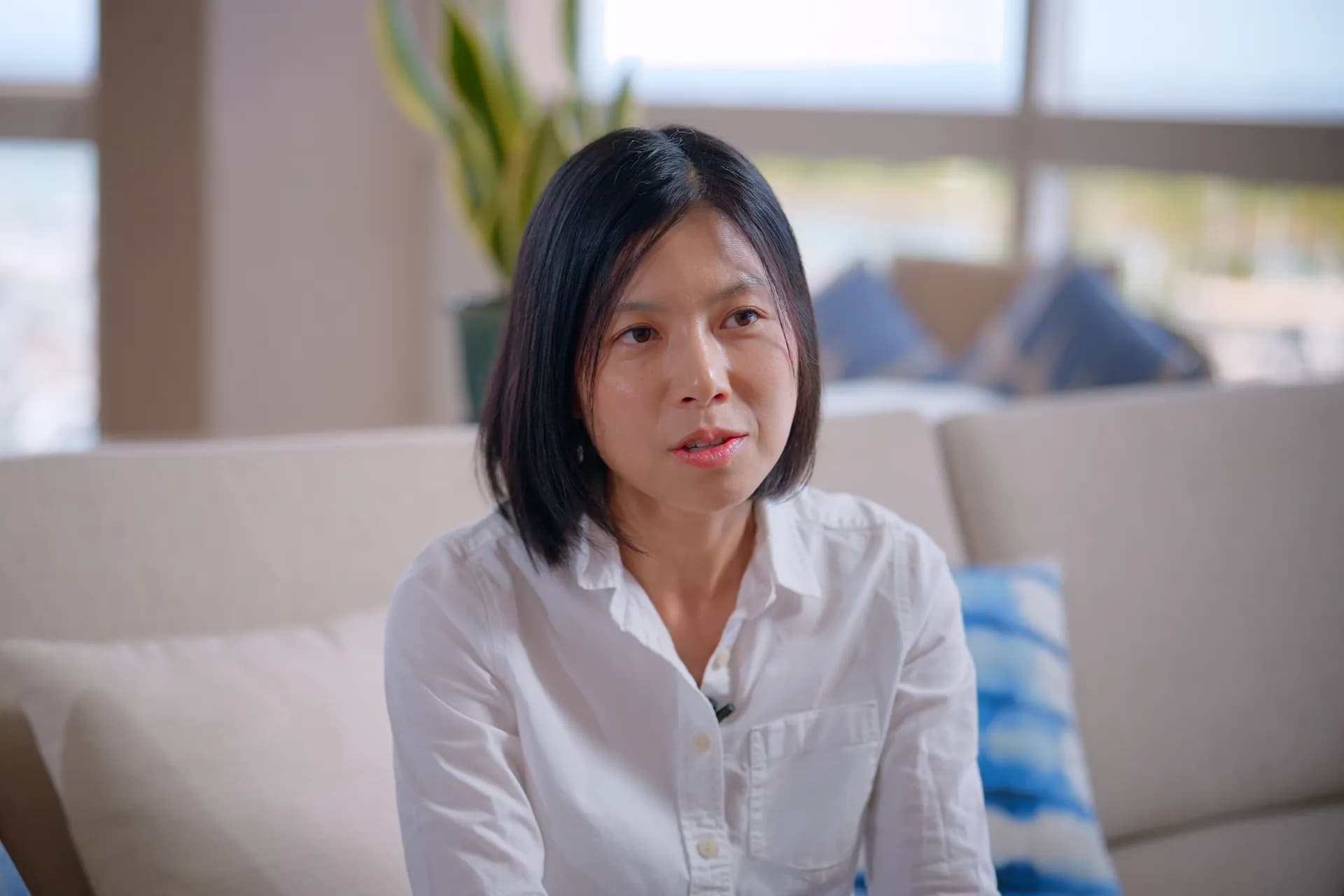
Interview with Shensi Ding, Co-founder of Merge
Founder Focused


💡
At a Glance
- Who: Shensi Ding is the Co-founder and CEO of Merge. She studied at Columbia University and spent nine months conducting user research before leaving her job to co-found the company with software engineer Gil Feig.
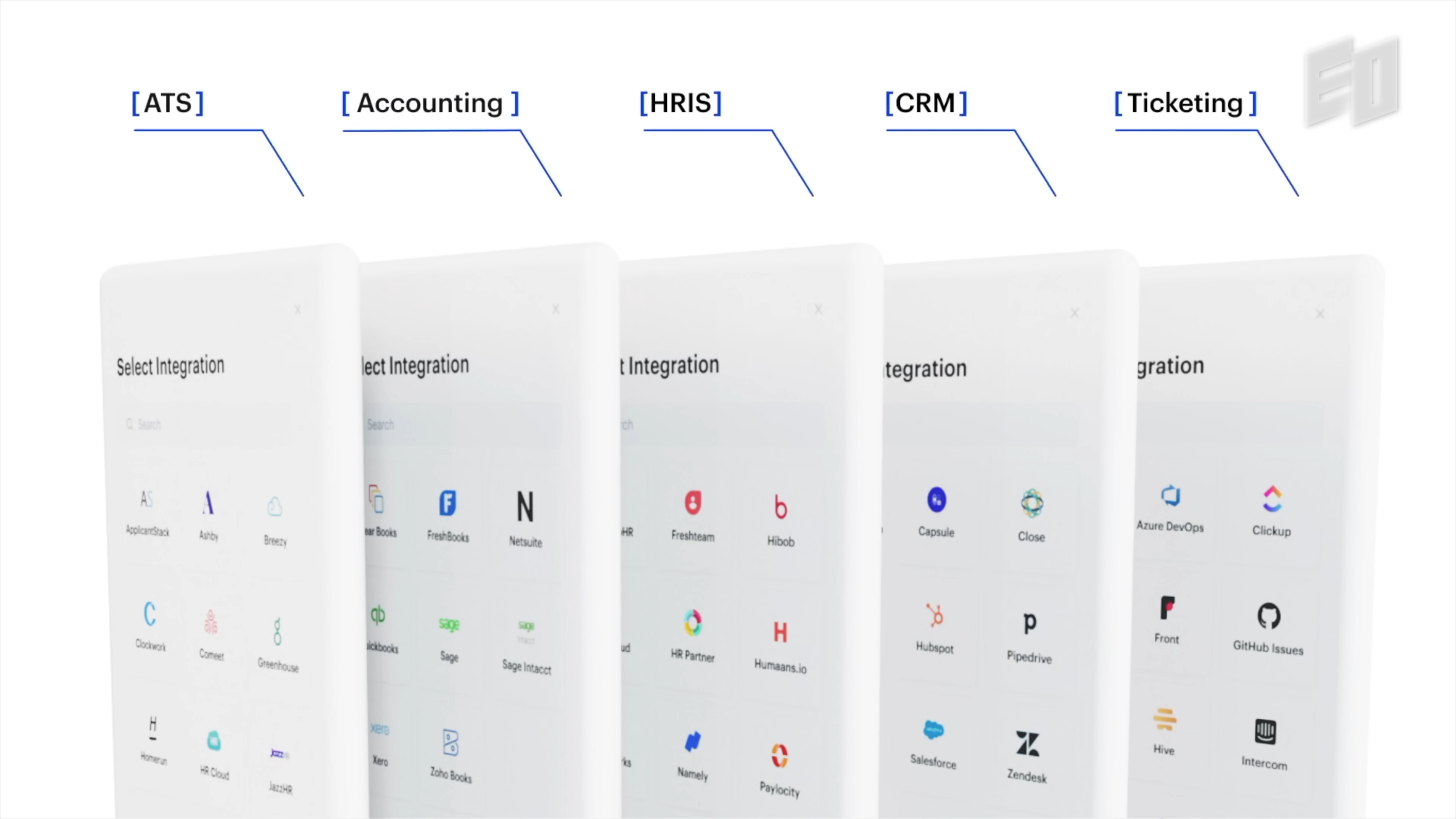
- What: Merge offers a unified API platform that simplifies product integrations for B2B software companies across HRIS, ATS, accounting, CRM, file storage, and ticketing tools.
- Traction: Raised $75 million in total funding from Accel, NEA, and Addition, establishing global operations across New York City, San Francisco, and Berlin.
Shensi Ding spent nine months conducting user interviews and testing buyer willingness to pay before writing a single line of code for Merge. After raising capital, she spent eleven-hour days in phone booths conducting sales calls, building the exact playbook required to onboard her first sales team. Today, Merge has raised $75 million from top-tier firms like Accel and NEA, offering unified integration APIs across major enterprise software categories. Her approach illustrates why upfront market research beats building in isolation, how co-founders with complementary skill sets scale companies, and why transitioning from individual contributors to autonomous teams is the hallmark of billion-dollar scale.
Key Takeaways
Pack Founders' Calendars With Relentless Customer Calls
Shensi Ding and Gil filled their days with back-to-back sales calls before hiring their first salesperson. Repeating the conversations exposed recurring questions, allowed them to test different pitches, and gave the new hire a practical playbook based on what customers actually understood and valued.
Research Product Market Fit Before You Build
Merge spent six to nine months interviewing users, testing willingness to pay, studying competitors, and understanding why earlier attempts had failed before leaving their jobs. Shensi’s lesson is to become opinionated about the problem first, so building follows evidence rather than an attractive idea.
Scale Beyond Individuals Through Autonomous Teams
Shensi sees billion-dollar companies as organizations where managers can run their own teams and no single individual must carry the company. The difficult transition is moving from early-stage personal contribution toward autonomous, cross-functional teams that can operate independently at scale.
Treat Co-Founding Like Raising A Child Together
Shensi and Gil’s friendship gave Merge a foundation of trust, while their complementary abilities made the partnership stronger. She compares the company to a child they both care for, capturing how co-founding can deepen a friendship while permanently changing its everyday shape.
Peer Founders Make Painful Journeys Easier
Shensi relies on a group of female founder friends in New York to discuss the numbers, failures, difficult customers, and other realities founders often hide. Sharing the bad parts makes the journey more bearable because it reveals that the pain is widely shared.
Appreciate The Founder Years Before They End
Shensi notices that periods she once overlooked often become the years she remembers most fondly. That perspective changes how she experiences Merge today, because the company's journey will eventually end, so the present deserves attention and gratitude while it is still unfolding.
Watch the full interview now on EO's YouTube channel! Below is the complete transcription of the interview. Minor edits have been made for clarity and readability.
Introducing Shensi Ding, co-founder of Merge
Hi everyone, I'm Shensi Ding, co-founder and CEO at Merge. We help companies add integrations to their products really easily, across categories including HRIS, ATS, accounting, CRM, ticketing, file storage, and marketing automation. We've raised $75 million from investors including Accel, NEA, and Addition, and we're currently operating in New York City, San Francisco, and Berlin.
Be in the Phone Booth From 10 AM to 9 PM
Trying to get your first customers is so painful. We spent a long time building in stealth before we started fundraising. We were starting to build the product, and once we fundraised we continued building it, and we actually didn't launch for a year or so. Once you come out of stealth, you just expect all the customers to come, and they don't. So we were basically outbounding and begging people to take a chance on us and try our product out, and those early customer sales processes taught me a lot about what questions people would ask.
One thing that Gil and I did really well was that we really packed our calendars with as many sales calls as possible. We were pretty much on calls from 10 a.m. to 9 p.m., both of us. It was a really tough period in our life.
We were just in phone booths all day, on calls back to back to back, but it was a really great muscle to build. We were hearing the same call over and over again. We were A/B testing different pitches and seeing how people reacted, and we were also seeing a wide variety of questions that people might ask.
By the time we hired our first salesperson, we were able to teach him the answers to the questions we knew were always going to get asked. If we hadn't done that, I think it would have been really hard for us to ramp our first salesperson. We wouldn't know what questions would come, and we wouldn't know how to answer them.
By the time he came, we were able to say, hey, this is the way that customers really like, this is what really resonates with them, and this is what you shouldn't say. So I think it was really helpful for me and Gil to just get those first reps in. It meant that the first salesperson who came in, our head of sales, was really prepped, and he was set up for success.
Stop Building, Start Researching

To be honest, we found product market fit pretty early on. I think the process of finding product market fit actually mostly happened before we even started the company, through user interviews and getting validation from people on how much money they would spend. All the research had really happened before we even started building. I just didn't want us to start building the product and figure it out later. I wanted us to do the research upfront, and we probably spent six to nine months of just doing user research before we quit our jobs.
A lot of people think that if you come up with a really good idea, that's all you need, but you need to understand whether there is competition. Who has done this before? Have they been successful? If not, why not? Why would you be more successful than other people? Also, the chances of you thinking of an idea that no one else has thought of before are extremely unlikely.
Probably someone else has tried this before, and they have probably been unsuccessful if you haven't heard of them, or they may be in the early parts of the journey. So you really need to deeply understand why you will be better than them, and how you will be better than them. We started every week by spending a day together just reading up on the industry, trying to better understand it and trying to better understand why the companies out there weren't solving this problem, and if they were trying to, why it wasn't quite the right solution. I think the research is so, so, so important, because if you're not opinionated about it and you don't understand why you're building what you're building, you can't be successful.
Don't Be a Super Individual
I think a consistent characteristic of billion-dollar companies is successfully operating at scale with each team operating on its own. So what that means is that each manager is successful at operating their team, and the manager above that one is as well. There's no individual who needs to contribute a ton in order to make the company successful.
The teams are just operating well on their own, and that's really hard to achieve, especially from an earlier stage where each individual is the one that's contributing a lot to the company. So I think that transformation, from individuals contributing a lot to the company to each team operating autonomously and cross-functionally on their own, is the goal. But it's hard to do.
Co-Founding = Raising a Kid Together
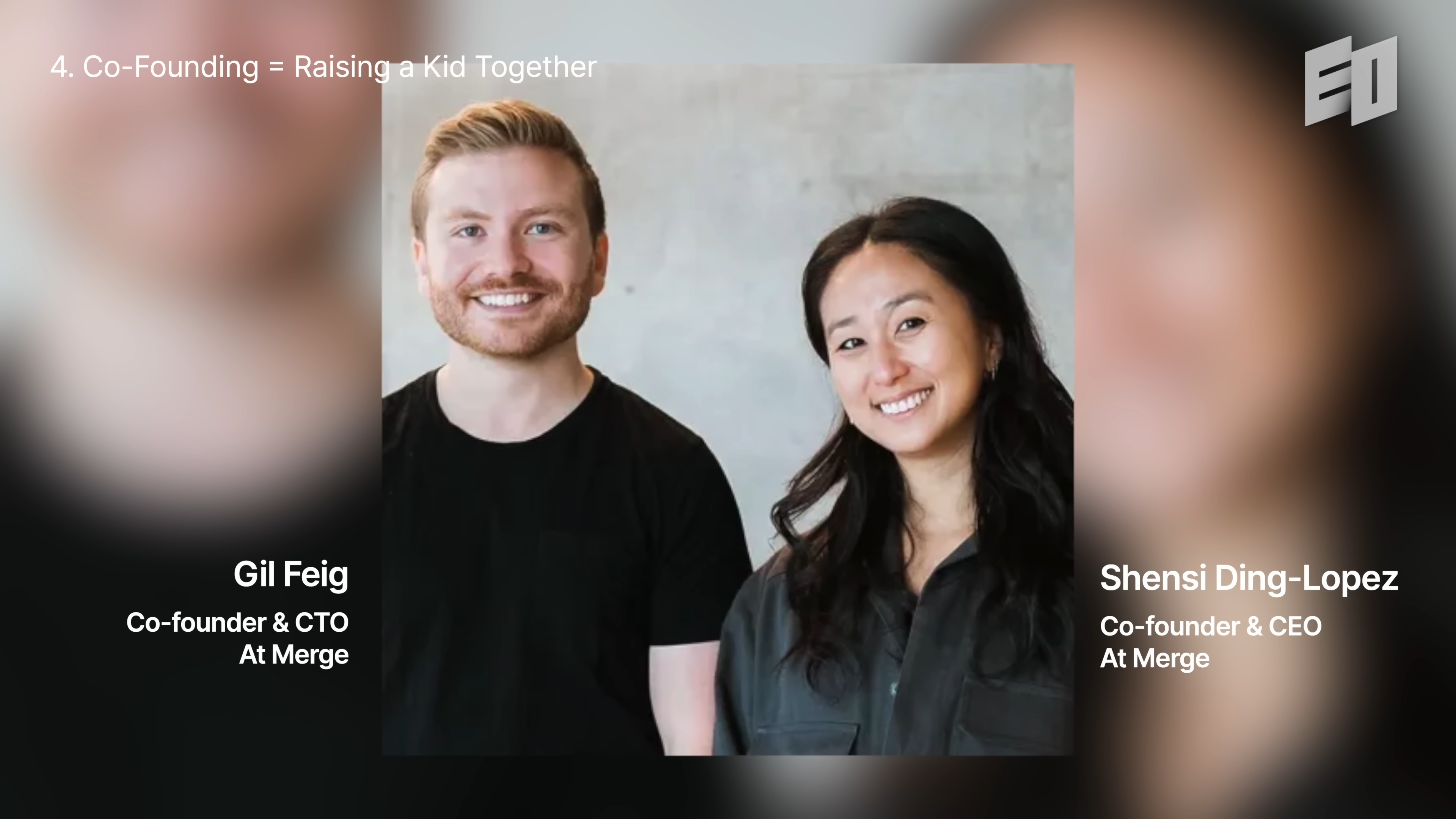
It's not always natural for friends to turn into co-founders, and you really have to have a foundation of trust. You also have to have complementary skill sets. My co-founder is a genius. He is the best software engineer I know, even to this day.
Gil and I knew each other from freshman year of college. We met in orientation and then we were in all the same computer science classes at Columbia, so we knew each other pretty well socially. We were also fortunate enough to be on the engineering student council together in college, and that actually became a pretty helpful proxy for what it would be like to work together. We were class president and vice president our senior year, and after school we kept in contact. Gil and I, naturally, just living our parallel lives, ended up with skill sets that really worked well together.
I'm kind of a master of none, and I just know a lot of things. I can code, I can sell, and I can do financial forecasting, but Gil is the best software engineer ever. He's a great people leader, and I felt like the combination of the two would actually be a really great pair.
The advantages are that it's just really fun. Everyone that we've hired is so great. We have such a good time at work, and a part of that is because Gil and I are good friends. We just really wanted to make sure the environment around us replicated how much fun we had together, and it seems like so far we've been able to scale that, which is great.
The disadvantage is that your friendship does change forever. It's great, because it's more textured and it's deeper, but you probably don't want to hang out on the weekends all the time together, because you're always together on the weekdays. You end up having a friendship where you just want to hang out and have a good time.
But now it's almost like you have a kid together. You always care about this kid and you want to talk about this kid together, and that's the company. A disadvantage of that is that your friendship completely changes.
Talk About Everything Bad
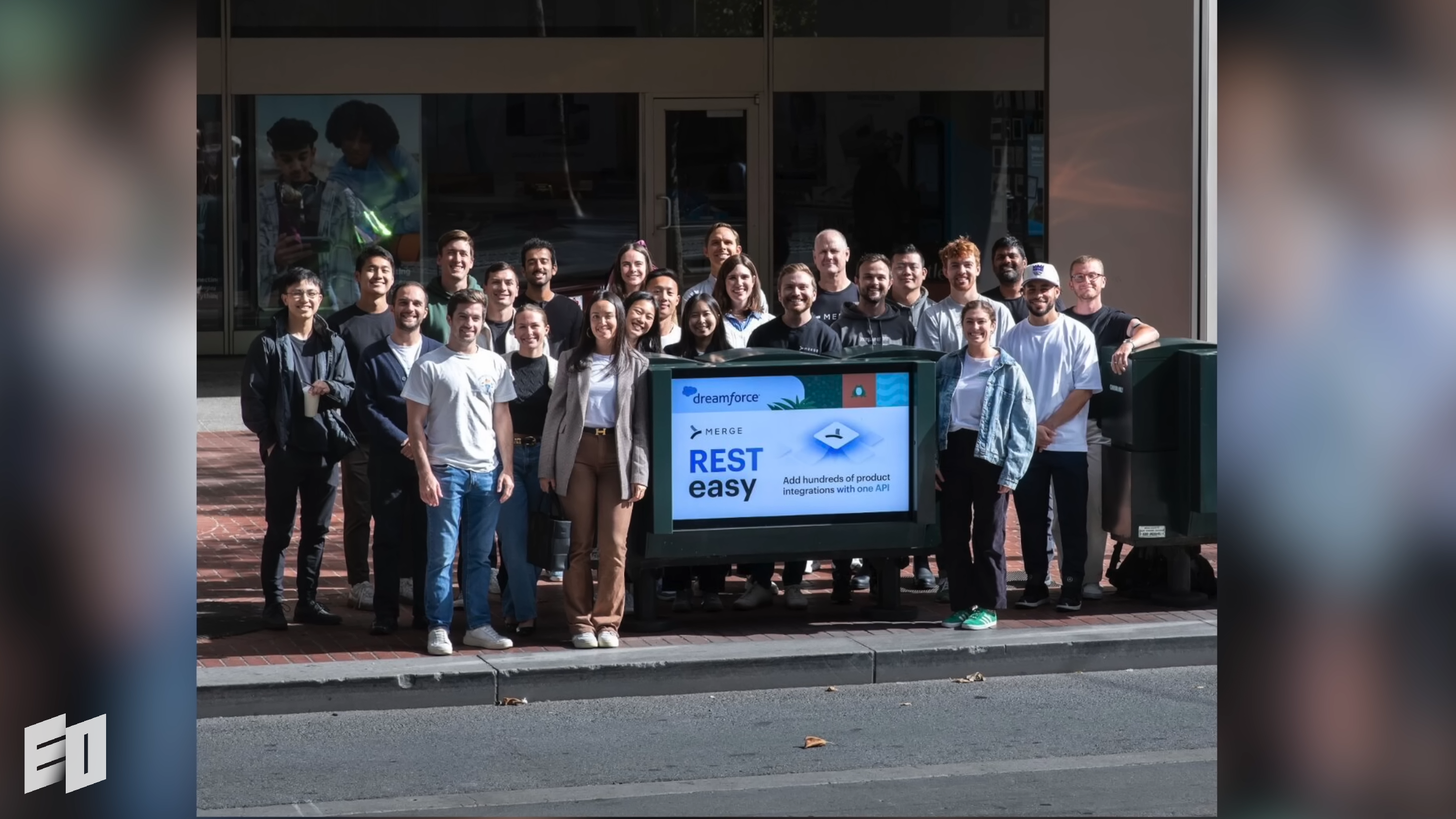
The one thing that has helped a lot with the really hard parts of being a founder is just making friends who are peers. I have a really great group of female founder friends in New York City that I made after I started Merge. We just talk about everything, especially everything bad. It's really hard to break that barrier with a lot of founders, because people just don't want to share that kind of information.
It's very, very sensitive. You don't want to share your numbers, you don't want to share things that are going badly, and you don't want to share about people who hate you or customers who hate you. But having people that you can talk about that with really makes it easier, because everyone's going through the same thing and everyone hates their lives. Once you realize that every founder journey is really painful and that no one has it easy, it makes it a lot better.
I think one thing that I've learned is that as I'm living through life, I'm not really grateful for the time that I'm currently in. But then as time passes and I'm in the following year, I look back and I think, wow, that was such a great time period. That has actually consistently happened every year now.
So now I've realized that I'm currently living in a time that I will look very fondly on in the future. At some point this journey with Merge will end, and I'll be really, really sad about it. So right now I'm just really trying to appreciate every single day as much as possible.