May 30, 2023
How the world largest luxury group became our customer within 3 months
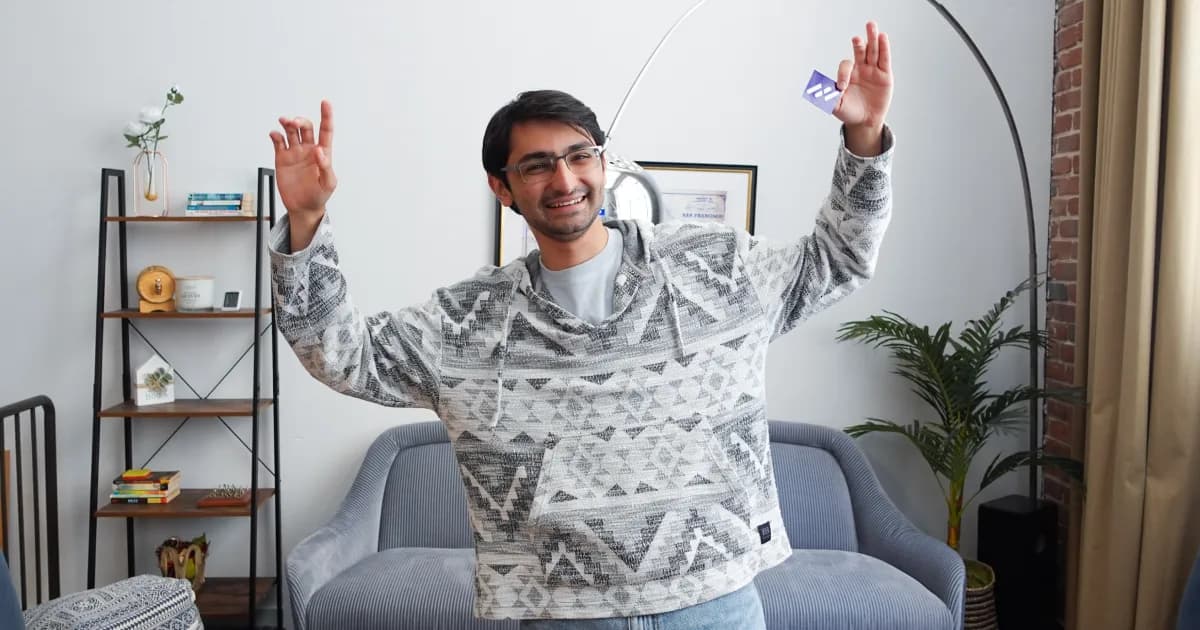
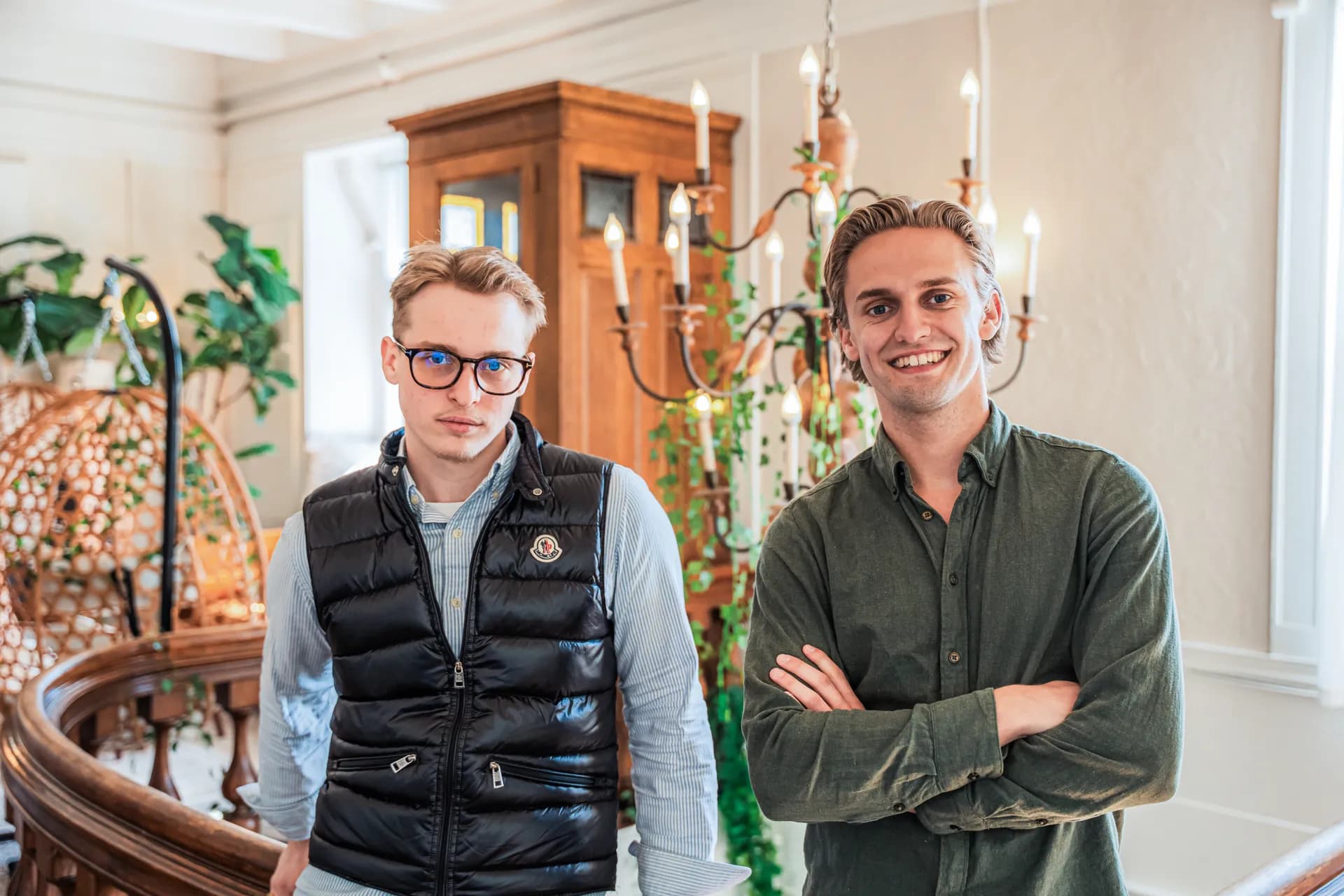
Interview with Mark Lee & DK Lee, Co-founders of MarqVision
Founder Focused


💡
At a Glance
- Who: Mark Lee and DK Lee co-founded MarqVision; Mark attended Harvard, and DK studied at Cornell before serving in the Korean military and later attending law school.
- What: MarqVision builds AI-powered IP infrastructure that helps global brands detect and take down counterfeits across 1,500 online marketplaces and file and manage IP across 120 countries.
- Traction: MarqVision launched its product in December 2020, reached its first million in ARR within eight months, has tripled its revenue every year since, operates offices in LA, Seoul, and Paris, and won the LVMH Innovation Award in the Data and AI category.
In this interview, Mark and DK trace MarqVision's path from a Y Combinator interview where they promised $5 billion in revenue to becoming the go-to IP protection partner for LVMH portfolio brands. They explain why $3 trillion in counterfeit goods move through the market every year, how DK closed the company's first paying customer through hundreds of cold calls, and why they believe a company only earns the right to scale once its customers are genuinely happy.
Key Takeaways
A Confident Answer to an Impossible Question Can Change Your Pitch
When Y Combinator's Michael Seibel pushed back on their $5 billion revenue projection and asked how they'd hit $100 billion, Mark did the math live: 100,000 brands earning over $20 million a year, each spending $1 million with MarqVision. The exercise reframed the company from an anti-counterfeiting tool into a bid to revolutionize the entire IP industry.
The First Ten Paying Customers Are the Hardest Sale You'll Ever Make
DK had never sold software before MarqVision, so he set himself a goal of meeting 200 potential customers a month through cold calls, cold emails, and cold visits. He says the repeated rejection built the tenacity that made him the company's evangelist.
One Happy Customer Opens the Door to the Next
MarqVision's first enterprise deal, protecting one LVMH portfolio brand in a single country, expanded into global coverage over time. Mark says the counterfeiting industry is so interconnected that once one brand trusts a vendor, competitor brands follow.
Being a Student Founder Means You Have Nothing to Lose
Mark says the reason MarqVision's early team could commit fully to an unproven idea was that, as students, they had no high salary to give up. He argues that lack of opportunity cost is what let them chase a genuinely uncertain business instead of a safer one.
Protecting Big Brands Is Ultimately About Protecting Individual Creators
DK frames MarqVision's mission beyond its B2B customers: unprotected IP discourages individual artists and webtoon creators whose work can be copied at no cost. He says defending those rights is what makes the business feel like it matters.
Below is the complete transcription of the interview. Minor edits have been made for clarity and readability.
Introducing Mark and DK, Co-founders of MarqVision
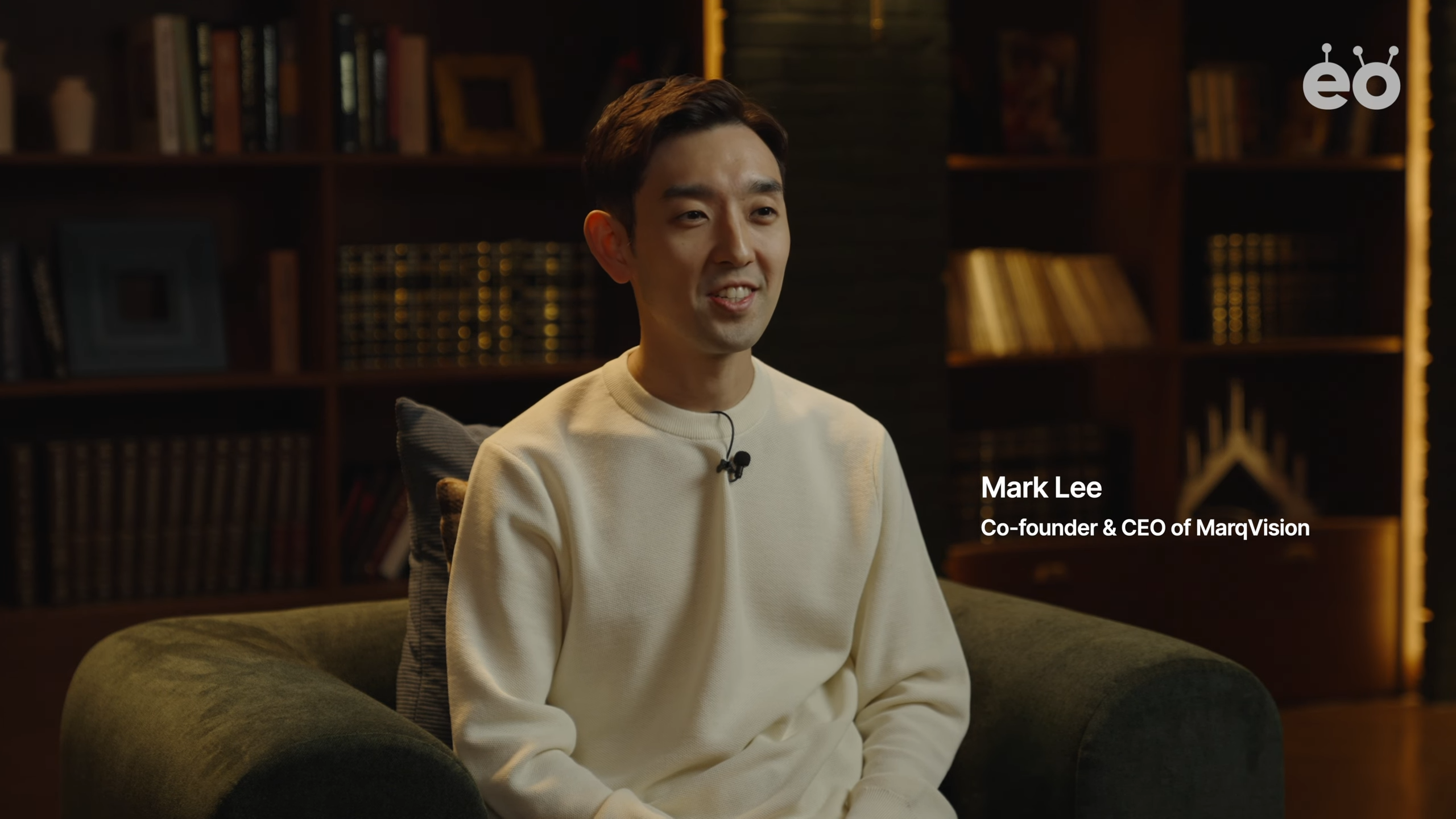
Mark Lee (co-founder and CEO of MarqVision): Hi, I'm Mark, I'm the co-founder and CEO of MarqVision. We're building a global IP infrastructure in a digital economy. We help global brands take down counterfeits from 1,500 online marketplaces in the world. We also help global brands file and manage their IPs across 120 countries in the world. We're fortunate that we're growing really fast.
We launched our product in December of 2020. We hit our first million ARR eight months after launch, and we've been tripling our revenue every year since then. We have three offices across three continents: LA, Seoul, and Paris. We won the LVMH Innovation Award last year in the Data and AI category, which really helped us to take off in the European market.
Create A Universal Solution
Mark: My parents basically got a job in the US, and that's why we moved to the US. That was pretty abrupt, so I didn't plan out for this. It was my first time in the US. I had to go through a lot of challenges, just like any other first-generation Korean who is in that situation. For some reason, I always wanted to be a lawyer. I thought lawyering was one of those few occupations where it allows you to be intellectually challenged and financially rewarded at the same time.
After a few years in high school, I attended Harvard. When I was at Harvard, I first wanted to study history; I wanted to become a history major. I had to read hundreds of pages every day, and because my reading wasn't fast enough, that was kind of stressful. And then I took this economics class, and I really liked it because, in economics, as long as you understand the foundational concepts, you don't have to read the entire textbook.
In my senior year of college, I took the LSAT exam, which is the exam that is required to go to law school. I didn't do very well. Throughout my four years at college, I was optimizing for law school, and I ended up in a situation where I couldn't go to law school right after college. So my plans basically went astray, and I had to take a gap year and reapply to law school the next year.
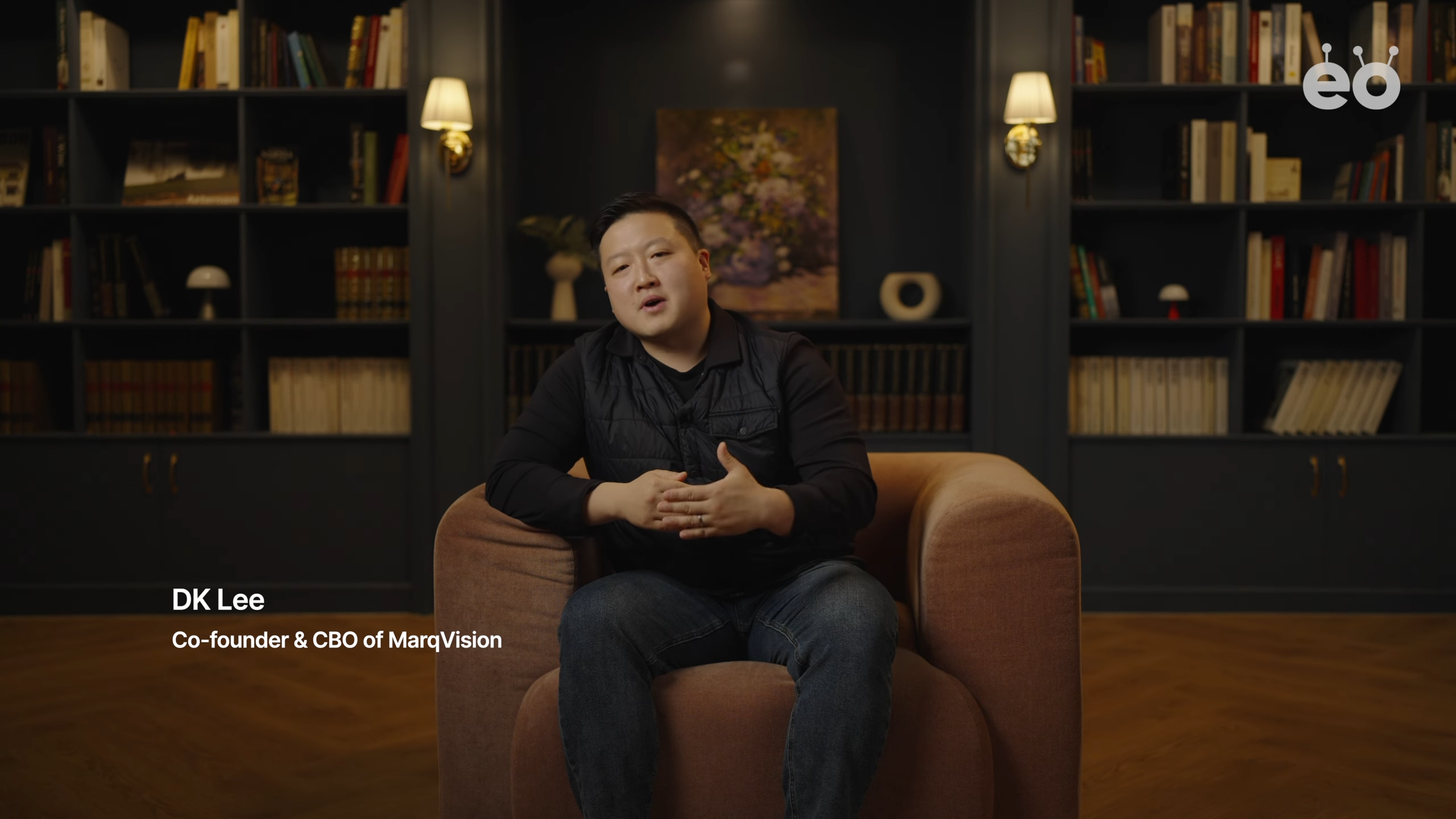
DK Lee (co-founder of MarqVision): I kind of knew my co-founder Mark before, but through my younger brother's introduction, I had an opportunity to talk to Mark again at Harvard, and at the time he was already working on using AI to build a product. Mark is a hustler; he's smart, and at the same time he's really humble. As I talked to him about the things that he's planning to do, I thought to myself, oh, maybe he's the one; he's the one I'm looking for.
I went to Cornell from 2010 to 2016, and I majored in the hotel school, and I took a leave of absence in the first semester of my sophomore year to join the Korean military. Every capable man had to serve 21 months back then; it's 18 months right now in military service. I was a helicopter gunner during my time in the Korean military.
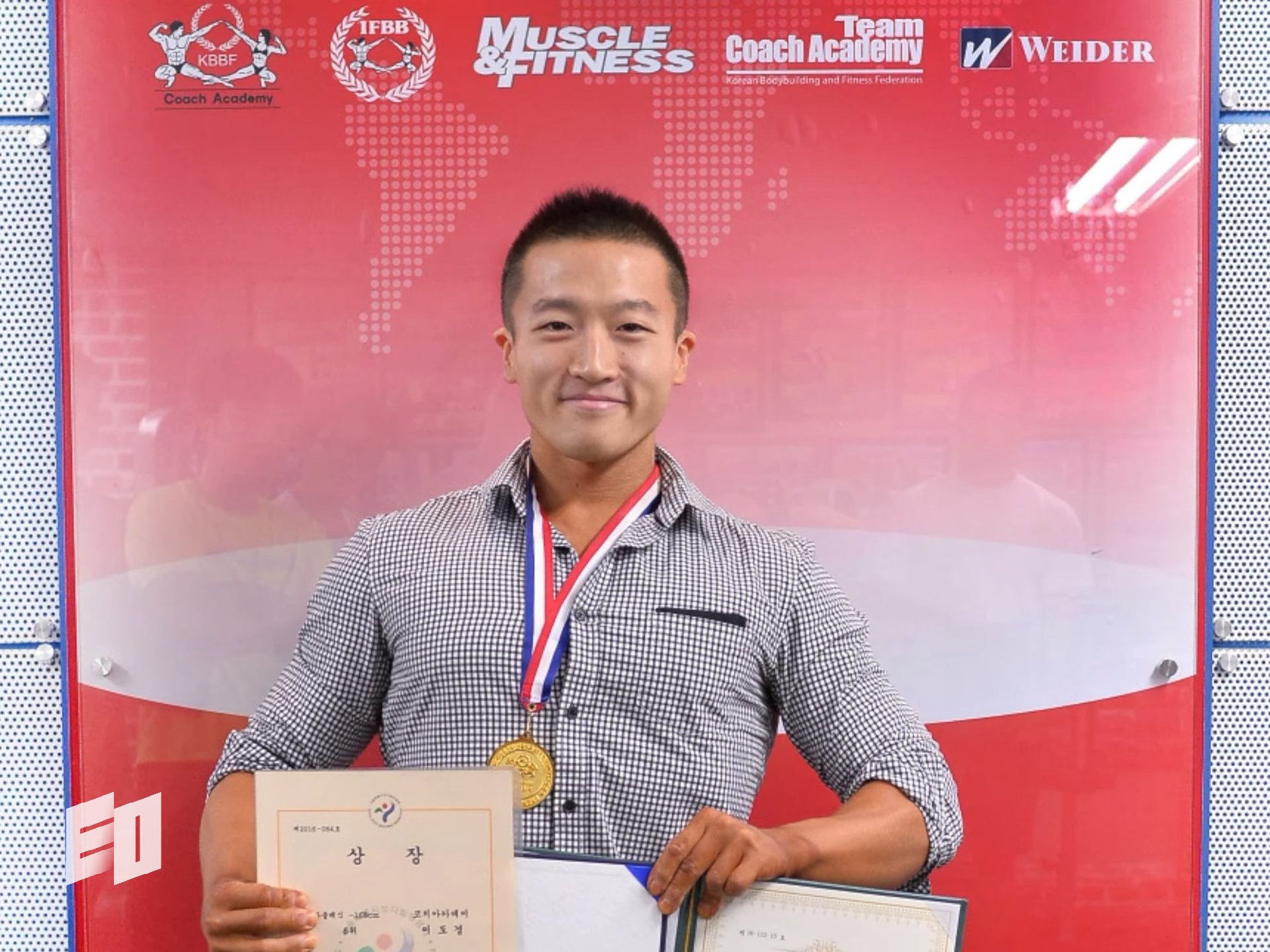
Right after college, I happened to be a bodybuilder for a couple of months, and luckily I won a regional competition. That really boosted my confidence level. Having been a bodybuilder myself taught me a lot about the value of discipline. In order to have multiple meetings per day and talk to many different people from many different industries, you have to be really disciplined about your schedule; you have to be really disciplined about your approach. There are many different ways to make an impact in the world, but I thought building a company could actually yield the biggest impact in the end.
Mark: I founded my company on my last year of my law school year, and I graduated afterwards. And we are all either law school students or we are engineers in MIT. When we came up with this idea of building an anti-counterfeiting business, I think it was a good starting point, because we had what we call product market founder fit.
DK: We talked a lot about AI and how it's going to make an impact in our society. We learned through that process, anti-counterfeiting and IP infringement related issues are one of the biggest criminal enterprises in the world. The volume of the problem was just so large that it attracted our attention.
Mark: Every year, around $3 trillion of counterfeits are being transacted. So the top brands in the world on average spend about a million dollars to fight these counterfeit issues, and the biggest brands in the world obviously spend tens of millions of dollars to fight counterfeit issues. Especially with e-commerce nowadays, it's very hard to tackle counterfeit problems using the traditional means, for instance by going to a law firm, because these counterfeiters are moving so fast. There are cases where these counterfeiters will open up a shop online on Friday night, and then they'll sell millions of dollars worth of counterfeit products over the weekend, and they'll disappear by Monday morning. You can't expect law firms or even any legal professionals to basically tackle that issue.
DK: And as we started the market, we learned that most brands are still manually trying to solve their IP infringement cases in the online space. That was an aha moment for us: there may be an opportunity for us to apply AI in a realistic way to make a real impact for all types of IP holders in the world.
Mark: One of the great things about being a student is that you don't have a high opportunity cost. So if you're working for a good company, you're getting a good salary; in order to quit that work and start a company that requires a lot of sacrifice. But as a student, you don't have those, so we're very open to trying new things. And I think everyone who joined our company in the beginning was very excited about the fact that we're going to build a technology business that can be much bigger than our own.
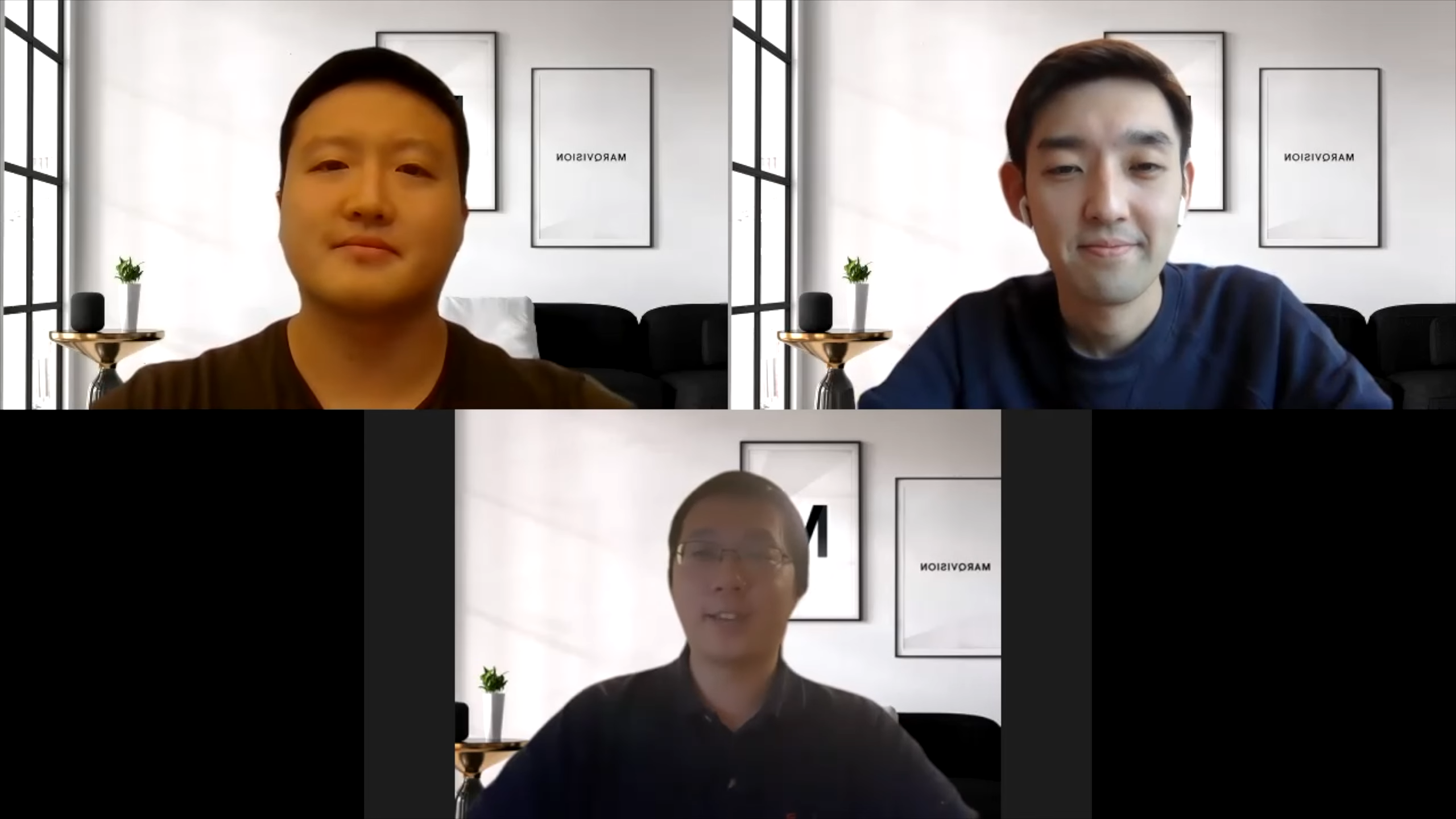
Right after we launched, we applied to YC and we got in. One interesting story I have is we have to basically go through the interview. One of the questions we were asked at the time was, how big can you be? What's the maximum amount of revenue you can generate in a year? Obviously, we prepared a lot for the YC interview, and we said $5 billion, and we had a very clear logic to explain why $5 billion makes sense.
Our interviewer at the time was Michael Seibel, and he basically said, I'll give you another chance, and he reversed the question and asked, how can you generate $100 billion revenue in this market? I remember that all of our founders and interviewers froze for a second. I was able to do a very quick math and I said, there are about 100,000 brands in the world that generate revenue more than $20 million a year. If all of those on average spend $1 million with us, there will be able to generate $100 billion. We realized that we're actually not building an anti-counterfeiting tool, but we actually have to revolutionize the entire IP industry to build a big business.
The First Win
Mark: Well, first of all, we built the website first, describing our product even before we had our actual product. When we launched our actual product in December 2020, we had dashboard and everything, but we actually didn't have the capability to report counterfeits to marketplaces, so that part wasn't automated. We thought, okay, when we have a customer, we'll actually go back and try to build that function, but in the very beginning we didn't have that. Getting the first ten paid customers is the biggest challenge that you need to solve as a B2B SaaS company. We had a great co-founder, DK, who is a great evangelical salesperson.
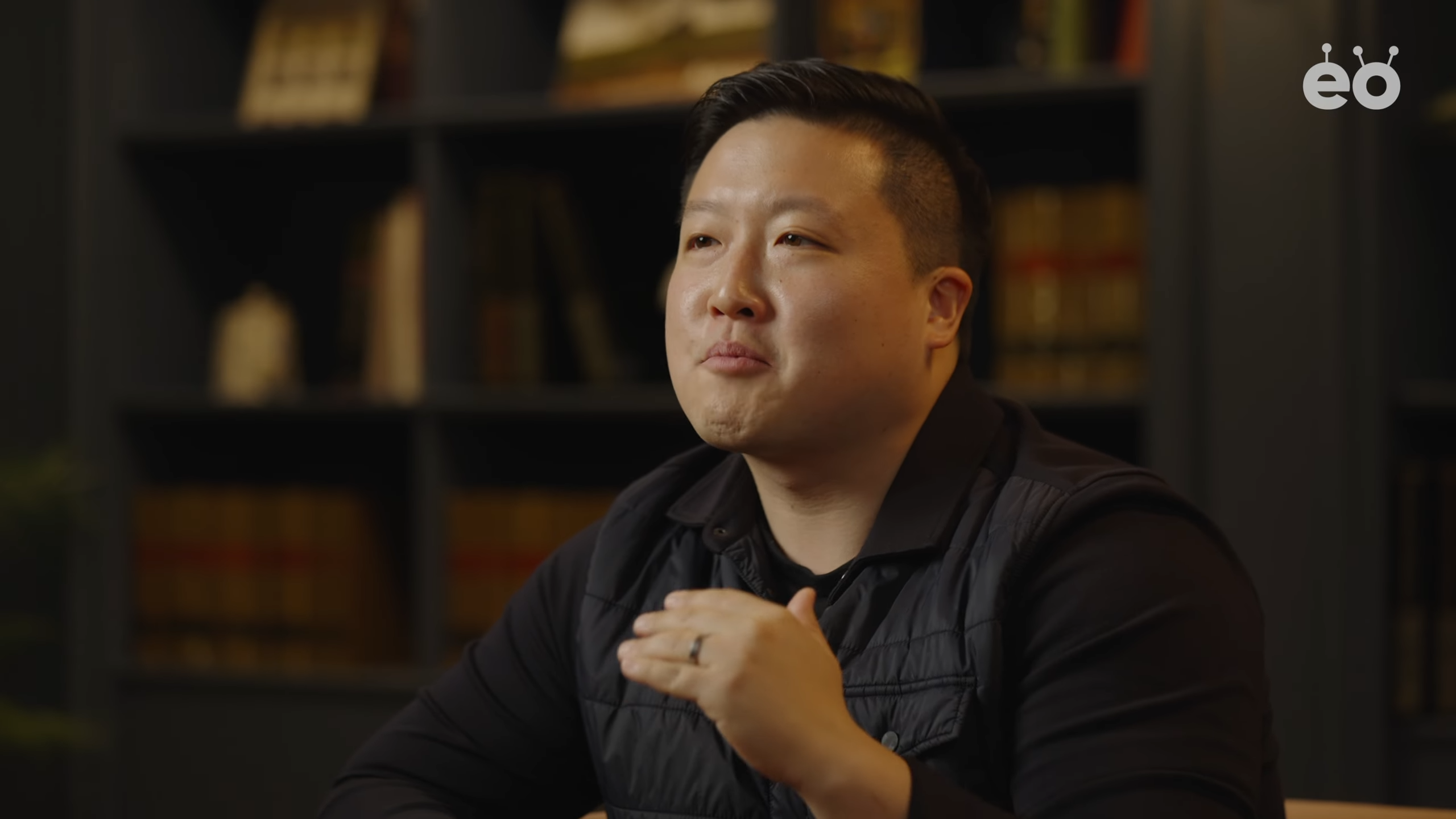
DK: You know what, I've never done a sale before, and I've never sold a software product before, so it was a big challenge for me. I didn't know where to start. I googled how you can become a sales leader at a SaaS company. I watched all these YouTube video clips. Eventually I learned that I just have to be out in the field, talk to our potential customers. So I set a goal that I'm going to meet 200 potential customers per month. That means I have to see 50 potential customers per week, at least ten customers per day. I just had to do a ton of cold emails, cold calls, and I also did some cold visiting too, to the stores who I thought might need a product that we're preparing.
I got multiple rejections. I was ignored many, many times, but that really helped me a lot, building the tenacity and the necessary persistence to become this trailblazer for the company. That's a necessary experience that you have to go through to build your company. You have to start from the bottom, and you have to convince the customers to try out your product that has no track record. Going through this process has taught me that you need to have the will to push through it, to set a high goal and just get there no matter what.
I still clearly remember the day when I closed the first deal for MarqVision. I called my co-founder Mark right after the meeting, telling him, hey Mark, finally have our first customer. And he was with the whole team having a meeting at the office, and we were all shouting, hey, finally we have our first customer. But the excitement only lasted for a few seconds. I immediately thought about the second customer that we have to go after, and the third customer that we have to go after.
That first paying customer really gave us hope that we're building something useful. We're building something that the market wants, and those first few customers are gold. They give you all this important insight and feedback that can help you upgrade your product, add new features to your product, and maybe help you pivot your product in the right direction.
Mark: Three months after launch, we got a call from a global brand in New York. They're one of the LVMH portfolio companies. They wanted to use our product, so we started really small. We basically started protecting them in one country. And then over time, we built the reputation; we built the trust with the customer. Today, we're covering the entire world for them.
This industry, this market, is very interconnected, so once a brand starts using your product, another brand will reach out to you, and they'll start testing you out, because they're very connected, and it's a very global market. I think if you make the customers happy, and if the customers really think that your product is valuable, it wouldn't be very difficult to scale after that point.
Deliver Customer Satisfaction
DK: I think MarqVision's core competitive edge are actually two things. First is our relentless focus on building the best product that can really radically automate all the drudgery work that our clients had to do manually before using MarqVision. The second thing would be our culture of customer obsession. I push myself and push my team to be obsessive about all the little feedback, all the little words coming from our customer, whether it be the end user, the economic buyer, or the CEOs or founders of the companies.
One way or another, a company has to be useful to the customers. And at MarqVision, we're trying to be useful to all the brand IP owners in the world, ranging from fashion and luxury, content and media, all the way through gaming and entertainment. We try to help them by giving them the tools to seamlessly detect and enforce counterfeit listings in the online space, and also help them manage, protect, and create IPs, all in one space.
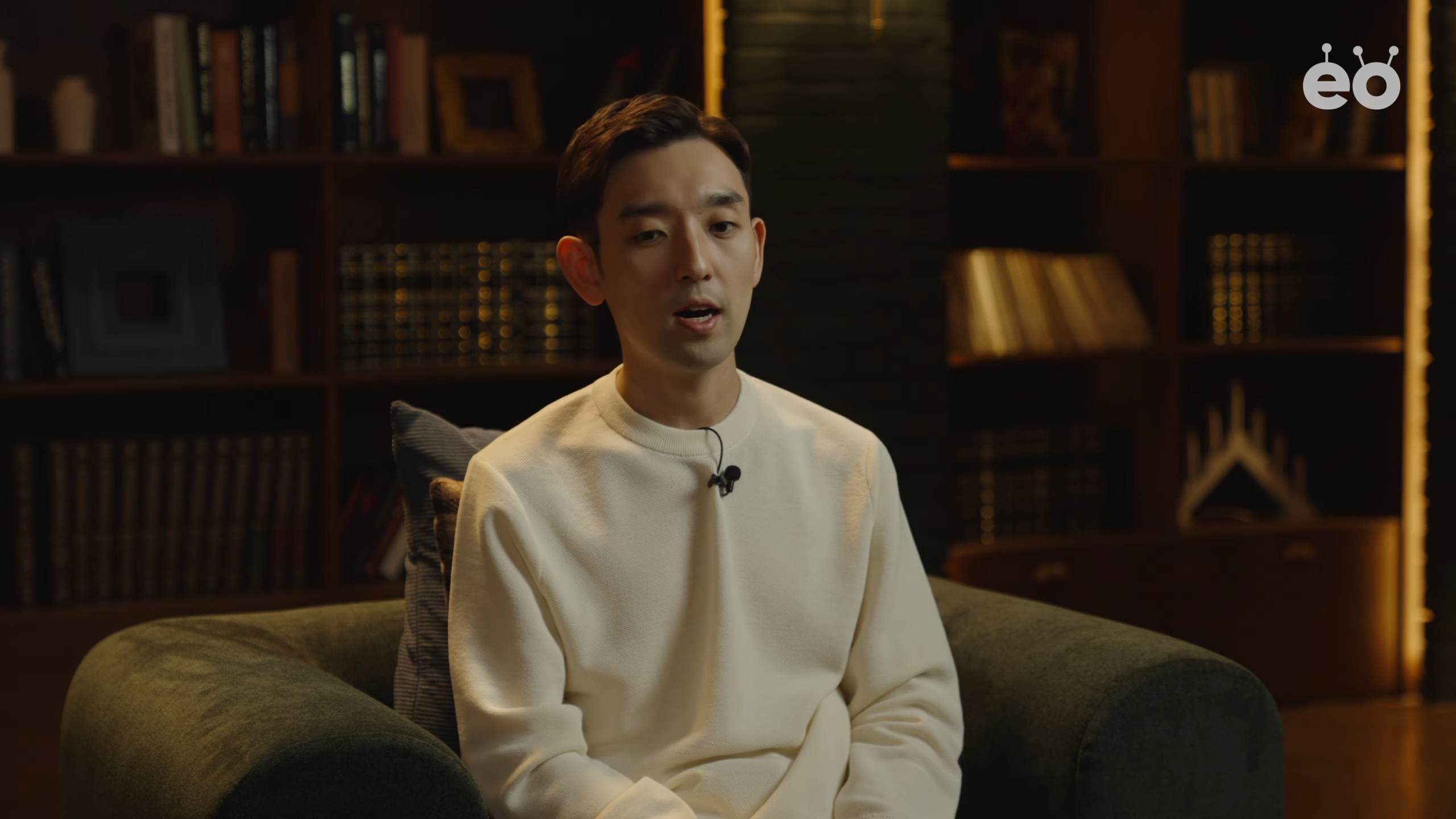
Mark: The biggest challenge from the very beginning was, how do we deliver real value to our customers? How do we make impact? How do we make long lasting impact to our customers? And in order to do that, and we're still trying to do that better, we're not just trying to automate things and get rid of counterfeits as soon as we can. It's more about understanding the patterns of counterfeiters, understanding their strategy, coming up with a counter strategy to most effectively deal with those counterfeiters.
We're a B2B company, so we're selling to all these big companies, but if you look at it from an individual level, there are artists, there are creators, there are these webtoon creators who are actually working hard to create good artistic content. And if those cannot be protected, and those could be just imitated and replicated at no cost, it would be very discouraging for these individual creators to work on those things. So I think it's a very fundamental idea that we need to protect these people's rights in order to make a better world.
DK: I think MarqVision is building the most innovative product in the world of IP tech.
Mark: The mission of our company is to power human creativity and innovation in a digital world by building a unified workspace for IP operations that helps global brands and content companies scale their IP businesses. And we help them not only protect their IPs but also create, manage, and even monetize their IPs, all in a single workspace.
DK: So when people think about video conferences, the name Zoom immediately comes up in their mind. Whenever a brand owner faces an IP related issue, I want the name MarqVision to come up in their mind.