Jan 19, 2025
How a 3-Person Founder Team Beat Big Tech
Interview with Daniel Lang, Co-founder of Mangomint
Founder Focused

💡
At a Glance
- Who: Daniel Lang is the Co-founder and CEO of Mangomint. Raised in Austria, he taught himself programming at age 12 and built his first company with employees at 19 before immigrating to the US to pursue high-risk entrepreneurship.
- What: Mangomint is an enterprise operating system for salons and spas that handles scheduling, payment processing, client marketing, and staff management. The software focuses on extreme speed, intuitive design, and customizability, serving as a modern alternative to legacy desktop tools.
- Traction: To build domain expertise without prior beauty experience, Lang offered free marketing services to 30 local salons before writing a line of code. Mangomint now powers salons across the country, securing Series A backing from OpenView and long-term partnership from Altos Ventures.
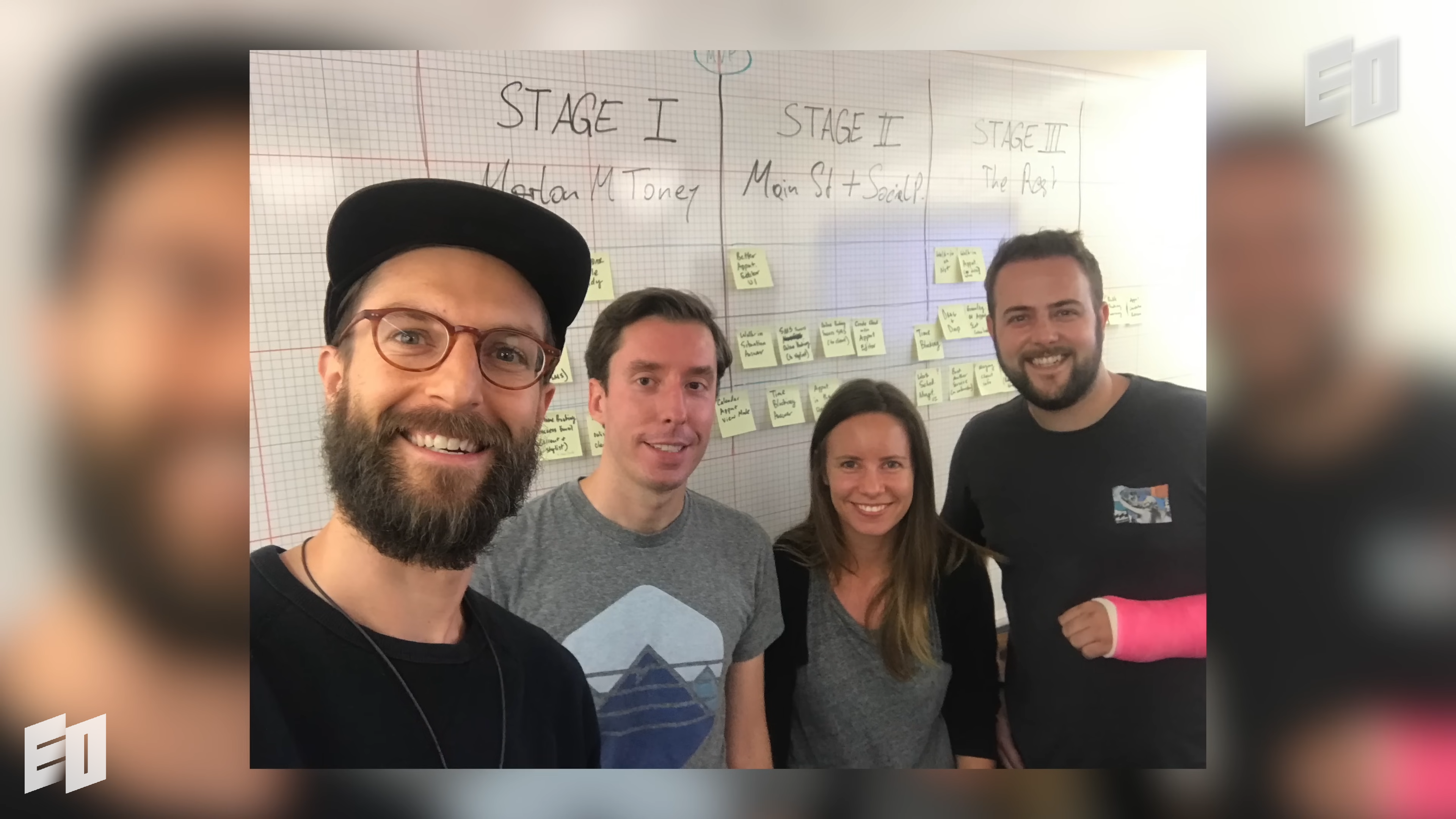
Daniel Lang spent a year traveling across 32 US states on a road trip, noticing that local salons and spas were still using outdated 1990s phone-based booking systems. To gain deep domain knowledge without prior industry experience, Lang and his co-founders offered free marketing services to local salons in exchange for observing their daily operations. They spent two years building Mangomint into a sleek operating system that streamlines scheduling, payment processing, and customer marketing for beauty businesses. In this interview, Lang breaks down why entering a crowded market validates real demand, how saying no to lucrative feature requests preserves product focus, and why product managers should research alongside engineers rather than dictate specs.
Key Takeaways
Choose a Problem You Can Pursue for Decades
Lang and his co-founders spent about a year exploring possibilities before committing to salons and spas. A road trip exposed a mismatch between modern consumer technology and outdated appointment booking, showing how patient observation can reveal a problem worth studying deeply.
Use Services as a Trojan Horse for Customer Access
Because the founders lacked salon industry experience, they offered free marketing help instead of pitching nonexistent software. Building websites and email campaigns let them spend meaningful time inside businesses, eventually earning access to their first 10, 20, and 30 customers.
Expect the First Product to Take Several Years
Mangomint took roughly two years to produce its first version and at least two more to become competitive. Lang emphasizes that founders must align around the true length of the journey, because the early reality usually involves sustained sacrifice and uncertainty rather than a fast hackathon success.
Enter Competitive Markets to Sharpen Your Differentiation
Lang deliberately chose a mature market with established competitors because existing demand removed a major source of risk. Instead of claiming universal superiority, Mangomint began by identifying a small group for whom its product could be better and growing that wedge into defensible strength.
Stay Focused by Defining Who You Serve
Mangomint launched without several expected features, choosing a fast, intuitive calendar for a specific customer profile. Lang says a clear ideal customer and explicit permission to say no prevent tempting custom requests from diluting what the company is actually good at.
Build Product Intuition Through Repeated Exposure
Lang treats product intuition as a skill developed through repeated contact with software, not a spreadsheet formula. Product leaders should use many products, notice what excites or frustrates them, and form clear opinions so they can make an informed, opinionated decision.
Watch the full interview now on EO's YouTube channel! Below is the complete transcription of the interview. Minor edits have been made for clarity and readability.
The Journey Before Mangomint
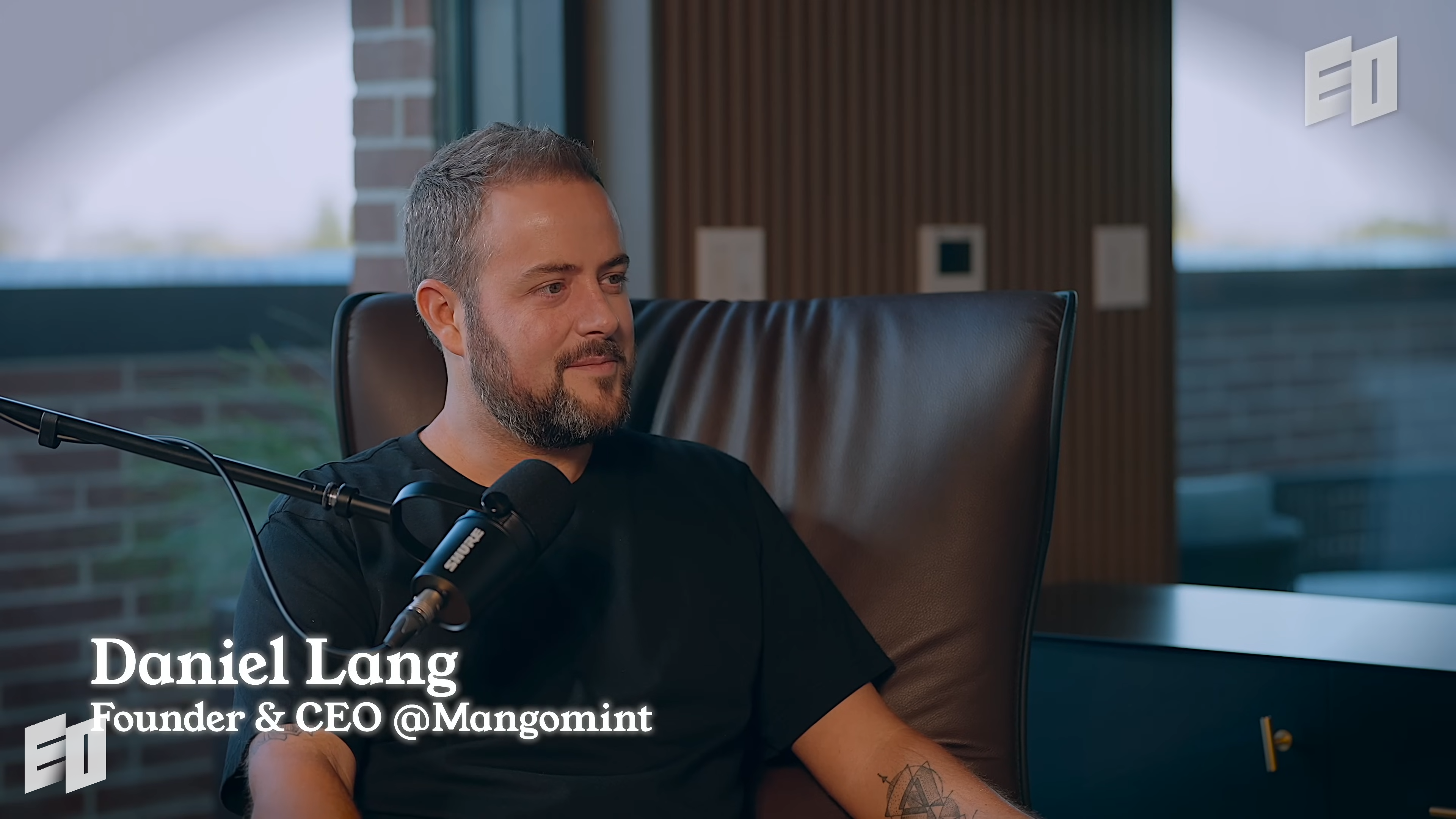
Tae: Hi, my name is Tae. I am a partner at Altos Ventures, and we are very excited to have Daniel Lang here from Mangomint. Welcome, Daniel. Thanks for being here.
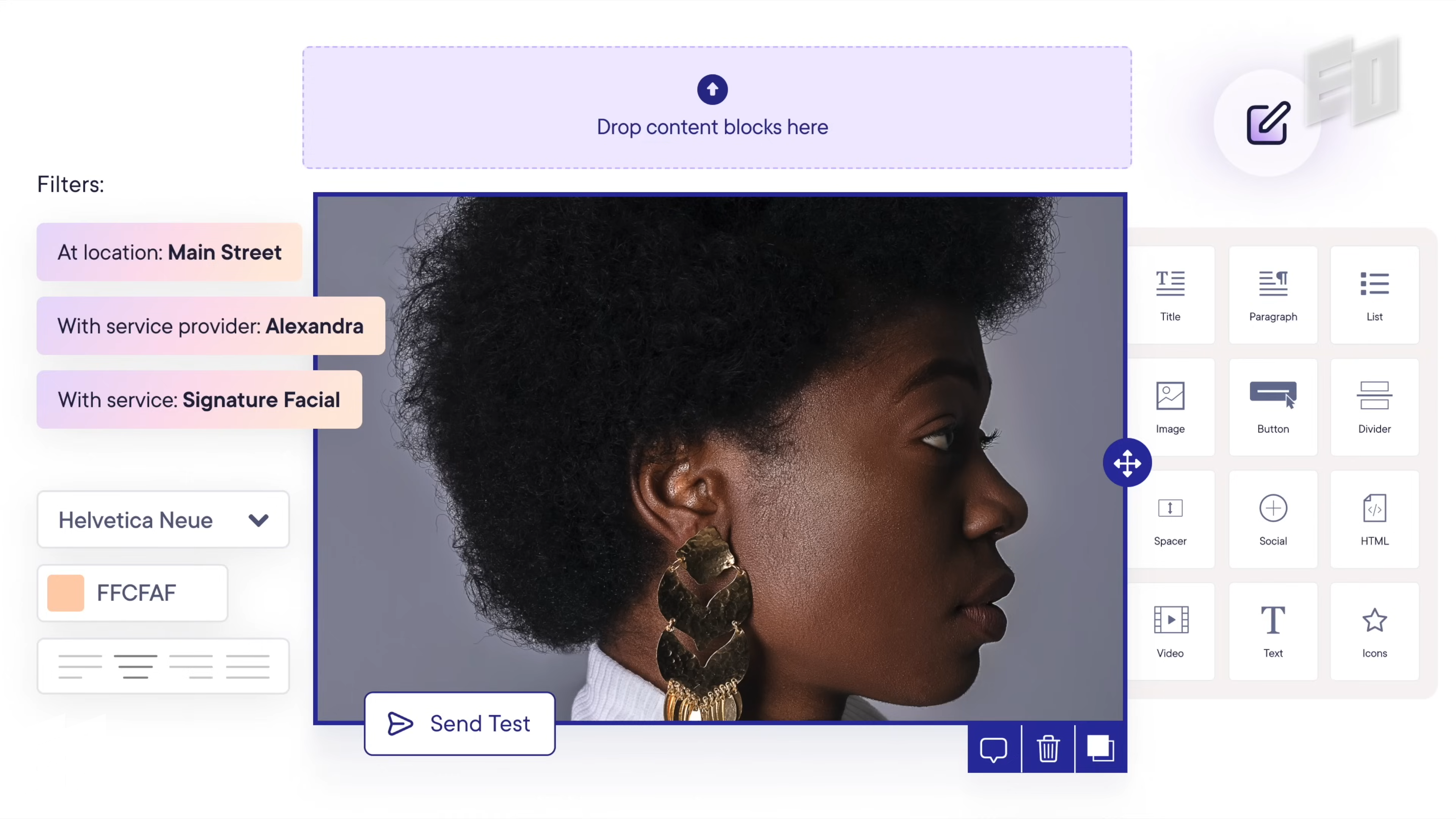
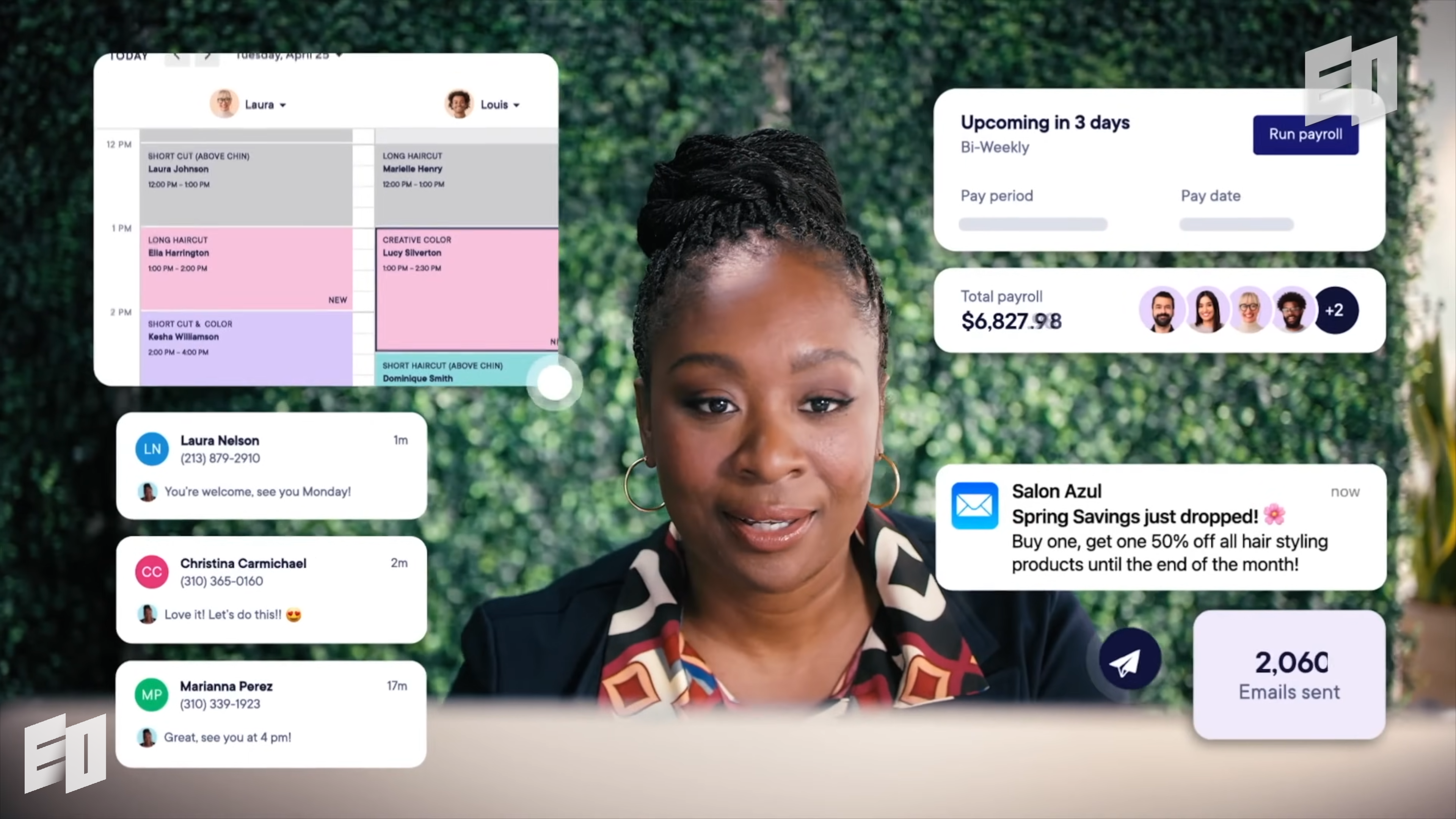
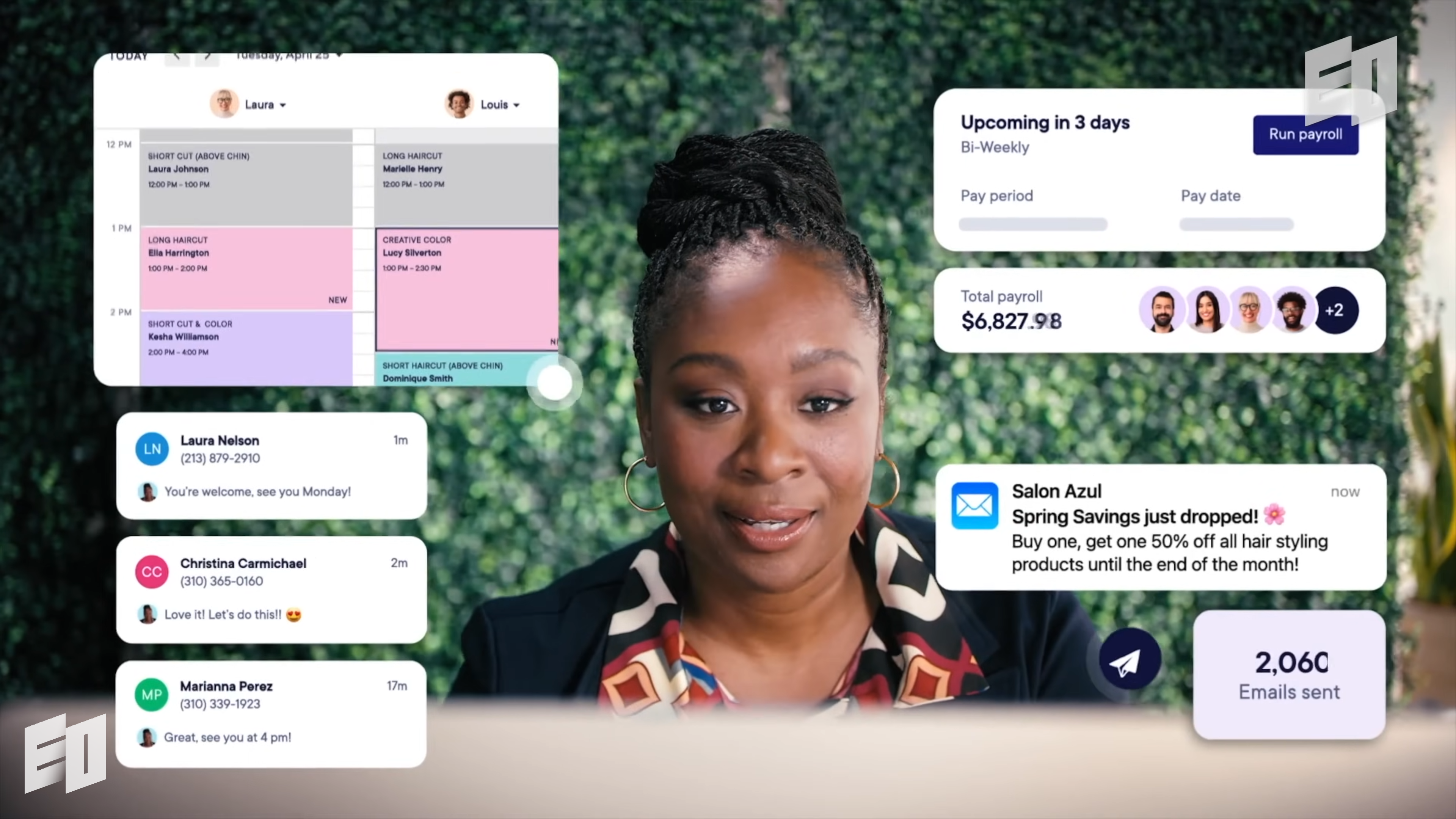
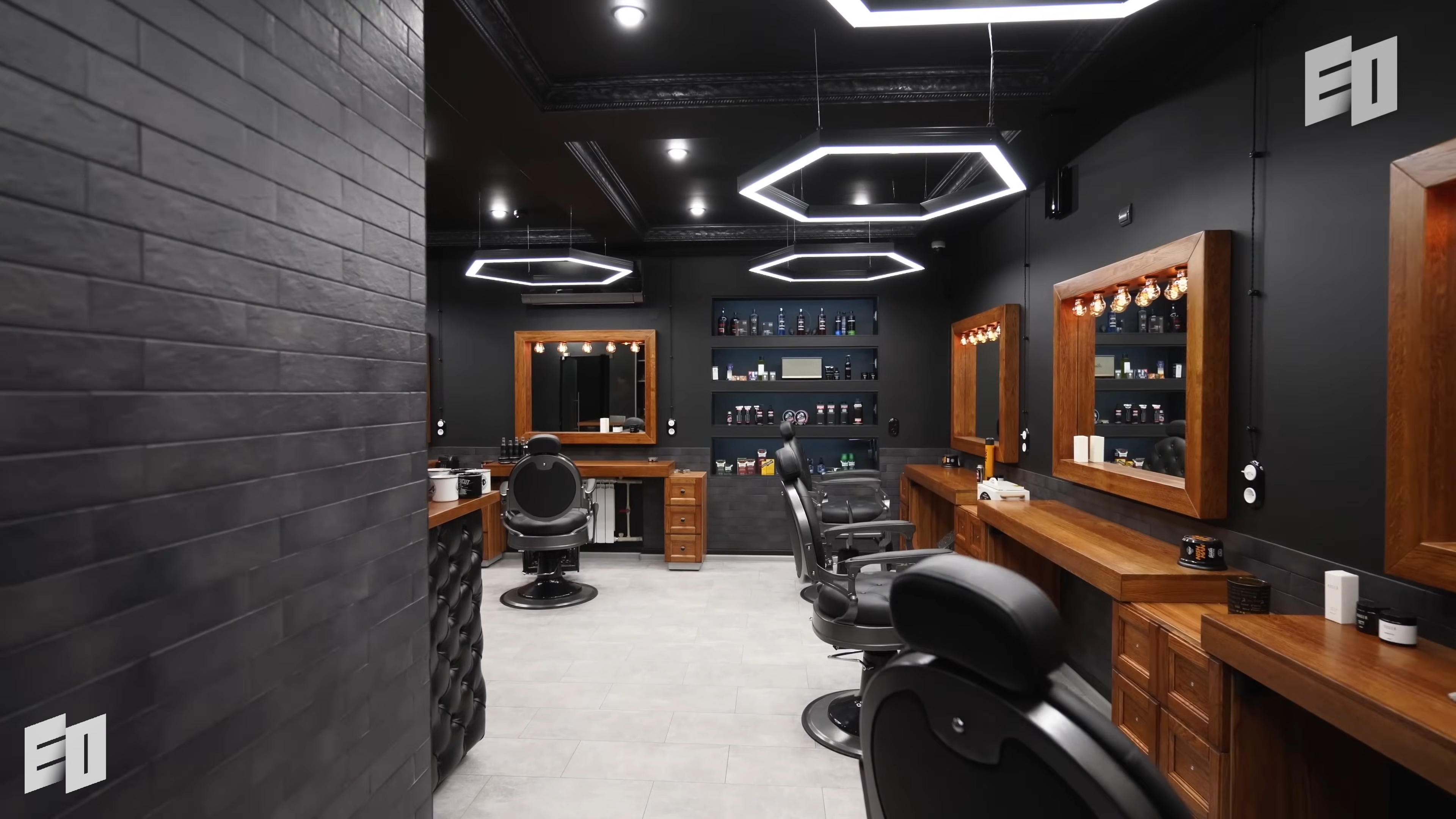
Daniel Lang: Thanks so much for having me. I am excited to be here. I am Daniel Lang, co-founder and CEO of Mangomint. Mangomint is software for salons and spas. We provide an operating system that lets beauty and wellness businesses do everything from scheduling appointments and taking payments to marketing to clients, all the way through to payment processing.
Tae: We should probably rewind a little to your journey up to Mangomint. Share some of that journey with us.
Daniel Lang: Sure. I grew up in Austria, which, for those who do not know, is a very peaceful, quiet, small country in the heart of Europe. Sometimes you hear stories of entrepreneurs who had to overcome all these obstacles in their childhood. I really cannot say that was the case for me. But my dad had a small business. It was not so much what he was doing, it was the fact that he ran his own business, and that opened my eyes to it being something you could actually do. At 12 I fell in love with programming, and at 19 I started my first real business with employees. But being in Austria always felt somewhat limiting, because Austria, and Europe for the most part, is not a place that is conducive to entrepreneurialism and taking risks.
The first time I came to America, it felt like a totally different world. In Austria, failure carries a big stigma, whereas here it is almost embraced. It is not that people enjoy failing, failing still sucks, but if you fail as an entrepreneur after giving it your everything, nobody judges you for it. In fact, they might high-five you. I was immediately struck by that, and I knew this was the place where I wanted to start my business.
How to Find the Idea You Can Work on for 10 Years
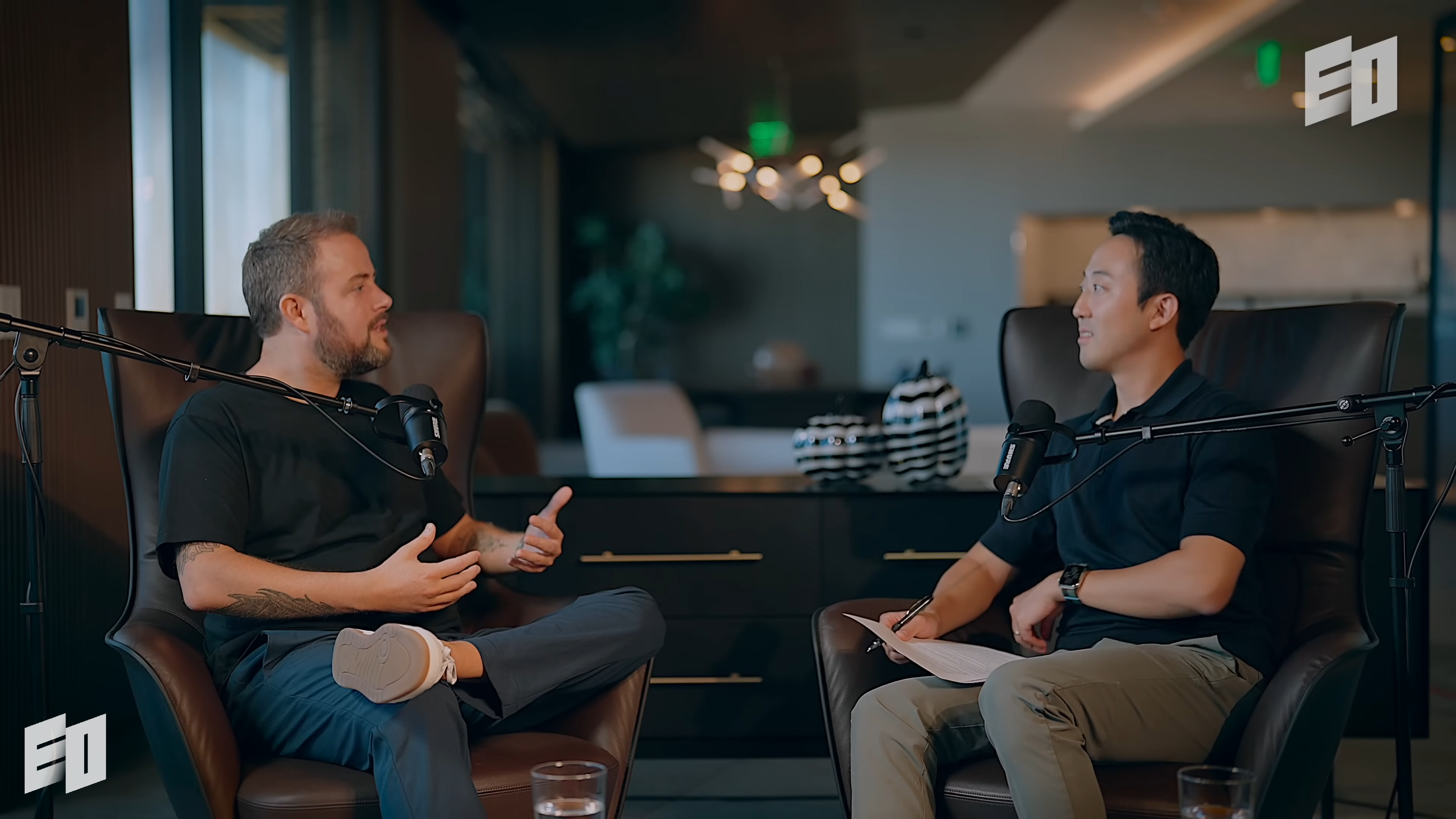
Tae: Share with us a little of the early days, and in particular, what was the journey to saying, I must build software for the salon and spa industry?
Daniel Lang: One of the things that was really important to us when we started Mangomint was to find something we could truly be passionate about for 10, 15, 20 years, for the length of the journey. We spent about a year looking at different things and staying open-minded. During that time, my wife and I went on a road trip. I think we visited 32 states. The one thing I noticed is that every town in America, no matter how big or small, has these small local businesses everywhere. This was 2016, and coming from LA I was already used to Uber and Uber Eats and all of that modern technology. Yet when it came to booking a hair appointment or a wellness treatment, it felt like the 90s. You had to call at a certain time and wait for them to get back to you. So we started to notice there might be an opportunity.
Tae: So you wrap up the tour with your wife, you come back to LA, and then you say what?
Daniel Lang: My co-founders and I made it a point to spend several months going out and talking to the people we thought would be potential customers. We said, if we cannot get to them now, why would we be able to later?
Early Days, People Thought We Were Scamming Them
Tae: How many customers, pre-product, did you in some sense convince to use your nonexistent product?
Daniel Lang: One of the challenges we identified early on was that none of us founders had any industry experience. None of us had worked in a salon or a spa. Everyone is a client at some point in their life, but we did not really know how these businesses worked. To build a great product for them, we had to go way deeper than what we could learn in a one-hour conversation with an owner. To solve that, we decided to use a Trojan horse approach, where essentially we offered free marketing services. We would literally walk into salons and say, we have nothing to sell, but we have a background in marketing and tech, and we would love to hang around here. In exchange, we will build you a new website and do your email marketing. Honestly, in the beginning it was hard to convince people, because they thought we were scamming them. But you keep trying, and we found our first 10, 20, and eventually 30 customers that way. Two years later, we had a software product that a normal person would actually pay for without being friends with us.
The Moment I Thought I Was Wrong
Tae: You studied the market intensely and talked to hundreds of salons before going into the space, so you probably had deep conviction that this could work. But that does not mean it will work. As you were selling the first few dozen subscriptions, were there points where you thought, maybe I am wrong? Maybe this was not a good idea?
Daniel Lang: I am still thinking that every day. It took us about two years to build the first version of the product, and that version was very incomplete. It probably took at least another two years, maybe longer, to have a product I would consider competitive. That is a very long time. In the early days we did not raise funding, which meant that as founders we had to put in money ourselves. Not only were we not getting paid, we put in money for several years. That is why you really need to focus on alignment with your co-founders, and make sure they also understand how long this takes.
There is so much bad advice out there for founders, in my opinion. There are stories that sound really good. We met at a weekend hackathon, three weeks later we shipped the first product, three months later Sequoia invested. Sure, that happens once every 20 years maybe. The reality for most founders is different. In the early days you put in everything you can, and a lot of times the initial idea is not the one that works out, so you have to stay nimble and in many cases pivot. We were fortunate that our thesis did not change, but there were definitely moments where you have to convince yourself to just keep going.
You Should Enter the Most Competitive Market
Tae: There were already a lot of players in salon and spa software, so it is a relatively mature market in terms of software penetration. Yet you found a need for Mangomint to exist and flourish. How would you characterize your fundamental competitive advantage?
Daniel Lang: Having started other businesses before and been around founders, you make a choice early on about what kind of risk you want to take. A lot of founders take market risk. They have great technology and an idea, but it is unclear whether there is a market for it. We did not want to take that risk. We intentionally chose a market that already had a lot of incumbents, and we saw that as a positive characteristic of the market rather than a negative one. A lot of times when you tell people the idea, they say, wait, doesn't this already exist? Yes, that is the point. It exists, they are doing well, and many companies are making lots of money. That is a good thing, because it lets you focus on strategy and differentiation, on how you carve out a wedge and then grow that wedge into a real competitive strength.
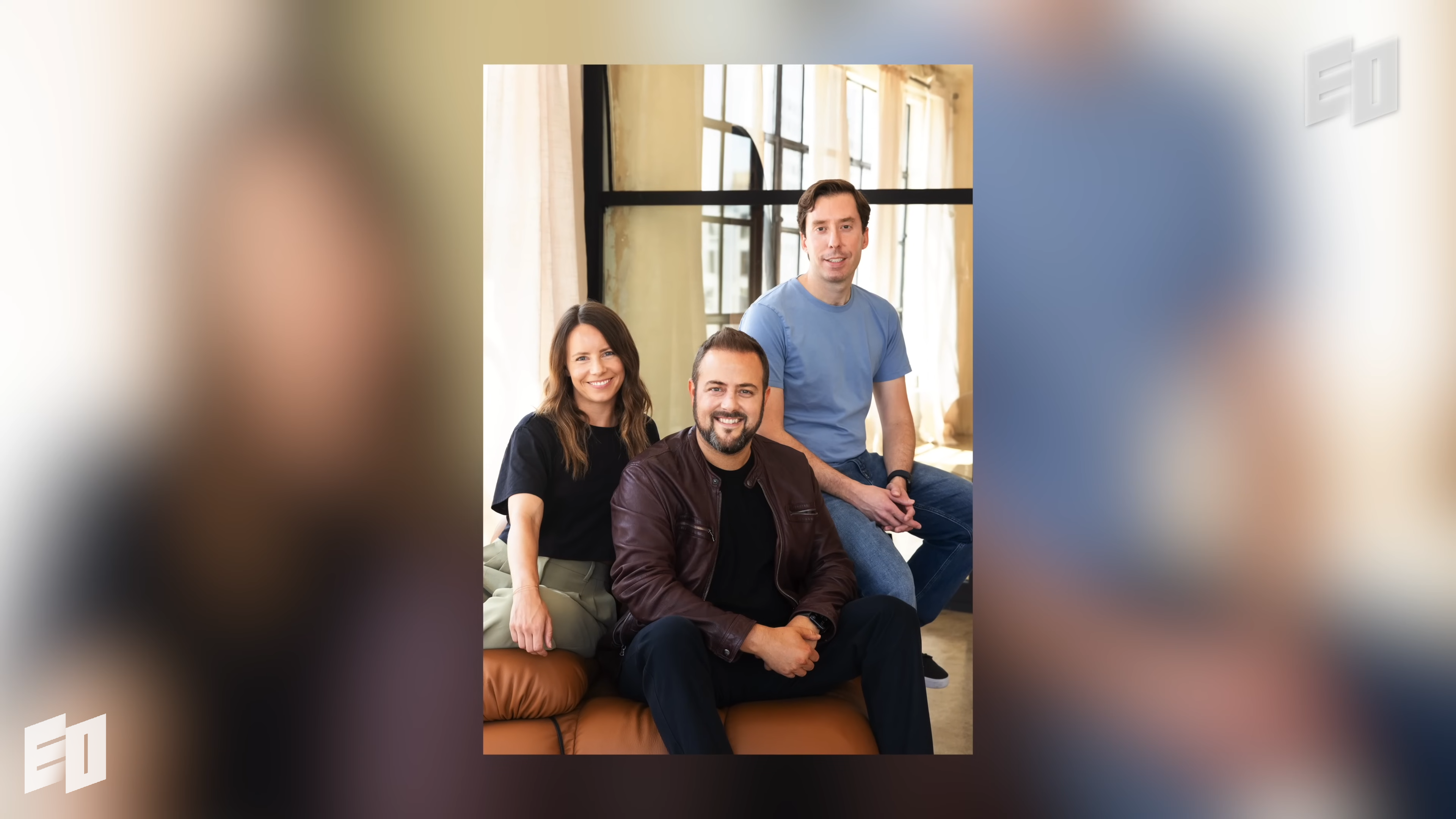
It would be foolish to believe that if you are competing against companies with thousands of employees and hundreds of millions or billions in revenue, you can show up with a three-person founder team and be better after one year of work. That is not how it works. So you have to be smart about, better for whom? You probably start with a very small group. That is what we did. You start out with no competitive advantage other than you, the founders, and what you can bring to bear with a product for a very small, specific niche. And then over time...
What Was the Smallest Niche?
Tae: What was the initial niche? The smallest niche?
Daniel Lang: It was not a niche in terms of market segmentation. It was a niche around what people wanted from the product. When we launched, we did not have payment processing, we did not have reporting, we did not have a Shopify integration. If any of those things were important to you, we were not a good solution. But what we did have was a beautifully designed calendar, fast interfaces, and intuitive design. A lot of people who do not have a plan or a strategy make the mistake of saying yes to everything, and it dilutes them so much that after a while you cannot tell what they are actually good for.
One of the things we have always done well is being very clear about who our ICP is, who we are for, who we are not for, what we are willing to say yes to and what we are willing to say no to. It is actually hard, because when somebody knocks on your door, waves a lot of money in front of your face and says, I need this thing, can you please build it for me, it is very tempting, especially when you do not have a lot of revenue yet and no funding either. But it is in those moments that it really matters to be clear about your strategy, so that you have permission to say no.
Tae: What were the most painful nos you have said to date?
Daniel Lang: Oh man. Usually the ones where somebody shows up and says, I have 70 locations, we love your product, we have already done the trial, and we just need this one extra button or this one extra report. Can you please build it, and we will be a customer? Those are the moments where it is really difficult to say no. So far we have managed to, but not without feeling, wow, that would have been nice.
The Secret of Intuition for Building a Great Product
Tae: This is a question from one of your close colleagues. Daniel has exceptional intuition for building a great product. How would you describe your personal philosophy of what it means to build great product?
Daniel Lang: I love the question, because intuition is so underappreciated in traditional product management. For those who do not know, product management is a lot about prioritization. Which features do you build, and how do you weigh them? There are all kinds of systems. You can assign points and impact scores. What ends up happening is you end up with unremarkable products, because when you apply such a rigid system to building product, you optimize for a lot of boring stuff. The most exciting products, the ones that inspire people and make them truly feel love for a product, are the ones with intuition in them, where somebody had a feeling that something was a good idea and went with that gut instinct.
So the question becomes, what does it take to have intuition? Like many things in life, to develop intuition for anything, you just have to put in the reps. You just have to see a lot. If you want to be a product leader, you have to try a lot of products. You have to be willing to try every product, analyze it and form an opinion. What do you like about it? What do you not like? Why is it good? Why does a product make you angry? Why does a product make you excited? A lot of times it is not stuff you can perfectly capture in spreadsheets. It is the little things. You need to see, try, smell and taste a lot of products to be able to tell when a product is good, and to judge whether an idea or feature is good. I would much rather make an opinionated decision and be wrong about it than crowdsource decisions and always make the safe choice. Being opinionated, having a philosophy of what your product should be, is very important to building a product people will really love.
Be Involved in the Product
Tae: Are you still involved in product at this stage?
Daniel Lang: Very much so.
Tae: Do you feel you have to stay involved for a while, or is there a point where the system has to be set up so that PMs or product leaders are empowered to make their own decisions?
Daniel Lang: The short answer is yes, I think I will always have to be involved. I think it is crazy to think the CEO should not be involved in product. Product is literally what you are selling, and in some ways it is the most important thing about your business, so how could you not be intimately involved? That said, you do not want an environment where you micromanage everything. You want to put in place people who can act with conviction themselves. But that is different from letting them completely decide what gets built without you being aware of it. It is very important to stay plugged in and keep a cohesive vision for where the product is going.
I also believe the way software is built in many companies is not conducive to great product outcomes. A lot of times a product manager comes up with a feature, specs it out, works with design to create a UI design, and hands it off to engineering. Engineering builds something, it comes back, there is some QA and back and forth, and it gets shipped. We fundamentally believe that is not a good approach to building great products. You can build decent products that way, but if you truly aspire to build the world's best software, you have to do it differently. You have to bring the engineers, the ones building the code and living in the code base, into the mix. They have to understand why they are building what they are building, and they have to understand the customer. So many times, when they make the little decisions, they spot opportunities a product manager could never identify.
Some companies call them product engineers. That is just a title, but at the end of the day it means the product manager is not the owner of the product. They are not dictating what gets built and how. They are more like a research function that assists product development, which happens with engineers and designers. The product manager informs it with insights and perspective from talking to customers, the market and competitors. But they are not the mini CEO, as they are sometimes called, of a feature or a product. They are in a research and assistance role.
Why Did We Stop Being Bootstrapped
Tae: In the early days you bootstrapped, found ways to earn some marketing dollars here and there, and chugged along. At a certain point you decided to raise capital. What was the moment when you and your co-founders said, let's go talk to some VCs?
Daniel Lang: It was always obvious to us from the beginning that the vision was so big that at some point we would have to bring in outside capital to make the investments, hire the team and build the product. So it was not so much whether we should raise. It was more, when do we feel there is enough there that we feel comfortable taking someone else's money? It is a big responsibility. In the beginning they say family, friends and fools, for a reason. A lot of the time they lose their money. We wanted to make sure we felt really good about it before we did that, and that we did not lose their money.
Pitch Meetings in the Early Days, and Why They Sucked
Tae: What were the early pitch meetings like? What was the feedback? I am sure you remember some of the nos you heard.
Daniel Lang: It sucks. Fundraising at the early stage is funny, because when you start out doing your pre-seed and seed round, it is such a grind. As a founder, unless you have some prior background or are already super connected and know everybody in the industry, chances are it is not going to be a fun experience. Even getting a meeting is difficult in the beginning. Then later, once the business starts to take off a little, there is this interesting moment where it completely shifts. All of a sudden the VCs and investors are the ones trying to get a meeting with you, and you are the one with way too many emails coming in, trying to figure out how to spend your time. You start to appreciate what it was like for the investors.
Criteria for Selecting Investors

Tae: So now you are in the driver's seat, with all these VCs knocking on your door. How did you go about that process? What did you optimize for, and how did you pick the right partners over time?
Daniel Lang: For the Series A, which we did in 2022, we ran a very short process. It took about two weeks from first meeting to term sheets, and another week to sign one. For seed and Series A rounds, at least in my experience, it is all about whether you have traction and whether the investor is excited about the idea, and usually you know pretty early. The person who ended up doing our Series A, Sanjiv from OpenView, knew about 20 minutes into our first conversation. It is almost obvious in that meeting that this could work out.
Later on, where we are now, it shifts a little. It is no longer a question of whether you will get funded. It is about who is the best partner to help us fulfill our vision and make this a really big, meaningful company for the long term. With Altos, the long-term focus you have was really important to us. Getting to know you and the team, and how everybody here thinks, was a much bigger consideration than when we raised our seed round several years ago.
Advice I Would Give to My Past Self
Tae: If you could go back to that road trip with your wife, talking to salon owners, or even before that, when you were thinking about starting a company, what would you tell the Daniel of eight or nine years ago?
Daniel Lang: The thing I did not appreciate at the very beginning of the journey is how incredibly long it would take to get to a place where you can really see the future. Everyone understands it intellectually when you say it takes seven to 10 years for any company to be successful. But when you are in it, on year three or year four, it can feel really long. For the longest time you are just trying to survive, and then it finally hits you. I think we are no longer fighting to survive. Now I can actually think about how big this could be. But before you hit that moment, it is a real grind. If I could go back and talk to myself at the very beginning, I would really emphasize, make sure you embrace it. It is part of the journey. Do not get discouraged. We did not, but it would have been nice to hear that, and to know that this is what it takes.