Mar 28, 2025
Advice from a Founder Who Built a $390M Company at 57
Interview with Peter Thompson, Co-founder of LucidLink
Founder Focused


💡
At a Glance
- Who: Peter Thompson is co-founder and CEO of LucidLink. He spent over 20 years at DataCore before returning to Stanford's Sloan Fellowship program at 48.
- What: LucidLink turns cloud storage into a high-performance drive that teams can access and collaborate on from anywhere, without syncing or downloading files. Thompson co-founded the company with George Dochev, DataCore's first engineer, after Dochev built an early demo that changed Thompson's plans.
- Traction: LucidLink has grown from roughly zero to over 40 million dollars in ARR and now serves more than 100,000 active users. The company found its breakout market during the COVID pandemic. Creative studios like A&E Networks, Viacom CBS and Vice News all called with the same urgent problem.
In this interview, we meet Peter Thompson: Co-Founder and CEO of LucidLink, a cloud-native file service provider enabling fast remote access to data for collaboration. After a 20+ year career culminating as Vice President of Emerging and Developing Markets at Datacore, Peter made the bold decision to return to Stanford graduate school at 48. During his studies, an unexpected call from former colleague George launched him into an entrepreneurial journey. Just as they were poised to secure VC funding after two years of development, the COVID pandemic created an existential crisis. How can we embrace challenge in every moment? How do we uphold our core values during our most frightening times? Join us as we discover answers through Peter's remarkable journey.
Key Takeaways:
Founders Should Let Core Values Override Conventional Crisis Advice
When capital dried up in 2020, mentors told Peter Thompson to lay off everyone except a core team and protect the IP. He and his co-founder rejected that advice because it contradicted the values they claimed to hold, choosing transparency and shared sacrifice instead.
Why Fake Expertise Never Earns Real Trust
Assigned to represent DataCore as a storage expert before he actually was one, Thompson built credibility by admitting what he didn't know rather than pretending. Repeated honest exposure, not credentials, eventually made him the expert he was pretending not to be.
How Product Market Fit Found LucidLink Instead of the Other Way Around
LucidLink spent years pitching itself as a general file access platform with little traction. When COVID sent creative teams home overnight, near-identical calls from major media companies revealed the real market: content collaboration instead of generic storage.
Generalist Investors Said No 33 Times. The Specialist Founder Knew Something They Didn't.
Venture capitalists rejected LucidLink's pitch three dozen times before Steve Anderson at Baseline Ventures said yes. VCs see many ideas but rarely know a problem as intimately as the founder living inside it, so conviction has to survive even smart, well-intentioned rejection.
The Hidden Cost of Comfort: A Job That Stops Challenging You Is a Signal to Move
Thompson left a successful role at DataCore not because it failed him, but because it had become easy and repetitive. He treats the absence of challenge itself as the warning sign, not burnout or failure.
Growth Gets Built Through Small, Unglamorous Decisions, Not Big Moments
Thompson describes growth as consistently painful rather than inspiring, with discipline showing up in tiny daily choices, like finishing a workout set instead of cutting it short. Do the harder, correct thing enough times and it becomes identity, not effort.
Watch the full interview now on EO's YouTube channel! Below is the complete transcription of the interview. Minor edits have been made for clarity and readability.
Introducing Peter Thompson, Co-Founder and CEO of LucidLink
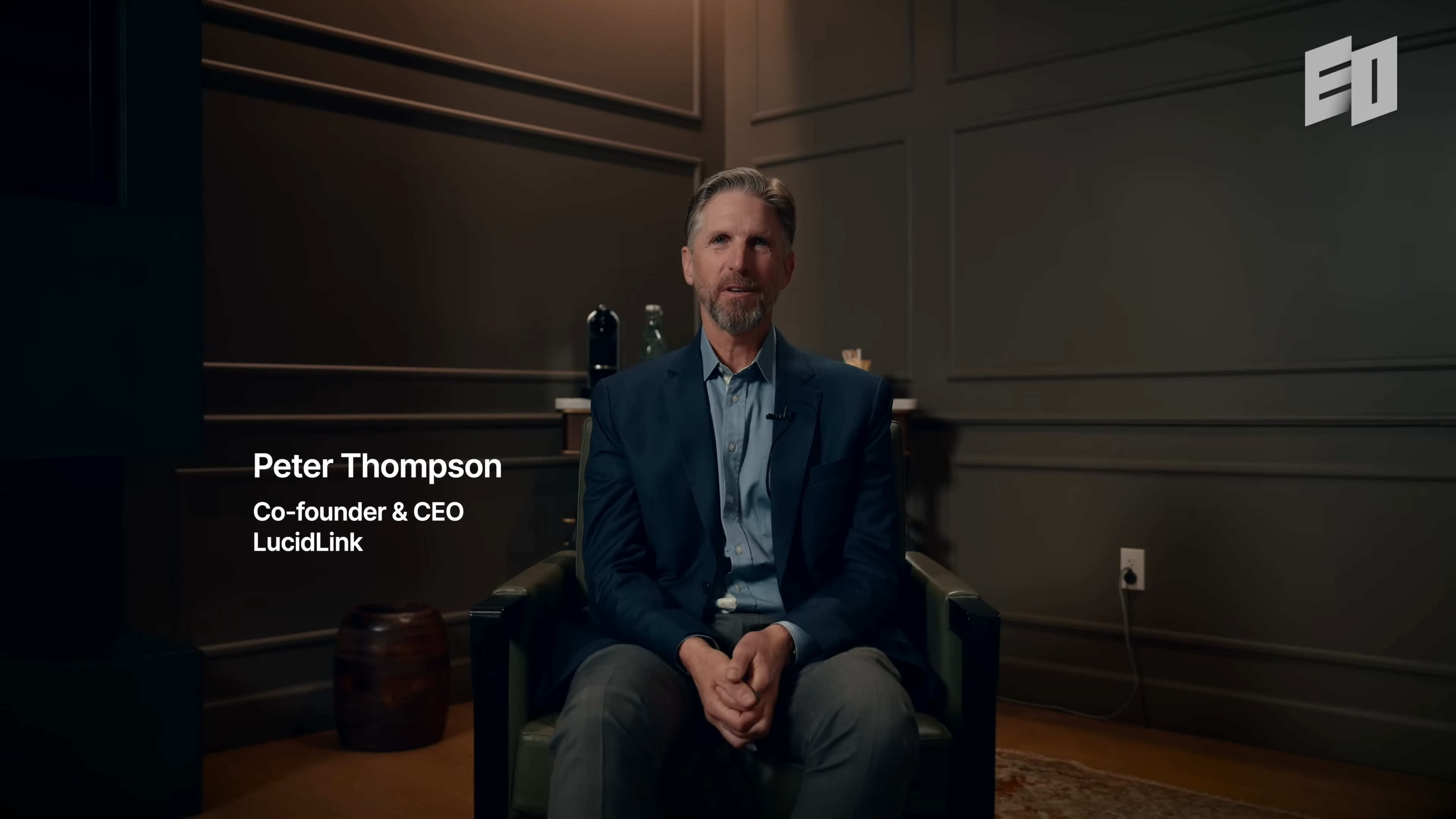
My name is Pete Thompson. I'm co-founder and CEO of LucidLink. LucidLink transforms cloud storage into an unlimited high-performance drive that can be accessed from anywhere and collaborated on with your team, without having to synchronize, download, or ship files around. LucidLink has over 100,000 active users now, and we've grown the business over the last few years from effectively zero to over 40 million in ARR. Our next stage is we're focusing on that 50 to 100 million ARR milestone.
Embracing Ambiguity
That was one of the things I learned early on in my life. I was in a program to become a doctor. I was in a premed program. I thought that's what my path was. It was just by chance that I had this opportunity to go to Japan, and as it turned out, it changed the trajectory of my life.
After I had spent a year at university studying in Japan, I realized that I wanted to do something in my career that involved the Japanese I had learned. So I joined DataCore as employee number 20. My role at DataCore was to help them establish their business in Asia Pacific. But in doing so, I spent a lot of time traveling to these areas and speaking to people, and I had to speak to them as the representative of DataCore, as a storage expert. But there was a problem. I wasn't a storage expert at the time. I needed to be able to gain their trust. I couldn't lie to them. I couldn't pretend that I knew things I didn't.
So there were a lot of very uncomfortable moments where I was right on that edge. I knew I was slightly out of my element, but I was honest about it, and at the same time they realized, okay, he's still someone we can trust. Gradually, over time and through a lot of uncomfortable moments, that's how you learn. You push yourself out of your comfort zone, and you gradually, one day, you wake up and you realize you kind of are an expert.
So there were a lot of very uncomfortable moments where I was right on that edge. I knew I was slightly out of my element, but I was honest about it, and at the same time they realized, okay, he's still someone we can trust. Gradually, over time and through a lot of uncomfortable moments, that's how you learn. You push yourself out of your comfort zone, and you gradually, one day, you wake up and you realize you kind of are an expert.
At some point while I was working at DataCore, I realized that my job was becoming easy for me. It became a little repetitive. I wasn't growing, and I didn't have that feeling of challenge anymore. So all of this told me it's just time to move on. But I wasn't sure how to move on.
Unexpected Call from Old Colleague
It was at this time that a friend of mine had gone through the same program, the Sloan Fellowship program at Stanford. Mike and I were fishing buddies, so while we were sitting out on the ocean, I learned more about the time he spent at Stanford. He finally said, you should just go there, do this program, figure out something to do, and start a company. I said, "Huh, yeah, maybe I should. Let me try that."
So I was accepted into the program, and I went into it with that. I said, "Okay, I've got one year here. I want to address some things about myself, challenge myself in some uncomfortable situations, and either come up with an idea or meet some people who have an idea that I can join and start a company from scratch."
How old was I when I made that decision? I was 48. I was the oldest person in the program.
How did it feel to go back to graduate school after such a long time in the workforce? It felt really uncomfortable, but also it was amazing. I was worried that the time was going to go too fast. I was worried that after a year, maybe I didn't know what that next thing was going to be. I felt I had to make the best use of this time.
I think it was October or November when I was in the program. I didn't know what I was going to do, although I was certain that it would have nothing to do with storage. That was the last thing I thought I was going to do.
All of a sudden, my co-founder George called me up. We didn't work very closely at DataCore, but I knew him well because he was the first engineer they hired. He was known to be a brilliant engineer. He called me up and said, "Hey, Pete, I don't know if you realize this, but I left shortly after you did because I had this idea in my head. I needed to get it out of my brain and into code and see if it had merit. Are you interested in seeing what I built?" And I thought, "Yeah, of course I am."
He showed me a demo that blew my mind after all those years in storage. I said, "Wait a minute. Is this just a demo, or is this actually happening live? Because this shouldn't be possible." He said, "Look, I've got this idea. I'm looking for some partners to help find investors, to grow the business, to do all of this. And I'm at Stanford learning how to start a business, get investors, and know how to build a business. And I'm looking for an idea. This could be a perfect combination. Tell you what: let's use the rest of the time I have here at Stanford and the resources, some of the classes available to me, to really pressure test this idea. Let's try to prove to ourselves that there's nothing here. Let's try to disprove the theory that there's a company in this technology."
The problem we were trying to solve was you've got large sets of data and a whole bunch of people who need to access it. Some of these files within the data set are super big, and that makes it even more difficult. Today you have two choices. You can move the compute and the applications to where the data is stored, or you can move the data and the files to where the compute is running, but they have to be together. Most of the technology was based on either moving the data faster or creating replicas of those files so that they were next to the applications.
What we were doing was something completely different. We said, keep the data stored where it is, keep the compute running where it is. We will present it as if it is local, and our technology will solve the problems around performance and collaboration. If you can break that fundamental dependency on an application requiring a file to be right next to it, now you can make those decisions separately. You can choose where to store stuff based on the best place to store it, and you can choose where to run your applications based on a separate set of criteria. That unlocks all of the productivity we've been chasing.
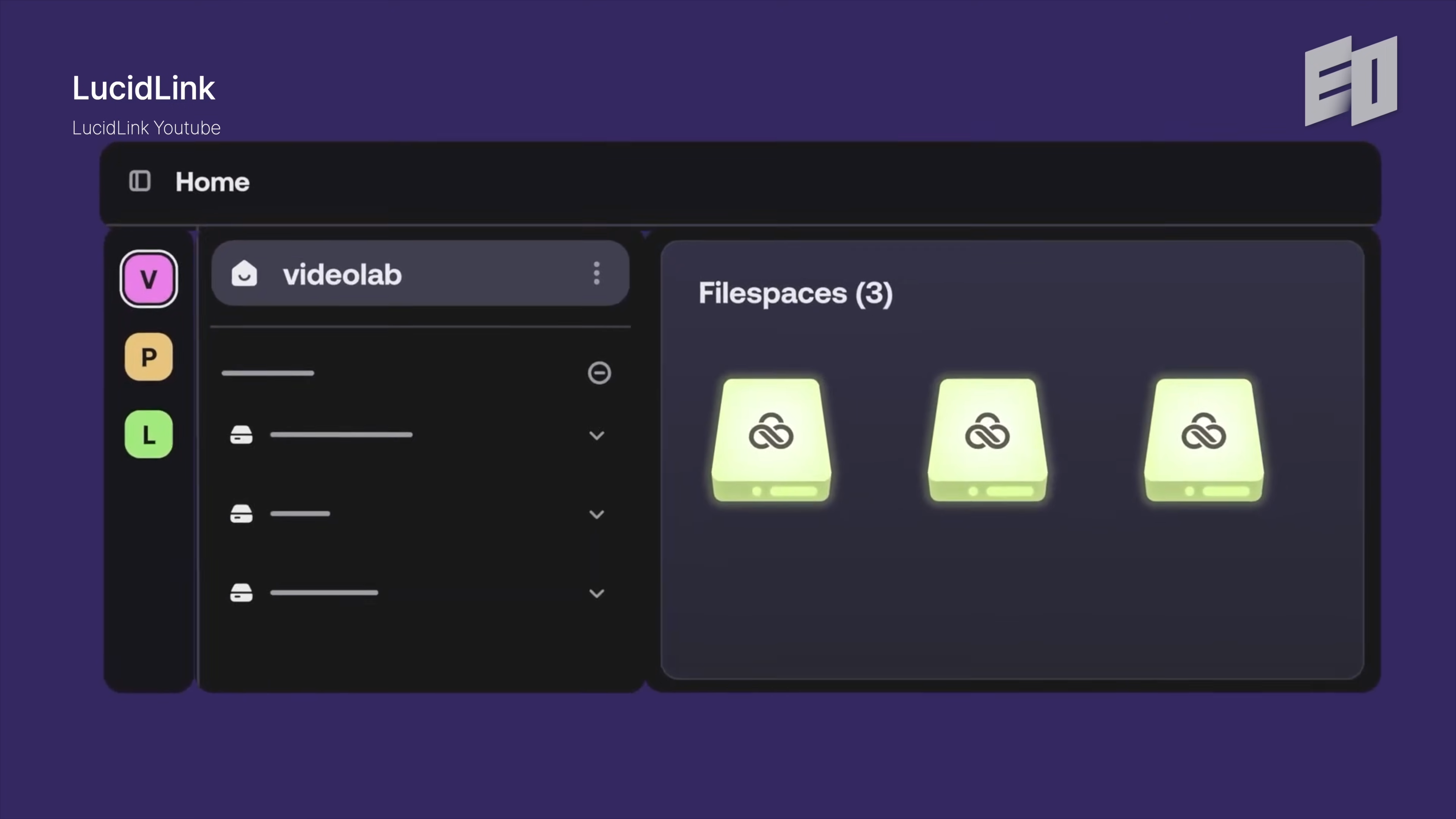
But first, we had to get funding. We knew this was going to be a difficult and highly technical product to build. So we needed funding, and we needed time. After I graduated from Stanford, we began pitching to VCs, and they all told us no. They all told us it'll never work, it's a bad idea, people won't pay for it, and even if we did build it, they wouldn't care. There were so many reasons not to invest in it. That was hard.
Venture capitalists are very smart. They see a lot of great ideas. They have a lot of success investing in world-class companies. So when they tell you your idea sucks, it's hard to say you're wrong. But you have to believe there's something they don't see, something I know that they don't. They're generalists. They see a lot of things. I'm a specialist. I know storage. I know this problem firsthand.
So, what was the problem? Maybe I wasn't pitching it correctly. Maybe I had to change my story. So we kept iterating on trying to figure this out. Finally, after 33 rejections, we found an investor who said, "I think there is something here," and he was willing to invest in us. That was Steve Anderson at Baseline Ventures. He was well known for picking winners, so the fact that he saw something here really motivated us as well.
So we got funded, and now we had to build the product. It took two years to build this product. From 2017 to '19, we were building the product. From 2019 we really had the product out, and we were trying to find the initial product market fit. We were getting close to that in 2020. We had to go out and get more funding. We weren't funding because we had the metrics. We were funding because we were running out of money. Not a great position to be in.
Are You Ready to Fire Everyone?
So we knew that this was still going to be a case where we were going to have to sell vision. We were ready to do that. We got a whole list of VC meetings set up, and on a Monday morning we were driving up Sand Hill Road in early 2020, and suddenly we got a phone call. They said, "Oh, hey, by the way, we're going to have to cancel this meeting today. We're not allowed to take any more in-person meetings. We're going to put a pause on all new investments until we see how this COVID thing is going to shake out. It'll probably be maybe two weeks or a month, and then we'll be back to business as normal."
We had a couple hours before our meeting in the afternoon, so we said, let's go to a coffee shop and work on our pitch deck. So we go to the coffee shop, and we get another call about the next meeting. Basically, the entire week of VC meetings got wiped out in one day. No funding. Capital markets had dried up, and we had a short runway. That was kind of a moment we went, "Uh oh, what have we done?"
I went out and started asking all my mentors and all the people I could for advice, and they said, "Lay off everybody you can except a core people. Protect the IP. Live to fight another day." George and I looked at each other and said, "That doesn't really align with the core values we said we were all about. And if we don't use our core values to make the hardest decision of our life, then they're not really our values." So we said, "All right, we're not going to do that."
Instead, we got the entire team together, about 25 people at the time. We were very transparent, which is one of our values. We told them exactly what was going on. We asked everybody to take deep cuts, to have belief in the company and in us, and to help figure out how we were going to weather this storm. We ended up keeping everybody.
I don't think I slept during that period. I mean, yeah, I closed my eyes at night, but it was terrible sleep, and there was a lot of pressure. It wasn't just me anymore. It was 25 people and their families who had a belief in what we were doing. During that time, that's when we found our product market fit.
It was during that time that we got the first call from A&E Networks. They said, "We don't know anything about your company, but somebody over at Adobe said we should call you. We just sent home 80 engineers with a laptop, a hard drive, and a VPN connection, and that's probably going to let us get through about the next two weeks of production. After that, we're not sure what we're going to do. Can you help us?" We said, "Yeah, that's exactly what we do. We can absolutely help you."
So we set them up on a POC, and the POC ended up running directly into production, and we closed them at nearly a 100K ARR contract. Now remember, our total ARR at that time, with 50 customers, was around 100K. So this was huge. It was during that time that we got the next call from Viacom CBS, and then the third call from Vice News. All of them had the same story, the same problem, the same outcome. At that point we said, "All right, we are no longer a general file access platform. We are now a creative content collaboration tool." That's when we went from 100K in ARR to a million that first year, and then from 1 to 5, 5 to 15, 15 to 30, and we're still going.
How to Challenge Your Life
My advice to people who haven't found their product market fit yet, or who are waiting for their opportunity to come, is: believe. If you have done the work and you know your product and you know the market, you know there's something there. You have to believe in it, and you have to have the resilience and the grit to keep bringing it every day. That's the hard thing about being an entrepreneur. You've got to dig deep when no one else believes, and you have to believe. Not only do you have to believe, but you have to make sure your team believes. That would be my advice. You just can't give up.
I was worried that after a year, maybe I didn't know what that next thing was going to be. I felt I had to make the best use of this time.
So, did you make the best use of that time?
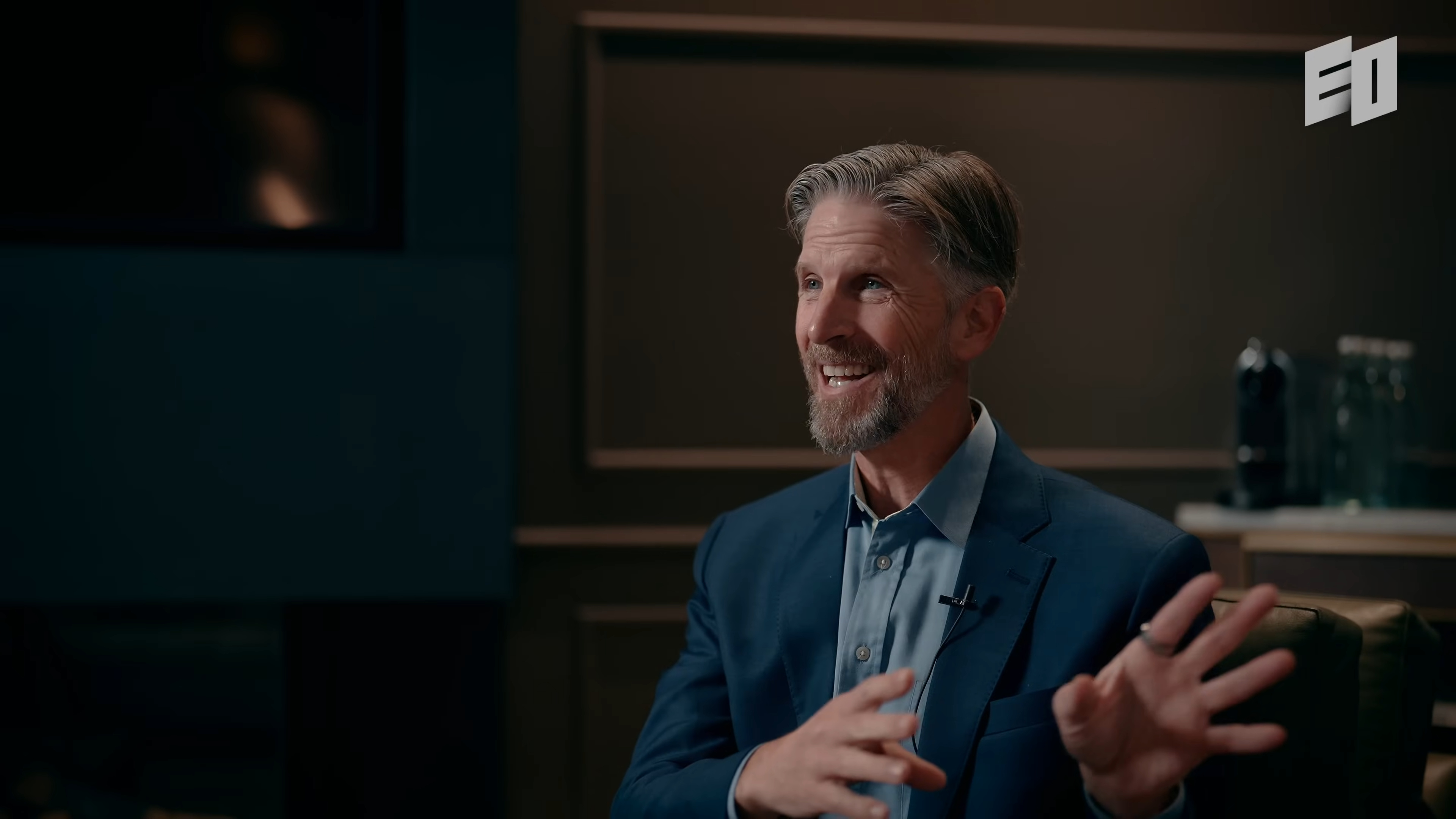
I think I made the best use of the time there. The fact that I was able to start LucidLink, and it's become such an important part of my life and an important part of almost 200 people who work for the company. It was absolutely worth it. I can't imagine a better outcome for me personally.
How do I think about the ability to nurture instinct, to challenge myself, or just to put myself in challenging situations? I think this is something you can nurture. People talk about growth all the time. They say, "Oh, this is amazing, we get this chance to grow." Growth is hard. Growth is painful. Growth kind of sucks sometimes. The result of growth is awesome. The process of growth kind of sucks. It's hard.
How can I do that? It's through habits. It's through not taking those shortcuts. It's through recognizing when you have a decision in front of you and doing something that is right, not necessarily easy. The more you do those, and those can be small things. They can be small things like waking up and being like, "Yeah, I don't know, I don't have to go to the gym." Or go to the gym and say, "I'll just do one set instead of three." Every time, no matter how small or big those decisions are, if you take not the easy path but the right path, you're going to gradually build that habit within yourself. You'll build that muscle to be open to challenging yourself.
How you do one thing is how you do everything.