Oct 27, 2023
Loom's Road to $975 Million Exit by Atlassian - Shahed Khan
Interview with Shahed Khan, Co-founder of Loom
Founder Focused

💡
At a Glance
- Who: Shahed Khan co-founded Loom in 2016 with Vinay and Joe after working at Backplane, Weebly, and Upfront Ventures.
- What: Loom lets people record their screen, face, and audio in a single stream to communicate with coworkers, evolving from an earlier user-testing platform called Open Test.
- Traction: Loom launched on Product Hunt in June 2016, raised a $30 million Series B from Sequoia Capital in November 2019, and grew from 2.5 million users in March 2020 to 10 million by the end of that year.
In this interview, Shahed Khan traces Loom's path through two failed pivots as Open Test, the accidental discovery that turned a user-testing tool into a communication platform, and the two attempts it took to get people to pay for Loom Pro. He also revisits how Loom rewrote its pricing overnight when Covid hit, and reflects on why it's too expensive to quit.
Key Takeaways
Don't fall in love with your idea.
Khan and his co-founders spent months obsessing over Open Test, their user-testing platform, before admitting almost no one was using it. He says the hardest part of pivoting is recognizing when you have become too married to a solution to see it clearly.
The users you don't expect can reveal the real product.
Khan says he believes it was a researcher at Harvard's research lab who used Open Test's recording extension not to collect feedback, but to summarize it himself, revealing that people wanted a communication tool, not a testing tool. That single case study led Khan and his co-founders to strip out the extension and relaunch as Loom.
Growth inside a company starts with one champion.
Khan points to a HubSpot employee in San Diego who started sharing Loom recordings with a distributed team, prompting others in the department to adopt the tool on their own. Khan says replicating that single-champion pattern across companies became Loom's core growth strategy.
Getting users to pay takes more than a paywall.
Khan says Loom Pro's first launch fell flat because the free product already did enough, so a small feature set was not reason enough to convert. It took a second wave of features, including drawing tools and CTA buttons, before Khan says the response was resoundingly positive.
A crisis can force you to rethink your business model.
When Covid hit, Khan says Loom made Basic unlimited, cut Pro pricing by half, and gave it away entirely to students and teachers rather than push monetization. Khan says the company grew from 2.5 million to 10 million users that year, and the decision had a net positive long term.
It's too expensive to quit.
Khan says Loom reinvented itself twice, first from a user-testing platform to a communication tool, before finding product-market fit. His closing takeaway is that founders who quit early never find out what could have worked, while those who keep reinventing eventually do.
Below is the complete transcription of the interview. Minor edits have been made for clarity and readability.
Introducing Shahed, a Co-Funder of Loom
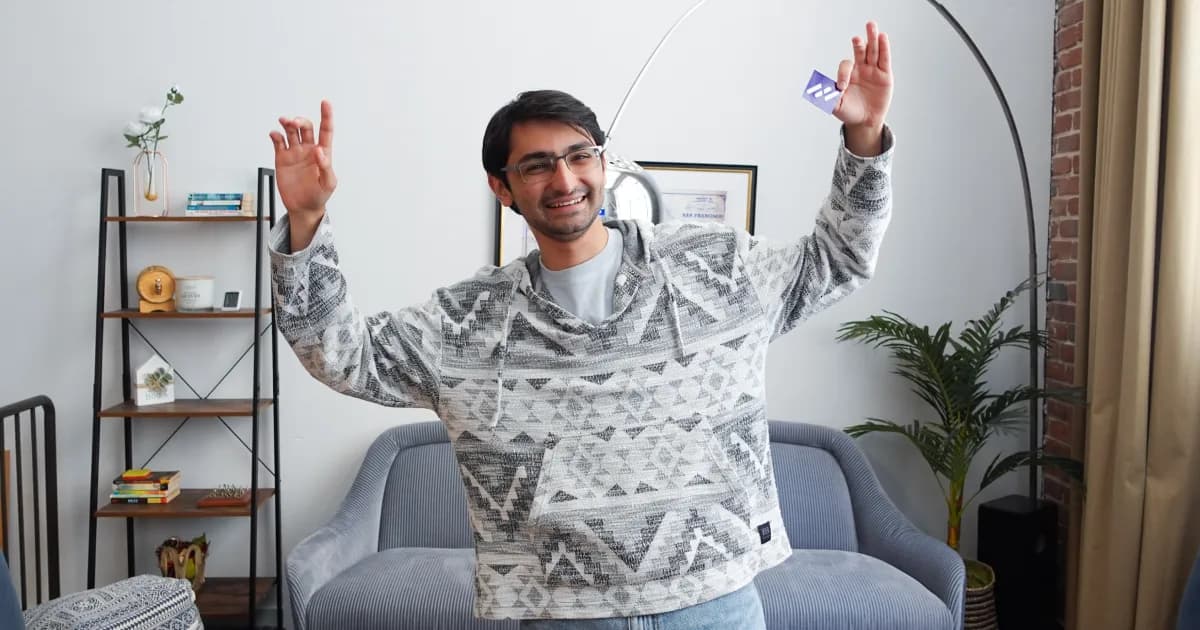
My name is Shahed Khan. I am one of the founders of Loom. Loom is a product that allows you to record your screen, your face, and your audio in a single stream. A lot of companies use Loom today to communicate with their coworkers, whether they're remote, whether they're engineers, salespeople, designers.
It's a tool that allows people to share what they're seeing, share what they want with one to one or one to many people.
The Unruly Child
I grew up in the suburbs of Chicago, in Plainfield, Illinois, went to school out there. It was a really difficult path because I'm a child of two immigrants. One's from India, one's from Pakistan. They moved here shortly after marriage. I was also the one who misbehaved the most of my siblings. My goal was always to start something of my own. Since I was six years old, I enjoyed dressing up in suits because that meant that I was a businessman.
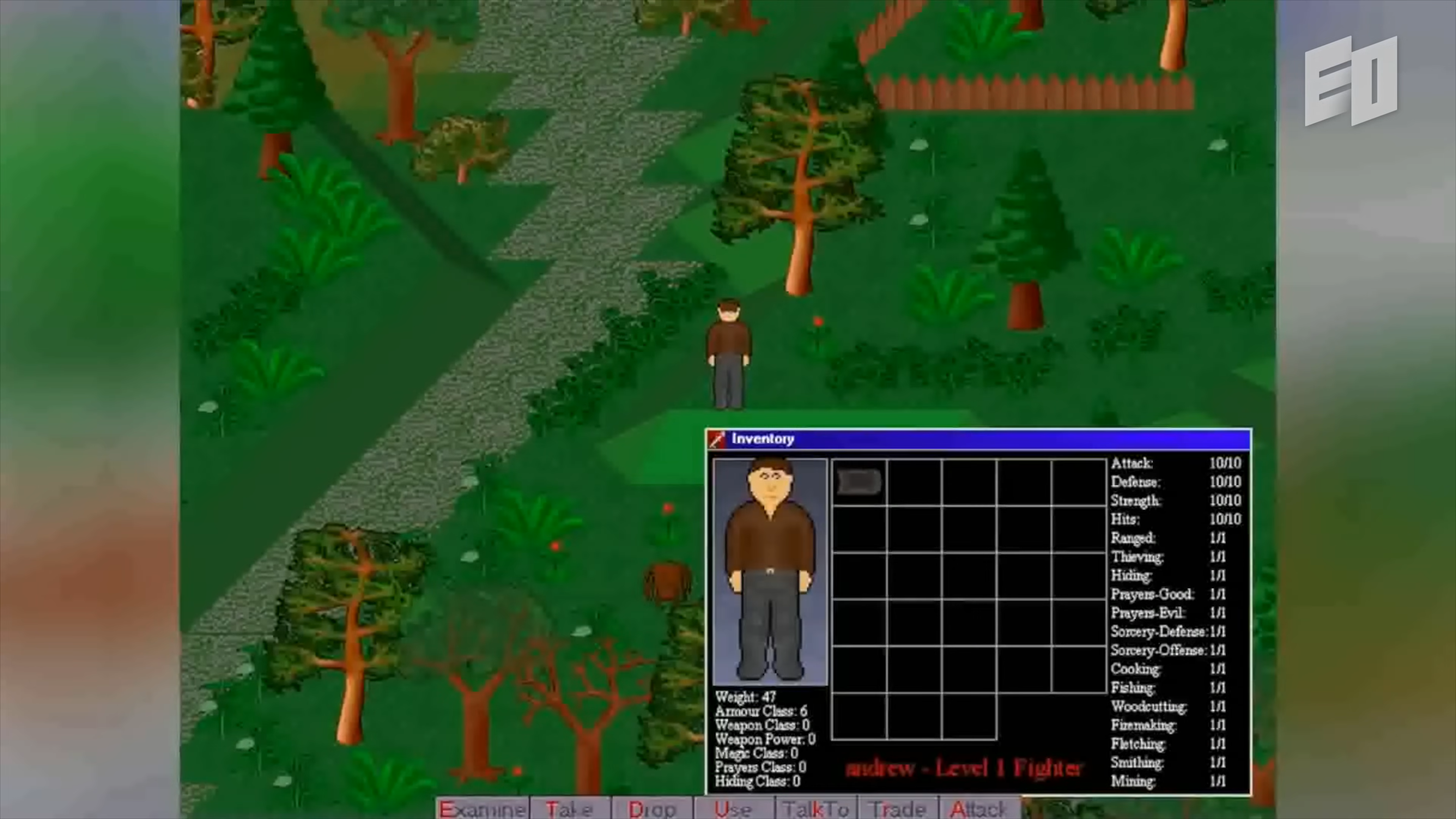
My childhood was just all my free time spent on the computer. When I was eight years old, I started playing this game called RuneScape. RuneScape actually just taught me so much about what I later learned in life, which is learning about economics from selling things, buying things, or harvesting things, and then selling them for a greater price.
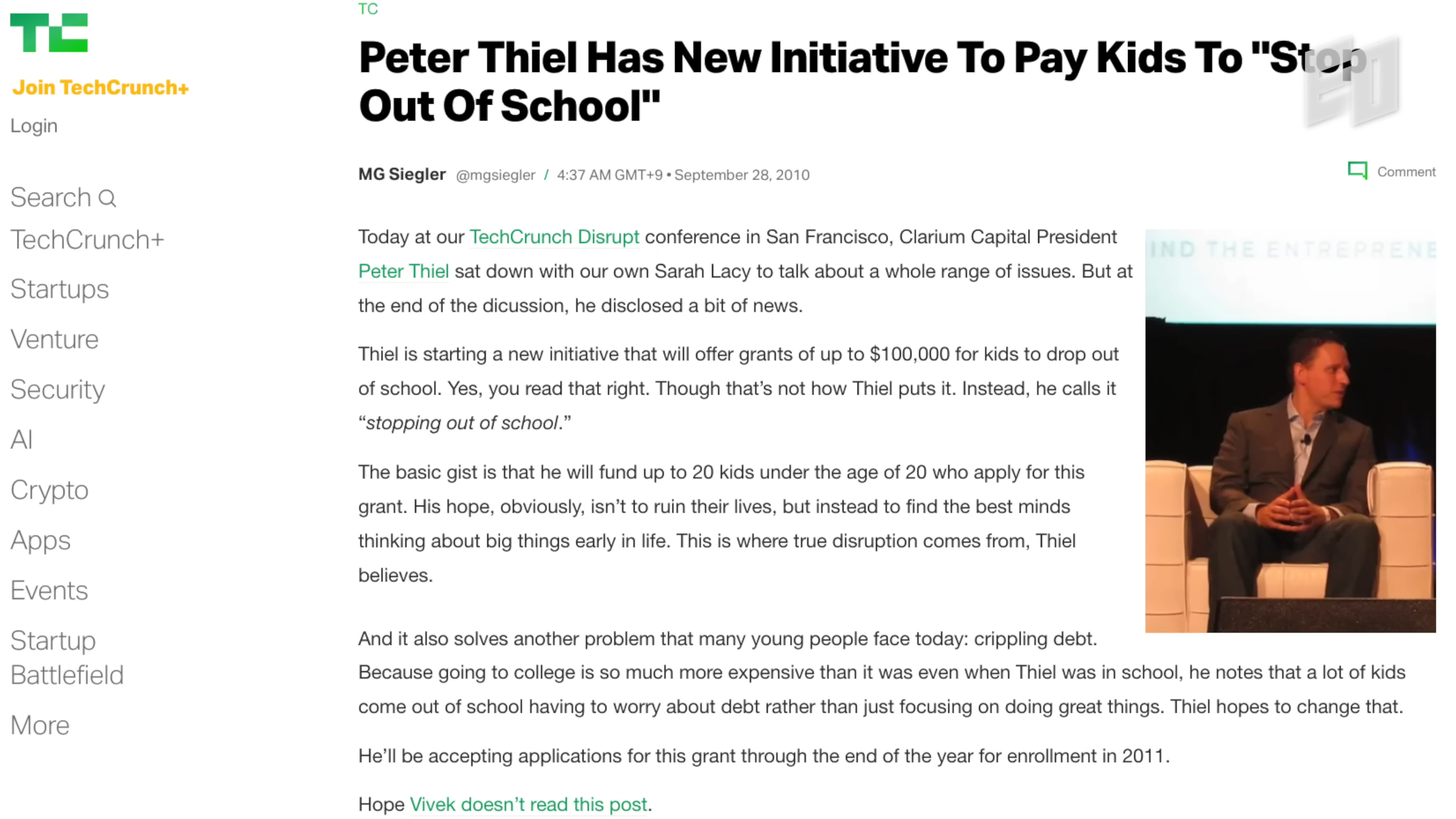
I would be on the computer maybe six, seven, eight hours a day, and that got me into high school. That's when I started to shift my focus from games and being on forums and learning design to pivoting into technology and startups. There was a video by Peter Thiel in 2011 where he announced the start of the Thiel Fellowship. He would give 20 kids under the age of 20 $100,000, call it an effective grant, to either drop out or not go to college.
That really inspired me because I was never an academic. I never really did good in school, but there were certain subjects where I was just so into that I obsessed over. Even though I didn't get the fellowship, that was the inspiration that I needed to know that there is a world out there, a world called Silicon Valley, where I can go. That was my young self's American dream, which is going to a city where there's a lot of like-minded individuals.
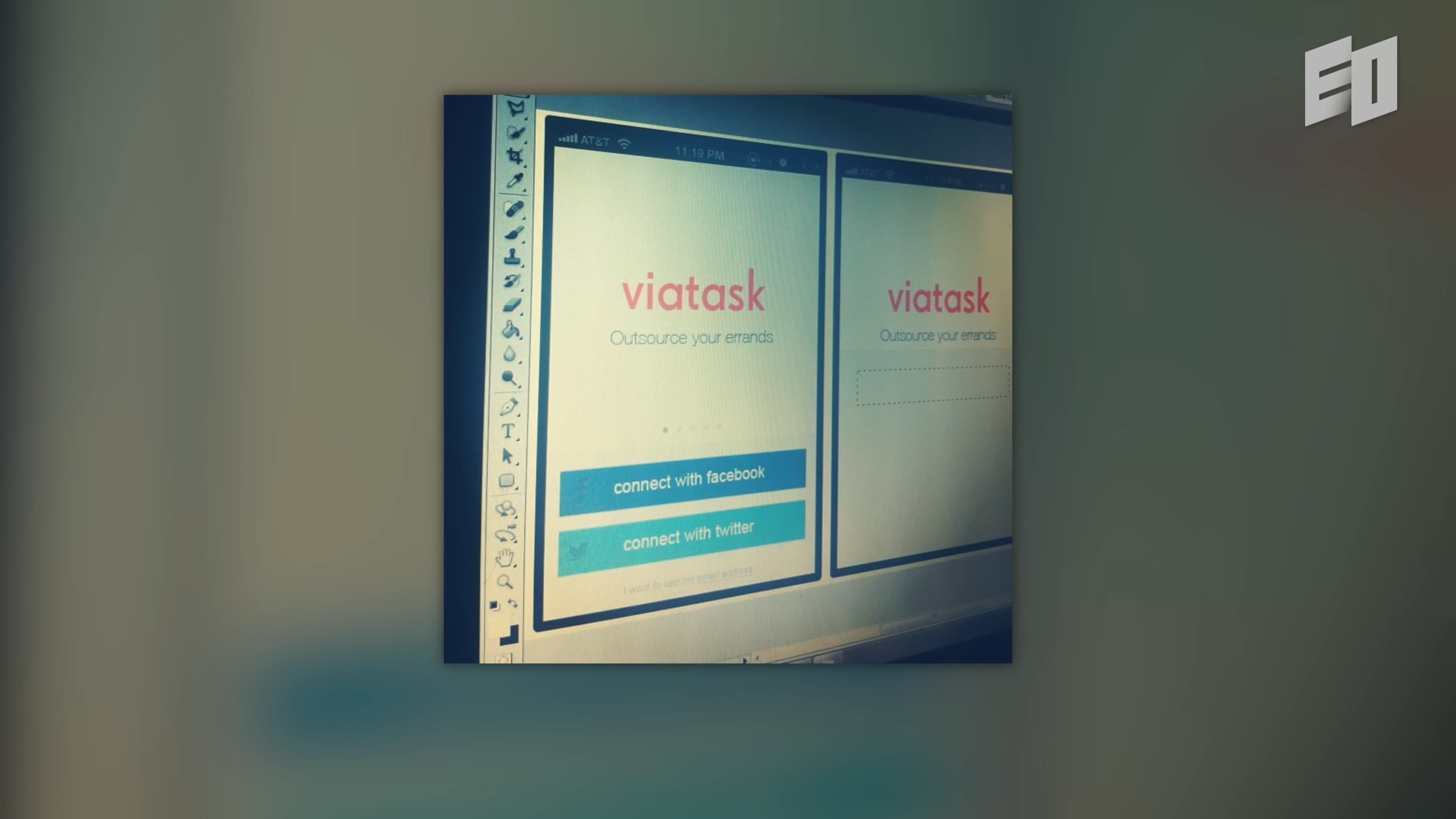
I wanted to pursue that. I was really passionate about product design. When I was 15 years old, the first logo that I designed, I got $25 on PayPal that was going to buy me digital coins in the game that I was playing at the time. It just slowly escalated from there. $25 turned into $100. I was like, now I have lunch money for the next month.
That led me to, when I graduated high school, I got an offer to go work at a company called Backplane. The idea was always that I would go to college, but at Backplane I actually met Vinay, who's my co-founder at Loom. I was a designer. He was an engineer at Backplane. At the end of my internship, I got an offer to go work at a company called Weebly. I showed the offer letter to my parents, who are very conservative parents.
So in their eyes, it was always this temporary thing where they're like, okay, it's only going to be one year, we can skip one year of college for him to go learn. They took a bet on me. They allowed me to move to California. Initially it was just for the internship, and then it turned into one year. And then that year turned into two. Two turned into four.
Realizing that I really wanted to start something of my own before I could have done that, I needed to also get the experience in the real life world. That's why I worked at Backplane. That's why I worked at Weebly. That's why I worked at Upfront Ventures, because I wanted to gain as much information. I wasn't there to have a cozy job with a good salary where I could go home at 5 p.m.
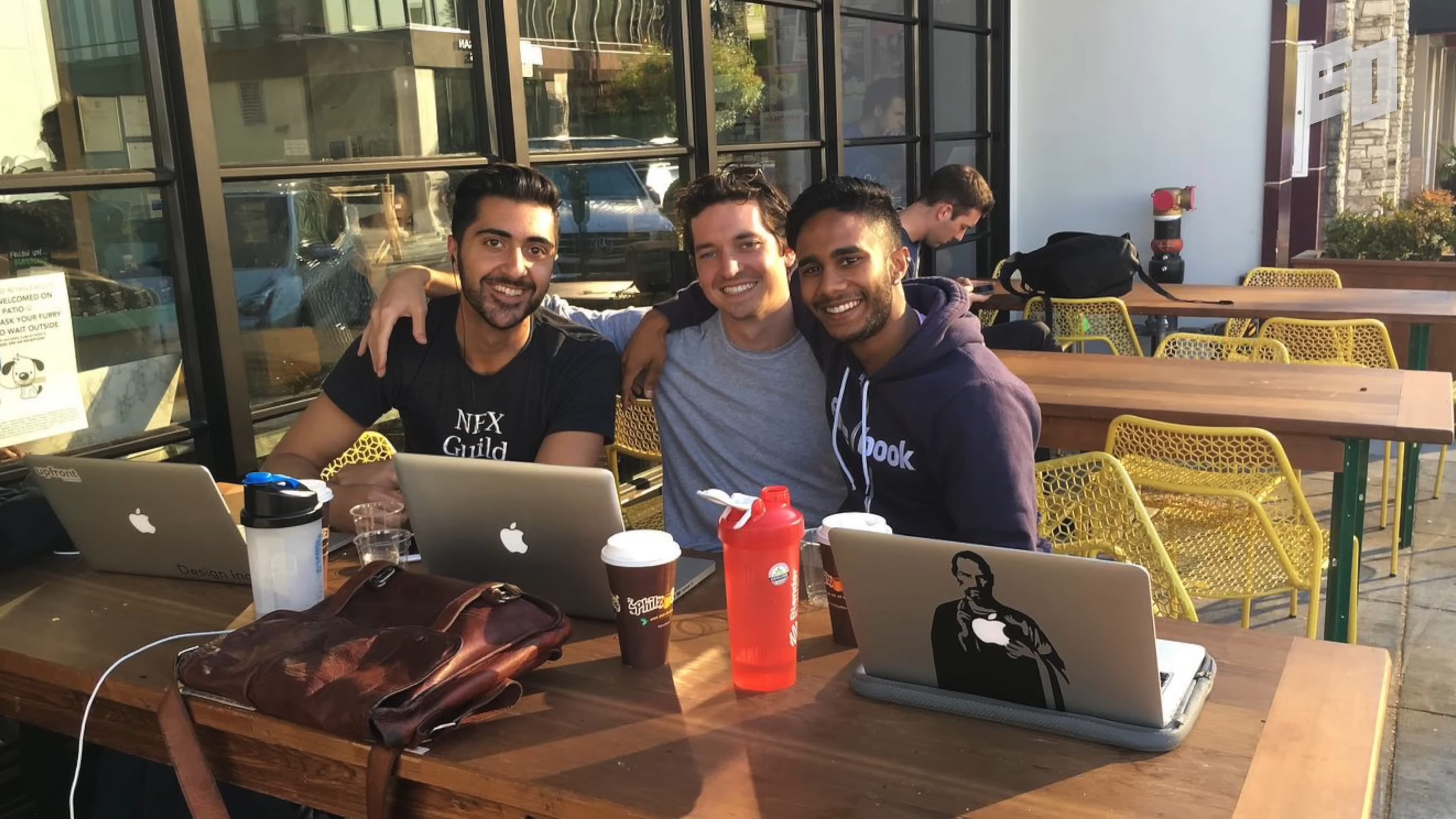
I was fortunate enough that by surrounding myself with engineers and designers in San Francisco when I lived there, Vinay, who I mentioned, my co-founder at Loom, he worked with me at Backplane.
Joe, my other co-founder, I lived with when I was working at Upfront. That ultimately led to one night we had dinner. We just passed the question around where I was getting ready to leave Upfront, and I wanted to start a company.
Don't Fall in Love With Your Idea
We all have a unique set of skills. I'm a designer, Joe was leading product, and Vinay was an engineer. So the three of us came together. We were like, let's just write down a bunch of ideas on a whiteboard. I think we wrote down maybe 6 or 7.

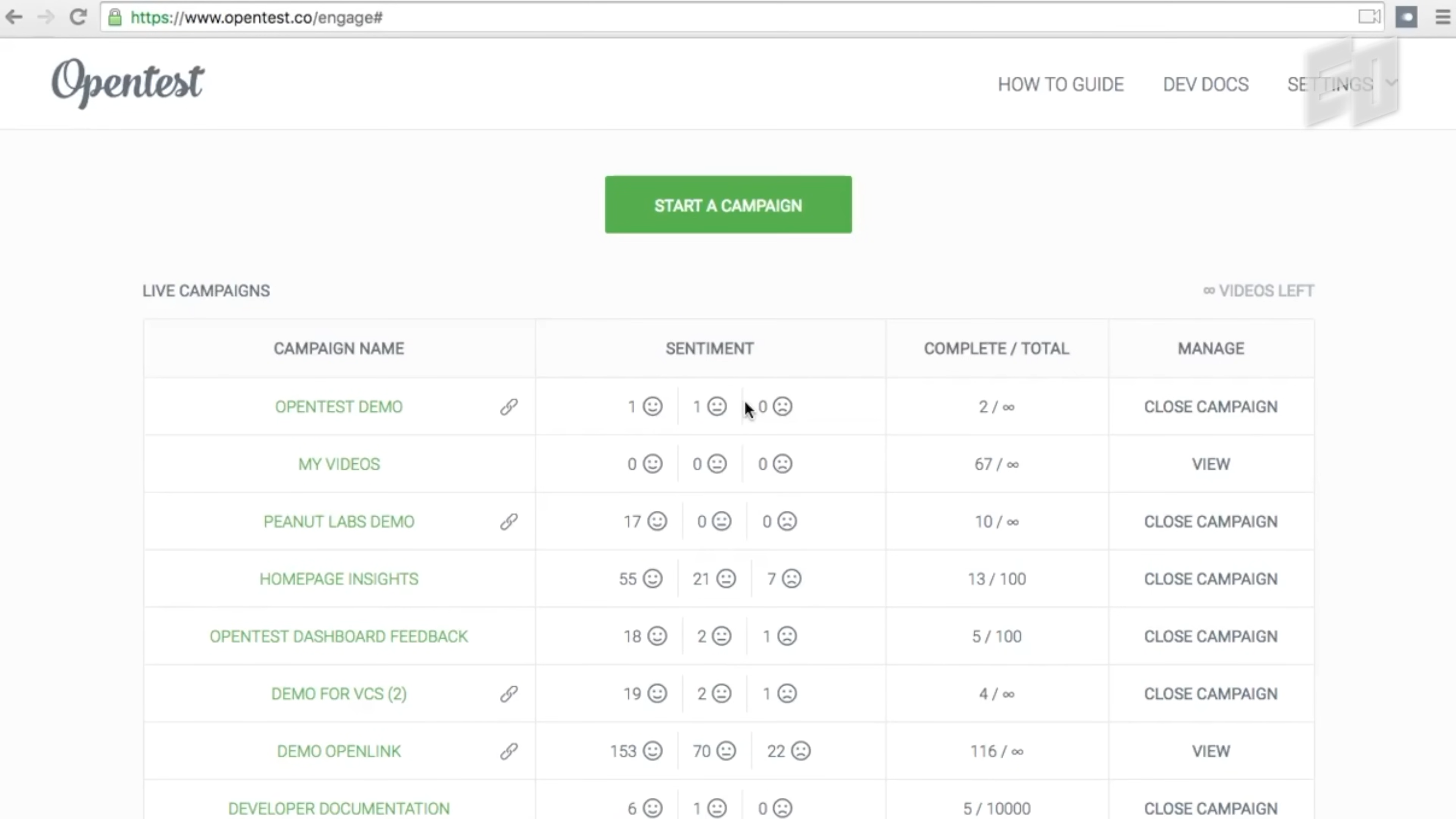
The first one was my idea, which was a user testing platform. You can get advice from experts. If I'm building an e-commerce store on Shopify, and I want feedback from someone who's built Shopify products before, I would basically hire them through this platform that we had started called Open Test, and I would pay $100. What I would receive back is a video with a circle on the bottom left, which is the person's face and their audio, with them walking through, say, the checkout process of my product.
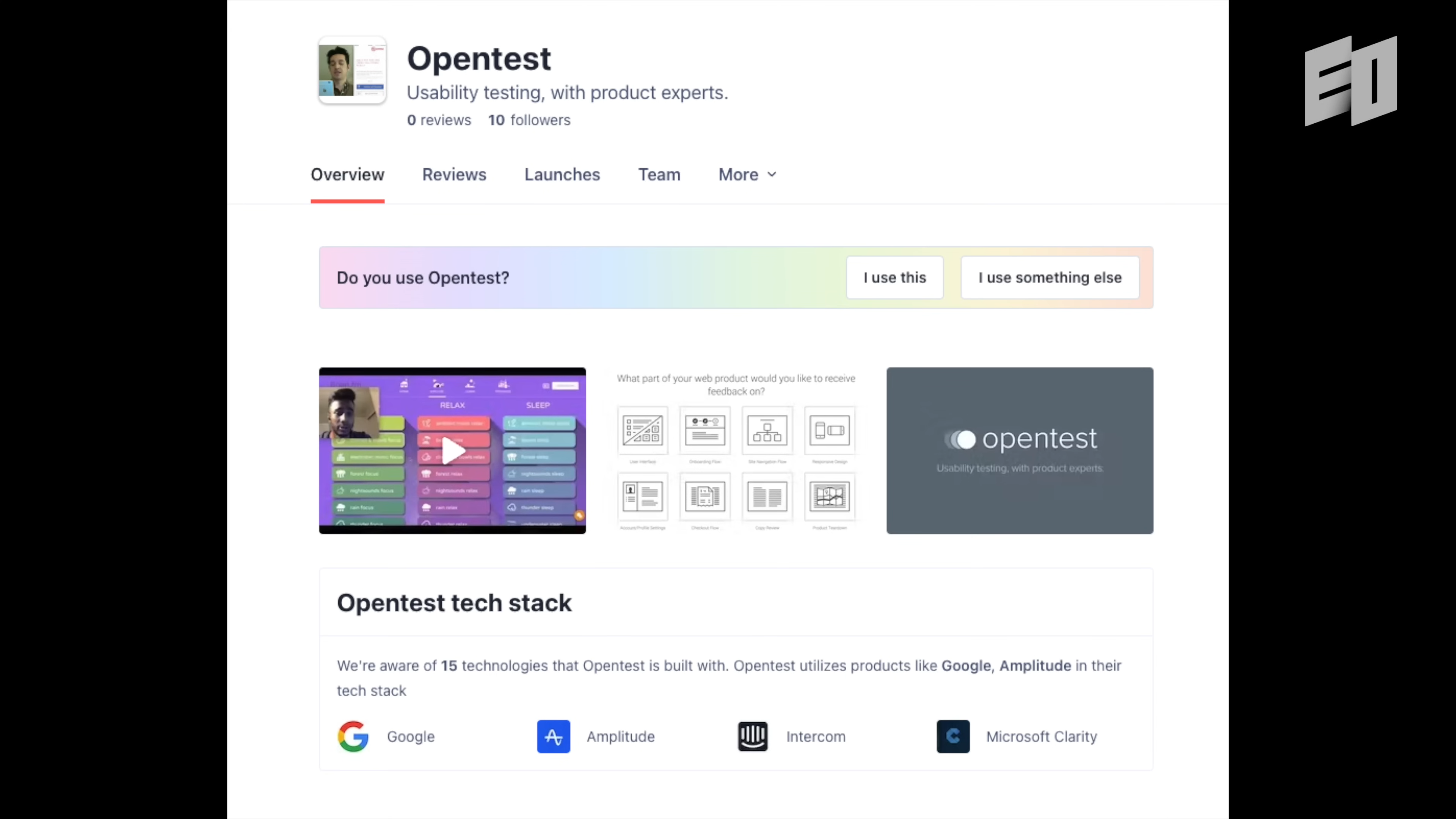
After we had launched the product, no one was really using it. I think we might have made 400 bucks, which means we had four tests that were purchased on the platform.
So then it was time for us to pivot. The feedback we got back from people at Facebook and Twitter at the time was they have the experts in house, they pay these big comp packages because they have the experts in house. They told us that the thing that they would be interested in purchasing was the ability to run a user test and segment to a very specific cohort within their user base. They wanted to collect feedback from their own users.
And then we pivoted one more time because, I would say, six months after that, we were begging people to use our product for free. We weren't even charging for it. There was no brand recognition that Open Test had at the time. People turned away because they didn't see big logos on our home page. They didn't use the product.
One, which is even hard today, is knowing when to pivot. I think the hardest thing, especially when every single day, seven days a week, you're just obsessing over one idea, and after four months, five months, you're too married to that idea to let it go, because it's all you've been thinking about building and designing for the last 4 or 5 months. So I think the one biggest takeaway was don't be married to the solution.
Unexpected Use Cases
I remember there was this one evening. We were kind of burnt out. We had spent collectively all of our money because we were bootstrapping at the time. We were also fundraising. I remember there are, to this day, 74 people that said no, that they did not want to give us money, 18 or 19 people that just didn't even respond. They opened the email, they didn't respond.
That was kind of a chip on our shoulders to find something that worked and just completely obsess over finding something that people wanted to use. And then our final, that turned into our final pivot, which was, people don't want to use this for user testing. What we had realized was there was one person, I believe it was Harvard's research lab, that had adopted the product because they were running a case study.
They were running research on a segment of these users and wanted to use a platform like Open Test to collect that information. What we had realized was they used the product the way that I was supposed to be used, but the person that set that product up, set that test up, used the exact same extension that was built for people to give feedback, but recorded a video of himself summarizing all of the feedback that he had collected.
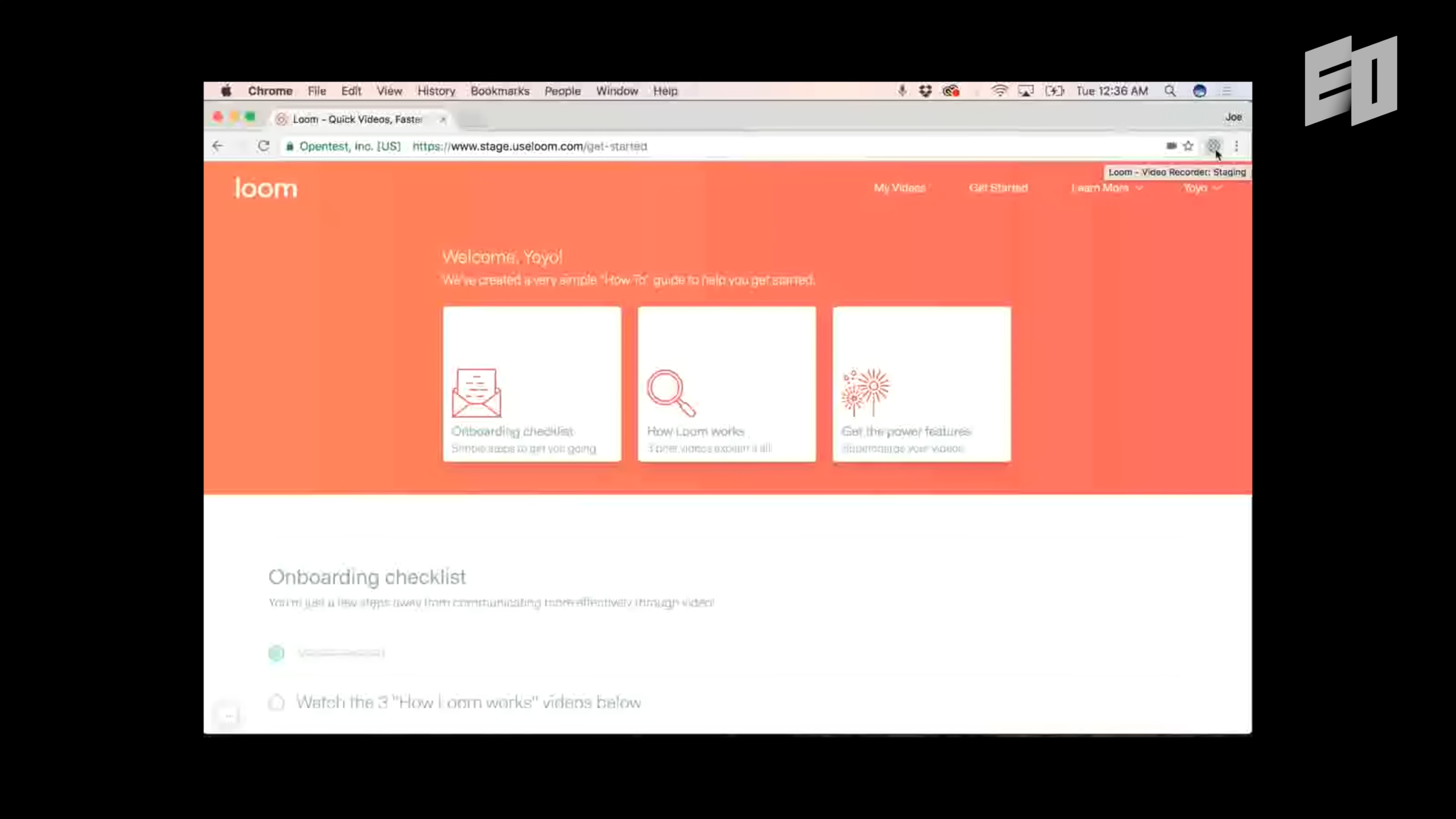
The spotlight went off in our heads at the time. We realized that there's a world that we haven't been thinking of where people could use this and not just limit it to user testing, but they could use it as a means of communication. They can record a video of themselves, and whenever they're done, they click on the extension again, the video is completely uploaded, the link to the video is copied to their clipboard, and they could share that in Slack and email wherever, and it would expand into a video.
So we quickly stripped the extension out of the existing product, rebranded the product from Open Test to Loom because we didn't have time to come up with a good name, and launched on Product Hunt in June of 2016. We quickly became the number one product for the day because it resonated with a lot of people in the community, and I believe on our first day, we had about 2,499 people, more than we previously had on our platform.
So people were sharing it. It was a great product, but we ran into one unique problem, which was people would download the extension, they would start recording a video, and then it would typically be their first video would be a test video. After that, they would stop using it because they didn't know what they could use it for. It's a really cool tool, but where do I incorporate this into my daily workflow?
We know that we've landed on something that people resonate with, and now we have to figure out how do we find product market fit, which is the biggest question. That's where we started to build a very cohesive onboarding. We built use cases, we built personas. So salespeople use it for these purposes, engineers use it for code reviews, designers use it for design handoff.
And then our seed round was, okay, now we have users and they're referring it. They're coming back, whether they're coming back weekly or whether they're coming back daily. We know that there's usage here, so we're getting closer to product market fit. That was our pitch during our seed round.
For our Series A we had users, we had usage, we had good metrics. We were raising our Series A to start to basically turn on monetization. But our plan all along was: how do we become ubiquitous within the companies that are already using Loom?
I'll use HubSpot as one example, because they're kind of the poster child company within Loom that had grown on Loom so quickly. I remember when we launched on Product Hunt in 2016, we had someone from the marketing department at HubSpot sign up to use Loom, and this individual lived in San Diego, and HubSpot's headquarters were in Boston. This was when the company had a couple of distributed employees, but not as distributed as that company is today.
Because they were in a distributed role, they were an individual contributor. They wanted to use new tools to communicate more effectively. They installed Loom, started using it, and they shared that video within their Slack. Other people within the marketing department started to adopt that tool naturally because they were like, I see you using this tool.
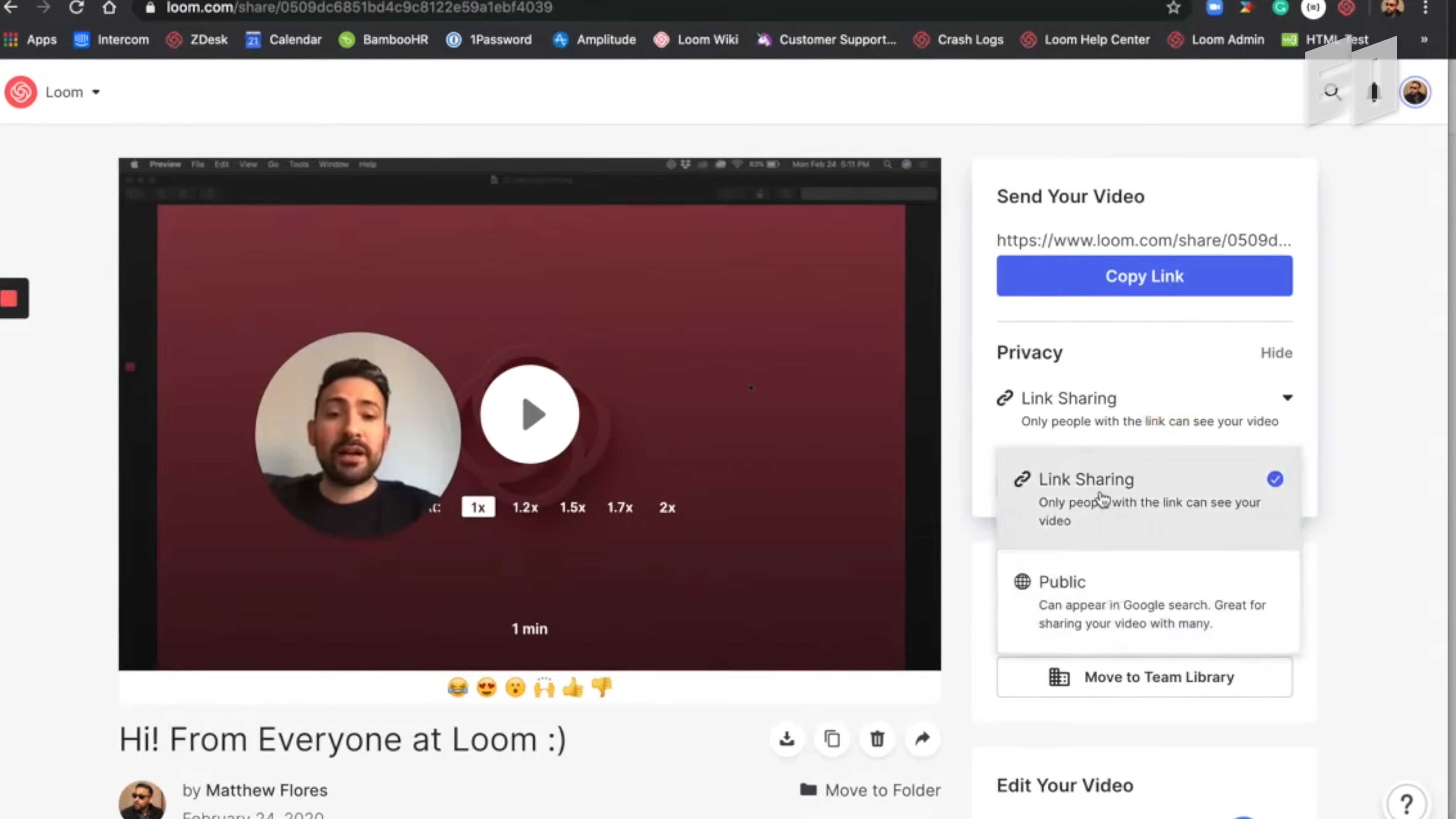
I want to use it as well to record my presentation. That individual is what we call a champion within an organization. He would record a video, I believe it was like a quarterly presentation, and he would send it to his entire team. And now that there's like the two influencer line drawn, we knew that if we could replicate that use case, that we could quickly adopt usage within each company that we were growing inside of.
So when we had shown that to our investors, they were aligned with us that growing freely was probably the best path for Loom. And then we got to our Series A, we started to monetize, and we launched Loom Pro. It didn't have the big launch that we thought it would. We thought people would immediately convert over, but we didn't really give them a reason to convert.
The free product was good enough for them, and we were monetizing on new features. The process of someone who's been using the product for free for years is now asked to pay for it. What we did was we launched a whole new set of features. At the time, I remember we had launched our desktop app, and you had the ability to draw on the canvas and point to things.
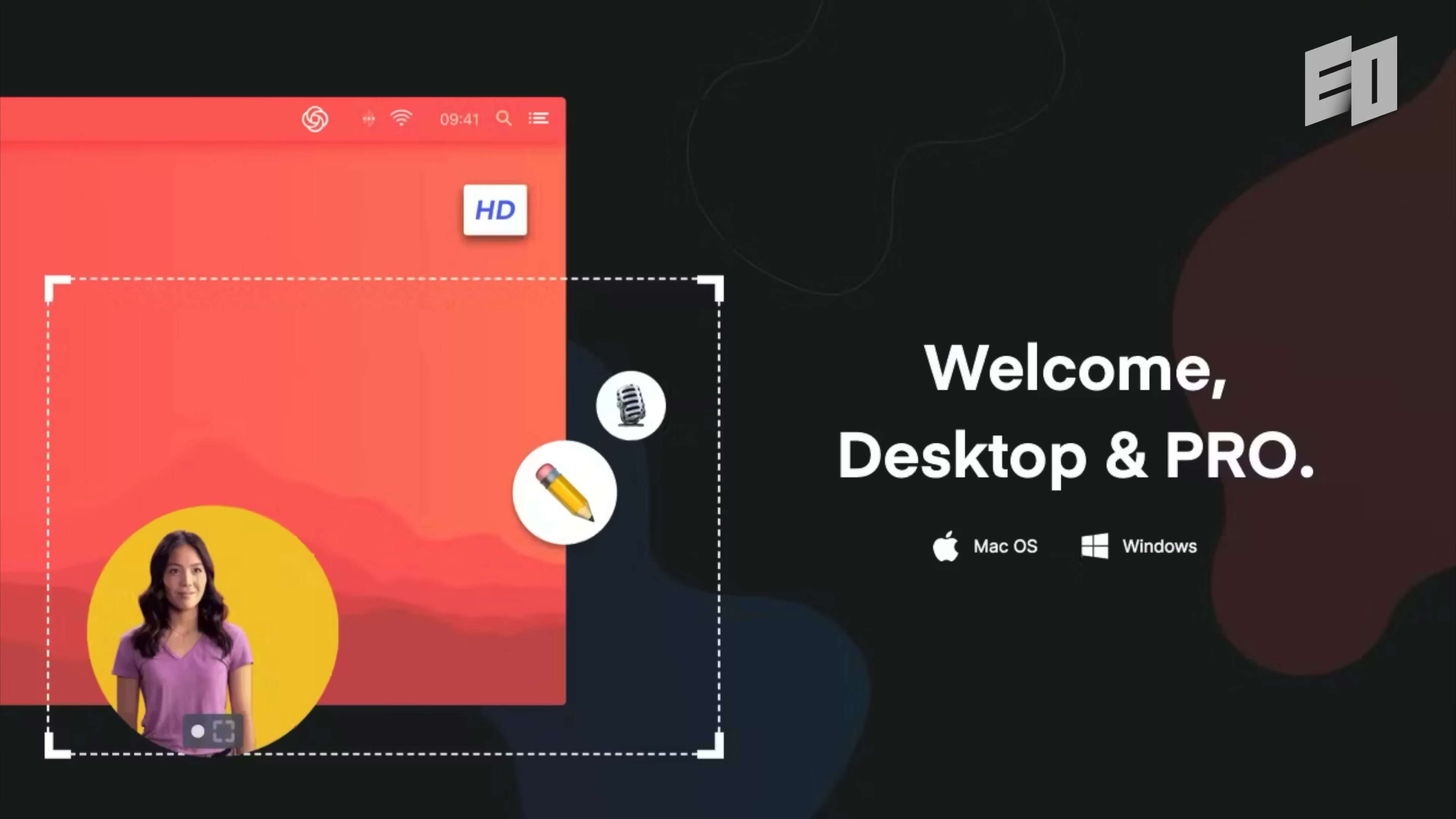
There were just so many features. You were able to append a CTA, a button, at the end of the video. So if you're a sales rep and you're like, hey, I drafted up this contract, I attached at the end of the video, just go ahead and click there. It'll take you to the DocuSign.
We had launched these features thinking that it would get people to naturally upgrade, and it did for some, but I don't think it was in the general realm that we thought it would be. So that's when we went back to the drawing board and we were like, how do we convince all of our active users to seriously consider the Pro product?
What does it have to look like? How often do they use it? Where would they feel that they're hitting the ceiling of their usage, where they're like, it makes sense for me to just upgrade because I get so much more usage, I get so much more tooling and features that I can leverage if I just upgrade to the Pro product. For any company, their goal is to find what is the amount of constraint you can put into the product where it's just enough.
It doesn't necessarily ruin the free experience, because then people will just be mad and angry and will leave. But it's just enough constraint where they're like, I think it makes sense, it's well worth the 8 or $10 I pay per month, let me just go ahead and convert. After we had launched Loom Pro the second time, there was a resoundingly positive response to that.
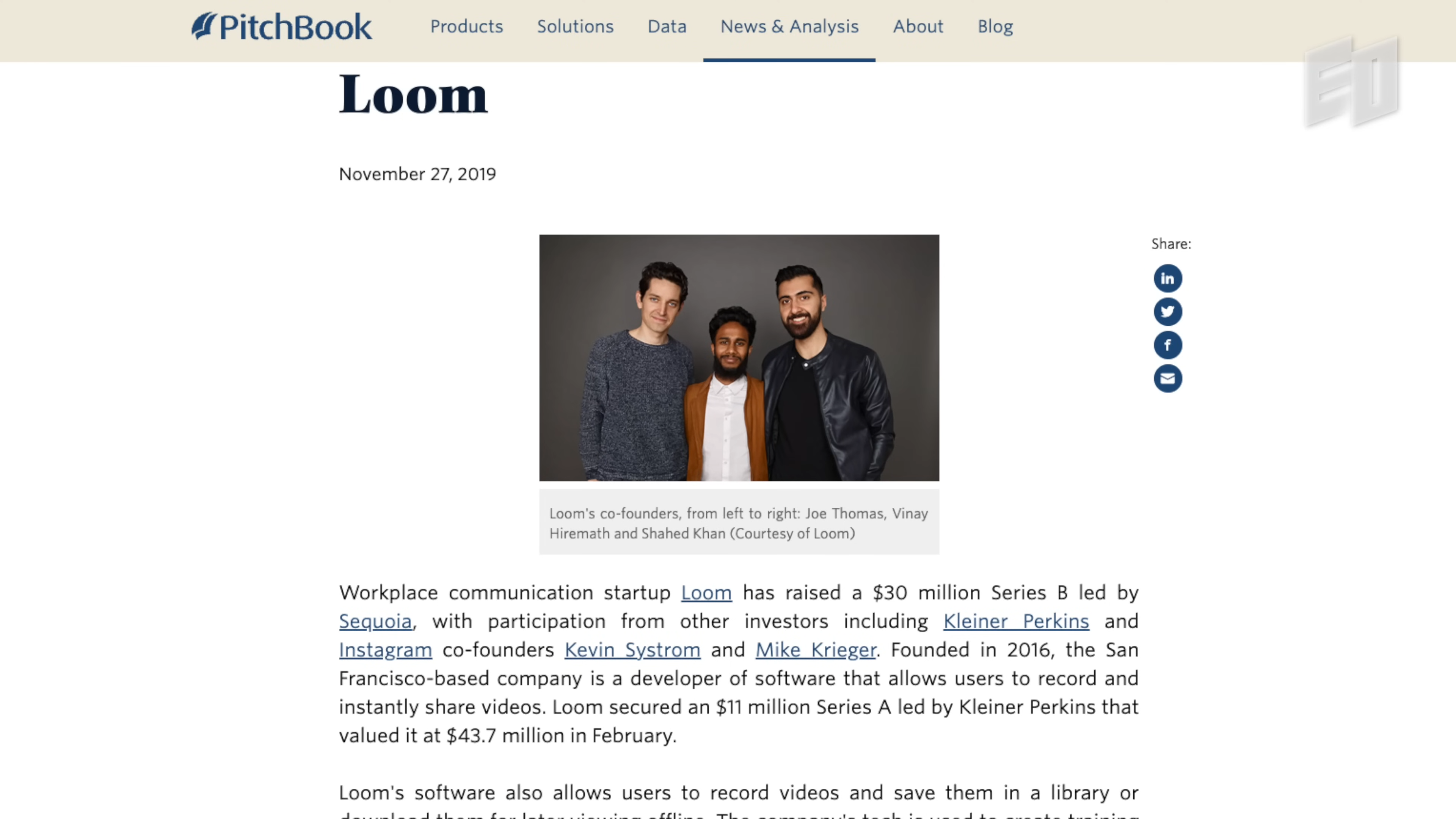
And then we had launched enterprise. Sequoia Capital invested in Loom in November of 2019. They gave us $30 million because they're very bullish on where Loom was going. I remember Andrew Reed, who's the investment partner from Sequoia, had seen people at Figma using Loom, so I think that naturally led him to reaching out to Giovanni and myself at the time. Once that deal had happened, there was this thing around the corner that no one was really expecting, and it was Covid.
Revisiting Mission, Amidst Tragedy
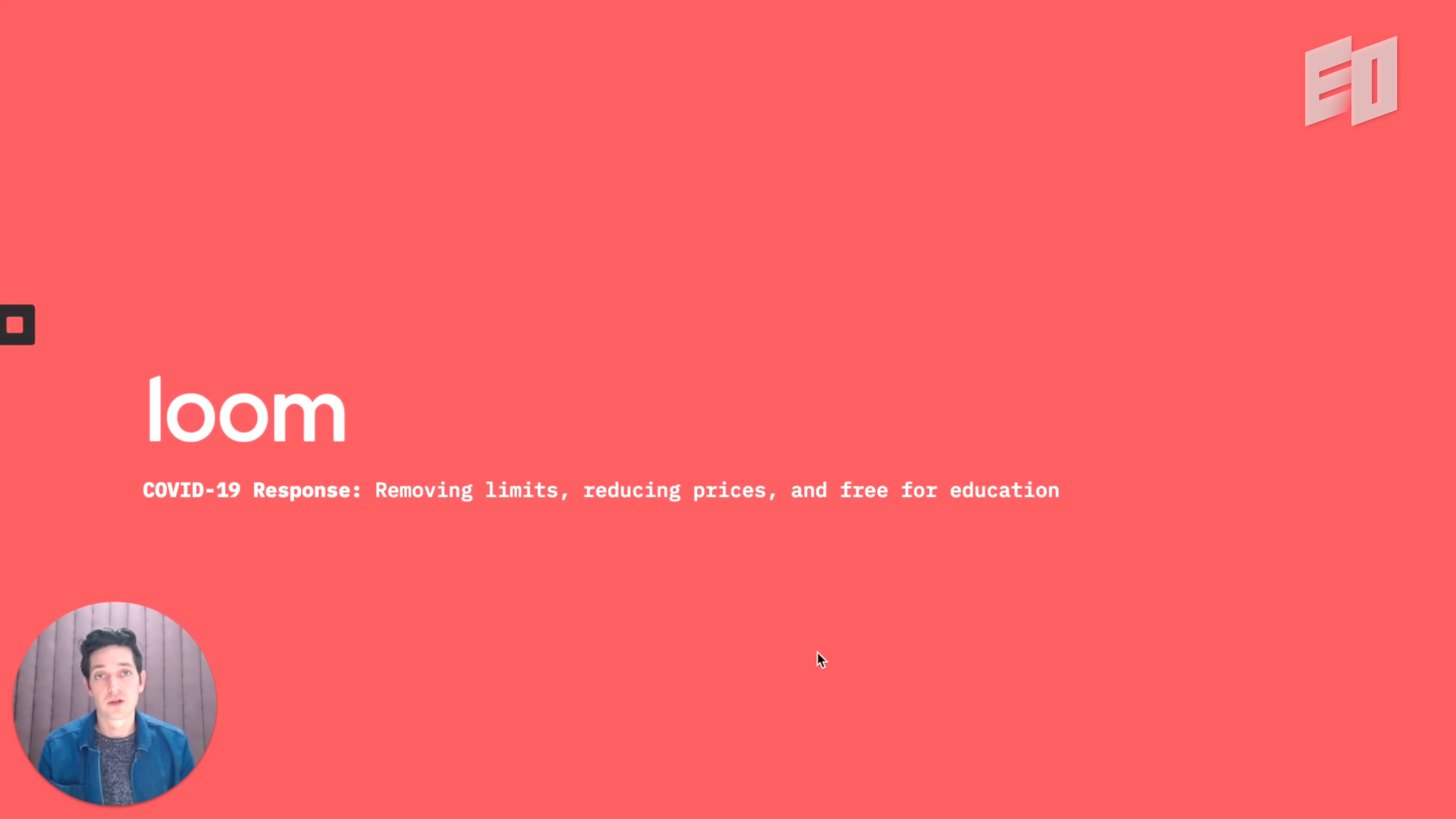
Hi there. My name is Joe. I'm one of the co-founders and CEO here at Loom, and in response to Covid 19, we are making some changes to the Loom platform.
The first one is that, effective immediately, our pricing structure is going to change for Loom Basic, which is our free offering, that will now be unlimited recording and sharing. For Loom Pro, we're extending the trial period from 14 to 30 days, as well as reducing the prices by 50%.
We're also making Loom Pro free for the education sector, for forever. These last six weeks have been an incredibly sobering experience, and we believe that it's far from over.Joe TomasCo-founder and CEO of Loom
I believe we're close to about 2.5 million users globally. And when COVID started, the world shut down, and people were forced to work from home.
So they were scrambling to find tools that would enable them to have that same rapport with their coworkers and be able to get the quality of work done that they did when they were face-to-face in an office. We basically made the product free for teachers because even schools and students had to hop online from home in the morning. So how do you grade papers? How do you have that rapport with your students the way you did in a classroom?
So teachers would start using Loom, but we didn't want to charge them. We made the product free for students, and we actually made the product free for K through 12. And then we had also delayed our monetization during Covid because we wanted to onboard these users and these people and these employees to Loom. We didn't want them to think about pricing and upgrading.
It just seemed like a weird time to introduce that, especially in a world where there's just fear of what's going on. So we made the product free. It had a net positive in the long term for the company. I would say that year was probably the most eye-opening year from a growth perspective for Loom, where we went from 2.5 million users in March of 2020 to 10 million by the end of the year.
Reflecting on the 8 Years of Journey
So when we started Loom, it was actually a result of two prior pivots that we did. But the general thesis still remains the same today. It's how do we allow people to communicate something that's rich in context to either a single individual, make it very personalized, or to a broad audience. When we started the company eight years ago, the notion of remote work was relatively new. There were maybe only 2 or 3 companies in Silicon Valley that were fully remote or fully distributed.
I think the biggest thing that we learned was we weren't really chasing this remote environment. Our thesis was, how do we bridge the gap of communication and do that through a rich medium. The other big wave that we rode was this product-led growth idea. It was that you build a product so great that it ends up compounding, where people want to share it with others so that they could also be efficient in the way they communicate.
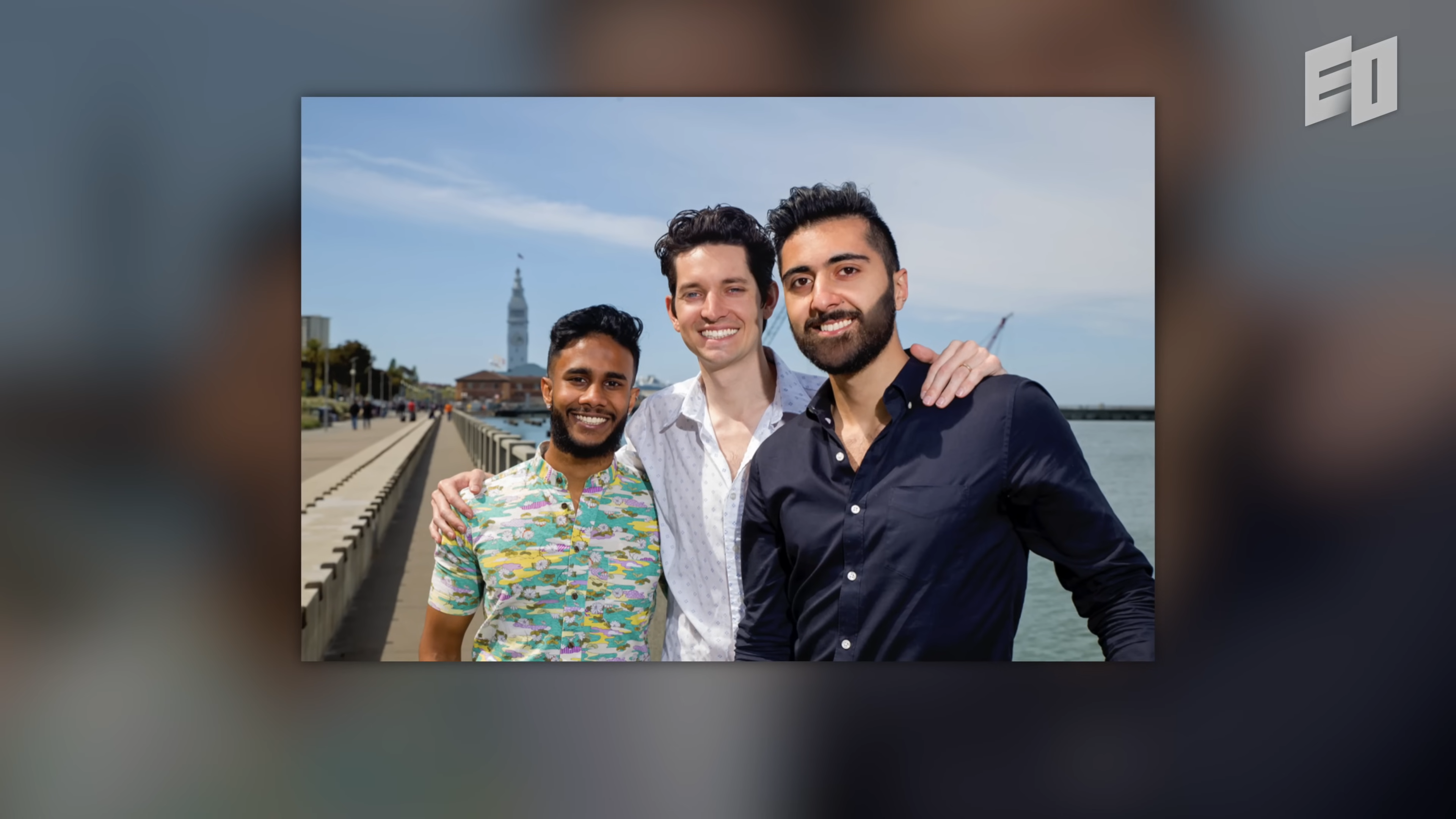
So I think those are probably the biggest takeaways. The journey is hard in and of itself. Find co-founders that you can work with, that you have a good rapport with. I think that made things a lot easier, that made the speed bumps less bumpy: when I'm down, Vinay would lift me up, or when Joe was down, I would lift him up.
There was never one moment where all three of us were just exhausted to the point where we wanted to quit. And the final takeaway from the pivots is it's too expensive to quit, because if you quit, you're never going to make it. But if you just reinvent yourself, eventually you'll figure out some path that will work. Loom had to reinvent itself twice before it could become Loom.
I've only hit my first ten years. This is my first decade. People in this industry have been here for many decades, and I hope to find my next journey beyond Loom. I'm really excited to explore new opportunities, new problems, and continue to give back to other founders. I try to do that through means of investing in startups, speaking at conferences, doing interviews like this.
What inspired me were videos of people speaking at TechCrunch Disrupt announcing the Thiel Fellowship. You just need one person to shine that light. For me, professionally, it's to find the next frontier, the next company that I want to build, but also to inspire many others that are coming after, to inspire many others that are coming after.