Nov 17, 2023
$400M-Worth Issue Tracker with No Marketing
Interview with Karri Saarinen, CEO of Linear
Founder Focused

💡
At a Glance
- Who: Karri Saarinen is the CEO and co-founder of Linear, having previously worked as a designer at Coinbase and Airbnb before starting Linear about four years before this interview; Cristina Cordova serves as Linear's COO, leading its customer experience and go-to-market team.
- What: Linear is a project management and issue-tracking tool built for software companies, using a local-first sync engine so every action feels instant, with customers including Vercel, Remote, and Replit.
- Traction: Linear has raised $52 million across its seed, Series A, and Series B rounds, serves thousands of customers from startups to public companies like Cash App, and has spent no more than $35,000 on marketing while growing profitably through organic word of mouth.
In this interview, Karri Saarinen and Cristina Cordova pull back the curtain on how Linear built a professional tool engineers actually want to use, why a $1-to-$20 pricing slider gave them the confidence to charge for the product, and how the customer experience team measures success without ever making customers talk to a human. Cordova also reveals the real cost of Linear's organic growth: no more than $35,000 on marketing.
Key Takeaways
Saarinen only started Linear after burning out on his first company
Saarinen founded the social bookmarking service Kippt, but says he didn't have a clear vision or business model and felt burned out afterward. He took design roles at Coinbase and Airbnb before starting Linear about four years before this interview.
Linear's local-first sync engine makes every action feel instant
When the team couldn't find an existing framework that suited them, Saarinen says they built their own sync engine so actions happen on the user's device first and sync to the cloud after. The result, he says, is that you never notice any lag.
A $1-to-$20 pricing slider proved people would pay for Linear
Before Linear had a billing system, Saarinen says the team let private beta users choose their own price on a slider, with some picking $1 and others $20 per seat. About 95% of beta customers subscribed in the first month with hardly any complaints about pricing.
Cordova says the customer team's real job is measuring when people need a human
Cordova says her customer experience team tracks whether they are reducing the number of people who reach out with problems while increasing the number who want to talk to sales about evaluating Linear formally. She frames both as inputs into product-led growth.
Linear spent under $35,000 on marketing and grew through word of mouth
Cordova says Linear's growth has been heavily organic, with customers telling other people about the product rather than the company advertising. She says this word of mouth built a strong brand and helped the company reach thousands of customers profitably.
Saarinen wants engineers and designers, not managers, shaping the product
Saarinen says Linear runs on an individual-contributor-focused culture with very few managers, because he believes giving the people actually building the product control and autonomy produces better results than layers of management.
Below is the complete transcription of the interview. Minor edits have been made for clarity and readability.
Introducing Karri and Cristina, Linear's leaders
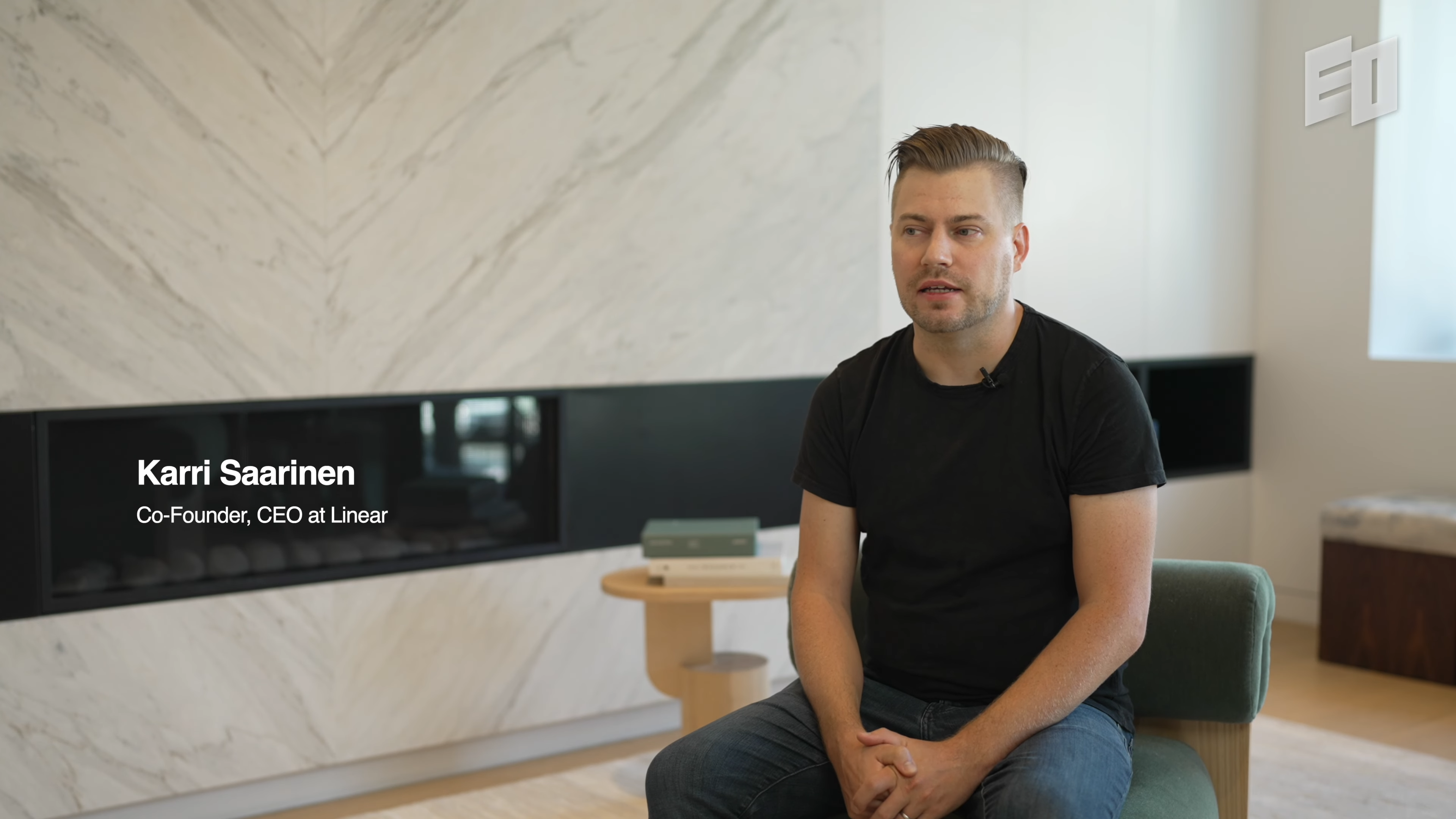
I'm Karri, I'm the CEO and co-founder of Linear. We help companies with their project management and issue-tracking needs, and we are primarily focused on helping software companies build software. We're now at Series B, so we've raised $52 million in total across the seed, Series A, and Series B rounds. We're growing fast, and we're now getting a lot of customers in the growth segment. Companies like Vercel, Remote, and Replit are some of our new customers.
Lost in Features

I grew up in Finland, and I started designing websites when I was sixteen. I wanted to make a website for our team, so I learned how to do that. I worked at an early-stage startup. Back then, fifteen years ago, there wasn't much about startups in Finland; people didn't even know the word. So we started the Arctic Startup blog, which is kind of like TechCrunch, focusing on the Nordics.
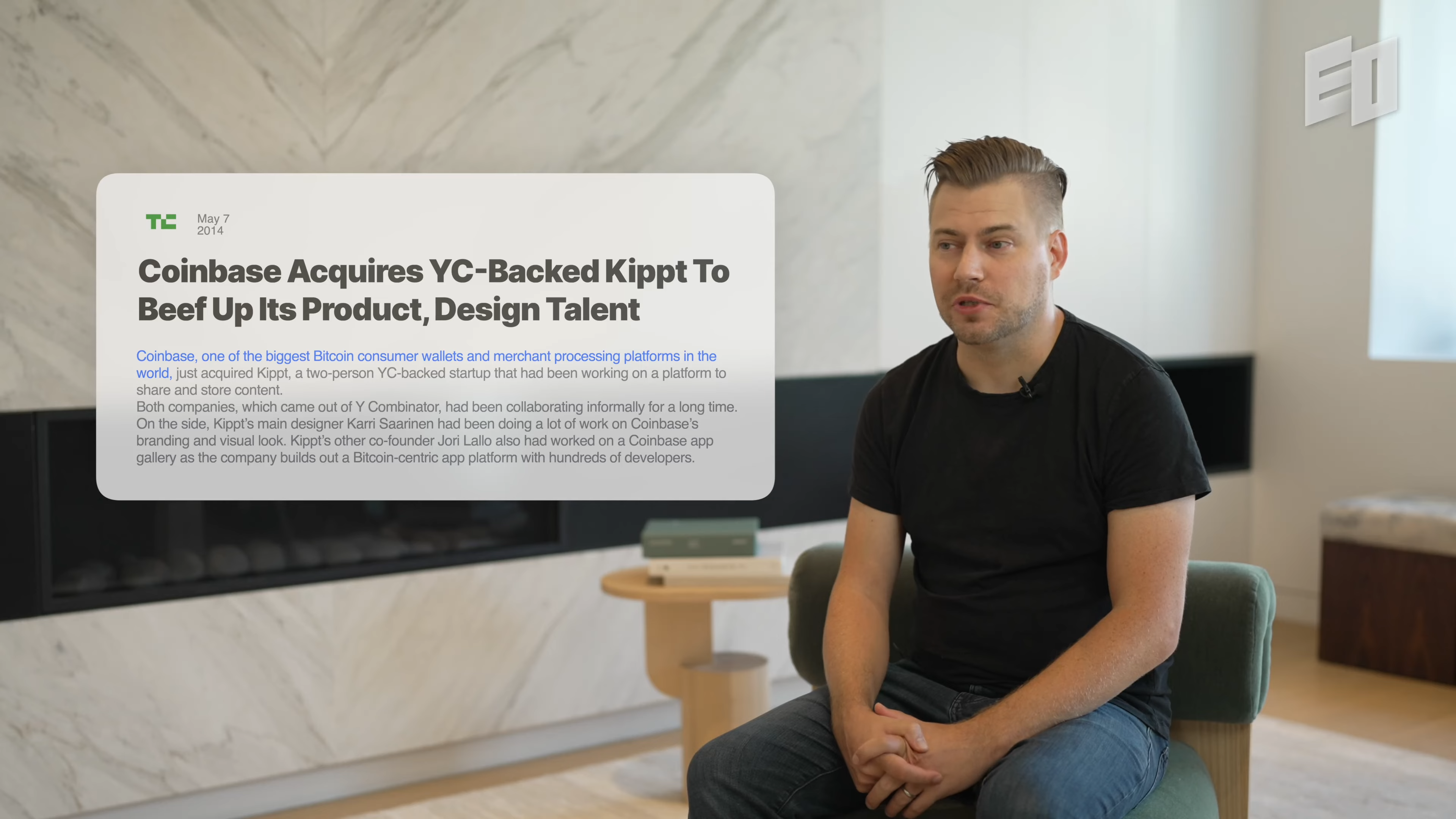
Then, about ten years ago, I moved to the States and had a startup called Kippt, a social bookmarking service. A lot of people used it in different ways: a teacher could use it with their class. There were so many different kinds of people using it. Sometimes that's great, but sometimes it also becomes really distracting. Making it slightly better for the teachers doesn't necessarily push the product forward, so I think focus, especially early on, is very important. You need a clear sense of who you're building this for.
We didn't have a clear vision, and we didn't understand what the business model was, how we were actually going to make money with this. We tried different things, but they didn't work out. After my first company, I was definitely feeling burned out from the startup founder experience, and I needed some time to just have a job and work on something like design. So I ended up joining Coinbase in 2014.
Crypto was a different space; most services back then were really hard to understand, hard to figure out what was even going on on the screen. Some of those designs were probably fine for the crypto enthusiasts who knew all the stuff, but it wasn't something that would work for most people. We tried to figure out how to make this simpler and more understandable. And then I went to Airbnb.
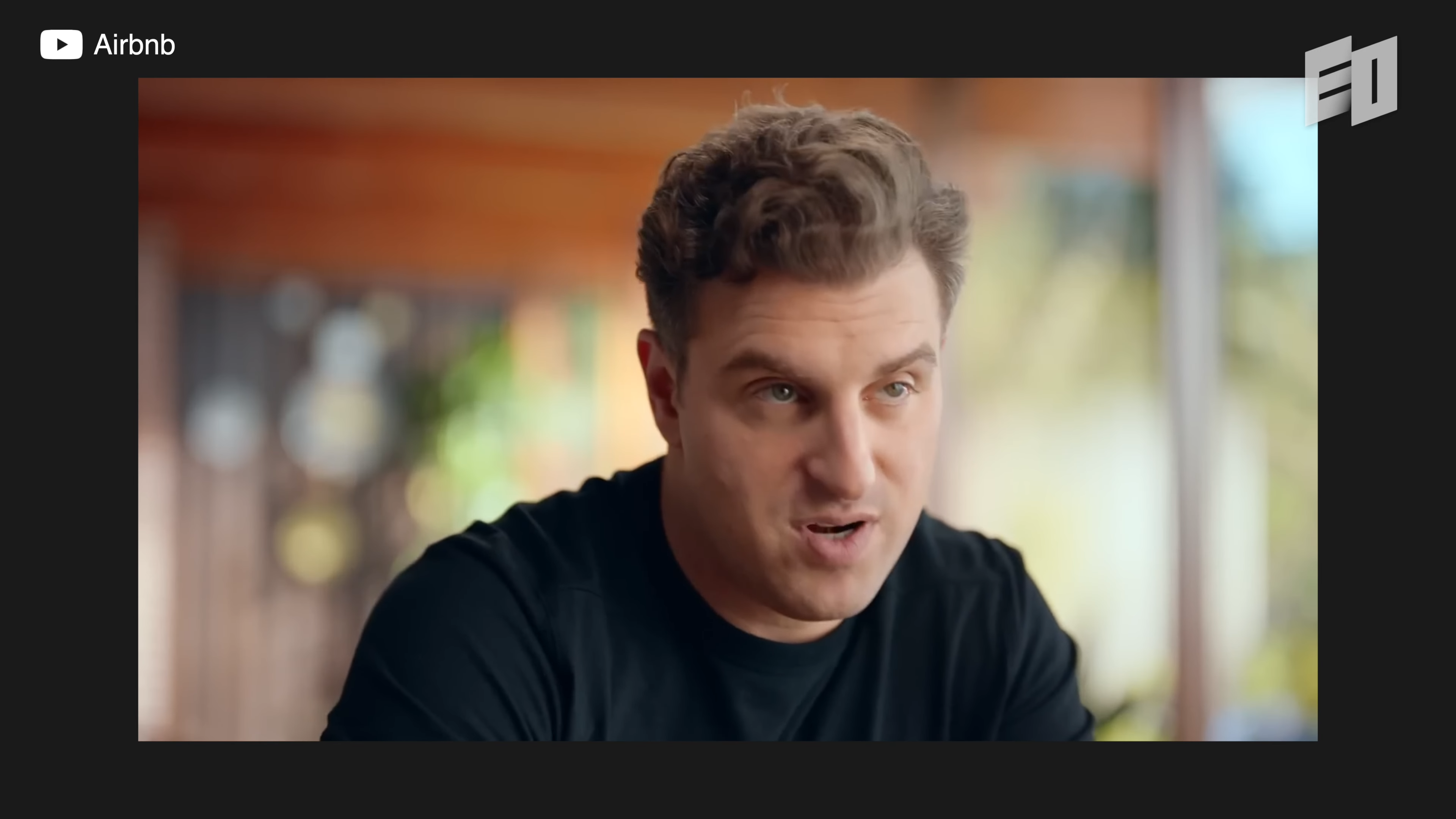
What I maybe learned most from Brian Chesky was how important the brand of Airbnb was. Airbnb, with all their storytelling and the years of work on the brand, and I think that happened because Brian really cared about it. He's a really good storyteller, and I think that's kind of rare, also in Silicon Valley; a lot of founders don't think that way, and they don't really understand what a brand means.
After four or five years, I started to feel that I really wanted to do something on my own, and I started Linear about four years ago.
Build for the Right Users
Building software can be a very complicated process, and there are different kinds of steps, and you also need to maintain all the software you've built so far. So what usually happens is that companies need some kind of system to manage the coordination of the work.
Companies need to fix existing bugs, and they also have to create new features, and I think the existing tools are kind of based on an outdated way of thinking. No one is happy about that experience. Working at Airbnb, I felt that too. I would use these tools and not really understand what was even going on. A lot of people shared that sentiment.
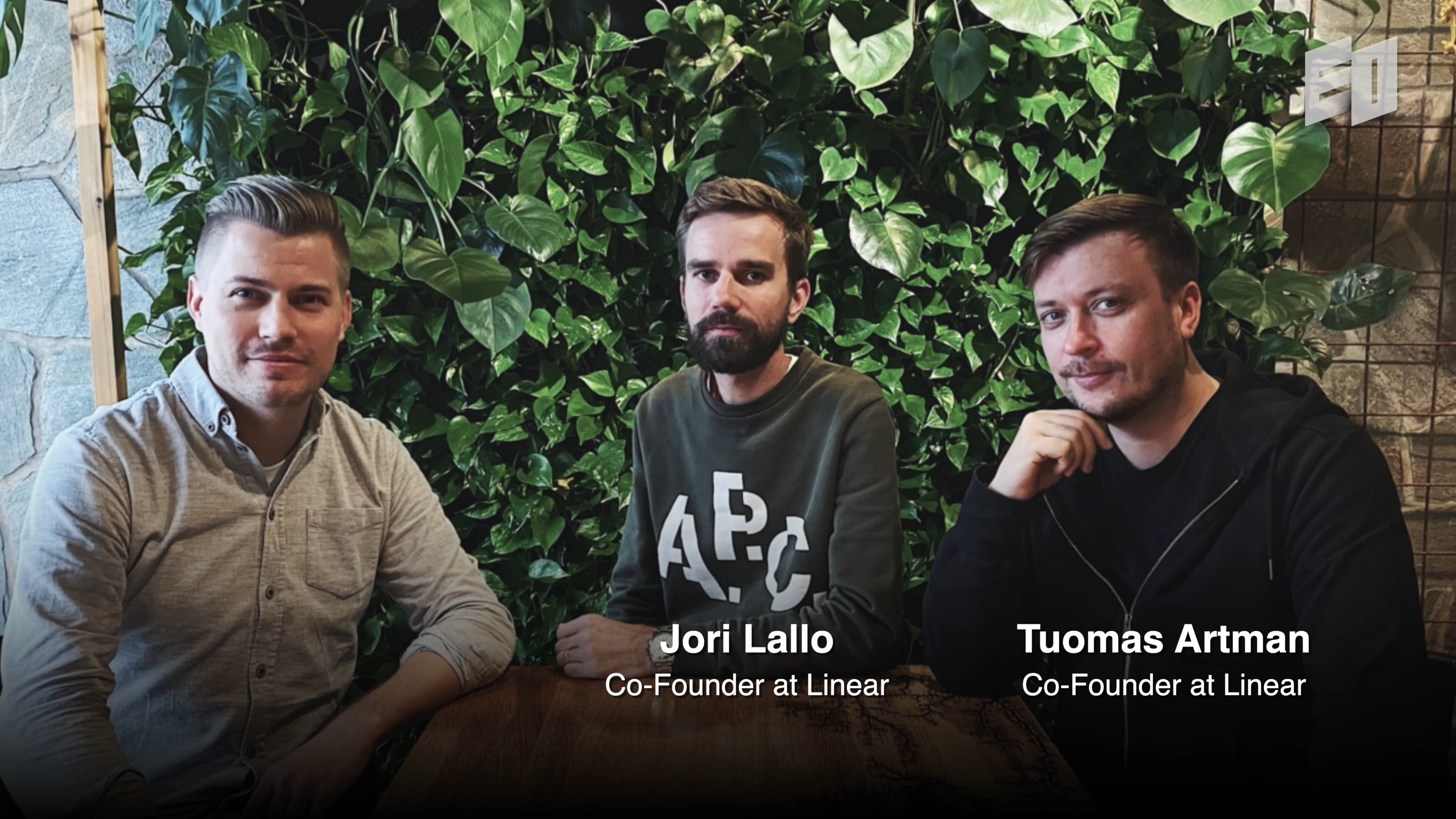
The three of us, Jori, Tuomas, and me, we all had that kind of feeling that something needed to be done. We had some ideas about how to do this better. We started interviewing people to ask what they thought was wrong with these systems and tools, what they disliked most about the existing tools, how slow they were.

Especially our co-founder Tuomas, he's very good at technical architecture, and he started thinking about this problem: how do we do it? He started prototyping different systems. Could we use existing services, could we use existing frameworks to do this? But actually, at the time, there was nothing that really suited us, so we ended up building our own sync engine.
The whole application is built more on a local-first architecture, which means that all the actions you take in the product happen on the user's device first, and then they get synced into the cloud. It means every action you take is instant. You don't notice any kind of lag when you're doing it; you're not interrupted by waiting for something.
I started exploring the UI. We had several different directions or thoughts about which way we could build this UI. It needed to be a professional tool, more of an application than a website. A lot of existing tools are much more built with a website type of mindset, which means they don't really feel like professional applications where you can easily move things around; it's more dense, and you see more information at once. Those were some of the first steps we did.
Eventually we started building the prototype and continued building from there. You need a place where you can put in things that need to be done or fixed, and then you assign them between different teams or people. We try to optimize for streamlining things, making things simpler. Why we do that is because we think people should be spending more time and energy actually building things.
The goal of the first MVP is we just need to have a basic functionality that we can do: we just need to be able to put tasks or issues into the application, see them, and then move them around. The second MVP was, okay, now we can use it ourselves; we should get to a state where someone else can use the features we really need for someone to try it out other than ourselves.
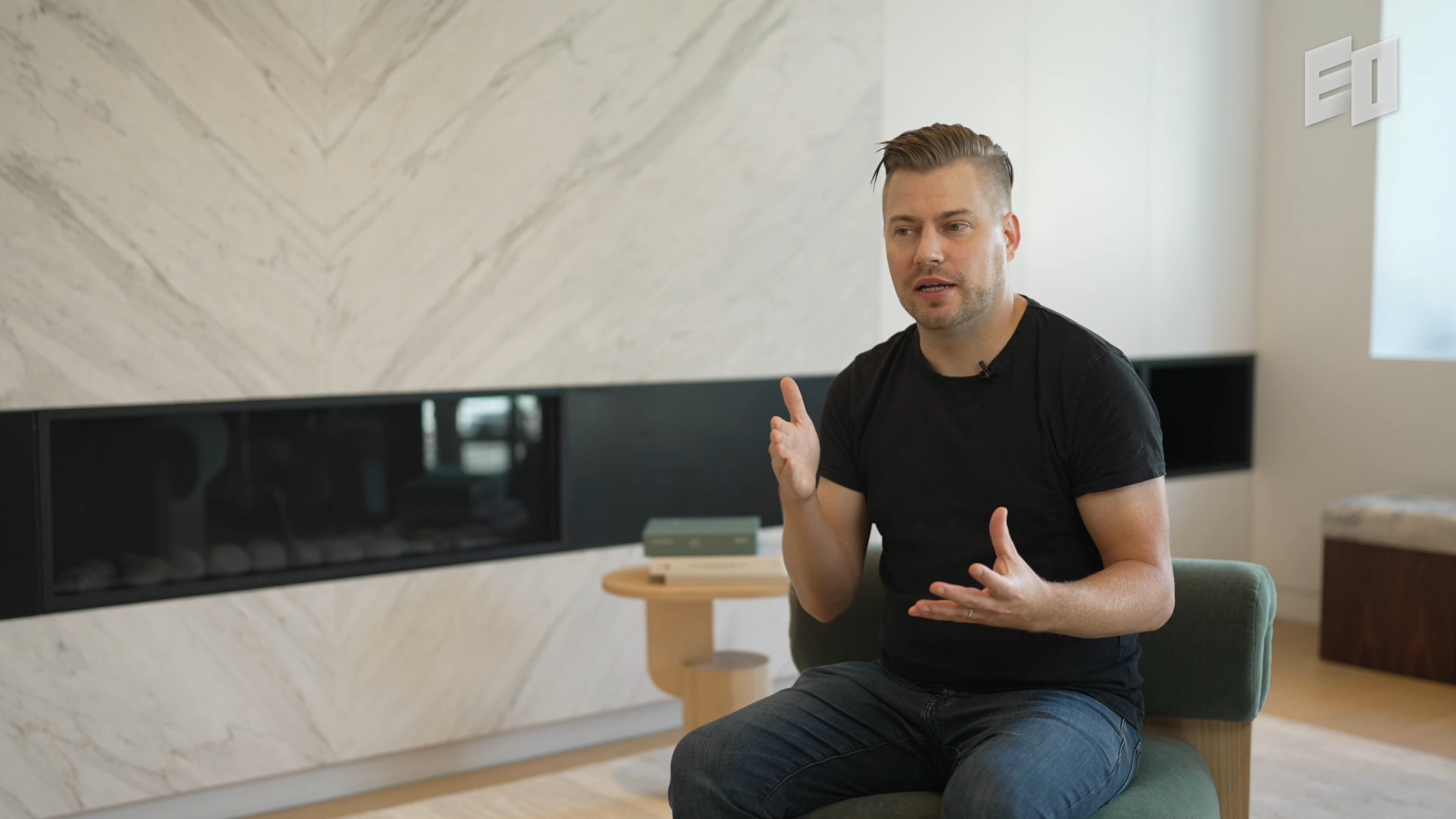
One of the founders was a designer, and I think it's a very powerful thing to have a designer early on, because then even your MVP can be somewhat good, something that people will pay attention to.
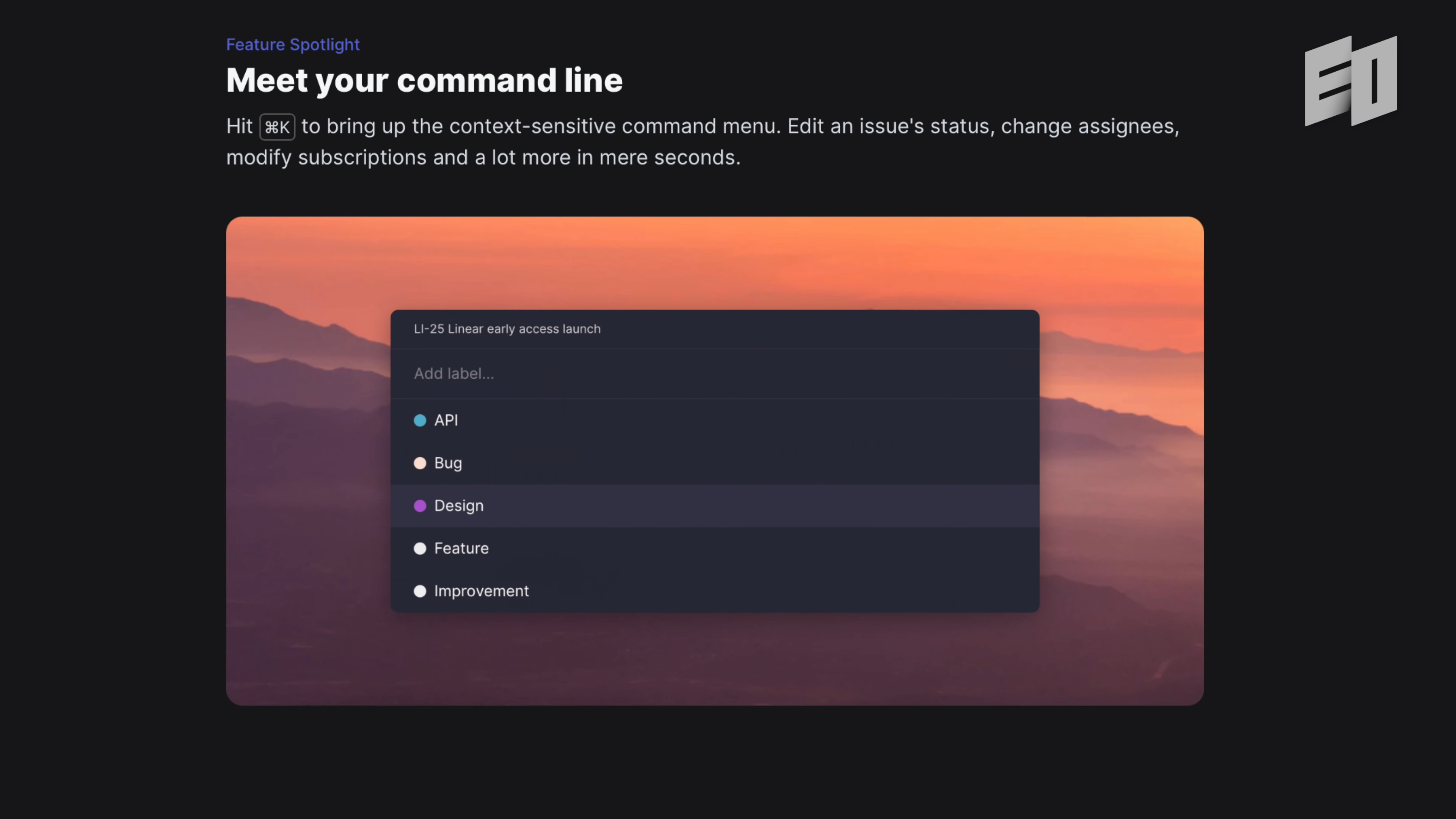
So we launched Linear on Product Hunt. We had a very simple website which just had a dark screenshot of the app, and then we just had an email field for people to sign up on a waitlist. We used that waitlist to find the right kind of users, the early users, because we knew the software wouldn't work for all kinds of companies.
We got 2,000 people signing up on the waitlist in the first month, and then basically every week we invited some amount of people. I would email them personally: here's your invite, let me know if there's any feedback. Ten people would give us feedback, then we'd fix the things they complained about, then invite the next batch of people, and they'd find some other problems.
We spent about a year in this private beta, fixing problems that people were telling us about. In the private beta, we didn't have the billing system yet, so to test it out, we just added a slider where people could choose the price they wanted to pay for the product.
It was interesting to see that some people chose like $1 and some people chose like $20 per seat. It also gave us a little bit of confidence: people are actually willing to pay for this. I think probably 95% of the beta customers subscribed in the first month, which felt good, and there were hardly any complaints about the pricing or the plans.

By the time we launched, it was already in a pretty good state, and we were confident that anyone could use it. It started growing very fast once we opened it up to people. When we announced it with tweets and blog posts, it resonated very well with the audience because it addressed things everyone was already thinking about.
It also showed us how much demand there is for this, that people are really starving for something new in the space. We built Linear more for the post-agile world. What we saw, for example at Airbnb, is that teams worked differently, so with Linear we tried to build workflows into the app. We really wanted to focus on the actual end user experience.
Cristina Cordova (COO of Linear): There are customers who want to use our product, maybe sign up for it, but aren't exactly sure if it's the right fit for their team, so they want to talk to a human being. If they have a problem with the product, if it's not working to their expectations, they want to talk to a human being.
On our customer experience team, we aim to help drive product-led growth, and there are a lot of metrics I think about in relation to that: are we driving down the number of times people have to reach out to us because they have a problem? Are we increasing the number of people who want to reach out to us because they want to have a conversation with the sales team, because they want to evaluate Linear in a more formal way?
Those are the kinds of metrics I think about, because in a product-led growth business, all of those are really inputs into what ends up being happy customers using the product.
Karri: To me, these kinds of products are often about communication and coordination within the company, and that only happens if people use the product frequently. What happens with some of these other tools is that they're built with other priorities in mind: maybe they have a lot of features, or a lot of complicated things, because someone in the organization wanted those things.
But what happens is it makes the whole product experience very complicated, which then leads to people not using the tool. Especially engineers avoid using the tool, and in the end, they're the ones who know if the work happened or not; they're like the source of truth in that way. If the engineers don't use the tool, it's not really helping the company in a lot of ways.
Cristina: Anything else can feel like a distraction: something that pulls you away from your customers, something that pulls you away from building a great product. When we think about building products, I think a lot of people look to Karri and understand how impressive he is. As a designer, as a product thinker, he understands the customer incredibly well; he understands what they want to see. In many ways, we really focused on
Karri: is how do we make this experience as frictionless as possible, especially to the engineers, but the other people in the company as well, so that they're more likely to use it, and use it more frequently.
From testimonials to Triumph

Cristina: We've spent no more than $35,000 on marketing, and when you look at the growth of the business, it's all been heavily organic: people just telling other people how great the product is, and those people then sign up for it. I think when you have that kind of word of mouth, it starts to build a really strong brand.
From there we have a really fantastic business. We have thousands of customers, from startups to public companies: Cash App, Remote, Vercel. I think it's really impressive to build a business that is so beloved by customers, with a strong brand, and profitable so early in its lifetime.
The next challenge for us is enabling that product to reach as many people as possible. There are a lot of people who have never heard of Linear, all around the world, who are building software, building products. We want to build a go-to-market organization that reaches those customers, helps them understand what value Linear can bring to them, and helps them build successful products.
Karri: We want to be the system of building products. What that means is that when you're building software or other products, there are different kinds of steps that need to happen in order to build it. Usually you need to first understand what you want to even build, what problems you want to solve, and then you need to plan it out, how you're actually going to go about it, and what the priority of these things is.
And then eventually you get to the build stage, where you actually start building the project or the feature. What we want to expand Linear into is more of how we help companies with the planning and discovery part, because today we help companies more with the build part, the execution. Once you know what you want to build, we help the companies and teams do that, but we think there's also an opportunity to help them more with the planning and discovery as well.
Essentialism at Its Core
Karri: I think we have a very individual-contributor-focused culture, which means that instead of having lots of managers and layers of management, we might have maybe one person with a manager title in the company. We expect much more that people actually do things, fix problems. What we believe in is that it's much more powerful to have the designers or engineers try to shape the product and think about what features would work.
When you're actually building something, you see a lot of opportunities for how it could be better; when you're building it, you can see this way is better, or maybe this whole direction is wrong because it doesn't actually feel good or work that way. When you give that kind of control or autonomy to the team actually building it, I think the results can be much better.
On my first company, I might take meetings with VCs because they would reach out to me, or I'd reach out to them, all the time. That can be kind of distracting, and it doesn't necessarily lead to anything, because there isn't enough momentum. If you're not raising, then usually those conversations don't really go anywhere.
It's better to just talk to investors when you're actually thinking about fundraising, and then try to talk to many investors at once, so you can create some level of momentum. Don't try to do it all the time, because it's also distracting and takes time away from actually building the product, or talking to users, which is more important.
Sometimes there are all kinds of ideas, like, yeah, we should do this, or people might say you need to think about your accounting or your legal things. Those things are important, but a lot of things can be done later. Whenever you think about doing something, you should ask yourself: do we really need to do this now? Could we do this later?
If it doesn't advance the product, or get you more customers or users, then it's probably something you can avoid or put off longer. Almost all of this advice comes down to focus and prioritization of what's actually important to do right now.
When you start a company or a startup, you always have to think: is this the type of problem I want to spend ten years on, and do I enjoy this problem? Do I have some kind of insight into it? Because then it makes a lot of things easier. If you think about your future life, it's probably that you want to work on something that interests you; you need to build a product that someone can use, and then you need to find the people who will use it.
Almost nothing else really matters, especially in the beginning. You don't have to think about the organization, or fundraising, or all kinds of business things, and you shouldn't necessarily go to conferences or networking things all the time. I think what really matters is that you build something that people want, and that's what you should focus on.