Apr 16, 2024
How Our Company Is Growing 4X ANNUALLY
Interview with Liam J.E Gerada, Co-founder of Krepling
Founder Focused


💡
At a Glance
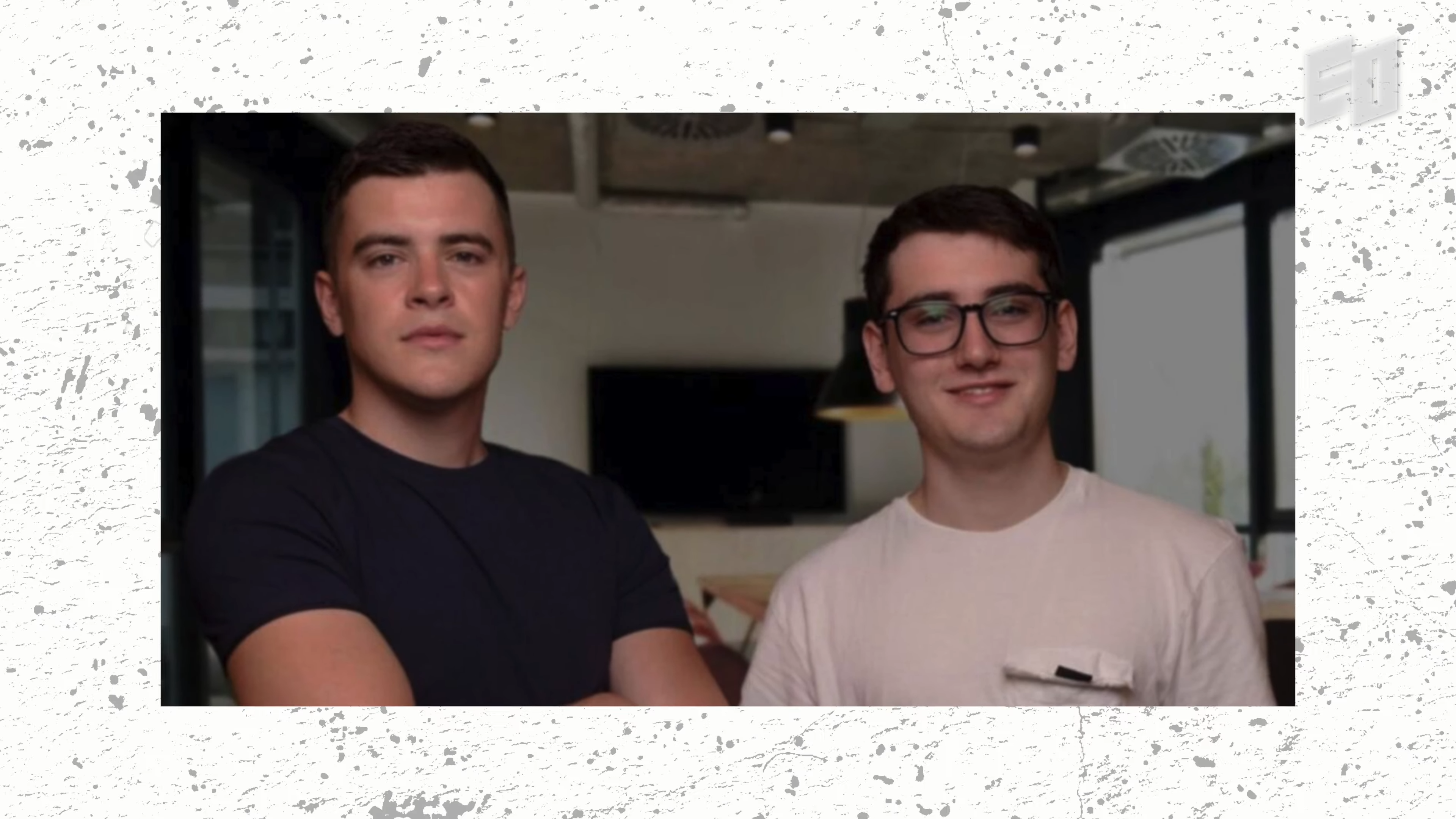
- Who: Liam Gerada, 24, is co-founder and CEO of Krepling. He built the company with his brother Travis after growing up in Malta.
- What: Krepling is a composable, no-code e-commerce platform. It brings merchants' disconnected tools and integrations together into one infrastructure layer, without writing a line of code.
- Traction: Krepling is growing around 4x year over year, with merchants across every continent.
In this conversation, Liam Gerada breaks down his career journey and insights. Liam is the co-founder and CEO of Krepling. We uncover his remarkable journey from teenage entrepreneur to leading a cutting-edge e-commerce platform. Krepling's AI-driven solution empowers brands to thrive in the digital marketplace without coding, a vision born from Liam's experience founding The Kingsfare at just 17. Discover how Liam's entrepreneurial spirit and innovative mindset are reshaping e-commerce, offering accessible solutions for businesses to succeed online. Don't miss this inspiring conversation!
Key Takeaways:
Generous Credit Terms Can Quietly Kill a Business
Liam's first startup let sneaker buyers pay nothing upfront and settle over years, and almost no one ever paid: they just resold the shoes and vanished. A business model only survives if the customer's incentive actually points toward paying you back.
Charging Customers Reveals Who Your Real Customers Are
The moment Krepling started charging, 65% of its free users churned instantly. Liam treats that collapse as proof those users liked getting something for free rather than the product itself, and it forced the team to rebuild pricing from scratch.
Why Krepling Refused to Copy the Competition
Existing tools like Shopify, Magento, and AWS each solved a piece of the e-commerce problem, but none combined no-code infrastructure with deep integrations. Building from scratch cost more, but it was the only way to own ground nobody else occupied.
What Turns a Small Bottleneck Into a New Company?
Krepling didn't start as a grand vision: it grew out of solving one problem after another, from a sneaker resale gap to an integration headache to a full infrastructure platform. Liam's advice is to treat each solved bottleneck as the seed of the next business.
The Founder Reality Check: Building a Company Isn't About the Money
Liam warns that startup culture glamorizes founding a company when the real experience is closer to obsession than strategy. You keep going because you've decided you're doing it no matter what, not because the math already works.
A Narrow Product Beats a Hundred Integrations
Rather than shipping with hundreds of integrations like larger competitors, Krepling focused only on the tools it knew merchants actually used and perfected those first. Depth on a few integrations built more trust than breadth across many half-working ones.
Watch the full interview now on EO's YouTube channel! Below is the complete transcription of the interview. Minor edits have been made for clarity and readability.
Introducing Liam Gerada, Co-founder and CEO of Krepling
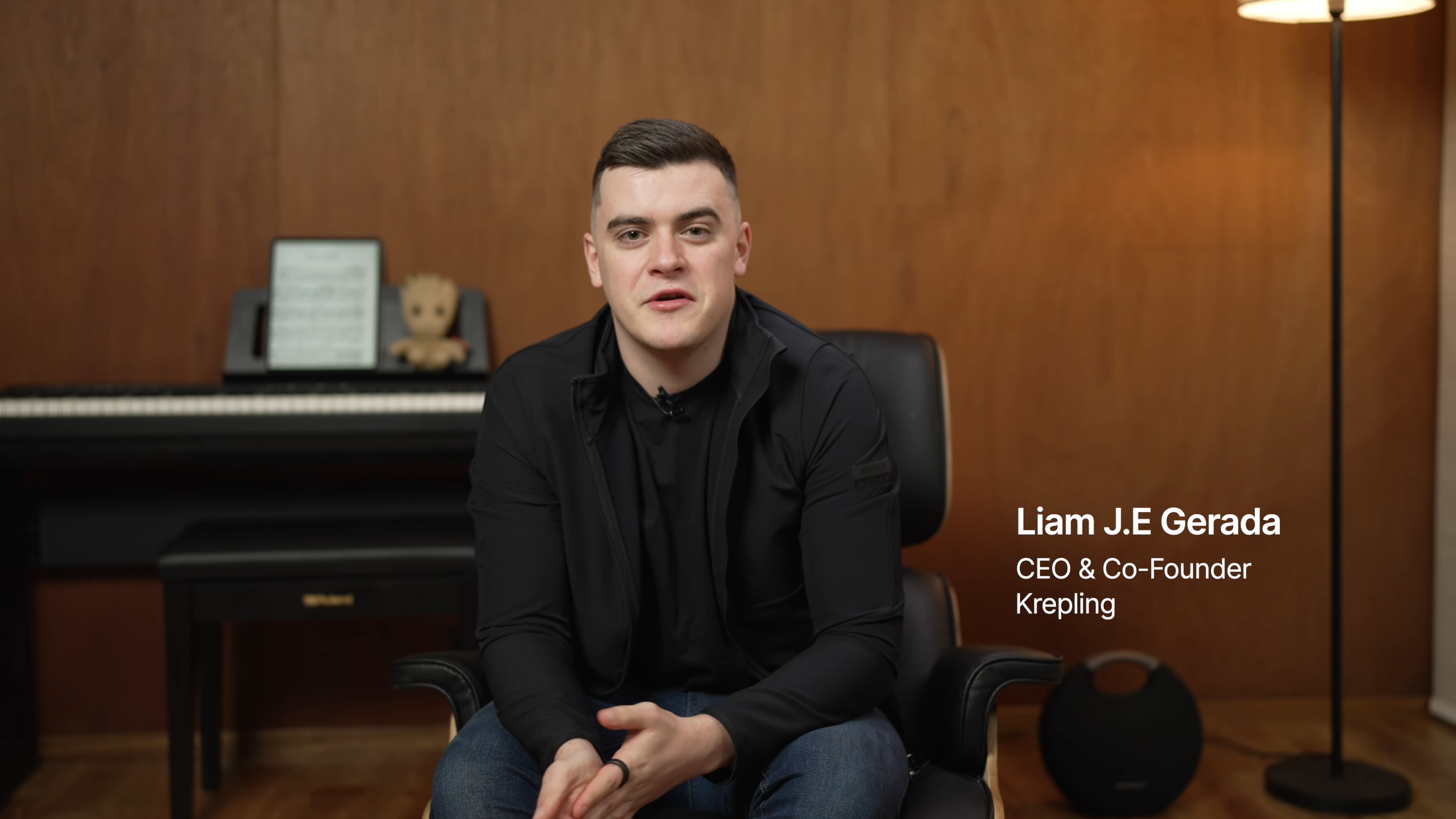
My name is Liam Gerada. I'm the co-founder and CEO of Krepling. Krepling, in its simplest form, is a composable, no-code e-commerce platform. In a world where integrations, tools, and different front ends are often very disconnected, Krepling essentially is that infrastructure layer that brings everything together without having to write a single line of code. So we're growing around 4x year over year. We have merchants on all continents now, which is mad. We cater towards merchants who are business owners and entrepreneurs, and Krepling essentially is the product that they need to build out this infrastructure.
Guy who gave up a scholarship
Liam's Instagram Page

I'm 24 years old, definitely the younger side. My dad is from Malta. My mom is from the UK. They both grew up in South Africa, had my brother and myself. We then immigrated to an island called Malta. Malta is a tremendous place. It's got such a culture there where a young person growing up, you kind of are free to explore different elements of your childhood, whether you're getting up to mischief, going out, whether you're just figuring out what type of things you like, and that's just a great environment, I think, to build something or to experiment, whether it's music, whether it's startup culture, whether it's just trying out new things. Malta is a really great place to experiment and really find yourself.
Obviously, Malta is not very Silicon Valley, so you're kind of away from the noise. You're not really in a world where you kind of see what's going on. So when we moved over to the US when I was around 16, 17, at the time I was studying sciences at high school: chemistry, biology, and physics, which I absolutely hated. I dodged homework a lot. I preferred to spend my time hanging out with friends, doing video games. That was my thing. I wasn't really into the whole study thing. And I think at a young age, you never really know what you enjoy until it's too late. That's probably the reason why I wasn't good at studying. I was doing shit I didn't like to do.
I'm a big fight fan. I love boxing, UFC, mixed martial arts. I launched a few Instagram pages at the time, and we actually got a couple of followers who were from the UFC, some fighters, which was pretty cool. I was out building a couple of Instagram pages at the time. Travis is my brother, so we've always been together.
Disrupting the Current Sneaker Market
He was saving for a pair of shoes and he ended up buying this really cool pair of Jordans. I remember asking him how much it cost, and I was like, $400, which is just crazy for a pair of shoes. And then when we started looking at the retail price, we found out those shoes actually go for like $230. This is kind of where we discovered that there really was a gap between those who are sneaker enthusiasts and those who are essentially just resellers looking to buy shoes and sell them at a higher price, and those who just want to buy those shoes to wear them.
This was the first time we got together and said, look, let's actually try to solve a real problem. We got together and we built a consignment marketplace. What if we take a shoe, sell it minus the 20, 60, or 80% resale price, essentially cut out the reseller, and sell it at a price that makes sense to people who just want the shoes to have the shoes.
The Reason why Liam's Sneaker Company Failed
The biggest problem we found with our target audience was we were after people who wanted cheap sneakers. We found a way that we could give people the ability to pay on credit for these sneakers. You could buy a sneaker and pay, let's say, nothing up front, get the sneaker, and pay it off within five years. We launched the whole thing, and I think for every purchase we had, almost no one would pay off the sneaker. People would purchase it for nothing, get the sneaker, and sell it, which is what resellers tend to do. We'd chase them and say, look, hey, you're about five months out from your full payment, what's the deal? And they'd say, no, we've sold the sneaker, we've moved on, or they'd just never respond.
This was a very low-margin business. I'm sure a couple of customers benefited from that. That could have really killed us had it gone further. We had about 15 orders on that, some customers didn't pay at all. We wouldn't have been able to sell that business. We would have, we'd have gone out for sure.
I think when I went to college, I started to pick accounting and economics, maybe to focus on the business side. Right after I sold the previous business, I actually was able to use that leverage to get a scholarship. I always had said, look, I was doing that, but I'm thinking of dropping out, knowing wholeheartedly I am not going to be finishing this degree. I am going into the startup. I'm doing it full time.
Attracting customers with a ugly website
Problems and Solutions in E-commerce
When we were doing the sneaker business, we had seen what was going on with Shopify, with the app marketplace. The average merchant is using MailChimp for email, using HubSpot to track those emails, using about two or three third-party tools to send out custom invoicing. All in all, you have about four tools they're using for emails. What if you could just bring that down to one or two?
So our approach was, instead of shipping with hundreds of integrations available, we focus on integrations we knew merchants were going to use and perfected that. From the early days, we surveyed that most merchants at the mid-market category and the entrepreneur category are not developers. That's not to say some merchants don't grow towards being more developer-focused. That's okay. But merchants shouldn't be pushed into this idea where, because we're now too big, we have to become developers. So by being a no-code native solution, you're essentially giving different departments of the organization the ability to contribute at levels they previously never could. And we just hypothesized there had to be a better way, a better solution to help merchants navigate the chasm of building infrastructure.
Attracting Users with an Ugly Website
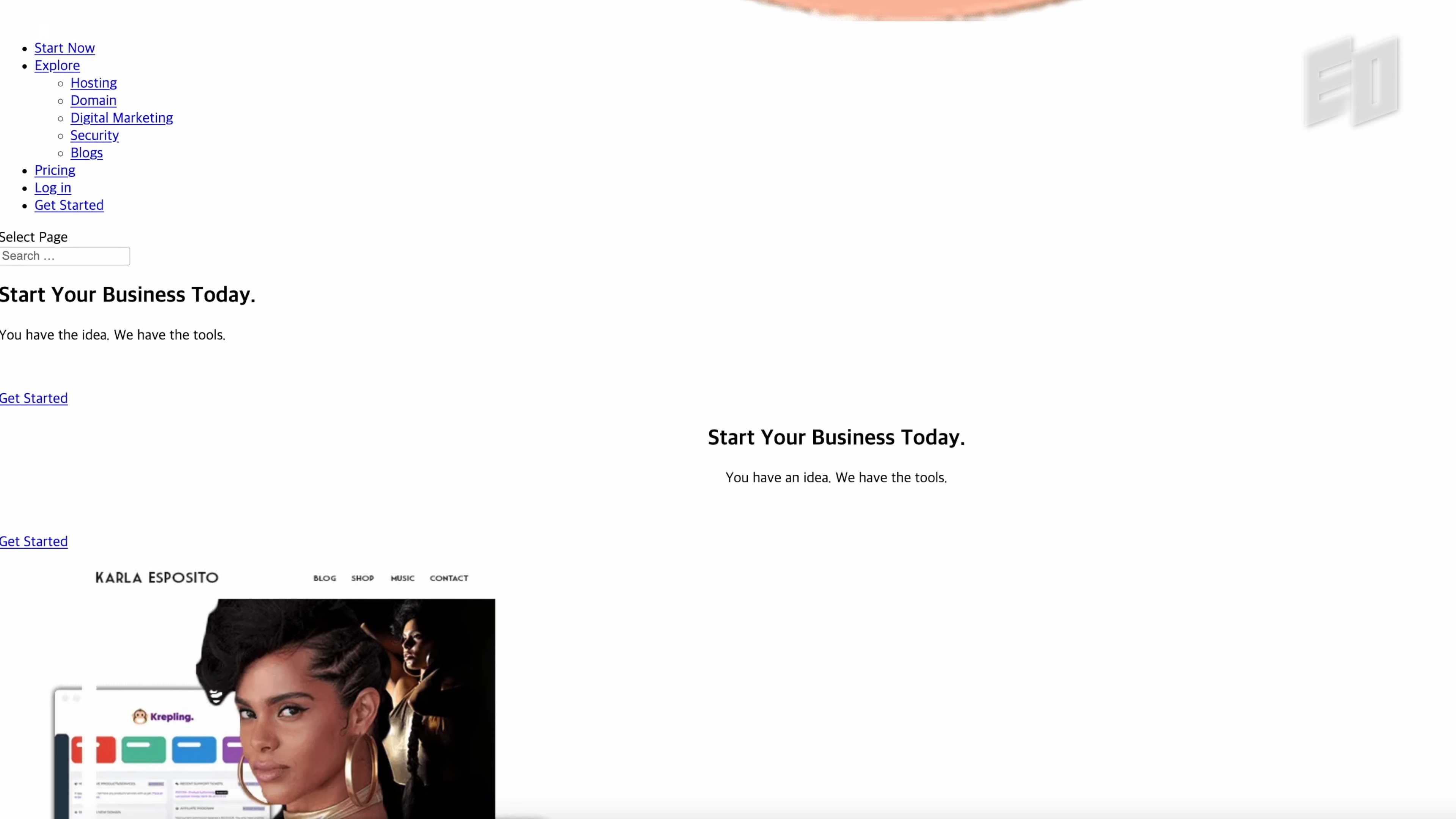
The product was a mess. I was not happy with it. We weren't technical, so there was no way we could make it look great. But we wanted to prove a concept first. One, that an infrastructure platform can make sense. Two, that it can be no-code. And three, that merchants want to see this. And that was all we were focused on.
We reached out to about 200 customers, merchants that we knew. These weren't just cold emails. These were guys we knew that we'd expect to give us a call back. A few responded to us. So the first five merchants we went to, we said, look, ignore how bad this looks. Once you've tried it out, let us pitch you what the vision is. And I think that was how we approached the first five or ten customers. We gave it to them for free. And then after that free week, we said, look, before you give us feedback, let me tell you what we're thinking with this.
We shipped this really bad product. Let them try it. They could see what it's like to build out different integrations under one hub. They could see what it's like to run a detailed workflow that combines your MailChimp, your PayPal, your data from your e-commerce store. They got a feel for what it's like to actually have a centralized system that has all the integrations in one piece, that communicates with each other, and what it's like to build that in no-code, in real time. And then we'd say to them, look, here's what we're thinking. And that's kind of when the ball dropped for those customers who were like, wow, I can see where this can go. But I don't think they would have gotten it unless they tried it first. Then they'd come to us and say, well, what about this? We really found benefit in using this kind of workflow, or this kind of management system. So the customers kind of helped us build the first product without us realizing it.
Intense Pitching
I think at the beginning, it's easy to be customer-obsessed because you have so few customers. What's difficult is how can you maintain that level of customer obsession when you have triple or 4x the amount of customers? And that's not easy. And I think what we kept simple was, every customer we had, or every large customer that we felt is going to be impactful to the vision and the mission, that's going to contribute a significant amount of our revenue, I would spend my own time and hours getting to know that customer.
Krepling wasn't something we could mimic. Something like that already existed. There was AWS, which did a lot for the SaaS world of infrastructure. Shopify was a great front-end tool. There was Magento and WooCommerce, which made a lot of noise. But in terms of a pure infrastructure tool that wasn't developer-driven, that was no-code focused, that allowed integrations to play a part in a more centralized system, there wasn't something like that we could mimic. We'd have to build a lot of it from scratch, which means a lot of money is going to have to be burned building this.
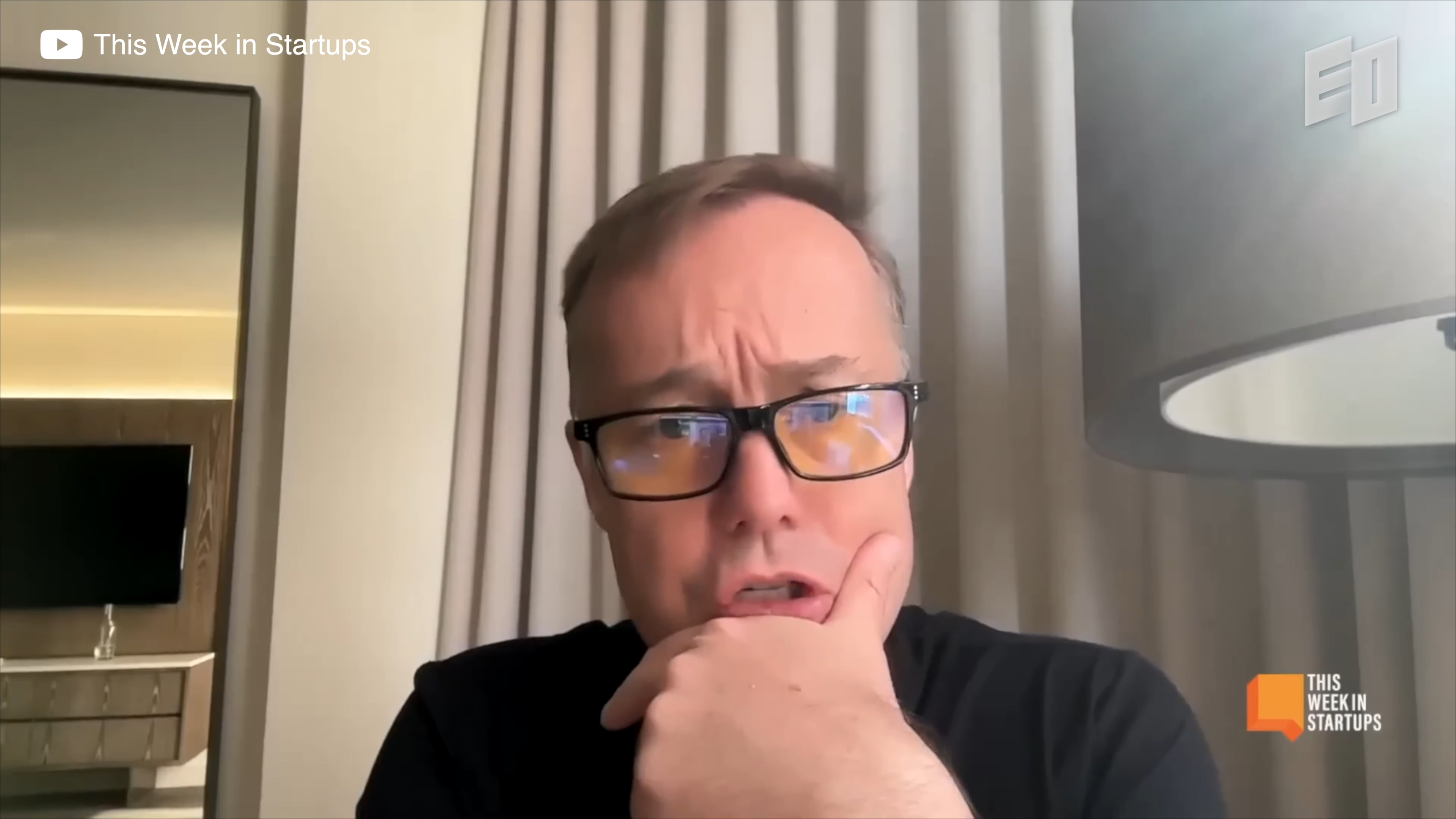
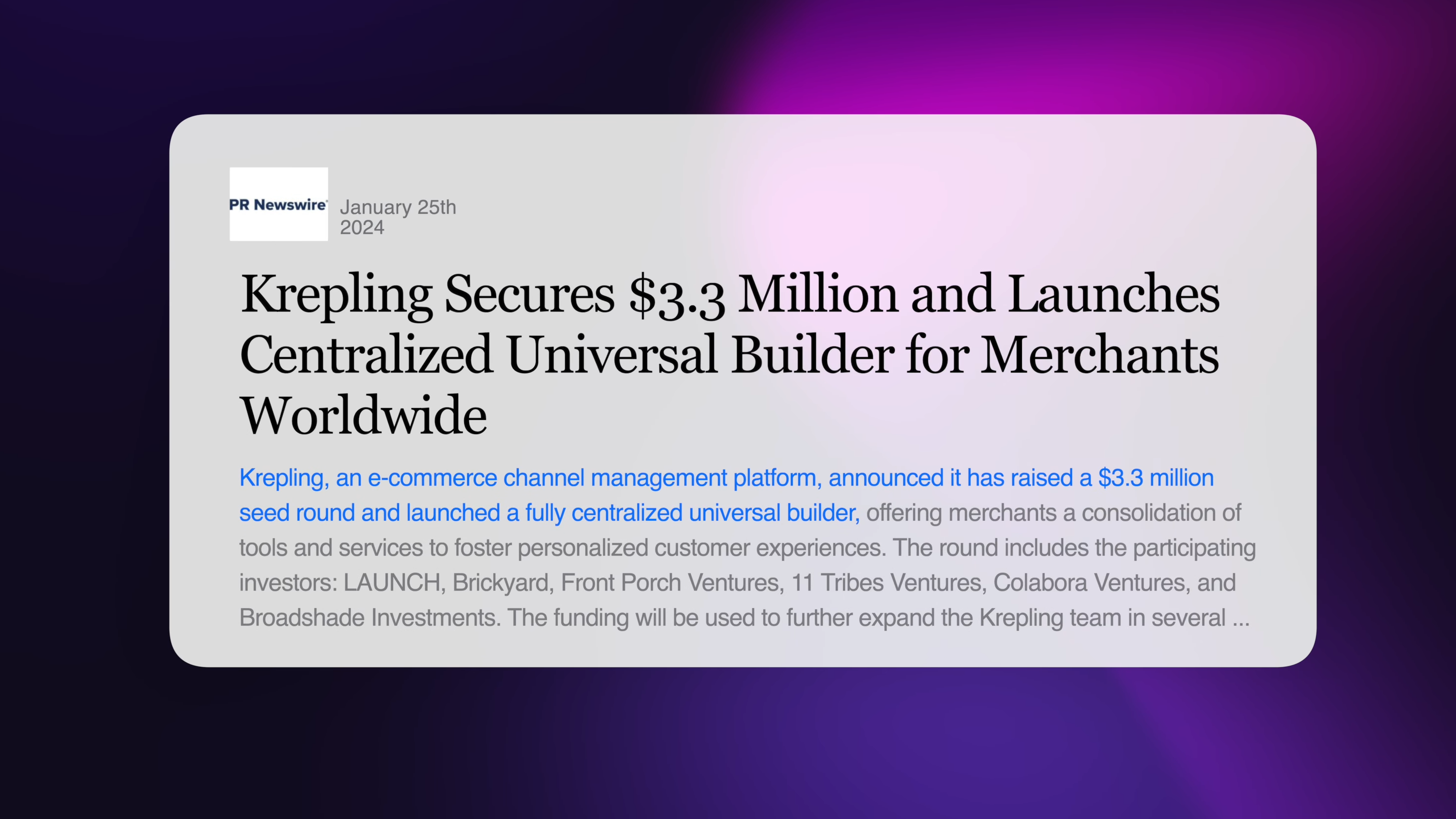
We knew nothing about raising money, but our pre-seed started off. We got introduced to the team at LAUNCH, and Jason Calacanis, who at the time I got to know through YouTube videos. I watched his channel to understand what it's like to build a startup, so I kind of knew who he was. His team reached out to us. It was pretty intense, and I remember preparing all night for this call. I got on the call, went ahead, did the pitch, and I think he said about two sentences. He said, tell us about your business. I went through about a five, ten minute pitch. The second sentence was, thank you for telling us about your business. There was an end of call.
I spent the whole week just thinking what I could have done different. What could I have done better? A week later, I got an email saying they'd love to make an investment of $100,000, which was insane. I think from that point onwards we really got keen on the realm of raising capital. From then on we built out a better looking product.
Strategy to Scale Customer Obsession
When we got to fundraising, I focused solely on fundraising and removed all connection with customers. We let the product be completely free for the first year. The second we turned this into a paid product, we lost, I think, 65% of our customers churned. People love the product. They don't want to pay for the solution. It's just good enough to be free. And that is another challenge. Now it's, okay, how do we make this actually worth customers going into their pocket and paying for this?
Instead of this idea of, okay, let's make it free for longer, gain more exposure, we decided to do the opposite. We said, now we're not going to accept any free customers. Let's start again from scratch. Any customer comes to us now, we're going to make them pay for it. Let them tell us why they won't pay. What bugs you? What do you wish you could change? What if we were to remove this tomorrow, and we're going to do it? What's your feedback?
We found out that customers don't like the website builder. They don't like the ability to build inventory. This stuff's really bad, you change this. That's all done by Shopify, Magento. We want something new that's going to make sense to us as a merchant. And you kind of start the exercise again from scratch, which was painful. But what we ended up having was at least a baseline: $15 a month is what customers will pay for this product, which is a good starting point. And we went through that exercise about three times. Eventually we got to around $35 a month as a pricing point.
Lessons from Krepling
Funnily enough, most of our insight actually came from our customers after we raised the pre-seed round, because those customers were coming into almost a newer product and also a newer company. We had dollars to spend on features they came with, and we almost removed this barrier of customer-platform discussion, more of a person to person level. Those customers who were honest with us and just kept it almost at a friendly level, we really could iterate on the platform based on that.
Till this day, I'm the account manager for about 10 to 15 of our customers, myself. I spend time with our customers on calls, understanding their needs, and regardless of how big we get, I constantly keep myself in connection with our customers. Having that baseline feel of a customer, it's easy as a growing company to lose that connection between what is an actual customer and what looks good on a balance sheet. And I think that's difficult. We're removing that barrier between what is greater figures for a seed deck and what is actually living, breathing customers. That is essential. So keep it simple. Just be a voice for your customers. Be there for your customers. Understand your customers. We're getting better at it. We're not the best at it, for sure.
Advice for another young entrepreneur

I think a lot of stuff is glamorized, not just in startup culture and Silicon Valley. Generally speaking, a lot of shit is glamorized. I think we never really thought, let's go ahead and build something bigger. Whenever we found a problem or a bottleneck, we thought, let's give it a shot and solve it. I think what happened was those bottlenecks grew bigger. We really saw a small problem with the sneakers. We thought, okay, let's try to go after resellers. And then this whole process was also quite hard. Building an e-commerce store is not easy. There should be a better way to do that. And you end up building an e-commerce enablement company. And I think for us, each problem leads to the next. And that's kind of the experience I've had.
If you enjoy building things, go for it. But it's difficult. You're not thinking about the money. You're not thinking about the customers. You're kind of just, it's your own consensus of, I'm doing this no matter what. Once you figure it out and you think, okay, this can actually benefit people, I think that's when it becomes something exciting. And that feeling is worth everything. But getting there and making the mistakes, I wouldn't wish that upon anyone. So yeah, be with caution. With caution, for sure.