Dec 14, 2023
College Dropout Builds $30M Startup While Fighting Cancer
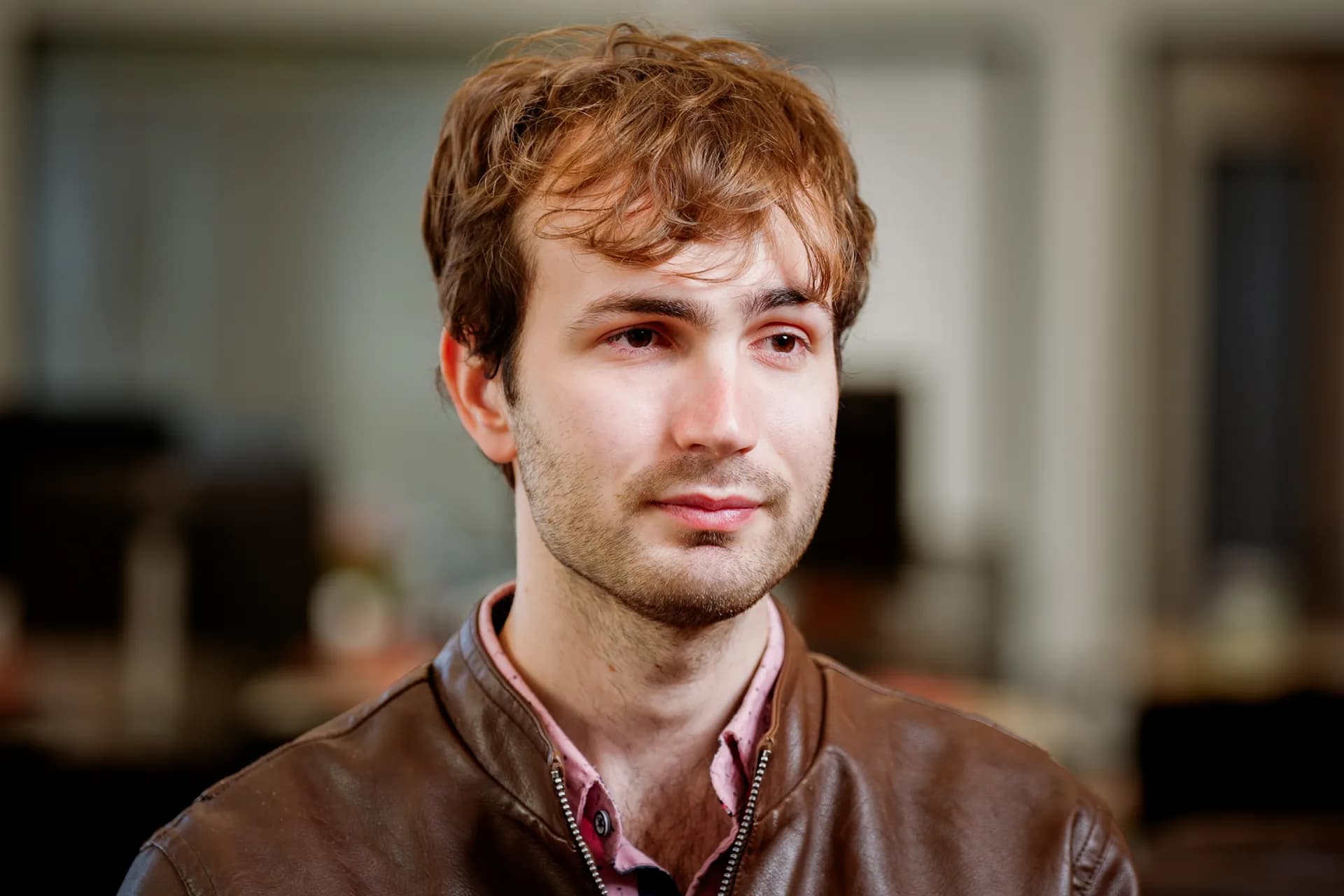
Interview with David Park, CEO of Jenni AI
Founder Focused

💡
At a Glance
- Who: David Park is the 27-year-old CEO and co-founder of Jenni AI. A four-time failed founder and UC San Diego college dropout, he spent eight years building failed clothing lines, social apps, and dating startups before finding product-market fit.
- What: Jenni AI is an academic AI writing and research assistant built specifically for students, scientists, and academics. The platform streamlines drafting, literature reviews, and citations by focusing heavily on fast, research-grade autocomplete features.
- Lesson: JenniAI is backed by Jason Calacanis and the AI Grant, and reached $2.5 million ARR with 15% to 20% month-over-month growth, serving over 2 million users across every country globally.
David Park spent eight years navigating startup failures, dropping out of UC San Diego, and surviving on $2,000 in monthly revenue by moving to Malaysia to cut his burn rate. His turning point came when Jenni AI stripped away general features to focus exclusively on researchers and students, triggering viral adoption that expanded the business past $2.5 million in ARR. Even after receiving a thyroid cancer diagnosis right as the company began scaling, Park maintained relentless operational discipline to serve over two million users worldwide. In this interview, Park reflects on the unsexy reality of daily execution, the importance of putting ego aside to talk to users, and remaining resilient through extreme personal hardship.
Key Takeaways
Failure Teaches Product Sense Through Real User Value
David Park’s early clothing brand failed after he assumed a cool product was enough, but seeing a stranger wear one of his sweaters showed him what real value felt like. The lesson stayed with him. Build for usefulness, then keep learning how customers actually decide.
Product Vision Needs Ego And Humility Together
David Park says founders need enough ego to believe they can build a billion-dollar company, but enough humility to admit they know little. Continual conversations with users replace instinct with evidence, helping a product evolve from an ambitious idea into something people genuinely value.
Remove Features Until The Core Value Becomes Clear
Jenni improved as David’s team removed features, clarified its purpose, and focused on getting users to their first autocomplete quickly. The product shifted from agency work to a broader SaaS tool, but the direction came from repeatedly measuring what users valued rather than protecting every original feature.
Ask Users About Pain, Not Your Favorite Features
David recommends using scarce user conversations to understand current workflows and painful bottlenecks, not to collect flattering feedback. Early users often soften criticism, so founders must ask uncomfortable questions and judge behavior carefully. Better product sense emerges from repeated, honest contact with real users.
Founder Freedom Requires Extraordinary Discipline And Responsibility
David’s missed investment meeting in Korea showed him that independence does not remove obligations. His employees had chosen to bet on him, and the company was only months from running out of money. Founders may seek freedom, but the people relying on them require exceptional discipline.
Startup Progress Usually Looks Boring Before It Looks Successful
David says startup life is often years of repetitive work, spreadsheets, and uncertain decisions rather than cinematic breakthroughs. Even after growth and a cancer diagnosis, the core requirement remained steady effort over time. Founders should be prepared for long stretches when progress feels uneventful.
Watch the full interview now on EO's YouTube channel! Below is the complete transcription of the interview. Minor edits have been made for clarity and readability.
Introducing David Park, CEO of Jenni AI
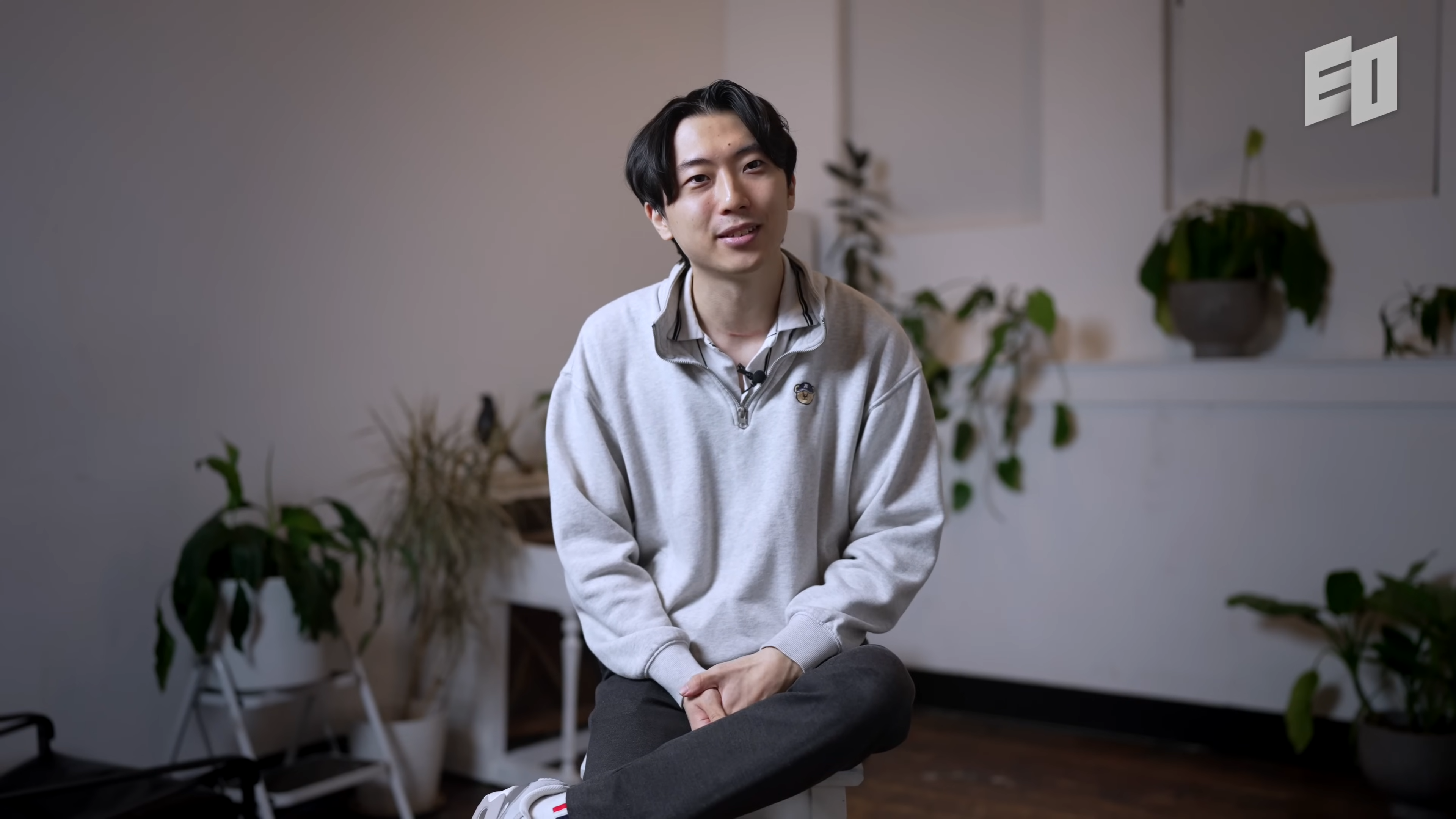
Hi, my name is David Park. I'm 27 years old, and I'm the CEO of Jenni AI. Jenni AI is an academic AI assistant that helps you with research, writing, and everything in between.
We've raised from Jason Calacanis. We also have the AI Grant, which is Nat Friedman and Daniel Gross. We've grown about 15 to 20% per month continuously for the last 10 months. We're at about $2.5 million ARR and over 2 million users globally. I think there are now Jenni users in every single country in the world, which is nice.
Four-Time Failed College Dropout
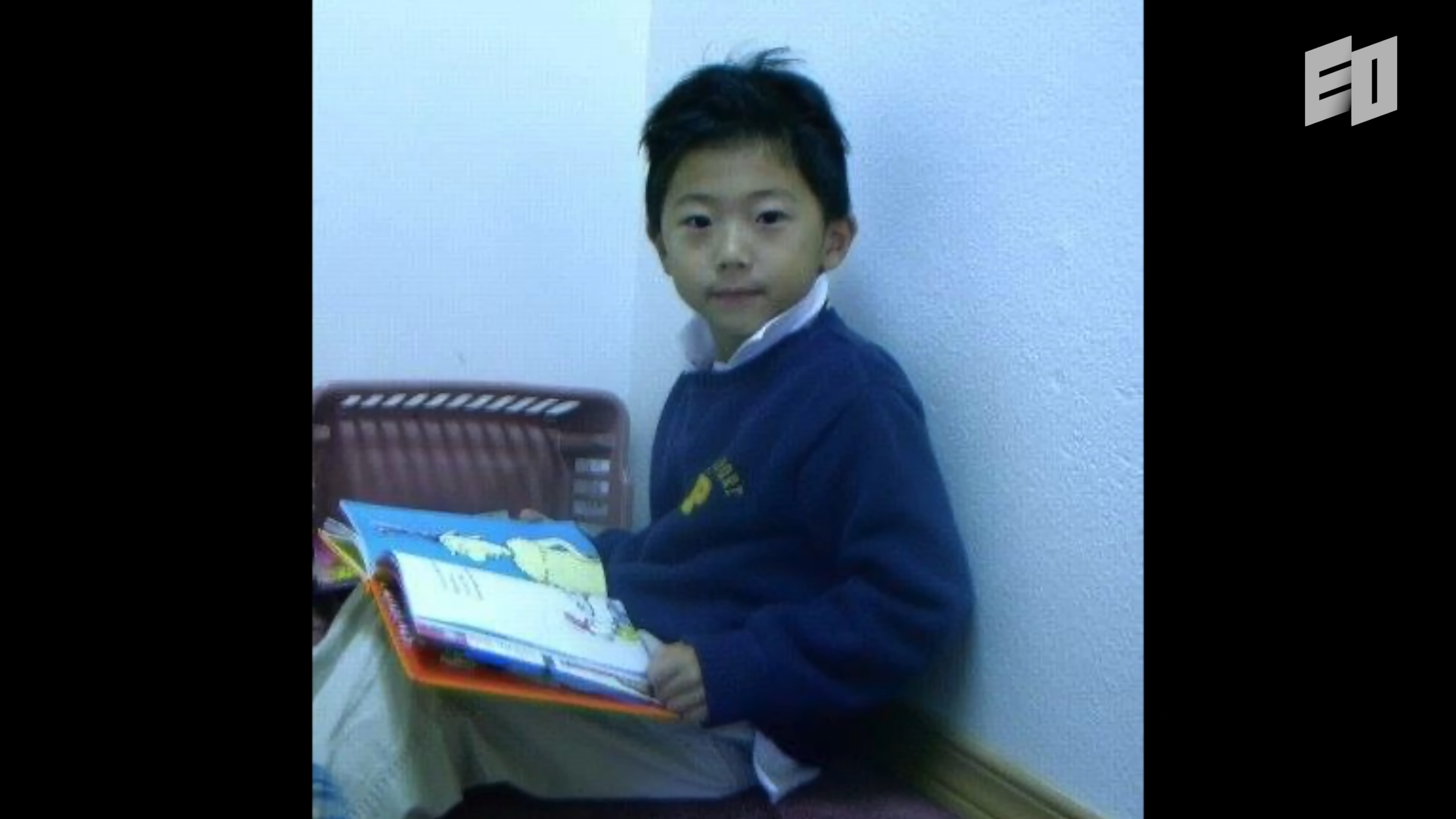
A Clothing Brand at Sixteen
I definitely had a lot of growing up to do. My family wasn't rich, but my parents gave me a lot of love and a lot of confidence, and in a lot of ways that helped, because I was able to believe in myself and do crazy things like start a company.
My first business was a clothing brand, where I would sell to people in my high school and in neighboring high schools. It was my first business, and I failed pretty spectacularly and lost all my money. I was 16 years old. I didn't know the basics of business, and I was pretty naive. I thought that if you build something cool, that's the most important thing. But it's not enough to just make a t-shirt, give up, and say, now I'm going to be a millionaire.
The coolest moment of my life was when I sold clothes. I didn't sell that much, but I was at the mall one time and I saw this really tall, athletic, jock kind of guy, someone who would never really be my friend, and he was wearing one of the sweaters that I made. It was a really cool feeling, because what I built was so valuable, so cool, that he was willing to wear it. Ever since then, I've always been interested in making products that provide value to people.
Pitching a Stranger on a Plane
I went to college, and I actually dropped out. I was on a plane from Seattle to San Diego, since I went to UC San Diego, and there was a guy sitting next to me. I saw he had Coinbase open. Coinbase is how you trade crypto in America, so I realized he was probably pretty rich, and he was my captive prisoner for three hours. He couldn't leave. We were on a plane, so I could just continually pitch him my startup idea. I think he was annoyed, but I think he recognized that I really cared about what I was building. Less than three days after the plane landed, we met up, and he gave me a cashier's check, my first investment ever. Then I dropped out of college and immediately went full time.
My first business after that was a social media app. In college I would meet so many people, and they'd say, add me on Snapchat, add me on Instagram, here's my LinkedIn. So we made an app where you click one button and get added on Instagram, Facebook, Snapchat, and LinkedIn all at once. It didn't do well. I didn't know how to get customers at the time, and I didn't know about network effects. We also weren't building for our users. We made a lot of poor product decisions.
Then I made a dating app startup, which also failed. The dating app was actually pretty cool. It was an AI dating app where you don't swipe at all. We used machine learning to look at your face and your previous partners to see who you might be physically attracted to, and then looked at your Facebook to see your interests and tried to find people. Then we partnered with restaurants in the city and set up your first date for you at a restaurant you both liked, with a coupon. It was like a concierge service, and the local businesses loved it, because they got free customers coming in from our dating app. But when I went to raise money, the VC said, I'm not going to invest in your startup, because we actually want people to stay on your dating app as long as possible. If they find a boyfriend or girlfriend and get happy, they're going to delete the app, not renew their subscription, and you're not going to have a billion-dollar business.
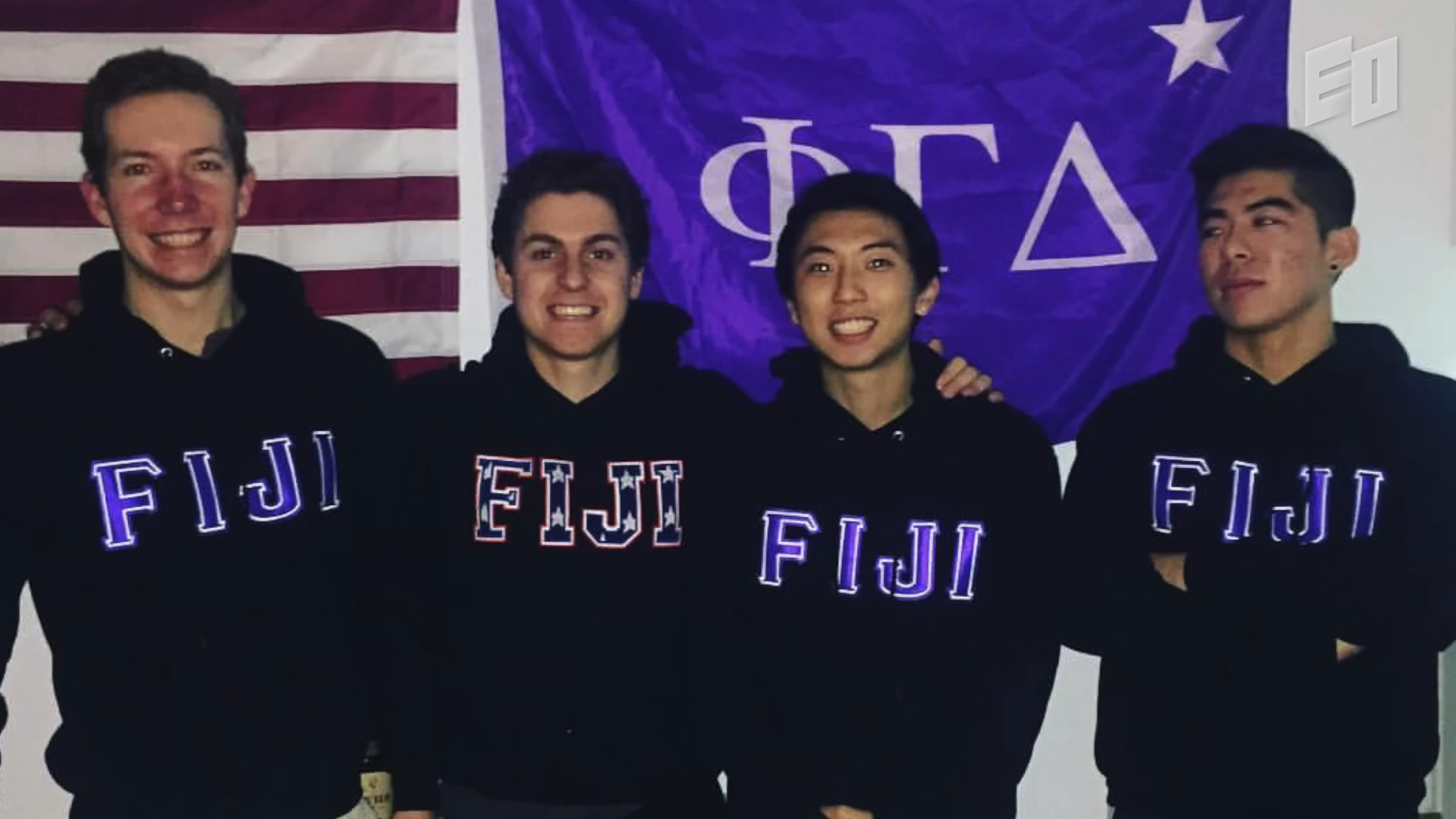
Failing After Dropping Out
Honestly, that was really sobering for me. I was still 19 or 20 at the time, so when I heard that, I felt like I had just crossed the chasm into the adult world of venture capital. I was pretty disillusioned, and we actually stopped working on it, because it was such a crazy, sobering moment. When I failed my first startup, it didn't feel good, but it didn't feel that bad, because I was still a student in college, so I thought, this is what life's about.
It was only when I started failing after I dropped out of college that I really felt a lot of pressure and felt pretty bad. On Instagram I would see my friends graduating, with those pictures in graduation gowns and hats, and I would be at home, either living with my parents or working on some startup that wasn't doing that well. Fast forward a year, and they'd have high-paying jobs at Microsoft, and I would still be at home, still not doing well. Those failures hurt a lot more, because even though I try not to compare myself to people and try to be the best version of myself, you can't have full control over your mind. So it was a little hard.
You can always fail. You can fail at something you don't love, so you might as well fail at doing what you love.
Here is the valuable lesson for me. My gut instinct actually rarely provides me much value. The blueprint for a billion-dollar company is ripped up and scattered among the minds and actions of the users you're trying to build for. You have to be egotistic enough to believe that you can genuinely make a billion-dollar company, which is a wild statement, and also humble enough to realize that you really don't know much and have to continually talk to users. If you have ego, it can be strange at first, but once you put that down, your startup can blossom a lot better.
AI Produced a Strange Sentence
From a GPT-2 Joke to a Real Product
I was a literature major, so I really loved poetry in college, and I loved writing. My co-founder was a computer science engineer who eventually did his PhD in natural language processing, so writing and AI. We always wanted to find some way to connect those two.
We started Jenni AI when there was only GPT-2, and I remember we were just playing with it, and there was one crazy generation we got. The AI spat back, nothing is darker than a butthole. That's what the AI told me, and I thought that was so funny, the funniest thing I've ever read, something no human has ever said to me before. At the time, for some reason, I thought it was kind of profound as well. I was like, this is so crazy, the fact that an AI wrote this.
We had to find some way to make a business out of this, and I really don't recommend anybody do this. We just got really lucky in the beginning. With GPT-2, Jenni AI could make human writers 10% faster, and that was the first Jenni.
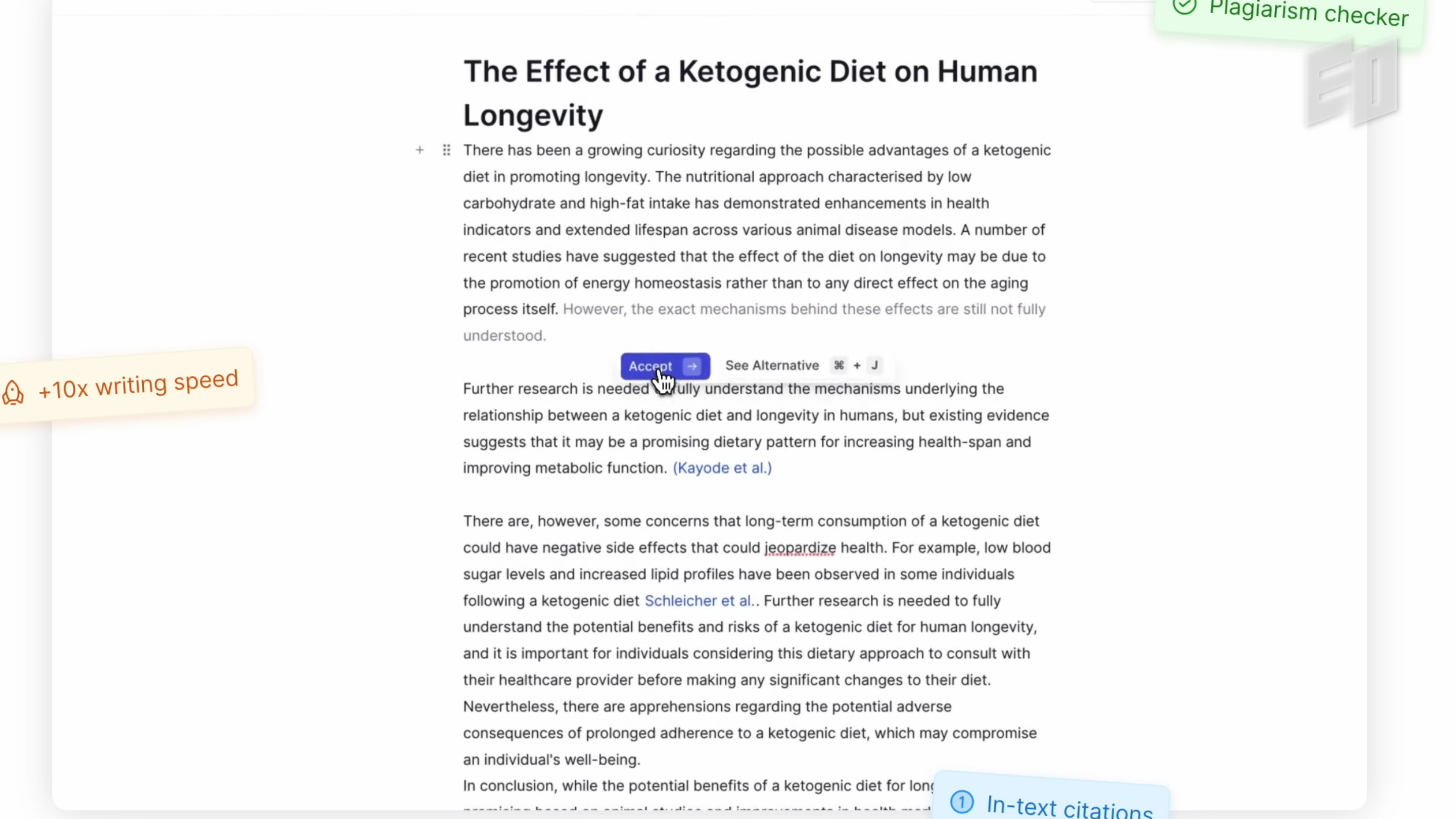
We'd bring writers into our office and time them, with AI and without AI, and we'd aim for 10% faster, 15% faster, 20% faster. Then GPT-3 came out, and we realized, holy guacamole, GPT-3 is actually insane. It could actually give you text that's useful. That's when we transitioned from an agency to SaaS, and we said, we don't actually need human writers, because GPT-3 is so good.
Then we became more of a general tool that anybody could use. It was like Microsoft Word, but AI-first. And then we started removing features. It's a weird thing. As we removed features, Jenni continually got better, and as we kept ripping things out, our vision got clearer. This is the thing people come for, so how can we shorten the time to value? Can we make it so a user comes and gets their first autocomplete within the first five minutes?
Talk to Users More Than Anything Else
The way we got our first few customers, I would literally cold call businesses. I would talk to them, become their friends, and try to figure out how I could deliver the best product for them.
Then, with the few users who came to us, we would talk to them, tweak our tool a little bit, launch again, tweak it, and launch again. Eventually we realized we had a huge wave of users, and they were all students, so we made the decision right then. It seems like these researchers, these people in the academic field, like Jenni, so we might as well keep building for the people who actually get value from our tool. In the beginning you care a lot about money, because obviously you're a struggling founder, but really, in the early stages, money doesn't matter at all, especially if you're trying to build a big company. If you can convince someone to talk to you about your product and try it, and you give them a month or two free, that's no problem at all.
I see some founders who are a little arrogant and say, I'm not going to give anyone my product for free. But the lifeblood of any startup, I think, is just knowing what to build. If you continually talk to users, you start to understand where you need to go, your gut instincts get a lot faster, and your product sense gets a lot better.
Here are some tips I would have. Prioritize talking to users more than anything else, more than money. Sometimes you have to ask uncomfortable questions, too. Having a user on the phone with you can be really rare in the early stages. When you only have 10 users and one of them gets on the phone with you, you don't know when the next one will. So you want to really ask. You don't want to just fluff yourself up and say, what's your favorite thing about my product? That doesn't give you any information, and it's just going to make you feel slightly better. If you have the end goal in sight, you need to ask. What does your current workflow look like? What's the biggest pain point you currently have?
And when it's applicable, don't ask about the good things about your startup. Ask about the bad things, because users will always try to be polite. Some of them will straight up lie to you, and some will just be polite and not even realize they're lying to you. So you have to judge a lot based on their actions.
I think you just have to go and talk to users, put yourself in uncomfortable situations, and slowly you'll start to find a pocket and become more comfortable over time.
Responsibility and Discipline
Taking Any Call and the $100K Check
When you're an early-stage startup, you have nothing going for you. You will take any call.
I remember when I was really struggling, I would even respond to those spammy LinkedIn messages where they're clearly messaging a thousand people, because I just needed anything. We were struggling so much. And I remember one time I got invited to a podcast.
Very, very few people listened to this podcast, but one out of that very small pool of listeners happened to be a scout for Jason Calacanis. The even crazier luck was that they sent me an email saying, hey, we want to meet with you, possible investment. I didn't see the first email. I ignored it, which was really unlucky. Then they actually decided to send another email, and I responded to the second one. They decided to put in $100K. I remember when I first got it, I went to my grandpa's house, and we were just swearing in Korean about that 100K. I took a screenshot. I had never seen that much money in my life. I took a screenshot of it and just stared at it all the time. It was so crazy.
Immediately after he invested in me, my startup was not doing super well. We had a little bit of growth, but it was tiny. We made $2,000 in month one, $2,200 in month two, $2,300 in month three. Very small growth, almost negligible. I almost didn't trust myself with the money.
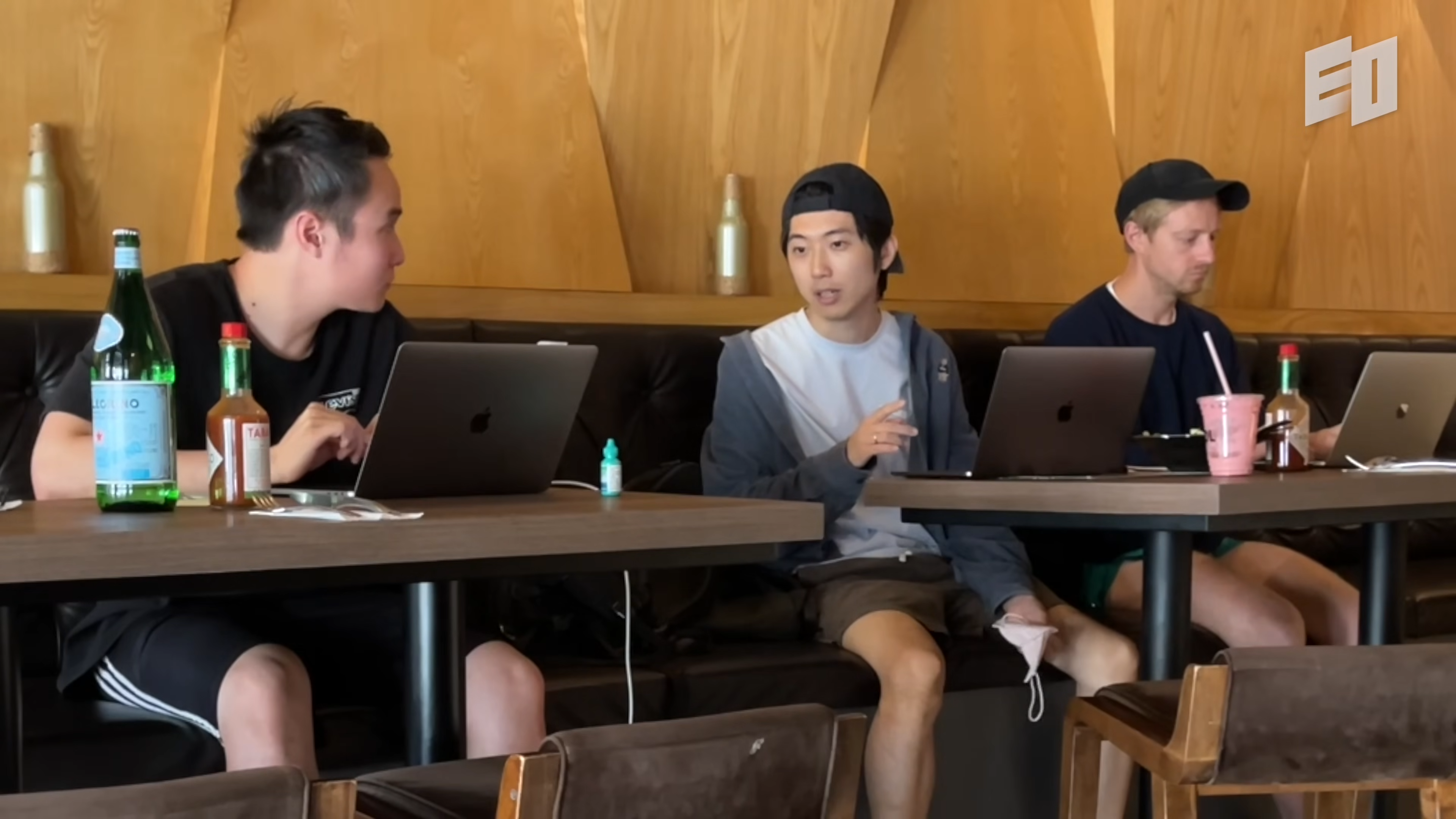
Because I was a young founder, I was unsure of my own decisions, so my co-founder and I immediately booked a flight to Malaysia, in Southeast Asia, because everything in Malaysia is a quarter of the price. And just as we predicted, we were still young founders making amateur decisions. It took us another 1.5 to 2 years to finally grow. We were stuck at around $2,000 MRR for 1.5 to 2 years. If I hadn't gone to Malaysia, we would have died.
The Meeting I Blew in Korea
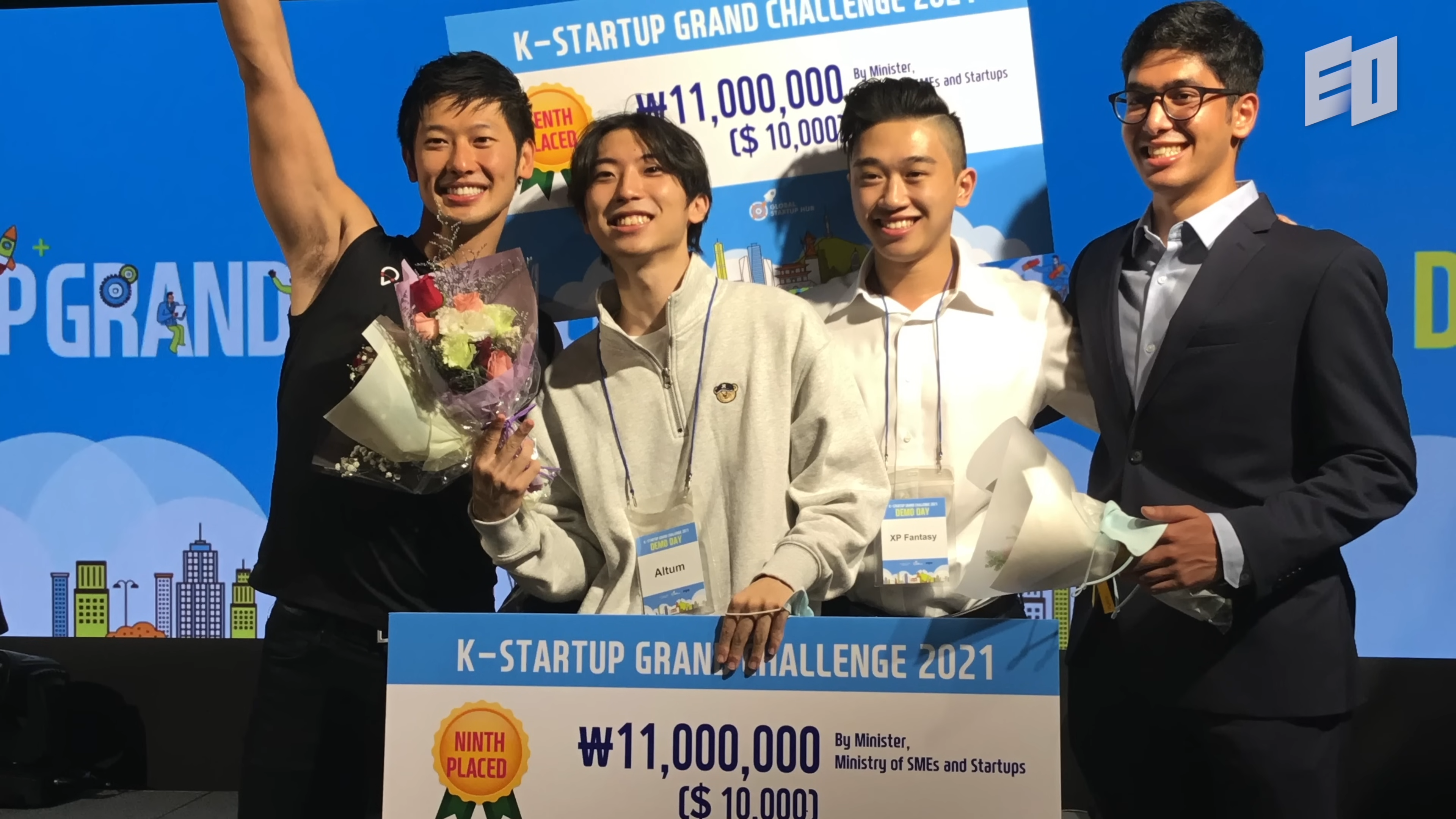
Then came 1.5 to 2 years of continual failure, and I remember the craziest story ever. I got invited to something called KSGC, the K-Startup Grand Challenge, where if you get into the top 10, you win some money as well as the competition.
So I went to Korea. We were really low on money, and I was able to get a VC to invest $250,000. It was pretty much a done deal. But there was also this girl I really liked, and I had a meeting the next day with the VC who was going to invest in us. Because I was dumb, I thought, it's okay, I can stay out late. I stayed up really late with her. When I came back, I realized there was a document I needed to fill out. I opened it and realized it was fully in Korean. My Korean is okay, but I can't do a legal document in Korean, so I was doing the ugliest Google Translate, trying to fill out this document before my meeting at 9 a.m. I finished at around 3 a.m., barely slept, woke up at 8, got there, and was late to the meeting. That night he sent me an email saying, actually, we're not going to invest, and we don't think this is the right fit. And we were two months away from dying. I had a team. I had a software engineer whose wife was either pregnant at the time or had just had a baby. I realized I had a lot of responsibility, and I had really messed it up. I cried pretty hard that day.
That was one of the worst days of my life, but luckily I was able to make some last-minute calls. There was a VC who had been interested before, and I was able to get them to come in and give us a little bit of runway, which gave us just enough time.
Here is the moral of that story. Why do entrepreneurs become entrepreneurs? We want to avoid the 9 to 5. We want to feel free. We want to live life on our own terms. I had a lot of that. I thought, these VCs are lucky to invest in my startup, and I'm doing very well. It doesn't matter. To be honest, as a founder you have to be even more disciplined than the person waking up every day and showing up to every meeting, because there's an insane amount of responsibility.
The people who join your startup bet on you. All of the people who joined my startup could get prestigious jobs anywhere. There are a lot of people relying on you, and I really messed it up. You take on all this leverage, all this risk, so it's important that you act like it.
Heaven and Hell
The Most Viral Twitter Thread
I remember I was sitting at home. It was late, and I'm kind of a night owl, so my co-founder was asleep. It was around 11 p.m.
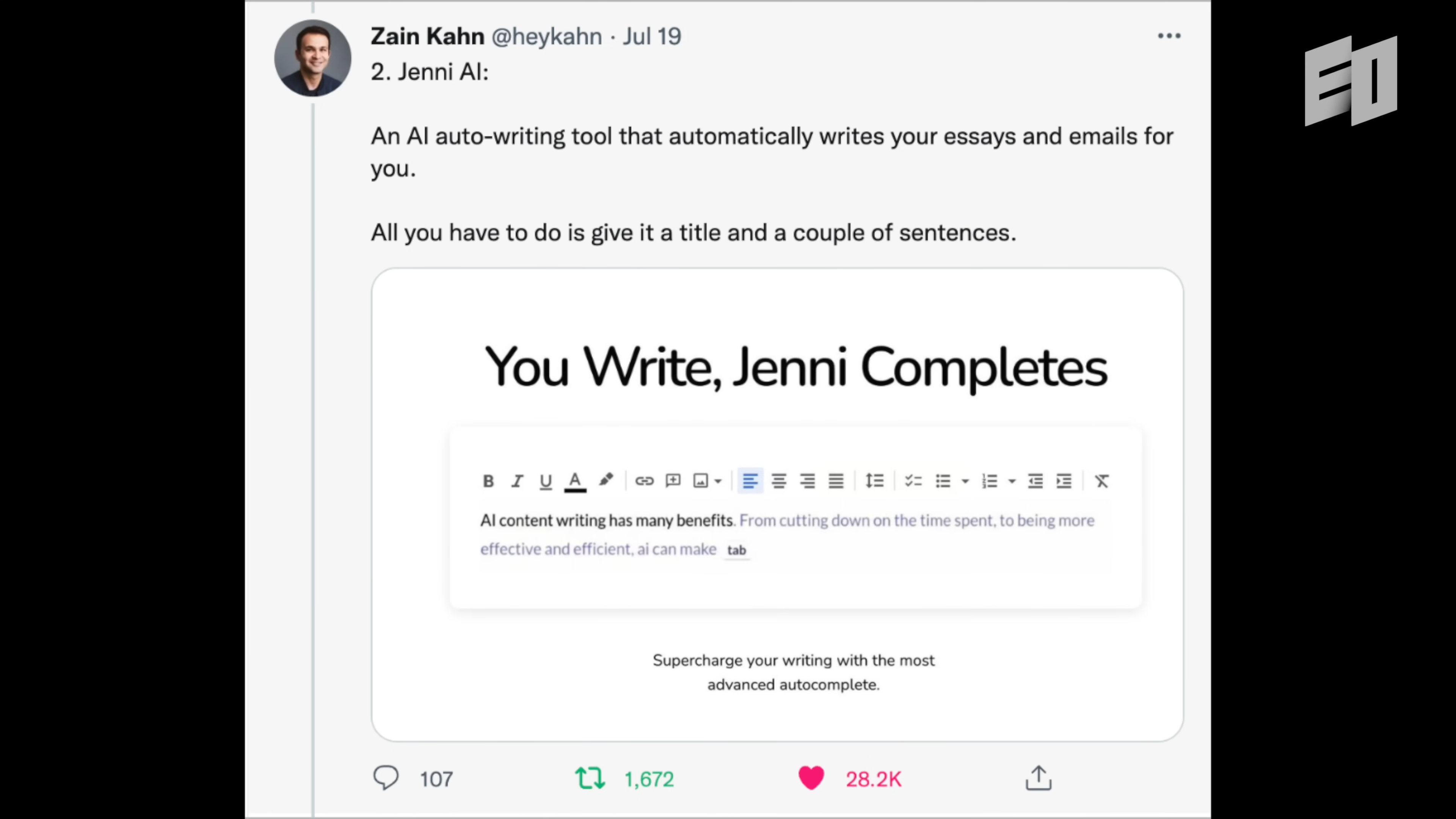
Suddenly our site started going crazy. Every time I refreshed the page, every second, 10 users would come to Jenni. Jenni had been included in one of the most viral Twitter threads in history. I think it's actually the most viral Twitter thread in history that has to do with AI or startups. We had OpenAI credits at the time, with a limit of about 1,000 or 5,000 credits, which was a lot back then. Within one hour, the users used up all the credits, because we had such a crazy influx. I was calling my co-founder, and he wasn't waking up. I was swearing at him on Slack, saying wake up, this is our big break, we have to capitalize on this. I was just handling Intercom, messaging every single person, trying to save every single one, saying hey, we're not available right now, but can you give me your email? We'll let you know when we're available. I didn't know if this was a one-time thing or something sustained.
That was the first time we ever had some semblance of success, because raising money doesn't feel like success. It feels like, okay, now the job really starts, and now we can really get our hands dirty. After that first initial growth, I was preparing my heart. There's no way we can continue growing like this, that was the most viral Twitter thread ever, but we'll keep doing our best and keep growing slowly. But it didn't stop.
Every month we were able to figure out some new distribution or growth tactic, and the growth has been super awesome. That month was two months after the most viral tweet.
A Tree Can't Reach Heaven Unless Its Roots Reach Hell
I was in Korea. I've always had this growth on my jaw, and I get it checked every once in a while. It had been a few years, so I went to get it checked, and the doctor said, since you're here, do you want to check your neck too? I said, okay, sure. You know things are not good when the nurse suddenly goes quiet. Then she said there was a 50% chance I had thyroid cancer, because they saw some tumors in my thyroid.
I didn't know what to say at that point. I still didn't think I had cancer, because my entire life all I had known was a life without cancer, so it was hard to imagine. Then I got an email from the doctor saying that I had thyroid cancer. I remember the quote, a tree can't reach heaven unless its roots reach hell. That's how I really felt. I had worked my whole life, eight years of startups, failing, failing, failing, and I was finally able to peek a little above the clouds. I felt like we were finally growing.
And then I got a cancer diagnosis. Before my surgery, I thought, I don't want my startup to die if I die, so I wanted to raise a little bit of money. Unfortunately, I think the VCs could smell the desperation, because not only was I raising money, I needed it wired within the month. It was a weird situation.
The day of the surgery was really crazy. I was really nervous, and then the doctor came in and said, you have a fever, we don't know if we can do the surgery today, would you like to reschedule? I said there will probably always be some reason, so let's just do it. My body temperature kept going up before the surgery, so they started bringing ice packs. I was lying in bed with ice packs all over my body, and my mom saw that I was really stressed. She sat next to me and said, don't worry, things will be okay. Before your surgery, I'll tell you something, and it's going to give you all the strength you need, and everything will be okay.
My mom left for a little bit, I think to go to the bathroom, and suddenly all the nurses ran in and said an operating table just opened up, someone pulled out, we need to do the surgery now. I was about to go into surgery and my mom wasn't there. I was afraid I wouldn't understand the instructions. I had a fever, so the risk of the surgery was higher. All these things made me want to leave. But for some reason, in the waiting room there was a Bible verse on the ceiling, and it said something like, don't be afraid, leave it all up to God. So I went.
They took me to the surgery room and did the surgery. I woke up, and the surgery went well. After a few days I was able to speak, and I asked my mom, hey, what was that thing you wanted to tell me before the surgery? She said, oh, I wish I could have told you. It was a Bible verse I found online. It was the same Bible verse that was on the ceiling.
I'm not a very religious person, but for some reason I thought, you know what, so much of my life has been these miraculous things, like sitting next to my first investor on a plane, having Jason Calacanis invest in me because of a random podcast, a crazy viral tweet from someone I've never met, getting cancer. To sum it up, I've just been so grateful for my little miracles every day. I'm really grateful all the time.
Startups Are Mostly Boring Days
Lately, startups have been romanticized with all these Netflix series about Theranos or Uber, but a lot of startup life is not very sexy. It's just putting in the work day after day, finding out what the most important thing to do is. Sometimes the most important thing to do is to get out a spreadsheet, look at the numbers, find a relationship, and then the next day figure out how to make a product decision based on that relationship. These things are never shown in the Netflix series or the movies, because startups have been fetishized.
The sad truth isn't that you'll fail. If you build a startup and really work toward it on a long enough time horizon, you'll probably be able to make something and make somewhat of a living. The sad truth is that it just won't be super eventful many days. Many days will just be really boring.
The dread of staring into the void, not knowing what's going to happen, is so much more painful than now. Every day there's probably some fire, and I have to make huge decisions every single day about how to spend money, who to hire, who to partner with, whether to take a check from this person. But it's not nearly as painful as when I was in my room alone, and it was super boring, and I had to do these boring things with no idea what to do, and nothing was even eventful. So I guess my advice is to just be ready. Be ready for the many years of putting in the hours, putting in the reps. I wish you the best of luck.