Apr 23, 2025
I Built $200M Nuclear Energy Startup at 19
Interview with JC.B, Founder of Fuse
Founder Focused


💡
At a Glance
- Who: JC Btaiche, founder and CEO of Fuse. He started the company at 19 without ever attending college.
- What: Fuse is a fusion energy company that has delivered experimental results with a first-of-its-kind Marx generator and published them in Nature.
- Traction: By age 23, Fuse had raised $52 million in capital and reached a $200 million valuation. It had also begun commercializing its Titan machine with the US military and government.
In this interview, JC B. shares how he became the founder and CEO of Fuse, a pioneering fusion energy company. He started Fuse at just 19 years old, and by age 23, he has grown it into a $200M-valued startup, raising $52M in capital along the way.
Key Takeaways:
Forget the Diploma: Prove You Can Do It Instead
Spending four years earning a credential that only signals potential is slower than simply building something and proving the capability directly. For a technical founder, doing the thing beats being certified to attempt it.
Is This a Scientific Nonprofit or a Real Business?
Before chasing a hard technical problem, a founder has to force themselves to answer whether they're building a company or running grant-funded research. Getting that distinction wrong from the start shapes every funding, hiring, and roadmap decision that follows.
A Growing Company Needs a New Operating System Every Stage
The people and skills that get a company through its earliest days are rarely the ones it needs for growth stage. Founders have to deliberately audit what's changed and bring in different people at the right time, the same way software needs a new version every few months.
Why Great Founders Are Risk Hedgers, Not Risk Takers
The riskiest moment in a company's life is the day it's founded, and every decision after that is really about which risks to retire first. Great founders aren't gamblers; they're the ones who sequence de-risking deliberately.
Watch the full interview now on EO's YouTube channel! Below is the complete transcription of the interview. Minor edits have been made for clarity and readability.
Introducing JC B., Founder and CEO of Fuse
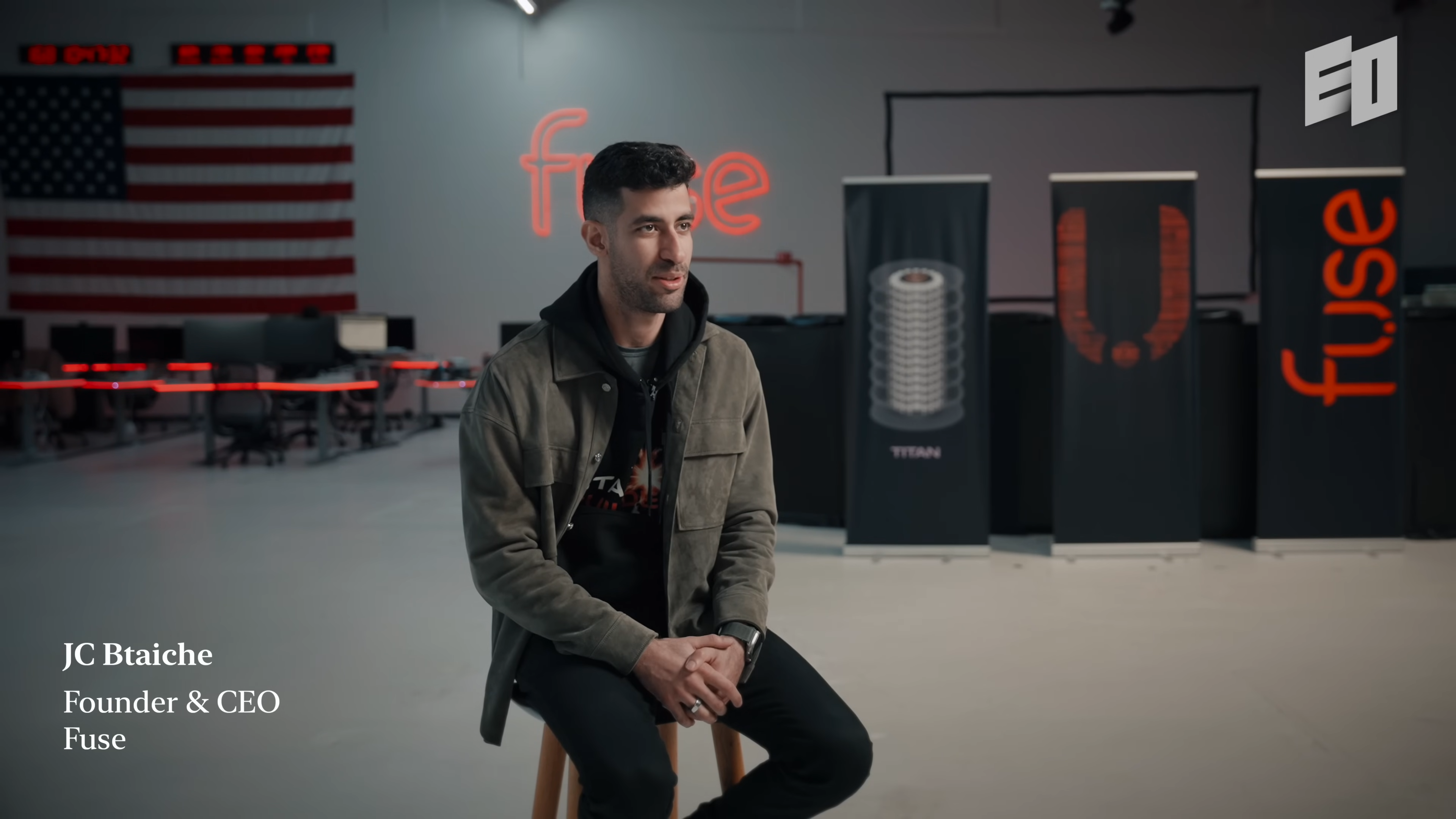
I'm JC. I'm the founder and CEO of Fuse. We're the only fusion company that has delivered experimental results of a new technology that no one has built before, and published the results in Nature. We've raised over $50 million of capital. We work with the US military and US government. We've proven the machine at scale, and now we have contracts to commercialize it.
Fuse. We're on a mission to accelerate the world's transition to fusion energy. We're one of the only fusion companies that's actually making revenue. I started a company almost six years ago now. I was 19 at the time. I never went to college. I never even submitted an application. Why do I need to convince an admission officer to let me sit in a classroom for four years to then get a piece of paper that says I can potentially do something, versus just doing something and proving I can do it? Life is too short, and there are seven billion or more people on Earth; so you always ask yourself why you're doing something that actually matters, or how you can contribute. Starting a company was the fastest way to make progress.

Stop Wasting Time In School
My father's a nuclear physicist, so growing up I was very curious about how the world works. I've always liked to work on hard things and explore research topics. I very quickly learned that spending time in an academic environment was not the fastest way to make progress on technology, so that's why I decided to start my own company.
I had started a nonprofit in education. The thesis is that as a teenager, things are really hard to build. You can't even get a credit card if you're under 18, which is pretty funny; you can't open a Shopify online store if you're under 18 either, which is kind of ridiculous considering all the other things you can do. So I started a nonprofit to essentially liberate teenagers to dare and to create. We were funded by Google.org, the Canadian government, and others; and we built that into a pretty successful program. We had some teenagers who are now off doing great things. What I've done to date is a good example for others to realize that it's possible: if you really want to build something and you truly have the grit and tenacity, you can.
Being young has a competitive edge, because you're naive and you've got a lot of stamina and energy. Those early wins give you an early taste of freedom. Choosing to start as early as possible maximizes your chance at getting it right; and even if you fail and burn yourself a little, as long as you don't die or go to jail, I think everything else can be tolerated and repaired.
Build Your Own Playbook In-House
I felt that there's a real way to contribute by working on something civilization-altering, at a civilization scale and in history. Every technology progress or civilizational development has been tied to how much kilowatt-hour is available per capita. When you think about the industrial revolution and how that enabled the whole of human prosperity and technological advancement, you can tie that to the coal era afterward, then the chemical era. I believe fusion would unlock the next level of human prosperity: the rise of the social middle class, the rise of AI, of quantum technologies. All of those critical technologies need energy, and without energy we can't have AI. How would you power all the data centers? Do you want it at the cost of people not being able to turn their lights on at home? I don't think so. So we will need significantly more energy, and fusion is not the only way to make that happen.
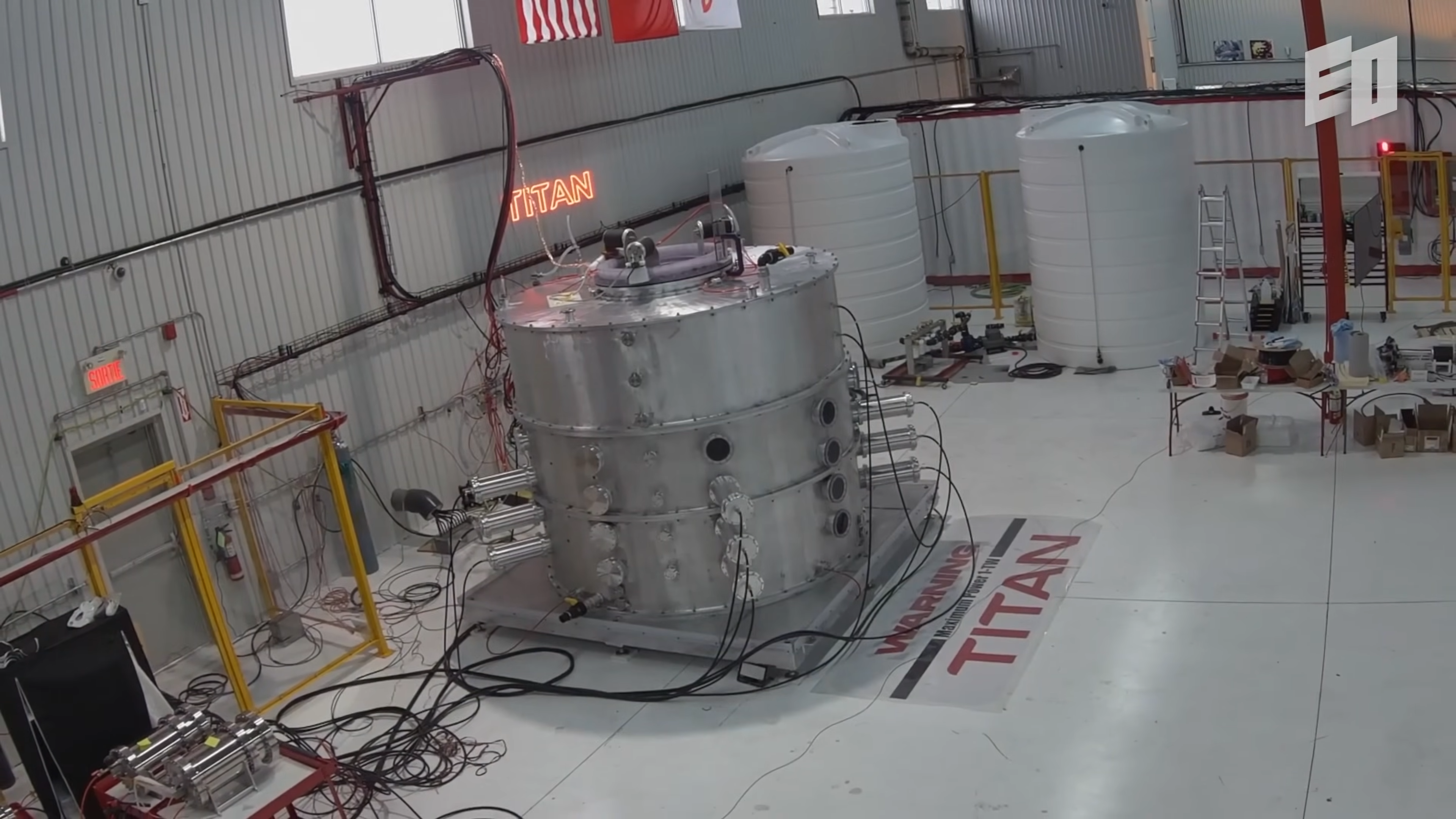
Titan is the world's highest-power and highest-energy impedance-matched Marx generator of its kind. Think of it as a giant battery that releases all of its energy really fast, in a billionth of a second.
It's a very important question to ask: is this a scientific nonprofit, or is there a business here? Because a lot of the time, people are building companies; and I wonder if it's better to be scientific research that's nonprofit-funded or grant-funded, versus a business or a real company. The second question is really to question the fundamentals, and what we did for Titan was build it in-house. Over 80% of the Titan subsystems and components were built in-house at Fuse. We took on the project knowing that we had the capacity to solve a lot of the problems, and we vertically integrated, which meant that as problems arose we were able to solve them in-house.
Building a company is like you're always updating the operating system, like an app. You have to constantly debug and upgrade it, and you need a different version every six months or so. So you very intentionally take time to be introspective and think about what has changed. This is not the same company it was before. Obviously the core fundamentals are the same, but the way it operates is different, and you need to bring the right resources around you. There are people who are really good at the early stage, and then you need a different type of skill set and culture for growth stage. Bringing in different people at the right time is important. So is having the introspection to think about what needs to be changed, what bugs need to be fixed, and how to upgrade the operating system for the next phase.
Young Founder Should Seek These People
The company has certainly come close to running out of capital at a few moments in time. We had some technology that at some point didn't go as we had planned, or we ran out of capital, and we had to make really hard decisions. But these are the moments that really define who we are, building this connective tissue as a team, and this resilience.
The one thing that's been really awesome is that I'm young myself, but we've built a team with some really experienced people from different aspects of the government. I've had the fortune to work with some really smart people, some of the best people I've met; and I'm fortunate that they're now part of one team, all multiple vectors pointing in one direction. If you're humble and you bring in people who really complement you, that's a strength, not a weakness. It's really important to be audacious and daring but also humble, and it's your challenge to figure out how to overcome that. It will save you a lot of peace of mind and help you attract great people once you recognize your own weaknesses and vulnerabilities and build a team around them.
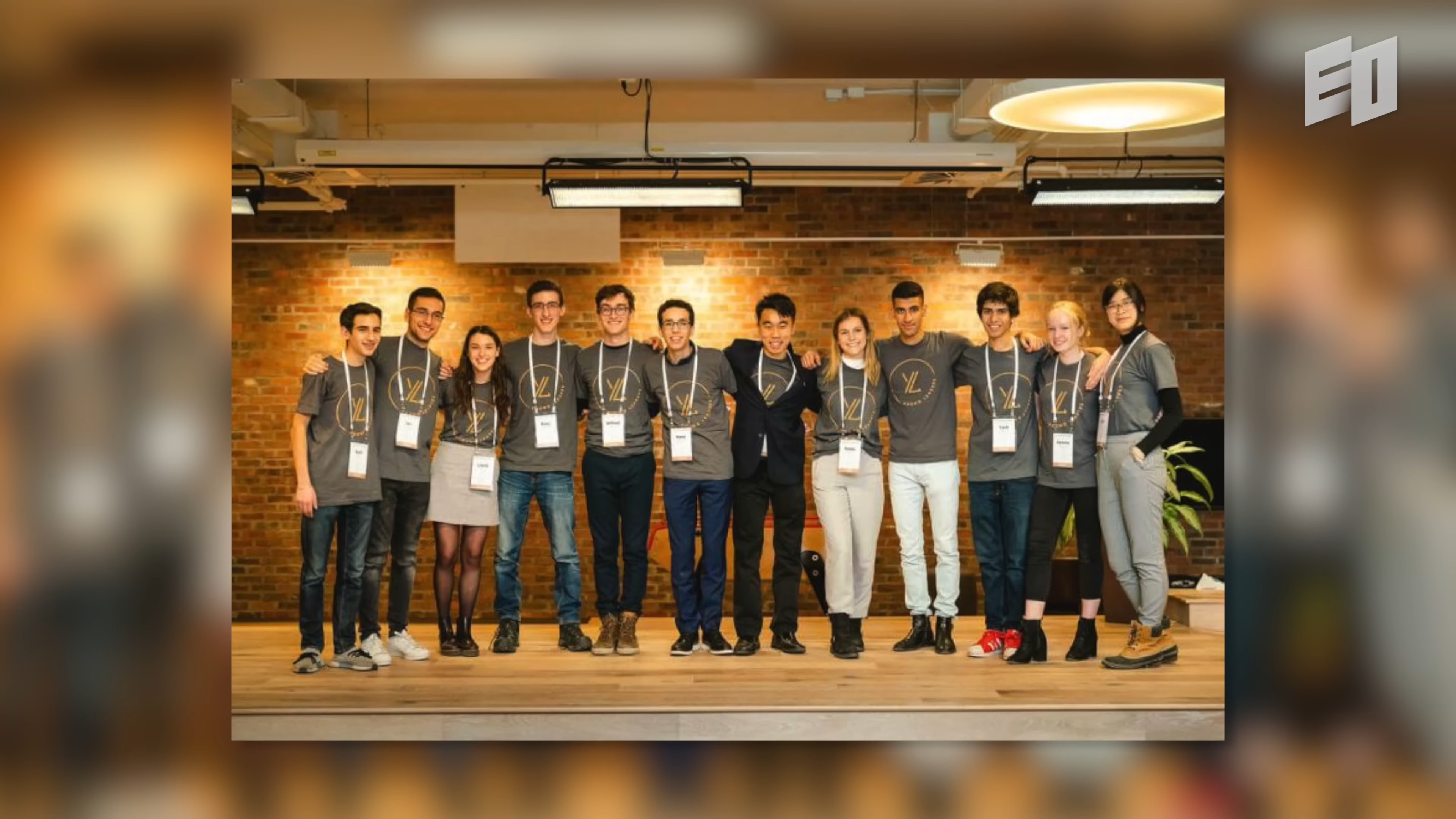
That team, that mindset, most people actually want to be in environments where everyone's contributing and learning from each other; that's at least a healthy environment. We also really care about people who are just focused on getting things done, whatever it is, versus just talking. So we have a real default for people who take agency; who are autonomous and just want to get things done; who are really curious; and who genuinely care. The people on our team really care: they stay up until 4:00 a.m. when we have a mission; they work on the weekends; they go out of their own way to do the job; they'll pick up the trash if it needs to be picked up. Give a damn, care, and just want to get things done, and focus on that. I think you can get a lot done.
It's actually really funny when people think entrepreneurs are big risk-takers. I think great entrepreneurs are really good risk-hedgers. The day you start the company, you've taken the most amount of risk; and your job all along is to retire risk, choosing very selectively which risk to derisk first and how to do that sequentially. Founders need to think about risk mitigation, as well as equipping themselves with the right tools; and most importantly, with the right people.