Jul 02, 2024
Investors' Principles of Silicon Valley Taught in Stanford MBA
Interview with Ilya Strebulaev, Professor of Stanford
Founder Focused


💡
At a Glance
- Who: Ilya Strebulaev has taught and researched venture capital at the Stanford Graduate School of Business for 20 years.
- What: He studies how Silicon Valley's most successful venture capitalists make decisions, a pattern he calls the venture mindset.
- Lesson: Strebulaev's research shows that venture capital rewards home runs over strikeouts and favors founders who prepare relentlessly; its sharpest lesson is that outsized returns come from skill and persistence, not luck.
In this interview, we sit down with Professor Ilya Strebulaev, who has taught and researched venture capital at Stanford MBA for 20 years. While studying Silicon Valley investors, he focused on those consistently making successful investments. He defined this concept as the "venture mindset." What decision models do Silicon Valley investors use, and how can we apply them to our lives? Let's find out in the video!
Key Takeaways:
Venture Capital Looks Like a Gamble. The Math Says It Isn't.
Persistent outsized returns only show up when skill, not luck, is compounding. A gambler who wins the lottery twice in a row is impossible to explain by chance alone, and venture capital's fifty-year track record works the same way.
The Best VC Firms Fail More Often, Not Less
Firms with the highest hit rates also carry more failed bets, because chasing a rare hundred-x outcome requires taking more real shots at it. Judging a decision by whether it succeeded, rather than by the size of the upside it was chasing, is what keeps most people from ever landing a home run.
How Sequoia Found WhatsApp by Knocking on Doors in Mountain View
When an unknown app started dominating download charts with no traceable founders, Sequoia's team walked the streets of Mountain View for days until they found them. The lesson generalizes beyond venture capital: the earliest, best information rarely shows up in a shiny office.
Why the Best Investors Start by Asking What Could Go Wrong
Reframing a decision from why should I do this to why should I not do this changes what evidence you look for and how fast you find it. Novice investors skip that step and jump straight into slow, exhaustive analysis, which is why they process less and decide worse.
Investors Bet on the Jockey, Not Just the Horse
A pitch that leads with market size and business model is answering the wrong question first. The one investors actually ask is why this founder, specifically, is the one who wins this race, so that answer belongs in the opening paragraph.
180,000 Cold Emails Went to Investors. One in Six Got a Reply.
A research experiment built fifty fake startups to test how outreach structure affects investor response rates, and a well-built two-paragraph pitch beat the odds most founders assume. Restructuring an email around the founder first and the pain point second is what moved the needle.
Watch the full interview now on EO's YouTube channel! Below is the complete transcription of the interview. Minor edits have been made for clarity and readability.
Introducing Ilya Strebulaev, Professor of Venture Capital at Stanford GSB
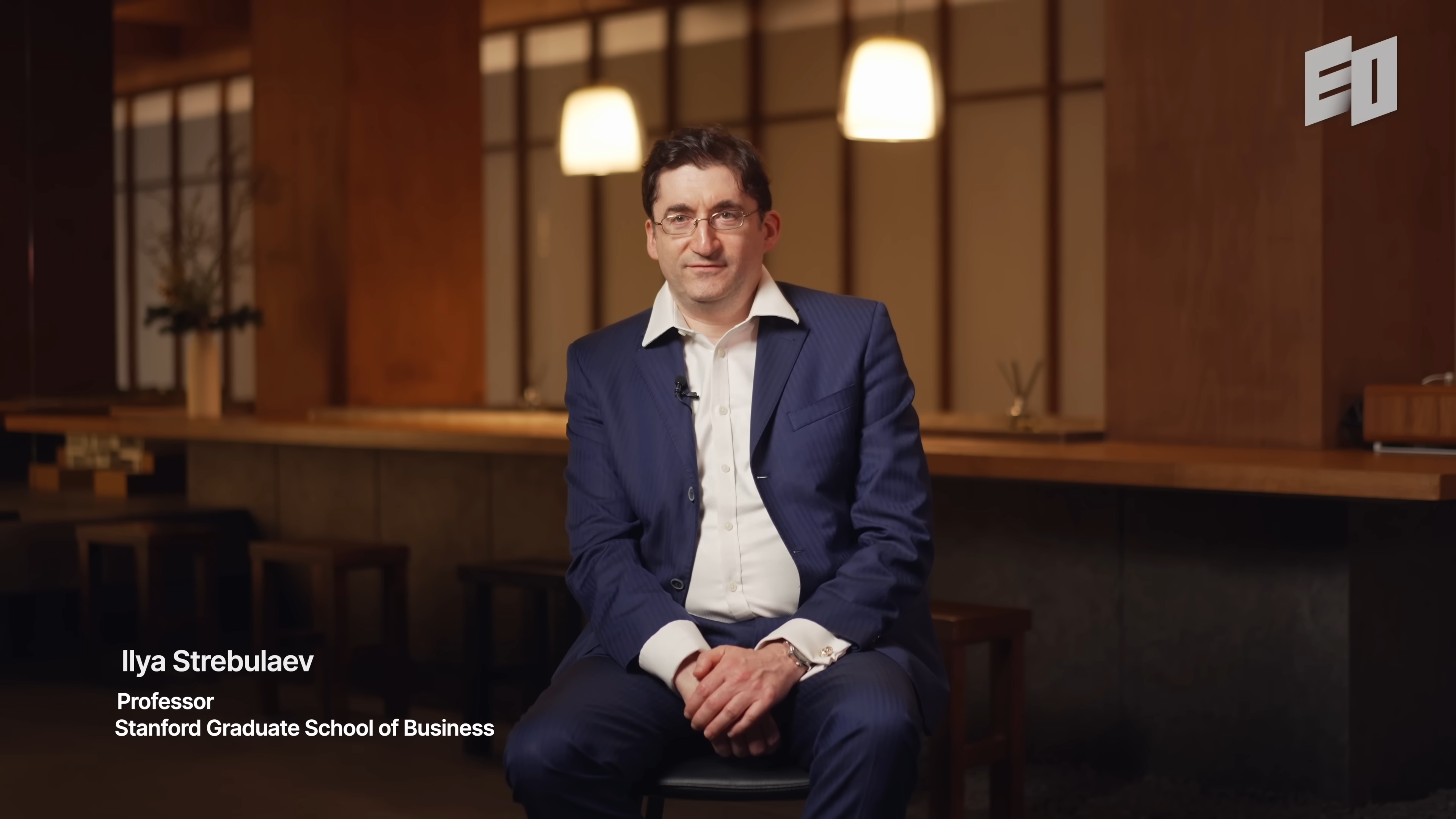
Hello, my name is Ilya Strebulaev, and I have been a professor of venture capital at the Stanford Graduate School of Business for 20 years. My hope is that everybody will be able to make much better, more efficient decisions after our conversation.
After 20 years of researching at Stanford about how innovation works, there is one underlying theme, and it is the venture mindset: a different way to make decisions in the innovation-driven world.
Chapter 1. Who Are the Venture Capitalists
If you look at top companies today in the United States by market capitalization, then top six or seven or eight out of ten will be venture backed. So those are the names that everybody knows: Apple, Microsoft, Nvidia. The venture capital industry is behind most of the most successful companies that changed our life in the past 50 years.
So the venture capital industry invests in small young companies that are high growth companies. Think about Uber or Airbnb or Nvidia. When venture capitalists invested for the first time in those companies, nobody heard about them, and those companies were not worth a lot. Nowadays, look at those companies, they're worth billions of dollars. So that's what VC capitalists do: they try to find the most interesting young companies to invest in, they select them, they invest in them, then they nurture them, they help them to succeed, and if those companies become successful, they reap the benefits.
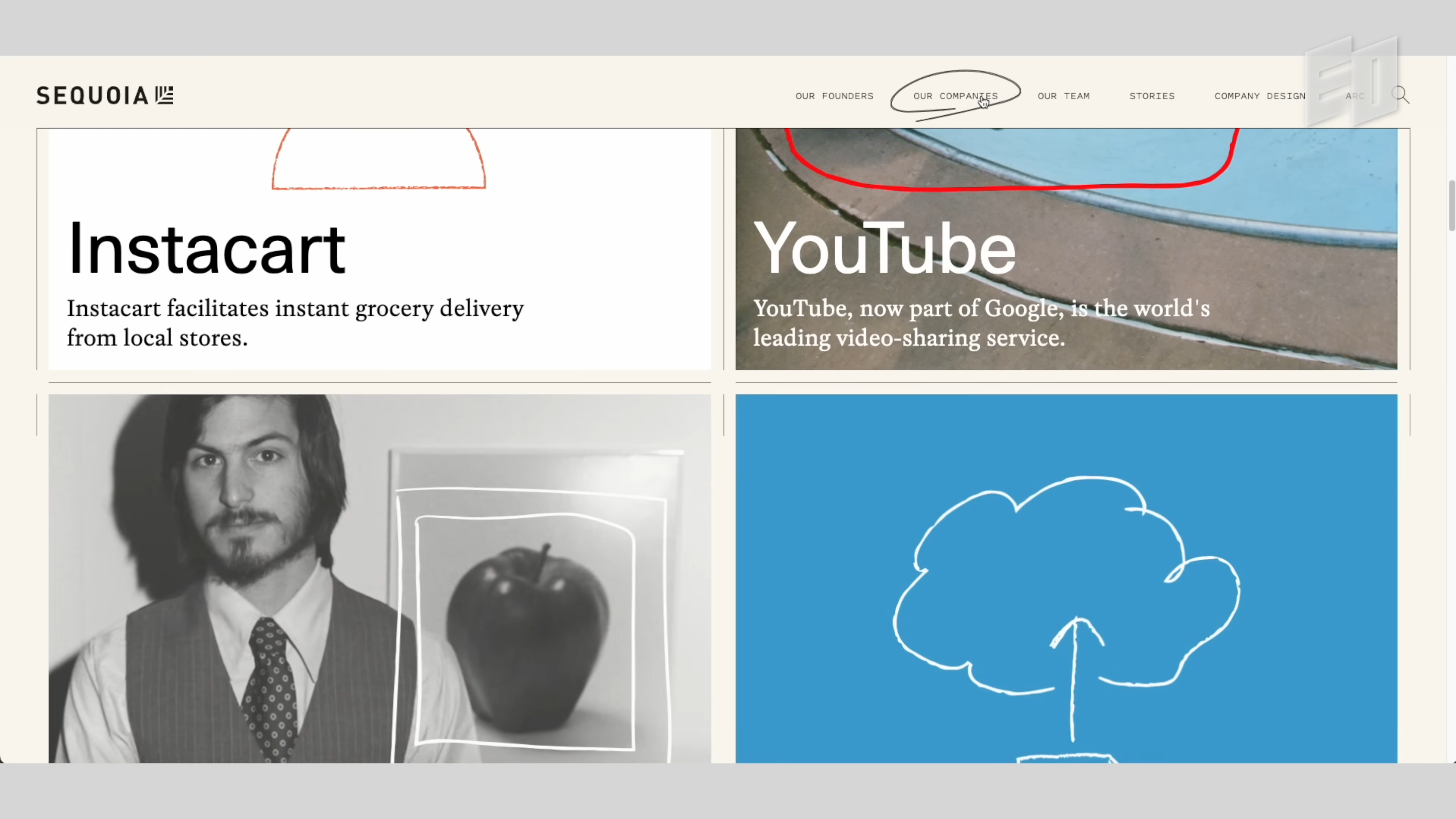
There are many famous VCs in Silicon Valley. If we go back in history, then those who have been around for many, many years would be Sequoia, that's been an amazing venture capital firm for, you know, 30-plus years. Then there is Venrock, a venture capital firm founded in the 1960s and still very active today. Then there are venture capital firms that have been around maybe for 20 years, for example Emergence Capital, that's specializing in B2B SaaS, or Andreessen Horowitz, also known as a16z, that is investing in a lot of stuff, and of course, these days, is leading, I think, in the field of AI.
The most important reason successful VC firms last a long time is because they make these great investments that turn into home runs again and again and again. But a home run, effectively, is: we invest $1, you get $100 or more, 100x, as we say. This is really important, because many people who don't know much about venture capital but kind of know about startups, they think, well, venture capital is a gamble. You gamble on some kind of very uncertain startups, and some of them turn out to be great. Well, it is not a gamble, and how do we know? Now, you can play the lottery, and if you go out and buy a lottery ticket and win a jackpot, I'll say you're lucky. But if next week you go out and buy another lottery ticket and again win a jackpot, I'll say that's a great skill. Now, in the world of finance, we call that persistence. It is very difficult to find persistence in the world of finance, but there is one corner of the investment universe where persistence has been around for 50 years, and that's VC. So those firms that are very successful, they tend to deliver outsized returns again and again, and that is really the reason why they're around.
Chapter 2. The Venture Mindset
When I started venture capital at Stanford, for many, many years, what I discovered is that they all share specific principles of how they make decisions. And I found it so important that I had a special name for it. I call it the venture mindset. The venture mindset is a different mental model of how to make decisions in a supercharged, fast-paced, innovation-driven world.
Homeruns Matter, Strikeouts Don't
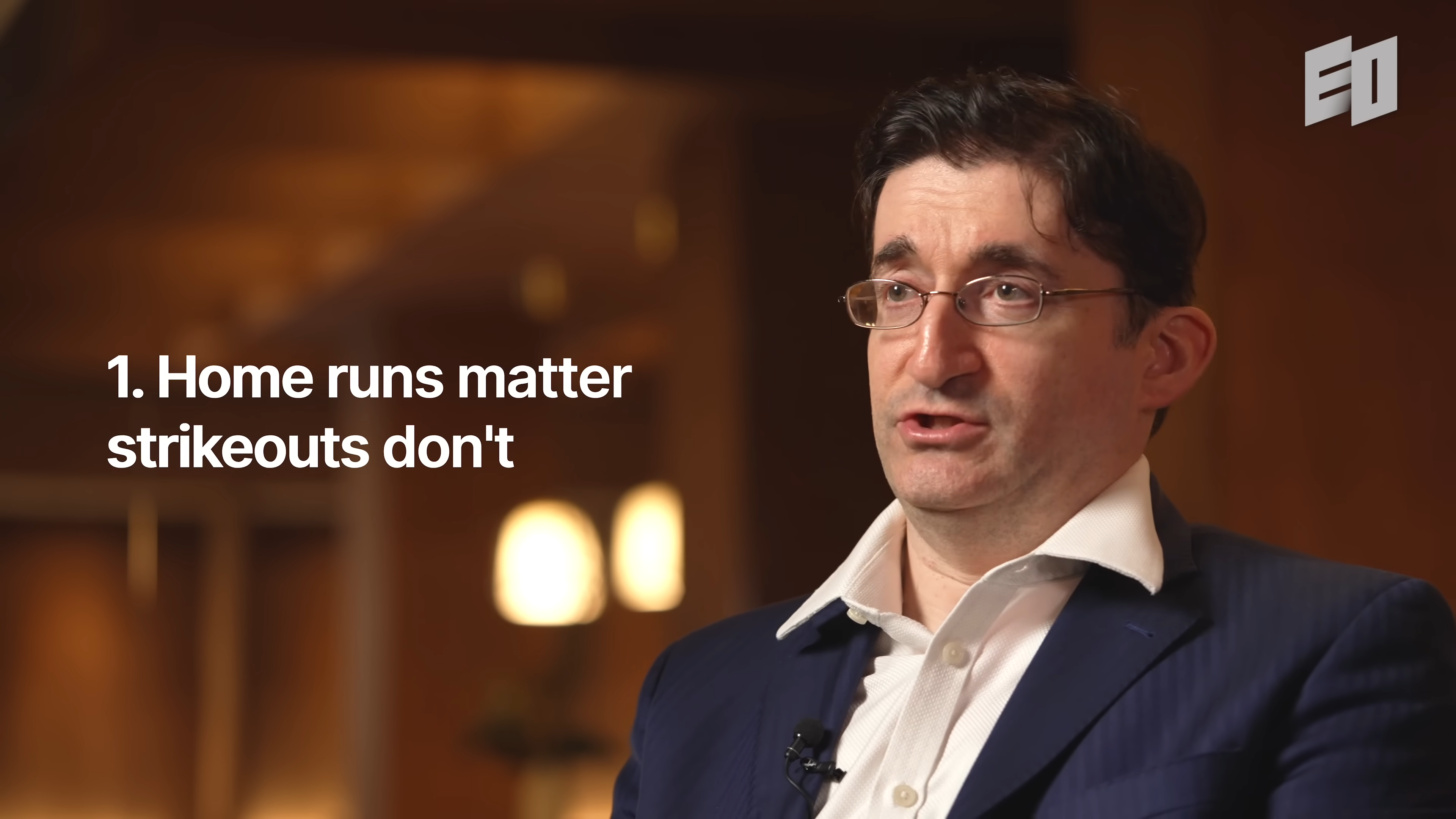
So let me start by describing one of them. Principle number one is: homeruns matter, strikeouts don't. Venture capitalists don't really care how often they fail or how much money they're going to lose if they fail. They care about what happens if they succeed. They care about how much money they will make if they succeed. And by the way, my research shows that on average, you have a home run only one out of 20 times. There are a lot of failures, but that one out of 20 can make your career, can make your huge returns that cover all the losses. And the philosophy of the venture mindset principle is that it is home runs that you have to think about.
This is really interesting, because in the United States there's a museum called the Museum of Failure, and you'll see a lot of inventions there, many of them backed by VC capitalists that failed. For example, a startup called Juicero that allowed you to squeeze a fresh juice right away. Cool stuff. VC capitalists in fact backed Juicero, and Juicero failed. What would have happened in, let's say, a traditional company? Had a manager invested in the Juicero project, and the Juicero project failed, likely you would have lost $15 million. Well, I guess that manager would be punished, because failure is not a good idea.
But in fact, if you look at VC firms that backed Juicero, they're one of the most successful firms in Silicon Valley. What I found out, something that I think is very counterintuitive for most people, is that if you look at the most successful VC firms, they tend to have a higher rate of failures. They have more failures than average.
Now, what is the lesson for all of us? I think that in your life, as you look back, it's all about home runs. It's all about what is the most successful thing that you've ever done. And to achieve those home runs, you have to experiment, and yes, you have to fail. I think failure is a good thing, as long as you achieve it fast, you achieve it cheaply, and you can try again.
Getting Outside the Four Walls
So the venture mindset principle number two is getting outside the four walls. In the VC world, what this means is that you can rarely meet VC capitalists in their shiny offices. They go out and meet founders in coffee shops, at fairs, etc. Sequoia, a well-known venture capital firm from Silicon Valley, they developed an algorithm that they called Early Bird. And the idea behind Early Bird is kind of very simple, really. They looked at the apps on the Apple Store that increased dramatically in rankings. They would look out for the founders of those apps, they would meet them, and then they would decide whether they would like to invest in them or not.
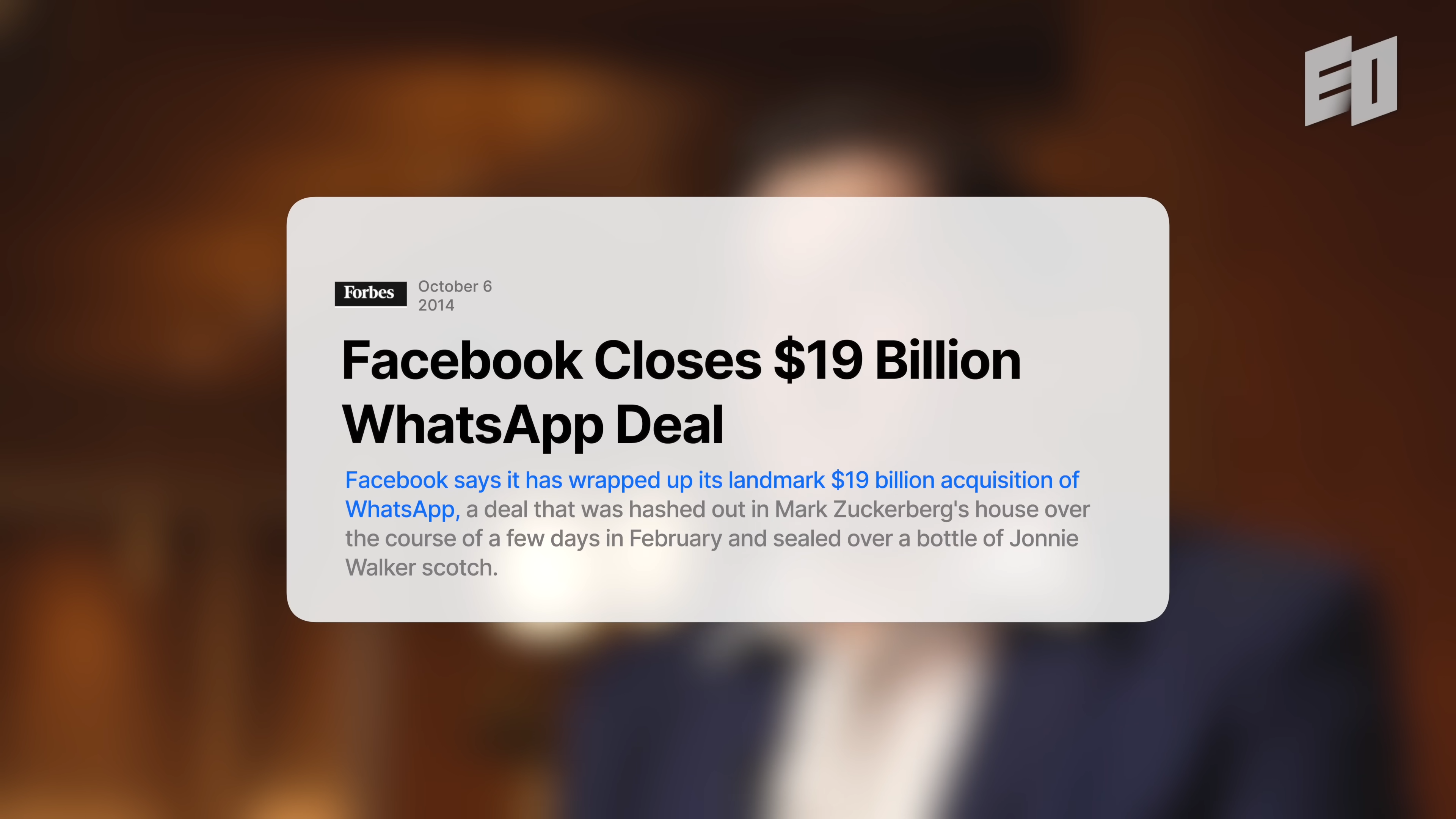
And one day, that Early Bird system started chirping particularly loud. So they looked up, and there was one app that they never heard of before that was just killing the ratings. It was like number one everywhere. Nobody knew the founders, and nobody had heard the name of this app before. Now, the app's name was WhatsApp. The only thing that they knew when they went into the App Store is the location of the company, and the location of the company was Mountain View, which is a city of around, I would say, 50 to 70,000 people in Silicon Valley. It's a large city. How would you go about it? Here's what Sequoia Partners did: they just decided to walk Mountain View, knocking on the doors and trying to find the founders of WhatsApp. And it took them several days, and they did find the founders. They convinced the founder that they would be investing in WhatsApp, and the rest is history. Very soon after that, Facebook bought WhatsApp for billions and billions of dollars, and that of course became a very successful VC investment. That is the principle of getting outside the four walls.
Prepared Mind
Now, the venture mindset principle number three is the prepared mind. The origin of this is science. A very famous French scientist of the 19th century, Louis Pasteur, said that in the field of observation, chance favors only the prepared mind. What he really meant by that is that to discover something, it's not enough to be lucky. It's important to be lucky and see your luck.
Let me give you an example. A student of mine was raising money from VCs. What happened was that a quite well-known VC capitalist sent him an email: we looked at your deck, we're actually quite interested, and here's the question. And my student was prepared. He responded within two minutes. Five minutes later: oh, interesting, here's another question. And this continued, this ping pong continued throughout the night, and the student was ready with every single question, and he was ready with deep answers. And the next day, the fund decided to invest.
You know, it's interesting, in Silicon Valley there is this myth that venture capitalists are geniuses who meet an entrepreneur, the entrepreneur is going to write something on the napkin, they fall in love with the founder, invest, and the rest is history. But the reality is very different. The reality is that VC caps are really prepared. They know right away the patterns that they see, they know right away how to evaluate an entrepreneur, so they can make very, very fast decisions. Try to have the prepared mind. I think preparation is very, very important.
Say No 100 Times
The venture mindset principle number four is say no 100 times. What I found out is that for each deal that VC capitals make, they tend to say no to more than 100 opportunities. And in fact, the best VCs tend to say no more often. Indeed, it's kind of in their blood. They expand their network. Now they need to very effectively say no to many startups so that they can invest in only one. They cannot invest in all of them. And what is really important is how venture capitalists solve this issue, how they say no.
This is what I found out. They use two mechanisms: the fast lane and the slow lane. To go from 100 to 10, they use the fast lane, and from 10 to 1, they use the slow lane. So the goal is for them to be able to narrow their deal funnel as quickly as possible initially, and that's where the fast lane comes about.
Here is the one point to remember about the fast lane: you ask a different question. You ask, why should I not invest in this deal? And once you ask a question that way, the way you reach an answer is very different. What I observed in novice investors is that they go straight to the slow lane, and then they are unable to process a lot of information, and their investments are not the best.
It's also important for our personal life. Whenever you're trying to make a decision on anything, I think the very first question you should ask is: do I have enough choices? Especially if it's about, let's say, finding a job, or joining a startup, or making a personal investment: do I have enough choices? Because sometimes I think you need to expand your choices to make a better decision.
Once you've expanded your choices, the question is how to make the decision more effective. Remember, always start with the fast lane. Always ask, why should I not do it? And the way you reach a decision is going to be different than when you ask yourself, well, why should I do it? Why should I not do it sounds similar but is actually very different. There's a lot of psychological research that shows that just adding this not changes the decision-making process.
Chapter 3. Tips to Write a Must-Read Blurb
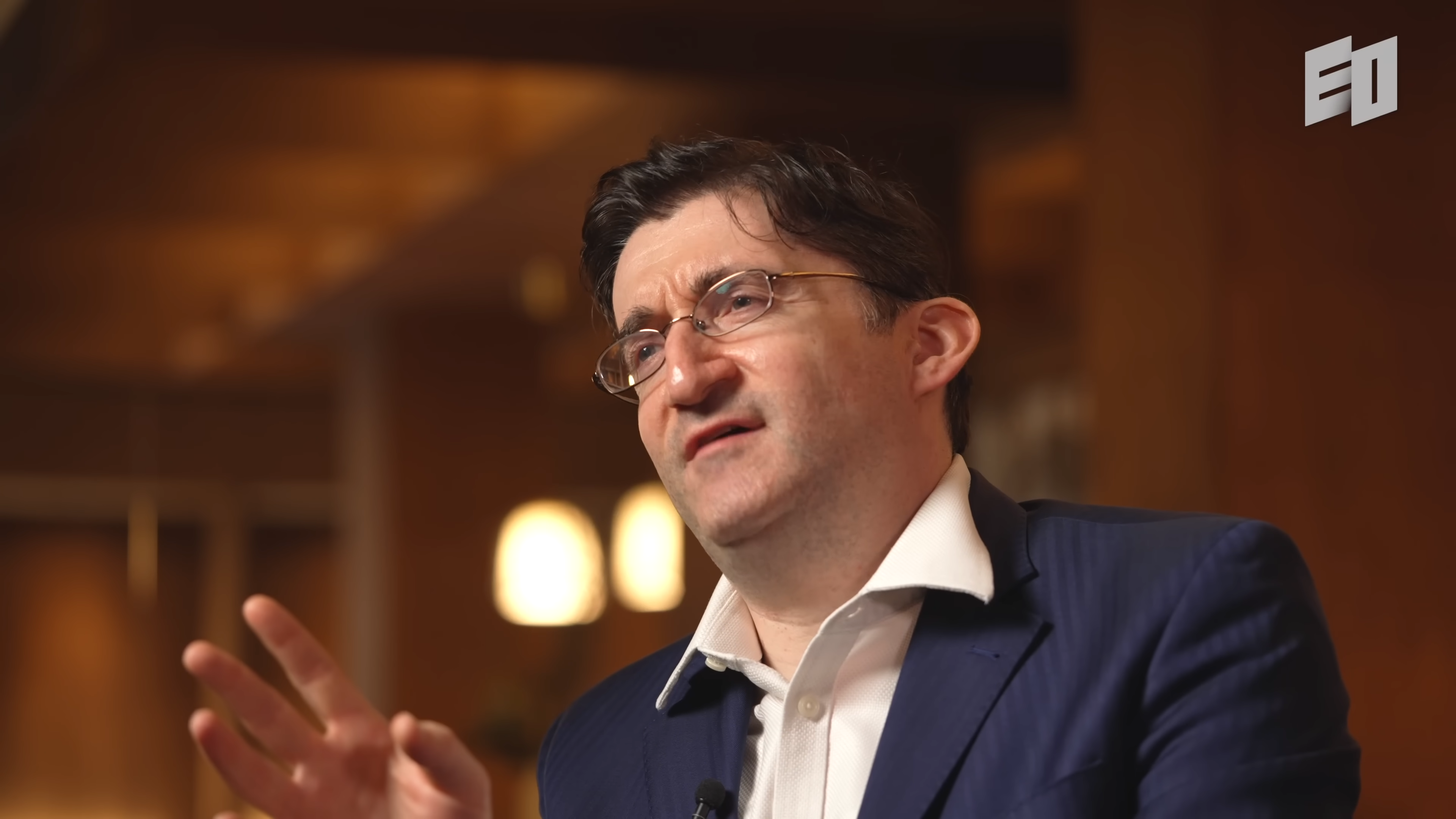
Many VCs would carefully check every single email they are getting. We call it cold calls in English, or cold email. So what I tell my students, and I tell founders from all over the world, is: if you don't know a VC capitalist, then you should not lose hope. You should construct a very smart blurb about your startup, and the probability that the VCs will respond to it is pretty high.
How do I know? Well, I've done research on this. Several years ago, my former student and I created 50 fake startups. For each fake startup, we created four fake founders. For each fake startup, we created websites, profiles, blurbs. And then we sent 180,000 cold emails to actual investors. What I found out is that if you restructure your blurb in an appropriate way, the positive response rate by investors is very large: one out of six to one out of 12 investors contacted.
There are many tips that will help you write an amazing blurb if you're a founder. First of all, you need to remember a very important principle: bet on the jockey, not just the horse. When I say bet on the jockey, it means that they really care about the founder, the founding team, and the very first question they will ask is: why is it you who would be the best fit for this product, for this market, for this service, and so on. So when you think about a blurb, the tip should be: it should be about you. Too often I see blurbs by founders where founders describe the business model, the market, the value proposition, etc., etc. They don't describe themselves, or they don't answer the question of why it is you that would be the best to do it. So in every single blurb, make sure that you spend one paragraph about you or your team and why it is you who would be the best. Remember the word unfair advantage: what is your unfair advantage?
The second tip: every single blurb should be very short. These days, everybody has a short attention span, and VC caps are not an exception. So your email should be a maximum of two paragraphs. The first paragraph should be about you, and the second paragraph should be about what you do. And when you say what you do, it could come in the first paragraph as well. It should be: what is the pain point that you identified, why this pain point can change people's lives, why this pain point is important, what is the solution.
And the final tip: like a famous poem, poets or famous authors will spend a lot of time thinking, crafting, editing, rewriting. So you have to spend time crafting that blurb. Practice, practice, and practice. And my advice, especially for founders, is: when you create a blurb, first practice on your friends, ask them to give you critical remarks, and only then send it to actual investors, because I just told you the response rate is actually very high if you succeed in writing a very interesting, attractive blurb. But you also have only one chance to open the door. If a VC capitalist gets this blurb and is not interested, that's kind of it.
And the final tip is the real question that a smart investor would be asking when they get a blurb from you. The question would be: why should I spend 30 more minutes learning about this founder or that startup? And that is the question you have to answer before you click that button and send your email to the venture capitalist.
Chapter 4. Strikeouts Are Strikeouts
So I'm investing, I'm investing a lot in my former students, and yes, there are some home runs, and of course there are many strikeouts. There are different types of failure, and I like the terminology constructive failure. Constructive failure is the failure that you can use to learn, you can use to improve your decisions in the future. I think it's really important to approach this from the psychological point of view: strikeouts are strikeouts.
So when a student emails me back, when a startup founder emails me back and says, unfortunately, we have to close the shop because the startup is not very successful, I just wish them good luck, and I tell the students: when you have your next startup, come back. And I think that attitude towards strikeouts is much more important than your attitude towards home runs.
And you know, the best strategy, if you're not successful, is to try to be not successful much more often. So my maybe most important personal advice for everybody: just step back and think about when was the last time you think you failed, and what you could have learned from that. Become a failure champion.