Jul 08, 2025
The Biggest Risk Is Not Taking Any Risk
Interview with BORYUNG HIS Challenge team
Founder Focused

💡
At a Glance
- Who: Jack Lim is Executive Director at BORYUNG, a pharmaceutical company that runs the Humans in Space Challenge, an open innovation program it launched in 2022 to find startups and researchers applying space and microgravity conditions to healthcare; Nicole Wagner is CEO of LambdaVision, a biotech developing an artificial retina.
- What: BORYUNG's Humans in Space Challenge connects startups and researchers with space agencies and prestigious research partners including NASA, Stanford, MIT, and Harvard Medical School, funding winners through an equity stake model or an orbital launch funding model that covers space launch costs; LambdaVision manufactures its protein-based artificial retina in microgravity aboard the International Space Station, flying open-beaker experiments in a shoebox-sized enclosure to get a more even, stable product.
- Traction: LambdaVision won BORYUNG's Humans in Space Challenge pitch competition in 2023, which supported additional microgravity research; BORYUNG says it typically invests around $100,000 for startup equity in the program and connects winners to agencies like NASA and the European Space Agency, alongside its own Humans in Space Accelerator Program.
In this interview, BORYUNG's Jack Lim and LambdaVision's Nicole Wagner explain how a pharmaceutical company built a global open innovation challenge to solve healthcare problems in space, why a biotech ended up manufacturing an artificial retina in a shoebox-sized box on the International Space Station, and how a 2023 pitch competition win turned into a much bigger partnership. Don't be afraid to take the risk.
Key Takeaways
"Rockets run on fuel, NASA runs on inspiration"
Lim opens with NASA Commissioner Bill Nelson's line to explain why a pharmaceutical company got into space at all. BORYUNG still runs its core drug business, he says, but treats space exploration as both a new growth frontier and a way to solve health problems for future astronauts and people on Earth.
BORYUNG built its space program by cold-emailing an ex-astronaut
Lim says there was no template to follow when BORYUNG launched the Humans in Space Challenge in 2022, so the team tracked down an alumna who had flown for NASA and now teaches at Georgia Tech to help frame the problem. That relationship snowballed into partnerships with NASA's Human Research Program, Stanford, MIT, and Harvard Medical School.
LambdaVision built a retina in a shoebox on the space station
Wagner says her team couldn't fly open-beaker solutions to the International Space Station, so they engineered their artificial retina experiment into a box about the size of a shoebox and flew it anyway after winning BORYUNG's 2023 pitch competition. The result, she says, was a more even, stable product than anything they could make on Earth.
BORYUNG bets $100,000 on a startup, then hands them NASA's number
Lim says BORYUNG runs two funding tracks: an equity stake its own venture partners evaluate as an investment, or an "orbital launch funding" model that only covers a specific experiment's launch cost. Either way, he says the real value for founders is the introduction to agencies like NASA and the European Space Agency, not just the check.
Space's next hires: spacesuit sewers, hoteliers, insurance underwriters
Wagner argues the space economy already needs people far outside science and engineering, from spacesuit design and hospitality to insurance and anthropology. Her advice to founders: where you start in the industry might not be where you end up.
"If you're stagnant, you're not going to grow"
Wagner and Lim close on the same idea from different angles. Wagner says staying in motion is the only way to succeed at something this new, while Lim says no one else has tried to build a space healthcare platform the way BORYUNG has.
Below is the complete transcription of the interview. Minor edits have been made for clarity and readability.
Building the Bridge to Space
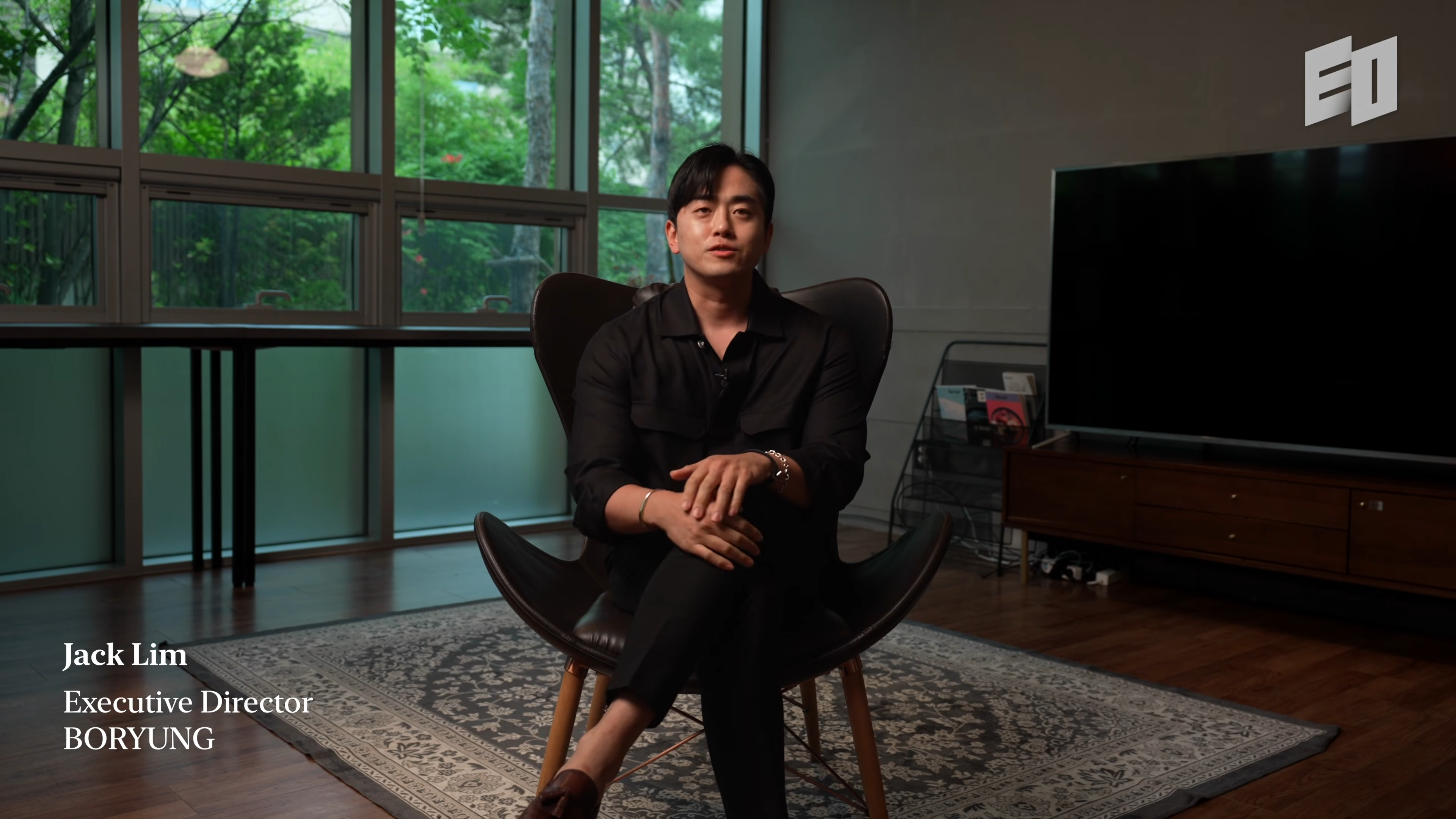
Jack Lim (Executive Director of BORYUNG): My name is Jack Lim, executive director at BORYUNG. BORYUNG is a pharmaceutical company. The way we are doing this is kind of an age of discovery, from the 15th to 17th centuries when European explorers went to different American continents. I think it's the same type of thing. We are currently confined to this blue marble Earth, but we all have our mission to explore space. That's why we provide our service as a pharmaceutical company, but also look at space as a new growth opportunity from a business standpoint, while also providing the right solution for human exploration in space.
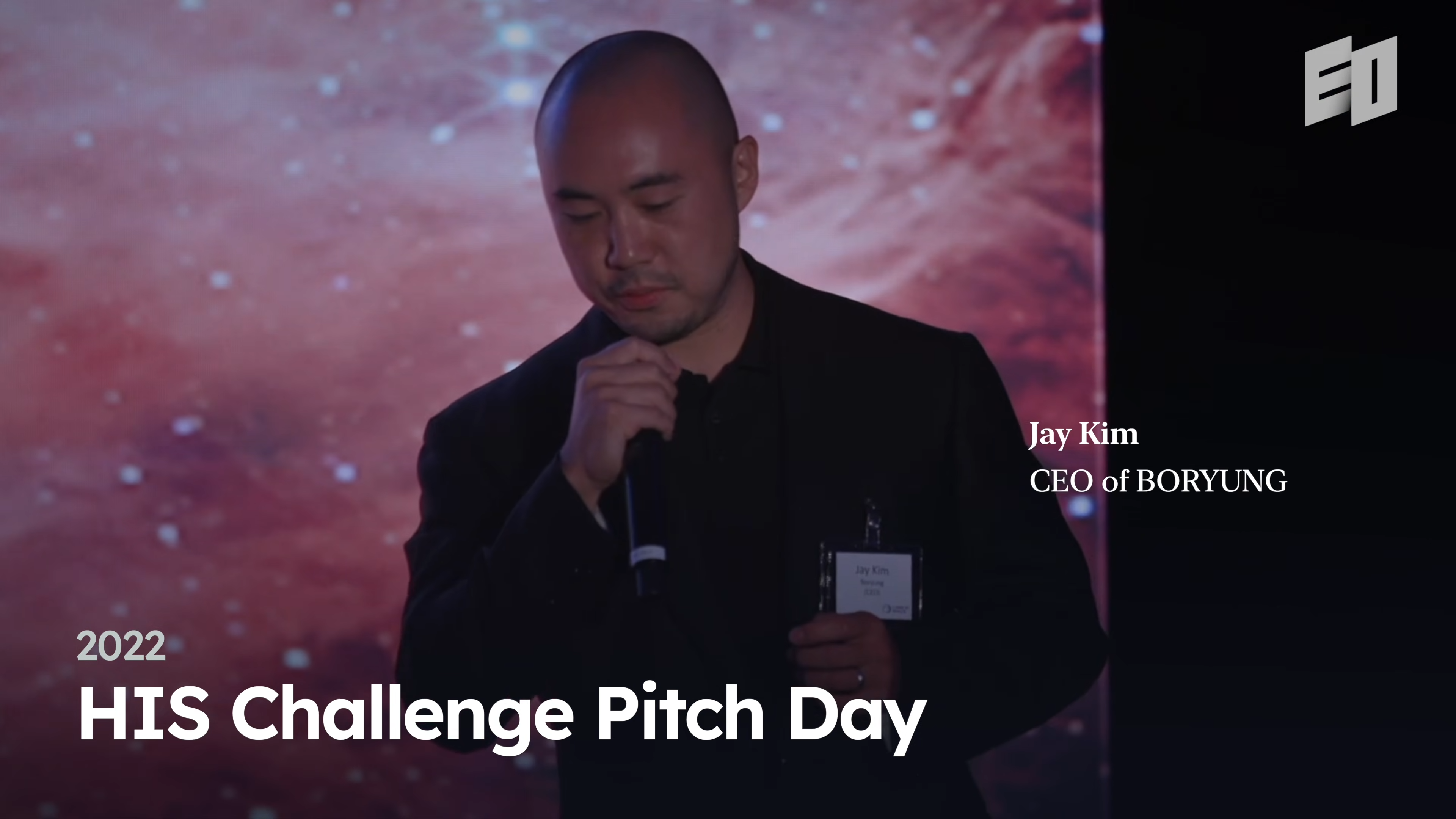
NASA Commissioner Bill Nelson said rockets run on fuel, NASA runs on inspiration. That inspiration will lead more and more people to space. That's why we are here. We need to be ready to send people to space safely. That's what BORYUNG's space work is all about.Jay KimCEO of BORYUNG
The Humans in Space Challenge is an open innovation global challenge program. We are trying to discover novel technology, providing the business service as a startup company, and also the researchers who are willing to send their experiments to space in the fields of biomedical and space healthcare.
We see space as a new opportunity, but we didn't know where to start in the beginning. We started contacting experts all over the world. Luckily, I got in touch with one of our alumni, an ex-astronaut at NASA and a professor at Georgia Tech, and I asked a lot of questions. We did a lot of Zoom meetings back then, and she helped us frame what type of problem we should solve.
We divided it into two scopes. The first sector we call critical problems in space, which is we're trying to solve the healthcare issues for our future astronauts in space. The human explorer in space, there are going to be many health issues that occur in the human body. We're trying to solve that problem first. The second one we call critical problems on Earth, which is using space's microgravity conditions to solve different kinds of health issues on Earth, such as cancer or aging related issues.
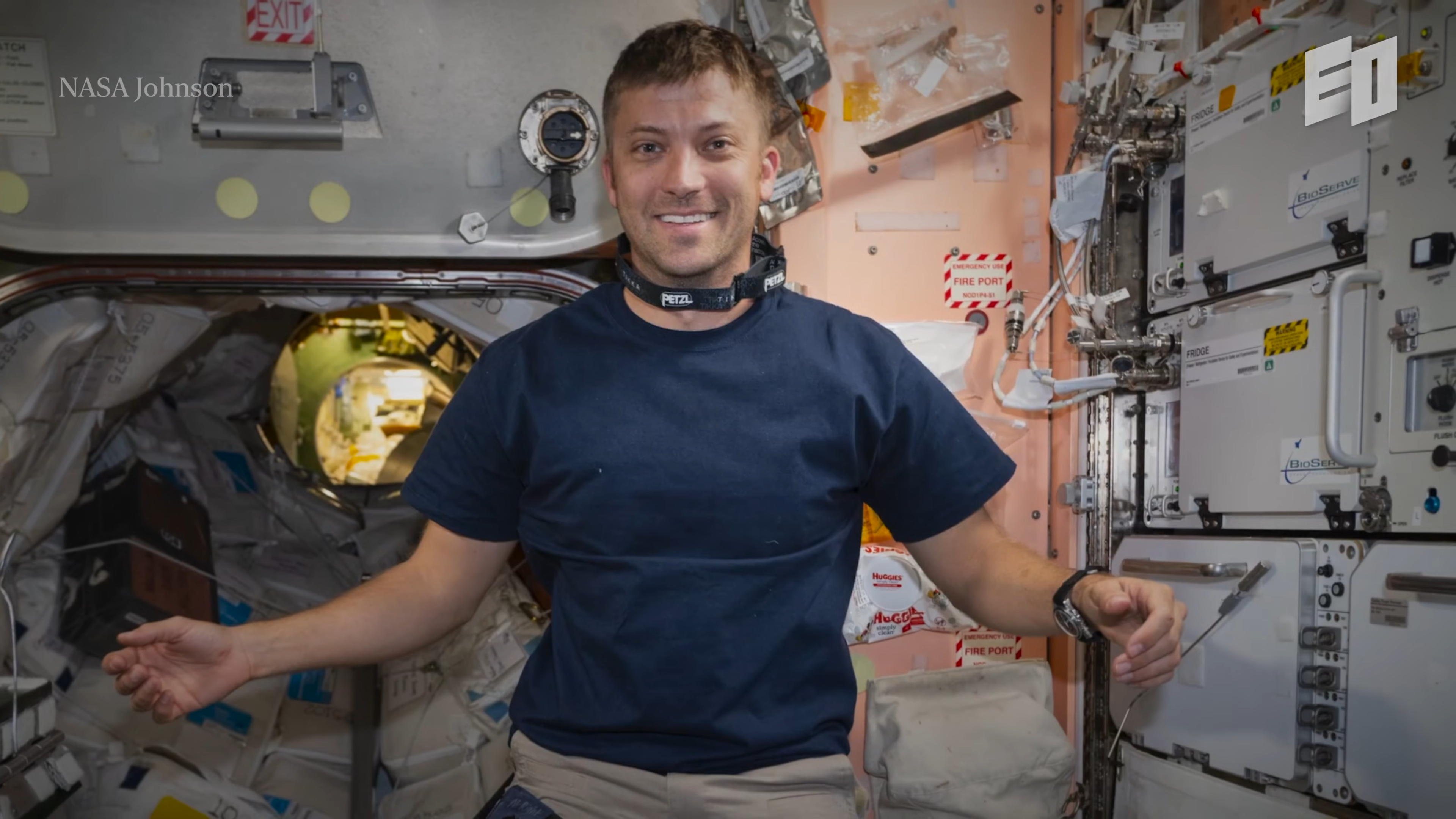
So mainly we have two scopes to solve the problems through our Humans in Space Challenge, and then luckily we got in touch with NASA's Human Research Program, which studies very similar problems to the ones we're trying to solve. When you think about NASA, you automatically think they have all kinds of solutions already. We saw their current work in terms of human exploration and how human body risk is different in terms of low Earth orbit, or lunar and Mars conditions. When you send people to Mars it takes at least six months, and during that time there are many things you should consider.
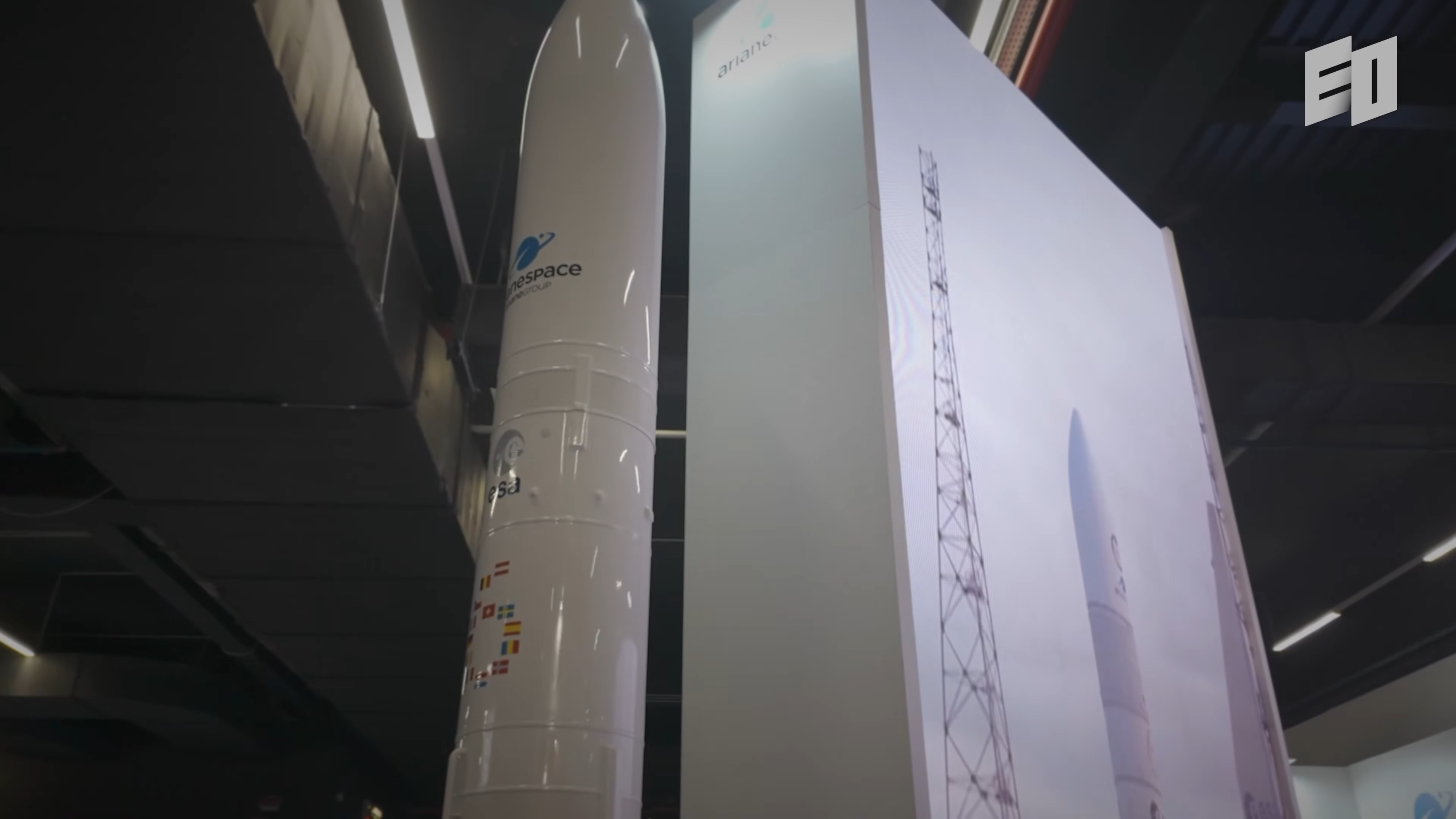
Even NASA didn't know how to solve that problem, so there might be something a commercial company can contribute, working with people all over the world. As a commercial company, we're more flexible. We got in touch with NASA, and they became one of our judges in 2022, and the partnership escalated from there. We got in touch with Stanford, MIT, and Harvard Medical School.
Everything started hard in the beginning. The main reason we were able to connect with such prestigious partners is that nobody had started this type of initiative before. We can use space not only as a research test bed, but there are companies trying to use it as a manufacturing platform. One of my favorite companies is LambdaVision. They are developing a new artificial retina in space.
Pioneers Join Our Mission
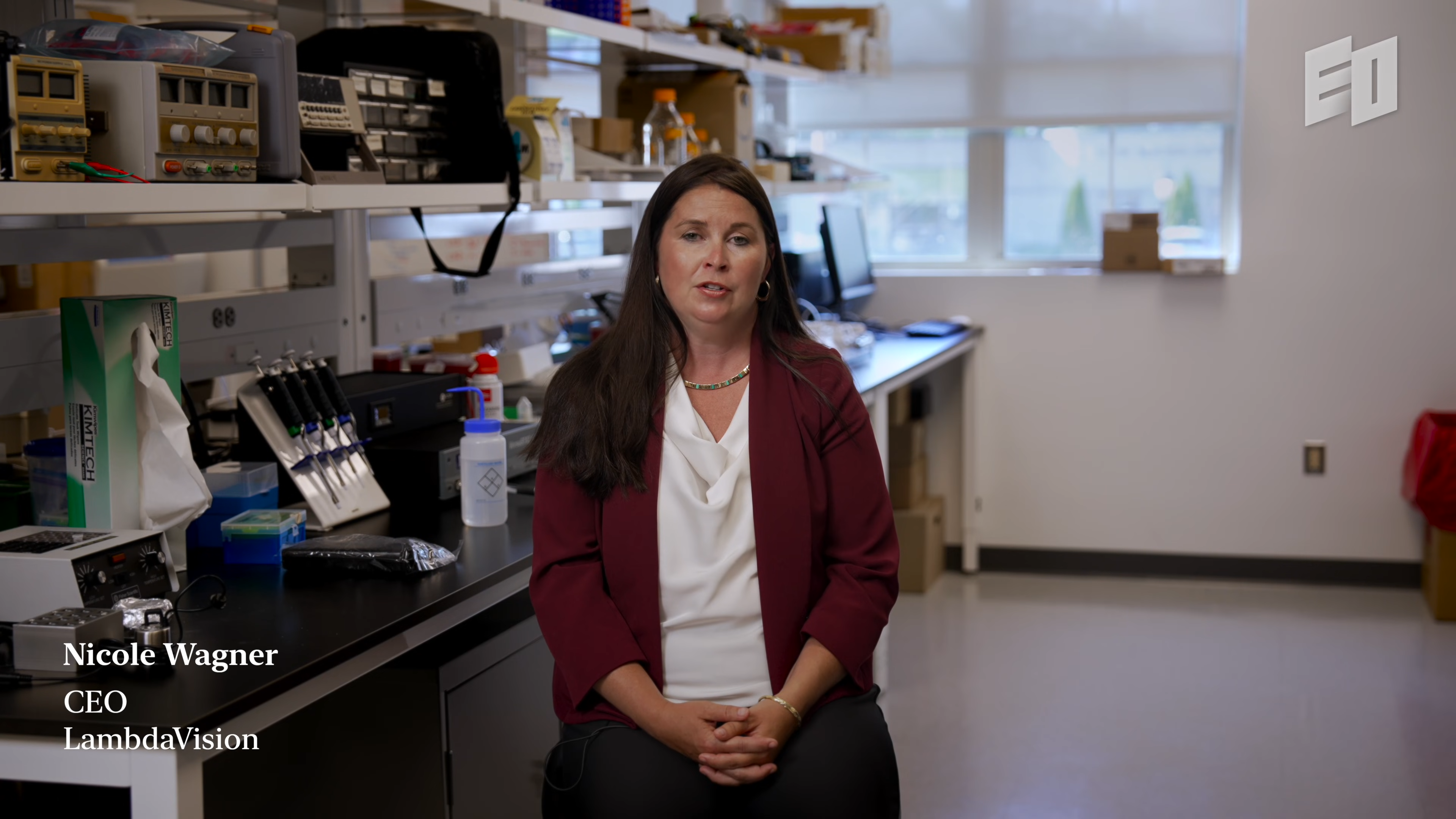
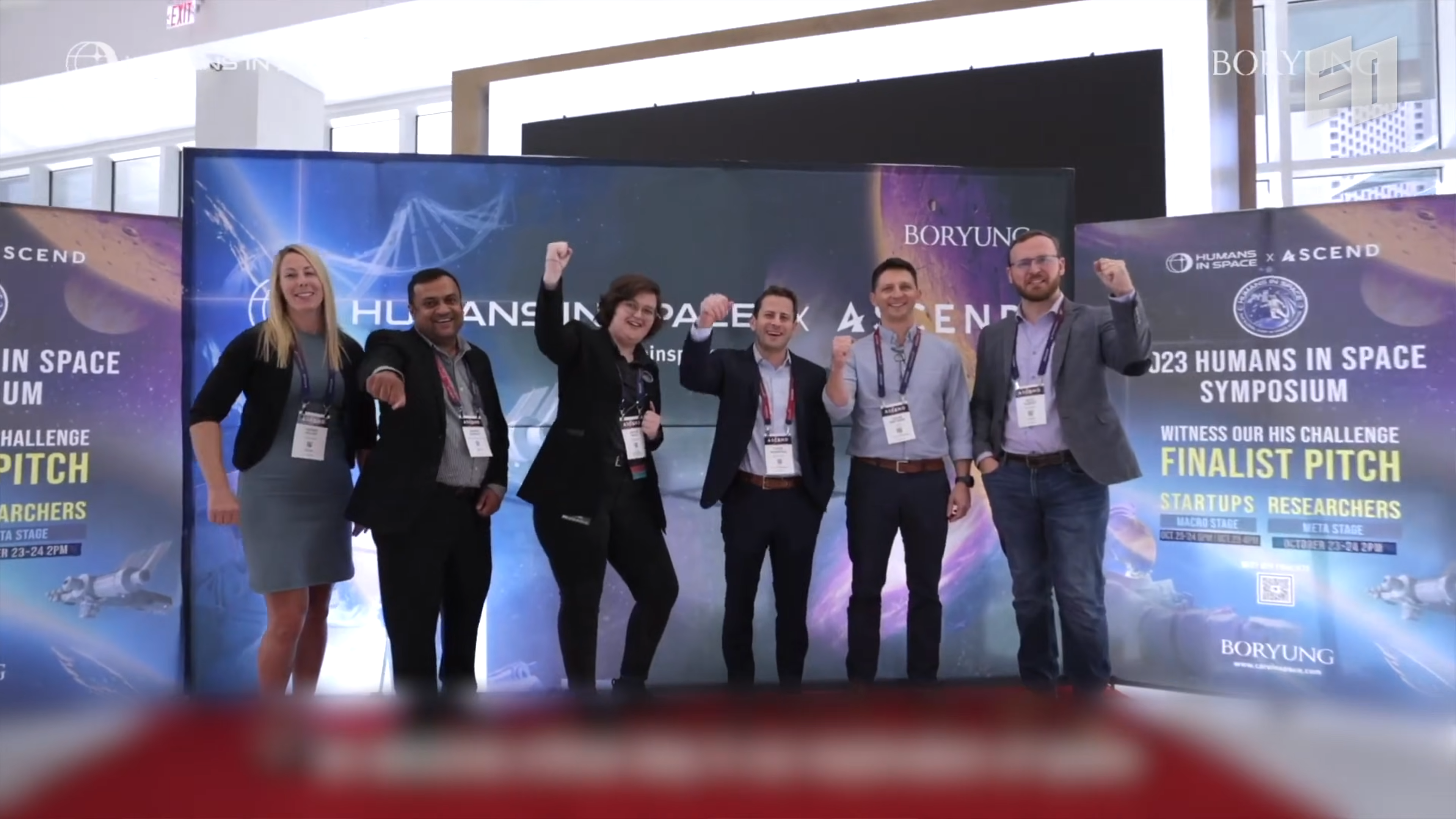
Nicole Wagner (CEO of LambdaVision): LambdaVision participated in the Humans in Space Challenge in 2023. We had to come up with a pitch competition, and we pitched in front of a large audience. People came by and talked to us at our individual booths. We were a winner that year, which supported us in doing additional research in microgravity. We were really excited about the results we got from space, because what we're showing is that we can actually get a more even, stable product.
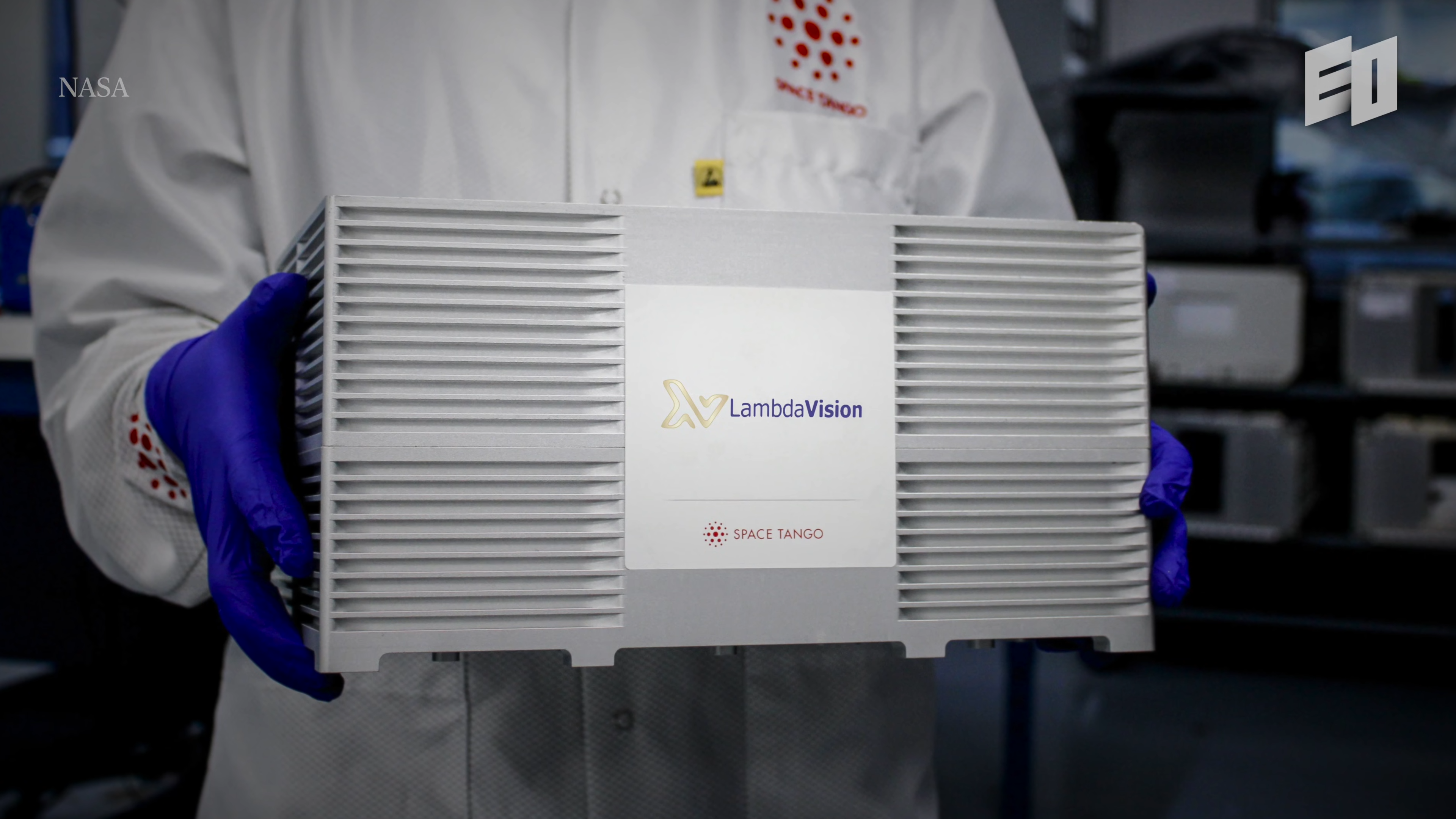
What we did is take those open-beaker experiments (you cannot fly open solutions on the International Space Station) and flew them in a box about the size of a shoebox. I didn't think it was possible. It just wasn't the first thing on my mind.
Jack: There's actually some of the cases where some of the startups haven't thought about applying their current prototype model to space. They never thought about that. But space will be the next opportunity for them to develop over the long term. Our main role is to connect the right teams to the right partners so they can send their R&D and research to the right platform.
When it comes to funding, we have different models. One is equity stake, where we invest in the company's equity. We also have an investment model called orbital launch funding, where we cover the space launch cost for a specific experiment. The people who apply to those programs, we have the right procedure for our judge process, so each individual judge reviews each individual applicant, and mostly for equity-stake companies we see them as an investment opportunity, so our venture capital partners also look at them as potential investments.
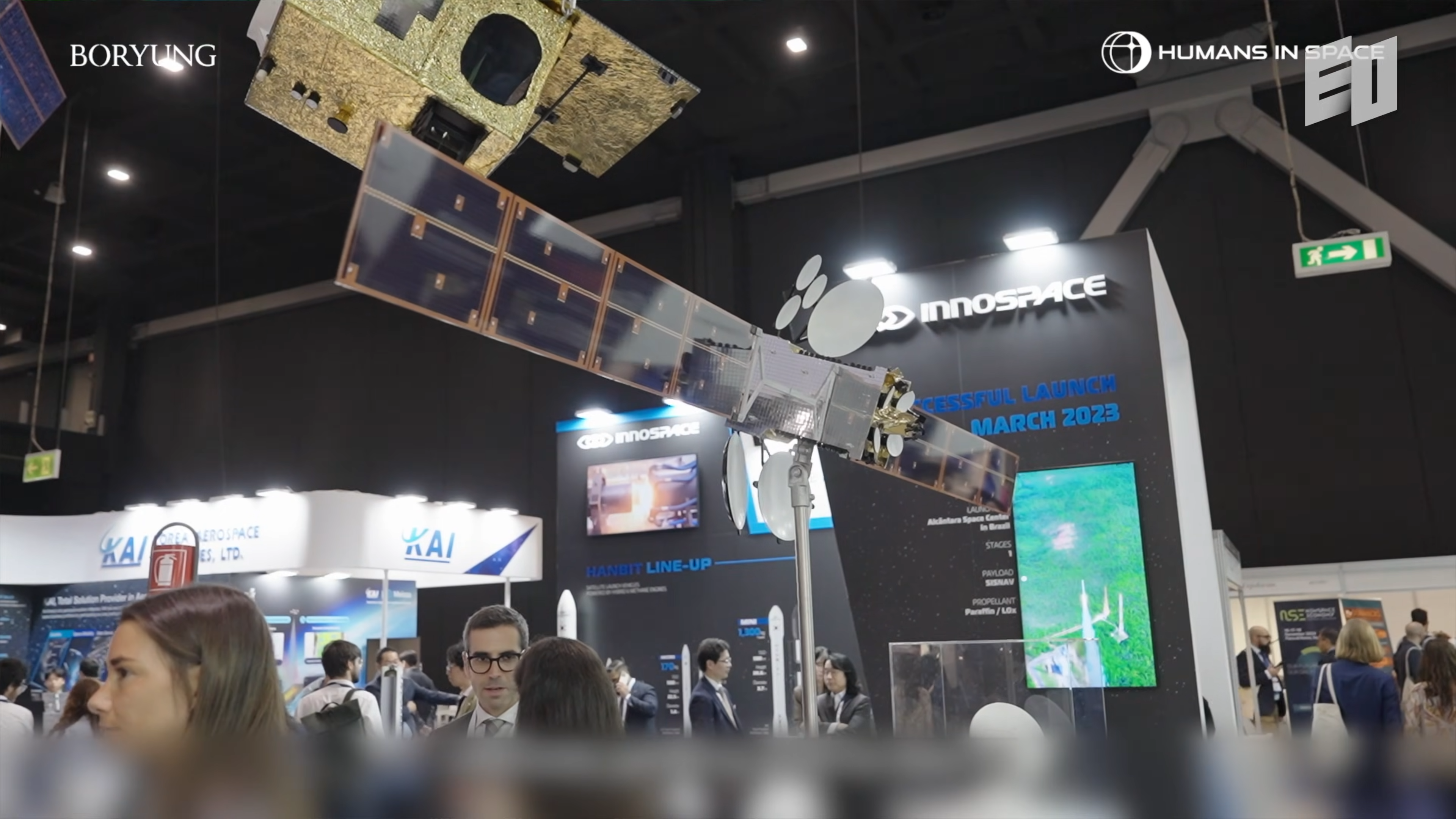
Running our business this way is smart: we only invest around $100,000 for startup equity, but at the same time we connect founders with space agencies like NASA and the European Space Agency, and we support them through funding. We also have our own internal accelerator program, called the Humans in Space Accelerator Program. We're not a space company and we don't have full expertise in space healthcare, but we know how to create a platform that connects the right people with the right partners, not just at the research level but also for utilizing the space environment.
Nicole: This is a really good time to get involved, and we're also building something from the ground up, laying a blueprint for the future 10 or 20 years out. You're pioneering not just what you need today, but what you're going to need in five years, in ten years, and where the industry is going to go. When you're doing new things, it can be very challenging. It doesn't always feel like you're doing the right thing, but if you're stagnant, you're not going to grow.
Now It's Your Turn
Jack: One of the things I realized running the program is how individual researchers and startups work on different problems when it comes to space exploration and solving problems on Earth. We saw how scattered they were, how they weren't able to connect with each other, because each individual technology and research effort has a lot of value and potential, but they just don't know how to connect with the right partners. We have a pretty good network across university and space agency levels that have historically conducted numerous space-related research, so we can make sure to connect the right people with similar research and our expertise.
Nicole: One of the great things about being part of these challenges is the people you meet. The only way we're going to be successful is if we all work together, in order to do something very bold and visionary, you need a lot of thought leaders in a room working together to accomplish that. Many of the people I met during that experience, we still share ideas, everywhere I've gone. The energy from other entrepreneurs, the excitement in the space, also helps keep you going.
Jack: When people talk about space, it's very complicated, a very difficult concept to understand. But the International Space Station was actually built in 1998, about 20 years ago at the time. The way we're trying to build the space healthcare ecosystem isn't just about running the Humans in Space Challenge, but about securing the right infrastructure to provide an experiment service platform. It's not a new concept. It's existed ever since the International Space Station was built, but no one has actually tried to play it the way we're doing it. That's, I think, a pretty big value.
Nicole: Don't be afraid to take the risk. Be bold, be visionary. This is a pivotal time for space research. But I would also tell people that opportunities in space aren't just for scientists and engineers. Right now there are opportunities in space for people developing spacesuits, for people sewing in space, for insurance, for hotels and hospitality, for anthropology in space. Where you start might not be where you end up.
Jack: I think most startups change their business model very frequently, but I think space will be the next opportunity for them to develop over the long term. I want those startups out there to look at space as a new opportunity, to test or apply their current business model or technology in space. Everything we're doing is pretty much a first step. Space healthcare is a very rare topic, but at the same time, we're leveraging the healthcare industry to break into the space economy and space industry. It's obviously an intersection of two industries in one program.