Aug 15, 2023
Revolutionary Game Changer in the U.S. Healthcare
Interview with Artemis Health, Co-founder of Grant Gordon
Founder Focused

💡
At a Glance
- Who: Grant Gordon is the co-founder and CEO of Artemis Health, a company he started after watching doctors struggle with broken software while his father was treated for cancer in 2012.
- What: Artemis Health builds a software platform that pulls together an employer's health care data, including medical claims, pharmacy claims, and eligibility data, so companies can understand and manage employee health care spending.
- Traction: Artemis Health has raised $60 million, works with about 600 employers including Google, Amazon, and Boeing, covers roughly 12 million lives on its platform, and was acquired by Nomi Health, where Gordon remains CEO of the subsidiary.
In this interview, Grant Gordon traces Artemis Health's path from a hospital waiting room to a $60 million health data platform used by Google, Amazon, and Boeing.
He explains why he mistook early traction for product market fit, and why the real thing took two and a half years to arrive.
He walks through the calculus behind selling Artemis Health to Nomi Health, and what happened to the team afterward.
And he shares why the only real lever a founder has left, once the company grows, is the culture they build.
He explains why he mistook early traction for product market fit, and why the real thing took two and a half years to arrive.
He walks through the calculus behind selling Artemis Health to Nomi Health, and what happened to the team afterward.
And he shares why the only real lever a founder has left, once the company grows, is the culture they build.
Key Takeaways
Product Market Fit Isn't Real Until Customers Are Dragging You Into the Market
Gordon warns that founders can convince themselves they have traction before they actually do. He says he thought Artemis Health had product market fit too early, and catching up to that mistaken belief was painful. The real signal, he says, is customers pulling you forward, not the other way around.
A Cancer Diagnosis, Not a Business Plan, Started Artemis Health
Gordon traces the company's origin to 2012, when his father was treated for cancer at the Huntsman Institute. Watching doctors struggle with the hospital's software convinced him that health care technology was broken, even though he knew nothing about health care itself. That observation, paired with his software background, became the seed for Artemis Health.
It Took Two and a Half Years to Land the First Customers
Gordon says Artemis Health spent its early years cold calling benefits teams for honest feedback rather than trying to sell them anything. The company didn't sign its first two customers, Intuit and Nielsen, until the end of 2015. After that, growth accelerated quickly.
Speed, Not Just More Data Sets, Won Artemis Health Its Customers
Gordon says competitors only integrated three data sets, while Artemis Health connected many more so employers could see the complete picture. He argues the bigger advantage was self-service: where rival platforms took weeks to answer a single benefits question, Artemis Health let managers get answers themselves in minutes.
Getting Acquired Doesn't Have to Mean Losing Your Team
Gordon says the decision to sell Artemis Health to Nomi Health came down to a mix of factors, including the pandemic's impact on the industry and a desire to grow faster with more capital. He is proud that, unlike many acquisitions, nobody at Artemis Health lost their job, and employees walked away with more equity.
Once a Company Grows, Culture Is the Only Lever Left
Gordon says that once he built an executive team and let them run their own hiring, the only way he could still shape Artemis Health was through its culture. He spent about a year studying the people who best represented the company before writing the values down, including wear other people's shoes and make heroes out of the people around you.
Below is the complete transcription of the interview. Minor edits have been made for clarity and readability.
Introducing Grant, a Co-founder at Artemis Health
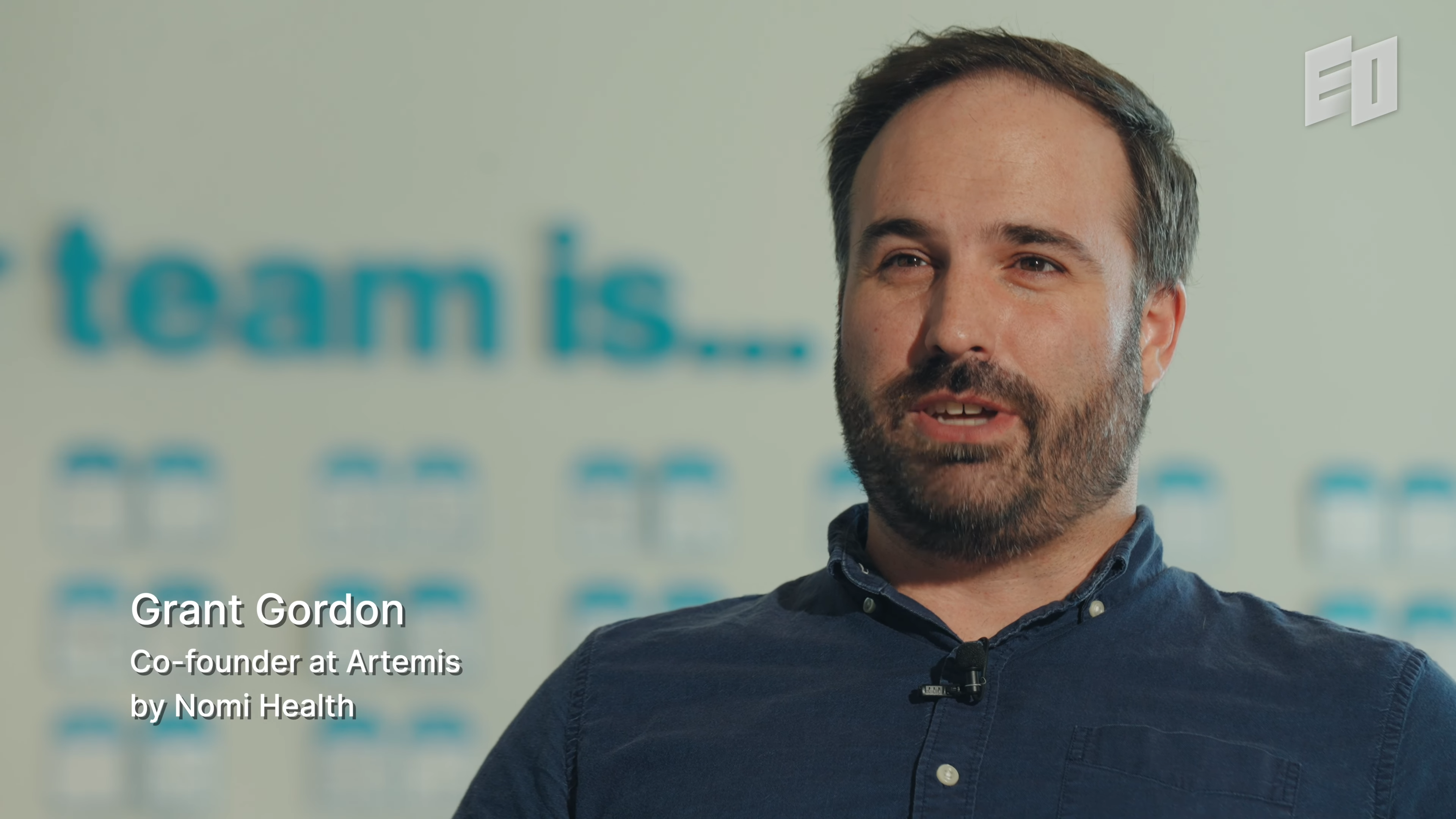
My name is Grant Gordon. I'm the co-founder and CEO of Artemis Health. The U.S. health care system is a little strange in that about half of people get their health care from the company that they work for, so about half of health care in the US is paid for by private employers.
We have a software platform that pulls the data in from their health care activities. This platform helps the employer understand diabetes management or medication management, what's working and what's not. The platform helps them understand that whole thing. We've raised $60 million. We have about 600 employers that work with us today. We have really big ones like Google, Amazon, and Boeing.
We have about 12 million lives on our platform represented in the data, 600 employers that we work with. We were recently acquired by a company called Nomi Health, and we're joining forces to go faster and have a bigger impact.
Nurturing a Passion for Healthcare Innovation
In 2012, my dad got cancer. I was waiting with him at the Huntsman Institute and I was distracting myself by looking over the shoulder of the doctors and nurses who were trying to use the software on the computer in the room. I kept thinking, wow, this is just the worst software I've ever seen in my life. Everyone says that U.S. health care is really broken. I was seeing one perspective on that, and I didn't know anything about health care, but I knew a lot about software.

So maybe if my co-founders and I put our humble hats on and looked around, we could find something to chip away at. And that would be a good way to spend our lives, but we didn't really know what. So we started making concepts. We were introduced to some investors in New York called Blueprint Health, and they had an amazing network.
They actually flew out to Salt Lake City, which is pretty crazy. They grilled us on what we wanted to do and they decided that they wanted to back us. On July 6th, 2013, we stepped off a red eye in New York City. We got an apartment for the summer and started working at Blueprint's loft every day. The way that they introduced us to so many people, we got to learn really fast.
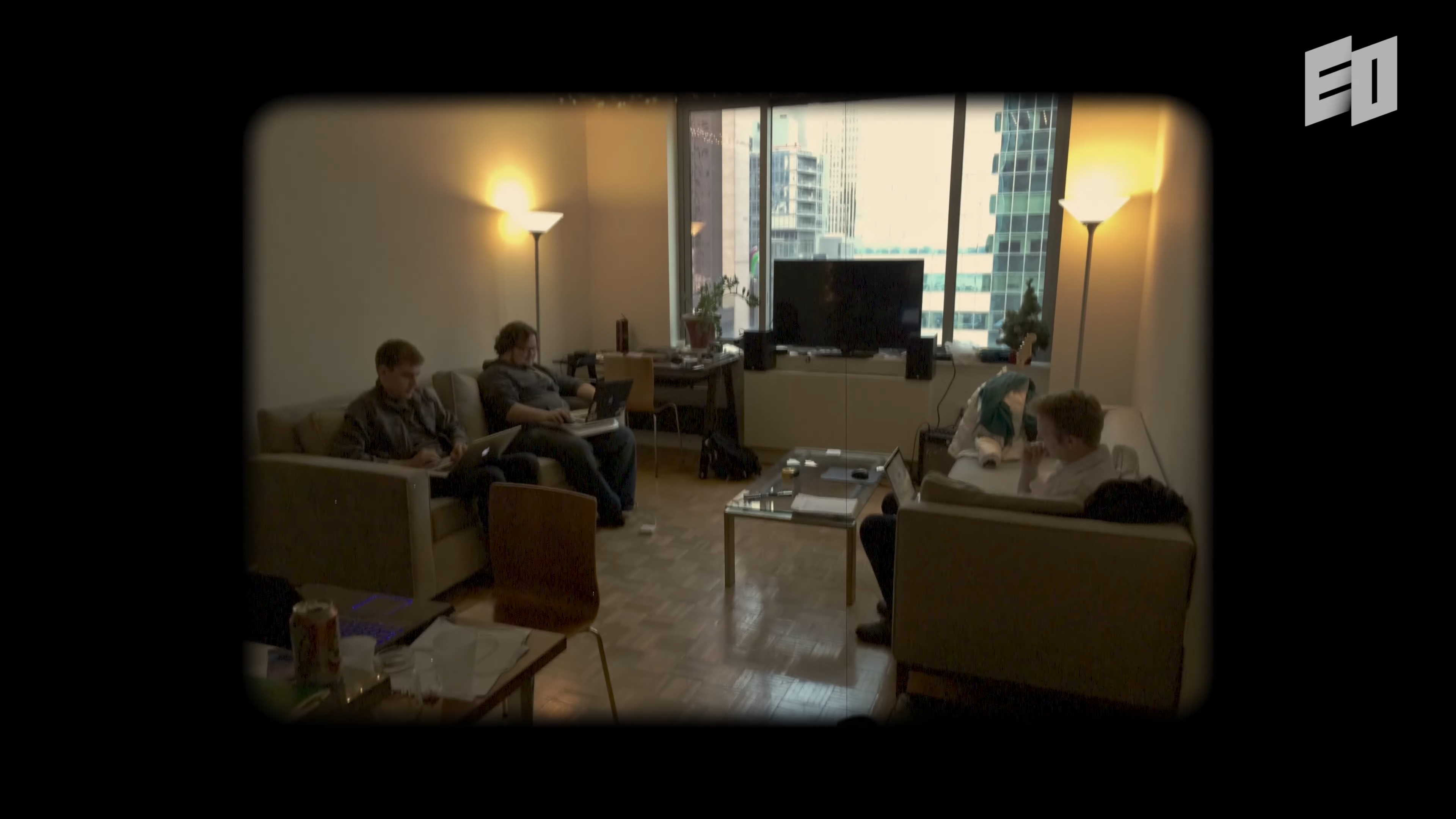
We were pitching our concepts to a lot of employers and we got a few employers to sign things called Letters of Intent, basically saying, if you build this, I will buy it. Based on that kind of early commitment, we were able to raise about $1.2 million. Once we got that, we kept our burn very low. We paid ourselves almost nothing, even though we were living in New York for the first two years.
By the end of the summer we decided we wanted to work with employers. We wanted to create a data platform to help them run that scientific process to optimize their health care and move forward with that. A lot of startup stories, it's like a light bulb moment: aha, I want to go do this. For us it was just very gradual, just trying to follow our passion and follow something that would help us make a difference in the world.
Revolutionizing the Conservative Market
The industry that we picked was very well established and had a very small number of competitors, but they hadn't been improving their products for 15 or 20 years. It's a very conservative industry. They're very old, very hard to use, very slow. What we focused on was trying to make health care benefits data easy.
The tricky thing about building analytics software with health care data is it's very hard to build data software without the data that you're going to be analyzing. But nobody wants to give you any data until you've already sold your software to somebody and they're using it. So it's a chicken and egg kind of problem when we were building our MVP. That was a lot of what we were trying to get around.
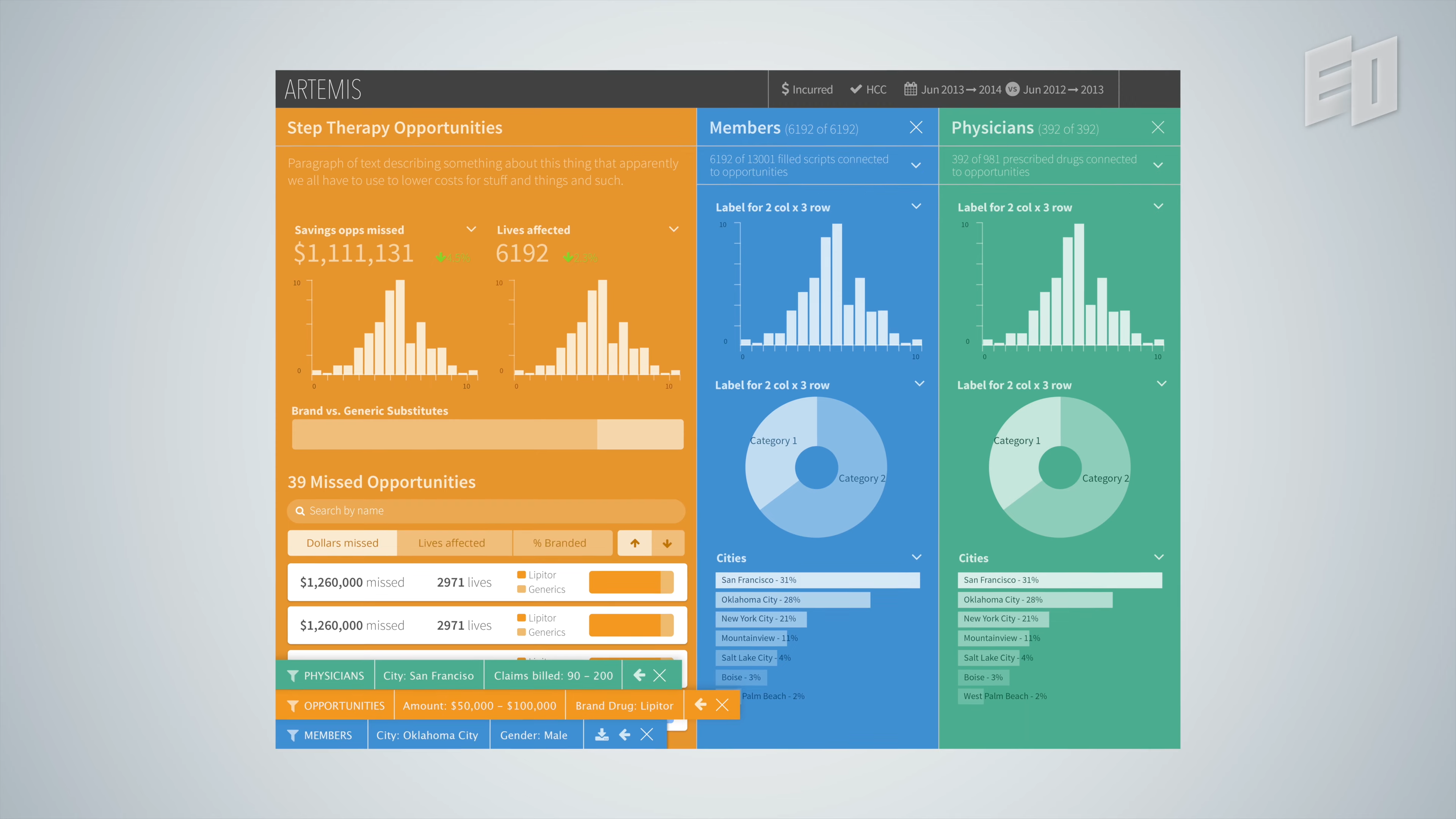
When customers were looking at our software, they were looking at essentially a very sophisticated, clickable prototype. Then we started cold calling potential customers and asking for feedback by reaching out to these benefit teams without trying to sell them at all, just really honestly looking for feedback. Over time, we were able to build really genuine relationships with these people.
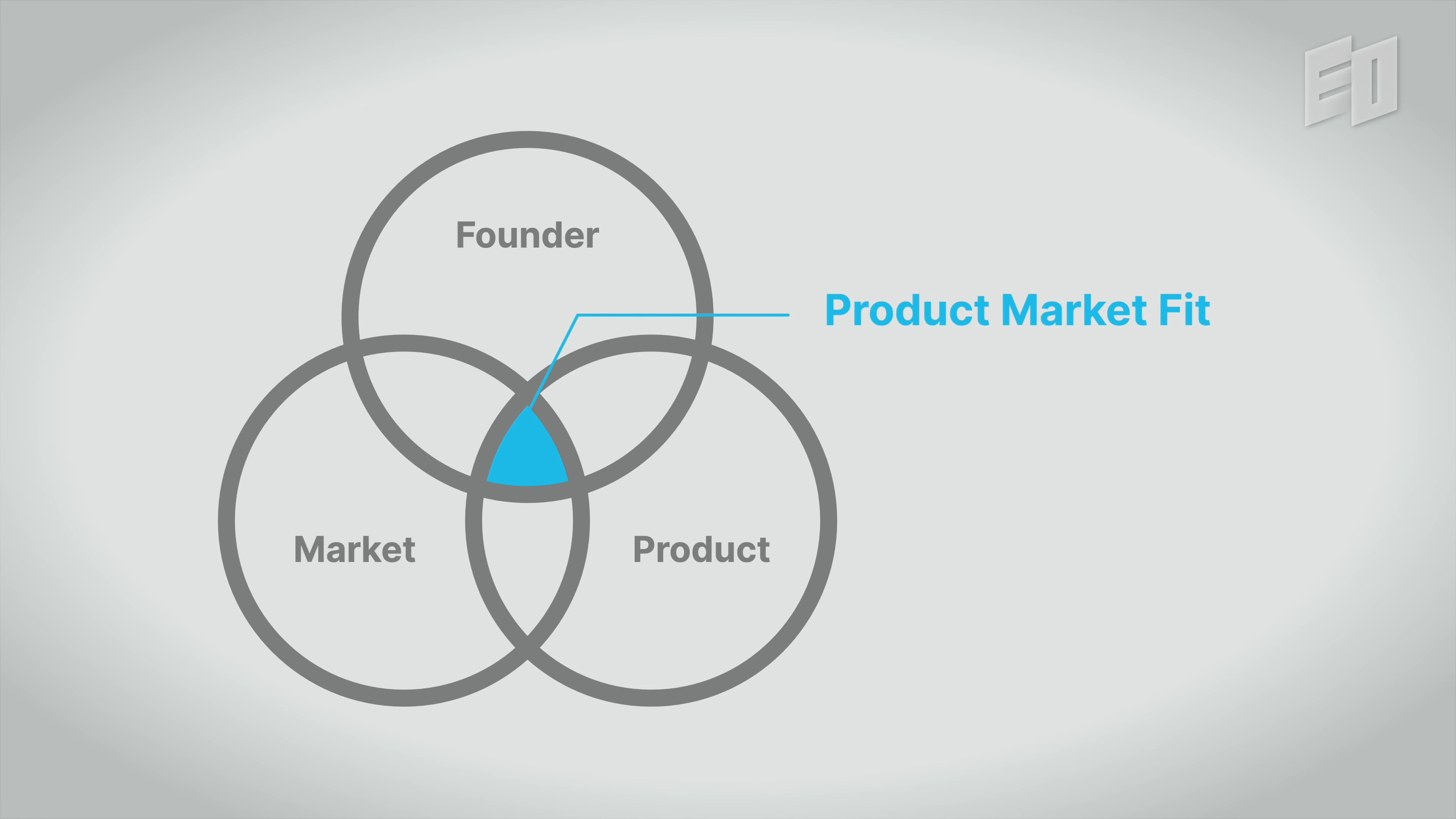
When you're a founder, you're looking for reasons to believe in what you're doing, but a really important thing to not kid yourself about and not be duped by is product market fit. You don't have product market fit until customers are dragging you into the market. That's when you've got product market fit.
I think we thought we had product market fit a little bit too early, and it was kind of hard to catch up as we were going, and that was really painful. It took us a while to get our first customers. It took us two and a half years, actually. At the end of 2015, we signed our first two customers, Intuit and Nielsen, and then we just started growing like crazy.
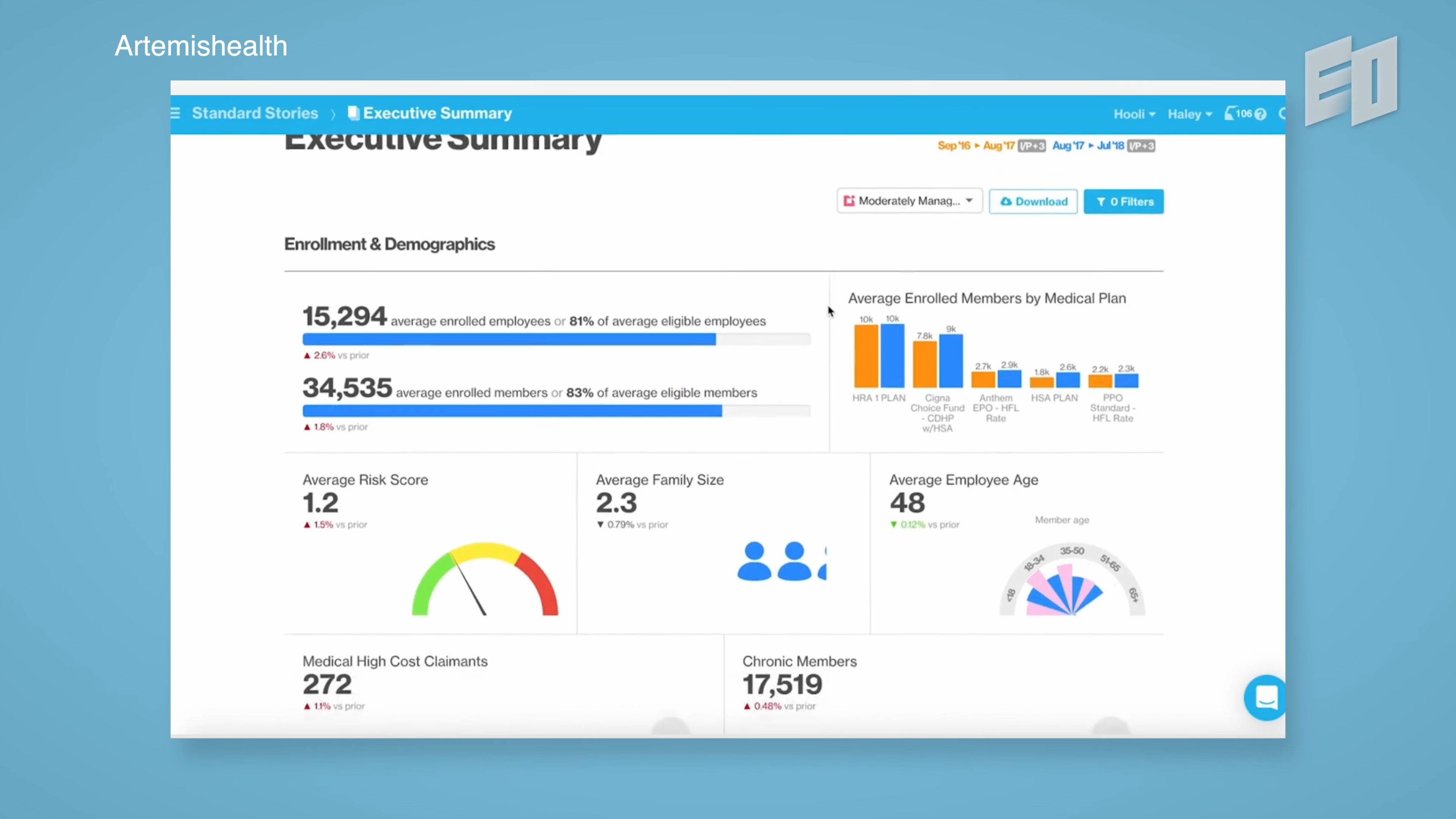
I think the reason why customers switched was a few things. One, they hadn't had a new option in a very long time. Our competitors generally only integrated three data sets: medical claims, pharmacy claims, and what's called eligibility data. Most modern benefit programs have many data sets. We built our technology to make it much, much easier for us to connect all of those data sets so that the employer could get a complete picture of everything that was going on.
The other piece was our competitors' software wasn't really self serviceable for most people. There is this massive lag where if you're a benefits manager, you would go and ask an analyst a question, and it would take them a long time to set up the report, and then it would take them a long time to run the report, and then they would bring it back and you'd see it and say, that's not what I actually wanted, so then they'd have to go do it again.
So it would take weeks and weeks to get answers to any questions, because Artemis is so fast, they could get their own answers to their own questions like this. So it's not like a computer that's 15% faster. It's like weeks faster.
I don't know that there's one moment or a simple reason for deciding to go ahead and get acquired. For us, it was a complex calculus involving the pandemic's impact on our industry, some ambition that we had to grow faster and build more products with more capital and access to customers. Seven or eight years in, we just started getting phone calls from companies that wanted to acquire us.
We ended up getting acquired by Nomi Health. We have very complementary products. I thought there was a ton of potential for our employees and team members to grow in the new combined company. When they acquired us, they just kept us as a wholly owned subsidiary. And unlike most acquisitions, nobody lost their job. Everyone got a whole bunch more equity in Nomi, which is like the founder's dream.
If you're going to get acquired, you want to do right by everybody, all the people who work with you. Technically, I'm still the CEO of Artemis Health. One of the things that's been really fun for me is that because Nomi has a whole bunch of government customers, I think it's going to open up a lot of doors to Artemis. New experiences and a lot more streamlined life.
Cultivating Growth
I like it a lot. As a company grows, if you're a founder, the only real lever you have after a while to improve the company is by improving the culture, because when you hire an executive team and they hire people, you need to let them do their work and not interfere all the time.
So a few years in, I realized that I needed to codify our values and create this brand to make sure that we are hiring people who fit our culture, who are the kind of people that built the culture we wanted to have, and that we promoted those people. I spent about one year watching people at Artemis and finding the people that I thought really represented what we were and how we wanted to work and how we wanted to build.
And so I reverse engineered the way that they acted. That was when we started writing down what our culture was. Our values aren't grow at all costs, at all costs, we're not aggressive like that. Our values are things like wear other people's shoes: try to put yourself in their mind and ask yourself, how are they going to react to this thing that I just said?
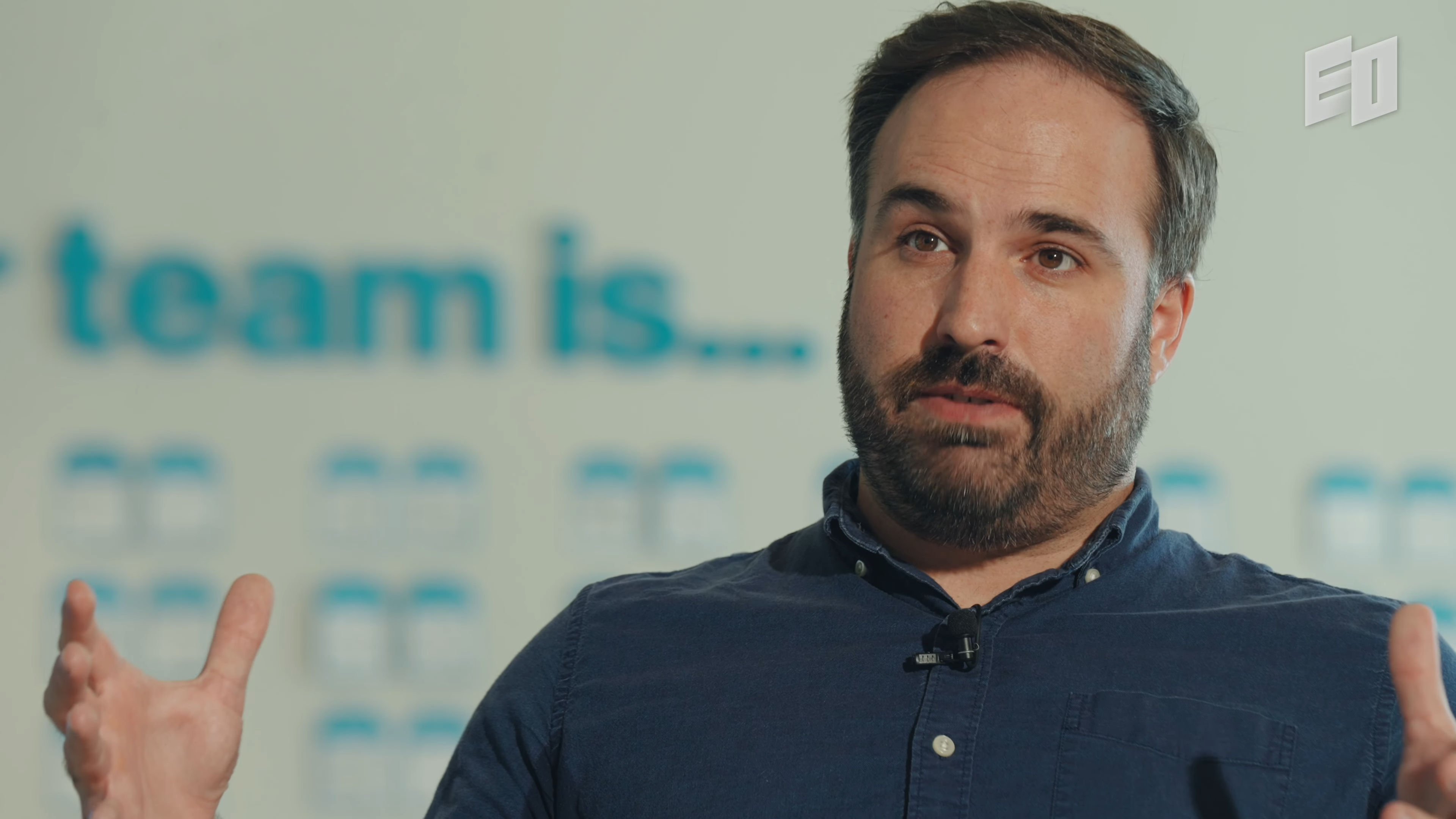
How can I really be empathetic towards them and make an environment that everyone's happy in? And things like make heroes out of the people around you: how do you really think about giving them credit and setting them up to win and do a good job? If everybody's doing that, then everyone's taken care of and it's just a really nice place to work.
I don't know that I've ever articulated my dream. I just like to build things that matter, and I'm not even sure what mattering means. Every day I find new ways to measure mattering, when I meet amazing people who join Artemis and start working on this crazy project with us. That's part of my dream. And seeing all these employers and all of these people benefiting from that data, that's part of my dream.
I'm definitely going to be working on something that I care about, something that is hard and crazy and means a lot to me, and hopefully it makes a big impact in the world.