Feb 07, 2023
4 Key Lessons from a 30-Year-Old Unicorn Founder
Interview with Tim Hwang, Founder of FiscalNote
Founder Focused

💡
At a Glance
- Who: Tim Hwang, founder and CEO of FiscalNote.
- What: FiscalNote collects laws and regulations and helps organizations understand how they're affected, serving clients from the White House to the CDC.
- Traction: FiscalNote went public on the New York Stock Exchange at a valuation of over a billion dollars.
In the second episode of Tim Hwang, Tim is sharing his experience and giving founders tips and advice when they're in early stage. His company, FiscalNote, is a legal information and data company. They collect laws and regulations and help people to understand how laws potentially impact their organization. FiscalNote went public with over a billion dollars at the New York Stock Exchange.
Key Takeaways:
A Founder's Pitch Has to Be a Reason to Exist, Not a Job Offer
Convincing a strong hire to take a pay cut and bet on an unproven company only works when the pitch is the mission, not the compensation. That filter is also what keeps out anyone who wouldn't stay through the hard years.
Every Founder Asks Why This Company Exists. Few Ask Why Now.
A good idea can fail for years before the market catches up, and a mediocre one can win by riding a moment like the iPhone launch. Timing, not just the idea itself, decides whether a startup rides a real trend or fights one that hasn't arrived yet.
Tim Hwang's Hiring Bias: Resumes Over Fit
Founders repeat the same hiring mistake until they name it. Tim's own bias was weighing a candidate's resume more heavily than their personality and skill fit, which cost him good executive hires more than once.
Startups Aren't a Job. They're an Obsession You Choose.
Committing to a startup means every waking hour goes to the company, for years, not just during a crunch. Founders who go in without expecting that level of consumption end up surprised by the cost, not the workload.
Watch the full interview now on EO's YouTube channel! Below is the complete transcription of the interview. Minor edits have been made for clarity and readability.
Introducing Tim Hwang, Founder and CEO of FiscalNote
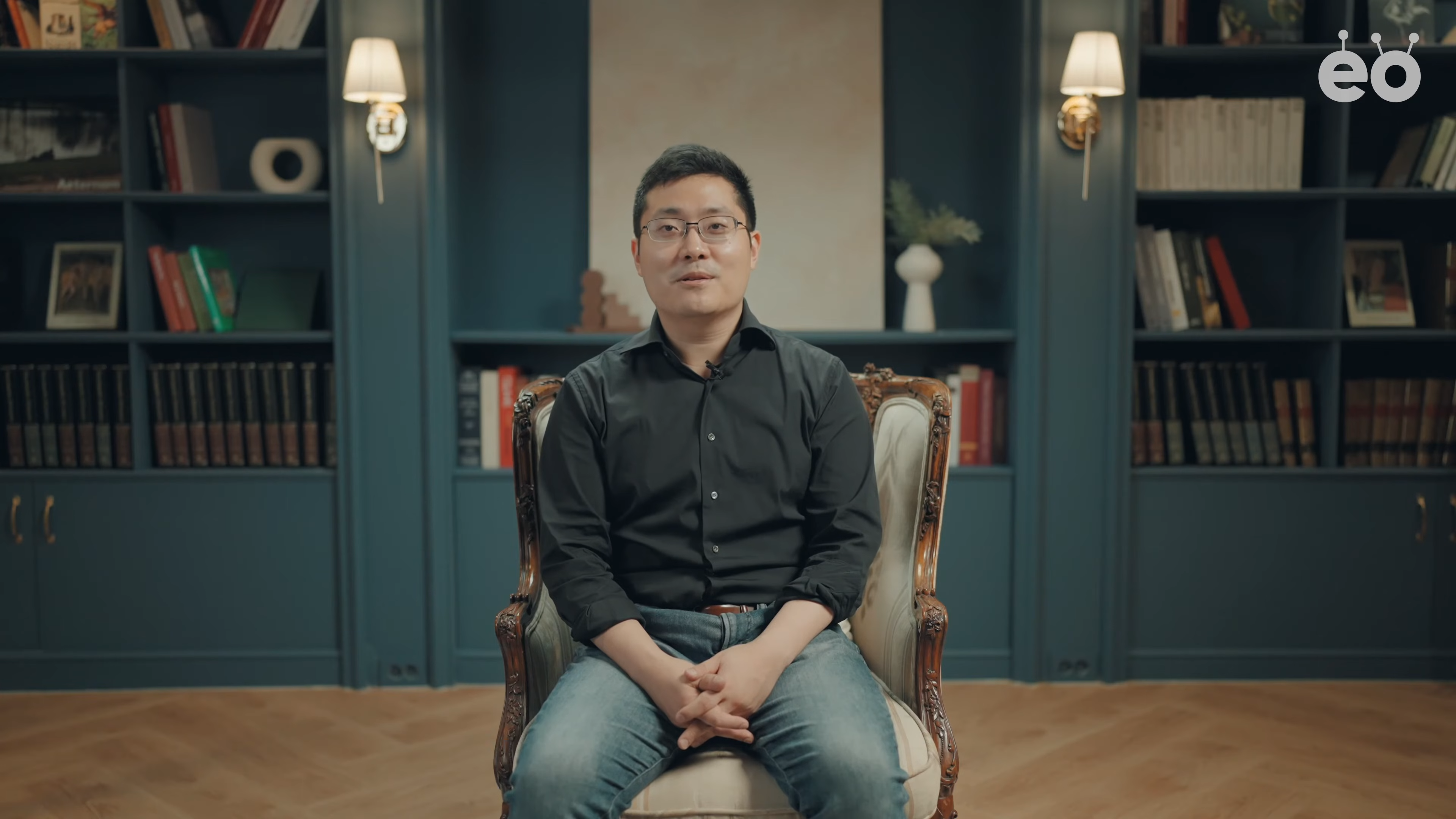
My name is Tim Hwang, founder and CEO of FiscalNote. FiscalNote is a legal and information data company where we collect laws and regulations and help people understand how laws potentially impact their organizations. We service everyone from the White House to the CDC. We recently went public at over a billion-dollar valuation. To subscribers of EO, we're definitely interested in talking about the challenges of building a company in the US B2B markets and startup landscape, and of course how to build a unicorn startup globally.
Advice 1: People Are Drawn To The Mission
Building a startup requires the founder to have a very strong sense of mission. Why does this company exist? What purpose does this company serve? That mission is going to be what draws people to the company, and the people that are attracted to that mission are going to find your company very compelling. Because you know what? Life is extremely short. In that short amount of time, do you want to go to a 9-to-5 job making somebody else wealthy, or do you want to come and change the world?
Now imagine this. You're a software engineer making a decent amount of money, six figures, and you get a cold email from a startup founder. So I have this company. The product does not build. We just raised a small amount of money. Do you want to quit your job and come work for us and take a huge pay cut and maybe a little bit of stock? 90%, 95% of people would say no. Why would I do that? I have such a comfortable life.
Your job as a founder CEO is to convince that person that this company is going to be a unicorn. You have to look them straight in the face and say you're going to quit your job and take this once-in-a-lifetime opportunity, and you won't regret it. High quality people are drawn to high quality founders. If you essentially take capital and you hire a bunch of B-people or low quality people, then the company is not going to succeed.

For FiscalNote, we've typically acquired founder-driven companies, almost in every case except one or two. For me, founder-driven companies are very different. They're very special because the founders themselves picked each person individually in their organization. They also have a very strong sense of responsibility for making this company a success. They typically have taken some level of venture capital, so there's an aggressive speed mindset. They also tend to treat their employees very well, almost like a family-like environment. If you combine that experimentation and bias for action and family-like environment and sense of ownership, that's a really great culture to have, and it's something we had at FiscalNote for a long time.
I don't know what it is, but I think when we were very young and had a very good team, we had computer science PhDs quit their jobs. We had people who had come from the military. We had this strong sense of mission, even though we had a small amount of time. I think that very quickly we built a team that was going to stick together for good times and bad.
At FiscalNote, we were probably working 16 hours a day, seven days a week for almost two years. I told my employees: I need you in the office. Somewhere between 9:30 am and 10 pm, seven days a week, every single day. Right now at a seed-stage company, we have 18 exact months to basically hit a particular milestone. You need to be in the office seven days a week. I think that in those types of cases, having a founder or CEO that's able to draw and attract the team that has the same mindset and the same mentality is extremely important.
Advice 2: The Timing Is Important
Just because you receive investment doesn't mean that you're going to succeed. It's actually highly likely that you're going to fail. At this point, you've taken money from investors and now have to spend it, and you have to spend it very quickly. The market is changing. The landscape is changing. Competitors are popping up. Investors also expect you to generate a return in a particular amount of time.
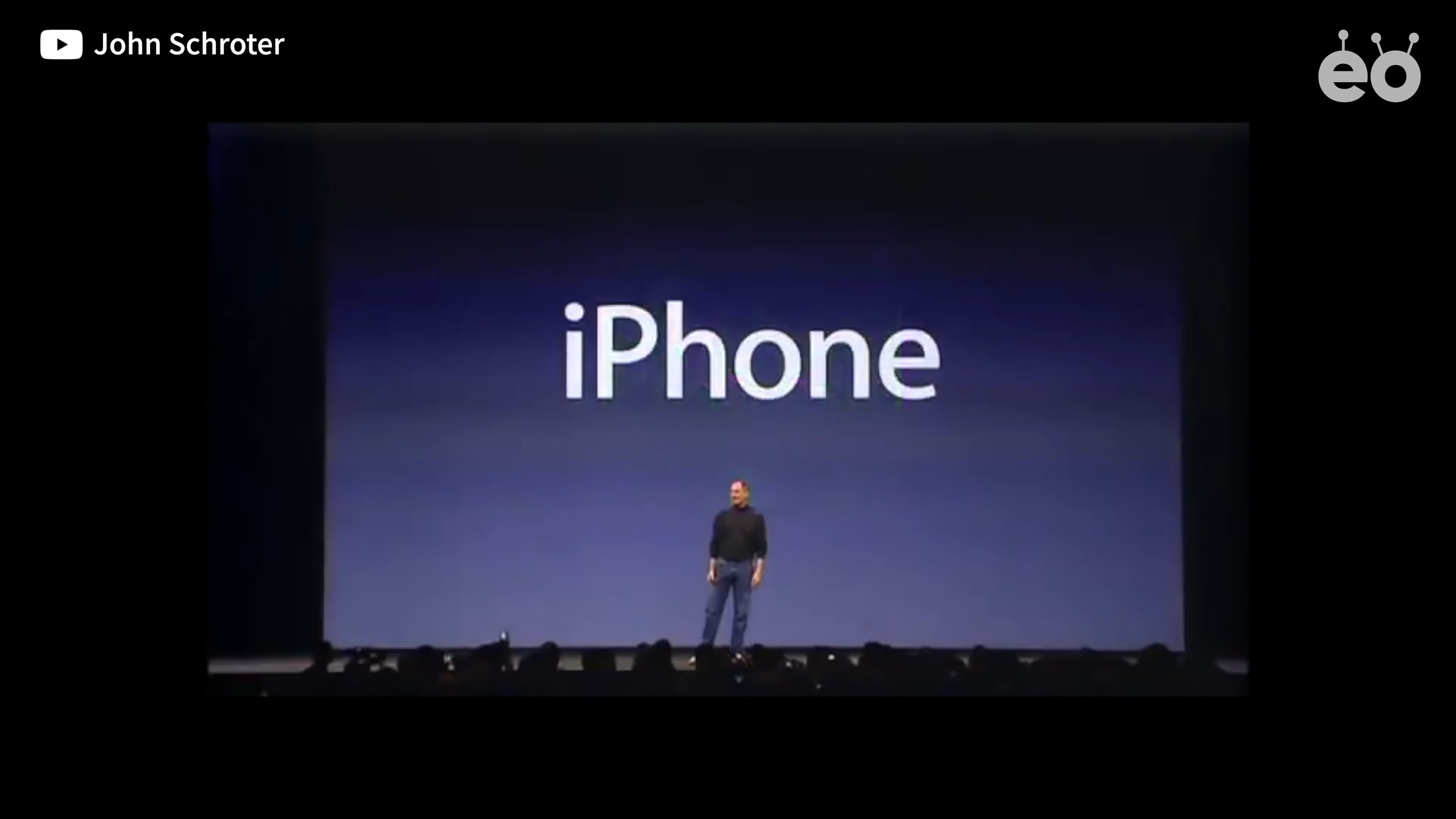
The timing is probably the most important thing in my opinion, and it depends on the sector and technology. The good thing about technology is that these timing trends happen all the time. In 2007, Steve Jobs gets up and introduces the iPhone. That launches a whole next ten years of mobile investing, mobile companies, and mobile startups. That trend, you have to be able to jump on it immediately.
From a startup perspective, when you pick the idea, you have to understand something else too. Not just why does this company exist, but why now? Why is this timing right now the perfect timing for the company? Having done startups for almost ten years, I think that's probably one of the most important questions founders have to ask themselves: why wasn't it five years ago or ten years ago? Why isn't it five years from now? I think that if you can get that timing exactly correct, the startup should be able to ride the tailwinds of some general market trend.
Advice 3: You Have To Know Yourself Better
The biggest decisions that we made were always about people. People problems are what really break down companies, particularly for Series A or Series B companies. Those companies have significant management issues.

If you watch the movie, The Social Network, it's really interesting. They go from their dorm room at Harvard, and then literally ten minutes later, they're in this massive office with hundreds of employees. I was just thinking in my head, what happens in the middle? Because in the middle there's so many problems, and there's so many people problems. I remember when I was a Series A founder, Series B founder. Every time an executive would quit, I'd have to jump in there and manage the entire team myself. Suddenly I'd go from managing four or five people to managing 20 people overnight. You have to do damage control and all these different things.
Startups are a very analytical job. It's very self-reflective. It's almost like swimming. You have to constantly know what your limits are, what your energy level is, all these different things. I think startups are the same thing, right? Everything stops and starts with you. You founded the company. It was your idea. You take responsibility. At that level, you have to know what your strengths are, what your weaknesses are. You have to know where you're going to fail, where your blind spots are. If you don't know what those fundamental personality traits or flaws are for you, it's going to be very hard to do your job.
If you can really hone in on what that is, that mentality has to be constant. When you make a mistake, you put that into your framework. You make another mistake, you put that into your framework.
For instance, I have a bias. When I'm hiring executives, I look very heavily at their resume, and I don't interview enough for particular skill sets. I definitely made that mistake almost one too many times, where you over-hire on the resume and under-hire on the personality traits. I had to train myself to remove that bias from my head to make better decisions. That, again, is a very introspective thing. You just have to constantly be thinking about that on a daily basis.
Advice 4: Startup As Lifestyle

I spent the entirety of my twenties building a company. From the moment I woke up to the moment I went to sleep every single day, I was thinking about how to make the company successful.
When a lot of people ask me, should I start a company? Should I start a startup? I just tell them, you really need to know what you're getting yourself into. You are committing to an obsession. You need to make mistakes. Get to a point where you have significant hardship, and then you essentially learn from that hardship.
There were times when I was starting FiscalNote: Series A, Series C, Series D. The times were very challenging for sure. Right before our Series A close, as an example, we had maybe about six weeks of cash left in the bank. I had to call all of our employees and tell them our Series A fell through, and I needed to go back to Silicon Valley to try to raise funding again. Those types of situations, when you're basically put face to face against complete failure, are the places where you grow the most.
In the last couple of years at FiscalNote, I'm definitely growing as a founder, but the thing I really want to do is continue to maintain my early-stage mindset and be very plugged into the early startup trends and investment trends and the like. That, I think, is becoming more difficult for sure. I'm definitely trying to continue to keep my zero-to-one kind of founder mentality as much as possible.
When you succeed, it's an unbelievable feeling. I'm lucky to be the youngest Asian-American publicly traded CEO on the New York Stock Exchange. When I reflect on the last couple of years of my life and what it took to get there, I think it's definitely an amazing sense of accomplishment. To be honest, I definitely feel like I missed out on a lot of things. But you sort of give something up to gain something else. I think that, at least for me, it was definitely worth it in the long run. I definitely don't regret it for sure.