Jan 02, 2024
Advice from the Top 1% of Software Engineer
Interview with Jean Lee, Founder of Exaltitude
Founder Focused

💡
At a Glance
- Who: Jean Lee joined WhatsApp as its 19th engineer, later became an engineering manager there, and has spent 17 years working in tech.
- What: Lee's curriculum teaches engineers that professional influence comes from combining likability with credibility, not from technical skill alone.
- Traction: Lee joined WhatsApp when it had around 20 million users, helped grow its London engineering office to about 100 engineers after 2018, and saw the company reach 1.2 billion active monthly users before its $19 billion acquisition by Facebook.
In this interview, Jean Lee reveals why she thinks "top 5 languages" career advice is actually a trap, unpacks the one-word rule that guided WhatsApp's engineering culture through its climb to 1.2 billion users, and walks through the surreal moment she learned about the company's $19 billion acquisition, and explains why watching TV all day gets boring fast, and how she's had to redefine what work even means since then.
Key Takeaways
Influence comes from likability and credibility together, not from skill alone
Lee spent 17 years in tech and says the engineers who get promoted, get hired, and get pulled onto new teams are rarely the most technically brilliant ones. They're the ones people trust to deliver and enjoy working with. Lee's advice: pick one lane, likability or credibility, and build a reputation around it rather than trying to be everything to everyone.
Chasing "top 5 languages" lists is the wrong way to build a career
As a hiring manager, Lee says she isn't screening candidates for which programming language they know, since today's tools may be obsolete tomorrow. She's looking for engineers who can learn quickly and adapt. Lee argues that blindly following trend lists puts engineers a step behind instead of ahead.
WhatsApp's engineering culture was built on saying no
WhatsApp posted a note from one of its founders reading simply "No gimmicks" on the office walls, and Lee says that discipline, not features, is what built user trust. Instead of adding games or gimmicks, the team obsessed over whether calls and messages worked every time, even in emergencies like natural disasters and car accidents.
Simplicity, not more features, scaled WhatsApp to 1.2 billion users
Lee joined as WhatsApp's 19th engineer when the company had around 20 million users, and stayed through its growth to 1.2 billion. She credits ruthless prioritization, guided by questions like "can a grandma in the middle of nowhere use this feature," for keeping the product usable even on old devices and bad connections as the London engineering office alone grew to about 100 engineers.
A $19 billion acquisition didn't answer the question of what to do with her life
When Facebook acquired WhatsApp for $19 billion, Lee says she was young enough that she couldn't even do the math on what her shares meant. The money brought fulfillment and stability, she says, but it also forced her to confront a harder question: what work means once you no longer have to do it for money.
Below is the complete transcription of the interview. Minor edits have been made for clarity and readability.
Influence Is About Likability and Credibility, Not Just Skill
I was the 19th engineer to join WhatsApp. We may have had around 20 million users at the time, and by the time I was leaving the company, we had 1.2 billion active monthly users.
I've been working in tech for 17 years, so over the years I've probably worked with thousands of engineers. Every single person wants some kind of influence. It could be influence in terms of wanting a promotion, that's a form of influence. You want to influence your manager, or you want a different job, so that's part of our curriculum: influence. And we say influence is about likability and credibility.
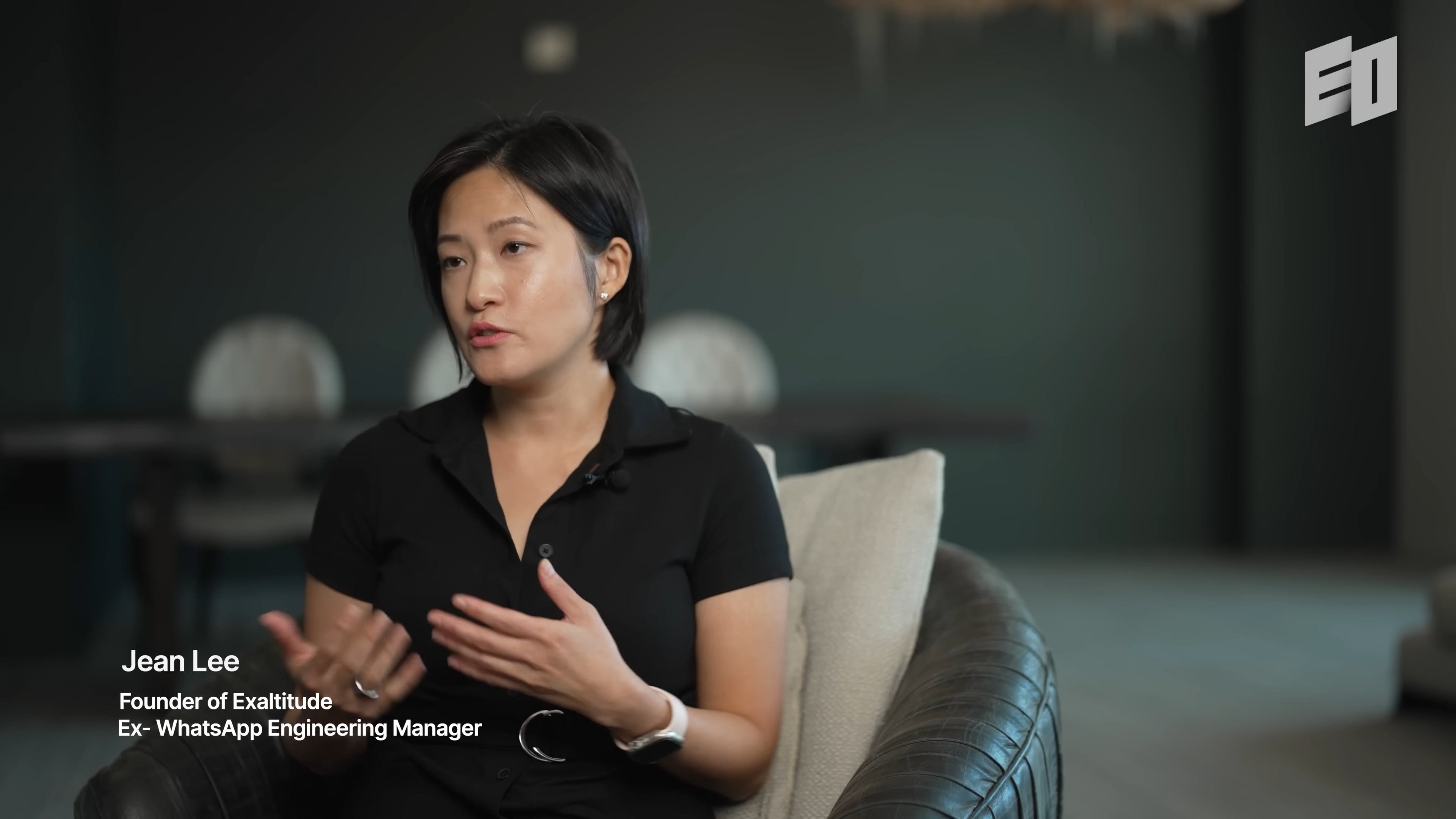
When I ask, "Do I know Peter will deliver?" I know he's dependable, and he's not going to make me feel bad. He's not going to be a jerk, and he's going to be pleasant to work with. So likability plus credibility can bring you a lot of influence. People will come to you for new opportunities. If I'm building a new startup, I'm thinking about who I want on my team, they're going to think of people who have the likability and the credibility together, because if you only have one or the other, you're okay, you might be able to tag along, but you're not going to be the first person they think of.
So I do recommend, even if you are really good at all of them, please choose one: what is your thing? What do you want to be known for?
Why "Top 5 Languages" Advice Misses the Point
As I started getting more involved with YouTube, I've been watching more content, and it drives me crazy when I see these videos like "top five trends" or "top five languages to follow," because I don't think that's what will really help you be successful. It's not about which language you know. As a hiring manager, I'm often just trying to understand: are you a smart engineer, can you code? Because the languages we're using today may not be applicable tomorrow.
So I want to be able to work with people who can learn new things, pick up new skills, and that's what I'm interviewing for when I talk to new software engineers. Similar principles apply to success: blindly following trends is a recipe for failure, because you're always going to be a step behind. So I encourage people to be inquisitive and explore your passions. What are you good at, what do you enjoy doing, and follow that.
WhatsApp's "No Gimmicks" Rule
At WhatsApp, we actually had a note written by one of the founders: "No gimmicks." We had it posted on the walls. We decided we're not going to do games, we're not going to do gimmicks, we're not going to throw in a bunch of features just to appease every single person. The way we are going to appease every single person is by focusing on the core utility features, like: does the messaging actually work, can you call someone, and can you actually hear them?
I guess another word you can say is we focused on quality. We wanted to make sure it worked every single time, rather than adding on a bunch of new features. We would get a lot of emails from people all over the world, and they would tell us there was a natural disaster, nothing was working, the phone lines were down, but they were able to use WhatsApp to call the firefighters and they were rescued, or they were in a car accident and they were rescued. So I do believe it worked.
Finding Ownership and Mentorship: From a Three-Person Startup to WhatsApp's 19th Engineer
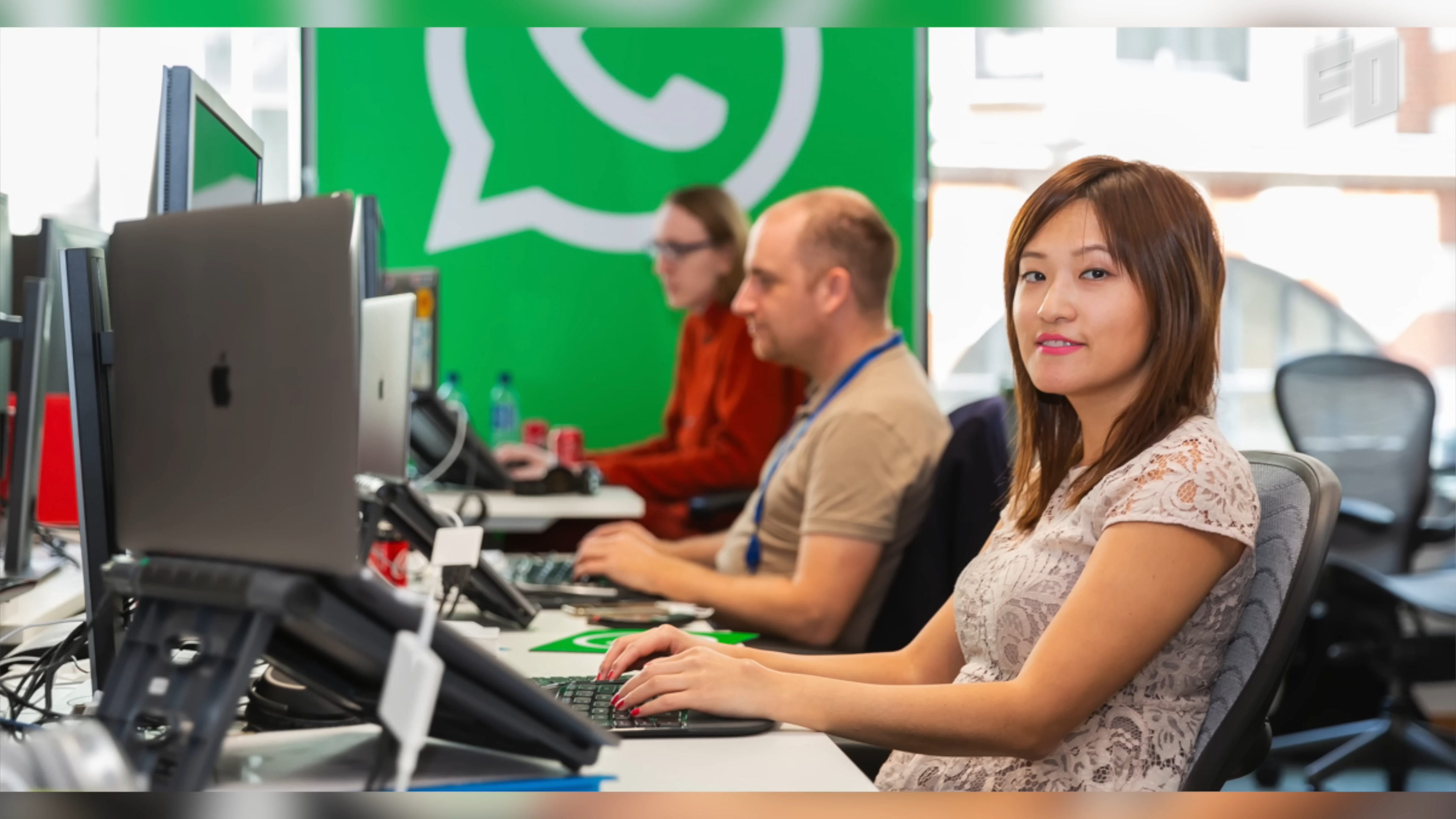
When I was in college, I actually interned for a three-person startup, and we had a lot of fun. I loved the ownership, the autonomy, I could really see the impact of my work. I also felt like we were lacking direction, leadership, and mentorship, and that's part of the reason why I joined IBM. When I did join IBM, I felt like there was great mentorship, but I lacked the autonomy.
So WhatsApp, for me, struck a balance, because at the time I was the 19th engineer, it was small enough where I could see the impact of the work, but the founders had a lot of experience, they were both from Yahoo, they had a lot of experience working in tech, and I felt like that would be a great balance for me to find both ownership and mentorship.
It's not like we had a one-on-one every week, it wasn't a formal mentorship, but just by being there in a small company, observing and watching, similar to my upbringing I guess, just learning how they operate, how they lead, was a really great opportunity for me, and I learned so much by just being there.
Scaling to 1.2 Billion Users Without Losing Simplicity
We may have had around 20 million users at the time, and by the time I was leaving the company, we had 1.2 billion active monthly users. There were several values I think were key to the success of WhatsApp, and as we experienced the growth, I think it was really important to be able to hold onto our engineering culture, and that was part of my big focus as well when I was starting the new office in London.
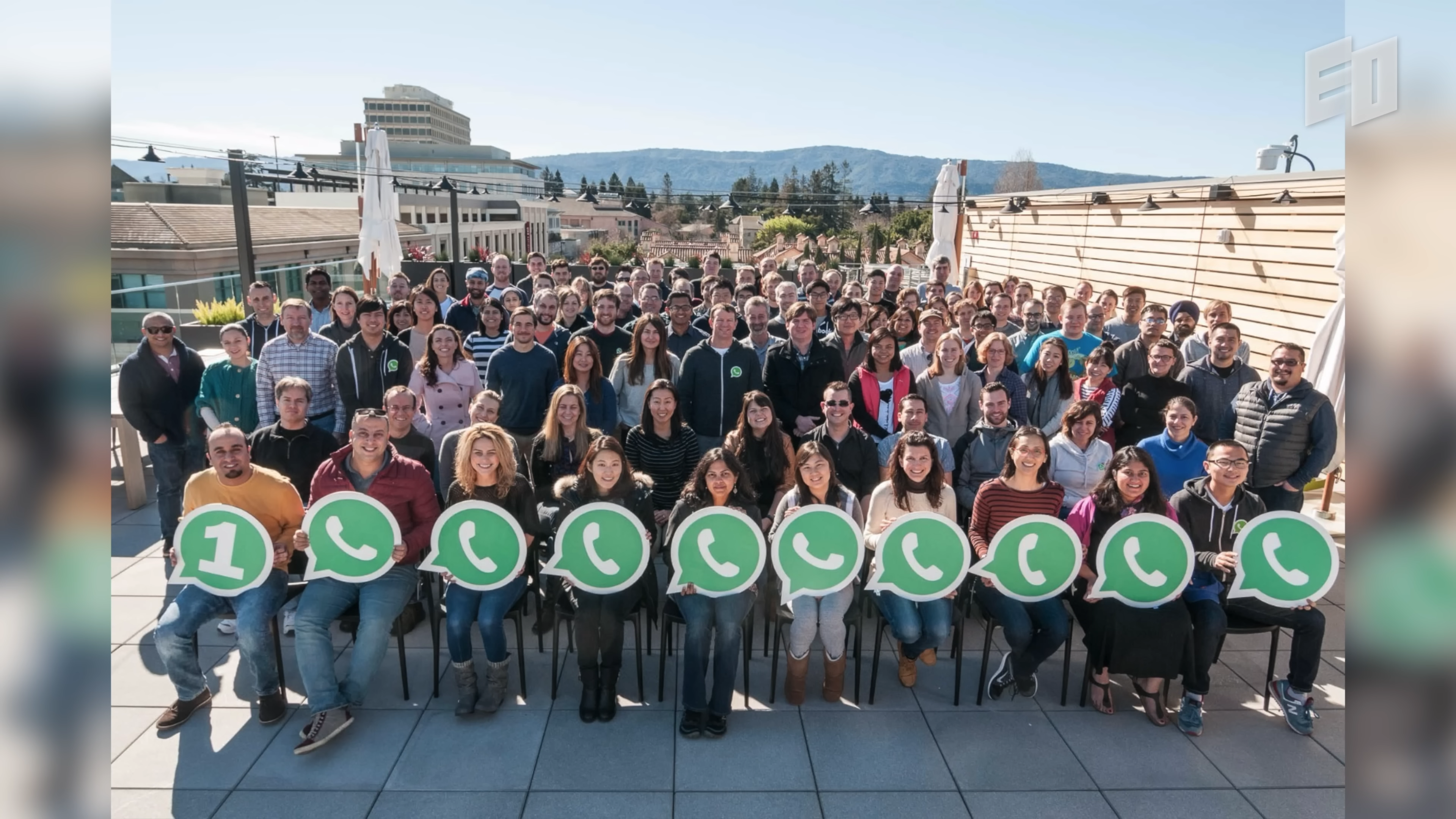
I went there in 2018, and we grew the office to about 100 engineers in a couple of years. In that short period of time we were hiring new engineers every week, and one thing we tried to really do was make sure that everyone understood the engineering culture. I think WhatsApp's engineering culture was pretty special, and if I were to sum it up in one word, it's challenging, but I would say it was simplicity.
Simplicity can mean a lot of different things, but one way of achieving simplicity is really prioritizing. It's easy for us to say I'm going to do 10 different things and be really great at it, but it's actually much harder to be focused on a few core features and a few core offerings that we will offer, and prioritize them ruthlessly. We had a clear decision maker who gave us clear messaging about which features we're going to deliver, and we came up with these features really intentionally as well.
We had ideas like, okay, we want to make sure even someone in the middle of nowhere with a bad internet connection on an old device should be able to use our app. So we wanted to prioritize the user experience so even people in remote places with bad internet connection on older devices can use our app. We also like to talk about: can a grandma in the middle of nowhere use this feature? And that was our guiding principle for how we prioritized our work.
We made sure that every single person understood what we're building and where we're going, and I also implemented that in my personal team as engineering manager as well. I let people know these are the things that we're building, and this is our long-term overall goal, so when they are working, I can't always be there to hold their hand and guide them, but they can prioritize their own work.
When they have competing projects, features, or priorities, they can say these are our guiding values or priorities, and I know exactly which one I need to prioritize, and it would work. Also, when you're working cross-functionally, if someone's asking you for help or giving you new ideas or suggestions, you understand what needs to be done, not just for yourself, but for your team and the company as a whole. So achieving simplicity through prioritizing was one of the key factors of success for us.
The $19 Billion Moment, and Redefining What Work Means
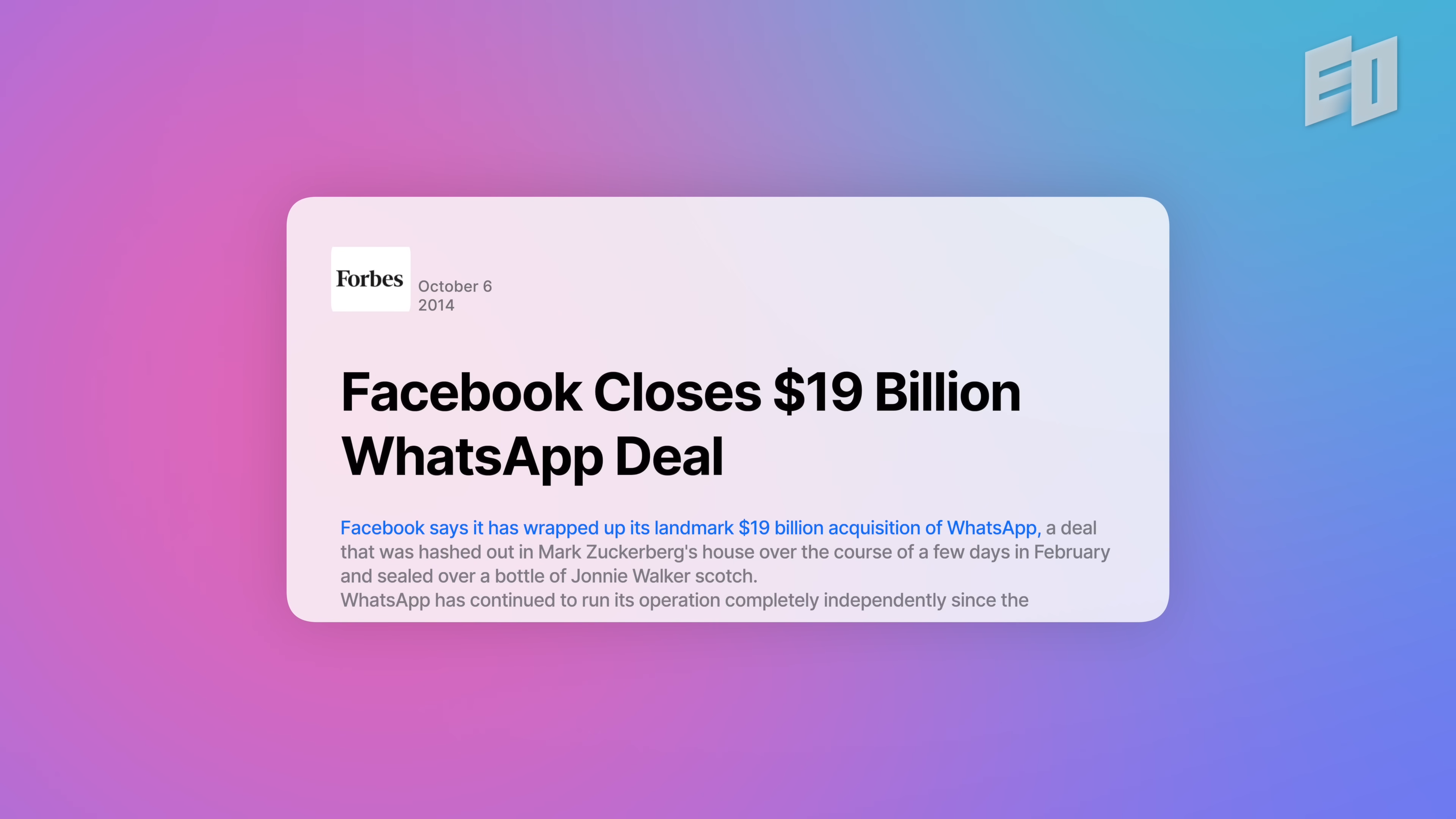
When WhatsApp got acquired for $19 billion, I actually wasn't even sure what a billion dollars was, it's the type of amount of money you can't really tangibly describe. The moment I heard the acquisition news, I was sitting in the conference room. It was really weird, the founders looked a little weird, I couldn't articulate it at the time because I didn't know what was happening, but they were waving their arms and saying, "you need to get into this conference room."
I couldn't believe my ears, I wasn't sure what was happening, but when I heard the news, okay, Facebook's buying us for $19 billion, I was sitting in the conference room thinking, how much is that, and what does that mean for me? I was pretty young at the time, so I didn't know exactly how many shares I actually had, and I wasn't really sure what that meant for me. I was trying to calculate the number, what does that mean for me, and I couldn't do the math.
So yeah, it was an incredible opportunity, and it was really exciting to be there, and it does really change your life. There are many things money can change, or doesn't change, as well. It can bring you certain fulfillment and stability, but there's a lot more that we need beyond that.
What do you want to do if you don't work? Yeah, you can stay home and watch TV, but after a while TV is kind of boring. So I think it's about how you view it: I don't feel like I'm working, I'm just having fun, that's why you need to find something that's interesting for you. Why does Bill Gates work? He's still doing so much, he's working all the time. I don't know Bill Gates, and I don't know why he's working, but I suspect most of these people who continue to work, they don't see it as work, they see it as a meaningful part of their life.
I think it was a turning point for my life, because I was never financially free growing up, so having the financial freedom was a little bit confusing at times. I did have to go experiment a lot and explore again, to redefine the meaning of work for myself, to understand how I want to spend my time.