Apr 04, 2024
Life Advice from an Investor of 7 Unicorn Startups
Interview with Fleur Pellerin, Founder of Korelya Capital
Founder Focused

💡
At a Glance
- Who: Fleur Pellerin is the founder of Korelya Capital. She spent almost four and a half years as a minister in the French government between 2012 and 2016, holding three portfolios including the digital economy and culture, and was the first Asian minister France ever appointed.
- What: Korelya Capital is a Paris-based venture capital firm that invests in European tech startups and builds commercial bridges into Asian markets.
- Lesson: How an adopted outsider rose to the top of French politics and venture capital. She shares insights on launching national startup movements like "La French Tech," building authentic networks without treating people as instruments, and navigating extreme class mobility.
Fleur Pellerin broke into the French political elite to become the country's first Asian cabinet minister. After spending four and a half years managing three government portfolios and creating the national "La French Tech" movement, getting ousted by President Hollande in 2016 forced her to reclaim her independence. She launched Korelya Capital shortly after leaving government, building a venture fund that has backed seven unicorns while connecting European tech companies to Asian markets. In this interview, Pellerin reveals why transactional networking always backfires, how to build a thriving startup ecosystem from scratch, and what it feels like to navigate elite social circles as an outsider.
Key Takeaways
Difference Can Build Resilience And Energy
Fleur Pellerin reflects that growing up adopted and visibly different helped her accept originality. She connects that experience to resilience and energy, showing how an identity that once set her apart became a source of confidence rather than a constraint.
Prestigious Spaces Demand Learning New Social Codes
Entering elite French schools required Pellerin to observe unfamiliar habits, language, and behavior. She describes the adjustment as difficult because belonging could feel like becoming someone else, yet learning those codes opened access to a new professional environment.
Public Policy Needs A Whole Ecosystem
Pellerin helped develop the French Tech identity by looking beyond a single tax or regulatory measure. She emphasizes entrepreneurs, angel investors, mentors, meeting places, and circulating ideas as the connected ingredients that make an ecosystem mature.
French Tech Shifted From Creation To Scale
Pellerin observes that entrepreneurial ambition in France became more global and common than it was during her business-school years. She sees startup creation as less of a challenge now, with the harder task being to build companies that scale and create markets.
Build Networks Without Treating People As Tools
Pellerin advises building relationships through authenticity rather than calculating who can advance a career. People respond to genuine interest, while instrumental behavior creates discomfort, so a durable network grows from being useful and present as oneself.
Help Chance By Daring Beyond Familiar Habits
Pellerin’s closing advice is to observe, absorb lessons from unfamiliar environments, and dare to change one’s habits. Those actions can help someone enter places that once seemed inaccessible, while leaving room for chance and destiny to contribute.
Watch the full interview now on EO's YouTube channel! Below is the complete transcription of the interview. Minor edits have been made for clarity and readability.
Introducing Fleur Pellerin, founder of Korelya Capital
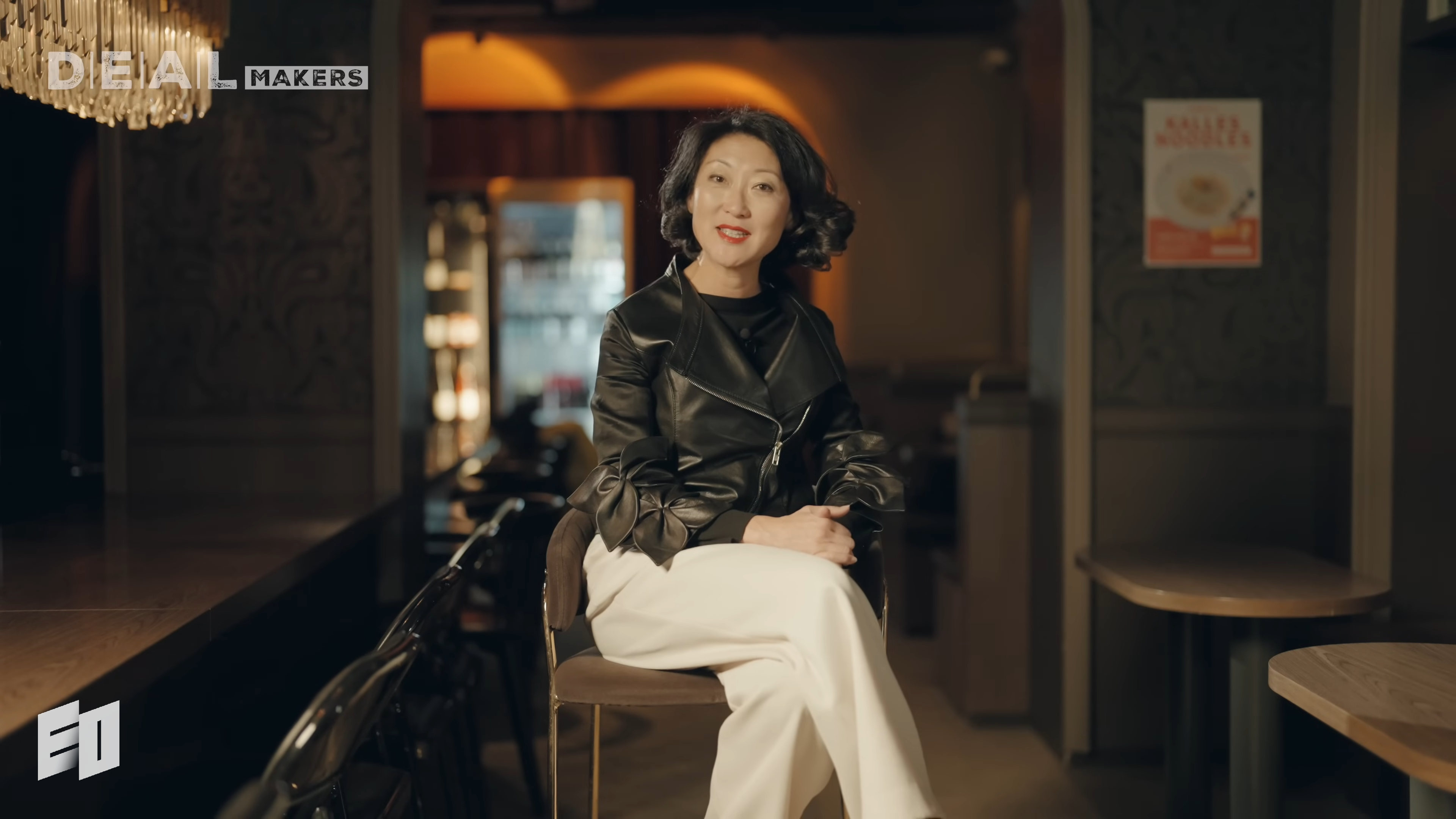
My name is Fleur Pellerin. I was a former minister in the French government from 2012 to 2016. Prior to that, I was a senior civil servant, and since 2016 I have run a venture capital fund investing in startups in Europe. We have seven unicorns in our portfolio.
Growing Up Different
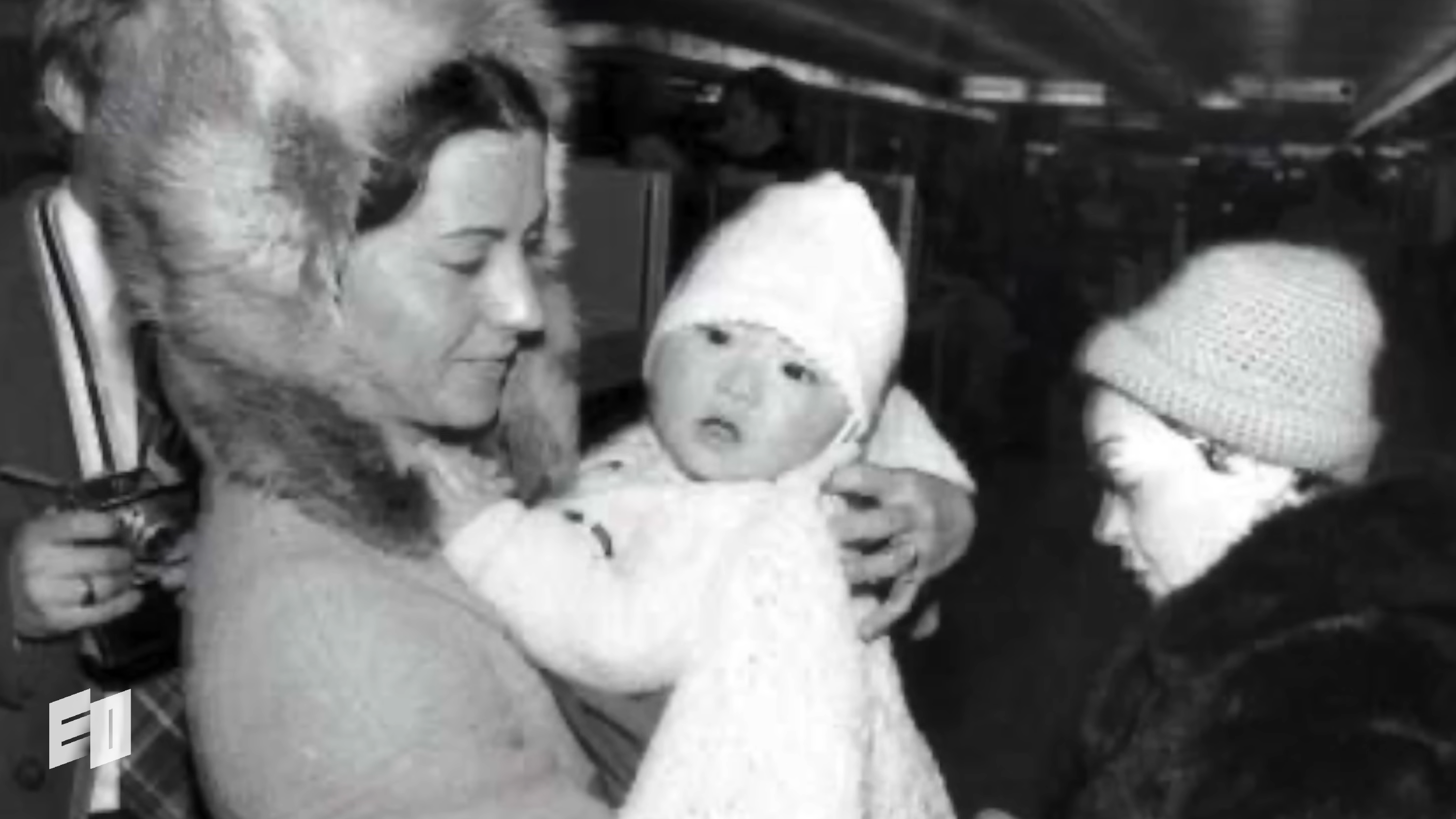
I was born in Korea, in Seoul, and adopted by a French family when I was just a baby, about six months old. My parents had a very sad experience, because my mother had been pregnant and lost the child. So they decided to adopt a child from a country where children were poor or abandoned, and they were in touch with an NGO that was facilitating international adoption at the time. My parents kept the pictures very preciously. My uncle was taking the photographs, so we have all these beautiful black-and-white photographs from the moment of my arrival. But of course I don't have any recollection of it.
My parents came from a very modest background. My mother quit school at 14 and had to work when she was 15 or 16, and she actually financed my father's studies. I was in a family that was really loving and supportive, and my parents had a lot of ambition for me, but healthy ambition, not putting too much pressure on me. They just wanted me to understand that if I wanted to be financially independent and make my own decisions, I needed to be good at school and to have a lot of different choices and options, because I didn't really know what I wanted to do as a child.
Being adopted, in this context, was not something I really thought about, because it had never been a secret. The only moments I thought about it were when some people at school called me "the Chinese" or something, because knowledge of Asian people was very limited at the time, and an Asian person was necessarily a Chinese person. And when I look at the class pictures, I can see that everybody is white. I was the only one with a different face. But honestly, I don't really remember having suffered from it. My parents managed to educate me in a way that it felt natural. It felt like a non-topic, actually.
Now, looking back, my first name is Fleur, meaning flower. It's very original. I was different and I was original, and I think it gave me some resilience, or it gave me some energy, to accept being different and to accept being a bit original.
From Business School to Public Service
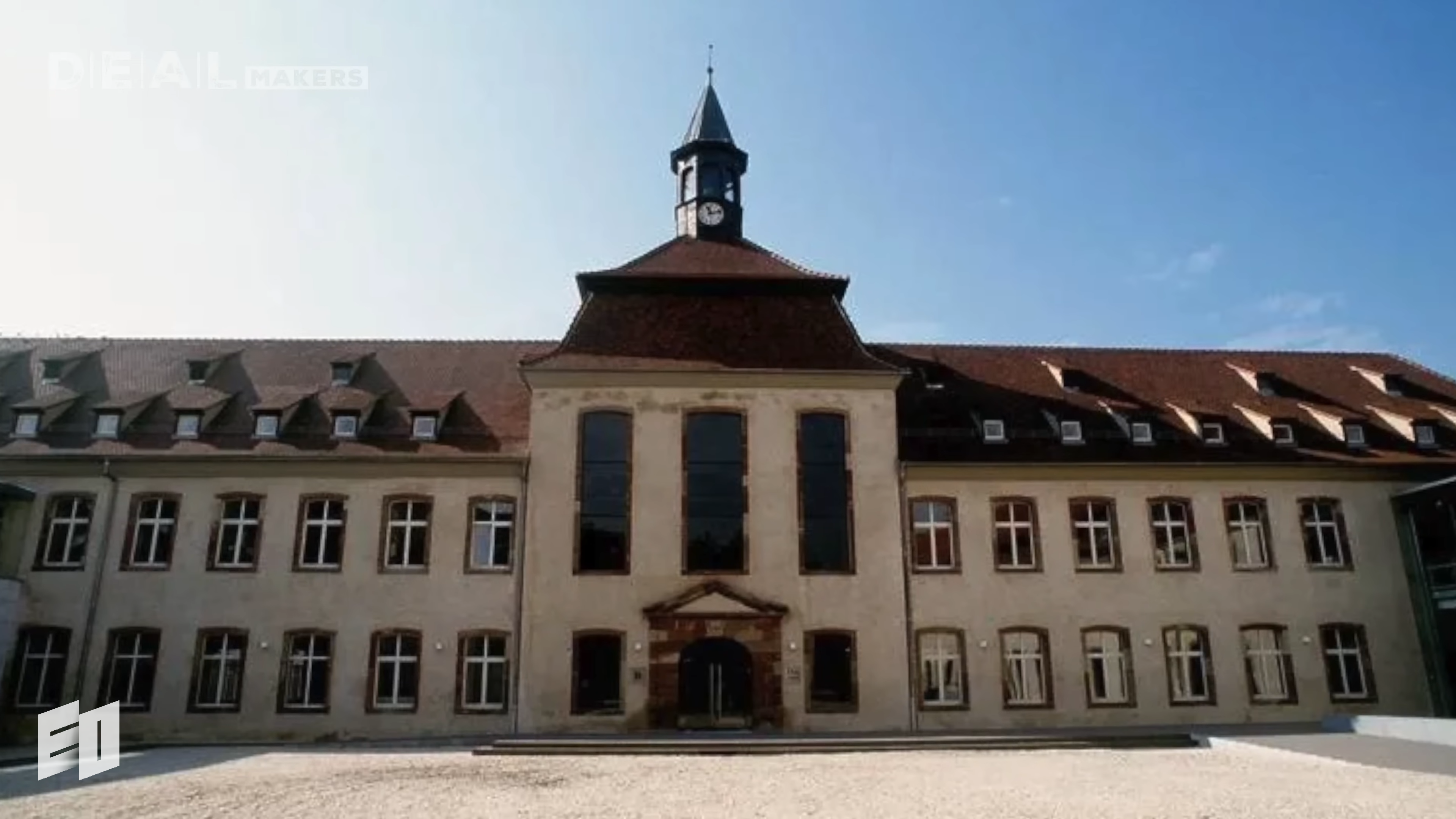
I went to some of the most prestigious schools in France. That was the condition of possibility for entering the elite. Over that period, I had to learn how to behave in an environment I was absolutely not familiar with, because my family was absolutely not connected to this kind of network. At my home, we never had social dinners. I never saw people coming to my parents' home who were artists, senior civil servants, politicians, or people with very high positions in the economy. So it was a really brand new environment for me.
At first I was really observing how other people behaved, and I was trying to do the same. Nowadays, when I look back at this time, I realize that this learning was not so easy, because you have to forget about who you are and how you were brought up to become a bit of someone else. And this is quite violent as an experience. But you want to do it, because you want to belong to this new world. Leaving the social background you come from and entering a new one, how it makes you sometimes feel like a traitor to your own class or your own family, how you need to adjust to new habits, new customs, new ways of behaving, talking, and acting. Probably that would be the most difficult part of my journey.
I have a memory that business school was also a very social moment. I made a lot of friends, we had a lot of parties, we had clubs like sailing clubs and movie clubs. It was a very intensive networking experience. I did some internships in Japan, so I also learned to live in different countries at that time. But as I was doing management courses like marketing, finance, and so on, I realized that I was not super interested in the content of these lectures. I was more interested in macroeconomics, microeconomics, monetary policy, public law, everything related to public policy.
I thought, okay, maybe after graduation I should pursue my education and try to learn more about these topics that I find interesting. Because I had my diploma very early, at 20, when people usually graduate at 23 or 24, I thought, okay, I have time, so I'd better study further in some topics that I am really interested in. That's when I decided to study political science, and this was a sort of gateway to public service.
A Korean Adoptee Becomes a French Minister
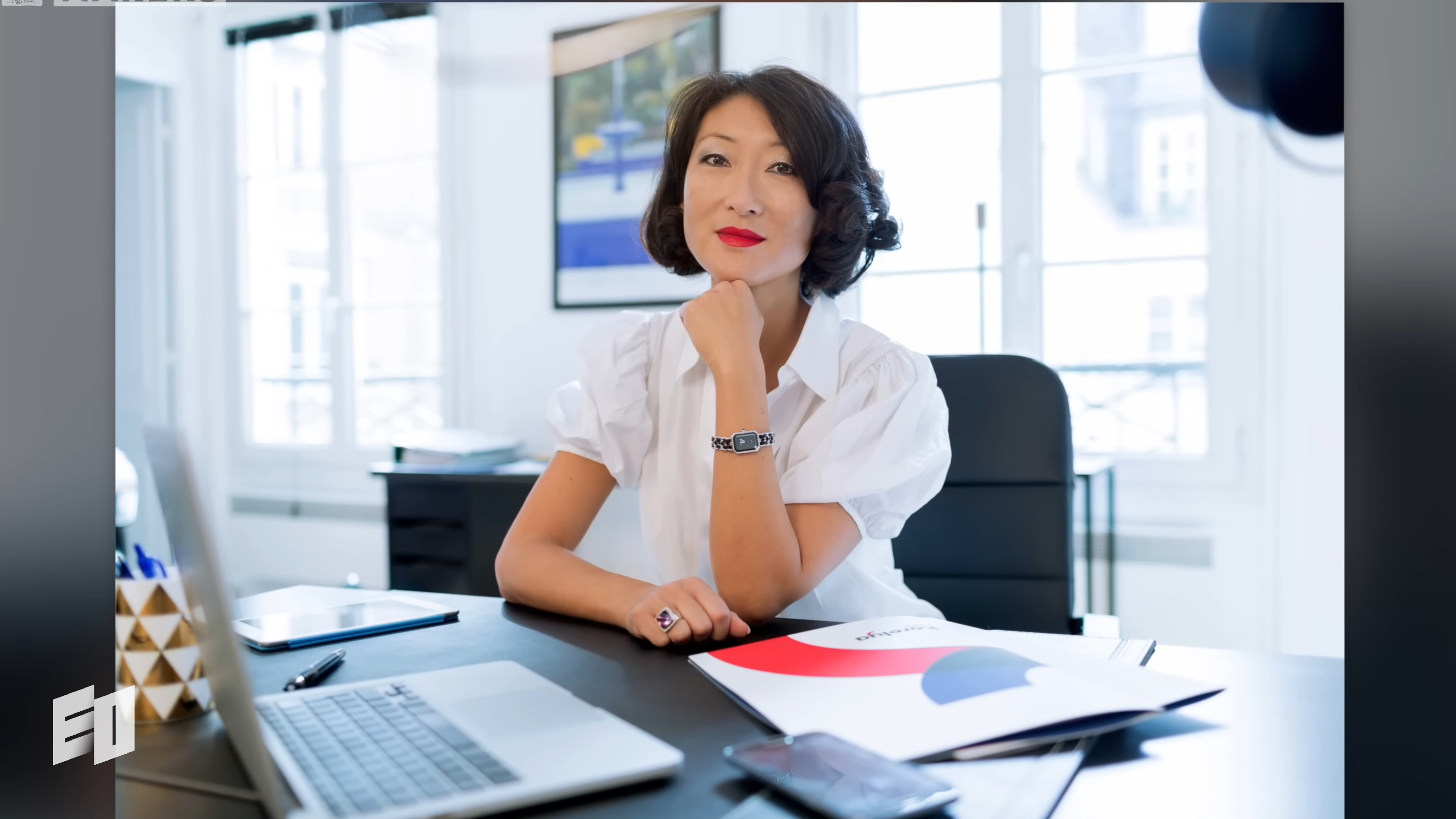
I think my appointment drew some attention because I was the first ever Asian, and first ever Asian female, minister in a French government. My best achievement is difficult to answer. I think I really managed to create some good dynamics in the French tech ecosystem, the startup ecosystem in France. When I was looking at Israel or Silicon Valley, I thought, what are the ingredients? I didn't want to copy, because you cannot copy. There are too many very specific ingredients, and Silicon Valley was built over dozens of years. But I asked, what makes an ecosystem successful? And I thought, it's really a lot of different things.
Not just one thing, like a tax and regulatory environment that is favorable to investing in the economy and to creating a business, but also the fact that an ecosystem means there are generations of entrepreneurs, and the successful ones become angel investors in the next generation. They can also become mentors, maybe sometimes doing business together. So you need to have a place where people can meet up, to facilitate the exchange of ideas and the circulation of ideas within the community. We really wanted to create something like this, and that's where we came up with the branding we needed. French Tech was a way for people to feel they belonged to the same community.
I think the French tech ecosystem has become much more mature compared to what it was ten years ago. What has changed is that the mindset of entrepreneurs has really changed a lot. I now see people with a lot more ambition, global ambition from the start. I remember when I was in business school, in the early '90s, no one wanted to become an entrepreneur. Everybody wanted to work for Unilever or Arthur Andersen, very boring things when you think of it nowadays. Very few people would say, I want to create my own business. I think now, if you go to the same school and ask the 20 to 50 people who make up one class, probably a majority of them want to be self-employed and create their own business.
The relationship to risk taking, to the entrepreneurial mindset, to creating your own business has changed dramatically, and this makes the ecosystem very vivid, because now there's a lot of startup creation. So I think our challenge now is really to create businesses that can scale, that can create new markets, that can grow global. Now it's not startup creation that is the challenge. It's startup scaling.
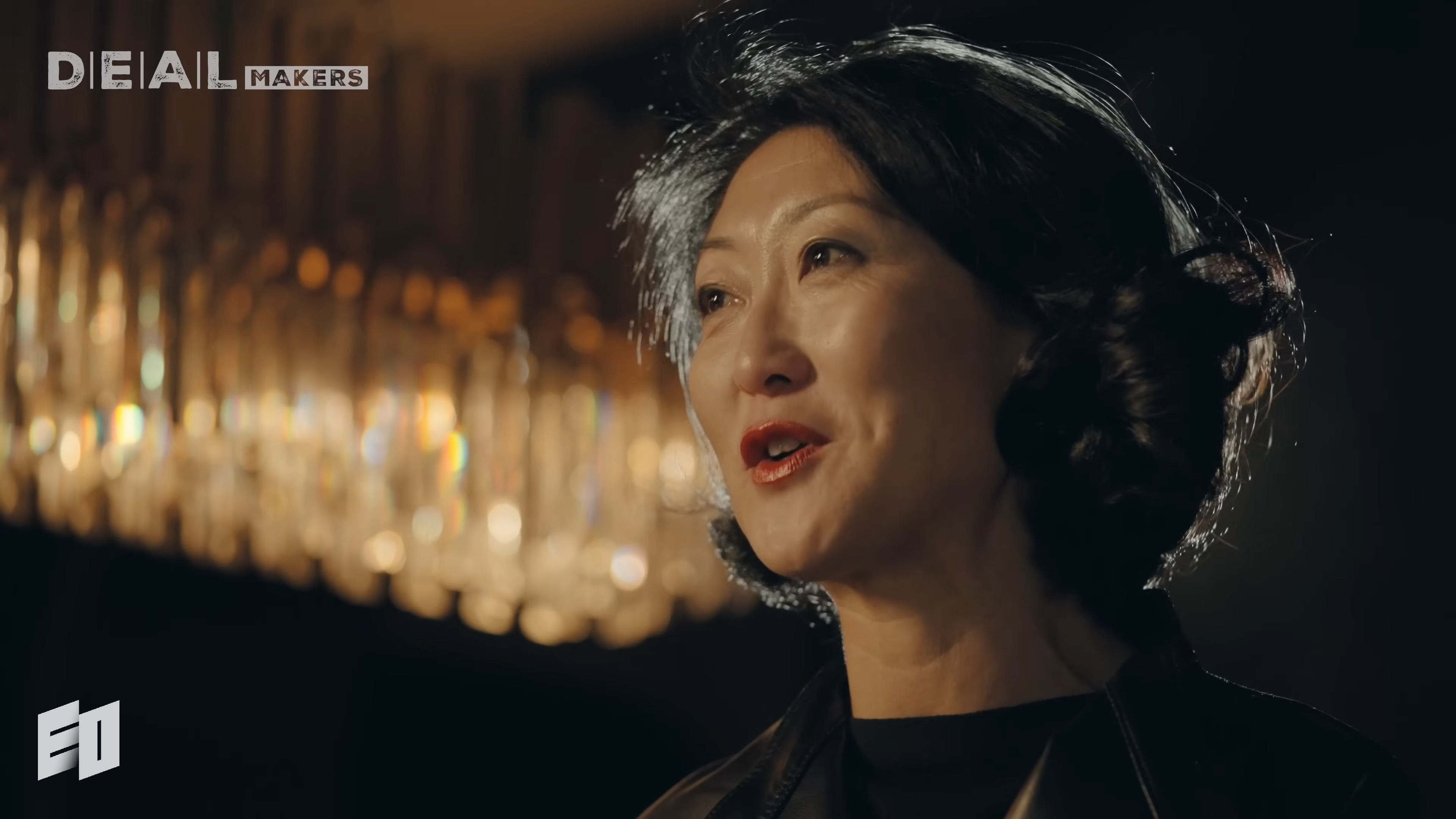
Actually, I was made to quit. When you're in the government, it's an equation that is very complex. I did not come from a political background. I came from a civil service background. Actually, I was the only one with this kind of profile. When you look at the first government of the Hollande mandate, I was the only one who had never been elected before, in local government or as a member of parliament. I was the only one really coming from civil society.
When you're a member of the government, sometimes, when there are local elections or midterm elections, the president needs to refresh a bit and reshuffle the government. So you know by definition that your job is a really precarious one, and that you cannot be guaranteed to keep your portfolio forever. It's part of the contract. In 2016, I was Minister for Culture and Communication, and the president at the time, President Hollande, decided that someone else might be more relevant in this position for the rest of his mandate. It was very short, less than one year to go.
At that time I had done the campaign plus almost four and a half years in the government. I thought I had done good things, and I was also a bit exhausted, since I had had three different portfolios. So I was not very happy, of course, to be fired, because that's the way I perceived it. But at the same time, I was sort of relieved, because I said, okay, I'm going to regain my freedom. I can think of other things to do. And very soon I came up with this idea that I wanted to create my business.
Korelya Capital was founded in 2016. We have seven unicorns in our portfolio. They were not unicorns when we invested, but now they have become unicorns, so I think it's a great achievement. The thing I'm most proud of is that I'm trying to create a bridge between France and Korea, between Europe and Asia, by creating synergies for the portfolio companies I invest in. We help them develop their business in Korea and find partners. That, I think, is also an achievement I'm really proud of, becoming myself this kind of bridge between France and Korea.
Build a Network Being Yourself
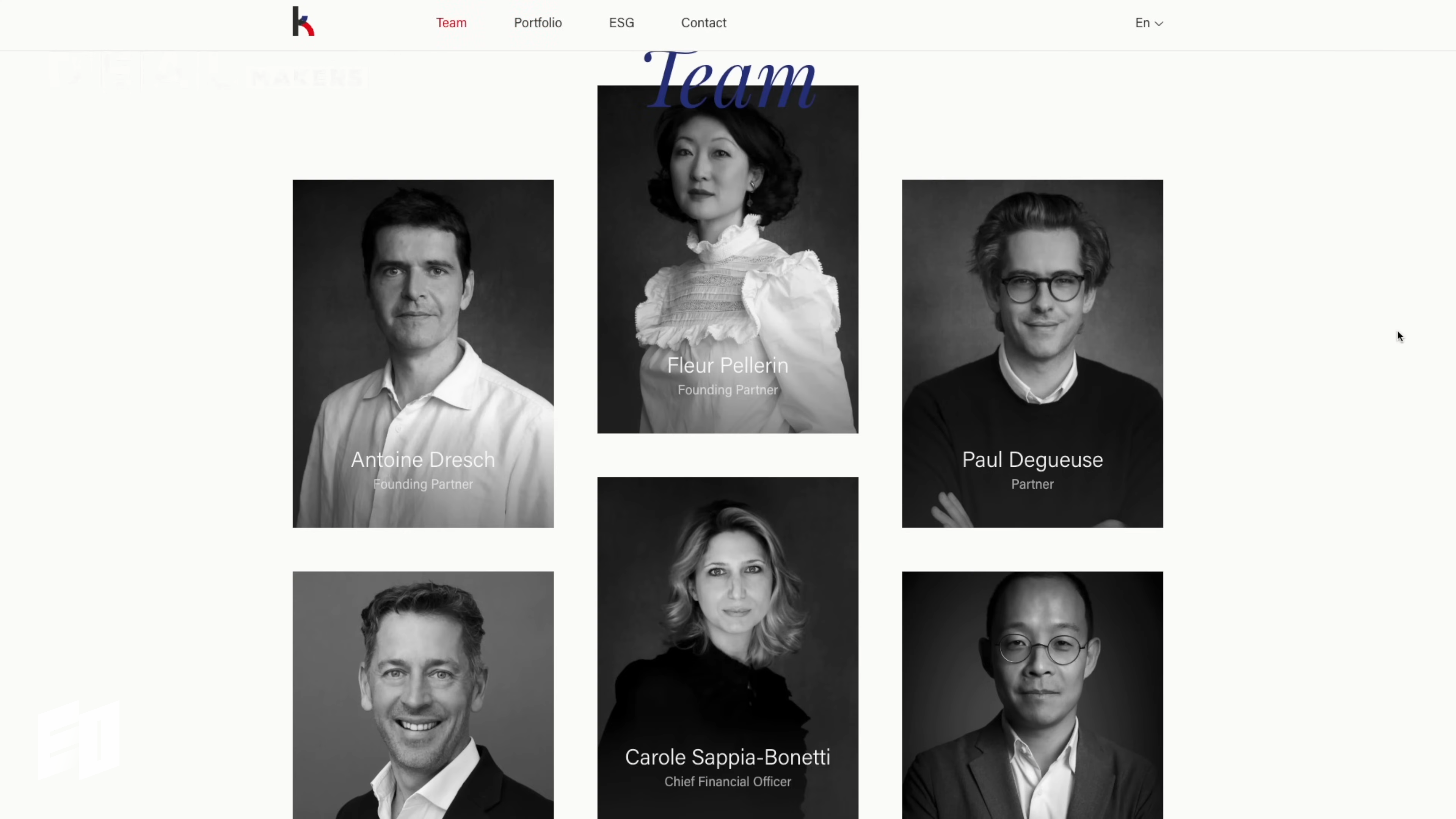
The world to come is going to be very different from the world I lived in. I really started my professional life without a network, and I managed to build one. Maybe the first advice I would give is, don't use people. My approach was never, okay, this person can be useful for my career, so I should go and talk to that person. I was super shy, so I was never like that. And I think I never gave the impression, to people who proved useful to me afterwards, that I was trying to use them. I think that's important, and now I know it, because I am in a position where people can ask me things, and I don't like it when I feel that people want to get to know me to obtain something from me. I'm happy to do something for the people I like, if I can be useful to them, but I don't like feeling like I'm an instrument of something, of an ambition or a plan.
My advice would be you can build a network without being like that. You can build a network just by being yourself, and people will find some interest in being with you, because anyone has interesting things to do or say.
I would recommend trying not to use other people, and also to dare. Sometimes it can be difficult to change your habits or the way you behave, but observe around you, be like a sponge, learn from the environment and from others. That can help you break down doors, gatecrash places where you think you don't belong, and achieve a lot of things you don't think you're able to achieve. If someone had told me when I was 12, "You're going to be a minister in the French government," I would have laughed. I would never have thought it was possible. So things happen, not all the time, but sometimes, and if you can help chance and destiny, then it's good.