Nov 20, 2023
Shark Tank-featured food truck builds $100M brand beloved by Americans
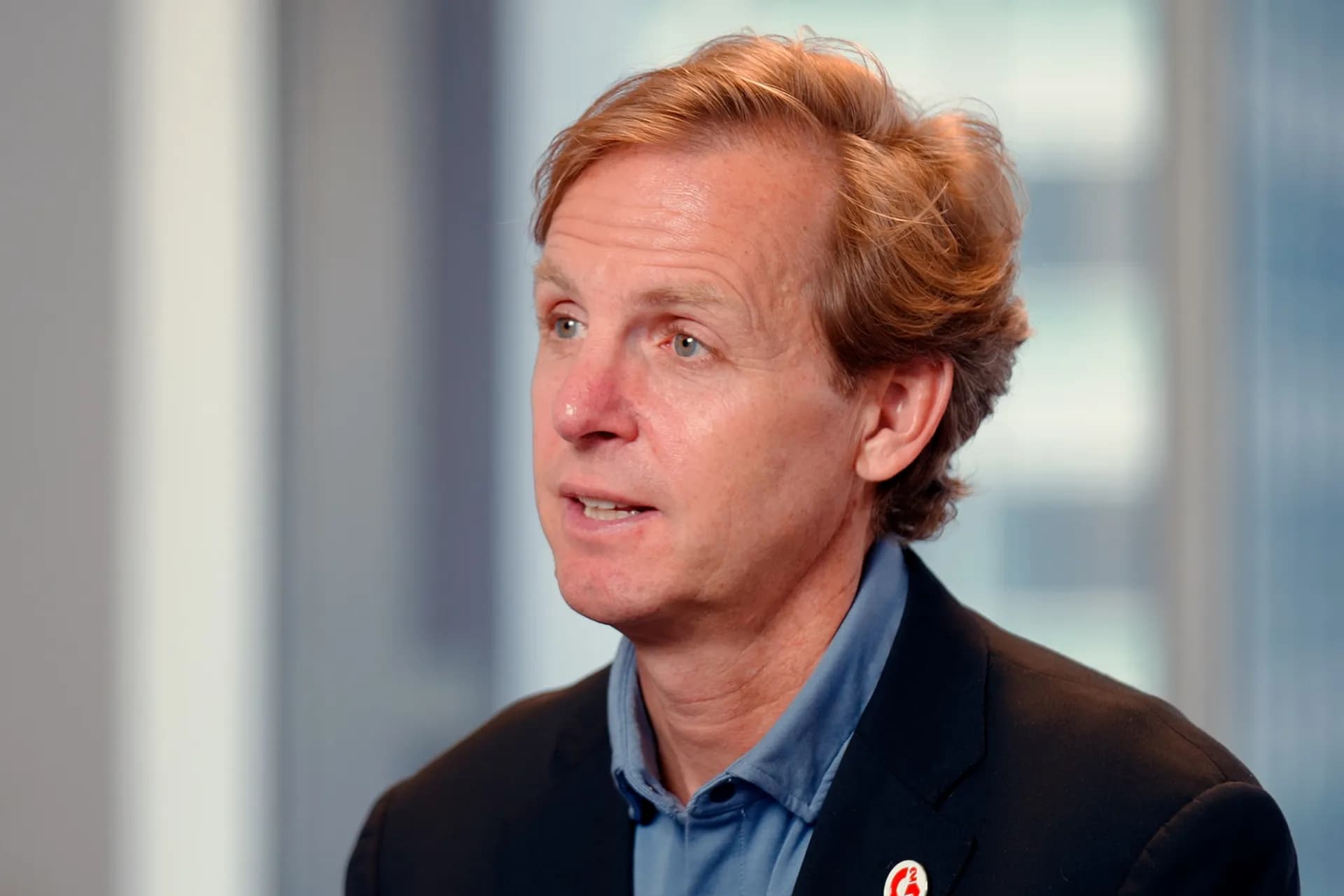
Interview with Jundhun Song & Yeiri Kim, Co-founders of CUPBOP
Founder Focused

💡
At a glance
- Who: Jong Hoon Song is the founder behind Cupbop, a Korean food brand that started from a Utah food trailer. His wife, Yeri, was closely involved in the early business and describes the family effort behind its growth.
- What: Cupbop serves Korean barbecue in a cup, combining rice, cabbage, sweet-potato noodles, and proteins in a grab-and-go format. The brand was built around making the experience energetic and fun, not just serving food.
- Traction: The interview says Cupbop grew to 38 stores in the United States and 120 in Indonesia. The founders also say the business was profitable from the beginning and that its profit grew over time.
In this interview, Jung Song and Yeiri Kim share the personal journey behind Cupbop, tracing their path from youth in South Korea and early immigrant struggles in Utah to pioneering a fast-casual Korean BBQ brand built on joyful customer service.
Key Takeaways
Hospitality as the Core Product
Jung prioritized genuine human connection and entertainment, proving that positive energy fosters lasting customer loyalty.
Adapting Street Food for New Markets
Cupbop adapted Seoul's high-speed Noryangjin student street food concept into a streamlined, convenient bowl format in the US.
Small Wins Lay the Foundation
Early entrepreneurial hardship, including earning a modest $50 first check, forged the persistence needed to scale globally.
Turning Skepticism into Opportunity
Launching a Korean food truck in an unfamiliar Utah market succeeded by pairing bold flavors with unpretentious fun.
Watch the full interview now on EO's YouTube channel! Below is the complete transcription of the interview. Minor edits have been made for clarity and readability.
Introduction

Jung Song: My name Jung Hun Song. Living in Utah for, I think it's about 18 years. My company is named Cupbop. Cup, Cup means cup.
Bop means rice. So, Cupbop. Bottom have a rice, cabbage mix on the top, 100% sweet potato noodle, then you can choose different kinds of proteins: chicken, beef, pork. We have 38 stores in the United States.
We got 120 stores in Indonesia. The Cupbop goal is really simple: taking the Cupbop to the space, to the moon. I want to take the Cupbop to everywhere.
Yeiri Kim: I've never seen people saying, "You know what? That restaurant is really fun."
Jung Song: I don't want to say that was a marketing purpose, even. If my best friend making ramen, even though that ramen tastes not good, I'm okay.
Yeiri Kim: That's the brand identity we try to create.
A Cup of Happiness
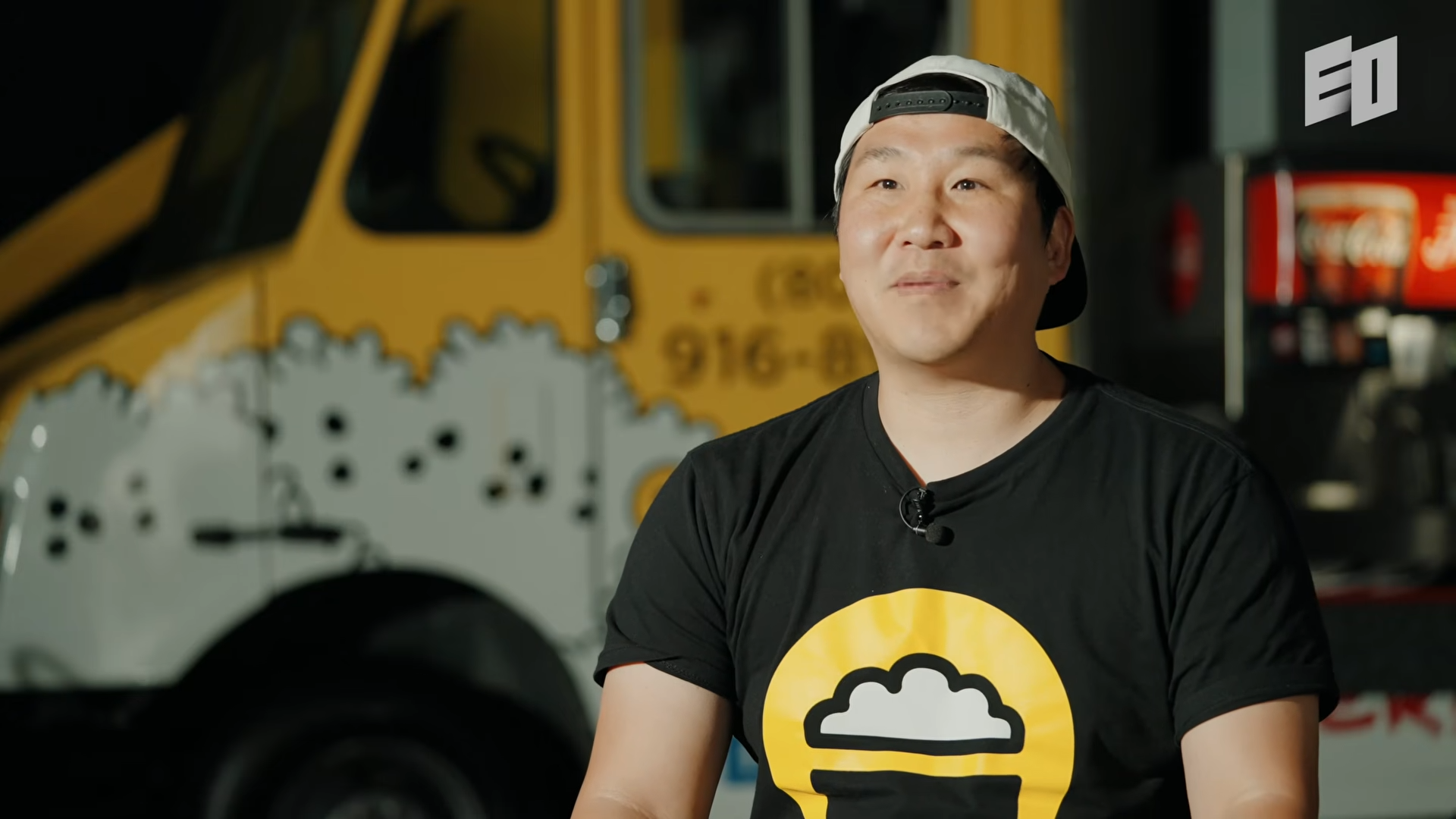
Jung Song: I from South Korea, Seoul. I was slacker. I never studied my life. My mom and my parents told me, "Just be healthy."
When I get in the high school, I have about 10 best friends. They are all dancers except me. I learned dance from each members. I start little late, but when I start the b-boying in Korea, I was pretty good because I worked so hard.
I practice eight-hour every single day. I almost making my album with my teams. My favorite manager came to me and said, "Hey, Jung, I think you can be really popular, but not this way. With this kind of face, cannot succeed on TV.
If you can do a little comedian, you can be super famous. Can you try that way?" That night, I dropped everything.
Arriving in Utah and Learning the Hustle
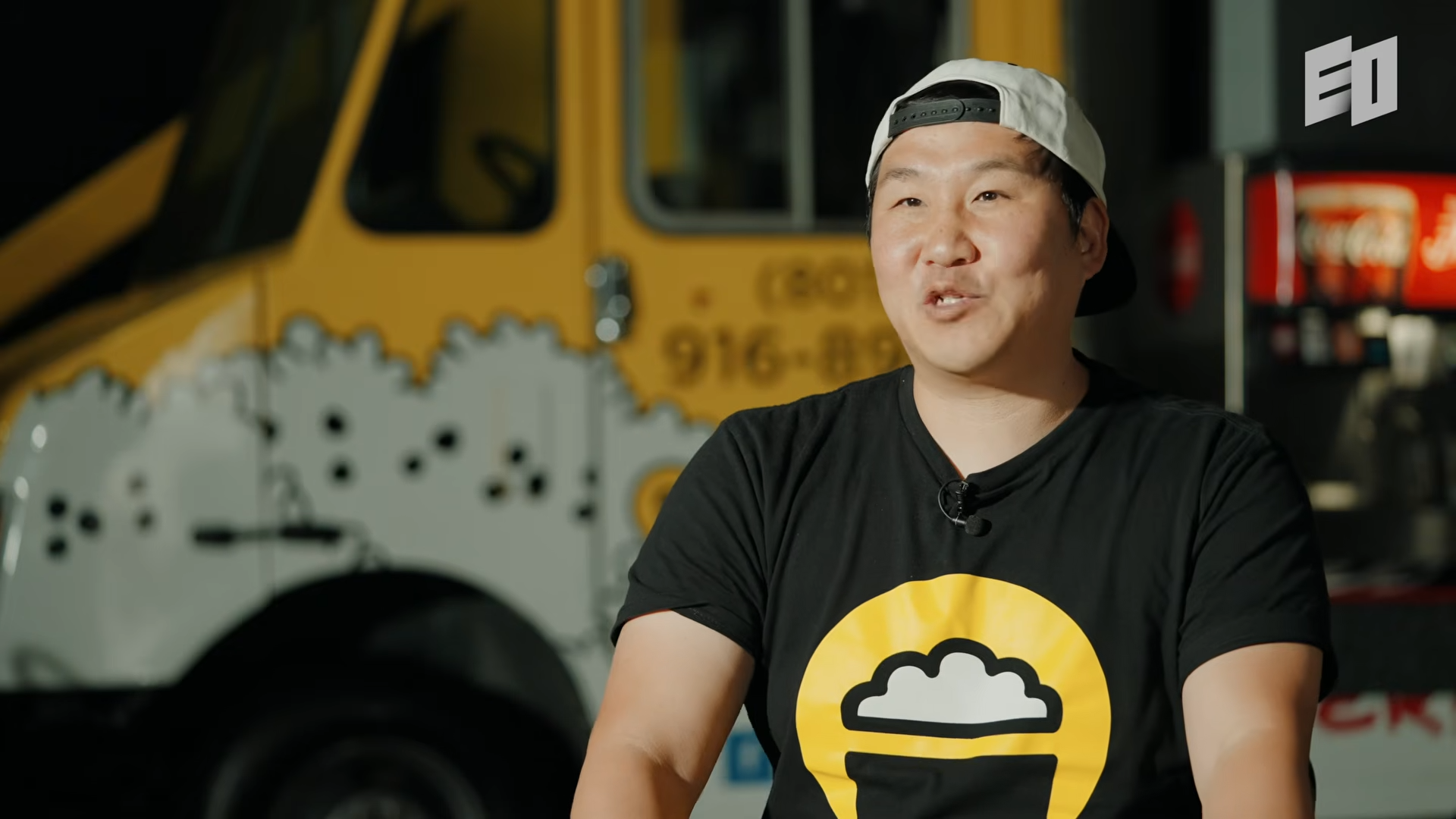
Jung Song: My mom, my dad, they make the deal between them and me: "If you can stay six months in US, after that, you can do whatever you want." I really don't want to go to the US because I don't speak English at all. That was when I was 26, think 26. I directly came to Utah, Salt Lake City.
I just want to go back to Korea every single day. So, I was staying in the rooms all day long, just listen to the musics, watching TV. That's all. I don't want to asking the money to my parents.
I trying to get a job, so I went Korean restaurant because I don't have to speak in English well. But all the customer was the American people. I want to get some more tips, so I have to open my mouth. Because waiters, that time, they only pay me $2.50 per hour.
Everything is about the tips. If I serving nicely, they give me a more tips. I showing the magic, I showing palm reading, I was reading their palm lines and faces to tell their fortunes, I gave customers massages, too. When I share my love, my extra things, they really like it.
So, they asked me my schedule: "When do you work?" Then they coming. I got a lot of tips.
Yeiri Kim's Ballet Career and Shift Abroad
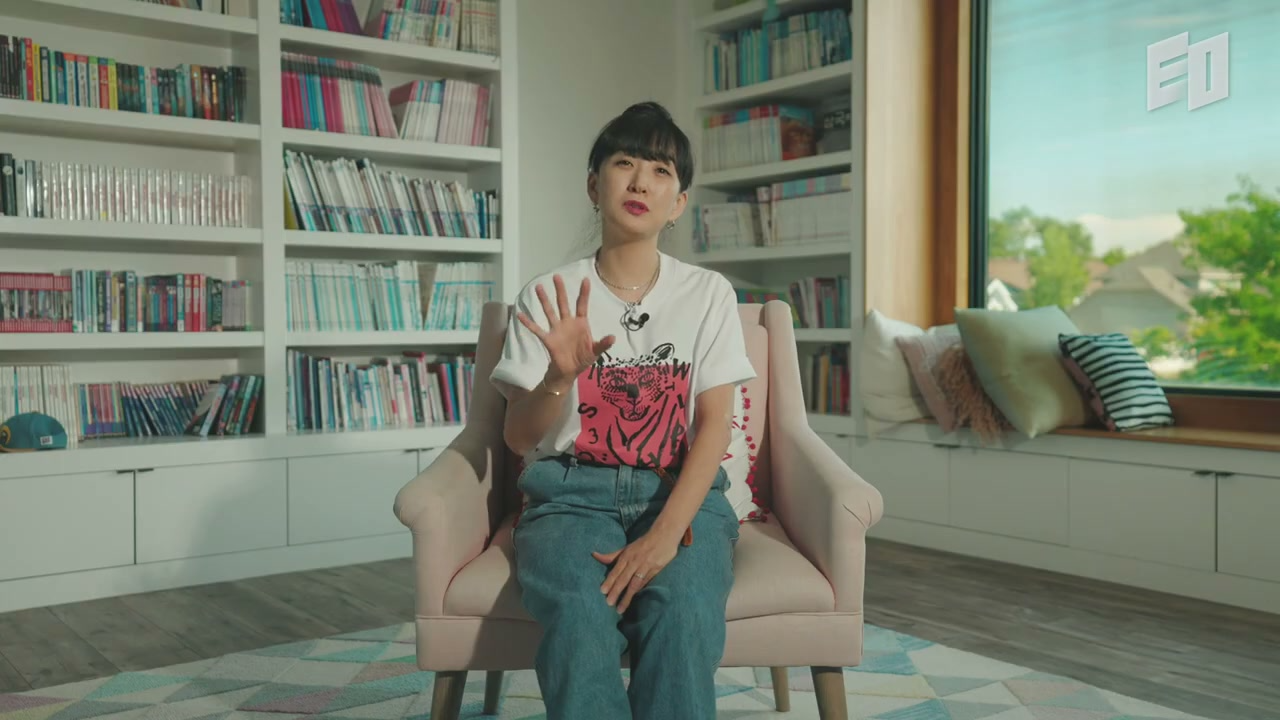
Yeiri Kim: I was born in Gwangju, southwest part of Korea. I dance. I did ballet in middle and high school. I was good enough, I think.
One day, I thought that I had no confidence to become a top ballerina. Just few people who studied abroad became really successful. I thought I would never have that kind of opportunity. Instead, I thought, "What can I do?"
I really liked speaking English. One of my mentors, he said, "Why don't you go to America to study?" When I quit dance, my mom was pretty happy because, "Oh, I'm going to start saving some money because she quit dance." But right away, I immediately said I want to study abroad.
My college life, it was boring. I only studied and studied and studied. In my junior, I was in charge of the Asian festival in college. Asian festival is to introduce different Asian cultures from different countries.
I was in charge of the Korean part, and I was making a choreography mixing Korean traditional dance, hip hop, and breakdance, but I knew nothing about breakdance. One of my friends who had a crush on my husband said, "I know one person who used to be a breakdancer, so we can invite him to practice." So, I was like, "Oh, okay." I never expected that I would fall in love with him.
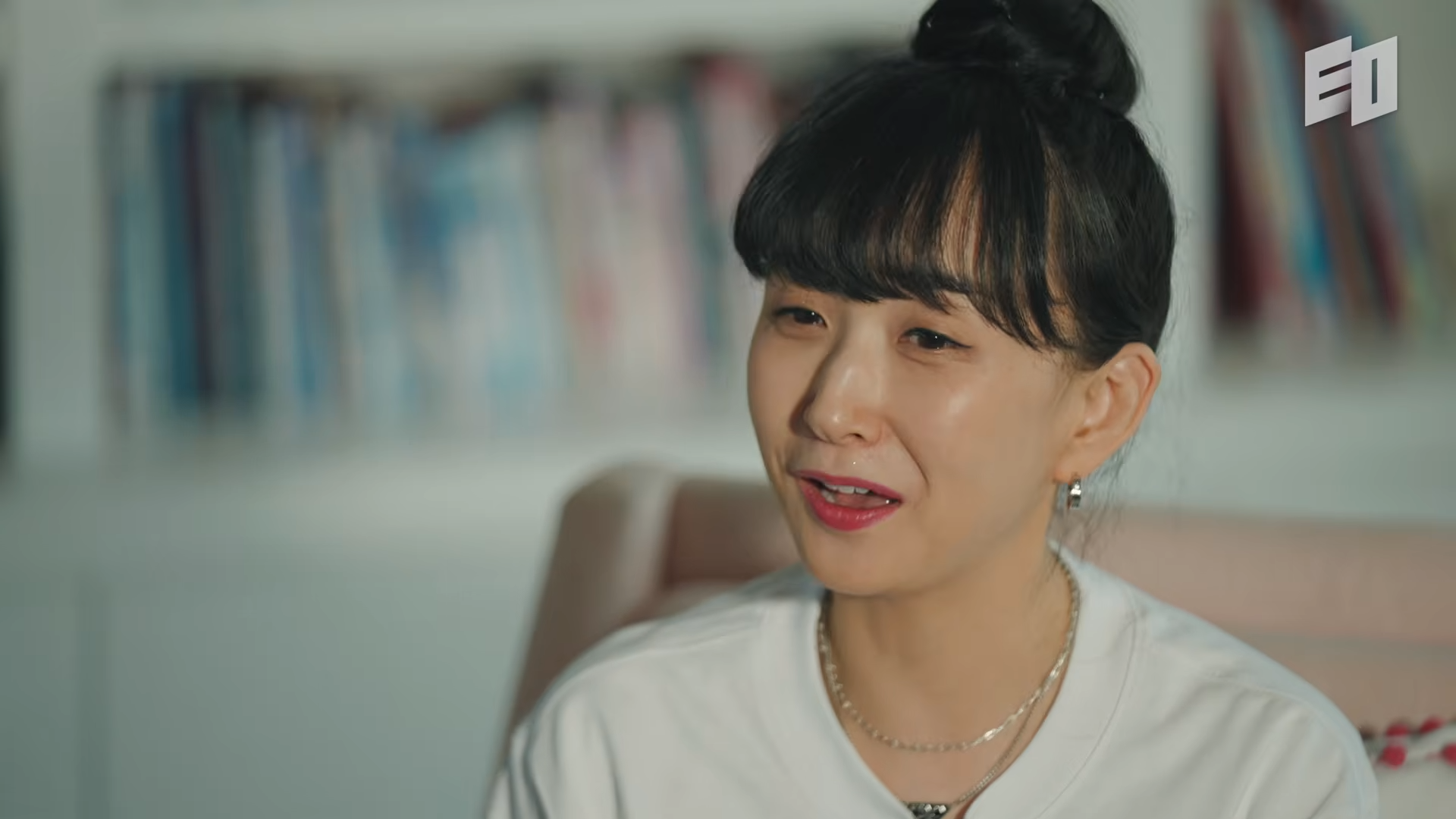
Yeiri Kim: When I got to see him again to get some help for breakdancing for the Asian festival, I was pretty impressed with his courtesy and kindness. He's a person who always try to help others. I think it's quite different between these two approaches, because a person who thinks, "Oh, I'm really professional, I'm good enough," some people, they tend to lead the group. They want to lead the group.
Another person like my husband, just watches at first and finds out what kind of support and help he can possibly provide by not interfering the group. Because of that, a lot of people around him, surround him, always followed my husband. He's a shining person wherever he goes because of his personality. I already knew he didn't like studying.
I had a belief that no matter what kind of job he gets, what kind of career he would eventually get, he would completely support his family with responsibility and dedication.
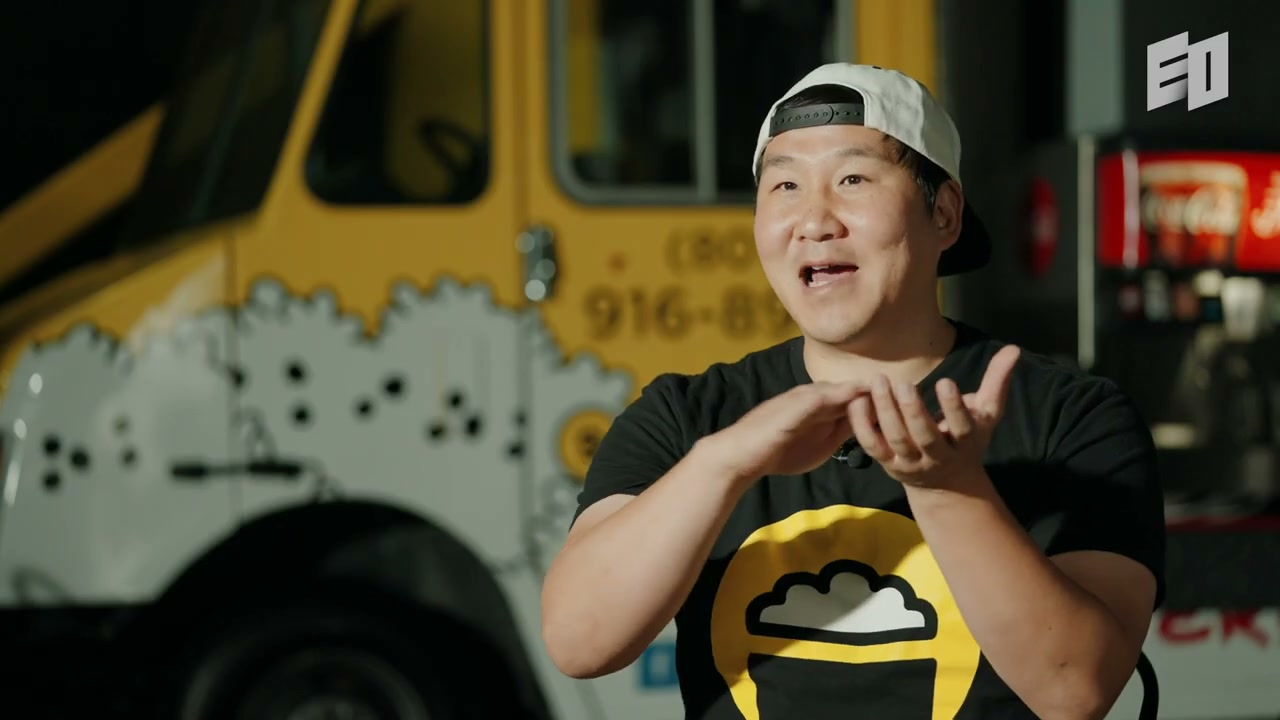
Jung Song: Got married 2007. I was working with my brother-in-law. He was a dental technician. He used to own the dental lab.
After that, I have to sitting like eight hours every single day. It's not fit my personality, so I asked him, "Hey, can I do the sales?" He said, "Hey, I don't want you to go outside because you don't speak English at all." "Give me a one week.
Let me show you what I got." After one week, I brought a lot of doctors, and he got shocked. "What did you do?" I do massage, and read palm lines and faces and then all the doctor, they really liked me.
One day, I just decide I want to do my own business. All of my idea, I wrote down the little note, so I talked to my wife, "What do you think about this idea?" She hate all. The last idea was the Gorilla VIP, the little coupon.
If I showing them my VIP card, I got a discount from the restaurant. That was my first business.
Gorilla VIP and the First Fifty-Dollar Check
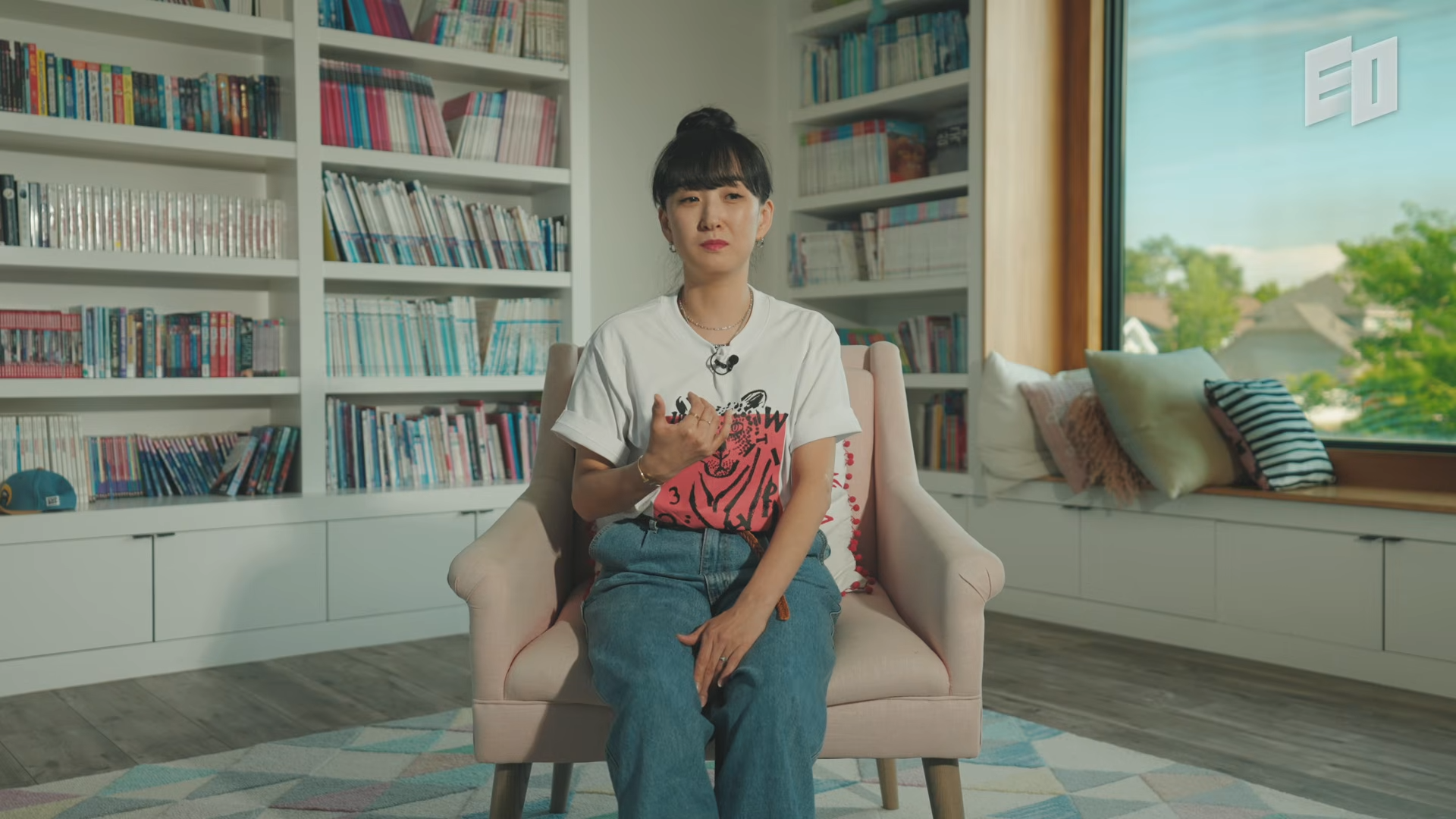
Yeiri Kim: At that time, we were really poor. That's when Apple introduced the very first iPad. So, restaurant membership business, including IT technique such as a website or app, we knew nothing about it. We created a website, and he started sales.
And then I wanted to support him. I remember one day waiting for my husband in a car with two children sleeping in the car. It was late at night, and we were driving together looking for restaurants. And then we found this restaurant, and he said, "Oh, I'll come back.
Just wait here." And he went inside, and I was sitting waiting for my husband for about an hour and an half while he did sales. And he came back into the car showing this little check for $50, and then said that was our very first earning for the business. So, it was not a big amount of money.
I couldn't say anything but cried because I knew how much he tried to get the very first client for the business. He didn't immediately get a client right after we started business. I think it was about three to four weeks after we started it. That very moment, I couldn't say anything but very appreciate it for his try and effort because I understood his excitement.
I think that's the greatest foundation of this family.
Inspiration from Noryangjin Street Food
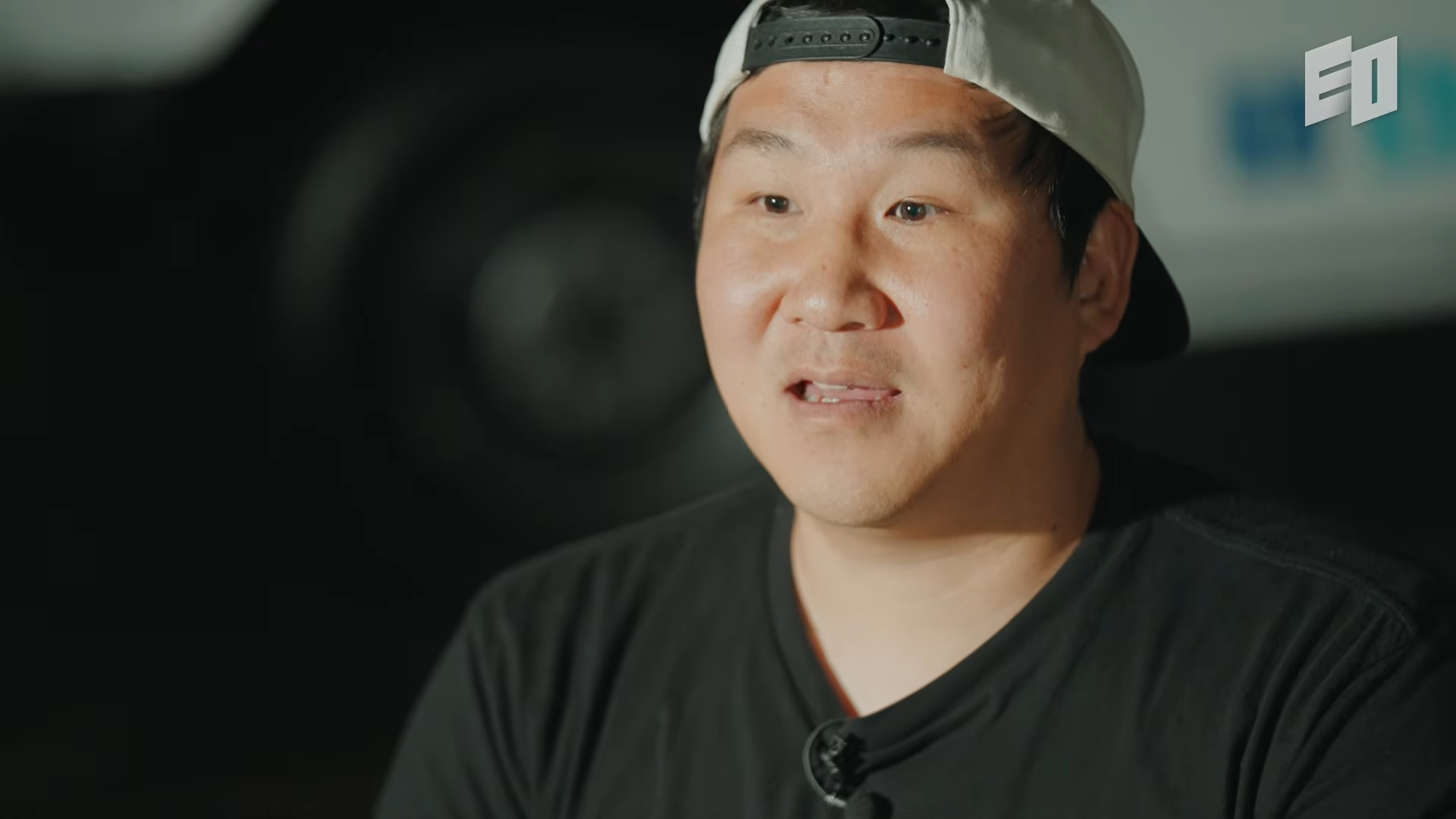
Jung Song: One day, I saw that food truck in University of Utah. At the same time, I watching documentary about Noryangjin Cupbop in Korea. That area, everybody doesn't get a job. They trying to go to academy to get a good job.
That's a Noryangjin area. A lot of people has no time, a lot of people has no money. They want to go like 2,000-won Cupbop, grab and go. So, I thought, "Oh, that might be really work in United States."
It was hit me like that that I don't have the dishwashers. Just a little paper cup, I can put everything, grab and go. I like the food, but I don't want to wait seven, eight minutes. So, I thought, "Oh, if I want to do the business, that's my style."
Launching Korean BBQ on Wheels in Utah
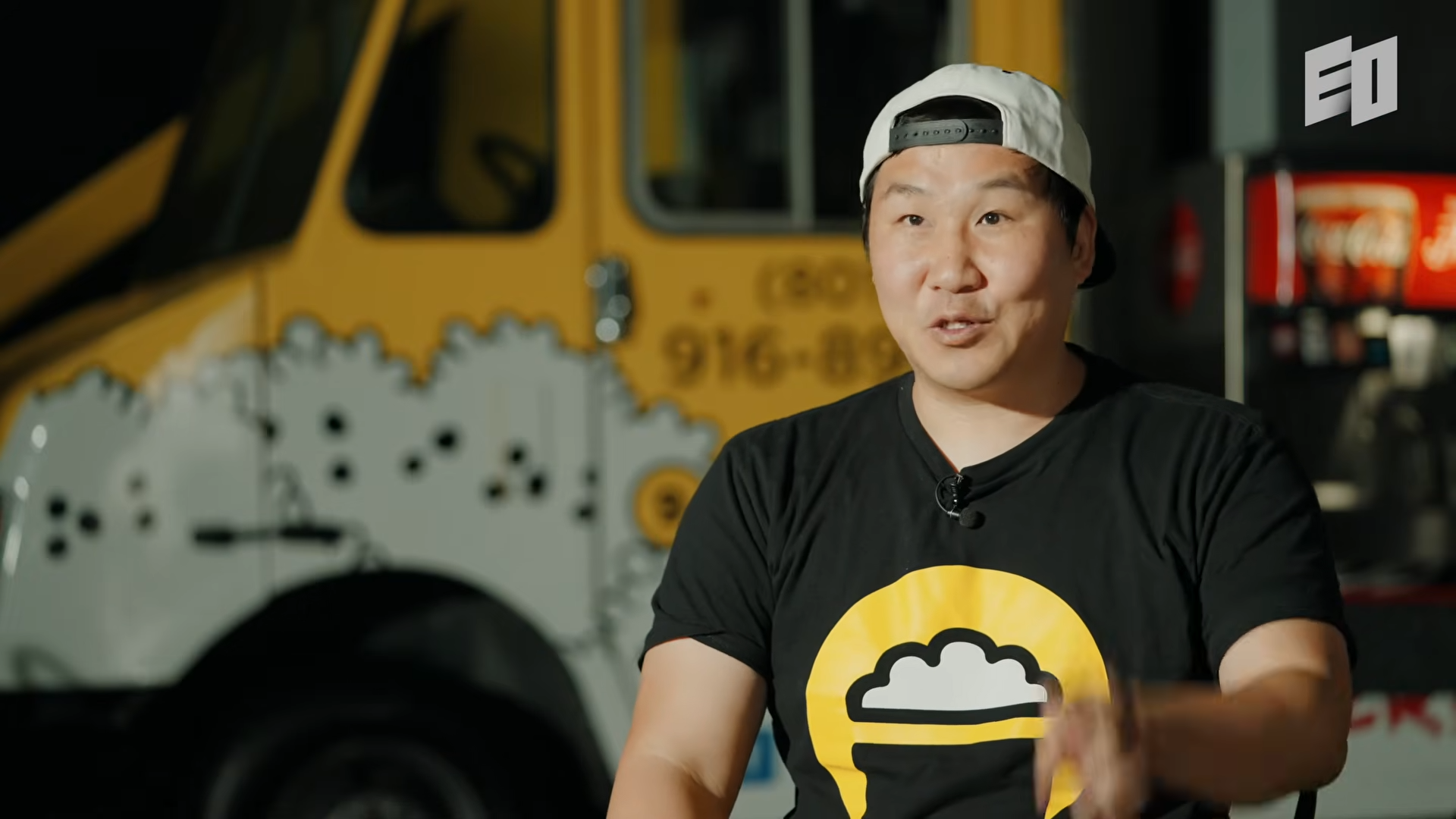
Yeiri Kim: First of all, let me explain the overall situation in food truck industry in Utah. There were only a few food trucks actively running at that time. When he first told me that, "Hey, Yeiri, I want to open a food truck with Korean barbecue, Korean food," and I was like, "Here in Utah, food truck?" And then I've never seen any type of food truck in Utah, especially Korean food.
And then a lot of people didn't even know Korean restaurants were existing in Utah. Maybe some people didn't even know whether I was from North Korea or South Korea. Our previous business, Gorilla VIP, was doing well, so when he first brought up the idea of Cupbop, I was like, "What?"
Now if he says, like, I want to do this, he's got to do it. So I said, like, okay, we're going to do it, but when and how? And he immediately bought a food trailer on the day, I guess In 2013 we had three children and the last one was only about a year old.
Jung Song: The first day we sold out. So I thought, yeah!But the second day, not a lot of people actually came to me oh, what should I do? I thought, this guy, we work really well, but it's not working. But I don't want to just stand up waiting the customer. So I start playing some game with my partner.
The suddenly people actually looking at us. What are you doing? Those Asians. Why they are so happy? Why they are dancing. So I talk to my partner and said, oh, they're looking at me. So we start yelling it. Suddenly people actually came to our food truck and make the line. People bring the phone and make a video for us. They putting the social media. So bringing a lot of followers to our social media page. That's how we start the Cupbop
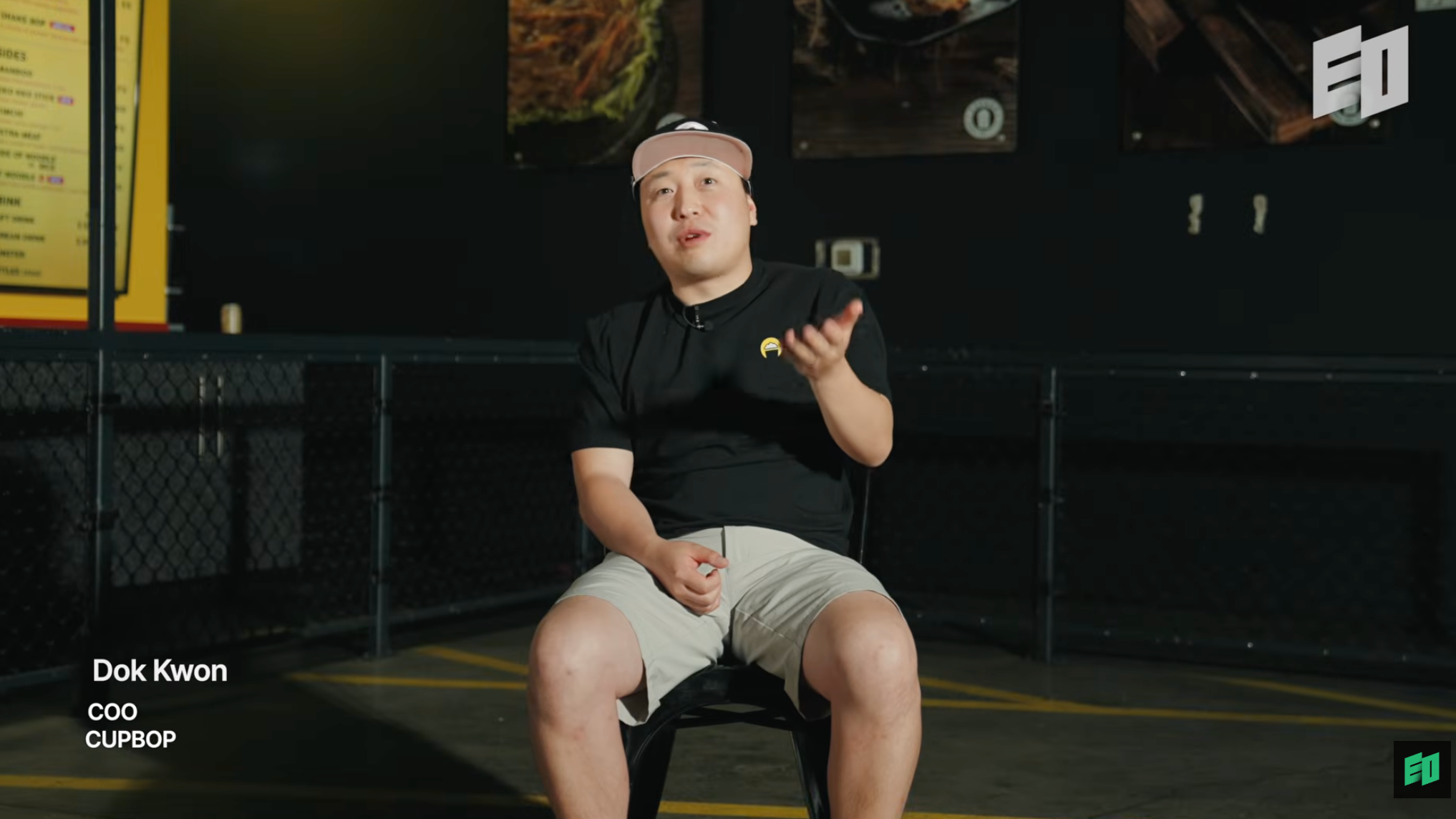
Dok Kwon: And there was this like bright yellow truck. And I was like whoa that's really bright. And it was Korean barbecue in a cup. And I was like, what the hell? Korean? There's no Koreans in Utah. And so I was super excited when I first tried it, It was at the very beginning there weren't that many people, but I was so excited, tried the food, you know, it worked for me. I would say the food itself. It may not work for Koreans because it's not catered for Koreans or Asians, really, for that matter, but for the mainstream kind of American taste buds. It works.
And so it worked on me. And another thing that really impressed me, you know, outside the food, even more than the food was the energy it had, you know, the kind of the stereotypical than the food was the energy it had, you know, the kind of the stereotypical Asian restaurant you think about.
You know, people usually think the food's really good, but the place is not very clean. The customer service is subpar. That's kind of the stereotype, right? Cupbop turned that completely upside down. These Asians screaming, dancing, high fiving super loud. You know, that's not the typical Asian restaurant feel. And so that was super, super impressive.
And it was enjoyable to just go there to interact. And the line just kept getting longer and longer and longer and longer. And that's when I thought, wow, this, this place, you know, this brand could really go places.
Yeiri Kim: When people talk about restaurants, they usually say, oh, the food is delicious or service is great, you know? But I've never seen people saying, you know what? That restaurant is really fun. That's the brand identity we try to create. I believe this is a private party held by a Ryan Smith, who is the founder and CEO of Qualtrics.
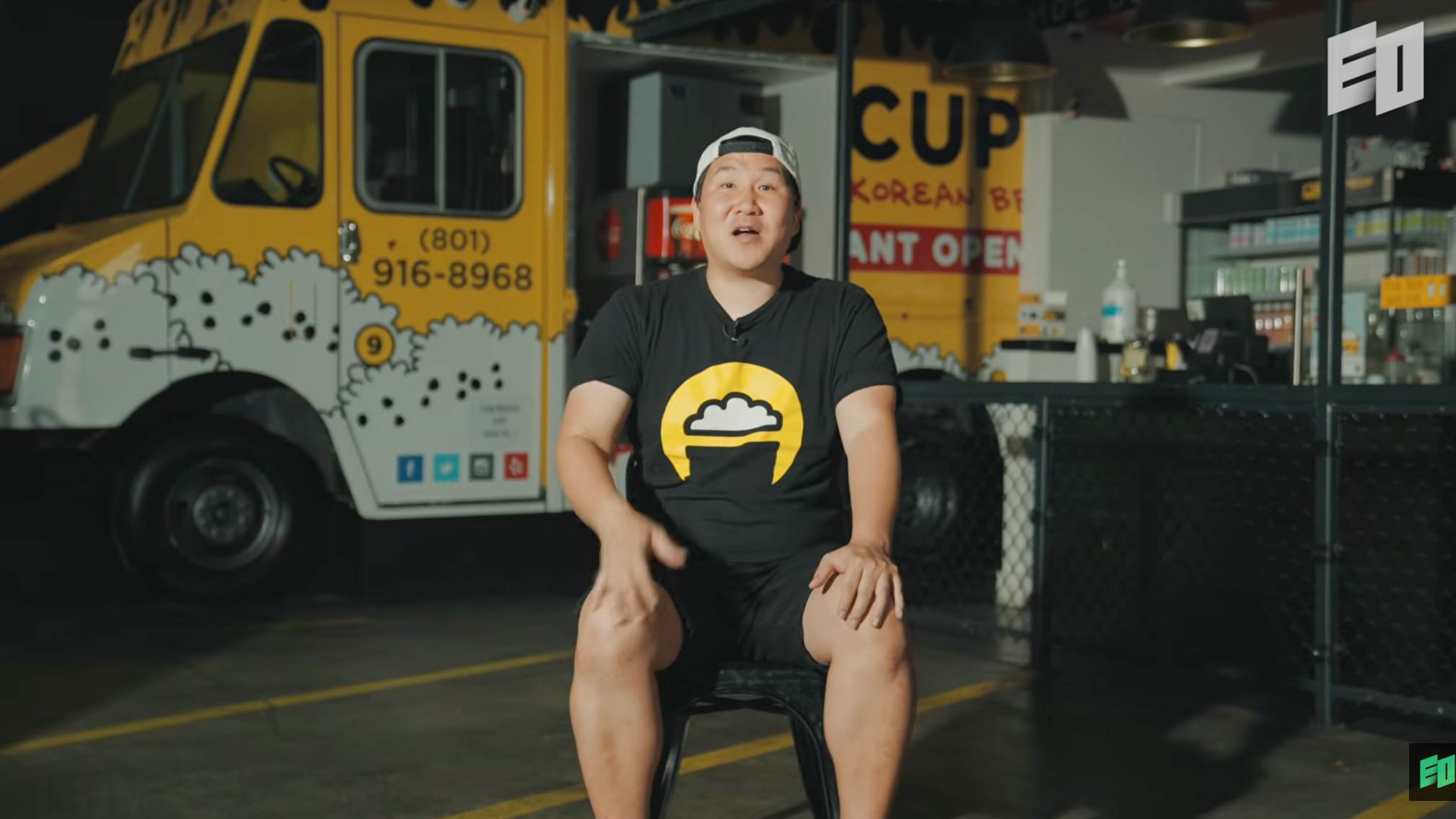
Jung Song: The food is important, but I think it's not the most important. A lot of people actually ask me about our marketing, but I don't want to say that was the marketing purpose even For example, like this. If my best friend making ramen, even though that ramen tastes not good, I'm okay because my friend actually made those ramen for me. We are super close. The customer and us. We remember our name, each others. We didn't have any a lot of money so we have to do something.
If I have a lot of money, I can just go to a TV and make a little commercial over there. But that time I have one trailers, I have a two partners and the members Utah have a 4 or 5 months strong winter. It was a super hard to survive in the food truck. What should I do? So our first idea was if you're following us at the social media like Facebook, Instagram We select one people per month. We send them our food truck to their house. We can invite 25 people making private event. That first event was a hit really well.
Yeiri Kim: Since the very beginning, we never had a loss. We always had profits and the profit grew over the times. It really nice. It's unique. It's my favorite one in Utah. Our finance was very strong, you know, we had a lot of cash flow and then we just were just growing over time.
Jung Song: There are a lot of rich people in the world. There are so many rich people and there are so many smart people out there. But guess what? There are not many honest people out there.