Oct 19, 2025
Why Every Founder Needs to Care About AI Safety Right Now
Interview with Glen Wise, Co-founder of Cinder
Founder Focused


0:00 / 0:00
💡
At a Glance
- Who: Glen Wise is the co-founder and CEO of Cinder, a trust-and-safety platform that helps companies enforce their own content rules across users. Before founding Cinder, he worked in government on counterterrorism and later led threat intelligence and red-team work at Facebook.
- What: The interview traces Wise's path from a childhood shaped by growing up near New York during 9/11, through counterterrorism work in government and threat intelligence at Facebook, to founding Cinder after realizing that the abuse problem he saw at multiple companies was better solved once, centrally, than rebuilt at every company individually.
- Traction: Cinder has raised $14 million from investors including Y Combinator and Excel. This year alone, Cinder customers submitted over 100,000 reports to the National Center for Missing and Exploited Children, work Wise says is still only scratching the surface of the abuse happening online.
In this interview, Glen Wise, co-founder and CEO of Cinder, traces his path from a childhood shaped by 9/11 through counterterrorism work in government and threat intelligence at Facebook to founding a trust-and-safety platform. He describes Cinder's early misstep building a threat-intelligence platform that customers didn't actually want, and the 'decision spectrum' framework the company built instead to handle everything from simple content flags to complex, adversarial investigations. He closes with why direct experience with online harm, combined with a clear mission, is what keeps trust-and-safety teams from burning out.
Key Takeaways
Adversarial Thinking Helps Teams Anticipate Online Abuse
Wise carried a red-team mindset from counterterrorism and threat intelligence into Cinder, encouraging his team to think like people trying to break a system. Acknowledging that adversaries are actively working against a platform helps safety teams anticipate harm instead of reacting only after it spreads.
Centralizing Trust And Safety Can Accelerate Innovation
Wise noticed that many companies were struggling with similar platform abuse and initially considered helping one smaller company build internally. He concluded that the stronger business was to build the capability once as a shared platform, allowing customers to innovate faster without ignoring the internet's harmful underbelly.
Customer Feedback Exposed Cinder's Wrong First Platform
Cinder first built a threat-intelligence platform based on problems the founders had experienced, but prospective customers wanted broader operational support. The costly mismatch taught Wise to define the core customer problem tightly, validate it, and only then invest deeply in the platform.
Decision Spectrums Match Simple Flags To Complex Threats
Cinder's decision spectrum places straightforward judgments, such as identifying nudity or fraud, beside investigations involving sophisticated networks and adversaries. Wise uses the framework to show why trust-and-safety operations cannot rely on one review method when harms range from single events to coordinated campaigns.
Mission And Experience Sustain Difficult Safety Work
Wise says trust-and-safety work is emotionally demanding because teams face vast amounts of harmful material and can burn out under the feeling of an uphill battle. Direct experience with that harm, combined with a clear mission and visible wins, gives people a reason to continue.
Watch the full interview now on EO's YouTube channel! Below is the complete transcription of the interview. Minor edits have been made for clarity and readability.
Introduction
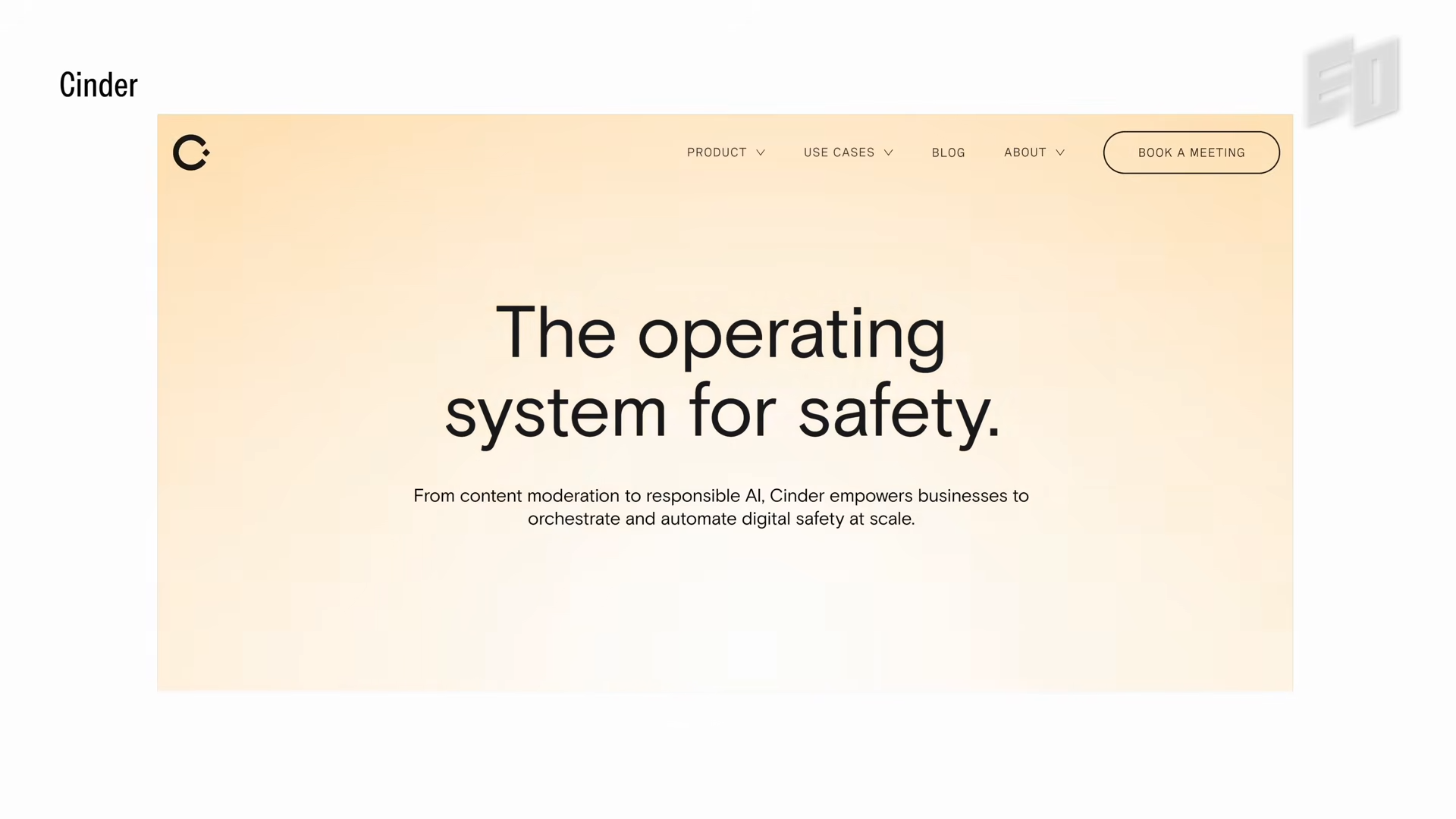
I'm Glen Wise. I'm the co-founder, CEO of Cinder, a central platform for trust and safety operations. You can think of Cinder as the club bouncer for the internet. Our customers want to be able to set rules on what they allow on their platforms and what they don't allow. And so Cinder is the system that they use to enforce those rules across all of their users.
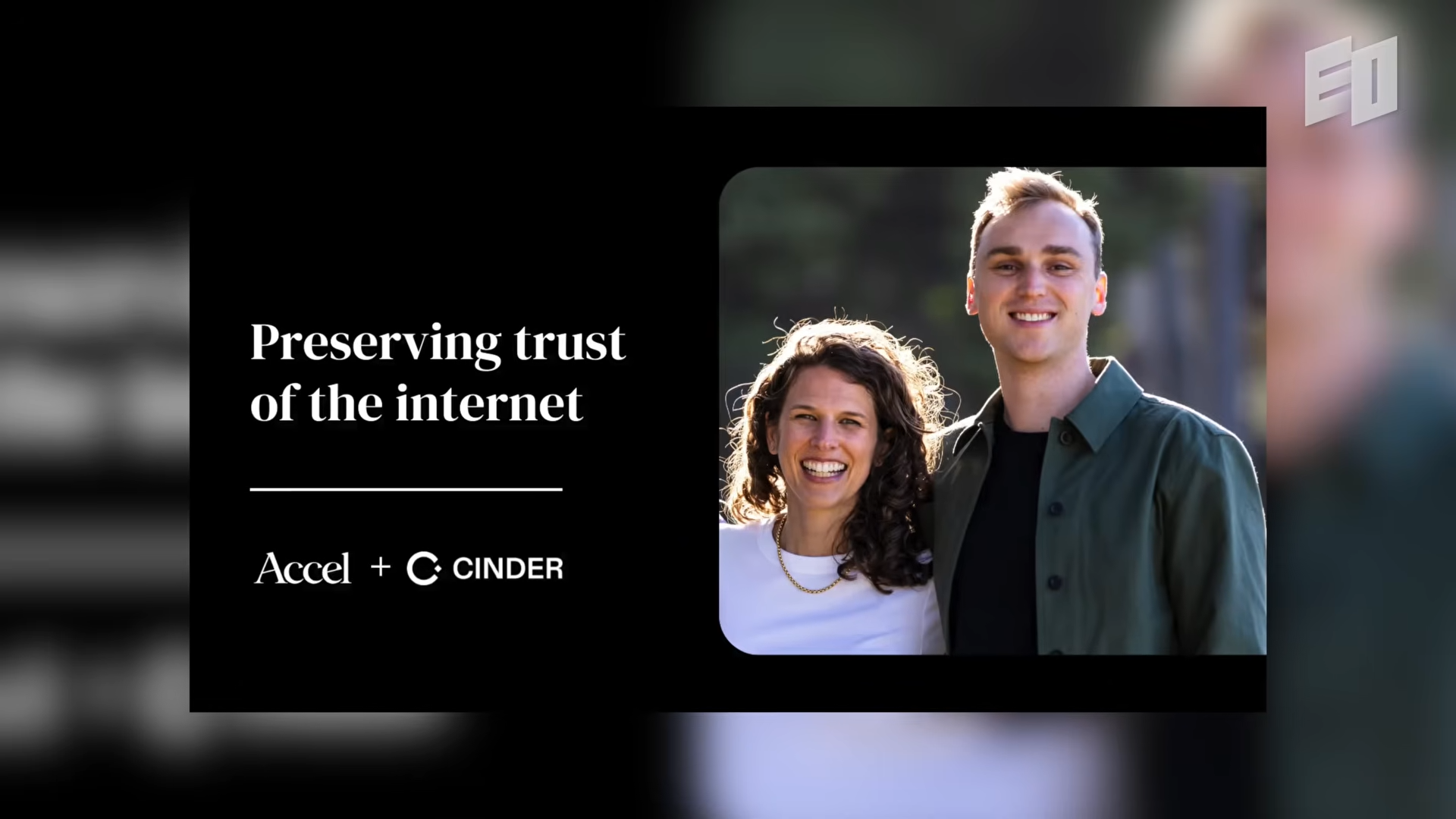
We raised $14 million from investors such as Y Combinator and Excel. Our mission is to make the internet a safer place.
Chapter 1: A Greater Mission to Safeguard America
So growing up in New Jersey, being 6 or 7 years old during 9/11, that was such an impactful sort of moment in my life and my community. And when you grow up with that in the backdrop, any opportunity to be part of a greater mission was really important to me. So then when I went to college and I realized that you can actually go work at the NSA or the CIA or the FBI on these exact issues of making sure that never happens again.
That's the only thing I wanted to do. And so that inevitably led me to join government being able to work on counterterrorism issues which inevitably led to me doing the same type of work at Facebook on a threat intelligence team. Facebook started investing heavily in threat intelligence before the harm became prevalent on the platform.
Being on a red team, I think, is one of the most fun jobs that someone could have and someone can do because you get to, you know, try to break things. This is something that I instill on my team today. It's like, how do you have that adversarial mindset, right? There's going to be people on the other side of that trying to stop you and you have to acknowledge that and be able to think like that. At the time, I was talking to so many other companies that were really struggling with getting a grasp on the abuse occurring on their platform.
And so, I thought that this would be a really interesting thing to start. I was thinking about it for a long time to the point where, you know, it's all I thought about outside of work. Part of my hesitation of founding Cinder that I just thought I wasn't ready, right? I felt I didn't have the right experience.
My initial thought at the time was to go to a smaller company and help them build, you know, a platform internally.
So, I ended up just reaching out to a bunch of people. And I realized that there were a lot of companies to choose from to build something internally that at that point you should just build it once centrally and then give it to all these companies. It just like made so much sense as a business. That's inevitably why I made the decision to found it. And I think that it's important. Someone needs to be able to stop those horrible things from happening so innovation can continue.
And so what I want to do is be able to we should be able to be the ones that are stopping those horrible things and innovating on that allow everyone else to innovate incredibly quickly and deploying new things and building new things without worrying about this underbelly of the internet and this underbelly of harmful people. I applied to Y Combinator thinking that nothing would happen, you know, literally an hour or two before the deadline was due.
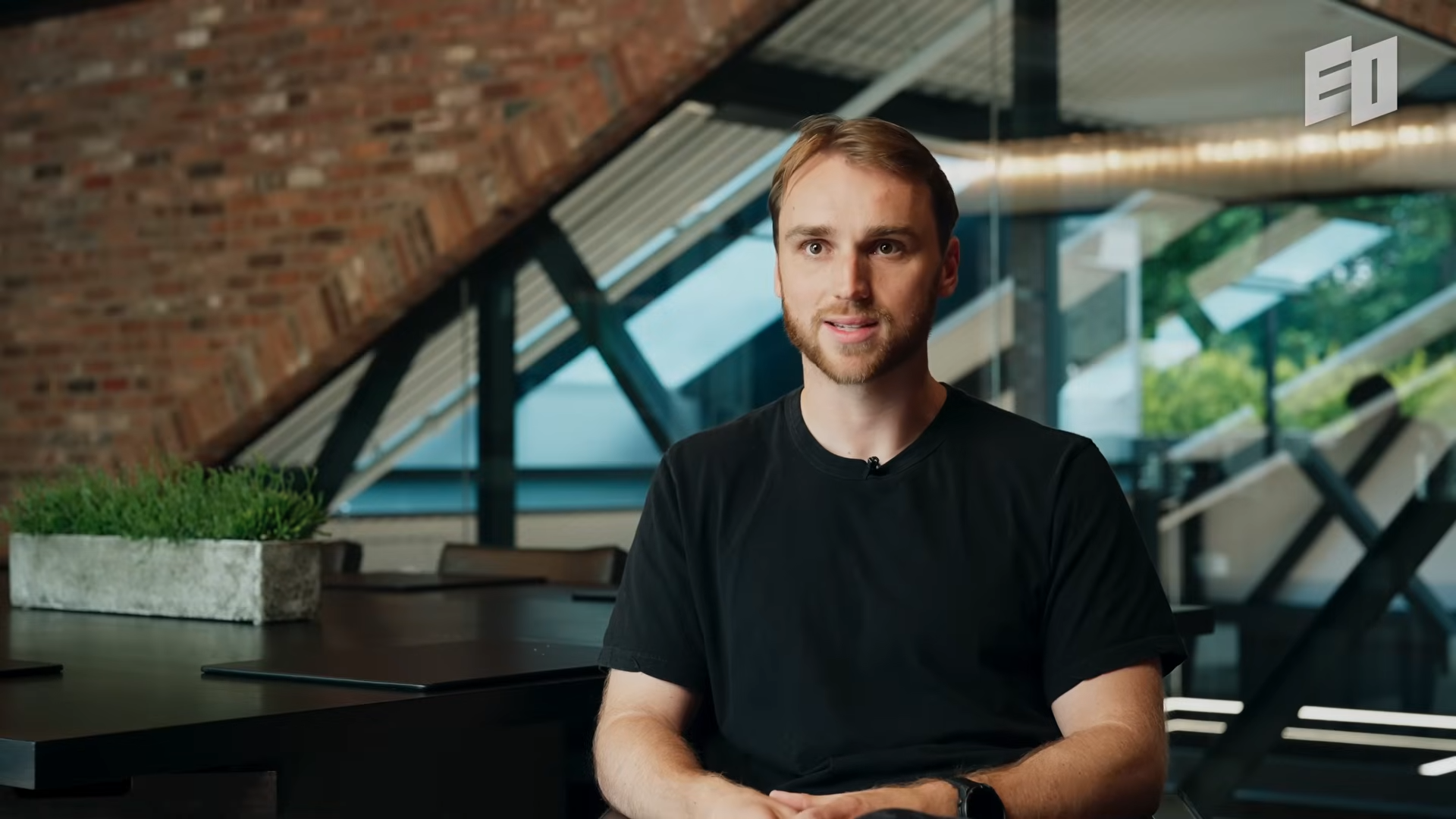
Ended up getting a call from Michael Seibel, and Michael told me that he thought the idea was great. He's really excited about it. He wants us to, he wants me to do it, but I need to find a co-founder.
And I told him that there were people that I worked with at Facebook that I thought were really amazing people that I really wanted to work with, but it's going to be impossible for me to get them to leave Facebook and to actually join me starting this. And fast forward three months later, I had a really great team of people that I was really respected. And it was amazing, and I mean still is amazing, that I get to work with them every day. Bringing all these people on and working with them was a really special moment for me.
Chapter 2: Solving Problems That Impact Society
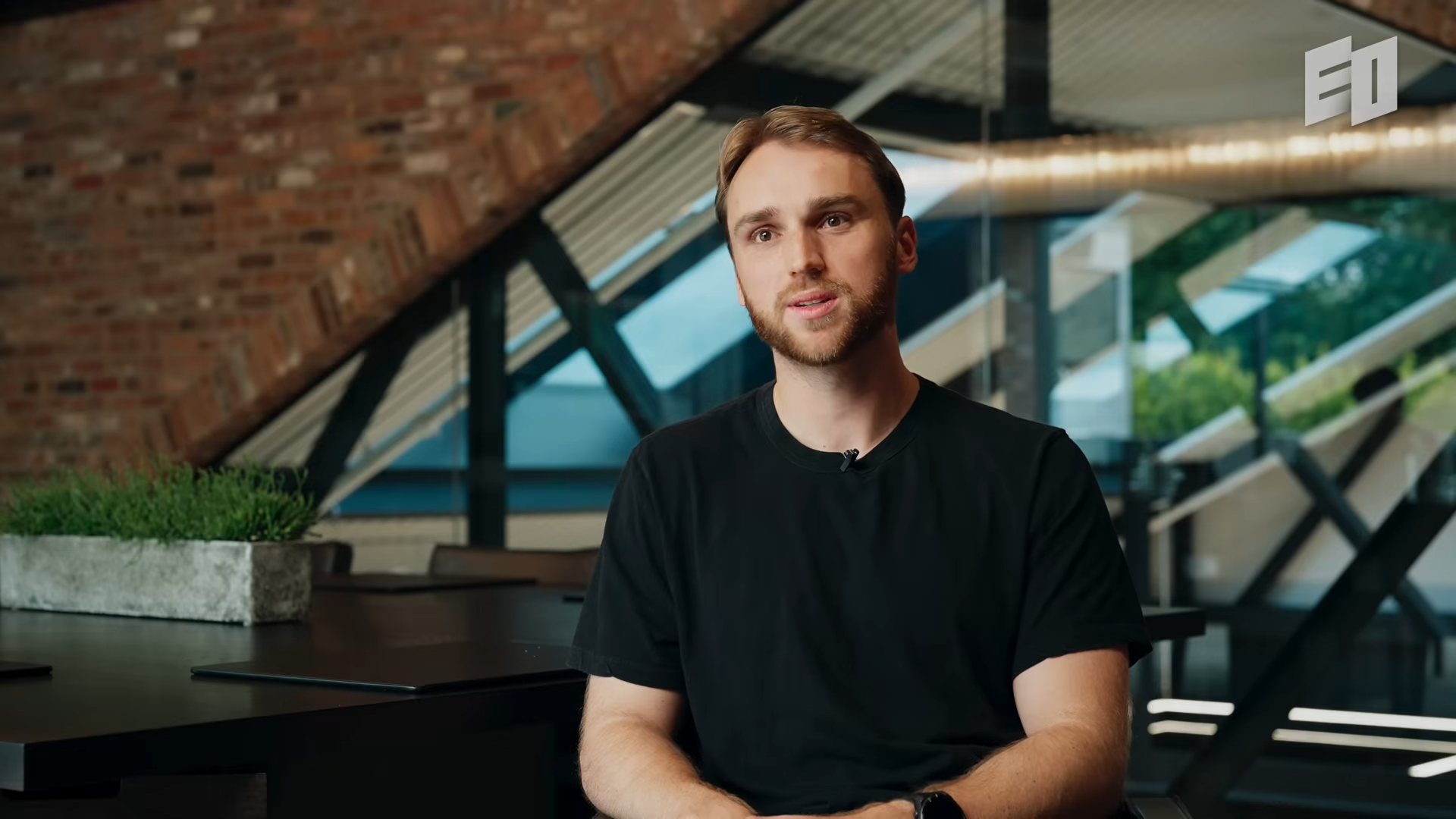
This year alone with Cinder, our customers have submitted over 100,000 reports to the National Center for Missing and Exploited Children. That alone is a pretty insane number, but it's also just like scratching the surface of all of the really bad things. We see abuse today that 4 years ago only a nation state could do. And today, a teenager with a laptop is able to do it. As a society, we need systems that can combat this abuse before it turns into a total hellscape. When we set out to build Cinder, we knew that we were going to build a platform and that is really challenging and I would encourage anyone to not build a platform from the beginning because you have to build so many things on top of it in order for it just to work, right?
You have to be able to integrate all these signals. You have to be able to make it highly configurable and customizable. You have to be able for customers to represent their own unique data and their own unique workflow within it. So we did a lot of work initially to support all these different content types to support all these different types of workflows that takes a long time. We set out to build what was effectively a threat intel platform for trust and safety.
And we thought this was a great idea because we saw that pain in previous jobs and we were going to go solve it and bring it to everyone else. So we spent all this time building this platform, and then we went out to show people, and they effectively told us that this was interesting but they did not want it, and what they really needed was a way to handle their overall operations.
And so we invested all this time, in me and Declan, one of the co-founders, spent so much time building this threat intel platform to be told that they wanted something else, and that's like a huge learning for us and that brings us to this idea of really focusing on what the core customer problem is and get that problem down really tight and then go out and build.
Chapter 3: The Darker AI's Shadow, The Brighter Our Purpose
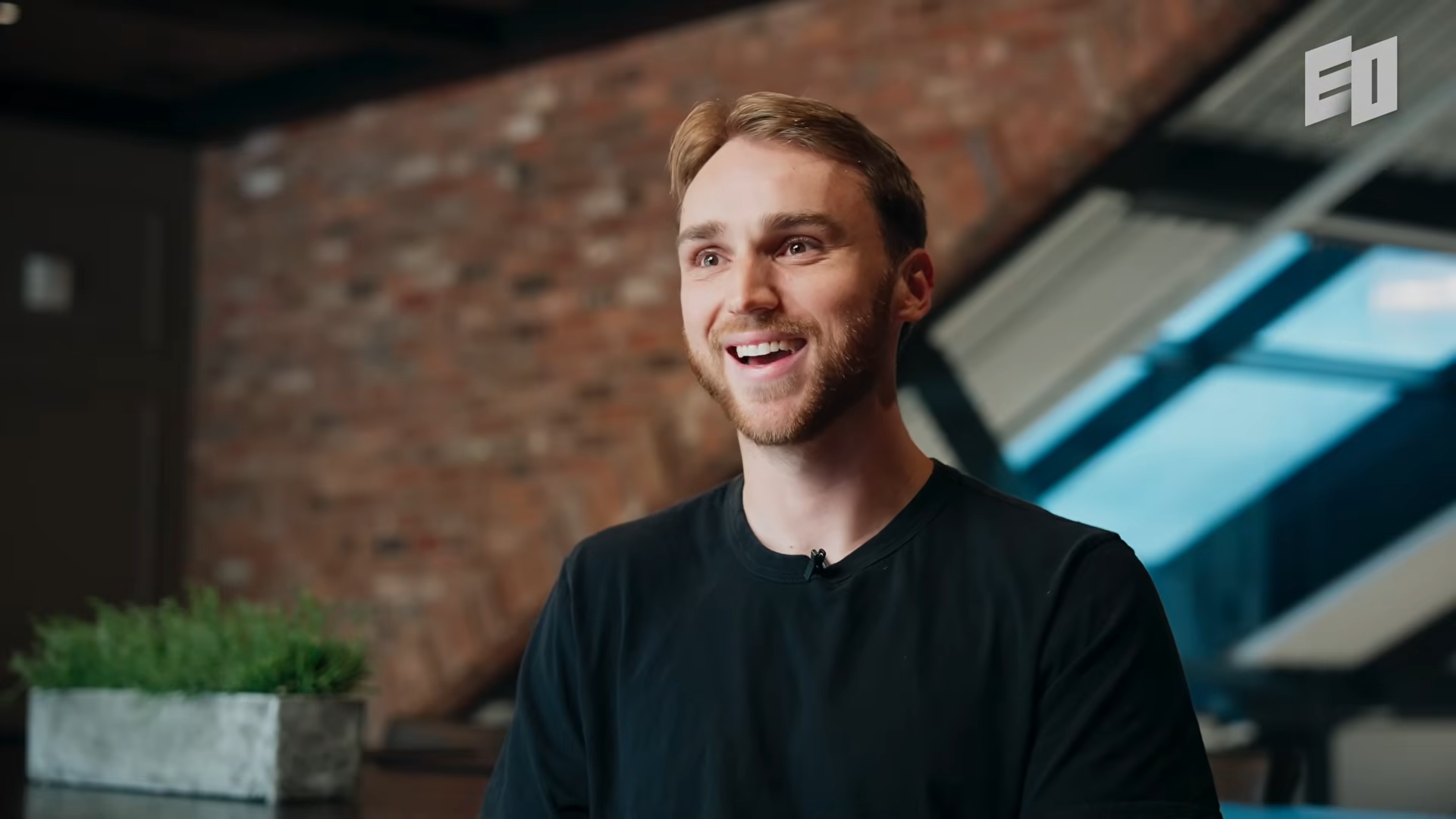
And my focus from like the beginning of my career has been on how do you stop people from taking advantage and abusing other systems or people. And so being able to empathize with the customer was really key? Even when we had nothing built, someone being able to listen to them and understand what they were going through and provide suggestions on how to fix it, and then a few weeks later come with a product that solved a real problem.
So a really prominent harm facing Gen AI customers today is basically non-consensual intimate imagery, NCII. We are seeing harms become more and more complex as time goes on. At Cinder, we have a framework called the decision spectrum.
And almost every problem can be placed on the spectrum in some way where on the left side of the spectrum is a really something really simple, like a really simple decision of yeah, this image is nudity or this chat message is fraud? Like a really simple identification of a single piece of content or a single event. And on the other side, you're investigating some, you know, a really complex nation state or really complex network or an adversary that is advanced in trying to hide their behavior. There are way too many things to review and prioritizing is really difficult because everything is hard. Everything is hurting someone else. And that burnout is real.
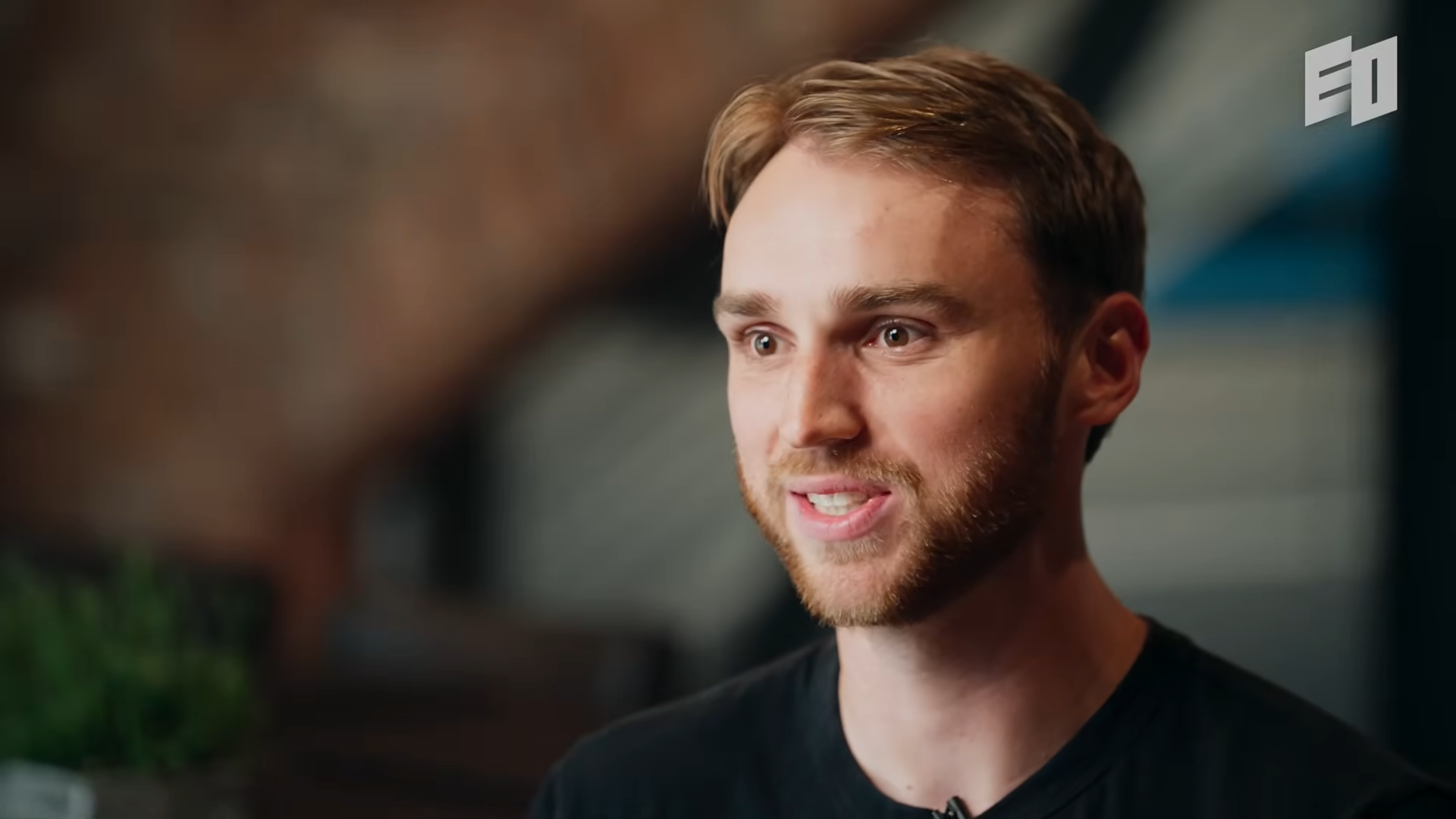
And you see people burning out in the industry all the time because they almost feel like they're facing an uphill battle of targeting us. So I think our team, you know, we definitely see some of that, but for us, everyone at our company is deeply motivated by the mission and everyone wants to inevitably have a world where the internet and innovation is safe and can be used by anyone. And our founding team had direct experience in building these systems at many different places.
And we experienced that harm firsthand. We experienced that pain point firsthand. I think in this space, the only way that you're able to build an effective product is by having that experience, but also having that attraction to the mission and having that attraction to the outcome and having that purpose behind it all, because the work is so difficult. It is very complex and very nuanced that you have to have that drive. When you hear stories from our teams of something that we took down or something that we helped stop or an abuse that we caught, that allows us to go on, right, and be really motivated for the next day.
And so I think you can, it's you, you can easily get bogged down in the harm. You can easily look at all of the really horrible things happening across the internet and be really dejected from it, but know that there's a path to being able to combat it. And someone needs to combat it. And if it's not us, then you know who else is that going to be.