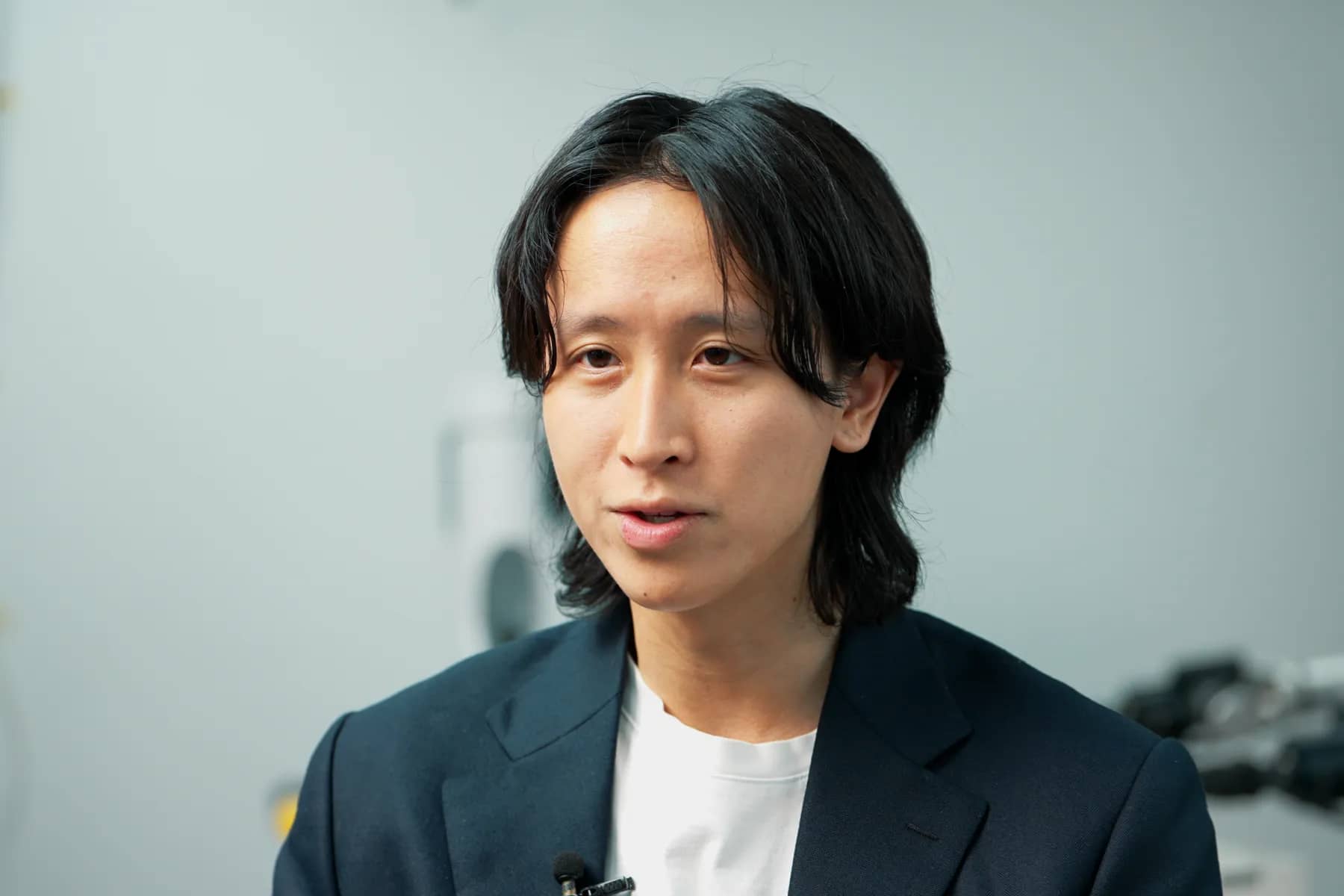
Democrats won big in the midterms on November 3 and took control of both chambers of Congress. One of the clearest effects was on an industry that was not on any ballot: data centers. Democrats won the governor's races in Texas, Ohio and Georgia, and all three winners had promised to pause or limit new data centers. Chip and AI stocks fell the next day.
Operating and planned data centers across Texas.Source: The Texas Tribune.
Texas shows this most clearly. The state has more than a quarter of planned US data center capacity, according to one Wells Fargo estimate. A year ago, Gov. Greg Abbott told companies they could build there knowing that "Texas moves at the speed of business." Nine months later, he stopped new grid connections. On Election Day, he lost to Democrat Gina Hinojosa, who promised to go even further.
But the change did not start on Election Day. Here is how Texas went from welcoming data centers to freezing them.
Where Things Stand
Hinojosa has promised to stop approving new data centers until the state Legislature passes new rules. That goes further than the pause Abbott put in place this year, which she called "a scam" during the campaign.
The two plans sound similar, but they work differently. Abbott's pause came from orders to state regulators, and it ends when their review of power and water use is finished. Hinojosa's plan depends on new laws.
Morgan Stanley called Hinojosa's win the "most important election result" for data center development.
Still, it is too early to call this a full stop. Data Center Watch, a group that tracked candidates' positions, says the results do not mean projects have been blocked or delayed. What has changed is the political climate for future projects.
How Texas Got Here
Key moments for data centers in Texas, January 2025 to November 2026.Source: Texas Tribune, Office of the Texas Governor, company announcements, Inside Climate News, The Information, DatacenterDynamics.
For most of 2025, Texas was at the center of the AI building boom. In January, President Donald Trump announced Stargate with OpenAI, Oracle and SoftBank, and its first site was already under construction in Abilene.
OpenAI's flagship Stargate data center campus in Abilene, Texas.Source: OpenAI.
In June, Abbott signed Senate Bill 6. The law lets ERCOT, the state's grid operator, cut power to the largest users during an emergency. People called it a "kill switch," but at the time it looked like a safety measure, not a way to slow growth.
By November, big money was arriving. Within two weeks, Microsoft signed a $9.7 billion computing deal with IREN for its site in Childress. Anthropic announced $50 billion for data centers, starting in Texas and New York. And Google promised $40 billion for three new Texas sites.
The first resistance came from local communities. In May 2026, Hill County, north of Waco, became the first Texas county to pass a data center moratorium. A developer sued for $100 million, and within weeks the county dropped the ban and asked developers to complete a checklist instead. In June, San Marcos went further. It became the first Texas city to ban data centers completely through its zoning rules.
By summer, the pressure had reached the governor. In August, Abbott ordered regulators to review every data center waiting to connect to the grid. He said about 90% of new large power requests came from data centers. In the same week, he announced SpaceX's $16.8 billion Terafab chip plant in Grimes County. "Texas is where big ideas grow even bigger," he said.
Some of the largest companies were already looking for ways around the grid. SpaceXAI was searching for sites in Texas, and Amazon confirmed an 8,000-acre campus in Pecos County that will run on its own gas power plant. In September, Abbott blocked that path too. He told the state environmental agency to stop issuing all permits for data center projects until the review is done. In October, Inside Climate News reported that watchdog groups found the agency had continued to issue related permits. Hinojosa's campaign called the pause a lie.
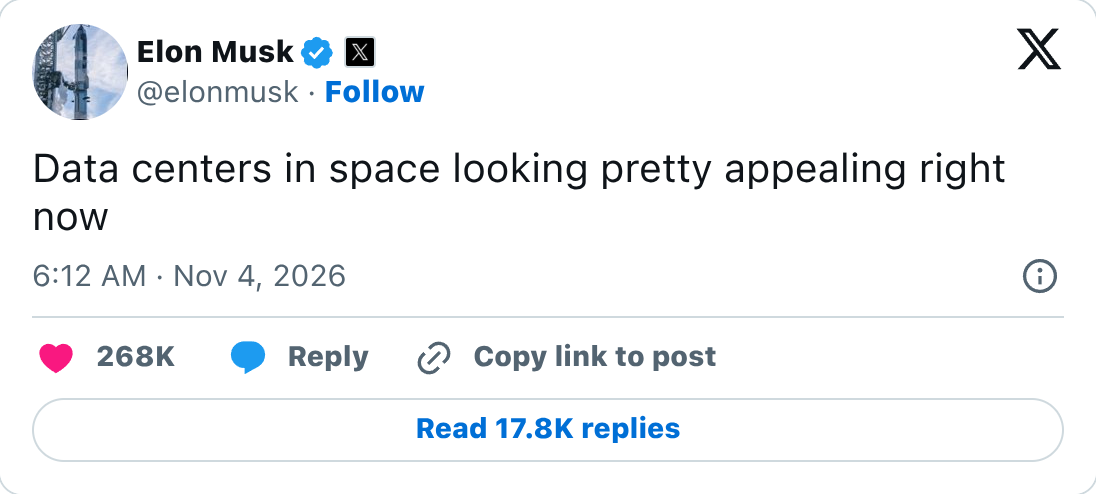
Then, on November 3, Hinojosa beat Abbott. Reuters reported that her win left the state's data center industry facing new uncertainty. Axios wrote that Texas had been on track to host one of the world's largest groups of data centers, and that this buildout was now at risk. Even Elon Musk, who had supported Abbott, reacted the next morning: "Data centers in space looking pretty appealing right now."
What Happens Next
Hinojosa may not even need a new law to keep projects on hold. As one analyst told CBS News, Texas already has a freeze in place, and the new governor only has to keep it. The ERCOT review is expected to end in December. Abbott could lift the pause before he leaves office, as Hinojosa predicted, but as of early November he had not.
The Legislature meets in January, and Hinojosa takes office on January 19. After that, the things to follow are her first executive orders, the bills lawmakers bring forward and how quickly state agencies start issuing permits again. Off-grid projects are part of this too, because their gas plants still need state environmental permits. Hinojosa has also said Texas can work with Musk's companies, but "on our terms."
For startups, the effect will be indirect. Many founders rent computing power that is built in Texas, often through neoclouds like IREN or Fluidstack. If new capacity there slows down, it could show up in GPU supply and rental prices. And every AI infrastructure company now faces the same question Texas raised: not only whether it can find enough power, but whether the local community will let it connect.