
Nov 23, 2022
An Associate Dean of Stanford Was A Bottom Student
Interview with Paul Kim, CTO of Stanford
Founder Focused

💡
At a Glance
- Who: Paul Kim is the Associate Dean and Chief Technology Officer at the Stanford University Graduate School of Education. A computer science graduate who was previously a bottom-performing student in South Korea, he earned a PhD in Educational Technology to redesign global learning systems.
- What: This interview reveals how he started from a student who did not like staying at school, to an Associate Dean an CTO of Stanford Graduate School of Education.
- Lesson: His story reveals how a bottom-performing student transformed into a Stanford CTO, offering practical lessons on overcoming language and learning barriers, unlocking student motivation through personal interests, and using AI to elevate critical questioning in public education.
Paul Kim went from a bottom-performing high school student in South Korea who couldn't speak English to becoming the Associate Dean and CTO of Stanford's Graduate School of Education. After a college professor let him submit an essay in Korean, earning his first "A", and a tutoring struggling kids with sports car magazines, he realized that education fails when it forces rigid standardization over individual passion.
Today, through his AI-powered platform SMILE, Kim is replacing rote memorization with algorithmic question-classification in classrooms from California to Ethiopia. In this interview, Kim reveals why public schools are stuck teaching obsolete skills, how to unlock unmotivated learners through personal obsessions, and why the quality of student questions matters more than memorized answers.
Key Takeaways
A Teacher Should Understand Students Individually
Paul Kim's first American college essay was written in Korean after a professor recognized that language ability was obscuring his ideas. That experience, followed by coaching a student through car magazines, showed him that effective educators must understand each learner's interests and starting point.
Questions Lead Students Toward More Innovative Thinking
Paul describes questioning as a progression from simple recall toward hypothetical and creative inquiry. His SMILE system helps students see the quality of their questions, making inquiry itself a learnable skill that can lead students toward change, innovation, and problems they have not yet solved.
Context Helps Students Ask Better Questions
In Ethiopia, students initially produced basic recall questions because that was familiar. After months of workshops and engagement with a meaningful issue, one fifth-grade student asked about constitutional protections for women's rights, showing how context and sustained practice can turn questioning into civic and critical thinking.
Future Schools Must Teach Self Regulation
Paul argues that schools should prepare students for competencies that matter in changing environments, beginning with self-regulation. Learners need to assess their strengths and weaknesses, monitor themselves, and manage their progress rather than depend only on a fixed teaching model.
Students Need To Adapt With Changing Technology
Smartphones and digital networks have transformed the tools available to learners, but Paul says classroom models have not changed at the same pace. Future curricula should teach students how to use surrounding tools and networks effectively, because technology will continue changing.
Education Can Build Peace And Prosperity For All
Paul's vision is high-quality education available to every learner regardless of background. He sees technology as a way to make education more efficient and accessible, while treating universal access not as a quick fix but as a worthwhile journey that can support peace and prosperity.
Watch the full interview now on EO's YouTube channel! Below is the complete transcription of the interview. Minor edits have been made for clarity and readability.
Introducing Paul Kim, CTO of Stanford
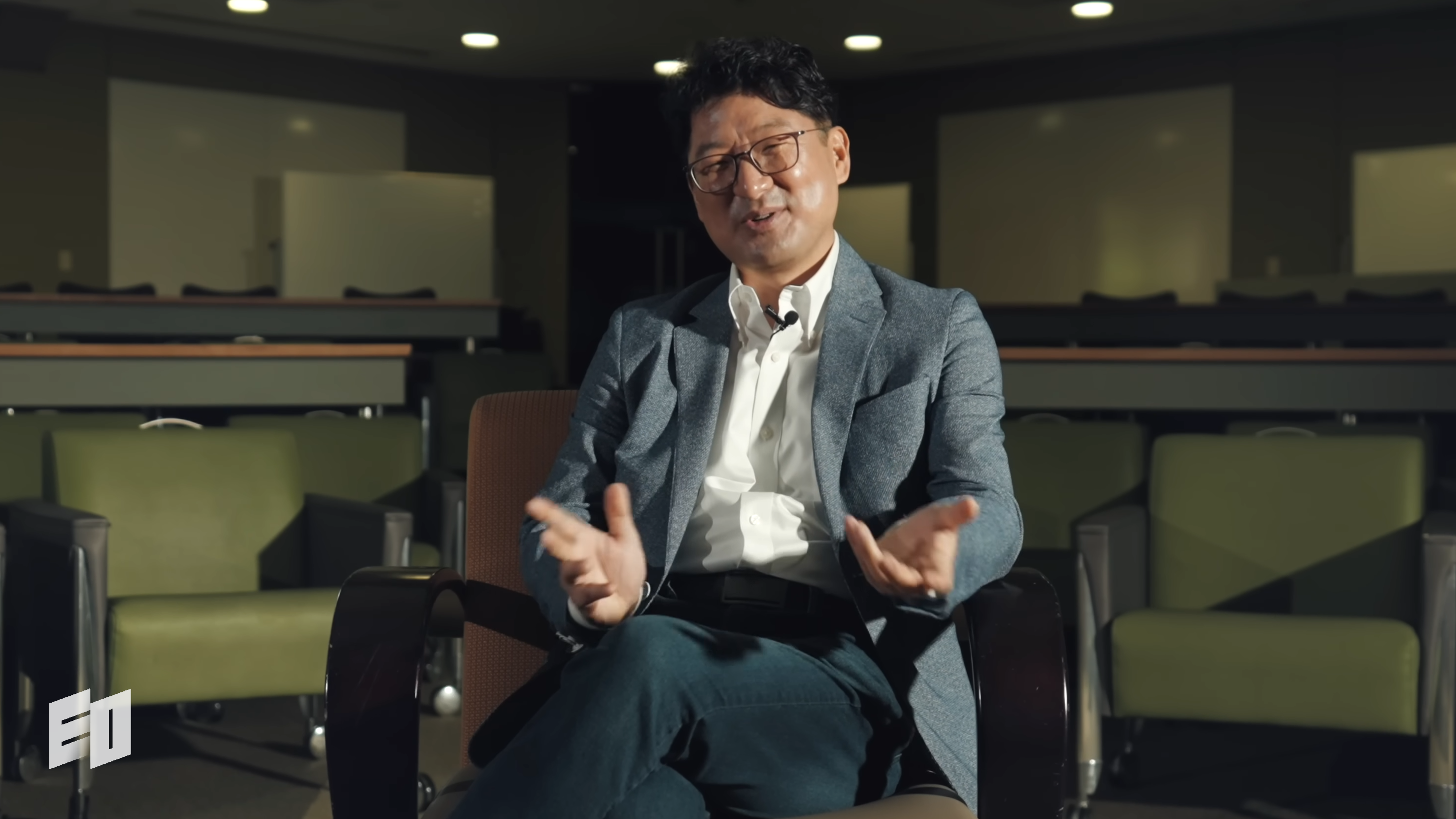
Hi, my name is Paul Kim. I'm the Associate Dean and Chief Technology Officer at the Stanford University Graduate School of Education.
An F Student Comes to the U.S.
After graduating high school, I thought there had to be something different, and maybe the US would have a slightly different environment. I wanted to give it a try, so I asked my father if I could go abroad and study in the US. I eventually came and enrolled in an ESL program to learn English, because my English was obviously horrible.
The most memorable moment for me was my very first college-level course, Music Appreciation. I had loved music all along, so I thought this had to be something I could do really well. I remember submitting my very first essay, one page, and I just couldn't say much, so I put down a couple of sentences. The professor looked at it and said, what is this? You're supposed to express your appreciation of the music. I told him English was really challenging for me. I had ideas about it, but it was really hard to express myself. The professor asked, what language do you speak? I said Korean. He said, well then, write it in Korean.
So I produced a five-page essay full of adjectives and rich expression, and I explained it to the professor word by word with a Korean-English dictionary. He said, wow, you are quite expressive. You have a lot of ideas. This course is not an English course, so you deserve an A. That was my very first A in a US college, in my very first class. I was so excited, and I thought, maybe I want to keep getting A's. I started taking math classes and other classes, and I received straight A's in all of them. From that whole experience I learned that if you want to be a true educator, you have to understand the students individually.
Learning to Teach by Understanding the Student
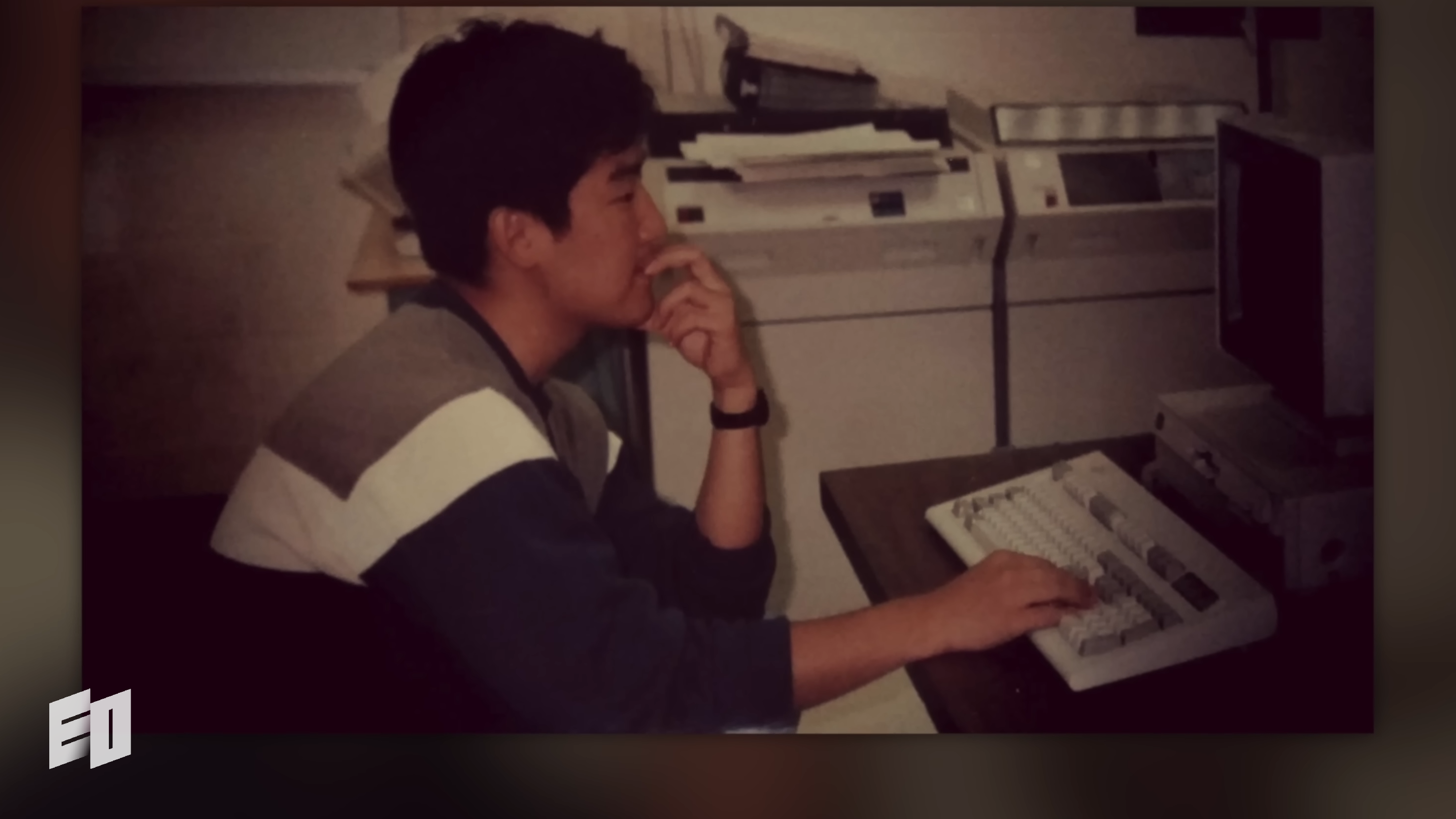
I started with a computer science background, and my bachelor's degree was in computer science. When I finished it, I had a brief opportunity to teach a few students. Basically, I was a coach to students who were struggling in school, really poor-performing students, and that reminded me of my own earlier school years. I was not a high performer. I was a bottom-performing student as well, so I could relate. These students didn't want to learn English, and they were terrible at it, and I had to somehow get them motivated.
I sat down with one student and asked, what are you interested in? That boy showed an interest in automobiles, sports cars. So I got myself a few automobile magazines, and the next time I met him I shared them and said, take a look at these, aren't they beautiful? There were interesting cars, performance charts, all kinds of things. The student looked and said, wow, this is exciting. He tried to read the magazine. He didn't fully understand it, but he started to show that he really wanted to understand what it was showing him, and that helped him learn English later down the road.
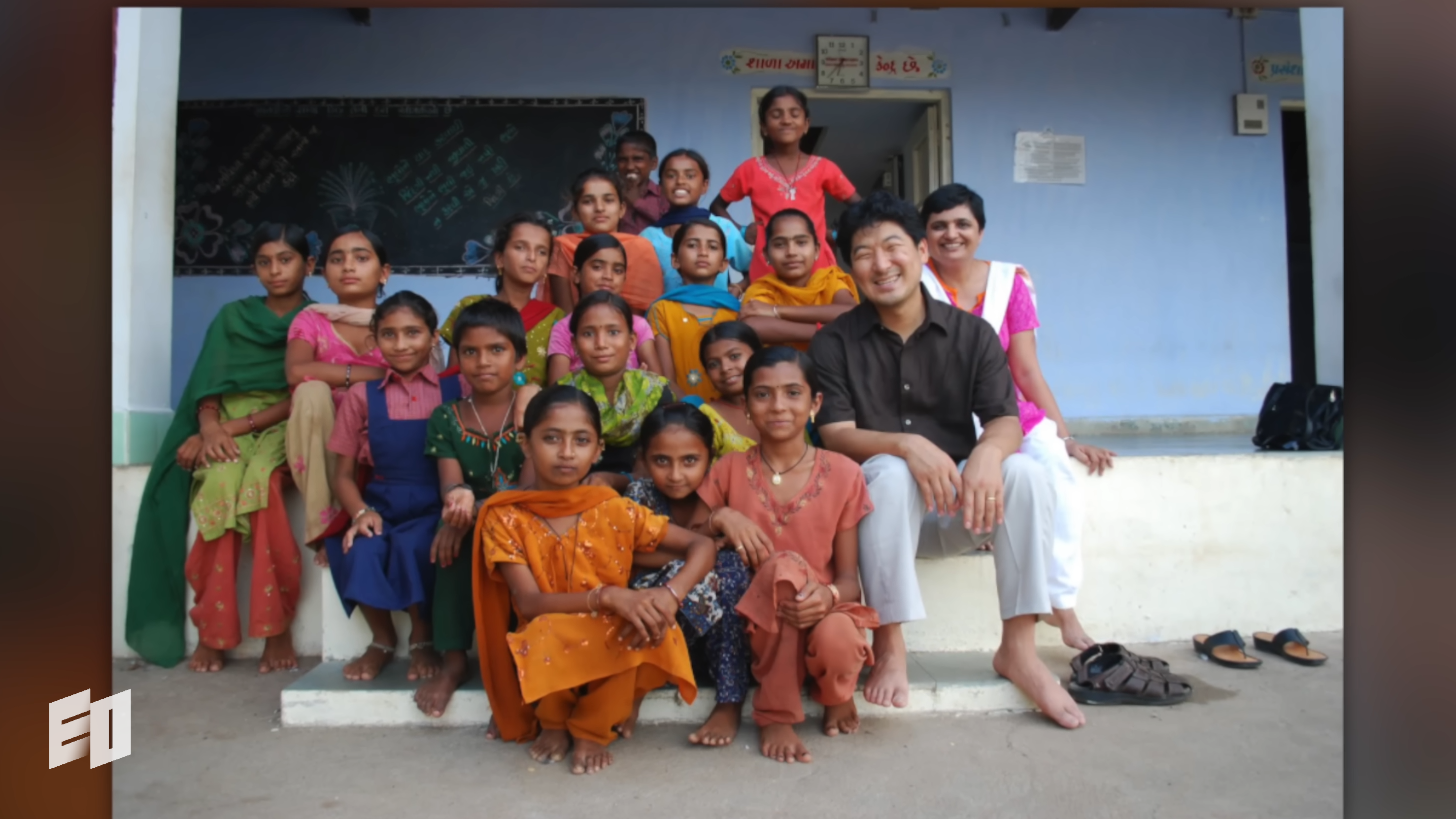
I kind of fell in love with teaching and coaching, and I realized I could actually change their lives. That is the importance of education. Education can change people's lives, and it can give people opportunities and new chances. I started looking for ways to leverage my technical competencies in the field of education, and I found master's and doctoral degrees in education technology. I thought, that's exactly what I want to do, to use my skills and knowledge in technology. That's why I got a PhD in education technology, and I've stayed in this field ever since.
Students Did Not Ask Questions
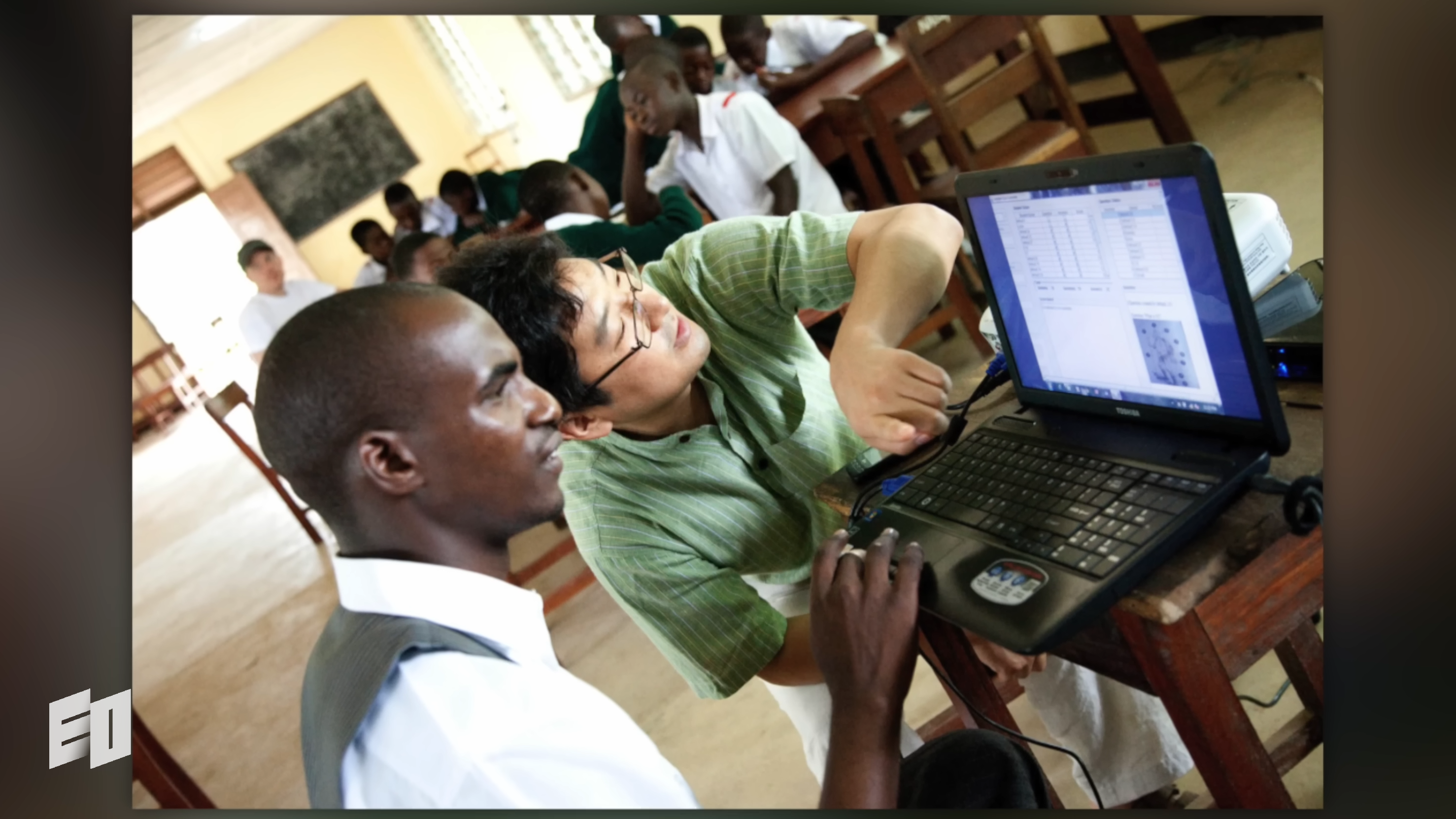
"Here is your next challenge. Can you make a question with the words who and renewable?" That's a prompt from SMILE, the Stanford Mobile Inquiry-based Learning Environment, one of the major solutions I've developed. It helps students develop inquiry skills. When I was going to school, I didn't ask questions. If you asked a wrong question or a stupid question, you were not only embarrassing yourself, but teachers would not be happy with you. It was not in our culture to ask questions.
Think back to the 1950s, when people were developing rockets to go to space. Who would have imagined you could go to the moon? Their question was simple. Can we go to the moon? What does it take to get there? How do we get there, and what do we need to develop? A bold question led to other important questions. Questions lead to more important questions, and questions lead to more innovative questions. Questions help you learn, change, and innovate.
When a new question arrives in SMILE, an AI model looks at which question in the database is most relevant in terms of context and word choice, and says that your question is 99.98% correlated with a level-three question, therefore your question is level three. Simple recall questions get level one, and hypothetical, innovative questions get level five. Questions that take us to the unknown are the really good ones.
As I've implemented SMILE in many countries, one of the memorable moments was in Ethiopia. In the early days, students came up with very simple recall questions, because that's what they were used to, but we helped them differentiate a good question from a not-so-good one. After about six months of workshops, a fifth-grade girl asked, do we have constitutional law that protects women's rights?
That was quite a good question. It was not about yes or no. It was about getting the students to think, what are women's rights? I was quite proud of those students, because they finally got the importance of questioning in a society. When students grow up with such important, critical questions, imagine what will happen if they become leaders of the country.
You can open up an environment for your students to come up with any questions to begin with, and just have them ask all kinds of things. But once you start to build up the context and get them interested in a certain problem, the real questions start to come out.
Education Should Differ From the Past
When we look at the education ecosystem in terms of resources, environments, and tools, a lot has changed. With even a tiny smartphone, you have the whole world in your hand, and all kinds of tools on it that you could use. The things that have not changed are the learning model and the teaching model, especially in public schools around the world. Public schools understand education as the need to educate students in the safest and most efficient way, and that eliminates a lot of important ingredients in the learning process.
One, you don't get to understand individual students, because you're dealing with many students at the same time, and teachers are busy with administrative work, so it's hard to keep track at the individual level. Two, teachers are not given much authority to change things. Because of that, education is hard to innovate.
In the old days, people had to learn to shoot arrows and use knives, and they learned a lot of things in order to survive. We don't teach those ancient skills in school anymore, and what we should be teaching in the future school is very important. The new competencies required to be successful start with self-regulation, which means monitoring yourself at the metacognitive level. You have to be able to see yourself and understand yourself better, assess your weaknesses and strengths, and manage your own learning progress with self-regulative skills.
The other skill set the future school really needs is how to best utilize the tools around you and the network you're in, because technology will always change. If you don't know what the tools are and how to use them, your generation, and the next, will have a hard time. What needs to be discussed in the school curriculum is how we prepare students to use those tools and be more adaptive. We're not doing that in the current education system, and that needs to change.
Education for Peace and Prosperity
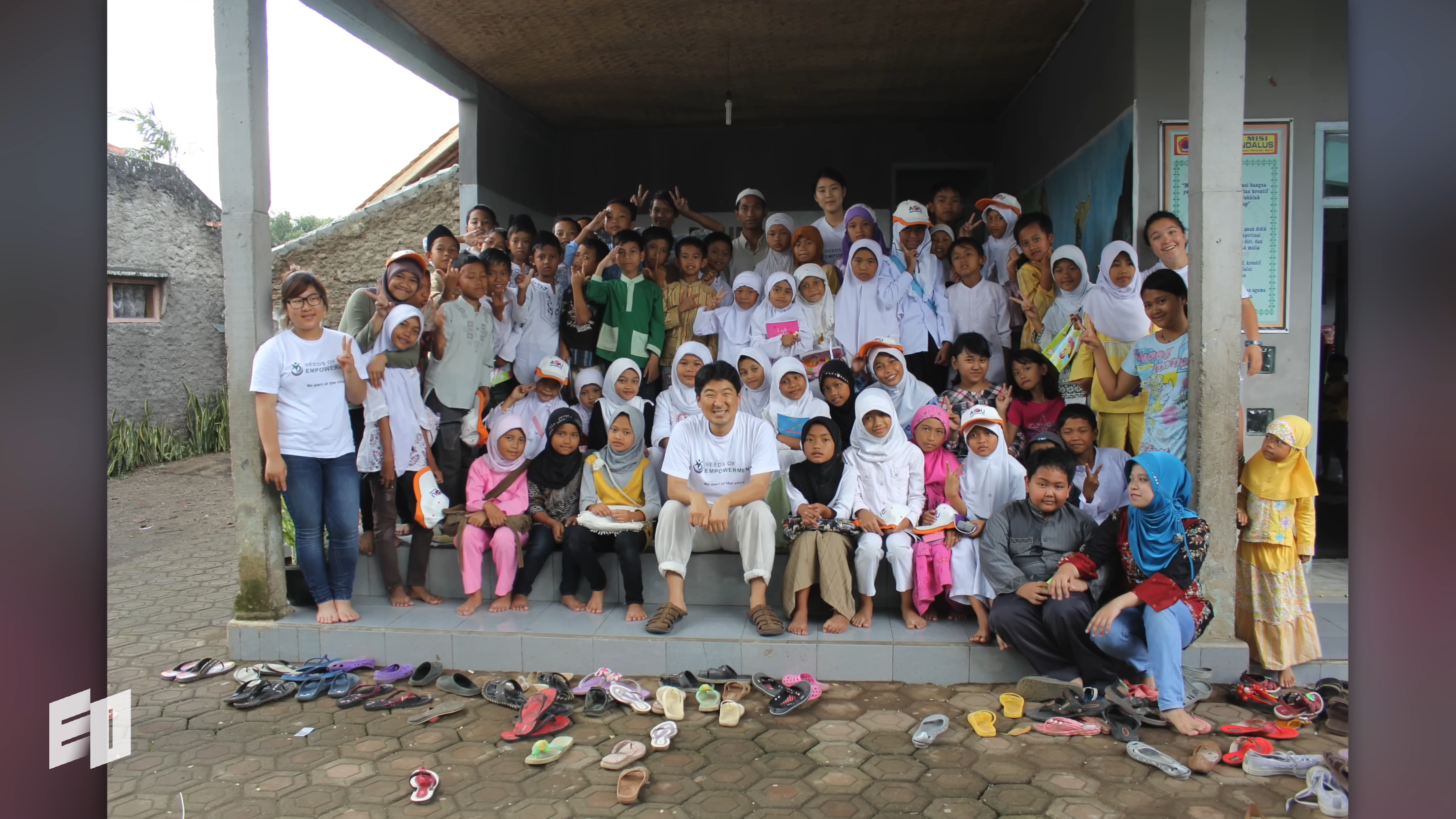
I have many students who are inspirational to me, and I learn a lot from them. I always get inspired by my own students. Education is giving people a chance. It is changing people's lives and sharing peace and prosperity for all.
I would love to see a future where the best quality education is available to every learner who wants it, regardless of background. Everyone deserves the best education, and that is what we're all striving to create. It may take time and a lot of effort, but it's a worthwhile journey as an educator, and with technology making things more efficient and more accessible, I think we are closer than ever to a high-quality education program for all. Education is the foundation for peace and prosperity for all.
Explore more