Feb 20, 2024
How to Build a Profitable Product from Day 1
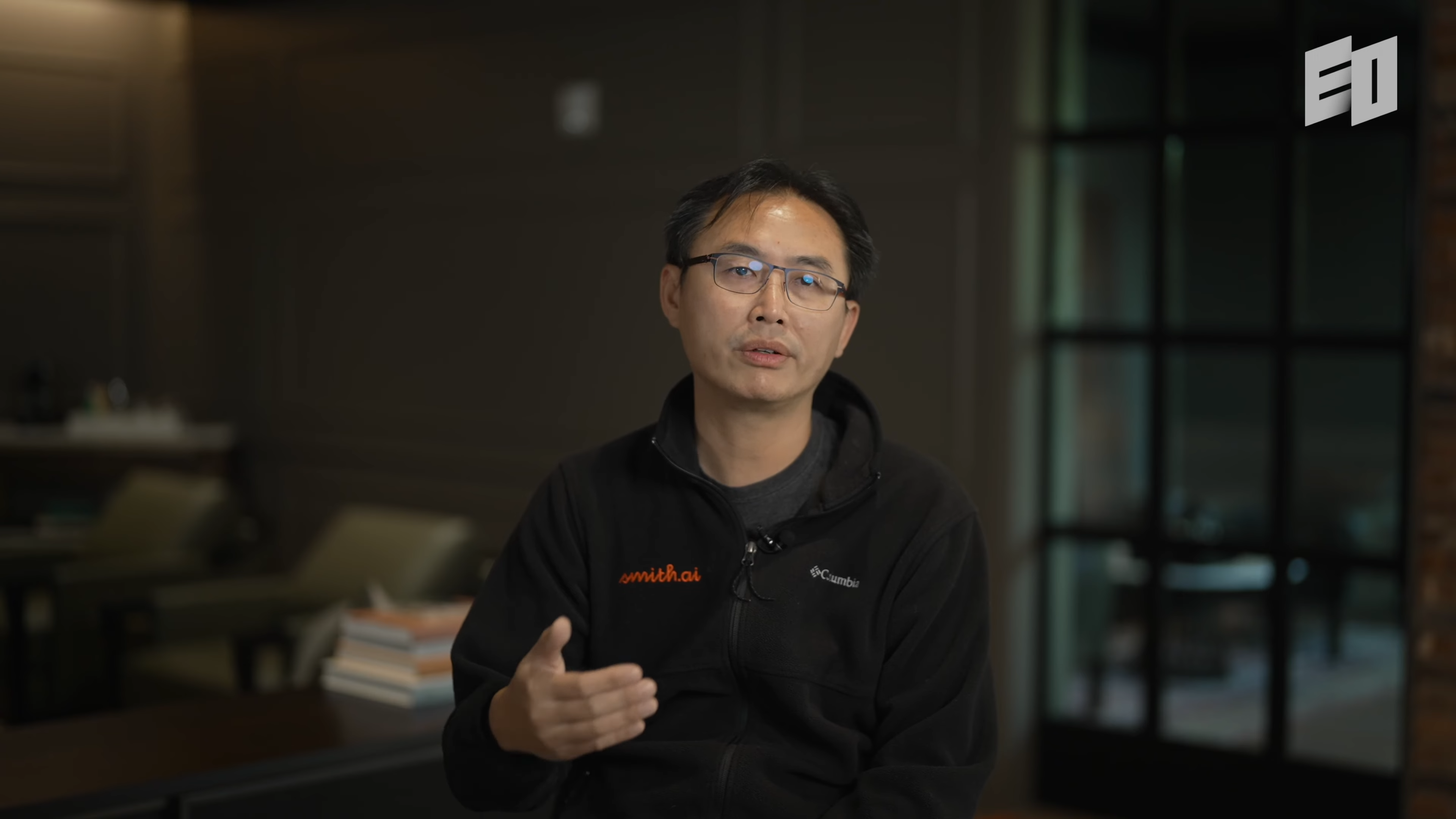
Interview with Aaron Lee, Co-founder of Smith.ai
Founder Focused

💡
At a Glance
- Who: Aaron Lee is co-founder and CEO of Smith.ai, and previously spent almost five years at Google as a founding engineer on Google Video and on YouTube monetization before co-founding Redbeacon, which Home Depot acquired; Lee says he stayed on as CTO for three years afterward.
- What: Smith.ai helps small and medium businesses handle inbound and outbound communications 24/7, combining AI and human agents to answer phone calls, live chat, SMS, and Facebook Messenger.
- Traction: Lee says Smith.ai has been generating revenue since day one with no freemium tier, starting at $2 per call, and every user who uses the product pays for it.
In this interview, Aaron Lee reveals why Home Depot's marketplace push after acquiring Redbeacon taught him that brand and trust cannot be bought, why Smith.ai never offered a free tier, how the company calibrates pricing by listening for customers who say a service is either too cheap or too expensive, and why founders who wait until their idea is "fully baked" before showing it are already too late.
Key Takeaways
Paying customers, even a little, are the real proof of product-market fit
It doesn't matter how much you charge, even $1 or $2 per call. What matters is that customers keep paying month after month. For Lee, that recurring willingness to pay is the clearest signal a product is actually working.
A prototype should take 3 to 6 months, never longer
Lee holds Smith.ai to a strict timeline: from knowing what to build to launching it should take 3 to 6 months. If it's taking longer, he says, that means the product isn't being shown to customers early enough.
SMB customers punish products that stop delivering value
Small businesses are highly budget sensitive: if they stop seeing value in a $20 or $30 monthly cost, they cancel immediately, unlike larger companies that may tolerate a small, unnoticed charge. That sensitivity is why Smith.ai treats pricing as something to recalibrate every year based on the value it delivers.
Brand and trust cannot be bought, only earned
Lee learned this directly from Home Depot's marketplace ambitions after it acquired Redbeacon. Home Depot's four decades of brand history gave customers a reason to trust a new service instantly, something Lee says money alone cannot buy.
A two-sided marketplace lives or dies on one supply number
At Redbeacon, Lee found that sending professionals about 4 to 5 job leads a week, roughly one per week, was the magic number that kept them engaged without overwhelming them. Too little supply disappointed customers waiting on jobs; too much left providers feeling underserved.
Founders should show unfinished products sooner, not later
Many founders hold back because their idea isn't "fully baked." He argues the opposite: by the time you're ready to show it, it's often too late to get the feedback that would have shaped it. Having a thick skin about early feedback, he says, is the key to iterating fast.
Below is the complete transcription of the interview. Minor edits have been made for clarity and readability.
From Google Engineer to Startup Founder

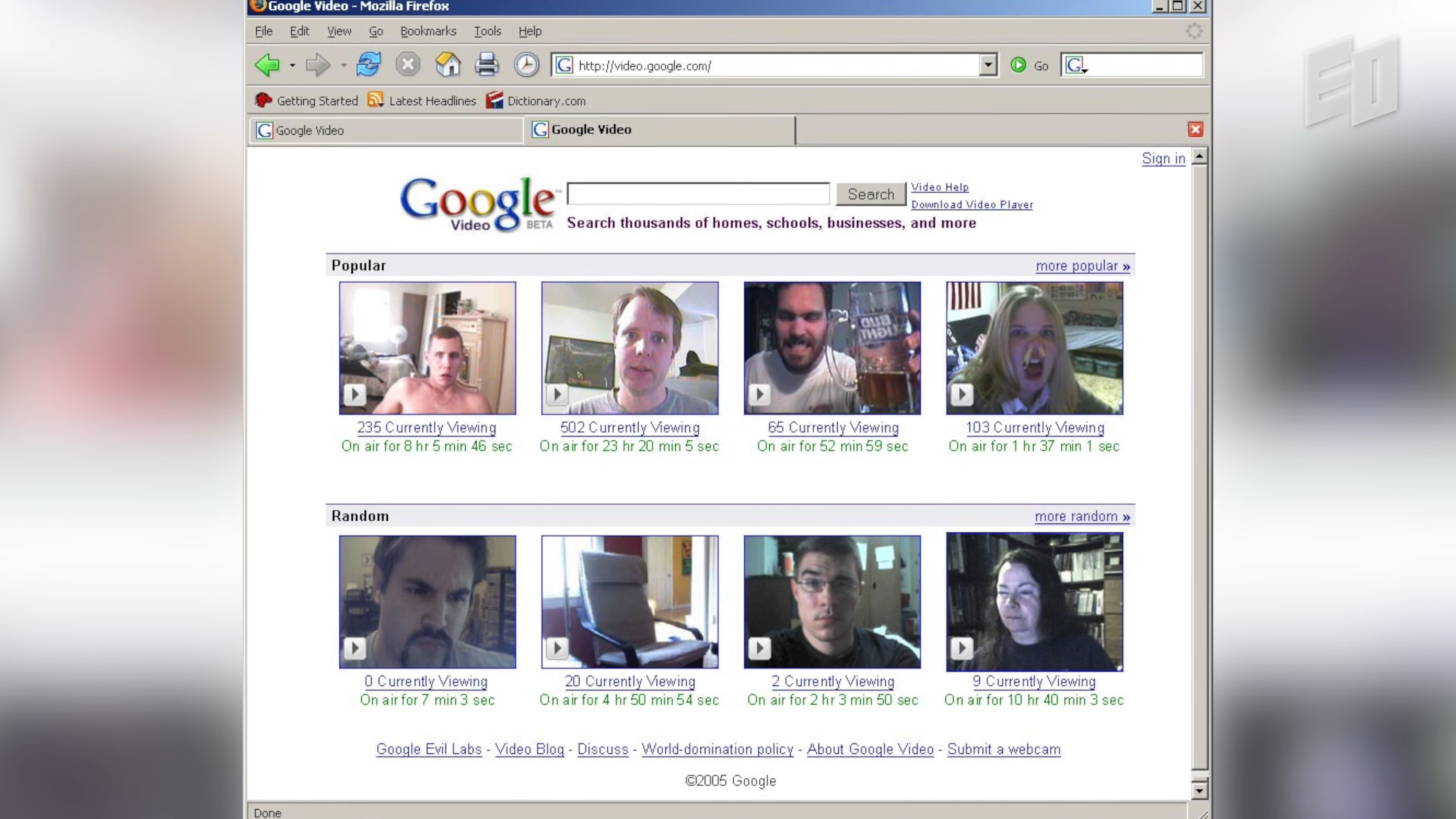
Smith.ai is a startup that helps small and medium businesses handle their inbound and outbound communications. 24/7 we handle phone calls, live chat, SMS, and Facebook Messenger. I joined Google in early 2004. I was one of the first two engineers to build Google Video. By that time, YouTube came along, so we were competing. But by the end of 2006, it was clear that YouTube was taking the internet by storm, and the rest was history. After that, I joined the YouTube team and worked on their monetization. I worked on AdWords for video, AdSense for video, and eventually I spent almost five years at Google. Google is a very engineering-centric company.
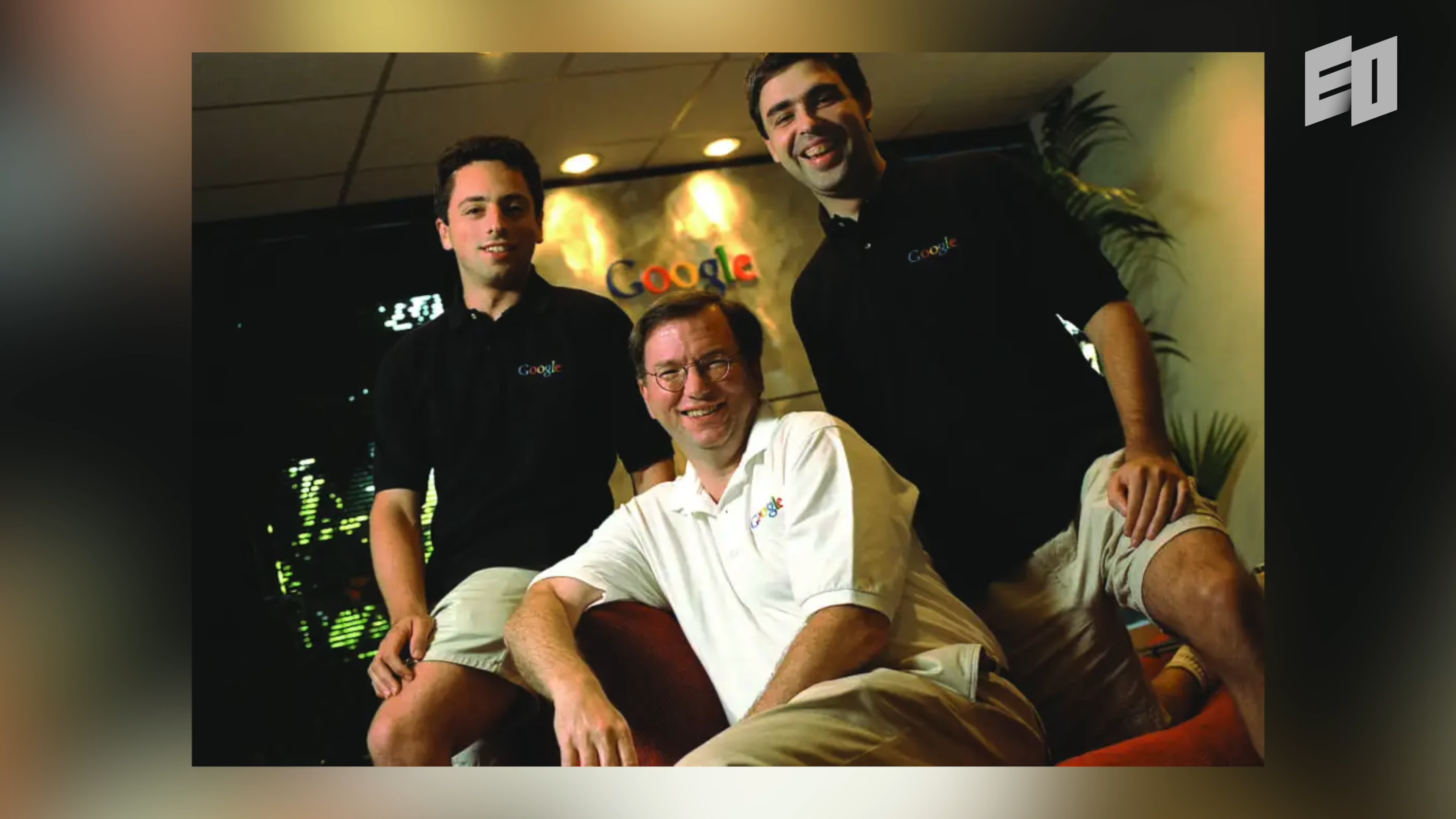
Back in the days, when Larry, Sergey, and Eric were still the trio running the company, the mantra was to let the engineers explore, and give them the flexibility and the freedom. I think both Larry and Sergey are engineers by training, but they're not business focused. If you remember when they pitched to Kleiner Perkins or Sequoia, they did not have a business model. They said, let me show you some of the really cool technologies. I was an engineer by training, but I was also fascinated by the products, the user experience, and some of the business model. If you're building a product for B2B or B2C, you really want to talk to a ton of customers.
Even after you build the product or the prototype, you want to talk to them even more, because once you put the product in their hands, you will find a whole new set of problems and things that they're interested in, and they will never be the problems you anticipated. That part is very interesting to me. I started moving further and further away from engineering to building product. So I said, well, it's time for me to start my first company.
Starting a Company during a Financial Crisis

I left Google in 2008, along with two other ex-Googlers, right in the month of the financial crisis, and all the VCs said, no money for you guys. We said, great, that means we can keep our heads down and build a product. By the time we launched our first product, it was a company called Redbeacon. It's a marketplace that connects homeowners with home improvement professionals. We took the top prize at TechCrunch. Because the year prior there was no funding for other startups, we had no competitors, so we went nationwide very quickly. Back then, finding a reliable professional was really difficult.
You may go to Yelp, Yellow Pages, or Angie's List, but it's really unreliable. You don't know if they'll be able to do it at the price you can budget for, or what time they can come. We believed we could build a much more efficient marketplace where people submit the job request, and within ten or 15 minutes, a provider says, yep, I can do the job, this is my price range, and I can come by next week. We wanted to make the connection between people who have a job, like homeowners, and the professionals looking for projects, much more efficient. It's not much different than LinkedIn when it first blew up.
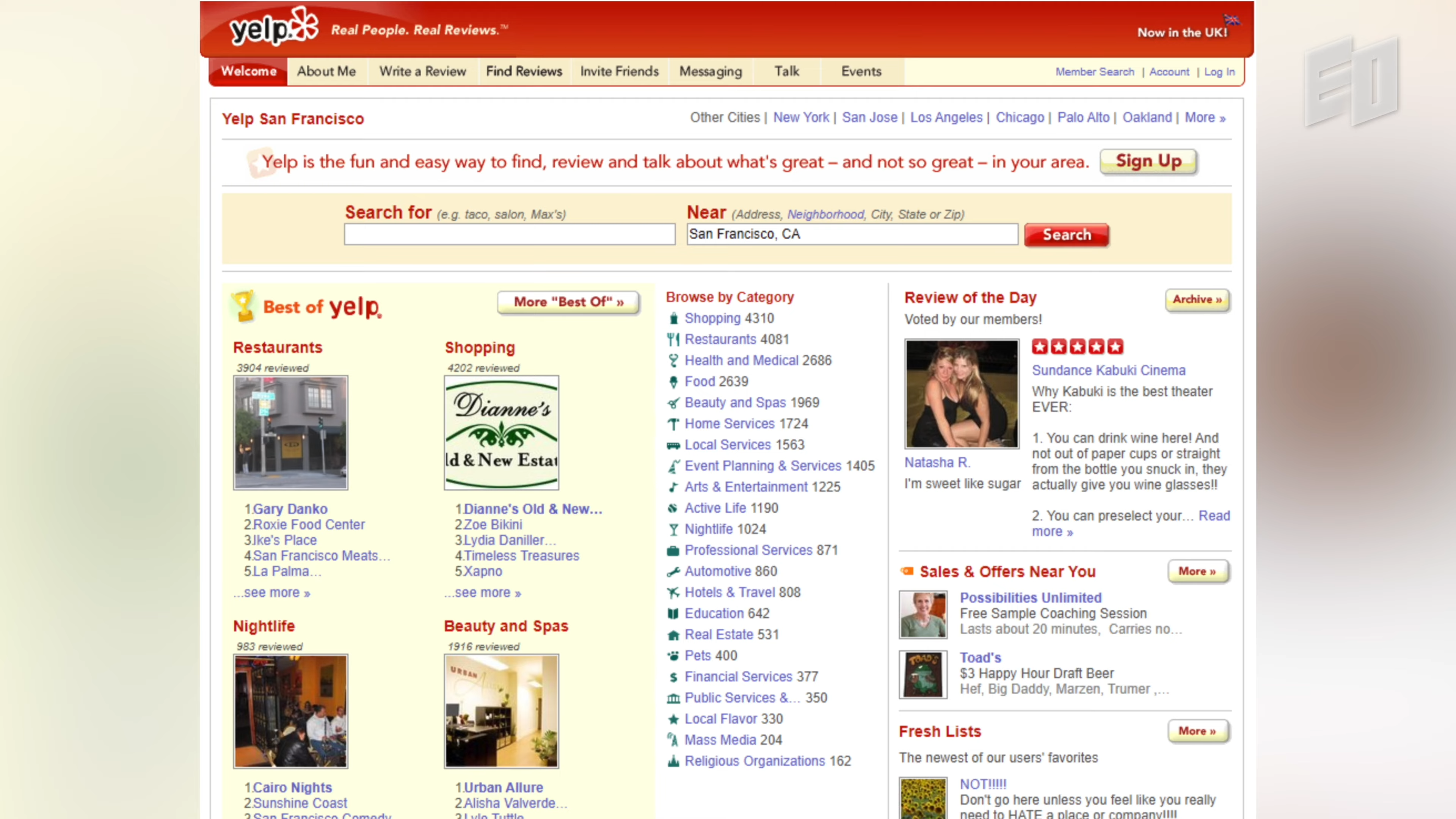
They're basically matching opportunities with job seekers. I think the most challenging part of building Redbeacon was that when we had demand but no supply, we had to quickly find supply or the customer would be disappointed. It's almost a race: how quickly can you find the most reliable, amazing providers that can meet the need? In the early days, how did we source the supply side? We sourced many of the review sites. If you think about it, it's almost a human scraper: you go to Yelp or Angie's List, look at profiles, and ask which pros are getting the most consistent positive feedback.
Then you call them up and say, hey, I have a customer waiting for you, would you be interested in signing up? I can send you the job right now if you give me your email and phone number, and we'll build the profile for you. Once you build up that database, you can do the matching a lot faster and more efficiently. Now here's the challenge: if you don't have enough supply, the customer will be disappointed because they submitted the job, waited more than a day, and no one was interested. Now the platform isn't useful.
If you have too much supply, the business will say they don't get enough jobs from your platform. Eventually we figured out that one magic number is sending about 4 to 5 jobs, roughly one per week, to keep the home improvement professionals engaged. Once they're engaged, they get excited about your platform. That means whenever someone submits a job, they respond quickly.
What I Learned at Home Depot as CTO

Home Depot knocked on our door and said, this is something we've been thinking about for a long time. After the acquisition, I stayed on as CTO for another three years. It was really a perfect match when Home Depot approached us, because they wanted to build a connection between their customers: the two sides of the marketplace, homeowners and home professionals. Home Depot thought it would be amazing if you could go to Home Depot, buy something like a kitchen cabinet or a carpet you want installed, and find someone who could do it for you. But they also wanted trust.
They have the brand, they've been here for almost four decades. So when people talk about this coming from Home Depot, they trust it because of the brand. They're not Rapping, I never heard about Rapping. That is the problem when you build up a marketplace: you need to get to critical mass, and in order to get to critical mass you need the brand and the trust. That is something I would say not even money can buy. You cannot buy the brand, you cannot buy the trust, you cannot buy the distribution, you probably can, unless you spend a lot of money.
Turning Customer Feedback into a New Startup

Over the past three years at Home Depot, and throughout my career, you keep hearing people say, I cannot respond to your lead, I'm driving on the road, I'm working on this roof, I'm working in the attic. If you think about the transition from Redbeacon to Smith.ai, it's very similar. When we send them the leads, we say, hey, I have a job for you, and they say, oh, I'm just so busy. When we call them, they don't pick up the phone. When we send them an email or text message, they don't reply right away. That problem is so fundamental to pretty much all SMBs today, because they don't have the time, they don't have the team, and they don't even have the IT experts to build the system to do it.
So we started building. Our team uses both AI and human agents as the fallback, and the goal is to make sure we can handle every single call coming in within a few rings. We're not just about taking a message, we want to qualify the lead, and we want to make sure our agent can handle the business and represent the business. I call the ICP, the ideal customer profile, for Smith.ai: people for whom time is money, every single minute counts, and there's high opportunity cost if you miss a call. Let's say you're a real estate agent or a property manager.
If you miss a call or chat, the cost of missing it is very high. The last criterion is what I call high LTV, lifetime value. Think about dentists: a dental cleaning may seem like it's only $200 or $300, but once you find a good dentist, you're going to stay with them for many years, so the lifetime value of that patient could be tens of thousands of dollars, and even more for an orthodontist. People who have high LTV, high opportunity cost, and time is money, that's our ideal customer profile. That means lawyers, home service professionals like real estate agents, general contractors, and interior designers.
We serve a very long tail of customers.
Motivation for Improving a Product

In the early days of Smith.ai, we spent a lot of time talking to our customers. First we spent a few months talking to customers, and while we're talking to them, it's actually a good way to acquire your first customers, because you know their pain points, and you know they're looking for a solution. By the time you build the product, you can go back to them and say, I have the product you asked for a few months ago. That doesn't mean they'll say, great, I'm going to pay for it. They might say, wait a minute, I really want this, but you guys don't have that feature, can you come back to me when you have it? But from the moment we know what we need to build to the moment we launch, I would say 3 to 6 months.
Of course, we have a lot of bugs to fix, and a lot of things to improve. But to get the first proof of concept prototype, it shouldn't take you more than a few months. And if you are taking longer than that, that means you are not showing your product early enough to your customers. I think one thing a lot of founders are embarrassed, or maybe a little shy, about is they don't want to talk about their ideas. They say, oh, my idea isn't fully baked, I'm not ready to tell the world. I think the problem is, by the time you want to show your product, it's probably too late. You should have gotten the feedback and advice already.
Early on we tell people, hey, we're building this, would you like to try it? It's not going to be perfect, and I'm probably going to be very embarrassed because the product may or may not work, but I would love to get your feedback. Having a thick skin, not feeling embarrassed, is the key. From there you start learning and iterating on your product. One thing that's very important to know, whether you have the right product market fit, is will the business owners pay for it? It doesn't matter how much you charge, you can charge $1 per call or $2 per call.
The fact that they're willing to pay, and willing to pay month after month, is the best testimonial for your product. One of the most important things about SMBs is they are very budget sensitive: if they don't find something of value, even at $20 or $30, they will cancel it right away, they're not going to wait. Versus a bigger company with more cash on the balance sheet, they may say a small amount doesn't matter to them. It's okay that your product isn't full featured, but it's important that people are paying for your MVP.
In fact, we've been generating revenue since day one. We're not the type of company that has a freemium model, meaning 98% free users and 2% paying users. Every user who uses our product on Smith.ai is paying for it. To be honest, we didn't know what the right pricing strategy was, so we picked a number. In the beginning we were charging people $2 per call, and we knew we weren't perfect. Then at some point people would say, wow, this is really good value. When you hear people say, this is so cheap, then you know you're a little underpriced. At some point you charge something a little higher and people say, wait a minute.
I don't understand why you guys are charging me this, this should be very little and very cheap. So we adjust our pricing. Every year we change our pricing based on the value we deliver. Our goal is, if we can absorb some of the cost, we can get more customers, and in the end it's a win win: more people are using our platform, and they're paying at a lower rate. I would say don't get too hung up on coming up with the perfect pricing. In the beginning, your pricing should be proportional to the value you deliver to the business. It's okay to change your pricing, that's definitely fine.