💡
At a Glance
- Who: Sherie Ng grew up with her grandmother in a one room government flat in Singapore, lost her family at age four, in her telling, and went on to leadership positions at global companies including Microsoft and Google.
- Career: She says she started working at five in her aunt's prawn noodle store, graduated from NTU in Singapore, landed her first job at Lucent Technologies, then followed her boss into banking and finance and later energy and utilities, operating across many markets, cultures, and industries.
- Message: Ng frames life as an accumulation of seasons, credits allies, sponsors, and mentors for every step of her career, and argues that entrepreneurial spirit matters as much inside a large enterprise as inside a startup.
In this interview, Sherie Ng reveals what happened on the day she became nobody's child at age four, why she was already working at five in her aunt's prawn noodle store, how a stranger's offer of shelter and free tuition changed the direction of her life, and why she says it is not where she is today but where she came from that defines her.
Key Takeaways
Hard seasons are stepping stones, not tombstones
Ng's organizing idea is that life is an accumulation of different seasons, each with something to teach, and that no season is permanent. She tells people in hard times not to let the season become a tombstone that hands them a death sentence, but a stepping stone they can build on. Regretting gets you nowhere; reflecting and carrying the perspective forward does.
Every early job compounds into a portfolio
Ng started working at five as her aunt's assistant in a prawn noodle store, washing dishes, cooking, and serving customers. She credits those tasks with skills she still uses, and tells young people that every experience and every interaction accumulates into a bigger portfolio. Her advice is to not underestimate any task.
Allies show up for people who ask why and why not
When Ng is asked what drove her career, her answer is the people: a stranger who offered shelter and free tuition, and later male allies, female sponsors, colleagues, and bosses inside large enterprises. She says the way to find those allies is to stay willing to learn, to ask why, and to challenge the status quo by asking why not. The motive has to be wanting to do good and make a difference.
A big vision needs checkpoints, not just ambition
Ng keeps her eyes on a destination but builds in checkpoints to ask whether the current action is actually moving her closer to the objective, and to recalibrate when it is not. She pairs that with deliberate intention: know exactly what you want to do and create a roadmap. Gratitude toward the leaders who help along the way, she says, creates even more access and opportunity.
School knowledge expires, so learning cannot
Ng warns that whatever we learn in school will be quickly outdated, which is why she reads widely, networks widely, and learns by observing people. Asked whether someone can still break into a career in AI, she says there has never been a better time, pointing to open course platforms offering micro certifications. Competency and skill set now matter alongside professional certification.
Entrepreneurship is a spirit, not a job title
Standing at the top of Mission Peak looking down at Silicon Valley, Ng saw the sweat, blood, and unseen hours behind what looks like innovation. She rejects the idea that entrepreneurship only means starting your own business: large enterprises value the same willingness to take risks, communicate a vision, and execute on ideas. To her, entrepreneurship is a spirit that sees a problem and mobilizes resources against it.
Below is the complete transcription of the interview. Minor edits have been made for clarity and readability.
Introducing Sherie
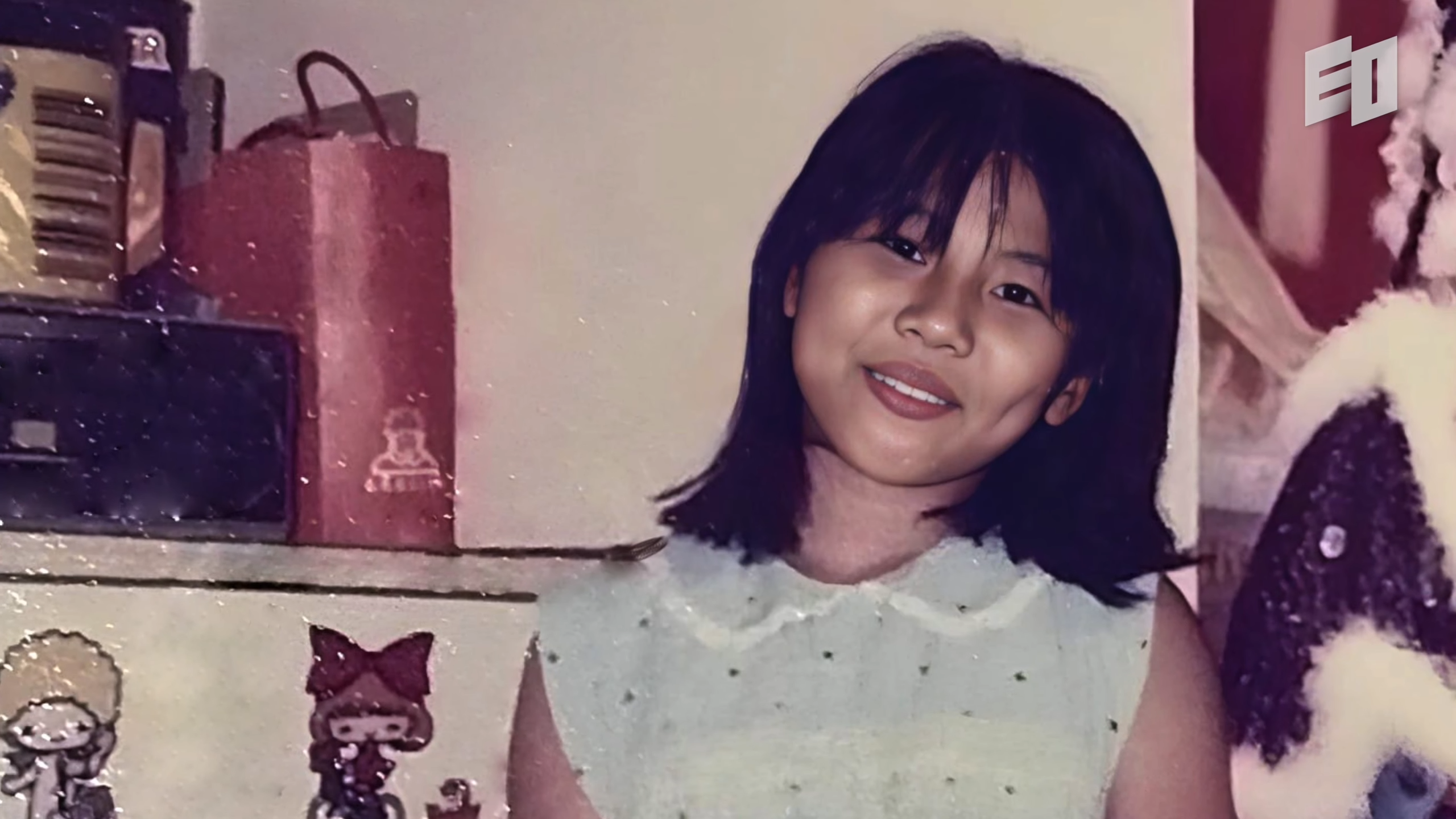
I would say my childhood, maybe it's not very typical. I didn't grow up with a cushy family environment. I grew up with my grandmother in a very small one room government flat here in Singapore. Twelve of us squeezed into a small environment. All my family members were not educated and we were really, really poor.
One of the most vivid incidents, a very unfortunate day for me, was when I was four years old. My mother had really deep depression and she poisoned my father's coffee, and he collapsed. And then she jumped off. That day I lost my family. I became nobody's child.
Life is, an accumulation of seasons
Looking back on my life, what's the biggest lesson? I would say that life is an accumulation of different seasons. There is something to be learned in every season, whether it's low or high. I've gone through seasons of sheer hopelessness, so frustrating, so disappointing. But these seasons are not permanent. They will pass. They will change.
If there are hard times, don't let it be a tombstone that sends you a death sentence. More importantly, let it be a stepping stone that you can build on. You can learn from it. And in high times, learn to cherish that moment. Always remember to be grateful and look for that opportunity for the next growth path.
There are many times in our life when we look back in hindsight and think, I would have done better. Regretting will not get you anywhere, but reflecting, rethinking, and bringing those perspectives into your future so that you can do better and be a better version of ourselves is something that I would encourage everyone to do, and it's something that I do.

I started working when I was five years old. My auntie had a prawn noodle store that provided for the entire family. I was her little assistant, washing the dishes, cooking, and serving. I learned many different forms of skill sets that took me through to my career today and to my life. I can cook, and I can interact with customers, because I think it's something that is innate.
So for young people, I would say that every experience and every interaction counts. Every experience can be used to accumulate into a bigger portfolio. Do not underestimate any task. The skills and different experiences add up.
Life is, full of people who can lend a helping hand
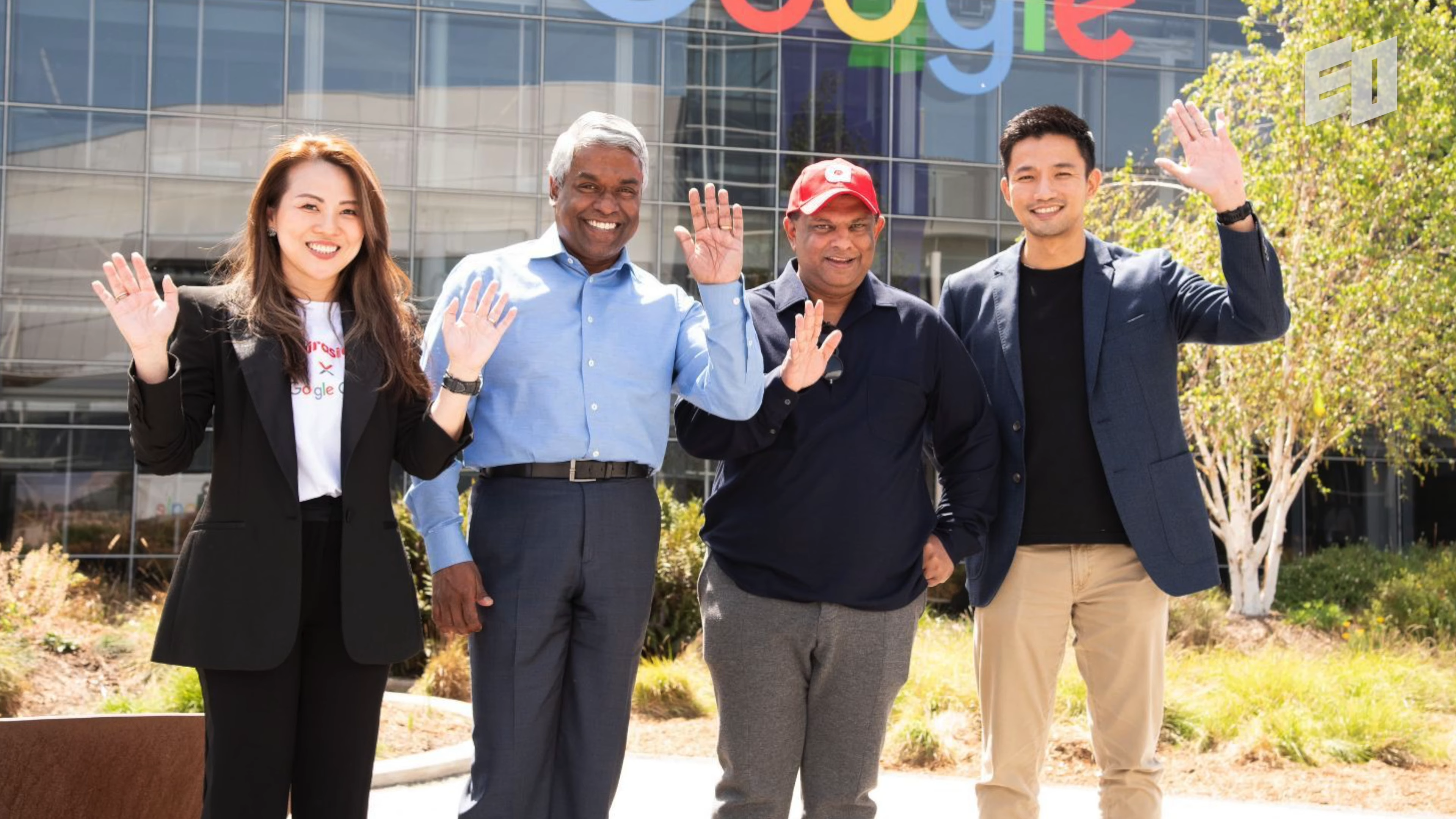
People often ask me, it's amazing to be able to work for global companies and be in leadership positions in companies like Microsoft and Google. I would say the poverty, the lack, the challenges growing up really shaped and defined me differently. I graduated from NTU, one of the universities here in Singapore, applied for my first job, and very fortunately for me, I landed at Lucent Technologies.
What drives me in every part of my career journey, I would definitely say, is the people. For myself, I was so fortunate that a stranger, a passerby, offered shelter and offered free tuition so that I could get to school. And as I started work in large enterprises, sometimes I felt, wow, I'm just not good enough.
But I'm very grateful and thankful for male allies and female sponsors, and for the support of my colleagues and my bosses who were always willing to help. If you're willing to learn, if you're willing to ask why, willing to challenge the status quo and ask why not, you will find yourself a lot of allies who are willing to come alongside you to create something big, something different.
But more importantly, it must be centered on the fact that you want to do good, you want to help, and you want to make a difference. In the earlier part of my career, I would say I wasn't very intentional about which role, which job, which company.
I started at Lucent Technologies, and that exposure gave me an opportunity to follow my boss into the next job, banking and finance, and then on to energy and utilities, having the privilege to operate in many markets, many cultures, and many different industries.
Underlying all of it is the fact that we are all dealing and working with humans, and there are a lot more commonalities than differences. A few attributes will carry you through: the ability to be open minded, to listen intently, to observe, to see problems and want to do something about it. That would be my advice from that perspective.
Life is, a journey of building, block by block
Growing up in an environment where I had a lot of lack, there is a hunger to want to work hard, to want to accomplish something. For myself, I have this concept of always having a big vision. Keep your eyes on that destination you are looking to get to, and then have checkpoints where you're always having conversations, always looking at whether we are moving.
Is this action moving you closer to your mission or to your objective? And how can we recalibrate, fine tune, and move alongside it? Definitely have a growth mindset, especially in our era today. Whatever we learn from school will be quickly outdated. It's very important that you read widely, network widely, talk, observe, and learn from people, and be very willing to go the extra mile and do more.
I always believe that if people are very faithful on small tasks, more things will be given to them. Give your very best, because people are observing and watching. The second thing is being more intentional. Know exactly where and what you want to do, and create a roadmap.
In that sense, I see that in large organizations or small organizations, there are a lot of people who are willing to help and willing to provide support and mentorship. Be grateful to the leaders. Gratitude always creates even more access and opportunity. The third thing is, of course, professional education is always good to have. In today's world it's not just professional certification, but also competency and skill set.
So if you think, hey, I want to go into a career in AI, would I have an opportunity? There has never been a time like this where, yes, you do have an opportunity. There are many open course platforms where you can get micro certifications and acquire skill sets along your career journey. Continuous learning is super critical.
Life is, an opportunity for impact
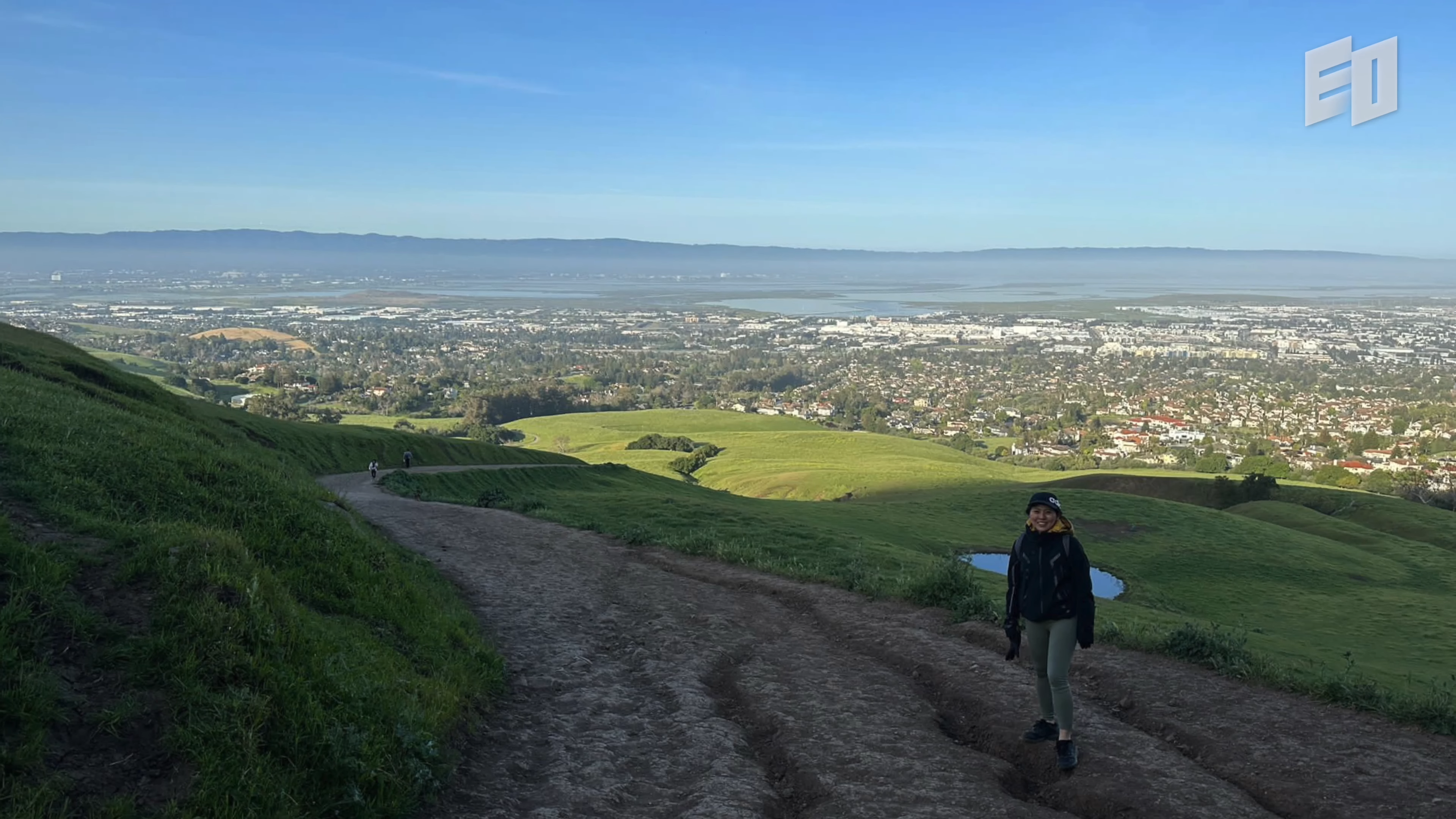
Maybe I'll share a recent experience. I went on a little hike on Mission Peak. Right at the top, I had an amazing view, and then I realized that the Silicon Valley we all know about is actually situated in a low lying valley. In a low lying valley, you see the ingenuity of humans.
A lot of people are tenacious and have a lot of resolve. Their sweat, their blood, the countless hours that people don't see, to get to the point of innovation and to be an entrepreneur. Sometimes people think that entrepreneurship equates to a startup, or to when you want to drive your own business.
For us at large enterprises, we value people with that entrepreneurial spirit, that willingness to take risks, the ability to communicate your vision and mobilize and bring it to life, to execute on ideas.
So I would say entrepreneurship is something that is precious. It's a spirit that sees a problem, reacts to challenges, and mobilizes resources to take that risk, to innovate, to make a difference and drive impact.
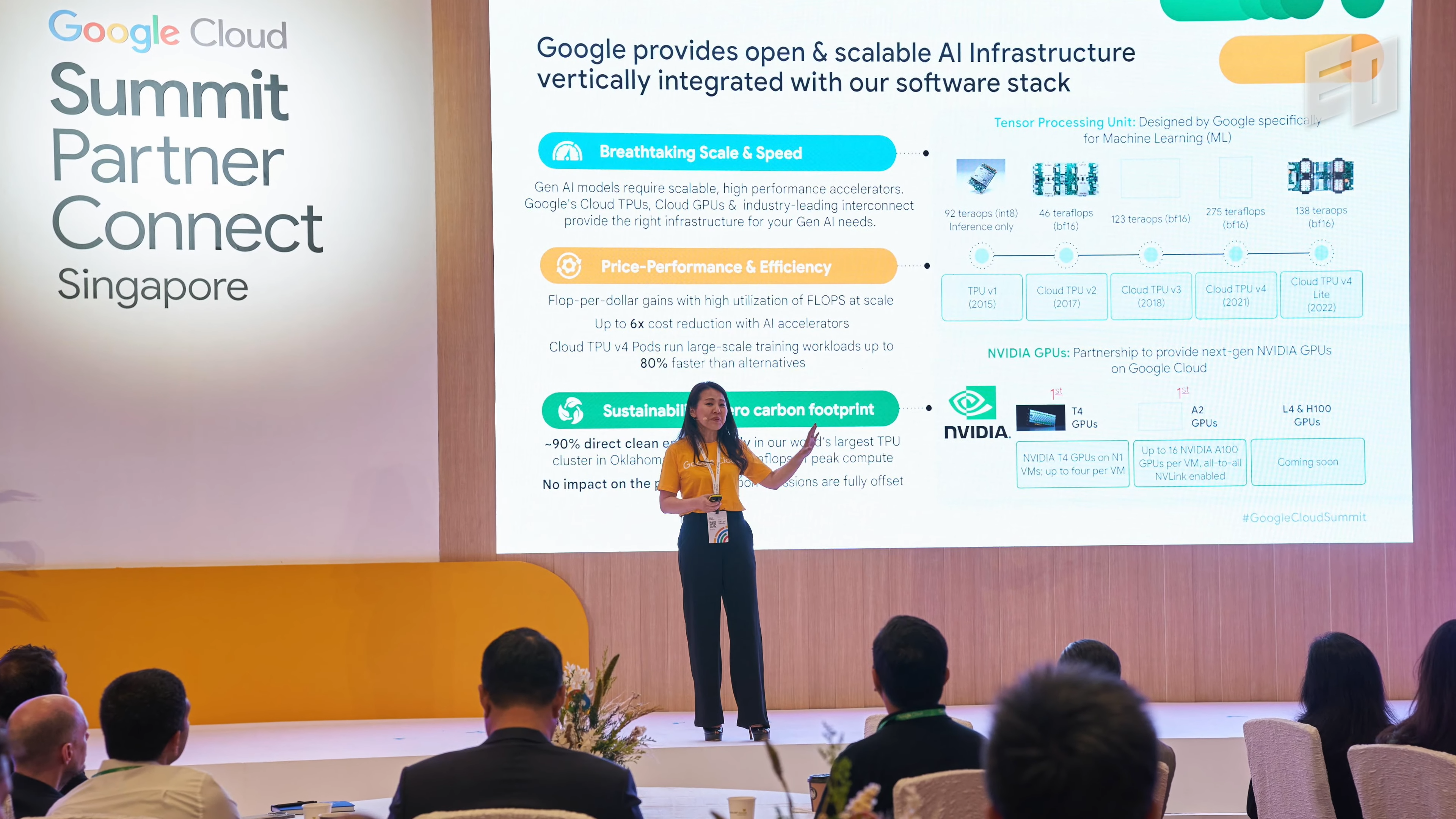
A lot of people come and ask me, wow, you have an opportunity to work with a global company in a leadership position. But I would say that it's really not where I am today. It's where I came from. My history, my background, the challenges really shaped and defined me differently. For me, there's a lot more to be learned from the battle scars, and I want to be that inspiration of possibility.
My message is to every child, every person out there who feels that you don't have what it takes: know that you can have what it takes. Today you can alter your own life. Reach out for help and look out for platforms that can give you a different opportunity.
And you can be who you want to be. Don't let your current situation and your circumstances define who you are, but really continue to dream. Dream big. Anybody can make it happen.