Apr 28, 2024
Building High-value AI Startups in 3 Days
Interview with Inception Studio, Founder of John Whaley
Founder Focused

0:00 / 0:00
💡
At a Glance
- Who: John Whaley is the founder of Inception Studio and has founded three cybersecurity companies: Moka5, UnifyID, and RightCoast AI. He holds computer science degrees from MIT and Stanford and is also on the Stanford computer science faculty.
- What: Inception Studio is a nonprofit accelerator focused on very early-stage founders. Its 72-hour retreats bring people together to form teams, refine ideas, build demos, and pitch companies under intense time pressure.
- Traction: Whaley says companies formed through Inception have gone on to raise significant funding, including a team from the first event that raised a $10 million seed round led by Andreessen Horowitz. The first Inception gathering also produced five companies.
In this interview, John Whaley explains why deadlines sharpen his focus and how that insight eventually shaped Inception Studio's 72-hour startup retreats. He reflects on lessons from Moka5 and UnifyID, including the danger of taking money too early, pursuing visions that are too broad, and underestimating the importance of the first 20 employees. He also argues that AI startups still need the same fundamentals as any other company: a real customer problem, meaningful differentiation, and a path to market.
Key Takeaways
Deadlines Remove Everything That Does Not Matter
Whaley says he often struggles to finish without pressure, but a real deadline clarifies the goal and makes irrelevant work fall away. Competitive programming and hackathons both reinforced that pattern for him. Inception Studio intentionally recreates that intensity so founders can see how teammates operate under pressure.
Investor Money Is Not Proof the Idea Is Good
Whaley's first company began after Vinod Khosla offered funding to build something ambitious. In retrospect, he says the availability of capital made it easy to assume the underlying idea must be good. One of his biggest lessons is that a founder's time can be more valuable than the investor's money.
The First 20 People Set the Company's DNA
Whaley argues that founders and the earliest employees strongly determine the culture, skills, and operating style of the company. Those hires influence whether the organization becomes customer-focused, product-focused, technology-focused, or something else. That is why he believes founders should be extremely intentional about the first group of people they bring in.
A Broad Vision Can Hide Smaller Valuable Products
At UnifyID, the company raised a large Series A around an ambitious authentication vision and then spent years trying to make the technology reach that vision. Whaley later realized there were intermediate products the team could have built quickly to solve customer problems and generate revenue. A tighter deadline and smaller initial scope might have created more discipline.
AI Does Not Remove Startup Fundamentals
Whaley sees large opportunities in AI but warns against building a thin wrapper around a foundation model and calling that durable differentiation. Startups still need to know the customer, the need, how they reach that customer, and why the solution is meaningfully better. Unique data, insight, product design, or go-to-market can all create defensibility.
Watch the full interview now on EO's YouTube channel! Below is the complete transcription of the interview. Minor edits have been made for clarity and readability.
Introduction
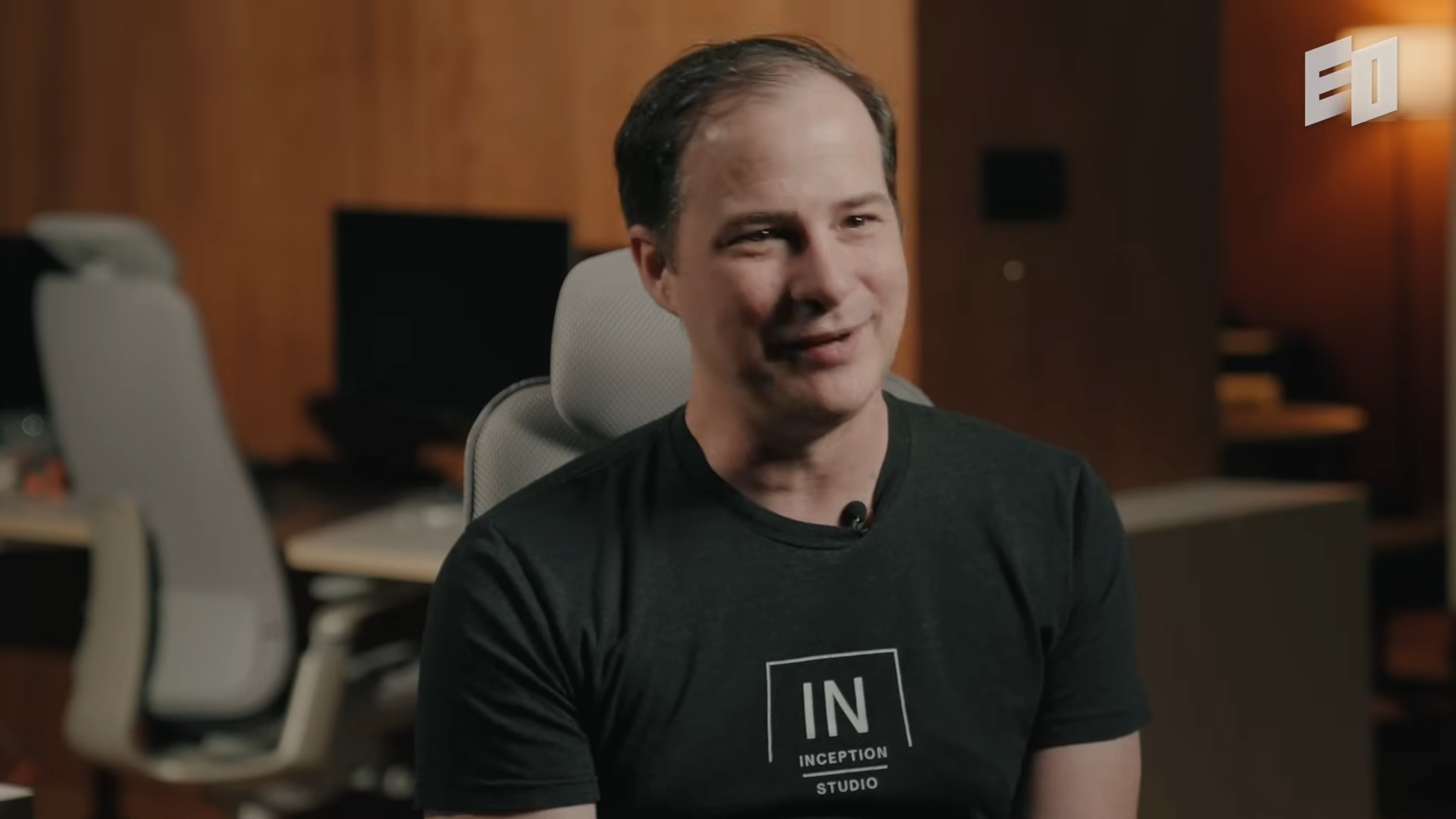
Hi, I'm John Whaley. I'm the founder of Inception Studio and also founder of three cybersecurity companies, Moka5, UnifyID, and RightCoast AI. I graduated from MIT with my master's and bachelor's in computer science, and also from Stanford with my PhD in computer science. I'm also on the Stanford faculty in the computer science department. Inception Studio is a very unique model. Unlike most accelerators, we're actually a nonprofit accelerator, which means we don't take any equity in the companies. That's because we're focused on quality.
We want to get the very best quality founders anywhere. We focus on the very earliest stages. We run these 72-hour retreat events where you go from just having a rough idea about what you might want to do, and then meet up with co-founders, and then form a team, and then you actually go and pitch the company at the end. So it's super intense, which is intentional.
You're looking for co-founders. You want to know how people operate under pressure. We've had quite a few success stories that come through Inception so far. Andy Chow, who was previously founder of a company called Coverity, he came to one of our Inception events, the first one, in fact. At the end of that event, he had a team, he had a refined idea, he had a demo, he had a pitch deck, and he had a set of investors who were all interested in what he was doing.
They ended up raising a $10 million round, seed round, led by Andreessen Horowitz. It's a very interesting area. This was kind of like the genesis of an idea. This idea happened at the Inception event.
Chapter 1: What Brought Me To MIT
I got started with computers very young at five years old. My family had bought a computer, and we didn't really have many games for the computer. And so my option there was there used to be these magazines. You would have the listings the code listings for games.
You could type in, and then you could run the games. So that's how I got started back when I was five. I was in kindergarten, and I would just sit there and type in all the code. And then, of course, as you're typing this, you're kind of learning these things. And then because I was not satisfied with just the games as they were, I wanted to be able to make modifications to them and change things about them. And so I would have to basically learn how to manipulate the code to get it to do what I wanted. So that's how I got started.
I've been doing computer science ever since I was in high school. I was not a good student. I had all of my teachers and my parents, everybody else, they said, Oh, you're going to go to MIT, and you're going to struggle, and you're going to get C's, and you're going to fail classes like that. My first sense that I was actually good at this stuff is there was a qualification round for the USA Computer Olympiad. I had taken the AP Computer Science as a sophomore, and I did well in the class and everything. And then my teacher there, she learned about the USA Computer Olympiad. She's like, Why don't you try this? And then, so other problems I had in the computer science class were pretty easy. So the problems I had in the Computer Olympiad, these were hard.
There's one problem in particular that was just, it was really challenging, and I was just I know there's a solution there. I just got to figure this out. And then later on, I actually found out that I was the only person in the U.S. that had solved that one problem. I think there were six problems, and there was one of the problems that nobody else had solved except for me.
That was my first indication that would be maybe I am kind of good at these things. And then I kind of did the competitive thing again. It was you have the format there is you have three hours, and you have to basically program the solution within a short period of time.
In preparation for that, I went to the local bookstore, and this was actually the algorithms book that was used in the MIT class 6.046. And so that was the main reason that I went to MIT, because of that book. There's so many amazing algorithms and stuff in there. I love just reading about them and. And trying them out, that was kind of like what opened my eyes to that whole side of computer science.
I was very fortunate to get accepted to MIT because my grades were not great, but I think because I had that Computer Olympiad experience, I think based on that, then I got accepted to MIT. I don't think I had any kind of natural skill and can learn faster than kind of other people. I think I just was much more dedicated to it because I had that deadline. I think the magic of the deadline is that it forces you to focus. It's like, I never able to finish things, like, unless there's a deadline.
But, as soon as I get that pressure, then it just clarifies everything. It's like, well, look, I only have this much time. If I have this goal, here's what I need to do to achieve it. And then everything which is not related to that, it just drops away completely. So I think it's, for me personally, it's very clarifying just in terms of just allowing me to really focus. That's why I was kind of able to achieve the things.
Chapter 2: Poisoned Chalice
Myself and some of the other members of my research group in the computer science department at Stanford, we met with Vinod Khosla, who is, you know, founder of Sun, and we talked with him.
And then I think it was the next day we received a term sheet from him. Effectively what he said was Here's three million dollars. Go build something cool.
And then I think it was the next day we received a term sheet from him. Effectively what he said was Here's three million dollars. Go build something cool.
I was actually planning to be a professor. I had interviewed at a bunch of tenure-track, faculty jobs that I didn't get kind of tenure-track offers from either one. So I was at that kind of life stage where it's like I was trying to figure out what to do next. And then there's this opportunity. I was like, Oh, we can found this company. Vinod Khosla is going to back it. And, that was, it's like, Yeah, of course I'm going to do that. So that was my first company, Mocha 5. Basically at Mocha 5, what we were trying to build was, we called it the next-generation computing utility.
And, we envisioned a world where you wouldn't have to worry about maintaining software and maintaining your operating system and patching and updates and antivirus and things like that. This was back in the early 2000s. It's like, Oh, I wanted a piece of software. It used to be like you would go to the store and you would buy a CD and you would install the software on your computer. And we envisioned the world where you would be able to call up your service provider, and he was providing your computing service, say, Hey, I want Photoshop, and they would turn on a switch, and then suddenly you would have Office, and there would be a new icon in your desktop.
And, we naively believed that internet companies and these kind of cable company, your DSL they're going to want to do this. They're going to get lock-in there. They're going to have all your files. It's providing a great service, and everyone's going to want to do this.
It was No, okay, that's not—ignore the kind of reality of the world. The place where we actually started to get traction was when we realized that there's an opportunity on the business side where there's all these companies that wanted to provide computing environments, but people wanted to use their own computers. And the big breakthrough for us was the release of the MacBook Air. It was the sexy new computer, and everybody wanted one. But these companies were Oh, well, we're a Windows shop.
We're a Microsoft shop. All the business phone was BlackBerry, and they had all the features, all the enterprise features. Features. And then the iPhone came along, and then suddenly people wanted an iPhone, and they wanted to bring these into the companies and use them in the company. It's like, well, it doesn't support MDM and all the other things that you need.
Well, we don't care. We want to use it. And suddenly there's an opportunity there. So we rode that opportunity, the Mac in the enterprise, the bring your own device, all of that. And so that was when we started to do well is where we kind of really began to focus on that problem. That was the opportunity that existed in the market. And then we started to get some early traction there. And our first really big customer was Goldman Sachs. We had to do some, crazy sweetheart deal to get them. It was not very much money for an unlimited license of all-you-can-eat.
They could use us in perpetuity. That's the type of deal that you have to do when you're an early-stage startup, because as soon as you got Goldman Sachs, suddenly there's 10 other banks that are all interested, because Goldman Sachs had a great reputation for cybersecurity and all of that. It's like, oh, if you pass their bar, we're now interested in you. But we've made a lot of missteps along the way.
There was a time period where we ended up hiring kind of a CEO that was more of a consumer type and not really enterprise, and we ended up burning a bunch of money through that and just not really having anything to show for it. That kind of later on just ended up kind of compounding over time, and so it gets harder and harder as you get hit Series C and Series D.
It becomes harder to be successful there. We kind of went through multiple CEOs, and it was also this is enterprise sales, enterprise deals it's like elephant hunting. It's either you're gonna kill the elephant, in which case we got some big, huge multimillion-dollar deal, and it's just like, hey, we blow out our numbers, or that PO doesn't come in in time. We also hiring a bunch of really expensive sales, inside salespeople, and it's a difficult game, especially early on when you are trying to do big enterprise deals as a small company.
Some of the big lessons you learn from LocalFi: number one, just because somebody's willing to give you money doesn't mean it's a good idea or it's worth your time. In this case, it was like Vinod came and he's Oh, I want to give you money. I was Oh, Vinod's famous. He's on the Midas list. This must be a great idea. Actually, that was not exactly true, because your time is worth more than their money.
Another big lesson is really put a lot of thought and consideration about who you have as investors. Investor may be nice to you, but when they put in a lot of money in your company, there's a lot of expectations there. Push comes to shove, they may not be kind of fully aligned with what the interests of the founders are. So again, being kind of careful about who you have involved in the company.
Your first 20, your founders and your first 20 employees, they determine what is the DNA and the gene pool for your company. Those first 20 employees, you should be very intentional about who are we hiring, what are the skills. For the ones that any ones are going to stick around there, they're going to have a huge impact on the future of your company. And what kind of company do you want to build? Is it customer-focused? Is it all about product? Is it technology?
Those are all determined by what is the DNA of the company, and that's determined by the people who are there early. Through my experience through at Mocha 5, I just kind of fell into that role. I was doing things that was kind of not really authentic, I guess.
I wasn't particularly passionate about that problem, and I was doing a lot of things where it's oh, I felt like this is good for my career. In retrospect, it was like it put everything in perspective for me about what was actually important in life. The company was kind of less important at that point, and we ended up at a point where it's like, hey, I was going to leave the company, and then things really just crumbled from there, and they ended up fire selling the company and everything.
Chapter 3: Reflection On Success and Time Management
I started my second company called Unified ID. At Unified ID, we saw this problem of identity and authentication. How do you identify yourself? In the age of computers, this is often a password. I come up with some secret and I tell you that secret, and then that's how you know that it's me. By the way, I'm not very good at coming up with good secrets because I'm going to reuse them all over the place. What if we say that we're not going to require the user to do anything different?
They just be themselves. Is there, is it possible to authenticate them in that context? And the answer is actually yes, because there's a lot that makes us unique. Things like the way that you walk and the way that you hold your phone and the way that you type. You combine them all together, the preponderance of the evidence, and it's like, this is almost certainly the right person at that point. So that was the world where we envisioned. At Unified ID, we told a really big story, winning at a bunch of pitch competitions because of this. We were runner-up at TechCrunch Disrupt.
We ended up winning at RSA. Based on that, we ended up raising a huge Series A, $20 million. It's okay, now we have the money. Now let's go and pursue that goal. And then it took us a long time to actually get to the point where it's the technology reached to the point where it's we were able to achieve the things that we wanted to achieve. In retrospect, we would have been better off biting off a much smaller chunk and having that tighter deadline and that specter of, hey, we don't have four years of runway here. We have 18 months, because it forces a lot of discipline there.
At Unified ID, we kind of ended up having, too broad of a vision. You know, we didn't achieve our full potential there. There's all these very interesting intermediate points where we could have spent two months and built something that would have gotten us revenue right away and solved customer problems right away. All of that changed when I did Unified ID.
Honestly, I just became much more open and authentic and honest with people. Curious thing happened when that happened, where it's like people started to react in a much more positive way. And then it's oh, it turns out people respond to authenticity and when you're honest about things and they can sense that. And then, naturally more people want to follow you. It was like, this is the company we want to build.
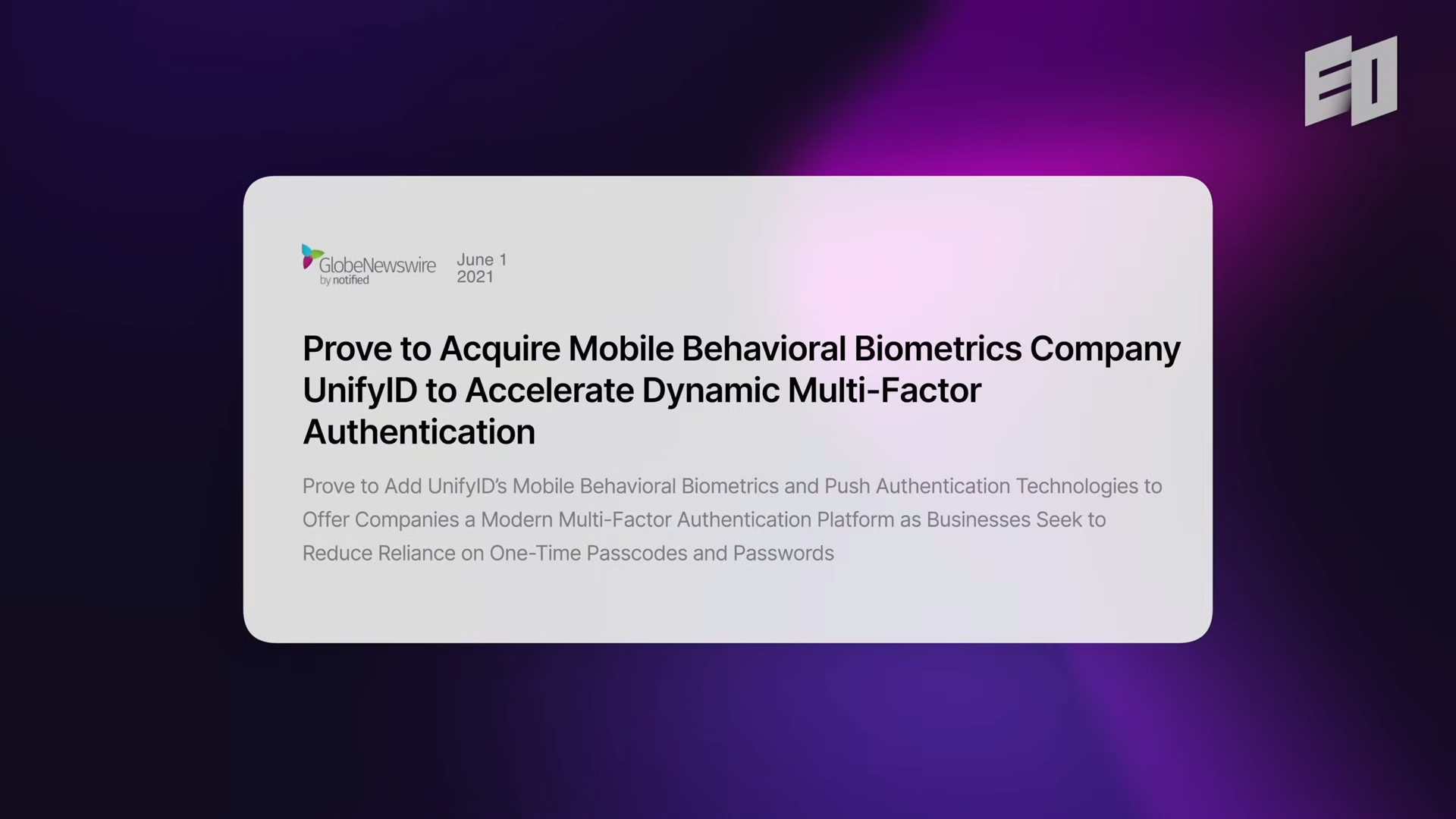
This is the way we want to do things. But it was very honest and authentic to ourselves. And then a lot of things that I'd struggled with in the past became a lot easier, just in terms of things like for leadership, fundraising even, or inspiring people and that sort of thing. We eventually got acquired back in 2021, so right before Series B.
Chapter 4: High Quality AI Company Accelerator
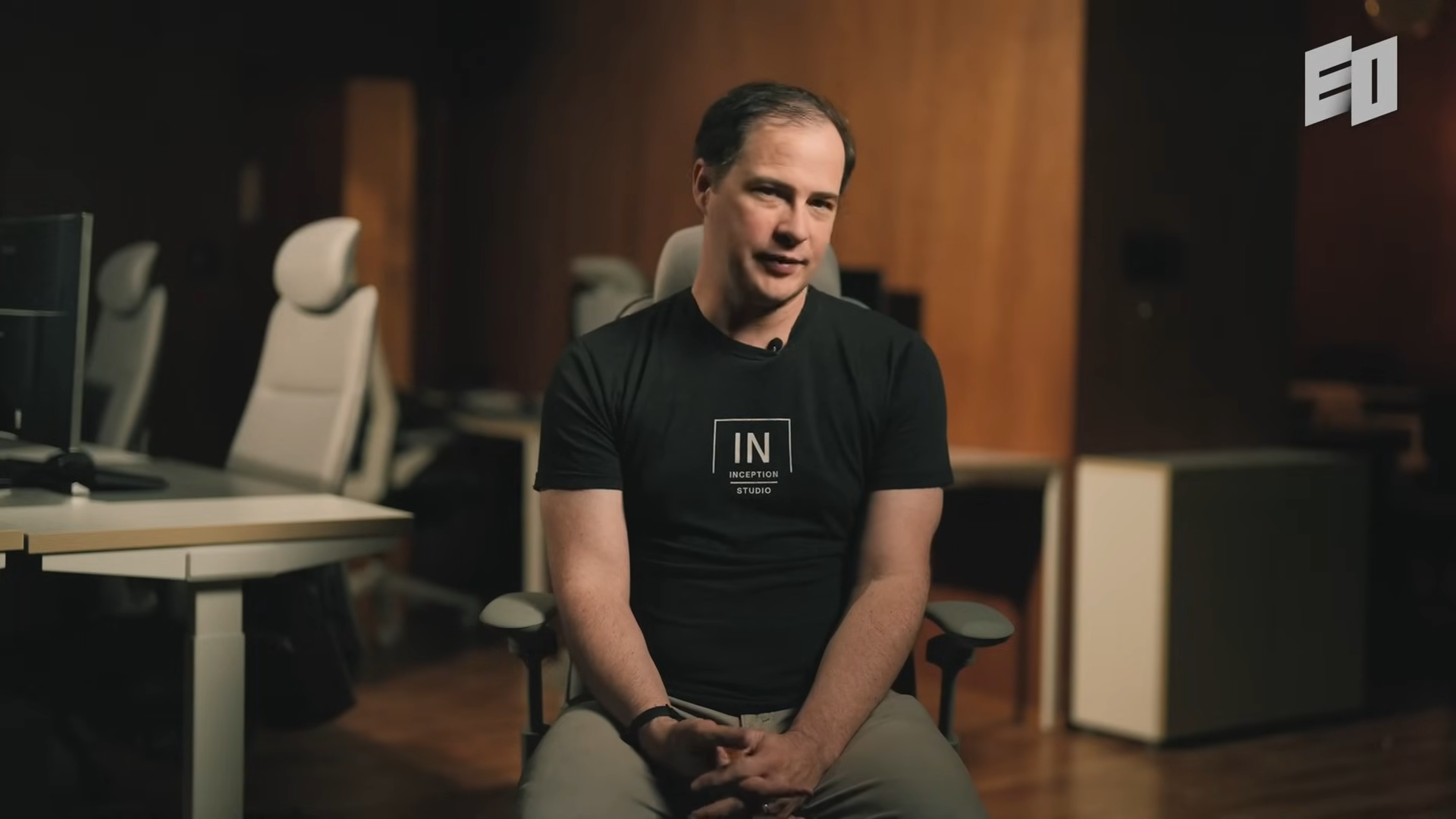
I was kind of at a point in my life where it's like, what do I want to do next? I'm very much a startup person. I like the kind of early stage. I knew that I wanted to do something in the large language model and generative AI space. You know, I mean, AI in general and machine learning, you know, to do that kind of gate analysis and the other type of stuff we're doing, we're using a lot of sophisticated machine learning algorithms and everything.
So from that, I was familiar with transformers and everything that was happening in the LLM space. As soon as GPT-3 came out, I knew that there's huge, very interesting commercial opportunities from LLMs. I began to explore, look around, try to come up with some ideas. Honestly, I was not making a lot of progress on that because it was me sitting alone in my bedroom just thinking about problems. I had no deadlines. I had no pressure. My life was just too comfortable. Time was just passing by, and this was back in 2022. GPT-3 had come out.
There was kind of murmurings of other things, GPT-4 that was going to be coming out soon. I need to make more progress here. This is not good. I know what I needed. Number one, I needed to get away from everyone and, just remove myself from all my distractions. And so I needed to go away somewhere for some short period of time just to be able to focus.
Number two is I needed to be surrounded by other really smart people. Most importantly is I needed a deadline.
Number two is I needed to be surrounded by other really smart people. Most importantly is I needed a deadline.
I go to HackMIT pretty much every year and TreeHacks and Cal Hacks. I love the kind of hackathon vibe and scene, just that kind of intensity that you have and the fact that it just forces you to focus. So, it's just sought to kind of recreate that type of feeling. And so I went on Vrbo, like the vacation rental site, rented out this house in Lodi, which is middle of nowhere.
Yeah, and I just started calling people up and say, we have this place in the countryside. Do you want to go out there and just brainstorm and hack and just try to build a startup? And the topic area was large language models and generative AI. And so this was in November 2022.
The event happened about 10 days before ChatGPT came out, so, the timing was perfect. And then out of that first event, actually five companies formed, which is really exciting. And the reason the event was so good is because the quality of the people there was really high.
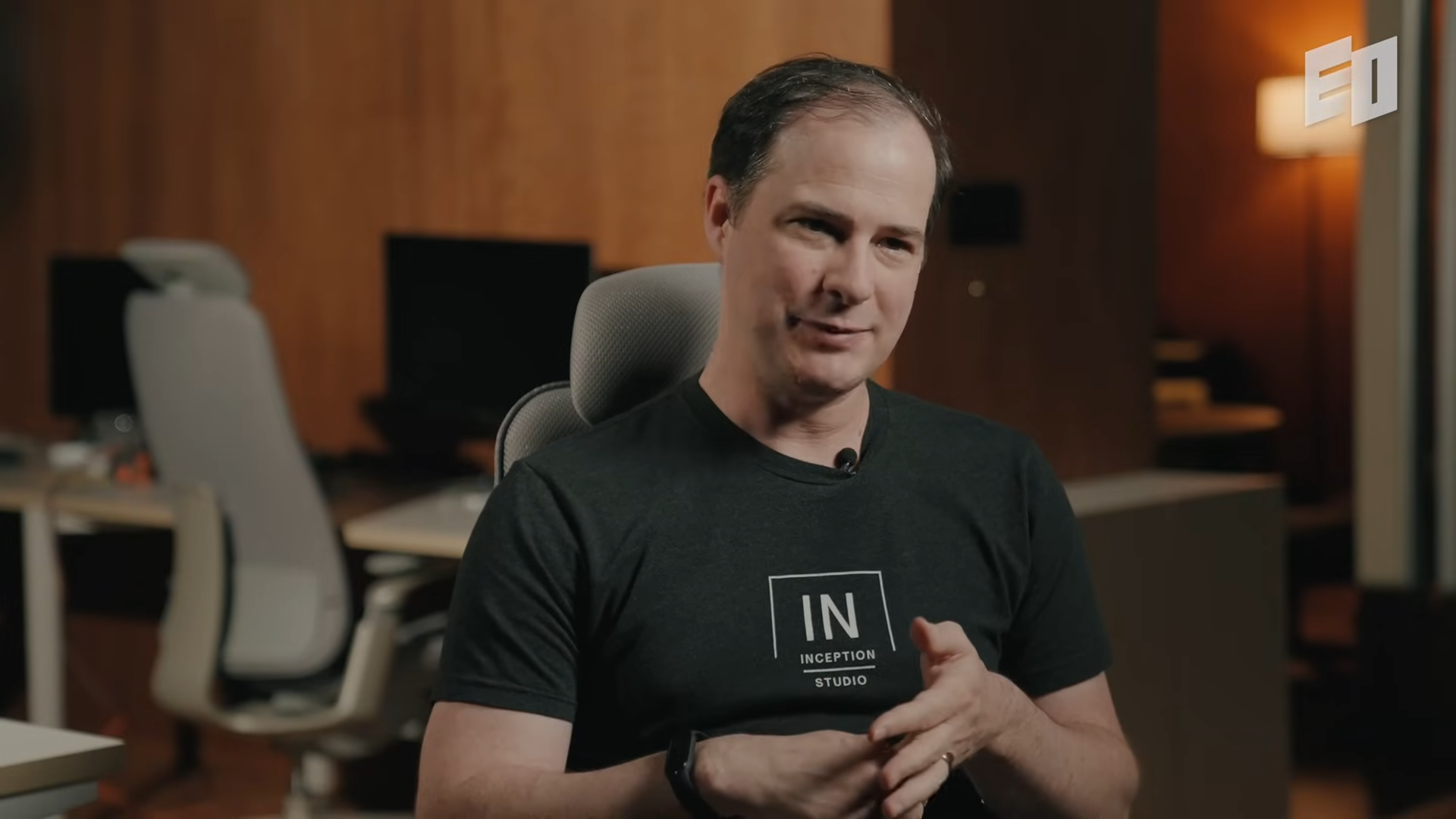
We want to run some more of these events, but we sort of thought about, look, what kind of structure should this have? Like, and I've seen things like Y Combinator and Techstars and just a bunch of others, like these type of accelerator type of programs. They all had a common failure mode there, which was start off pretty good, and then they would try to scale, and they would scale at the expense of quality.
And then they would not get as good founders, the quality dropped. And so, there was an adverse selection problem there, where it's the best people would choose not to go, and it started just like eventual downward spiral in terms of the reputation. And so it's like, well, why don't we just do this in a different way? Why don't we make it a nonprofit?
We just want to run these events and put really good people together. When you're a nonprofit, a lot of these questions just kind of melt away about, well, who owns the IP? Our goal is not to make a profit off of like these early-stage founders. That's a very short-sighted view.
The genesis of the next billion-dollar to ten-billion or hundred-billion-dollar company is at that event. That is the actual value, because guess what? You know, maybe you get a chance to invest early or be an advisor or otherwise develop those relationships. That's where their actual value is. That's where you're going to get, you know, the thousand X returns and stuff. That was the genesis of Inception Studio.
Chapter 5: Future of AI Industry
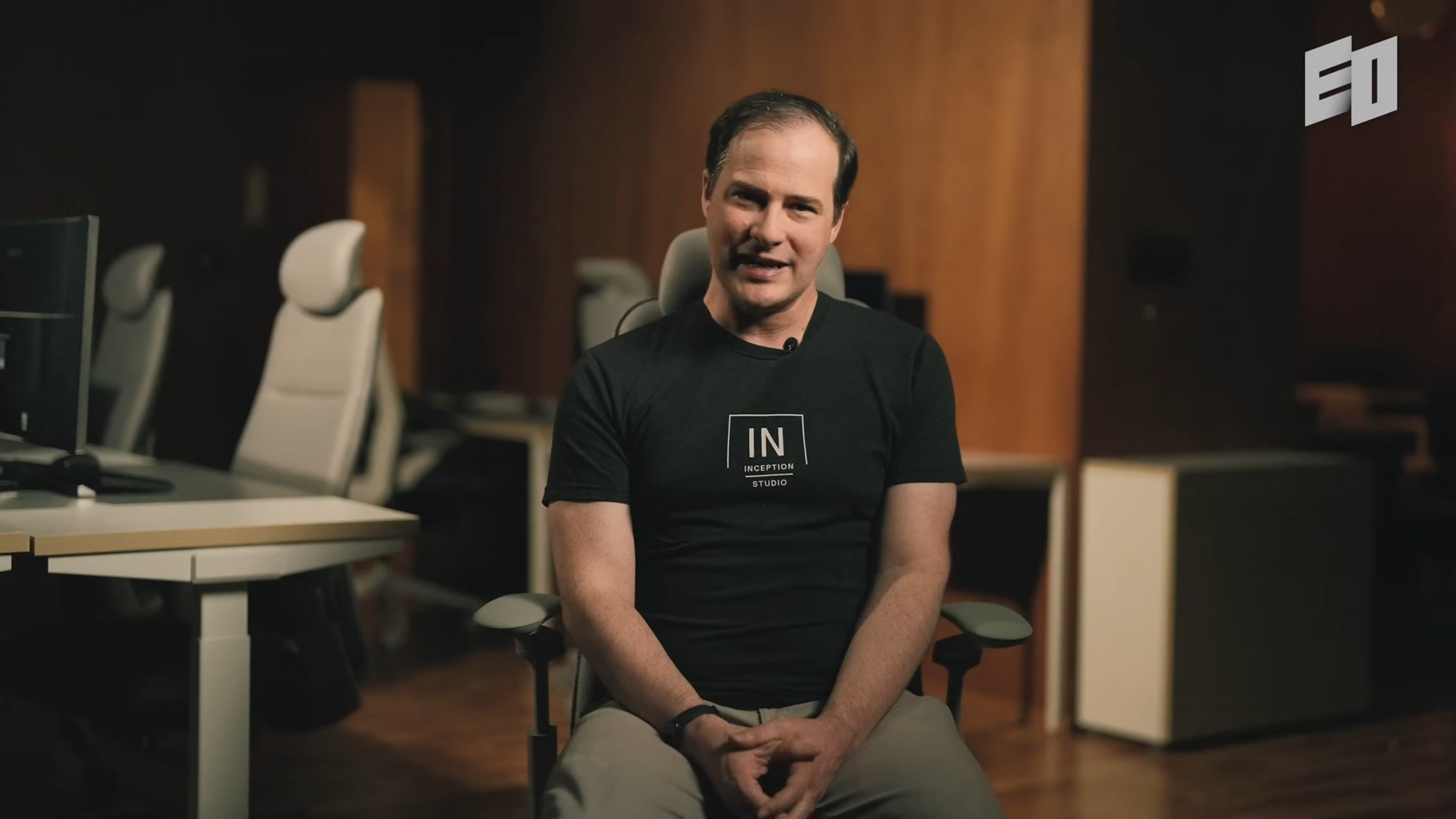
AI space is moving really quickly. The fundamentals don't really change. There's certain fundamentals about, I'm building a company, I'm starting a company about who is the customer? What is the need that you're actually solving for them? How do you reach that customer? What is your kind of differentiation? How are you 10 times better than what they otherwise have? If your solution is, hey, we take this amazing thing called GPT-4, and then we just kind of wrap it up in a nicer packaging for somebody else to use, that is not really a great sustainable business there.
But if you're solving a real customer problem and you actually have differentiation there, and it could be differentiation in terms of access to data that you have that's really unique. It could be unique insights that you have, or it can even be things about how you bring the thing to market. In terms of I know all of the people who are in this space, and I've sold to them before, and they all trust me, and so I can bring this to market better than anybody else possibly can. That can be your differentiation there, right? And, you can still be successful.
Don't be fooled by the fact that there are businesses that exist that have raised a whole bunch of money. That's all they are, fundamentally. Those are not what you want to be spending your time on. Yeah, sometimes people get lucky with happy businesses for now. But even major ones with Sora and these other kind of things that OpenAI is releasing, wow, these are some well-funded companies are now—it's like, what happens to Pika Labs once that you know, it's like Sora is released? It's ooh, that's a real question there.
They're gonna have to keep innovating and end up doing something else because it just becomes really, really hard to compete there. And I think there's two parts of this game, and one is I would call it the big boys game. You're building huge foundational models.
The differentiation there is how many GPUs can I have and what kind of access to data I can have? And, that is a game that is very hard to compete with as a startup unless you are very well funded. This is why you need to raise these billion-dollar rounds. It's like Anthropic and Mistral and those ones. They're trying to play that game with the Googles and the OpenAIs and the Microsofts and the others. That's a hard game to play. game to play because whether you win or not is determined by your access to data and your access to compute and how deep your pockets are, and you can always outspend and stuff.
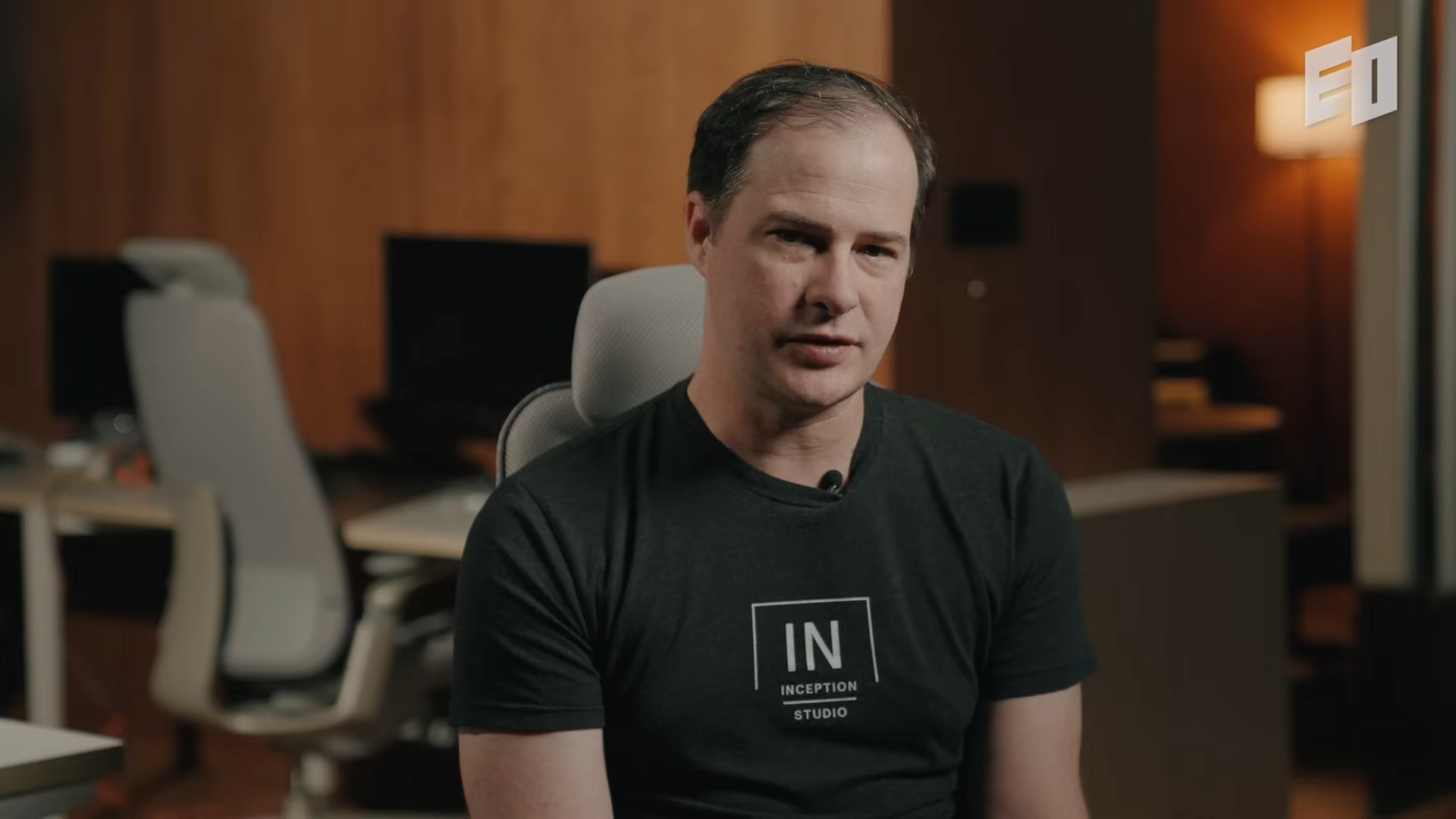
But there's a whole kind of ecosystem that's not like that. There's great viable businesses there. We can have a lot of differentiation where you're kind of being AI native. You're actually fully embracing AI in your company, and there's a huge, massive appetite for this. If you look at AI budgets maybe three, four years ago, and just globally IT spend, how much of is spent on artificial intelligence, I think it doesn't even register on the pie chart. It's less than 1%.
Now it's huge. A huge proportion of the money that is being spent is on AI because there's so much promise. It's really unlocked with ChatGPT and just opened people's eyes about what the capabilities of these large language models are like and this generative AI and agents and everything else. There is not only hype around it, but there's also real capital behind it as well, and companies are spending real money, huge amounts of money to basically develop AI solutions that use AI.
So if you can be in that space and you can position yourselves as one of these AI companies, there's massive opportunities there. We're in the midst of this economic downturn. There's layoffs happening and a bunch of other stuff. Economy is not great, like rising interest rates and all this. It's a challenging environment.
If you look back to kind of 2008, 2009, 2010, like, so many great companies were formed during that time. Same thing is going to happen here. Some will be the kind of opening eyes and building these huge foundational model things. Other ones are going to be around particular verticals, like using generative AI for finance or generative AI for legal or generative AI for marketing. It's going to end up touching all these different areas, and there's going to be some clear winners there.