May 02, 2025
The Journey from India to Building a $500M AI Video Product
Interview with Captions, Co-founder of Gaurav Misra
Founder Focused


0:00 / 0:00
💡
At a Glance
- Who: Gaurav is the co-founder and CEO of Captions. His background spans machine learning at Microsoft and product and design engineering at Snapchat before he started the company.
- What: Captions is a video creation company focused on making it easy for anyone to tell a story through video without going through the traditional process of recording and editing.
- Traction: Captions has raised more than $100 million, reached tens of millions of users, and serves more than 100,000 users daily. Its first captioning prototype was built in a weekend and reached roughly 600 users per minute the next day.
In this interview, Gaurav explains how a weekend captioning experiment became the product his company eventually centered on, even after the team nearly deleted it. He describes why small decisions can change a company's path, how paid users helped Captions identify customers with real pain, and why teams should reduce technical risk before committing to difficult builds. He also argues that founders should get products in front of users quickly, kill what does not work, and keep testing.
Key Takeaways
Bias Toward Taking Risk
Gaurav dropped out of a machine-learning PhD to join a startup even though people around him thought the decision was risky. He says the experience reinforced his view that people often do not bias enough toward risk, especially when the upside is meaningful. Following the same path as everyone else usually leads to the same destination.
A Weekend Test Can Reveal Real Demand
Captions began with a simple idea: automatically add text to videos so people did not have to type captions manually. The team built the first version in a weekend and saw roughly 600 people per minute using it the next day with no marketing. That immediate response was a strong signal, even though the founders initially kept exploring other ideas.
Small Decisions Can Change the Entire Path
The team nearly deleted Captions because it was costing about $10,000 a month while they focused on another app. A last-minute paywall kept it alive, and months later the neglected product had generated more than $500,000 and kept growing without employees working on it. Gaurav says decisions that look small in the moment can end up determining the company's future.
Paid Users Help Filter for Real Pain
Rapid growth can make it difficult to tell who the real customer is because many people are simply trying the product. Captions kept the product paid because willingness to pay filtered the audience toward users who had meaningful problems to solve. Those users then gave the team clearer feedback about what to build next.
Test Before You Take Technical Risk
Gaurav warns against spending a year building something technically complex before knowing whether people actually want it. His preferred approach is to reduce the idea to the smallest test, put it in front of people, and watch whether they retain. If it does not work, kill it and start again rather than rationalizing that one more feature will fix the problem.
Watch the full interview now on EO's YouTube channel! Below is the complete transcription of the interview. Minor edits have been made for clarity and readability.
Introduction
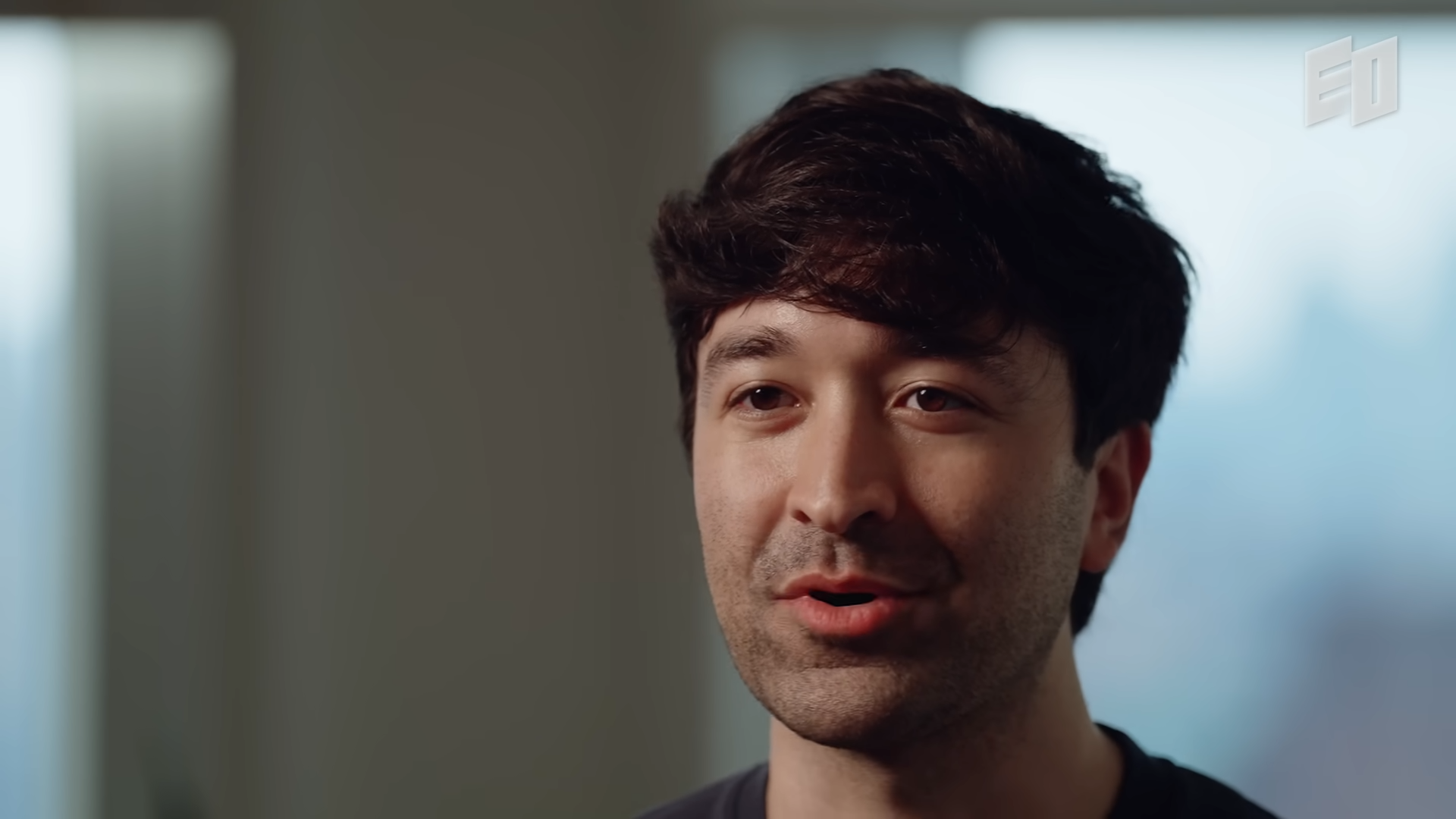
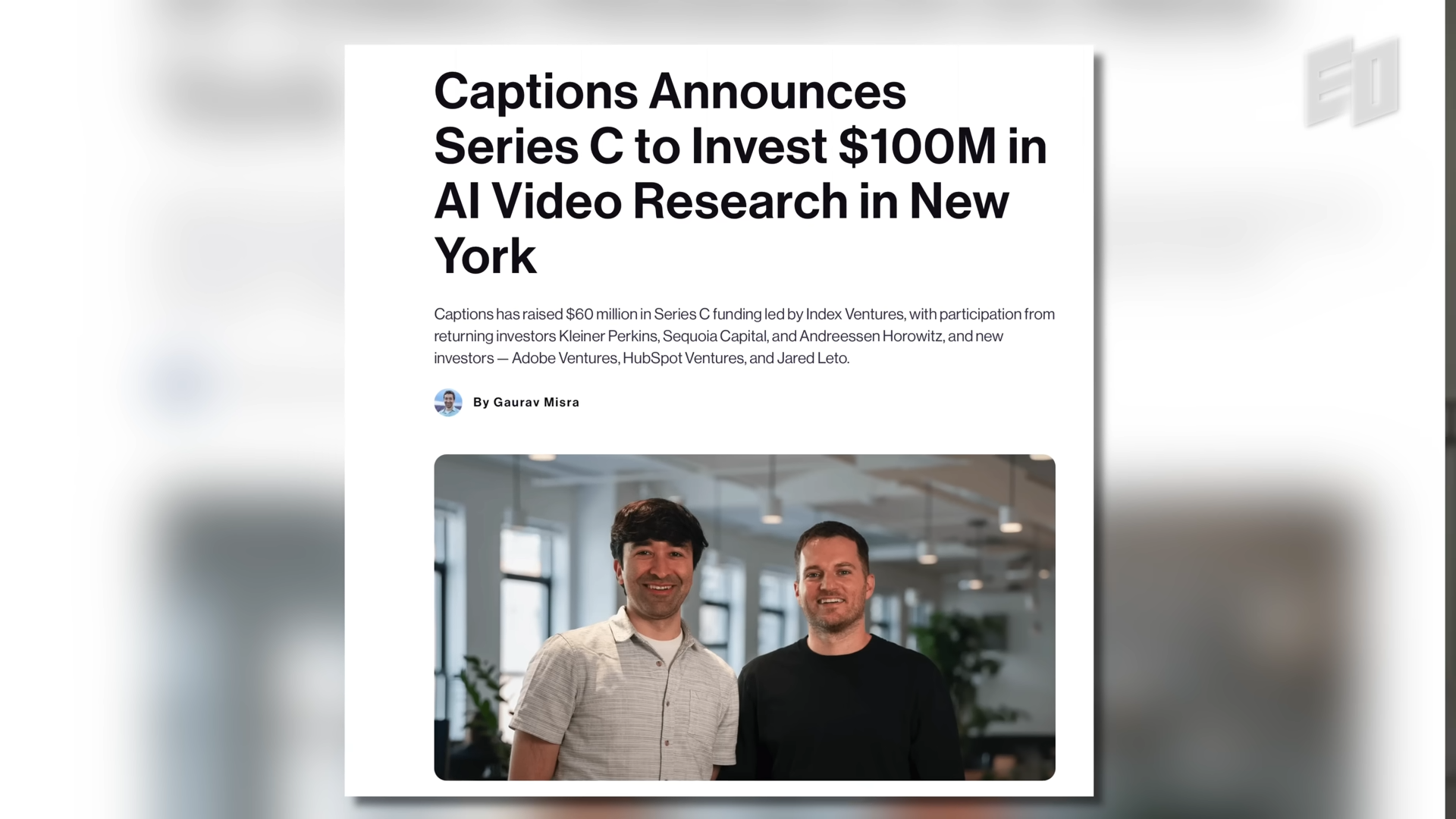
My name is Gaurav, and I'm the co-founder and CEO of Captions. Captions is a video creation company. Our goal is to make it easy for anybody anywhere to be able to tell their story through video without actually going through the physical process of recording or editing a video. We've raised over a hundred million dollars in funding. It's gotten to tens of millions of users and over a hundred thousand-plus users daily.
Chapter 1: How I Became An Entrepreneur At 16

I was in the U.S. for the first four years of my life, and my parents moved to India. I grew up in India. Moving back to the U.S., like, I had no idea or no concept of what it would be like. What is Boston? What is New York like? I hadn't been to any of these places. My parents were like, Boston's great. You should go there. And I was like, Sounds great. Let me do that. So at Boston University, it was an interesting situation because coming from India, sort of the curriculum there, especially around computer science, is just very advanced compared to the U.S.
A lot of the things that we actually were being taught in college, we had already covered in high school for the most part. A lot of college classes were essentially repeating what I had already done in high school. It probably was the case for a lot of people from India, I imagine. I think that did give me a chance to actually go and explore outside of just that and kind of see what else I can learn and what more I can do. I did tons of projects. I worked on projects with my roommates.
I worked on a lot of different apps that we launched, and this was, like, in 2012, 2011, when the App Store was still early. In high school and going into college, I had started a kind of a company in a strange way. I say that because I actually didn't realize it was a company until much later. I was working on some games, and there was some need around, like, security software for those games, and I decided to make it.
The game company decided to buy it from me, not knowing that I was, like, 16 years old. And I ended up selling it to a bunch of other companies as well. I didn't realize at that time that this is what a company is, is, like, you make a product, you sell it. But much later, I was like, Wow, that's kind of what it was. It was an interesting sort of experience to go through because it kind of transitioned from generally games and gaming into sort of more general skill set.
I really enjoy learning new things. How do you learn things quickly, and how do you figure things out quickly is something that not a lot of people talk about, but it's one of the most important skills in my mind. Go to a new domain, you know, go to a new area, something that you haven't done before.
Try it for the first time, figure it out quickly, and be actually useful and productive in it is, like, it's a pretty cool skill, and it's a pretty fun one to work on because you get to try out a lot of different things. Get to learn a lot of different things and focus on that as a skill in itself. Being able to do all those different things and figuring those things out is really important.
Chapter 2: From Engineer to User-First Designer
Through the early part of my career, I was really focused on machine learning as a central aspect of what I was doing. At Microsoft, I joined them on this new team they were developing called Azure Machine Learning. It's like a machine learning platform they were building. And then at Snapchat, there was a bit of a difference. I got a chance to really get more on the product side and eventually ended up joining the design team, which was like a huge shift from what I had done previously.
The idea of, like, connecting technology to actual design and actual product made a lot of sense. So I ended up starting a team there called Design Engineering, which was, how do you bring together great design and great engineering to build amazing products, right? One of the things I learned at Snap, if you think about Snap as a company, I think Snap was one of the earliest companies to actually get into video for consumer use cases, especially short video. It did get me very immersed into the space of video in general, especially video for communication, short videos, and all the challenges, both technical and product, that are related to that.
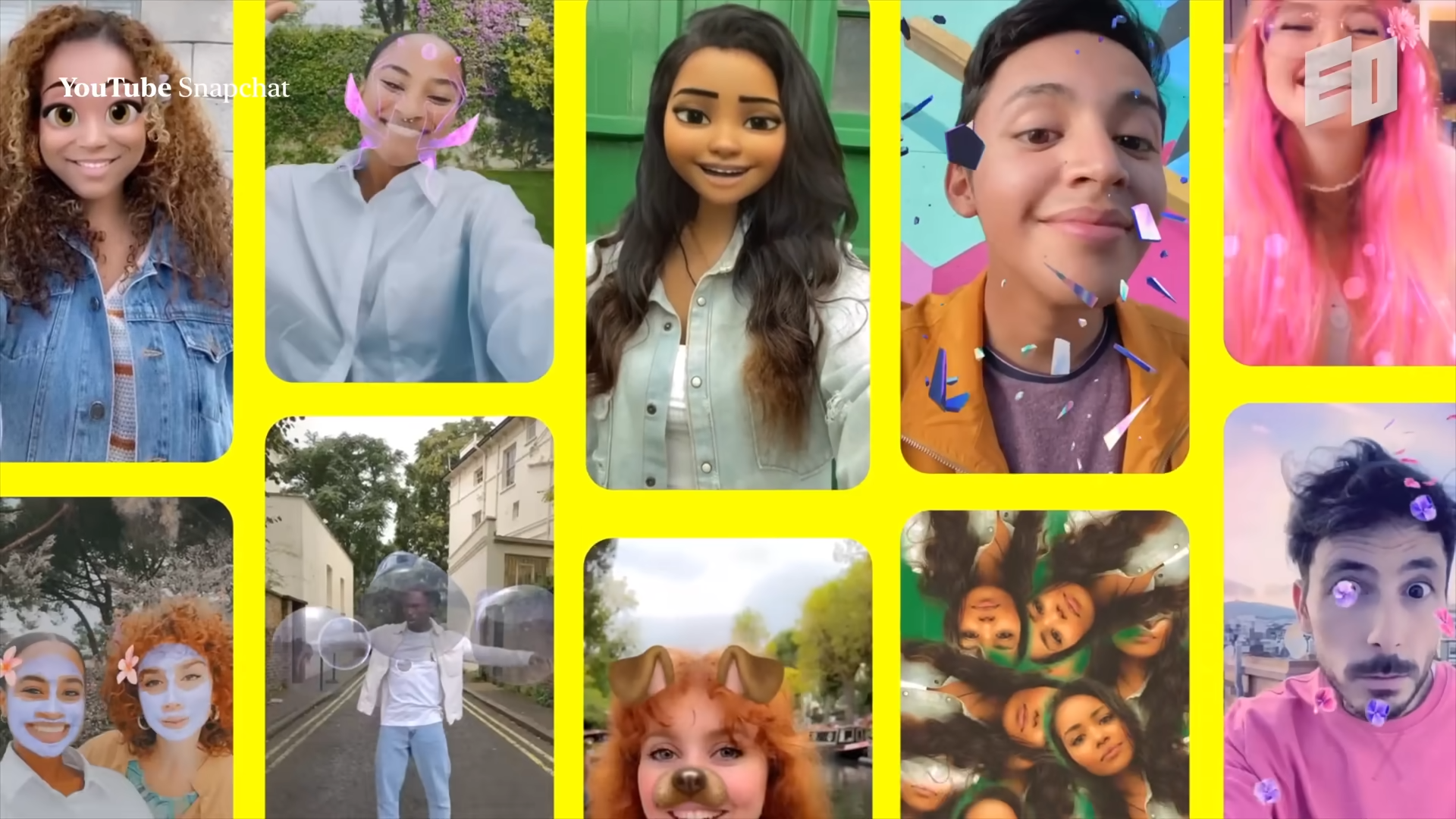
But I think in general, one of the things that I noticed was essentially a shift in the way that people were communicating. A lot of people thought TikTok was just, oh, TikTok, that's like just people dancing, right? It's for fun. But I think the reality was that, yes, there were a bunch of people dancing, but there was a lot of people talking, and there were a lot of people telling stories and, you know, sometimes bad things that happened to them, good things that happened to them.
People were, like, talking about ideas and, like, what could be done and what should be done, and people were arguing with each other, right? And I think that was a shift in the way people communicated from. That's the type of stuff that would happen on Twitter or on text beforehand. And it was now happening on video for the first time. So I got pretty familiar with all the different ways that people are communicating and kind of what works better and what doesn't work.
Chapter 3: Success Is In The Small Decisions

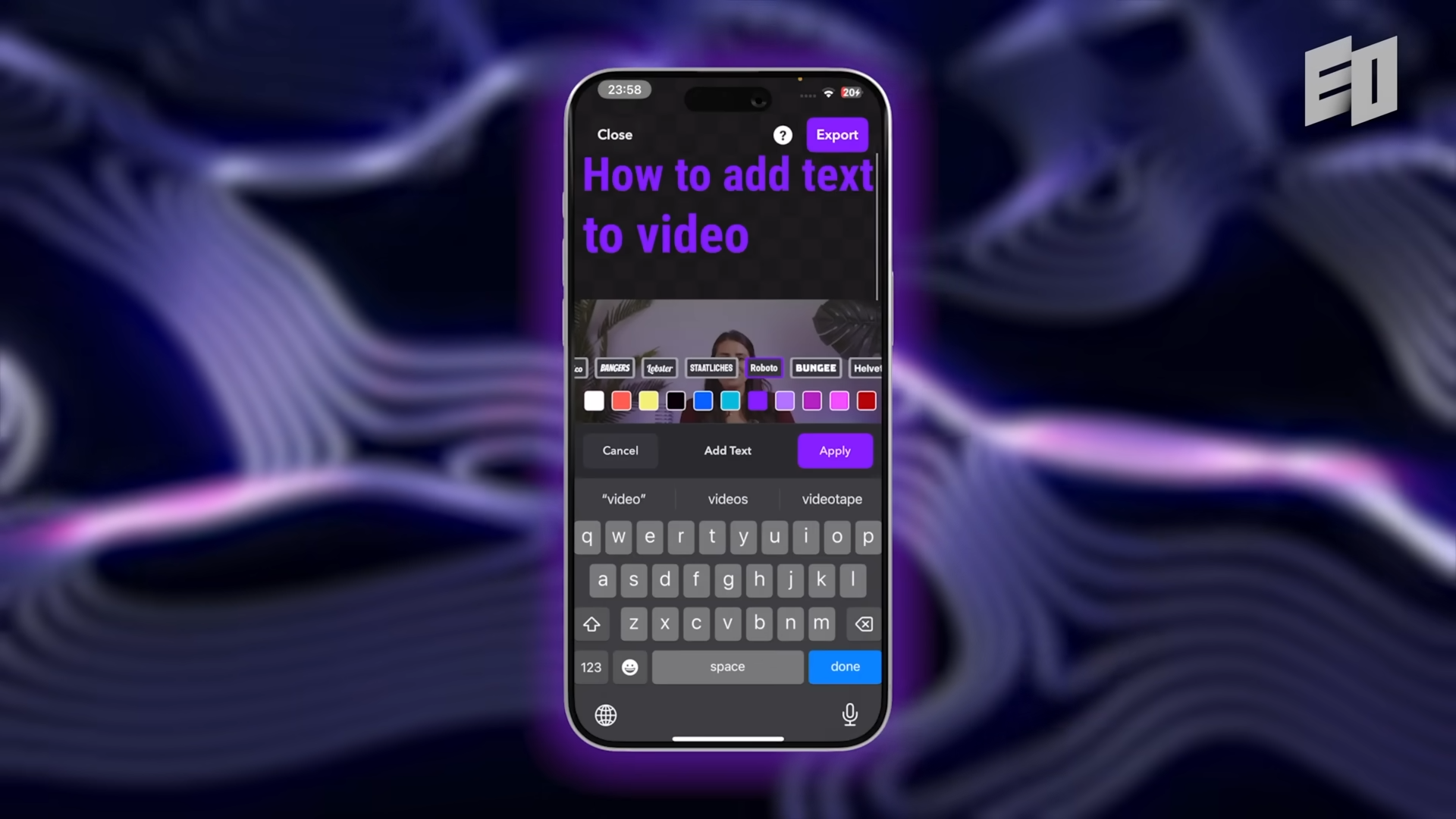
When we started the company, we were thinking about building a social network. And so we were thinking, okay, there's like a distribution part, and then there's a creation part of the social network. We thought, hey, let's start with the creation first. So we started off with the idea of literally just adding captions to videos, text on videos based on what people are saying.
The reason we did this is because we saw there was a big accessibility movement at that time. There were a lot of people sort of manually writing text on top of their videos, and it would spend an hour, like, typing it all out. There wasn't actually a solution for this that was in the market at that time. So we were the first ones to build it, and the absolute first project, we built it in one weekend just as like a test, essentially. And we put it on the App Store, and the next day we woke up and it was like 600 people per minute using it.
Basically, it was completely at the top of the App Store with no marketing, no nothing done, essentially. And I think that was like the moment where it was like, wow, it can't be this easy, right? Like, it really can't be, because we had been told, right, like it's going to be a lot of work to find product-market fit and things like that.
But I think that being said, we had just started the company, and we had this idea of a social network and things like that. I think we were like, okay, this is working, but I wonder if we should go back and like really think about the social network aspect of this.
And so we tried to figure out how to get people to post on the platform and things like that until we essentially rediscovered captions. And this was an interesting moment where we were working on another application, which was called Spam App. It was like a photo sharing app. It was actually doing really well. While we were working on that, we're looking at the bills, and there was like a good $10,000 a month going to captions. You know, I remember talking to my co-founder, and we were like, okay, let's just delete it because we don't want to spend $120,000 a year on this, right?
We decided to delete it. I remember going back home and on Saturday going through like, you know, the UI to be like, okay, I'm going to press delete now. And while I was going to press delete, I was just thinking, ah, but like, we worked so hard on this. Like, I don't want to delete this. Right, like it's like, I want to keep it for memories at least, right? So I had an idea just in the moment, quickly design a little paywall where we ask people to pay for the app. If nobody pays for it, then it's essentially shut down, but we can continue using it because, you know, we worked hard on it.
And if someone pays for it, then it pays for itself. So we're not paying the bills, basically. So I quickly made that in about two or three hours, put it on the App Store and launched it, and then completely forgot about it. So we continued working on Spam App, and it continued growing through the next, you know, four, five, six months.
While we were doing that, I for some reason decided to check my account, and when I checked it, it was like at $500,000 or more and growing. And like the craziest part was not only did people pay for it, people retained on it, and it was growing in revenue completely on its own with like zero employees working on it. So no employees. There were like 2,000 open support tickets.
Nobody was answering, obviously, right? And it would continue to grow. You know, we had to have this like tough conversation of like, oh my God, like this is truly working, right? And it was tough because we already had another thing that was also working and that we were raising a new round on essentially, right? I think we discussed this for a couple of weeks, and we ended up deciding we're going to switch to captions and we're going to just focus on creation as the primary.
We switched over and literally the moment we launched the first set of features on top of the existing app, what was looking like a fast growth, completely condensed because the new growth was exponential, just like straight up. I mean, I think that's kind of the crazy thing that I think about at this point is like that split-second decision was the difference between two completely different paths.
Here's the thing, like we don't know. The other side could have been even more successful. That's the tough part about these decisions is like you have to choose one and you'll never know what the other could have been. I think the big decisions are actually in the small decisions, in a way.
And the small decisions are what actually you don't think about too much, but actually turn the tide of, like, what will happen in the future. I think that was the case over here too, right? Because, like, what felt like a very small decision of, like, other app, should we delete it or not, seemed like kind of obvious. Anybody we would have asked would have told us, yeah, just delete it, right? Whatever. But I think those small decisions actually are way more important than the big ones sometimes.
And I think this shows quite a bit. Like, if you look at any competition at a global scale, right, which building a startup is kind of a competition at a global scale. Like, look at the Olympics, for example, right? Like, people are within seconds of each other, right? Sometimes even milliseconds of each other. That's not because of some major decision they made while training or something like that. Everyone's very good, right? It's probably some minor micro decision that happened in the moment, like, you know, while they're swimming and they moved one arm at this angle versus the other angle.
That's what's deciding who wins and loses, right? I think it's, like, those small decisions that count the most.
Chapter 4: How To Win With Quick MVPs and Feedback
We did face challenges around, like, identifying the user and making sure we're building for the right user. Because when we launched the app, like, it was immediately sort of successful, right? And it immediately blew up. It made things easier and harder in some ways.
I think one of the things that can happen when too many people join sort of your app or product very quickly is you kind of lose sight of who the customer is, because there's a lot of people who are just checking it out.
There's a lot of people who don't actually care about the use case, but they want to just see what's going on. Between all that noise, it's difficult to figure out, like, which one of these people are the actual user who's going to retain, and for whom is this actually solving a real problem. That's really important because at the end of the day, without focusing on the right customer, you'll end up building the wrong product.
Captions was a paid app from the beginning, and I think elements there that was interesting is, like, being paid actually helped filter our user base a little bit into only those people who were willing to pay. Those people that were willing to pay were people who had real pain points.
And so with that, we got really good feedback from users, right, around, like, what we should build and what we should prioritize and what they want from us in the future. We decided to keep the app paid right from the beginning all the way till today because of that reason.

I think on the technical side, we try to avoid as much as possible technical challenges that are sort of unproven, essentially, right? I think one of the mistakes that can be made is spending a lot of time building something very technically complex without fully recognizing whether there's product-market fit there or not. We spend a year building something and nobody wants it, right? That happens very often, and it's happened to us too.
The key factor there is how do you reduce the technical risk to, like, an MVP? How do you test with just the bare minimum, get something out in front of people, have them see it, have them try it. If they don't retain, then don't invest more in it, right? Try something else. And I think that's the other thing, is, like, not going deeper and deeper into the rabbit hole almost in a way.
I think there's also tendencies of, like, building the first version, seeing that it doesn't completely work, and then justifying it by saying, Well, if it only had this feature and that feature and that third feature, then maybe it would have worked, right? But I think the reality is, like, it would probably not have worked.
With as many features as you want, it will only have worked with a single feature, only one of those things, right? Whatever actually people want at the end of the day. So I think the better skill is to just learn how to quickly build stuff, try as many things as possible. The most important thing is getting stuff out in front of people, testing it. If it doesn't work, kill it and start again, and keep doing that as quickly as possible.