0:00 / 0:00
💡
At a Glance
- Who: Chris Dixon is a general partner at Andreessen Horowitz, where he founded and leads the firm's crypto investing practice. Over a 25-year career he co-founded a security company acquired by McAfee and an AI company acquired by eBay, then became an early investor in Pinterest, Stripe, Coinbase, and Oculus before joining a16z in 2013.
- What: The interview traces Dixon's argument, laid out in his book Read Write Own, that the internet moved from a read-only Web 1 to a participatory but increasingly centralized Web 2, and that blockchains offer a third era built on user ownership rather than gatekeepers and take rates.
- Traction: Dixon points to the scale of what blockchains are up against: the top five tech companies now account for roughly 95% of internet traffic and money and 50% of the NASDAQ 100's market capitalization, while typical internet platforms take 50 to 100% of the money that flows through them.
In this interview, Chris Dixon, general partner at Andreessen Horowitz, traces the internet's shift from a read-only Web 1 through a participatory but increasingly centralized Web 2, toward a Web 3 built on user ownership rather than gatekeepers. He separates crypto's speculative "casino" culture from the "computer" culture building real ownership infrastructure, and points to projects like Story Protocol as a way to keep creators paid as AI systems consume their work. He closes with his own experience investing through multiple technology cycles, and why conviction during the down periods matters more than showing up once a technology looks obviously successful.
Key Takeaways
Web 2 Turned Internet Users Into Publishers
Web 1 is a primarily read-only internet and Web 2 is the read-write movement that enabled social networks where people could publish as well as consume. That shift made the internet participatory, but network effects later concentrated power in a small number of companies.
Digital Ownership Can Return Power To Users
Blockchain-based services can remove gatekeepers by allowing users to own digital assets, identities, data, and relationships. If a person owns a handle or follower list, they can leave a service without surrendering the network they built, shifting control away from centralized providers.
The Computer And Casino Represent Crypto's Divide
Dixon separates crypto's speculative “casino” culture from the “computer” culture building user-owned internet services. He believes the casino has attracted disproportionate attention and damaged public perception, while policy should encourage blockchains' productive uses instead of rewarding speculation.
Technology Breakthroughs Usually Follow Long Incubation
Dixon uses AI, the internet, and mobile computing to show that technologies often develop through decades of research, false starts, and partial successes before reaching a breakout moment. The pattern matters for crypto too, because a difficult period does not prove the underlying technology is finished.
Story Protocol Could Preserve Creative Value In AI
Dixon sees an emerging economic problem as AI systems make content without compensating the creators whose work informed them. He describes Story Protocol as a way to let creative “Lego bricks” carry permissions and payment terms, allowing people and AI systems to build together while preserving attribution and value.
High Conviction Matters When Technologies Seem Dead
The best opportunities arrived when people believed a technology was over. His broader entrepreneurial lesson is to develop conviction through the down cycles, because waiting for a popular rebound means entering after a much larger crowd has already recognized the opportunity.
Watch the full interview now on EO's YouTube channel! Below is the complete transcription of the interview. Minor edits have been made for clarity and readability.
Introduction

My name's Chris Dixon. I'm a general partner at Andreessen Horowitz. And I am the founder and managing partner of our crypto fund. I have worked in the internet business for my entire career, for about 25 years. I started off as a software engineer, and then I became an entrepreneur. My first company was a security company, which was acquired by McAfee, the large security provider. My second company was an AI company, which was acquired by eBay. I also started angel investing, about in 2006, invested in a bunch of prominent internet startups like Pinterest and Stripe, Kickstarter. I joined Andreessen Horowitz in 2013. I led our investment in Coinbase in 2013. Oculus, the VR company that Meta acquired about 5 years ago, started our crypto fund practice, which I lead today.
Chapter 1. Read. Write. (Web 1.0 to Web 2.0)
So when the internet started in the '90s, most internet services were what we call, kind of the technologists called, read-only, meaning you'd go to a website and you'd consume information. Back then they kind of looked like magazines or brochures, and for the most part you didn't have things like social media in the '90s. And then there was a movement called, at the time, in the 2000s, I was part of this movement, it was called Web 2. It was also called the read-write movement. There were conferences called the Read-Write conferences, there were blogs called Read Write, Read Write Web, and things. The motivating concept behind that movement was the internet can be more than it is today, it can be more than sort of a passive, consumptive medium, and specifically what that meant is we can build social media, what we call social media today.
So we can build websites and services where, instead of you just going and reading content that an editor wrote, you can submit content. So you can build Facebook and Twitter, where you can post content and read that content, right? That was the Web 2 movement. It was about making the internet a full kind of participatory medium, allowing people to not only read, i.e. consume information, but also write, i.e. publish information. That's not my idea, that's an old concept. The read-write web was a widespread term in the 2000s. The most important internet services are networks. So if you think about Facebook and Uber and WhatsApp, these are networks, and a network means they're services that connect people together, and networks have what are called network effects, which means that the more people that use them, the more valuable they get.
One consequence of that is that as some of these services have gotten very big, they've gotten very, very powerful. As a result, I think we're at a serious risk right now of ending up with an internet that is really just sort of four or five large internet companies, like Google and Amazon and Apple and Facebook and so forth, which I think would be a bad outcome for startups and for society more generally. The top five tech companies account for 50% of the NASDAQ 100 market capitalization. The top five tech companies account for it's like 95% plus of the traffic and the money made on the internet, and all by all trends that will continue to consolidate. I think artificial intelligence, what's happening there is very exciting, although I think left unchecked, it will even further accelerate that consolidation, because it's a technology that rewards companies with large pools of capital and data and compute, which the large incumbents do.
Chapter 2. Own (Web 3.0 Internet)
And so then, in the second part of my book, I argue that the best kind of countermeasure, the best way to counter this consolidation, is a new wave of internet services built on top of blockchains. The simple way to think about a blockchain-based internet service is it's a service that removes the gatekeepers and the tollkeepers. If you look at Facebook and Uber and Amazon, all these services, YouTube, Twitter, one of the key features is that money flows through these systems, whether it's money paid for by advertisers or through commerce, people sending money. Those services have what are called take rates, and take rates is an internet term that means the percentage of the money that flows through the network that goes to the owner of the network. Internet services, they have very high take rates, from 50% to 100%. Most of the money flowing through these systems goes to these service providers.
They also have all the control of the network. They decide who gets access to the network, who gets deplatformed. They decide how the algorithm works. They often change the rules. If you have a link, if you do this, if you have this type of content, you get promoted, you get demoted. These algorithms are opaque. They don't, you know, they're controlled by these companies.
The users and creators and all the other people that depend on these networks live and die by the whims of these centralized providers. What I see as the potential of blockchains is to introduce a new element, a kind of new capability of the internet, which is own, which is ownership. So blockchains are, you know, powerful inventions that can do many things. I refer to them as kind of a new class of computer that exists on the internet, sort of cloud-based computers. They can do many things, but one of the key things they can do is they can enable digital ownership. And so you think about something like a Bitcoin.

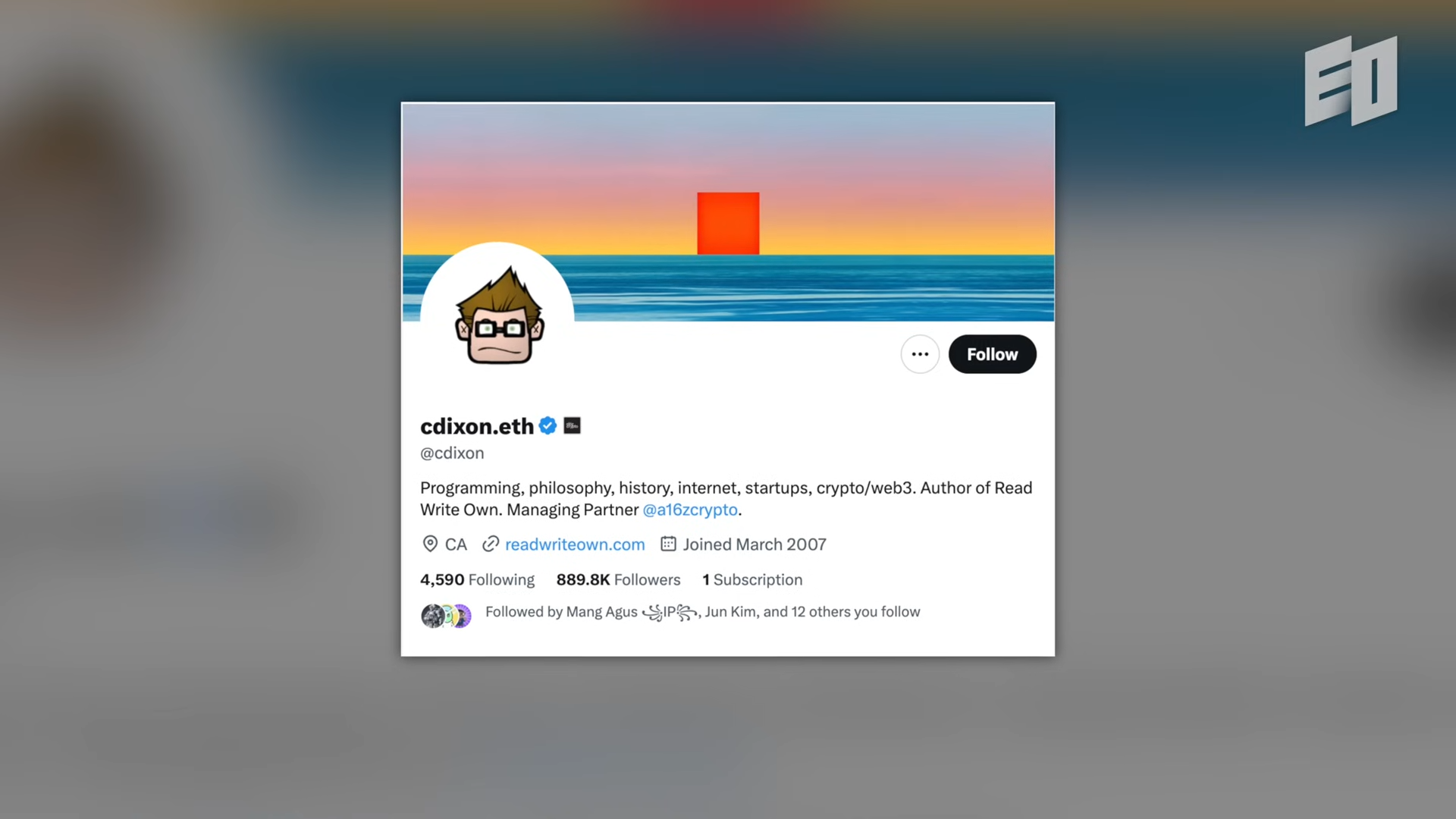
One of the interesting properties of a Bitcoin is that, if you have the private key, if you have the code for a Bitcoin, you own that Bitcoin in a way that you don't own, for example, your data on Twitter and Facebook. So, I have a following on Twitter and I built it up over many years, but if the owners of Twitter decide they want to take that away tomorrow, they can. So in that sense, I don't own that, and there have been many cases of this, by the way, people have lost their accounts and lost their data, whether it's objects in a game or stuff on social media or your account on PayPal.
In the existing dominant paradigm of the internet, there is no kind of concept of user ownership. So you think about Bitcoin, this is the first case in which, 15 years ago, you had this new idea, which is, it's a digital service, but the user owns that Bitcoin. And what's happened since the advent of Bitcoin is that technologists have generalized that concept of ownership. And so, for example, with NFTs, the idea with NFTs is sort of a generalization of that, where you can own a piece of art, you can own a game object, you can own an NFT that represents a social media handle. In the new model, in the blockchain model, users can own things, and what that does is that shifts power back to the user.
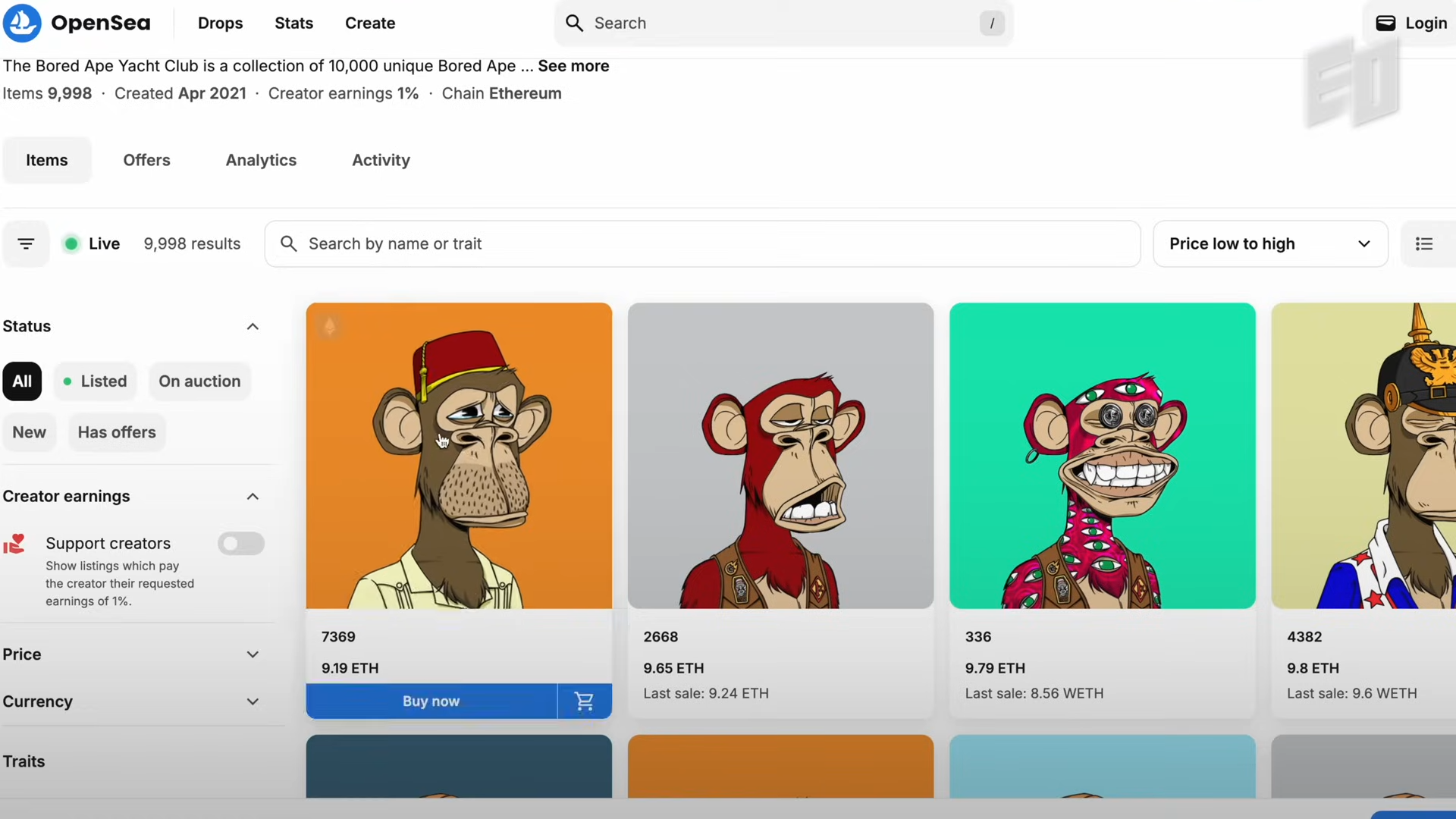
So if the user can own something, then it can't be taken away. And so, just to give you the example of social media, if I own my handle and I own my followers, if I don't like what the service is doing, I can take that handle and take those followers and switch, and I can go to a different service. In the kind of the new blockchain paradigm, I can own that name, I can own my follower list, I can own my data, I can own a set of data that I contribute to an AI algorithm. In the existing dominant paradigm, the only kind of things that can own things on the internet are services, or the kind of the companies behind these services, just in the same way that, you know, you think about email.
So the early internet protocols like email had this feature as well. So, you know, one of the reasons that newsletters have become popular again, and you see a lot of journalists, for example, leaving media companies and starting a newsletter, and they use services like Substack, the reason that's popular is they like the fact that they own, when you have a newsletter, you own your email subscribers, you have their name, and if, you know, Substack I believe charges 10% or something, their take rate, if they change that or change the rules, you can just simply leave the service.
And so, with, you know, blockchain-based services, it's the same concept, and so ownership is a core concept. I mean, we're at a point now where the Web 2 companies, like, you know, Facebook, have billions of users, and, you know, blockchain services, well, if you count like sort of the number of people that own crypto, it's in the hundreds of millions, but the number of people that use internet services like this new wave of games and social media, it's in the tens of millions.
I see, which it's a lot of people, but it's actually a small percentage of internet users, so we're still in a relatively early stage of this development. I think that's due to a few things. Like, one is the infrastructure, sort of the underlying infrastructure to use these services, is still a little bit, it's taken some time to get it to be performing low cost, high quality user experiences. I think we've just only recently gotten to that point where you can, for example, play a blockchain-based crypto game and it feels kind of like a non-blockchain game, and it's sort of the whole user experience and the expenses and everything else. So we're still relatively early in that process. I hope, and I think, in the next couple of years we'll see some really interesting kind of development there.
Chapter 3. The Computer vs Casino
Yeah, one of the concepts I talk about in my book is that I argue that there's two cultures, two different cultures that are excited about blockchains. I call one the casino and one the computer, and the casino are people who are more excited about the kind of speculative aspects of taking a token, meme coins, you know, buying and selling things, sort of things like, you know, people that use FTX, and other kinds of services like that. And then there's the computer, which I see myself as part of, which is people that are much more interested in this kind of broader vision of building a new wave of internet services that enable digital ownership, that have low take rates, that are owned and operated by users, and that's what we try to promote and invest in, the kind of computer side of things.
I think the casino side, by the way, has just got a lot more attention and has, I think, negatively shaped the perception of the broader space, and that's unfortunate. What I'm hoping is that we'll have smart policy and regulatory frameworks that really tamp down on the casino stuff and allow for the computer stuff. I think there's been really bad policy decisions made, especially in the United States, in the last couple of years, that have actually encouraged the casino behavior.
There were more meme coins created last month than, there were 500,000 created, something like that, last month, so far more than any time in history, so the casino behavior is probably at an all-time high. And meanwhile, the regulatory policy has actually significantly stifled the computer, the productive behavior, which is exactly the opposite of what a smart policy would do.
I'm hoping that will change. I think there's a lot of good signs. And look, I think crypto has had its challenges for sure, and specifically, you know, FTX in the US and I think Terra Luna in Korea, right? I mean, there were a bunch of bad things that happened a couple of years ago. People that say it's dead, like, I don't, I don't agree, and I think that my experience has been that every interesting technology has gone through waves. You know, AI, neural networks have been around since 1943, so 80 years, the concept of neural networks, and then artificial intelligence has been around equally as long. You know, Alan Turing wrote his famous paper where he described what's now called the Turing test, I think that was 1950.

There was a lot of research going on, people building systems to play chess, so-called expert systems, which are systems that would try to replicate expertise in, let's say, medical or legal knowledge. People forget this, but there was actually an AI financial kind of boom in the 1980s in America. There were a bunch of companies building expert systems that went public on the market, so there was a lot of government funding. Some of the stuff started to kind of work, it had mixed results. Like, as people know, things like chess systems, you know, Deep Blue became the best in the world, I think it was about 20 years ago.
Some of the other applications, like natural language processing, were more limited, but there were early signs of success, you know, even 15, 20 years ago. Things really ramped up the last decade. There's a famous thing called ImageNet, which is a contest, it's something administered by Stanford University, where it's a contest to see how well different machine learning algorithms can categorize images, and starting in around 2013 we started to see these systems approach human level and then surpass human level, and language systems got better. It's been sort of a slow buildup, and of course it really exploded about 2 years ago.
If you haven't been paying attention, it may seem like AI is new, it's actually a very old area that's had a lot of ups and downs, which, by the way, I think is true of a lot of technologies. And we'll talk about crypto and blockchains, I think it's also had its ups and downs. You know, mobile computing's had its ups and downs. Most people didn't experience the internet until the '90s when it went mainstream, but actually, you know, the internet started in the '60s, and there was actually, you know, fairly large companies in the 1980s and a bunch of activity in the '70s.

So all of these technologies have kind of their breakout moment, but generally have a very long kind of incubation period before, as were a lot of other people, but of course, you know, it turned out to be pretty far away, you know, from when I was in college. You know, all technologies can be used for good and bad. A hammer can be used to, you know, build a house, and it can be used to destroy a house, right?
Fertilizer can be used to grow crops, and it can be used to build explosives. AI can be used for cheating and scams, creating bioweapons, or it can be used for enhancing human creativity and flourishing. Blockchains can be used for scams, or they can be used for productive, you know, new wave of internet services that, you know, shift money and power back to internet users.
The way that we make sure that a technology is used for good and not for bad is by putting rules around it. And so I think it's a mistake to conflate, to confuse, specific applications of a technology with the technology itself, and what I try to do in Read Write Own is I try to fully describe the productive use of blockchains. It's a mistake to jump from "there were bad uses of this technology" to 'therefore that technology is bad.' The technology itself is neutral. It's up to people and governments to channel the potential of that technology in positive ways.
Chapter 4: Read.Write.Own
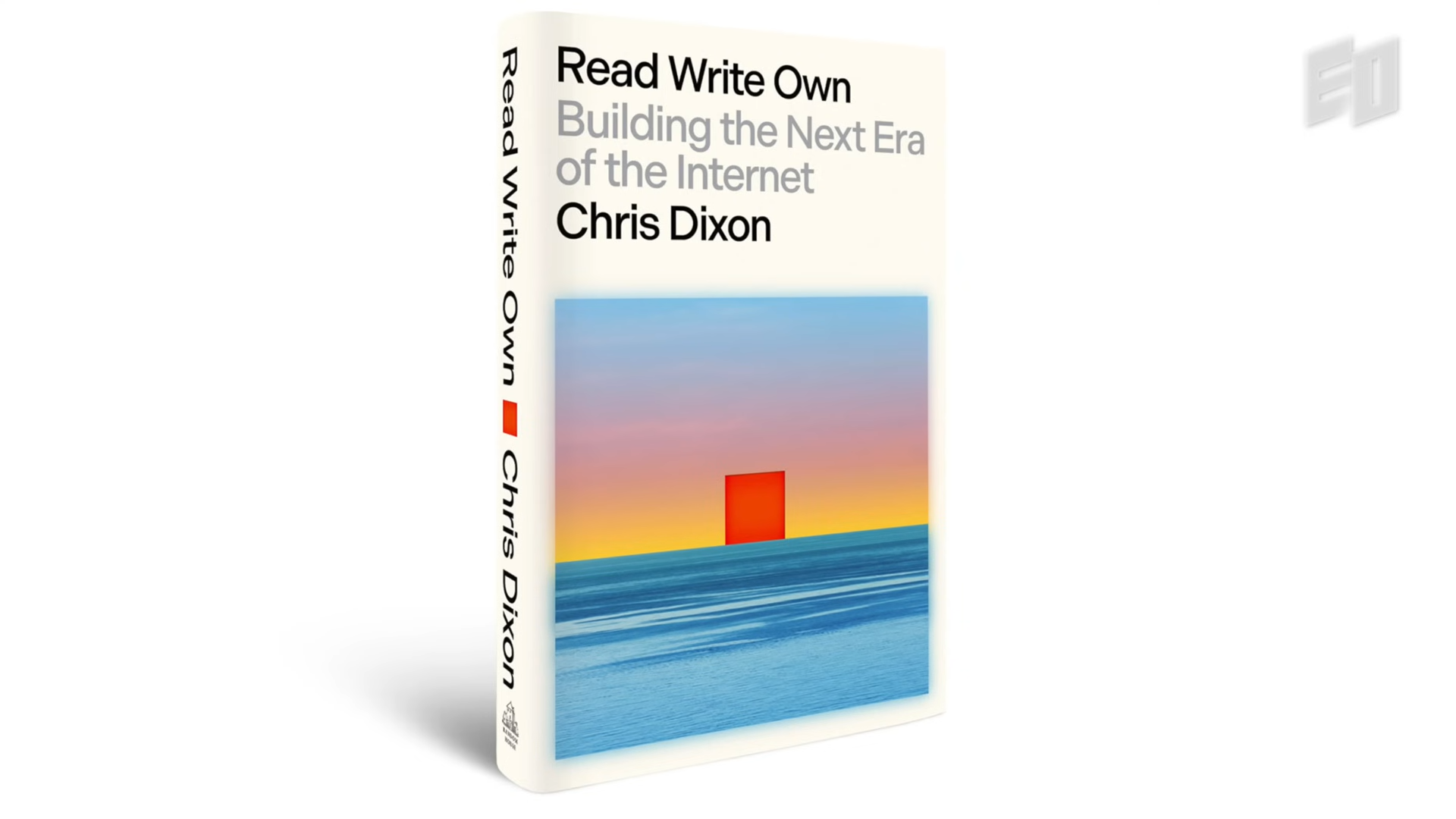
So my book is called Read Write Own, and it's about the potential of blockchain and crypto technology. I, you know, over the years have had many conversations with people about the value and promise of blockchains, and in the course of those conversations I often found that it was a challenge to explain it all in a single meeting, because there was kind of prior knowledge required.
I would say it's sort of common knowledge among internet entrepreneurs but not common knowledge more broadly. So, I think the value of writing, whether it's a blog post or a book, is a couple of things. One is, what I like to do is to try to kind of nudge entrepreneurs, you know, like put out ideas that might help them and help accelerate their thinking, and hopefully, you know, attract more people into the space, get them thinking about the technology kind of along the right way, and, you know, hopefully that creates more interesting inbound entrepreneurs for us to speak to, and it lets the conversation that we have be much more sophisticated, because they've already read a lot of stuff. I've hopefully read their stuff, they've read my stuff, and now we can jump to kind of the advanced conversation, right?
So it just saves a lot of time in that way. We hope to work with the very smartest people, and the very smartest people always want to read interesting stuff, and so it's just a way to kind of build a relationship, share knowledge, accelerate the development of the space. So the key feature of blockchains is you can build new internet services, and those services can be anything we use on the internet today.
They can be social networks, they can be games, they can be marketplaces, they can be AI services, but they're internet services where there is no gatekeeper and there is no tollkeeper. The service is controlled by the users. The money flows to the users. And then the last third of the book, I take those kind of concepts and I apply them to, I chose seven areas, sort of specific applications, and try to kind of imagine how the future might look once, you know, once entrepreneurs build these services.
So you think about Google, you know, you search for something, you still click through and go to these websites, and those websites make money on advertising and paywalls and other things. In an AI world, you're not going to need to go to the websites, okay? So we're very clearly, quickly entering a world where a lot of these creators will not have an economic model anymore, right?
Why would I pay an illustrator when I can just go to Midjourney and create an illustration? And of course Midjourney and all these services probably learned a lot of their AI from that data, but they're not paying them any money. I think that's kind of a depressing outcome. You're going to end up with the internet with five services, and it's going to disenfranchise all of those people who currently make money on the internet. And so I think we're headed to kind of a crisis in the next 3 to 5 years on the internet where a lot of existing business models are just going to go away.
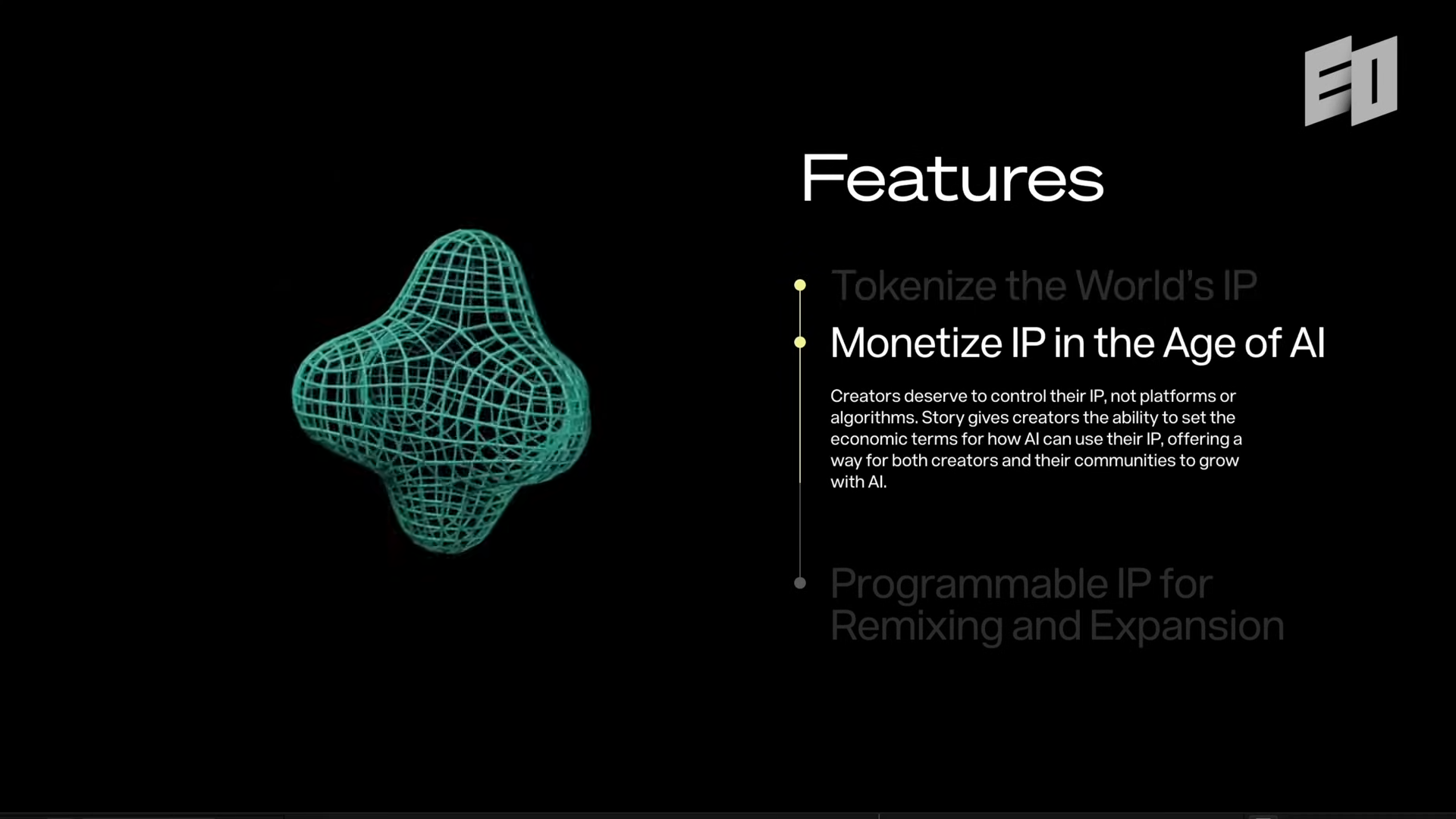
One of the many things I think exciting about the Story Protocol idea is it introduces a new business model in that world. You get sort of what's beautiful about the internet, you get the combined creativity of all these people. Maybe one person's good at creating stories, one person's good at inventing characters, somebody else is good at combining them together. Someone else takes that and forks it the way you fork a software project and creates a different version of it. Maybe one person creates a comic, one person creates a video game.
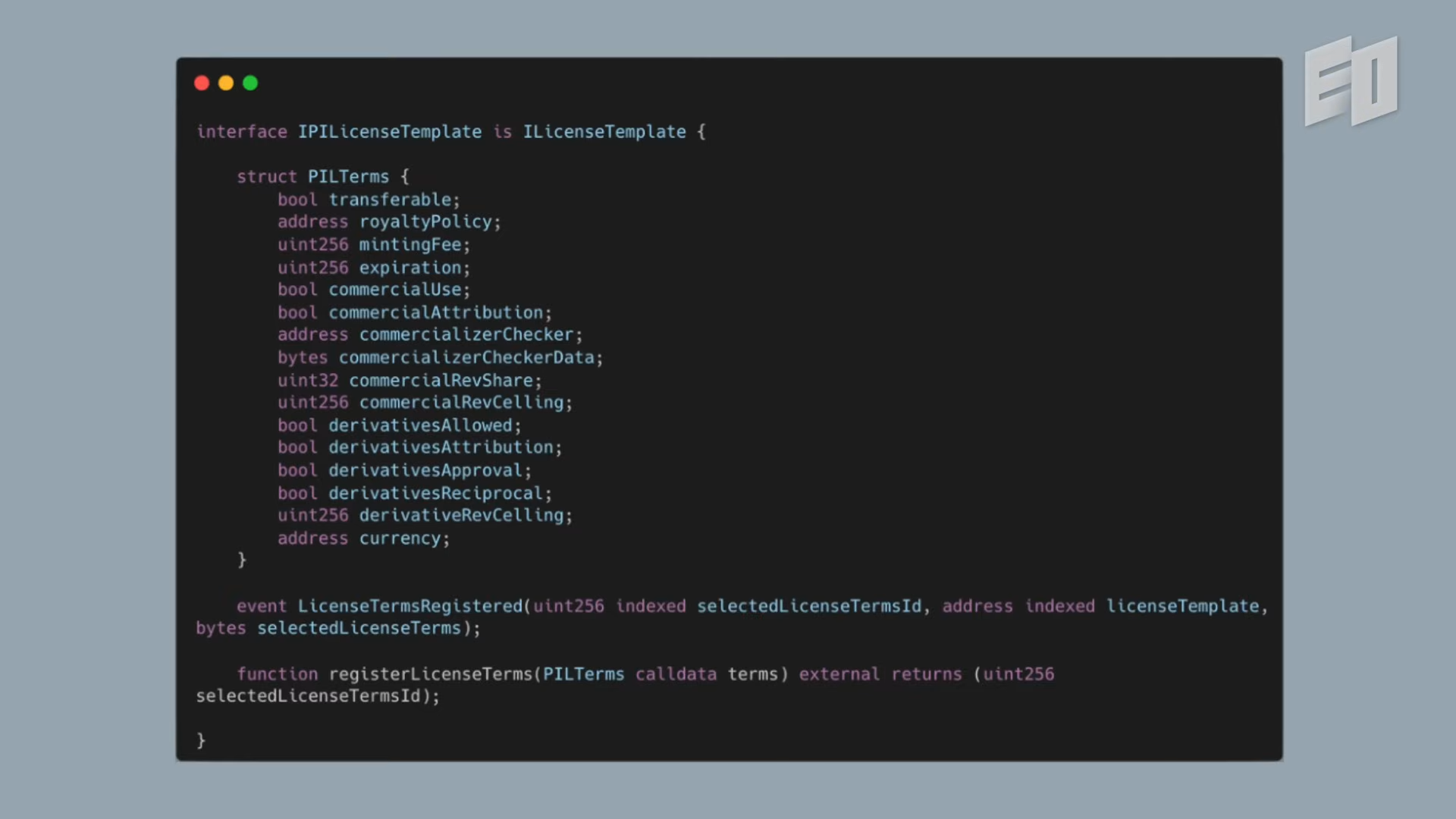
Maybe one person does it by hand and someone else uses an AI system, and all of that stuff is allowed as long as the person creating that Lego brick decides it's allowed. They can set those terms, and so that's what Story Protocol does: it lets you create those objects, set the terms, and track that on a blockchain. Blockchains are very good at tracking that in an immutable way, and then for every blockchain object that corresponds to a legal agreement, that can, if necessary, be enforced through the legal system. So it's not, you know, relying simply on people trusting the blockchain, there's sort of this connection to the existing copyright world, and it doesn't hold back AI.
AI can be part of it, you can use an AI system to create these Lego bricks, you can use the AI systems that consume these Lego bricks, that's fine, as long as you comply with the economic terms that are, you know, specified in the blockchain, you're allowed to participate whatever way you want. But it provides a sort of internet scale system for allowing anyone to contribute and be creative and get paid for that creativity, and I think it's especially important now when we're about to have all these AI systems remove or obviate a lot of existing business models.
So what I hope the book is, is, you know, a comprehensive guide written in a very kind of plain English, straightforward way for non-technical people to get a full kind of understanding of how the internet works, the history of the internet, and the promise of blockchains, and why I'm excited about them, why entrepreneurs are excited about them. And I also wrote it for policymakers. I started my career when people said the internet was dead. I mean, I started my first company in 2003 and 2004.
I've found all the best opportunities in my career have been when people say something is dead. My experience has been there's lots of ups and downs. AI has had its ups and downs. The internet has had its ups and downs. Crypto has had its ups and downs. If you wait till things are up, you're going to be, you know, there's going to be a huge crowd doing the exact same thing you're doing. The way that you actually are successful, in my experience as an entrepreneur or investor, is you've got to have high conviction and be willing to bet on things through ups and downs.