
Jul 15, 2026
Capi House Was One of SF's Best Hacker Houses. Here's Why It Had to Close.
Interview with Ebaad Rehman, Co-founder of Capi House
Inside Hacker Houses
0:00 / 0:00
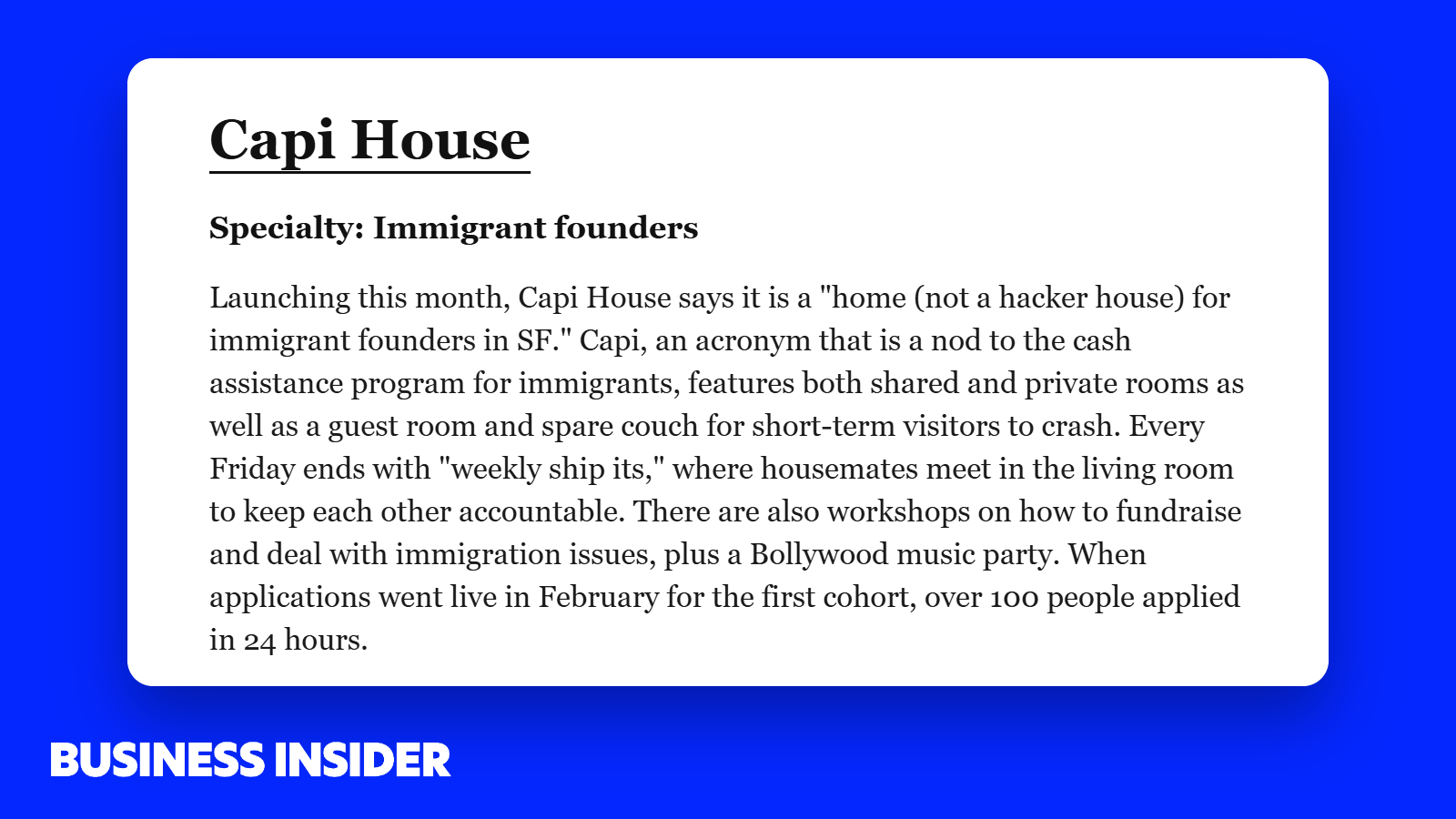
April 2025, Capi House was named one of the top seven hacker houses in San Francisco. A year later, it closed.
While most businesses close because their customers stop showing up, Capi wasn't one of them. Hundreds of young founders were still knocking on its door even at the moment it was shutting down.
San Francisco is THE melting pot for startups. It has the highest concentration of startups on Earth, 6,263 for every 100,000 residents, and billions of valuations are generated every day. A city this talent-dense means turning-point opportunities, the kind that redirect an entire life of a startup. But the city also has its brutal sides: an average monthly rent of $4,000 and having no connections as a stranger.
That's why hacker houses are a lifesaver for founders. Not only do they provide the physical space, but they also work as accelerators, sparking new connections and ideas. Alongside the well-known HF0, The Residency, and Accelr8, hacker houses are tucked into every corner of the city now. Nevertheless, many of these houses come and go quietly. Confronting "we are closing" banners for places that opened only a few months earlier isn't a rare sight.
So, why do so many hacker houses close? Demand is never the problem; there's an endless line of founders who need it. Plenty speculate, but few have ever spoken publicly about what's actually happening inside. This is Ebaad's story: an immigrant founder who ran a hacker house successfully, but still had to shut it down for reasons that had nothing to do with demand.
I Cannot Work for Anyone
Q: What brought you to San Francisco and the world of Startups?
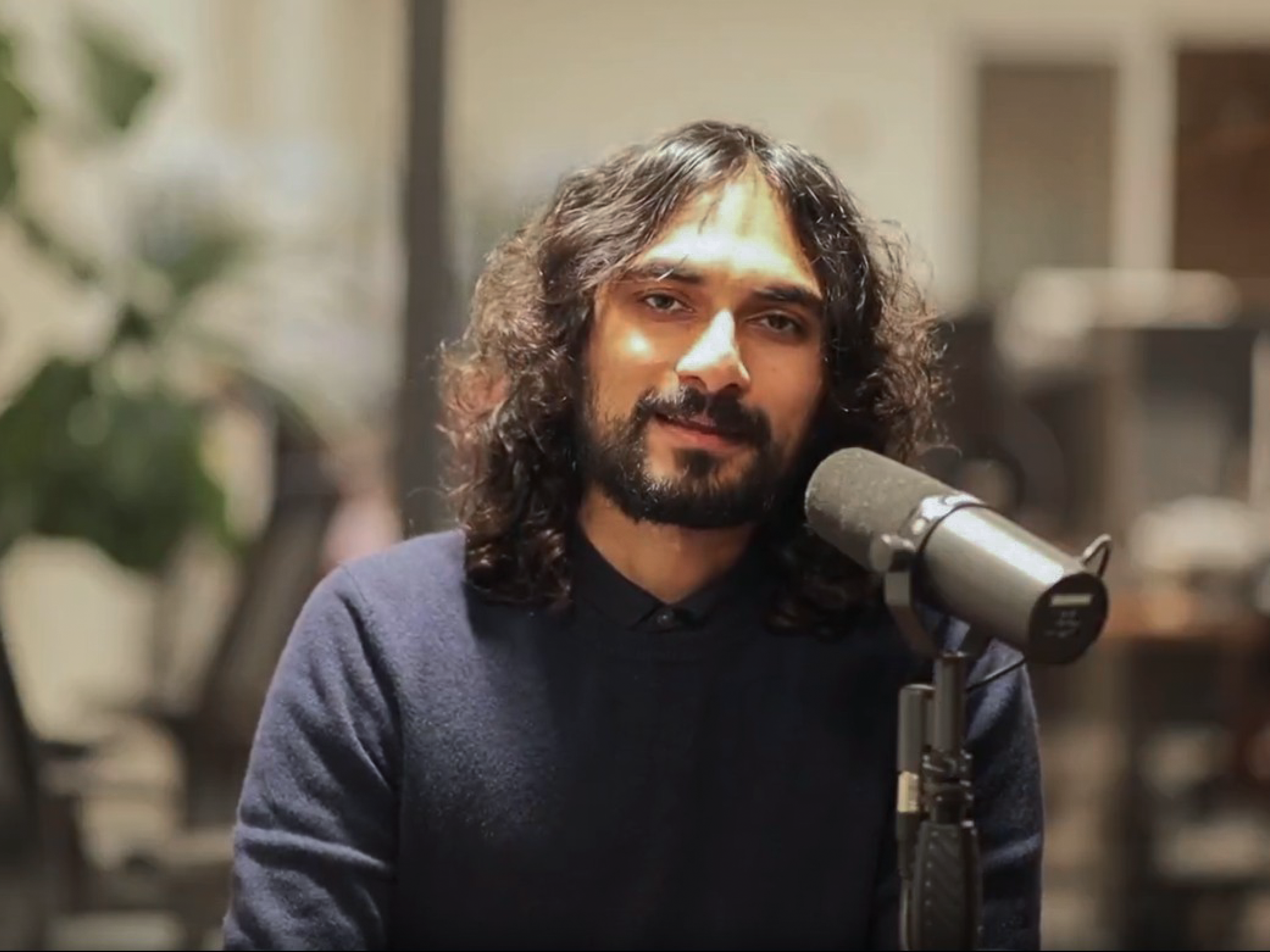
Ebaad: It was in college that I realized I cannot work for anyone. Internships are okay, you're learning, but I knew I had to work for myself. I was looking for any opportunity to start my own company. When I graduated, I did. I worked on the side too. That was the spark of it. It later became something more ambitious, but that was the start.
That spark eventually brought me to San Francisco. I applied to Founders Inc when they opened their first cohort, their first experiment, called 'Cold Start'. I got in. I came to San Francisco two days before the cohort started. Without housing, without anything, just coming here.
Q: What was it like, landing in the city with nothing set up?
Ebaad: It was very horrible. SF is a confusing city, and sometimes you don't know what to do. You can come to SF and try networking events, try to find the right people, but sometimes you find nothing at all. Also, you never know where the good housing is. Housing can be very bad here, if you go to Tenderloin or somewhere in the Mission. That's hard enough on its own, but then when you come as an immigrant, still under a student visa, it becomes really, really hard.
Q: How did that hardship actually show up for you?
Ebaad: I'm from Pakistan, and there's a real gap in information for immigrant founders like me. Even the basics, like how to incorporate, nobody has answers. I remember I asked one of the partners at Founders Inc, "Okay, I'm an international student, I technically can't work with my own company in this way, so how do I incorporate it?" They had no idea.
Maybe because they didn't want the liability, but I had to struggle to find these people and resources myself. Surprisingly, 60% of founders are immigrants, yet there's still no proper community for them. I have people who've raised their seed rounds and they're still asking how to apply for an O-1, or how to structure it so you can get your EB-1.
Maybe because they didn't want the liability, but I had to struggle to find these people and resources myself. Surprisingly, 60% of founders are immigrants, yet there's still no proper community for them. I have people who've raised their seed rounds and they're still asking how to apply for an O-1, or how to structure it so you can get your EB-1.
Q: Plenty of SF communities claim they support founders. What were they actually missing?
Ebaad: The right support and community is very scattered. You can have the best community in the world, take YC for example. They give you money, and they help you network. But they don't give you housing. When you get in, founders panic. They have to find housing. A lot of people have no idea how to navigate housing, initial support, even visa support. I think maybe it's logistic overhead they don't want to take on, or liability-wise. We wanted an ecosystem where everyone could feel like they have the right support.
A Hacker Home, Not a Hacker House
Q: So Capi didn't start as a house at all?
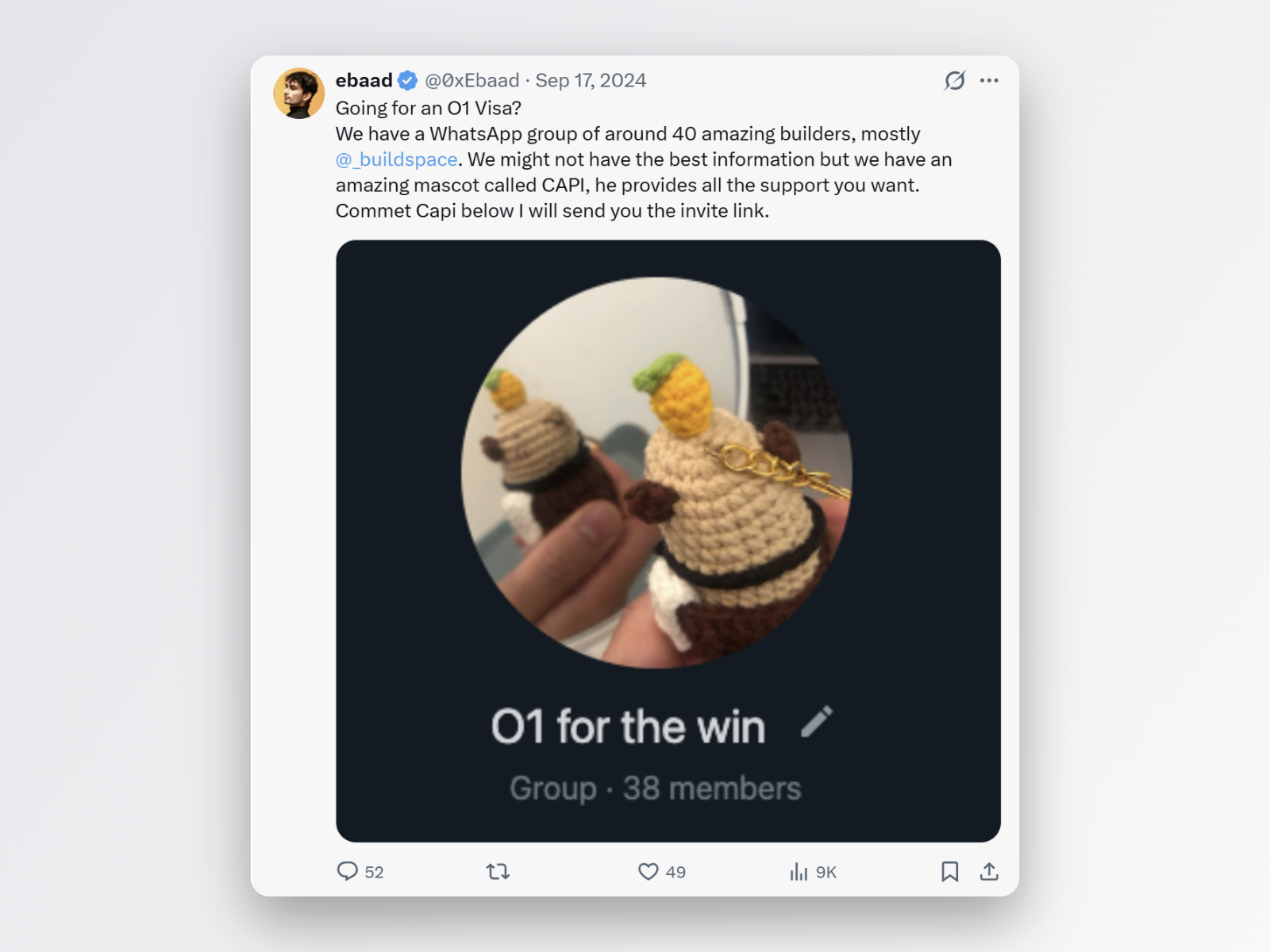
Ebaad: Capi wasn't a hacker house from the beginning. It was an online community. Before Capi, we had another community for O-1 people. It was basically sharing resources. We capped it at 200 people, but nearly one-fourth of them got their O-1 visa through it. It was the spark. Being around people who are international and feel lost does that to you.
Most of them were in college here, from India, Europe, Australia, even Africa. It brings you together. Someone very far away, but they share that ambition of building a company. It's like moths being attracted to a light, that feeling where you see light and people start coming. It was a very intoxicating feeling. I can put a very glamorous idea on it. Also, we needed housing.
Most of them were in college here, from India, Europe, Australia, even Africa. It brings you together. Someone very far away, but they share that ambition of building a company. It's like moths being attracted to a light, that feeling where you see light and people start coming. It was a very intoxicating feeling. I can put a very glamorous idea on it. Also, we needed housing.
Q: So how did Capi House officially get off the ground?
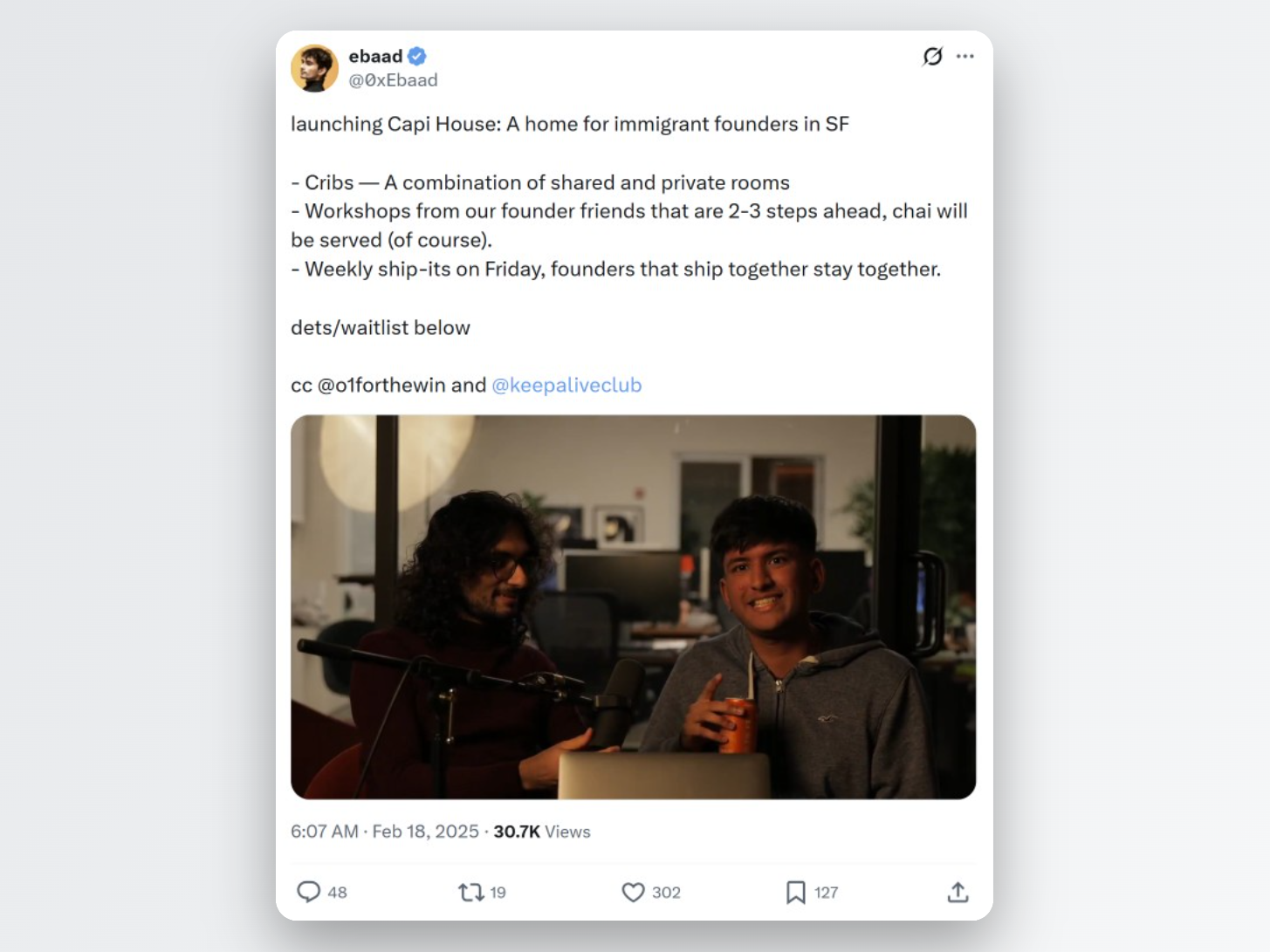
Ebaad: We made a post on Twitter that got nearly 30,000 views. And then we had like 100 people apply in the first 24 to 48 hours. We had a Typeform, maybe 10 to 15 questions, and we asked for, I believe, a video. That's what I learned: ask for high friction points. For one person we accepted, we had to interview around five, on average. The minimum was three months. I didn't do it alone. I ran it with my co-founder, Chris. We met through Founders Inc.
Q: What did a typical week look like inside?
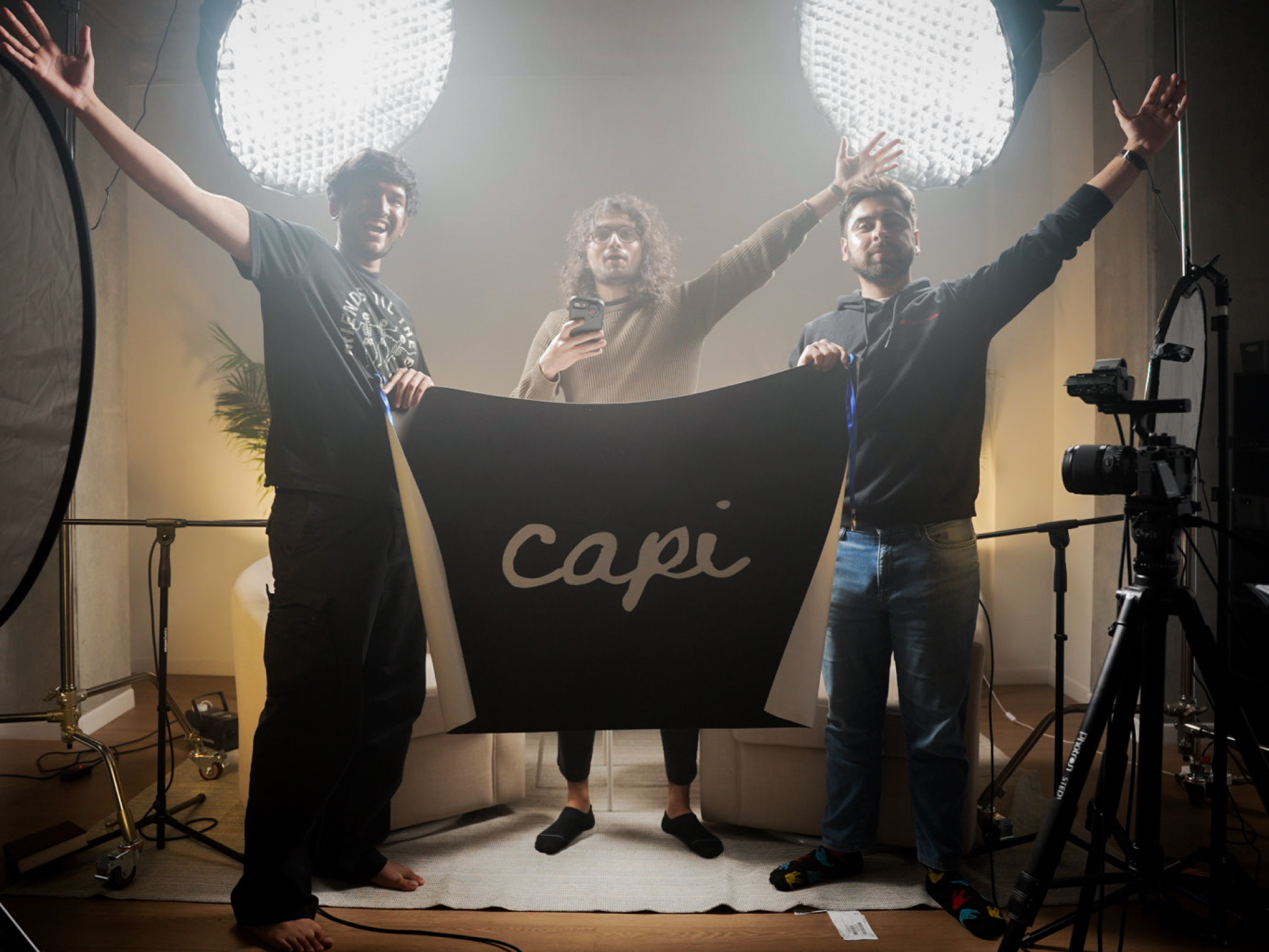
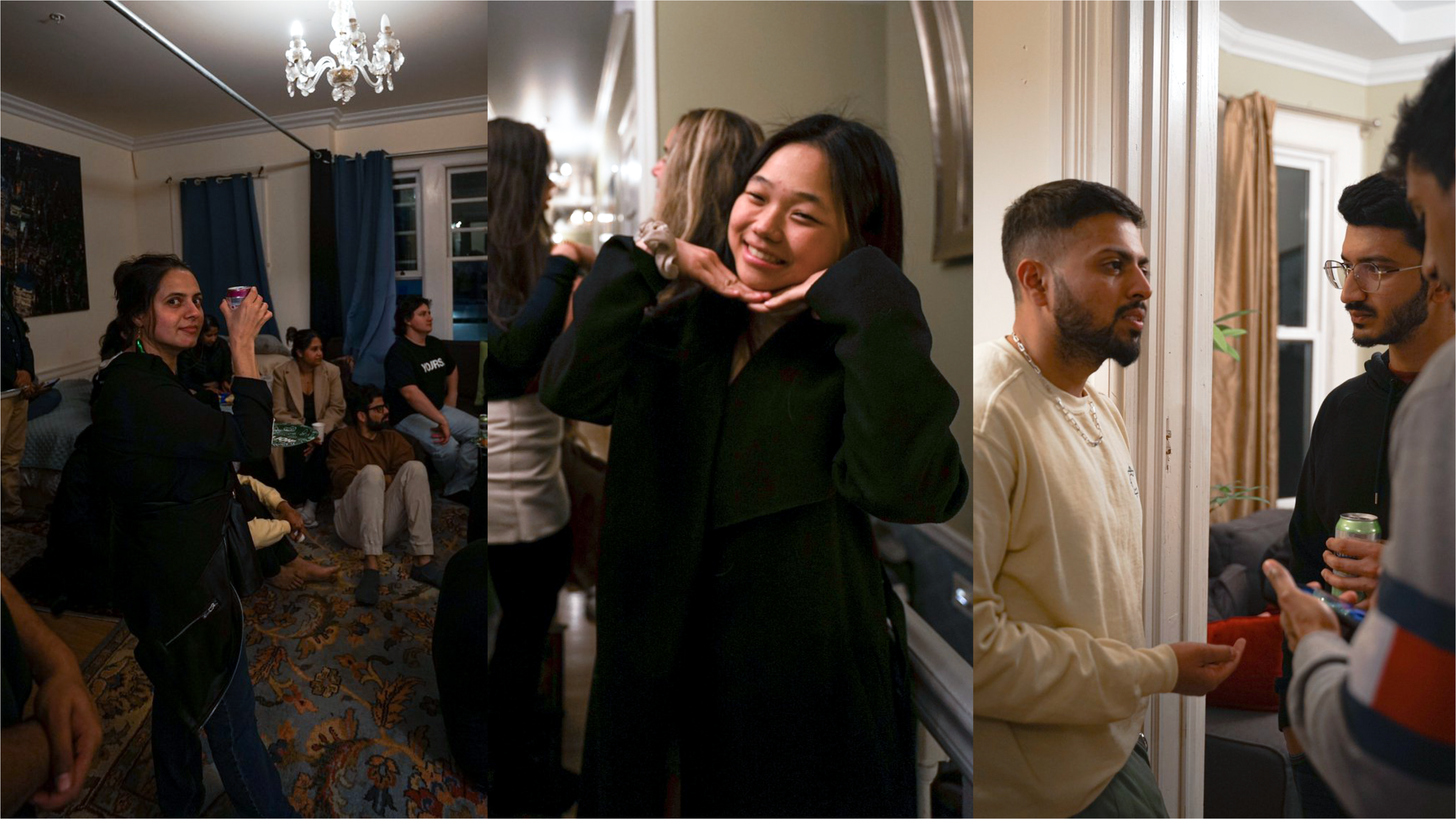
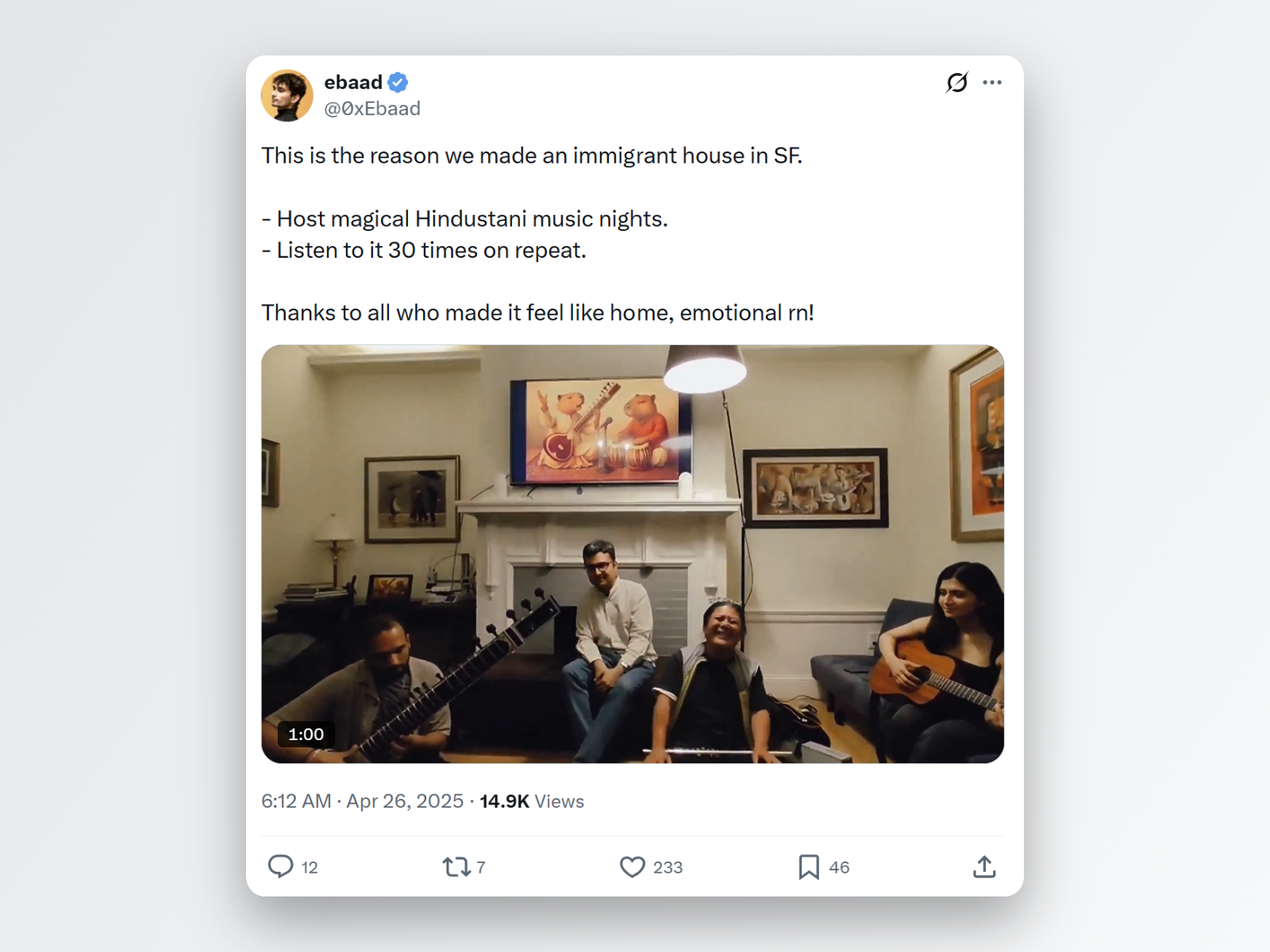
Ebaad: Every Saturday morning, we had 'Ship It'. We'd sit down and share our goals. I still have them on my fridge, these cards people would write and paste up. Someone has "2K ARR," "close my seed round," "start a Kickstarter." We did one event every week. We had a musical night. We did a chai-athon, where you make chai and it's a competition. Late at night, people were working as well. We had the hardware lab. The 3D printer kept running because people kept printing and soldering.
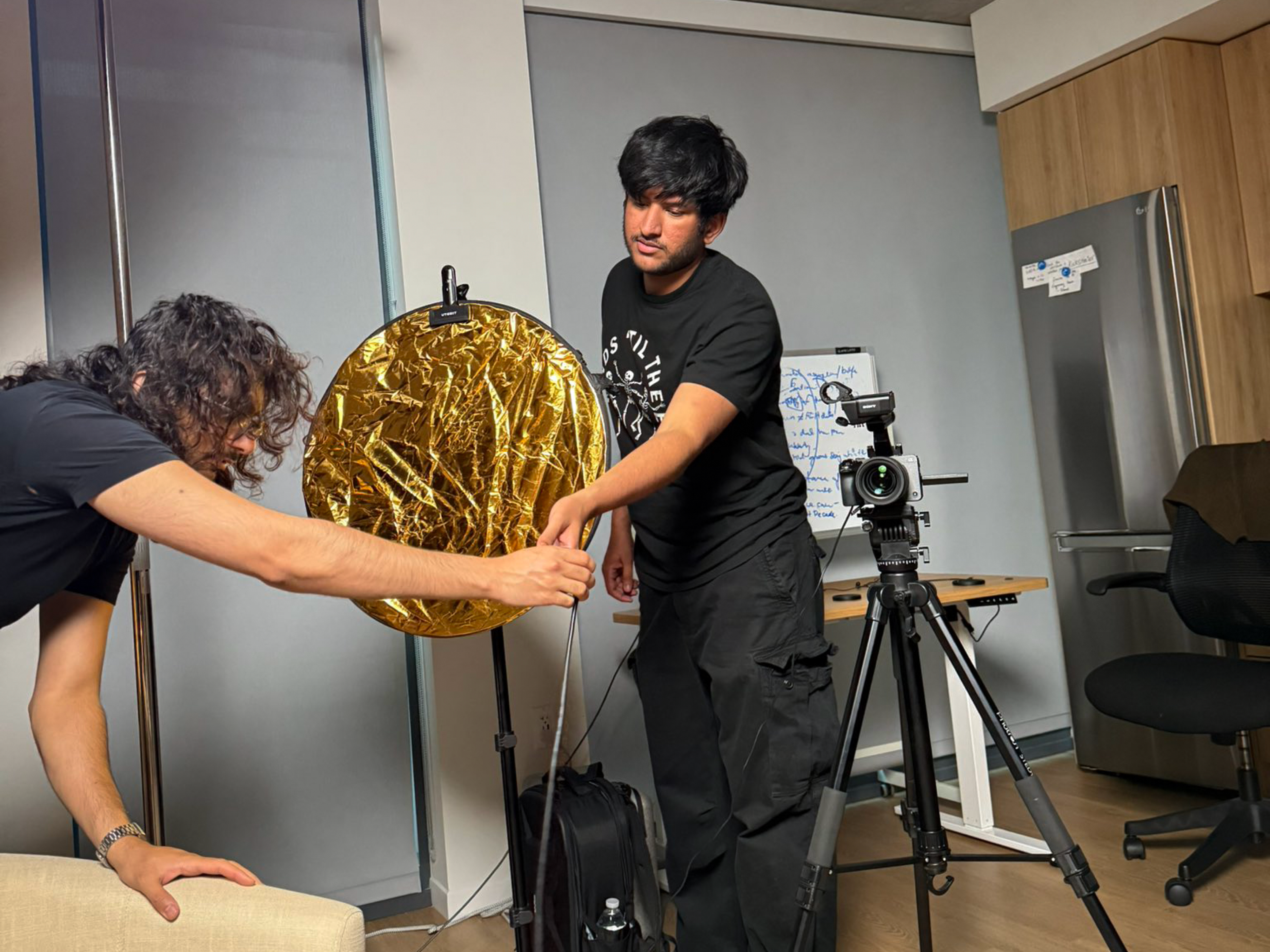
On my end, I was also running Capi Studio, a podcast that showcases the stories of immigrant founders and provides resources for people pursuing their own founder journey. We wanted to give people both the inspirational vision and the practical toolkit. Alongside the success stories, we get into the struggles beneath the surface. Our flagship show, Against All Odds, existed because the polished founder story isn't the useful one. If you're going through a breakup with your co-founder, or burning out, or getting rejected for the tenth time, you need to hear that someone else went through the same thing, not another highlight reel. Our episodes went deep on how to actually secure an O-1, work authorization, all of it, the stuff nobody explains to you.
Q: What's the biggest thing residents walked away with?
Ebaad: I think most of them got their O-1, or EB-1. I remember one time, we did a co-working session. I was just chilling there. There were three people, and it was the first time one guy knew about the O-1. They kept talking for like 50 minutes about it. These were people coming in, not people living there. I was overhearing that conversation, thinking, "Okay, my job here is done."
There's this ceiling people put on their own heads when they come here: "Oh, I have to get an H-1B, I have to get a 9-to-5 job." The best thing these people got was examples of people ahead of them. Someone with an EB-1, mentoring someone who's just a student. It was that diffusion of ideas that mattered. Seeing the first example in other people, where you see part of yourself in them, and then you push. It was this third place for people to come together and feel like a home. It was never a hacker house. It was a hacker home.
There's this ceiling people put on their own heads when they come here: "Oh, I have to get an H-1B, I have to get a 9-to-5 job." The best thing these people got was examples of people ahead of them. Someone with an EB-1, mentoring someone who's just a student. It was that diffusion of ideas that mattered. Seeing the first example in other people, where you see part of yourself in them, and then you push. It was this third place for people to come together and feel like a home. It was never a hacker house. It was a hacker home.
Sunset at the Peak
I didn't come to San Francisco to be a landlord.EbaadCo-founder of Capi House
Q: So how did Capi House actually come to an end?
Ebaad: I think we shut it down on a peak. I think that was good. We had a Business Insider article where it was mentioned as one of the best hacker houses in SF. Everyone was very happy, we had the PMF. But even at the peak, we realized it was getting unsustainable for us to run.
It was never a demand thing for us. Every week I still get maybe three to four people reaching out. Two students even reached out to me on Twitter just today. They both go to Purdue, and they were like, "Is Capi House open? We're coming here for SF, and we're also immigrant founders." It was something we wanted to do, or not.
Q: It sounds like it came down to a choice between Capi and your own company.
Ebaad: Yeah. I had a full-time startup job. My co-founder had one too. It was getting a little intense for us. We had other things we were more excited about than running a hacker house. Building products that change the lives of millions.
Q: Beyond your own bandwidth, was it unsustainable in other ways too?
Ebaad: No matter how much it is, you are actually a landlord at the end of the day. There's no pretty way of putting it, because you're liable for everyone there. You're liable for the cash. Just me and my co-founder were liable for, I don't know, 20K a month. So if something happens, that's the big liability.
It was like that from the start. The deposit was the biggest issue. As startup founders, my co-founder and I were both short on cash. Where were we going to get 20K immediately to put down as a deposit? We were lucky enough to get some angel funding from immigrant founders. I reached out, and they were like, "If we can help in any way."
On top of that, most of the residents were international. They had the capital because they'd just fundraised, but if you're sending money internationally, it takes longer, and there are extra fees. That's logistics we had to cover on our end.
Then there's finding a big enough house, one with around 10 rooms. That's hard too, because there aren't many in SF. That was just scratching the surface, but at the end of the day, I don't think we came to San Francisco to be a landlord.
Q: What did running it actually take out of you, day to day?
Ebaad: It's very intense to run a hacker house, maybe 12 hours a week. And if you're working full-time for a startup, you don't have much time. I had to take work off from my startup to do laundry for a new resident moving in. Parts of it was liberating but some parts were constraining. It was an event that lasted months.
You're also constantly exposed to risk. You can get sued for a host of reasons that are not in your control. And then there's the hardest problem: cash flow, where you're always under pressure to make sure you have enough people filled.
Q: How would you describe what it actually took to run it?
Ebaad: It's kind of like licking honey off a razor blade. The honey's sweet, but it's still a razor blade. Freedom cuts both ways: yes, you get to make your own decisions, but you have to manage everything else that comes with starting a company. I think it was being the captain of your own ship, being at the helm of it, that feeling where the accountability comes back to you. That was a very romantic idea at the time. And then as reality hits you, you learn more about the razor blade, not just the honey.
Running the hacker house was like that. The honey was the lifelong friendships I made. The razor was the time and energy that went into the logistics.
Q: Couldn't you have hired someone to run it, or scaled it into a proper business?
Ebaad: You could do that, but that takes away from the point. Capi was a passion project, and it was done with so much care. Every event, we made sure everything was very soulful. But then it becomes a business, right?
I know of a founder who runs one of the biggest hacker house chains, they're in most of the cities. But I actually met one of the people who helped build it early on, and he wasn't happy with how it turned out. As you grow, you want good volume, since the margins are very low. When you have big volume, you disenfranchise a lot of people. He called it "watered down." Then again, it's a business, right? The purpose for Capi was more of a missionary thing rather than a mercenary thing.
The Problem Every Hacker House Faces
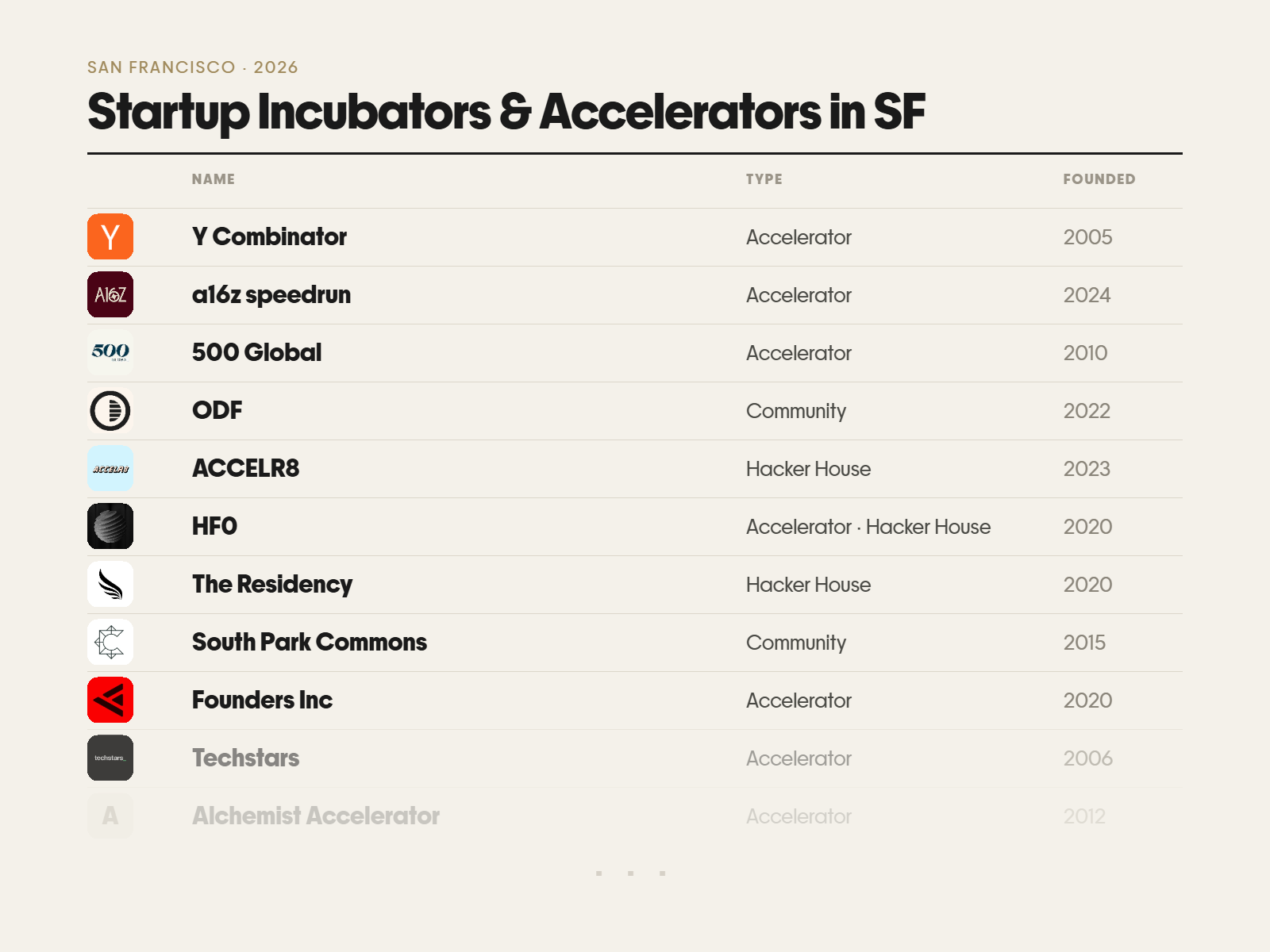
Q: There's a whole landscape of SF communities: accelerators, hacker houses, short programs. How do you classify them?
Ebaad: Okay, let's go with accelerators first. There are different types of accelerators. Some are more forgiving if you don't have an idea yet. Founders Inc is more forgiving of that. YC is less forgiving, but still forgiving. Then you have something like South Park Commons, where they're very forgiving because they want you to explore. They're trying to figure out the minus-one-to-zero phase, which is like, what do you guys want to work on? An accelerator is the very edge of it, you're thrown into the deep end.
Hacker houses are more minimal. They're a beautiful concept. You build this bond with the people you live with. In a YC batch, there are 200 companies, and people don't even know each other very closely. Hacker houses average maybe 10 to 15 people living together, and they have a solid bond. It's being up at 4:00 AM talking about weird stuff, working together. I still talk to the people I lived with. A hacker house is what you make of it. You're going to get opportunities. People are going to help you. But if you're not accelerating or fundraising, people aren't going to push you to do that.
Then there are communities like ODF and week-long programs. I'm not a big fan of those. A week isn't enough to integrate you and build that bond.
Q: Beyond Capi specifically, why don't hacker houses last?
Ebaad: It's a liability thing waiting to happen, I think that's a big thing. One of the pretty big hacker houses raised millions from a venture firm, and then they had public sexual harassment allegations. That was hard on the investors and the people. Liabilities with residents. Economics takes a central role, and the community aspect dies out. And margins are also not the best. There's also some regulation with SF housing. It's a little bit of a gray area, so maybe that's one of the reasons as well.
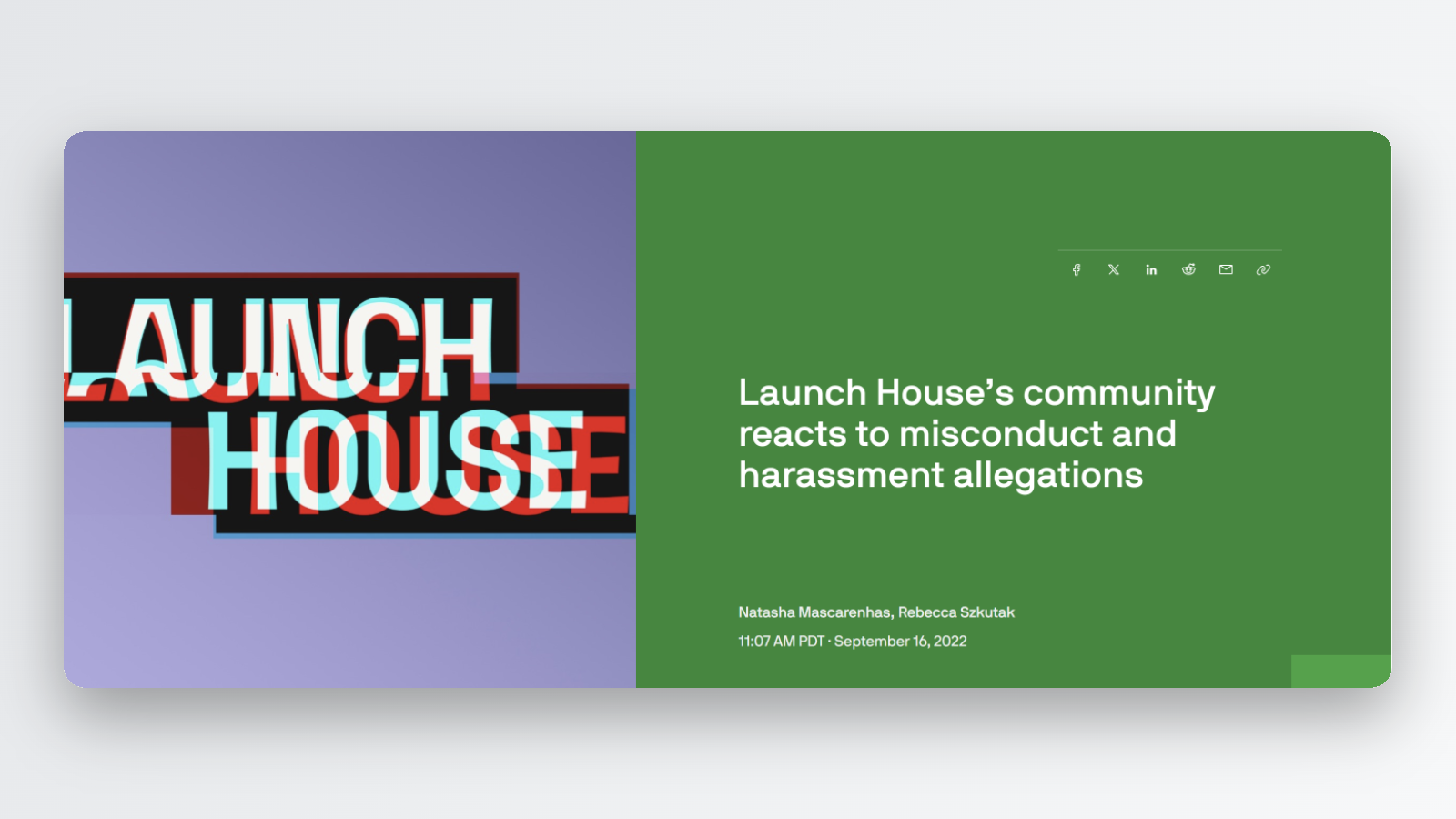
The gray area was real: San Francisco capped unrelated co-living at five people per home for years, until the Board of Supervisors lifted it in January 2026. Liability, margins, regulation. Any one of those is reason enough to close a hacker house. But for Ebaad, the real reason was something else.
Q: You've watched friends run hacker houses too. What got to them?
Ebaad: I think most hacker houses die because it's like pushing a boulder up a hill. There needs to be one person maintaining this cycle. If that person is very central, it affects the whole hacker house, and sometimes it dies because of that.
I have another friend who ran Mission Control. Now she's leaving, because it's a full-time thing, and she got a job. She wants to build something since she was a startup founder herself. Same with a friend at Accelr8. He runs it full-time as well. I think you need someone to consistently be there. And it can be very all-consuming, unless you just want to build hacker houses.
A hacker house doesn't ask for your spare time. It asks for your whole ambition. In Ebaad's own list of why houses die, one item was different in kind from the others: "The founders tire out and move to other big things."
The liability is survivable. The margins are survivable. The person at the center running out is not.EbaadCo-founder of Capi House
Q: If someone told you tomorrow they wanted to start their own hacker house, what would you tell them?
Ebaad: It depends on what they're trying to seek advice for. I got some good advice from one hackerhouse operator: charge a premium on the rental price, since people are willing to pay anywhere between $200 to $500 more just for the community. People aren't just coming for the housing, they're coming for community, and sometimes community is priceless here in San Francisco because it makes or breaks your experience.
Another thing: ask for at least three months, and if cash flow's tight, ask for it as an advance. Most founders have raised a pre-seed round by that point, so paying six or seven thousand dollars upfront usually isn't an issue for them.
One more thing: don't live with your residents. You build that bond, but it's very hard to navigate the friend-versus-landlord relationship. I was an RA in college, and it was very hard to maintain: "I'm a friend, but how do I treat you as a person too?"
But also, if you're really into building community, do it. That's the whole test, not a financial model or a growth plan. It's not something you can take on halfway. It's a good deal for everyone except the person running it. Most hacker houses don't die because people stop wanting in. They die because you run out of dedication before you run out of rent. You're spending your own ambition to make room for everyone else's, for as long as you can afford to.
Q: Do you see yourself building a Capi House 2.0?

Ebaad: Community building is a motif in my life. I came to the US chasing the kind of ambition you see in the movies, and I came here alone. In college, that same ambition carried over into community building, organizing events around just to meet interesting people.
I don't think Capi 2.0 would be a Capi "house." But I do want to build the community again. Do you know Figma's Config? I was walking past Moscone a few weeks ago, and there were 10,000 people there, just excited about design, meeting other creative people. That's the feeling I want to recreate, not a residence, a community. I want to create a Config for storytellers, people using technology to tell stories. A few thousand people presenting their work, having that same diffusion of ideas, seeing what's possible through each other.
Capi House ran from the start of April to the end of June, a three-month run at capacity, with more than 20 founders passing through. Ebaad is now building a video studio and training AI models to help early-stage founders, the ones who struggle the most on production, to tell their own stories. Ebaad remains as a community builder & storyteller, still chasing the same diffusion of ideas Capi House sparked.
💡
Learn more about Capi House
- Ebaad Rehman - Co-founder of Capi House
- Chris Cardoza - Co-founder of Capi House
- Ebaad Rehman's Mission to Amplify the Voices of Immigrant Founders Through Storytelling and Community (every, 2025)
- Capi House launching video (May 2025)
- Capi Studio launching video (Aug 2025)
- Against All Odds episode (Oct 2025)
- Ebaad's new venture (Jun 2026)
Explore more