Jan 19, 2026
Mission Control, the Hidden Infrastructure of Silicon Valley
Interview with Mission Control residents
Inside Hacker Houses

💡
Introducing "Inside Hacker Houses" series:
The essence of startup culture has always lived in small, imperfect, grassroots spaces. EO believes that this early, messy phase is where startup culture is most alive. So instead of chasing main stages, we go inside the places where people are just beginning to build. This series documents founders at that moment, inside hacker houses, inside uncertainty, inside the act of starting.
In an era where human connection has long since moved online, the concept of a "hacker house", cramming into a cramped space together, might seem unnecessarily old-fashioned. And yet, its waitlist keeps growing. Maybe that says something about what the modern startup ecosystem still can't provide: a place where you can fail slowly, surrounded by people who are just like you.
In an era where human connection has long since moved online, the concept of a "hacker house", cramming into a cramped space together, might seem unnecessarily old-fashioned. And yet, its waitlist keeps growing. Maybe that says something about what the modern startup ecosystem still can't provide: a place where you can fail slowly, surrounded by people who are just like you.
The House on 18th Street, Mission
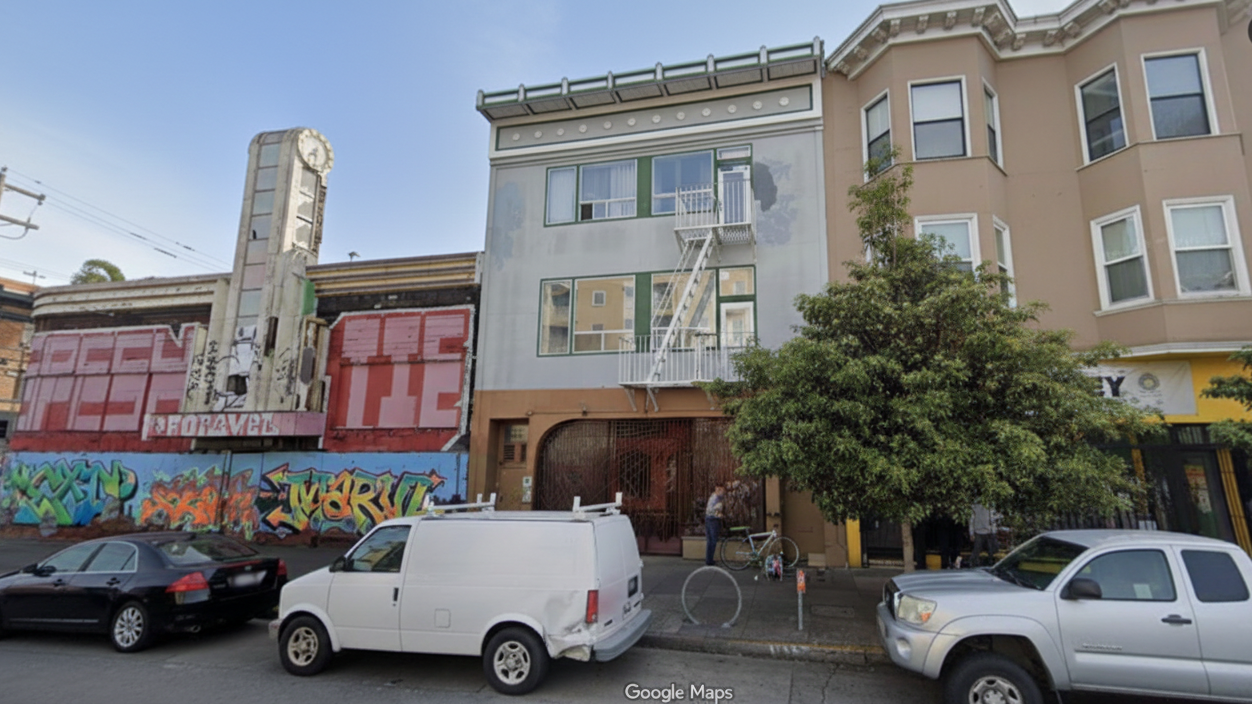
"I don't think I've seen anyone leave Mission Control less successful than when they entered.Surabhi TodiGP of Mission Street Capital
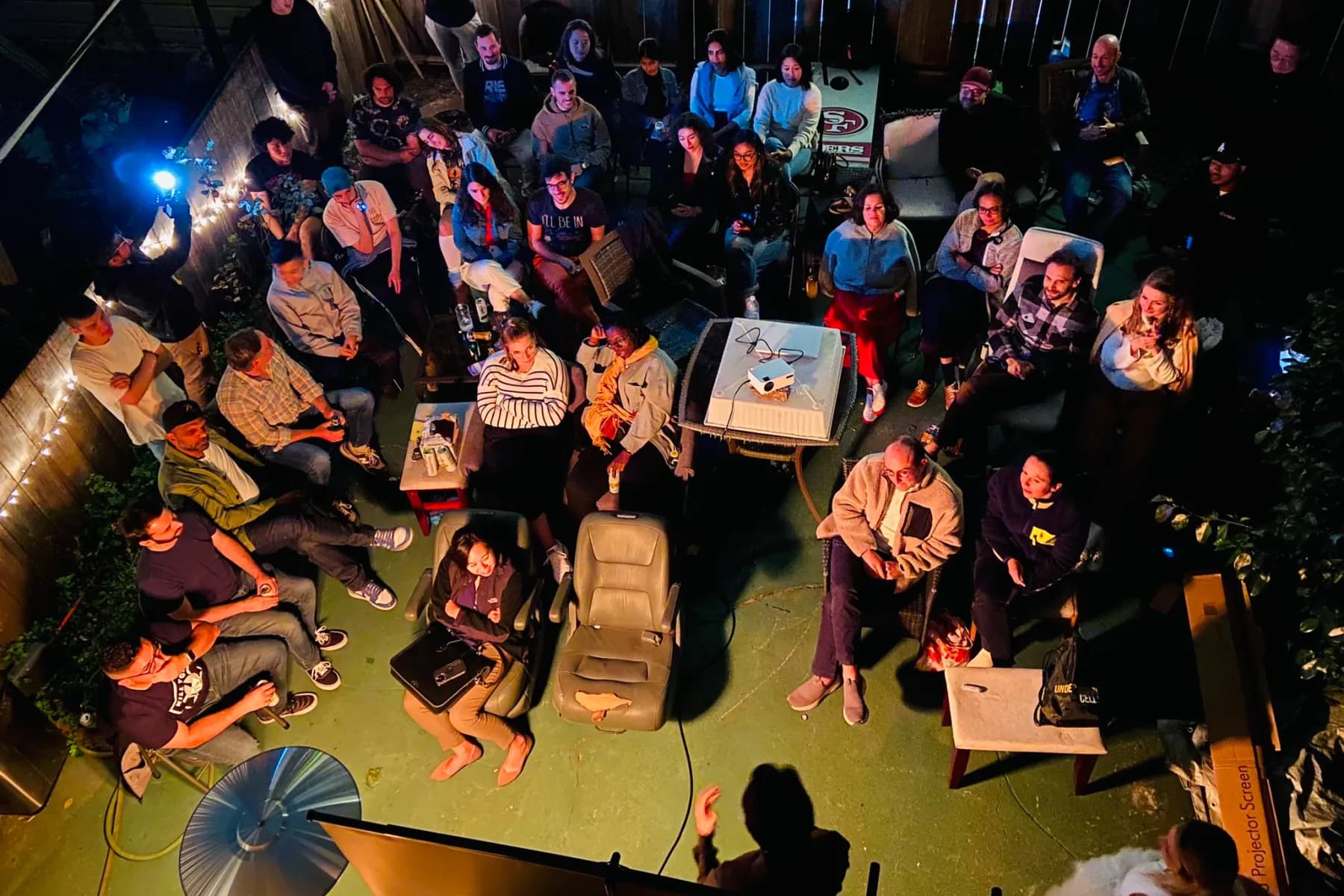
Every room at Mission Control has a 40-person waitlist. From the outside, it's just a house where ten twenty-somethings share dinner. From the inside, it's where Ethereum's Vitalik Buterin once crashed, where Pylon closed its first customer, and where a new generation of founders is still scraping by together.
Yes, it's a hacker house.
In a city obsessed with the new, this house has lasted 13 years. That alone makes it an anomaly worth examining. Thanks to this longevity, the house has become the hub of a vast, established community, with alumni that include early residents like Vitalik Buterin of Ethereum, Lucy Guo of ScaleAI and Passes, Marty Kausus of Pylon, and other prominent names from Silicon Valley.
What's most remarkable, though, is that Mission Control has operated for over a decade without any formal manager or operator. There's always something mysterious about self-sustaining communities. So what role does a place like this actually play in San Francisco? By tracing Mission Control's inner workings and its history, you begin to see its true significance.
A Day at Mission Control
"Oh, I just closed a customer!"
"Can I pitch this to you real quick?"
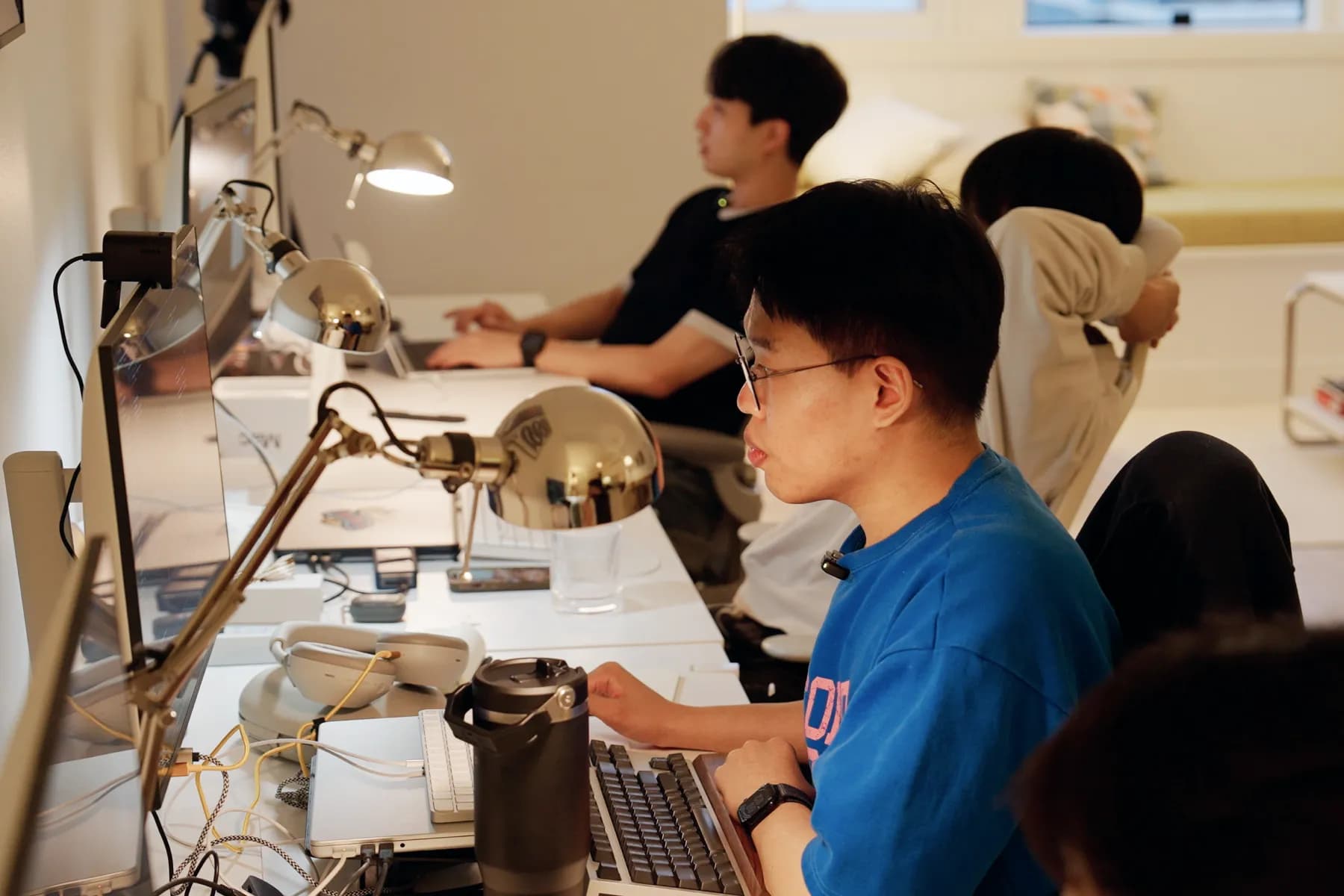
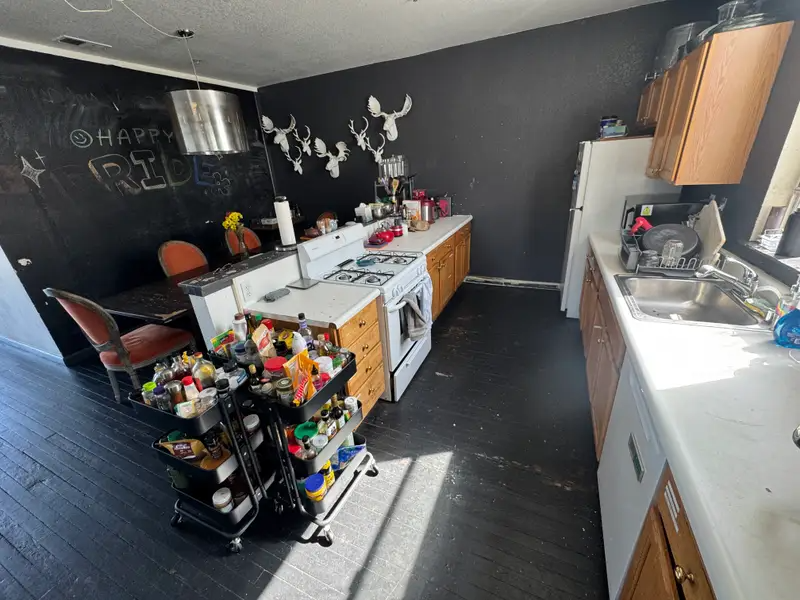
At every meal, the dinner table becomes a free-for-all debate over product, sales strategy, and funding. Residents live on completely different schedules; some are early birds, others are night owls, but mealtimes bring everyone to the kitchen. As resident Yvonne puts it, these unplanned moments are what the community treasures most.
"When I wake up in the morning, I hear conversations in our eating area. Josh's hot takes on crypto protocols. Yvonne’s read on the latest AI models’ performance."Ethan LamFounder of FiveW
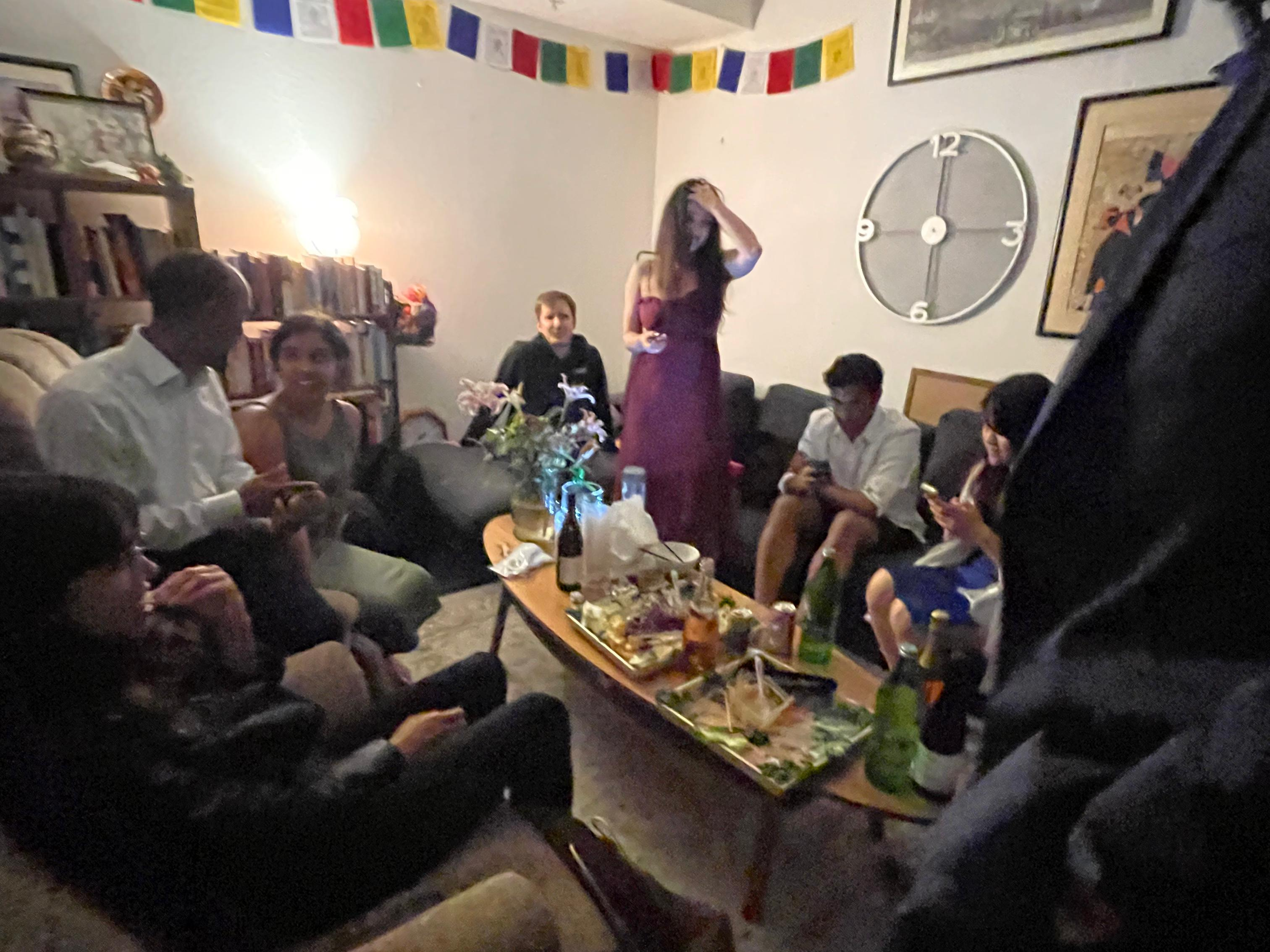
The conversations don't end at the dinner table. Residents live in a constant flow of inspiration and advice. Yvonne hadn't coded in two years when she moved in. Then she met Nain, who didn't even know what an API was when he first arrived at Mission Control. By the time they met, he had built his company's entire web app and raised funding for it as CTO.
"I saw that and thought, 'The only thing holding me back is my own mental blocks. If he could do that, I could do anything too. It’s easy to make excuses before starting anything, but who cares? You can learn anything in months."Yvonne ChenFormer PM of Pavilion
When preparing for fundraising, residents become each other's practice audience for pitches. Among them, Surabhi, who has experience as a VC, usually plays the final boss.
"It's the funniest thing. You'll see someone walk around MC, pitching to every single person. You talk to the first person: 'I didn't really get it. Let me help you with this point.' Then you talk to the second person. You literally go through all ten people in the house, and there's a final boss: Surabhi."Roop PalFounder of Bild AI
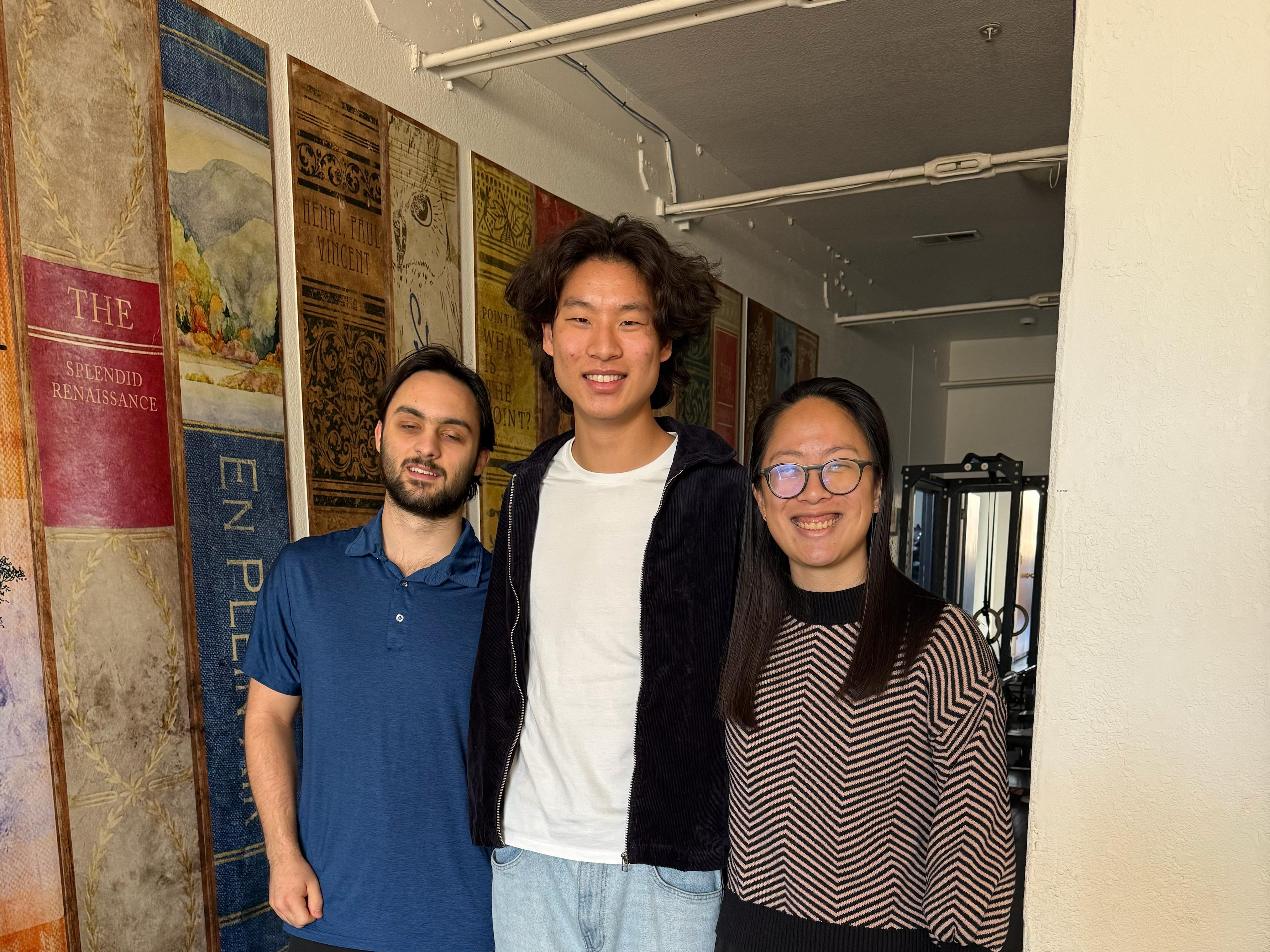
Residents even become each other's customers. Surabhi recalls witnessing Pylon's very first sale and says that as an investor, moments like these help her truly understand what founders go through.
"One of my favorite memories with Pylon is that I was there the day they closed their very first customer, which was HighTouch. He came out into the living room and started jumping, and all the roommates were there. Living at Mission Control let me see what founding really looks like behind the screen, the 1 am nights, the grind, the emotional highs of a first sale."Surabhi TodiGP of Mission Street Capital
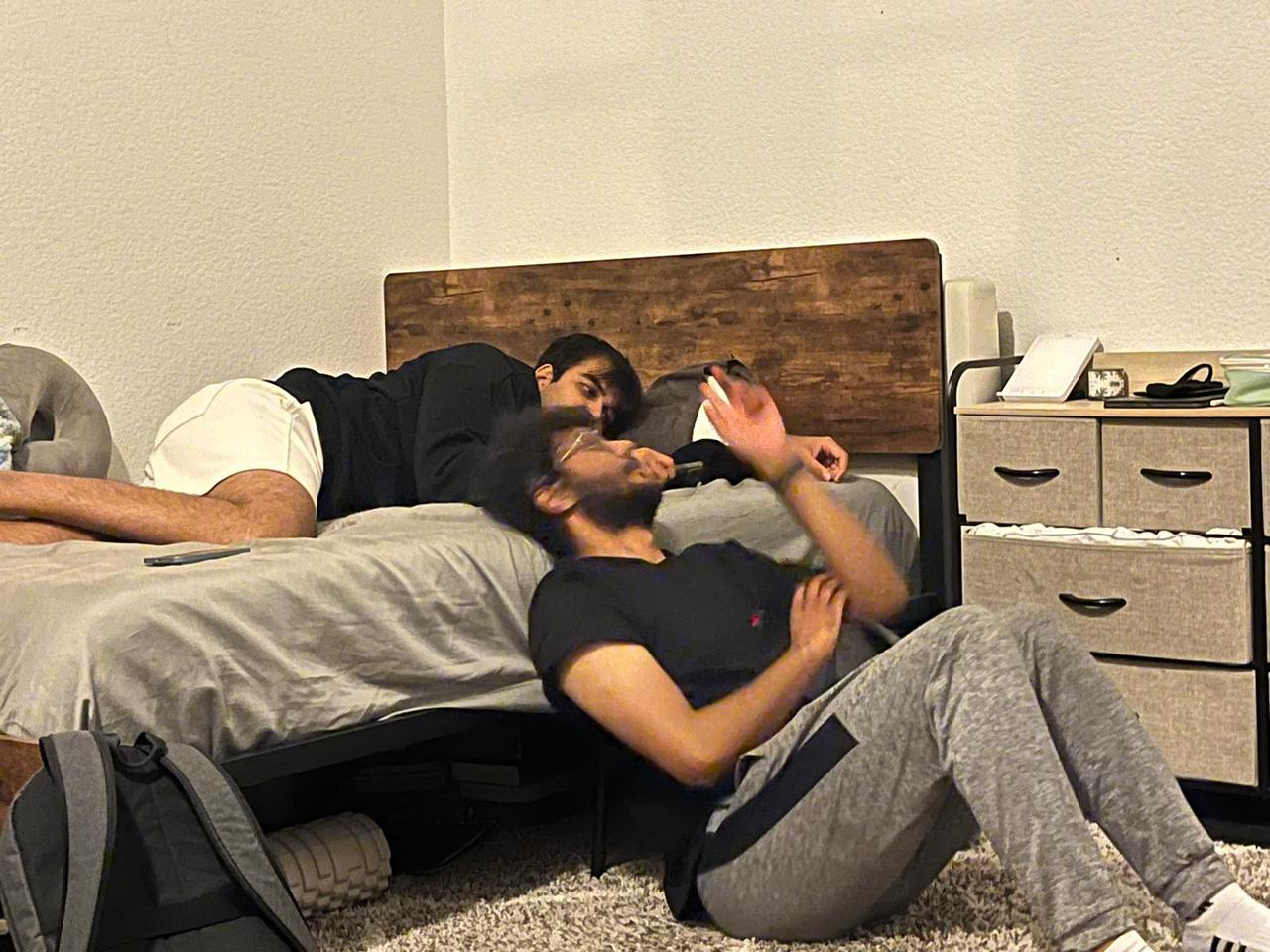
As Esther puts it, "meeting three founders and one VC before brushing your teeth" fires up every resident's ambition. They even have to designate "no motivation day" just to take a break.
Somehow, this has all worked for 13 years. No manager. No formal structure. Just founders, showing up.
The Secret to Mission Control's 13-Year Run
Owned by All, Controlled by None
How is a hacker house without an operator even possible? To understand Mission Control's unique operating system, I need to go back to my first meeting with resident Ker Lee.
When I first tried to cover Mission Control, I couldn't figure out who ran it. Fortunately, I heard from an early-stage founder I knew that Ker Lee was the "house head" of Mission Control, so I sent her a DM on X. Back then, I thought interviewing her would be enough to write the article. I was completely wrong.
"Oh, I'm just one of the residents. Mission Control is run by the entire community together."Ker Lee YapGP of Mission Street Capital
Ker Lee is more involved in house operations, but she's still just a member of the community. No one at Mission Control makes money off the house; it runs entirely on autonomy.

The cost structure tells you a lot about the community. Mission Control has ten bedrooms. According to a 2025 Business Insider article, each room costs around $1,600. Also, every resident pays $300 in house fees for shared facilities.
"It's pretty decentralized. When people move in, they just inherit how things work; rent, cleaning, all of that has been in place for years. Everyone pays house fees for cleaning, utilities, and shared expenses. We don't really need a house manager. Every week or two, we hold a house meeting where anyone can bring things up. For bigger things like our Halloween party, people naturally split it up, but it's always optional."Yvonne ChenFormer PM of Pavilion
To Find the "Right Puzzle Piece"
What's unique is that to become a new resident, you have to talk to every existing resident and get their approval. Most people interview through referrals, but there are exceptions like Nishkarsh and Ethan, who sent Ker Lee a DM on X and got an interview, or even Surabhi, who moved in without interviewing at all. Nothing is set in stone.
"Marty, the founder of Pylon, was living there at the time, and we were friends. He invited me over to check out the house. Later that night, a bunch of the housemates called me and asked, 'So, are you moving in?' By the end of that conversation, it felt inevitable."Surabhi TodiGP of Mission Street Capital
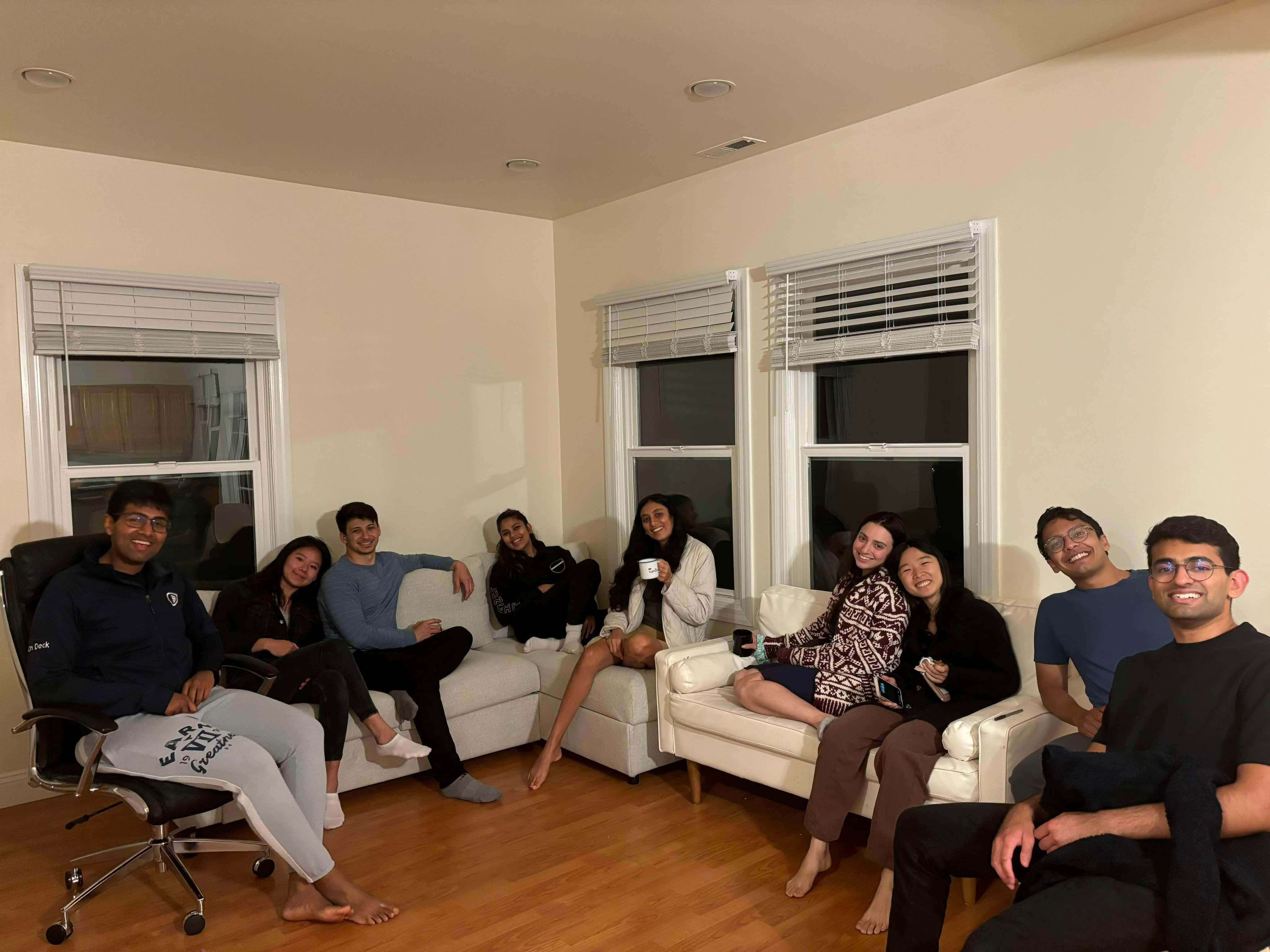
What matters most to them is what kind of person the new family member is. Residents said they got the impression during interviews that "we want to know who you are as a person." In the end, it's not about being exceptionally talented; it's about being the right puzzle piece for the Mission Control community.
"I assumed it would be a short, 10-15 minute call. Instead, I joined the call and found eight people already there, everyone who was living in the house at the time. The interview lasted about 35 to 40 minutes. They asked questions like: What are you working on? Why are you working on it? Why do you want to live at Mission Control? I actually liked that process. It sets a high bar."Nain AbdiCo-founder of Colare
Alumni returning during crises
The community with past residents is tight-knit, too. All Mission Control residents are invited to a Slack channel. This Slack channel becomes a networking space for introducing new residents or investors.
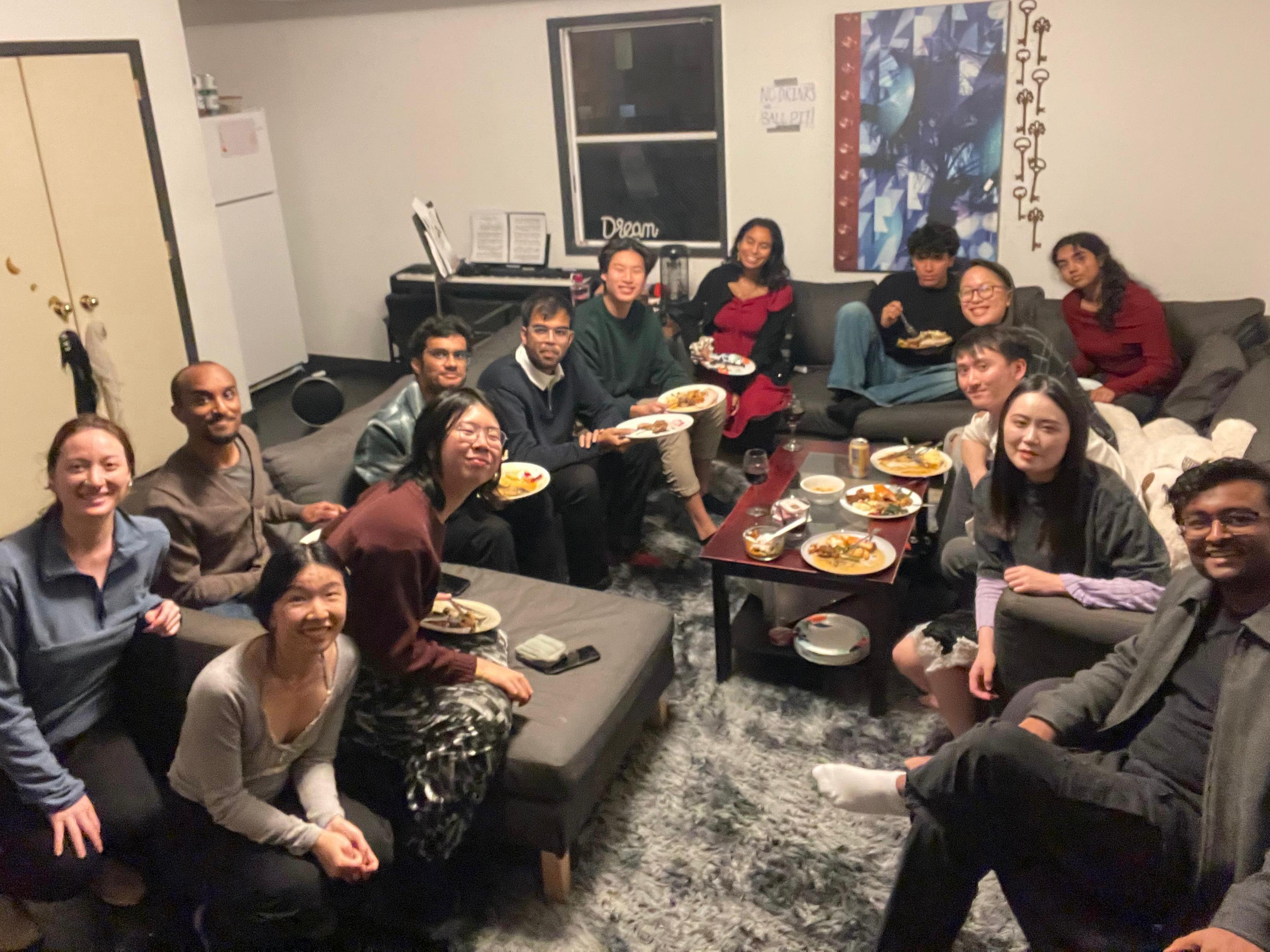
Most importantly, these successful past residents who remain connected to Mission Control come back whenever the house faces a crisis to protect their old home. Like three years ago.
"When I was moving in about three years ago, we actually went through a really difficult period. At that point, it became a real question of how we would bring in the next generation. Through that conflict, literally everyone stepped in. Alumni, current residents, even people who were in the process of leaving, all said, 'We're not going to let this house die.'"Surabhi TodiGP of Mission Street Capital
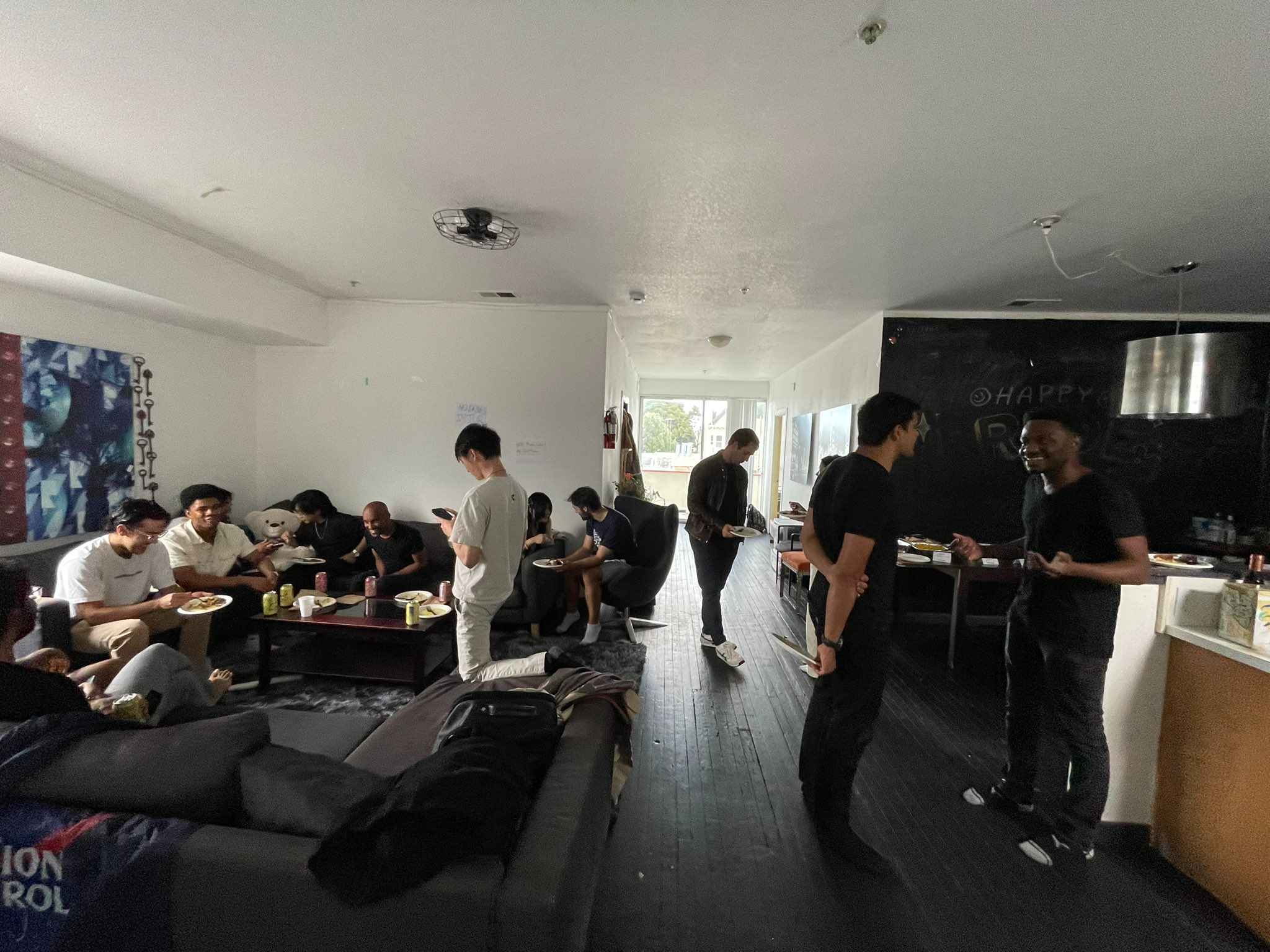
This strange community doesn't end with current residents. Residents' friends naturally start visiting Mission Control frequently and earn the title "Friends of MC." Roop didn't become a resident because he got into YC right when a spot opened up, but he's a proper Friend of MC with door code privileges.
"After the first time I came here, I was really blown away and started coming often. Eventually, they gave me the door code and officially made me a Friend of MC."Roop PalFounder of Bild AI
A network that extends solidly not just to current and former residents, but to everyone in their orbit. This has served as a safety net, rescuing the house every time Mission Control faced a crisis.
Evolution into an Investment Ecosystem
The alumni don't just save the house. They invest in it. One of Surabhi's first fund investors is from Mission Control's very first generation, over a decade before her time.
"Some of the earliest residents of Mission Control are now investing in funds started by residents ten years after them. One of the first investors in my fund is someone from the very first generation of Mission Control. He believes so deeply in the Mission Control thesis and in the community it creates that he invested in a fund started by someone who lived there more than a decade before I did."Surabhi TodiGP of Mission Street Capital
Mission Control isn't just producing founders; it's building an investment ecosystem around them. Ker Lee Yap founded Mission Street Capital with Surabhi and Lisa, an early-stage VC fund inspired by the Mission Control community, to back the next generation of founders.
The fund embodies what makes Mission Control unique: a tight-knit network where successful alumni invest in and support those still figuring things out together.
By this point, everyone has the same question: Who started this house, and why?
The fund embodies what makes Mission Control unique: a tight-knit network where successful alumni invest in and support those still figuring things out together.
By this point, everyone has the same question: Who started this house, and why?
Where it All Began
Unfortunately, none of the current residents know Mission Control's complete history from start to finish. It's a sign that no single person owns or runs the place. But past articles and testimonies paint an intriguing picture of how it all began.
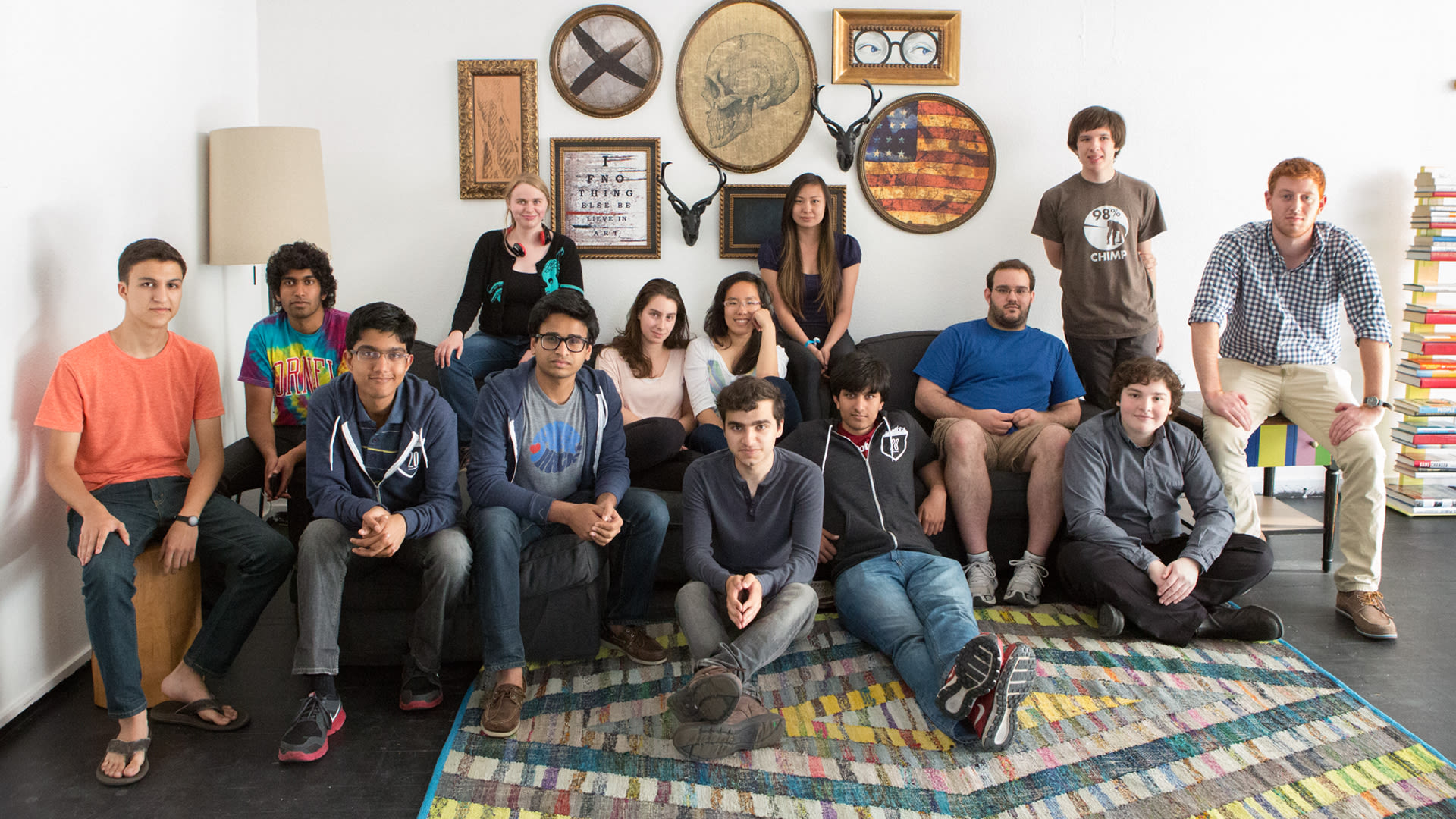
"Almost all of them moved to the Bay Area when they got the fellowship, but we didn't have a requirement about being in the Bay or doing reviews in person. Some of them were just getting an apartment wherever they could. I remember a couple of them got apartments in the Tenderloin, and I was like, oh my God, that's a bad neighborhood. We've got to get you somewhere else."Danielle StrachmanFormer founding member of Thiel Fellowship
Mission Control's story begins with the Thiel Fellowship. In 2010, Silicon Valley heavyweight Peter Thiel declared college a bubble and took aim at traditional higher education. The following year, he launched the Thiel Fellowship: $100,000 over two years (now $200,000) for people under 22 to drop out of school and work on their startups full-time. The program drew massive criticism for encouraging reckless decisions.
But some young prodigies were captivated by the fellowship's boldness. As soon as they were selected, they flew straight to the Bay Area. But there was a problem. The fellowship hadn't prepared a residency program. Still, they felt the need to find a place for the flood of incoming fellows. According to Danielle, they found "a partner running co-living houses," secured a home for the fellows, and allowed them to take over the lease. That was the beginning of Mission Control.
Wired's 2014 "Teen Technorati" video series captured early Mission Control in full detail. The footage of a fresh-faced Lucy Guo unpacking and hanging out with residents stands out. Even the Wired reporters documenting these Thiel Fellowship teenagers probably didn't imagine one of them would become the youngest self-made billionaire.
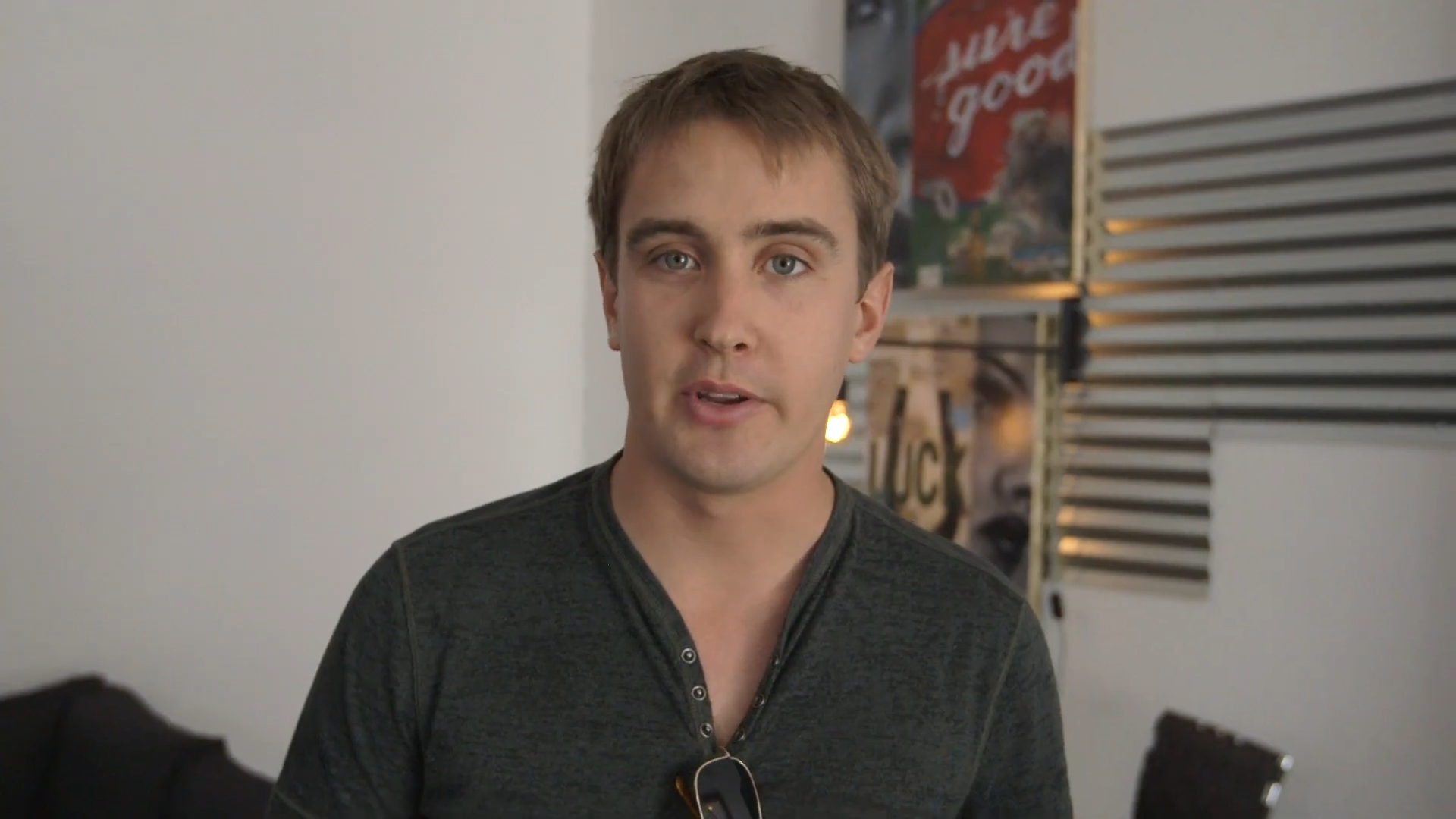
The video also features Tom Currier, a 2011 Thiel Fellow who ran a community housing business called Campus. In the video, as it turns out, he said Mission Control was one of their houses. The "partner running co-living houses" Danielle mentioned was a Thiel Fellow himself.
"I'm a 2011 Thiel Fellow and I run a company called Campus, which is a network of community houses. So this house is a little bit different than our other ones because it's just Thiel Fellows, but I think the interesting thing that we're doing in Campus is recreating that same atmosphere of like an intellectual vibe."Tom CurrierFounder of Campus
But Campus failed to become an "economically viable business" and shut down in 2015. Many hacker houses took a hit. The incident revealed a fundamental limitation of corporate-run hacker houses: it's difficult to turn a profit when your target residents lack economic resources. These houses are also vulnerable to the fortunes of their parent organizations.
Mission Control, however, survived thanks to its autonomous structure. According to a 2015 California Sunday Magazine piece, Dave Fontenot, who was leading massive hackathons at the time, helped keep the community going. He's now the founder of HF0, another legendary San Francisco hacker house.
Mission Control, however, survived thanks to its autonomous structure. According to a 2015 California Sunday Magazine piece, Dave Fontenot, who was leading massive hackathons at the time, helped keep the community going. He's now the founder of HF0, another legendary San Francisco hacker house.
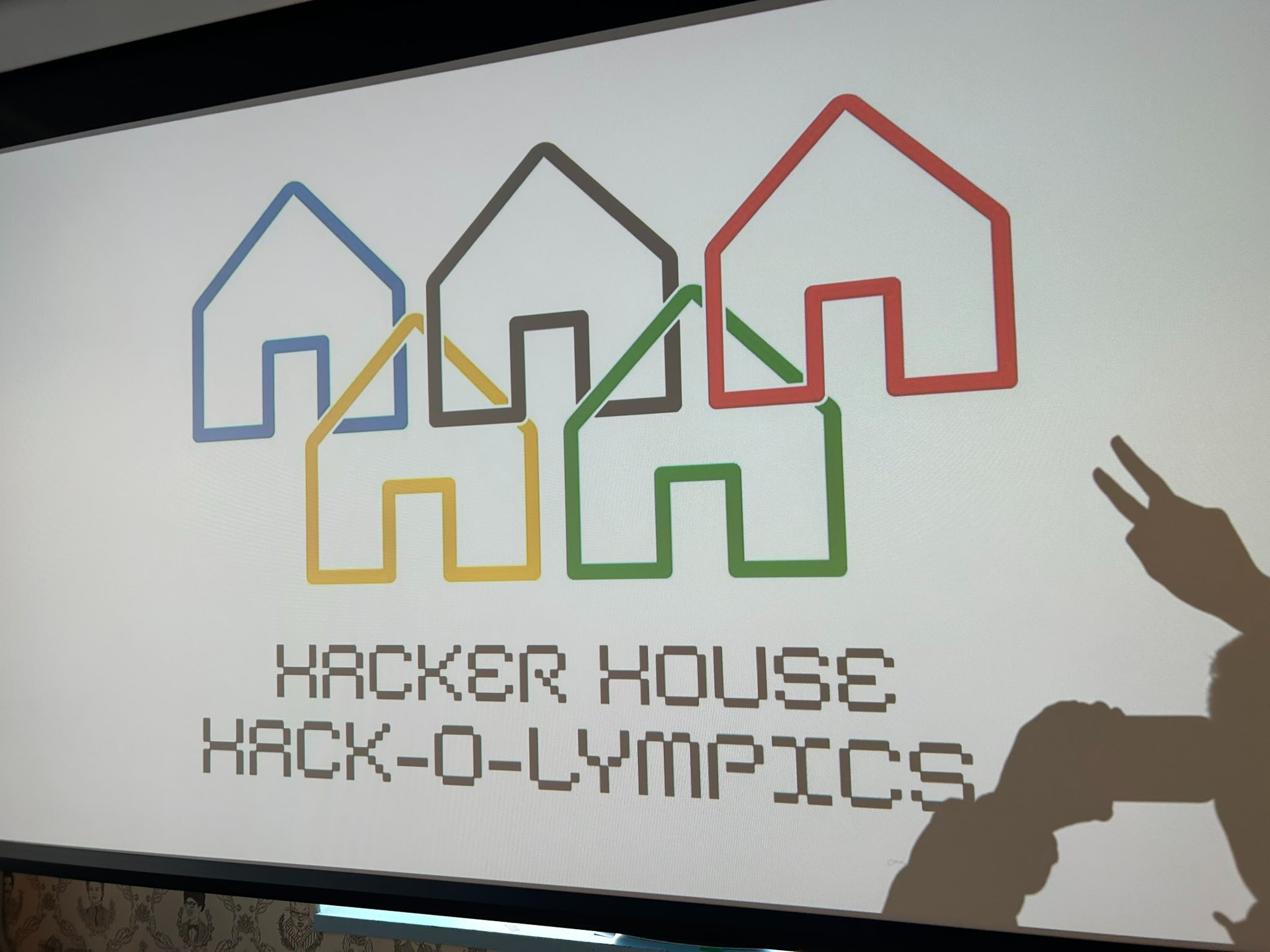
There were undoubtedly more struggles along the way, but today, Mission Control still stands as San Francisco's oldest hacker house. That's not all. As applications to Mission Control surged, Ker Lee opened a sister house called Satellite. Mission Control alumna Surabhi, along with Roop, plans to open another hacker house called Constellation. Mission Control hasn't just survived; it's expanding.
It's no longer just "the Thiel Fellowship house," though the connection remains strong. Instead, it's become a physical hub for a founder community that extends far beyond the fellowship's reach.
"There's a house called Mission Control that has gone in and out and through the Thiel Fellowship and Thiel Fellowship friend-adjacent communities. Right now, it's kind of back to being like a maker sort of startup house, which is really cool. I'm in touch with the person who's leading it now."Danielle StrachmanFormer founding member of Thiel Fellowship
The Secret Infrastructure
The fact that Mission Control began with the Thiel Fellowship, yet remained an autonomous community rather than staying tied to it, reveals something significant.
After its controversial start, the Thiel Fellowship succeeded in carving a narrative into everyone's minds: skip college, start young, succeed. Mission Control was the physical base for that story. Young founders who flew to San Francisco from their home countries needed an affordable place to live and a new family. Mission Control provided both. But the connection between the two was always loose.
Thanks to the Thiel Fellowship, Mission Control set the bar with exceptionally talented early members. At the same time, as an ownerless community, those talented members were free to voluntarily build their own utopia. Remarkably, the community grew in a positive direction, and over time, Mission Control accumulated a network built purely on talent, becoming something like hidden infrastructure in San Francisco.
After its controversial start, the Thiel Fellowship succeeded in carving a narrative into everyone's minds: skip college, start young, succeed. Mission Control was the physical base for that story. Young founders who flew to San Francisco from their home countries needed an affordable place to live and a new family. Mission Control provided both. But the connection between the two was always loose.
Thanks to the Thiel Fellowship, Mission Control set the bar with exceptionally talented early members. At the same time, as an ownerless community, those talented members were free to voluntarily build their own utopia. Remarkably, the community grew in a positive direction, and over time, Mission Control accumulated a network built purely on talent, becoming something like hidden infrastructure in San Francisco.

At the end of our interviews, I asked residents what would be lost if Mission Control disappeared tomorrow. They looked as if they didn't even want to think about it.
"A pillar of the San Francisco community."Nain AbdiCo-founder of Colare
"We go to any event, and everyone in the city knows Mission Control. That widespread connection would be lost."Esther ThomasCo-founder of Colare
"This city would lose a very important core piece. I don't think of Mission Control as just one house."Nishkarsh SrivastavaFounder of Cortex
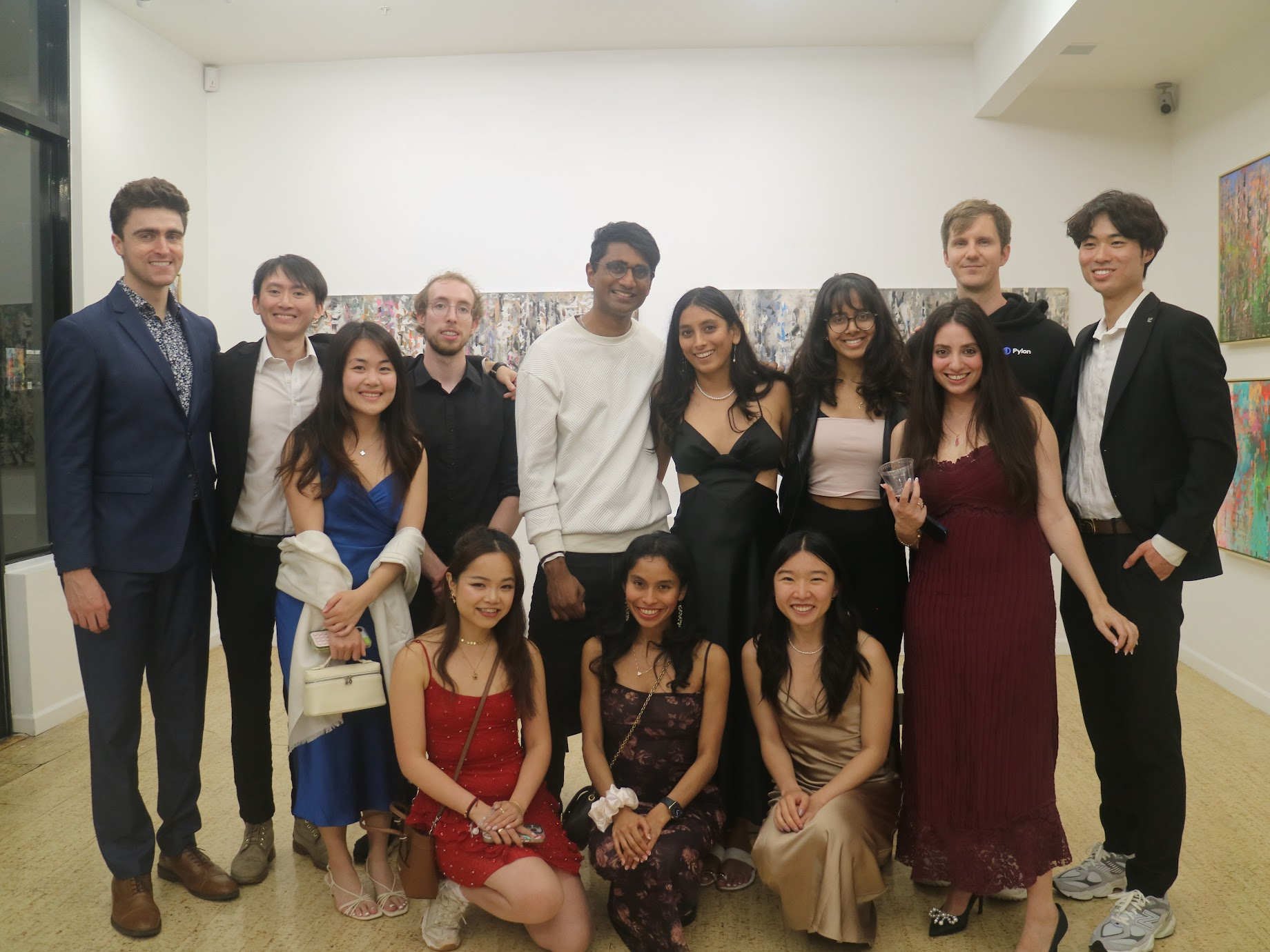
Mission Control has evolved far beyond its Thiel Fellowship origins. It has literally become a home for lonely, misfit founders who had nowhere else to go.
"Mission Control is a landing pad for people new to the city. It helps you find your people. People who want to be founders often look 'weird' everywhere else."
"This is a place where they can just be themselves, a home where they help each other grow."Ker Lee YapGP of Mission Street Capital
From the Thiel Fellowship to a pillar of SF. Quite the reputation. But the daily reality is remarkably ordinary. Residents wake at different times, discuss tech news over meals, open "BingBong Cafe" when someone's struggling, go for runs together, and brew tea after dinner.
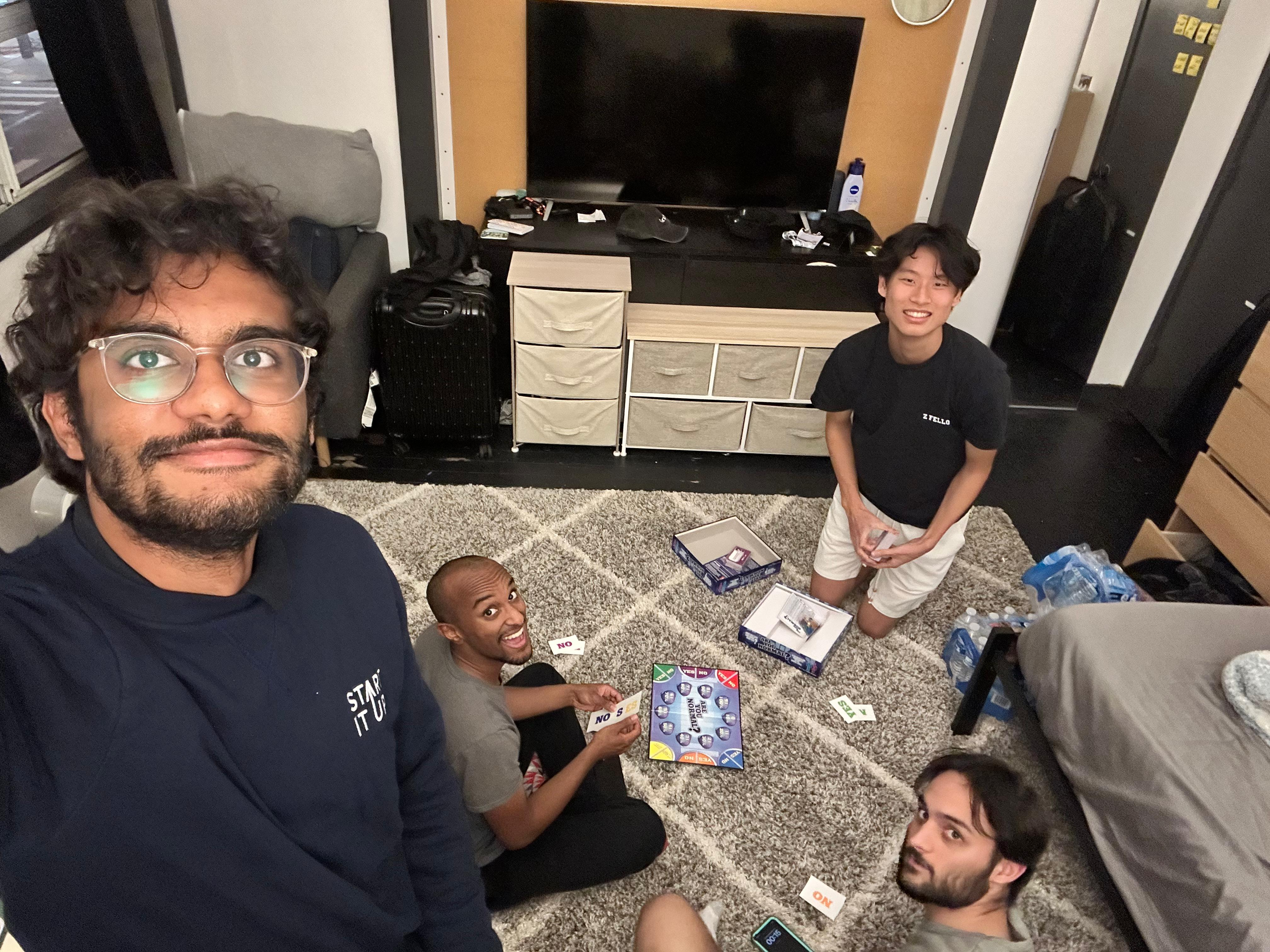
Yet in a few years, today's ordinary moments in this house will likely become legend again. Mission Control's environment accelerates the growth of twenty-something founders fresh off the plane to San Francisco.
With access to high-quality networks and an immersive setting, they'll soon emerge as rising stars in the SF tech scene. And in another decade, those residents will have become successful founders themselves, ready to support the next generation at their own starting point.
What makes Mission Control truly formidable is this: it's already running a virtuous cycle. The house has already established itself as a successful prototype of the hacker house model, inspiring others across the city. And Mission Control will continue to function as a vital node in San Francisco's tech ecosystem for years to come.
That's what this old hacker house in the heart of San Francisco's Mission District is really about.
That's what this old hacker house in the heart of San Francisco's Mission District is really about.
Interviewees:
This article was written based on interviews with Mission Control residents conducted in December 2025. I extend my deepest gratitude to all interviewees.
- Ker Lee Yap, GP of Mission Street Capital
- Yvonne Chen, Former PM of Pavilion
- Nishkarsh Srivastava, Founder of Cortex
- Nain Abdi, Co-founder of Colare
- Surabhi Todi, GP of Mission Street Capital
- Roop Pal, Founder of Bild AI
- Ker Lee Yap, GP of Mission Street Capital
- Yvonne Chen, Former PM of Pavilion
- Nishkarsh Srivastava, Founder of Cortex
- Nain Abdi, Co-founder of Colare
- Surabhi Todi, GP of Mission Street Capital
- Roop Pal, Founder of Bild AI